Semla (Swedish Cardamom Bun with Almond Cream)
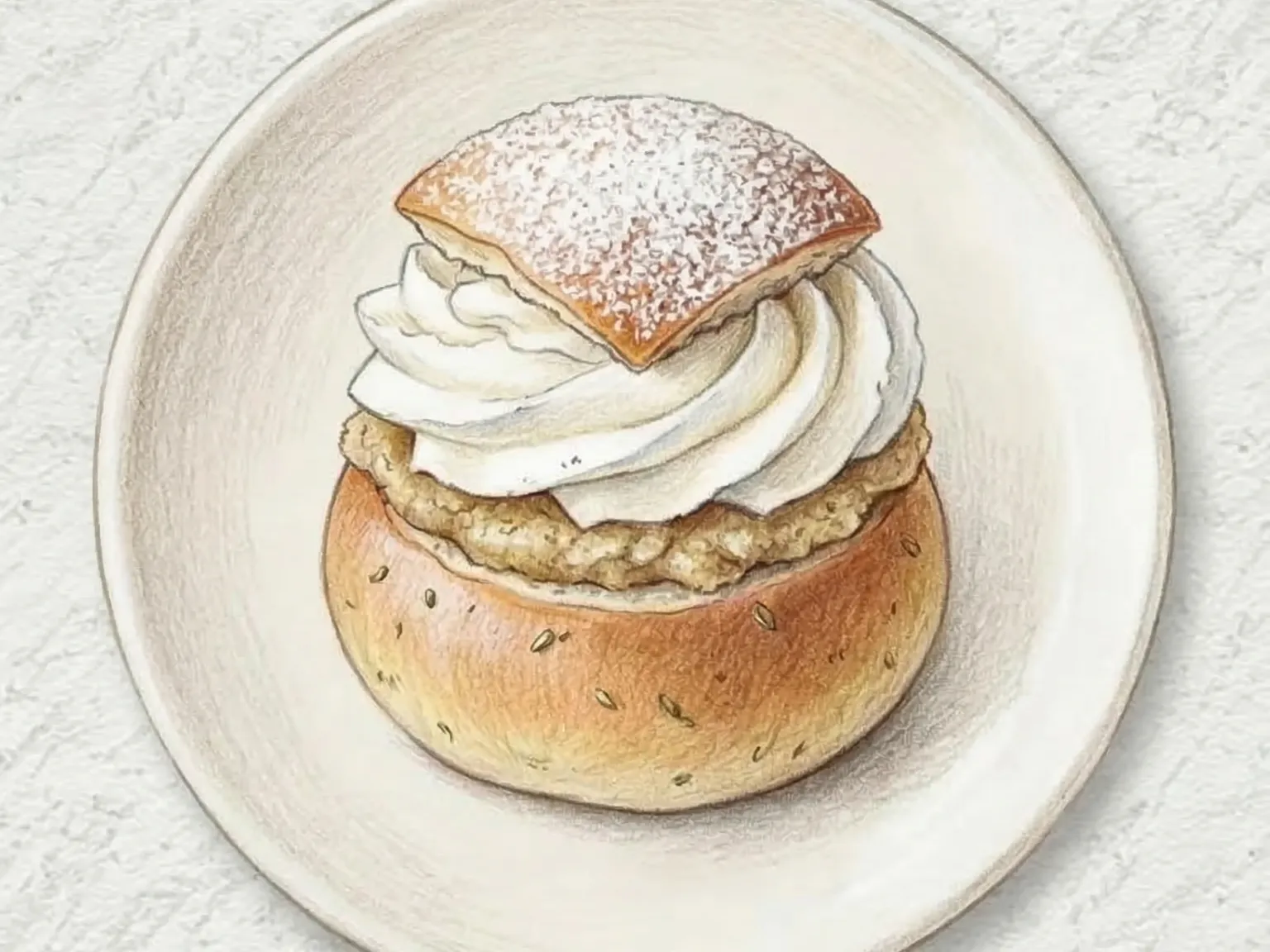
Semla is a Swedish cardamom-scented bun that is baked, cooled, and then hollowed out to make room for a filling of almond paste mixed with the scooped crumb, topped with a generous mound of whipped cream. The bun itself is soft and fragrant, with cardamom lending an exotic warmth that distinguishes it from ordinary sweet rolls. The almond filling is dense and intensely nutty, providing a rich base layer that the light, billowy cream offsets with its cool freshness. The removed cap of the bun is placed back on top like a lid, and a final dusting of powdered sugar completes the presentation. Timing is important: the bun must cool completely before any cream goes in, or the heat will melt it into a flat puddle. If the cardamom flavor feels too subtle after baking, increasing the spice by half a teaspoon in the dough brings it to the forefront. In Sweden, semla appears in bakeries from January through Easter, and the best versions balance the three components - bread, nut paste, and cream - so that no single element dominates.
Mugwort Tiramisu (Korean Herbal Twist on Italian Classic)
This dessert is a Korean interpretation of the classic Italian tiramisu, featuring aromatic mugwort powder folded into mascarpone cream. Instead of a traditional matcha flavor, mugwort introduces a deep, earthy, and slightly medicinal herbal fragrance. The process involves whipping heavy cream and folding it into a sweetened mascarpone base with sifted mugwort powder. Ladyfingers are briefly dipped in espresso for just one second to prevent them from becoming soggy, then layered alternately with the green-hued cream. A rest of at least four hours in the refrigerator, or ideally overnight, allows the biscuits to absorb moisture from the cream, softening the layers into a unified, mousse-like texture. Before serving, a final dusting of mugwort powder is sifted over the top, balancing the bittersweet espresso and rich cream with fresh herbal notes.
Sticky Toffee Pudding
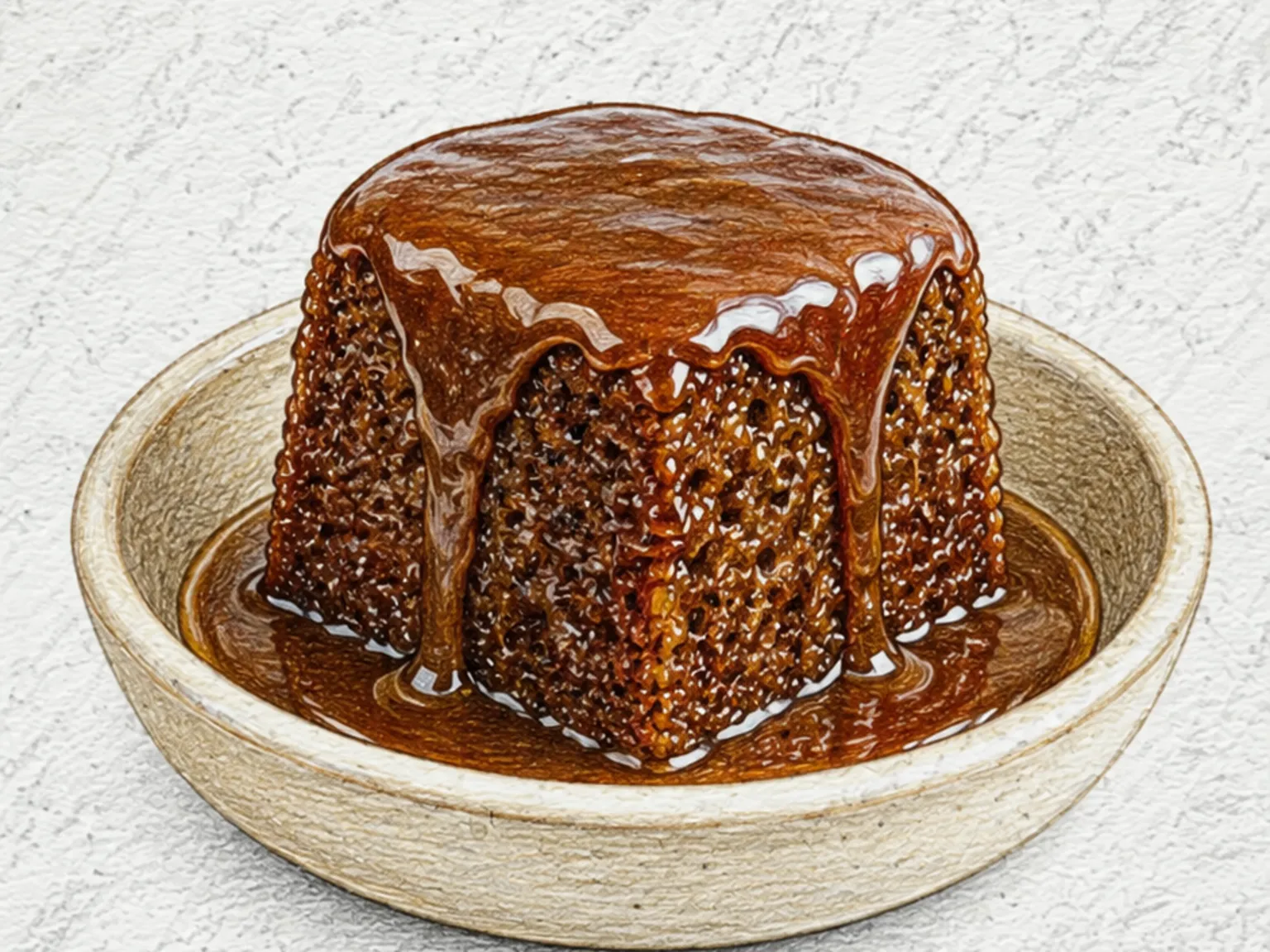
Sticky toffee pudding is a British dessert consisting of a moist date sponge cake drenched in a warm, buttery toffee sauce. Chopped dates are soaked in hot water with baking soda, which softens the fruit into a near-puree that distributes through the batter, providing natural sweetness and exceptional moisture. Brown sugar in the batter deepens the caramel character, and eggs give the sponge just enough structure to hold together under the weight of the sauce. The toffee sauce is made by simmering heavy cream with additional brown sugar and butter until it thickens to a pourable consistency that coats a spoon. Poured over the warm cake, the sauce seeps into the crumb and pools around the edges, creating a sticky, glossy finish. Reheating the sauce just before serving ensures it flows freely and releases its full butterscotch aroma. A scoop of vanilla ice cream on the side provides a cold, clean contrast that prevents the richness from becoming overwhelming. The dates must be thoroughly soaked - under-softened pieces leave gritty pockets in an otherwise uniformly tender cake.
Strawberry Shortcake
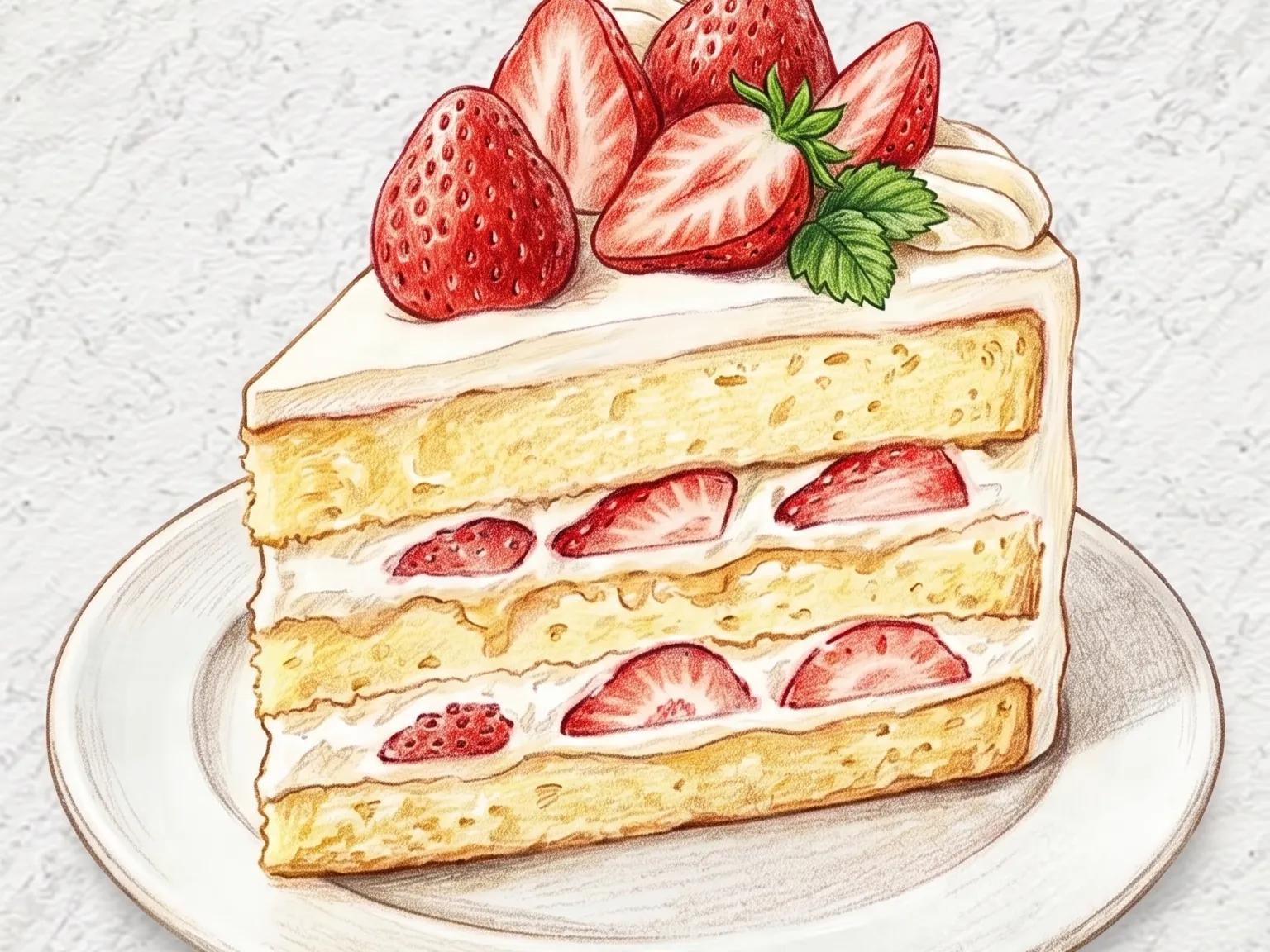
Three layers of airy chiffon sponge are stacked with generous swirls of whipped cream and halved fresh strawberries in the style of Japanese patisseries. The sponge is made by warming eggs and sugar over a water bath before whipping to ribbon stage, which traps enough air to give each slice a pillowy, cloud-like texture. Cream is whipped to roughly eighty percent - firm enough to hold its shape between layers yet soft enough to feel silky on the tongue. Strawberry acidity cuts through the fat in the cream, keeping every bite bright rather than cloying. A light brush of simple syrup on each sponge layer before assembly adds moisture that sustains the cake through refrigeration overnight. The whole cake is then coated in cream and decorated with berries on top. This is the default birthday cake in many Japanese and Korean households, and its clean, fruit-forward flavor makes it adaptable to any seasonal fruit.
Tres Leches Cake (Latin Three-Milk Soaked Sponge Cake)
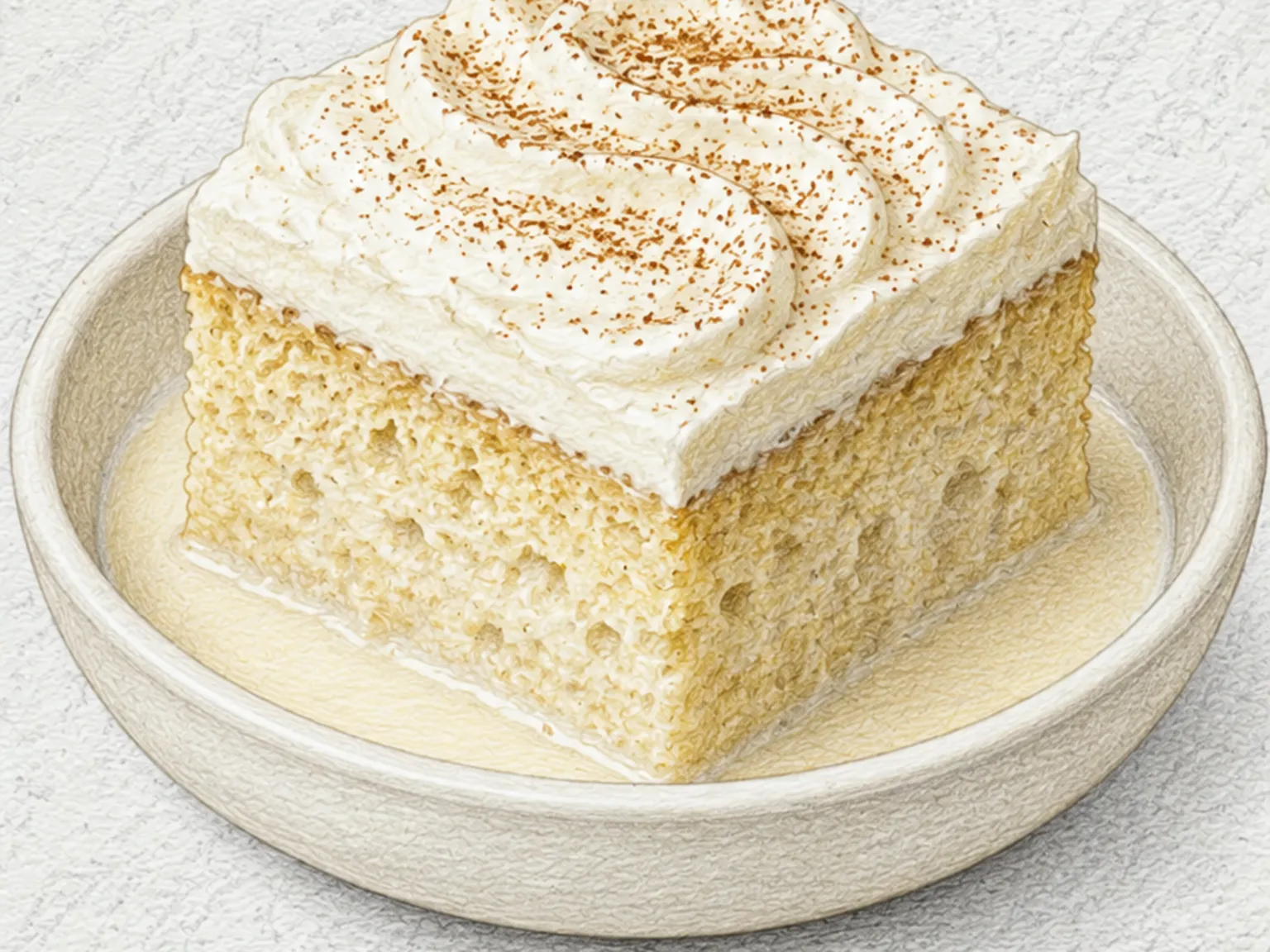
A light sponge cake is baked, perforated with a fork, and then drenched in a mixture of three milks - whole milk, sweetened condensed milk, and evaporated milk - until the crumb absorbs the liquid and transforms into something closer to custard than cake. Each milk contributes a distinct quality: whole milk provides clean dairy flavor, condensed milk adds concentrated sweetness and body, and evaporated milk brings a faintly caramelized undertone. The soaking liquid must be poured in stages so the sponge absorbs evenly rather than pooling at the bottom. After at least two hours of refrigeration - overnight is better - the cake reaches its signature ultra-moist state, wet enough to spoon yet firm enough to slice. Whipped cream spread over the top provides a cool, airy contrast to the dense, sweet base, and the combination of the cold cream with the soaked cake is what gives tres leches its distinctive character across Latin American celebrations.
Victoria Sponge Cake (British Jam and Cream Layered Cake)
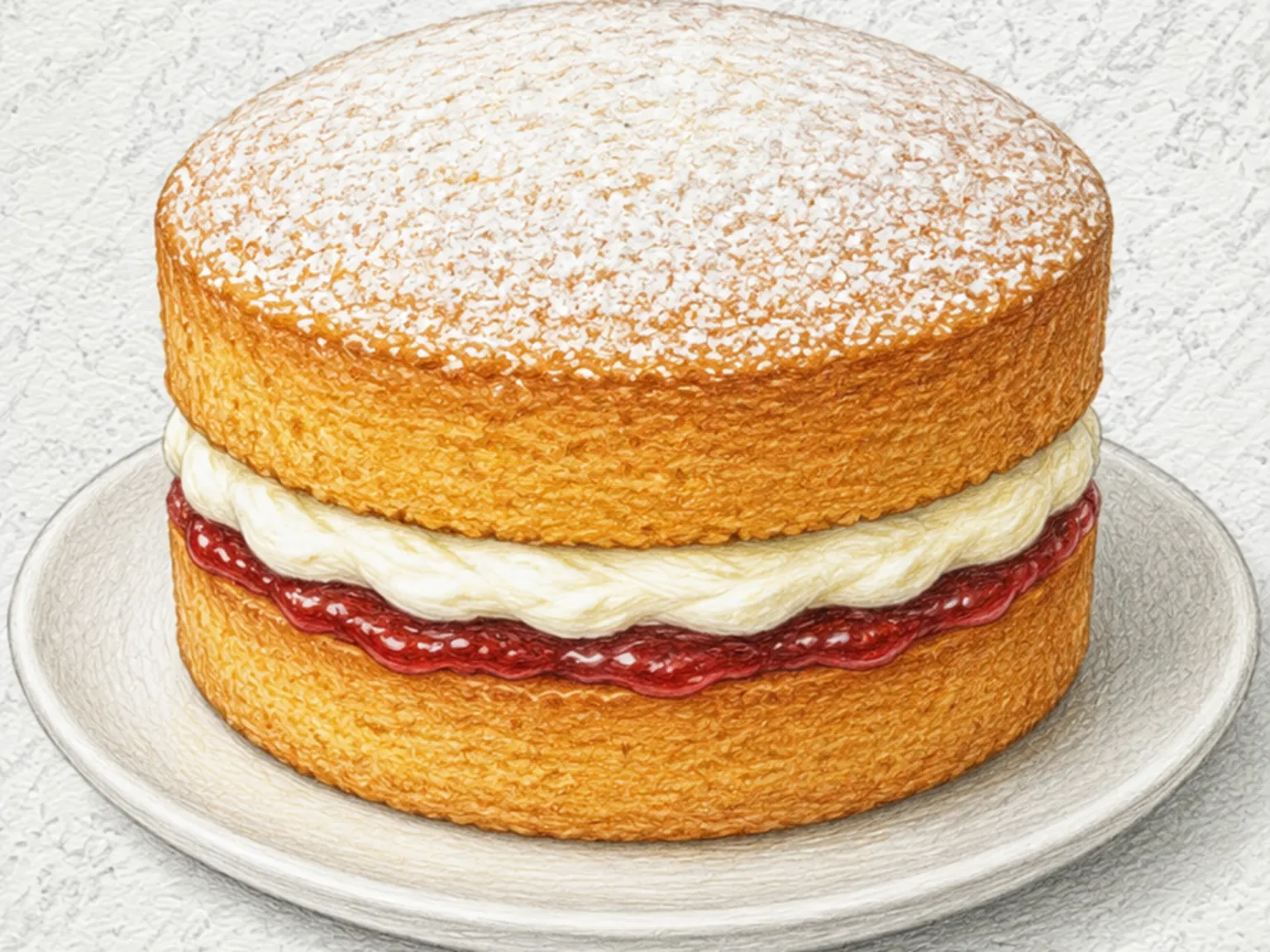
Equal weights of butter and sugar are creamed together, then eggs and cake flour are added to produce two round sponge layers that are sandwiched with strawberry jam and whipped cream - the defining structure of this classic British cake. Named after Queen Victoria, the cake is deliberately simple in presentation: no elaborate frosting or tiered decoration, just a dusting of powdered sugar on top. Thorough creaming is essential to a light rise, and room-temperature eggs integrate into the batter without curdling. The jam provides a bright, tart contrast to the buttery sponge, while the whipped cream softens each bite with cool richness. Both layers must cool completely before assembly, as warm sponge melts the cream and causes the filling to slide. Refrigerated, the cake stays moist through the next day, and the jam and cream flavors deepen as they settle into the sponge overnight. It is the standard cake served at British afternoon teas and garden parties.
Yuja Basque Cheesecake (Korean Citrus Burnt Cheesecake)
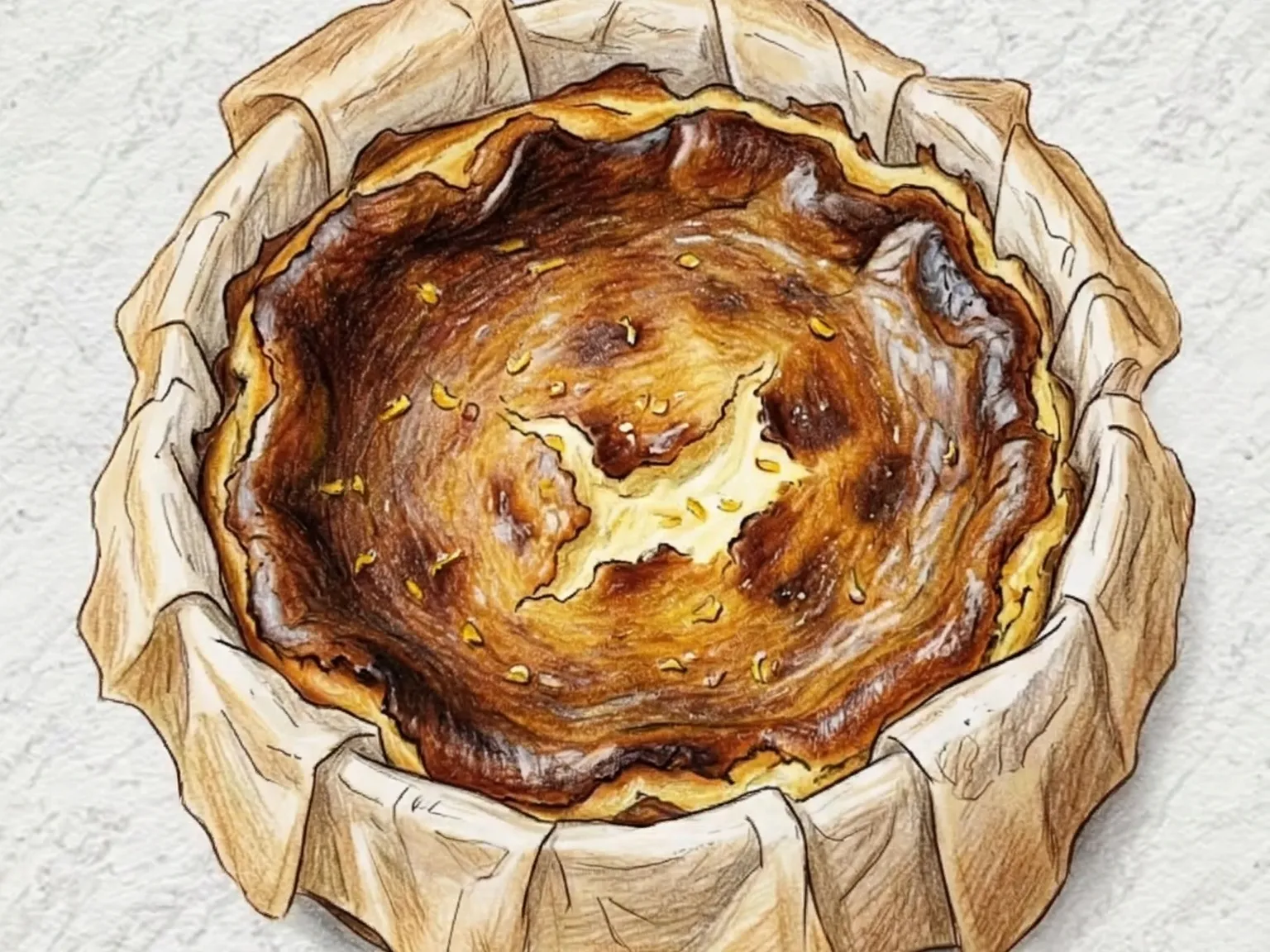
Cream cheese batter is infused with yuja marmalade and zest, then baked at very high heat until the surface blisters into a dark, almost burnt crust while the interior remains a barely set, spoonable cream. The yuja - a Korean citrus prized for its intense fragrance - lifts the dense richness of the cream cheese with a bright, floral acidity that lingers on the palate. This citrus note distinguishes the cake from standard Basque cheesecake, which relies solely on dairy richness. Oven temperature must reach at least 230 degrees Celsius to achieve the rapid caramelization on the outside before the center has time to firm. Crumpled parchment lining the pan creates the characteristic wrinkled edges. After baking, the cake is cooled and then refrigerated, which gradually thickens the center from a flowing custard to a dense, mousse-like consistency. Served cold, each slice holds its shape on the plate while still feeling creamy and yielding on the fork.
Yuja Cream Cheese Tart (Korean Citron Cream Cheese No-Bake Tart)
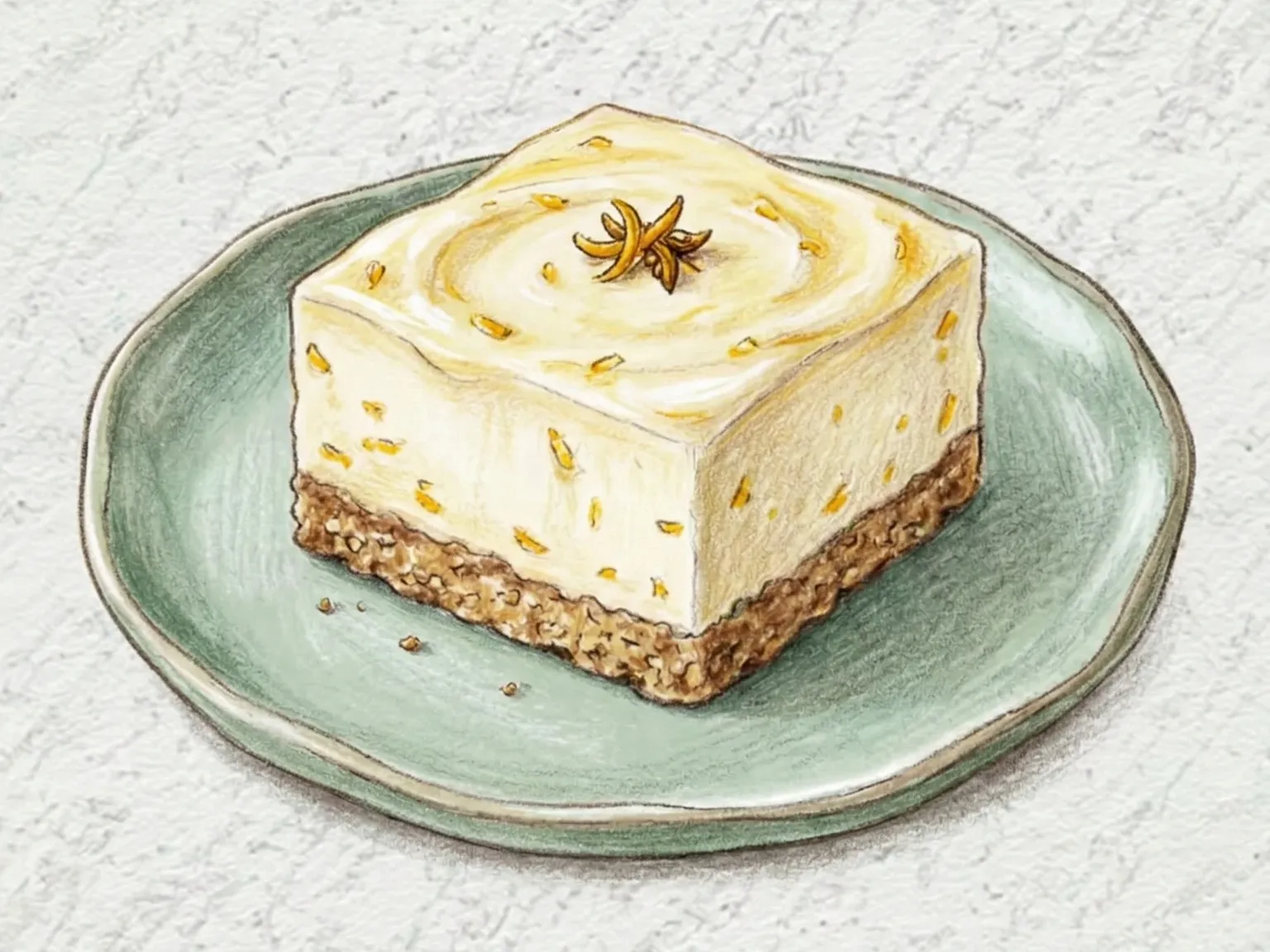
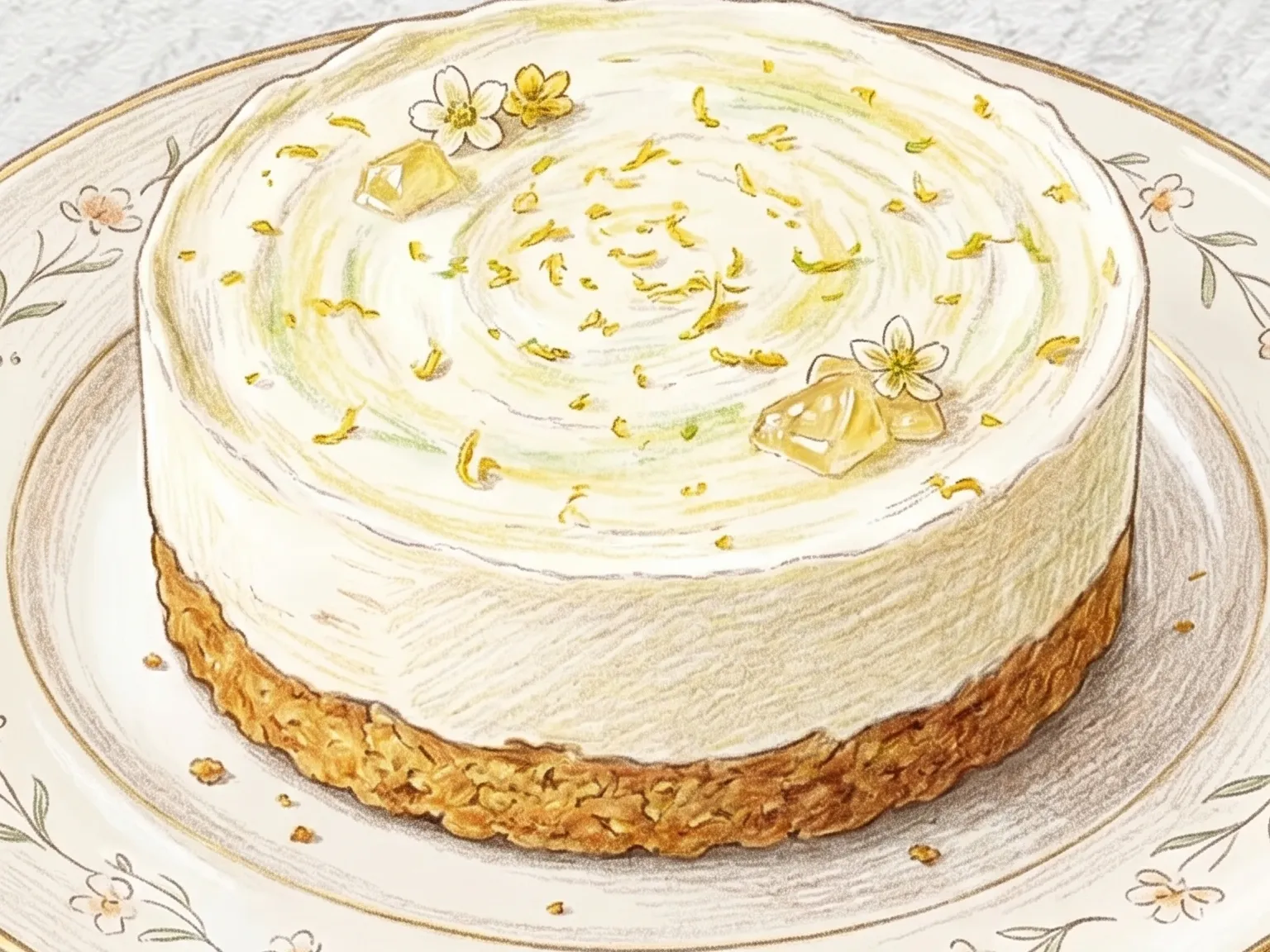
Yuja Cream Cheese Tart features a crunchy biscuit crust filled with a smooth, oven-baked cream cheese filling sweetened with yuja marmalade. The crust is made from crushed digestive biscuits and melted butter, pressed into a pan and baked until fragrant. For the filling, softened cream cheese is whipped with sugar, eggs, heavy cream, and Korean citron marmalade. A splash of lemon juice is added to elevate the acidity and brighten the citrus notes. This filling is poured over the pre-baked base and baked until the edges set while the center remains slightly soft. After cooling, the tart is chilled in the refrigerator for at least two hours to achieve a dense, mousse-like consistency. Resting the tart overnight allows the citrus peel to infuse the creamy filling, creating a balance of sweet and tangy flavors.