Doenjang Caramel Apple Galette
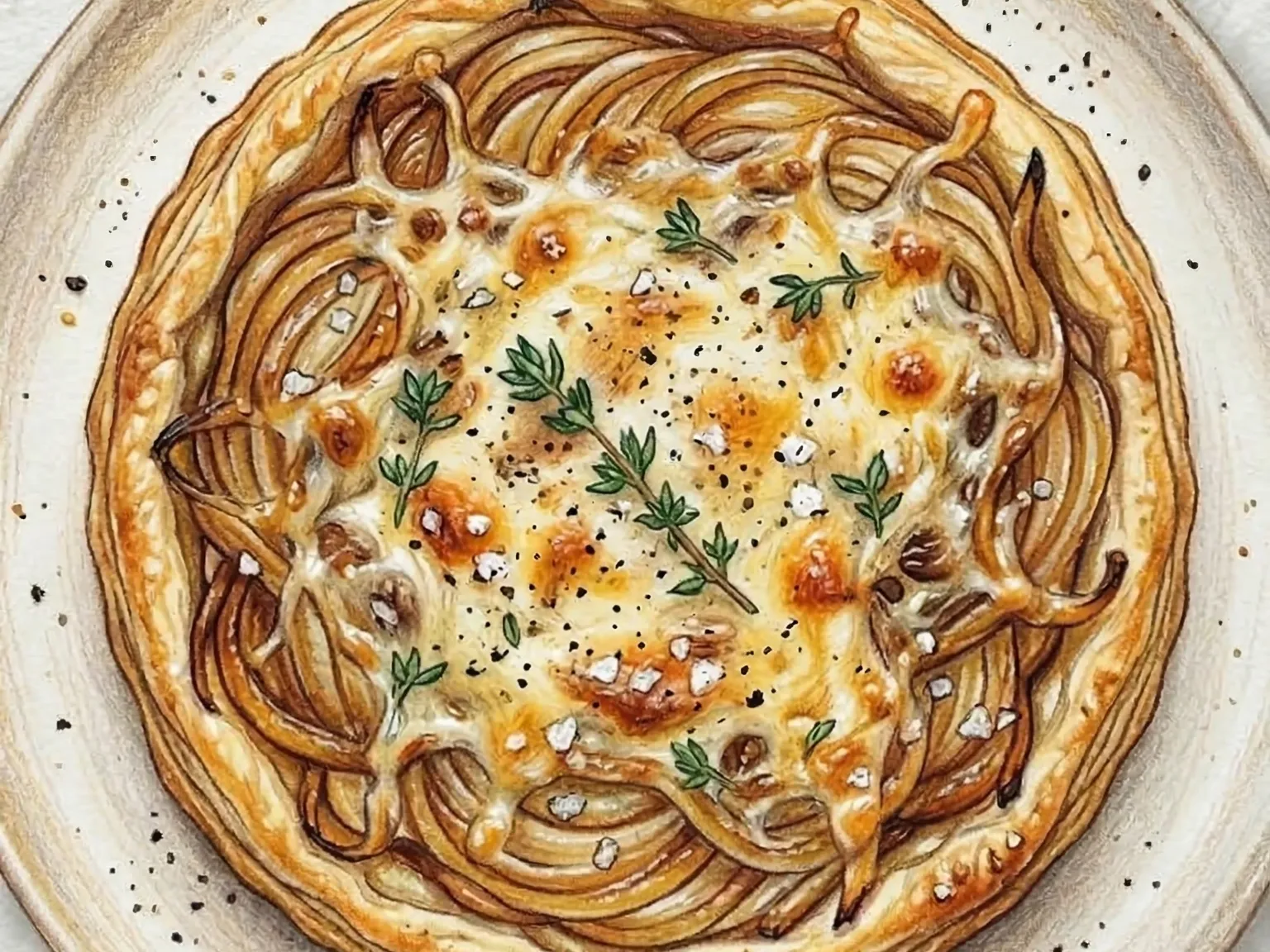
This galette layers a rustic free-form French pastry with a Korean-inflected twist: a doenjang-laced caramel draped over cinnamon apples filling the center. The crust is made by working cold butter into flour and shaping the dough by hand, folding the rough edges over the fruit in an imperfect, irregular way. Apples tossed with brown sugar and cinnamon fill the center, softening in the oven until tender and yielding. The doenjang caramel is made by whisking a small amount of fermented soybean paste into a brown sugar and cream sauce. Keeping the amount deliberately minimal is the whole point: enough to create an ambiguous saltiness and fermented depth, but not enough to register clearly as soybean paste. It is the murkiness of the flavor that lifts the familiar apple-and-cinnamon combination out of predictability. Served warm with a scoop of ice cream, the contrast between the hot pastry and cold cream adds one more layer to an already textured dessert.

Roasted Pumpkin Alfredo Fettuccine
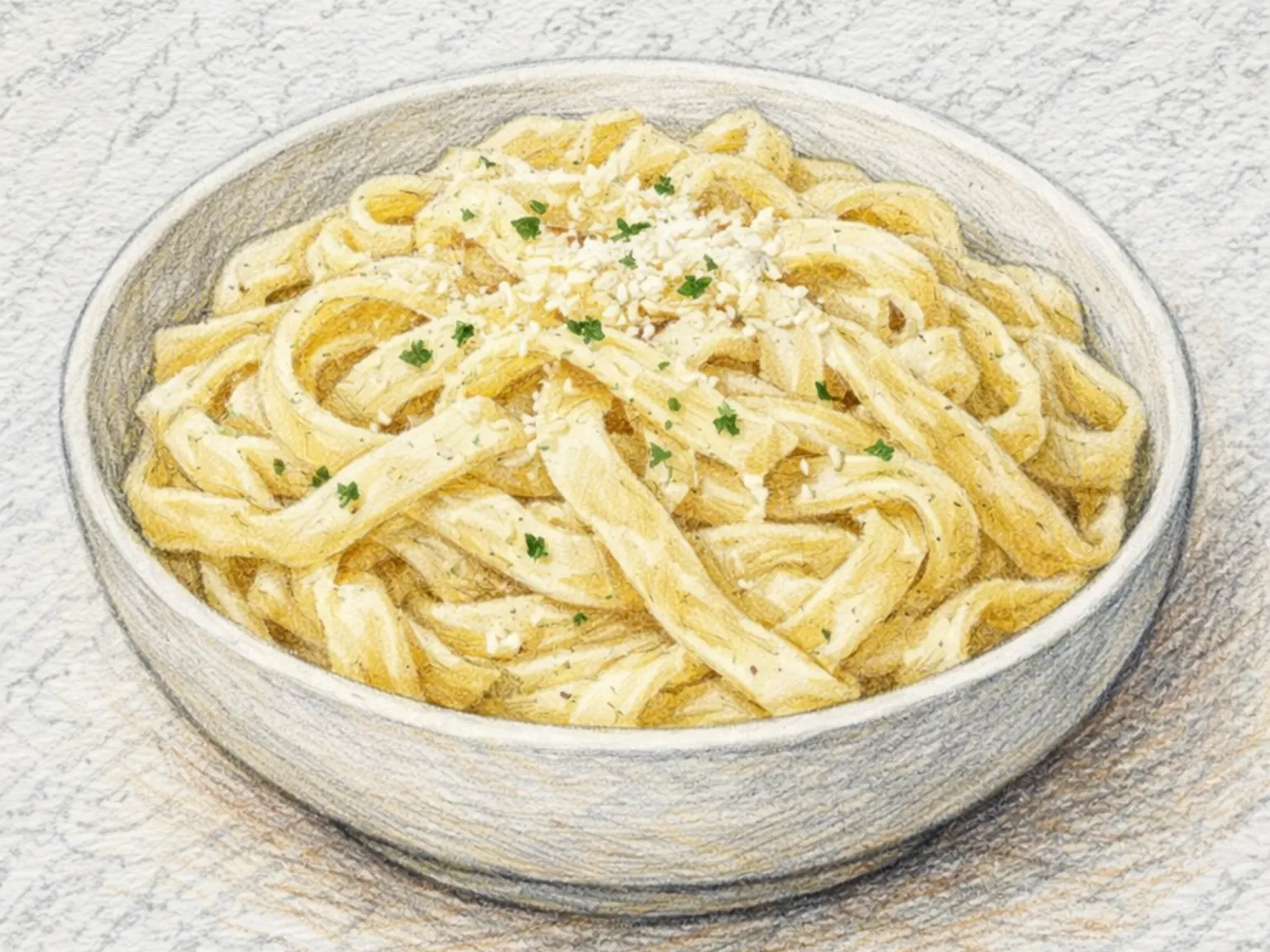
This pasta dish incorporates a smooth purée of kabocha squash roasted until the edges reach a caramelized state at 200 degrees Celsius. The roasting process concentrates the natural starches, providing a thick body to the sauce without additional thickening agents. Onions and garlic sautéed in butter form the aromatic base, which is then blended with the squash and heavy cream for a uniform texture. Grated Parmigiano-Reggiano introduces a salty, nutty profile, while a small measure of ground nutmeg provides a warm complexity that balances the sweetness of the squash. The wide ribbons of fettuccine are chosen specifically to hold the heavy sauce effectively. For improved efficiency, the squash can be prepared a day in advance and stored in the refrigerator. Using a ladle of starchy pasta water during the blending stage allows for precise control over the final consistency. To finish the plate, sage leaves fried in brown butter offer a bitter herbal contrast to the squash. White pepper adds a subtle heat while preserving the bright orange color of the sauce. Butternut squash serves as a functional substitute if kabocha is unavailable.

Creamy Tuscan Chicken
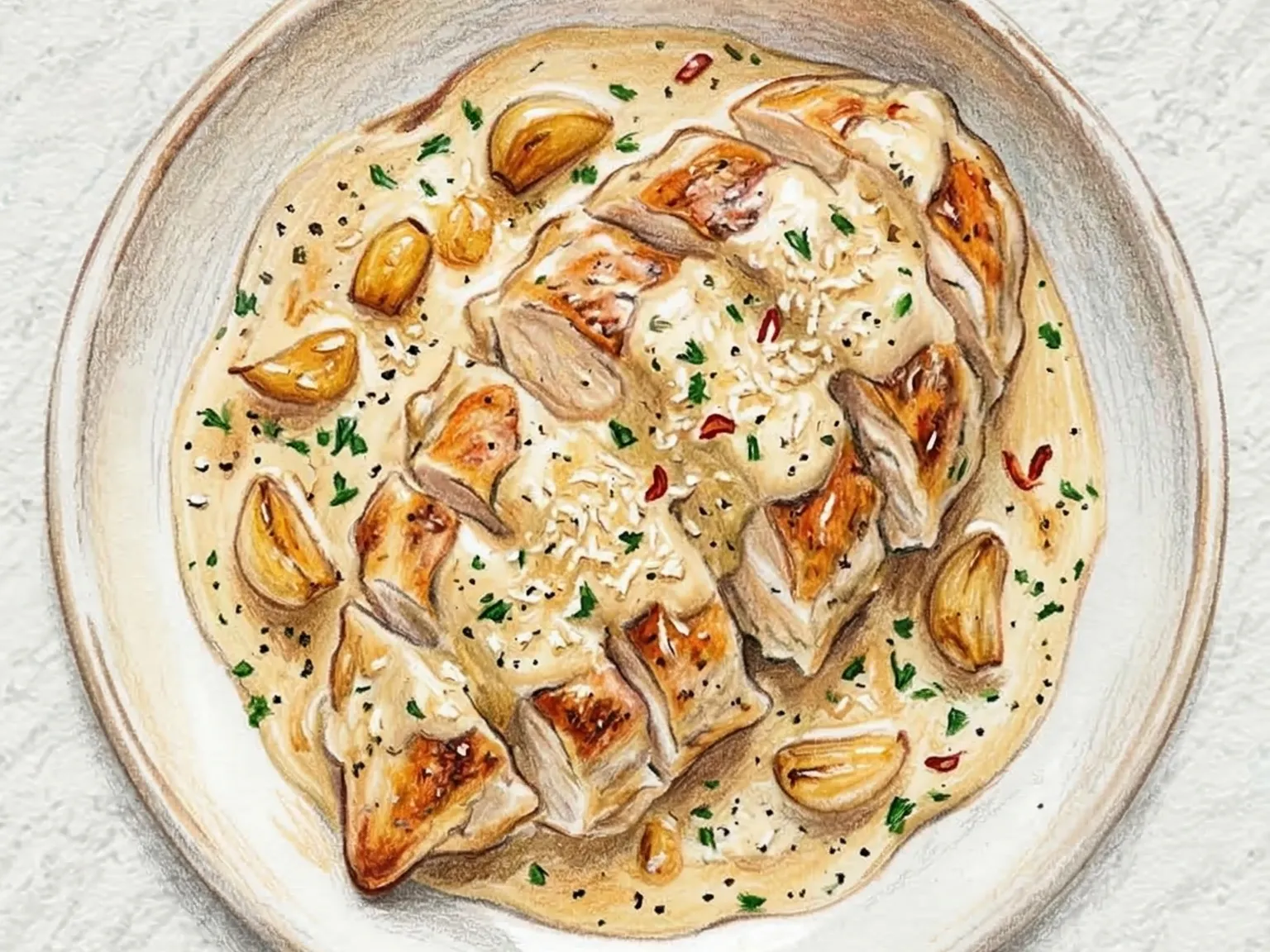
Creamy Tuscan chicken begins by searing seasoned chicken breasts in olive oil until a deep golden crust forms on both sides, locking in juices. Minced garlic is sauteed briefly in the same pan drippings, then chicken stock deglazes the fond for extra savory depth. Heavy cream and grated Parmesan simmer on low heat for three minutes, thickening into a velvety sauce. Sun-dried tomatoes bring concentrated sweetness while fresh spinach wilts into the sauce, adding color and a mild vegetal note. Returning the chicken for a final four-minute simmer ensures the breast cooks through to a safe internal temperature while absorbing the sauce's rich flavor. Adding more Parmesan thickens the sauce further, and a few drops of lemon juice stirred in at the end lifts the cream's weight and brings it into balance with the acidity of the sun-dried tomatoes.

Doenjang Caramel Pecan Tartlets
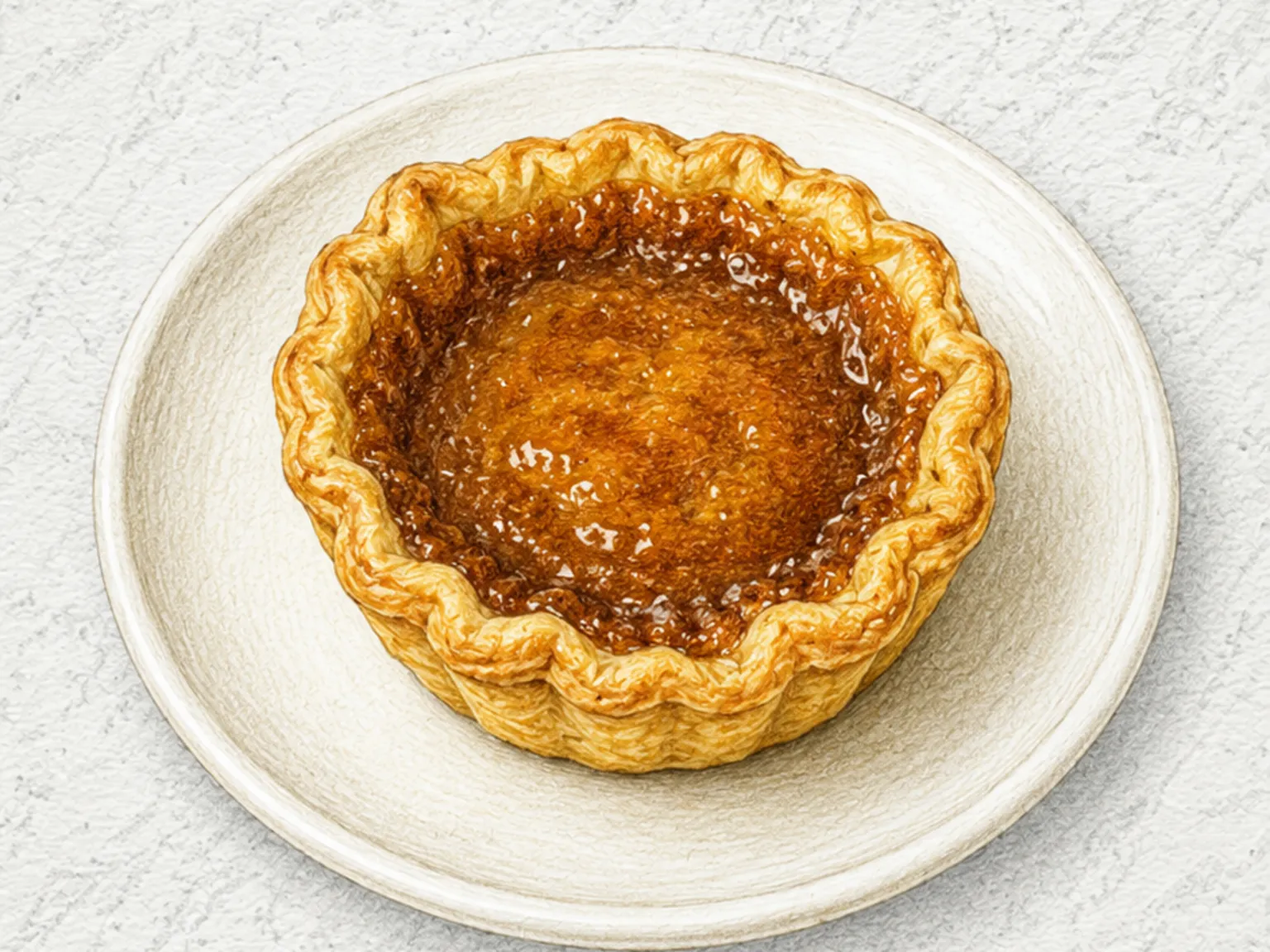
Doenjang caramel pecan tartlets bring together Korean fermented soybean paste and Western pastry in a dessert that treats doenjang the way salted caramel treats sea salt: as a savory element that sharpens and deepens sweetness. Mini tart shells are filled with toasted pecans and topped with caramel into which a small amount of doenjang has been thoroughly whisked. The fermented paste introduces salty, umami-layered depth beneath the caramel's sweetness, and the result sits noticeably broader and more complex than a standard pecan tart. The caramel must be cooked to a deep amber before the doenjang is added; pulling it too early leaves only sweetness and buries the paste's fermented character. Once poured and cooled, the surface sets into a glassy layer that snaps under a fork, adding a textural payoff before the filling yields. The pecan's buttery, slightly bitter roasted note meets the caramel's bittersweet char and the doenjang's fermented roundness, stacking three distinct kinds of richness into every bite. Well-aged doenjang used in a small quantity concentrates the aroma more than a milder paste, and adding almond flour to the tart shell dough creates a shortbread texture that harmonizes with the pecan.

Spicy Octopus Rose Penne (Octopus Penne in Rose Sauce)
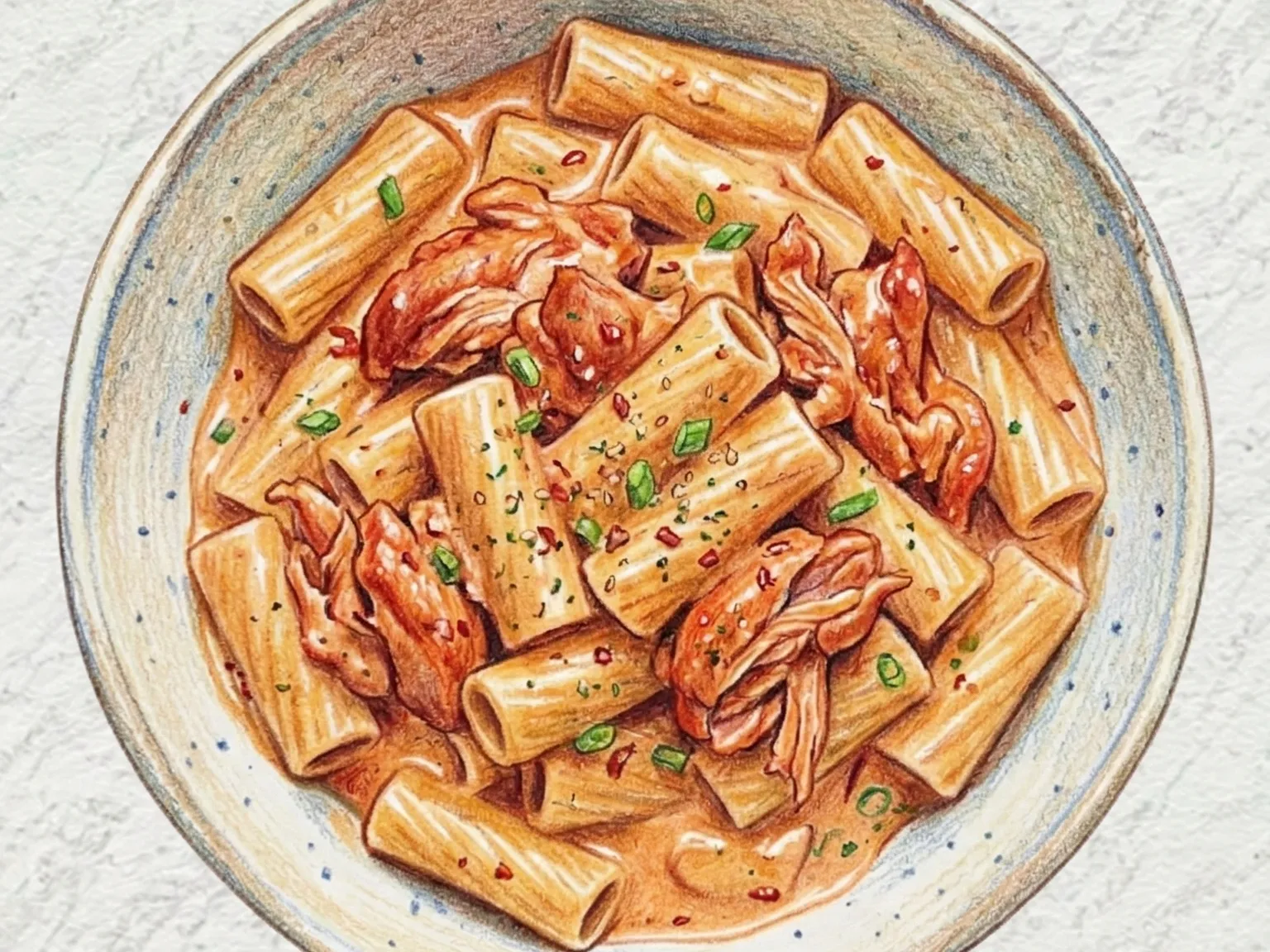
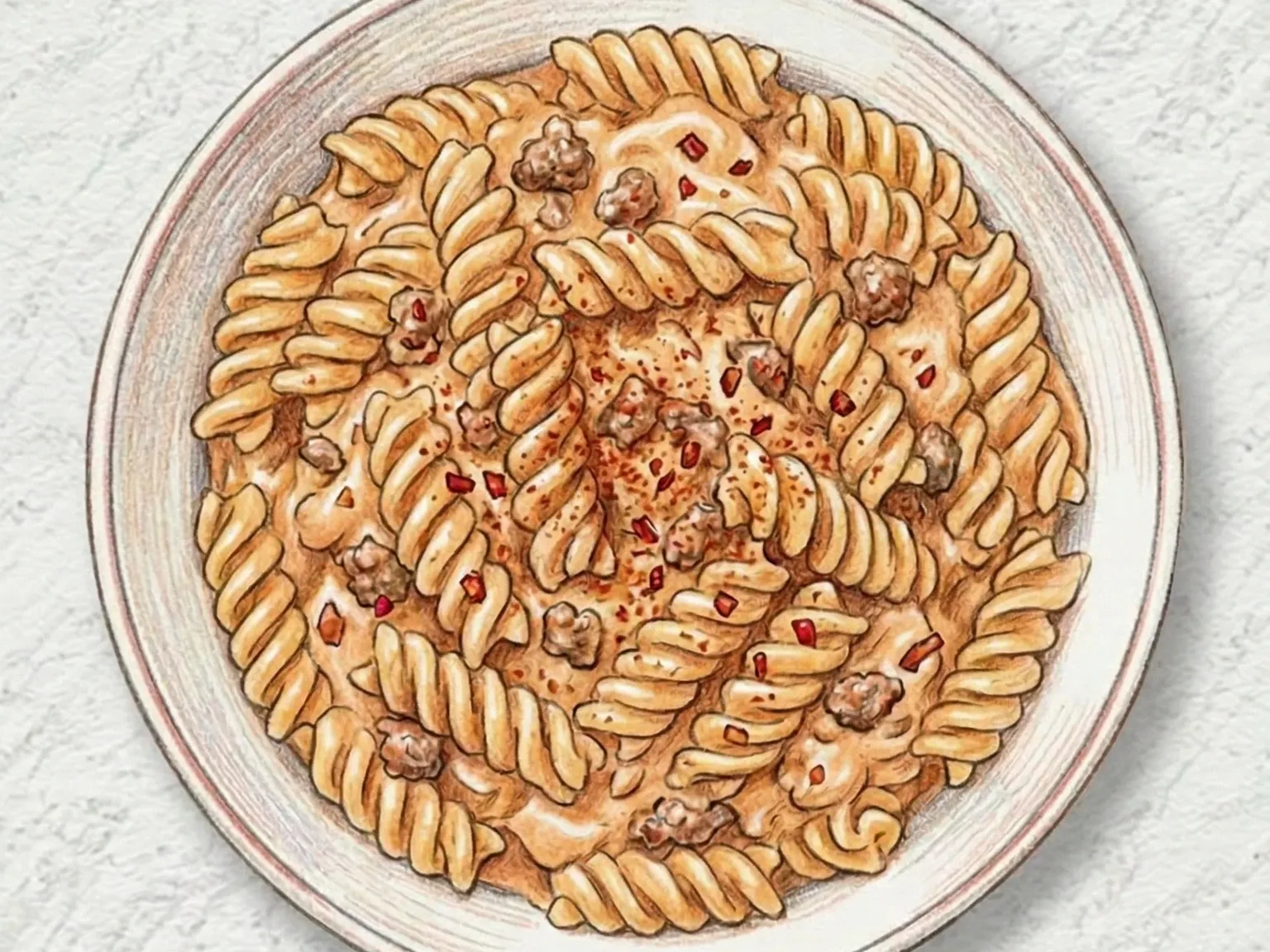
Spicy octopus rose penne starts with pre-cooked octopus that is seared in a very hot, dry pan to burn off surface moisture and trigger a Maillard crust on the skin. This step does more than remove water - it eliminates any residual fishiness and builds a firm outer layer that contrasts with the tender interior when you bite through. The rose sauce is built from tomato passata and heavy cream spiked with Korean gochugaru. The chili flakes are bloomed in oil for no more than 20 seconds, enough to coax out heat and color but not long enough to develop bitterness. Butter is added to the finished sauce to encourage emulsification, keeping the cream and tomato components cohesive and allowing the mixture to coat each piece of pasta evenly rather than pooling at the bottom of the pan. Penne holds this sauce particularly well because its tubular shape captures the thick liquid inside each piece, delivering cream and spice simultaneously with every bite. Fresh basil is stirred in off the heat at the very end, its volatile aromatics intact, providing an herbal lift that cuts the heaviness of the cream base. The natural salinity and sweetness of octopus from the sea add a briny depth that cream-only sauces cannot replicate on their own.

Lobster Thermidor
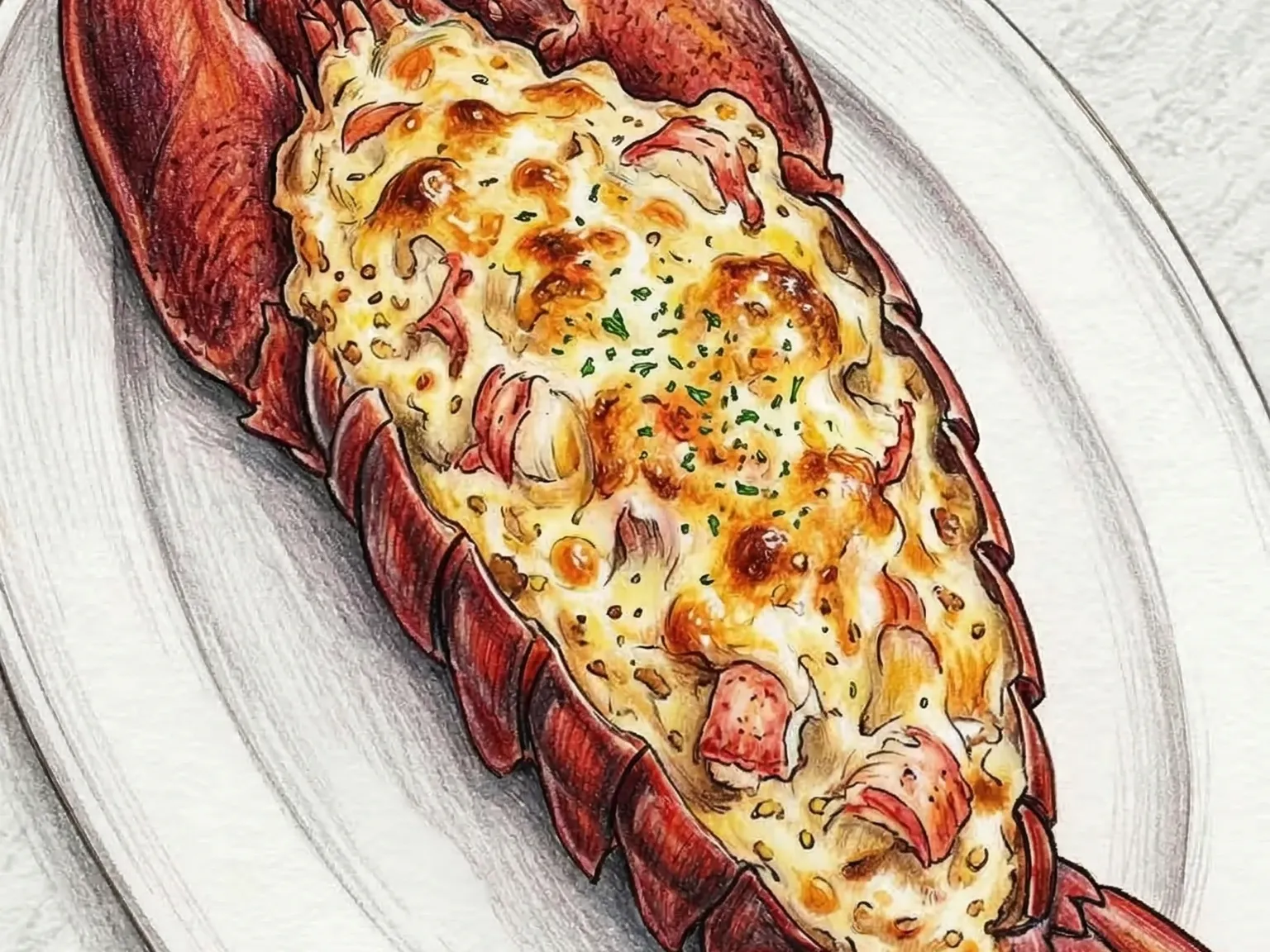
Lobster thermidor is a French dish in which boiled lobster meat is cut into bite-size pieces, folded into a cream sauce made from shallots sauteed in butter, white wine reduced by half, Dijon mustard, and heavy cream, then packed back into the cleaned shell and topped with grated Parmesan for a brief gratin under high heat. Reducing the wine concentrates its acidity, and the mustard adds a sharp undercurrent that prevents the cream sauce from tasting flat. Baking at 220 degrees Celsius for only six to eight minutes gives the cheese a golden crust while keeping the lobster meat tender. Lemon juice stirred into the filling at the last moment lifts the richness. The dramatic presentation in the shell makes it a natural choice for entertaining.

Earl Grey Roll Cake (Tea-Infused Chiffon Cream Roll)
Earl Grey roll cake is a chiffon sponge sheet baked with finely ground tea leaves folded directly into the batter, then spread with lightly sweetened whipped cream and rolled into a tight spiral. The meringue folded into the batter gives the sponge enough structure to hold its shape while rolling without cracking, a balance that depends on not overworking the batter after the egg whites go in. The tea leaf particles embedded throughout the crumb release bergamot fragrance with every bite -- a different quality from flavoring the cream separately, because the heat of baking fixes the aroma into the sponge itself. The cream filling is deliberately understated in sweetness so it supports the tea flavor rather than competing with it, and the fat content keeps the crumb moist even after overnight refrigeration. The cross-section of a sliced roll shows a clean gradient of pale brown sponge against white cream, with the tea flecks visible throughout. Bergamot aroma peaks when the cake is slightly cool rather than cold, making it worth pulling from the refrigerator fifteen minutes before serving.

Moules Marinières (French White Wine Steamed Mussels)
Moules marinieres is a French seafood dish that steams scrubbed mussels over a base of shallots and garlic softened in butter, with white wine added and the pot covered for four to five minutes on high heat. Boiling the wine for a minute before adding the mussels burns off the alcohol and leaves behind only the bright acidity that pairs naturally with the briny shellfish. Once the shells open, a splash of heavy cream, chopped parsley, and black pepper turn the cooking liquid into a light, aromatic broth. The short cooking time keeps the mussel meat firm and springy rather than rubbery. Any mussels that stay closed after steaming should be discarded. Crusty bread served alongside is essential for soaking up the butter-wine broth to the last drop.

Chocolate Eclairs
Eclairs are elongated French pastries built from choux dough, a cooked paste of water, butter, and flour into which eggs are incorporated one at a time until the mixture becomes smooth and glossy. When piped into finger-length strips and baked at high heat, the moisture locked in the dough converts to steam and expands, inflating each strip into a hollow shell with a crisp golden exterior. After cooling completely, vanilla custard cream is piped through a small hole in the base to fill the cavity. The top surface is dipped in a dark chocolate glaze that sets into a thin, shiny coating. Biting through delivers a layered experience: the slight bitterness of the chocolate, the crunch of the choux shell, and the cool smoothness of the custard in quick succession. Because the shell begins absorbing moisture from the cream as soon as it is filled, eclairs are best consumed within a few hours of assembly. Leaving them overnight compromises the texture significantly.

Mushroom Truffle Gnocchi
Mushroom truffle gnocchi boils potato gnocchi until they float, then tosses them in a sauce of butter-browned mushrooms finished with heavy cream and grated Parmesan. The mushrooms must be cooked in a single layer over high heat so their moisture evaporates and they develop a deep sear rather than steaming in their own liquid. The cream simmers on low heat for just two to three minutes - enough to thicken into a coating consistency without reducing too far. Truffle oil is drizzled on only after the heat is turned off, because cooking destroys the volatile aromatic compounds that give truffle its distinctive earthy, nutty fragrance. The combination of chewy gnocchi, savory mushrooms, rich cream sauce, and the lingering truffle aroma creates a dish that tastes far more luxurious than its short ingredient list suggests.

Eton Mess (Crushed Meringue, Cream & Strawberry Mix)
Eton mess is a British dessert originating from Eton College, made by roughly folding together broken meringue, whipped cream, and strawberries into a deliberate, unstudied jumble. The name comes from the method itself: there is no careful layering or presentation, just a generous combination of three components mixed loosely in a glass or wide bowl. The meringue is baked low and slow until the outside develops a firm, crisp shell while the inside stays soft and marshmallow-like, then cooled completely before being broken by hand into irregular shards of varying sizes. Strawberries are treated in two ways: some are crushed roughly with a fork so the juice bleeds in red streaks through the white cream, while others remain whole to provide fresh, firm bites of fruit. The heavy cream is whipped only to soft, billowy peaks so it folds around the meringue and fruit loosely rather than sitting in stiff mounds. Every spoonful delivers a different ratio of crunch, softness, tartness, and sweetness depending on which pieces land together, which is the pleasure of the dessert. Because the cream and fruit juices begin softening the meringue the moment they are combined, Eton mess must be assembled and eaten immediately to preserve the textural contrast between crisp and soft.

Potato Au Gratin
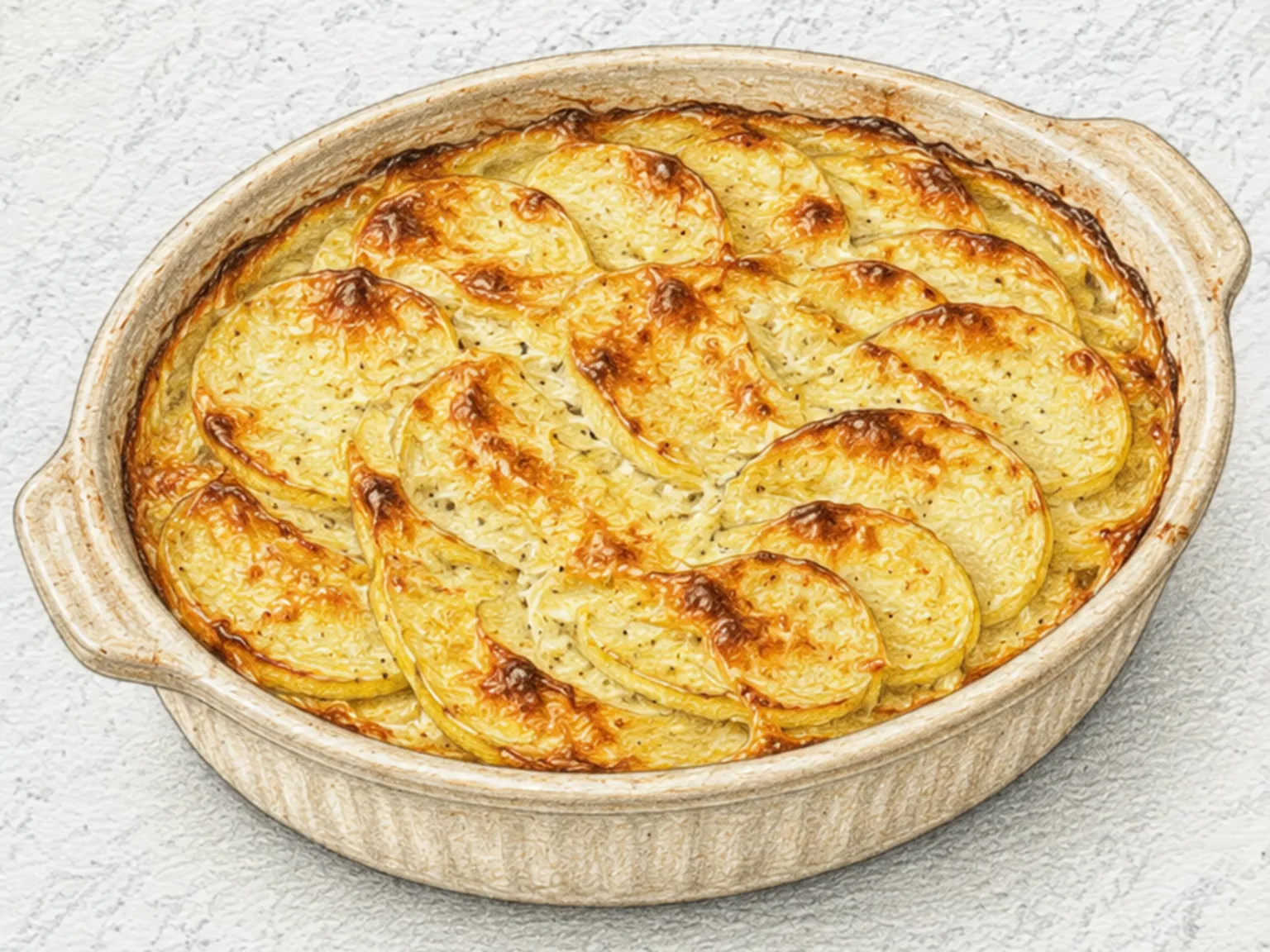
Potato Au Gratin is a French baked potato dish where thinly sliced potatoes are layered with cream and Gruyere cheese, then baked until the top forms a deep golden crust. The potatoes must be sliced to a uniform two to three millimeters - a mandoline slicer ensures consistent thickness so every layer cooks at the same rate. A mixture of heavy cream and milk warmed gently with garlic is poured between each layer of potatoes, where it meets the potato starch and thickens into a binding sauce that holds the layers together. Gruyere is the classic cheese choice - it melts into long, stretchy strands and carries a nutty, slightly sweet flavor. It is distributed between the layers for internal richness and piled on top for the signature golden crust. After about fifty minutes at 180 degrees Celsius, the cream bubbles around the edges, the potatoes turn completely tender, and the surface cheese crisps into a crackling, browned cap.

Florentine Cookies (Caramel Almond Lace with Chocolate)
Florentine cookies are thin, lace-like biscuits made by stirring sliced almonds, candied orange peel, and dried cherries into a hot caramel of sugar, butter, and heavy cream, then spooning small pools of the mixture onto a lined baking sheet. In the oven, the caramel re-liquefies and spreads, binding the nuts and fruit into flat, crisp discs with a translucent amber surface. The baked rounds are fragile and catch the light like stained glass when held up. Once cooled, one side is coated with tempered dark chocolate, and a fork is dragged through the surface just before setting to create the classic wave pattern. The texture sequence is distinctive: the first bite shatters the caramel shell cleanly, then gives way to chewy pockets of dried fruit embedded in the caramel. Flavor-wise, toasted caramel sweetness opens first, followed by the bitter note of orange peel, the nuttiness of almonds, and finally the deep bitterness of dark chocolate. The combination is considerably more layered than the cookies' fragile appearance suggests. Stored in an airtight container, they hold their snap well for several days, making them a reliable choice for gift boxes or holiday platters.

Potato Leek Soup
Potato leek soup is a French home-style cream soup made by sweating leeks and onion in butter over low heat, simmering with diced potatoes in chicken stock, and blending until velvety smooth. Cooking the leeks slowly is essential - it dissolves their raw sharpness into a sweet, mellow base that carries the entire soup. The potato starch provides natural body without any added thickener, and an immersion blender produces a seamless, silky texture. Heavy cream stirred in at the end adds a layer of richness and rounds out the flavor. The soup can be served hot for a comforting meal or chilled as vichyssoise for a refined summer starter.

Injeolmi Scone (Soybean Powder & Rice Cake Scone)
This scone folds roasted soybean powder and small pieces of glutinous rice cake into a classic British scone dough, capturing the flavor of Korean injeolmi in a handheld baked form. Soybean powder mixed into the dough lends the crumb a warm, toasted nuttiness that plain flour alone cannot produce, and the tteok pieces soften and melt in the oven, leaving behind chewy, stretchy pockets scattered throughout the crumb. Cold butter cut into small pieces and worked into the dry ingredients without fully melting is what allows the scone to develop distinct flaky layers that crack at the surface while the interior stays tender and moist. Minimal mixing is the central technique: working the dough only until the ingredients just come together prevents gluten development that would produce a tough, dense result instead of the desired crumbly tenderness. A drizzle of honey or a small bowl of sweetened condensed milk served alongside echoes the traditional way injeolmi is eaten and reinforces the sweet-nutty pairing that defines the dish. Warm green tea or pu-erh makes a natural companion for the afternoon. Cutting the tteok into pieces no larger than one centimeter ensures they melt evenly through the bake rather than leaving undercooked chunks in the center.

Shrimp Alfredo Pasta
Shrimp Alfredo pasta pairs fettuccine with a cream sauce built from butter, garlic, heavy cream, and grated Parmesan. The shrimp are seared quickly in butter on both sides to develop a light caramelized crust while keeping the interior moist, then set aside and returned to the pan only at the end. Adding the cheese off direct heat is critical - high temperature causes the fat and protein in Parmesan to separate, turning the sauce grainy instead of smooth. Starchy pasta water stirred into the cream acts as an emulsifier, helping the sauce cling to each strand rather than pooling at the bottom of the bowl. The shrimp's natural sweetness provides a clean counterpoint to the dense richness of cream and aged cheese.

Italian Semifreddo (No-Churn Frozen Mousse Dessert)
Semifreddo is an Italian frozen dessert that achieves a creamy, mousse-like texture without an ice cream machine, relying instead on the technique of folding aerated components together before freezing. Egg yolks and sugar are whipped with hot syrup at 118 degrees Celsius into a thick, stable sabayon, the heat of the syrup pasteurizing the eggs while the whipping action floods the mixture with air. Once the sabayon cools completely, stiffly whipped cream is folded in gently in two additions so that the air bubbles distribute evenly throughout, preventing ice crystals from forming during freezing. The mixture goes into a loaf mold lined with plastic wrap and freezes for at least six hours. The result sits in a precise middle ground between ice cream and mousse: cold and sliceable, yet after five minutes at room temperature it softens to a consistency that yields effortlessly to a spoon and melts across the tongue in a smooth, rich wave. Pistachios, toasted almonds, or chocolate chips folded in before freezing add crunch and contrast. A drizzle of berry coulis on the plate provides acidity that cuts through the sweetness, while caramel sauce deepens it. Because all preparation happens in advance and serving is simply a matter of unmolding and slicing, semifreddo is one of the most practical and impressive make-ahead desserts for entertaining.

Steak au Poivre (Peppercorn Sirloin with Brandy Cream Sauce)
Steak au poivre presses coarsely crushed peppercorns into the surface of sirloin steaks before searing in a smoking-hot pan, then builds a sauce in the same pan using brandy, shallot, heavy cream, and Dijon mustard. Crushing the peppercorns rather than grinding them fine is essential - coarse pieces embed into the seared crust and release their sharp, aromatic bite when chewed, rather than just adding uniform heat. When brandy hits the hot pan, the alcohol ignites and burns off in seconds, leaving behind concentrated fruit sweetness and caramel notes that deepen the sauce. The cream tempers the pepper's aggressive heat into something rich and rounded, while the mustard adds a subtle acidic edge that keeps the sauce from feeling heavy. Bringing the steaks to room temperature for 20 minutes before cooking ensures even doneness from edge to center.

Lemon Curd Tart
A buttery shortcrust shell holds a hand-cooked lemon curd made from fresh juice, zest, egg yolks, sugar, and butter. The curd is simultaneously tart and rich, with the lemon's acidity cutting through the butter's weight to leave a clean, bright finish. Powdered sugar in the pastry dough gives the shell a delicate, crumbly snap that contrasts with the smooth filling. When refrigerated, the curd sets firmly enough to slice neatly, while at room temperature it softens to a spoonable consistency. The tart works beautifully on its own or with additions such as a crown of whipped cream or a torched meringue cap that adds sweetness and visual drama. Lemon zest oils in the curd ensure that the citrus fragrance lingers well after each bite.

Tomato Basil Soup
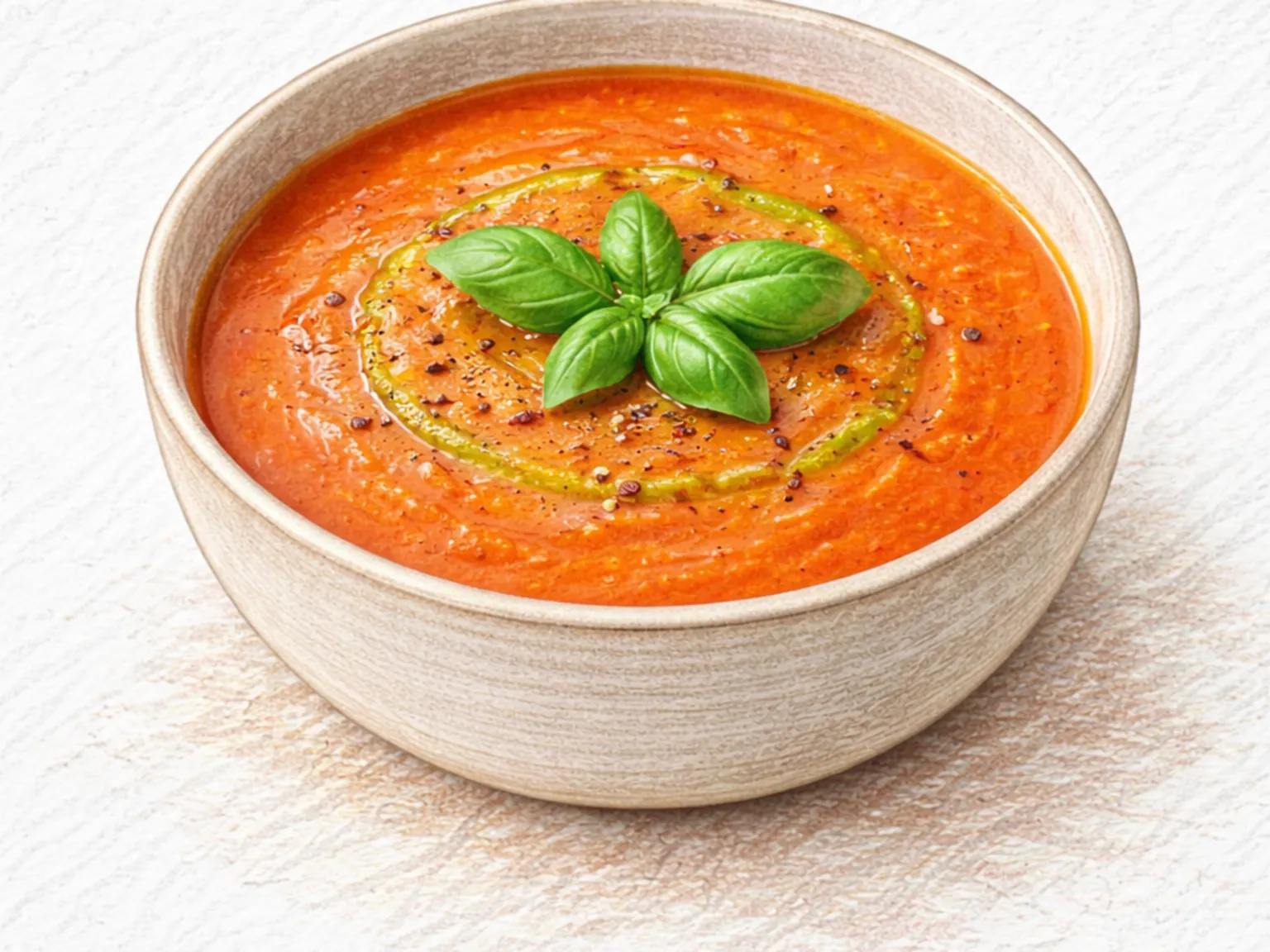
Tomato basil soup sautés onion and garlic in olive oil, adds canned whole tomatoes crushed by hand, simmers with vegetable stock for 15 minutes, then blends until smooth and finishes with cream and fresh basil. Crushing and cooking the tomatoes for the first five minutes before adding stock concentrates their natural sugars and reduces raw acidity, building a sweeter, deeper base. The 15-minute simmer lets the flavors merge without overcooking, and blending produces a velvety texture that cream enhances without masking the tomato. Basil is heat-sensitive - its volatile oils dissipate within minutes of cooking - so it goes in only after the heat is off, releasing its fragrance through residual warmth alone. A tablespoon of tomato paste can be stirred in during the sauté stage for a more intense tomato flavor if desired.

Matcha Roll Cake (Green Tea Chiffon Sponge with Cream)
A Japanese-style roll cake built on a matcha chiffon sponge and filled with softly whipped cream. Sifting matcha powder into the egg yolk batter distributes the vivid green color evenly, while a stiff meringue folded in three additions preserves the air bubbles that give the sheet its light, springy structure. Baking at 180 degrees Celsius for 12 to 15 minutes, just until the surface springs back to the touch, keeps the sponge pliable enough to roll without cracking. After inverting and cooling, cream whipped to about 80 percent stiffness is spread across the sheet, thinner at the edges and thicker down the center so the finished cross-section shows a uniform spiral. Rolling tightly in plastic wrap and refrigerating for at least two hours sets the shape and allows the matcha flavor to meld with the cream. Slicing with a hot, damp knife produces clean edges. The matcha's gentle bitterness lingers after the cream's sweetness fades, leaving a layered aftertaste that distinguishes this roll from vanilla or chocolate versions.

Truffle Cream Pasta
Truffle cream pasta cooks fettuccine al dente, reserves pasta water, then tosses the noodles in a sauce built by sweating garlic in butter, simmering heavy cream, and melting in Parmesan cheese before finishing with truffle oil off the heat. Adding truffle oil only after the burner is off preserves its volatile earthy and mushroom-like aroma - even brief exposure to direct heat dulls the fragrance significantly. The cream needs just two minutes of simmering to thicken to the right consistency; reducing it further makes the sauce too heavy to coat the pasta evenly. Stirring in Parmesan creates body, and splashes of starchy pasta water emulsify the fat and cheese into a smooth, clinging sauce. The dish should be plated and eaten immediately - truffle aroma fades quickly once it leaves the pan, and the sauce continues to tighten as it cools.

Paris-Brest (Ring-Shaped Choux with Praline Cream)
A ring of choux pastry is baked until deeply golden and hollow, then split and generously filled with praline mousseline cream made from roasted hazelnut paste. The shell shatters on first bite, giving way to a smooth, nutty cream that carries an intense toasted aroma. Sliced almonds pressed onto the raw dough before baking add a secondary layer of crunch and visual texture. The choux must cool completely before filling to prevent the cream from melting and the shell from going soft. Eggs are added to the hot dough gradually, checking the consistency after each addition, because the exact amount needed varies with flour absorption and egg size. Once assembled, a brief chill in the refrigerator sets the cream without softening the pastry.

Vichyssoise (French and potato soup)
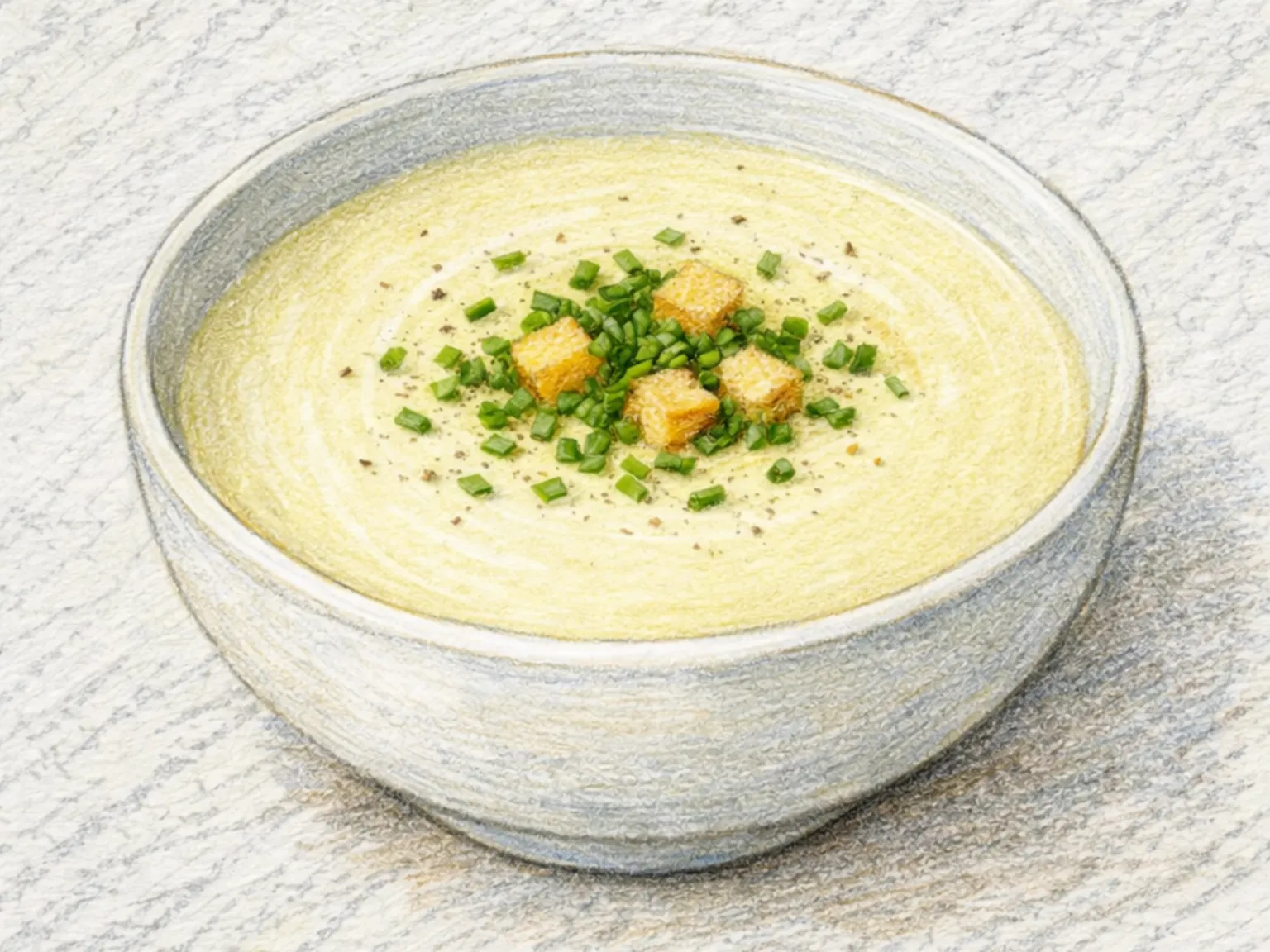
Vichyssoise is a chilled French leek and potato soup blended smooth with cream.