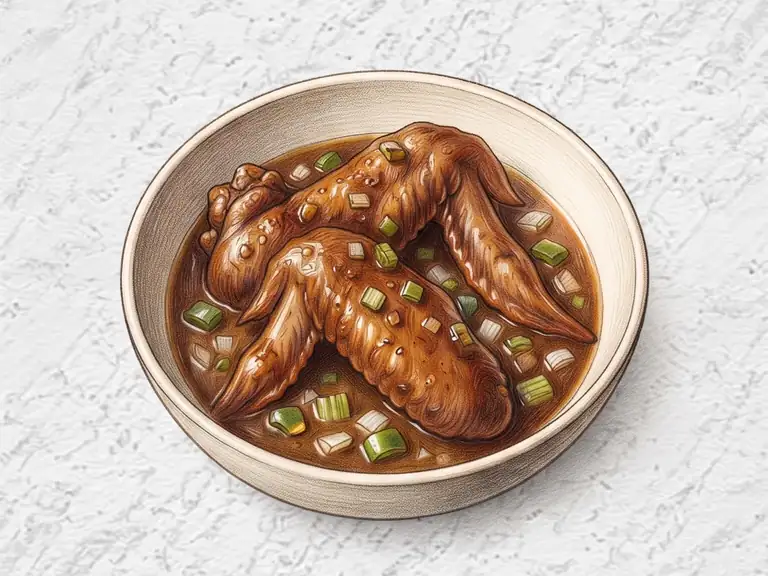
Smothered Turkey Wings
With 2 teaspoons of cayenne in the rub and hot sauce in the gravy, these Cajun-style wings are distinctly spicy. The gravy starts with the holy trinity of green bell pepper, onion and celery cooked in butter.
154 recipes. Page 5 of 7
As an Amazon Associate, we may earn from qualifying purchases.
With 2 teaspoons of cayenne in the rub and hot sauce in the gravy, these Cajun-style wings are distinctly spicy. The gravy starts with the holy trinity of green bell pepper, onion and celery cooked in butter.
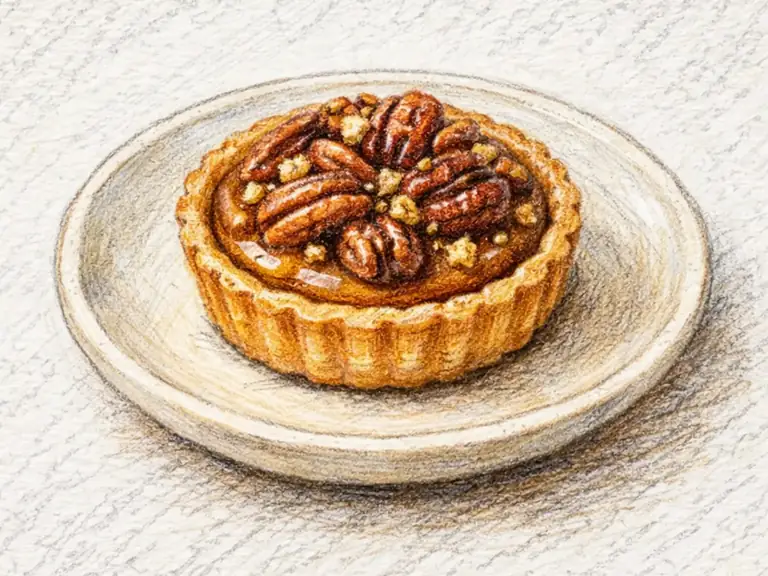
Salted caramel works because salt lifts sugar, and these mini tarts take the idea further by stirring a little doenjang, Korean fermented soybean paste, into the caramel alongside the salt. Taken off the heat before it reaches a deep amber, the caramel stays merely sweet and the doenjang disappears. Toasted pecans are coated in it and piled into the shells, and the tarts set at room temperature into a firm top that cracks under a fork.
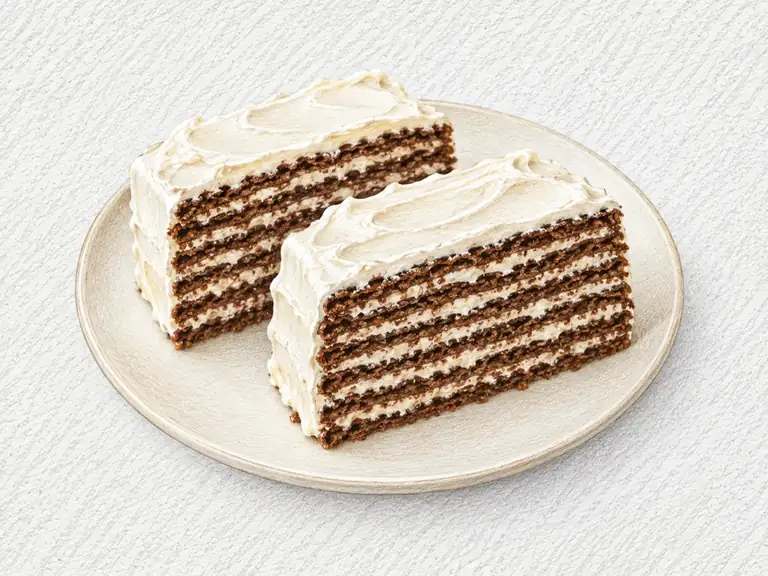
Thin chocolate wafers draw moisture from whipped cream during a long chill, turning a stack of crisp cookies into sliceable dark and pale layers. Nothing is dipped in coffee or milk, so the cream has to touch every cookie surface.
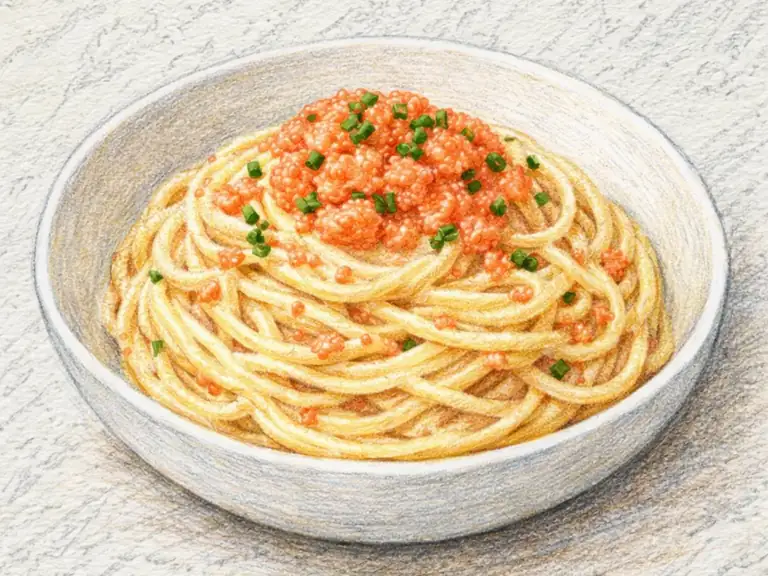
Japanese-style cream pasta uses mentaiko, salted pollock roe, in two ways: two thirds melts into the butter and cream sauce, and the rest goes on top raw with crumbled roasted seaweed. A teaspoon of lemon juice at the end lightens the cream. The roe is stirred in with the burner off or barely on. Over strong heat it turns fishy.
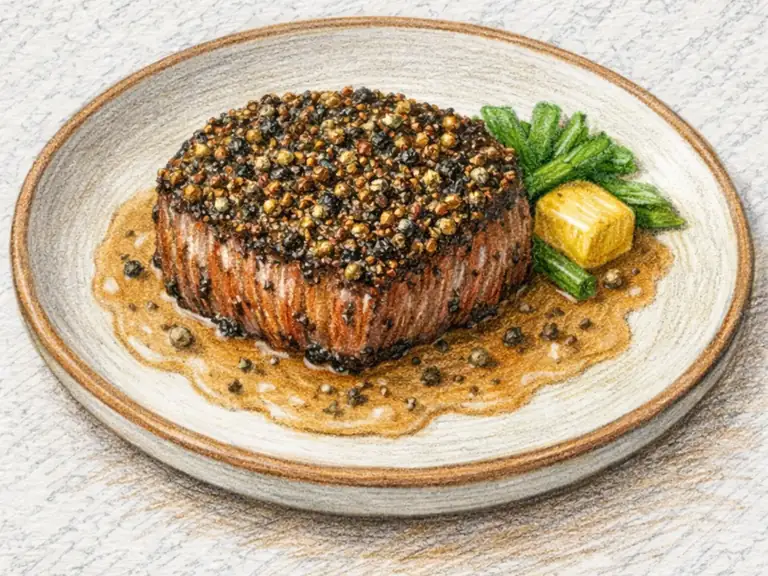
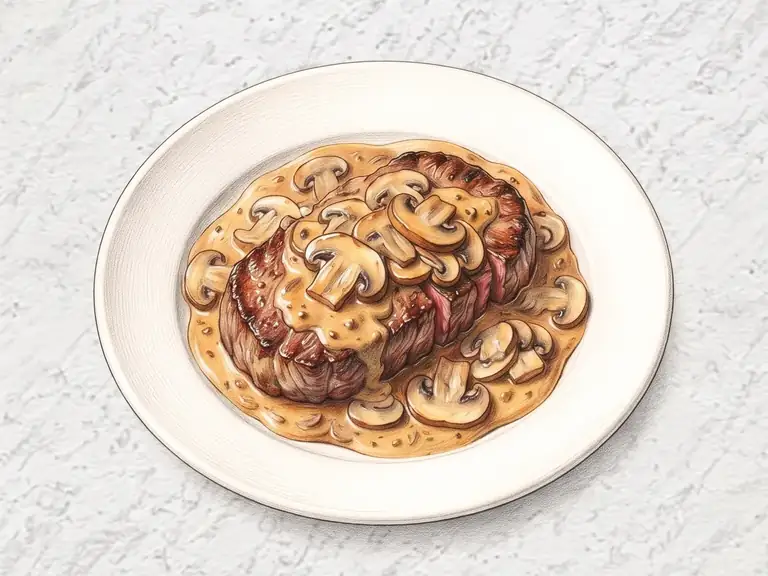
Coarsely crushed peppercorns pressed into the sirloin give every bite a sharp, aromatic crackle, while finely ground pepper would add heat but lose that fragrance. The sauce comes from the same pan, where the browned bits left by the steak meet shallot, brandy, cream, and Dijon. Cream rounds off the pepper's bite and the mustard adds a quiet acidity that keeps the sauce bright rather than heavy.
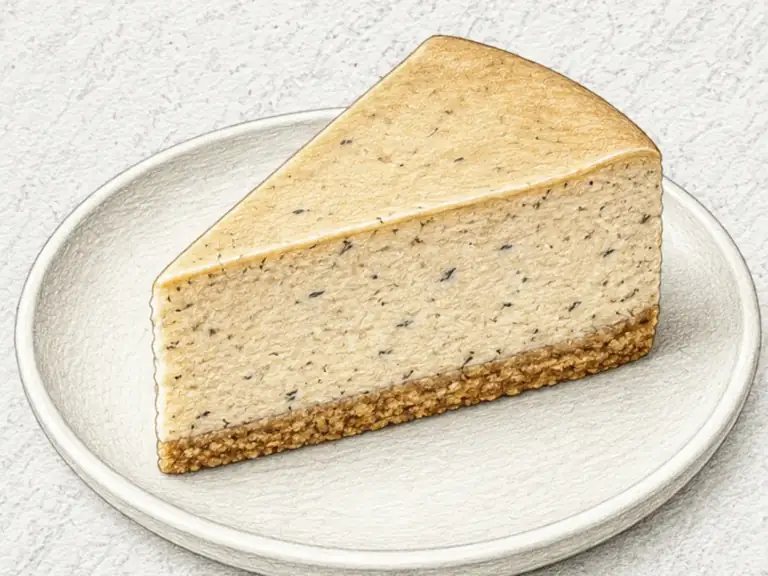
Two Earl Grey tea bags steep in warm cream that then goes into the cream cheese filling, so the cheesecake tastes like milk tea under the richness of the cheese. The cream is only warmed at the edges, never boiled, and the bags come out without squeezing. Baked in a water bath over a pressed digestive-biscuit base, the filling sets smooth and even.
The Italian name means half-cold, and that is how it eats: lighter than ice cream, colder than mousse. It is frozen in its mold without any churning and cut into slices, with chopped pistachios scattered through.
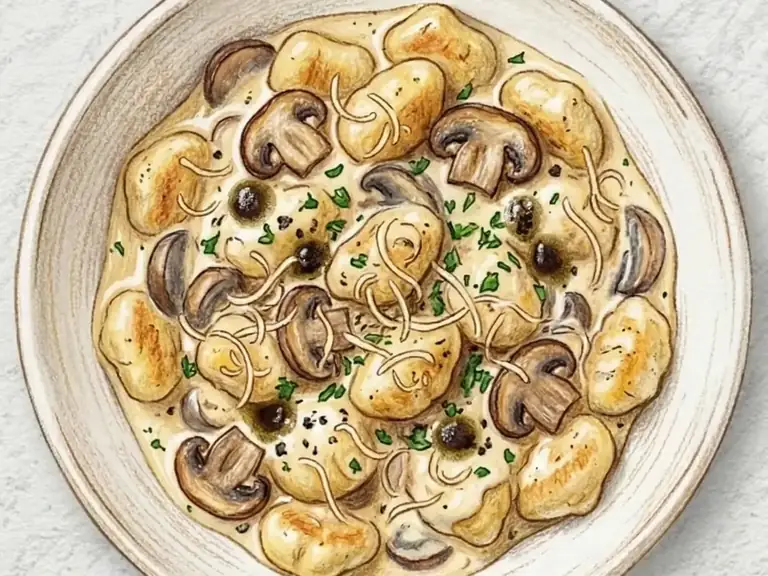
Mushrooms brown over high heat, while the truffle oil is added only after the burner is off, at the very last stir. Each aroma is handled at its own temperature because heat flattens truffle oil. Well-drained gnocchi matter too: water clinging to them thins the cream sauce.
Steak Diane caught on in the 1940s and 1950s, especially in New York City, where Manhattan restaurants flambéed the cognac for the sauce right at the table. The early version was pounded steak with a pan sauce of Worcestershire, mustard and shallots; the mushrooms, tomato paste and cream came later.
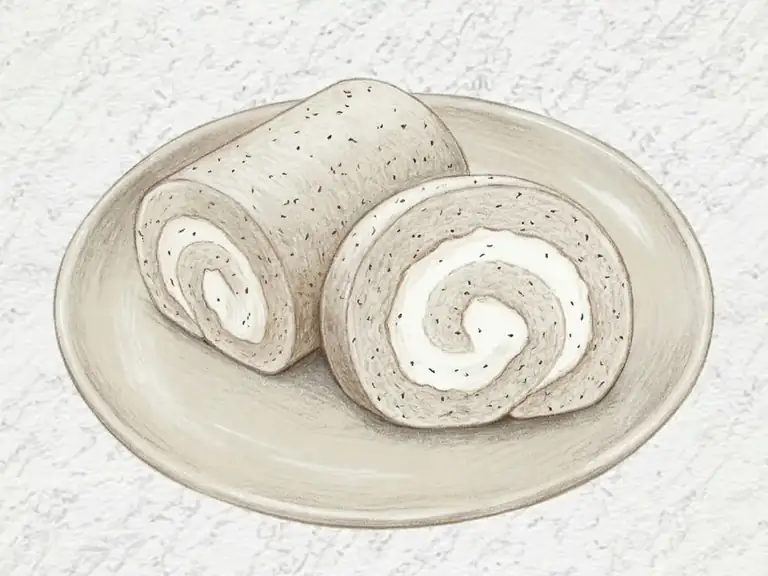
Instead of grinding the leaves into the batter, this roll steeps Earl Grey in warm milk and strains it. The sponge carries bergamot aroma without visible tea specks. The chiffon sheet gets its lift from a folded meringue and stays soft enough to roll. Rolling it once while still warm, paper and all, sets the curve so it is less likely to crack when filled later. The whipped cream is only lightly sweetened, leaving the tea as the main flavor.
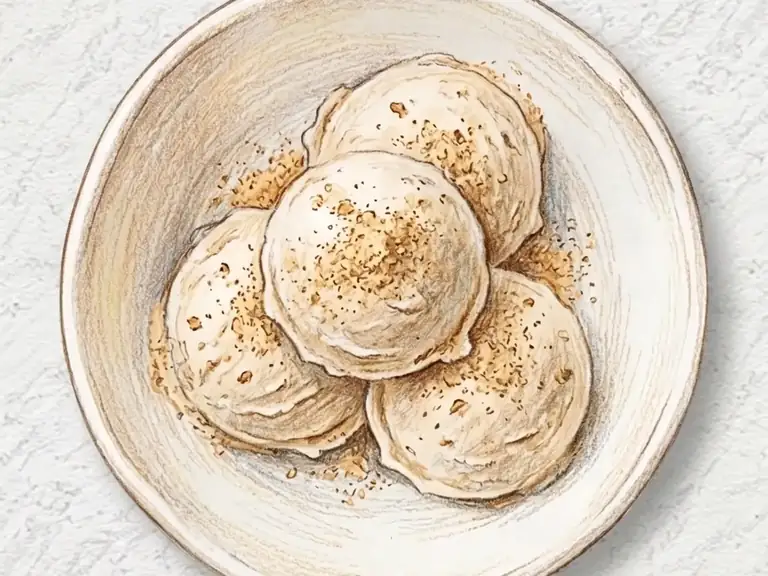
Misugaru, a roasted multigrain powder, is whisked smooth into milk, folded with whipped cream and frozen, and at a full 100g it gives the ice cream a heavy, nutty grain flavor. The freezer does not do all the work: the surface has to be scraped with a fork once an hour, three times, to break up the ice crystals, which makes this one for a day spent at home. Black bean misugaru makes it nuttier still.
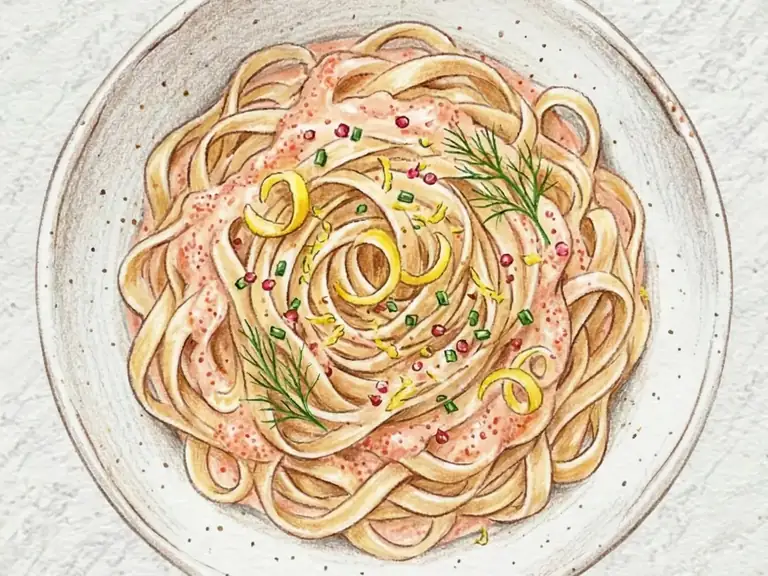
Myeongran lemon cream fettuccine wraps wide pasta ribbons in a sauce made from salted pollock roe, heavy cream, butter, and lemon zest. The small eggs of the roe are left intact and stirred into the sauce off the heat so they stay soft and burst with briny flavor when bitten rather than turning granular or hard. Garlic bloomed in butter forms the aromatic base, and a mixture of heavy cream with milk tempers the roe's saltiness into a smooth, balanced coating. Using lemon zest rather than juice adds a bright citrus fragrance without diluting the sauce or introducing acidity that would curdle the cream. Parmigiano-Reggiano deepens the savory foundation, and fettuccine's broad, flat surface holds the thick cream more effectively than thinner pasta shapes. The entire dish takes about twenty minutes from start to plate, making it a practical weeknight option that does not sacrifice depth of flavor for speed. The critical technique, incorporating the roe off the heat, keeps the texture creamy throughout and prevents the eggs from cooking into tough, unpleasant morsels.
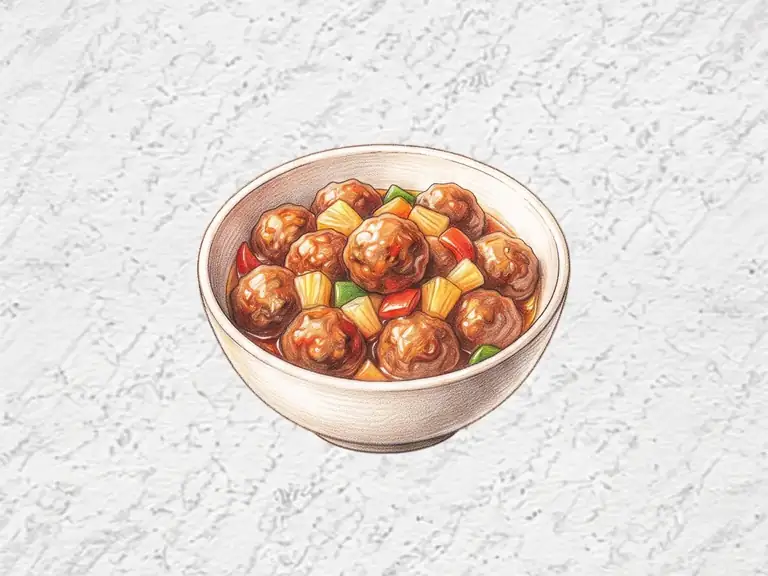
Firming the rolled meatballs in the freezer for 5 to 10 minutes before browning helps them keep their shape as they're turned in the pan. Of the 560 ml of pineapple juice, hold back 60 ml for the cornstarch slurry and boil the rest with the rice vinegar, brown sugar, ketchup and soy sauce for the sweet-and-sour sauce.
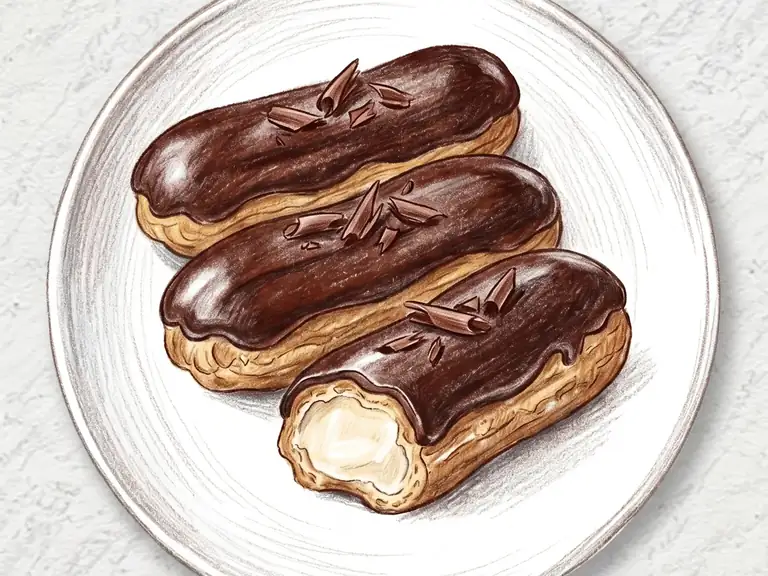
French pastry shops usually fill eclairs with vanilla custard; this version uses whipped cream and tops the long choux shells with melted dark chocolate. With a plain cream filling, the bitter chocolate and the crisp shell come through more clearly. The eggs are beaten in one at a time, stopping once the paste looks glossy and drops slowly from the spatula.
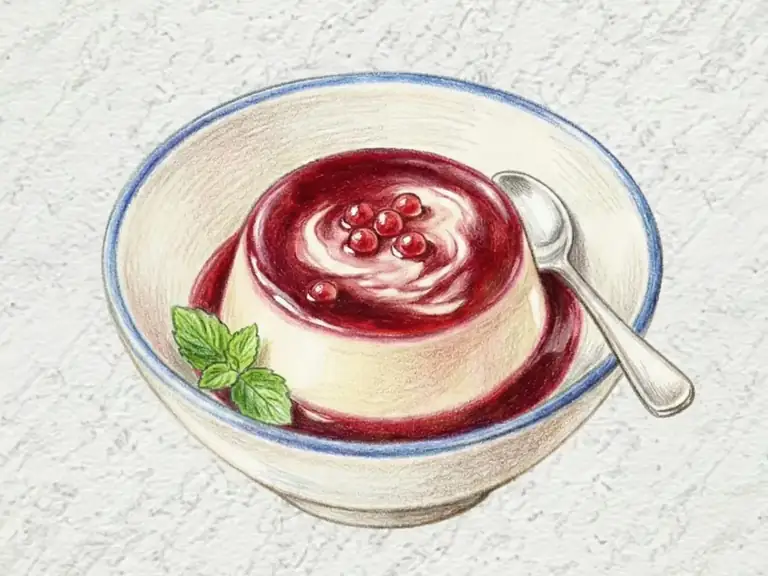
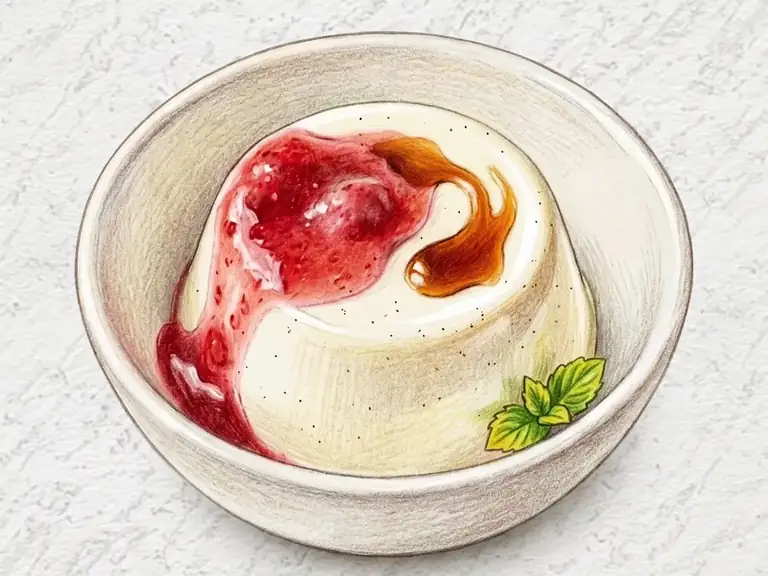
Cream and milk are set softly with sheet gelatin, then topped with a red sauce of omija syrup and lemon juice and a few berries. The sauce goes on only after the panna cotta has fully set, which keeps it from bleeding into the cream and leaves a clean red layer.
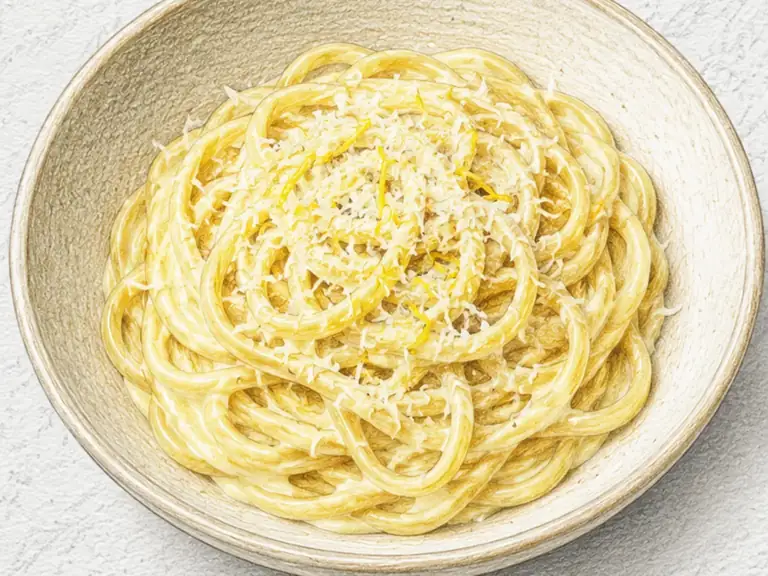
Finely grated yellow zest melts into warm butter and carries the lemon scent through the whole sauce. The grater stays shallow, since the white pith underneath adds bitterness. The small amount of cream is only warmed until bubbles show at the edge, because a hard boil splits it. Starchy pasta water, added a little at a time with the Parmesan, emulsifies everything into a sauce that coats the linguine smoothly, and the plates go out before it tightens. With little more than lemon, butter, cream and Parmesan, this southern Italian pasta comes together in about 20 minutes, an easy weeknight dinner.
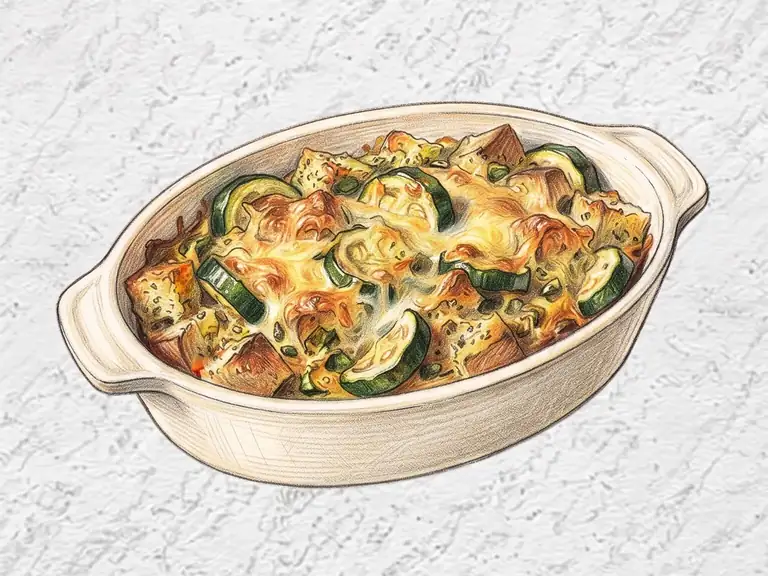
The zucchini goes into this casserole raw, all 900 g of it, and gives up a good deal of water in the oven. To keep the casserole from turning mushy, drain the chopped zucchini in a colander first, or roast it with olive oil, salt and pepper for 25 to 30 minutes and blot it dry before mixing.
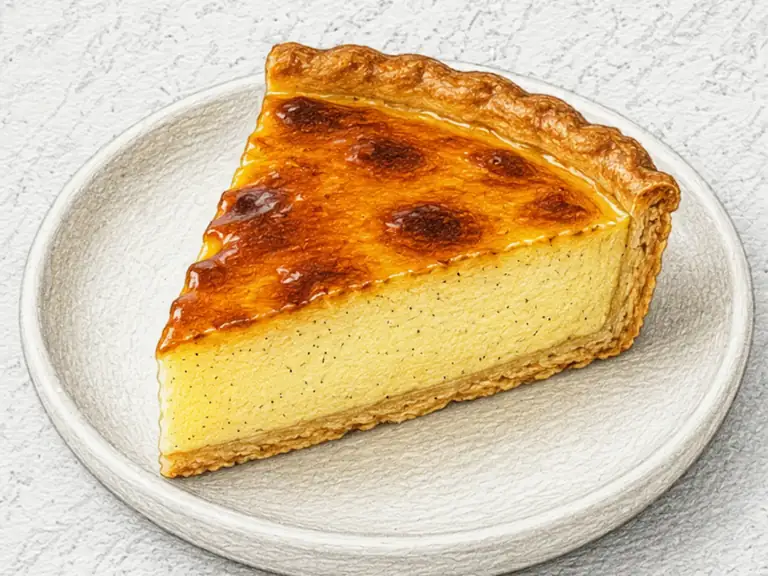
The vanilla custard is thickened with cornstarch on the stove before it goes into the pastry, so once the tart is baked and chilled it slices into clean, upright wedges. In Paris bakeries it sits in the case by the slice, its top freckled with caramel-brown spots.
With 400ml of cream to only 120ml of milk, this panna cotta still trembles when nudged with a spoon after it sets, and melts almost as soon as it is in your mouth. The stove work takes a few minutes; the rest is at least four hours of waiting in the fridge. Thinly sliced strawberries go on top.
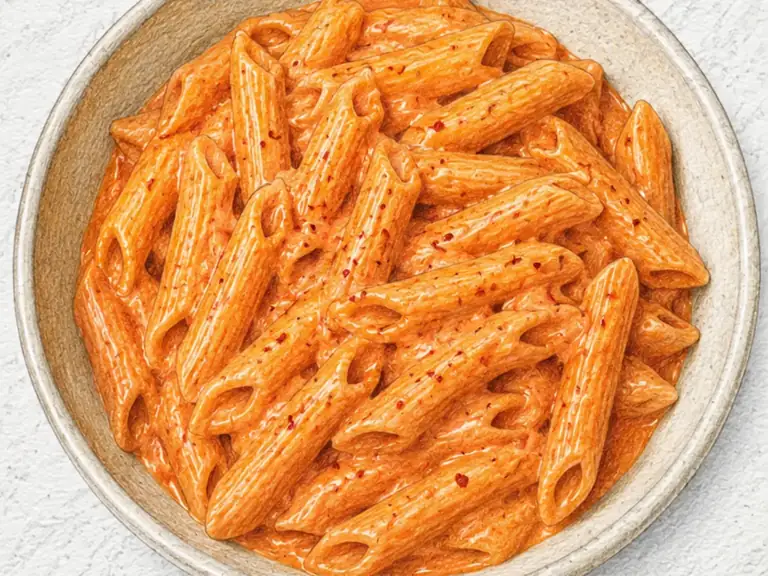
Two tablespoons of vodka bubble for about a minute, long enough to soften the harsh alcohol smell but not so long that the aroma disappears. The tomato puree reduces until its color deepens before any cream goes in, and from that point the pan stays at its lowest heat so the sauce never boils and splits. The finished sauce should slip into the hollow centers of the penne as well as cling to the outside.
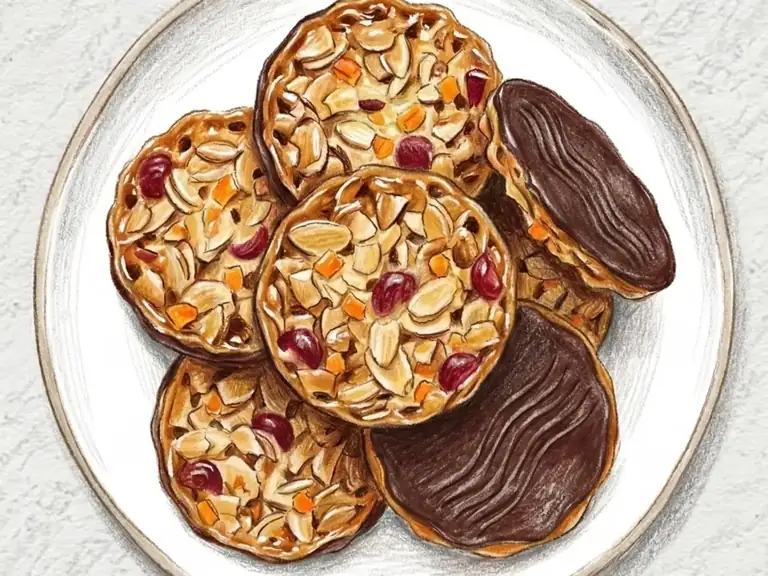
Sliced almonds go into a caramel cooked from cream, sugar, honey and butter, and small spoonfuls of it bubble up again in the oven and spread into thin amber rounds studded with nuts. Once cool they set hard as glass, snapping cleanly before the caramel turns a little chewy. The backs get a thin coat of melted dark chocolate.
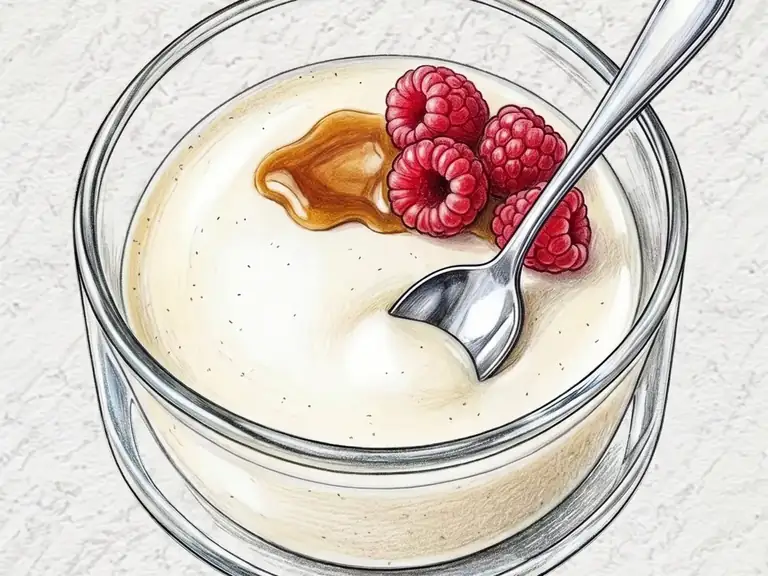
Set with powdered gelatin, this vanilla panna cotta holds its shape when turned out onto a plate while the center still shivers. The sugar is kept modest, so vanilla and dairy come through clean. To unmold, only the base of each cup goes briefly into warm water rather than warming the whole thing.
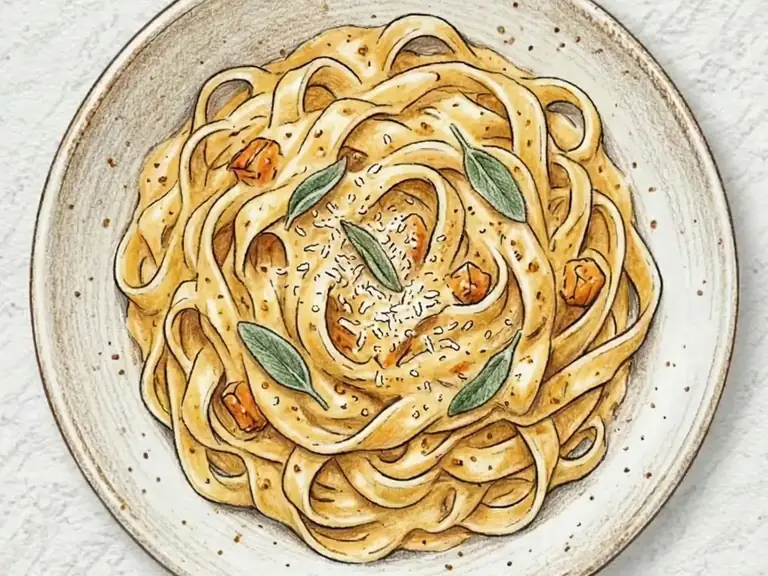
Roasting the kabocha squash until its edges brown concentrates its sweetness, and once blended it thickens the sauce without any flour. Even with cream and Parmigiano, the sauce stays a bright orange, with nutmeg rounding out the squash flavor. The squash can be roasted a day ahead, and butternut squash works in its place.
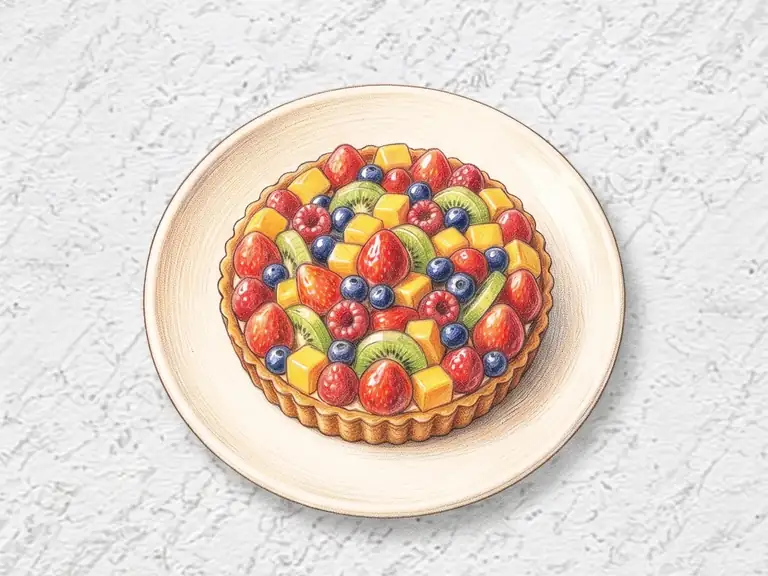
The shell bakes without pie weights after being docked all over with a fork and chilled in the pan for at least 30 minutes. Ripe fruit that shines on its own covers the cream so thickly that none of it shows, and the tart is finished as is.