Morning Glory Muffins
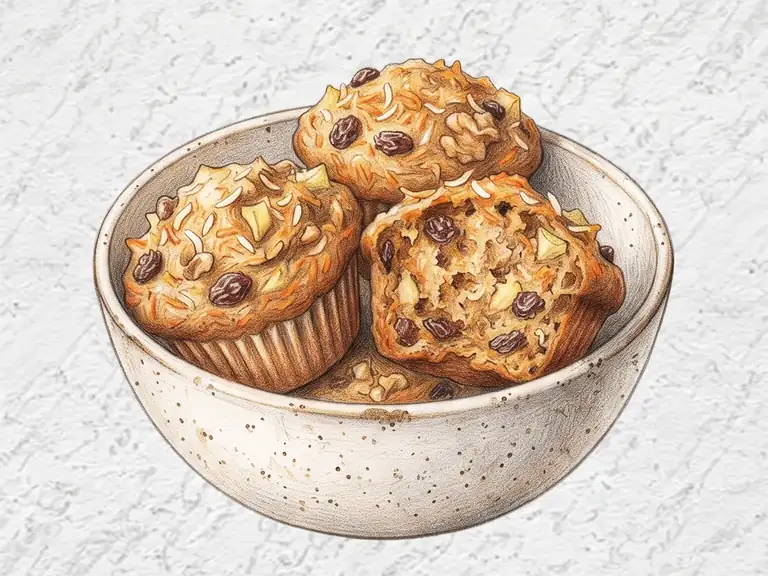
The crumb is moist from grated carrot and apple and drained pineapple, with coconut, raisins and walnuts to chew on. Sweetened shredded coconut works better here than unsweetened.
40 recipes. Page 2 of 2
As an Amazon Associate, we may earn from qualifying purchases.
The crumb is moist from grated carrot and apple and drained pineapple, with coconut, raisins and walnuts to chew on. Sweetened shredded coconut works better here than unsweetened.
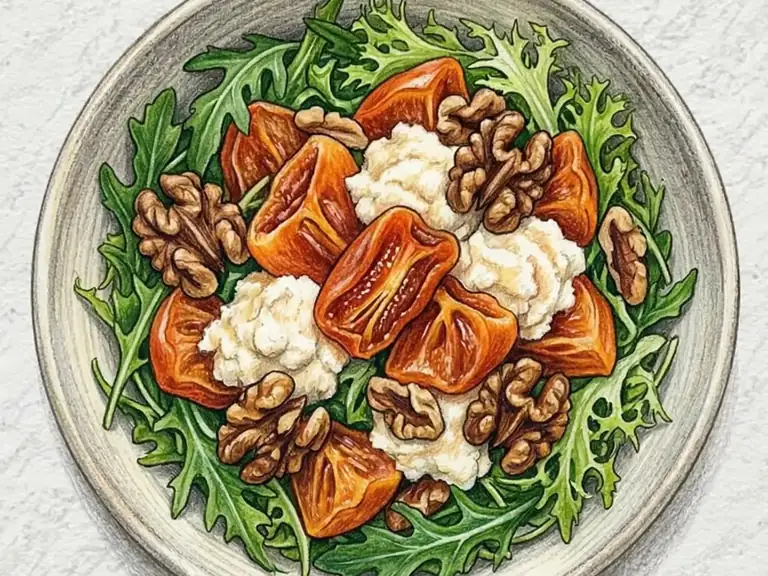
Dried persimmon cut into rounds shows a chewy, almost jammy center that contrasts with soft spoonfuls of ricotta. Bitter chicory and peppery arugula balance its concentrated sweetness, and walnuts and pine nuts toasted in a dry pan add a warm, nutty smell. When the persimmon is especially sweet, a little more balsamic vinegar brings the plate back into balance.
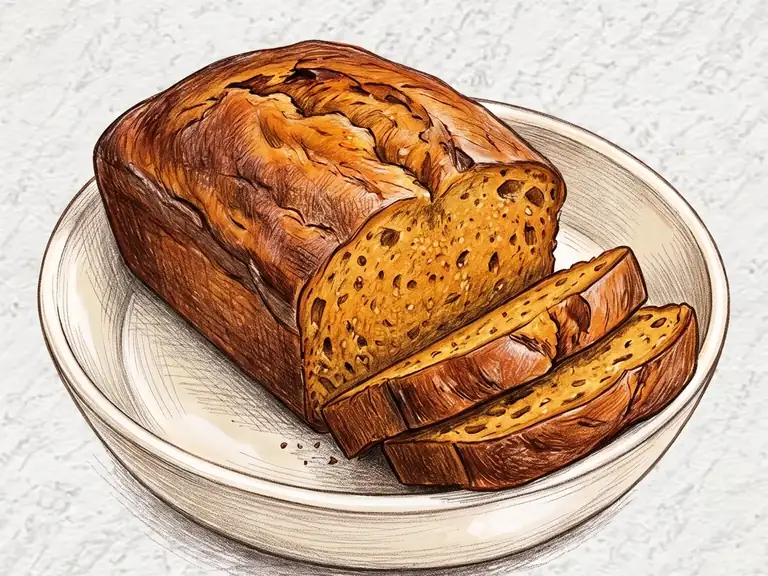
The pumpkin batter takes 120 ml each of canola oil and water and, once mixed, is thin enough to pour into the pan. The heavy batter rises on baking soda and baking powder together, and the soda also bakes the crust to a fairly dark brown.
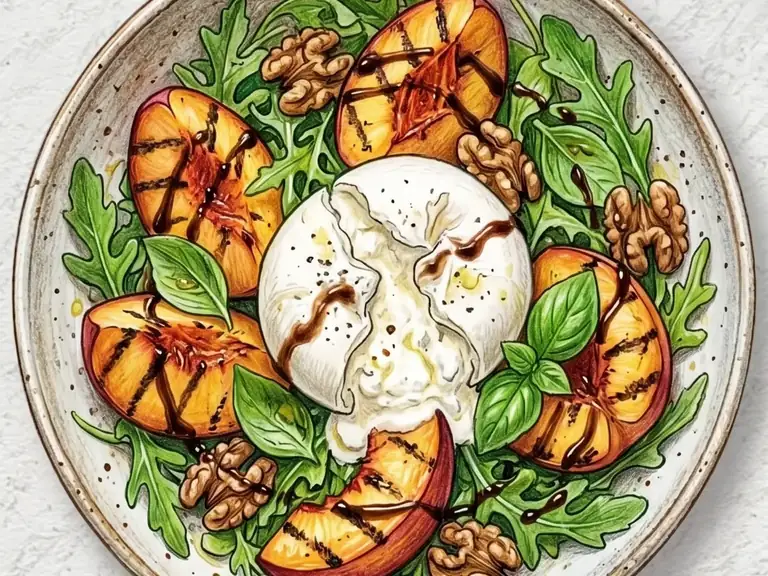
Peach wedges seared on a grill pan for 1 to 2 minutes per side caramelize at the cut edges and gain a concentrated sweetness and faint smokiness that raw fruit never has. Torn burrata spills its cream over the warm fruit, while peppery arugula and crunchy walnuts cut through all that cream. A zigzag of balsamic glaze ties the sweet and tangy notes together, and the salad is at its best in midsummer peach season.
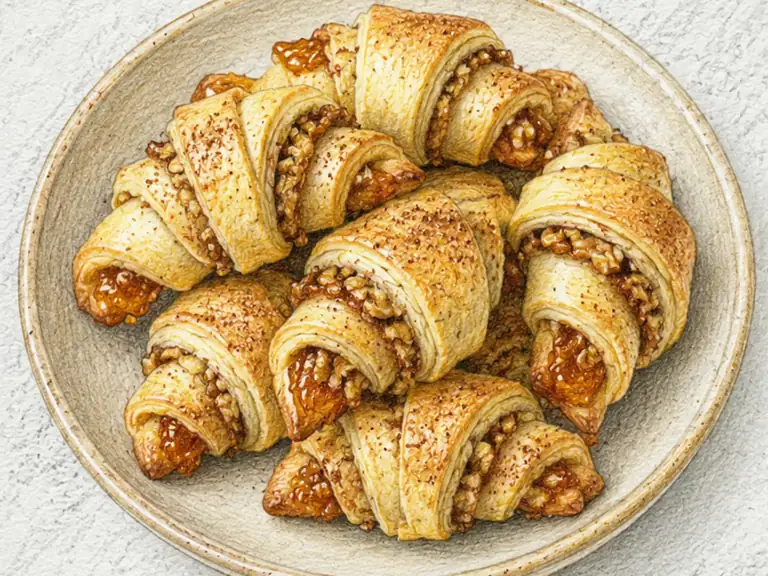
No yeast and no butter folds: this dough is just flour with cream cheese and butter worked in, then chilled until firm enough to roll. Apricot jam, finely chopped walnuts and cinnamon sugar are spread over each round, which is cut into 12 wedges and rolled into crescents, 24 in total. If the dough cracks at the edges while rolling, give it a minute to soften rather than forcing it.
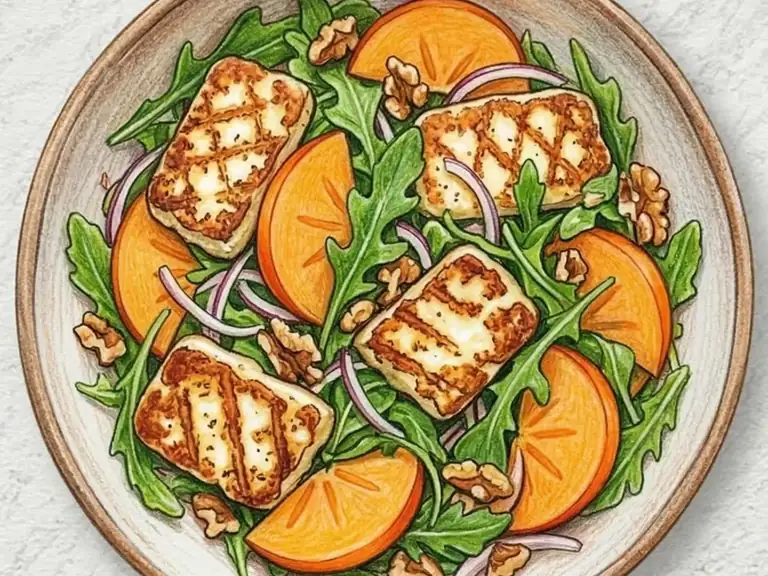
In a dry, hot pan, halloumi holds its shape and browns into a golden crust while the inside turns squeaky and chewy. It needs only 2 to 3 minutes per side; longer and it turns rubbery. Its saltiness meets thin slices of sweet persimmon head-on, and peppery arugula makes the pairing feel lighter. Red onion soaked in cold water for 5 minutes loses its sharpness and stops crowding out the fruit and cheese. White balsamic, paler and gentler than the dark kind, dresses the plate without muddying the orange fruit.
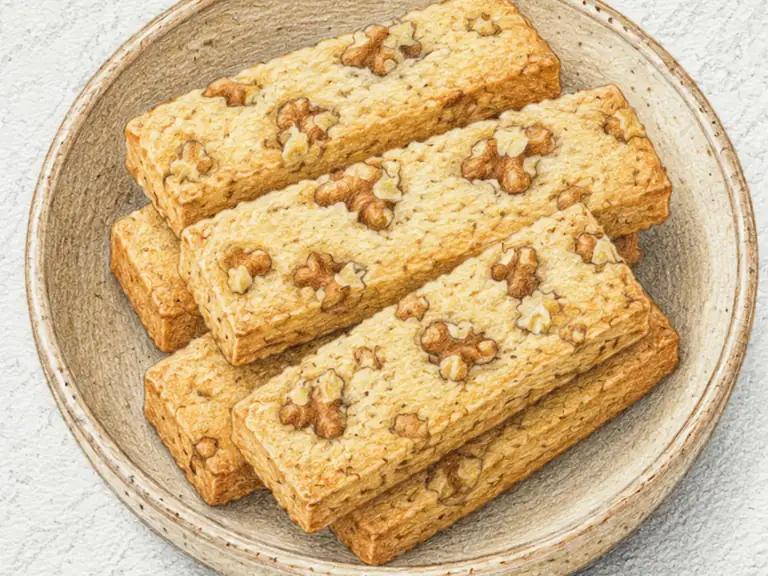
Rice flour and almond flour make up the dough, and the bars break apart lightly in the mouth, with bits of chopped walnut throughout. For more crunch, turn the oven off once they are baked and leave them inside with the door ajar for another 5 minutes. Cutting before they have cooled completely breaks the bars.
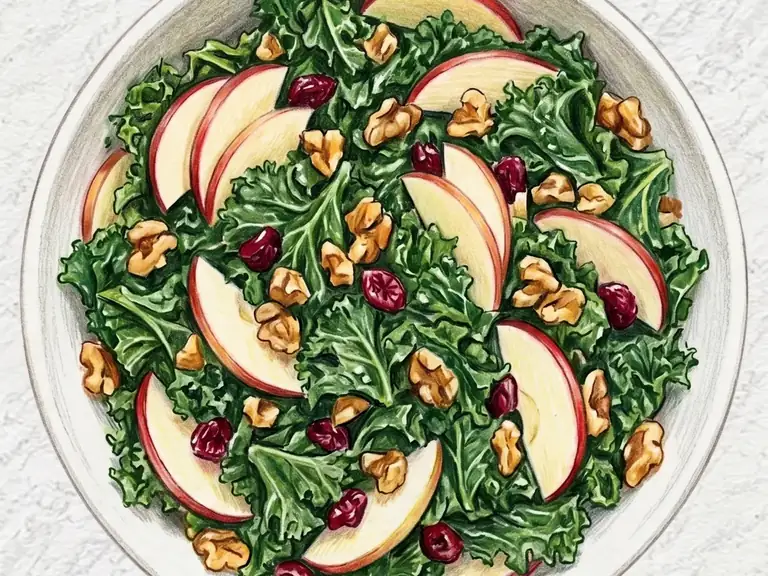
Raw kale is fibrous and scratchy, but massaging it with half the dressing darkens the leaves, shrinks their volume and makes them easy to chew. Lemon juice softens the kale's bitterness, while olive oil and honey round out the acidity. Thin apple slices get a light coat of dressing as soon as they are cut, and they stay pale while the rest is prepared. Just 1 minute in a dry pan brings oil to the surface of the walnuts and makes them far more fragrant. Dried cranberries scattered through the bowl add small sweet-tart bursts.
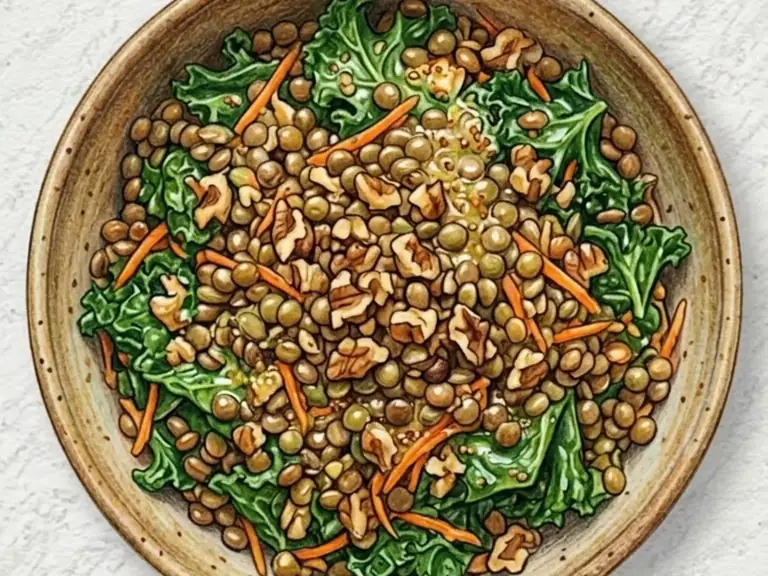
Lentils and kale make this a salad that eats like a meal. Raw kale is tough and bitter on its own, but working part of the dressing into the leaves first darkens and softens them so they sit easily with the lentils. The lentils come off the heat after 20 to 25 minutes, while they still resist the teeth a little, before they turn to mush. The lemon vinaigrette is thickened with Dijon mustard, which keeps the oil from separating and helps it cling to each lentil. Coarsely chopped walnuts add crunch, and shredded carrot brings sweetness and color.
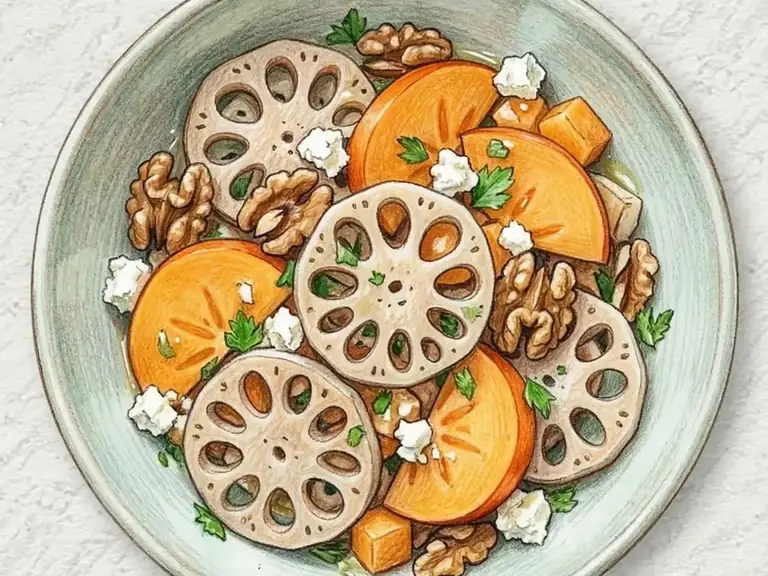
Sweet autumn persimmon and crisp blanched lotus root alternate in every bite of this salad. Crumbled feta brings a salty, tangy edge that makes the fruit taste sweeter, and a dressing of only lemon juice, olive oil and honey leaves the main ingredients uncovered.
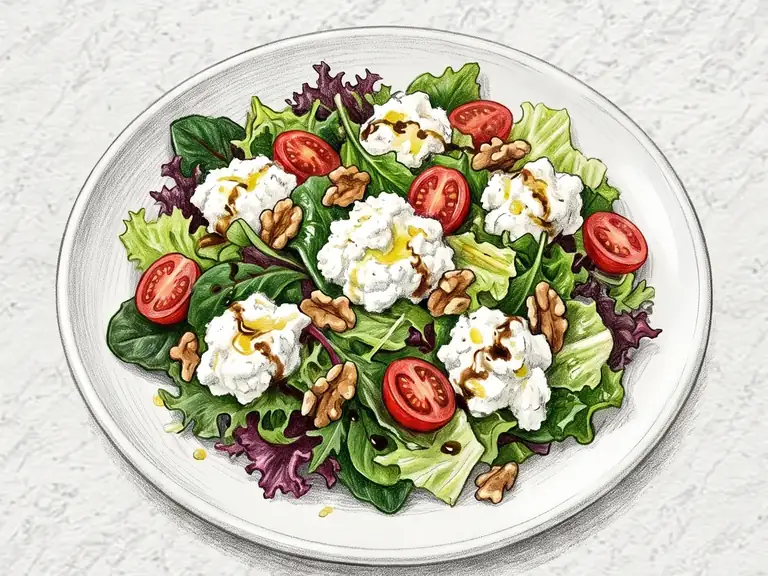
After about 20 minutes in the sieve the curds are still moist in the center and easy to spoon over greens; close to an hour drains away more whey and leaves a drier cheese. Use milk that is pasteurized but not ultra-pasteurized if you can find it. Ultra-pasteurized (UHT) milk and cream have been through a heat treatment that can keep the curds from separating as well, even with lemon juice.
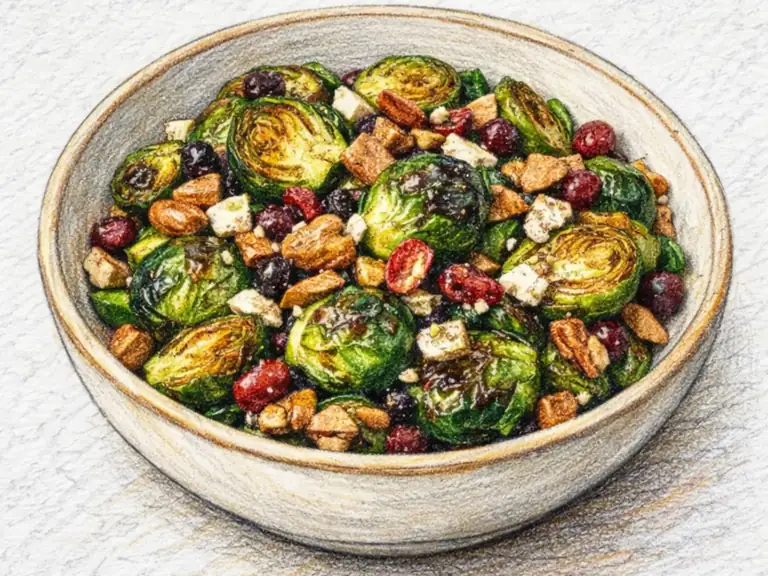
Roasted hard, Brussels sprouts char at the loose outer leaves and turn sweet and brown on the cut face. A crowded pan steams them in their own moisture, and the leaves never crisp. A sharp Dijon and cider vinegar dressing pushes back against that sweetness, while dried cranberries bring tartness and parmesan adds salt. Walnuts carry the same toasty note as the browned sprouts and give the salad more to chew on. After a winter frost, sprouts lose much of their bitterness and turn noticeably sweeter, and the salad is at its best in the cold months.
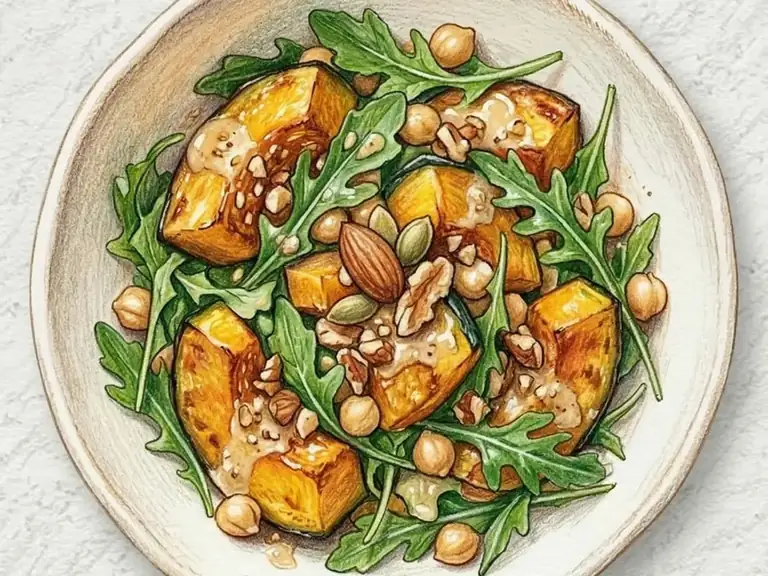
Kabocha roasted with its skin on turns chestnut-dry and fluffy inside, with caramelized edges outside. Autumn squash, at its sweetest, gives the clearest version of that flavor. White miso loosened with rice vinegar and maple syrup makes a dressing that is salty, sweet, and sour at once, and it makes the squash taste sweeter rather than masking it. With a very salty miso, add the dressing in portions and taste along the way. A bed of peppery arugula keeps the plate from tipping too sweet. Chickpeas and walnuts add chew and enough heft to make this a vegetarian main.
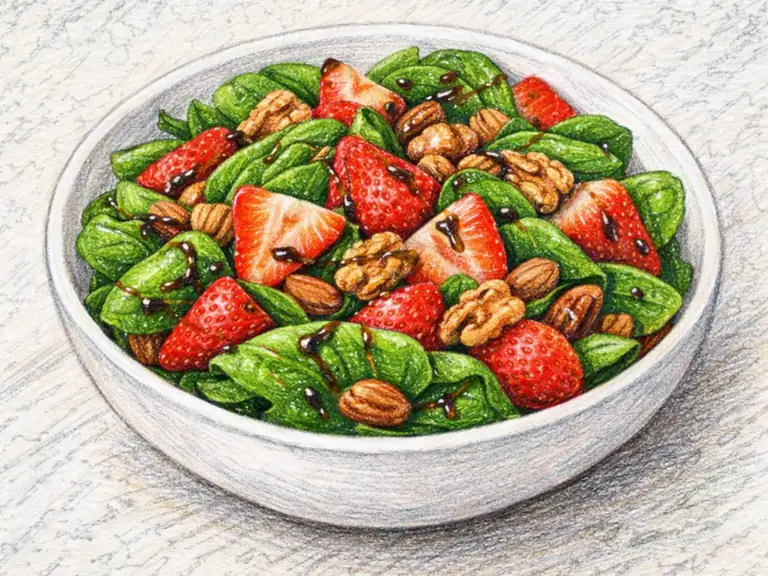
Thin slices of strawberry and a honey-balsamic dressing lay sweet and tart notes over tender baby spinach. Toasted walnuts and very thin red onion keep the salad from tipping into dessert, one with crunch and the other with a sharp bite.
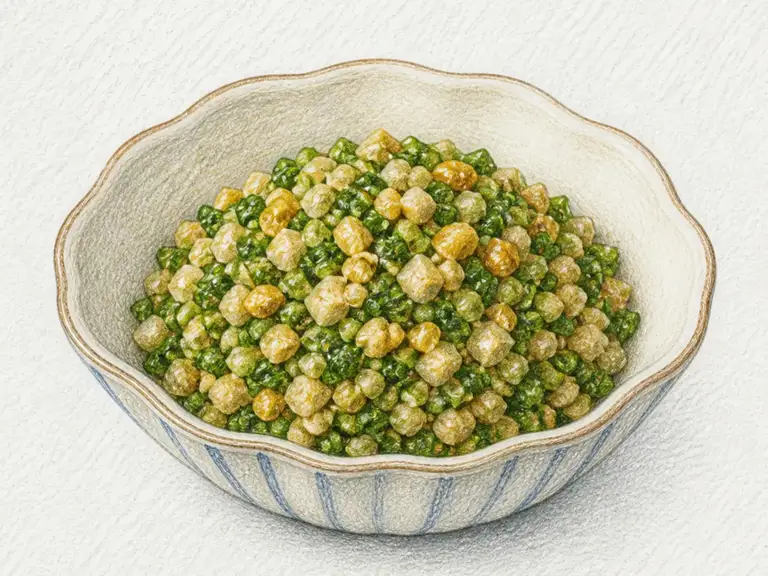
Blanched young ukogi shoots, miso-pickled daikon and walnuts are all chopped to just larger than a grain of rice, giving a loose, crumbly mix that scatters as you pick it up. Most of the salt comes from the pickled daikon, so soy sauce and salt are added only after tasting. Only ukogi grown and sold as food belongs in it, since wild plants are easy to confuse with look-alikes, and anyone with a walnut allergy should avoid the dish.
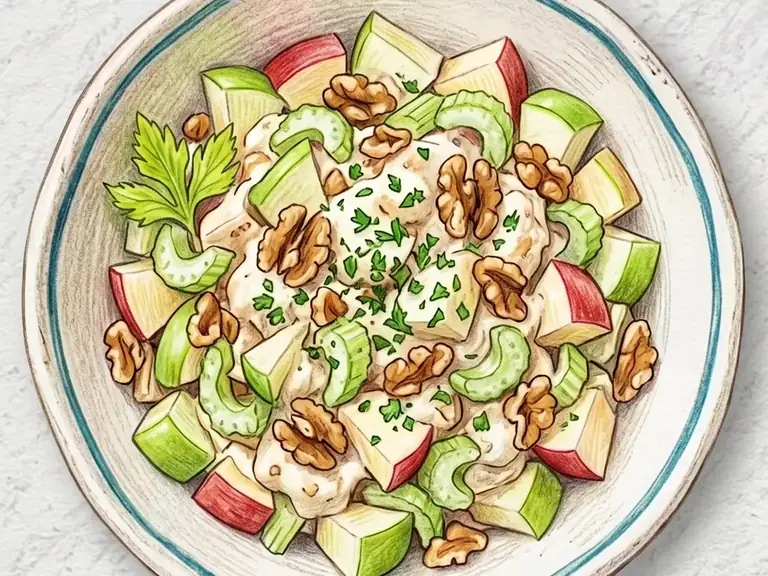
Crisp apple cubes, thin celery, juicy grapes and lightly toasted walnuts are held together by a light mayonnaise dressing. With only a few teaspoons of mayonnaise and a little sugar and lemon, the dressing should coat thinly, and pressing on the fruit releases juice that turns it runny. The walnuts are warmed in a dry pan over low heat until fragrant, then cooled completely so they match the temperature of everything else. Tossing the apple with lemon juice right after cutting keeps it from browning, and that same juice ends up in the dressing. Swapping half the mayonnaise for Greek yogurt makes a lighter version.