ACV Lemon Sparkling Water
Quick answer
The most delicious and refreshing way to consume Apple Cider Vinegar.
- Carbonation in ACV Lemon Sparkling Water neutralizes vinegar sharpness for a crisp finish.
- Carbonation neutralizes vinegar sharpness for an easier sip
Key ingredients
Core cooking flow
- 1 Pour two tablespoons of apple cider vinegar and one tablespoon of fresh lemo...
- 2 Add one tablespoon of allulose or honey according to your sweetness preferen...
- 3 Fill the glass to the brim with one cup of ice cubes to rapidly chill the mi...
The most delicious and refreshing way to consume Apple Cider Vinegar.
What Makes This Special
- Carbonation in ACV Lemon Sparkling Water neutralizes vinegar sharpness for a crisp finish.
- Carbonation neutralizes vinegar sharpness for an easier sip
- Allulose sweetens without affecting blood sugar levels
- Double acid from lemon and ACV gives a sharper, crisper fizz
Instructions
- 1
Pour two tablespoons of apple cider vinegar and one tablespoon of fresh lemon juice into a glass, swirling them slightly to create a concentrated and zesty base for your drink.
- 2
Add one tablespoon of allulose or honey according to your sweetness preference and stir thoroughly until the sweetener is completely integrated with the vinegar and lemon juice without leaving residue.
- 3
Fill the glass to the brim with one cup of ice cubes to rapidly chill the mixture and ensure that the drink remains refreshingly cold and crisp throughout the time.
- 4
Slowly pour 400ml of chilled sparkling water down the side of the glass to preserve the carbonation and prevent excessive foaming, filling the glass to the top for a bubbly finish.
- 5
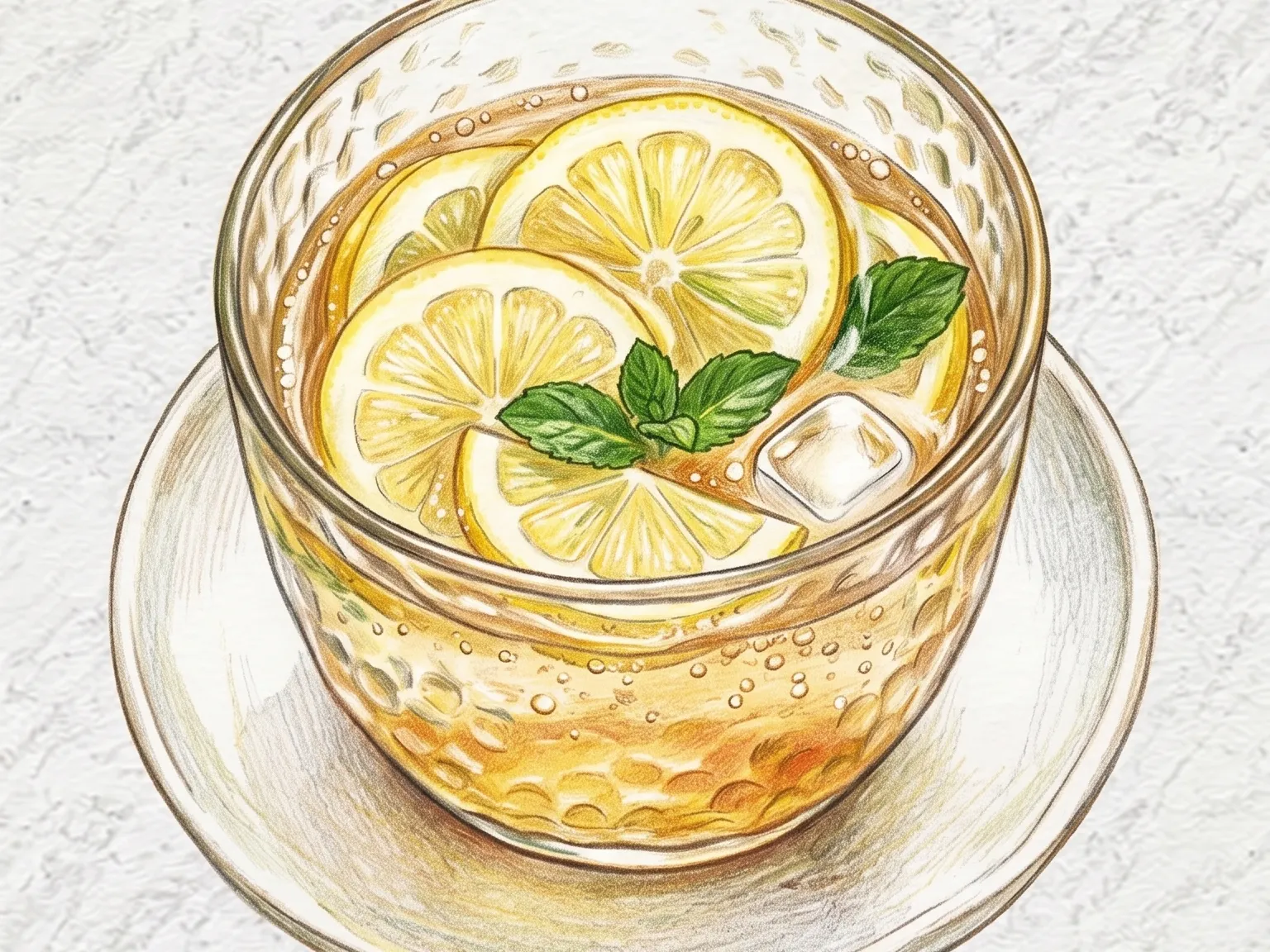
Garnish the drink by floating two lemon slices and fresh apple mint leaves on top to add a colorful aroma and visual freshness, then serve immediately while the bubbles are active.
Tips
Nutrition (per serving)
Recipes to Cook Together
More Drinks →Serve with this
Handmade Piped Carnation Cookies
Beautiful carnation-shaped cookies created with piped dough to express gratitude.
Crispy Glutinous Rice Nurungji Crackers
A sweet and salty glutinous rice snack with an excellent crispy yet chewy texture.
Old-school Wheat Tteokbokki
A nostalgic sweet and spicy tteokbokki featuring chewy wheat rice cakes perfectly soaked in sauce.
Chicken Cabbage Wraps
Simple chicken tenderloin and cabbage wraps, ideal for a diet-friendly side dish.
Similar recipes
Apple Cider Vinegar Cinnamon Drink
A flavorful drink capturing the essence of autumn with combines ACV and cinnamon.
ACV Honey Ginger Tea
A warm healthy tea that maximizes the benefits of ACV for digestion and blood sugar control.
Korean Bori Saessak Lemon Ade (Barley Sprout Lemon Ade)
This barley sprout lemonade dissolves barley sprout powder into apple juice first - a deliberate step that prevents clumping and keeps the drink smooth throughout. Fresh lemon juice and oligosaccharide syrup are stirred in next to build a sweet-tart base before sparkling water is added slowly at the very end to preserve as much carbonation as possible. The grassy, vegetal quality of barley sprout powder is tempered by the mild natural sugar in the apple juice, and the lemon provides a clean acidity that sharpens the whole flavor. Oligosaccharide is used in place of refined sugar because its lower sweetness intensity lets the barley note stay present rather than being masked. The drink is best consumed within five minutes of assembly while the bubbles remain lively, and following the layering order keeps the green color vivid and distinct.
Korean Minari Apple Juice
Minari apple juice is a Korean green juice made by blending fresh water dropwort, apple, and cucumber with cold water until smooth. Water dropwort carries a sharp, herbaceous bite that anchors the drink in clean, green territory, while the apple's natural juice sweetens the blend without any added sugar. Cucumber brings lightness and hydration, softening the overall texture so each sip goes down easily. A small piece of fresh ginger adds quiet warmth underneath the green notes, and lemon juice keeps water dropwort's grassy edge in check while honey rounds out the tart finish. Drinking the blended mixture straight gives a fuller, fiber-rich texture, but straining through cheesecloth or a fine-mesh sieve transforms it into a clear, polished juice with a noticeably smoother feel. Spring water dropwort harvested at peak season delivers the most concentrated herbal fragrance, and choosing a tart apple variety prevents the sweetness from overpowering the other ingredients.
Kale Apple Walnut Salad
Kale apple walnut salad strips kale leaves from their stems, tears them small, and massages them with part of a lemon-honey dressing to soften the tough fibers before adding thinly sliced apple, roughly chopped walnuts, and dried cranberries with the remaining dressing. Raw kale has a coarse, chewy texture that can feel rough on the palate, but massaging it with the acidic dressing breaks down the cell walls, reducing volume and turning the leaves tender. The lemon juice pulls double duty - it tempers the kale's bitterness and prevents the apple slices from browning. Olive oil and honey round out the acid with a smooth richness and gentle sweetness. Toasting the walnuts in a dry pan for just one minute brings their oils to the surface, roughly doubling the nutty aroma, while pockets of dried cranberries add tart-sweet bursts throughout.
Apple Fennel Walnut Salad
This salad pairs three ingredients whose textures and flavors run in different directions - crisp apple, anise-scented fennel, and bitter walnuts - and unifies them with a honey-lemon dressing. Thinly sliced fennel bulb contributes a licorice-like fragrance that is more aromatic than sweet, while its celery-crisp texture holds a firm contrast against the apple's softer flesh. Toasted walnuts add a crunchy, tannic bitterness that anchors the lighter elements and keeps the salad from reading as merely sweet. The dressing is deliberately minimal - fresh lemon juice, honey, a small amount of olive oil, and a pinch of salt - so the ingredients carry the flavor rather than the sauce. Assembling just before serving prevents the apple from browning. Salads of this type appear on autumn and winter tables in France and Italy when local apples and fennel come into season together, and can be served as a standalone starter or alongside roasted poultry, where the anise note in the fennel cuts through the meat's richness. Fennel has a long association with digestive support in Mediterranean cooking, which is partly why it has traditionally been served alongside fatty meats, and this salad draws on the same pairing logic.