2741 Korean & World Recipes

2741+ Korean recipes, clean and organized. Ingredients to instructions, all at a glance.

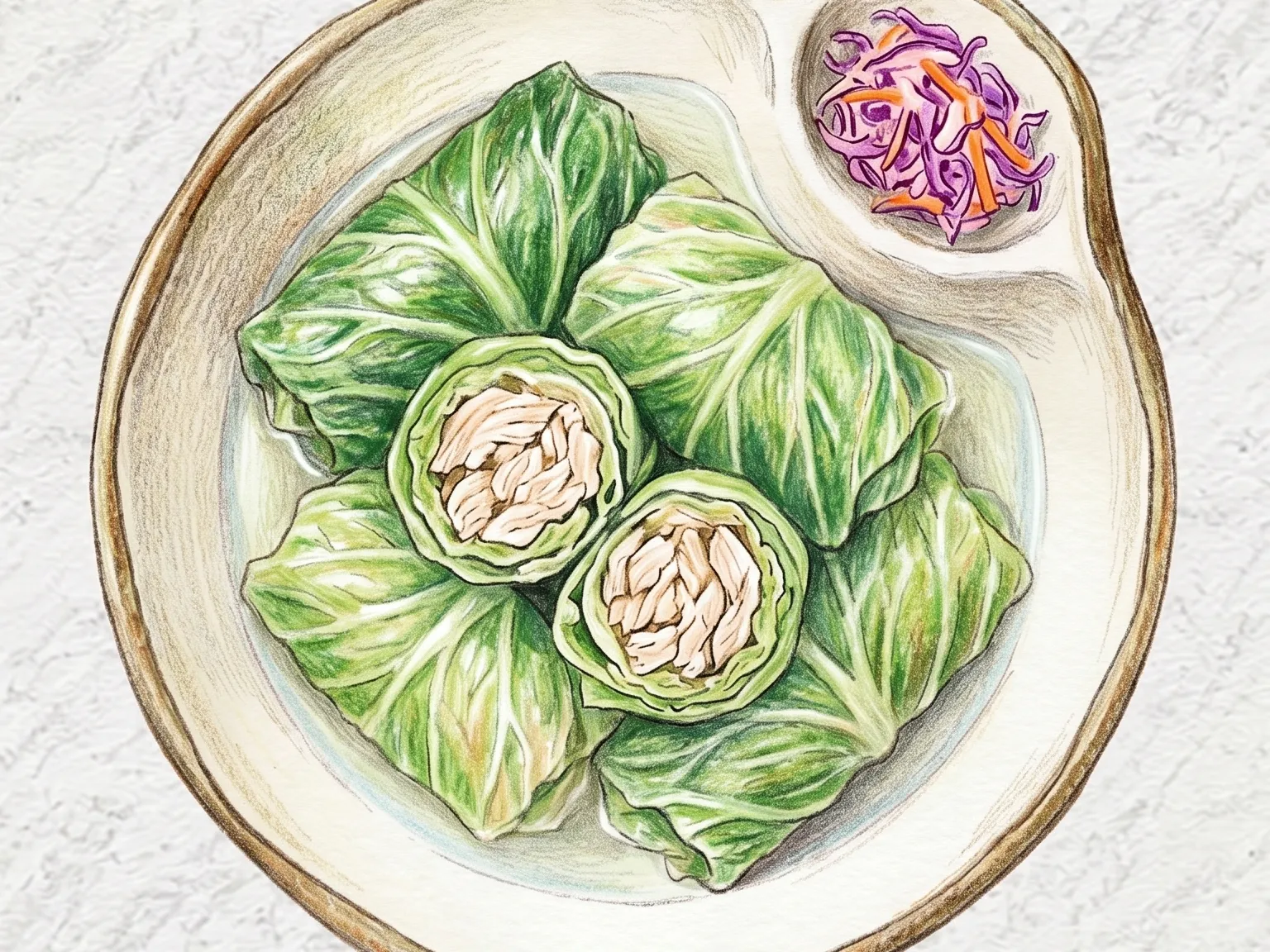
Chicken Cabbage Wraps

Chicken Cabbage Wraps

Simple chicken tenderloin and cabbage wraps, ideal for a diet-friendly side dish.

  • Steamed cabbage leaves become pliable and tender to wrap savory chicken tenderloin pieces.
  • 7-8 minute steaming gives cabbage leaves the pliable roll-wrap texture
Total time
30 min
Level
Easy
Servings
2 servings
Ingredients
6
Calories
180 kcal
Protein
22 g

Key ingredients

Chicken tenderloinCabbageMirinSalt/PepperSsamjang

Core cooking flow

  1. 1 Separate 10 cabbage leaves and place them in a steamer.
  2. 2 Pull out the tendons from 200 g of chicken tenderloin by hand.
  3. 3 Lightly oil a pan and heat it over medium heat.

Simple chicken tenderloin and cabbage wraps, ideal for a diet-friendly side dish.

What Makes This Special

  • Steamed cabbage leaves become pliable and tender to wrap savory chicken tenderloin pieces.
  • 7-8 minute steaming gives cabbage leaves the pliable roll-wrap texture
  • Tendon removal and mirin marinade reduce chicken tenderloin's dryness
  • Ssamjang as the single condiment keeps ingredient count minimal
Prep 15min Cook 15min 2 servings
Recipes by ingredient → cabbage cooking wine sesame oil

Instructions

  1. 1

    Separate 10 cabbage leaves and place them in a steamer. Steam over high heat for 7 to 8 minutes until the leaves turn translucent and pliable, then remove and let cool.

  2. 2

    Pull out the tendons from 200 g of chicken tenderloin by hand. Sprinkle with a pinch of salt, a dash of pepper, and 1 tablespoon of mirin, then let it marinate for at least 5 minutes.

  3. 3

    Lightly oil a pan and heat it over medium heat. Cook the chicken tenderloins for 2 to 3 minutes per side until golden and cooked through. Alternatively, boil in simmering water for 3 to 4 minutes.

  4. 4

    Lay a cooled cabbage leaf flat and place 1 to 2 chicken tenderloins at one end. Roll tightly to wrap, then lightly brush the outside with 1 teaspoon of sesame oil for extra aroma.

  5. 5

    Cut each roll into 2 to 3 cm thick slices and arrange on a plate with the cut side facing up. Serve with 2 tablespoons of ssamjang on the side.

Tips

Plunging cabbage in cold water after steaming keeps the color lively.
Shredding the chicken breast also provides a nice texture.

Nutrition (per serving)

Calories
180
kcal
Protein
22
g
Carbs
10
g
Fat
4
g

Recipes to Cook Together

More Side dishes →

Similar recipes

Diet Konjac Fried Rice
Rice Easy

Diet Konjac Fried Rice

A light and delicious konjac fried rice to enjoy without calorie worries.

🔥 Trending Now
Prep 10min Cook 15min 2 servings
Korean Broccoli Doenjang Salad
Side dishes Easy

Korean Broccoli Doenjang Salad

Blanched broccoli tossed in doenjang dressing is a modern Korean banchan that pairs Western ingredients with traditional fermented seasoning. Florets and thinly sliced stems blanch for ninety seconds in salted boiling water, then shock in cold water to lock in vivid green color and a firm, crisp bite. The dressing is built from doenjang stirred with rice vinegar and oligosaccharide syrup, combining fermented salt depth, acidity, and a gentle natural sweetness that lifts rather than masks the vegetable's mild bitterness. Using the stems alongside the florets eliminates waste and adds textural variety to each bite. Ready in under ten minutes and holds well refrigerated for two days.

🥗 Light & Healthy 🏠 Everyday
Prep 10min Cook 5min 4 servings
Korean Konjac Noodle Salad
Side dishes Easy

Korean Konjac Noodle Salad

Silgonyak-chae-muchim tosses 250 grams of blanched konjac noodles with julienned cucumber, carrot, and onion in a gochujang-based dressing spiked with vinegar, sugar, soy sauce, and garlic. Blanching the noodles for two minutes removes their faint alkaline smell and softens their rubbery chew to a pleasant springiness. The vegetables provide crisp contrast - cucumber adds a cool snap, carrot a mild sweetness, and onion a sharp bite. The dressing clings to the translucent noodles, turning them a vivid reddish hue. At only 95 calories per serving, this banchan relies on texture and bold seasoning rather than fat for its appeal. Chilling for 10 minutes before serving firms up the noodles and intensifies the tangy-spicy flavor profile.

🥗 Light & Healthy 🏠 Everyday
Prep 12min Cook 3min 2 servings
Korean Stir-fried Seaweed Stems
Side dishes Easy

Korean Stir-fried Seaweed Stems

Miyeok-julgi-bokkeum is stir-fried seaweed stems - specifically the thick midrib portions of salted miyeok (wakame) - offering a textural experience entirely different from miyeok-muchim (seaweed salad) or miyeok-guk (seaweed soup). While seaweed leaves are soft and slippery, the stems are thick and resilient, producing a distinctive crunchy pop with each bite. Salt levels vary by brand, so soaking in cold water for ten minutes is the baseline desalting step, but tasting before cooking and rinsing again if needed is essential. Julienned onion and carrot stir-fried alongside break the monotony of seaweed alone, adding sweetness and color. Garlic sauteed in oil first establishes an aromatic foundation. A finishing drizzle of sesame oil and sesame seeds bridges the oceanic seaweed flavor with a toasty nuttiness. The extremely low calorie count makes this banchan a staple in diet-conscious Korean meal plans.

🥗 Light & Healthy 🏠 Everyday
Prep 15min Cook 8min 4 servings
Korean Tofu and Bell Pepper Salad
Side dishes Easy

Korean Tofu and Bell Pepper Salad

Paprika-dubu-muchim combines 300 grams of blanched firm tofu, crumbled coarsely by hand, with julienned red and yellow bell peppers, cucumber, and onion in a soy-vinegar dressing. Blanching the tofu for just one minute removes any raw bean flavor while preserving a soft, creamy texture that contrasts with the crisp, sweet snap of the peppers. The onion is soaked in cold water for three minutes to tame its bite before joining the bowl. Sesame oil and minced garlic round out the dressing, adding depth without heaviness. Chilling the finished dish for 10 minutes before serving sharpens the vegetable flavors and makes the tofu firmer to the bite.

🥗 Light & Healthy 🏠 Everyday
Prep 12min Cook 3min 2 servings
Yuja Mustard Chicken Naengchae Salad
Salads Easy

Yuja Mustard Chicken Naengchae Salad

Yuja mustard chicken naengchae salad shreds boiled chicken breast along the grain and tosses it with julienned cucumber, Korean pear, bell pepper, and cabbage in a dressing of yuja marmalade, Korean mustard paste, vinegar, and sesame oil. Soaking the chicken breast in lightly salted water for ten minutes before boiling helps the muscle fibers retain moisture, keeping the shredded meat tender rather than dry. The yuja marmalade brings a bright citrus fragrance, and the Korean mustard delivers a sharp, nasal heat - vinegar binds these two strong personalities into a cohesive dressing. Slicing the pear just before serving preserves its juice and crisp sweetness. Adding two-thirds of the dressing first, then tasting and adjusting, prevents the acidity from overwhelming the delicate balance of the salad.

🥗 Light & Healthy 🎉 Special Occasion
Prep 18min Cook 12min 2 servings