ACV Honey Ginger Tea
Quick answer
A warm healthy tea that maximizes the benefits of ACV for digestion and blood sugar control.
- ACV Honey Ginger Tea preserves live enzymes by steeping below 60 degrees Celsius.
- Added below 60°C to protect ACV's live enzymes and cultures
Key ingredients
Core cooking flow
- 1 Peel the fresh ginger root carefully and slice it into four thin pieces to m...
- 2 Place the ginger slices and one cinnamon stick into 400ml of warm water and...
- 3 Add two tablespoons of apple cider vinegar once the water temperature has co...
A warm healthy tea that maximizes the benefits of ACV for digestion and blood sugar control.
What Makes This Special
- ACV Honey Ginger Tea preserves live enzymes by steeping below 60 degrees Celsius.
- Added below 60°C to protect ACV's live enzymes and cultures
- 5-minute cinnamon stick steep wraps the drink in spiced warmth
- Ginger, cinnamon, and chili deliver three distinct types of heat
Instructions
- 1
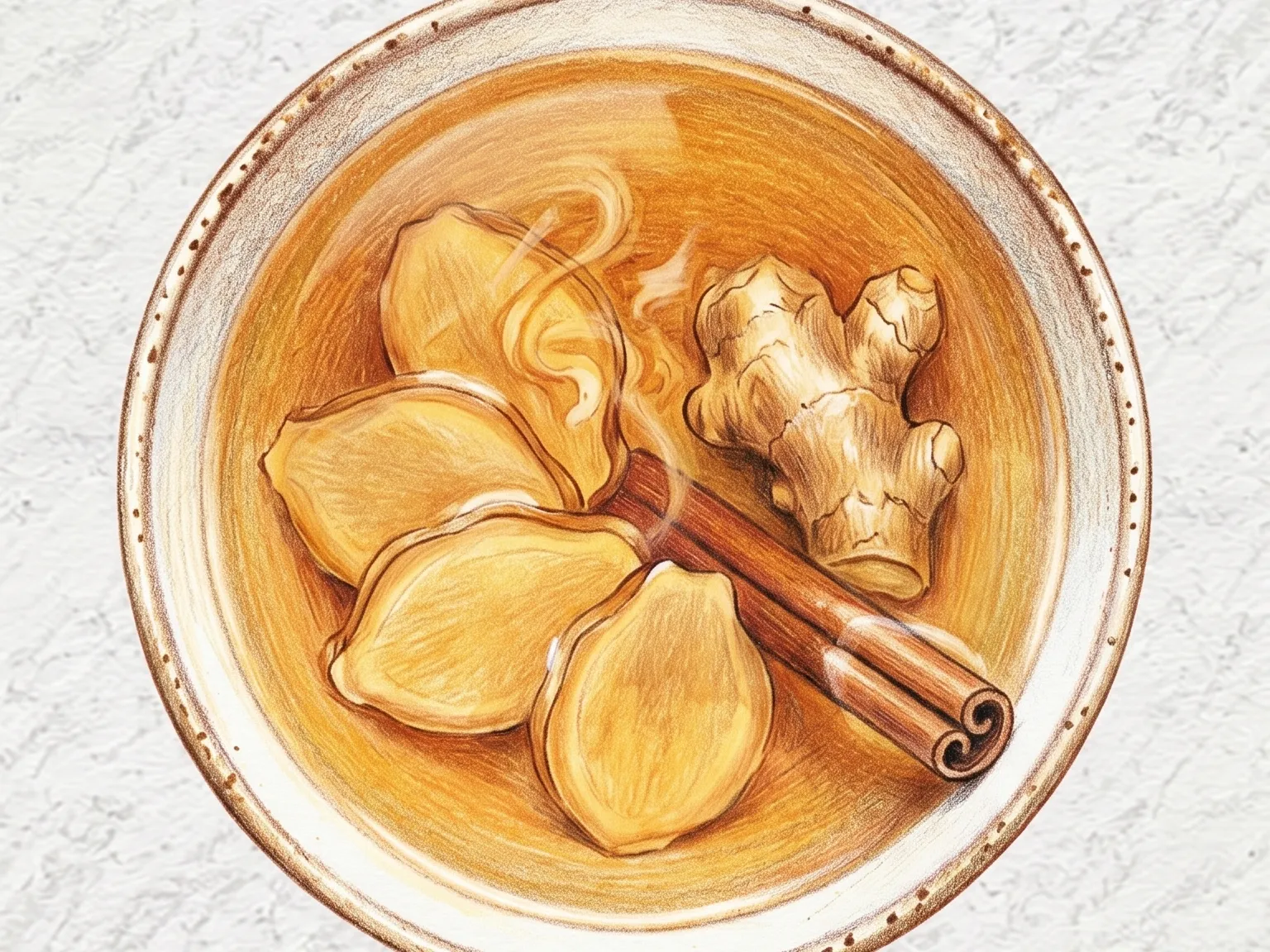
Peel the fresh ginger root carefully and slice it into four thin pieces to maximize the surface area for a more intense and aromatic flavor infusion in your tea.
- 2
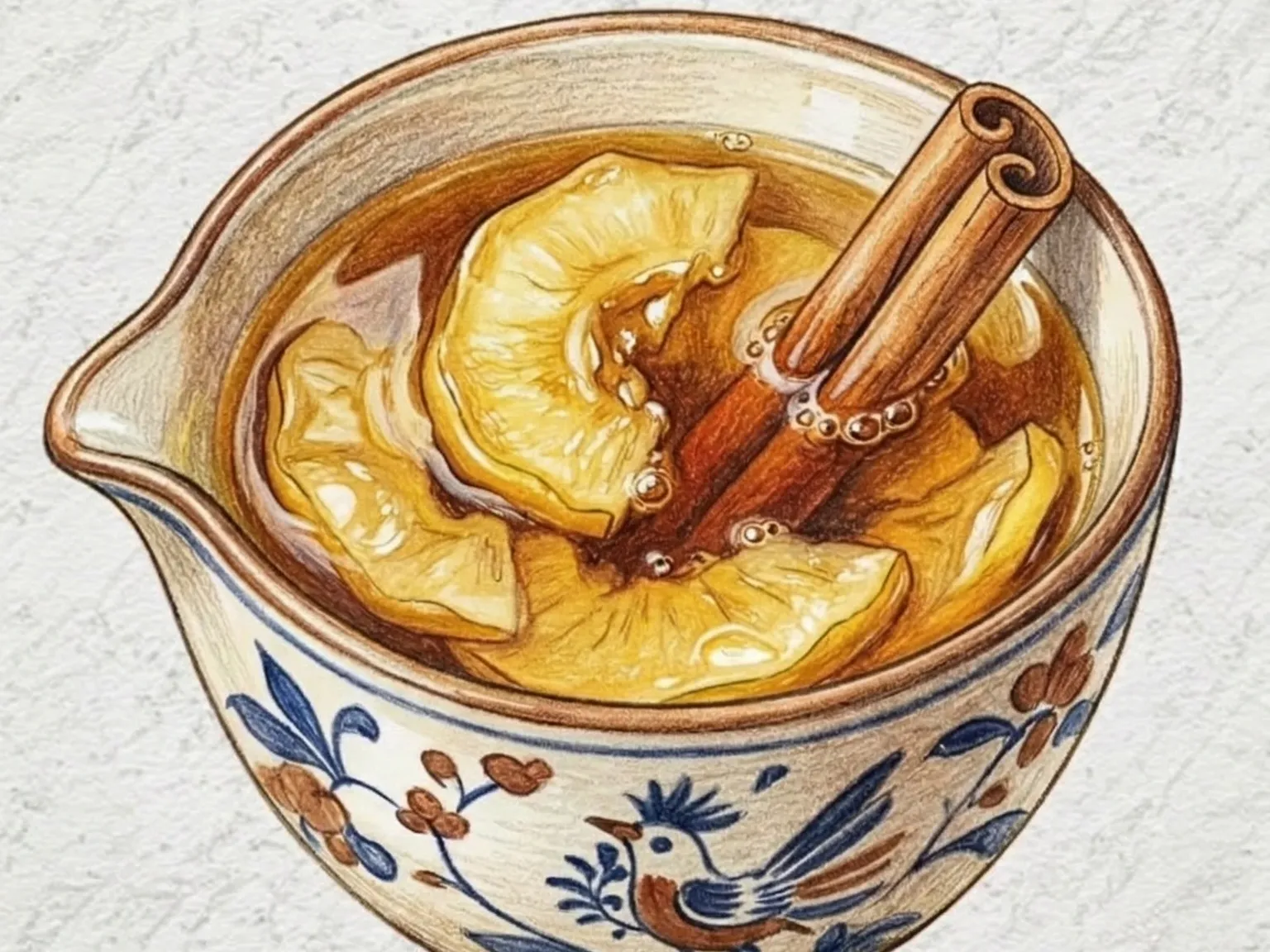
Place the ginger slices and one cinnamon stick into 400ml of warm water and let them steep for about five minutes until the liquid becomes fragrant and slightly amber colored.
- 3
Add two tablespoons of apple cider vinegar once the water temperature has cooled to below 60 degrees Celsius to ensure that the beneficial enzymes and probiotics remain intact and active.
- 4
Incorporate one tablespoon of honey and stir slowly with a long spoon until it is completely dissolved in the warm liquid, ensuring a smooth texture and a balanced, sweet taste.
- 5
Add a pinch of cayenne pepper if desired to boost metabolism and enhance the spicy profile, then serve the drink warm and enjoy it slowly to experience the full benefits.
Tips
Nutrition (per serving)
Recipes to Cook Together
More Drinks →Serve with this
Handmade Piped Carnation Cookies
Beautiful carnation-shaped cookies created with piped dough to express gratitude.
Homemade Ginger Honey Candy
A healthy homemade candy carefully brewed with spicy ginger and sweet honey.
Bite-Sized Mini Hot Dogs
Perfect for kids! Crispy and cute mini hot dogs that fit perfectly in one bite.
Shredded Chili Pickle
Spicy and sour shredded chili pickles, perfect for grilled meats.
Similar recipes
Apple Cider Vinegar Cinnamon Drink
A flavorful drink capturing the essence of autumn with combines ACV and cinnamon.
ACV Lemon Sparkling Water
The most delicious and refreshing way to consume Apple Cider Vinegar.
Black Sugar Tapioca Pearl Milk Tea
Enjoy chewy tapioca pearls and sweet black sugar syrup milk tea at home.
Korean Ginger Tea (Spiced Jujube Honey Ginger Brew)
Saenggangcha is a Korean ginger tea made by simmering thinly sliced fresh ginger and halved, pitted jujubes in water for 15 minutes on medium heat followed by 5 more minutes on low. The two-stage simmering extracts both the sharp warmth of ginger and the quiet, honeyed fruitiness of jujubes without letting either dominate. Peeling the ginger before slicing removes any earthy or bitter notes from the skin and produces a cleaner cup. Slicing it thin rather than thick maximizes the surface area, allowing gingerol, the compound responsible for the tea's peppery bite, to dissolve into the water more rapidly within the same simmering time. Splitting and pitting the jujubes exposes the flesh, which gives up its fruit aroma far more readily than whole dried fruit. After straining, the pot should be removed from the heat and allowed to cool slightly before the honey goes in, because dissolving honey into near-boiling liquid destroys the delicate floral compounds that distinguish quality honey from plain sugar. A small pinch of ground cinnamon deepens the spice profile by adding warmth that complements rather than competes with the ginger. Floating lemon slices on the surface adds a citrus brightness that lifts the body of the tea. The drink is especially associated with the transitional seasons in Korea, when the weather shifts and sore throats become more common.
Pork Chops with Apple Cider Pan Sauce
Apple Cider Pork Chops represent a traditional American one-pan cooking method where thick-cut pork loin chops are cooked in a single skillet to create a deep golden exterior crust. The preparation involves a pan sauce that utilizes the flavorful fond left behind in the skillet after searing the meat. For the best results, the pork chops should sit at room temperature for approximately thirty minutes before they are placed in the pan. This step is important because it allows the heat to penetrate the meat evenly from the outer edges to the center. It is also essential to use a paper towel to pat the surface of the pork until it is completely dry, which facilitates the chemical reaction needed for thorough browning. Once the pork has been seared and removed from the heat, finely chopped shallots and garlic are added to the rendered pork fat and sautéed until they become fragrant. Apple cider is then poured into the hot skillet to deglaze the surface, loosening the caramelized bits that remain attached to the bottom. The liquid is simmered and reduced until the natural sugars and acidic components of the cider become more concentrated and intense. To build additional layers of flavor, Dijon mustard is whisked into the reduction to provide a sharp and slightly peppery character. The final texture of the sauce is achieved by swirling in a piece of cold unsalted butter at the very end of the cooking process, which creates a glossy appearance and a smooth consistency. A whole sprig of fresh thyme is included during the simmering stage to provide an herbal element that connects the flavor profiles of the apple cider and the pork meat.
Baesuk (Korean Poached Pear Punch)
Baesuk is a traditional Korean punch made by slowly simmering whole or large-cut Korean pear with ginger, whole black peppercorns, and dried jujubes. As the pear cooks over low heat, its juice gradually dissolves into the liquid, building a natural sweetness that forms the drink's backbone. Ginger contributes a warm, peppery sharpness that interlocks with the pear's sweetness, producing a flavor that is comforting yet clean. Whole peppercorns are added sparingly and function as an aromatic element rather than a source of actual heat. Jujubes add a faint reddish tint and a mild fruity undertone to the liquid. Honey is stirred in after the heat is turned off and the temperature has dropped slightly to preserve its fragrance; because the pear already provides significant sweetness, the honey amount should start small and be adjusted by taste. Overnight refrigeration allows the ginger and pear flavors to penetrate more fully, rounding out the drink. Pine nuts floated on the surface before serving add a subtle oily richness to the finish of each sip. Historical records indicate that baesuk appeared on royal banquet tables during the Joseon dynasty and at aristocratic tea spreads, and Korean traditional medicine has long recommended it as a remedy for cold prevention and digestive support. Even today it remains a seasonal drink associated with holidays and ancestral rite preparations.