Grilled Cheese Sandwich
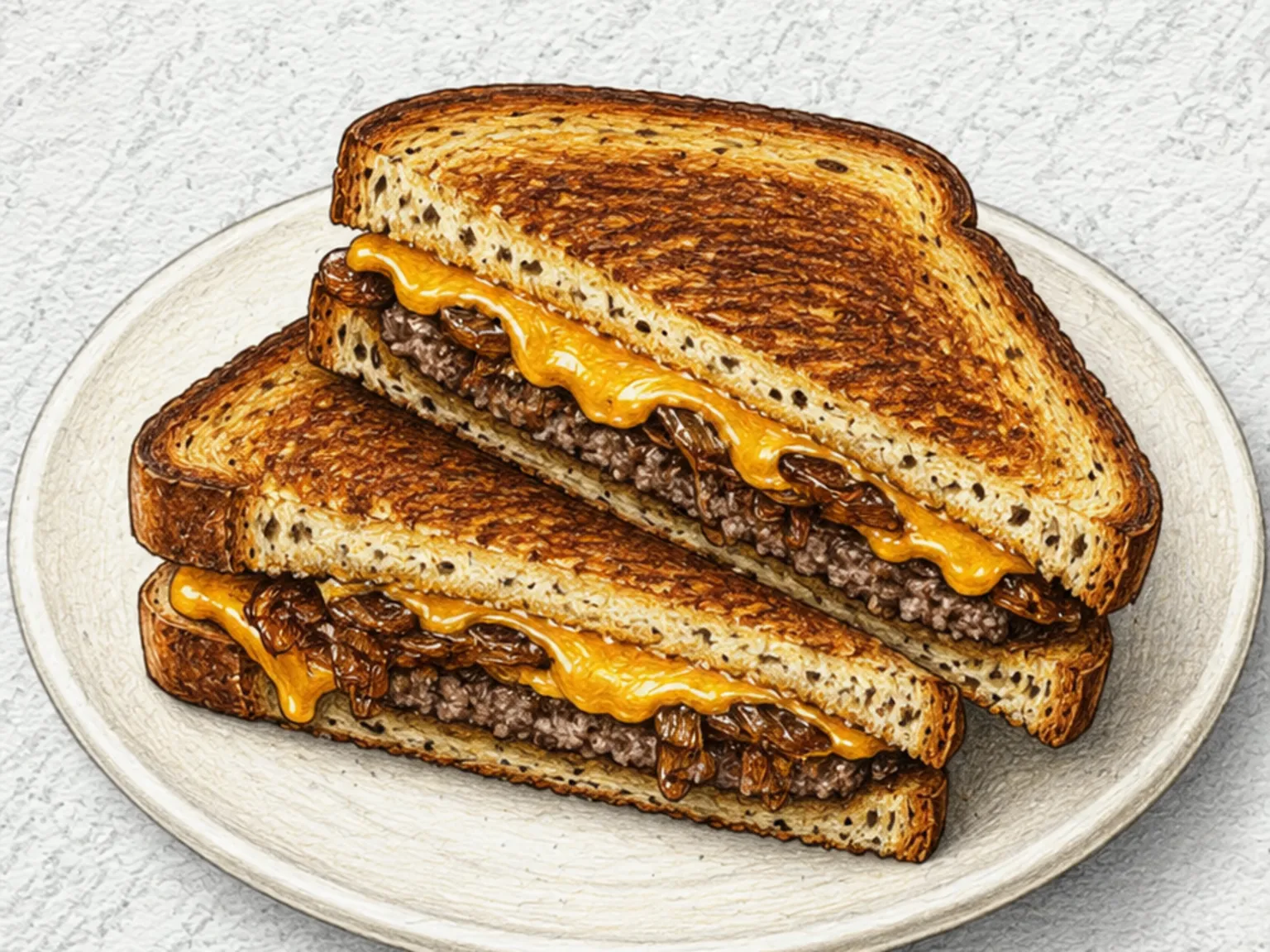
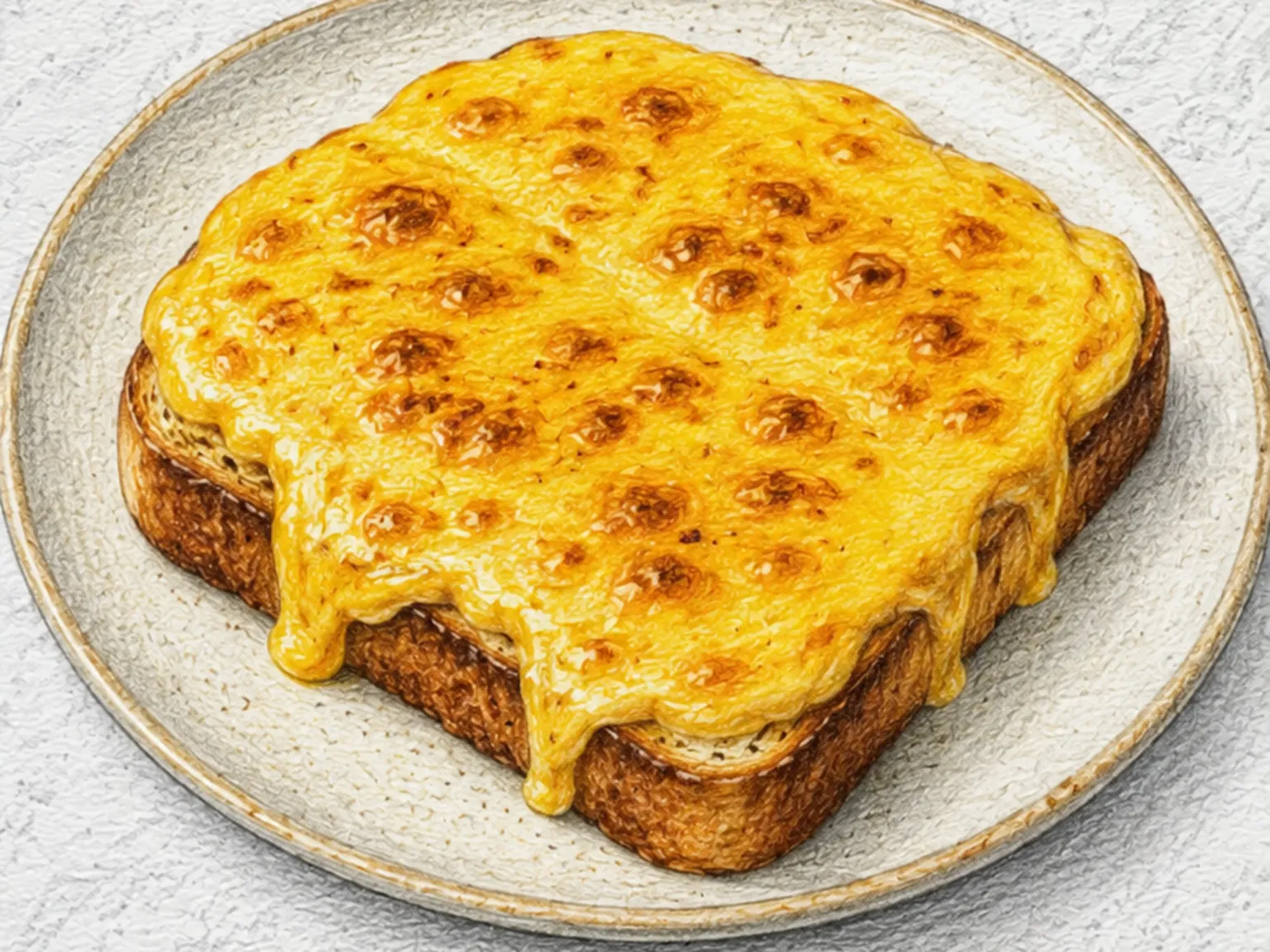
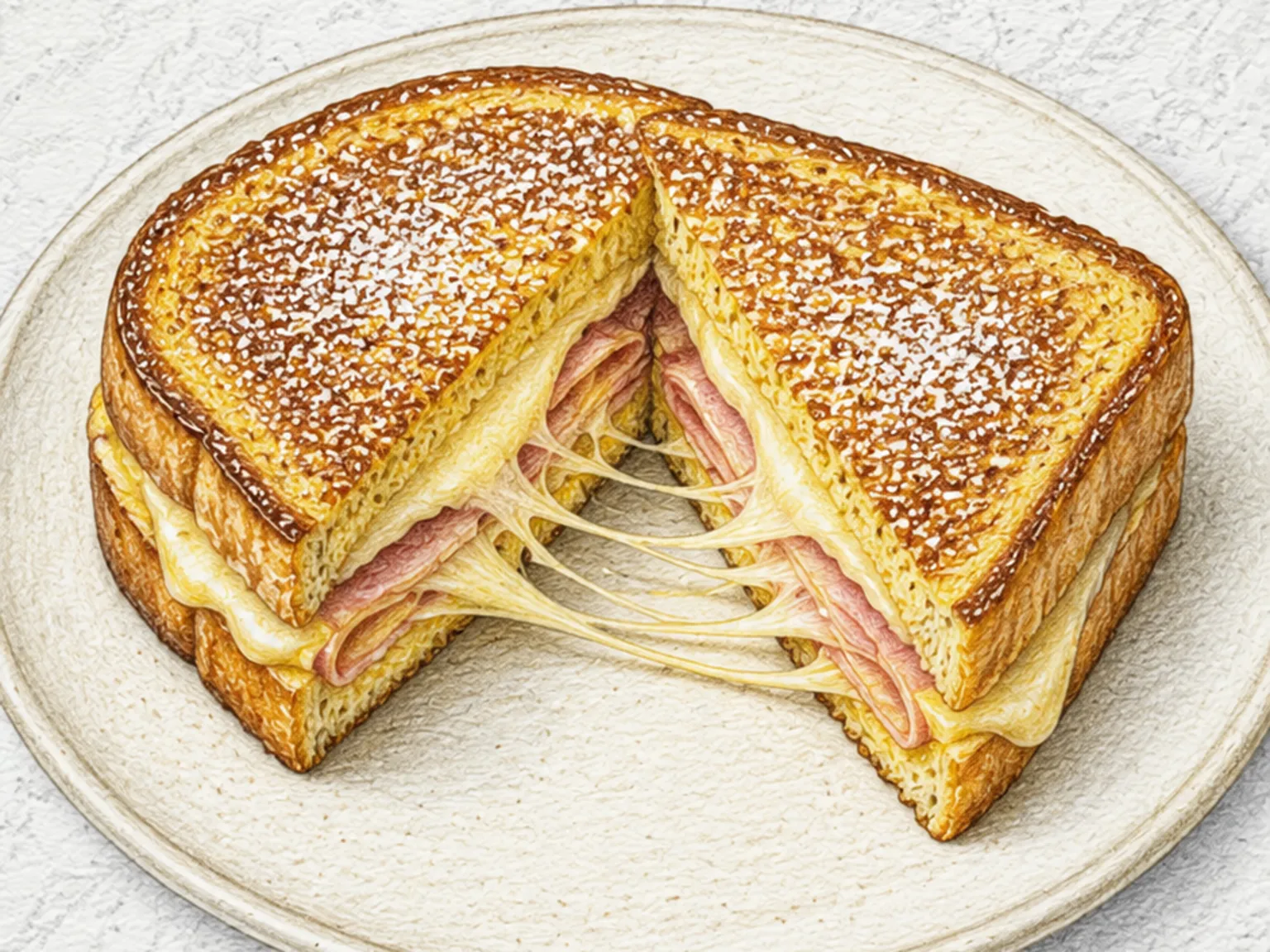
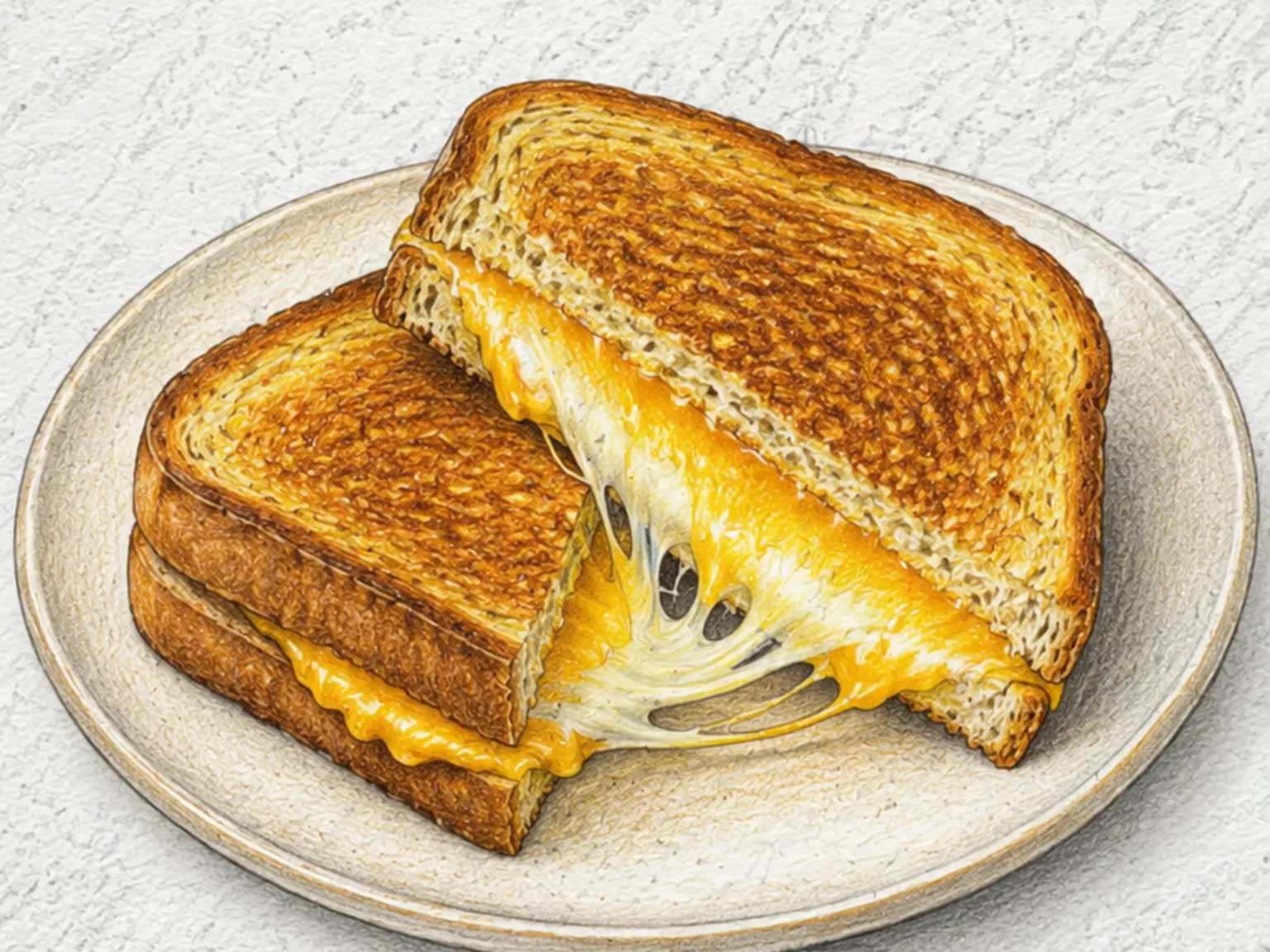
Grilled cheese sandwich is made by buttering the outer sides of bread slices, filling them with cheddar and mozzarella cheese, and toasting both sides in a pan until golden and crisp. Combining cheddar's sharp saltiness with mozzarella's stretchy pull gives the sandwich both depth of flavor and satisfying texture. A thin layer of Dijon mustard spread on the inner bread adds a subtle, peppery bite that cuts through the richness of the melted cheese. Cooking over medium-low heat is essential - it gives the cheese enough time to melt completely before the bread surface burns. Pressing the sandwich lightly while flipping ensures the bread and cheese bond tightly, producing a clean cross-section when the sandwich is sliced in half.
Adjust Servings
Instructions
- 1
Spread butter thinly on one side of each bread slice.
- 2
Spread a thin layer of mustard on the inner sides.
- 3
Add cheese generously, sprinkle pepper, and close the sandwiches.
- 4
Cook on medium-low heat, pressing lightly, 3-4 minutes per side.
- 5
Slice and serve once cheese is fully melted.
As an Amazon Associate, we may earn from qualifying purchases.
Tips
Nutrition (per serving)
More Recipes

Tuna Melt
Tuna melt mixes drained canned tuna with finely diced celery and mayonnaise, spreads the mixture on sandwich bread, tops it with cheddar cheese, butters the outside, and grills in a pan until both sides are crisp and golden. Draining the tuna thoroughly is the first priority - excess moisture soaks into the bread and prevents it from crisping no matter how long it cooks. The celery adds a textural crunch that contrasts with the soft, creamy tuna filling. Using several thin slices of cheese rather than one thick piece ensures more even melting and full coverage across the bread. Medium-low heat is essential: it gives the cheese enough time to melt completely before the bread burns, which high heat makes nearly impossible. The sandwich is best served immediately after cutting in half, while the cheese is still stretchy and warm.

Mac and Cheese
Mac and cheese begins with a roux of butter and flour, into which milk is whisked in three additions to form a smooth bechamel. Cheddar and mozzarella are melted into the sauce over low heat - adding cheese on high heat causes the fat to separate and the texture to turn grainy. The cooked macaroni, boiled one minute short of the package time, is stirred into the sauce so it finishes to al dente as it absorbs moisture. Reserving a few tablespoons of pasta water makes it easy to adjust the consistency if the sauce thickens too much. For an optional crunchy top, the mixture can be transferred to a baking dish, topped with buttered breadcrumbs, and baked at 200 degrees Celsius for 12 to 15 minutes until golden. Either way - baked or straight from the pot - the result is a rich, creamy dish with bold dairy flavor.

Broccoli Cheddar Soup
Broccoli cheddar soup builds a creamy base by cooking onion in butter, forming a flour roux, and gradually whisking in milk and chicken stock before adding broccoli florets. Once the broccoli softens, sharp cheddar cheese is stirred in over low heat - high heat at this stage causes the cheese to seize and separate instead of melting smoothly. The cheddar's intense salty depth takes command of the soup while the broccoli contributes a vegetal freshness that prevents the richness from becoming monotonous. Blending only partially, leaving some florets intact, preserves a textural contrast between the creamy liquid and the tender green pieces. Served in a hollowed bread bowl, the crusty shell soaks up the soup and turns the dish into a complete, satisfying meal.

Philly Cheesesteak Sandwich
Philly Cheesesteak Sandwich originated in 1930s Philadelphia and remains one of America's defining street foods. Ribeye or top round is partially frozen for about thirty minutes so it can be sliced paper-thin, and these razor-thin slices are seared on a screaming-hot flat griddle where they caramelize almost instantly, developing char and retaining their juices. Onion and green bell pepper are cooked on the same griddle to absorb the beef's rendered fat and fond, and provolone cheese is draped over the pile of meat before a dome lid traps steam to melt it into a blanket that binds everything together. The hoagie roll provides the crucial structural balance - a lightly crisp exterior that gives way to a soft crumb capable of absorbing juices without becoming soggy or falling apart.

Cheese Arepa (Venezuelan Griddled Cornmeal Cheese Pocket)
Arepas are a cornerstone of Venezuelan and Colombian daily eating, with roots stretching back to pre-Columbian indigenous cultures who ground maize on stone metates. The dough is nothing more than pre-cooked cornmeal (masarepa), water, and salt, shaped by hand into thick discs and cooked on a budare - a flat griddle - until a golden crust forms on both sides while the interior stays soft and slightly doughy. For cheese arepas, queso blanco or mozzarella is either mixed directly into the dough before grilling or stuffed inside after cooking, so the cheese melts into stretchy, salty pockets within the warm corn shell. The corn flavor is clean, toasty, and naturally sweet, with the cheese providing a counterpoint of fat and salt. Street vendors across Caracas and Bogota serve them from dawn through midnight, split open and filled with everything from black beans to shredded beef.

Banana Pudding
Banana pudding is an American Southern dessert built from layers of vanilla custard, sliced banana, and vanilla wafer cookies. The custard is cooked on the stovetop by whisking together milk, sugar, cornstarch, and egg yolks until the mixture thickens enough to coat a spoon. While still warm, the custard is layered in a dish alternating with banana rounds and wafer cookies, then topped with whipped cream. During refrigeration, the wafers absorb moisture from the custard and transform from crisp to soft, creating a cake-like texture throughout. Ripe bananas are essential since underripe ones can taste astringent against the sweet custard. The entire dessert requires only stovetop cooking, making it a no-bake option despite its layered presentation.