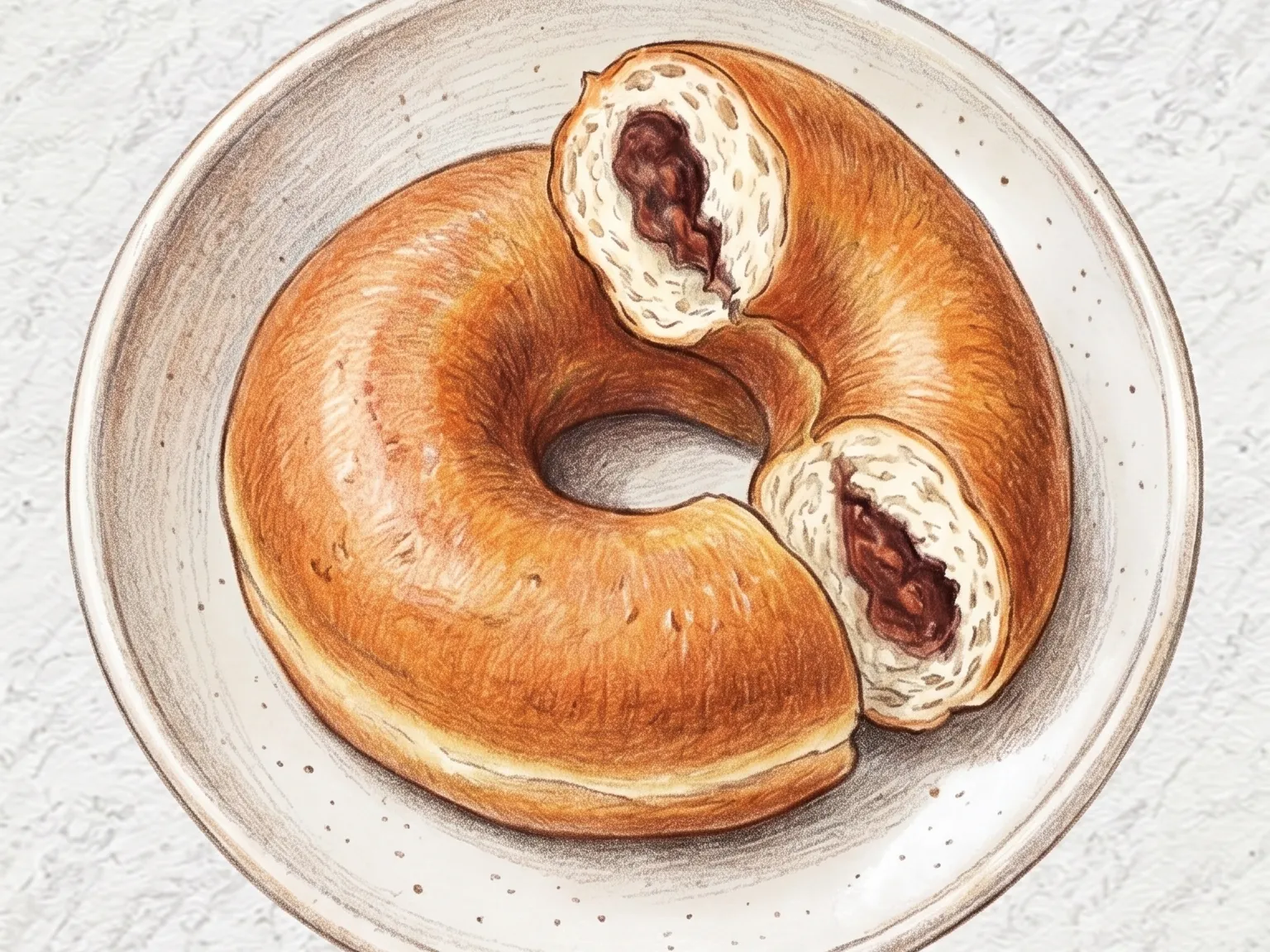
Red Bean Baked Doughnuts
Baked in a doughnut pan rather than fried, these rings have a soft, cake-like crumb. Chilled sweet red bean paste sits in the middle of the batter and is covered completely, so it only shows once you bite in.
301 recipes. Page 11 of 13
Bread, cookie, and cake baking recipes
Baked in a doughnut pan rather than fried, these rings have a soft, cake-like crumb. Chilled sweet red bean paste sits in the middle of the batter and is covered completely, so it only shows once you bite in.
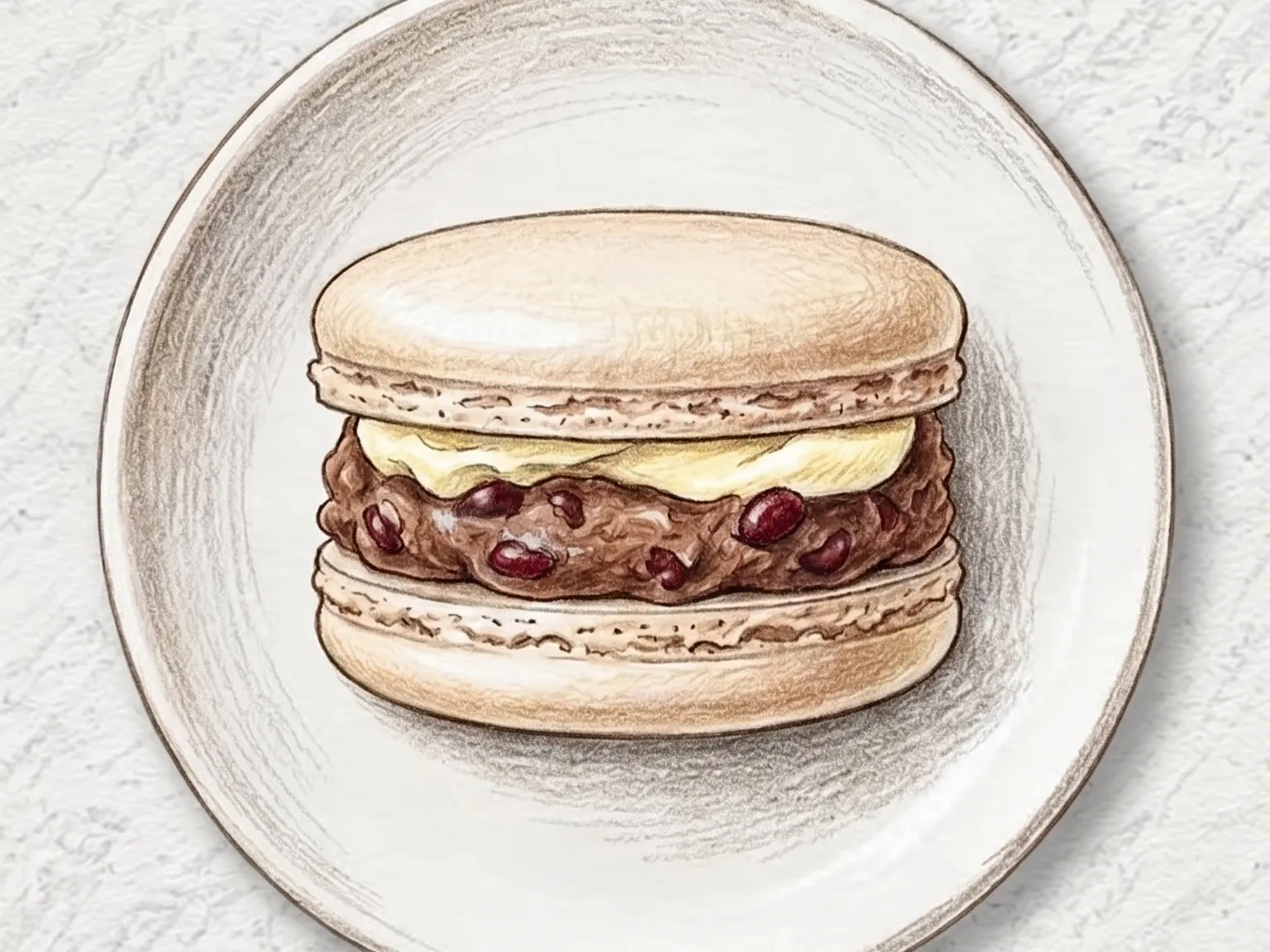
Almond shells sandwich a cream of red bean paste, butter and a spoonful of milk. Once filled, the macarons spend a day in the fridge, where the shells take up moisture from the cream and soften, and they are served cold. On humid days, give the piped batter an extra 10 minutes to dry before baking.
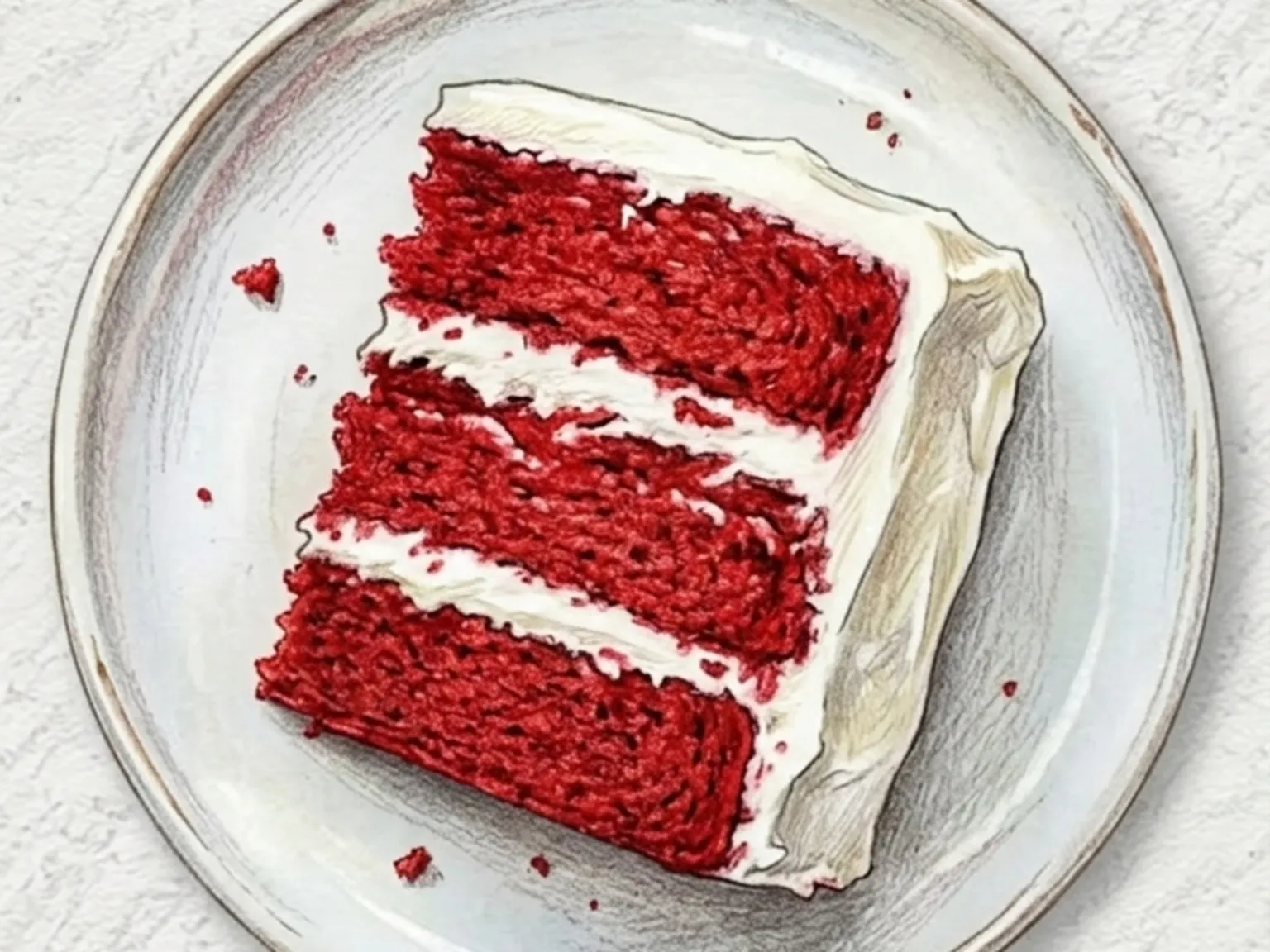
With only 20 g of cocoa, the cake does not taste of chocolate; the red comes from 2 tablespoons of food coloring. The layers are made with oil and buttermilk, and baking soda fizzing with vinegar is folded in at the very end. Cold cream cheese, whipped with butter and powdered sugar, fills and covers the layers.
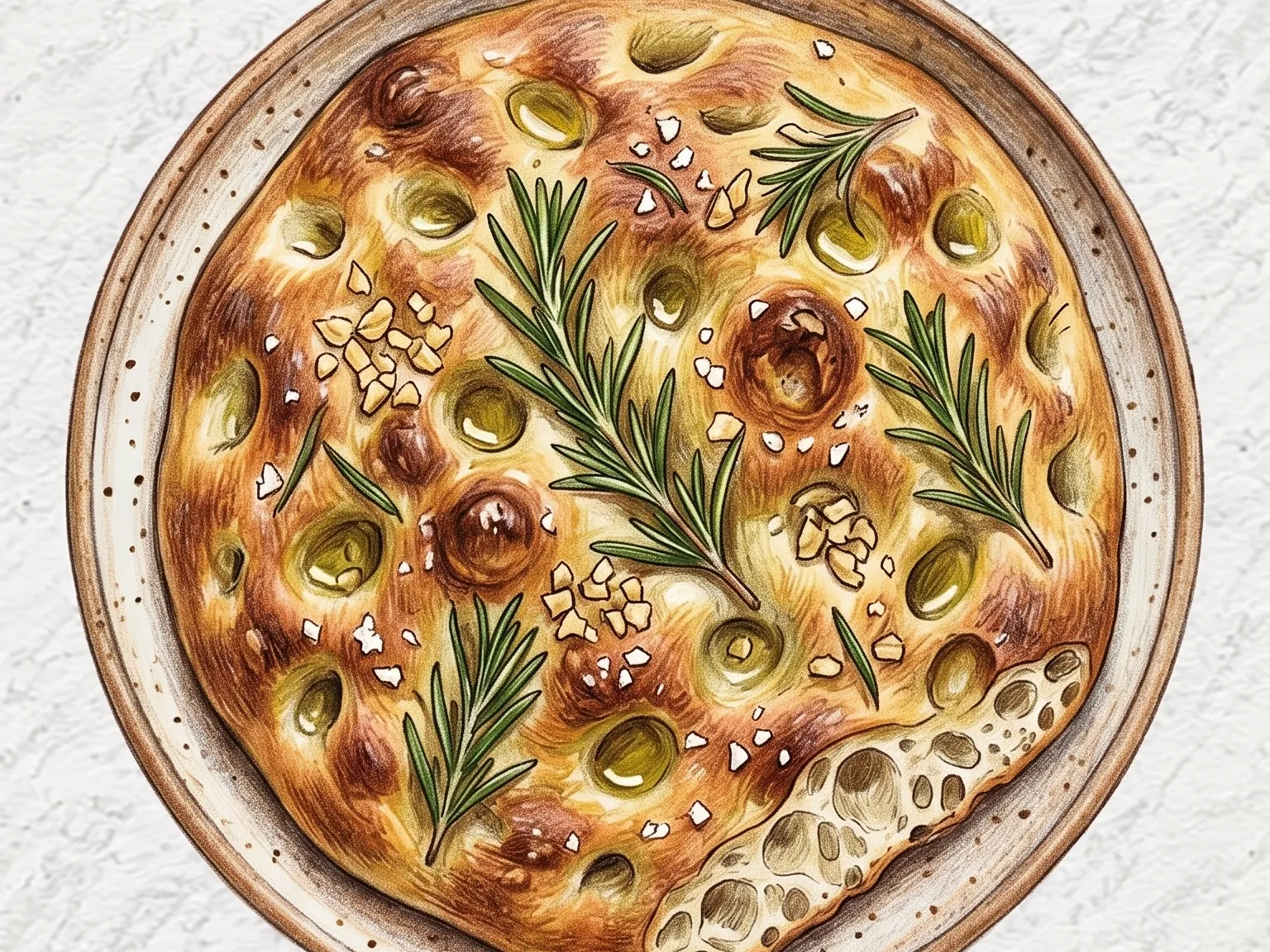
The dough stays sticky, too wet to knead neatly, and goes into the pan that way. Fingertip dimples catch pools of olive oil that all but fry the top in the oven, so the surface studded with rosemary, garlic and flaky salt turns crisp, and the inside is full of big, uneven holes.
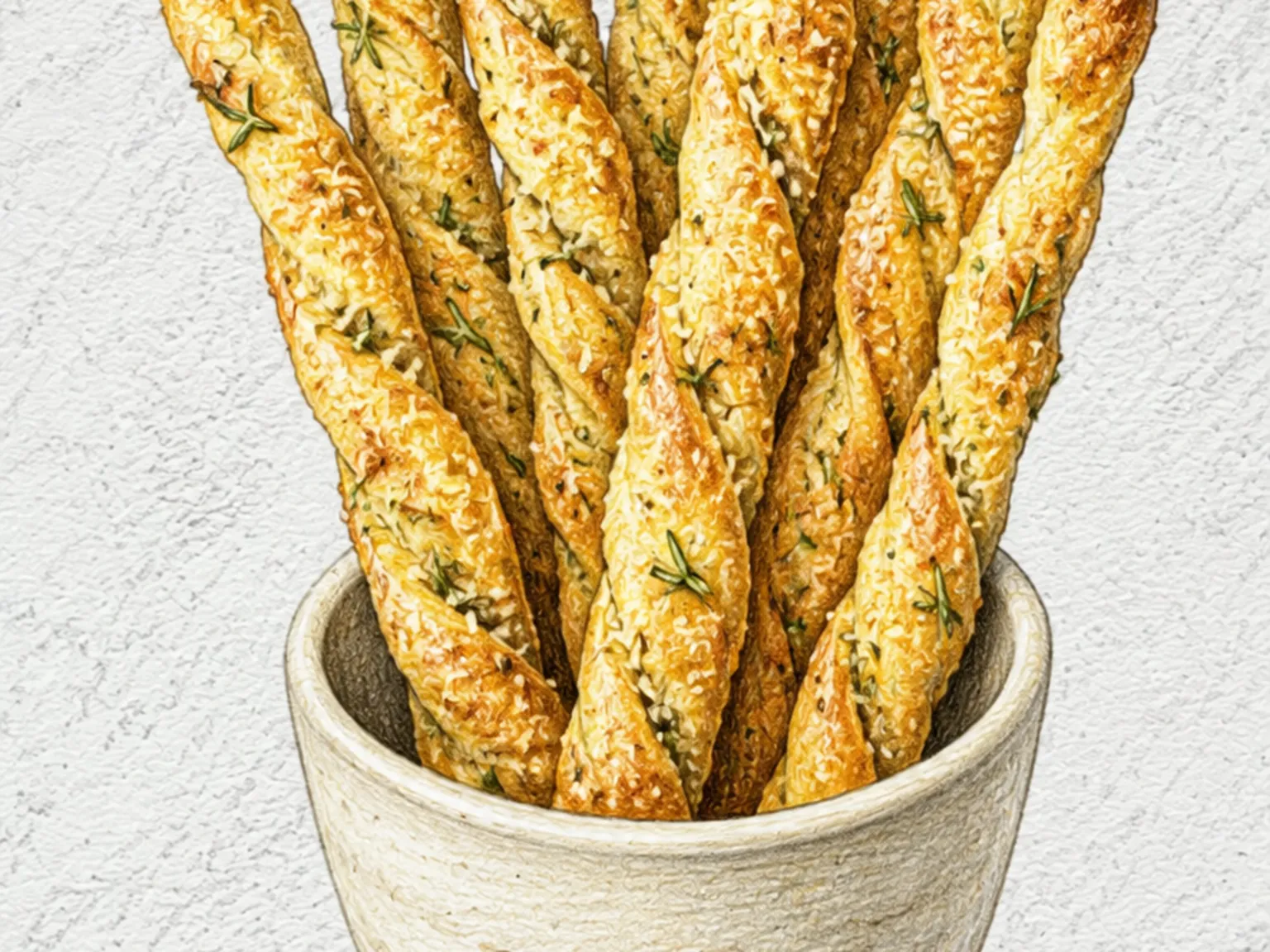
Minced garlic and chopped rosemary are kneaded straight into these thin twisted Italian breadsticks, and parmesan is scattered over the tops. Set aside a little of the olive oil before mixing the dough, since that portion is brushed on after shaping.
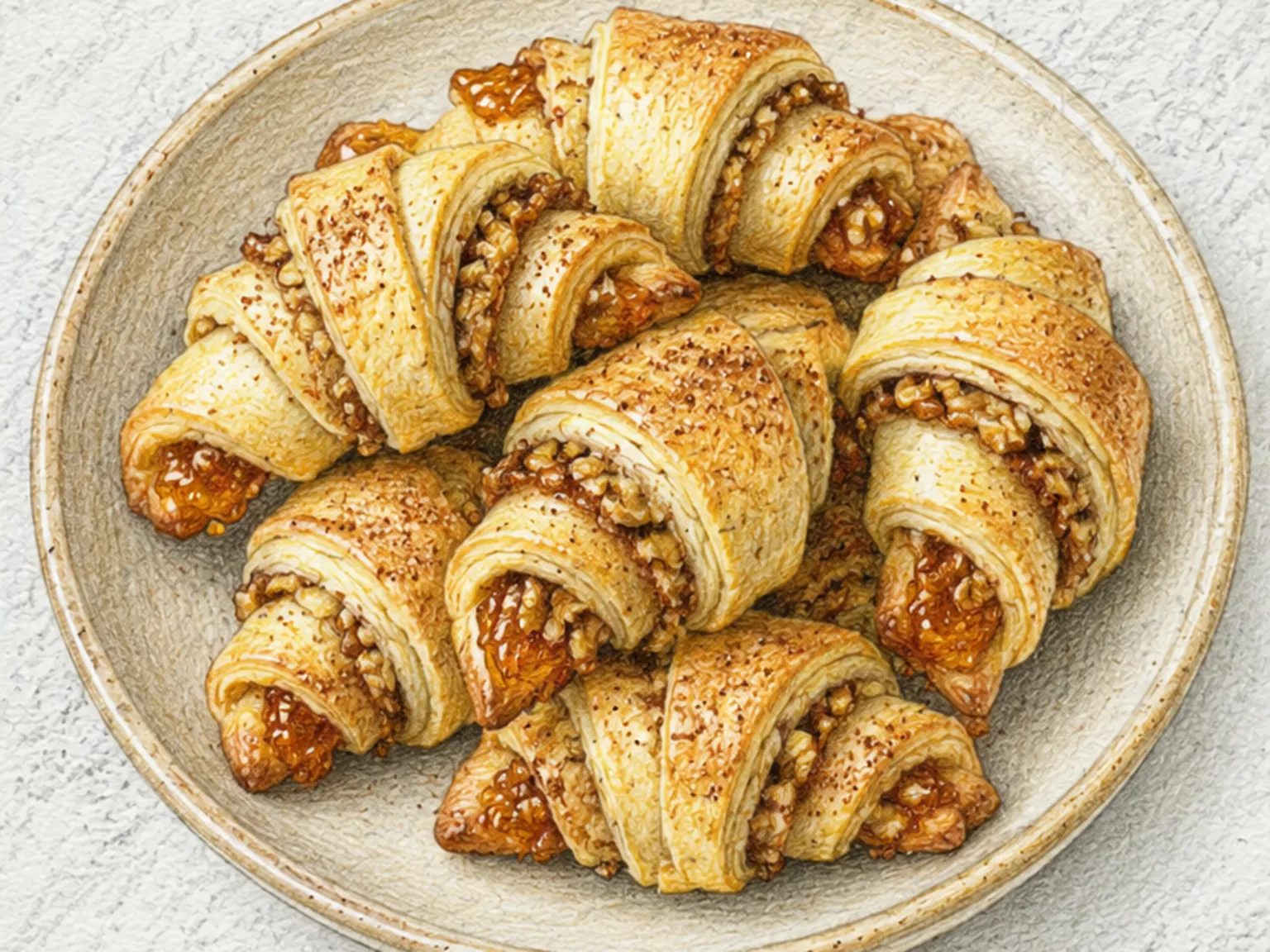
No yeast and no butter folds: this dough is just flour with cream cheese and butter worked in, then chilled until firm enough to roll. Apricot jam, finely chopped walnuts and cinnamon sugar are spread over each round, which is cut into 12 wedges and rolled into crescents, 24 in total. If the dough cracks at the edges while rolling, give it a minute to soften rather than forcing it.
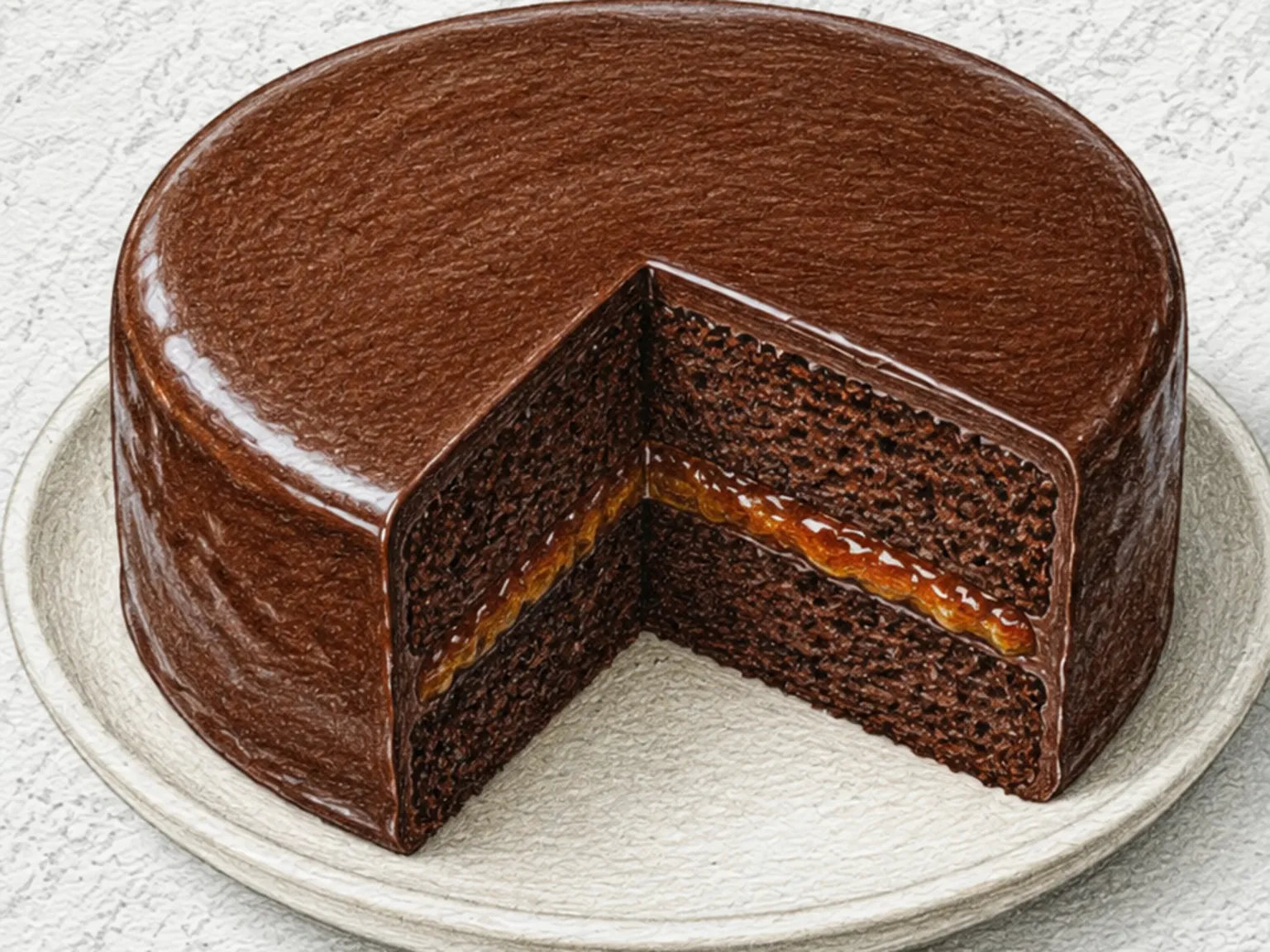
This Viennese chocolate cake, heavy on dark chocolate and butter, is split and spread with apricot jam, then covered all over with a glaze of chocolate melted into cream. Pour the glaze in one go; that is what leaves a mirror-smooth top. Once it sets, slice with a knife dipped in hot water so the thin line of jam shows cleanly through the dark crumb.
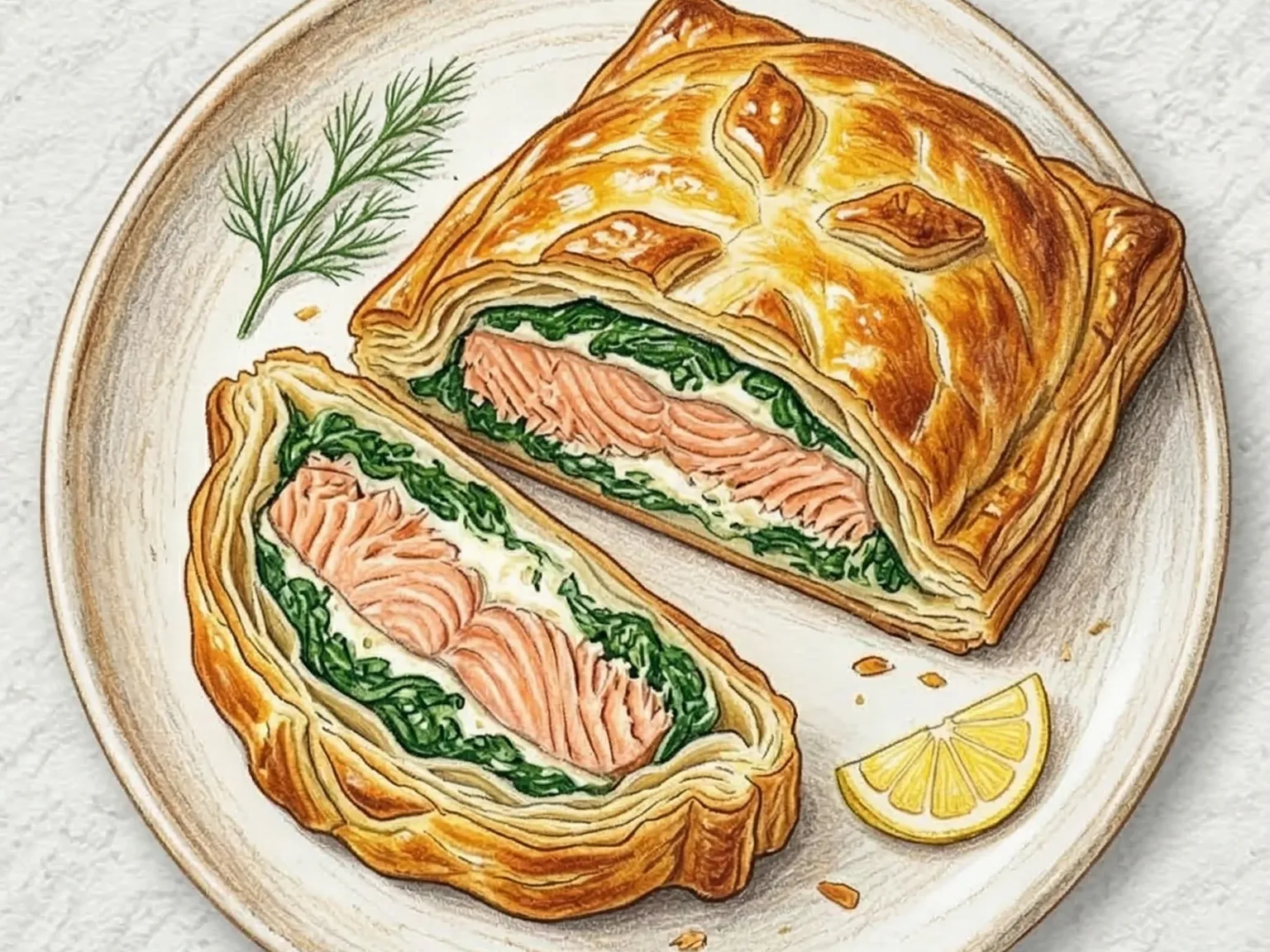
A whole salmon fillet goes into puff pastry with a filling of cream cheese, spinach, dill and lemon zest, and comes to the table in thick slices. The Dijon-laced cream cheese seasons the fish and also keeps its juices from soaking into the pastry. Ten minutes in the fridge before baking firms the butter again, and the layers separate more clearly in the oven.
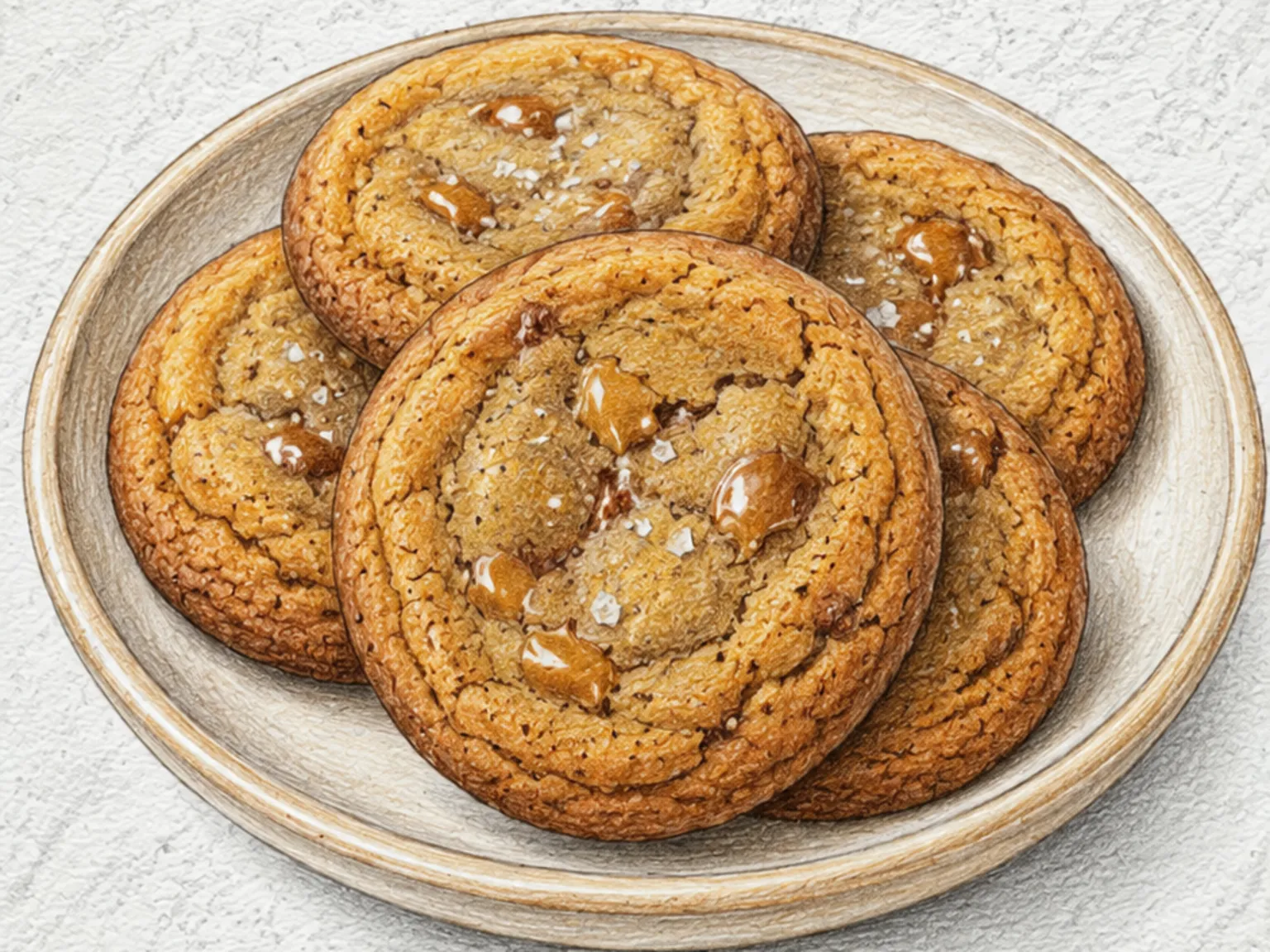
Caramel made from 40 g of melted sugar loosened with cream goes into a brown-sugar butter dough, along with a tablespoon of sieved doenjang, Korean fermented soybean paste. At roughly 1 to 2 percent of the dough, the doenjang stays behind the sweetness and leaves just a salty, fermented edge at the finish. Pressing the centers lightly right out of the oven makes them chewier.
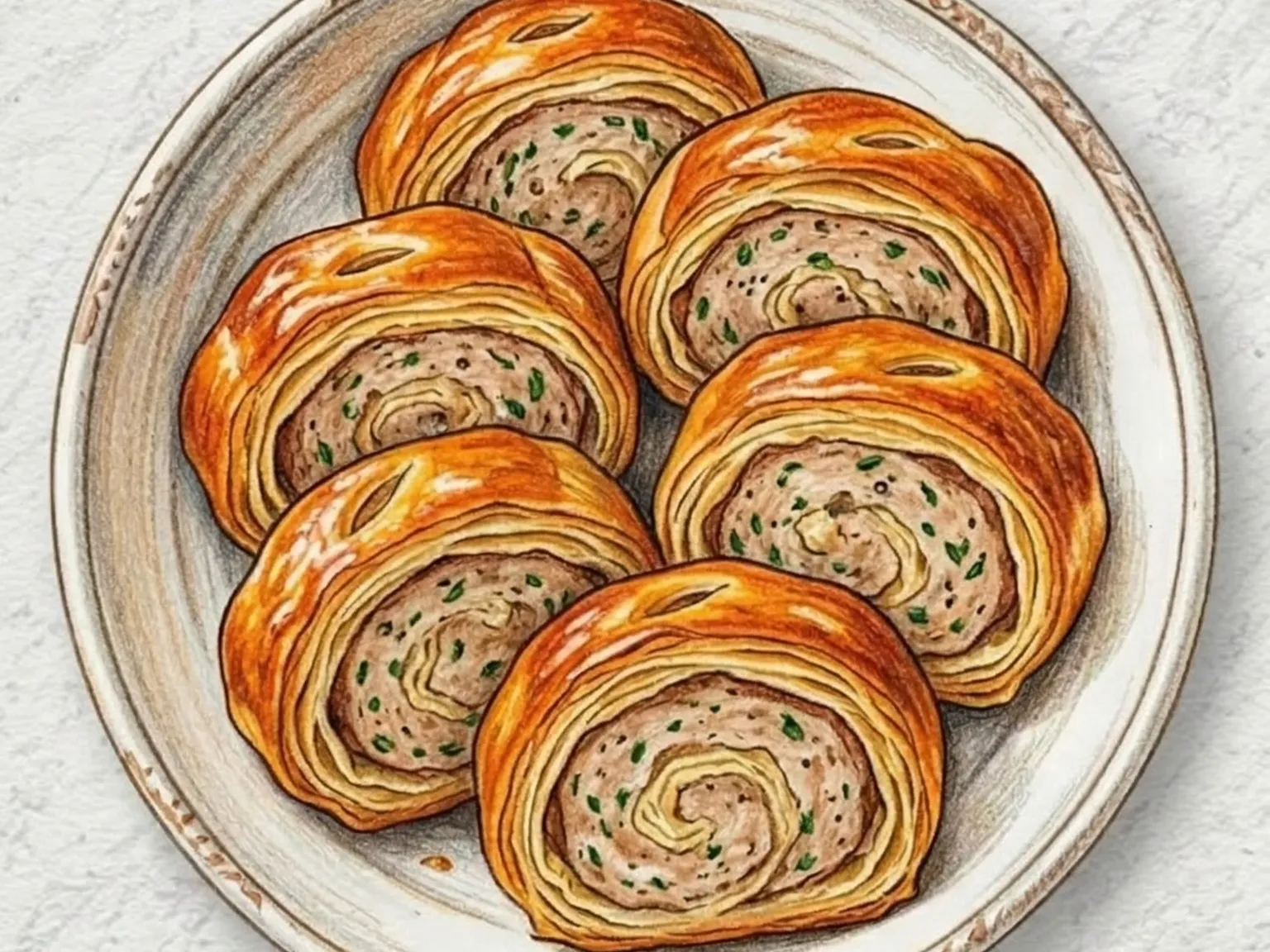
Seasoned pork sausage meat, mixed with finely chopped onion, breadcrumbs and Dijon mustard, is rolled up in puff pastry for this British bakery snack. The meat is mixed briefly by hand so it stays tender, and shallow cuts across the top of each piece let steam escape as it bakes.
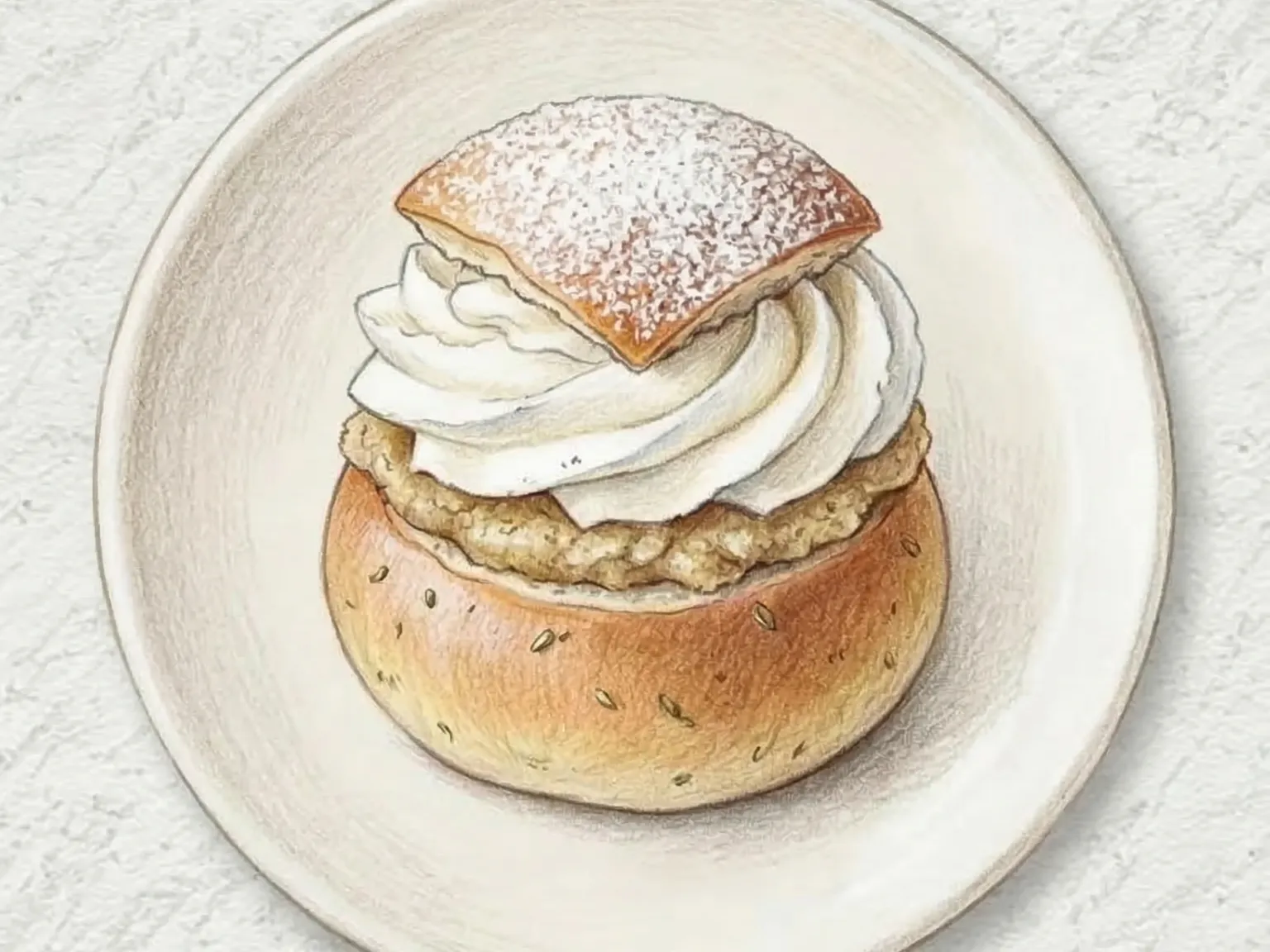
These Swedish buns are scented with cardamom; their tops are cut off, the crumb is scooped out and mixed with almond paste, and the hollow is refilled before a tall swirl of whipped cream goes on. The dense almond filling and light cream arrive in the same bite, and the lid goes back on under a dusting of powdered sugar that looks like fresh snow. Serve them right after assembly.
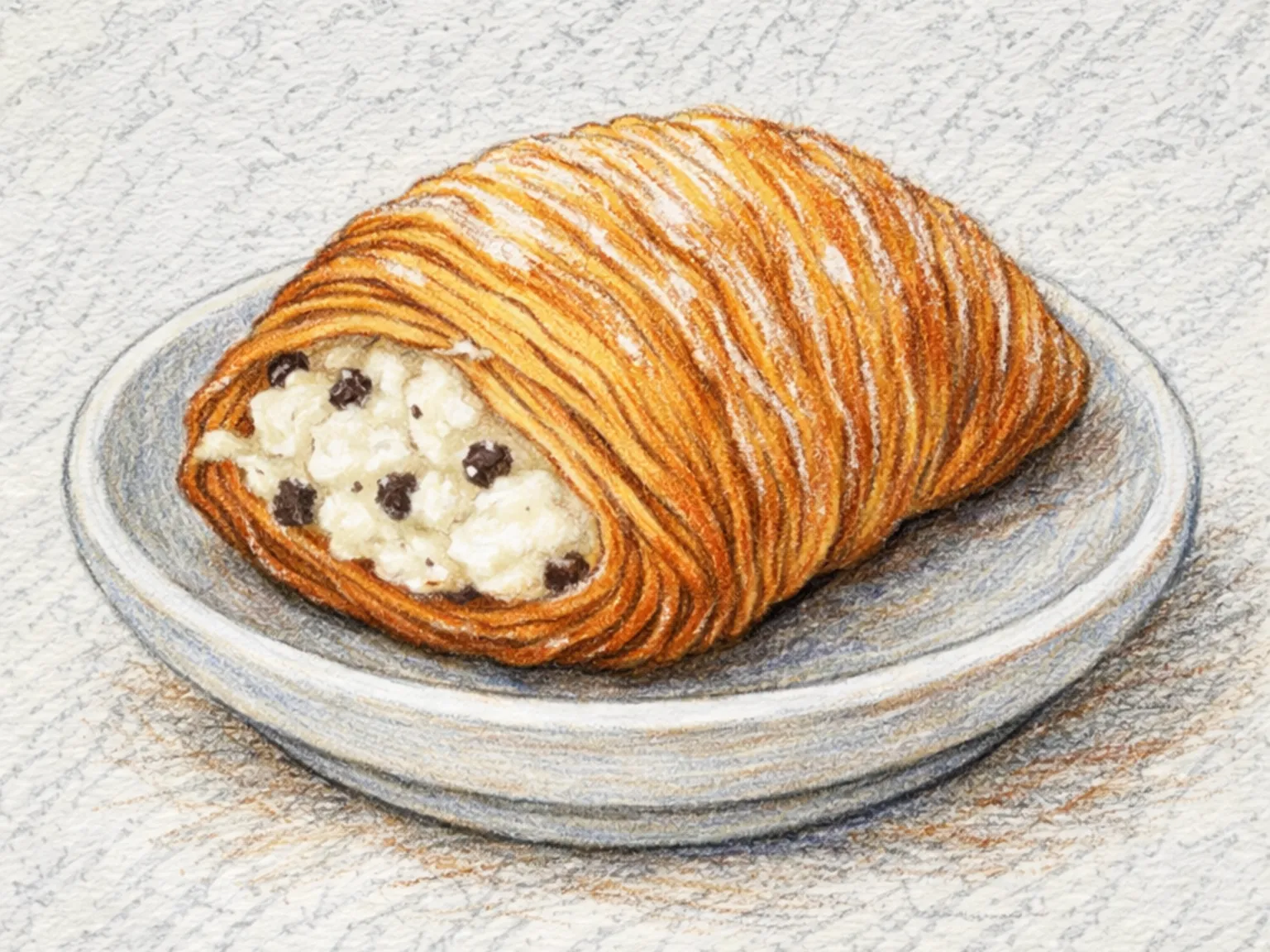
A stiff flour-and-water dough, rolled very thin, brushed with butter and wound into a tight log, gives this Neapolitan pastry its layers. Slices of the log are pushed open into shells and filled with ricotta, sugar, cinnamon and orange zest. In the oven the butter separates the layers so the outside shatters like glass. Cut the chilled log with one straight-down stroke so the layers on the cut face are not crushed.
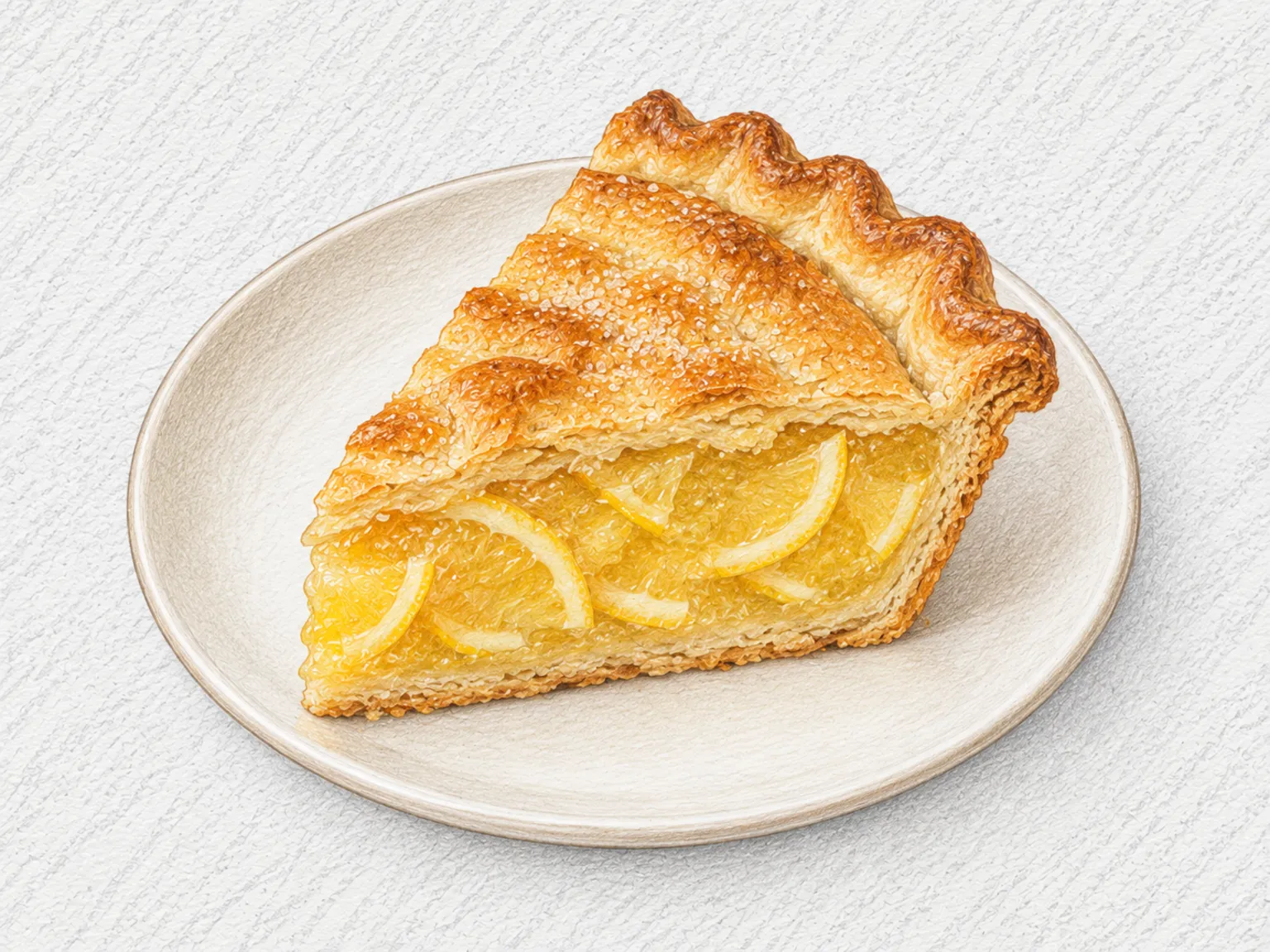
Thin-skinned Meyer lemons are sliced whole, peel and all, no thicker than 1 mm, then left in sugar for 24 hours before being mixed with eggs and baked between two crusts. The long soak melts the sugar and softens the rind, yet the filling keeps a marmalade-like bitterness and bits of peel to chew. If you slice with a mandoline, use the safety guard down to the last piece.
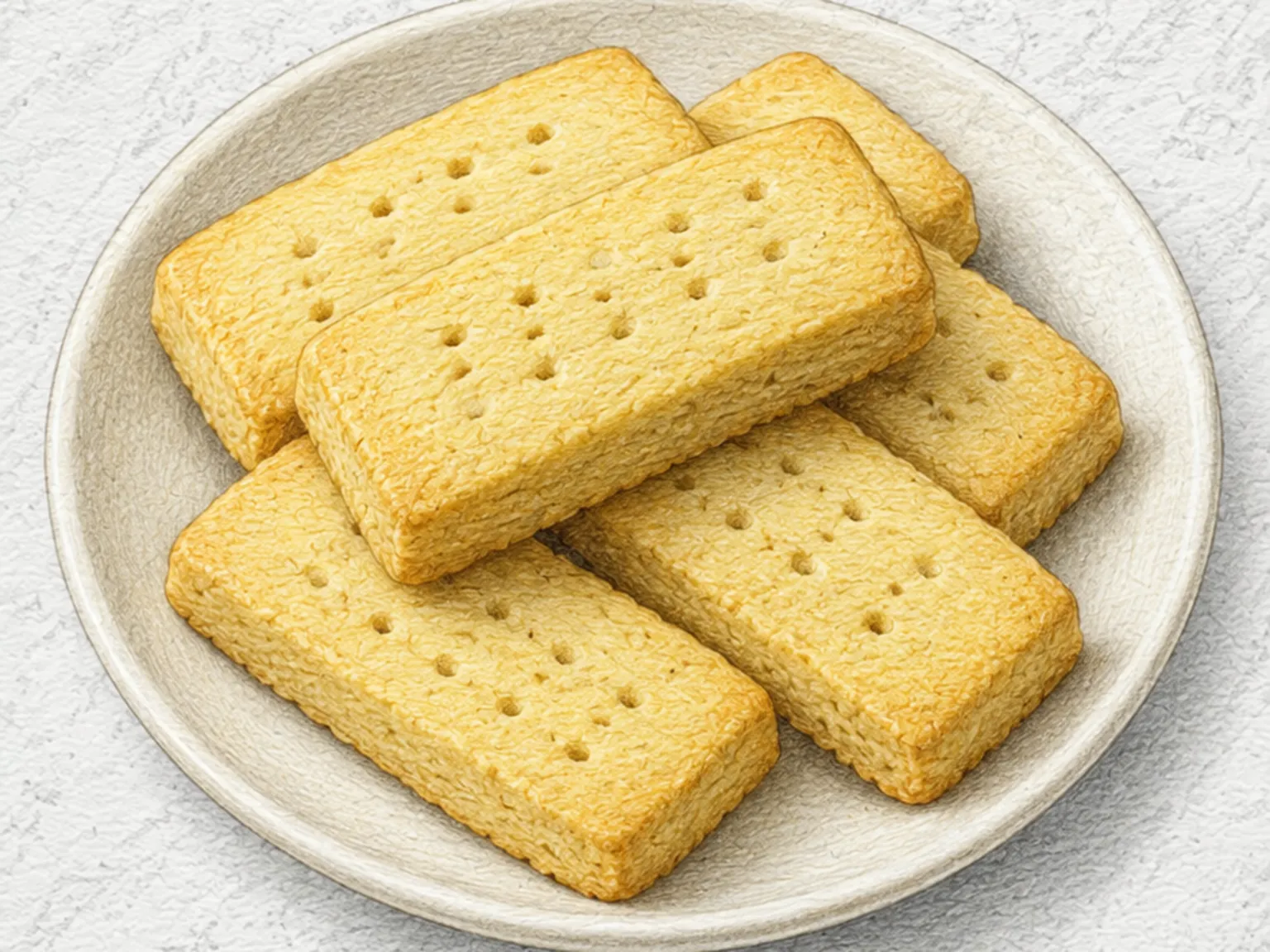
The butter stays cold and is mixed only briefly with powdered sugar, and the cake flour and 30 g of rice flour go in before it can turn glossy. Once the dough is pressed together, it is not kneaded any further. Fresh from the oven the cookies break easily, so they stay on the tray until completely cool.
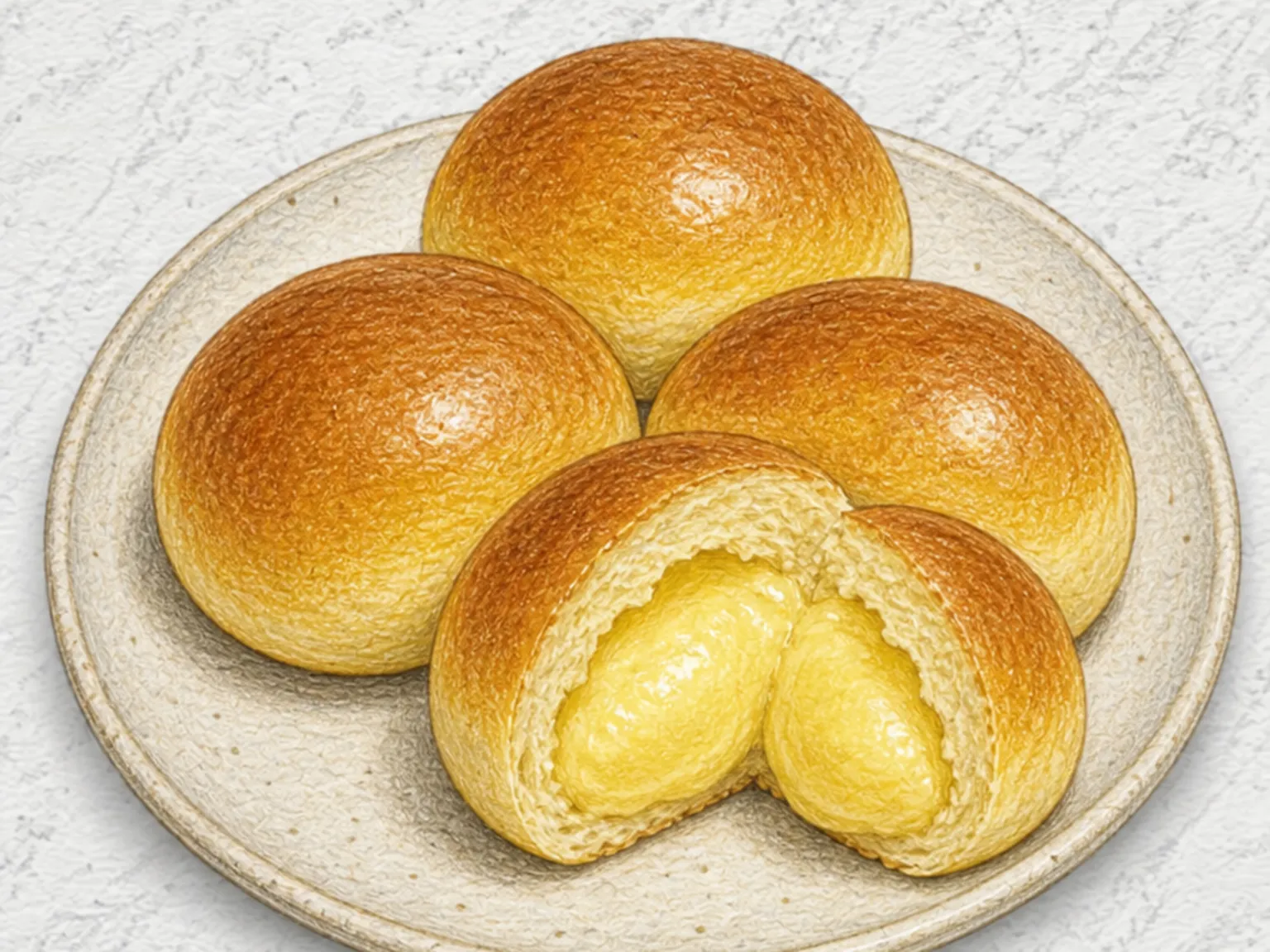
Despite the name, no choux pastry is involved. Cold custard is wrapped in a soft milk-and-butter yeast dough, the seam pinched tightly shut, and the cream bakes sealed inside the bun. Because of the custard, the buns go into an airtight container in the fridge within 2 hours of cooling and should be eaten within 2 days.
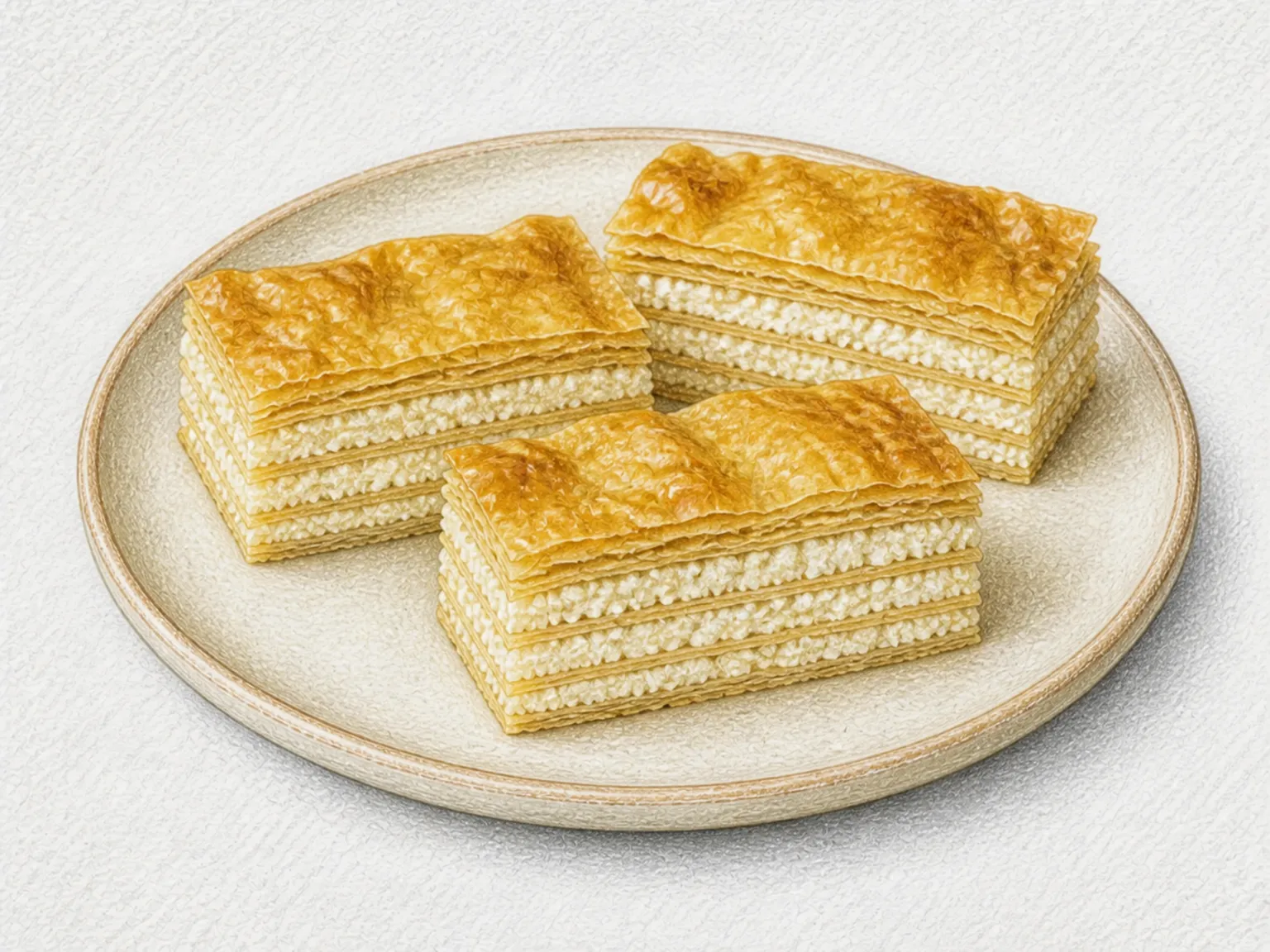
Rather than coiling the pie into a spiral, this version is built flat in a rectangular pan, the slagana way, with seven layers of cheese filling between sheets of phyllo. The filling is feta and ricotta mixed with sour cream and eggs. Once baked, the pie is doused with warm milk and melted butter, returned to the switched-off oven for a few minutes and rested for 30 minutes before cutting.
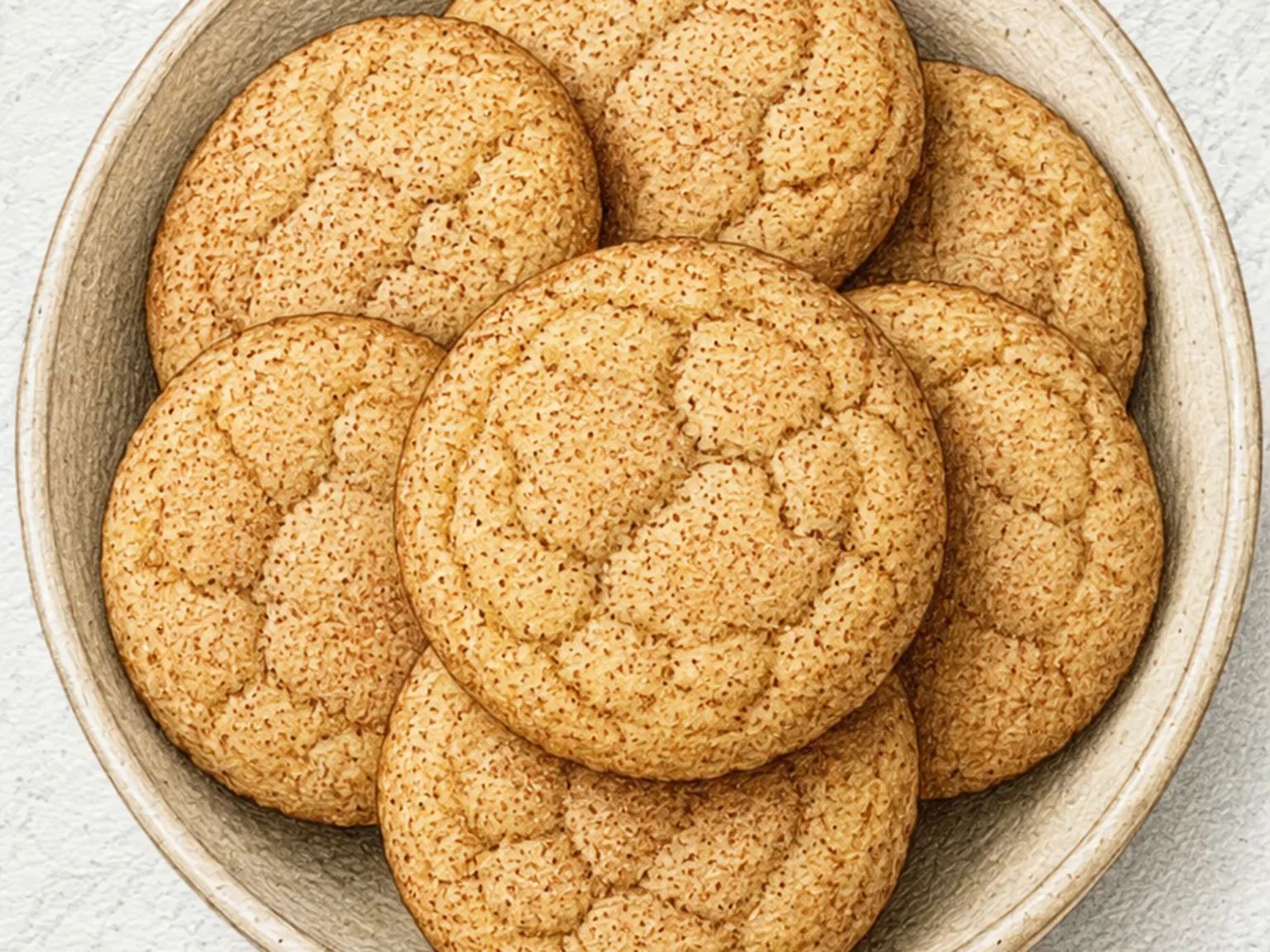
The faint tang in a snickerdoodle comes from cream of tartar, which goes in alongside the baking soda. Each ball of dough is rolled all over in cinnamon sugar before baking, so cinnamon is the first thing you taste.
Soft milk-and-egg buns are topped with soboro, a crumbly streusel of cake flour, almond flour, sugar and cold butter that cracks and browns in the oven. The sugar and butter are each split between dough and topping, and weighing out the topping portion first keeps the two from getting mixed up.
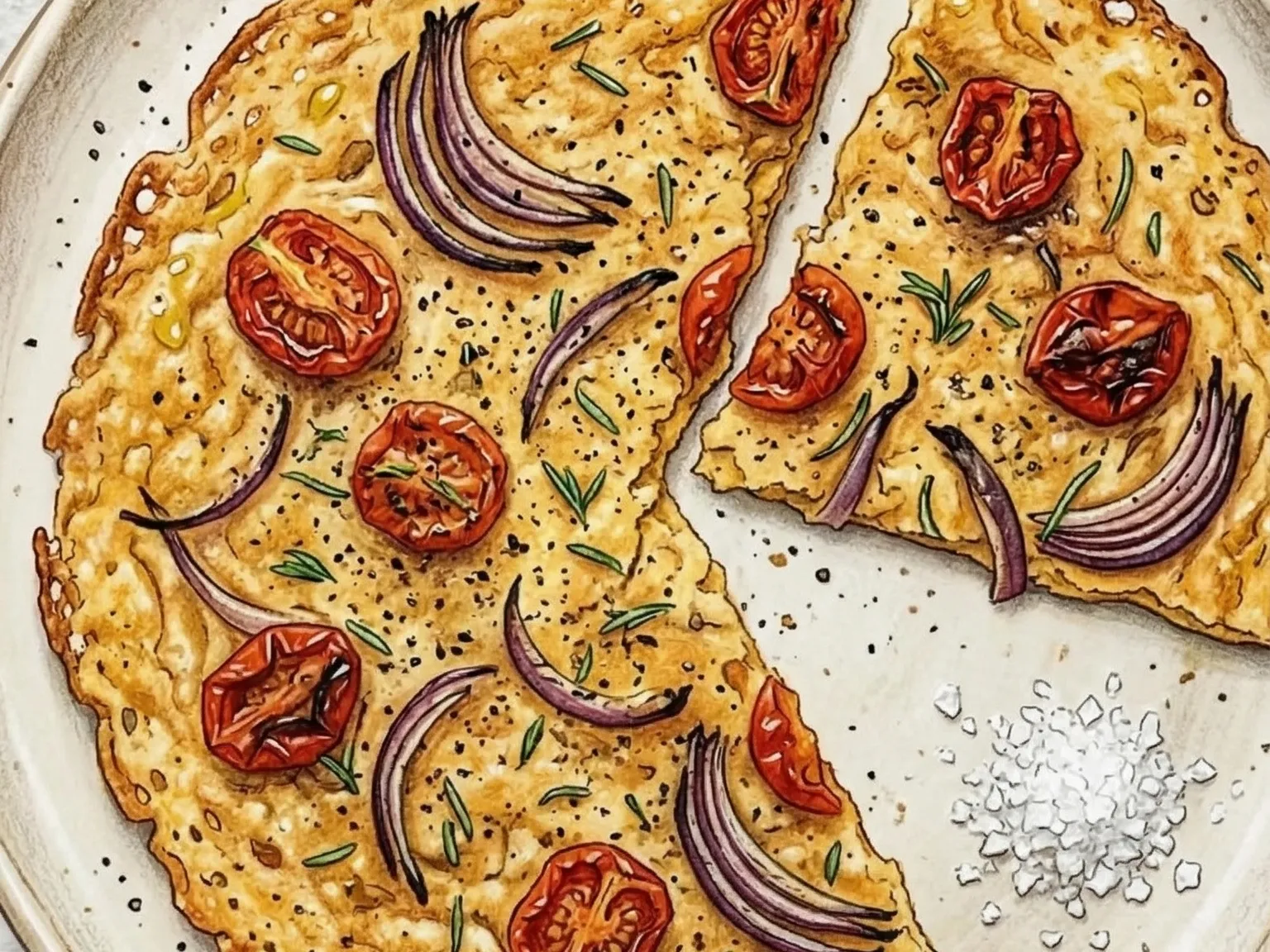
Chickpea flour whisked thin with water rests for 10 minutes, then is poured into a pan heated hard with oil, scattered with red onion and cherry tomatoes, and baked into the flatbread of Nice. It comes out crisp at the rim and soft and chewy in the middle.
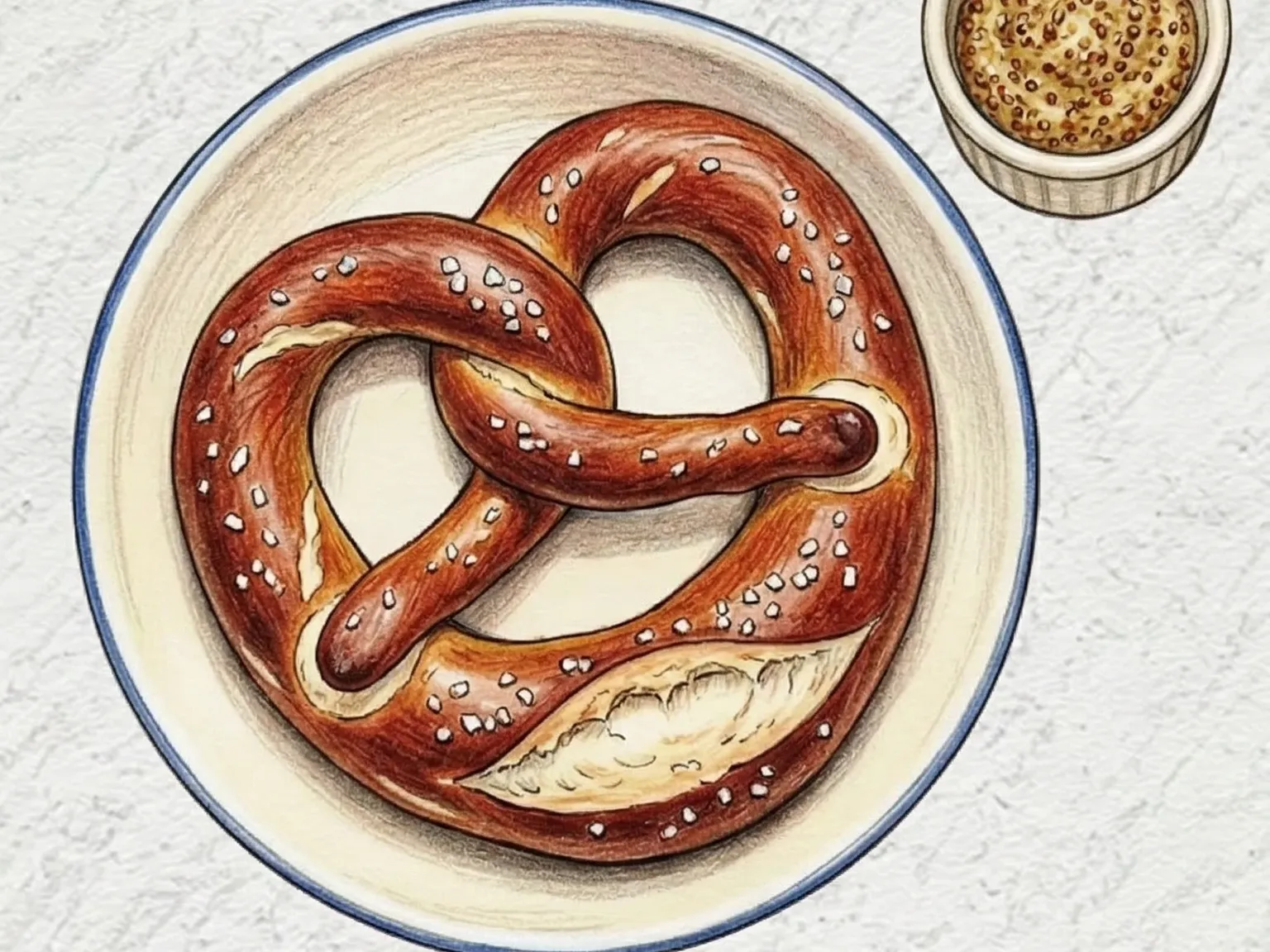
That deep reddish-brown pretzel crust comes from a quick dip in baking soda water before the oven. Coarse salt scattered on while the surface is still wet from the bath stays put after baking.
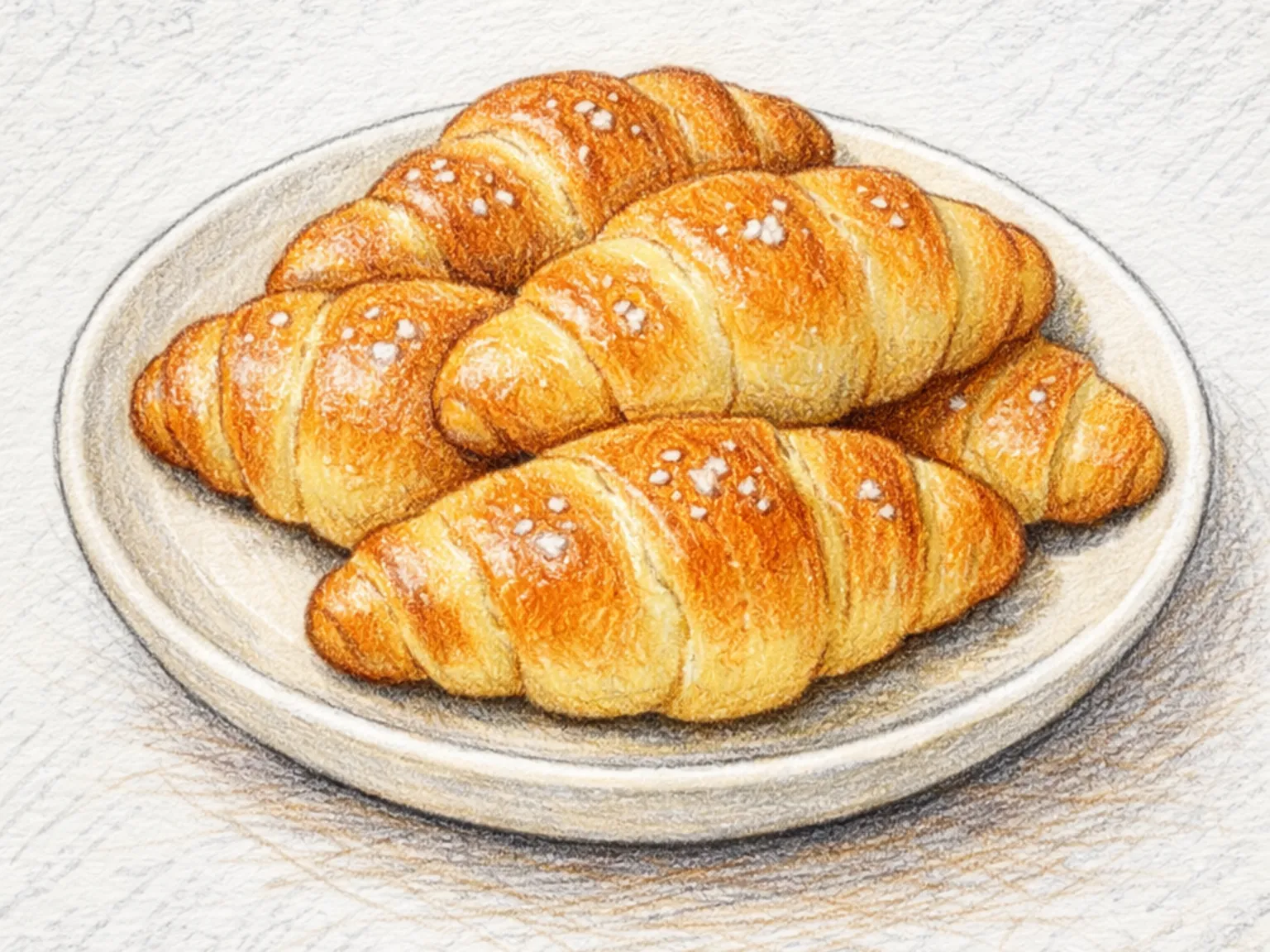
Each roll of milk dough hides a cold piece of butter inside, with coarse salt scattered over the top. The butter is cut into 8 pieces and kept chilled right up until shaping. Give the baked rolls just 10 minutes on a rack and serve them warm.
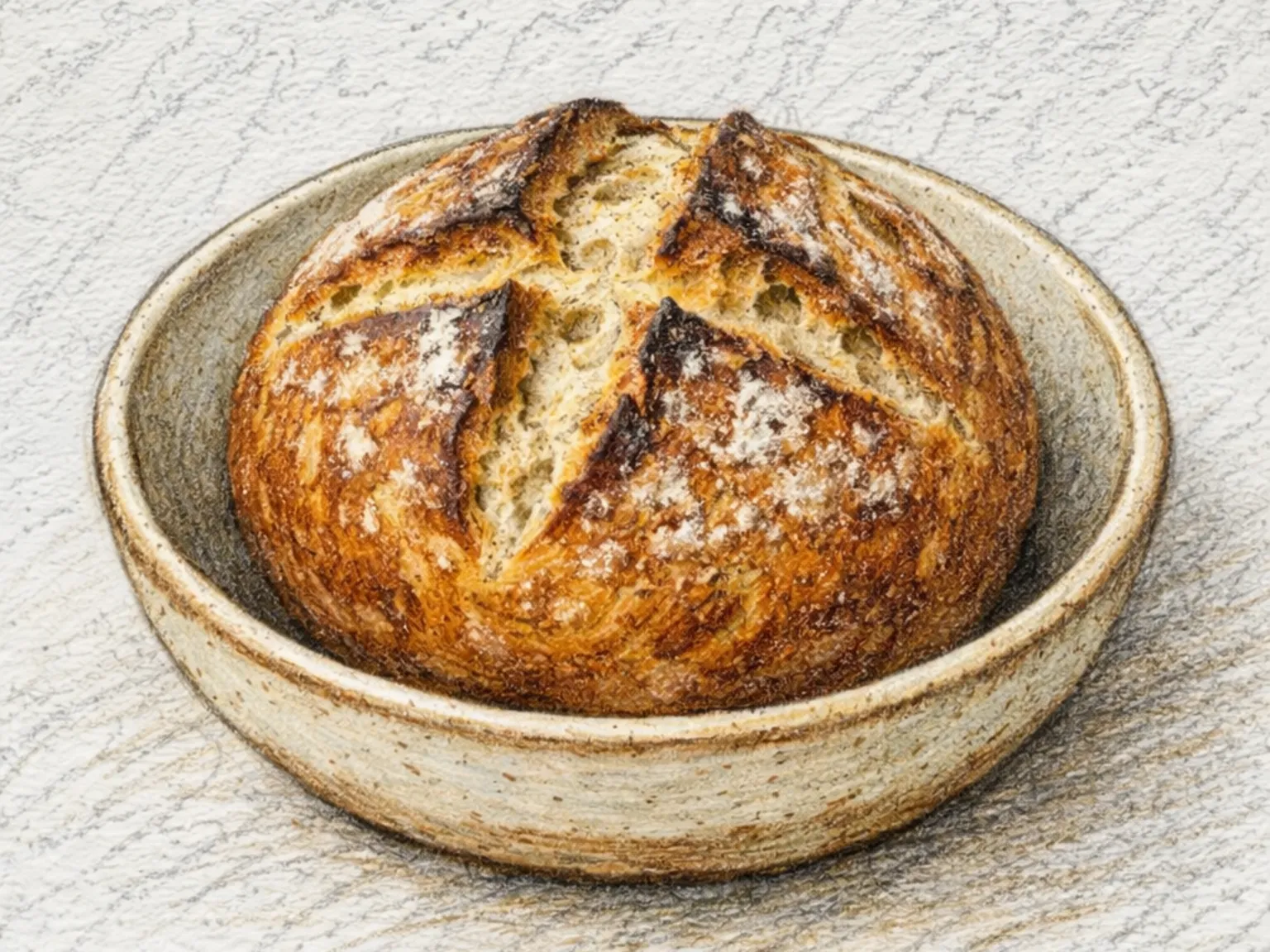
No commercial yeast goes in; the wild yeast and lactic bacteria in the starter do all the rising, which is where the gentle sourness, thick crust and irregular holes come from. The shaped loaf spends the night in the fridge and is baked the next day.
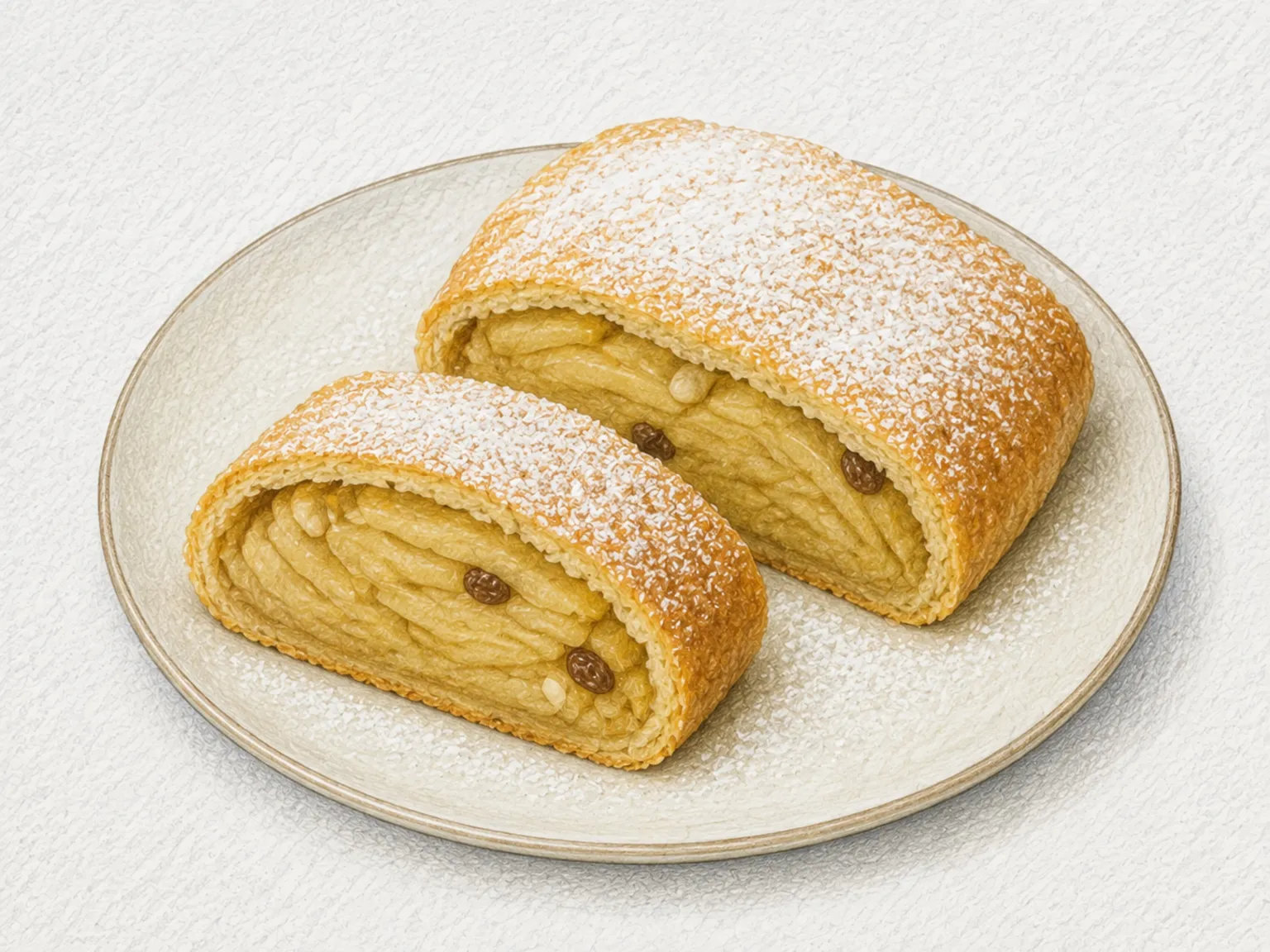
This South Tyrolean version wraps the apples in a sweet, buttery shortcrust instead of hand-stretched strudel dough or puff pastry, so the outside eats more like tart pastry. Inside are raw sliced apples with sultanas, pine nuts and rum, plus fine breadcrumbs toasted in butter that catch the apple juice as it bakes.
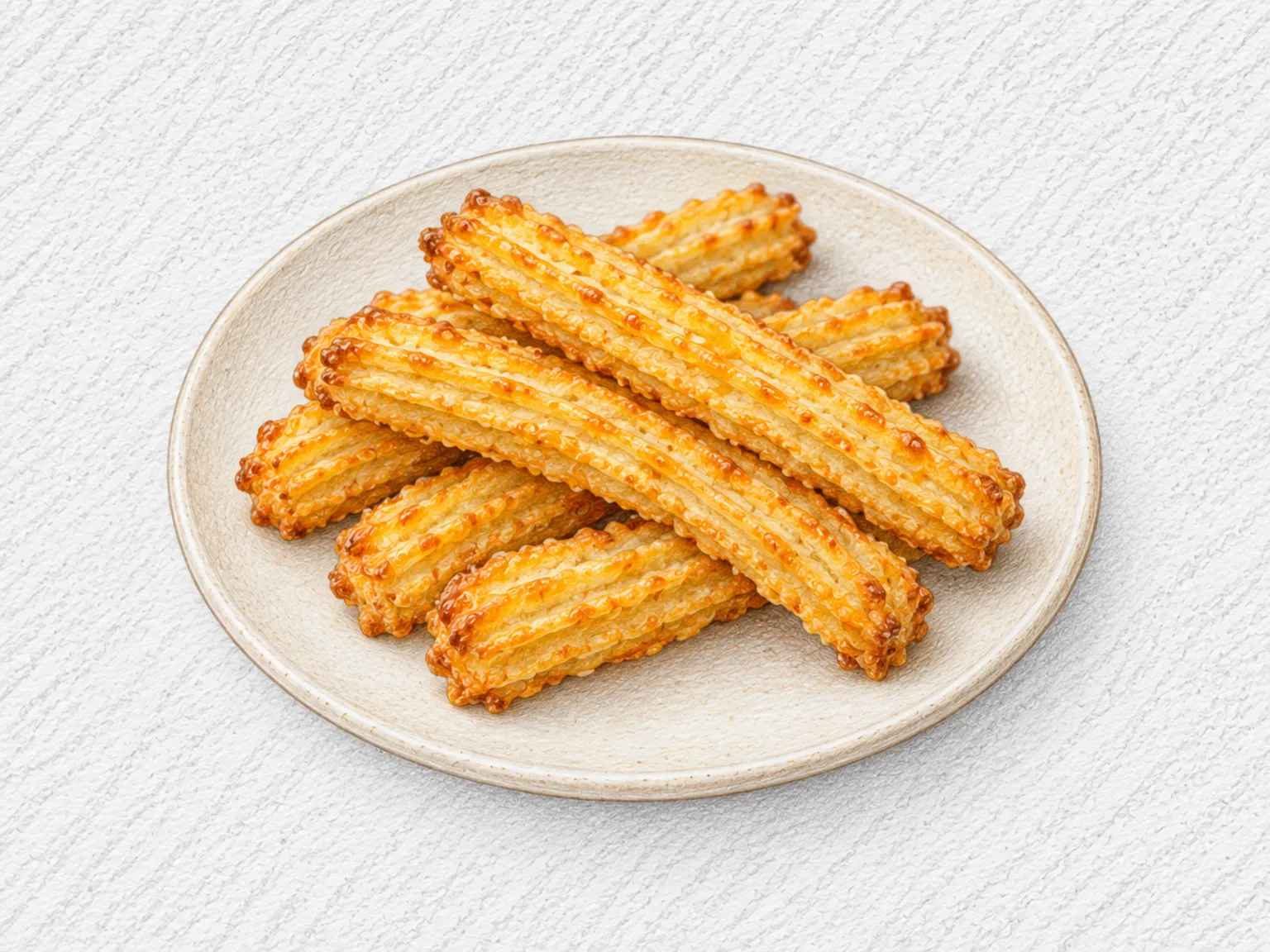
Sharp cheddar is worked through the whole dough, which is piped from a cookie press into long savory straws with a faint cayenne heat at the end. The butter and cheese need to be soft enough to dent with a finger, or the dough will not come through the press. The recipe relies on self-rising flour, with its own salt and leavening, so plain flour is not a straight swap.