Cooking Guides

Korean Camping Food

Grilled eel, pork neck, skewers, chicken legs, and seafood for Korean camping meals.

Korean Camping Food

Why This Collection Works

Camping food needs minimal equipment, good grill flavor, and ingredients that are easy to prep and carry.

How the Recipes Were Chosen

The list focuses on grilled dishes and skewers that cook well outdoors and are easy to share.

How to Build a Meal

Marinate at home and leave only grilling or reheating for the campsite.

Planning Tips

  • Choose one main dish first, then balance it with a soup, side dish, or quick vegetable recipe.
  • When time is limited, open the faster recipes first and save the more involved dishes for a weekend meal.
  • Use the category and tag links below to expand the collection into similar recipes.
Featured Recipes

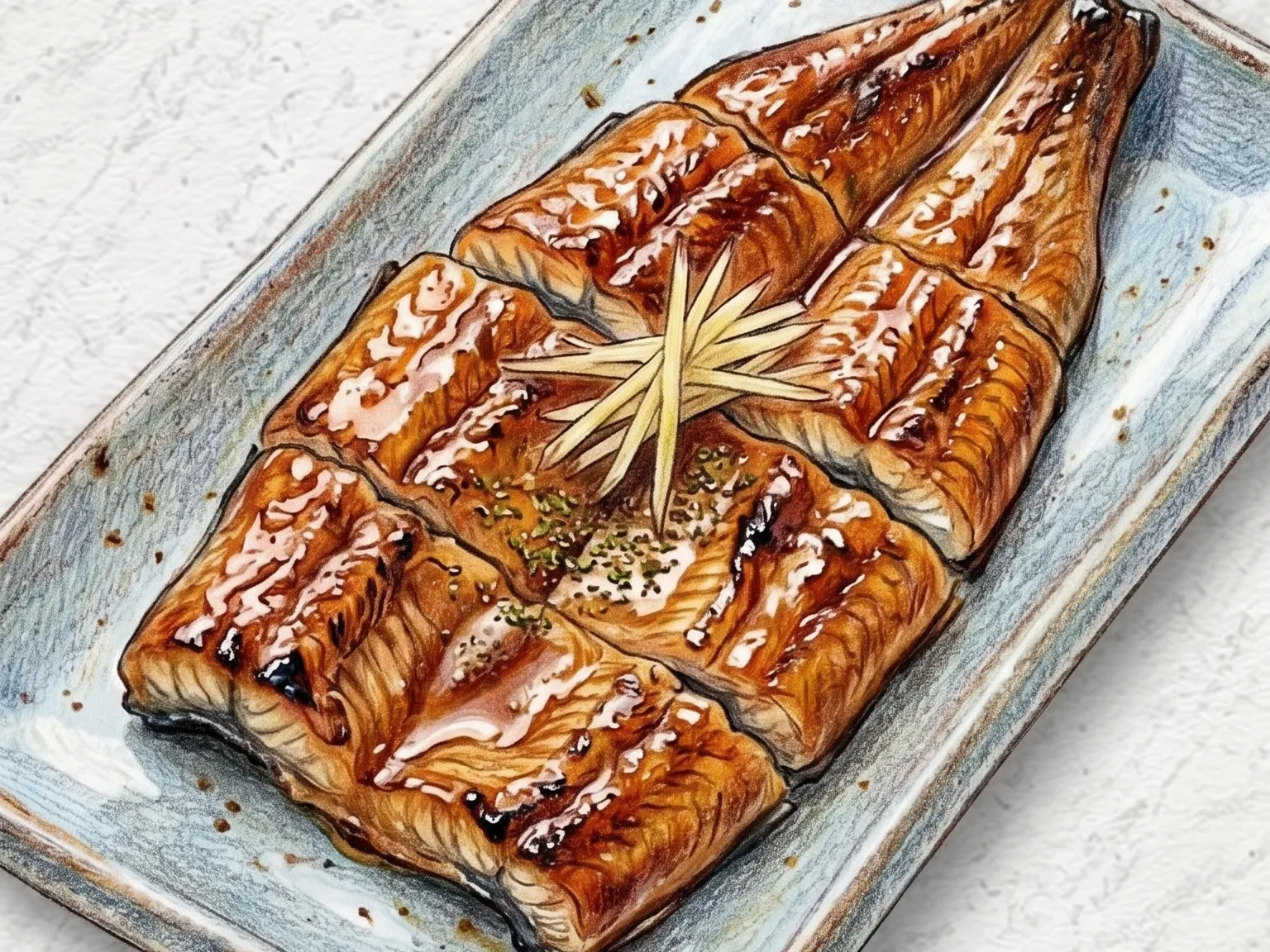
Korean Grilled Eel (Soy Glazed Freshwater Eel BBQ)
Grilled Medium

Korean Grilled Eel (Soy Glazed Freshwater Eel BBQ)

Jangeo-gui is a grilled freshwater eel dish in which the cleaned eel is brushed repeatedly with a marinade of soy sauce, sugar, cooking wine, and minced garlic as it cooks over medium heat. The central technique is applying the glaze in two or three stages rather than all at once, allowing each coat to caramelize before the next is brushed on. This layered glazing builds a lacquered surface with concentrated flavor and a slight sweetness that the eel's rich fat absorbs. Before grilling, rubbing the eel with coarse salt removes the slippery mucus layer and eliminates any fishiness from the skin. Turning the eel requires care since the flesh is delicate and breaks easily under pressure. Charcoal grilling adds a smoky dimension as the dripping marinade hits hot coals and vaporizes, creating an aroma that is inseparable from the restaurant version of this dish. Eel is traditionally eaten in Korea during the hottest days of summer as a stamina food, valued for its fat content and dense protein.

🍺 Bar Snacks 🏠 Everyday
Prep 20min Cook 15min 2 servings
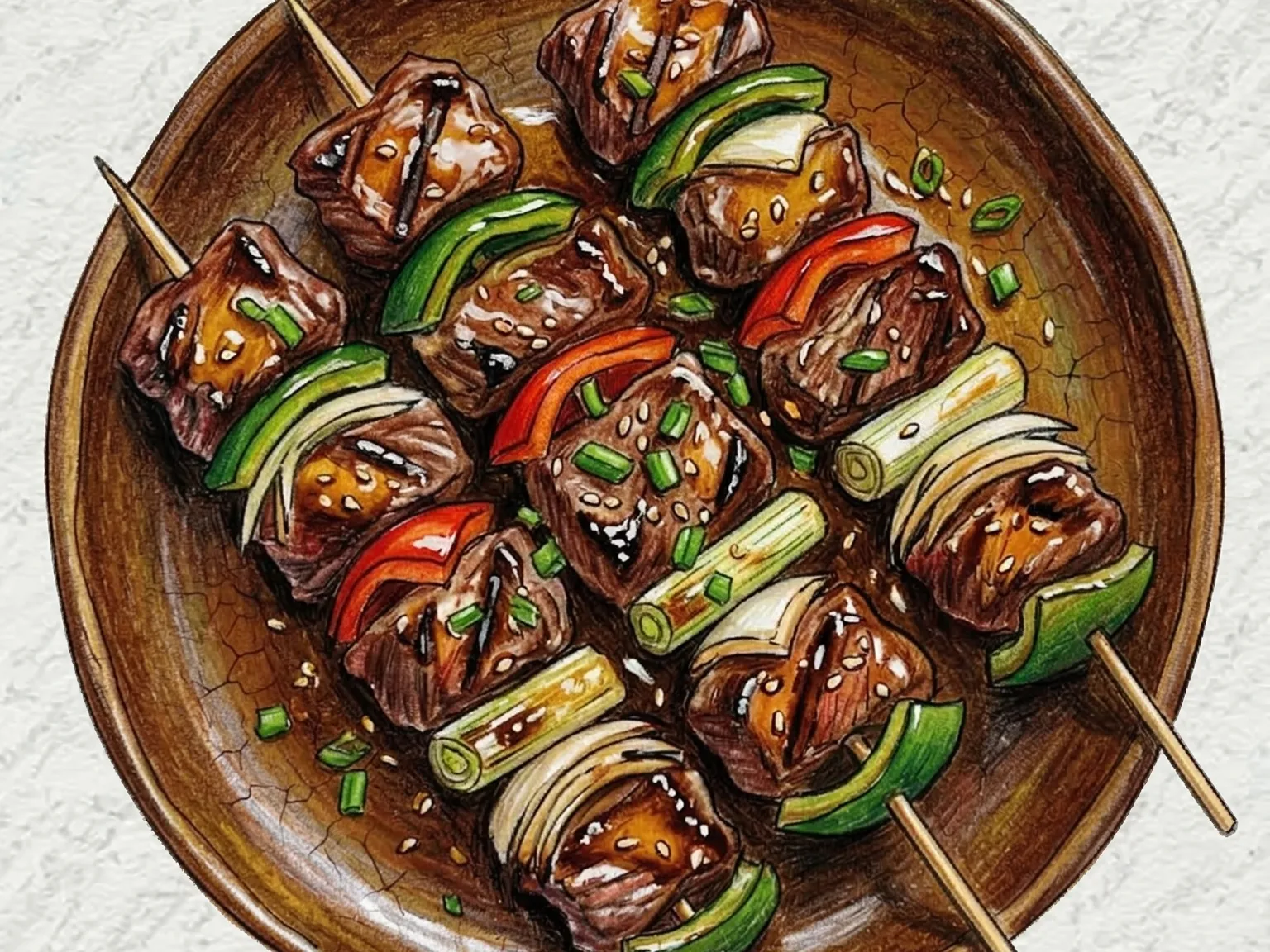
Korean Beef Skewers (Soy-Glazed Grilled Beef)
Grilled Easy

Korean Beef Skewers (Soy-Glazed Grilled Beef)

Bite-sized beef cubes and chunks of bell pepper and onion are threaded onto wooden skewers in an alternating pattern. The beef marinates for twenty minutes in soy sauce, oligosaccharide syrup, minced garlic, sesame oil, and black pepper before assembly. Grilling over medium-high heat while rotating the skewers lets the marinade reduce into a sticky glaze on the meat, while the vegetables soften and pick up faint char. The result is a hand-held format where each bite delivers soy-seasoned beef alongside lightly smoky, still-crisp vegetables.

🍺 Bar Snacks 🏠 Everyday
Prep 30min Cook 12min 4 servings
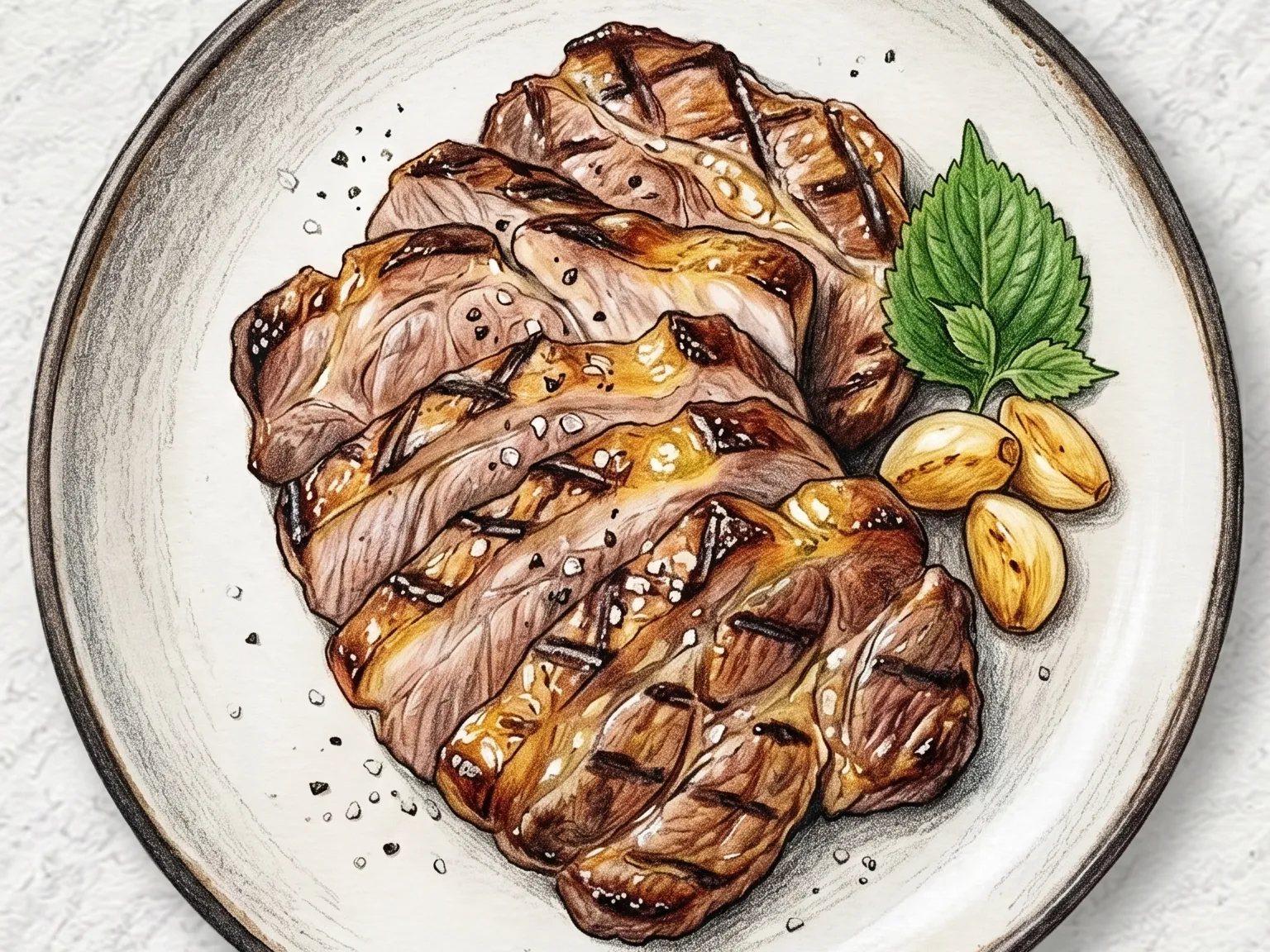
Korean Grilled Pork Neck (Salt-Seasoned Fatty Neck Cut BBQ)
Grilled Easy

Korean Grilled Pork Neck (Salt-Seasoned Fatty Neck Cut BBQ)

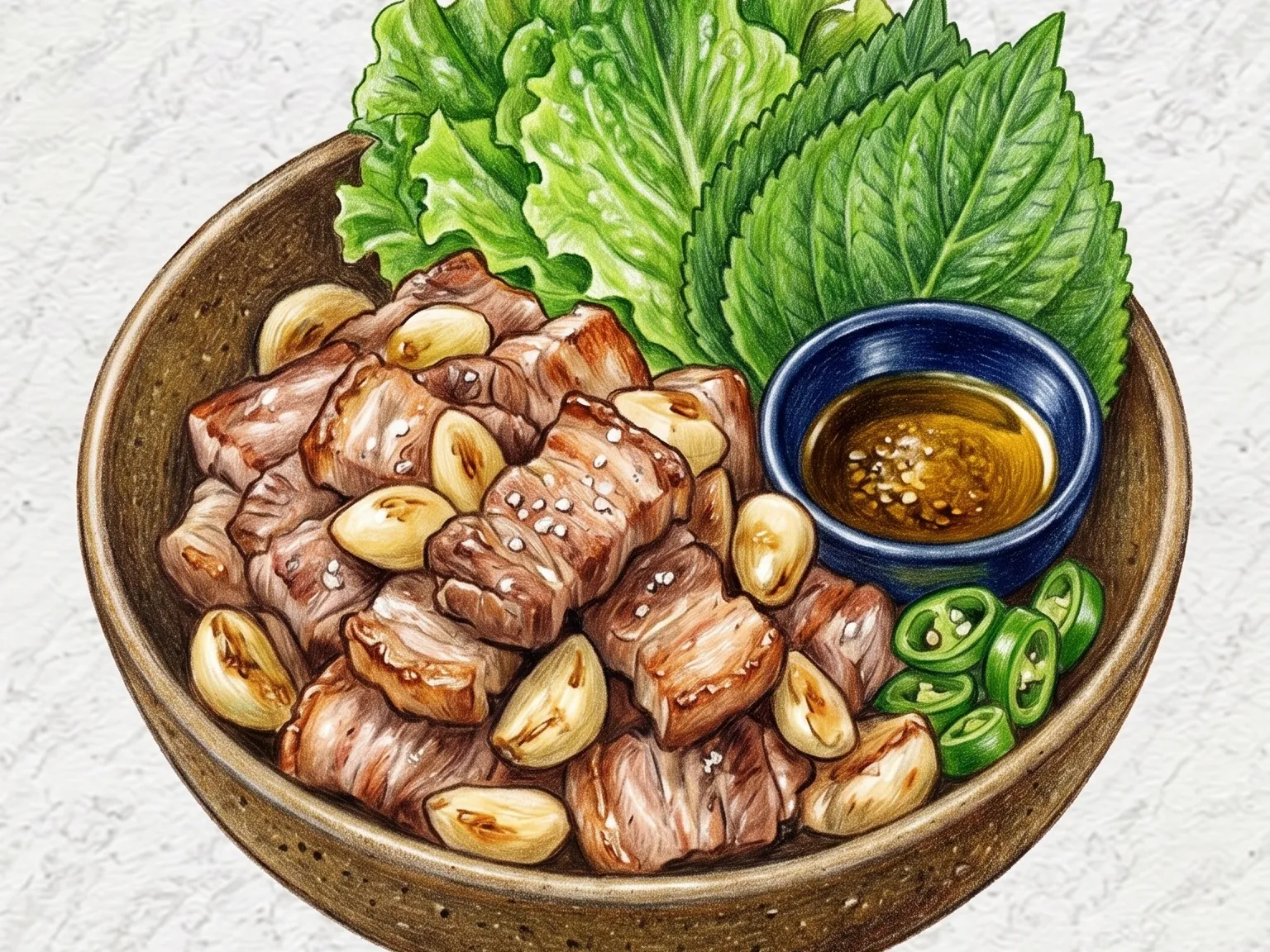
Dwaeji-moksal-gui is Korean salt-grilled pork neck sliced one centimeter thick and seasoned with nothing more than coarse salt and black pepper before being laid on a blazing grill. The neck cut is laced with fine intramuscular fat that renders quickly over high heat, basting the meat from within and producing a rich, clean pork flavor that needs no marinade to taste complete. Cuts with roughly a seven-to-three fat-to-lean ratio give the best results, where fat and juice remain in balance through the cooking. Each side must sear for under two minutes over maximum heat to build a dark, caramelized crust while the center stays moist. Flipping repeatedly drops the surface temperature and produces a gray, steamed result rather than the charred exterior that defines the dish. The standard way to eat moksal-gui is in a ssam: a leaf of lettuce loaded with a roasted garlic clove, a smear of ssamjang, and a slice of the grilled meat, folded and eaten in a single bite.

🍺 Bar Snacks ⚡ Quick
Prep 15min Cook 14min 2 servings
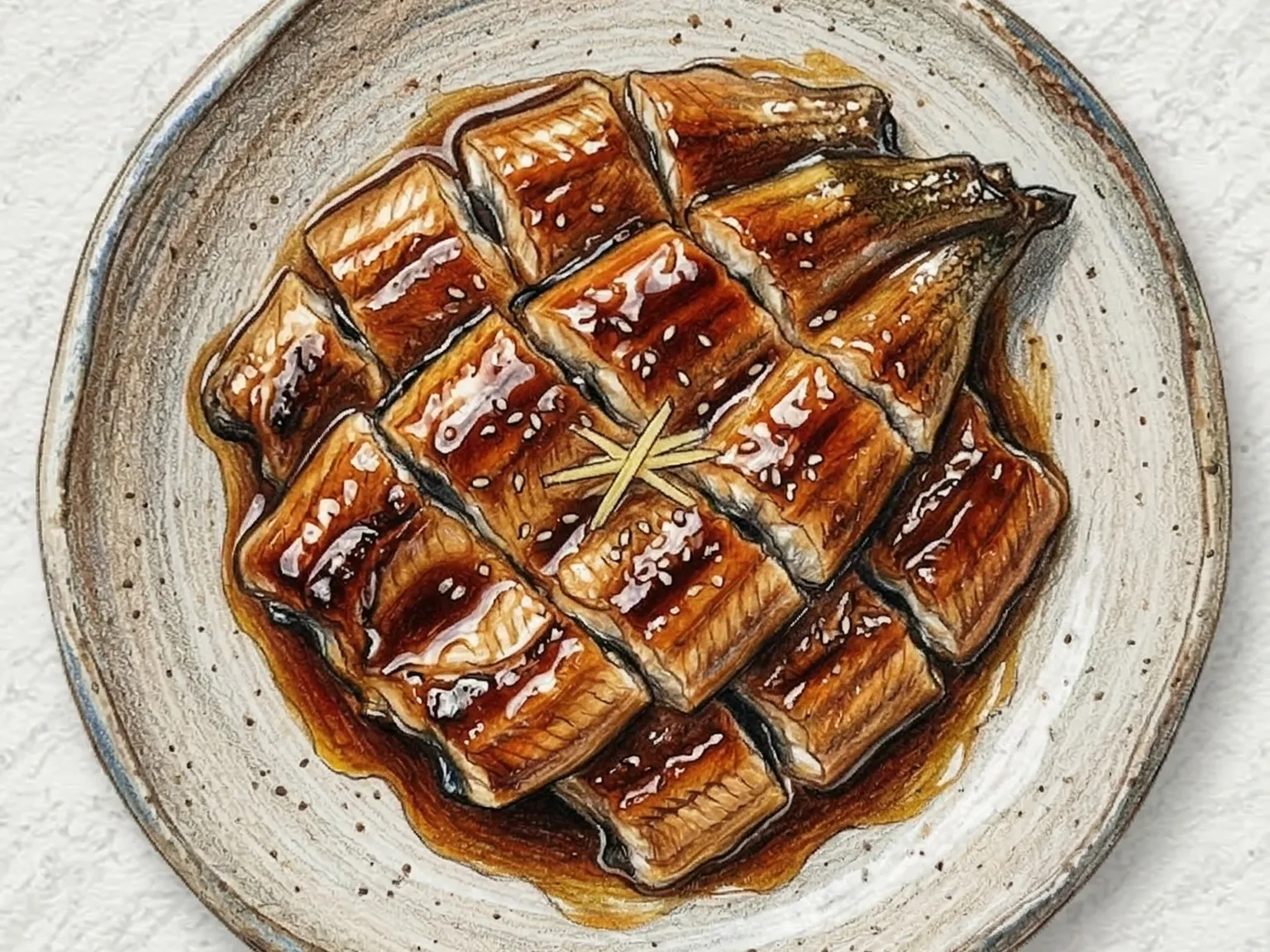
Korean Sweet Soy Glazed Eel Grill
Grilled Medium

Korean Sweet Soy Glazed Eel Grill

Eel fillets are seared skin-side down first in a hot pan so the skin renders and releases some of its fat, then flipped and finished on the flesh side before the sauce goes in. The glaze is a mixture of soy sauce, rice syrup, cooking wine, and ground ginger, brushed or spooned over the eel repeatedly over low heat. Each application builds another layer of the glossy coating, with the sweetness of the rice syrup and the saltiness of the soy sauce penetrating the fatty flesh together. Wiping excess rendered fat from the pan before glazing is a key step: removing it keeps the finished dish balanced rather than greasy and lets the umami of the glaze come through clearly. Sesame seeds and diagonally sliced scallion finish the plating, adding fragrance and a little texture to the lacquered surface. Served over rice, the sauce soaks into the grains and turns the bowl into something closer to a meal than a side dish.

🍺 Bar Snacks 🏠 Everyday
Prep 18min Cook 14min 2 servings
Korean Grilled Soy-Doenjang Pork
Grilled Medium

Korean Grilled Soy-Doenjang Pork

Maekjeok-gui is a traditional Korean grilled pork dish that is traced back to the Goguryeo period, prepared by marinating thick-cut pork neck in a paste of doenjang, soy sauce, rice syrup, minced garlic, ginger powder, sesame oil, and black pepper before grilling. Unlike most contemporary Korean marinades, which center on gochujang or sugar, maekjeok uses doenjang as its primary seasoning, which means the dominant flavor is a deep, fermented umami rather than sweetness or heat. The soybean paste bonds with the abundant intramuscular fat in pork neck during grilling, producing an intense savory quality that develops layer by layer over the heat, while the viscous rice syrup reduces into a shiny lacquer-like glaze on the surface. Shallow scoring on both faces of each thick pork slice allows the marinade to penetrate beyond the surface and reach the interior, and at least thirty minutes of marinating time is recommended for this effect. Doenjang scorches significantly faster than sugar, so the correct technique is to sear both sides first and then apply any final glaze only after reducing the heat or briefly pulling the meat from direct flame, which preserves the gloss without introducing bitterness. After removing from the grill, letting the meat rest for two minutes under a scattering of sliced green onion allows the juices to redistribute, so the pork stays moist and does not run when cut.

🍺 Bar Snacks 🏠 Everyday
Prep 20min Cook 18min 4 servings
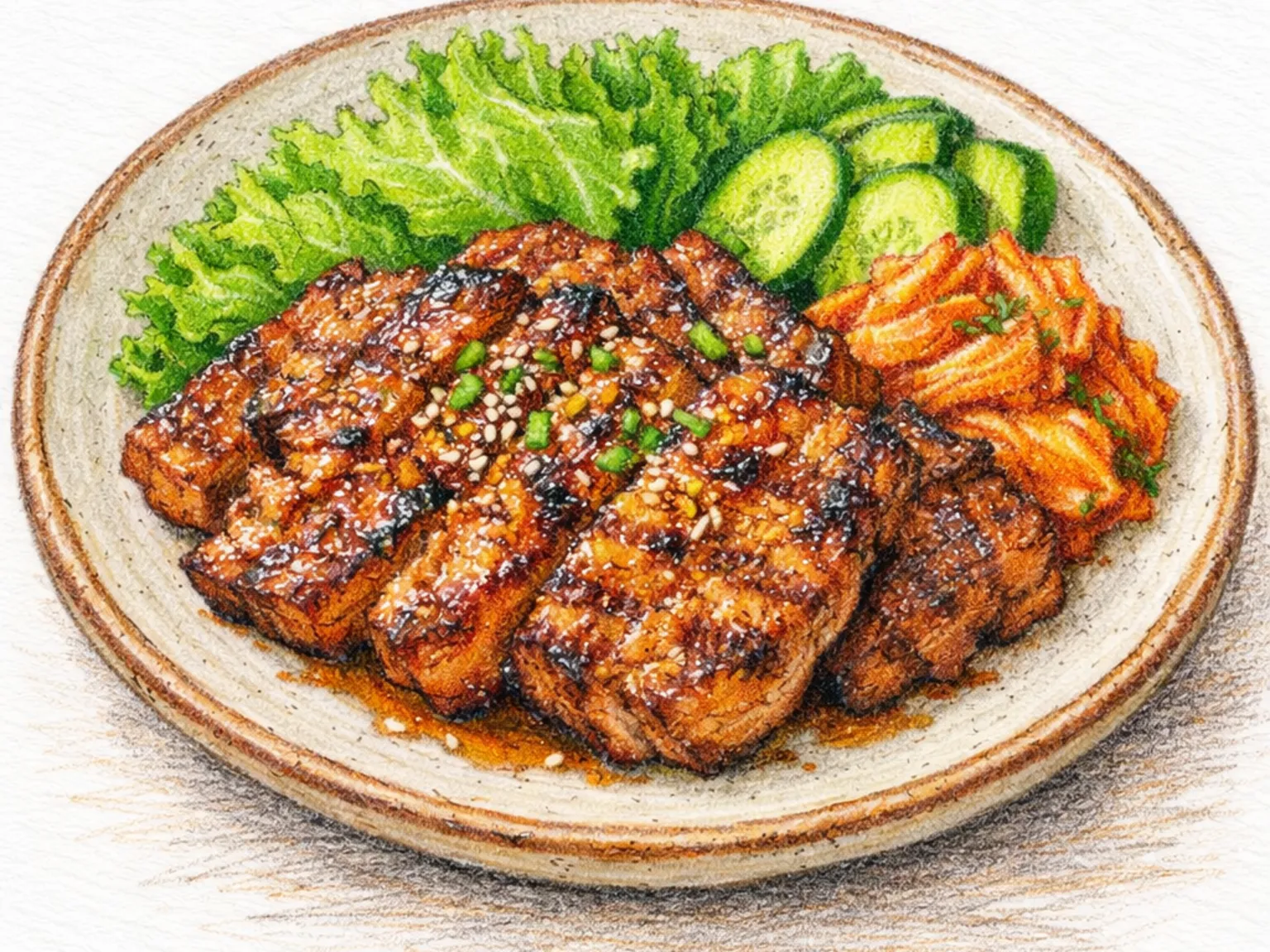
Korean Salt-Grilled Pork (Pork Belly and Neck BBQ)
Grilled Easy

Korean Salt-Grilled Pork (Pork Belly and Neck BBQ)

Doejigogi-gui is Korea's salt-grilled pork, made by seasoning thick-cut pork belly or pork neck with nothing but coarse salt and grilling over charcoal or on a cast iron pan. Because no marinade masks the flavor, the quality of the pork itself determines the outcome, and thick-cut belly requires patient cooking over medium heat so the fat layers render fully before the exterior chars -- rushing over high flame leaves the fat chewy and greasy rather than crisp. Blotting excess rendered fat from the pan with paper towels during cooking keeps the meat grilling rather than deep-frying and preserves the smoky char that defines the dish. Garlic slices cooked on the same pan alongside the pork add a mellow roasted note. The classic accompaniments -- sesame oil and salt for dipping, fresh lettuce or perilla leaves for wrapping, a dab of doenjang, and a sliver of cheongyang chili -- create the complete Korean barbecue experience, where a bite of rich pork, crunchy greens, and pungent condiments come together in one mouthful.

🍺 Bar Snacks ⚡ Quick
Prep 5min Cook 15min 2 servings
Korean Grilled Pork Skirt Meat
Grilled Medium

Korean Grilled Pork Skirt Meat

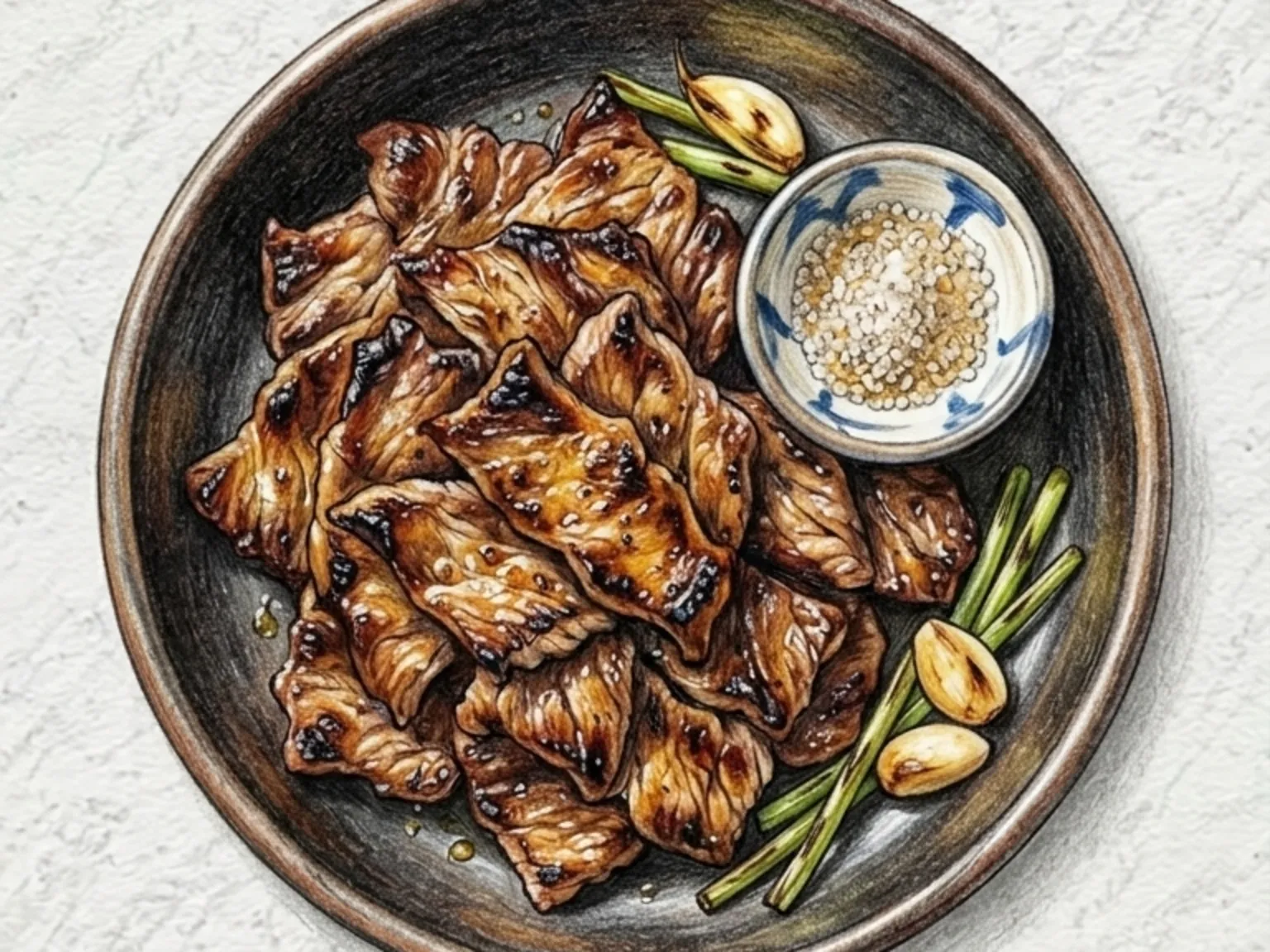
Galmaegisal-gui consists of grilled pork skirt steak harvested from the diaphragm muscle of the pig. This specific cut is recognized in Korean cuisine for its scarcity, as a single animal yields only between 200 and 300 grams of meat. Due to this limited supply, the cut is categorized as a specialty item within Korean barbecue establishments rather than a standard staple. Structurally, the meat resembles beef skirt steak because it features a very pronounced grain. This physical characteristic results in a texture that provides a substantial and firm chew. Additionally, the cut carries a specific fatty aroma that is characteristic of pork yet distinct from other common grilled parts of the animal. Before the meat reaches the heat, it typically receives a light seasoning composed of soy sauce, minced garlic, and cracked black pepper. The cooking process requires a high temperature, using either a bed of natural charcoal or a heavily heated pan to sear the exterior rapidly. Because the slices are relatively thin, the preparation involves keeping each side over the maximum heat source for less than sixty seconds. This timing ensures that the surface undergoes the Maillard reaction to achieve caramelization without drying out the interior. Ideally, the center of the meat remains slightly pink, reaching a medium level of doneness. If the cooking time extends beyond this window, the muscle fibers tend to contract and tighten significantly. Such overcooking removes the springy and resilient texture that defines the quality of this particular cut. When prepared over charcoal, the smoke particles are able to enter the juices of the pork, which produces a complex layer of smokiness. This specific flavor profile is difficult to achieve when using a standard gas or electric heating element. Once removed from the grill, the hot slices are traditionally dipped into a small saucer containing sesame oil and coarse grains of salt. This combination allows the toasted scent of the oil to blend with the smoky residue from the charcoal. For the final step of the meal, the meat is often placed inside a wrap made of fresh perilla or lettuce leaves. The addition of these greens introduces a botanical flavor that balances the inherent richness of the grilled pork.

🍺 Bar Snacks 🏠 Everyday
Prep 20min Cook 12min 2 servings
Korean Gapojingeo Yangnyeom Gui (Spicy Grilled Cuttlefish)
Grilled Medium

Korean Gapojingeo Yangnyeom Gui (Spicy Grilled Cuttlefish)

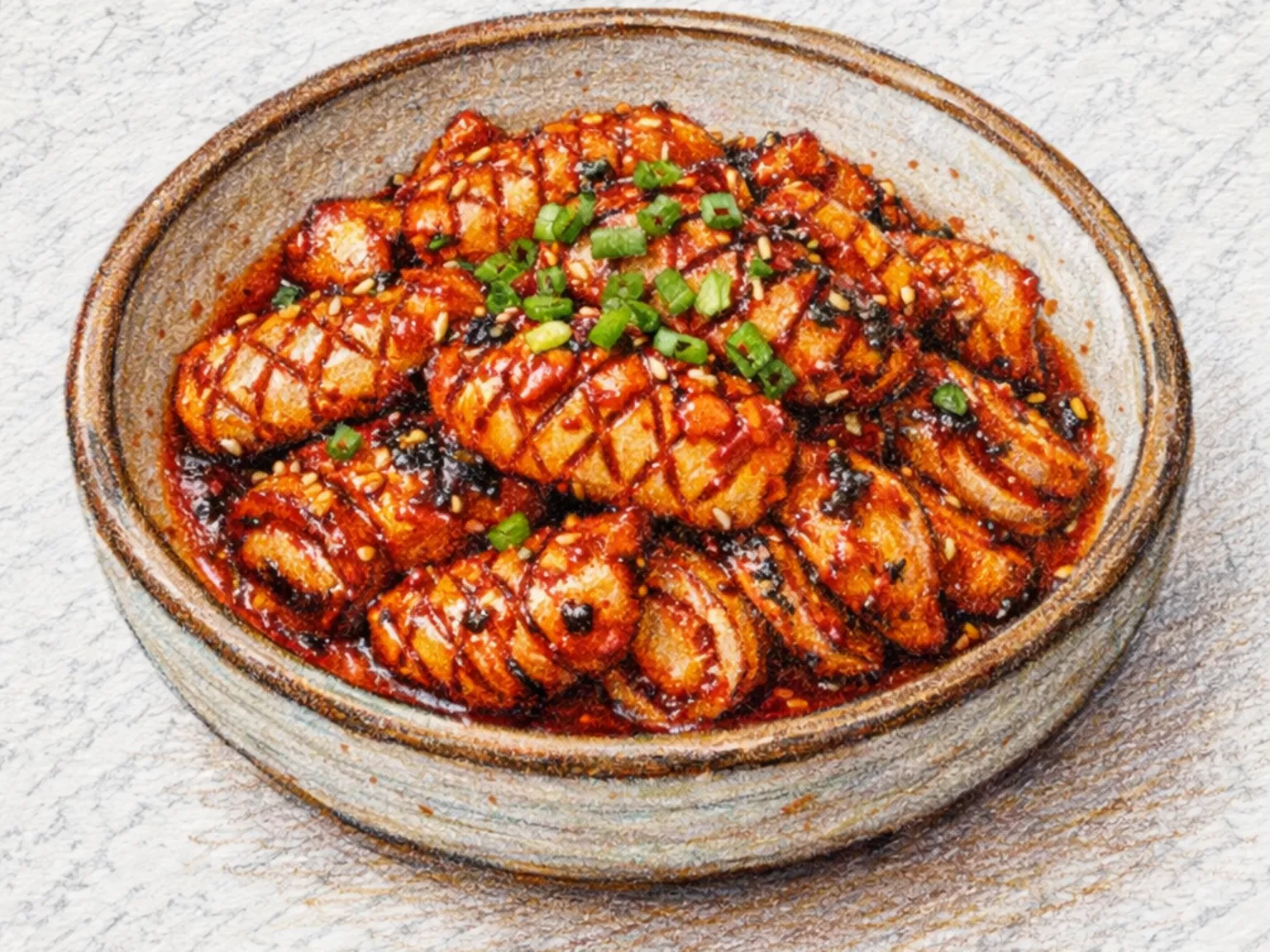
Gapojingeo-yangnyeom-gui is spicy grilled cuttlefish prepared by scoring the body in a deep crosshatch pattern and coating it with a glaze of gochujang, Korean chili flakes, soy sauce, oligosaccharide syrup, and garlic. The deep scoring is critical for the thick cuttlefish body: it allows the marinade to penetrate the flesh fully and causes the scored sections to curl open under high heat, creating a flower-like shape that maximizes surface contact with the glaze. When gochujang's heat and the syrup's sticky sweetness hit high heat together, they caramelize into a glossy, deep-red coating that clings to the cuttlefish, while sesame oil folded into the marinade adds a toasted undertone beneath the spice. Chunky-cut onion and green onion grilled alongside release moisture that evaporates into sweetness, naturally tempering the intensity of the chili glaze without diluting the marinade's savory depth. Patting the cuttlefish completely dry before marinating ensures the glaze adheres evenly rather than sliding off, and keeping the cooking time short over high heat prevents the flesh from turning tough and rubbery.

🍺 Bar Snacks 🏠 Everyday
Prep 20min Cook 10min 2 servings
Korean Grilled Chicken Drumsticks
Grilled Easy

Korean Grilled Chicken Drumsticks

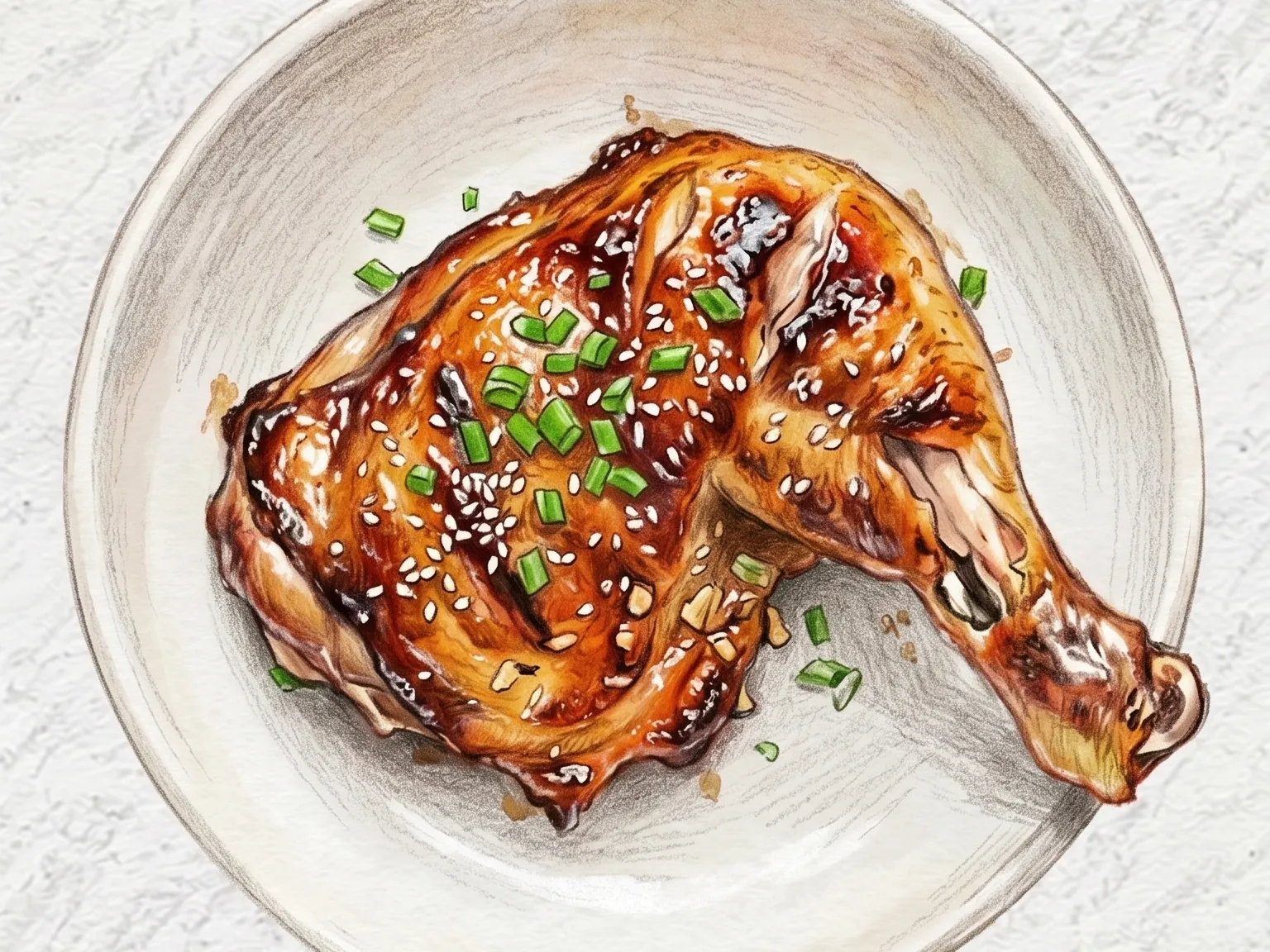
Dakdari-gui is a Korean grilled chicken drumstick marinated for at least two hours in soy sauce, gochujang, honey, garlic, and ginger juice, then cooked on a pan or grill until the skin is deeply browned and the meat pulls from the bone. Starting skin-side down over medium heat renders the subcutaneous fat slowly, producing a crackling-crisp skin; too high a flame chars the sugar in the marinade before the fat has time to melt. Once the skin turns golden and rigid, flip the drumstick and cover the pan to let steam finish the interior quickly without drying the meat. Drumsticks tolerate longer cooking times better than breast meat because of their higher fat and connective tissue content, and the flavor peaks when the leg bone separates cleanly from the muscle. The layered marinade -- gochujang's fermented heat, honey's sweetness, and ginger's sharp warmth -- balances the richness of the rendered chicken fat rather than fighting it. A scatter of sesame seeds over the finished drumsticks adds a final nutty note on top of the caramelized crust.

🍺 Bar Snacks
Prep 20min Cook 30min 2 servings
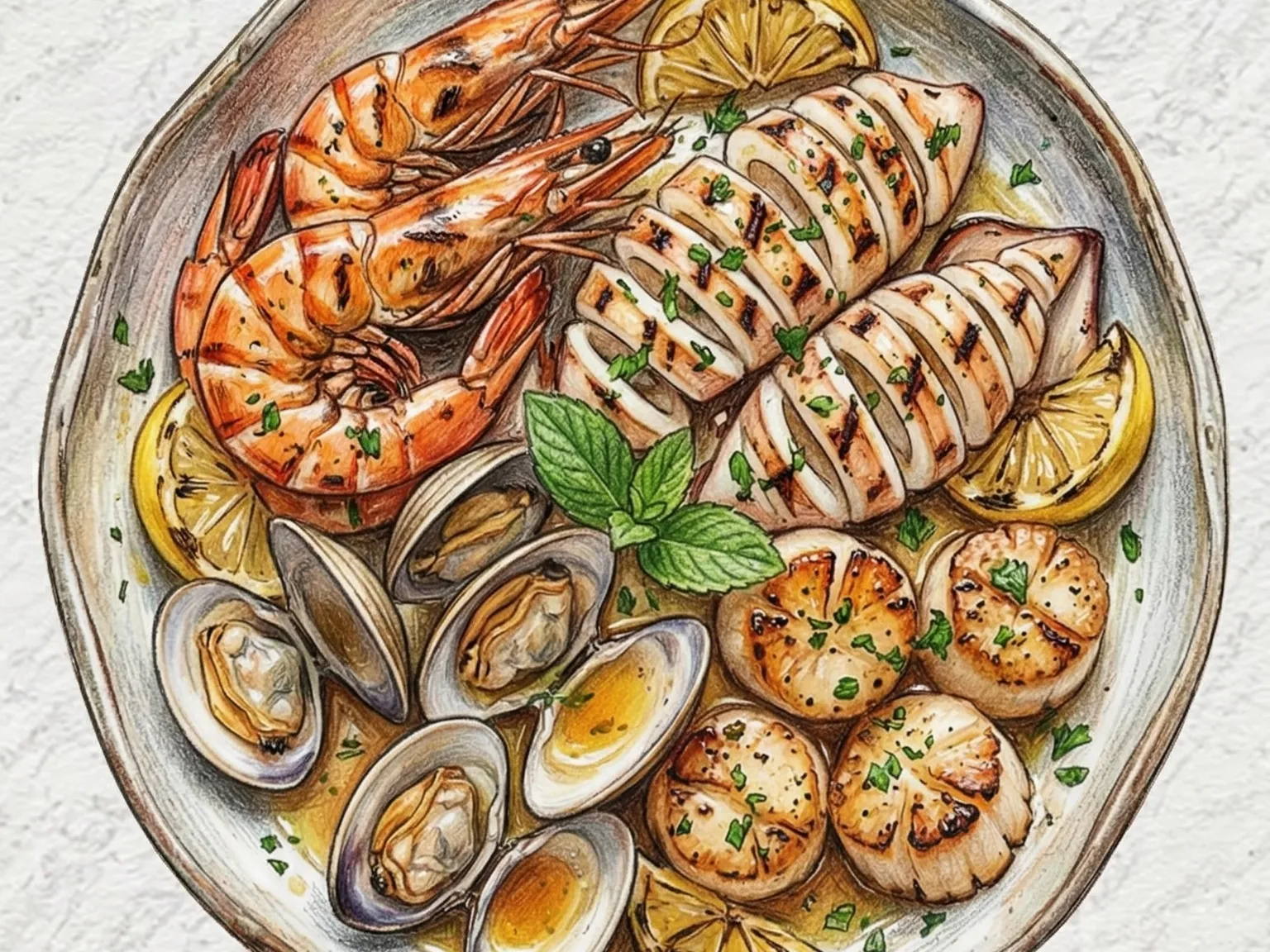
Korean Mixed Grilled Seafood
Grilled Easy

Korean Mixed Grilled Seafood

Haemul-gui modeum is a Korean mixed grilled seafood platter where shrimp, squid, Manila clams, and scallops are lightly dressed in olive oil, salt, and black pepper, then grilled at different intervals to account for each ingredient's cook time. Shrimp and scallops need only two to three minutes, squid takes three to four, and clams stay on the grill just until their shells pop open-staggering the timing ensures everything finishes together at peak texture. Overcooking any element by even a minute turns it rubbery, so close attention is the most important ingredient in this dish. A squeeze of fresh lemon juice over the entire platter at the table brightens the natural sweetness of each shellfish and ties the assortment into a cohesive, clean-tasting spread.

🍺 Bar Snacks ⚡ Quick
Prep 15min Cook 15min 2 servings

Related Categories and Tags

Frequently Asked Questions

What recipes are included in Korean Camping Food?

The list focuses on grilled dishes and skewers that cook well outdoors and are easy to share.

How many dishes should I make at once?

For a regular meal, one main dish and one or two sides are enough. For holidays or guests, build around one main, one soup, and two or three side dishes.

Can I prepare these recipes ahead?

Marinate at home and leave only grilling or reheating for the campsite.

More Guides