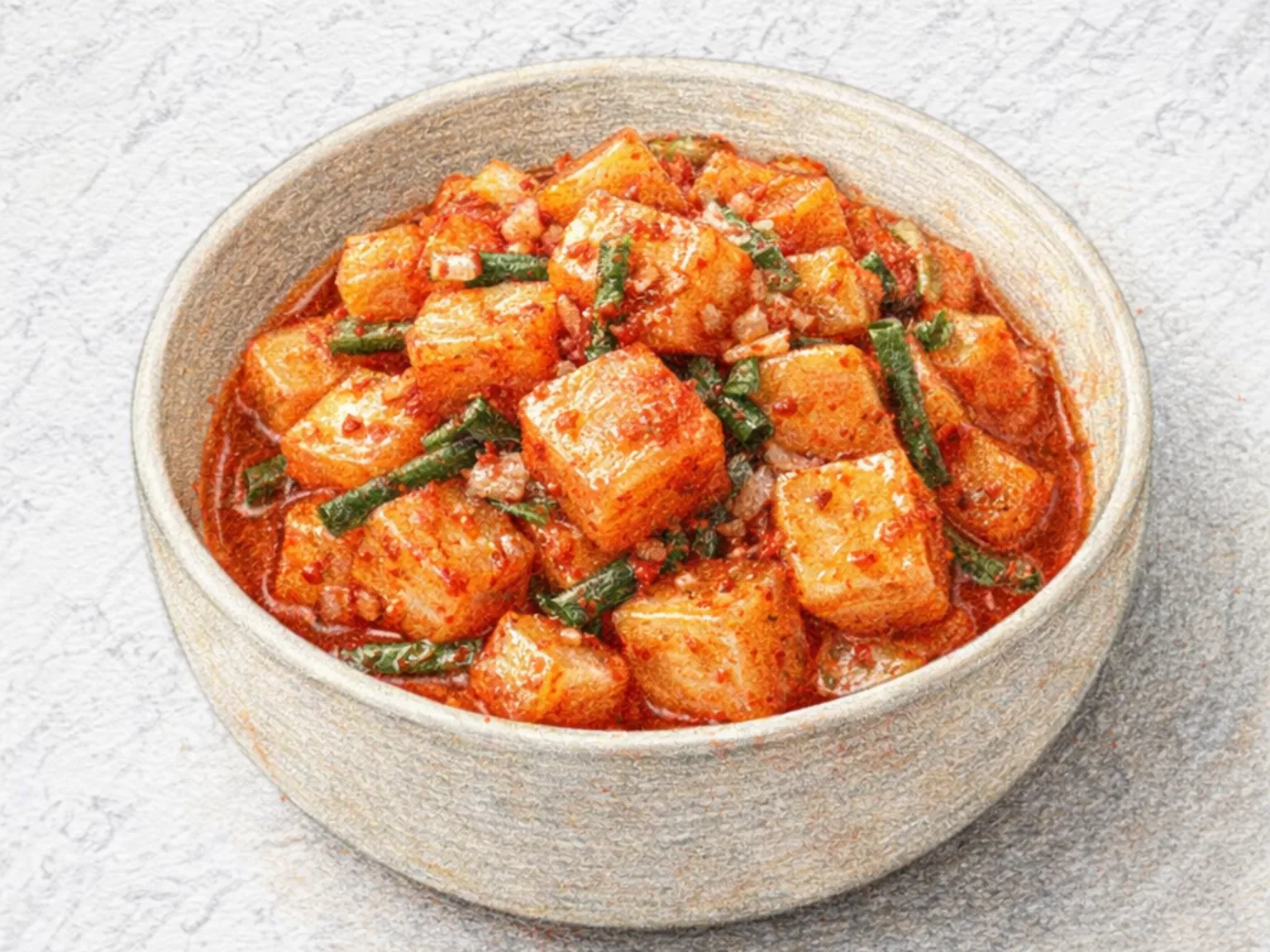
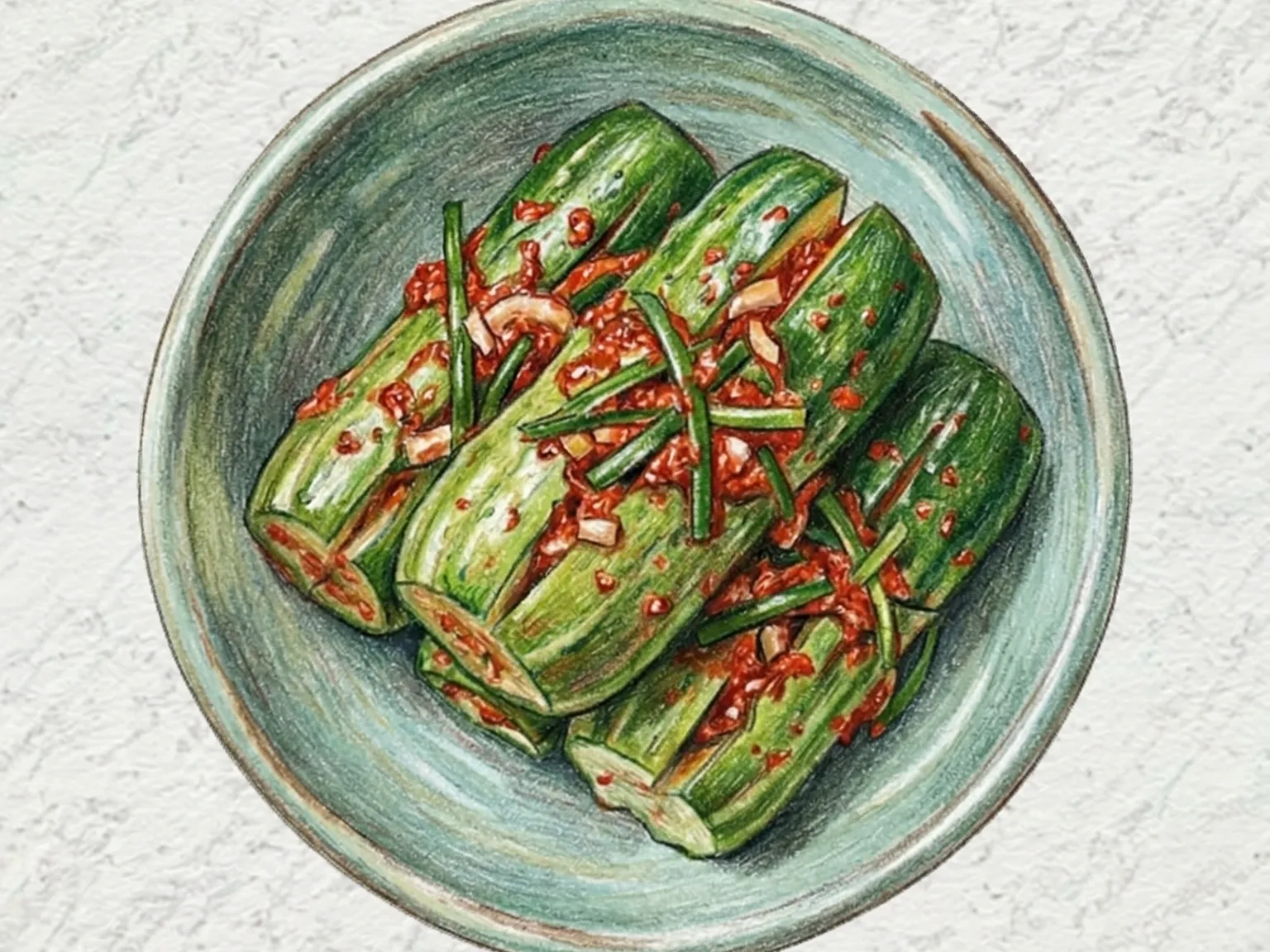
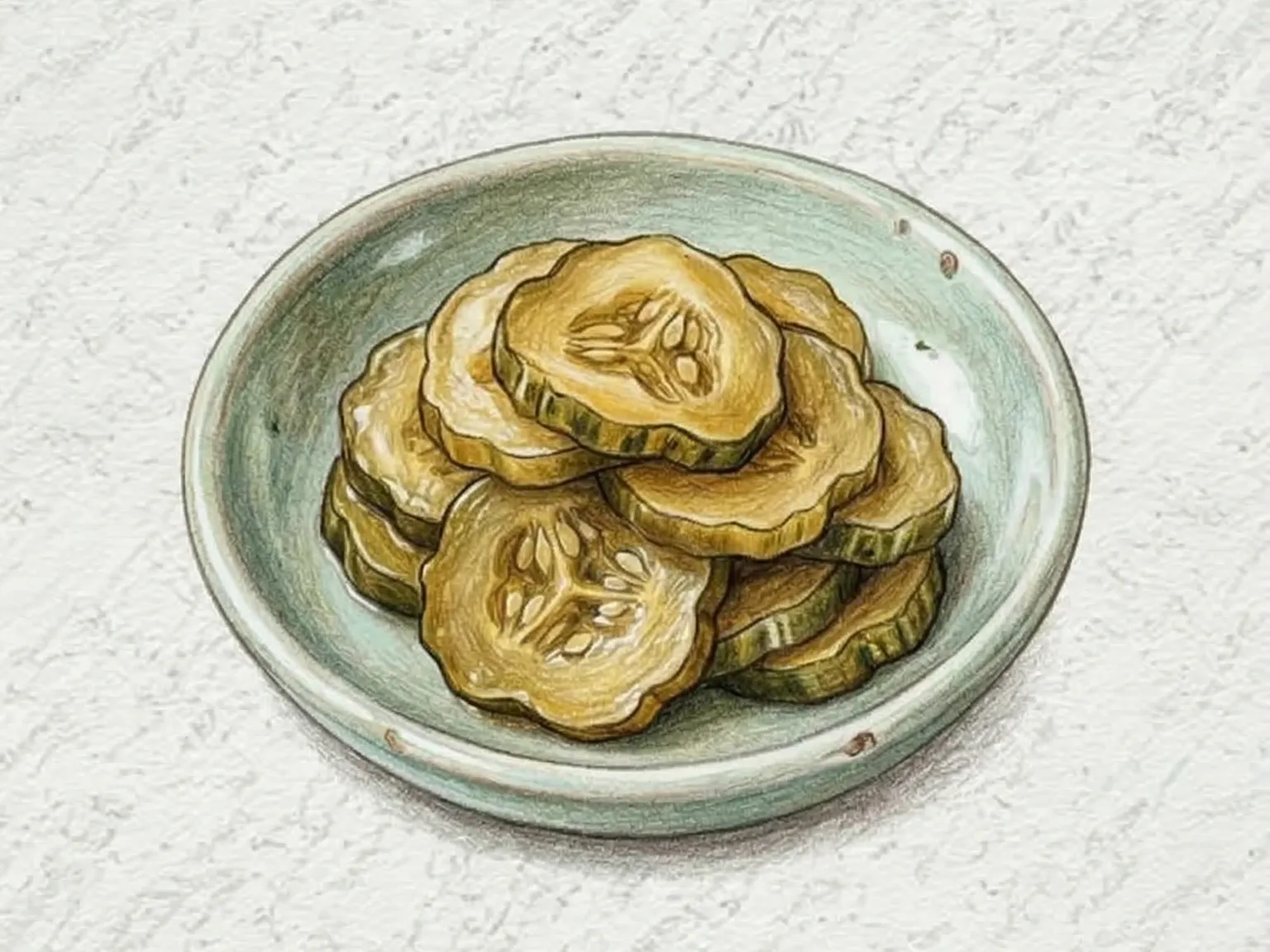
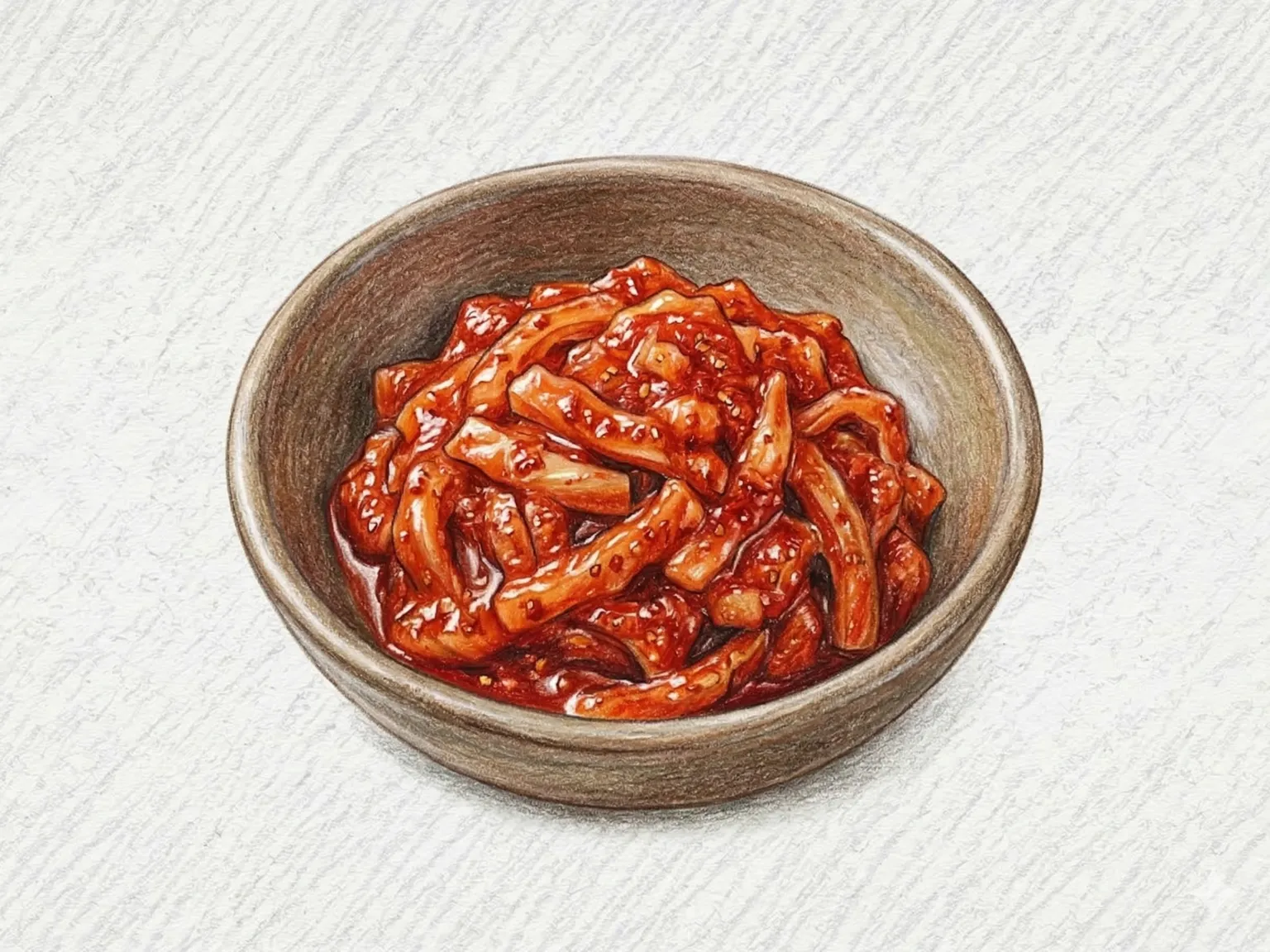
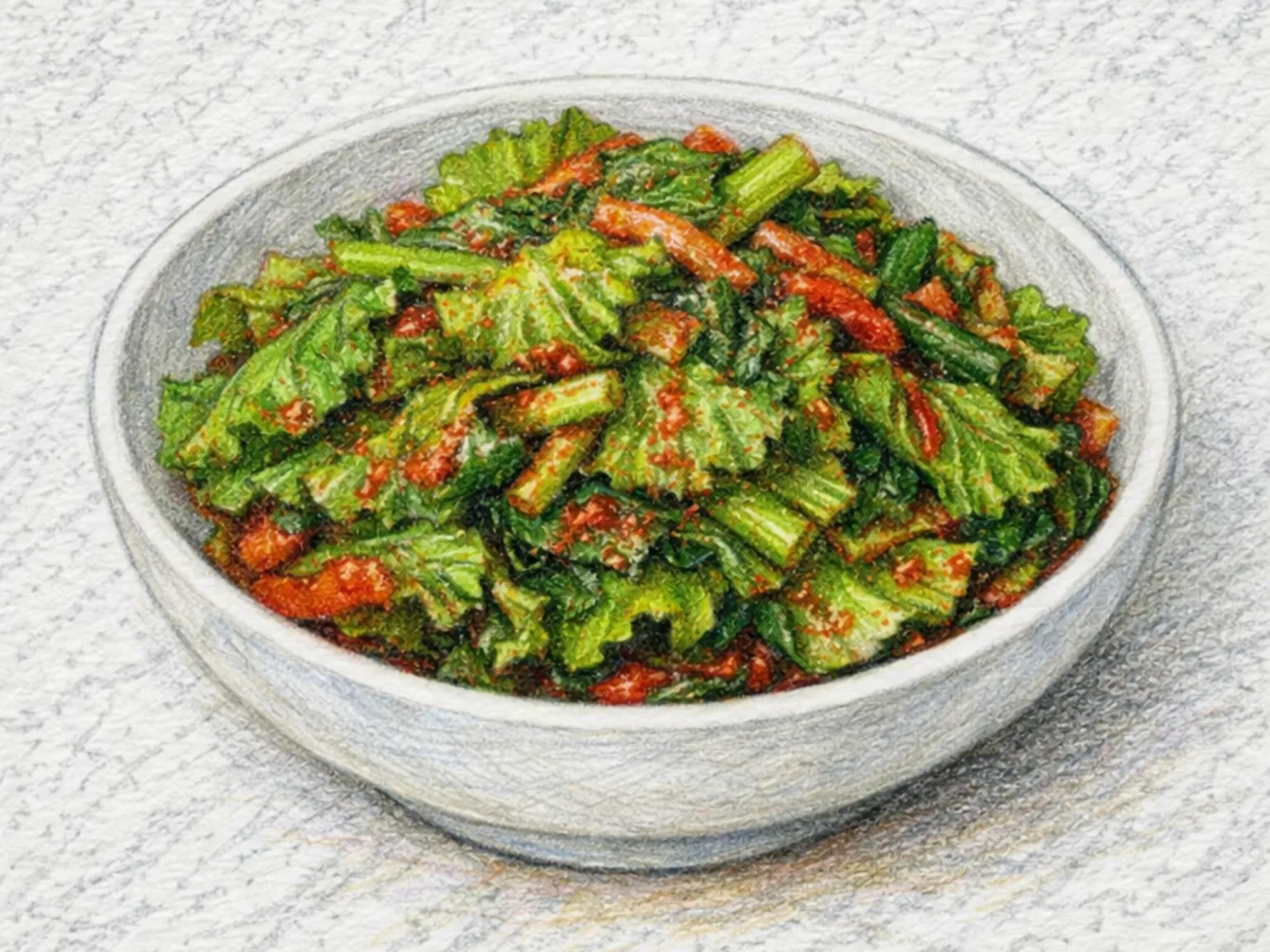
Korean Bitter Herb Kimchi
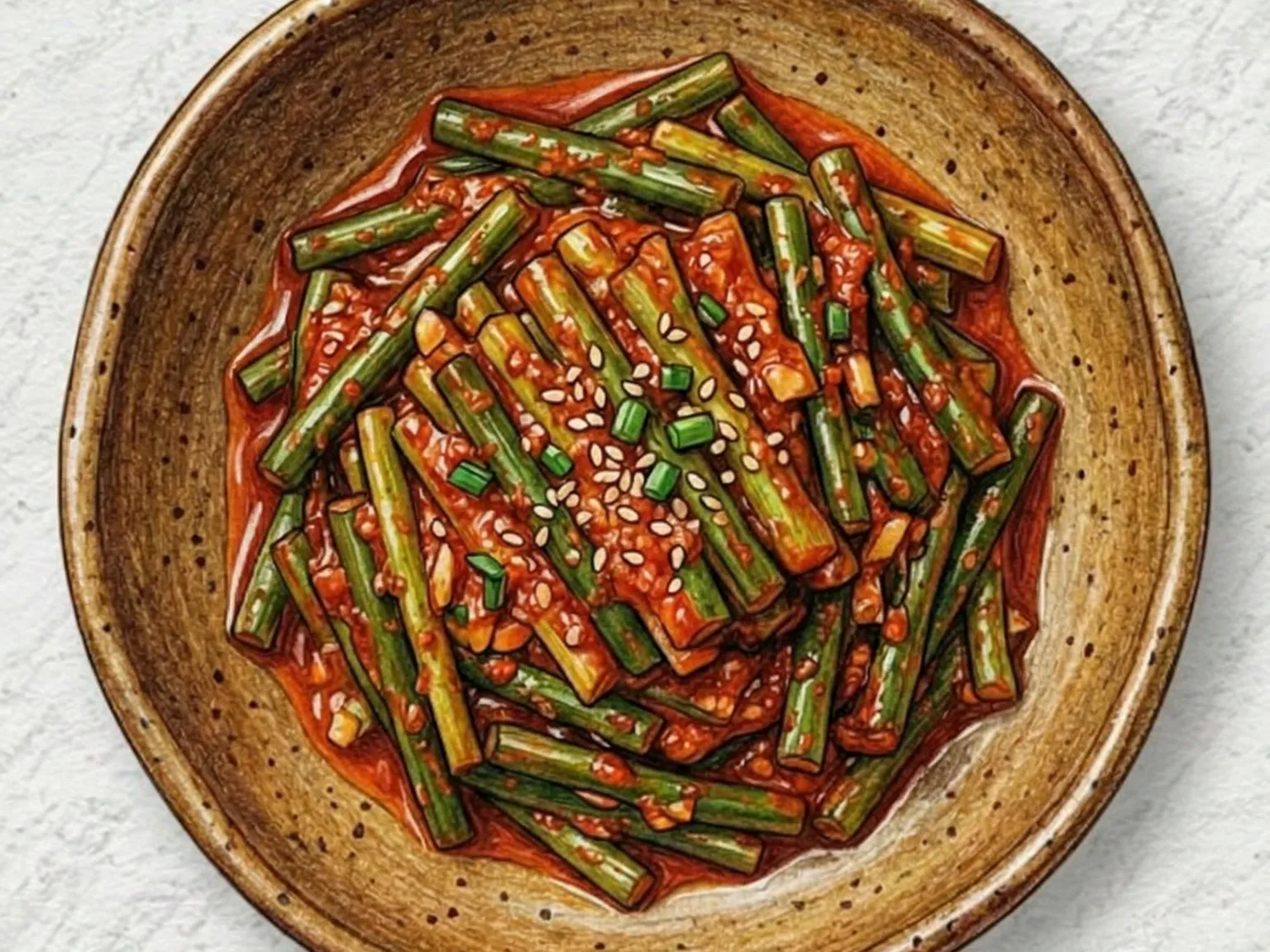
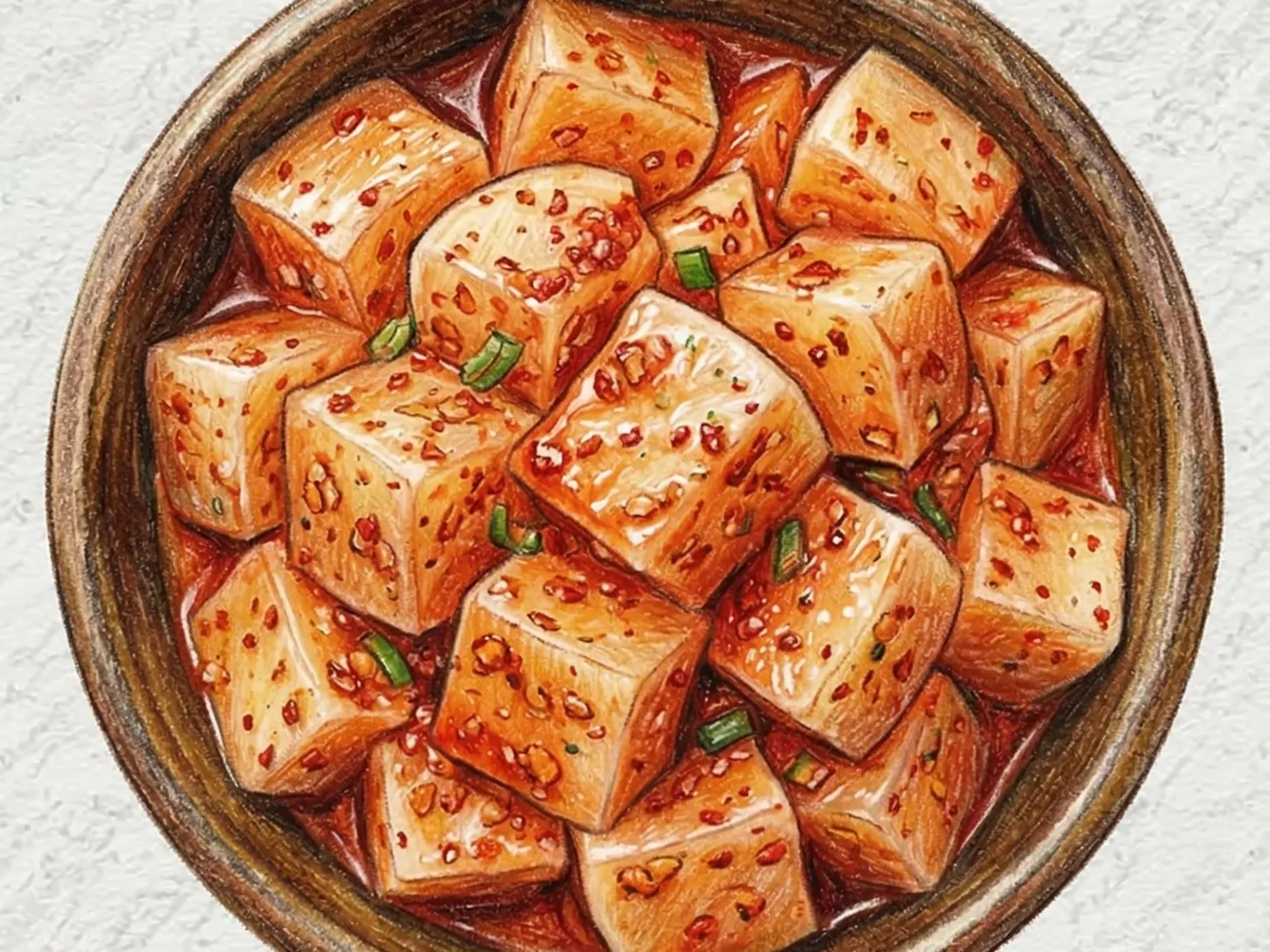
Sseumbagwi kimchi is a traditional spring fermented side dish made from sseumbagwi, a wild bitter herb that grows in Korea during early spring. The herb is soaked in cold water for at least twenty minutes to pull back its pronounced bitterness before being salted to soften the stalks. It is then dressed in a seasoning paste built from gochugaru, sand lance fish sauce, minced garlic, ginger, sweet rice paste, and plum syrup, mixed together with cut scallions. The rice paste adds body to the seasoning so it clings to the herb's thin stems and narrow leaves rather than sliding off. Plum syrup works on both the bitterness and the salt's edge at once, smoothing the overall profile without masking the herb's character. Sand lance fish sauce is preferred over anchovy sauce here because its gentler aroma does not compete with the plant's natural flavor. Five hours of room-temperature fermentation followed by refrigeration sets off lactic acid development, layering tangy depth over the bitter-green base. The flavor peaks around day three when bitterness, acidity, and umami reach the best balance. If the raw herb tastes too sharp, one additional soak in fresh cold water brings it within range before seasoning.

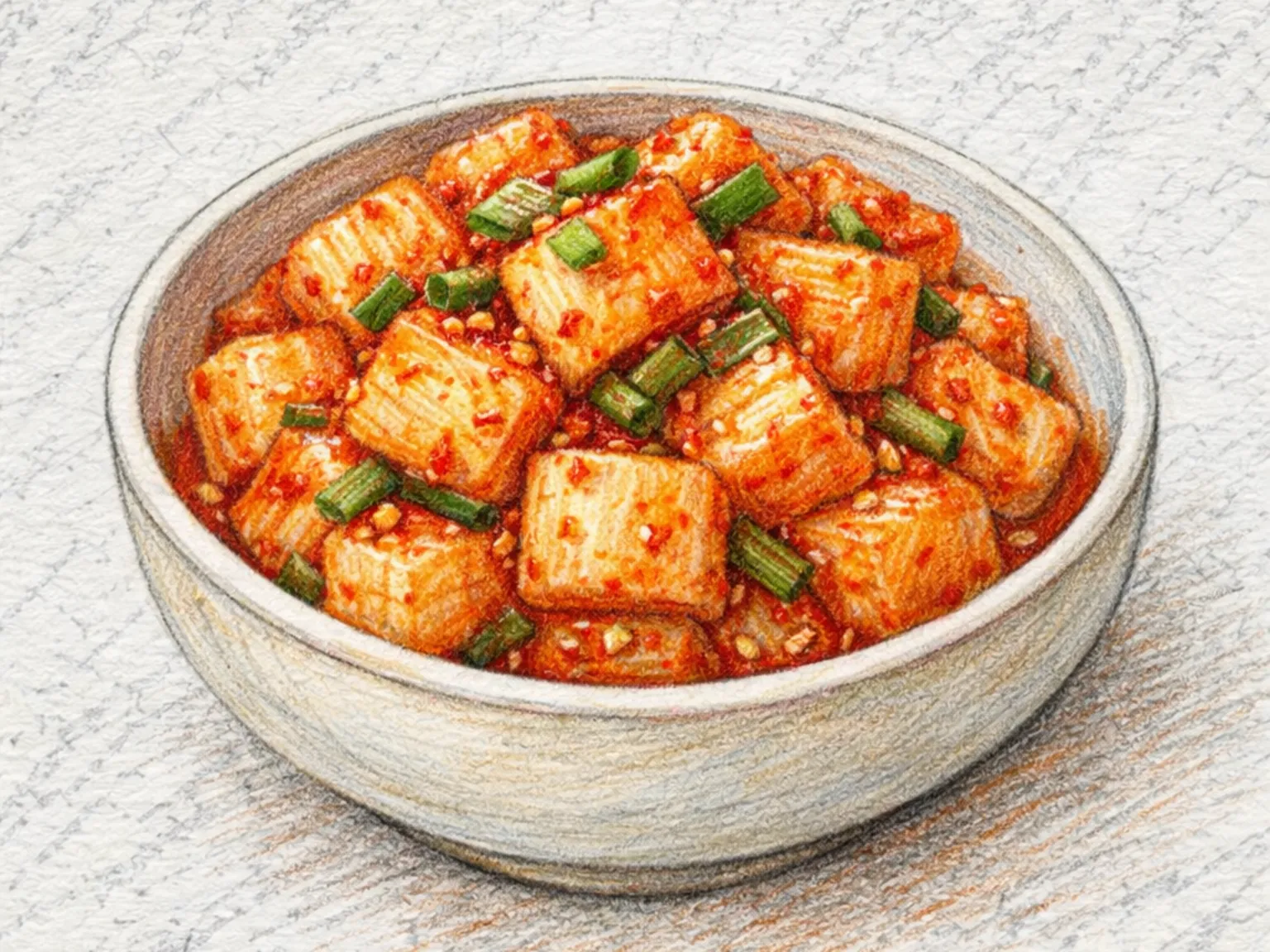
Korean Crown Daisy Kimchi
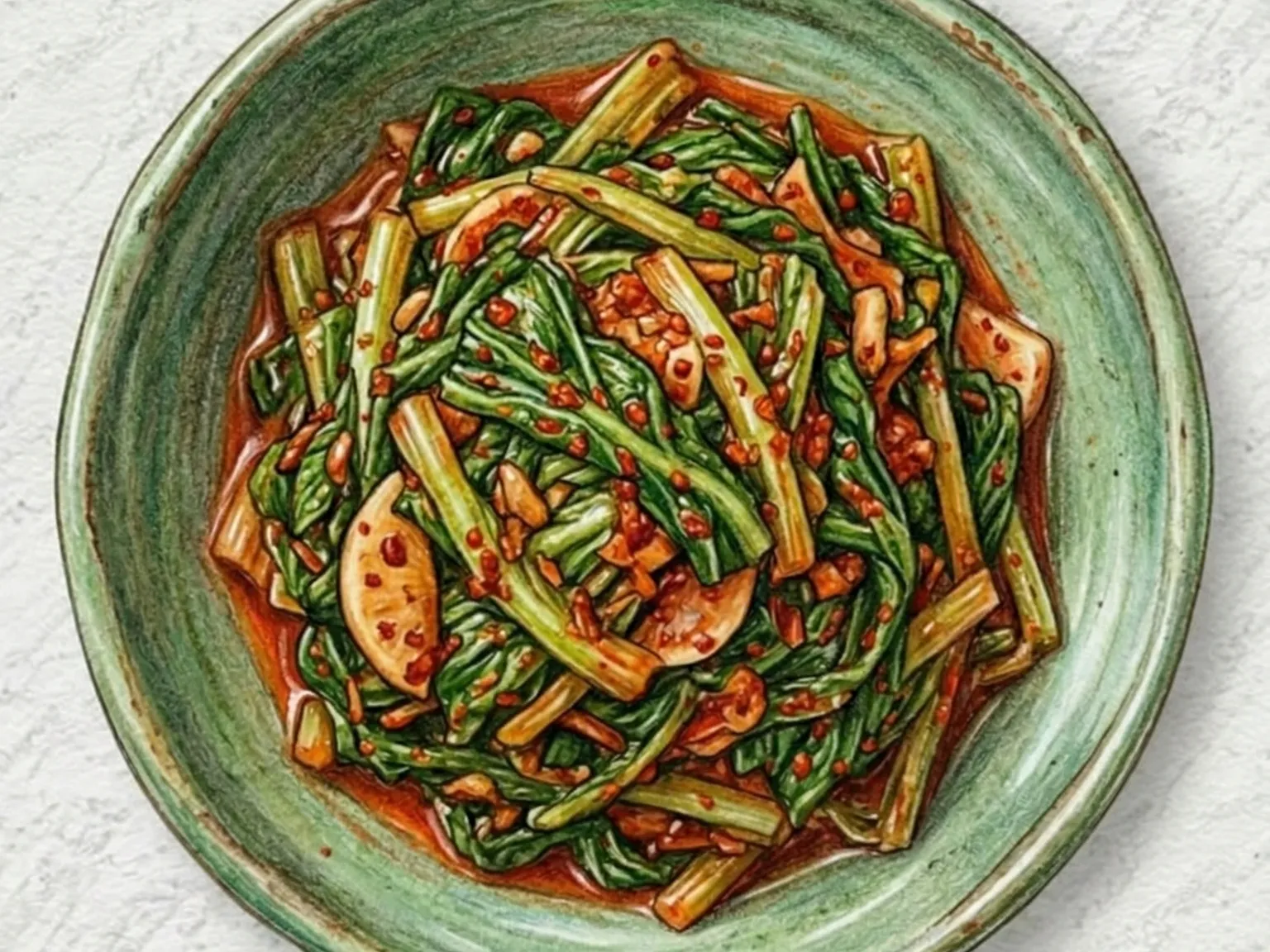
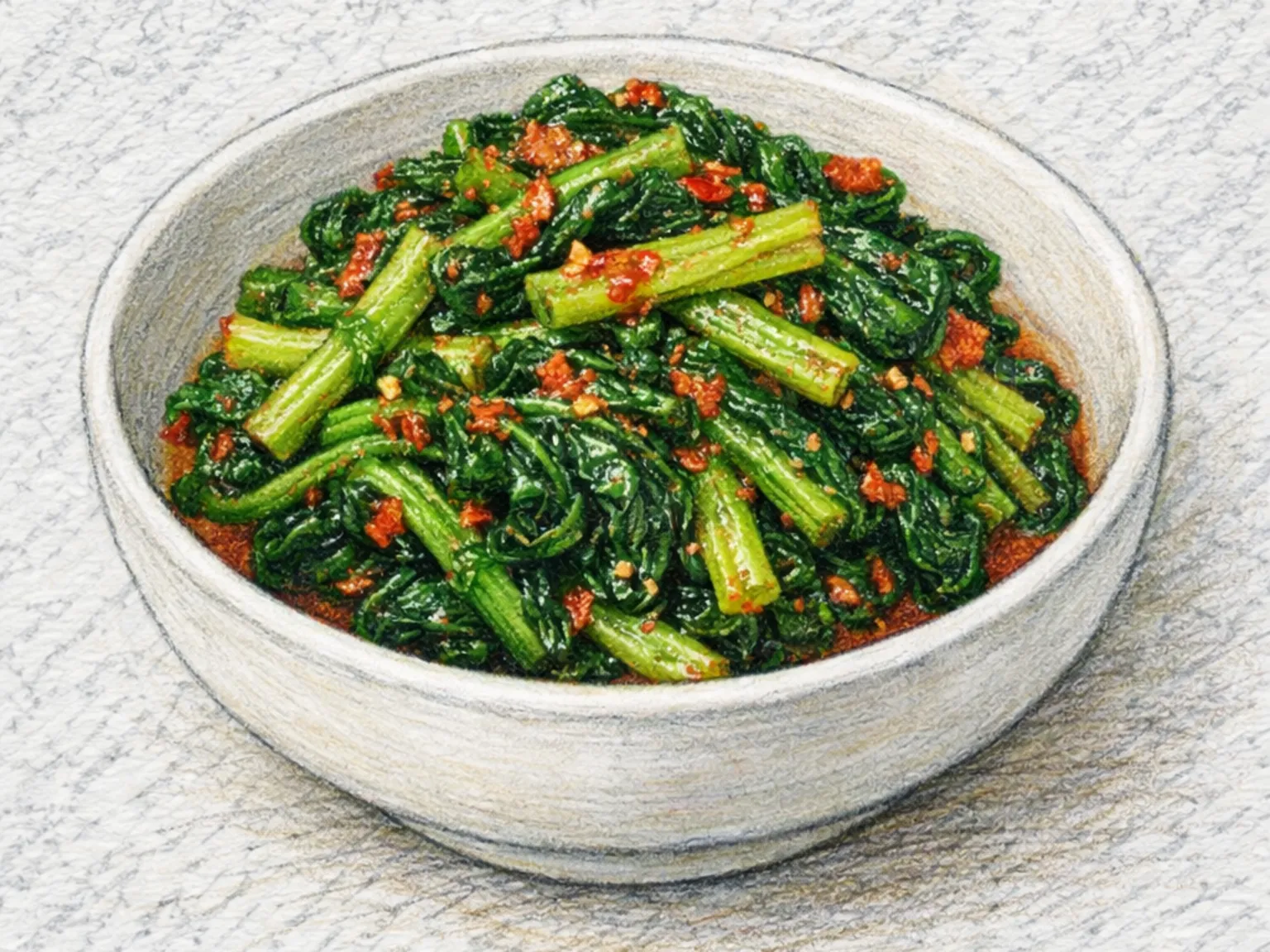
Ssukgat kimchi is a fragrant seasonal kimchi that highlights crown daisy's herbal bitterness alongside chili flakes and sand lance fish sauce. The greens are salted for only seven minutes to preserve their delicate, tender texture, then dressed with a paste enriched by sweet rice flour for better adhesion. Plum extract balances the bitterness with gentle sweetness and acidity during fermentation. After two hours at room temperature followed by overnight refrigeration, the kimchi reaches its aromatic peak within a single day. Because the leaves bruise easily, gentle tossing during seasoning is essential to maintain their shape.

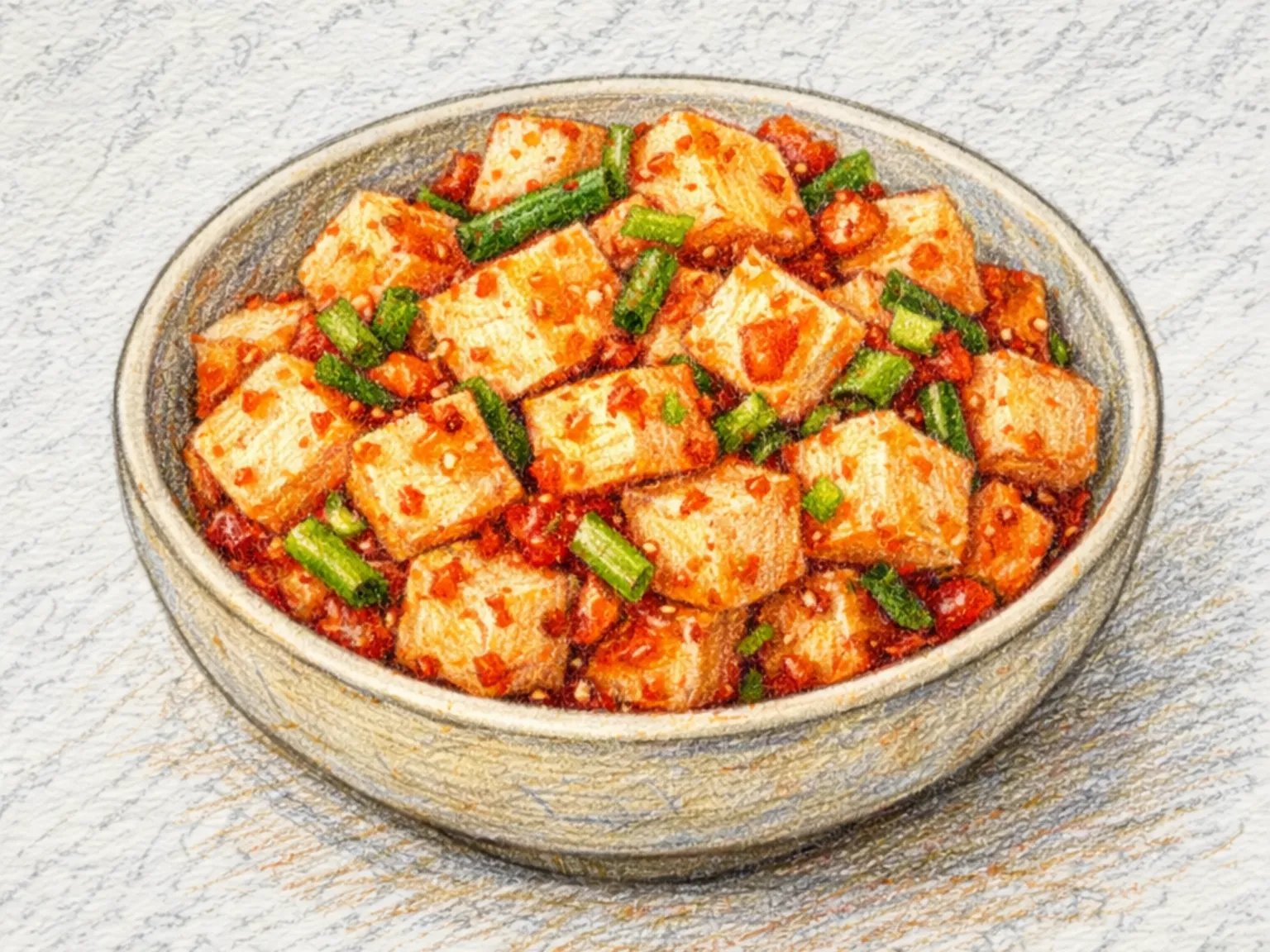
Korean Turnip Kimchi (Diced Gochugaru Water Fermented)
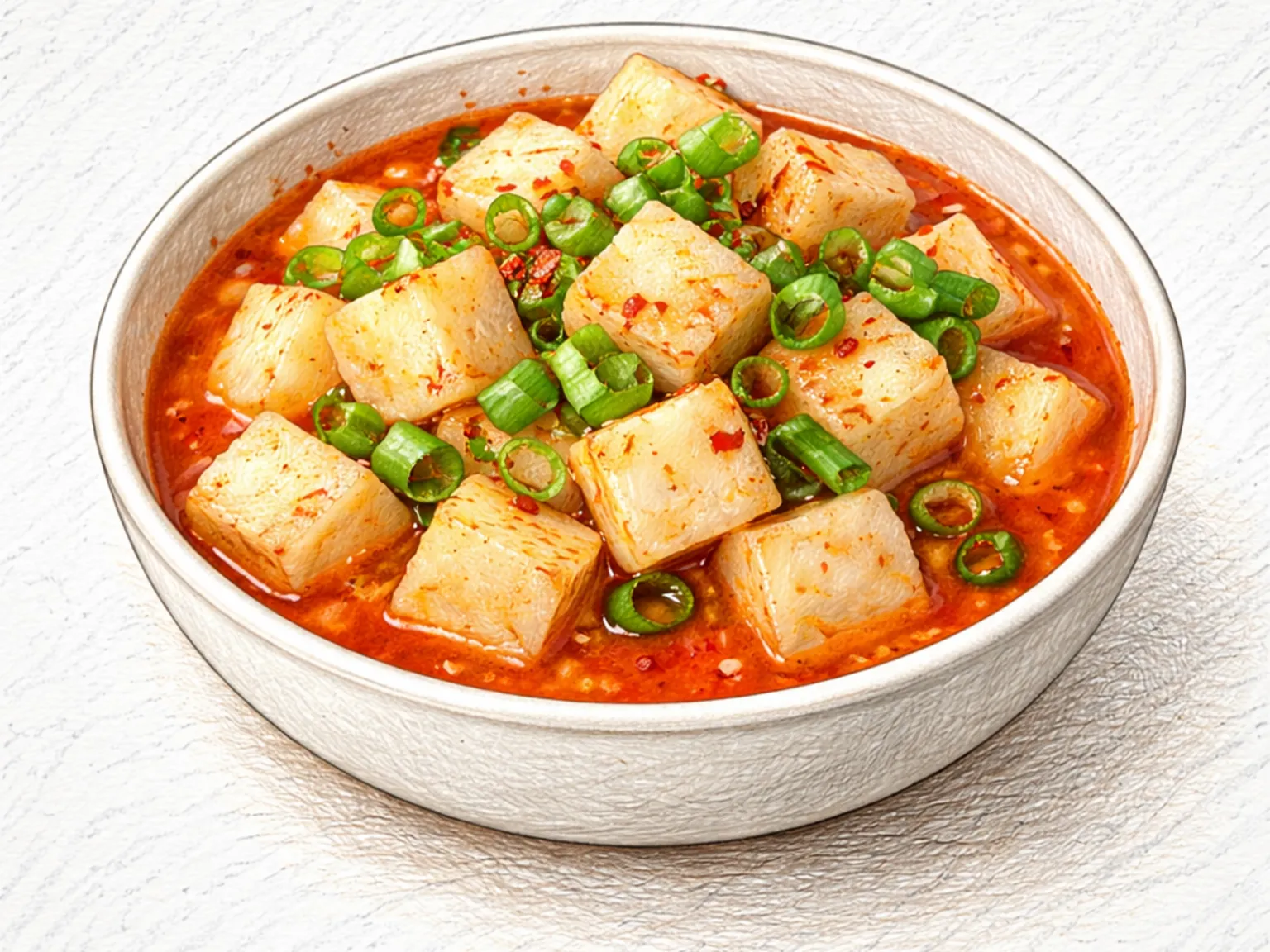
Sunmu kimchi is a brined kimchi made with diced turnips seasoned in chili flakes, fish sauce, garlic, and ginger juice, then submerged in water to ferment with its own liquid. Turnips have a naturally higher sweetness and denser flesh than Korean radish, so they stay firm and crunchy even after fermentation. Scallions woven through the batch add an aromatic layer that rounds out the spice. One day at room temperature followed by two days of refrigeration produces a cool, tangy brine that is refreshing to drink on its own. Adding turnip greens, if available, deepens both the color and the fragrance.

Korean Pickled Taro Stems
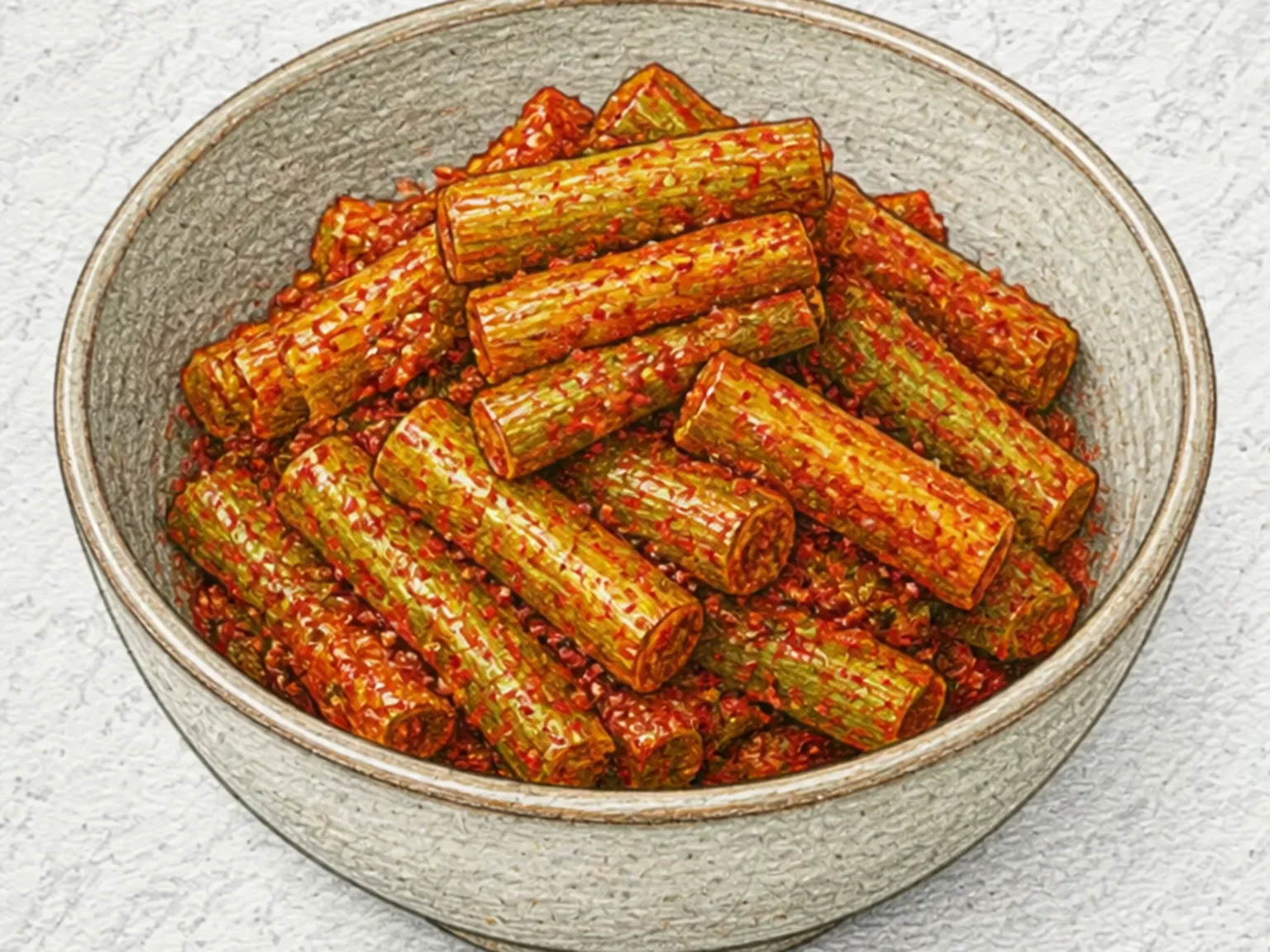
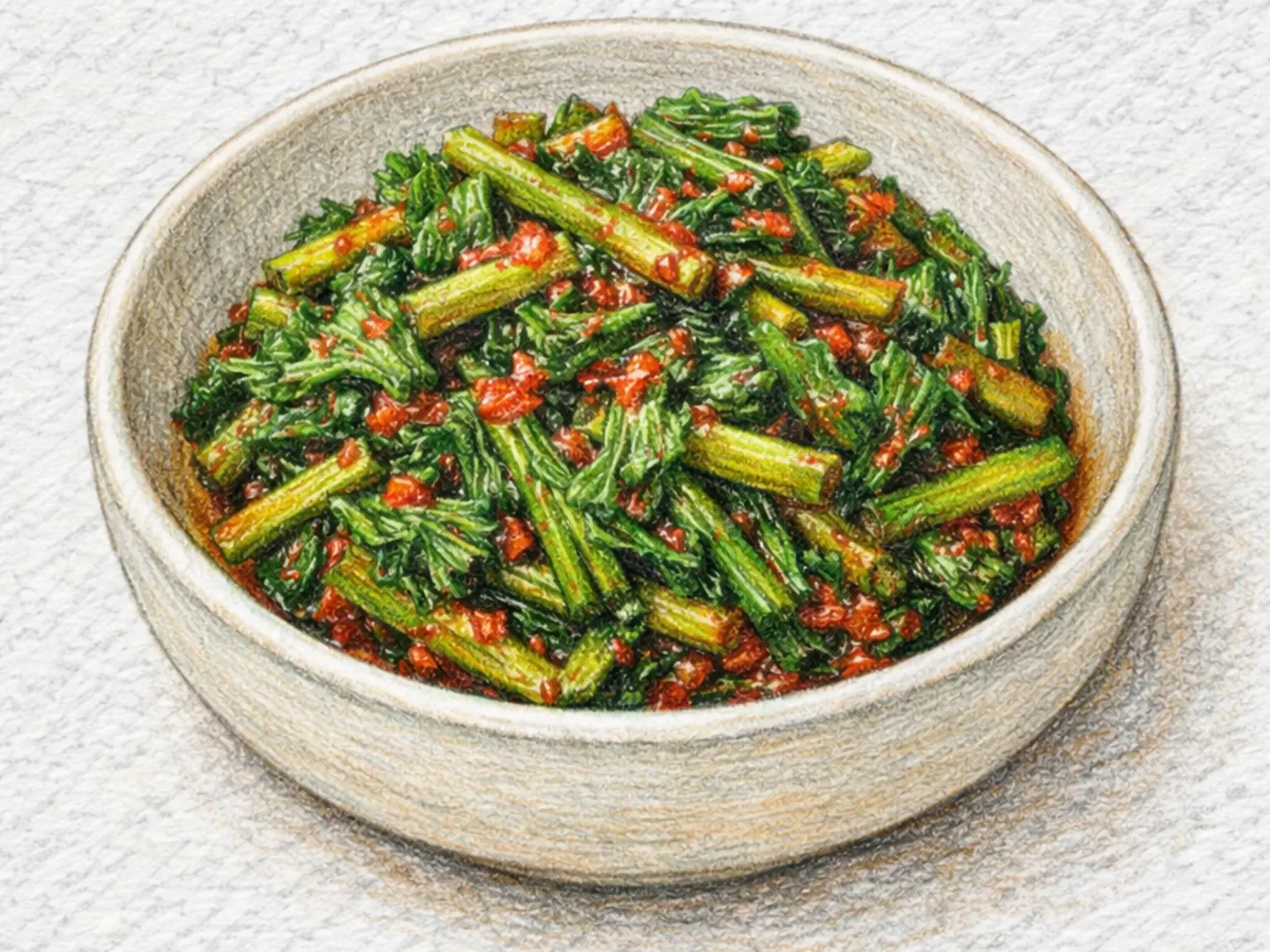
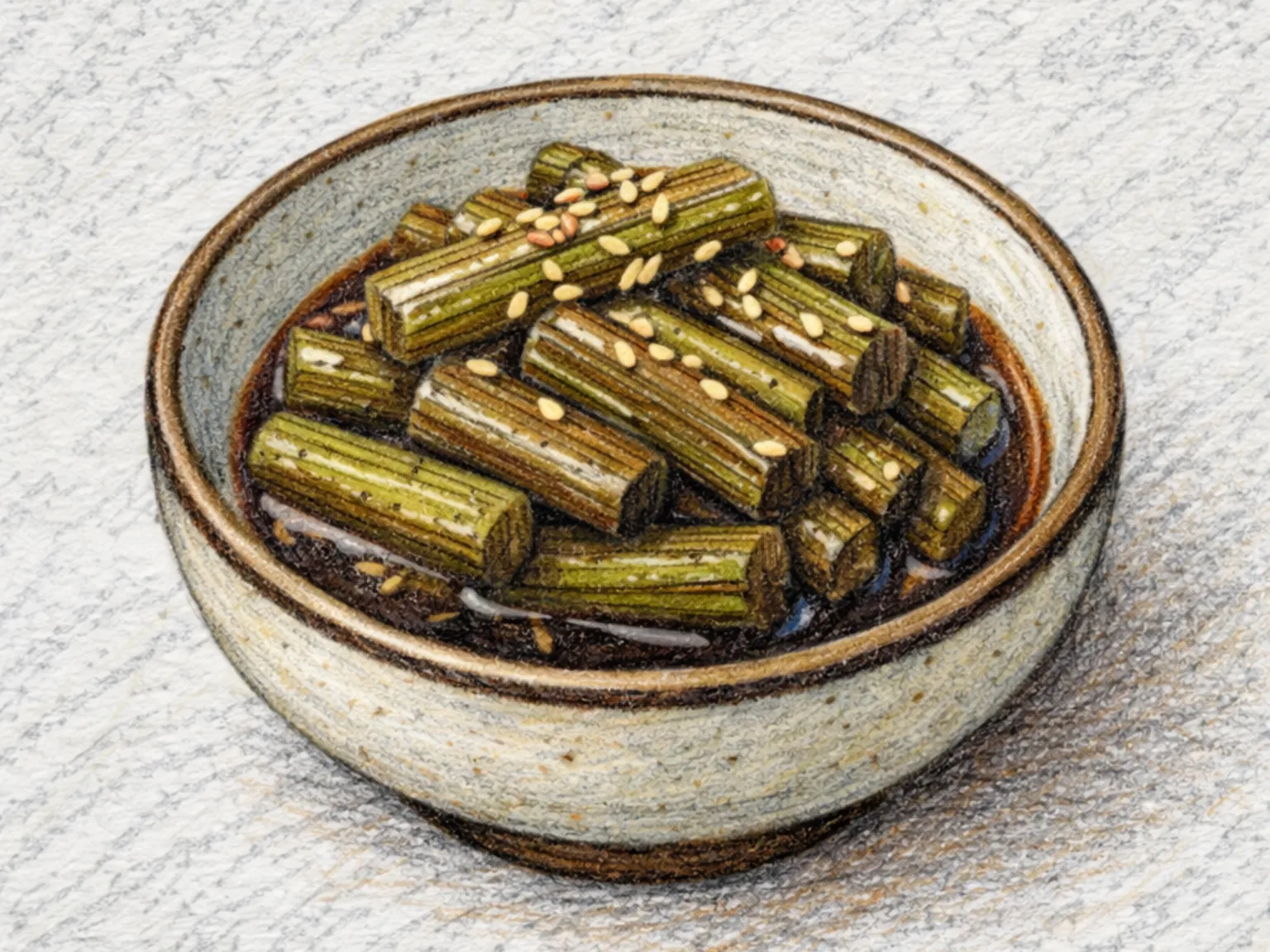
Torandae jangajji is a Korean pickled side dish made from taro stems. The outer fibrous skin is peeled away first, and the stems are salted and then blanched. Raw taro stems contain calcium oxalate crystals that cause an unpleasant prickling sensation in the throat, and blanching effectively neutralizes this before the stems are packed into the pickling liquid. The brine is made by bringing soy sauce, vinegar, and sugar to a boil, and it is poured over the stems while still hot so the seasoning penetrates quickly and evenly. Sliced garlic and ginger are simmered in the brine before it is poured, which infuses the liquid with deep aromatic warmth without any of the sharp pungency those ingredients carry raw. After two to three days of refrigerating, each piece develops a layered depth of salty, savory flavor with a clean vinegar brightness underneath. The defining characteristic of this pickle is its distinctive fibrous crunch, which stays satisfying even after the stems have fully absorbed the brine. It works as a rice accompaniment throughout the week and doubles as a drinking snack alongside soju.

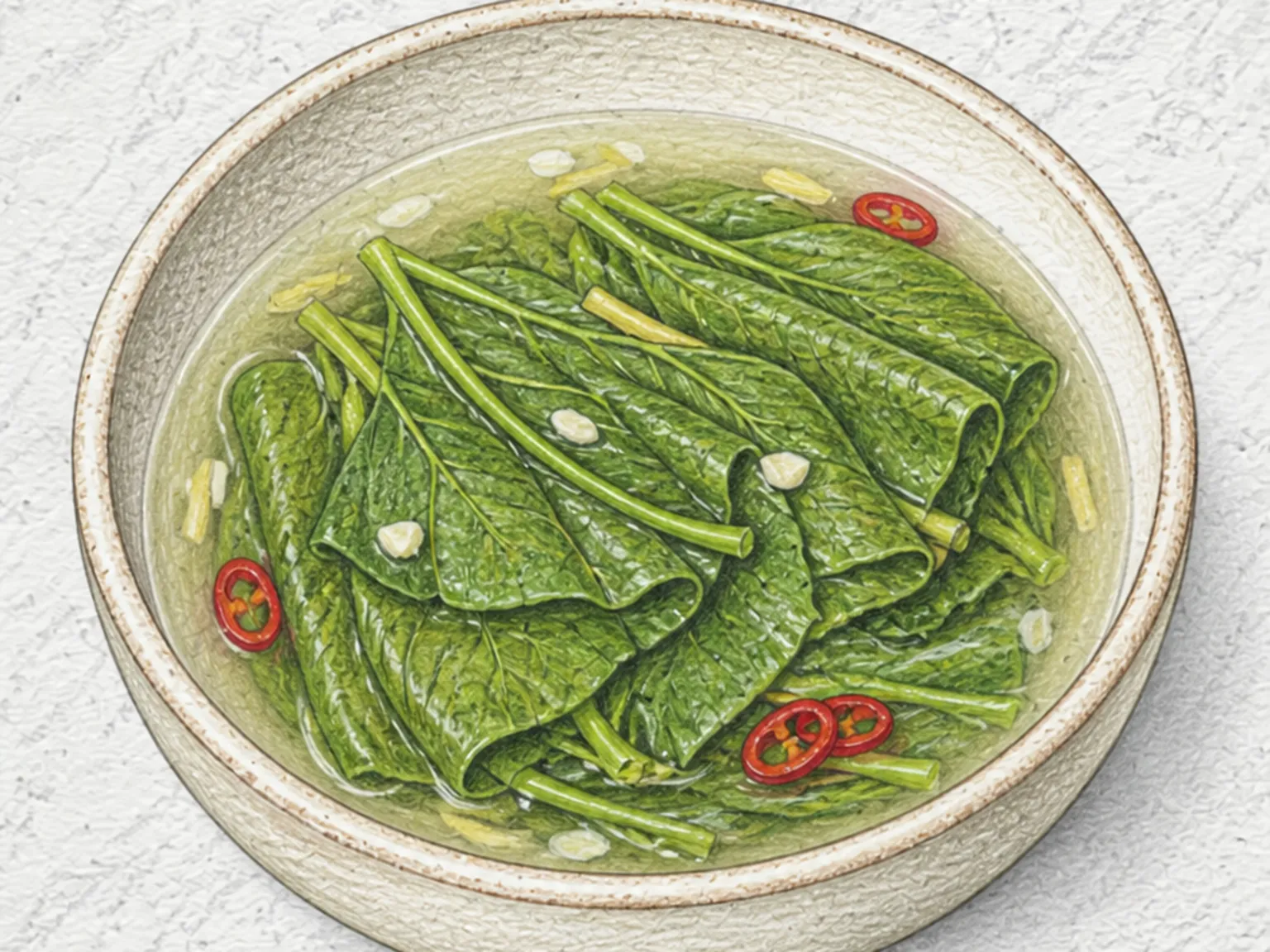
Korean Young Radish Water Kimchi
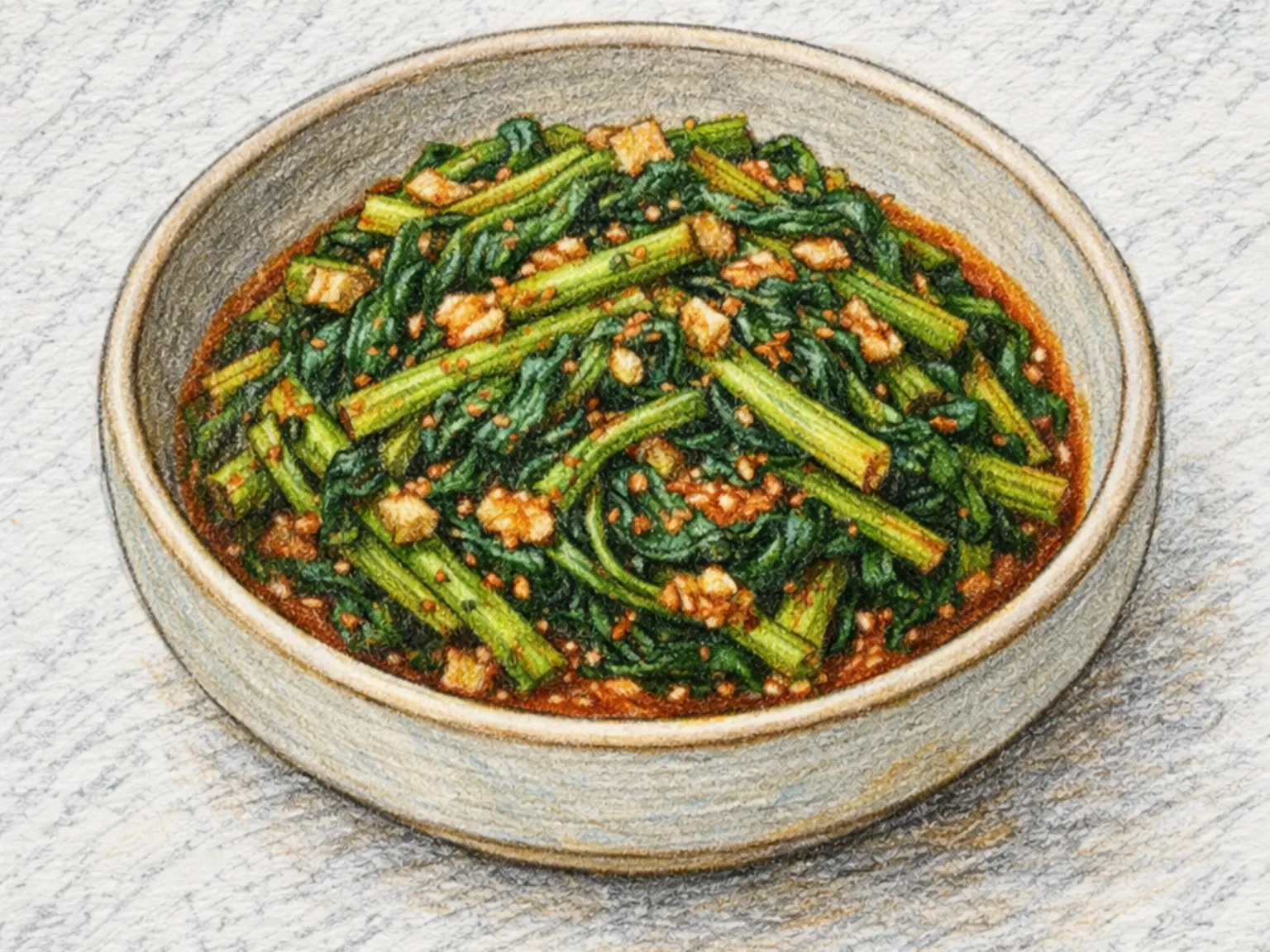
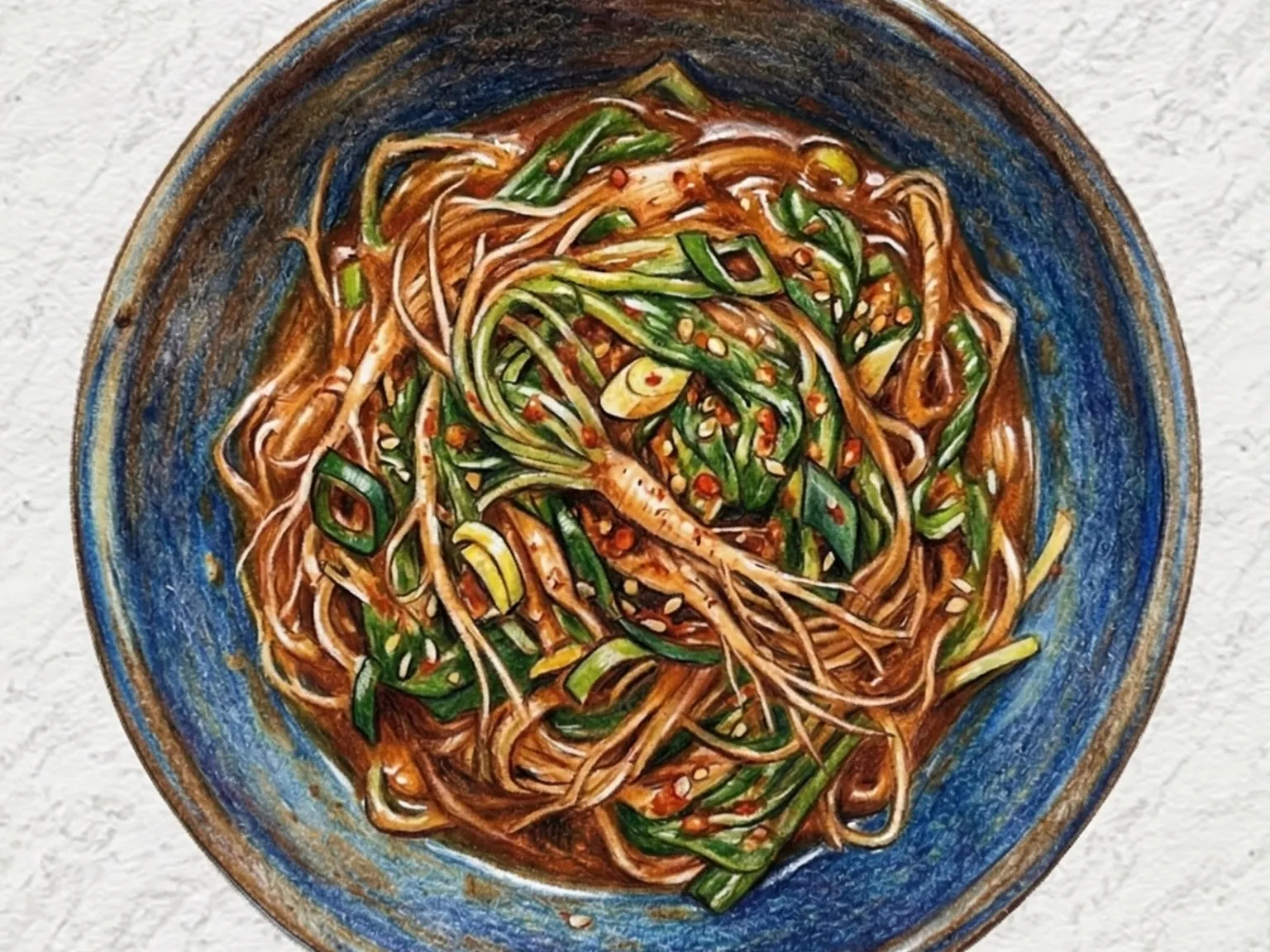
Yeolmu mul-kimchi is a water kimchi in which young radish greens are salted to reduce their raw grassy sharpness, then submerged in a clear, aromatic brine infused with sliced radish, scallions, garlic, and ginger. The garlic and ginger are wrapped in cloth and squeezed rather than added directly to the liquid, which keeps the brine transparent and clean-tasting rather than murky. Plum syrup blended into the brine provides a measured sweetness and contributes to a lively acidity as fermentation develops. Leaving the jar at room temperature for eight hours and then refrigerating for another twelve allows the brine to become gently effervescent and pleasantly tart without turning sour. The finished liquid doubles as a broth for cold noodles in summer or can be ladled over cooked rice for a refreshing light meal. Filtered cold water makes a noticeable difference in the cleanliness of the final flavor, and keeping close watch on the salting time prevents the greens from softening past their ideal crisp texture.

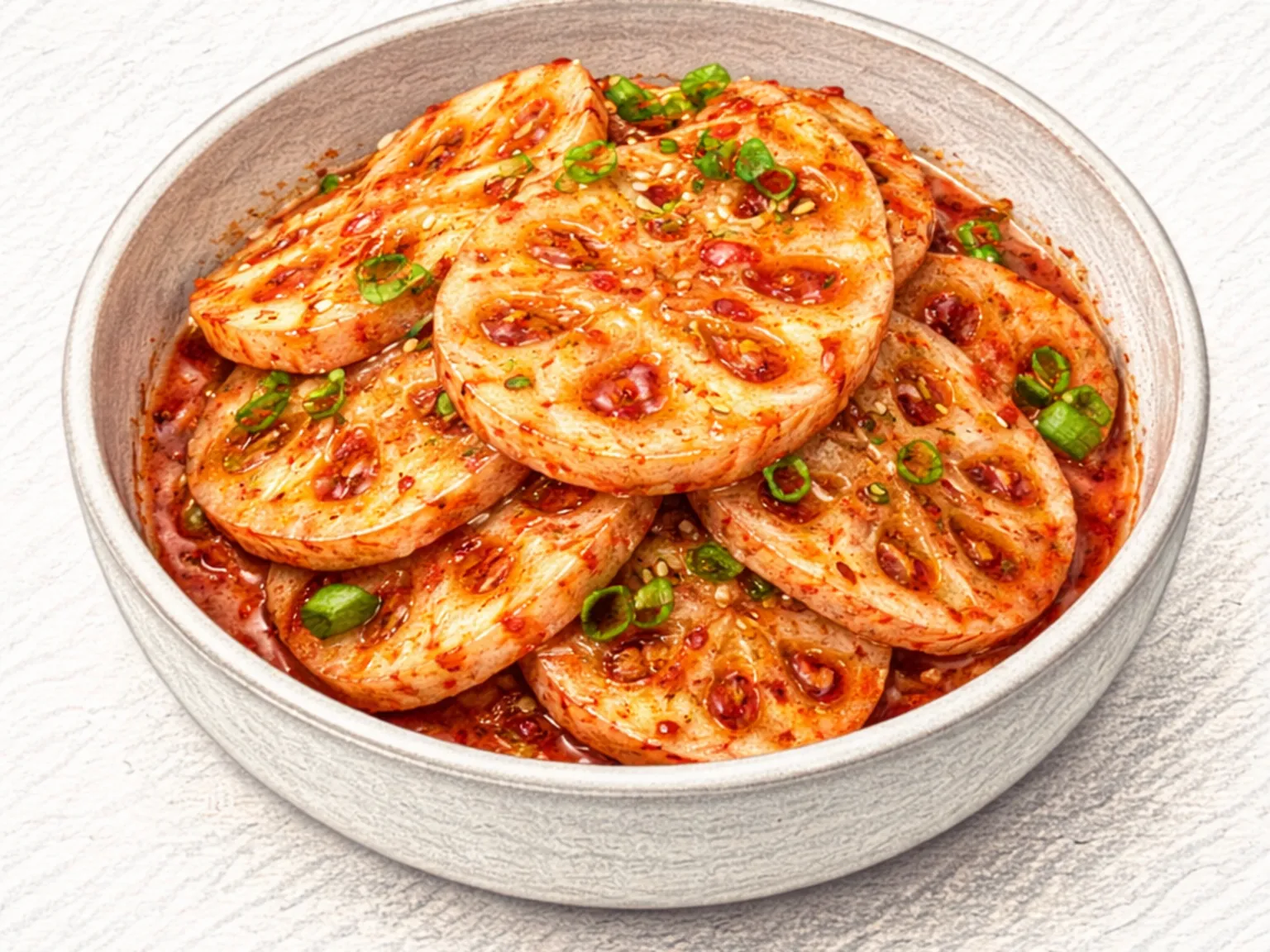
Korean Lotus Root Kimchi (Crunchy Spiced Root Kimchi)
Starting with sliced lotus root boiled in vinegar water helps remove bitterness while keeping the vegetable pale and crisp. The seasoning combines gochugaru, minced garlic, and anchovy fish sauce with the addition of fresh pear juice. This pear juice provides natural sugars and necessary moisture so the chili paste coats each slice evenly without becoming dry or clumping. Even after the fermentation process begins, the lotus root maintains its signature firm and crunchy texture. Sliced scallions are tossed in to add a fresh aromatic quality that balances the spicy garlic paste. One full day of refrigeration allows the flavors to settle into the flesh before serving. Because the seasoning gets trapped inside the characteristic holes of the root, the paste should remain thick rather than watery to ensure consistent flavor. When left to ferment for a few more days, the developing acidity helps cut through the richness of grilled meats or fried dishes. A light addition of sesame oil and toasted sesame seeds at the end brings a toasted scent to every bite.

Korean Garlic-Grilled Skirt Steak
Anchangsal is the inner skirt cut from the diaphragm muscle, yielding roughly a kilogram per animal, which explains why Korean grill restaurants price it as a premium item. The grain runs coarse, marbling is tight within the thick muscle fibers, and the beefy flavor is intense - more so than well-known cuts like galbi or samgyeopsal. Marinating for too long or with aggressive seasoning buries those qualities. A short soak in soy sauce, sesame oil, minced garlic, and black pepper is enough. On a charcoal grill, thin slices cook in under a minute per side. The right doneness shows as caramelized edges with a slight char while the center stays pink - at that point the fat has rendered into the grain and the full flavor of the cut is present. Whole garlic cloves grilled alongside undergo a different transformation: about ten minutes of high heat takes away the sharpness and turns them sweet and soft. The standard way to eat it is wrapped in lettuce with ssamjang and a roasted garlic clove folded in together.

Korean Salt-Grilled Beef Chuck Flap
Salchisal sogeum-gui is a Korean salt-grilled beef chuck flap tail, a well-marbled cut from behind the shoulder that is rested at room temperature for ten minutes, seasoned with coarse salt and pepper only, then seared for ninety seconds per side in a smoking-hot pan. The heavy marbling keeps this cut moist even under intense, brief heat, and thoroughly drying the surface beforehand is what triggers rapid Maillard browning into a deep brown crust. After searing, butter, garlic cloves, and a rosemary sprig are added to the pan, and the foaming butter is spooned over the meat for one final minute to layer herbal and garlic aromas onto the crust. A three-minute rest before slicing allows the muscle fibers to relax and reabsorb their juices, so the plate stays clean when served alongside asparagus grilled in the same pan.

Pulpo a la Gallega (Galician Boiled Octopus with Smoked Paprika)
Pulpo a la Gallega is a signature dish from Spain's Galicia region in which whole octopus is gently simmered, sliced into thick rounds, and served over boiled potatoes with a finish of olive oil, smoked paprika, and coarse sea salt. Dipping the octopus in and out of boiling water two to three times before simmering curls the tentacles into shape and helps achieve an even cook. After thirty-five to forty minutes at a low simmer followed by a ten-minute rest in the hot water, the octopus reaches a texture that is tender yet retains a satisfying bite. Smoked paprika lays a subtle smokiness over the clean marine flavor, and high-quality finishing olive oil ties every element together. The ingredient list is minimal, which means the quality of each component directly determines the result.

Korean Grilled Pacific Saury
Kkongchi-gui is a Korean salt-grilled Pacific saury that relies on the fish's abundant natural oil for flavor. Saury, an oily blue-backed fish at its peak in autumn, renders its own fat when grilled, creating a crisp, golden skin without additional oil. Gutting the fish and salting it for ten minutes draws out surface moisture and tames any strong fishy scent before it hits the pan. Each side cooks for four to five minutes over medium-high heat until the skin blisters and the flesh near the spine turns opaque. Grated daikon mixed with a splash of soy sauce and a wedge of lemon served alongside cut through the richness cleanly.

Korean Salt-Grilled Duck (Crispy Skin Duck Breast with Ginger)
Ori-sogeum-gui is Korean salt-grilled duck breast where shallow score marks cut into the skin at one-centimeter intervals expose the fat layer without piercing through to the flesh, allowing the subcutaneous fat to render fully while the meat juices stay contained. A ten-minute pre-treatment with cooking wine, ginger juice, and minced garlic neutralizes the gamey odor that duck skin can carry. After marinating, the surface must be patted completely dry with kitchen paper so the salt stays granular on the skin rather than dissolving into moisture that would cause steaming instead of crisping. The scored breast goes into a cold pan skin side down, then the heat is raised gradually to medium-low, coaxing the thick subcutaneous fat to melt slowly and render clear while the skin crisps in its own fat over eight minutes. The pan never needs additional oil. Flipping for four to five minutes on the flesh side finishes the interior, and a three-minute rest off the heat redistributes the juices so the sliced surface stays clean and the meat is uniformly cooked from edge to center. Sliced on a bias and wrapped in perilla leaves with ssamjang, the fermented bean paste adds depth and complexity to the salt-forward duck flavor. A side of fresh garlic chive salad cuts through any richness and lifts the overall plate.

Korean Grilled Beef Intestine
Gopchang-gui is Korean grilled beef small intestine, prized for its crackling exterior and springy interior that develop simultaneously on a high-heat pan. The preparation begins by kneading the raw intestine with coarse salt and flour to scrub away impurities and draw out off-flavors, then par-boiling for five minutes to strip away residual organ smell before any seasoning is applied. Once patted dry and seasoned with minced garlic, salt, pepper, and sesame oil, the intestine hits a very hot pan where its internal fat renders out rapidly. As the fat releases, it essentially fries the outer surface from the inside, producing a deeply golden crust while the inner walls stay bouncy and chewy. Blotting the accumulated rendered fat from the pan at intervals with paper towels prevents the gopchang from stewing in grease and keeps the crust sharply crisp rather than slick. Served immediately off the heat with a heap of fresh garlic chives alongside, the pungent, vegetal bite of the chives cuts cleanly through the richness of the intestine and refreshes the palate for the next piece.

Korean Grilled Gizzard Shad
Jeoneo-gui is a grilled gizzard shad dish that captures the best of autumn, when this small fish is at peak fat content and flavor. The fish is scored on both sides with close, shallow cuts, rubbed with coarse salt, and left to rest for ten minutes before grilling. The resting time allows surface moisture to draw out, which reduces fishiness and creates the conditions for a properly crisp skin over a hot pan or grill. Gizzard shad has numerous fine, small bones that make the raw fish awkward to eat, but scoring densely and cooking over high heat softens the bones through heat, allowing the entire fish to be eaten without picking. A ginger soy dipping sauce - minced ginger, soy sauce, rice vinegar, and sliced cheongyang chili - accompanies the fish to cut through its notable oiliness, with the sharp ginger note neutralizing the fishy aroma. Autumn gizzard shad is so prized in Korea that the proverb says its grilling smell is enough to bring a daughter-in-law back home.