Chicken Parmesan
Chicken Parmesan coats pounded chicken breast in a mixture of breadcrumbs and grated Parmesan, pan-fries it until golden on both sides, then tops it with tomato sauce and mozzarella before baking until the cheese melts and browns at the edges. The preparation begins by pounding the breast to a uniform thickness of no more than 1.5 centimeters - consistent thickness is what allows both sides to reach the same golden color in the pan without one side burning while the other stays underdone. After breading, the cutlet should rest for about five minutes before going into the hot pan. This brief rest allows the coating to bind to the surface of the meat, so it remains intact when sauce and cheese are layered on top and the dish goes into the oven. The cross-section of a finished piece shows the layered structure clearly: a crisp breadcrumb shell, the lean white meat beneath, the bright acidity of tomato sauce, and the pull of melted mozzarella. Ten to twelve minutes at 200 degrees Celsius is enough for the mozzarella to melt completely and develop light caramelization at its edges while leaving the chicken inside moist rather than dried out.

Cod en Papillote (French Parchment-Steamed Cod with Vegetables)
Cod en papillote involves wrapping cod fillets along with several specific ingredients including sliced zucchini, cherry tomatoes, shallots, fresh thyme, and rounds of lemon. These components are drizzled with olive oil and a small amount of dry white wine before being enclosed within a piece of parchment paper that is crimped tightly at the edges to create a secure seal. The prepared parcel is placed into an oven preheated to 200 degrees Celsius and baked for a duration of fifteen to eighteen minutes. This cooking technique relies on the sealed packet to trap steam inside, which cooks the fish with a gentle heat and ensures that the flesh remains moist throughout the entire process. As the white wine and lemon heat up, they produce an aromatic steam that penetrates the mild texture of the cod, providing it with a distinct brightness and a clean overall flavor profile. The addition of thyme introduces a subtle herbal quality that works in conjunction with the natural sweetness released by the vegetables as they soften under the heat. Olive oil serves to integrate the various elements of the dish while contributing a smooth and rich mouthfeel. When the parchment is eventually opened at the dining table, the accumulated aromas are released immediately, which turns the simple act of serving into an integral part of the meal. If parchment paper is unavailable, aluminum foil serves as an effective substitute for creating the necessary seal. Furthermore, the selection of vegetables is flexible and can be adjusted according to the current season, as ingredients such as sliced carrots, asparagus, or spinach can be incorporated as natural alternatives within the wrap.

Cretan Dakos Salad (Barley Rusk with Tomato & Feta)
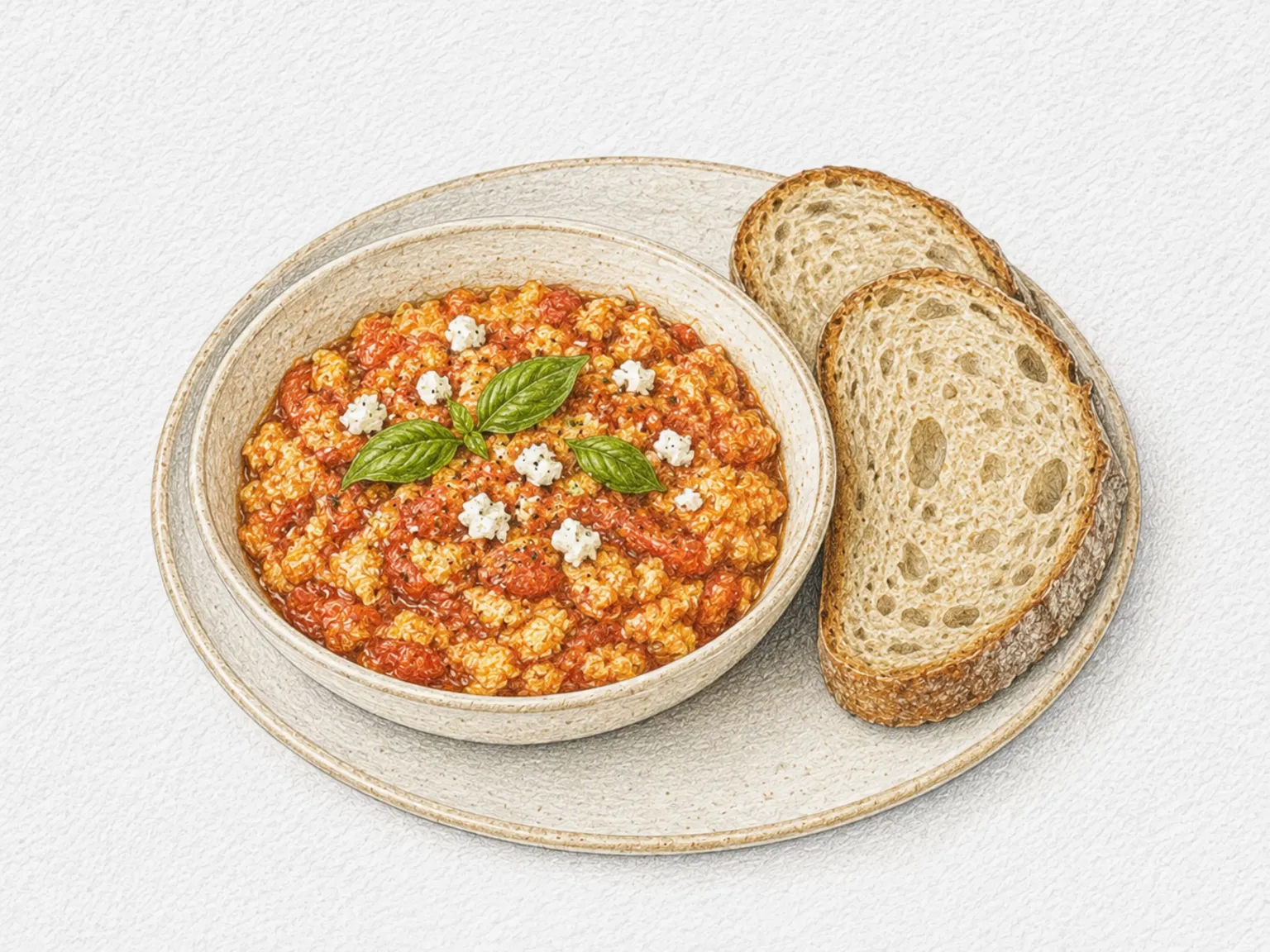
Dakos is a traditional salad from the Greek island of Crete, built on a base of dried barley rusks - thick, twice-baked rounds of bread that have been air-dried to a deep crunch. Ripe tomatoes are grated directly onto the rusk surface rather than sliced, so their juice immediately begins to soften the bread from the inside while the outer rim retains its crunch, creating a textural contrast of crisp edges and a moistened, dense center. Crumbled feta cheese piled on top adds a salty, tangy richness that balances the tomato's acidity, and a generous pour of good olive oil ties the components together. Dried oregano and whole or halved olives complete the dish. Dakos functions simultaneously as a bread course and a salad, and has been part of Cretan summer eating for centuries - a light, satisfying meal that requires no cooking and uses ingredients that thrive in the Mediterranean climate.

Beef Fajitas Skillet
Skirt steak is marinated in lime juice, cumin, chili powder, and garlic, then placed onto a cast iron pan heated until it is smoking to develop a dark crust on the surface while the interior stays pink and retains its juices. The mass of the pan sustains the high heat even when the cold meat is added, which is what produces the crust rather than a steam. After the steak rests and is sliced, bell peppers and onion go into the same pan and are cooked quickly so they pick up the drippings without going limp. The earthy weight of cumin combines with the sharp citrus of lime to produce the specific, forceful aroma that defines fajitas, and chili powder adds a sustained heat alongside the deep red color. The components are loaded into warm tortillas with salsa, guacamole, and sour cream so each mouthful carries smokiness, acid, heat, and cool creaminess together.

Slow-Simmered Meat Sauce Pasta
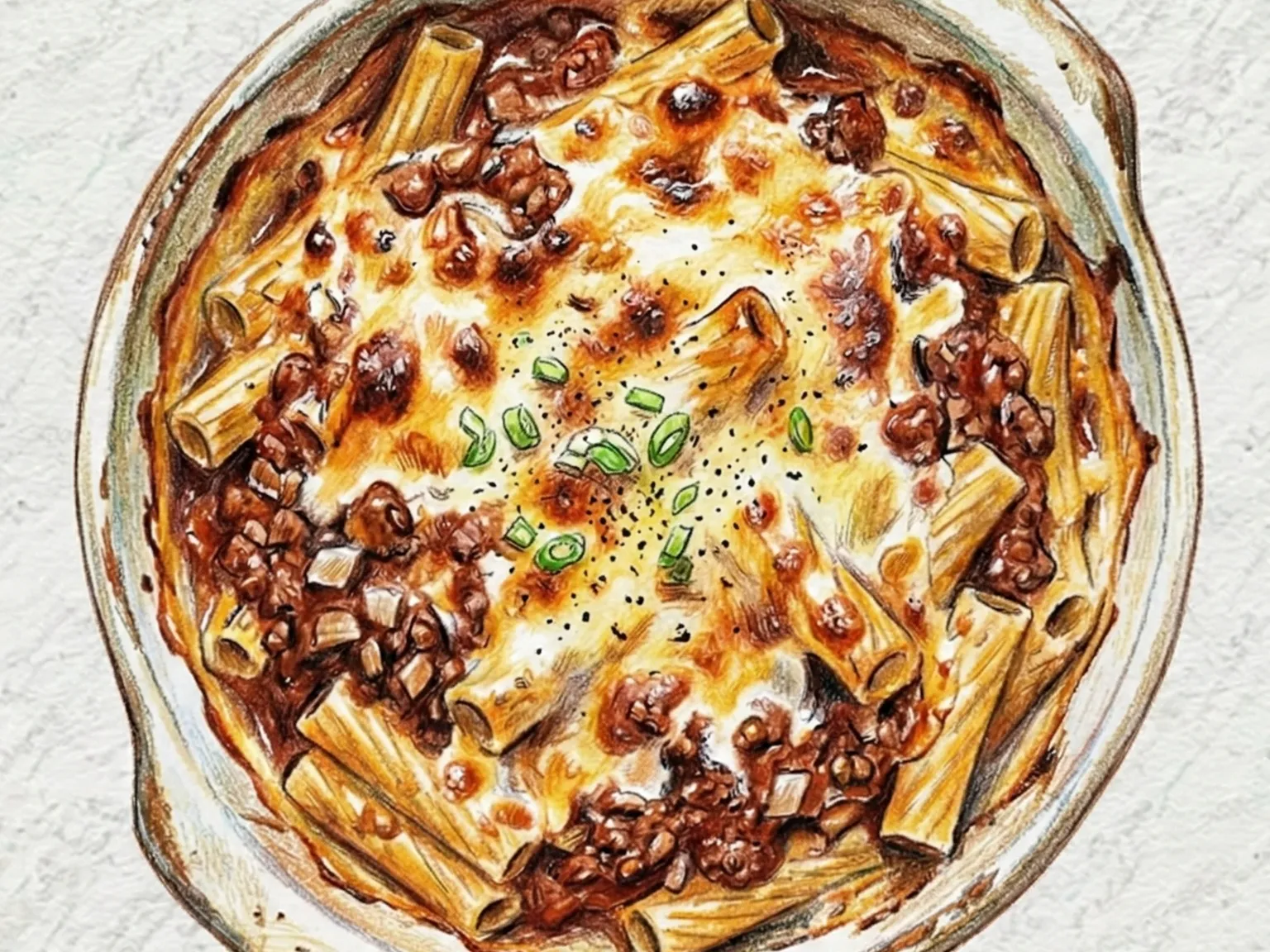
Beef ragu tagliatelle is an Italian braised meat sauce pasta built on slow cooking rather than speed. Ground beef and a soffritto of finely diced onion, carrot, and celery are cooked together in a heavy pot for ninety minutes or longer until the vegetables dissolve entirely into the sauce. Tomato paste is stirred in and caramelized during the early stages to deepen its sweetness and concentrate flavor, then red wine deglazes the pot, lifting the browned fond from the bottom into the liquid. The long, low simmer breaks the meat down into small, tender pieces suspended in a thick, glossy sauce. Wide tagliatelle ribbons are ideal here because their surface texture and broad folds trap the heavy ragu rather than letting it slide off, delivering concentrated beef flavor with every bite.

Herb Roasted Whole Chicken
Herb roasted whole chicken is prepared by tucking herb butter - made with rosemary, thyme, and garlic - under the skin and stuffing the cavity with lemon and remaining herbs before roasting. Starting at 220 degrees Celsius for twenty minutes gives the skin an initial sear, then dropping to 180 degrees for sixty more minutes cooks the interior through while the skin crisps to a deep golden brown. The herb butter placed directly under the skin melts during roasting, basting the breast meat with fat and herb flavor from the inside, which prevents even the lean breast from drying out. Resting for fifteen minutes after roasting lets the juices redistribute into the muscle fibers so they stay inside when carved. The pan drippings left behind can be deglazed into a quick gravy that doubles the depth of flavor at the table.