Charim

2686 Korean & World Recipes

2686+ Korean recipes, clean and organized. Ingredients to instructions, all at a glance.

Recipes with olive oil

24 recipes

Buy olive oil
Stuffed Bell Peppers
WesternMedium

Stuffed Bell Peppers

Stuffed bell peppers are hollowed out, filled with a sautéed mixture of ground beef, onion, garlic, tomato sauce, and cooked rice, then baked until the peppers soften and the filling is heated through. Trimming the tiniest slice from the bottom of each pepper creates a flat base so they stand upright in the baking dish without tipping over, but cutting too deep will open a hole and leak filling. The filling should be seasoned a touch saltier than seems right on its own, because the pepper's natural sweetness will balance it out during baking. After 30 minutes at 190 degrees Celsius, mozzarella goes on top for a final 10-minute bake that melts the cheese into a seal over the filling, keeping it moist. The interplay of the pepper's sweetness, the tomato sauce's acidity, and the beef's savory depth makes this a nutritionally balanced one-dish meal.

🎉 Special Occasion
Prep 20minCook 40min4 servings
Spinach Mushroom Lasagna
WesternMedium

Spinach Mushroom Lasagna

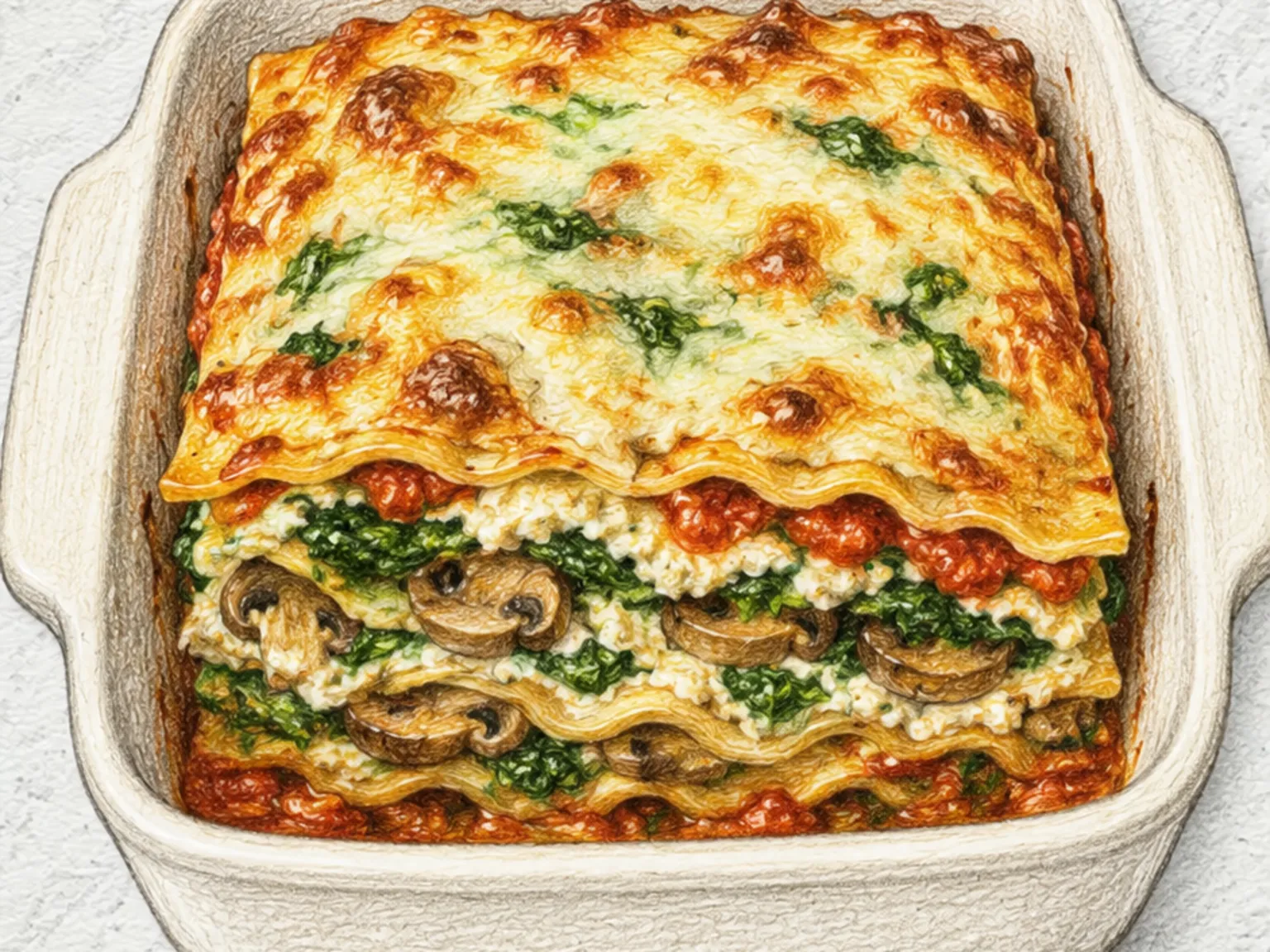
Spinach mushroom lasagna layers sautéed spinach and mushrooms with ricotta cheese, tomato sauce, and mozzarella, then bakes at 190 degrees Celsius until the surface turns golden and the interior melts into a cohesive whole. Cooking the mushrooms long enough to drive off all their moisture is critical - residual water makes the finished lasagna soggy and weakens the structure between layers. The assembly follows a strict order of tomato sauce, pasta sheet, ricotta, vegetables, and mozzarella, repeated three times, with the final layer sealed under sauce and cheese. Baking covered with foil for the first 25 minutes lets heat penetrate evenly, while removing the foil for the remaining 10 to 15 minutes crisps the top and browns the mozzarella. Resting for at least 10 minutes before slicing is essential - cutting too early causes the layers to collapse and the filling to run.

🎉 Special Occasion
Prep 20minCook 40min4 servings
Taco Salad
SaladsEasy

Taco Salad

Taco salad combines seasoned ground beef with crisp romaine, kidney beans, and corn in a single bowl, dressed with tomato salsa and brightened with a squeeze of lime just before serving. The beef is cooked over high heat and stirred until every trace of moisture has evaporated from the pan, which gives the surface a slightly caramelized edge and prevents the released liquid from making the salad soggy. Kidney beans serve a dual function: their starchy softness absorbs the Cajun seasoning heat clinging to the meat, moderating the intensity, while also providing a filling protein base alongside the beef. Corn kernels add bursts of sweetness and a clean pop of texture that cuts through the heavier elements. Shredded cheddar cheese is added at the end, and its fat content softens the sharp acidity of the salsa without dulling it. The final step, a squeeze of fresh lime, lifts the entire dish by adding brightness that cuts through the richness of both the meat and the melted cheese.

🥗 Light & Healthy
Prep 12minCook 12min2 servings
Young Radish Kimchi & Tofu Crumble Salad
SaladsEasy

Young Radish Kimchi & Tofu Crumble Salad

Young radish kimchi and tofu crumble salad uses firm tofu crumbled by hand and sauteed in olive oil for 5 to 7 minutes until the moisture has cooked off and the pieces turn dry and granular. Finely chopped chonggak kimchi introduces a spicy, tangy fermented punch, and the dressing mixes gochujang with plain yogurt so that chili heat and lactic acidity layer onto each other, with lemon juice cleaning up the finish. Romaine and red cabbage supply crunch beneath the crumble, and corn kernels add sweetness that contrasts directly with the kimchi's saltiness. Squeezing excess brine from the kimchi before adding it prevents the salad from turning soggy, and the tofu crumble should go on while still warm so its nuttiness stays prominent. The bowl balances fermented flavors, dairy, raw vegetables, and plant protein in a single serving.

🥗 Light & Healthy
Prep 18minCook 7min2 servings
Stuffed Cabbage Rolls
WesternMedium

Stuffed Cabbage Rolls

Stuffed cabbage rolls wrap a filling of ground beef, cooked rice, sautéed onion, and garlic inside blanched cabbage leaves, then braise in tomato sauce on low heat for 35 minutes until the leaves turn silky and the filling cooks through. Removing the core first lets the leaves separate cleanly, and rolling a pin over the thick central vein of each leaf thins it enough to fold without cracking. The rolls must be packed tightly in the pot - too much space allows them to shift as the sauce simmers, causing them to unravel. Spreading tomato sauce on the bottom of the pot before arranging the rolls prevents sticking and starts building flavor from underneath. The long, gentle braise draws natural sweetness from the cabbage, which meets the acidity of the tomato sauce to produce a mellow, deeply savory result.

🎉 Special Occasion
Prep 25minCook 45min4 servings
Roasted Eggplant Pomegranate Salad
SaladsEasy

Roasted Eggplant Pomegranate Salad

Eggplant is halved and roasted until the flesh turns silky-sweet and almost cream-like. Pomegranate seeds burst with tart juice that cuts through the eggplant's rich depth. Arugula adds peppery bitterness preventing sweetness from dominating, and red onion contributes a sharp, lingering bite. A vinaigrette of red wine vinegar and honey layers sweet-acid notes across the plate, while the contrast of ruby pomegranate, purple onion, and green arugula makes the dish visually striking.

🥗 Light & Healthy
Prep 20minCook 15min4 servings
Gochujang Cream Pasta (Spicy Fermented Chili Cream Sauce)
NoodlesMedium

Gochujang Cream Pasta (Spicy Fermented Chili Cream Sauce)

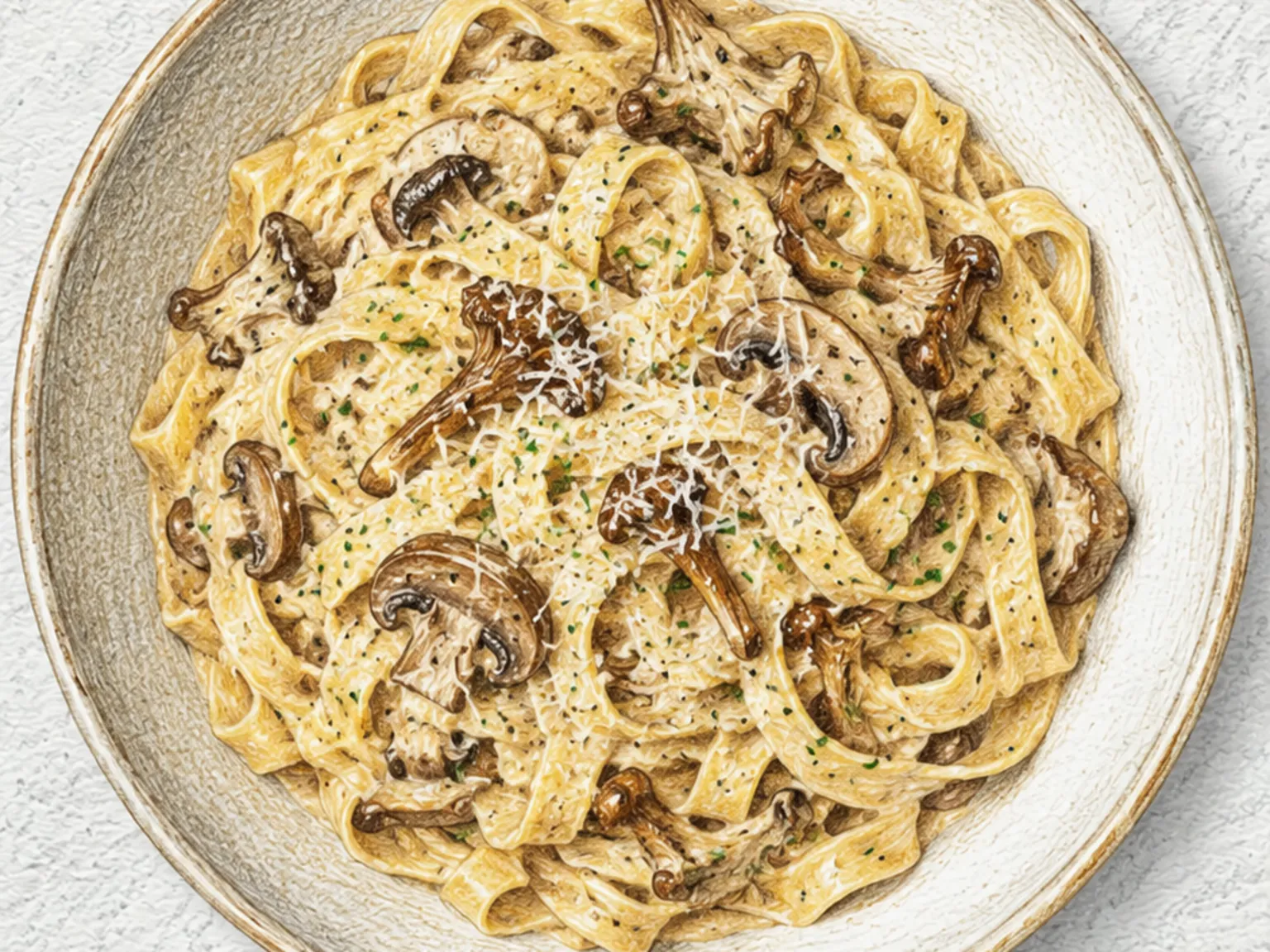
Gochujang cream pasta is a fusion dish that incorporates the fermented heat of Korean red chili paste into an Italian-style cream sauce. Heavy cream forms the base and parmesan provides the sharp, aged umami, while gochujang contributes a slow-building spice and the complex fermented sweetness that sets it apart from using raw chili pepper. Bacon is rendered first to extract enough fat for sauteing the onion and garlic, and that combination of cured pork fat, aromatic vegetables, and fermented paste forms the flavor core of the sauce before any liquid is added. Gochujang should be added at a reduced heat and stirred in gradually rather than dropped in all at once, since the paste can scorch quickly when exposed to a high-temperature pan. A ladleful of starchy pasta water adjusts the consistency and acts as an emulsifier, helping the fat from the cream and bacon stay bound with the aqueous components rather than separating. The result is a glossy, clinging sauce that coats each strand of pasta evenly. The balance between the richness of the cream and the acidity and heat of the fermented paste is what has made this combination popular in Korean home kitchens and casual restaurants alike.

🏠 Everyday🎉 Special Occasion
Prep 12minCook 18min2 servings
Huevos Rancheros (Fried Eggs on Tortilla with Salsa)
WesternEasy

Huevos Rancheros (Fried Eggs on Tortilla with Salsa)

Huevos rancheros is a traditional Mexican breakfast of corn tortillas topped with sunny-side-up eggs, a homemade tomato-chili salsa, and lightly mashed black beans. Onion and jalapeno are sauteed in olive oil, then chopped tomatoes are added and simmered until the salsa thickens into a concentrated, spicy-tangy sauce. Keeping the salsa thick is important so the tortillas stay firm rather than turning soggy. The eggs are fried with set whites and runny yolks - breaking the yolk at the table lets it run into the salsa and create a rich, natural sauce. Fresh cilantro scattered on top adds a herbal brightness that lifts the heat and acidity, and a squeeze of lime juice sharpens the entire plate.

🏠 Everyday🌙 Late Night
Prep 10minCook 15min2 servings
Tortilla Espanola (Spanish Potato and Onion Omelette)
WesternMedium

Tortilla Espanola (Spanish Potato and Onion Omelette)

Tortilla Espanola cooks thinly sliced potatoes and onions slowly in generous olive oil over low heat until completely tender, then combines them with beaten eggs seasoned with salt and pepper, and pan-fries the mixture into a thick, golden omelette. The low-and-slow approach to cooking the potatoes is essential - high heat browns the outside while leaving the center hard, but gentle heat lets the potato slices absorb oil and turn creamy throughout. Once the potato-egg mixture goes back into the pan, low heat again ensures the bottom sets gradually without burning, while the interior stays moist. Flipping the tortilla using a plate placed over the pan is the most critical moment - confidence and a quick wrist motion prevent the half-set omelette from breaking apart. Letting it rest at room temperature for a few minutes before cutting firms the egg just enough to produce clean slices.

🍺 Bar Snacks🏠 Everyday
Prep 15minCook 25min4 servings
Korean Gapojingeo Beoteo Maneul Gui (Butter Garlic Cuttlefish Grill)
GrilledEasy

Korean Gapojingeo Beoteo Maneul Gui (Butter Garlic Cuttlefish Grill)

Gapojingeo beoteo-maneul-gui is butter-garlic grilled cuttlefish in which the thick body of the cuttlefish is scored in a crosshatch pattern and cooked in a pan with foaming butter and minced garlic. Cuttlefish flesh is substantially thicker and denser than regular squid, which means scoring is not optional for even cooking. Without it, the outside would overcook before heat reaches the center. The cuts also create channels that the melted butter and garlic flow into as the cuttlefish sears, infusing each section with concentrated fat and aromatics rather than just coating the surface. The timing of when to add the cuttlefish matters. The butter should be on medium heat and just beginning to foam at the edges when the cuttlefish goes in. At that temperature, the garlic releases its fragrance into the oil without burning, and the cuttlefish develops a golden crust before it has time to toughen. Two minutes per side is typically enough. The crosshatch pattern spreads open as the flesh cooks, and the surface takes on a lightly charred color that signals the Maillard reaction has done its work. Leaving it longer makes the flesh rubbery. A squeeze of lemon juice at the end cuts the richness of the butter and lifts the whole dish with a clean, acidic finish.

🍺 Bar Snacks
Prep 15minCook 12min2 servings
Israeli Salad
SaladsEasy

Israeli Salad

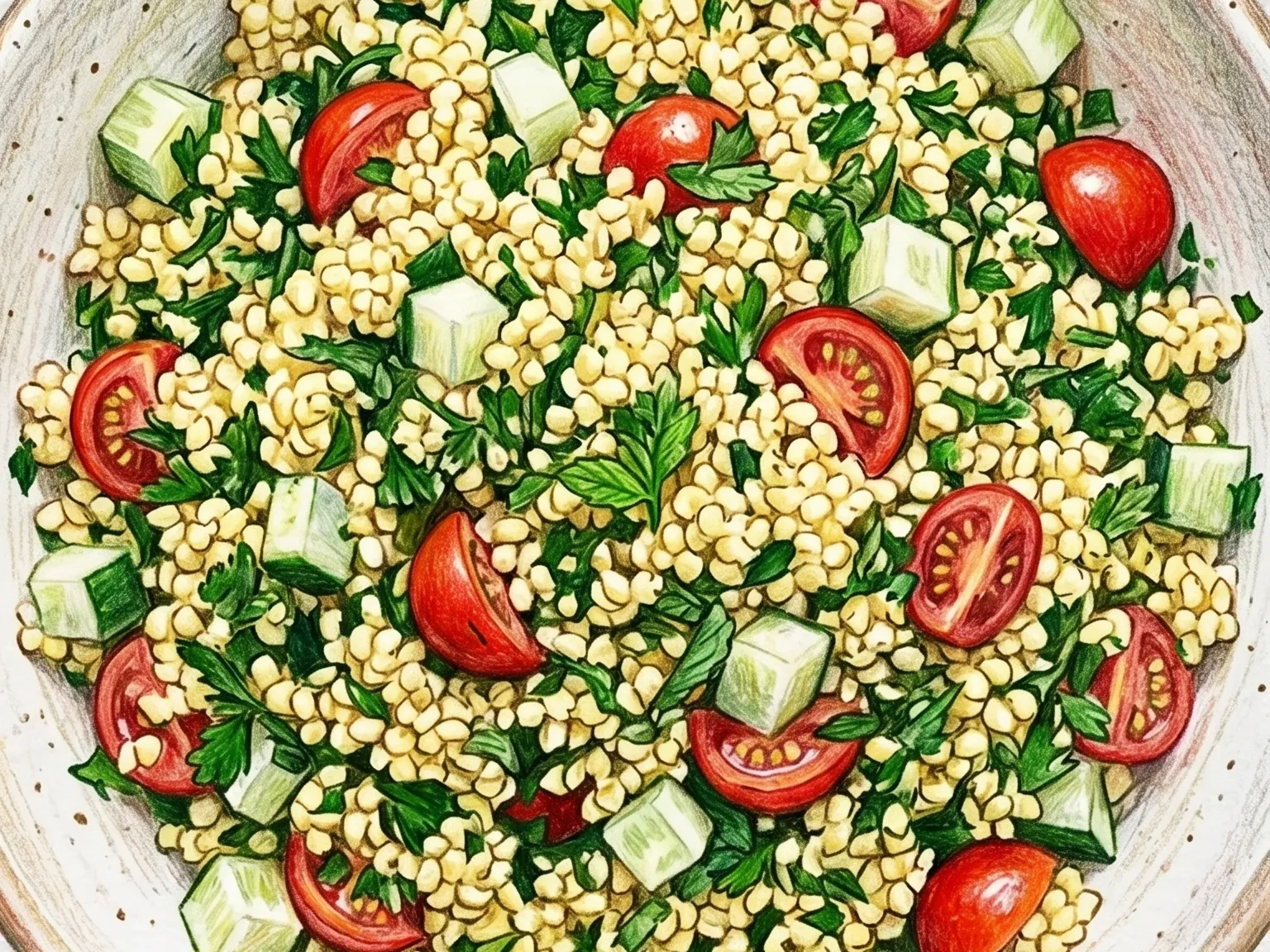
Israeli salad is the foundational everyday salad of the Middle East, built from tomato, cucumber, red onion, and parsley diced to pieces under 0.5 cm and dressed simply with lemon juice, olive oil, and salt. The uniformly small cut is the defining technique, and it is not merely aesthetic. When every component is the same tiny size, a single spoonful carries equal amounts of tomato juice, cucumber crunch, and the sharp bite of raw onion, so the balance does not shift from one mouthful to the next. The dressing is deliberately kept to two ingredients so that the natural acidity and sweetness of ripe tomatoes can dominate without interference from added vinegar or sweeteners. Resting the salad for about five minutes after tossing draws juice from the cut tomatoes, which merges with the lemon and oil to form a light, self-made brine that deepens the flavor of the entire bowl. Across Israel and throughout the broader Middle East, this salad appears at the breakfast table alongside eggs and bread as commonly as it does beside grilled meats at dinner. Its quality depends entirely on the freshness of the produce rather than any technique or seasoning.

🥗 Light & Healthy Quick
Prep 10min2 servings
Gamtae Avocado Shrimp Salad
SaladsEasy

Gamtae Avocado Shrimp Salad

Gamtae avocado shrimp salad pairs blanched shrimp with sliced avocado, romaine, and cherry tomatoes in a lime-soy dressing, finished with crumbled gamtae seaweed. Blanching the shrimp for exactly two minutes and plunging them immediately into cold water keeps the exterior springy while preserving a moist, tender interior - longer cooking makes them rubbery and dry. The dressing of lime juice, soy sauce, olive oil, and honey layers sharp citrus acidity against soy umami, cutting neatly through the richness of the avocado rather than letting it weigh down the bowl. Gamtae seaweed absorbs moisture rapidly and turns limp within minutes, so it must be crumbled over the salad only at the very moment of serving to retain its crunch and oceanic fragrance. Thinly sliced red onion should be rinsed briefly in cold water to remove the raw, sharp edge, letting it blend more quietly with the other ingredients. Domestic gamtae has a finer, more delicate structure than regular dried laver, so it crumbles cleanly by hand without any tool.

🥗 Light & Healthy
Prep 15minCook 7min2 servings
Naengi Scallop Yuja Salad
SaladsMedium

Naengi Scallop Yuja Salad

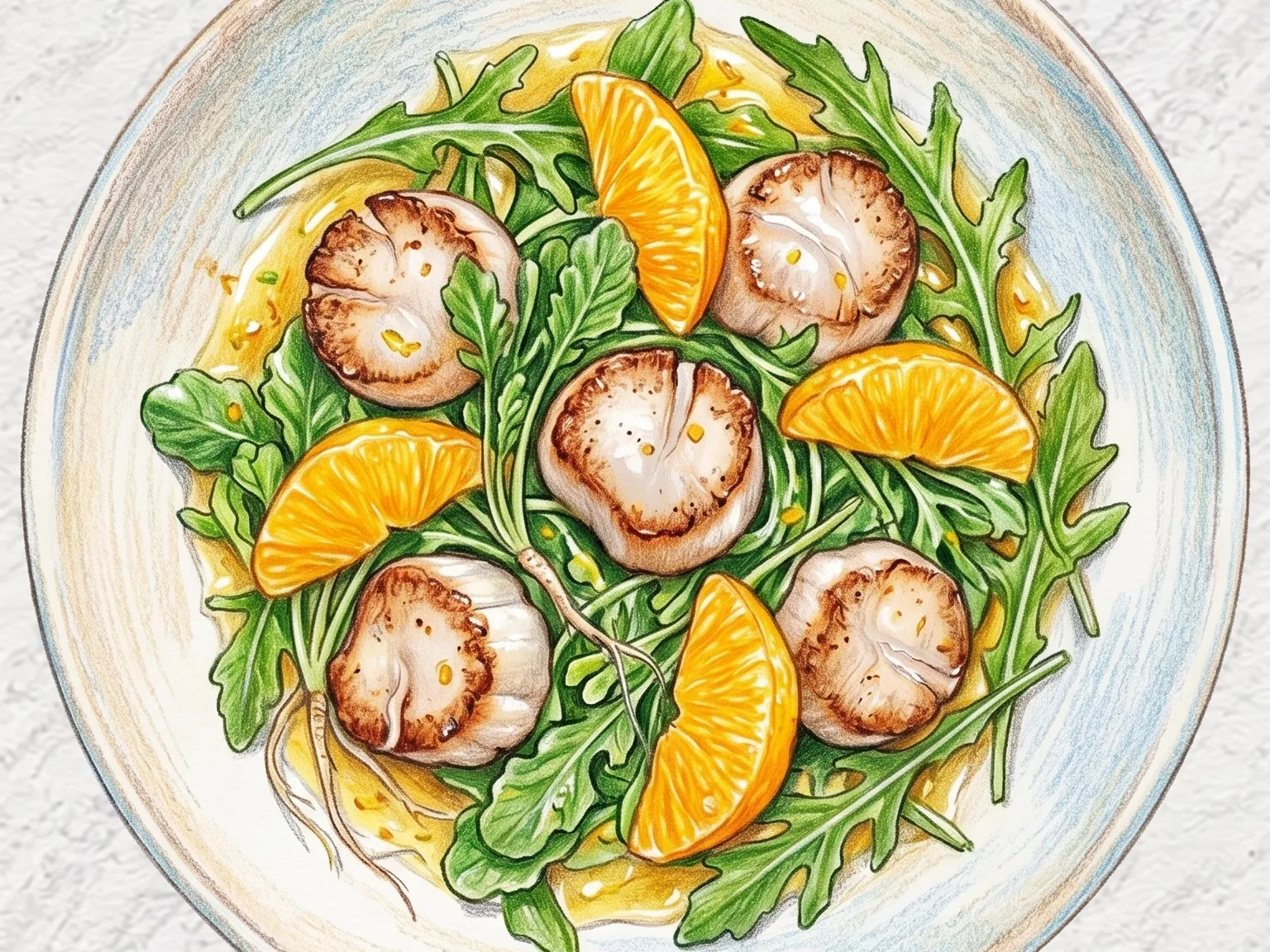
Scallops are seared in butter over high heat, touching the pan only long enough for the Maillard reaction to produce a caramelized crust on the outside while the center stays translucent and tender. That contrast between the browned exterior and the soft interior is the structural anchor of this salad. Blanched naengi, a spring herb with an earthy, faintly bitter character distinct to Korean wild greens, contrasts directly against the scallop's clean sweetness. Arugula brings a peppery sharpness that adds tension and depth to the overall flavor. The dressing is made by whisking yuja marmalade into white wine vinegar and olive oil, and the floral citrus note of yuja acts as a bridge between the seafood and the spring greens, unifying what could otherwise be a collection of unrelated ingredients. Orange segments placed on top add a layer of sweet acidity and vivid color. The finished plate is clean, bright, and aromatically precise, equally appropriate as a first course in a multi-dish meal or as the centerpiece of a casual guest dinner.

🥗 Light & Healthy
Prep 20minCook 6min2 servings
Penne all'Arrabbiata (Spicy Tomato and Garlic Pasta)
WesternEasy

Penne all'Arrabbiata (Spicy Tomato and Garlic Pasta)

Arrabbiata, meaning angry in Italian, is a Roman pasta sauce whose heat comes from dried peperoncino chili flakes used in generous quantity. The sauce descends from the cucina povera tradition of Lazio, where tomatoes, garlic, olive oil, and chili were the four ingredients a working kitchen could reliably afford. Garlic is sliced thin and cooked in olive oil over moderate heat until fragrant and very lightly golden, then the chili flakes bloom in the hot fat for a matter of seconds, infusing the oil with their heat before crushed tomatoes are added. The sauce simmers uncovered for fifteen to twenty minutes, reducing until concentrated enough to coat each tube of penne without sliding off. The heat is slow-building rather than immediate: the first bite registers as mild, but the warmth accumulates with each subsequent forkful and persists at the back of the throat long after eating. Fresh parsley scattered at the end introduces a green, herbal brightness that modulates the lingering chili heat without diminishing it. In the purist version there is no cream and no cheese, only the clean interplay of tomato acidity, garlic depth, and chili fire. The sauce traces its origins to the villages outside Rome in the early twentieth century and reflects Southern Italian cooking's preference for restraint, directness, and heat over the dairy richness characteristic of the north.

🍺 Bar Snacks🏠 Everyday
Prep 8minCook 18min2 servings
Oven-Roasted Chicken Drumsticks
GrilledEasy

Oven-Roasted Chicken Drumsticks

Dak-dari oven-gui is a Korean oven-roasted chicken drumstick dish where the legs marinate for at least thirty minutes in a mixture of soy sauce, minced garlic, olive oil, and a dried herb blend before going into a 200-degree-Celsius oven. Bringing the drumsticks to room temperature before roasting closes the temperature gap between the surface and the bone, ensuring the meat cooks through evenly rather than having a cooked exterior with an underdone center. Flipping the pieces once at the halfway point promotes uniform browning on both sides and prevents the exposed skin from drying out. Raising the oven temperature to 220 degrees for the final ten minutes drives caramelization in the sugar-containing soy marinade, which produces a thin, lacquered crust on the skin. The salty depth of soy sauce, the mild fat of olive oil, and the fragrance of the herb blend combine with the rendered chicken fat to form a coating that is both deeply savory and aromatic. Marinating overnight in the refrigerator allows the soy and garlic to penetrate further into the meat, resulting in more pronounced flavor all the way to the bone.

🍺 Bar Snacks
Prep 30minCook 45min3 servings
Ratatouille
WesternMedium

Ratatouille

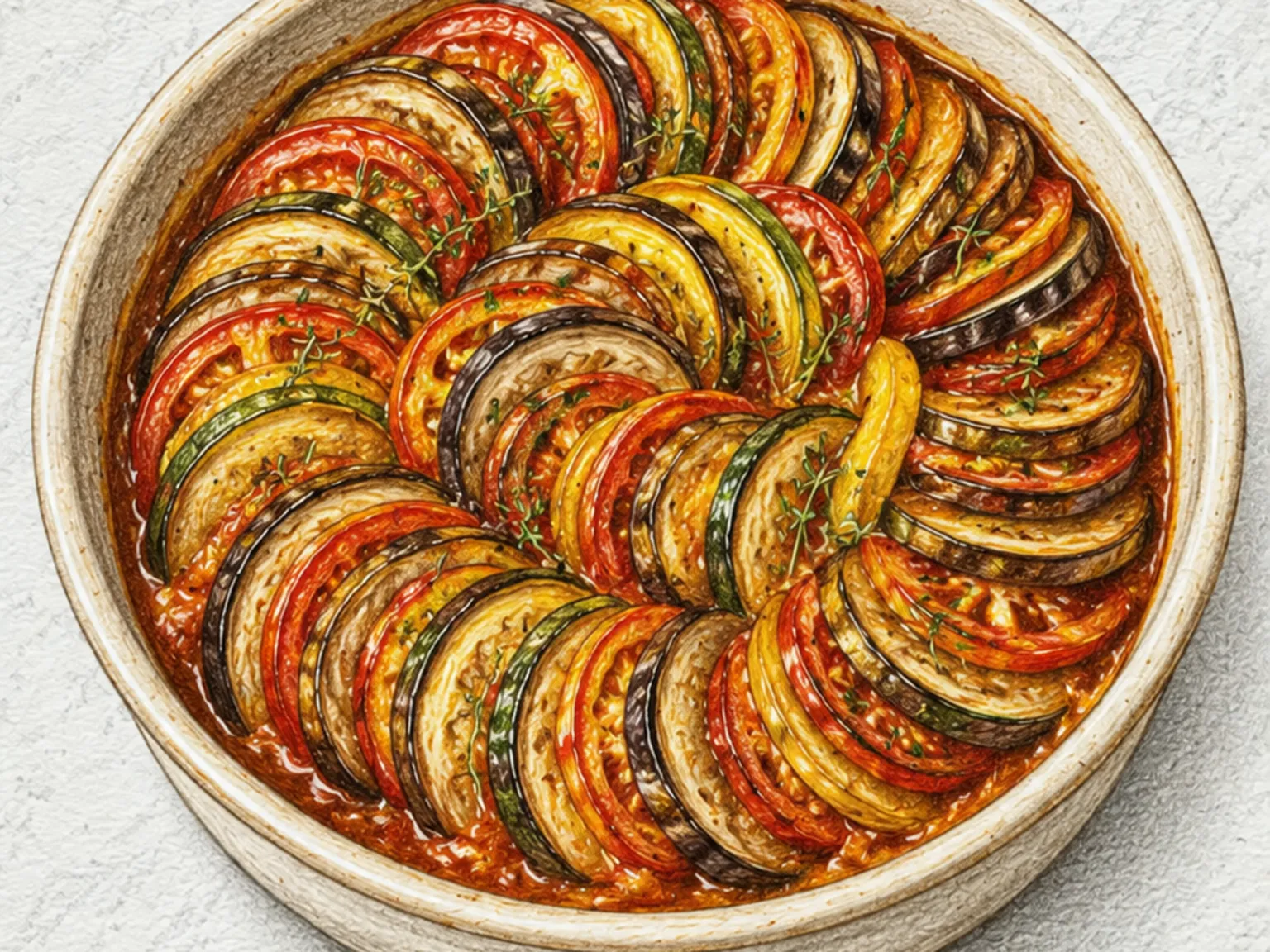
Ratatouille is a vegetable dish originating from the Provence region of France. It consists of eggplant, zucchini, tomato, and bell pepper, all of which are sliced into thin rounds. These vegetables are layered in overlapping circular patterns on top of a prepared sauce base before being placed in an oven for slow baking. The foundational sauce for this preparation begins by sauteing a combination of onion, garlic, and finely diced bell pepper in olive oil. As the dish cooks in the oven, the moisture that is naturally released from the layered vegetables combines with this sauteed base. This process results in the formation of a sauce that thickens naturally without the need for additional agents. Ensuring that every vegetable is cut to a precise and uniform thickness is a critical part of the preparation process. When the slices are inconsistent in size, the cooking results will be uneven, causing some thinner pieces to become overly soft or mushy while thicker pieces remain insufficiently cooked. The addition of thyme provides a subtle herbal quality that serves to enhance the inherent sweetness found in the various vegetables. While the dish can be eaten immediately, placing it in the refrigerator overnight and reheating it the following day allows the vegetable juices to integrate more thoroughly with the sauce. This resting period leads to a significant deepening of the overall flavor profile as the components merge together.

🥗 Light & Healthy🎉 Special Occasion
Prep 20minCook 40min4 servings
Caponata (Sicilian Sweet and Sour Eggplant Stew)
WesternEasy

Caponata (Sicilian Sweet and Sour Eggplant Stew)

Caponata is a Sicilian sweet-and-sour vegetable dish centered on eggplant, with a flavor profile built around the concept of agrodolce - a deliberate balance of vinegar tartness and sugar sweetness that defines much of southern Italian cooking. Diced eggplant is fried in generous amounts of olive oil until the edges color and the interior becomes silky, having absorbed enough fat to create a soft, yielding texture. Celery, added later and cooked only briefly, stays crisp throughout, providing a textural contrast that keeps the dish from becoming uniformly soft. Tomatoes, capers, and green olives go in together, forming the braising base into which the fried eggplant is returned and simmered until the liquid thickens. Red wine vinegar and sugar are stirred in at the end and adjusted to taste - the vinegar should be assertive but not sharp, the sugar present but not sweet. The briny depth from the olives and capers layers over the tomato acidity, producing a complexity that would seem to require more ingredients than it actually does. Like most braises and marinades, caponata is considerably better after an overnight rest in the refrigerator, when the separate flavors meld into a unified whole. Serve at room temperature on toasted bread as an antipasto, or alongside grilled meat or fish as a condiment.

🎉 Special Occasion
Prep 20minCook 30min4 servings
Sweet Potato Kale Salad
SaladsEasy

Sweet Potato Kale Salad

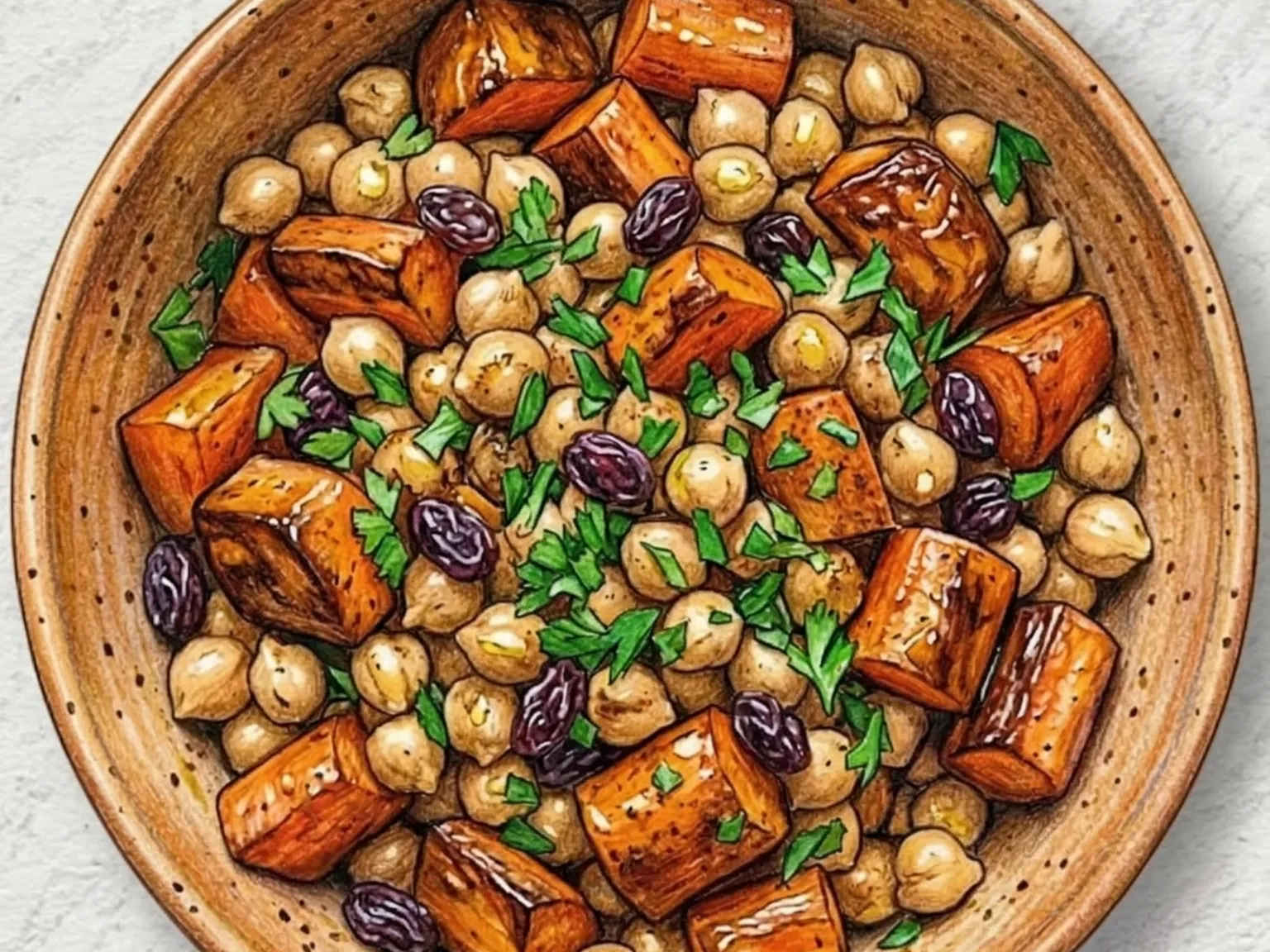
Sweet potato kale salad roasts cubed sweet potato at 210 degrees Celsius for 20 to 25 minutes until the edges caramelize, then combines it with kale that has been torn into bite-size pieces and massaged with a Dijon mustard, lemon juice, honey, and olive oil dressing. The roasted sweet potato's caramelized starch sweetness plays against the mustard's sharp bite, while toasted almonds deliver a nutty crunch and dried cranberries punctuate with tart sweetness. Massaging kale with the dressing for about one minute breaks down the tough cell walls, turning the leaves from fibrous and chewy to tender and absorbent. Cooling the sweet potato fully before tossing prevents residual heat from wilting the kale.

🥗 Light & Healthy
Prep 15minCook 25min2 servings
Spicy Seafood Tomato Pasta
WesternMedium

Spicy Seafood Tomato Pasta

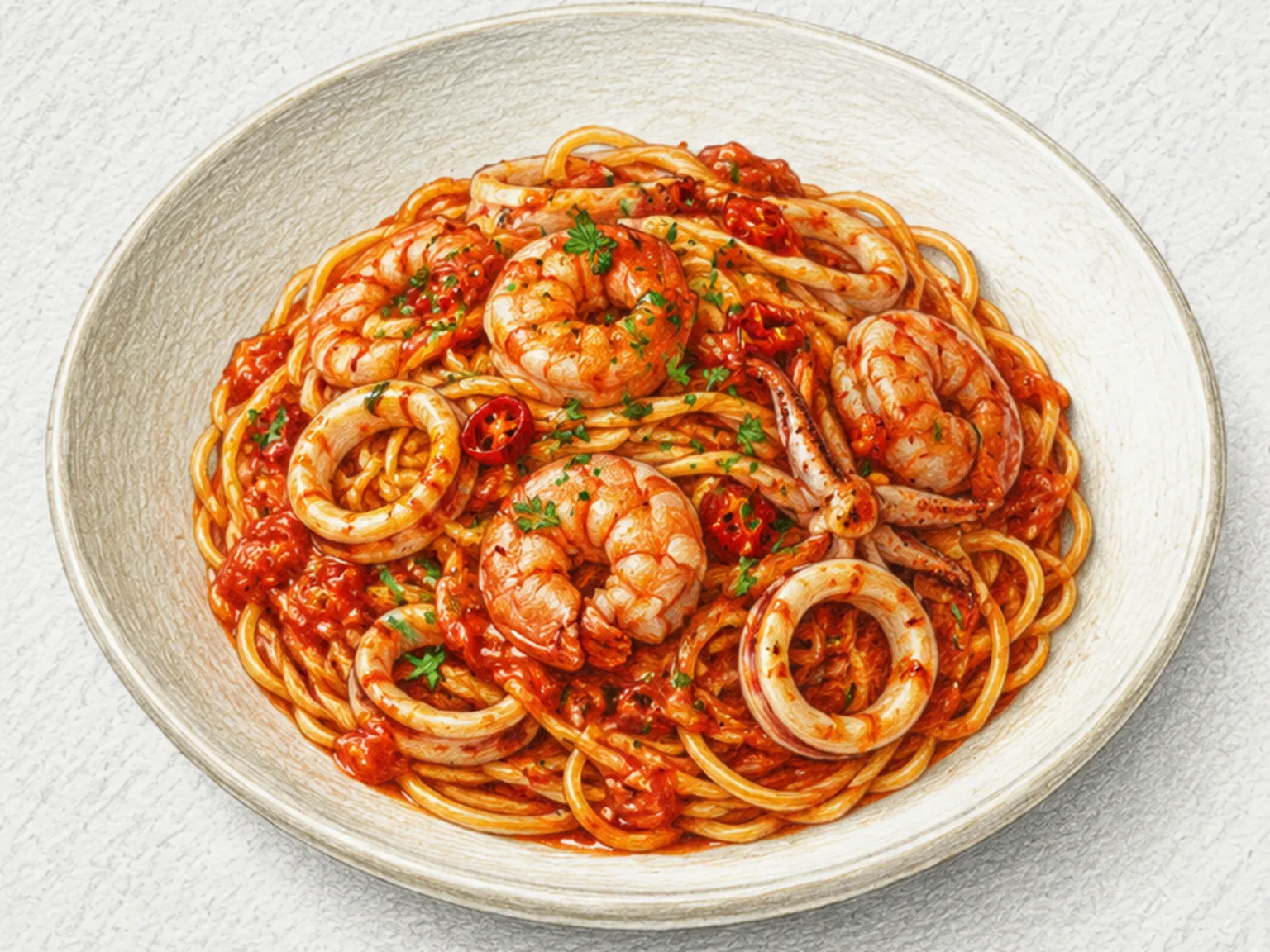
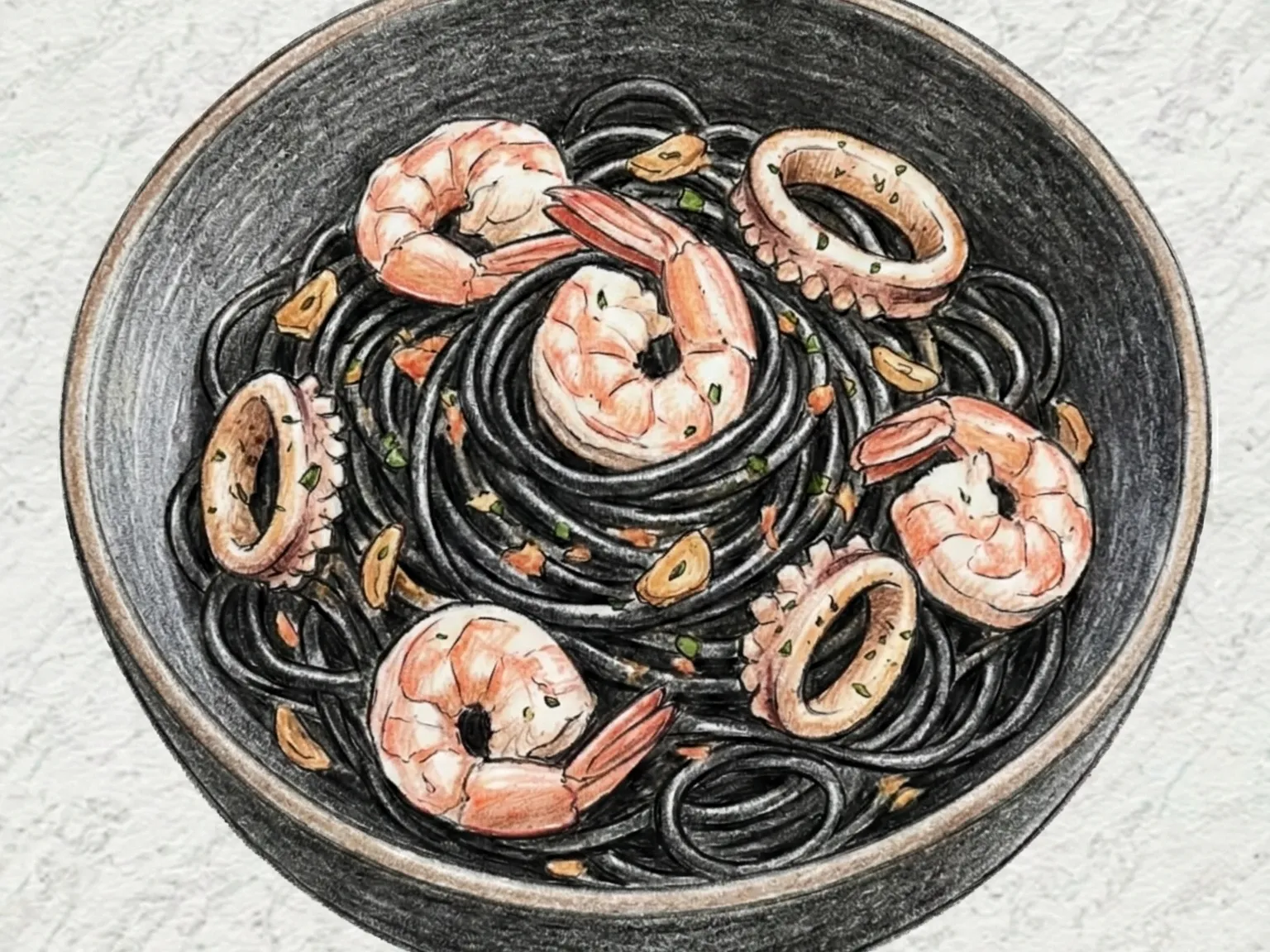
Spicy seafood tomato pasta starts by building a chili-infused oil base - garlic, onion, and red pepper flakes sauteed in olive oil until fragrant. Shrimp and squid are seared briefly until just opaque on the outside, then hand-crushed whole tomatoes are added and the sauce simmers for six to seven minutes, during which the tomato reduces and absorbs the juices released by the seafood. Cooking the seafood only until the surface turns white is critical, as the residual heat from the simmering sauce finishes them gently without making them rubbery. The spaghetti is boiled one minute short of al dente and tossed in the sauce pan with a splash of pasta water over high heat, which emulsifies the sauce and binds it to each strand. The chili heat cuts cleanly through the tomato's acidity and the seafood's brininess, and chopped parsley adds a final fresh herbal note.

🍺 Bar Snacks🎉 Special Occasion
Prep 15minCook 18min2 servings
Fideua (Toasted Noodle Seafood Paella)
WesternMedium

Fideua (Toasted Noodle Seafood Paella)

Fideua is a Valencian dish that mirrors paella in technique but replaces rice with short, thin pasta called fideos. The noodles are toasted in olive oil until golden before being cooked in a seafood broth made from shrimp shells, mussels, and fish stock. As the pasta absorbs the broth, it concentrates the flavor of the sea into each strand. The bottom layer develops a crispy crust called socarrat, prized for its caramelized, toasty crunch. Saffron colors the broth golden and contributes a subtle floral note. The dish is traditionally cooked in a wide, shallow pan to maximize surface area and crust formation. Served with alioli on the side, the garlic-infused mayonnaise adds richness and a pungent kick that amplifies the seafood character.

🎉 Special Occasion
Prep 20minCook 25min4 servings
Pulpo a la Gallega (Galician Boiled Octopus with Smoked Paprika)
WesternMedium

Pulpo a la Gallega (Galician Boiled Octopus with Smoked Paprika)

Pulpo a la Gallega is a signature dish from Spain's Galicia region in which whole octopus is gently simmered, sliced into thick rounds, and served over boiled potatoes with a finish of olive oil, smoked paprika, and coarse sea salt. Dipping the octopus in and out of boiling water two to three times before simmering curls the tentacles into shape and helps achieve an even cook. After thirty-five to forty minutes at a low simmer followed by a ten-minute rest in the hot water, the octopus reaches a texture that is tender yet retains a satisfying bite. Smoked paprika lays a subtle smokiness over the clean marine flavor, and high-quality finishing olive oil ties every element together. The ingredient list is minimal, which means the quality of each component directly determines the result.

🍺 Bar Snacks🎉 Special Occasion
Prep 15minCook 50min2 servings
Margherita Pizza
WesternMedium

Margherita Pizza

Margherita pizza uses just three core toppings - tomato sauce, mozzarella, and fresh basil - making ingredient quality the deciding factor. The dough is stretched to a 25-centimeter round with a thicker rim that puffs up into an airy crust during baking. The sauce must be spread thinly and evenly; too much makes the base soggy. Tearing the mozzarella by hand rather than slicing it creates uneven thickness, so some spots brown and crisp while others stay soft and melted - draining the cheese beforehand is essential for proper browning. The pizza bakes at 250 degrees Celsius for 10 to 12 minutes until the edges are golden and blistered. Basil, grated Parmesan, and a drizzle of olive oil are added only after the pizza comes out of the oven to preserve their fresh aroma.

🏠 Everyday🧒 Kid-Friendly
Prep 25minCook 15min2 servings
Korean Salt-Grilled Beef Chuck Flap
GrilledEasy

Korean Salt-Grilled Beef Chuck Flap

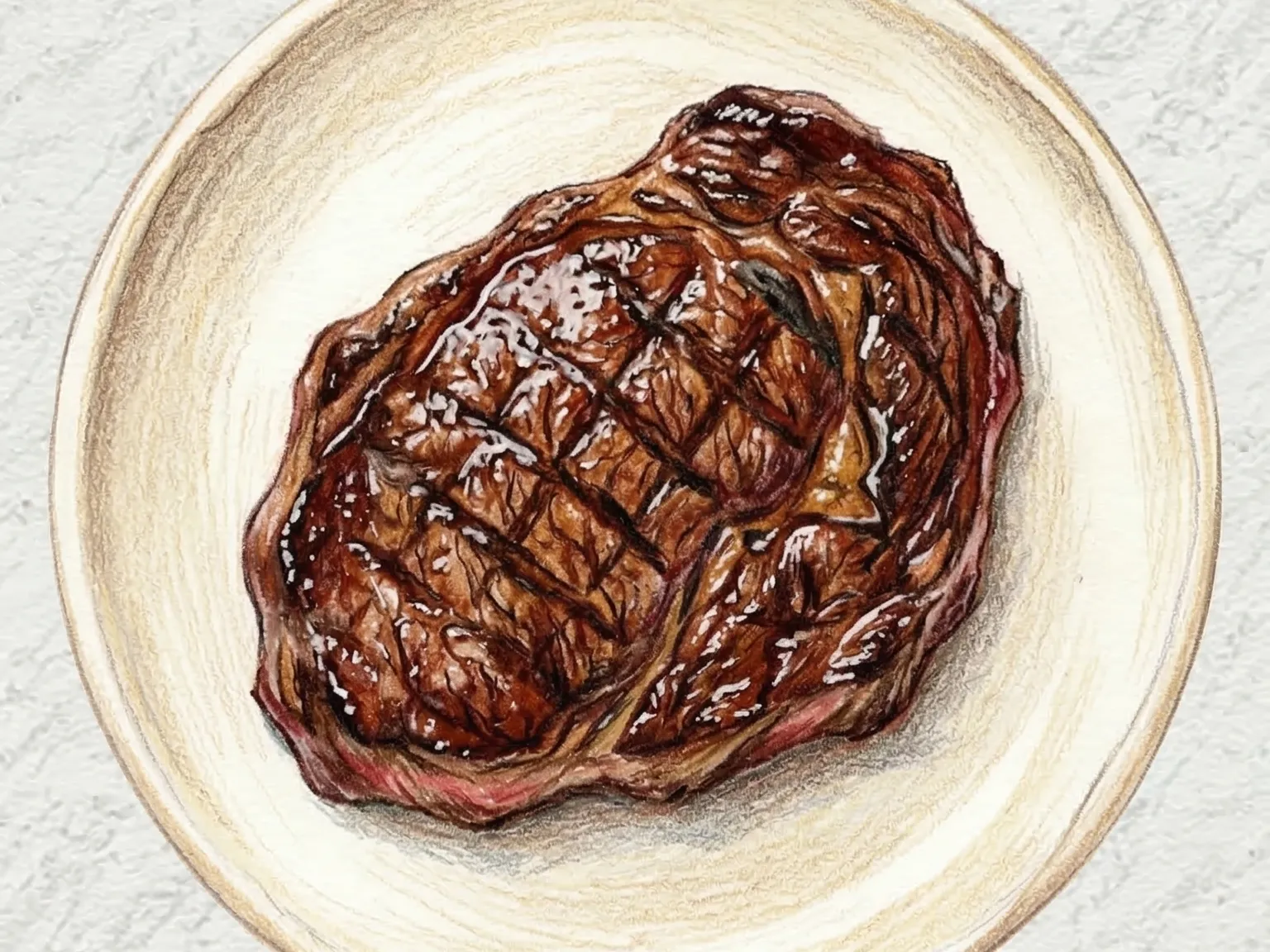
Salchisal sogeum-gui is a Korean salt-grilled beef chuck flap tail, a well-marbled cut from behind the shoulder that is rested at room temperature for ten minutes, seasoned with coarse salt and pepper only, then seared for ninety seconds per side in a smoking-hot pan. The heavy marbling keeps this cut moist even under intense, brief heat, and thoroughly drying the surface beforehand is what triggers rapid Maillard browning into a deep brown crust. After searing, butter, garlic cloves, and a rosemary sprig are added to the pan, and the foaming butter is spooned over the meat for one final minute to layer herbal and garlic aromas onto the crust. A three-minute rest before slicing allows the muscle fibers to relax and reabsorb their juices, so the plate stays clean when served alongside asparagus grilled in the same pan.

🍺 Bar Snacks🎉 Special Occasion
Prep 12minCook 8min2 servings
Ropa Vieja (Cuban Shredded Beef in Tomato Sauce)
WesternMedium

Ropa Vieja (Cuban Shredded Beef in Tomato Sauce)

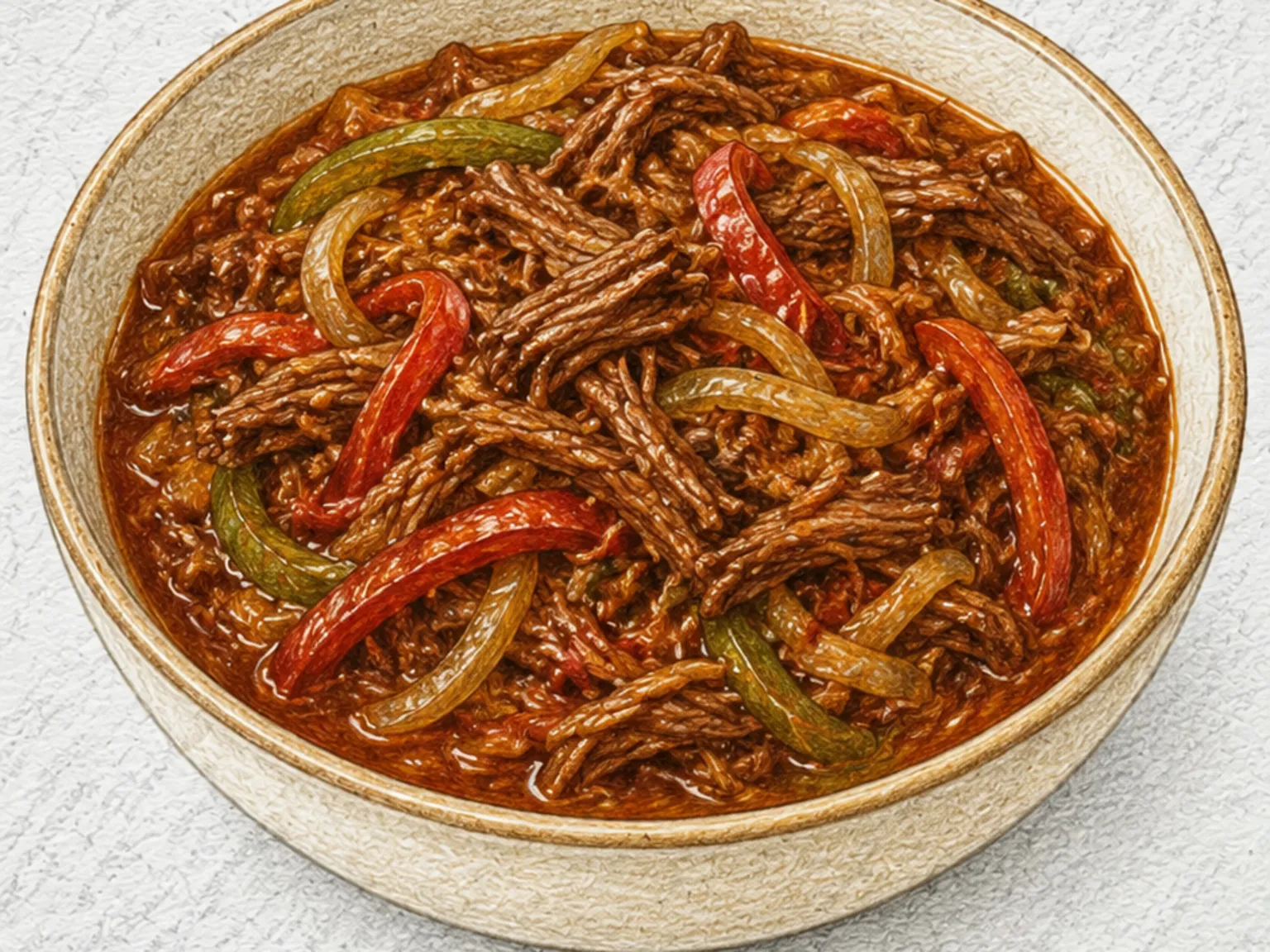
Ropa vieja is a traditional Cuban dish in which beef chuck is boiled whole until tender enough to shred with forks, then simmered in a sauce of sauteed onion, bell pepper, crushed tomatoes, and paprika powder. The name means 'old clothes' in Spanish, a reference to the shredded meat's resemblance to torn fabric. Cooking the beef long enough is essential - undercooked chuck resists shredding and turns out tough and stringy. Simmering the shredded meat in the tomato-pepper sauce for twenty-five minutes drives the savory, slightly smoky flavor deep between the fibers. Served over rice or alongside bread, the sauce absorbs into the starch for a satisfying, complete meal.

🎉 Special Occasion
Prep 20minCook 100min4 servings