Korean Mushroom Perilla Seed Risotto
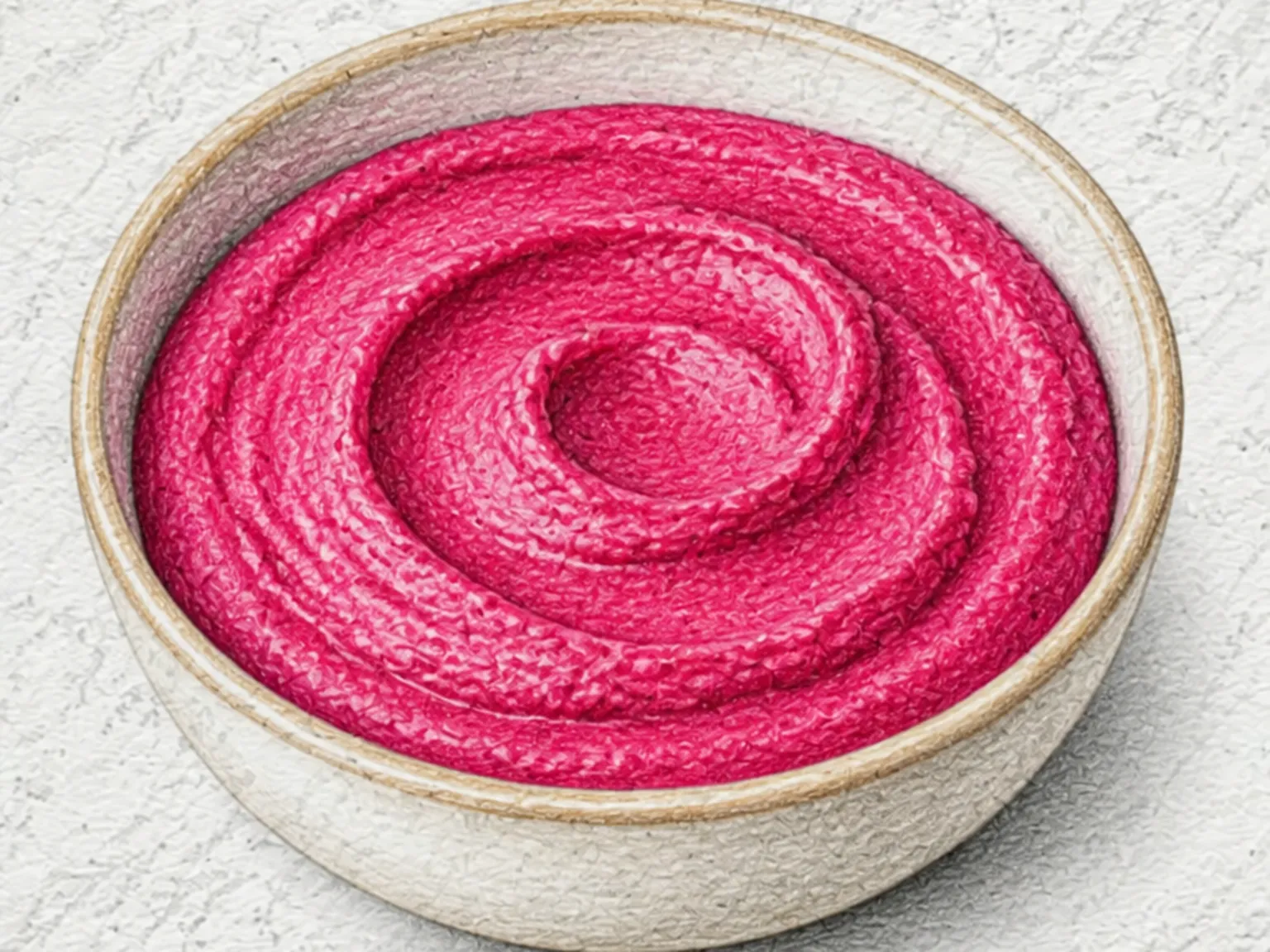
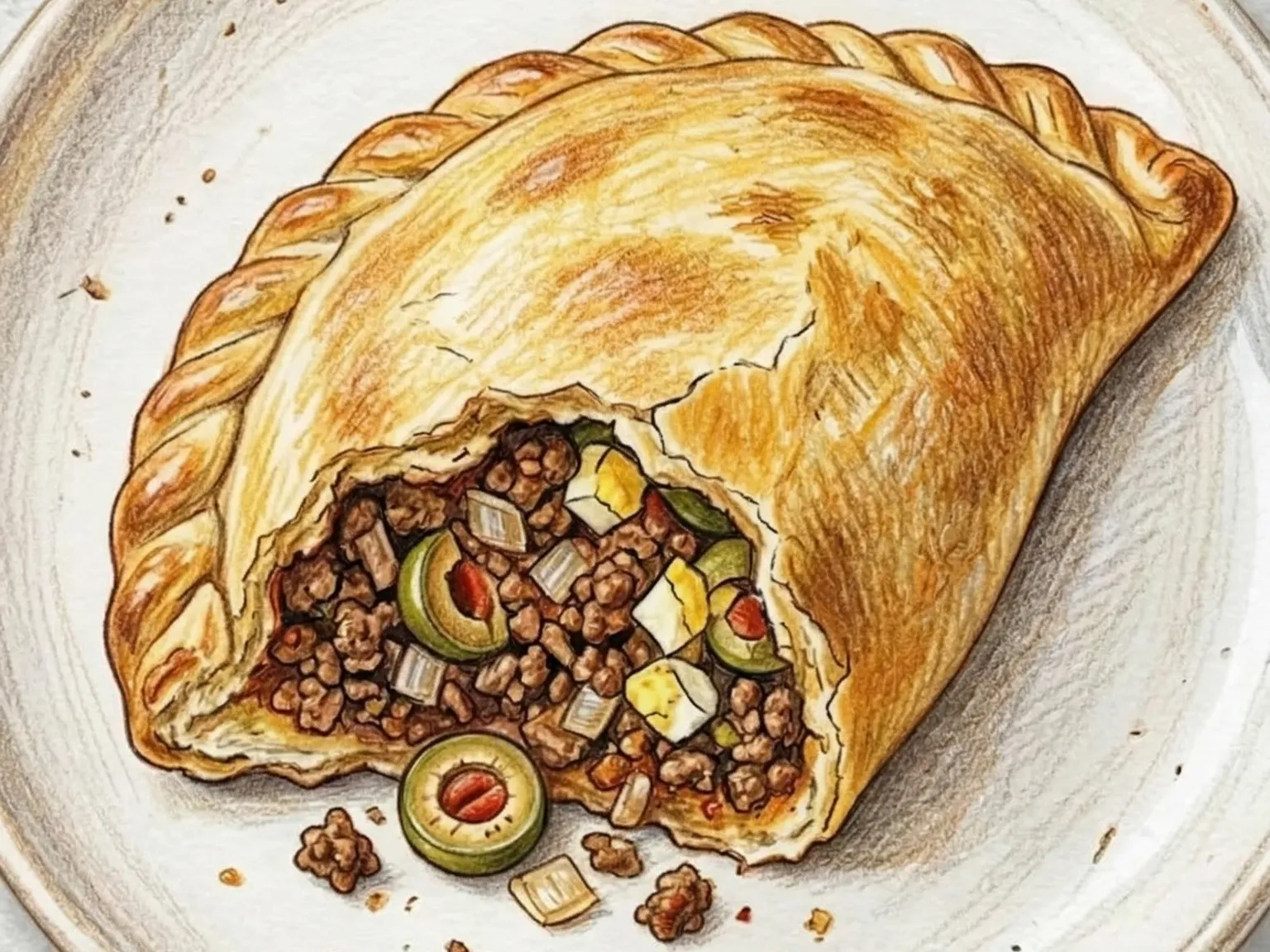
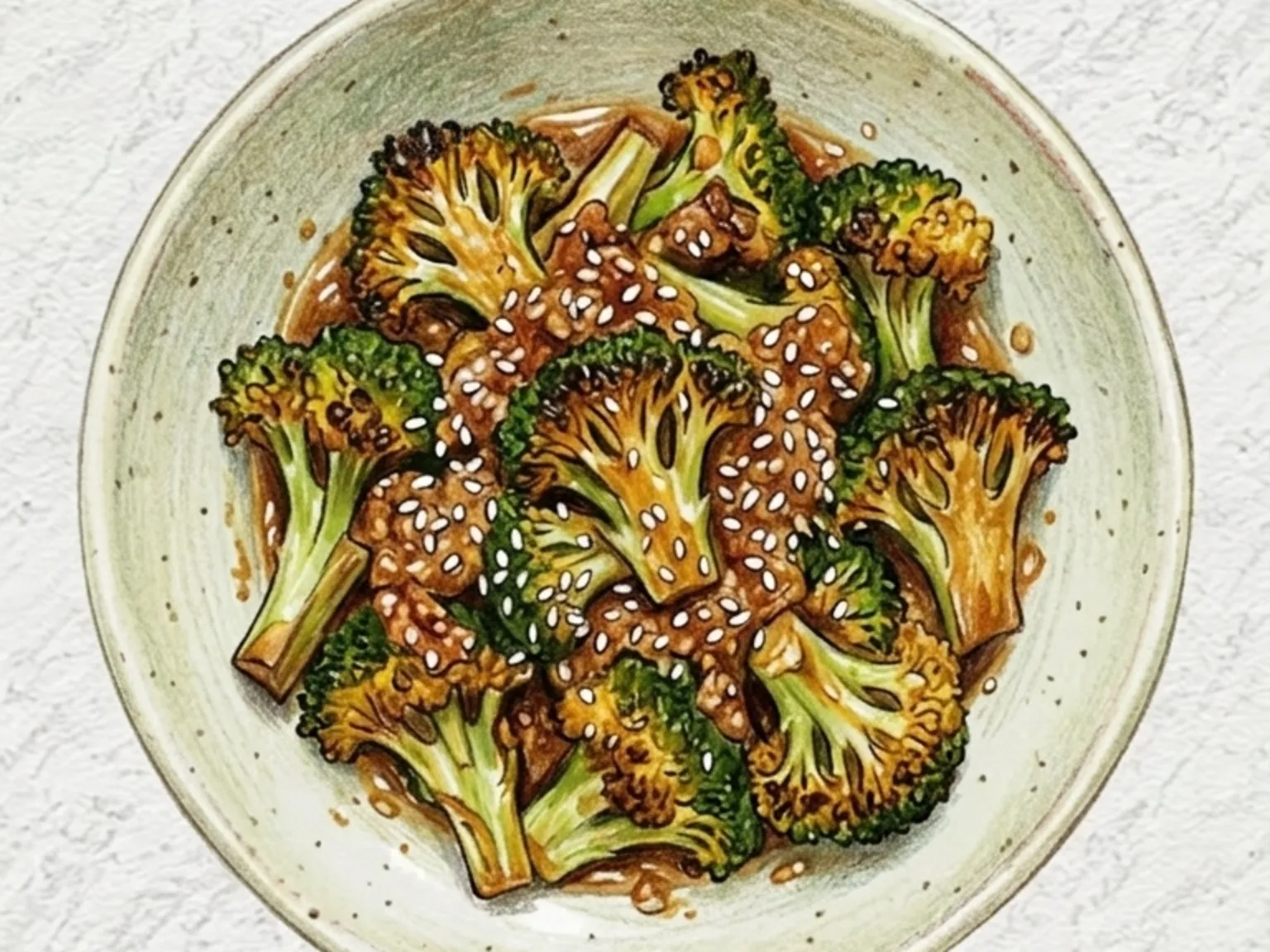
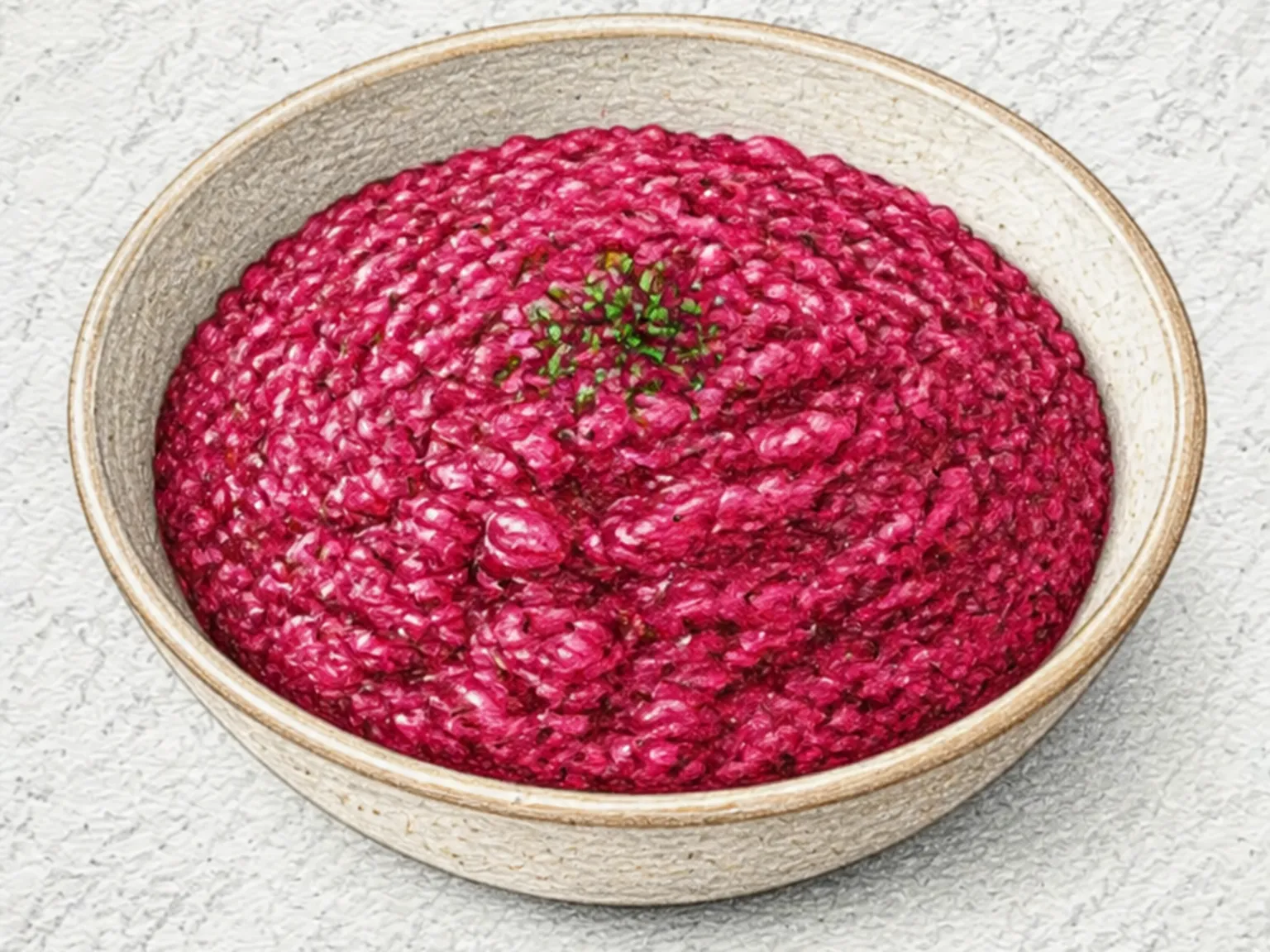
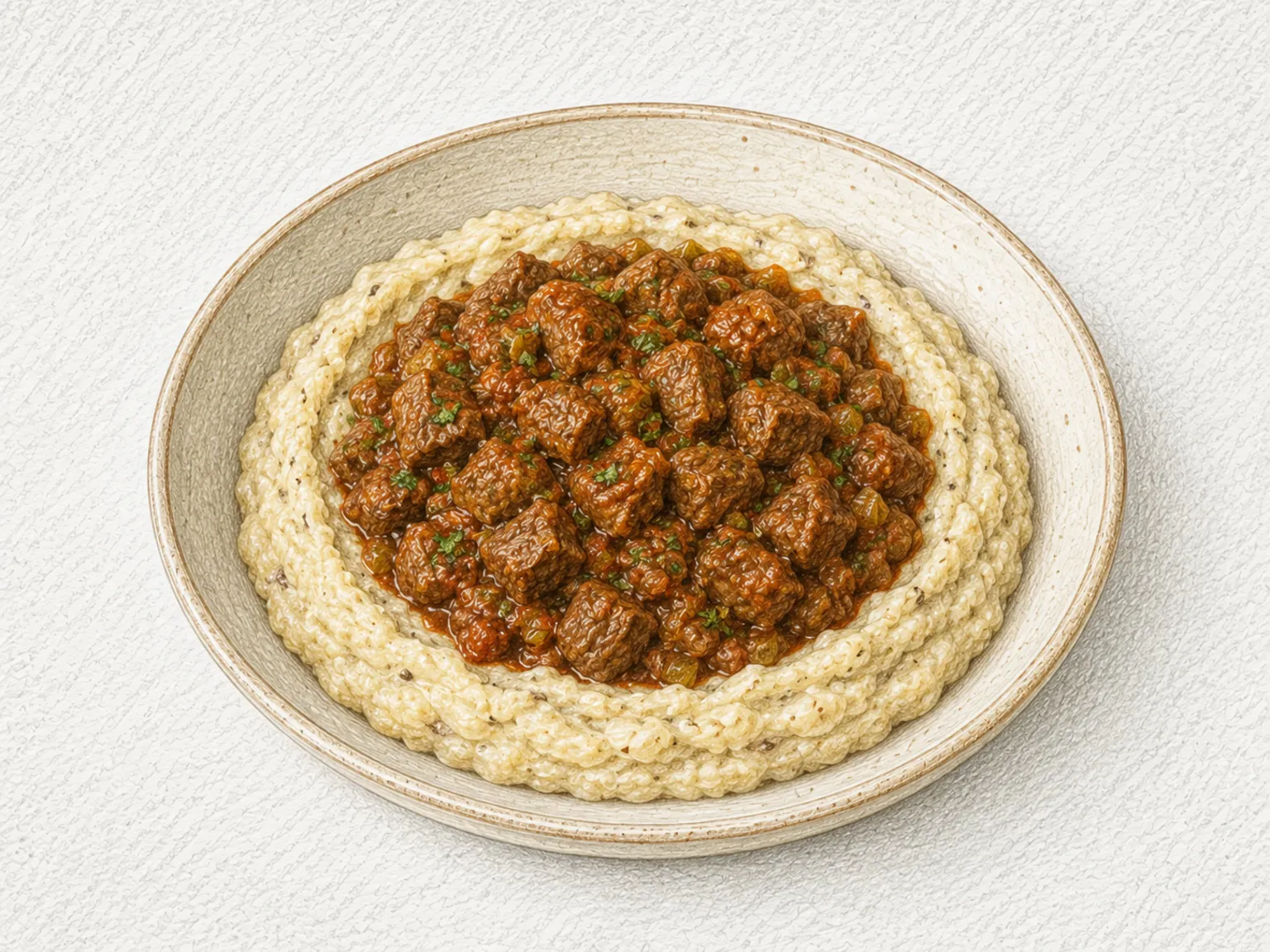
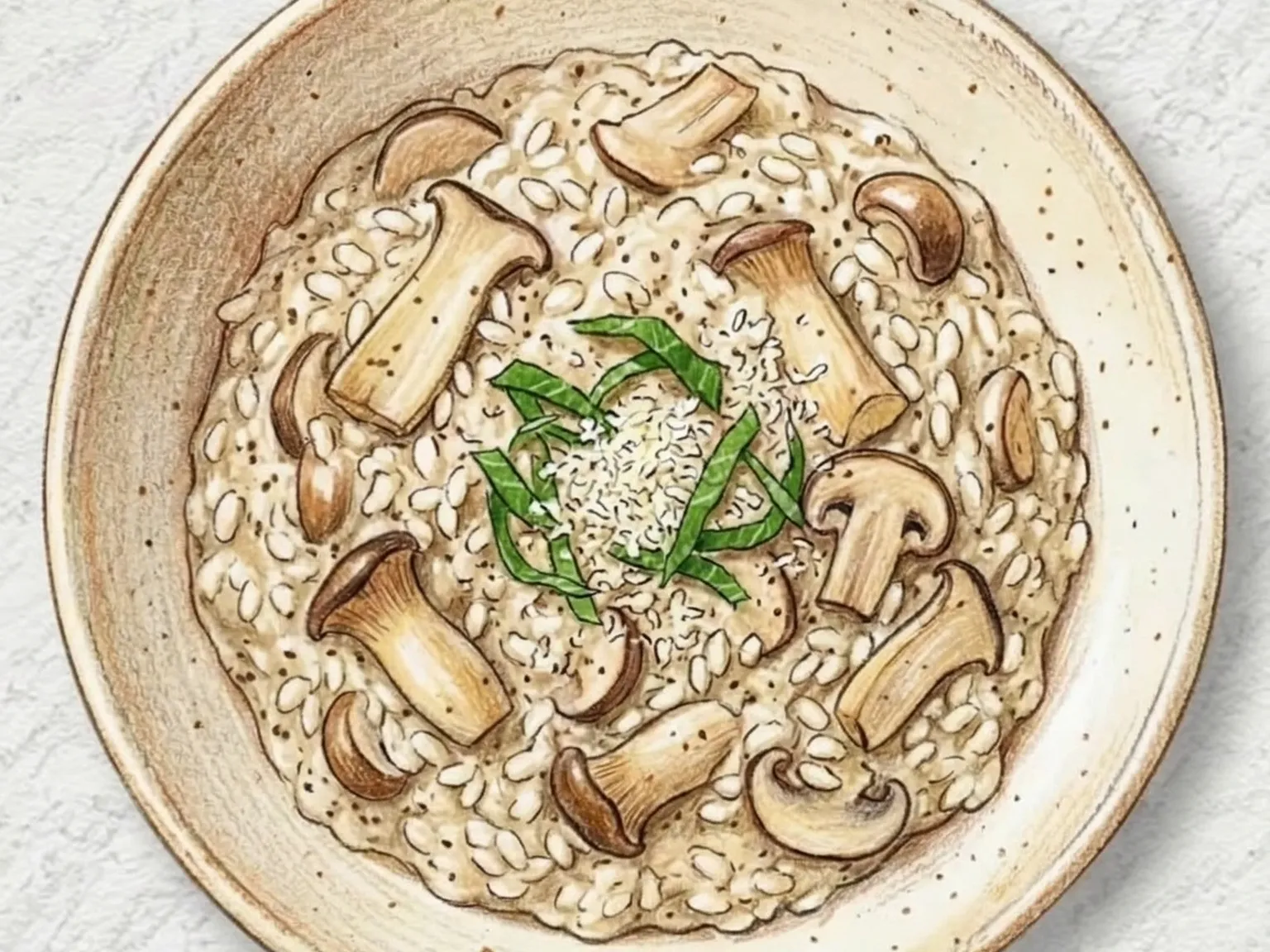
King oyster and button mushrooms are sauteed with onion and garlic, then Arborio rice is slowly cooked in warm vegetable stock, one ladle at a time, until the grains release their starch into a creamy consistency. Perilla seed powder and grated Parmesan are folded in at the very end, merging Italian creaminess with the distinctive roasted-nut flavor of Korean perilla. The key is keeping the stock warm throughout so the rice cooks evenly without seizing, and adding perilla powder last to preserve its volatile aroma. Even without meat, the mushrooms provide substantial umami depth and the perilla adds a rich, nutty finish.

Korean Garlic-Grilled Octopus
Muneo-garlic-gui is a Korean seafood drinking snack made by slicing pre-boiled octopus into bite-size pieces, seasoning them with salt, pepper, and red chili flakes, then searing them hard in olive oil with minced garlic over high heat. The garlic goes in first at low heat to bloom slowly in the oil, then the flame is raised and the octopus is added so the exterior chars rapidly while the interior stays springy and resilient. The olive oil coats the surface at high temperature and locks in moisture, producing a scorched crust outside and a genuinely tender bite within. A squeeze of fresh lemon juice at the finish cuts through the oil and brings the natural brininess of the octopus into sharp relief. The octopus should go straight to the table after cooking, as the texture toughens quickly, and thorough pan preheating is essential to getting the sear right.

Korean Grilled Broccoli with Soybean Paste
Broccoli doenjang-gui is a Korean oven-roasted broccoli dish where bite-sized florets are blanched for exactly one minute to preserve their crunch, then tossed thoroughly in olive oil before being coated with a thick paste made from doenjang, gochujang, minced garlic, and oligosaccharide syrup, and roasted at 200 degrees Celsius for about twelve minutes. Coating the florets in oil first is the key step that ensures the paste adheres uniformly rather than clumping in spots, so every piece caramelizes evenly in the heat. At high oven temperatures the outer edges of the florets char slightly, and that controlled browning concentrates the fermented soybean paste into a deeply savory crust with a faint smokiness that raw doenjang cannot replicate. Keeping the blanching time to one minute is equally important: the stems stay crisp enough to hold their texture through roasting, so the finished dish has a satisfying snap rather than softening entirely. If the paste feels too stiff to spread, a tablespoon of water loosens it without diluting the flavor. A generous scatter of sesame seeds before serving adds a toasted nuttiness that layers over the salty-spicy profile and completes the dish.

Garlic Olive Oil Pasta
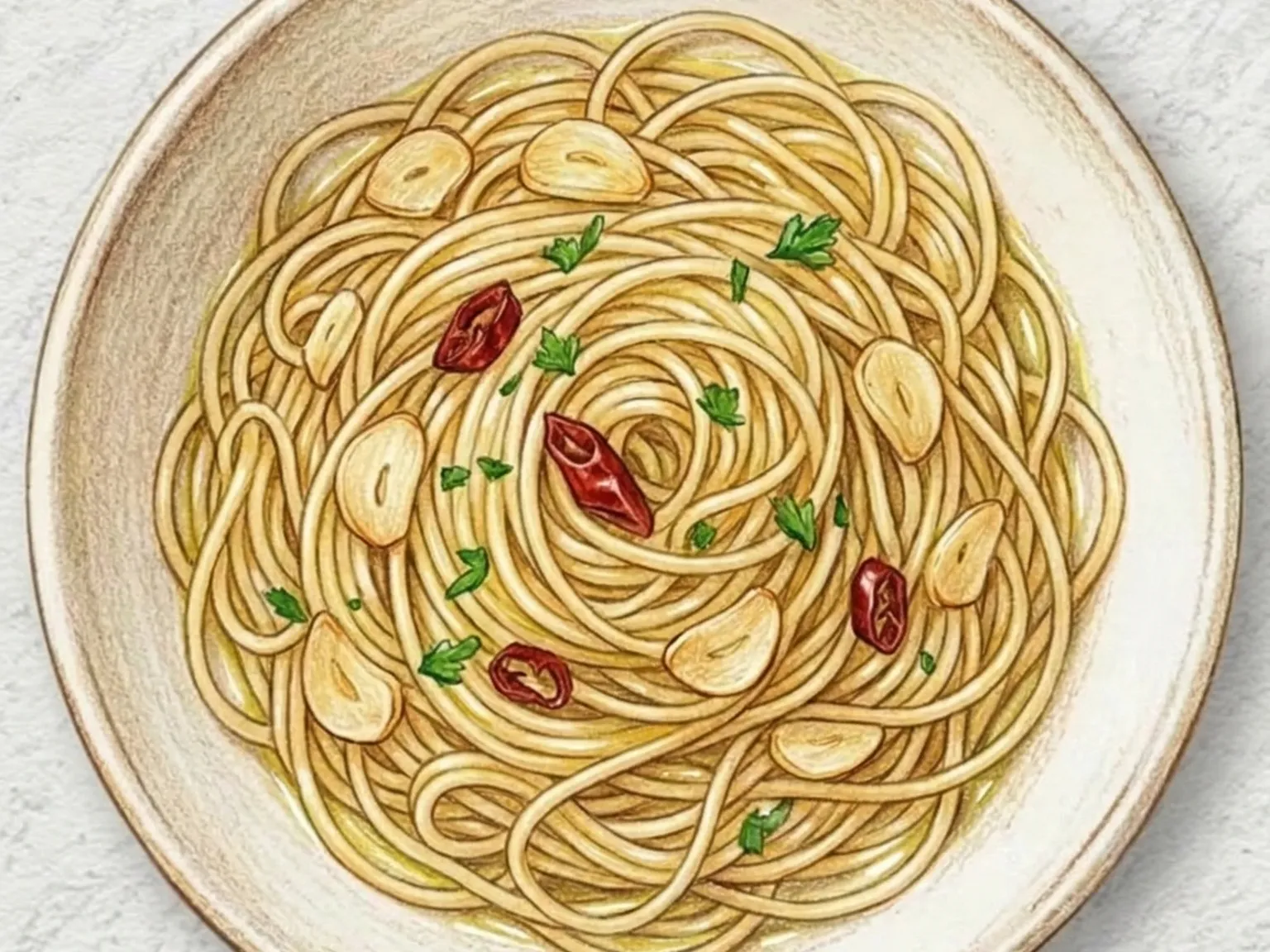
Aglio e olio - garlic and oil - is the pasta Italians make at midnight with nothing in the kitchen but pantry staples. It originated in Naples, where olive oil was abundant and elaborate sauces were a luxury that working-class cooks could not afford. The entire dish depends on technique: garlic must be sliced thin and toasted slowly in generous olive oil over low heat until fragrant and barely golden - a matter of seconds past that point and it turns acrid and bitter. Peperoncino flakes go in briefly to release their capsaicin into the oil before the heat is adjusted. The real transformation happens when starchy pasta water hits the hot oil: it emulsifies into a silky, clinging sauce that coats every strand of spaghetti with a thin, even film rather than pooling at the bottom of the bowl. No cream, no cheese in the traditional version - just the clean triad of garlic, chili, and good olive oil. Flat-leaf parsley scattered on at the end contributes a fresh herbal brightness that lifts the whole dish.

Heukimja Cream Bacon Rigatoni (Black Sesame Cream Pasta)
Black sesame cream bacon rigatoni is a fusion pasta that earns its crossover status through ingredient logic rather than novelty. Roasted black sesame ground to a fine powder and blended into heavy cream and milk produces a sauce with a deep, slightly bitter nuttiness - closer to a nut butter than a standard cream - with a grey-toned color that signals immediately this is not a conventional cream pasta. Bacon fried until crisp adds salt, smoke, and crunch at regular intervals throughout the dish, which is important because the sauce, however rich, stays uniform in texture without it. Rigatoni is the right format here: the tube shape traps sauce both inside each piece and on the outer ridges, so every forkful delivers the full flavor load. Finishing with grated Parmigiano or Pecorino deepens the salt and umami content, and a final dusting of black sesame powder over the plated dish reinforces the Korean ingredient that anchors the whole concept. The combination works because black sesame and cream are both fat-forward and round - they do not fight each other.

Abalone Seaweed Salad
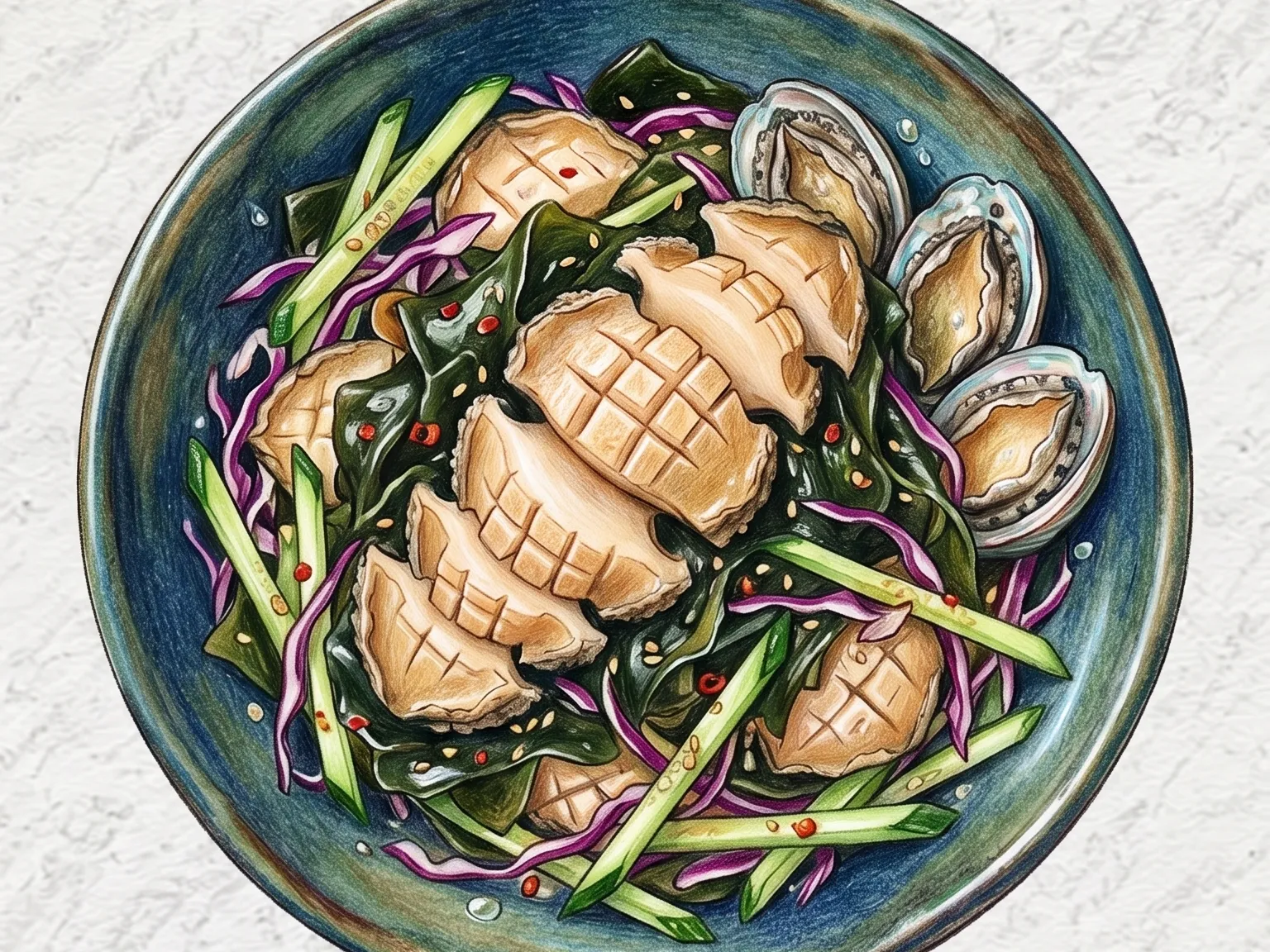
This salad centers on abalone, the shellfish that haenyeo - Jeju Island's female free-divers - have harvested by hand for centuries, descending without oxygen tanks to pry the mollusks from the sea floor. The abalone is blanched for just 40 seconds, a precise window that preserves its springy texture and keeps the delicate sweetness and ocean flavor intact. Overcooked abalone turns tough quickly, so the short blanching time is more technique than convenience. Rehydrated sea mustard, thinly sliced cucumber, and red cabbage round out the bowl. The dressing - lemon juice, plum syrup, soup soy sauce, and a touch of vinegar - is calibrated to support the seafood's natural brininess rather than cover it. The combination of chewy abalone, slippery seaweed, and crunchy raw vegetables creates three distinct textures throughout, which sustains interest from first bite to last. Serve cold as a light appetizer before grilled dishes, or as a standalone side during summer. The quality of the abalone shows plainly with so few ingredients around it.

Ajo Blanco (Chilled Spanish Almond and Garlic Soup)
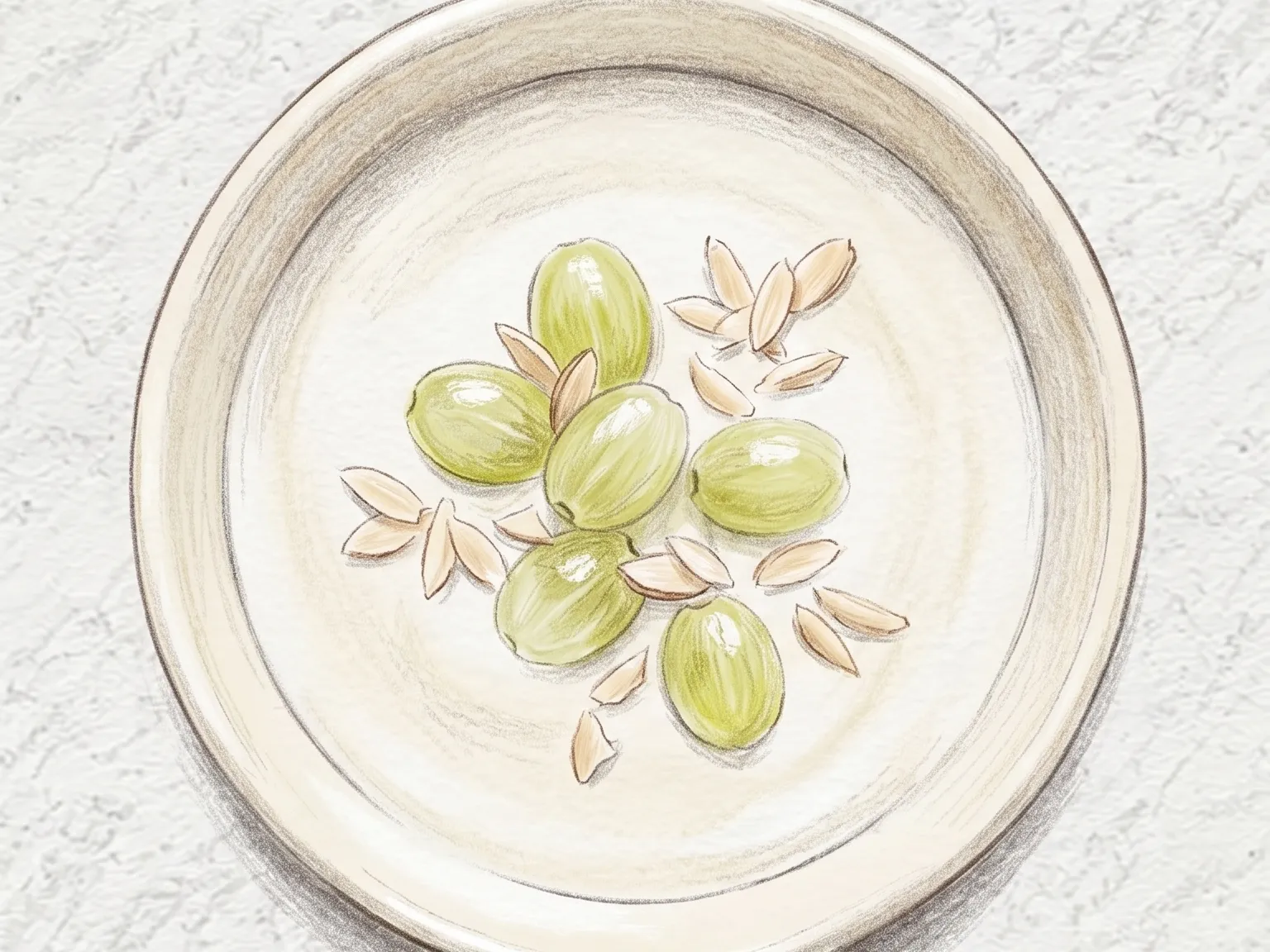
Ajo blanco predates the red tomato gazpacho that most people associate with Spanish cold soup - it is a Moorish-era recipe from Andalusia that was already established long before tomatoes arrived from the Americas in the 16th century. Raw blanched almonds, garlic, stale bread soaked in water, olive oil, and sherry vinegar are blended into a velvety white emulsion that is served thoroughly ice-cold. The almonds supply the soup's body and a subtle sweetness, while a single clove of raw garlic provides a quiet but persistent pungency that builds slowly as you work through the bowl. The bread serves as both thickener and emulsifier, binding the oil and water into a stable cream with no dairy involved. Traditional garnishes are peeled green grapes or sliced almonds - the green grapes add a burst of cold sweetness and acidity that plays directly against the savory almond base. Ajo blanco is a summer dish specific to Malaga province, where temperatures push well past 40 degrees Celsius and hot food loses all appeal. That it achieves this level of complexity without tomatoes or dairy is what sets it apart from more widely known cold soups.

Tomato Basil Juice
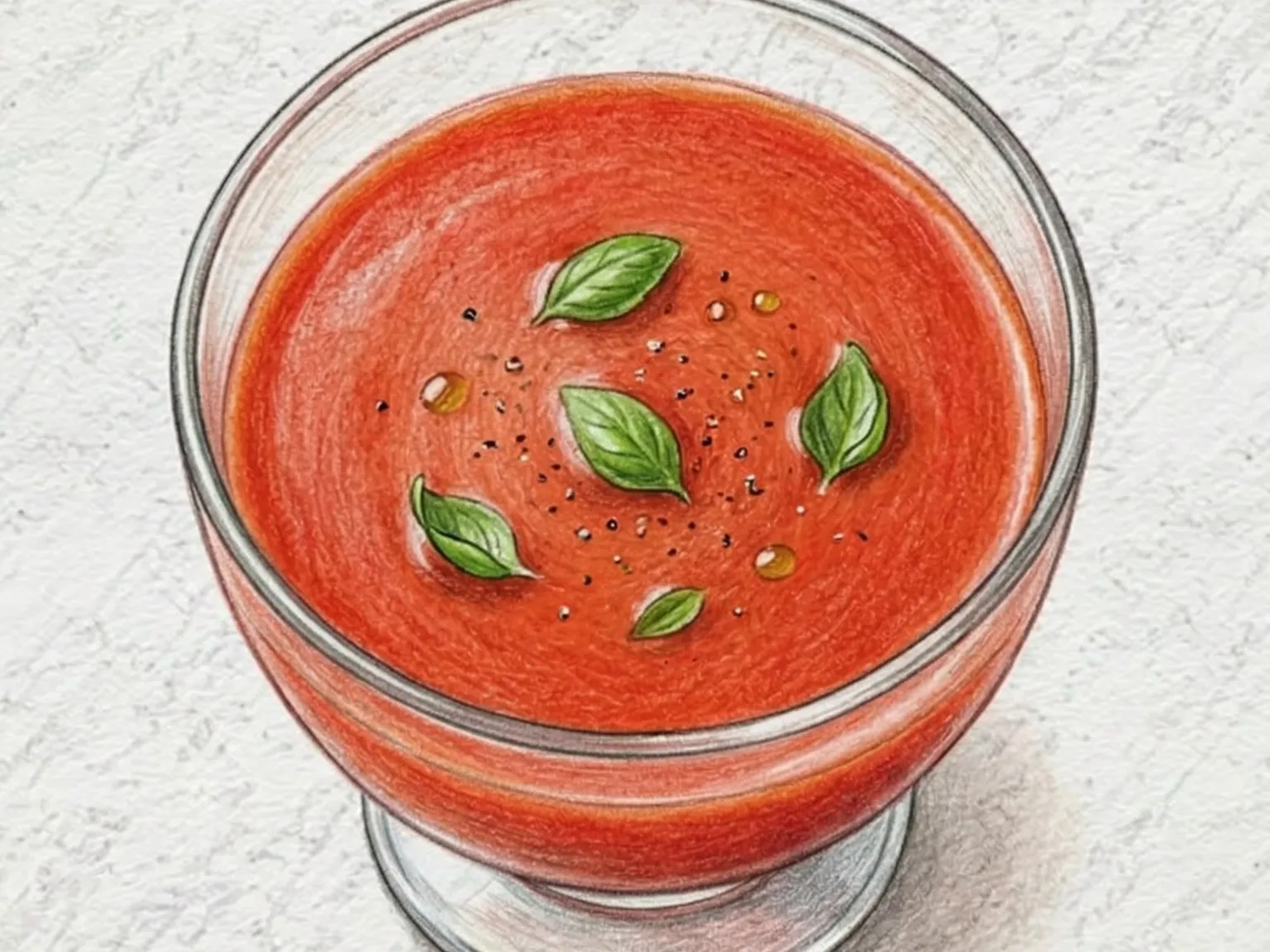
Tomato basil juice is a cold savory drink made by blending ripe tomatoes with fresh basil leaves and straining the result through a fine sieve to remove seeds and skins. The ripeness of the tomato determines much of the flavor: fully ripe tomatoes carry free glutamates that produce a natural umami depth, whereas underripe fruit tastes predominantly sour without the sweetness and savory body that makes the juice satisfying. Basil should be added to the blender immediately before blending rather than sitting cut or torn, because the volatile oils that produce its aroma begin oxidizing quickly once the leaves are damaged. After blending to a smooth consistency, passing the juice through a fine-mesh strainer or cheesecloth removes the solids and produces a texture smooth enough to drink without resistance. Salt and black pepper season the juice, and fresh lemon juice raises the acidity in a way that brightens the overall flavor rather than making it sour. A small addition of olive oil emulsifies into the juice and activates fat-soluble aromatic compounds in both the tomato and the basil, producing a fuller, rounder flavor than the unstrained version. The juice must be thoroughly chilled before serving, as warmth mutes the herbal freshness. It works well as a brunch drink, a light non-alcoholic aperitif, or a base for savory cocktails.

Korean Salt-Grilled King Prawns
Daeha-sogeum-gui is a Korean salt-grilled king prawn preparation where whole shell-on prawns are placed directly on a bed of coarse sea salt and cooked over indirect heat. The salt draws out surface moisture while conducting steady, even heat beneath the shells, so the prawns essentially steam inside their own carapace and keep their flesh springy rather than contracted. Scoring the back with kitchen scissors and removing the intestinal tract before cooking eliminates any off-note from the gut, leaving only the clean, natural sweetness of the prawn. The precise moment to pull them from the heat is when the shells turn a solid bright orange, as any longer drives off the moisture that keeps the flesh tender. A squeeze of fresh lemon adds acidity that sharpens the natural umami without masking it, and the dish works well with no additional seasoning at all.

Danza Noodle Soup (Tomato Chickpea Pasta Soup)
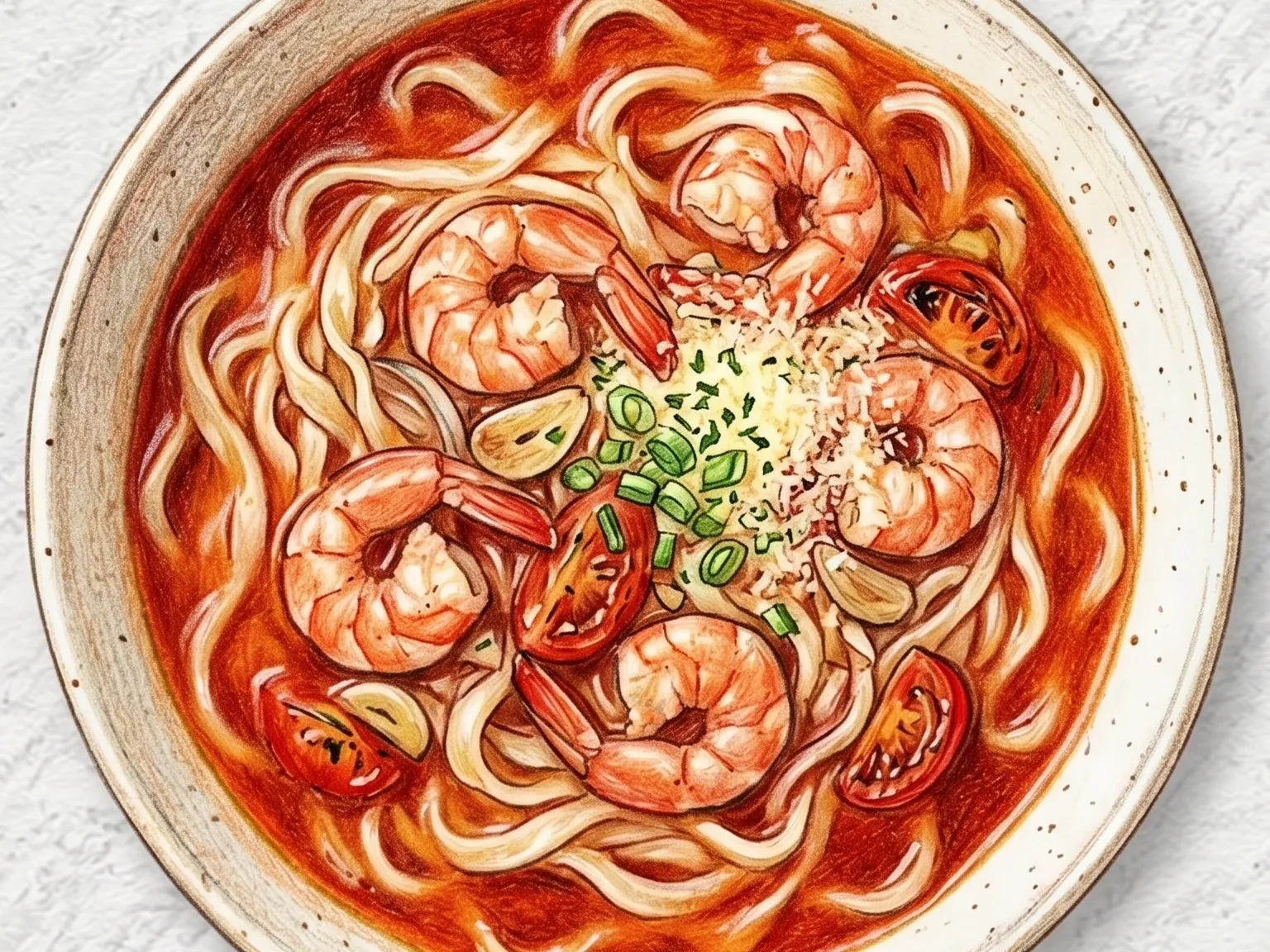
Danza noodle soup is a light Mediterranean-style soup that simmers diced tomatoes and chickpeas together in vegetable broth with dried oregano and thin pasta noodles. Sauteing onion in olive oil until translucent before adding the tomatoes builds a deeper, more aromatic base than starting with raw aromatics. Chickpeas soften gradually as the soup cooks, contributing a nutty richness and satisfying substance without making the broth heavy. Stirring in fresh parsley just before serving lifts the finished soup with a clean herbal brightness against the tomato backdrop. Cooking the pasta separately and adding it at serving keeps the broth clearer and prevents the noodles from absorbing too much liquid.

Blue Crab Lemon Garlic Pasta
Blue crab lemon garlic spaghetti starts by slowly warming thinly sliced garlic in olive oil over low heat until fragrant - pale gold, not browned. Crab meat and a splash of rice wine go in next to cook off any raw marine smell before butter is added and stirred until it melts into the oil. Starchy pasta water emulsifies the fat into a thin, glossy sauce that coats each strand of spaghetti evenly without heaviness, carrying a clean, oceanic flavor throughout. Lemon zest and juice are added only after the heat is turned off - adding them while the pan is still hot drives off the volatile citrus aroma before it reaches the plate. Keeping the garlic just short of golden, pale and softened rather than browned, is what separates a clean, nutty depth from an acrid bitterness that would overpower the crab. Fresh crab meat, picked directly from a live blue crab, delivers a noticeably sweeter flavor than thawed frozen product and is worth the extra effort when in season.

Antipasto Salad
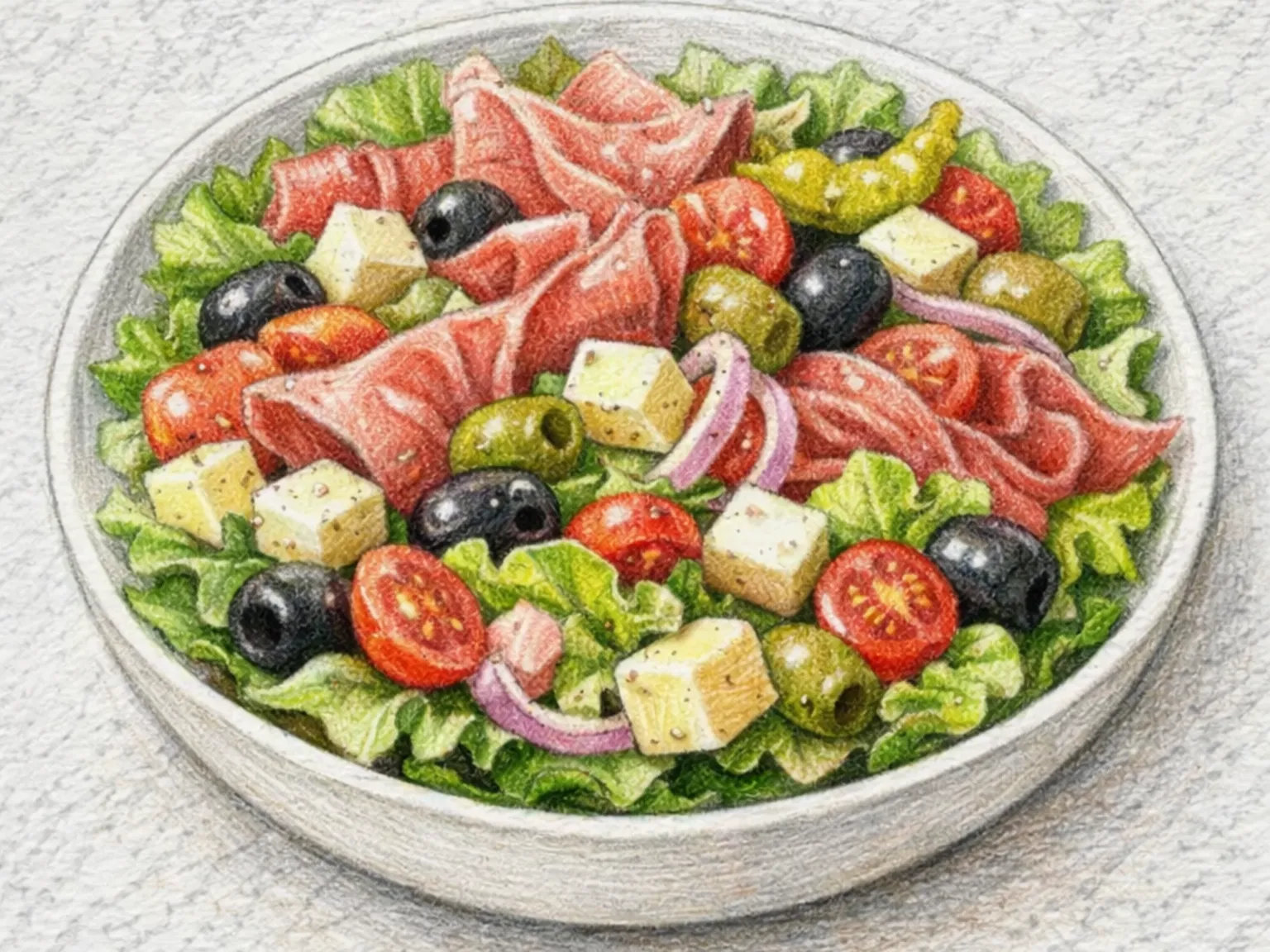
Antipasto - literally 'before the meal' in Italian - is a first course of cured meats, cheeses, olives, and preserved vegetables, and this salad compresses that entire tradition into a single composed bowl. Crisp romaine or iceberg forms the base, layered with sliced salami, capicola, provolone, marinated artichoke hearts, roasted red peppers, and briny Kalamata olives. A red wine vinegar dressing built with dried oregano and minced garlic draws the components together with a sharp, herbal acidity that cuts through the fat of the cured meats. The salami is rolled into loose cylinders and the provolone cut into thick chunks so both hold their presence against the dressed greens rather than disappearing into the mix. The reason the salad works is the contrast in salt levels and textures: heavily cured meat against mild cheese, smoky-sweet pepper against bitter greens, silky olive against crunchy romaine - no two bites taste the same. Italian-American delis in New York and New Jersey popularized this format in the mid-twentieth century, and it has since become a reliable fixture of catered lunches, potlucks, and family gatherings across the United States.

Albondigas en Salsa (Spanish Meatballs in Tomato Sauce)
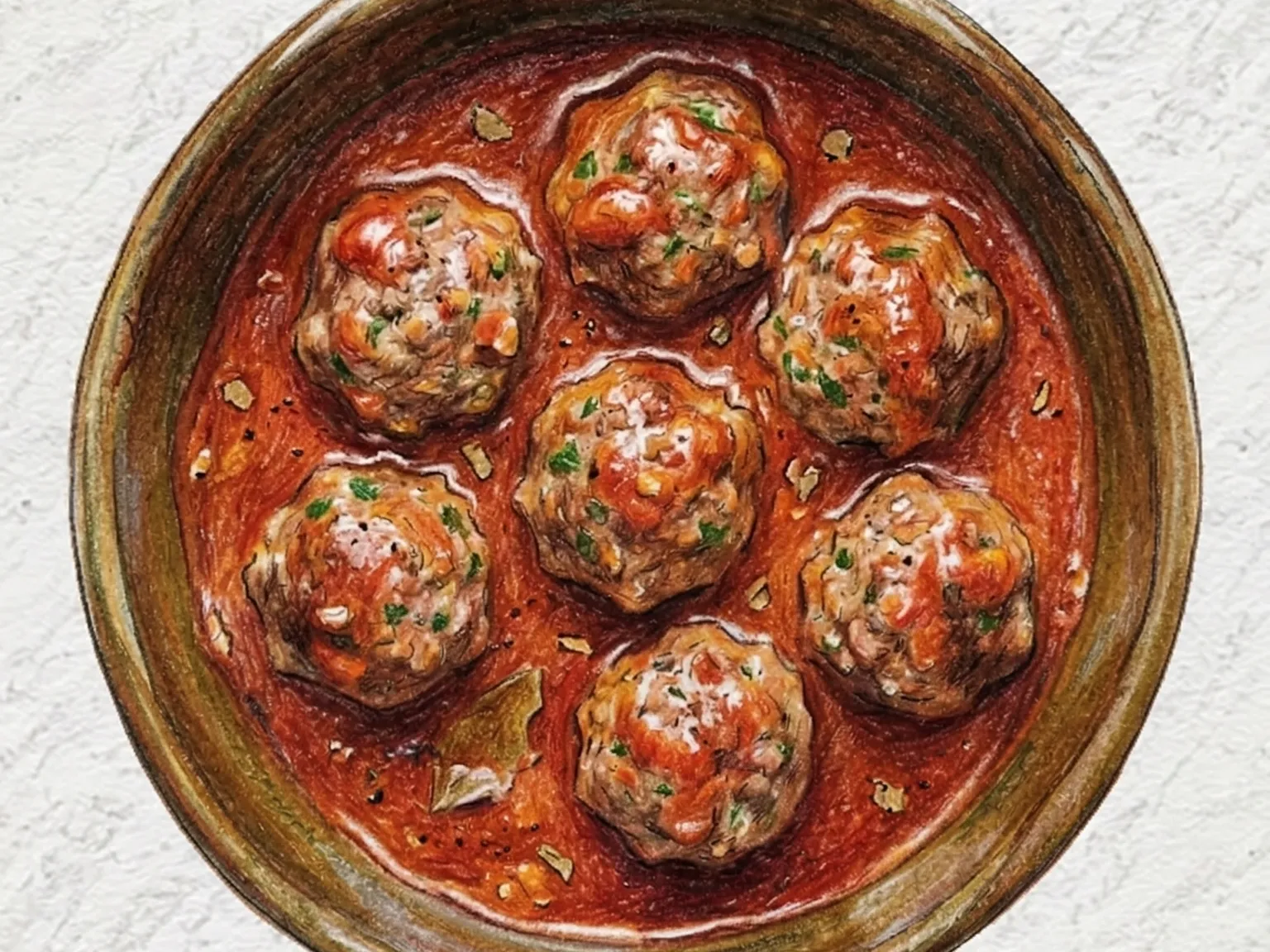
Albondigas - the word itself tracing back to the Arabic 'al-bunduq' meaning a small round thing - arrived in Spain with the Moorish occupation and became embedded in everyday home cooking across the peninsula. Ground pork and beef are combined with bread soaked in milk or water, egg, and garlic, then rolled into small, dense balls and browned in olive oil before the braising begins. The soaked bread in the mixture is what keeps the meatballs from tightening into dense rounds as they cook - it loosens the structure and creates a soft, almost spongy interior that drinks in the sauce during the long simmer. The tomato sauce is built with onion and garlic fried until golden, then tomatoes, smoked paprika, and a bay leaf are added and the whole pot cooks down over twenty minutes of low heat until the raw acidity mellows into sweetness. The meatballs go back into the sauce for a final ten minutes so the braising liquid penetrates to the center. Crusty bread to mop up the glossy sauce is traditional, but the dish works equally well spooned over plain rice. This is the kind of Spanish grandmother cooking where nothing is measured and the result is always the same.

Korean Salt-Grilled Green Onion
Daepa-sogeum-gui is a Korean grilled vegetable dish made from the white sections of large green onions cut into 7-8 cm lengths, brushed with olive oil, dusted with coarse salt, and seared over high heat. The outer layers take on a slight char that produces a light smokiness, while the dense interior converts starch to sugar under the intense heat, turning remarkably sweet. Only the white parts are used because the green tops burn before they cook through, and holding each piece flat against the grill for two to three minutes per side ensures the center reaches the right texture. After grilling, a drizzle of sesame oil, a scattering of sesame seeds, and a small grating of lemon zest layer nuttiness and citrus brightness over the caramelized base. The result demonstrates how a single vegetable, treated simply and grilled hot, can produce a layered, deeply satisfying flavor.

Gochujang Vongole Linguine
Gochujang vongole linguine brings together the briny liquor of Manila clams and the fermented heat of Korean red chili paste in a single pan. White wine steams the clams open and releases their cooking juices, which form the base of the sauce; dissolving gochujang into that liquid adds a layer of thick, complex spice that standard vongole never carries. Stirring in a knob of butter just before the heat goes off gives the sauce a glossy finish and a smooth coating texture, while parsley and black pepper anchor the flavors at the end. The most important step in the process is slicing garlic as thin as possible and frying it slowly in olive oil until the raw sharpness converts entirely into a sweet, penetrating fragrance that defines the aromatic foundation of the sauce.

Buchu Vongole Spaghetti (Korean Garlic Chive and Clam Pasta)
Buchu vongole spaghetti takes the Italian vongole format and finishes it with a fistful of Korean garlic chives, combining a briny shellfish sauce with the sharp, vegetal fragrance that buchu brings. Garlic slices and dried chili flakes are first infused in olive oil until fragrant, then white wine goes in and the alcohol burns off quickly, leaving only the wine's fruity character in the base. Manila clams added to the pan steam open in two to three minutes under a lid, releasing their liquor into the oil and wine. That clam broth carries enough salinity and umami to season the entire sauce - no added salt required at any point. A ladleful of pasta water stirred in while shaking the pan hard creates an emulsion that bonds the clam broth with the olive oil and coats every strand. The garlic chives are added off heat so they stay bright green and fragrant rather than going soft and losing their character. A scatter of chopped Italian parsley over the finished bowl adds a last note of herbal freshness.

Apple Fennel Walnut Salad
This salad pairs three ingredients whose textures and flavors run in different directions - crisp apple, anise-scented fennel, and bitter walnuts - and unifies them with a honey-lemon dressing. Thinly sliced fennel bulb contributes a licorice-like fragrance that is more aromatic than sweet, while its celery-crisp texture holds a firm contrast against the apple's softer flesh. Toasted walnuts add a crunchy, tannic bitterness that anchors the lighter elements and keeps the salad from reading as merely sweet. The dressing is deliberately minimal - fresh lemon juice, honey, a small amount of olive oil, and a pinch of salt - so the ingredients carry the flavor rather than the sauce. Assembling just before serving prevents the apple from browning. Salads of this type appear on autumn and winter tables in France and Italy when local apples and fennel come into season together, and can be served as a standalone starter or alongside roasted poultry, where the anise note in the fennel cuts through the meat's richness. Fennel has a long association with digestive support in Mediterranean cooking, which is partly why it has traditionally been served alongside fatty meats, and this salad draws on the same pairing logic.

Bacalhau a Bras Recipe - Classic Portuguese Salt Cod with Eggs and Crispy Potatoes
Bacalhau a bras is one of the most beloved preparations among the hundreds of ways Portugal cooks salt cod, born from the long history of Atlantic cod fishing. The salt cod is soaked for 24 to 48 hours with frequent water changes to draw out the salt, then shredded by hand into fine strands. Potatoes cut matchstick-thin are fried until crisp, and the shredded cod is sauteed in olive oil with onion until the onion turns translucent and the fish edges take on a little color. Beaten eggs are poured in and stirred gently off the heat so they form creamy curds that bind the potatoes and fish together without scrambling fully. The finished dish is a golden mound of inseparably tangled crisp potato, silky egg, and salty cod fiber. Black olives and parsley add a sharp salty accent and herbal note. Named after a 19th-century Lisbon tavern keeper, this is a fixture of Portuguese tascas and Sunday family lunches.

Korean Gwangeo Yuja Ganjang Gui (Yuja Soy Grilled Flounder)
Gwangeo yuja-ganjang-gui is a Korean grilled flounder dish where fillets are brushed with a glaze of soy sauce, yuzu marmalade, minced garlic, and ginger juice, left to marinate for ten minutes, then cooked in olive oil over medium heat for three minutes per side. The yuzu marmalade introduces a bright citrus acidity that sits cleanly on top of the soy sauce depth, building a layered flavor profile over the neutral, clean-tasting flesh of the flounder. The two elements do not compete: the soy provides the savory foundation and the yuzu supplies the brightness that keeps the dish from feeling heavy or monotonous. Brushing the remaining glaze over the fish during a final two to three minutes on low heat is what creates the glossy, lacquered sheen on the surface, caramelizing slightly as the sugars in the yuzu marmalade concentrate and reduce against the hot pan. Lemon zest and thinly sliced green onion scattered over the finished fish add a final layer of fragrance that lifts the dish just before serving. Flounder is a delicate fish with thin fillets that break easily if handled carelessly, so flipping the fish only once with a wide spatula in a single, confident motion is the technique that keeps the flesh intact and the presentation clean. The combination of fermented soy and citrus suits the mild white fish without masking its natural flavor.

Orecchiette with Broccoli Rabe
Orecchiette with broccoli rabe is a Southern Italian pasta from Puglia that pairs ear-shaped pasta with blanched broccoli rabe, garlic, anchovy, and dried chili in olive oil. Blanching the broccoli rabe for one to two minutes tames its bitterness, and cooking the pasta in the same water infuses it with the green's flavor. Garlic and anchovy fillets are warmed slowly in olive oil until the anchovy dissolves into a savory paste, providing salt and umami without needing additional seasoning. Dried chili flakes contribute a gentle background heat. Tossing the drained pasta and greens in the pan with a splash of pasta water emulsifies the oil into a light coating on every piece. Grated parmesan scattered on top adds a salty, nutty finish that balances the vegetal bitterness.

Bulgogi Meatball Tomato Spaghetti
Bulgogi meatball tomato spaghetti grounds the concept of Korean bulgogi - soy sauce, sugar, garlic, sesame - into a meatball format and cooks it inside an Italian tomato sauce. The ground beef is seasoned with the bulgogi mix, then breadcrumbs and egg are added to trap moisture so the meatballs hold together and stay tender through the twenty-minute simmer in passata. Searing the exterior first in a hot pan builds a Maillard crust that dissolves into the sauce as the meatballs cook through, thickening and deepening it in a way that uncooked meatballs dropped straight into the sauce cannot achieve. The soy-sugar seasoning intersects with the tomato's natural acidity to produce a sweet-salty depth that neither Korean nor Italian cooking arrives at independently. As the meatballs finish cooking inside the sauce, the boundary between meat and liquid blurs - each absorbs character from the other. Basil or parsley added at the end provides an herbal brightness that offsets the richness of the meat and tomato.

Barley Grain Salad
Barley grain salad is a Mediterranean-inspired dish built around the chewy, nutty character of well-cooked pearl barley. The grain is boiled until tender but with a slight resistance, then cooled completely before it is tossed with diced bell pepper, cucumber, and red onion. Cooling the barley fully before adding the vegetables is important; warm grain draws moisture out of the fresh vegetables and dilutes the dressing. Olive oil forms the base of the lemon-herb dressing, providing a rounded richness that complements the earthy depth of the barley, while fresh lemon juice cuts through and lifts the whole bowl with clean, bright acidity. The raw vegetables add crunch and moisture, breaking up the density of the grain with each bite. Red onion contributes a sharp edge that sharpens the overall flavor profile. High in dietary fiber, the salad is genuinely filling for its size and works equally well as a standalone light meal or as a substantial side alongside grilled meat or fish.

Bacalhau com Natas (Portuguese Salt Cod Cream Gratin)
Bacalhau com natas - salt cod with cream - is a Portuguese casserole-style gratin that layers desalted cod, potatoes, and softened onion beneath a thick blanket of cream-enriched bechamel, then bakes until the surface blisters and turns golden brown. The cod requires prolonged soaking, typically forty-eight hours or more with several water changes, to draw out enough salt while preserving the firm, flaky texture of the fish. It is then briefly poached and separated into large pieces that retain structure in the baking dish rather than dissolving into the sauce. Thinly sliced potatoes, parboiled until just softened, alternate with the fish in even layers, and sweet, slowly cooked onion fills the gaps between them. A bechamel made with heavy cream - natas in Portuguese - is poured over everything, seeping into the crevices before baking begins. As the dish heats, the cream sauce tightens, potato edges that protrude through the surface curl and crisp, and the top develops scattered patches of deep gold where the milk proteins have caramelized. The result is simultaneously rich and precise: the cod residual mineral salinity cuts through the cream smoothness and prevents the dish from becoming cloying. Bacalhau com natas is a fixture of the Portuguese Christmas Eve meal known as consoada, appearing alongside other salt cod preparations at a table where bacalhau takes on a near-ritual significance.

Korean Yuzu Salt Grilled Scallops
Gwanja yuja-sogeum-gui is a Korean yuzu-salt grilled scallop dish that demands thoroughly dry scallops-any residual moisture will steam rather than sear-seasoned with coarse salt and black pepper, then seared in olive oil over medium-high heat for ninety seconds per side to build a deep golden-brown crust. Lowering the heat and basting with melted butter coats each scallop in a nutty richness while preserving the bouncy, translucent center that defines a well-cooked scallop. The yuzu-lemon finishing sauce is applied only after the heat is turned off, because cooking would volatilize the citrus oils and flatten the bright, fragrant acidity that is the dish's signature. Each bite delivers a sequence of coarse salt crystals, warm butter, oceanic sweetness, and a clean citrus lift, finished with a visual scatter of chopped chives.