Cantonese Honey Char Siu (Glazed BBQ Pork with Five-Spice Honey)
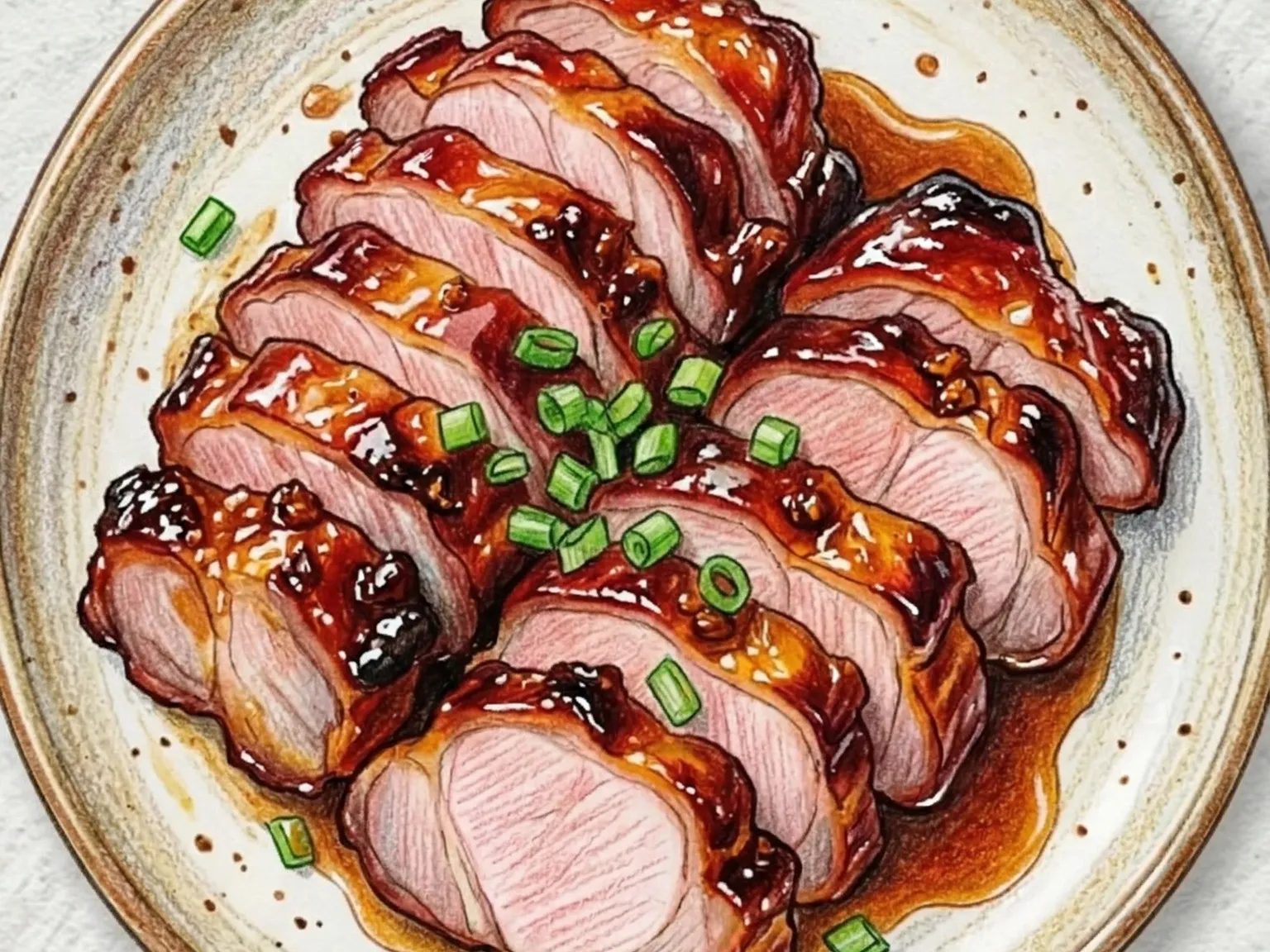
Char siu is the defining roasted meat of Cantonese cooking, recognizable by the lacquered sheen and reddish-amber color of the cuts hanging in the windows of siu laap shops across Hong Kong and Guangzhou. Pork neck or shoulder is the preferred cut because the fat distribution throughout the muscle fibers keeps the meat moist during the high-temperature roast. The marinade combines soy sauce, hoisin sauce, five-spice powder, Shaoxing rice wine, and honey. Five-spice - star anise, cassia cinnamon, cloves, Sichuan pepper, and fennel seeds ground together - contributes an aromatic complexity that bridges the saltiness of soy and hoisin with the sweetness of honey. After an overnight marinade, the meat roasts at high heat while being basted repeatedly with a honey glaze that lacquers the surface with successive layers of caramel. The traditional method suspends the pork on hooks inside a lychee charcoal oven, exposing every surface to radiant heat and allowing fat to drip away freely. This technique produces a crust that is sweet and concentrated on the outside while the interior stays fatty and juicy. The edges of the cut, where the honey carbonizes against the direct heat, develop a thin, slightly bitter char that is the most prized part of any char siu. Char siu is eaten sliced over rice as a complete one-plate meal, piled over wonton noodles, or served cold with hot English mustard as a simple appetizer.

Baklava
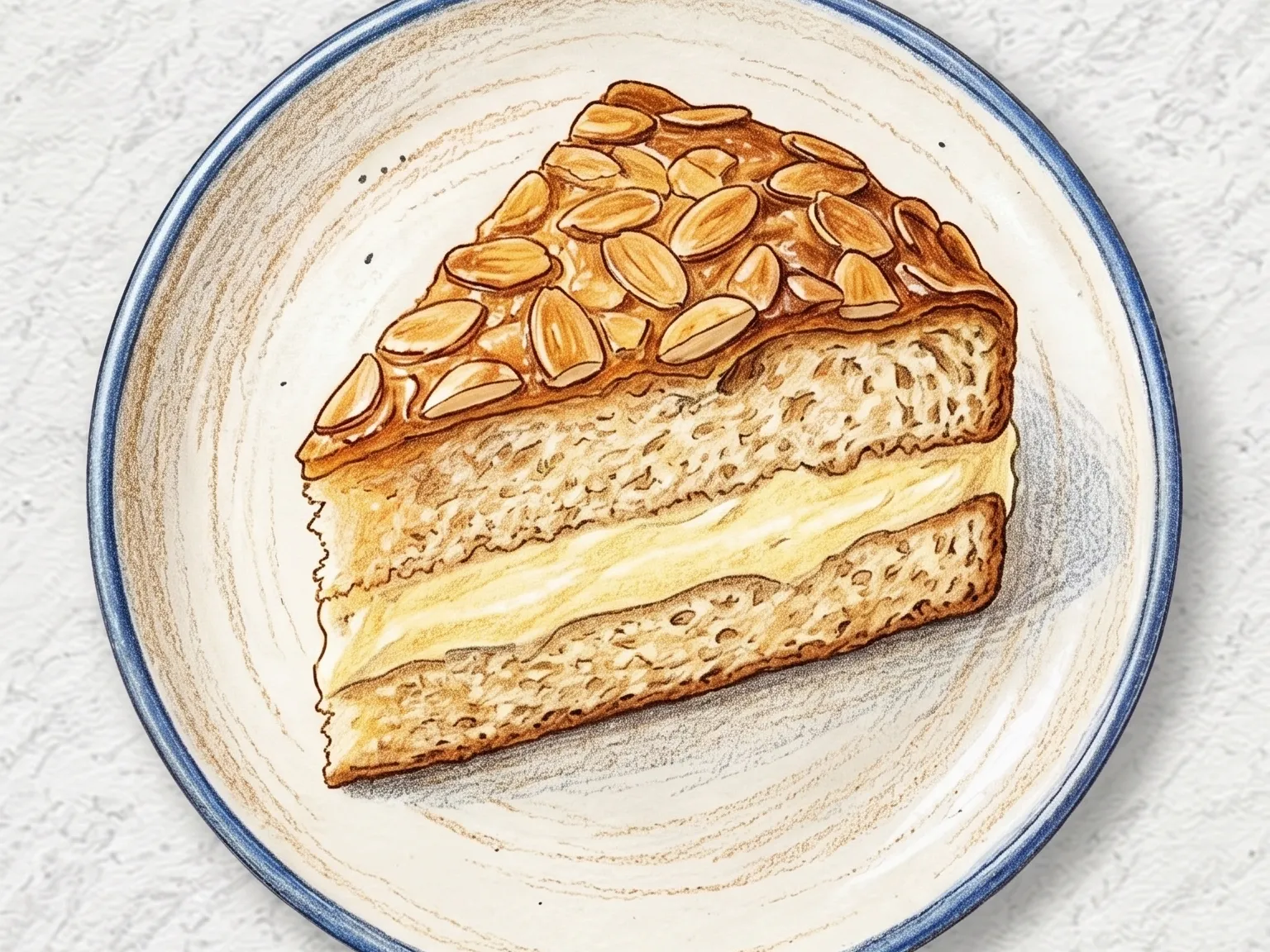
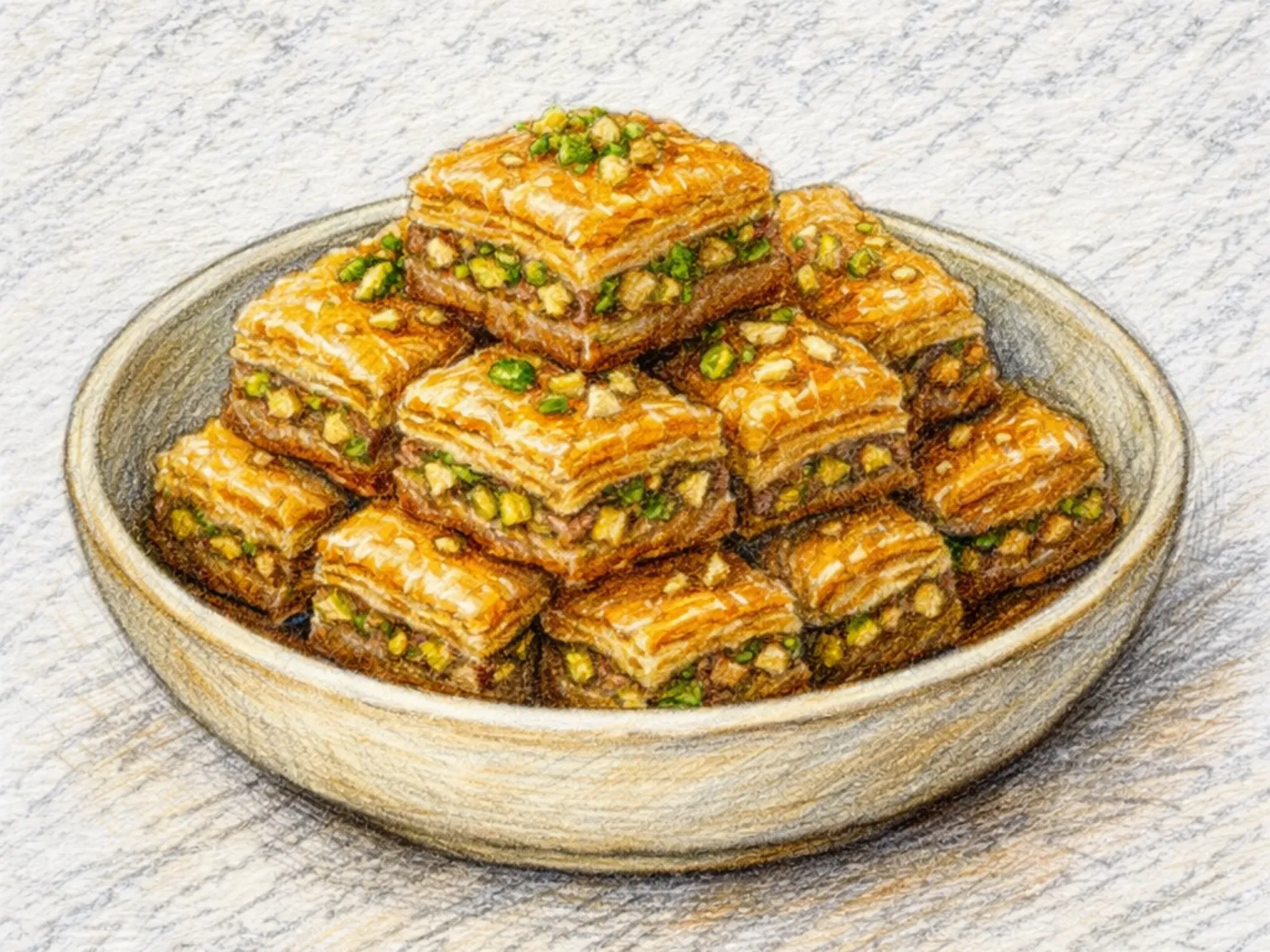
Baklava is a historical pastry dessert consisting of multiple layers, which holds a significant place in the culinary cultures of the Middle East, Turkey, and the Mediterranean region. The preparation involves taking extremely thin sheets of phyllo dough and stacking them one by one inside a baking pan that has been coated with grease. To achieve a uniform golden color and a crunchy consistency, every single layer of the dough is brushed thoroughly with a generous amount of melted butter. Between these stacked phyllo sheets, a mixture made of finely chopped walnuts and pistachios is distributed at specific intervals. This nut filling is typically seasoned with ground cinnamon to add a specific aromatic quality to the internal layers of the pastry. Before the assembled pastry is placed into the oven, it is carefully cut into diamond or square shapes. This scoring process is essential because it creates paths for the syrup to flow deep into every individual piece later. The baking process occurs at a temperature of approximately 175 degrees Celsius, continuing until the pastry reaches a deep golden hue across its entire surface. While the pastry is still hot from the oven, a liquid syrup consisting of sugar, honey, water, and a small amount of fresh lemon juice is poured over the whole pan. The crisp layers of the dough absorb this liquid over a period of several hours. This gradual absorption results in a specific final texture where the pastry remains both extremely brittle and noticeably moist at the same time. The inclusion of ground cinnamon within the nut layers provides a warm spice profile that helps to provide a contrast to the high level of sweetness from the honey syrup. In traditional settings, baklava is often presented on a plate next to a cup of unsweetened Turkish coffee or a serving of bitter tea. These beverages are chosen because their natural bitterness helps to balance the heavy richness of the dessert. When stored in an airtight container at room temperature, this pastry maintains its quality for more than a week.

Korean Sesame Porridge (Toasted Sesame Silky Rice Porridge)
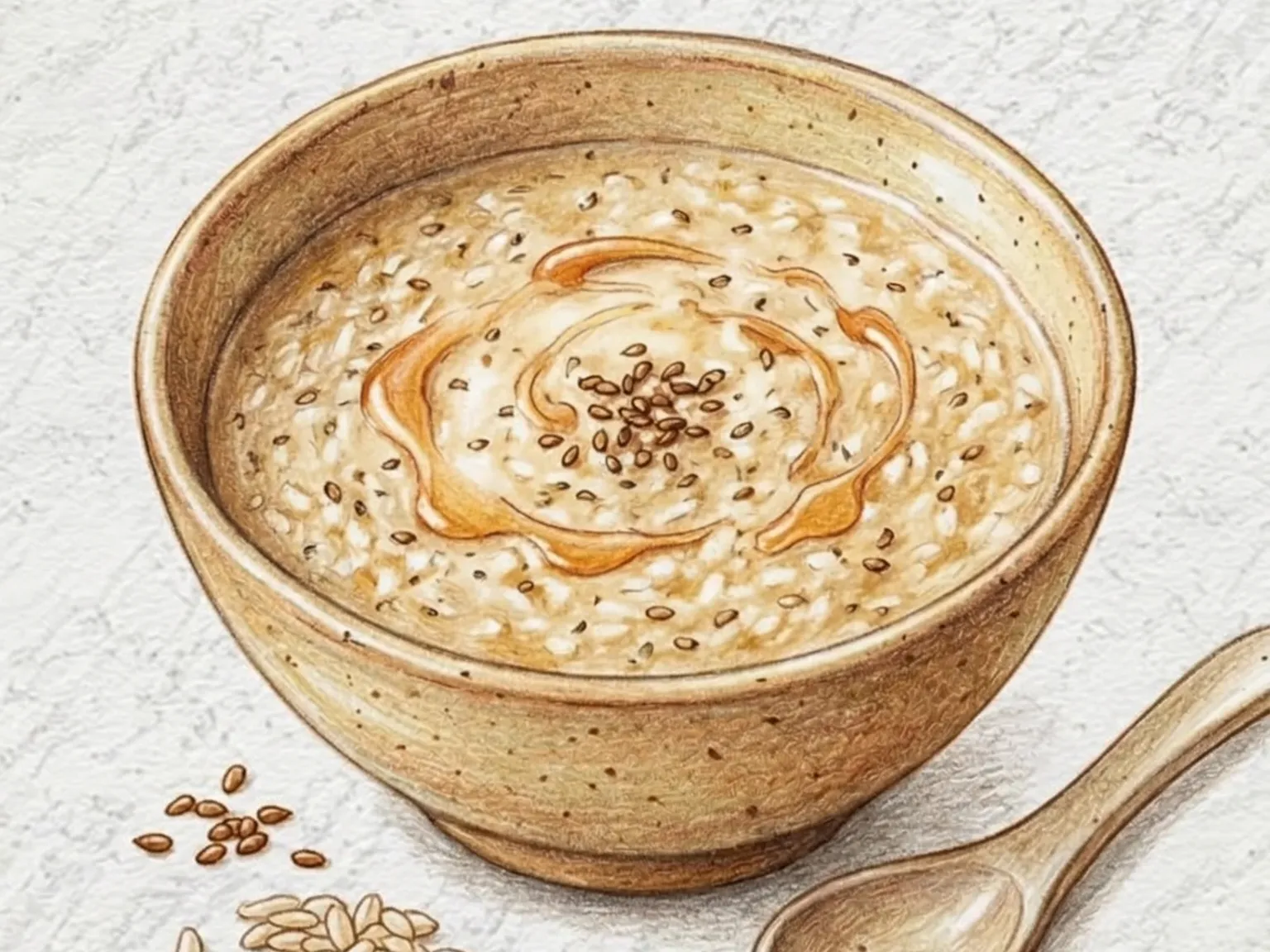
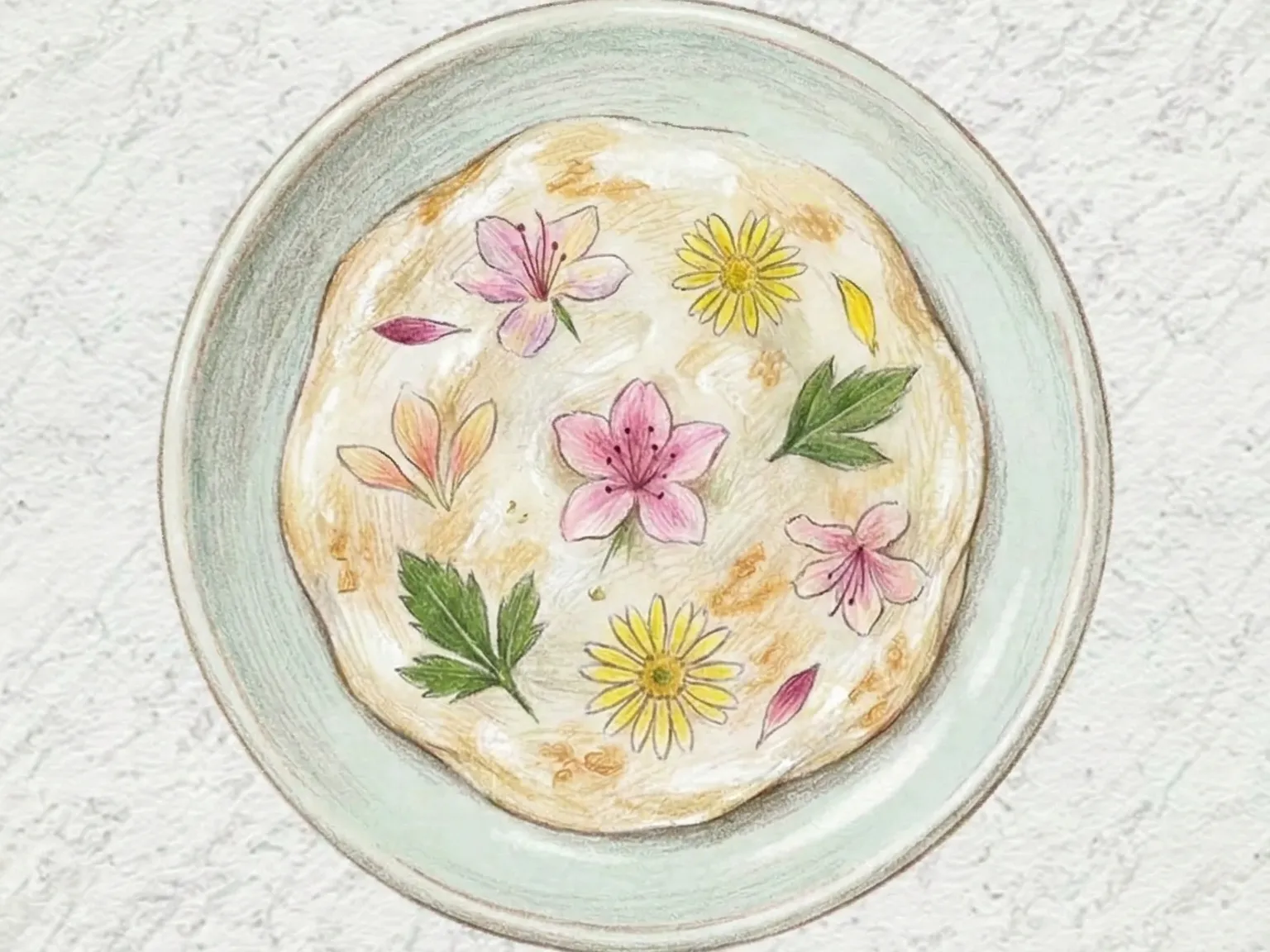
Kkaejuk is a traditional Korean porridge made by grinding toasted sesame seeds to a fine powder and simmering them with soaked rice, water, and milk until the mixture reaches a silky, cream-soup consistency. Toasting the seeds before grinding is not optional -- raw sesame lacks the deep, roasted fragrance that defines the dish, and the heat of toasting develops oils and aroma compounds that grinding alone cannot produce. Constant stirring over low heat prevents the mixture from scorching and coaxes the rice grains into breaking down completely, merging with the sesame base so no distinct texture remains. Milk enriches the body beyond what water alone provides and gives the finished porridge a warm ivory color. The simplest version is seasoned with nothing but salt and served with a drizzle of honey or rice syrup, letting the roasted sesame flavor carry the bowl without distraction. Easily digestible and gentle on the stomach, kkaejuk has a long tradition as a morning meal, a recovery food for the sick, and a postpartum nourishment dish in Korean households.

Korean Garlic Parmesan Croffle
Garlic parmesan croffle presses fully thawed frozen croissant dough in a waffle iron to create a crispy, grid-marked pastry, then finishes it with garlic butter and grated parmesan. Complete thawing is non-negotiable -- the laminated layers of croissant dough need to be soft and pliable so they separate and crisp individually under pressure. Cold dough compresses into a dense, flat slab with none of the characteristic flakiness. Garlic butter made from melted butter, minced garlic, salt, and fresh parsley is brushed generously over the hot croffle so the fat seeps into the spaces between layers, while grated parmesan clings to the surface and adds a salty, savory finish. A final drizzle of honey creates the sweet-salty contrast that defines this particular variation and has made it a staple item at Korean cafes. The same technique works with any croissant dough, and the garlic-cheese combination can be adjusted freely to suit individual taste.

Baesuk (Korean Poached Pear Punch)
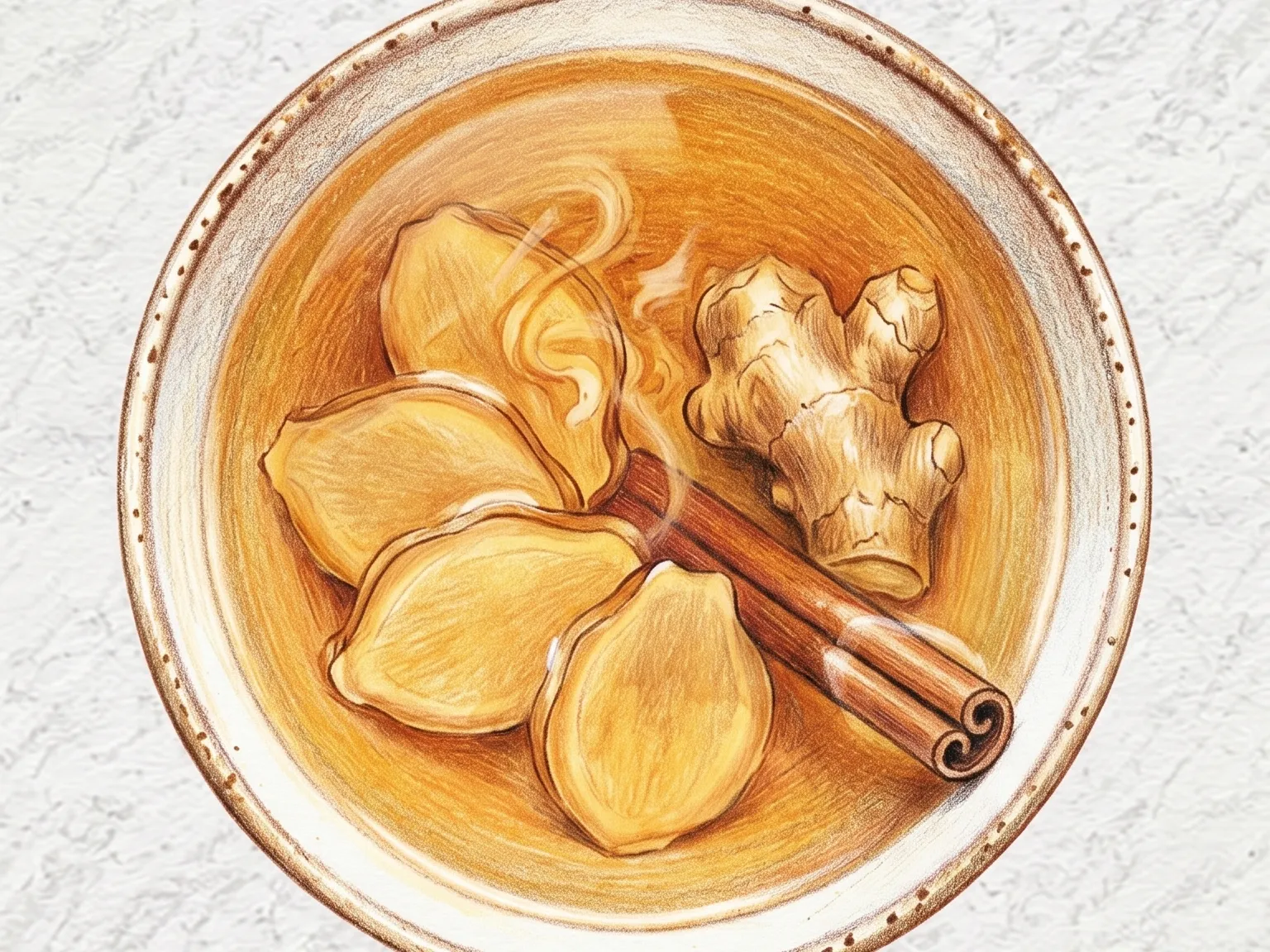
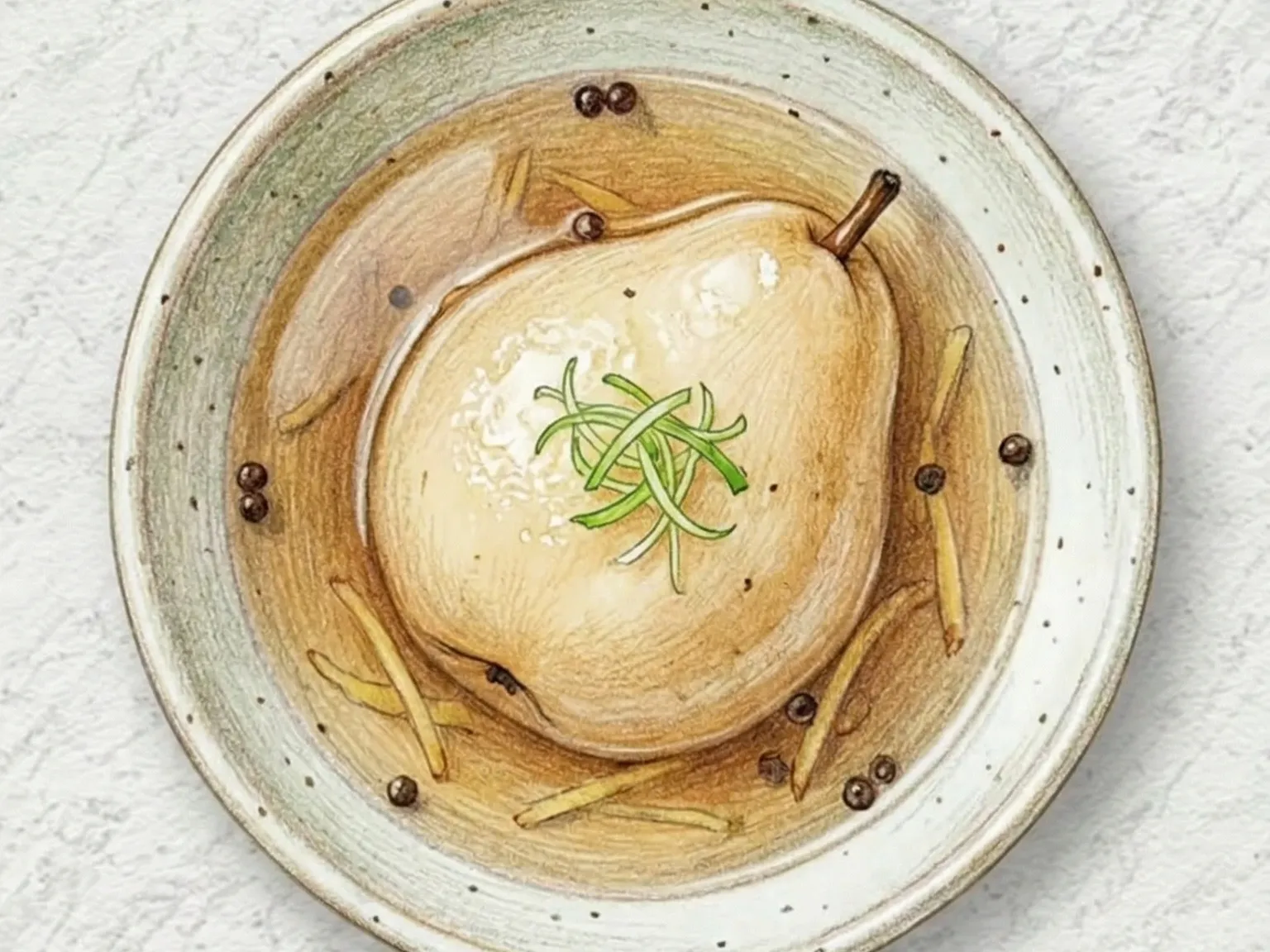
Baesuk is a traditional Korean punch made by slowly simmering whole or large-cut Korean pear with ginger, whole black peppercorns, and dried jujubes. As the pear cooks over low heat, its juice gradually dissolves into the liquid, building a natural sweetness that forms the drink's backbone. Ginger contributes a warm, peppery sharpness that interlocks with the pear's sweetness, producing a flavor that is comforting yet clean. Whole peppercorns are added sparingly and function as an aromatic element rather than a source of actual heat. Jujubes add a faint reddish tint and a mild fruity undertone to the liquid. Honey is stirred in after the heat is turned off and the temperature has dropped slightly to preserve its fragrance; because the pear already provides significant sweetness, the honey amount should start small and be adjusted by taste. Overnight refrigeration allows the ginger and pear flavors to penetrate more fully, rounding out the drink. Pine nuts floated on the surface before serving add a subtle oily richness to the finish of each sip. Historical records indicate that baesuk appeared on royal banquet tables during the Joseon dynasty and at aristocratic tea spreads, and Korean traditional medicine has long recommended it as a remedy for cold prevention and digestive support. Even today it remains a seasonal drink associated with holidays and ancestral rite preparations.

Korean Baekseju Herbal Rice Wine
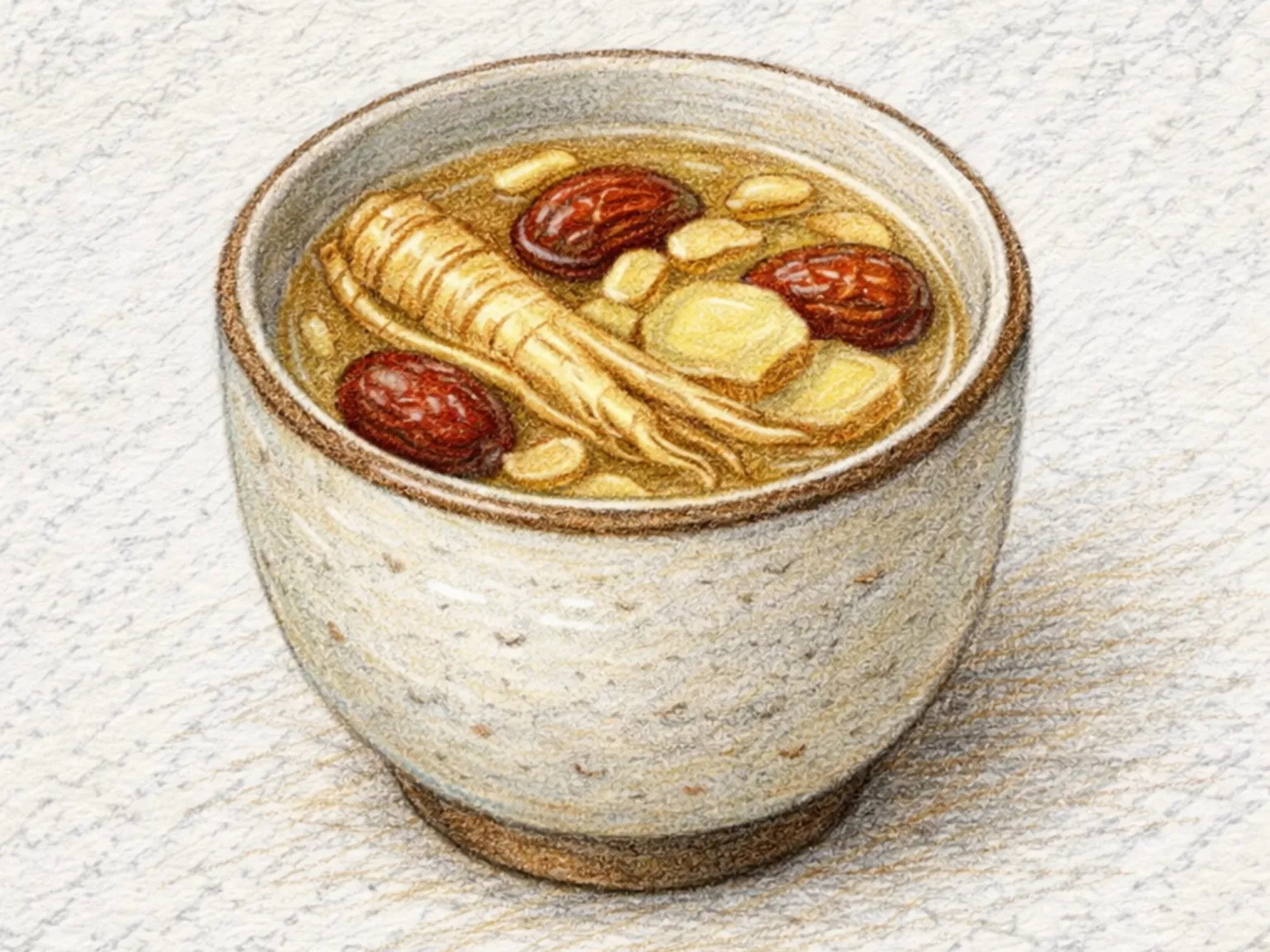
Baekseju is a traditional Korean herbal rice wine produced by infusing a fermented glutinous rice base with twelve medicinal ingredients including fresh ginseng, jujubes, ginger, wolfberry, and cinnamon, then sweetening the result with honey. The brand was launched by Kooksoondang in 1992 and has since become the dominant commercial representative of the yakju category - herbal Korean rice wine - in mainstream retail. The foundation is glutinous rice fermented with nuruk, a traditional wheat and grain-based starter culture that produces a mildly sweet, relatively low-acid alcohol. Fresh ginseng steeped in that fermenting liquid contributes its characteristic bitterness and earthy depth, which sit on top of the rice sweetness rather than replacing it. Jujubes lend a faint reddish tint and a dried-fruit sweetness that stays in the background, while ginger delivers a slow, peppery warmth that registers at the back of the throat after swallowing. The honey is added after primary fermentation has proceeded far enough that the yeast population is declining; this preserves residual sugar in the finished wine rather than having it fully fermented out. That residual sweetness is central to Baekseju's flavor identity and distinguishes it from drier yakju styles. Alcohol content sits around thirteen percent, comparable to a medium-bodied grape wine. The liquid is filtered clear and appears golden, substantially more transparent than unfiltered makgeolli. Served cold, the herbal complexity recedes and the wine drinks crisp and refreshing; at room temperature, the ginseng bitterness and jujube sweetness become more pronounced with each sip. It pairs well with fatty or strongly flavored Korean dishes - grilled pork belly, braised spicy chicken - where the medicinal herbaceousness cuts through the richness.

Korean Bollak Ganjang Gui (Soy-Glazed Rockfish Grill)
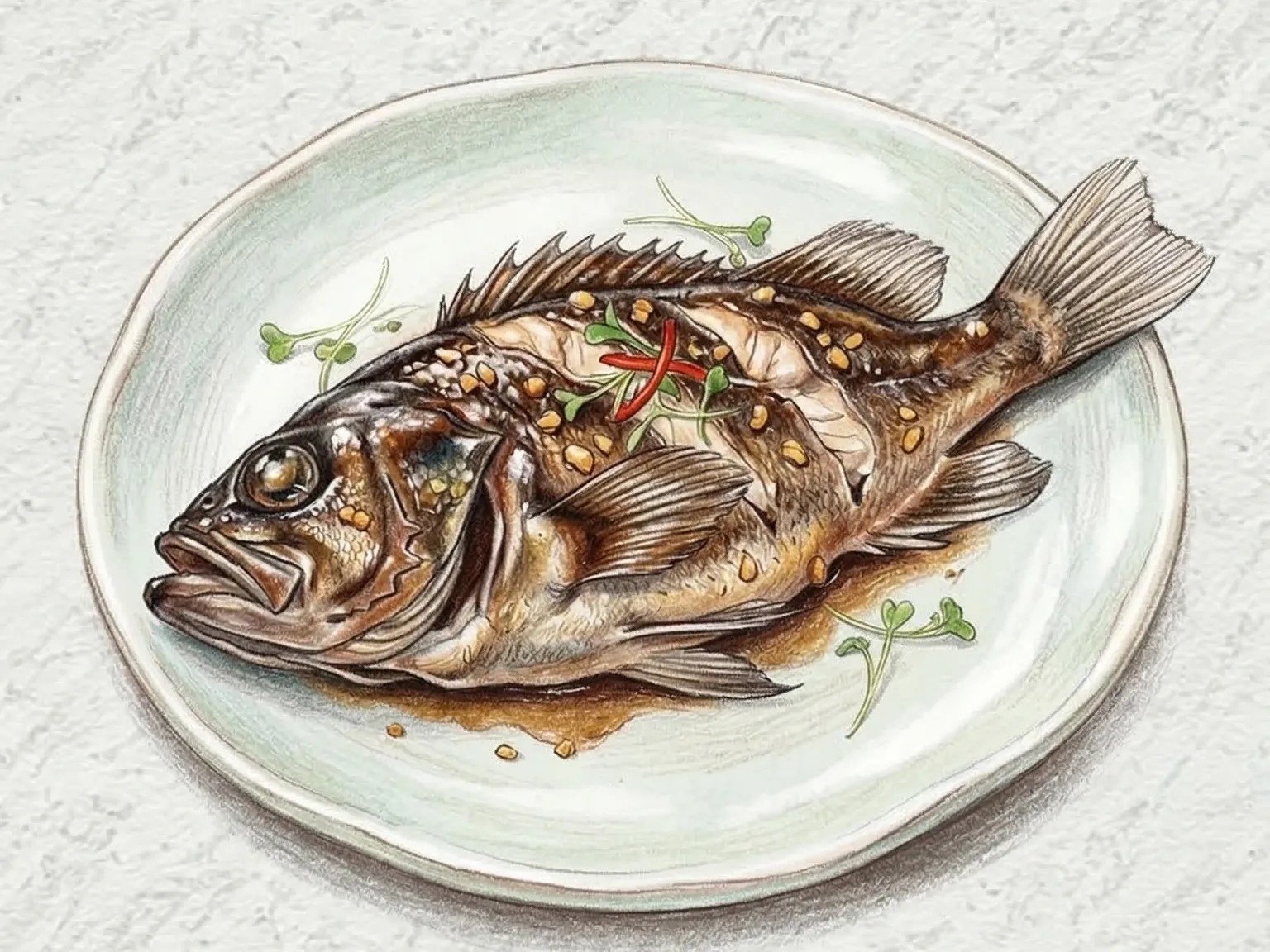
Bolak-ganjang-gui is a Korean soy-glazed rockfish dish where fillets are brushed with a sauce of soy sauce, cooking wine, minced garlic, ginger juice, and honey, then grilled over medium-high heat. Half the glaze is applied first and left for just ten minutes, long enough for the salt and sweetness to penetrate the surface without pulling out moisture from the lean fish. Starting skin-side down for four minutes builds a crisp base, and brushing on the remaining glaze during the final minutes of cooking lets the honey caramelize into a glossy, dark-brown coating. A finish of sesame oil and sliced green onion adds a nutty, sharp layer on top of the savory-sweet glaze. Rockfish has very little fat, so the total cooking time should stay within eight to nine minutes to prevent the flesh from drying out.

Soy-Garlic Chicken Parmesan Spaghetti
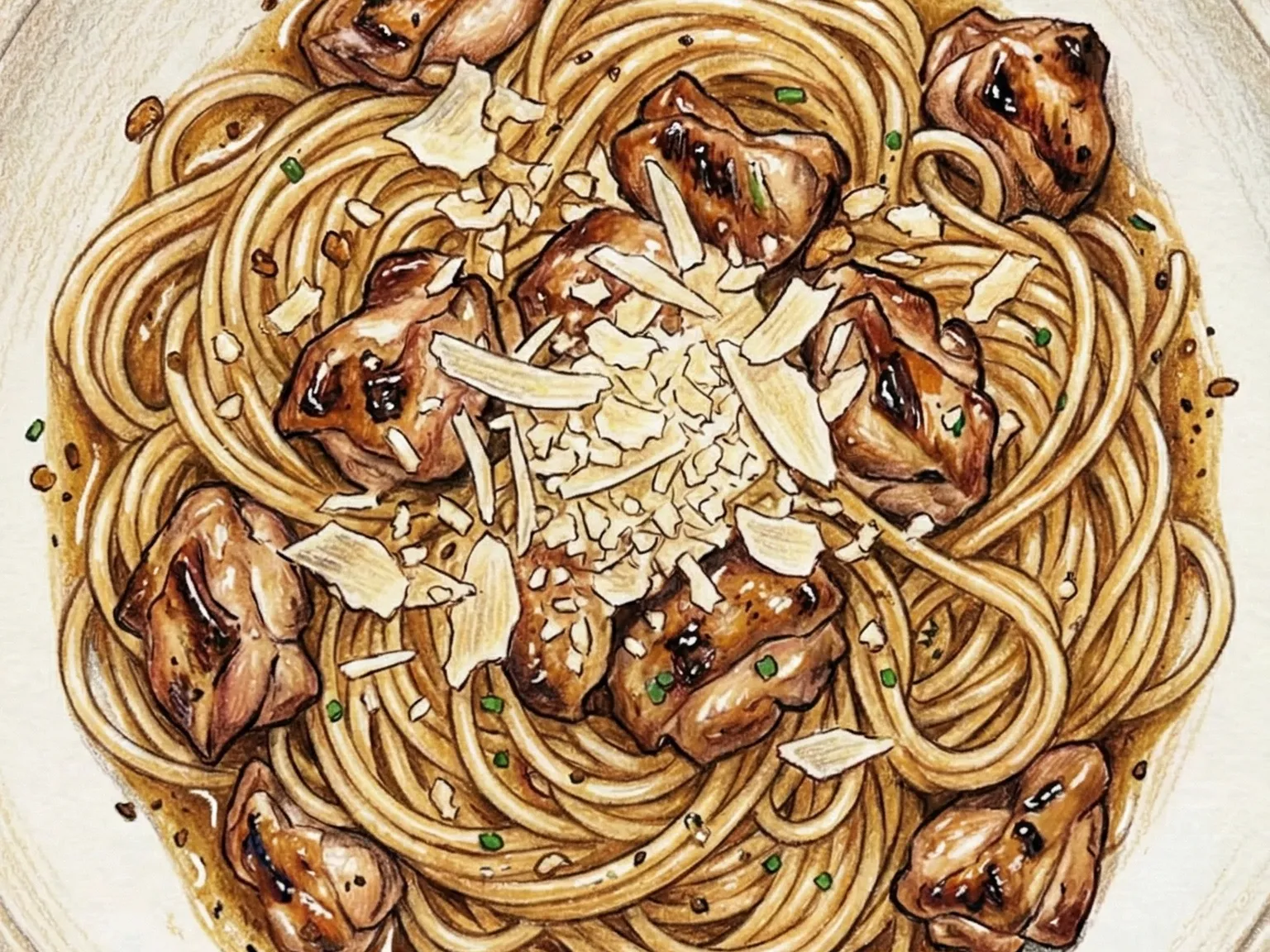
Soy garlic chicken Parmesan spaghetti represents a fusion of culinary traditions, integrating a marinade rooted in Korean flavors with the structural framework of a classic Italian pasta dish. For the protein component, chicken thigh pieces undergo a marination process involving a mixture of soy sauce, finely minced garlic, and honey. During the subsequent cooking phase, these ingredients are pan seared at a high temperature. This heat causes the natural sugars found in both the honey and the soy sauce to undergo caramelization, resulting in the formation of a dark and sticky glaze that coats the exterior of the meat. Garlic serves as a recurring element in the preparation, being used first within the initial marinade and then again when it is sauteed directly into the tomato sauce base. This repetition ensures that a consistent aromatic quality is maintained throughout the various layers of the meal from the start of cooking to the final assembly. The acidity inherent in the tomato sauce introduces a bright fruit character to the profile. This sharpness functions to balance the density of the sweet and salty glaze on the chicken, preventing the richness of the marinade from becoming overwhelming. A generous amount of grated Parmesan cheese is applied over the dish to introduce a nutty and salty depth. This cheese layer acts as a bridge between the Korean seasoning applied to the chicken and the Italian pasta that serves as the foundation of the plate. The choice of chicken thigh is intentional because this specific cut retains its internal moisture even during a hard sear. It remains succulent in a way that chicken breast meat often does not when subjected to similar levels of heat. The final preparation is completed with a garnish of thinly sliced scallions, which provides a clean green finish to the presentation.

Acai Bowl
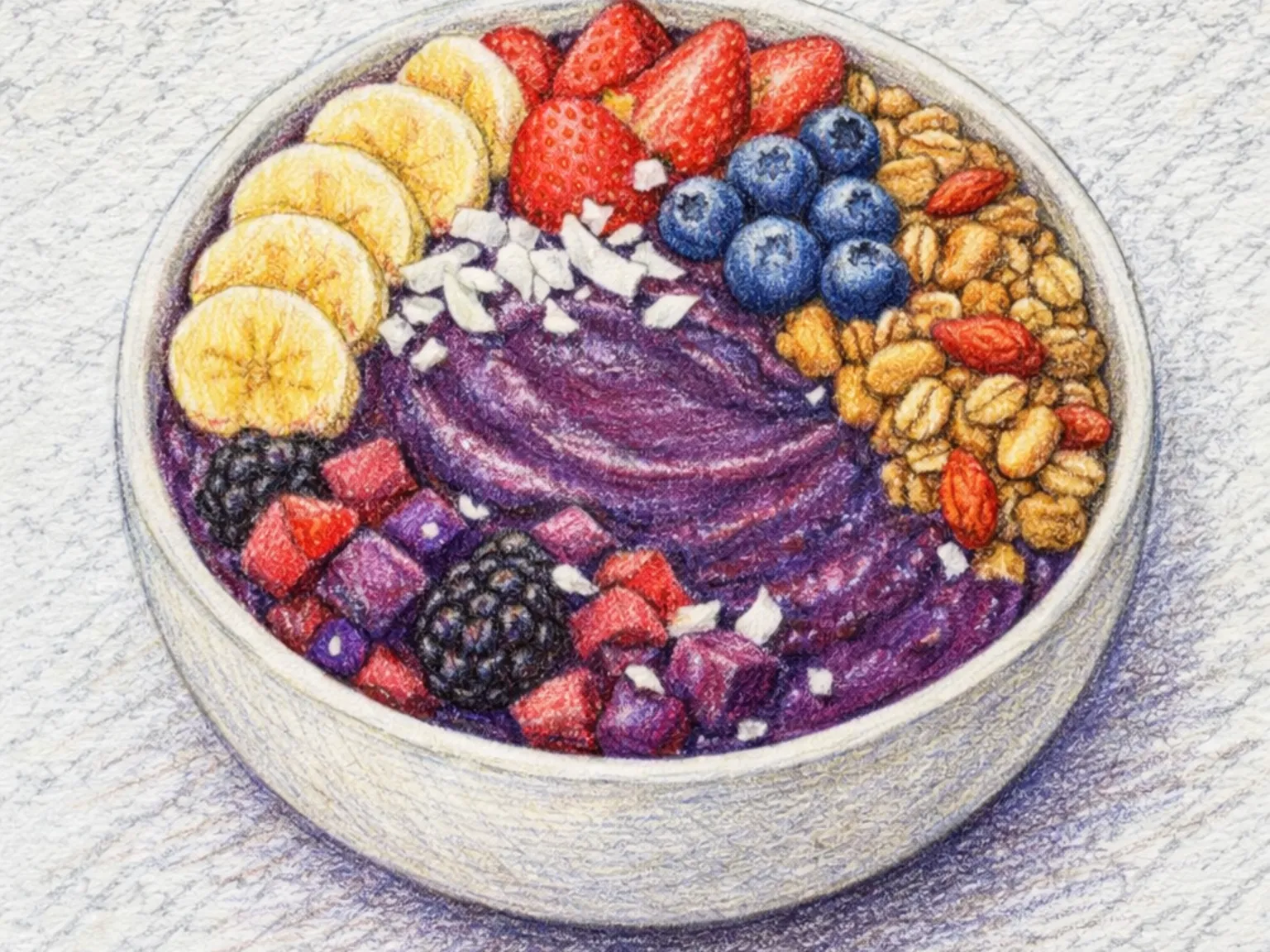
The acai bowl traces its origins to the river communities of Brazil's Amazon basin, where the dark purple berry of the acai palm has been a dietary staple for indigenous peoples for centuries - providing fat and calories in a region where animal protein could be scarce. When frozen acai pulp is blended with banana and blueberries, it becomes a thick, sorbet-like base with a deep berry flavor carrying earthy, almost chocolatey undertones that distinguish acai from sweeter tropical fruits. The bowl format - topped with granola, sliced fruit, and honey - was popularized by surfers in Rio de Janeiro during the 1980s and has since spread worldwide as a breakfast and post-workout meal. The key technical requirement is keeping the blender liquid-free: adding milk or juice thins the base until toppings sink and the textural contrast disappears. Eaten quickly before the granola loses its crunch, the bowl delivers a concentrated rush of antioxidants and natural sugars in a form that feels substantial despite being largely fruit. The deep purple color comes from the same anthocyanin pigments found in blueberries and red cabbage.

Warm Melting Cheese (Whole Oven-Baked Camembert with Garlic and Honey)
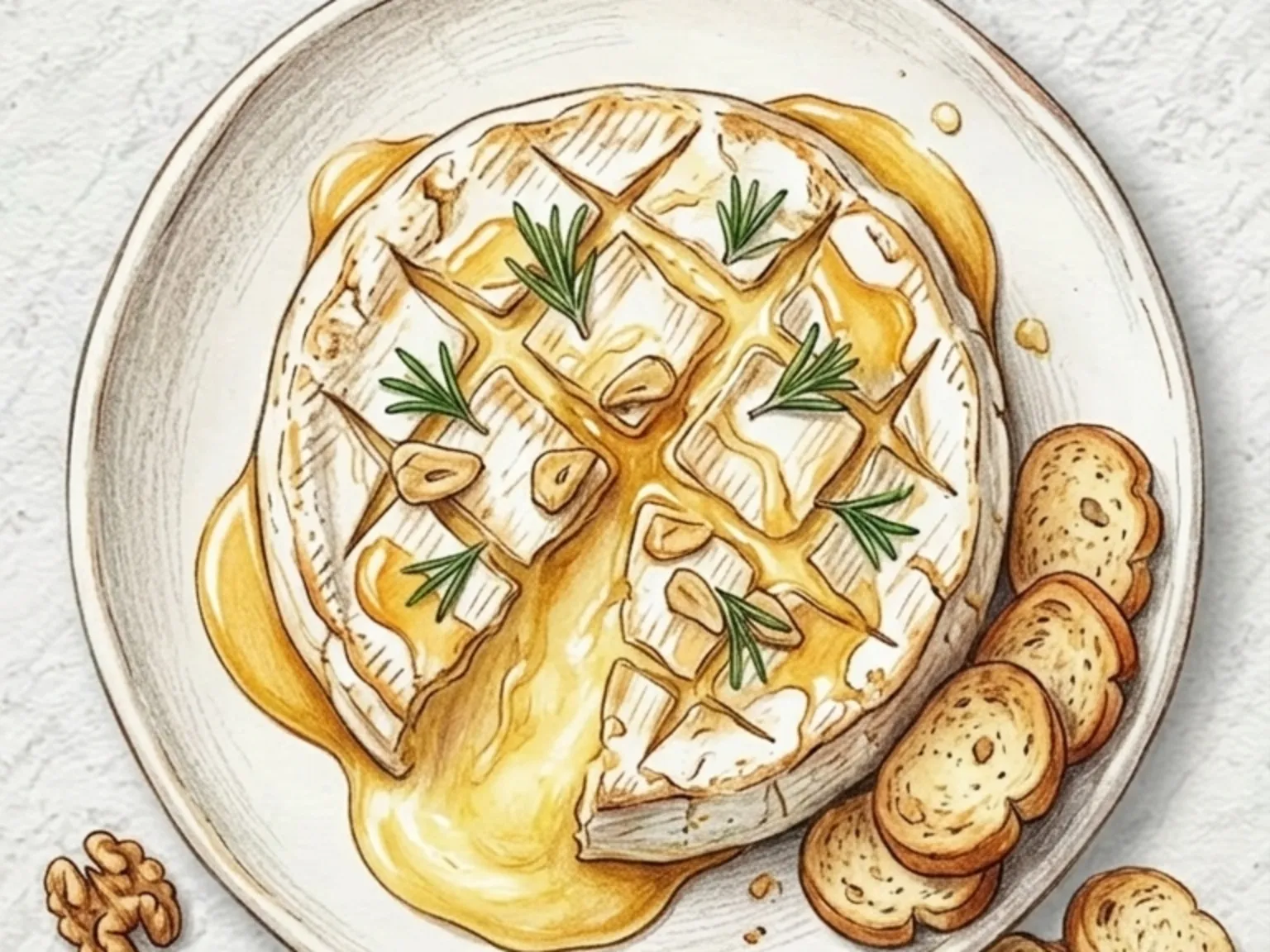
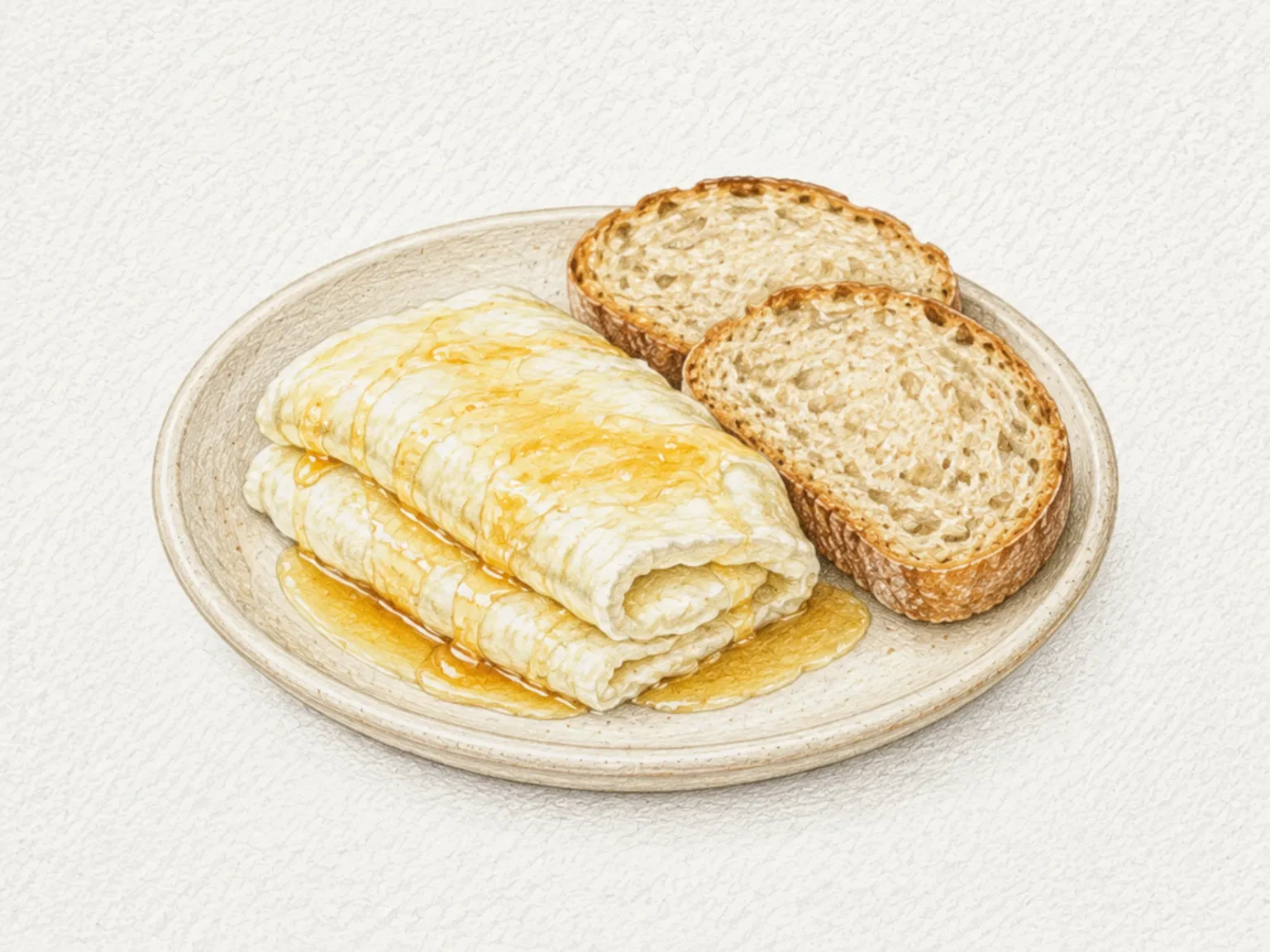
Baked Camembert is a French warm appetizer in which an entire wheel of Camembert is oven-roasted until the interior liquefies into a pooling, spoonable cream while the white-mold rind holds firm and serves as a natural bowl. Scoring the top of the rind in a crosshatch pattern and tucking in thin slices of garlic and sprigs of rosemary allows those aromatics to infuse the melting cheese throughout the approximately fifteen minutes it spends at 180 degrees Celsius. The result, straight from the oven, is a cheese that flows when touched but stays contained within its rind, making it ideal for sharing directly from the box or the baking dish it sat in. Torn baguette slices and lightly toasted walnuts are the most natural accompaniments for dipping, and a drizzle of honey over the top before serving adds a sweetness that bridges the funky, salty character of the cheese and creates a sweet-savory contrast. The entire preparation requires less than five minutes of active work before it goes into the oven, which makes it one of the most efficient warm appetizers to produce when hosting guests or pairing with wine. Unlike richer double-cream styles, Camembert has enough flavor depth to hold its own with both dry white wines and lighter reds, and the roasted garlic left in the scored grooves becomes soft and sweet as it heats, adding a mellow backdrop that complements rather than competes with the cheese.

Peking Duck
Peking duck is a centuries-old Chinese banquet dish refined in the imperial kitchens of Beijing. A whole duck is air-dried to tighten the skin, then roasted at high heat until the exterior shatters like glass while the fat beneath renders almost entirely away. The skin is the centerpiece: a lacquered sheet of crunch that carries a faint sweetness from the maltose glaze applied before roasting. Traditionally, a skilled carver slices the skin and meat tableside into thin pieces. Diners place a few slices onto a paper-thin wheat pancake, add julienned scallion and cucumber, streak on hoisin sauce, then roll everything into a tight parcel. Each bite layers crisp skin, supple meat, raw vegetable crunch, and the fermented sweetness of the sauce into a single mouthful.

Black Sesame Cruffin (Croissant Dough Muffin with Sesame Swirl)
A black sesame cruffin is a hybrid pastry made by baking laminated croissant dough in a muffin mold, layered generously with roasted black sesame paste. The dough is rolled thin, spread with concentrated black sesame filling, rolled up tight, and cut to fit the tin, where the exposed layers fan out into crisp, caramelized petals at the top during baking while the center stays tender and moist. The black sesame paste melts between the laminated layers as heat builds, creating charcoal-gray swirls throughout the interior and releasing an intense, roasted aroma. The contrast between the golden, shatteringly crisp exterior and the dark sesame spiral inside makes for a striking cross-section. The richness of the butter layers and the nuttiness of the sesame land together in every bite. These reheat well in an air fryer for two to three minutes after refrigeration, recovering most of their original crispness.

Korean Sweet Glutinous Rice
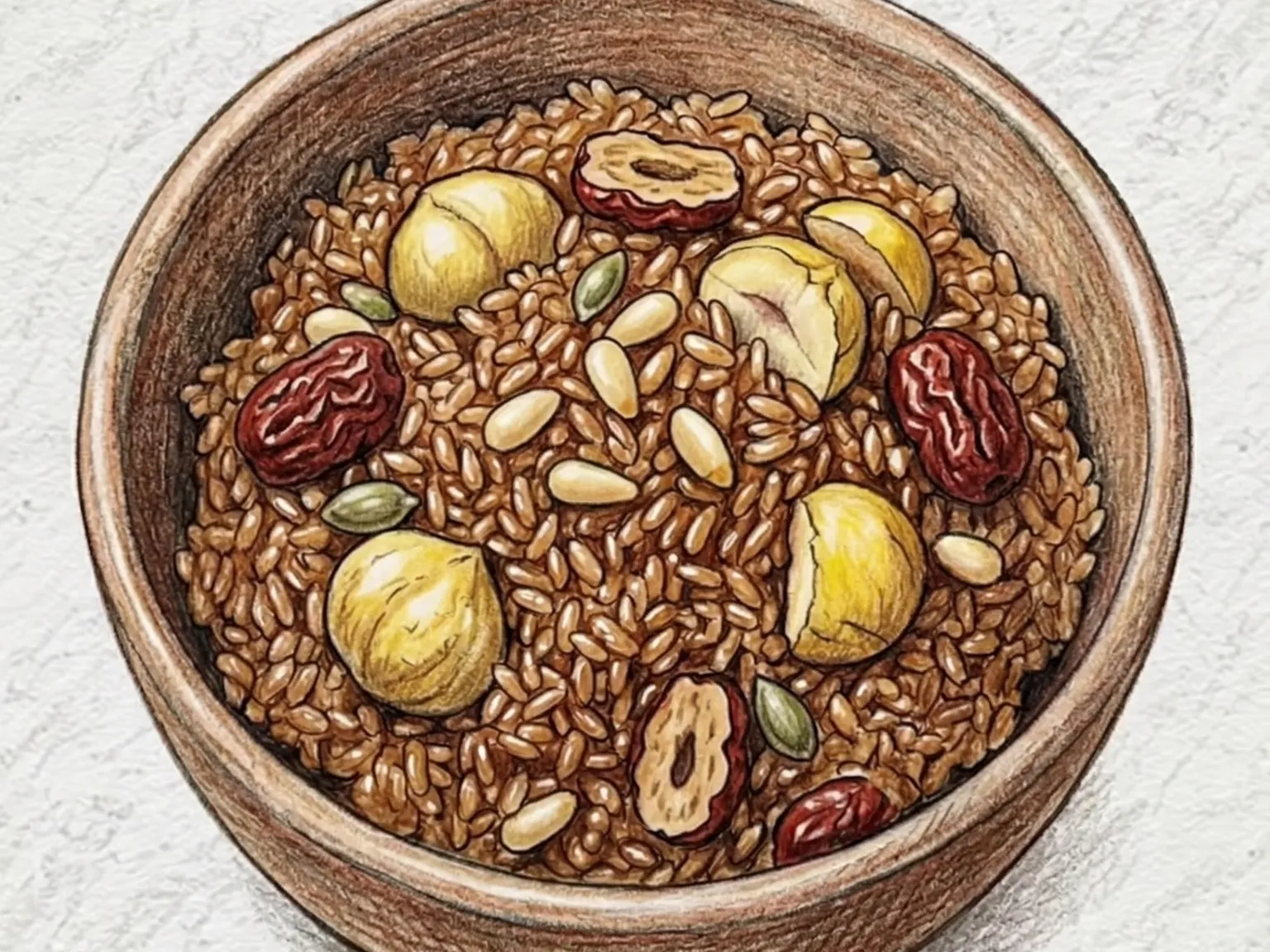
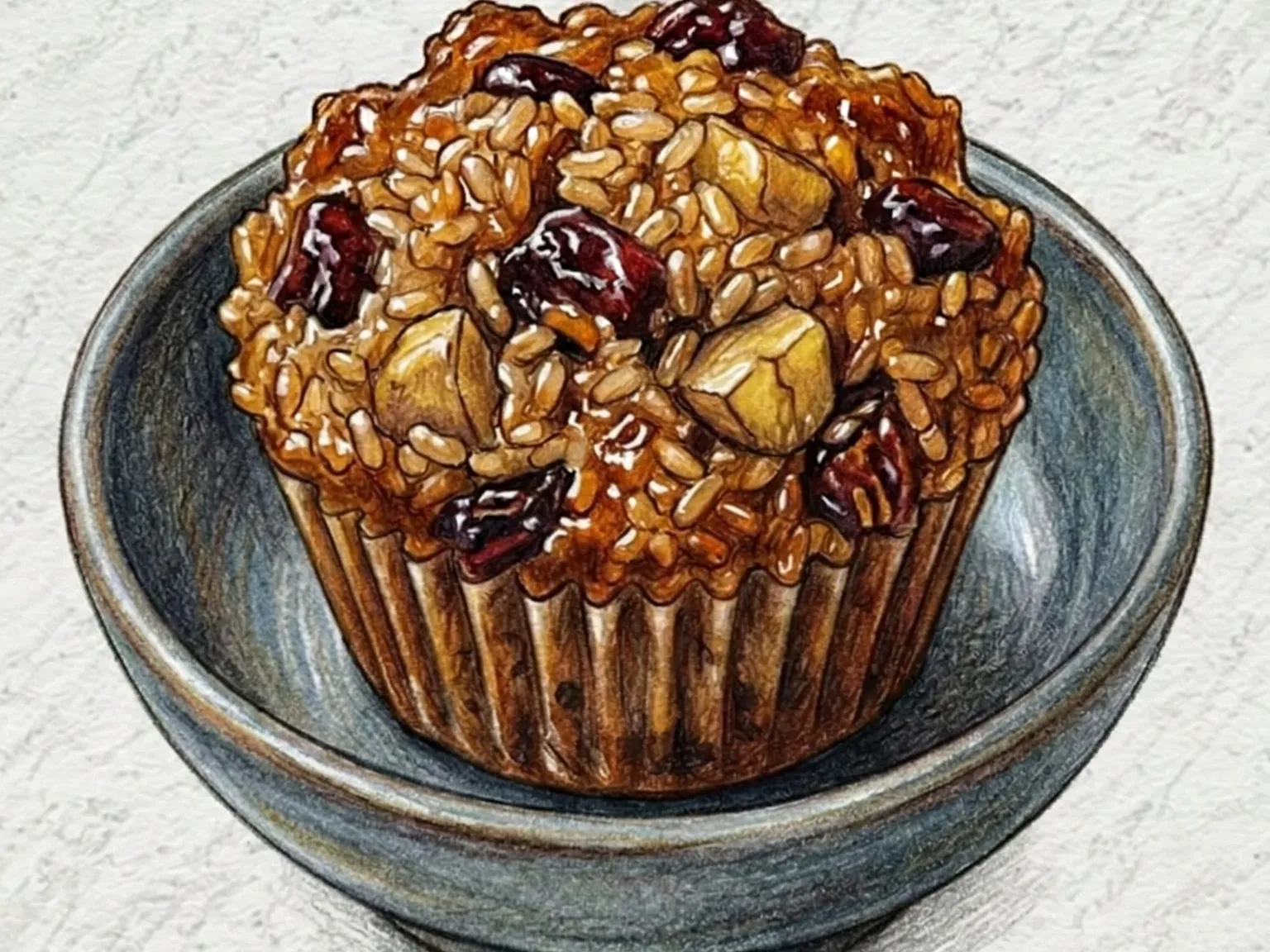
Glutinous rice is soaked, steamed, and dressed with a mixture of soy sauce, sesame oil, and honey, then studded with jujubes, chestnuts, and pine nuts before a second steaming. The double-steaming process gives the rice a dense, chewy stickiness while the soy sauce penetrates each grain and tints it a deep amber. Jujubes lend a natural caramel-like sweetness, chestnuts add a crumbly, starchy contrast, and pine nuts contribute a subtle oiliness that enriches the overall taste. Traditionally prepared for the first full moon festival, yakbap is equally enjoyable as an everyday snack or packed lunch.

Korean Gochujang Honey Dakgangjeong
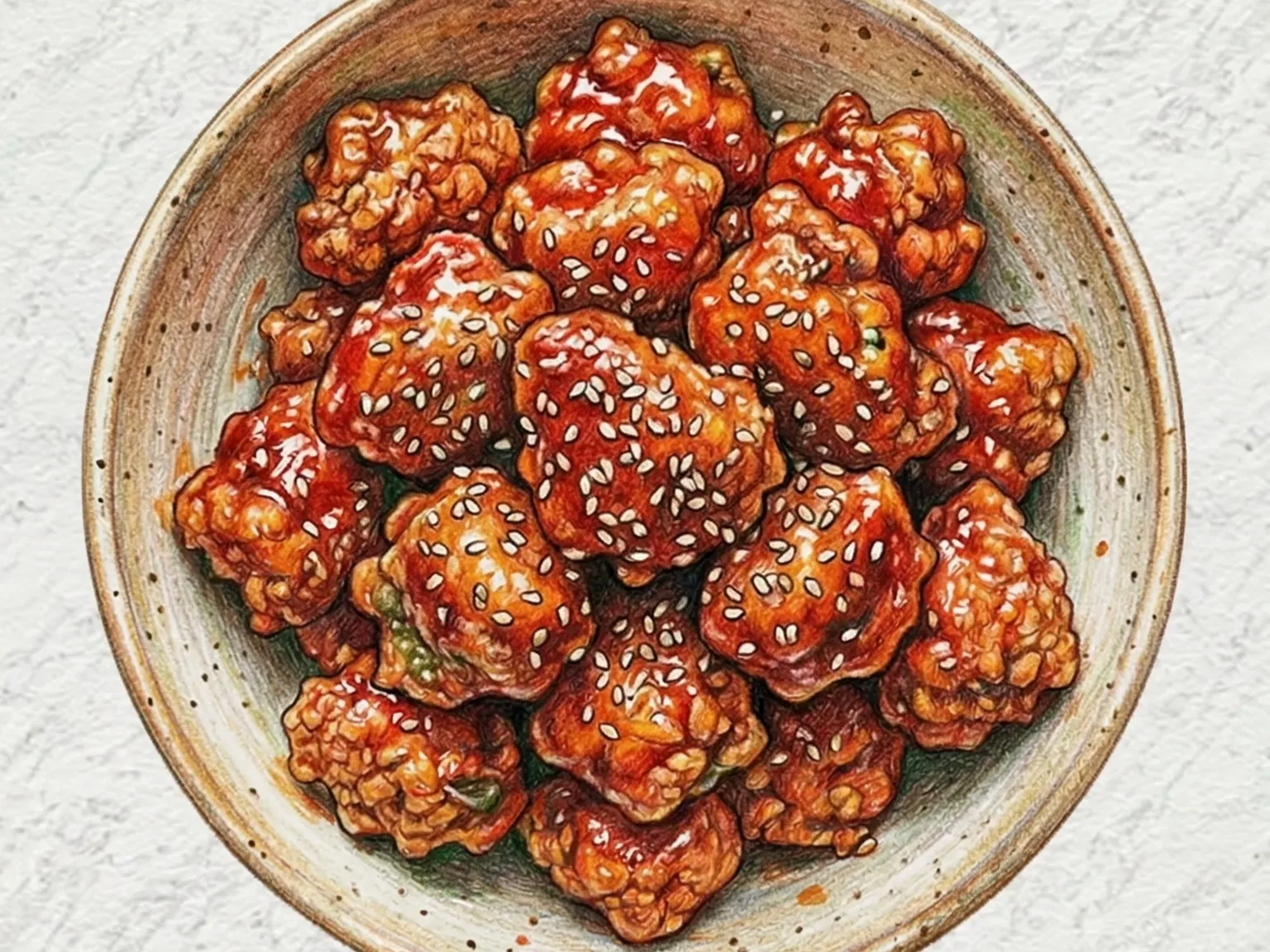
Gochujang honey dakgangjeong starts with bite-sized boneless chicken thigh pieces coated in potato starch and double-fried, first at 170 degrees Celsius and then at 180 degrees, before being tossed in a glaze of gochujang, honey, soy sauce, and garlic. The two-stage frying builds a rigid starch shell that stays crunchy even after the sauce is applied, while the natural fat in thigh meat keeps the interior juicy throughout the process. Gochujang's fermented heat contrasts directly with honey's thick sweetness, and soy sauce anchors the salt level so neither sweetness nor spice dominates. Garlic sharpens the aroma of the sauce, and sesame seeds scattered at the end add a finishing layer of nuttiness. The sauce must be reduced quickly on high heat, under one minute, to achieve a glossy coat without burning. The chicken should be sauced and eaten immediately after frying for the maximum contrast between the crackling crust and the tender, glazed interior.

Chestnut Sweet Jelly (Korean Agar-Set Chestnut White Bean Confection)
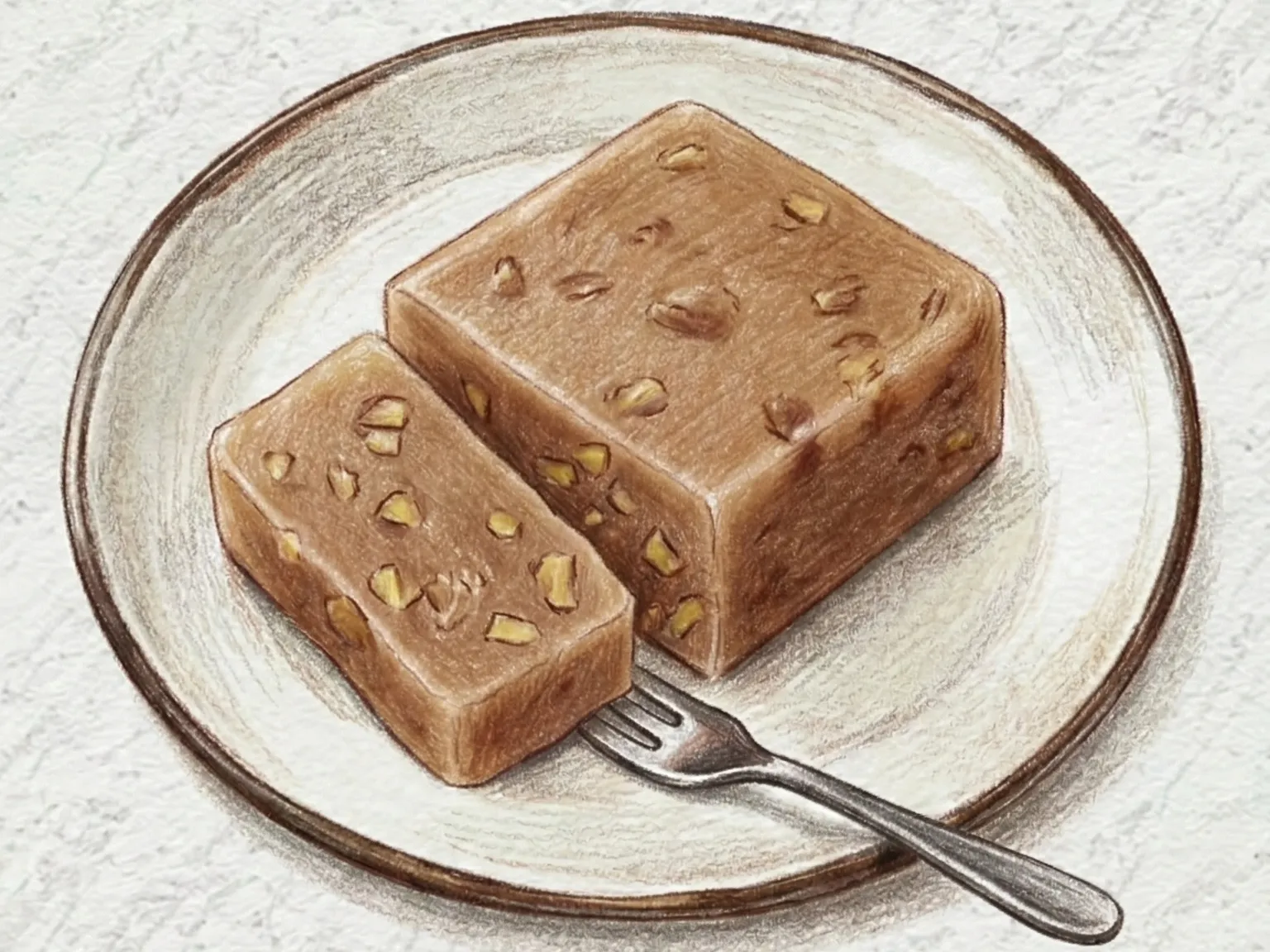
Bam yanggaeng is built from three components: chestnut puree, white bean paste, and agar powder. Boiled chestnuts are mashed fine and combined with the bean paste, then dissolved agar, sugar, and honey are stirred into the mixture before it is brought to a brief boil. Poured into a mold and left to cool at room temperature, the agar sets the block into firm, clean-slicing slabs - a texture that comes from agar's sharp recrystallization as it cools, which produces a harder and more abrupt snap than gelatin-based confections. The starchy density of chestnuts gives the cross-section a smooth, fine-grained quality that plain bean paste lacks. A small amount of salt is critical: it draws the sweetness into focus rather than muting it. Skimming air bubbles before pouring ensures a flat, even surface. Prepared as a holiday gift in Korean households for generations, the finished block keeps in the refrigerator for about a week without losing texture.

Korean Banana Milk
Banana milk is a homemade version of one of Korea's most consistently popular packaged beverages, sold in its distinctive small barrel-shaped bottle since 1974. Fresh ripe bananas are blended with cold milk, a spoonful of condensed milk, and a drizzle of honey to hit the characteristic level of sweetness. A small amount of vanilla extract bridges the fruit flavor and the dairy base, smoothing out any sharpness. Blending with ice produces a thick, smoothie-like consistency, while leaving out the ice gives a thinner, pourable drink closer to the original product. Unlike the commercial version, the homemade result contains no artificial flavoring or coloring, so the color stays a natural pale yellow rather than the vivid shade of the packaged drink. The sweetness varies with banana ripeness, and honey can be adjusted accordingly. Using frozen bananas in place of fresh ones plus ice delivers a cold, creamy texture without dilution. The whole preparation takes under five minutes, making it a practical option for a quick snack or light breakfast.

Korean Grilled Chicken Skewers
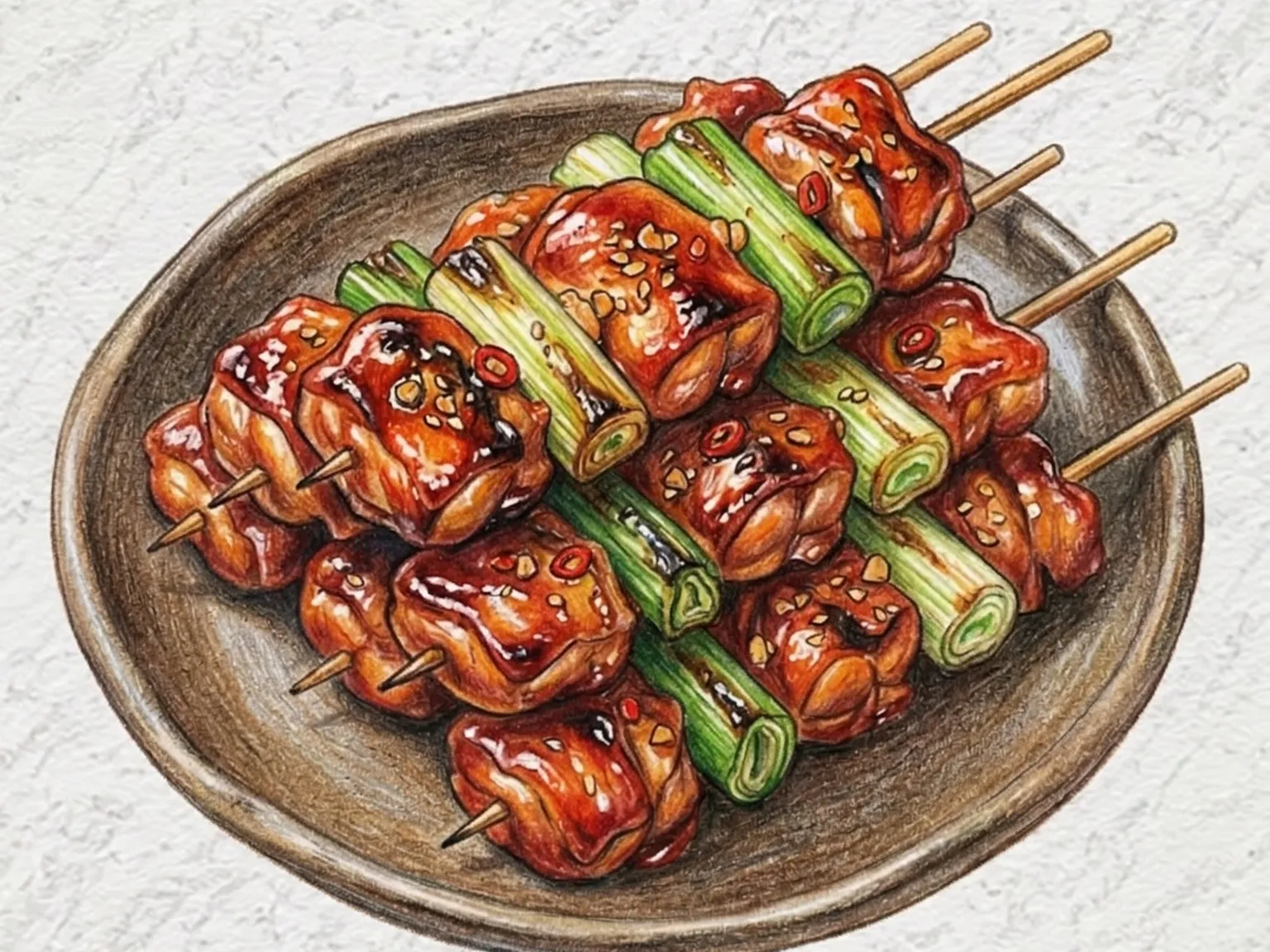
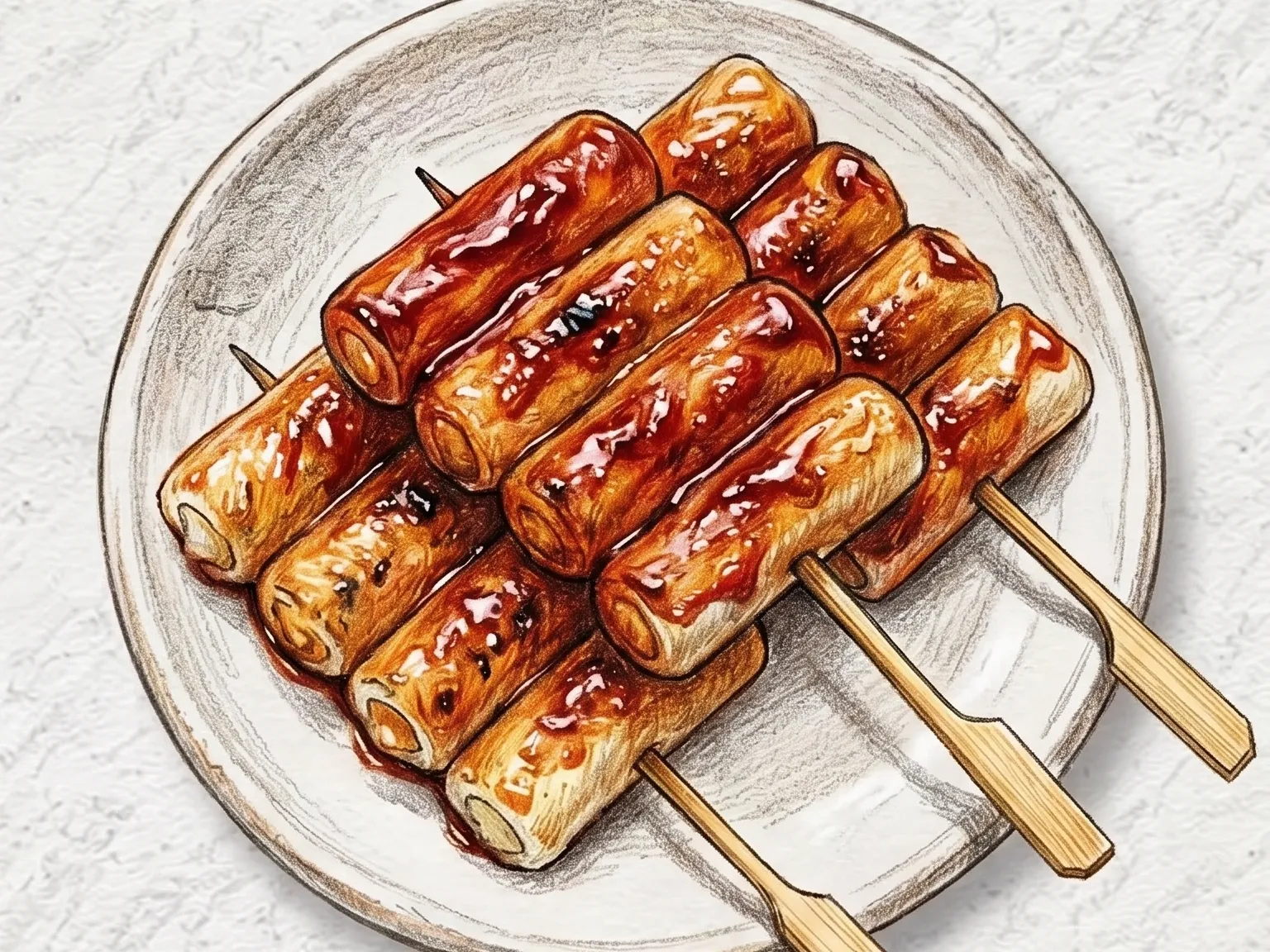
Dak-kkochi-gui is a Korean grilled chicken skewer built on the flavors of street-stall cooking, made by threading bite-sized chicken breast or thigh onto bamboo sticks and painting them with a sauce of gochujang, soy sauce, honey, and minced garlic. Thigh meat is the better choice because its higher fat content keeps each piece juicy over direct heat, while breast will dry out quickly. Applying the glaze in two or three separate coats rather than all at once builds a thick, sticky, caramelized surface. Cutting the chicken into uniform cubes ensures even cooking, and alternating pieces with slices of green onion or bell pepper adds moisture and prevents the meat from tightening up. Turning the skewers frequently over medium heat keeps the sugars in the sauce from scorching while the surface develops an even, deep char. The same result comes out well in an air fryer at 200 degrees Celsius for twelve to fourteen minutes. Gochujang's fermented heat against the sweetness of honey and the smell of searing meat is the unmistakable signature of Korean pojangmacha.

Apple Fennel Walnut Salad
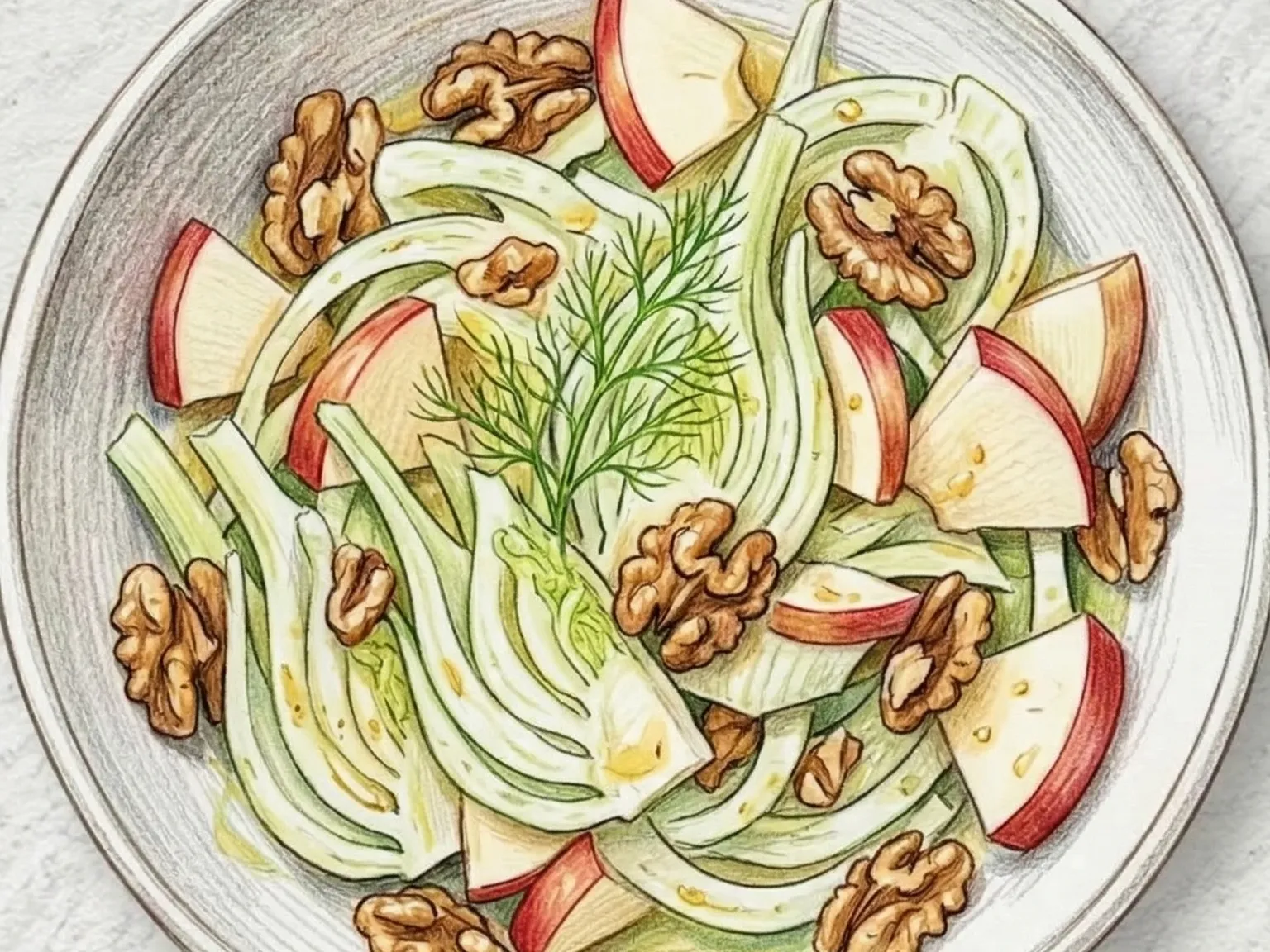
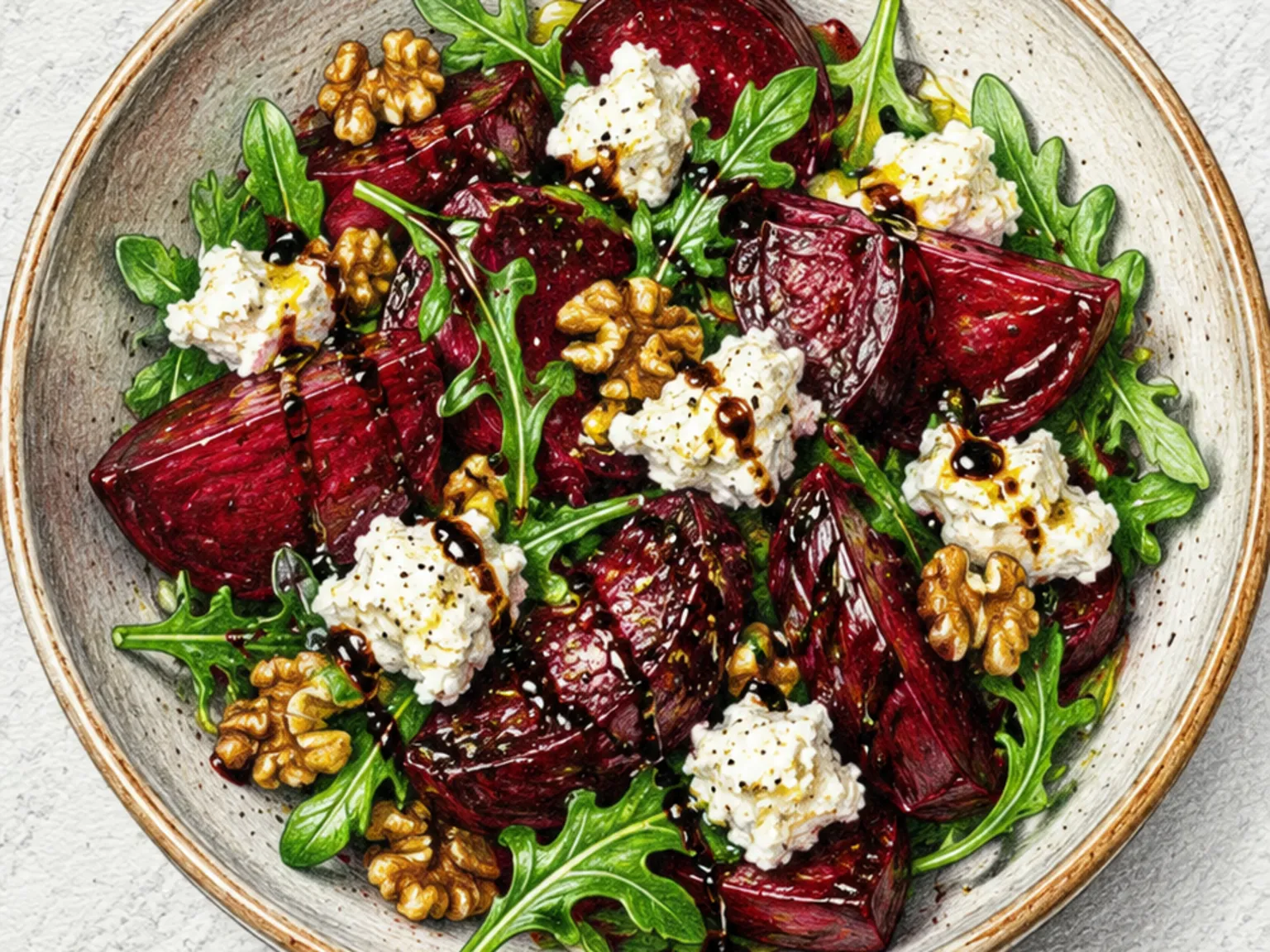
This salad pairs three ingredients whose textures and flavors run in different directions - crisp apple, anise-scented fennel, and bitter walnuts - and unifies them with a honey-lemon dressing. Thinly sliced fennel bulb contributes a licorice-like fragrance that is more aromatic than sweet, while its celery-crisp texture holds a firm contrast against the apple's softer flesh. Toasted walnuts add a crunchy, tannic bitterness that anchors the lighter elements and keeps the salad from reading as merely sweet. The dressing is deliberately minimal - fresh lemon juice, honey, a small amount of olive oil, and a pinch of salt - so the ingredients carry the flavor rather than the sauce. Assembling just before serving prevents the apple from browning. Salads of this type appear on autumn and winter tables in France and Italy when local apples and fennel come into season together, and can be served as a standalone starter or alongside roasted poultry, where the anise note in the fennel cuts through the meat's richness. Fennel has a long association with digestive support in Mediterranean cooking, which is partly why it has traditionally been served alongside fatty meats, and this salad draws on the same pairing logic.

Chestnut Madeleine (French Shell Cake with Chestnut Butter Batter)
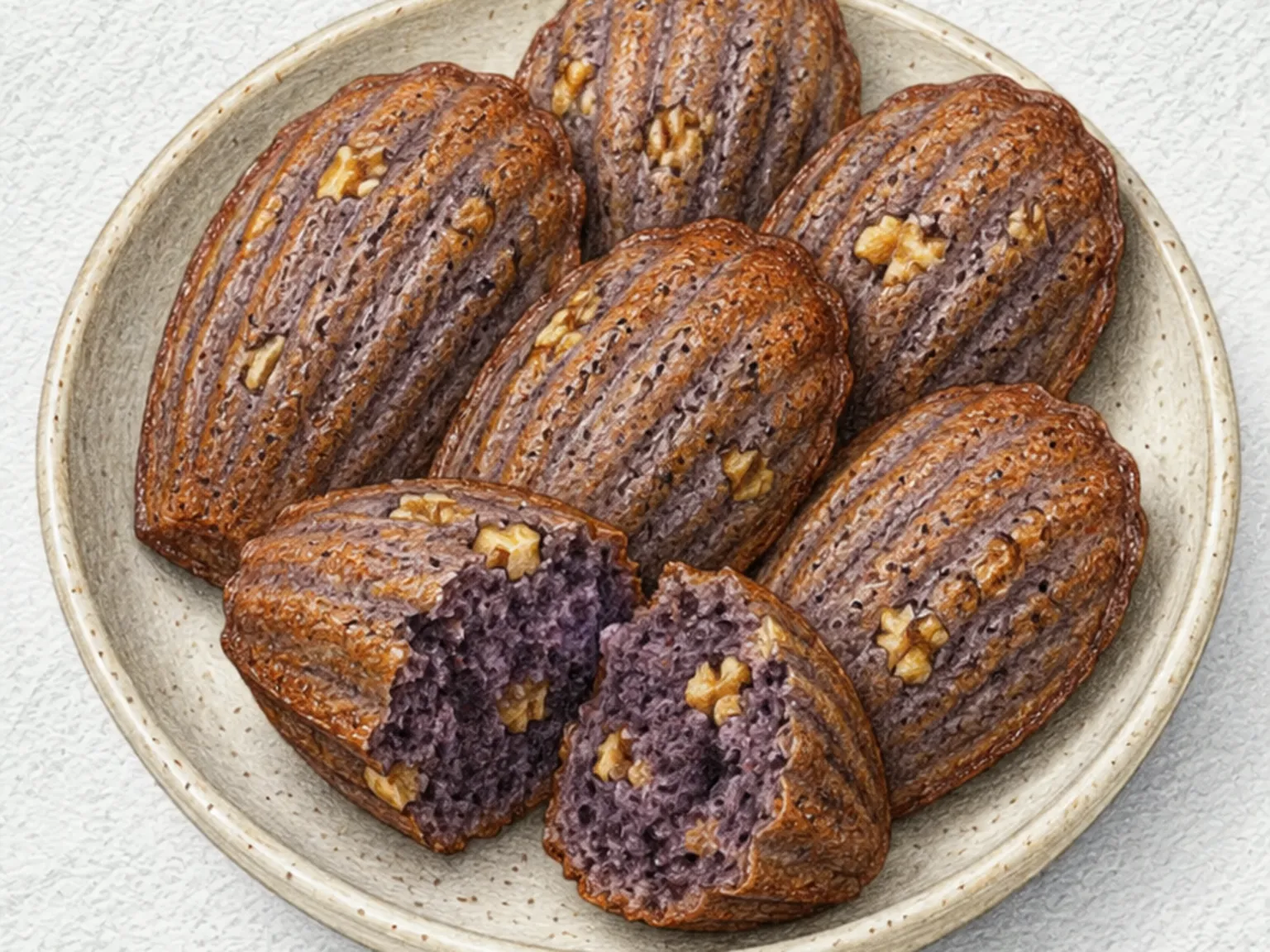
Chestnut madeleine is a small French cake baked in shell-shaped molds with chestnut paste folded directly into the batter. The chestnut brings a warm, starchy sweetness that layers with butter and honey, producing a flavor that is understated but noticeably complex. The signature dome, known as the hump, rises properly only when the batter is rested in the refrigerator for at least an hour before baking, then transferred directly into a hot oven. This temperature shock is what drives the rapid rise in the center. The crumb is light and moist, and the chestnut flavor comes through clearly rather than being absorbed by the butter. Warm milk or a latte amplifies the roasted chestnut notes, and the compact size makes these ideal for packaging as gifts.

Korean Roasted Sweet Potato
Gun-goguma is a Korean winter snack made by roasting whole sweet potatoes in their skins at 200 degrees Celsius for 35 to 40 minutes. The slow heat converts the starches inside the potato into maltose, concentrating the sweetness and producing a sticky, honey-like layer just beneath the skin. Lower-temperature roasting is preferred over high heat because it extends the window of enzyme activity, allowing sugars to accumulate gradually rather than burning off at the surface. Korean pumpkin sweet potatoes, called hobak-goguma, have a higher moisture content and more pronounced natural sweetness, so they turn creamy and almost runny when fully roasted. Resting the potatoes at room temperature for a day or two before roasting further boosts sugar levels, since starch conversion continues during storage. The potato is satisfying on its own, but adding a pat of butter or a dusting of cinnamon layers in a rich, aromatic contrast. Eating the skin along with the flesh adds fiber and a slightly earthy counterpoint to the pure sweetness of the interior.

Barley Puff Brittle (Korean Puffed Barley Walnut Sesame Candy)
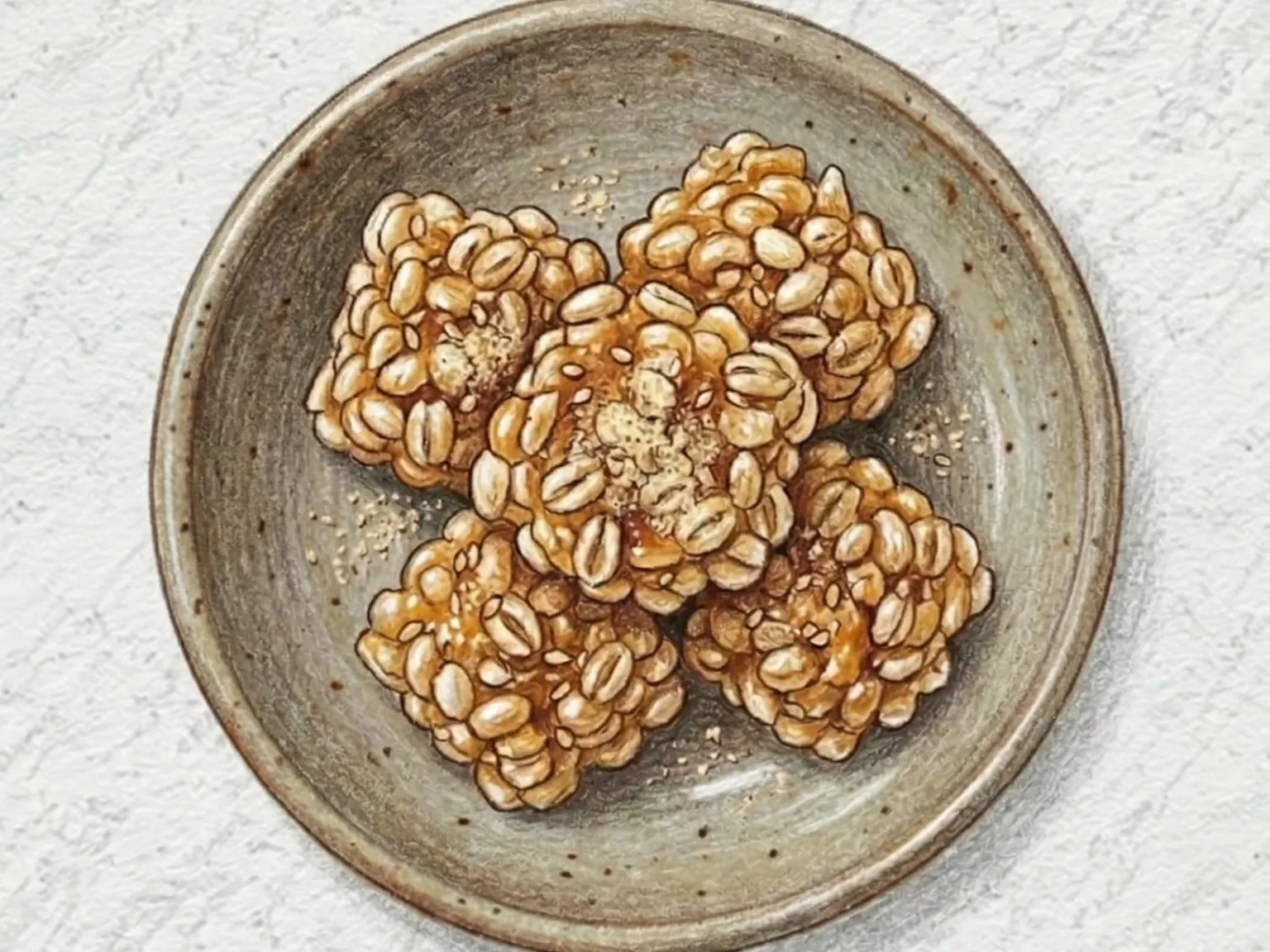
Bori-gangjeong is a Korean barley puff brittle made by tossing puffed barley and roughly chopped walnuts with toasted sesame seeds in a syrup of rice malt, sugar, and honey cooked precisely to 118 degrees Celsius. Temperature is the deciding variable: below that threshold the brittle never fully sets and stays soft and sticky even when cool, while above it the result hardens into something that resists the teeth uncomfortably. Once the correct temperature is reached, the mixture must be worked quickly - the syrup sets fast. Sesame oil stirred in at the very end coats the barley in a layer of nutty fragrance that ties the toasty grain, the honey sweetness, and the dense crunch of walnut together. Scoring the slab while it is still pliable is essential: cuts made after the brittle fully sets tend to crack rather than slice cleanly, and the pieces lose their uniform shape. The deep sweetness of the rice malt syrup and the nuttiness of the barley combine into a straightforward but lingering flavor that keeps the hand returning to the plate.

Korean Banana Misutgaru Smoothie
Banana misutgaru smoothie combines Korea's traditional roasted multigrain powder with banana for a filling, grain-forward drink. Misutgaru is made from roasted barley, glutinous rice, soybeans, and other grains ground into a fine powder; dissolved in liquid, it produces a toasty, earthy flavor that sets it apart from any standard smoothie base. Banana adds natural sweetness and body, while a spoonful of peanut butter deepens the nutty undertone. Honey fine-tunes the sweetness, and blending with ice makes the whole thing cold and thick. The grain fiber from the misutgaru and the potassium from the banana make this a substantial breakfast replacement in a single glass. Increasing the misutgaru proportion thickens the consistency toward something closer to porridge, and swapping in soy milk for regular milk intensifies the grain character.

Korean Soy Glazed Chicken Wings
Dakbong-ganjang-gui is a Korean soy-glazed chicken wings dish where the wings marinate in a mixture of dark soy sauce, cooking wine, honey, minced garlic, and ginger for at least an hour so the seasoning works its way to the bone. The collagen concentrated around the wing bones melts during the long cook, creating a sticky, gelatinous quality beneath the skin that gives these smaller cuts a more satisfying chew than larger pieces. The sugars in the soy-honey glaze caramelize under heat and build a glossy, dark-brown coating that thickens with each basting. Basting once or twice mid-cook layers the glaze, and finishing at higher heat for the last few minutes crisps the surface while leaving the interior moist and tender. The contrast between the glazed exterior and the yielding meat beneath is the defining quality of the dish. A drizzle of sesame oil and a scatter of toasted sesame seeds over the finished wings add a roasted nuttiness that deepens the savory-sweet profile and signal that the dish is complete.

Bomdong Strawberry Doenjang Salad
Bomdong strawberry doenjang salad combines the crisp leaves of early spring bomdong cabbage with the fruity sweetness of strawberries and the fermented depth of Korean soybean paste. The dressing, built by whisking doenjang with olive oil and vinegar, adds savory richness to the mild bomdong leaves, while the natural acidity of the strawberries neutralizes the saltiness of the paste and brings brightness to every bite. Walnuts introduce crunch and nuttiness, creating textural contrast among the softer components, and cucumber adds moisture that keeps the salad refreshing throughout. Dressing the salad too early draws water from the strawberries, so adding the dressing immediately before serving is essential for maintaining the right texture. Tearing the bomdong by hand rather than cutting it preserves its natural shape without bruising the leaves. The saltiness of doenjang varies between brands, so adding the dressing gradually and tasting as you go prevents overseasoning. Swapping strawberries for blueberries or mandarin segments adapts the salad to other seasons while keeping the doenjang dressing intact. Toasted almond slices or sunflower seeds make a good substitute for walnuts when a lighter crunch is preferred.