Korean Hallabong Ade (Jeju Mandarin Sparkling Citrus Drink)

Korean Hallabong Ade (Jeju Mandarin Sparkling Citrus Drink)

Quick answer

Hallabong ade is a Korean sparkling citrus drink built around hallabong, a Jeju Island tangerine hybrid distinguished by its thick, deeply fragrant peel, exceptionally sw...

What makes this special

  • Muddled Jeju hallabong pulp provides a thick, sweet-tart base for this sparkling citrus ade.
  • Crushing the pulp directly lets carbonation push up thick juice
  • A tablespoon of lemon juice cuts the hallabong's sweetness clean
Total time
10 min
Level
Easy
Servings
2 servings
Ingredients
6
Calories
132 kcal
Protein
1 g

Key ingredients

hallabongsugarsparkling waterlemon juiceice

Core cooking flow

  1. 1 Peel 1 hallabong and remove any thick white pith or tough membrane.
  2. 2 Cut the remaining hallabong in half and squeeze out the juice with a citrus squeezer.
  3. 3 Add 80g sugar and 1 tablespoon lemon juice to the hallabong juice, then stir steadily.

Hallabong ade is a Korean sparkling citrus drink built around hallabong, a Jeju Island tangerine hybrid distinguished by its thick, deeply fragrant peel, exceptionally sweet-tart juice, and characteristic knobby protrusion at the stem end. The fruit is macerated with sugar to draw out a concentrated syrup, which is then diluted with chilled sparkling water so that the citrus flavor stays bright and full without becoming syrupy. Mashing a few pieces of the flesh directly into the glass releases bursts of juice as each bubble rises, adding texture alongside the flavor. A squeeze of lemon juice reinforces the natural acidity and prevents the drink from tipping into one-dimensional sweetness. Packed with ice and finished with fresh mint leaves, the herbal coolness lifts the citrus aroma and turns the drink into a refreshing summer staple.

Prep 10min 0 2 servings
Recipes by ingredient → hallabong lemon juice

Instructions

Read the steps as a cooking flow: prep, heat, seasoning, doneness control, and finish.

6 steps
  1. 1
    Step

    Peel 1 hallabong and remove any thick white pith or tough membrane.

    Separate the flesh into segments, then halve larger pieces so they can be lightly crushed in the glass without turning pulpy.

  2. 2
    Prep

    Cut the remaining hallabong in half and squeeze out the juice with a citrus squeezer.

    Strain out seeds right away, because crushed seeds can add bitterness to the syrup base.

  3. 3
    Season

    Add 80g sugar and 1 tablespoon lemon juice to the hallabong juice, then stir steadily.

    Keep scraping the bottom until no sugar grains are visible and the mixture looks glossy and syrupy.

  4. 4
    Season

    If sugar still remains, microwave the syrup base for only 20 seconds, then stir again.

    Let it cool before adding sparkling water, because warmth makes the bubbles fade faster.

  5. 5
    Prep

    Fill a chilled glass with 1.5 cups of ice and the prepared hallabong segments.

    Lightly press a few pieces against the glass so they release juice but still keep some texture.

  6. 6
    Finish

    Pour in the syrup first, then add 500ml chilled sparkling water slowly down the side of the glass.

    Top with 4 mint leaves and stir only briefly just before serving to preserve carbonation.

After the steps

Pick a recipe that fits this dish.

Continue with shared ingredients, meal pairings, or a similar method.

Recipes That Go Well With This

More Drinks →

Based on shared ingredients and meal pairing

Korean Kiwi Mint Ade
Shared ingredient: sparkling water Drinks

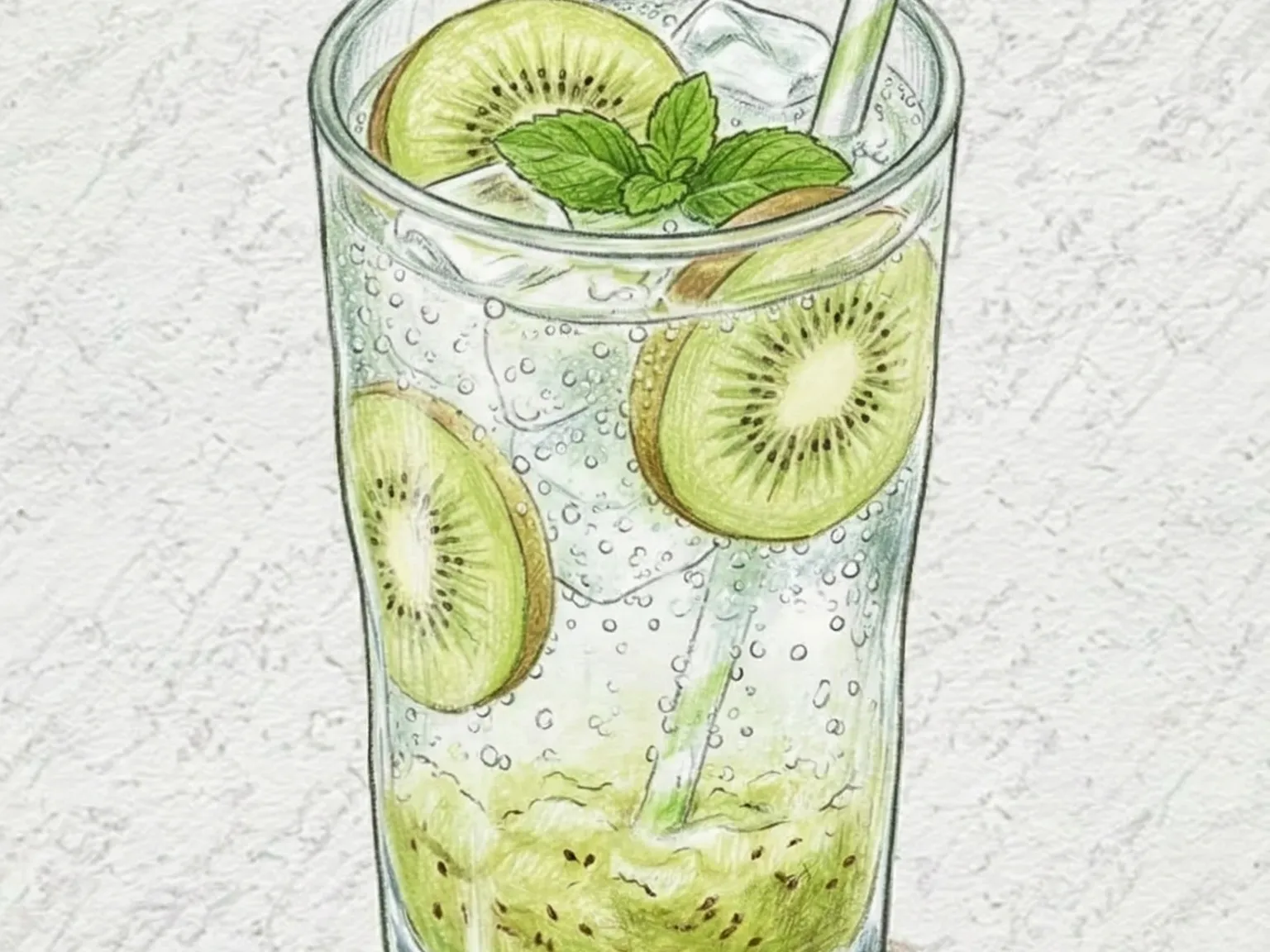
Korean Kiwi Mint Ade

Kiwi mint ade is a sparkling fruit drink built from a base of muddled fresh kiwi, sugar, and lemon juice, finished with well-chilled sparkling water poured in just before serving. The bright, almost tart acidity of ripe kiwi plays against the cool green note of lightly bruised mint leaves, producing a layered freshness that wakes the palate from the first sip. Floating thin rounds of sliced kiwi on top adds a visual element and gives the drink bursts of fruit texture between sips of carbonated liquid. Mint should be pressed gently rather than crushed hard, since breaking the leaves too aggressively extracts bitter compounds that muddy the clean kiwi flavor. Serving over plenty of ice keeps the carbonation lively and the overall impression as crisp as possible.

Korean Cactus Fruit Ade (Prickly Pear Citrus Sparkling Drink)
Shared ingredient: sparkling water Drinks

Korean Cactus Fruit Ade (Prickly Pear Citrus Sparkling Drink)

Baeknyeoncho ade is a chilled Korean fruit beverage prepared by combining a syrup made from the fruit of the prickly pear cactus with fresh lemon juice and grapefruit juice, eventually topped with carbonated water. The cactus fruit syrup is characterized by its intense magenta color and a flavor profile that resembles berries, though it also contains an earthy sweetness and a particular thickness that is unique to this specific fruit. The sharp acidity of the lemon and the characteristic bitter notes of the grapefruit juice work together to neutralize the sweetness of the syrup, ensuring the finished drink is fruity and balanced rather than syrupy or cloying. A small amount of salt is added to the mixture to function as a flavor enhancer rather than a seasoning, which makes the various fruit acids more prominent to the taste buds. During preparation, the sparkling water is added last and stirred only slightly after the syrup and ice have already been combined in the glass to preserve as much carbonation as possible. A single sprig of apple mint is placed on the surface to provide a subtle herbal aroma that the drinker notices with every sip, which helps to increase the cooling effect of the beverage. This prickly pear cactus grows in wild conditions on Jeju Island and across the southern coastal areas of Korea, where both the round fruits and the flat, paddle-shaped stems are harvested for culinary use. The fruit is notably rich in betacyanin pigment, a natural substance that retains its vivid coloration even when subjected to heat, making it a valuable source for natural food coloring. When presented in a clear glass vessel, the saturated magenta liquid creates a visual appearance that is as striking as the refreshing nature of the drink itself.

Gotgam Cream Cheese Roll (Dried Persimmon Rolls)
Serve together Desserts

Gotgam Cream Cheese Roll (Dried Persimmon Rolls)

Gotgam cream cheese roll is a no-cook Korean dessert that requires nothing more than a knife, a bowl, and a refrigerator. Dried persimmons are slit open and flattened into thin sheets, each one acting as the outer wrapper. The filling is cream cheese mixed with honey and fresh lemon juice to balance its natural richness with acidity, and finely chopped walnuts are folded in throughout to add a crunchy, nutty element to every bite. The filling is spread across the opened persimmon, which is then rolled tightly and wrapped in plastic wrap. Twenty minutes in the refrigerator firms the roll enough to slice cleanly. Dipping the knife in warm water and wiping it dry before each cut produces the smoothest cross-sections. The finished slices reveal clearly defined layers: the chewy, caramel-sweet dried persimmon on the outside, the tangy cream cheese in the middle, and flecks of walnut distributed throughout. The combination makes it a natural pairing with wine or a polished addition to a traditional holiday table.

Korean Green Tangerine Ade
Similar recipe Drinks

Korean Green Tangerine Ade

Unripe green tangerines harvested in Jeju island contain higher acidity and a more pungent fragrance than fully matured citrus. Making the base syrup involves layering thin slices of the whole fruit with an equal amount of sugar and letting them macerate for at least twenty four hours. This process allows the essential oils from the skin to dissolve into the liquid, creating a complex aromatic profile. Adding a small amount of lemon juice and a pinch of salt to the syrup helps soften the sharp tartness of the green tangerines. When finishing the drink, pouring sparkling water slowly helps maintain the carbonation level. Placing lightly pressed mint leaves on top adds a cooling element to the acidic base. The prepared syrup stays fresh in the refrigerator for two to three weeks and works well as a hot tea when mixed with warm water. For a frozen alternative on hot days, the mixture can be frozen and scraped into a granita. Sweetness levels remain flexible as the amount of sugar can be adjusted depending on the tartness of the specific batch of fruit.

Serve with this

Korean Avocado Gimbap (Creamy Avocado Crab Seaweed Rice Roll)
Street food Easy

Korean Avocado Gimbap (Creamy Avocado Crab Seaweed Rice Roll)

Avocado gimbap is a contemporary Korean roll that emerged in the 2010s as avocado shifted from a specialty import to a common supermarket staple in Korea. The timing of Korean avocado adoption is traceable: consumption roughly doubled between 2014 and 2018, driven by cafe culture and wellness trends, and this gimbap variant followed directly from that availability. Where traditional gimbap - danmuji, ham, spinach, carrot, egg - delivers discrete, clearly differentiated flavors in each bite, avocado gimbap works differently. The avocado at the center is buttery and neutral, its creaminess binding the other ingredients rather than competing with them. Selecting the right avocado matters considerably: the fruit must be ripe enough to yield when bitten without resistance, but firm enough to hold a clean slice. Underripe avocado is hard and flavorless; overripe avocado collapses when cut and turns the cross-section muddy. The rice is seasoned simply with sesame oil and salt, and the sheet of dried laver wrapping everything contributes a roasted, oceanic note. Crab stick placed lengthwise in the center, alongside julienned cucumber and a strip of egg jidan, creates the characteristic cross-section: concentric rings of green, white, and yellow that have made this version one of the most photographed gimbap in Korean food media. The avocado begins oxidizing and browning within an hour of cutting, so the roll is best eaten soon after assembly. It has become one of the highest-selling items in Korean convenience store gimbap sections, and a standard offering at gimbap specialty restaurants.

🥗 Light & Healthy 🌙 Late Night
Prep 15min Cook 5min 2 servings
Korean Tofu with Spicy Soy Dressing
Side dishes Easy

Korean Tofu with Spicy Soy Dressing

Dubu cheongyang ganjang muchim is a pan-fried tofu banchan that takes the classic dubu buchim in a sharper direction by centering the dressing on cheongyang chili, the hottest pepper in everyday Korean cooking. The most important part of the technique is getting a proper mahogany crust on the tofu. The pan must be hot before the tofu goes in, and the heat must stay high throughout. Too low a flame causes the tofu to steam in its own released moisture rather than sear, resulting in a soft surface with no textural contrast. When seared correctly, the outer layer becomes a firm, slightly chewy barrier while the interior stays silken and creamy. The dressing is raw and uncooked: soy sauce, minced cheongyang chili, scallion, garlic, and sesame oil combined without heat. It is poured over the tofu while the tofu is still steaming hot, which causes the raw garlic and chili to bloom slightly in the residual heat and release their full aromatic sharpness. Cheongyang pepper heat is clean and immediate rather than slow-building - it registers on the tongue quickly and fades without lingering the way dried gochugaru does. The dish is a natural pairing for mild, smooth soups like miyeok-guk, where the chili's sharpness provides a sharp counterpoint to the gentle seaweed broth. It also works alongside plain steamed rice as a standalone side.

🥗 Light & Healthy 🏠 Everyday
Prep 10min Cook 6min 4 servings
Dasik (Korean Honey-Pressed Roasted Grain Confection)
Baking Easy

Dasik (Korean Honey-Pressed Roasted Grain Confection)

Dasik is a traditional Korean pressed confection made by kneading roasted grain or nut powders with honey and pressing the mixture into carved wooden molds. Unlike baked goods, dasik holds its shape entirely through the binding power of honey, with no heat applied during preparation. This technique produces a texture that is slightly resistant at first contact, then dissolves gently at body temperature in a way that releases the full aroma of the main ingredient. Roasted soybean powder yields a nutty version, black sesame produces a deeply aromatic one, and additions of pine nut powder or cinnamon develop the flavor in different directions. The wooden molds carve decorative patterns into the surface of each piece, giving dasik a visual refinement that matches its restrained sweetness. For centuries, dasik has been a standard offering at Korean tea gatherings, and its subtle flavor remains a natural match for the gentle bitterness of green tea.

🧒 Kid-Friendly ⚡ Quick
Prep 20min 4 servings

Similar recipes

Korean Melon Smoothie (Chamoe Korean Melon Yogurt Blend)
Drinks Easy

Korean Melon Smoothie (Chamoe Korean Melon Yogurt Blend)

Chamoe smoothie blends peeled and seeded Korean melon flesh with plain yogurt, milk, honey, lemon juice, and a pinch of salt. The melon's clean, juicy sweetness meets the yogurt's tanginess to create a refreshing, well-rounded flavor, while the lemon brightens the finish and prevents the drink from tasting flat. The pinch of salt is a small but functional addition that amplifies sweetness across the whole glass. Ice goes in only at the final thirty seconds of blending - adding it earlier dilutes the flavor and produces a watery consistency. When the melon is particularly sweet, halving the honey maintains balance without masking the fruit's natural character. The smoothie should be poured immediately into a chilled glass so the fresh melon fragrance does not fade before serving.

🍺 Bar Snacks ⚡ Quick
Prep 10min 2 servings
Omija Berry Frangipane Tart
Baking Medium

Omija Berry Frangipane Tart

A crisp, buttery tart shell cradles a filling of frangipane - the classic almond cream made from ground almonds, butter, eggs, and sugar - baked until the surface sets into a thin golden crust while the interior stays moist and dense. Omija berries and mixed berries are pressed into the frangipane before baking, and as they heat they release tart juices that seep into the almond cream, creating pockets of bright acidity that cut through the richness. Omija contributes a complex sourness with faintly astringent and floral undertones that distinguish this tart from standard berry versions. The almond flavor intensifies as the tart cools, and a light dusting of powdered sugar before serving adds a clean finishing touch. Sliced thin, each piece offers the full progression: crunchy pastry, dense nutty cream, and bursts of fruit.

🎉 Special Occasion 🧒 Kid-Friendly
Prep 30min Cook 38min 4 servings
Schisandra Fruit Punch (Korean Cold-Brewed Berry Fruit Bowl)
Desserts Easy

Schisandra Fruit Punch (Korean Cold-Brewed Berry Fruit Bowl)

Omija hwachae is a traditional Korean fruit punch made by cold-infusing dried schisandra berries in water for at least two hours to extract a vivid red liquid, then sweetening with honey. Cold extraction is not optional: hot water pulls excess astringency from the berries and makes the liquid harsh rather than bright. Only a small portion of the infusion is gently warmed to dissolve the honey before the two are combined. Scooped balls of Korean pear and watermelon sit submerged in the chilled omija broth, so each spoonful delivers a crisp, juice-filled bite against the tart-sweet liquid. Pine nuts floated on the surface add a mild fatty richness that tempers the sharpness of the schisandra acid, and serving the hwachae over generous ice keeps every component at its most vivid.

🧒 Kid-Friendly ⚡ Quick
Prep 15min Cook 5min 4 servings

Tips

Microwave the syrup base briefly if sugar doesn't dissolve.
Add sparkling water last to keep carbonation strong.

Nutrition (per serving)

Calories
132
kcal
Protein
1
g
Carbs
33
g
Fat
0
g