Korean Roasted Buckwheat Tea

Korean Roasted Buckwheat Tea

Quick answer

Memil-cha is a traditional Korean beverage prepared from roasted buckwheat groats.

What makes this special

  • Toasted buckwheat groats develop a deep caramelized nuttiness in this Memil-cha infusion.
  • Home-roasted buckwheat develops deeper caramelized nuttiness than store-bought
  • Ten minutes on low heat lets grain aroma dissolve gradually into water
Total time
20 min
Level
Easy
Servings
4 servings
Ingredients
6
Calories
28 kcal
Protein
1 g

Key ingredients

roasted buckwheatwaterlemon peelhoneyjujube

Core cooking flow

  1. 1 Pour exactly twelve hundred milliliters of fresh water and sixty grams of ro...
  2. 2 Once the water reaches a vigorous rolling boil, add two dried jujubes and th...
  3. 3 Reduce the heat to low and allow the mixture to simmer gently for ten minute...

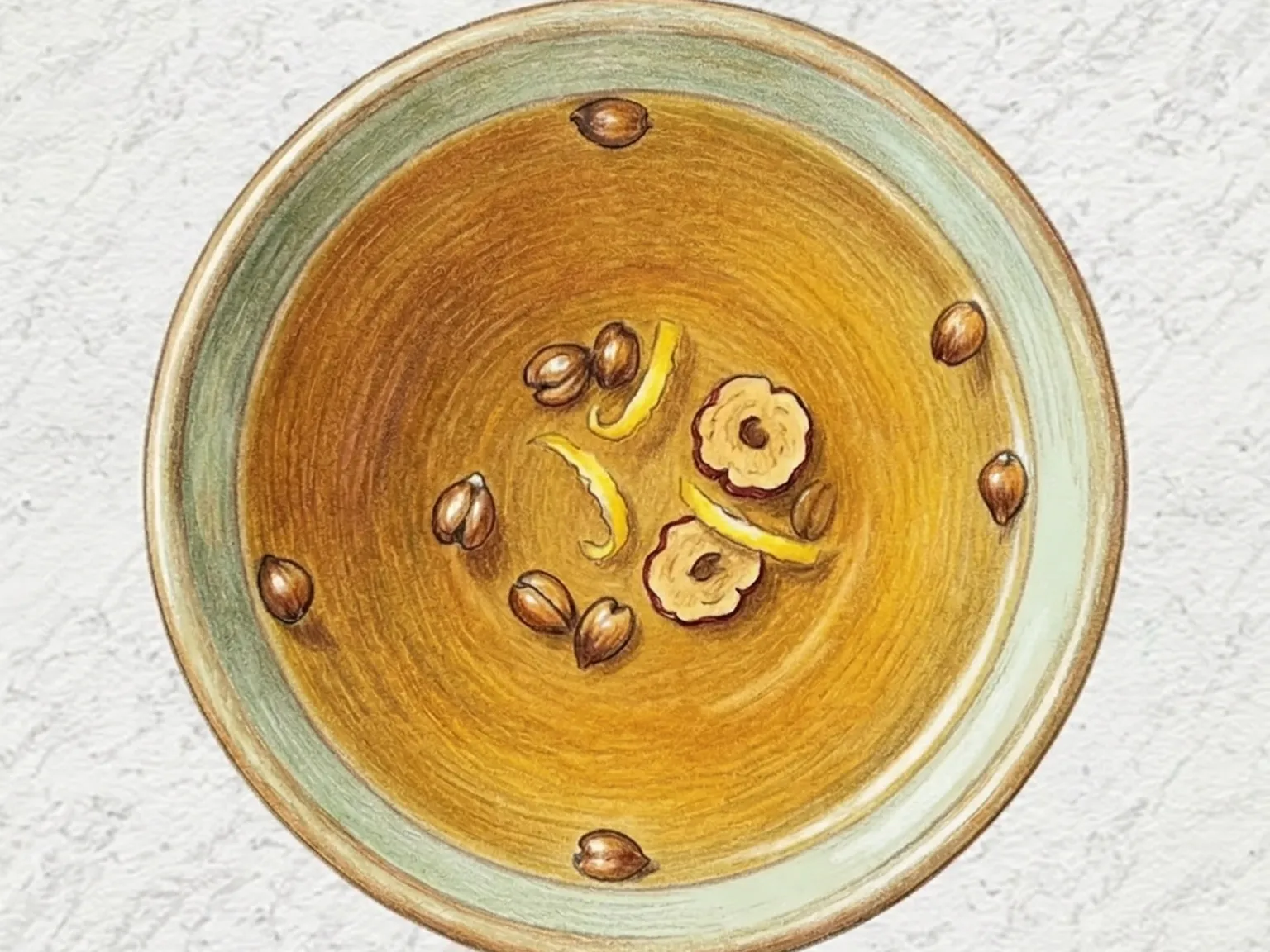
Memil-cha is a traditional Korean beverage prepared from roasted buckwheat groats. To make this tea, the groats are toasted and then simmered in water, followed by a ten-minute steeping period over a low flame. The initial roasting process is critical because it caramelizes the exterior of the buckwheat, which releases a profound and earthy grain fragrance. This aroma gradually transfers into the liquid during the steeping stage. Incorporating dried jujubes and a thin strip of lemon peel provides a subtle sweetness along with a light citrus undertone. These additions help to complete the flavor profile while ensuring that the distinct natural character of the buckwheat remains the primary focus. Because the infusion contains no caffeine, it serves as a suitable drink for the late evening or for times when a gentle option is preferred for the digestive system. The addition of a single spoonful of honey and a very small amount of salt functions to define the various tastes more clearly and brings the entire beverage into a stable balance. This tea is versatile enough to be enjoyed as a hot drink during the colder winter months or as a cold beverage served over ice when the weather is warm in the summer. Such flexibility allows it to remain a consistent staple on the dining table throughout the entire year.

Prep 5min Cook 15min 4 servings
Recipes by ingredient → honey

Instructions

Read the steps as a cooking flow: prep, heat, seasoning, doneness control, and finish.

6 steps
  1. 1
    Control

    Pour exactly twelve hundred milliliters of fresh water and sixty grams of roasted buckwheat into a deep pot, then set the stove to medium heat to begin the heating process.

  2. 2
    Heat

    Once the water reaches a vigorous rolling boil, add two dried jujubes and three grams of fresh lemon peel to the pot to infuse the tea with a refreshing citrus aroma.

  3. 3
    Control

    Reduce the heat to low and allow the mixture to simmer gently for ten minutes until the tea turns a deep golden yellow color and develops a rich nutty flavor.

  4. 4
    Control

    Turn off the heat completely and cover the pot, letting the tea steep for an additional three minutes to allow the volatile aromatic compounds to settle back into the liquid.

  5. 5
    Season

    Strain the tea through a fine mesh sieve into a pitcher, then stir in one tablespoon of honey and a quarter teaspoon of salt until the seasonings are fully dissolved.

  6. 6
    Finish

    Serve the finished tea while hot at ninety degrees Celsius for a soothing drink, or chill it in the refrigerator and serve over ice for a refreshing cold beverage option.

After the steps

Pick a recipe that fits this dish.

Continue with shared ingredients, meal pairings, or a similar method.

Recipes That Go Well With This

More Drinks →

Based on shared ingredients and meal pairing

Korean Roasted Brown Rice Tea
Shared ingredient: honey Drinks

Korean Roasted Brown Rice Tea

Hyeonmi-cha is made by dry-roasting brown rice over medium heat until the grains turn golden and undergo the Maillard reaction, which intensifies their toasty, nutty aroma. The roasted rice is then steeped in water for about twenty minutes, yielding a clear amber liquid with a clean grain flavor. A slice of ginger and a few jujubes added during steeping contribute warm spice and gentle sweetness that layer over the base roasted note. Honey and a pinch of salt sharpen the overall flavor, and the tea is naturally caffeine-free, making it suitable for drinking at any hour. The degree of roasting can be adjusted to taste: a shorter roast produces a lighter, mellower infusion, while a longer roast amplifies the nuttiness but risks introducing bitterness, so stopping at a pale golden color is the safer approach. The brewed tea keeps well refrigerated for a couple of days and tastes equally good served cold over ice.

Korean Roasted Cassia Seed Tea
Shared ingredient: honey Drinks

Korean Roasted Cassia Seed Tea

Gyeolmyeongja-cha is a Korean herbal tea brewed from cassia seeds that are first dry-roasted in a pan over medium-low heat until their surfaces turn a deep amber and release a toasty, distinctly nutty fragrance. The degree of roasting matters considerably: lighter roasting keeps the flavor mild and grassy, while a deeper roast brings forward a bold, grain-like quality similar to barley tea. Once roasted, the seeds are simmered in water for about twenty minutes, extracting a rich brown liquor with layers of earthy warmth. Sliced fresh ginger is often added during simmering, lending a peppery heat that adds body to the brew. Dried jujubes contribute their gentle fruit sweetness, rounding and mellowing the overall profile. Honey adjusts the final sweetness level, and thin lemon slices floated on top before serving add a clean citrus brightness that lifts the deep, roasted base.

Gotgam Cream Cheese Roll (Dried Persimmon Rolls)
Serve together Desserts

Gotgam Cream Cheese Roll (Dried Persimmon Rolls)

Gotgam cream cheese roll is a no-cook Korean dessert that requires nothing more than a knife, a bowl, and a refrigerator. Dried persimmons are slit open and flattened into thin sheets, each one acting as the outer wrapper. The filling is cream cheese mixed with honey and fresh lemon juice to balance its natural richness with acidity, and finely chopped walnuts are folded in throughout to add a crunchy, nutty element to every bite. The filling is spread across the opened persimmon, which is then rolled tightly and wrapped in plastic wrap. Twenty minutes in the refrigerator firms the roll enough to slice cleanly. Dipping the knife in warm water and wiping it dry before each cut produces the smoothest cross-sections. The finished slices reveal clearly defined layers: the chewy, caramel-sweet dried persimmon on the outside, the tangy cream cheese in the middle, and flecks of walnut distributed throughout. The combination makes it a natural pairing with wine or a polished addition to a traditional holiday table.

Korean Roasted Barley Tea
Similar recipe Drinks

Korean Roasted Barley Tea

Boricha is the everyday caffeine-free barley tea that has been a fixture in Korean homes for generations, made by simmering roasted barley with corn silk and jujubes in a single pot over medium-low heat for fifteen minutes, then steeping off the heat for five minutes more. The roasted barley drives the flavor, producing a toasty, grain-forward depth that is distinctly savory without being heavy. Corn silk contributes a gentle, almost imperceptible natural sweetness, and halved jujubes add a faint dried-fruit undertone that softens the overall profile. A pinch of salt added during brewing rounds out the taste and prevents the tea from reading as flat. The finished tea works as well served hot in winter as it does chilled over ice in summer, and it functions as a neutral, palate-cleansing table drink throughout the year. Made in under twenty minutes with pantry staples.

Serve with this

Korean Curry Flavored Tempura
Street food Easy

Korean Curry Flavored Tempura

Curry twigim mixes curry powder directly into the frying batter, giving it a vivid golden color and distributing spice throughout the coating before any frying begins. Sweet potato, carrot, and onion slices are dipped in this batter and deep-fried at 170 degrees Celsius. The key technical requirement is ice-cold water in the batter: cold temperature inhibits gluten development, which keeps the coating thin and produces a shattering, light crunch when bitten. Using warm or room-temperature water causes the gluten strands to develop fully, resulting in a thick, chewy crust that absorbs oil rather than repelling it. Because the curry powder is built into the batter itself, every piece carries turmeric, cumin, and coriander flavor in each bite without needing a dipping sauce. Compared to standard Korean vegetable tempura, the curry spices add an aromatic warmth and complexity to the sweet vegetables that distinguishes it clearly. The texture is best immediately out of the oil while the coating is still rigid.

🍺 Bar Snacks 🧒 Kid-Friendly
Prep 15min Cook 15min 4 servings
Korean Seasoned Kelp Strips
Side dishes Easy

Korean Seasoned Kelp Strips

Kelp strips are soaked in cold water for ten minutes to draw out excess salt, then blanched for twenty seconds, just long enough to turn them pliable without losing their snap. The strips are dressed with gochugaru, vinegar, soy sauce, sugar, and garlic while julienned cucumber adds a cool, refreshing contrast. The seasoning sits over the mineral-dense ocean flavor of the kelp, layering a bright, acidic kick onto each bite. Sesame oil and whole sesame seeds finish the dish. The strips keep a satisfying resistance between the teeth that sets them apart from softer Korean seaweed preparations. Best served cold; the texture and flavor hold up well in packed lunches. Blanching beyond twenty seconds causes the kelp to soften and lose the chew that defines this banchan.

🥗 Light & Healthy 🏠 Everyday
Prep 12min Cook 3min 2 servings
Dasik (Korean Honey-Pressed Roasted Grain Confection)
Baking Easy

Dasik (Korean Honey-Pressed Roasted Grain Confection)

Dasik is a traditional Korean pressed confection made by kneading roasted grain or nut powders with honey and pressing the mixture into carved wooden molds. Unlike baked goods, dasik holds its shape entirely through the binding power of honey, with no heat applied during preparation. This technique produces a texture that is slightly resistant at first contact, then dissolves gently at body temperature in a way that releases the full aroma of the main ingredient. Roasted soybean powder yields a nutty version, black sesame produces a deeply aromatic one, and additions of pine nut powder or cinnamon develop the flavor in different directions. The wooden molds carve decorative patterns into the surface of each piece, giving dasik a visual refinement that matches its restrained sweetness. For centuries, dasik has been a standard offering at Korean tea gatherings, and its subtle flavor remains a natural match for the gentle bitterness of green tea.

🧒 Kid-Friendly ⚡ Quick
Prep 20min 4 servings

Similar recipes

Korean Chrysanthemum Tea (Floral Jujube Goji Berry Brew)
Drinks Easy

Korean Chrysanthemum Tea (Floral Jujube Goji Berry Brew)

Gukhwa-cha is a traditional Korean flower tea brewed from dried chrysanthemum buds steeped in water at 80 to 85 degrees Celsius for three to four minutes. That temperature range draws out the gentle floral fragrance without releasing the bitter compounds that come out at a full boil. Jujubes and goji berries added to the pot contribute a mild natural sweetness from the jujubes and a faintly tart, herbal note from the goji berries, both of which round out the chrysanthemum's aroma and add visual warmth to the pale liquid. A spoonful of honey and a squeeze of lemon juice are stirred in at the end to brighten the finish without masking the floral base. The resulting tea is pale golden, lightly sweet, and carries a lingering scent that makes it a common after-meal drink in Korean households. Caffeine-free and mild, it is drunk in the evening without disruption to sleep, and in traditional Korean medicine the dried flower has long been associated with relieving headaches and eye fatigue.

🍺 Bar Snacks ⚡ Quick
Prep 5min Cook 10min 2 servings
Korean Buckwheat Mixed Noodles
Noodles Easy

Korean Buckwheat Mixed Noodles

Memil makguksu is a Gangwon-do regional dish where nutty buckwheat noodles are mixed with a soy sauce, vinegar, and gochugaru dressing that balances sweet, sour, and spicy notes. Buckwheat noodles have low gluten content and break apart easily when overcooked, so precise timing is essential during boiling. Rinsing several times in cold water removes surface starch and prevents clumping. Chopped kimchi brings fermented tang and a crunchy bite, while julienned cucumber adds freshness and a crisp contrast. A touch of sesame oil gives the dressing a glossy richness, and extra vinegar can be added at the table to sharpen the acidity to individual preference.

🏠 Everyday ⚡ Quick
Prep 18min Cook 6min 2 servings
Korean Grilled Aged Kimchi
Grilled Easy

Korean Grilled Aged Kimchi

Well-aged napa kimchi is shaken free of excess marinade and placed directly onto a hot skillet or grill over medium-high heat. Both sides cook until the edges take on a light char. The longer the kimchi has fermented, the more pronounced its acidity becomes, and that sourness undergoes a caramelization reaction when it hits direct heat, converting into a mellow roasted sweetness that is distinct from fresh kimchi. Sprinkling a small amount of sugar onto the surface before or during grilling accelerates this reaction and deepens the color. Once both sides are grilled, sesame oil is brushed on and sesame seeds are scattered over the top, adding a nutty aromatic layer that complements the smoky, slightly bitter char. Only four ingredients are involved, but the quality of the kimchi matters significantly. Properly fermented kimchi with developed acidity produces far more complex flavor than fresh kimchi would. The contrast between the crisp, slightly caramelized exterior and the moist, tender interior is at its best immediately after cooking.

🍺 Bar Snacks ⚡ Quick
Prep 5min Cook 10min 2 servings

Tips

Use more buckwheat for a stronger, toastier brew.
Avoid too much white pith to prevent bitterness.

Nutrition (per serving)

Calories
28
kcal
Protein
1
g
Carbs
6
g
Fat
0
g