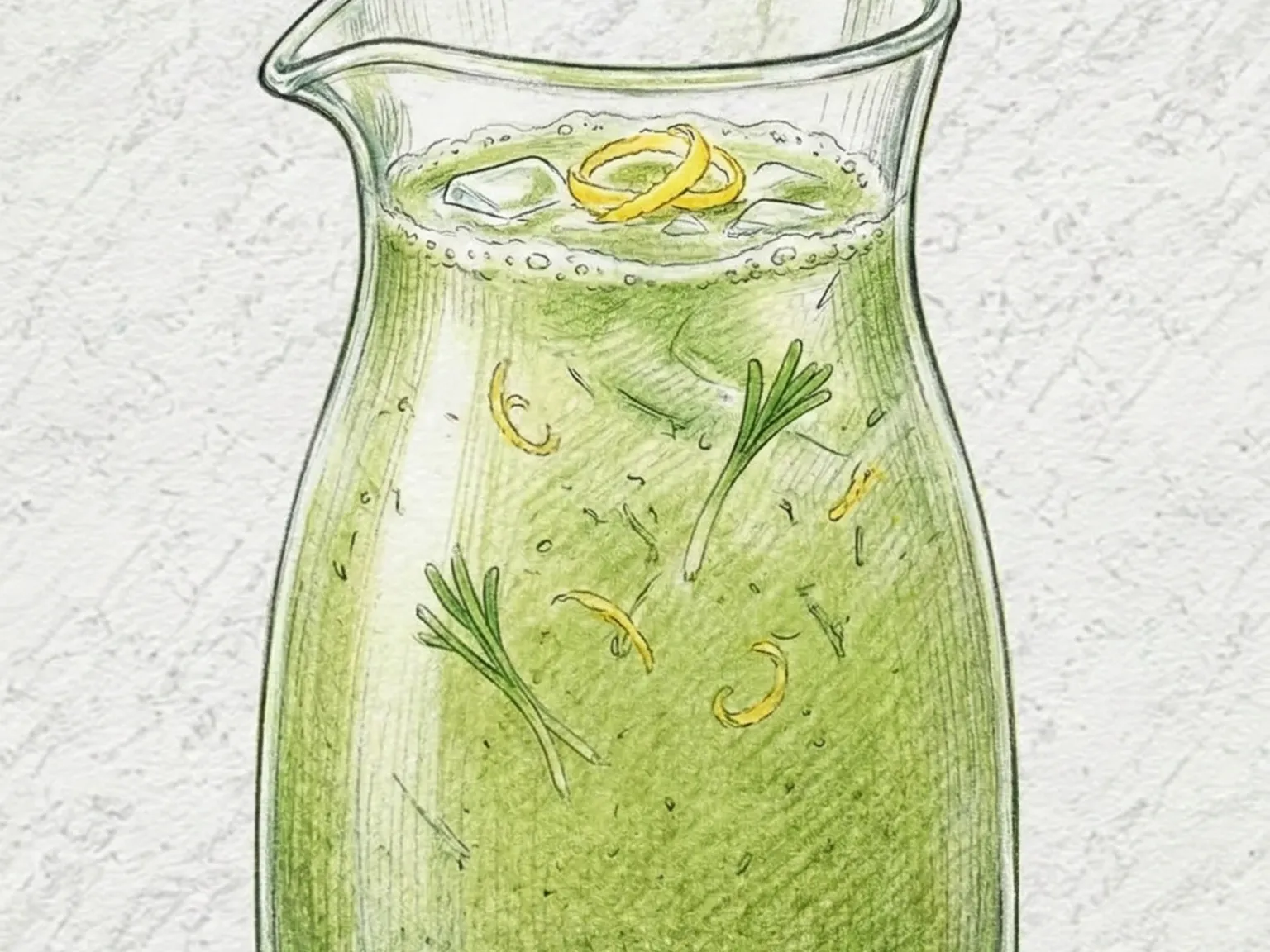
Korean Soju Beer Mix (Soju Lager Lemon Highball)
Quick answer
Somaek is Korea's most popular mixed drink, made by combining soju and lager beer in a single glass so that the spirit's alcohol strength meets the beer's crisp carbonation.
What makes this special
- Neutral spirit and crisp lager carbonation combine in the classic three-to-one ratio found in Somaek.
- 1-to-3 soju-to-beer ratio balances alcohol strength with carbonation
- Pouring beer down the glass wall minimizes carbonation loss
Key ingredients
Core cooking flow
- 1 Chill 120ml soju, 360ml lager beer, and 60ml sparkling water for at least 3 hours.
- 2 Fill a tall glass with 8 ice pieces and let it stand for about 20 seconds, u...
- 3 Pour 1 tablespoon lemon juice evenly over the ice, then add 120ml soju.
Somaek is Korea's most popular mixed drink, made by combining soju and lager beer in a single glass so that the spirit's alcohol strength meets the beer's crisp carbonation. The standard ratio is one part soju to three parts beer, and both liquids should be thoroughly chilled beforehand for the cleanest, most refreshing result. Ice goes in the tall glass first, followed by a splash of fresh lemon juice, then the soju, and finally the beer poured slowly down the inside wall of the glass to minimize foam and preserve the carbonation. A small addition of sparkling water lightens the drink further and brings the alcohol level down slightly for those who want a longer session. A lemon slice resting on the rim releases citrus oils with each sip, adding a bright aromatic layer that keeps the drink from feeling heavy. Somaek traces its roots to the bombtail drinking culture unique to Korean social gatherings, but today it exists in countless variations with different soju brands, beer styles, and ratio preferences that regulars debate with genuine seriousness.
Instructions
Read the steps as a cooking flow: prep, heat, seasoning, doneness control, and finish.
- 1Prep
Chill 120ml soju, 360ml lager beer, and 60ml sparkling water for at least 3 hours.
Place the serving glass in the refrigerator too, so the drink stays crisp instead of turning watery as soon as it is mixed.
- 2Step
Fill a tall glass with 8 ice pieces and let it stand for about 20 seconds, until the glass feels very cold.
If much meltwater collects at the bottom, pour it out before adding the alcohol.
- 3Step
Pour 1 tablespoon lemon juice evenly over the ice, then add 120ml soju.
Do not stir yet, because leaving the layers still keeps the citrus aroma clean and prevents the drink from going flat early.
- 4Step
Pour 360ml lager beer slowly down the inside wall of the glass.
If the foam rises higher than about one finger, pause briefly before continuing so the carbonation stays lively without overflowing.
- 5Prep
Add 60ml sparkling water at the end if a lighter drink is preferred.
Use a long spoon to lift once from the bottom to the top, mixing just enough without knocking out the bubbles.
- 6Finish
Float 2 lemon slices on top or set them on the rim.
Serve immediately while the foam is fine, the glass is still cold, and the bubbles are visible through the drink.
After the steps
Pick a recipe that fits this dish.
Continue with shared ingredients, meal pairings, or a similar method.
Recipes That Go Well With This
More Drinks →Based on shared ingredients and meal pairing
Korean Soju Tonic (Soju Lime Cucumber Highball)
Soju tonic is a Korean highball-style drink that pairs soju with tonic water and lime, layering the spirit's clean, neutral body with the bitter quinine edge of tonic and the bright acidity of fresh citrus. Lime juice goes in first along with soju and a touch of simple syrup, and the tonic water is poured last and slowly to keep the carbonation intact as long as possible. Cucumber slices over ice add a vegetal freshness that makes the drink especially cooling in hot weather, and omitting the syrup produces a drier version with more pronounced bitterness. The lightweight character of soju makes this highball less heavy than gin or vodka equivalents, pairing well with rich, oily bar food.
Korean Mixed Fruit Punch
Modum hwa-chae is a Korean fruit punch assembled by dicing several types of fruit into similar-sized cubes and submerging them in honey water and sparkling water. Apple and pear contribute a firm, satisfying crunch, while green grapes add a burst of sweet juice when the skin breaks between the teeth. Cutting everything to a consistent size matters because it ensures each spoonful carries a balanced mix of textures rather than any single fruit overwhelming the others. Honey dissolved in cold water merges with the natural juices released by the fruit, building a sweetness that feels integrated rather than applied. Sparkling water is added last, its bubbles threading up through the fruit pieces to give the punch its characteristic effervescence, so the drink is best served before the carbonation fades. Generous ice keeps the bowl thoroughly cold and prevents the fruit from softening, which preserves the sharpness of each variety's flavor. The combination of fruits shifts freely with the seasons, making this one of the most adaptable summer refreshments in Korean home cooking.
Gotgam Cream Cheese Roll (Dried Persimmon Rolls)
Gotgam cream cheese roll is a no-cook Korean dessert that requires nothing more than a knife, a bowl, and a refrigerator. Dried persimmons are slit open and flattened into thin sheets, each one acting as the outer wrapper. The filling is cream cheese mixed with honey and fresh lemon juice to balance its natural richness with acidity, and finely chopped walnuts are folded in throughout to add a crunchy, nutty element to every bite. The filling is spread across the opened persimmon, which is then rolled tightly and wrapped in plastic wrap. Twenty minutes in the refrigerator firms the roll enough to slice cleanly. Dipping the knife in warm water and wiping it dry before each cut produces the smoothest cross-sections. The finished slices reveal clearly defined layers: the chewy, caramel-sweet dried persimmon on the outside, the tangy cream cheese in the middle, and flecks of walnut distributed throughout. The combination makes it a natural pairing with wine or a polished addition to a traditional holiday table.
Korean Makgeolli Punch (Rice Wine Yuja Citrus Bowl)
Makgeolli punch is a fruity Korean rice wine cocktail that combines makgeolli with yuja marmalade, lemon juice, and lemon-lime soda in a large bowl over plenty of ice. The creamy grain character of makgeolli merges with the bright citrus of yuja to create a light, festive drink. Thinly sliced apple floated in the bowl adds crisp bites of fruit between each ladle. A single gentle stir just before serving keeps the carbonation intact and the flavors evenly distributed. The main ingredients are makgeolli, lemon-lime soda, yuja marmalade, and lemon juice, and the recipe depends on careful handling of chilling time and sweetness.
Serve with this
Korean Spicy Octopus Skewers
Blanched octopus is cut into bite-sized pieces, threaded onto skewers, and grilled on a pan or open flame while being basted repeatedly with a spicy sauce of gochujang, soy sauce, sugar, minced garlic, and sesame oil. Octopus toughens dramatically with prolonged heat, so high-temperature, quick grilling is essential. Adding a slice of ginger to the blanching water removes any fishiness before the octopus hits the grill. The layered sauce builds up with each basting: gochujang contributes heat, sugar balances it with sweetness, soy sauce deepens the umami, and sesame oil finishes with a nutty fragrance. Keeping the heat at medium-high and turning the skewers frequently prevents the sugar in the glaze from burning while still achieving light char marks. The result has a caramelized, sticky crust over a chewy, springy center. Equally at home as street food or as bar snacks alongside cold beer or soju, these skewers are a reliable crowd-pleaser.
Korean Seasoned Kelp Strips
Kelp strips are soaked in cold water for ten minutes to draw out excess salt, then blanched for twenty seconds, just long enough to turn them pliable without losing their snap. The strips are dressed with gochugaru, vinegar, soy sauce, sugar, and garlic while julienned cucumber adds a cool, refreshing contrast. The seasoning sits over the mineral-dense ocean flavor of the kelp, layering a bright, acidic kick onto each bite. Sesame oil and whole sesame seeds finish the dish. The strips keep a satisfying resistance between the teeth that sets them apart from softer Korean seaweed preparations. Best served cold; the texture and flavor hold up well in packed lunches. Blanching beyond twenty seconds causes the kelp to soften and lose the chew that defines this banchan.
Dasik (Korean Honey-Pressed Roasted Grain Confection)
Dasik is a traditional Korean pressed confection made by kneading roasted grain or nut powders with honey and pressing the mixture into carved wooden molds. Unlike baked goods, dasik holds its shape entirely through the binding power of honey, with no heat applied during preparation. This technique produces a texture that is slightly resistant at first contact, then dissolves gently at body temperature in a way that releases the full aroma of the main ingredient. Roasted soybean powder yields a nutty version, black sesame produces a deeply aromatic one, and additions of pine nut powder or cinnamon develop the flavor in different directions. The wooden molds carve decorative patterns into the surface of each piece, giving dasik a visual refinement that matches its restrained sweetness. For centuries, dasik has been a standard offering at Korean tea gatherings, and its subtle flavor remains a natural match for the gentle bitterness of green tea.
Similar recipes
Korean Ripe Persimmon Smoothie
Hongsi smoothie consists of the blended pulp of persimmons that have reached a state of full ripeness, characterized by a jelly-soft texture and a high concentration of natural sugars. At this specific stage of fruit development, the pulp is combined with milk and plain yogurt to produce a thick beverage that remains fluid enough to be consumed through a straw. The resulting consistency resembles a dense fruit puree or a jammy liquid rather than a thin juice. It is important to ensure that the persimmons are entirely soft before the blending process begins. Using fruit that is even slightly underripe results in a drink that carries residual tannins, which produce a notable astringent and drying sensation on the palate. Furthermore, the flesh of unripe persimmons does not have the necessary density to create a thick body, often leading to a texture that is excessively watery. When the fruit reaches its peak maturity, the natural sugars provide the smoothie with its characteristic sweetness and depth. Plain yogurt is included to provide a measured acidity that balances the sugar content of the persimmon pulp, which prevents the beverage from becoming overly cloying. Milk serves to adjust the thickness of the dense pulp so that the liquid can flow through a straw without difficulty. A spoonful of honey can be added to adjust the sweetness level depending on the specific ripeness and sugar levels of the fruit used. A light dusting of ground cinnamon on the surface introduces a warm and spiced quality that complements the natural flavor profile of the persimmon. Adding a handful of ice cubes during the blending process makes the drink more refreshing. For individuals who avoid animal products, substituting soy milk for dairy provides a comparable consistency and mouthfeel.
Korean Mushroom Pancake (Crispy Shiitake and King Oyster Jeon)
Beoseot-jeon is a Korean mushroom pancake made by slicing king oyster and shiitake mushrooms thin, coating them lightly in a batter of Korean pancake mix, egg, and water, then pan-frying until golden on both sides. King oyster mushrooms deliver a firm, chewy bite from their thick cross-sections, while the natural ridges in shiitake caps catch and hold batter, forming extra-crispy edges as they fry. The coating must be kept thin so the earthy mushroom flavors read clearly through the batter, and sliced mushrooms should be blotted dry before coating since excess surface moisture steams the underside and prevents crisping. Frying on medium-low heat without a lid allows even cooking through the mushroom's density while keeping the surface from steaming. Dipping in cho-ganjang -- soy sauce and vinegar -- brings out the mushrooms' natural umami against the crisp exterior. A small amount of salted fermented shrimp (saeujeot) folded into the batter seasons it thoroughly without needing extra salt.
Korean Soy-Braised Chicken Wings
Korean soy-braised chicken wings are simmered in a glaze of soy sauce, sugar, garlic, and ginger until the sauce reduces to a thick, shiny coating. Scoring the wings beforehand allows the seasoning to reach the meat, and twenty minutes of covered braising followed by ten minutes of uncovered reduction concentrates the liquid into a sticky lacquer. Ginger keeps the flavor clean by neutralizing any gamey notes, and a finishing drizzle of sesame oil adds warmth. The wings come out so tender that the meat slides off the bone easily, making this a crowd-pleasing dish for children and adults alike.