Asian

Asian Recipes

806 recipes. Page 24 of 34

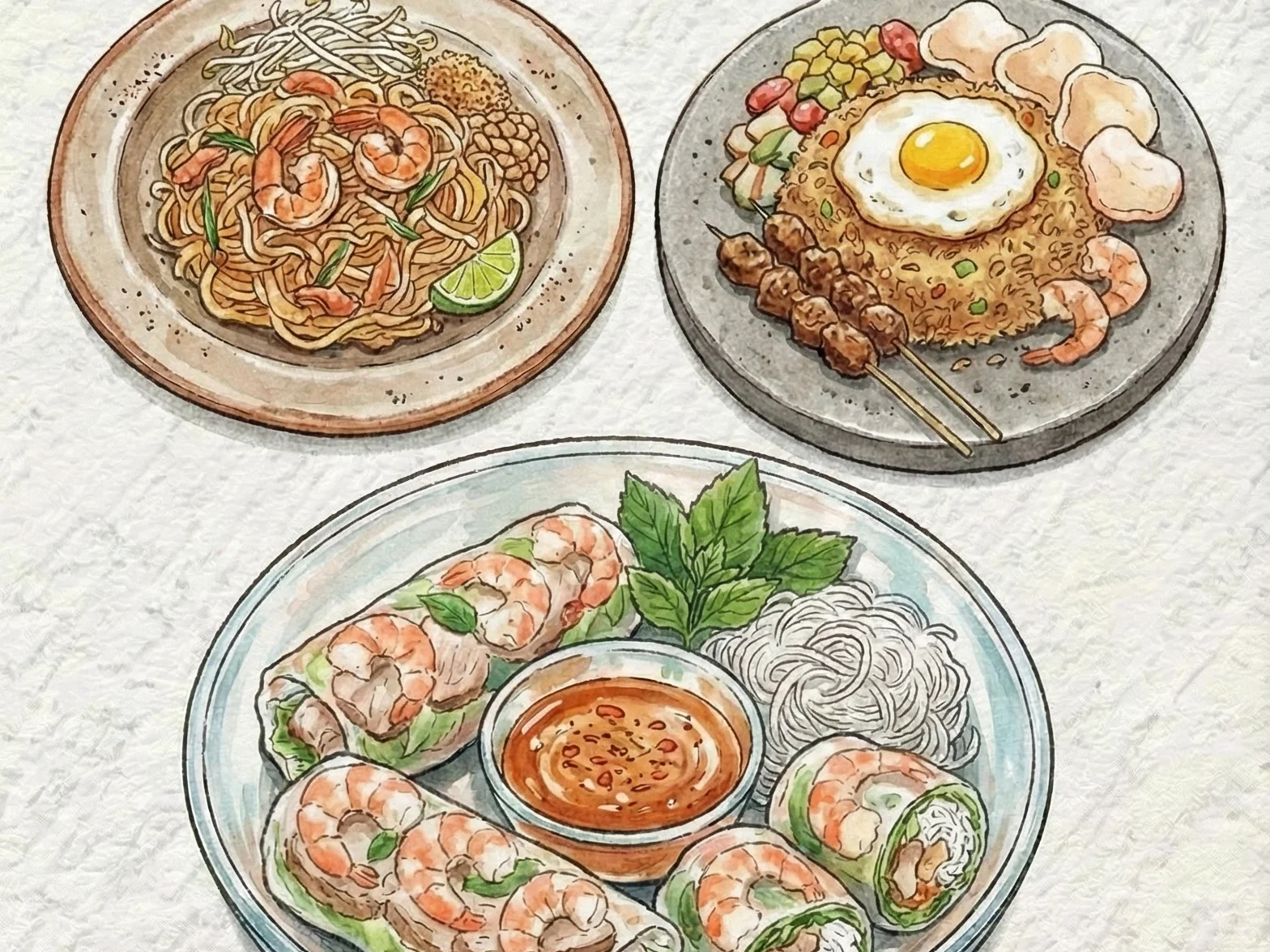
The Asian category gathers popular dishes from Japan, China, Thailand, Vietnam, India, and beyond. Curry, stir-fried noodles, mapo tofu, pad Thai, and pho are among the Asian favorites commonly enjoyed in Korean households.

Asian
Cold Udon (Chilled Noodles with Mentsuyu Dipping Broth)
Noodles Easy

Cold Udon (Chilled Noodles with Mentsuyu Dipping Broth)

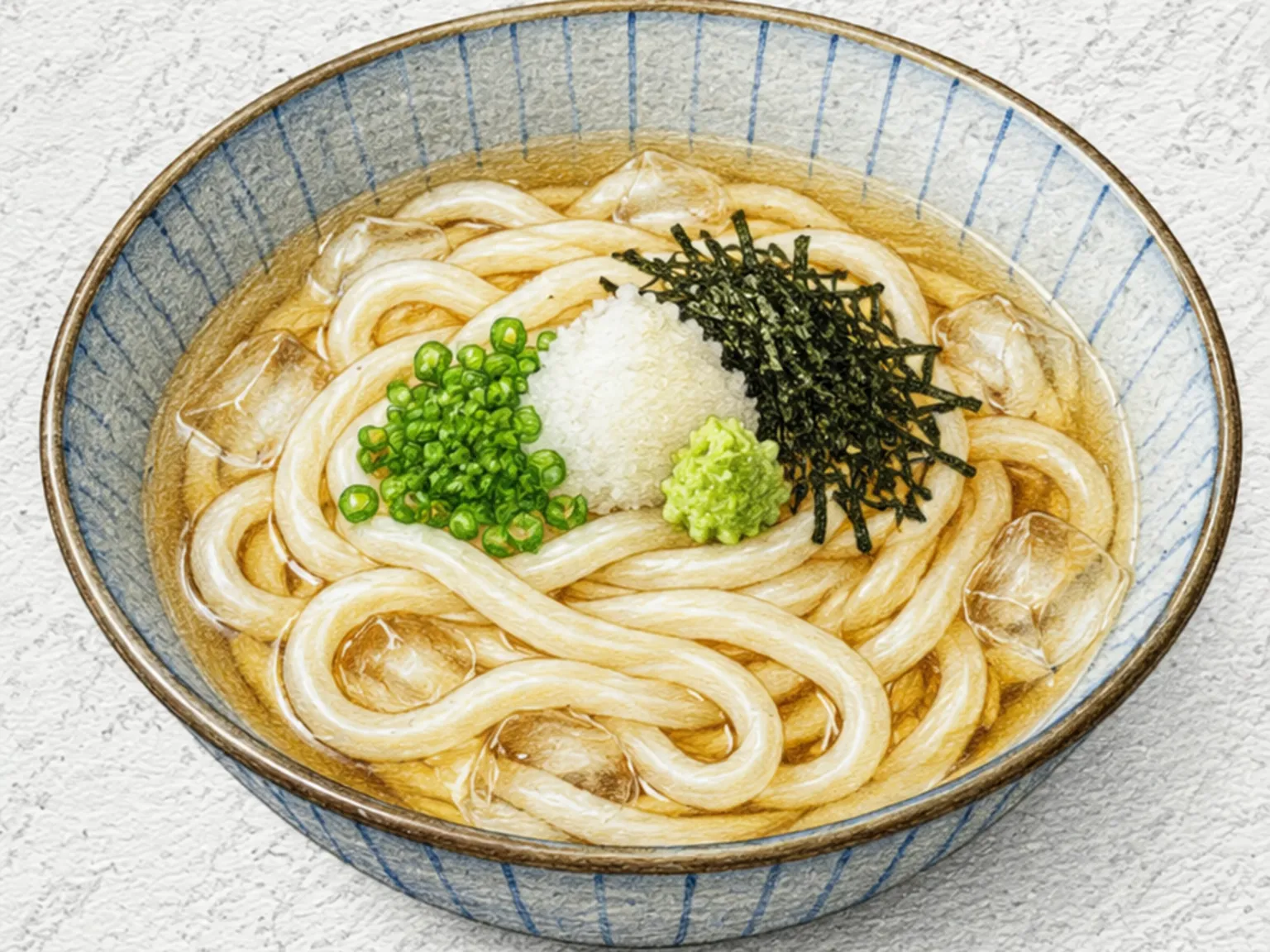
Naeng udon is a Japanese cold noodle dish where thick udon is cooked, drained, and then cooled aggressively in ice water before being served in chilled mentsuyu broth. The broth is prepared by diluting concentrated mentsuyu with cold water at a ratio of one to two, then refrigerating it until well chilled, which produces a clean liquid dense with soy-based umami. Cooling the noodles completely in ice water is not optional: the cold firms the starch back up, restoring the springy, slightly resistant chew that defines good udon. Freshly grated daikon stirred into the broth contributes a mild peppery heat and a cooling edge that lightens the overall flavor. Thinly sliced scallion adds a bright green freshness, and a sheet of nori brings oceanic depth to what might otherwise be a simple dipping liquid. A small amount of wasabi dissolved into the broth delivers a sharp nasal sting that contrasts directly with the cold temperature, leaving a clean, bracing finish on the palate. The dish is best eaten quickly while everything stays cold, and it comes together from pantry staples in minutes, making it one of the most practical summer meals.

🌙 Late Night ⚡ Quick
Prep 12min Cook 8min 2 servings
Fish Head Curry (Coconut Tamarind Curry)
Asian Hard

Fish Head Curry (Coconut Tamarind Curry)

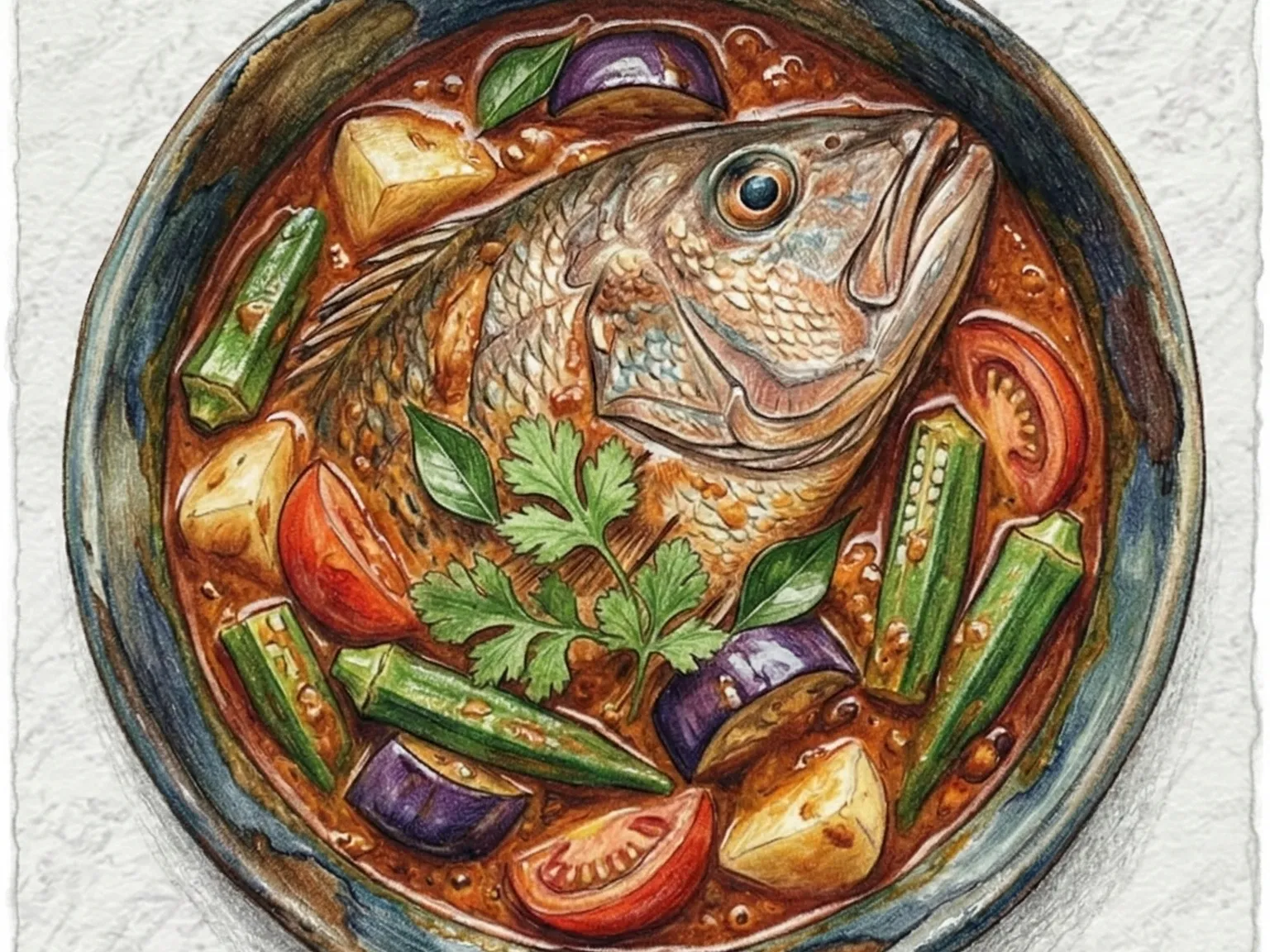
Fish head curry was born in 1940s Singapore when M.J. Gomez, a Keralite immigrant, noticed his Chinese customers' preference for fish heads and merged it with a South Indian curry base, creating a dish that belongs to no single culture yet has become distinctly Singapore's own. A whole snapper head, sometimes weighing over a kilogram, simmers in a thick gravy of coconut milk, tamarind, curry leaves, fennel seeds, and fish curry powder. The collagen from the head dissolves into the broth and gives it a sticky, lip-coating richness. The cheek meat and the gelatinous flesh around the eyes absorb the most curry and are the most prized portions at the table, claimed first by Indian, Malay, and Chinese diners alike. Okra, eggplant, and tomato stew alongside, and each vegetable interacts with the gravy differently: okra thickens, eggplant absorbs like a sponge, and tomato contributes fruity acidity. The dish is traditionally served on a banana leaf with steamed rice at restaurants along Singapore's Little India, where the head arrives in a clay pot still bubbling from the kitchen.

🎉 Special Occasion
Prep 25min Cook 35min 4 servings
Sake-zushi (Layered Sushi Rested with Local Sake)
Rice Hard

Sake-zushi (Layered Sushi Rested with Local Sake)

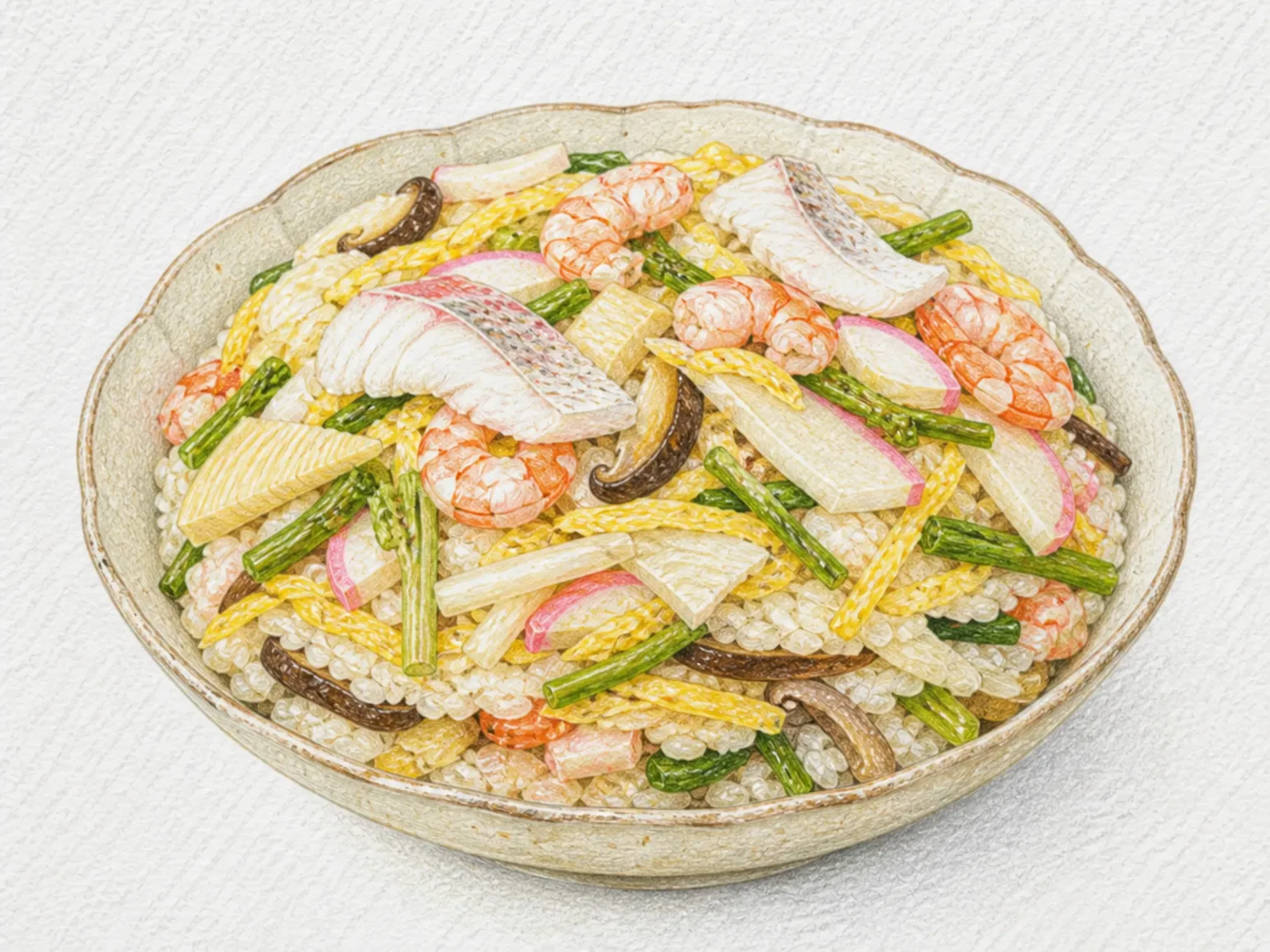
Sake-zushi is a Kagoshima regional pressed sushi in which rice is seasoned with akumochizake, the local ash-treated sake, instead of ordinary sushi vinegar. Spring vegetables such as dried daikon, shiitake, butterbur, and bamboo shoot are prepared separately, then layered with sea bream, shrimp, fish cakes, and rice. Traditional versions rest for several hours or half a day so the aromas mingle. This home version cooks all seafood fully and rests the covered sushi at 4°C or below for 6 to 8 hours rather than fermenting it at room temperature. Because a large amount of unheated sake remains, it is for adults only and is unsuitable for pregnancy, children, driving, or anyone avoiding alcohol.

🎉 Special Occasion
Prep 120min Cook 60min 10 servings
Uchimame-jiru (Flattened Soybean Miso Soup)
Soups Hard

Uchimame-jiru (Flattened Soybean Miso Soup)

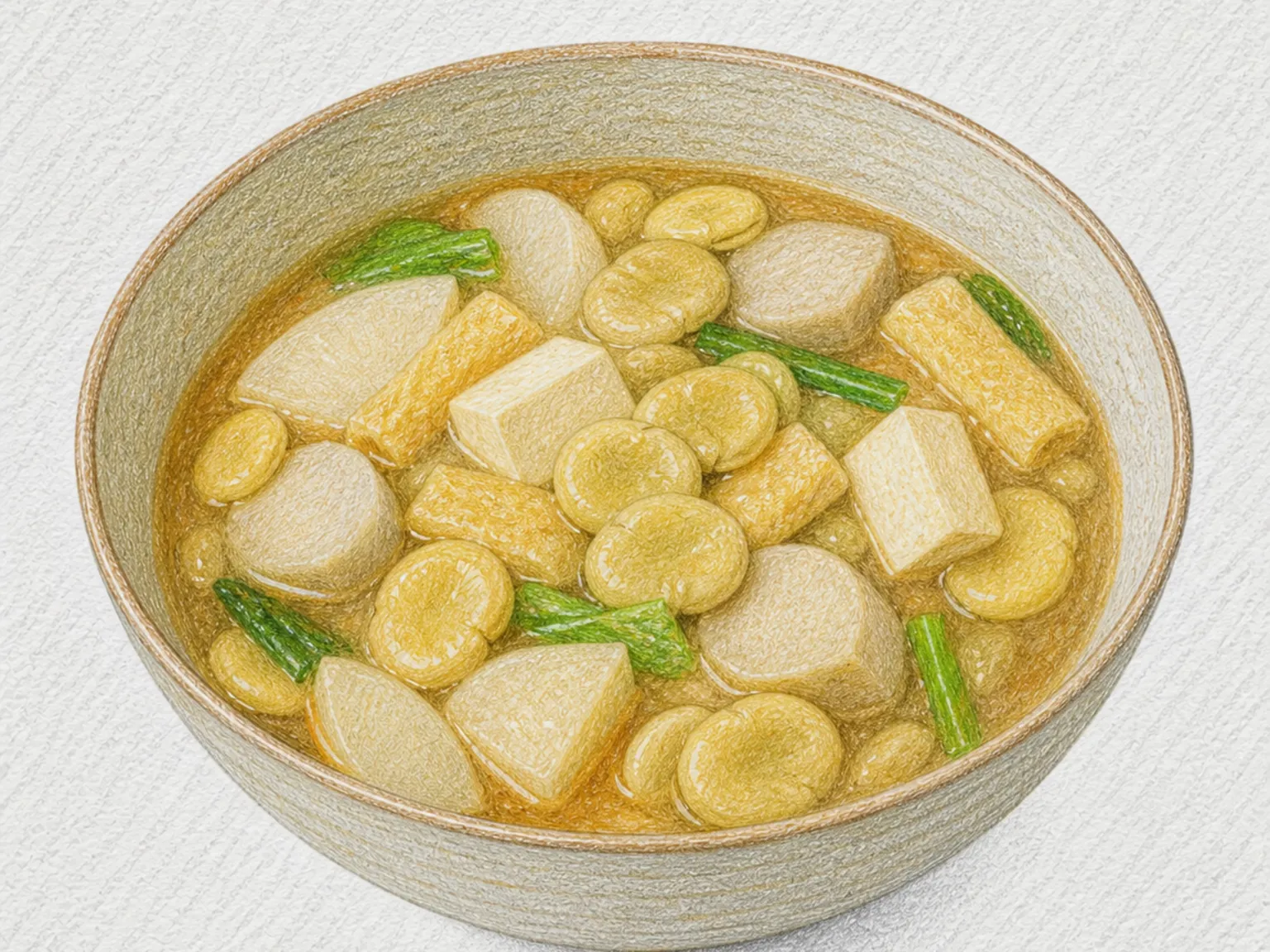
Uchimame-jiru is a Shiga winter soup built around uchimame, soybeans soaked, briefly boiled, rested hot, and flattened one by one with a wooden mallet into flower-like discs. The beans first simmer in dashi with one quarter of the miso, then taro, turnip, aburaage, tofu, and the remaining miso complete the pot. Flattening lets soybeans cook faster than whole beans, absorb seasoning through the center, and release nutty body into the broth. The method developed as a way to preserve winter protein in snowy northern Shiga and the soup is often served as oko-jiru during Buddhist Hoonko gatherings. Sweet turnip and taro, soft tofu and fried tofu, and tender flattened beans create several gentle textures in one bowl. Even thickness and early seasoning of the beans define the result.

🏠 Everyday
Prep 40min Cook 45min 4 servings
Nagasaki Champon
Noodles Medium

Nagasaki Champon

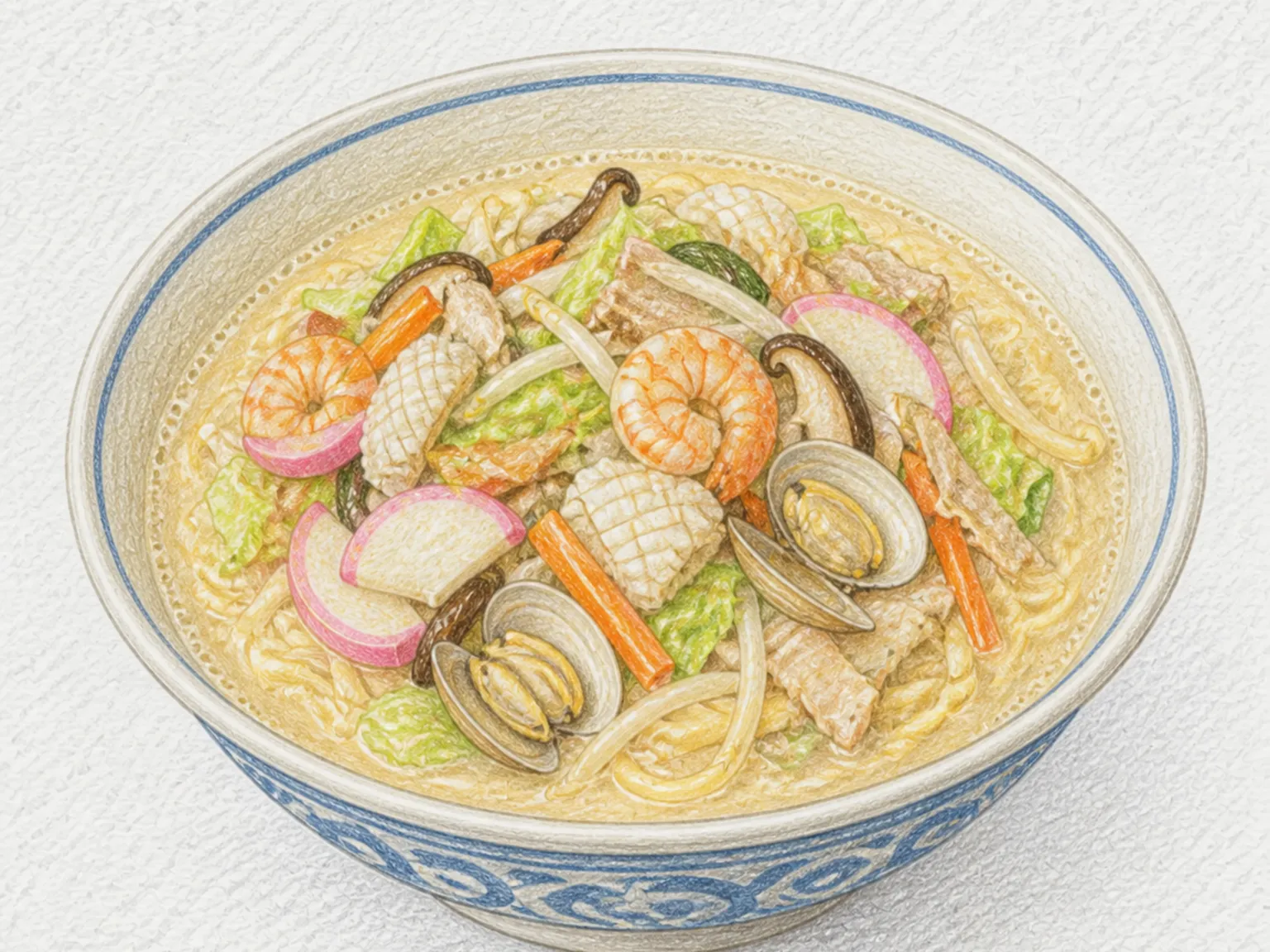
Nagasaki champon is a noodle dish built by stir-frying pork, shrimp, squid, clams, cabbage, bean sprouts, carrot, shiitake, and fish cake over high heat, adding a chicken-based seasoned broth, and simmering thick champon noodles in that soup. It is said to have begun in 1899 when Chin Heijun, owner of the Chinese restaurant Shikairo, cooked scraps of meat and vegetables with noodles and a substantial broth as an affordable, nourishing meal for Chinese students. Cooking the many ingredients in one wok and finishing the noodles directly in the broth lets their flavor enter both the soup and the chewy noodles.

🏠 Everyday
Prep 25min Cook 15min 2 servings
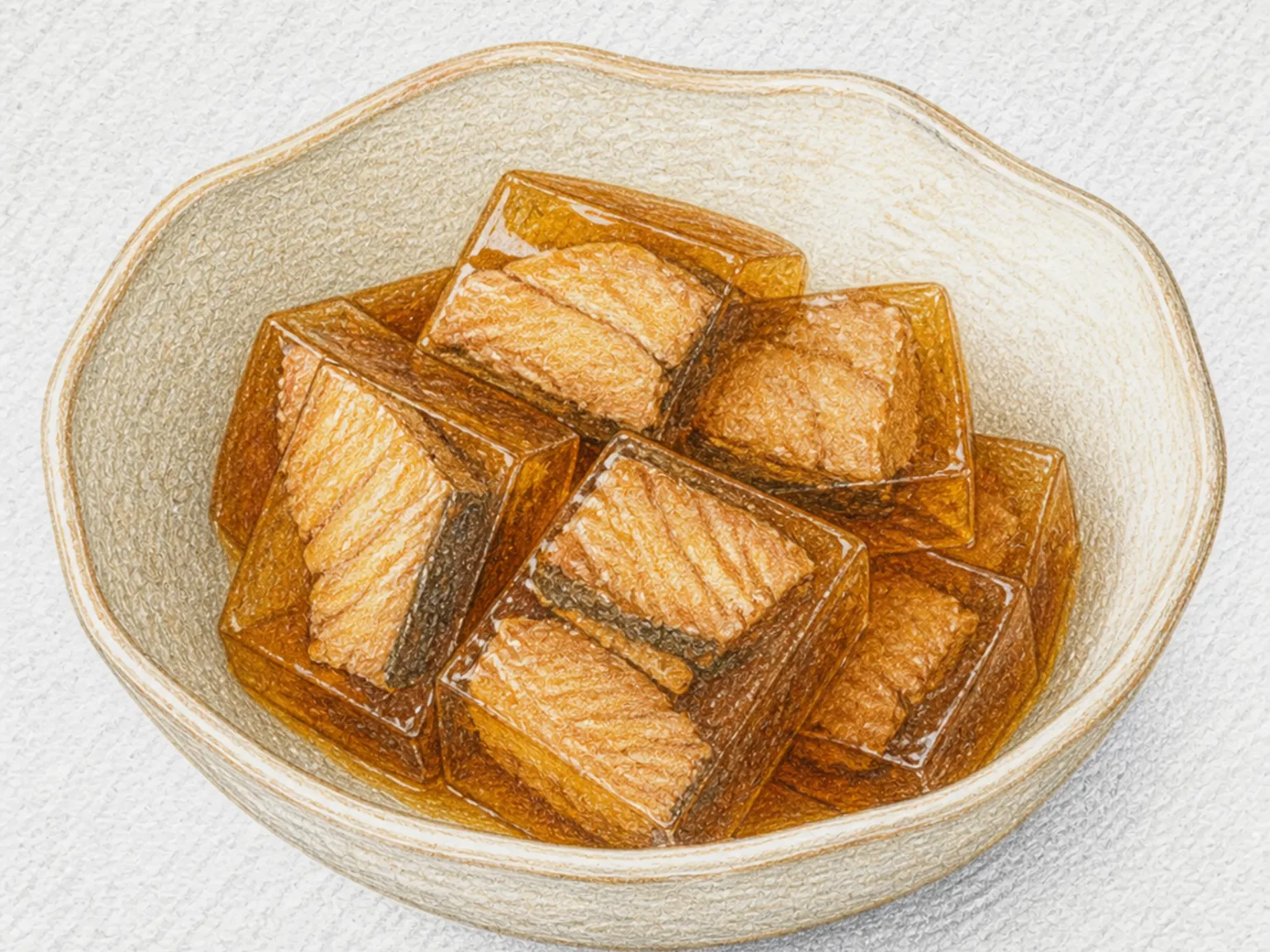
Ei no Nikogori Chilled Simmered Ray
Asian Medium

Ei no Nikogori Chilled Simmered Ray

Ei no nikogori is a Katsuragi specialty from Nara that sweet-salty simmers fresh red stingray with ginger, sake, mirin, sugar, and soy sauce, then chills the fish in its liquid until the broth sets like jelly. Although inland, Nara received seafood landed in Osaka quickly along the Takenouchi road. Ray was especially useful because its abundant collagen firms the cooled braising liquid without added gelatin. The fish is cut into six-centimeter pieces, soaked well in cold water to moderate its odor, and dried. The seasonings are boiled first, and the ray cooks in the liquid until opaque and tender. Fish and strained broth are arranged together in a shallow container, cooled promptly rather than left at room temperature, and refrigerated until firm enough to slice. Ray with an ammonia odor indicates deterioration and must not be cooked or eaten.

🎉 Special Occasion 🍺 Bar Snacks
Prep 50min Cook 25min 3 servings
Salmon Brown Rice Power Bowl
Rice Medium

Salmon Brown Rice Power Bowl

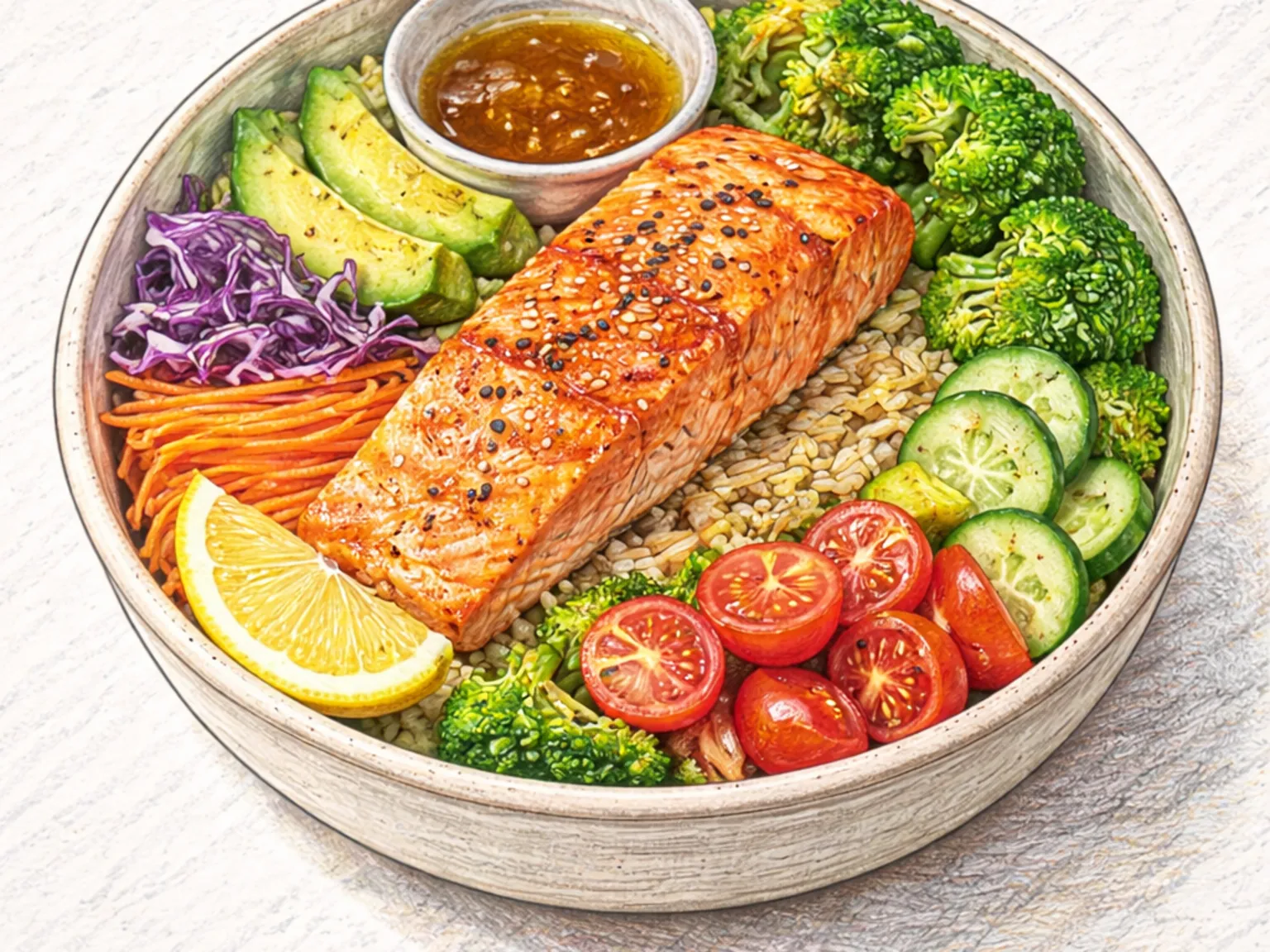
Salmon brown rice power bowl sears a salmon fillet four to five minutes per side until the skin crisps and the interior stays moist, then plates it over cooked brown rice with blanched spinach, julienned carrot, and sliced avocado. A sauce of soy sauce, lemon juice, and sesame oil layers umami depth, citrus brightness, and nutty aroma into a single drizzle that ties the mild grain to the rich fish. Brown rice's firm, chewy texture contrasts with the tender salmon flesh, and avocado fills the gap with a smooth, fatty creaminess. Pulling the salmon from heat while the center is still slightly translucent preserves moisture - overcooking causes the proteins to contract and squeeze out the juices.

🥗 Light & Healthy 🏠 Everyday
Prep 20min Cook 15min 2 servings
Dongara-jiru (Whole Cod and Offal Miso Soup)
Soups Hard

Dongara-jiru (Whole Cod and Offal Miso Soup)

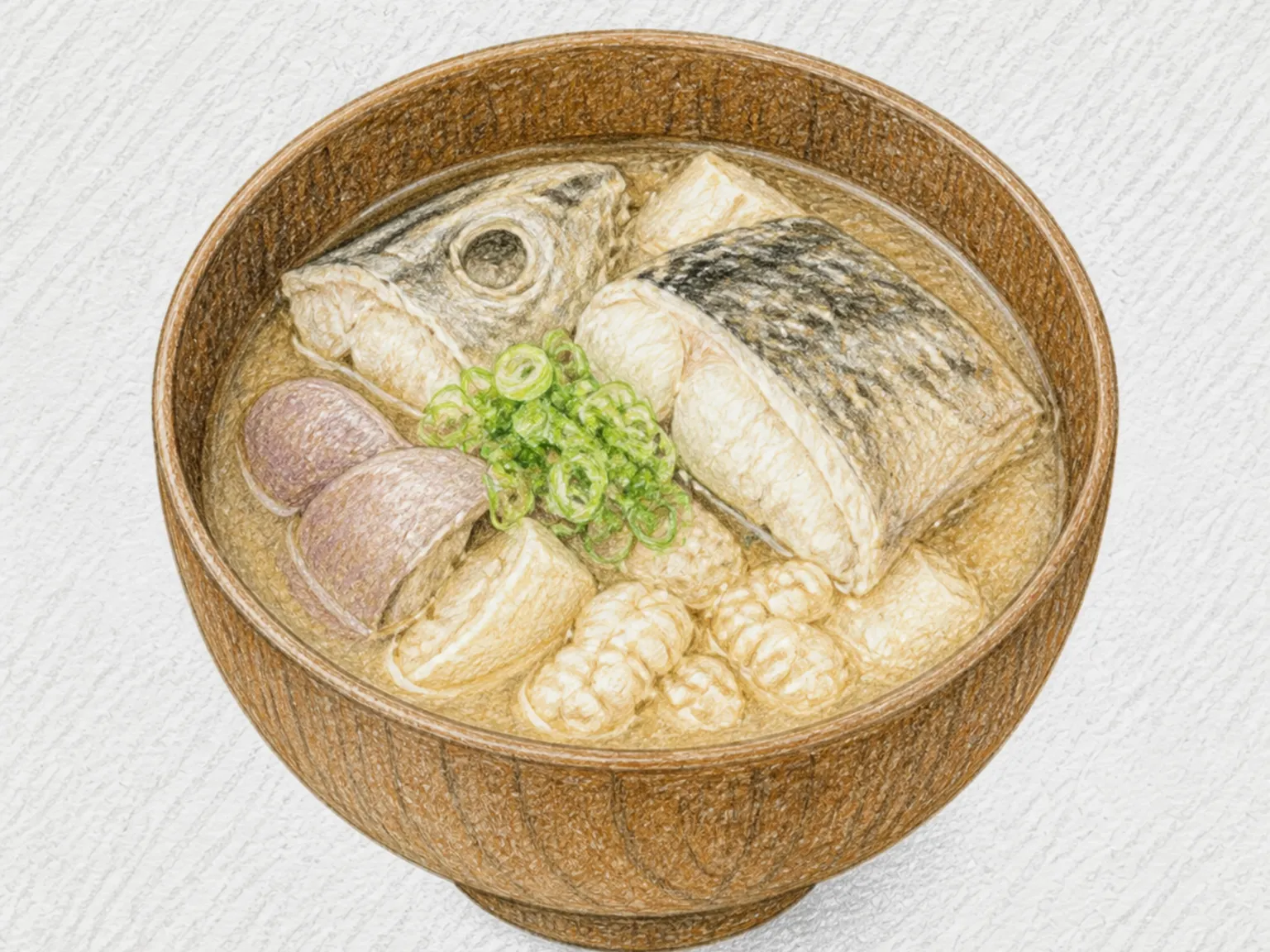
Dongara-jiru is a fisherman's winter soup from the Shonai area of Yamagata. Pieces of cod flesh, head, bones, liver, and milt or roe are simmered in water with sake, then seasoned with miso. Dongara refers to the bony head and trimmings, reflecting the practice of using winter spawning cod from head to tail. Liver enriches the broth with fat and depth, while milt or roe adds a soft texture. For a conservative home method, use a professionally cleaned cod hot-pot set that contains only identified edible parts and excludes gallbladder, gills, and intestines. Cook the flesh and every edible organ to at least 74°C before serving.

🎉 Special Occasion
Prep 20min Cook 35min 4 servings
Niku Udon (Japanese Thick Noodles in Dashi Broth with Braised Beef)
Noodles Easy

Niku Udon (Japanese Thick Noodles in Dashi Broth with Braised Beef)

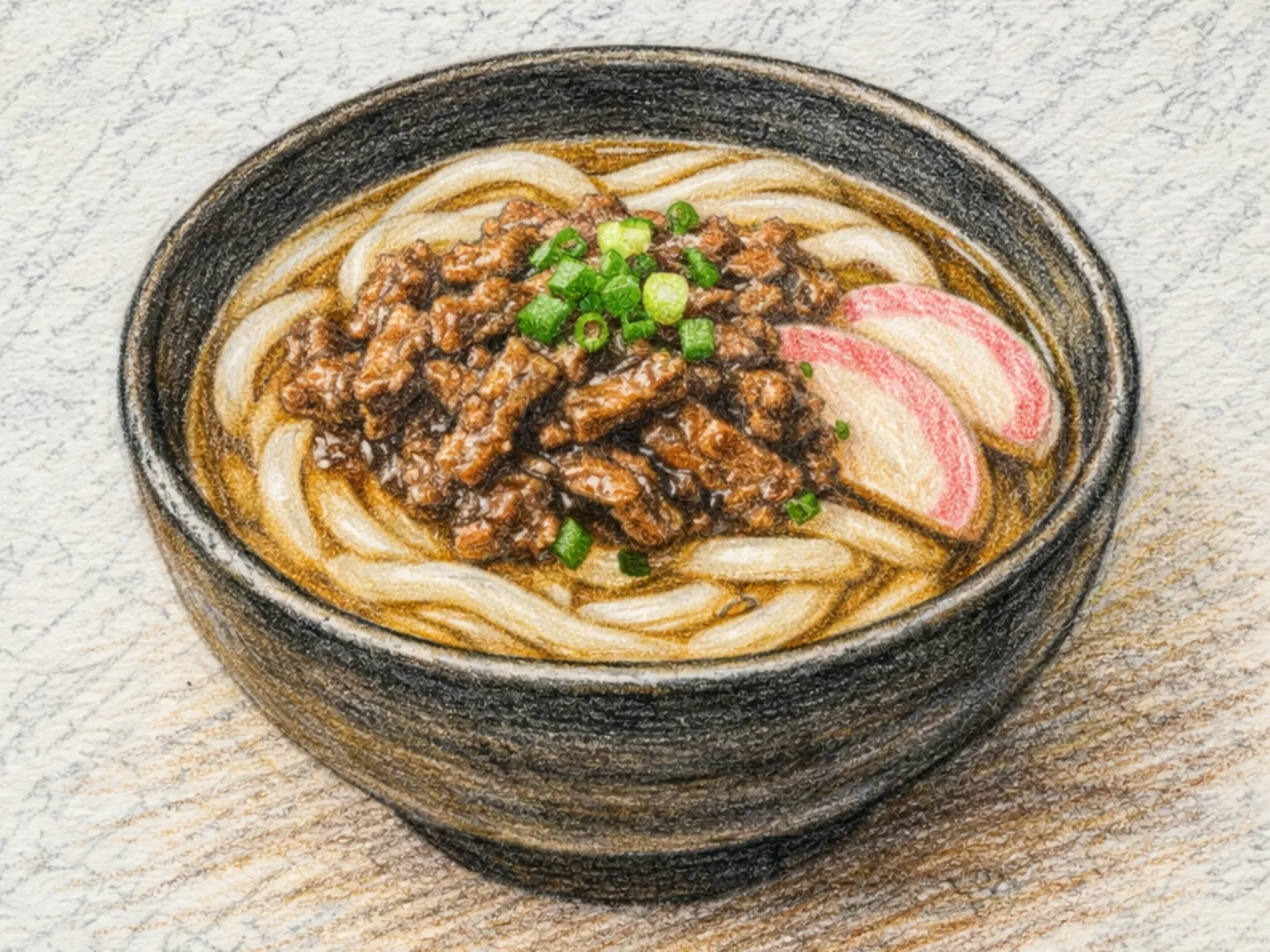
Niku udon is a Japanese noodle soup built on two distinct layers of flavor. The broth starts with a clear dashi made from kombu and bonito flakes, seasoned with soy sauce and mirin for a clean, umami-rich base. Separately, thinly sliced beef is simmered with onion in a concentrated mix of soy sauce, mirin, and sugar until each slice is glazed in a sweet, savory coating. The beef is placed atop thick, chewy udon noodles swimming in the hot broth, and the two seasoning profiles merge at the table. Chopped scallions add freshness to cut through the richness. It is a staple of both home kitchens and udon shops across Japan.

🏠 Everyday 🍱 Lunchbox
Prep 15min Cook 20min 2 servings
Unohana Kizushi (Vinegared Sardines with Okara)
Asian Hard

Unohana Kizushi (Vinegared Sardines with Okara)

Unohana kizushi is a rice-free form of sushi from the Kitaura coast of Yamaguchi Prefecture. Cleaned and deboned sardines are salted, rinsed with vinegar, and kept cold in sweetened vinegar until their flesh firms. Instead of rice, fresh okara is dry-toasted until loose and relatively dry, then seasoned with vinegar, sugar, salt, ginger, hemp seeds, and black sesame. The cooled okara is shaped into small drums and wrapped with the drained sardine fillets. The method reflects the coastal community's resourceful use of soy pulp where rice cultivation was difficult. It was prepared for New Year celebrations, weddings, and local festivals. The finished pieces combine crumbly, nutty okara with rich fish and a clean sweet-sour finish.

🎉 Special Occasion
Prep 45min Cook 10min 5 servings
Salmon Poke Bowl
Rice Medium

Salmon Poke Bowl

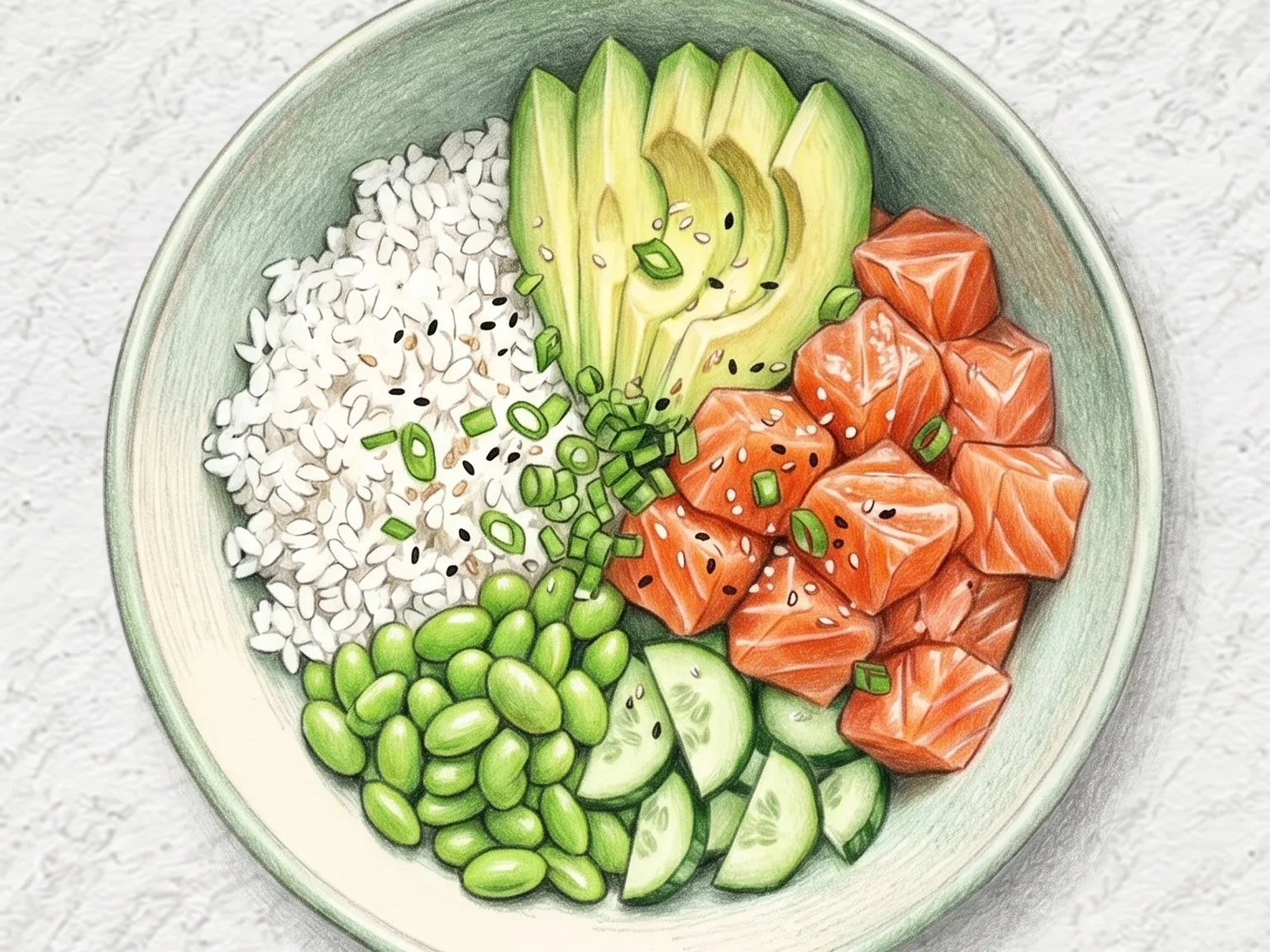
Salmon poke bowl dices sashimi-grade salmon into 1.5-centimeter cubes and marinates them briefly in soy sauce and sesame oil for five minutes, then arranges the fish in sections over steamed rice alongside avocado, cucumber, edamame, and sliced green onion. The short soy marinade draws moisture from the salmon's surface just enough to tamp down any fishiness while amplifying umami, and sesame oil adds a glossy sheen with a toasted fragrance. Avocado's creamy fat cushions the firm, springy bite of the raw fish, while edamame contributes a nutty bean flavor and cucumber brings a cool crunch. Using only sashimi-grade salmon is essential for safe raw consumption.

🥗 Light & Healthy 🏠 Everyday
Prep 20min Cook 15min 2 servings
Yanagi Batto (Willow-Leaf Buckwheat Dumpling Soup)
Soups Medium

Yanagi Batto (Willow-Leaf Buckwheat Dumpling Soup)

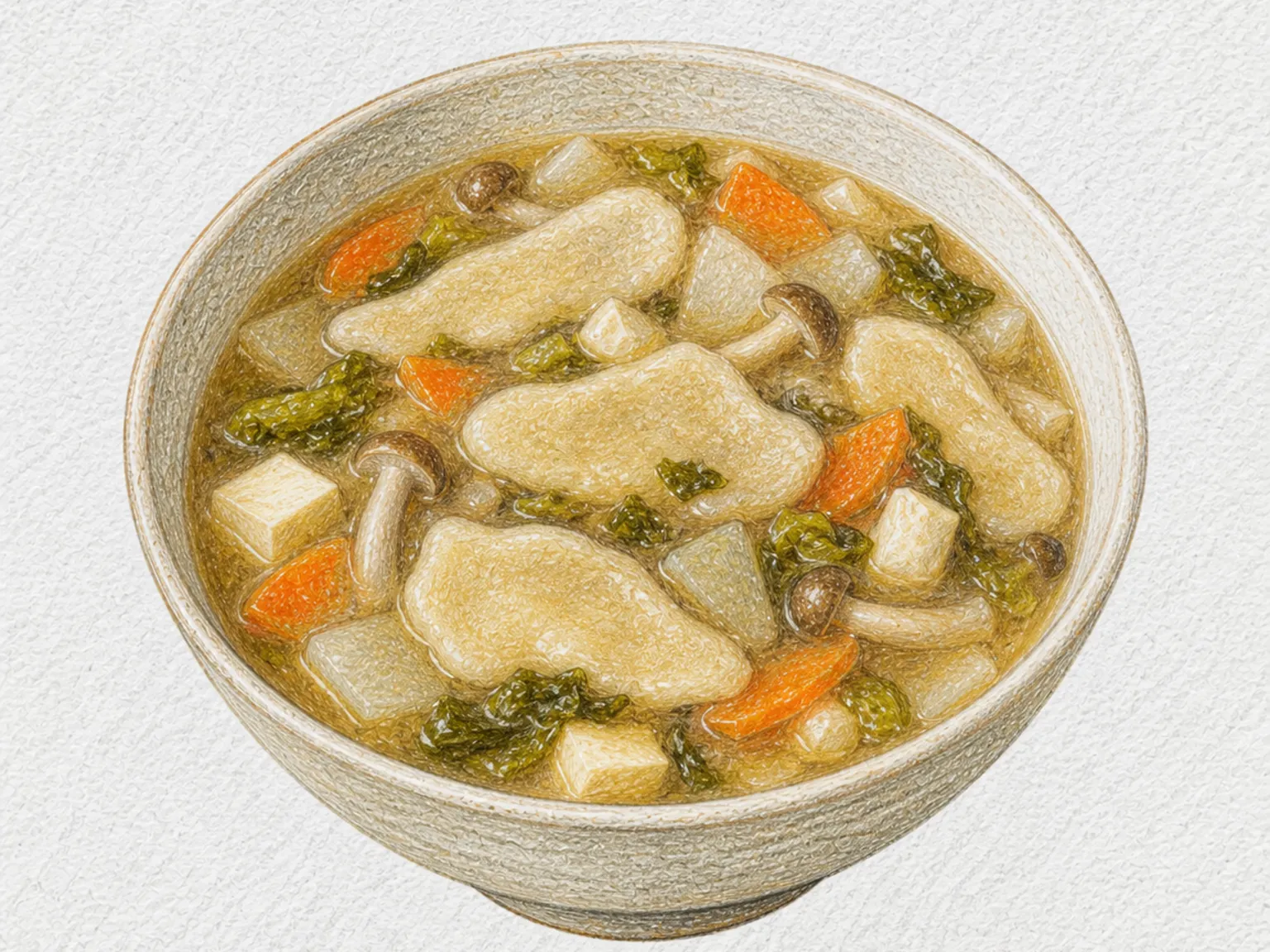
Yanagi batto is a miso soup from northern Iwate. Buckwheat flour is kneaded with crumbled firm tofu and warm water, rolled into a 1cm rope, torn into 5cm lengths, and flattened into willow leaves with slightly plump centers. Daikon, carrot, burdock, and shimeji simmer in dried-sardine broth; half the miso seasons the vegetables before the dumplings cook directly in the soup, and the rest goes in with rehydrated frozen tofu and desalted takana pickle. It is simpler than cutting fine soba noodles but keeps a springy buckwheat bite. Press the center no thicker than 4mm and continue simmering after pieces float so no raw dough remains.

🏠 Everyday
Prep 35min Cook 35min 4 servings
Okinawa Soba (Thick Wheat Noodles with Braised Pork Belly)
Noodles Medium

Okinawa Soba (Thick Wheat Noodles with Braised Pork Belly)

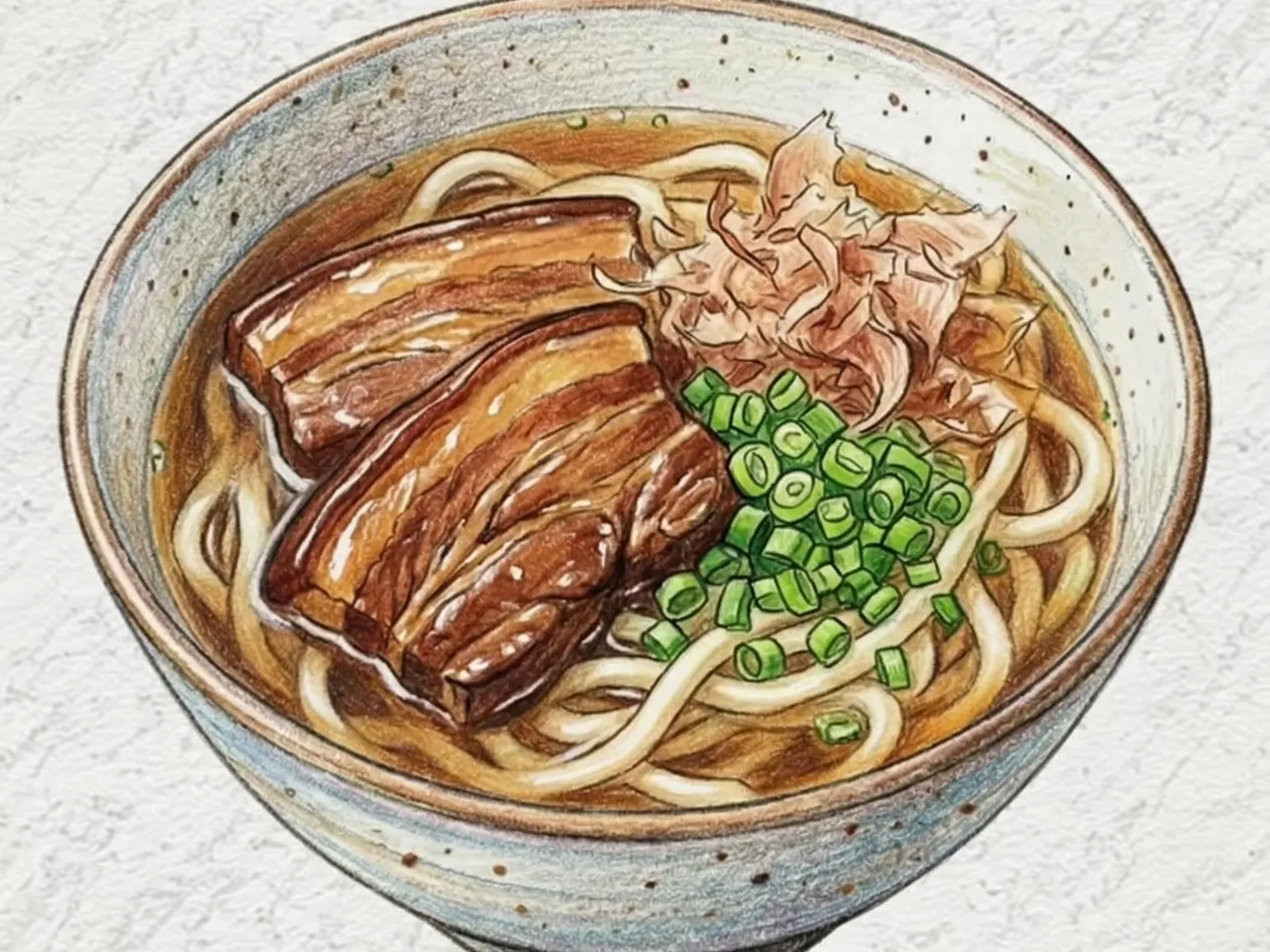
Okinawa soba is a regional Japanese noodle dish from Okinawa featuring thick wheat noodles in bonito-based broth, topped with braised pork belly. The pork belly is blanched for three minutes to remove impurities, then slowly simmered in soy sauce, mirin, and sugar until the fibers turn soft and the meat absorbs a sweet-salty glaze. The bonito dashi broth is clear and subtly savory, seasoned lightly with soy sauce to complement rather than compete with the rich pork. Rinsing the cooked noodles briefly in warm water removes excess starch so the broth stays clean when poured over them. Bonito flakes placed on top just before serving release a smoky, oceanic fragrance, and sliced scallion adds a fresh green accent to the warm, meaty bowl.

🎉 Special Occasion 🍱 Lunchbox
Prep 20min Cook 40min 2 servings
Surimi-age (Fried Fish Cakes)
Asian Medium

Surimi-age (Fried Fish Cakes)

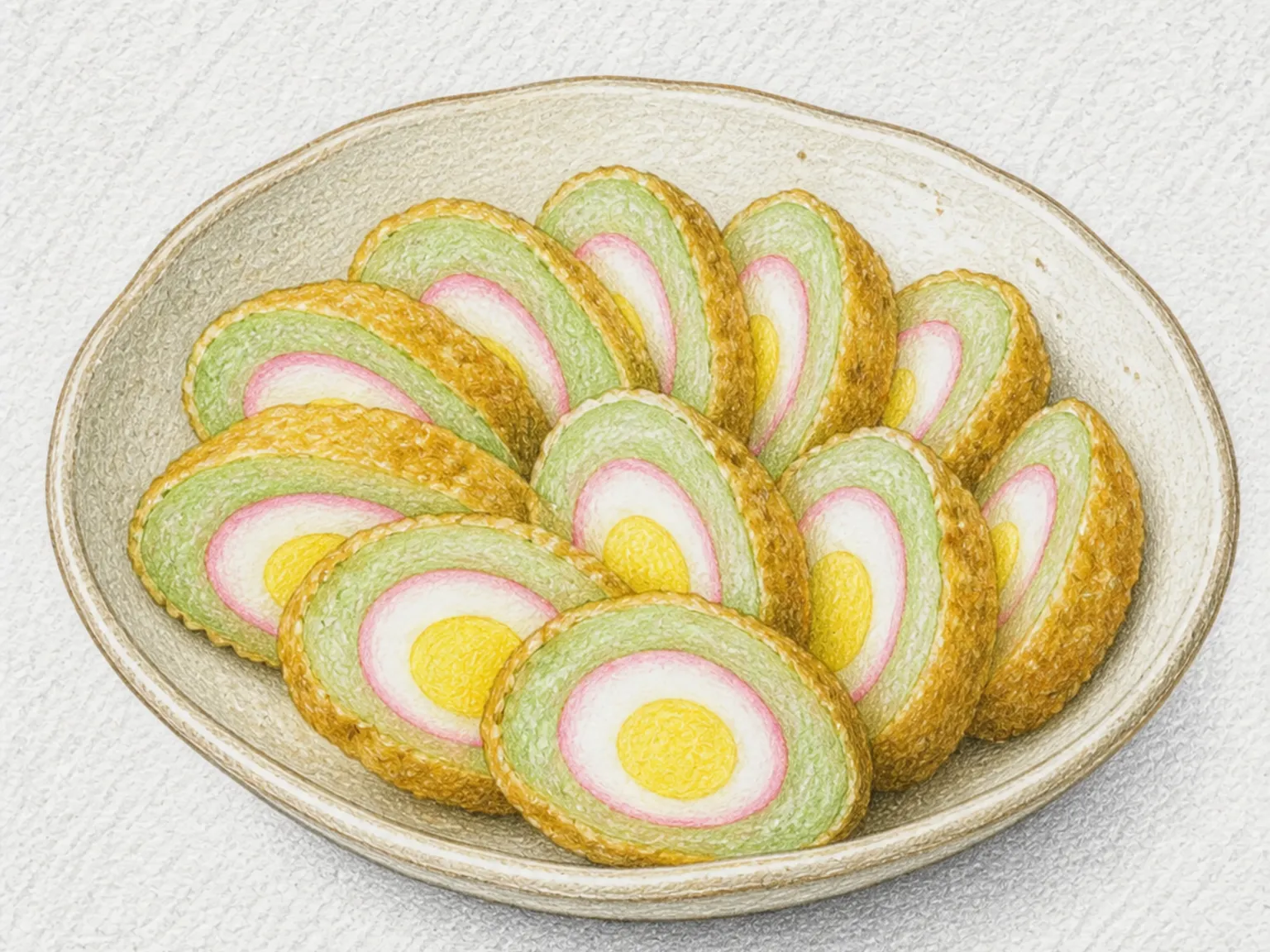
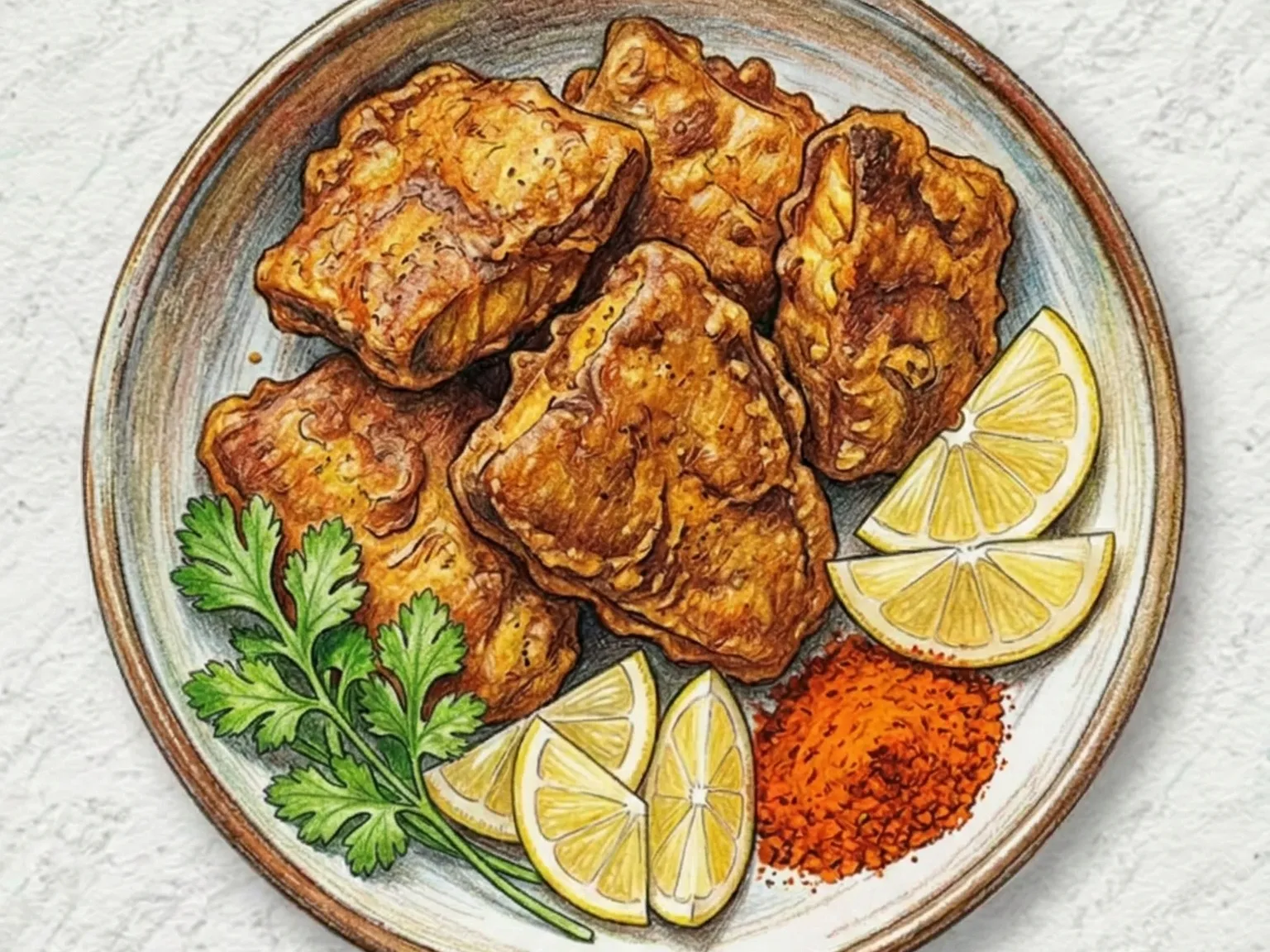
Surimi-age is a Toyama home dish that turns fresh fish paste into crisp, bite-size fried cakes. In this version, sardines are cleaned, pounded, and ground with ginger juice before grated mountain yam, beaten egg, and miso are worked in to make a cohesive, airy paste. Chopped onion, carrot, burdock, and shiso provide texture, while a small amount of potato starch helps each spoonful hold together in the oil. The exterior fries thin and crisp as the center stays fluffy. Toyama households and izakaya serve the cakes as a side dish or sake snack, and they can also become ingredients in oden or hot pot.

🏠 Everyday 🍺 Bar Snacks
Prep 30min Cook 15min 4 servings
Seigaku Mochi (Double-Steamed Rice Cake)
Rice Hard

Seigaku Mochi (Double-Steamed Rice Cake)

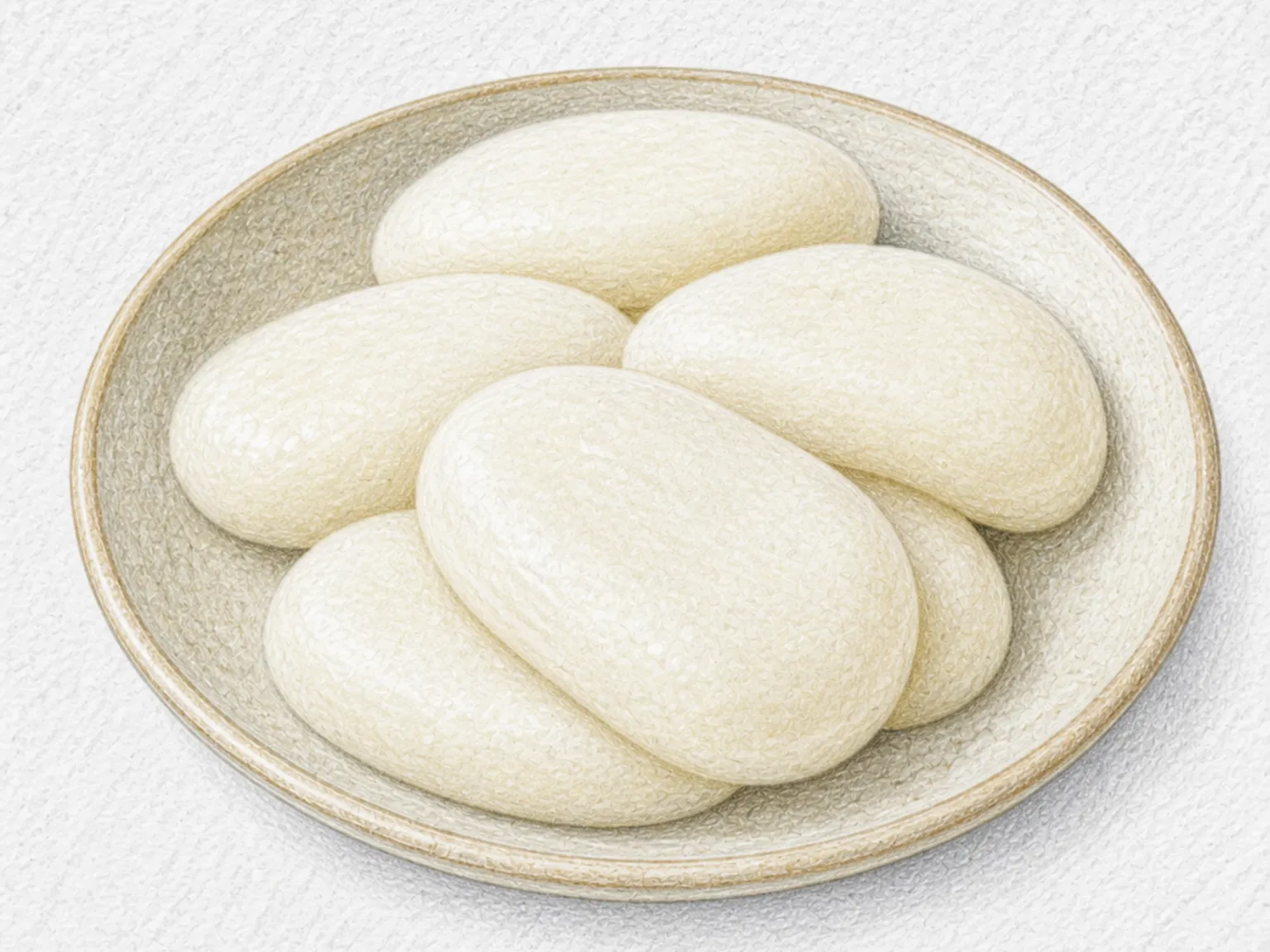
Seigaku mochi is a Chiba rice cake made from ordinary short-grain rice rather than glutinous rice. The soaked grain is steamed once, rinsed quickly in water to separate every kernel, steamed again until no firm core remains, and pounded. It is associated with the Seigaku teachings and rural reforms of Ohara Yugaku in the Sosa area. Double steaming softens non-glutinous rice enough to bind while keeping the finished cake less sticky than standard mochi. It holds its shape well in soup or a stir-fry and has a soft but clearly grained bite.

🏠 Everyday 🧒 Kid-Friendly
Prep 25min Cook 35min 10 servings
Aichi Zoni (Clear New Year Soup with Square Mochi)
Soups Easy

Aichi Zoni (Clear New Year Soup with Square Mochi)

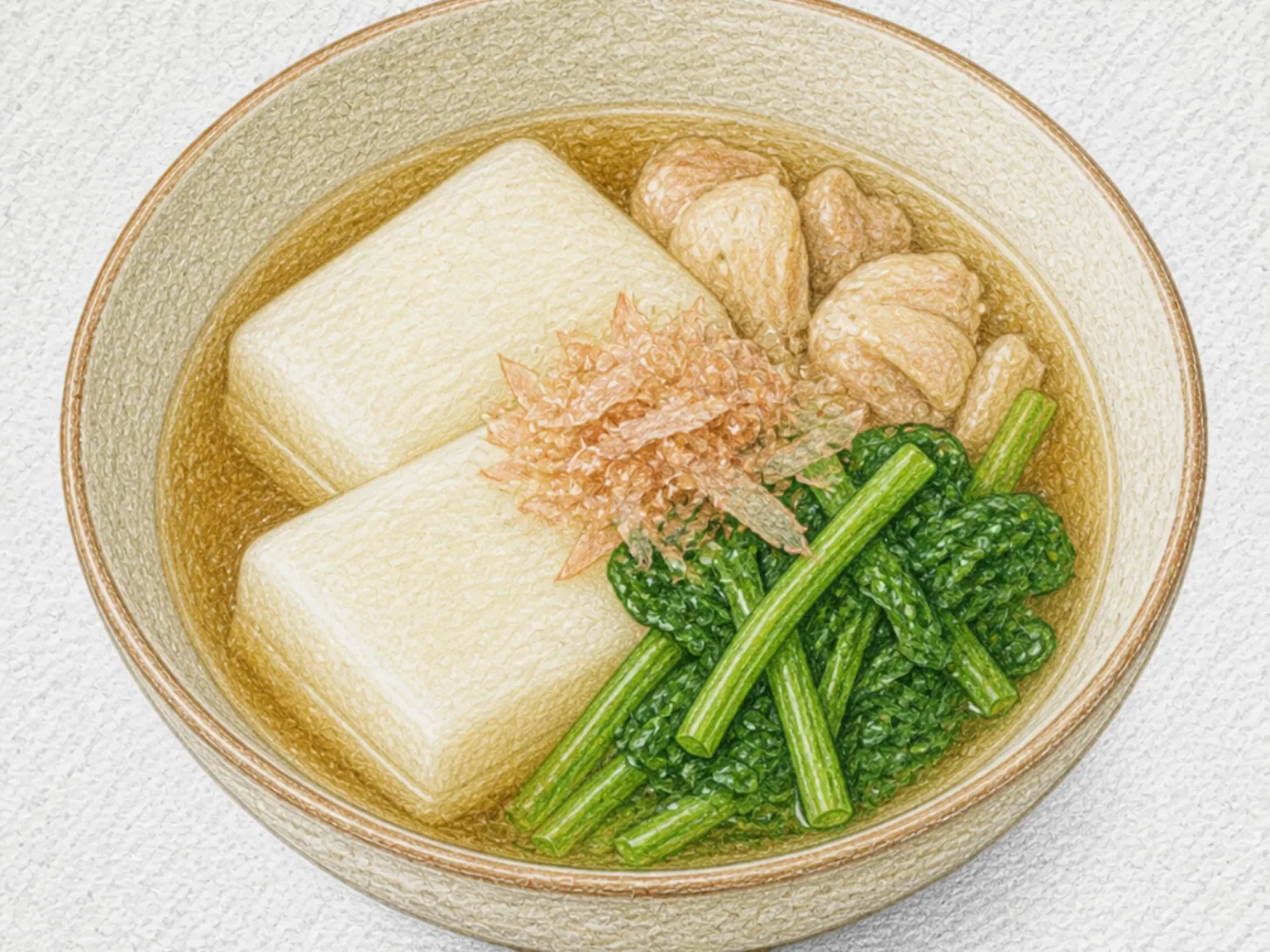
Aichi zoni is a New Year soup of square mochi, chicken, and mochina, a traditional leafy vegetable from the Owari area, in a clear soy-seasoned dashi. Although Aichi is strongly associated with dark bean miso, this zoni keeps its broth light with sake, mirin, salt, and soy sauce rather than miso. The square mochi goes directly into the simmering soup without grilling, producing a smooth surface and soft center. Mochina resembles komatsuna but is tender and mildly sweet, so it is added only after the rice cakes soften to preserve its green color. Each bowl receives two pieces of mochi, chicken, greens, clear broth, and a small topping of bonito flakes. The simple arrangement makes the texture of each ingredient easy to distinguish.

🎉 Special Occasion
Prep 15min Cook 20min 4 servings
Gunma Okirikomi Noodle Stew
Noodles Hard

Gunma Okirikomi Noodle Stew

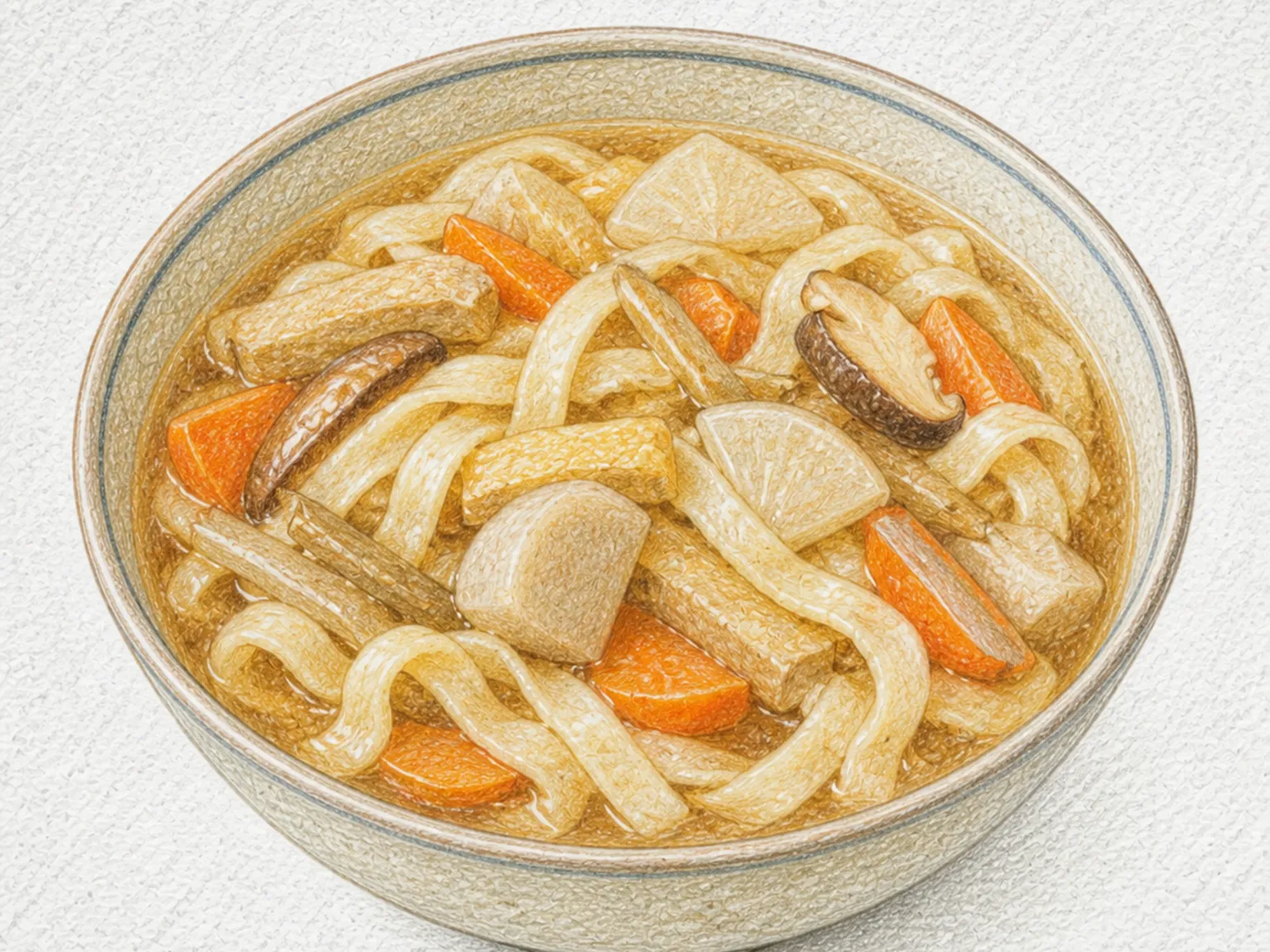
Okirikomi is a Gunma staple of unsalted wheat noodles cut about 1cm wide and cooked directly in broth without separate boiling. Burdock, carrot, daikon, taro, shiitake, and fried tofu simmer first, then the raw noodles release a little flour that naturally thickens the pot. The broth is drawn from dried sardines, kombu, and bonito flakes and finished with soy sauce and miso. The dish reflects Gunma's wheat-based food culture and was prepared as an everyday one-pot meal, with noodle thickness and vegetable choices changing from one household to another.

🏠 Everyday
Prep 50min Cook 35min 4 servings
Ruibe (Hokkaido Frozen Salmon Sashimi)
Asian Medium

Ruibe (Hokkaido Frozen Salmon Sashimi)

Ruibe is a Hokkaido fish dish in which salmon or trout is frozen solid, sliced thinly without thawing, and eaten while still icy. The first bite is firm and cold, then the fish softens in the mouth and releases its oil and tender texture. The method is associated with Ainu foodways that preserved salmon in snow through severe winters. Its name is commonly explained through the Ainu words ru, meaning to melt, and ipe, meaning food. Because the fish remains raw, ordinary fresh salmon briefly placed in a home freezer is not suitable. Use salmon sold for raw consumption that has already completed validated parasite-destruction freezing, keep it frozen while cutting with sanitized tools, and serve immediately with grated mountain horseradish and soy sauce.

🍺 Bar Snacks
Prep 15min 4 servings
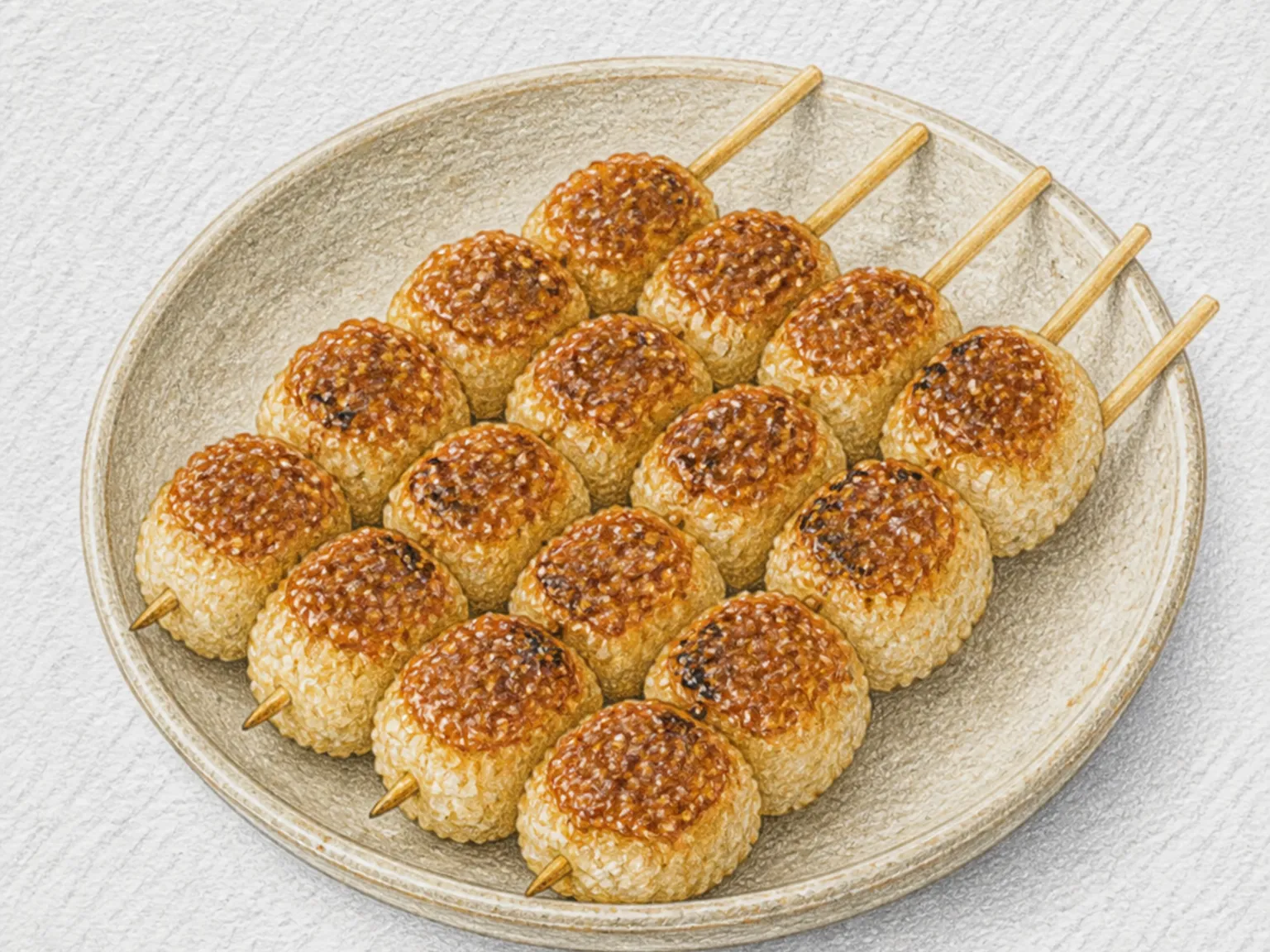
Shingoro (Grilled Rice Skewers with Egoma Miso)
Rice Medium

Shingoro (Grilled Rice Skewers with Egoma Miso)

Shingoro is a grilled rice skewer eaten in Shimogo and Minamiaizu, Fukushima Prefecture. Freshly cooked white rice is pounded only about halfway, leaving both visible grains and enough stickiness to hold together. It is formed into egg-size portions and attached to sixteen skewers. Egoma, or perilla seed, is called junen in Fukushima. The seeds are dry-roasted over low heat while the pan is shaken, and the heat is stopped as soon as five or six seeds begin to pop. They are ground thoroughly and mixed with sugar, miso, and sake to make junen miso. Both sides of each rice skewer are grilled first until browned. Only then is the thick seed and miso paste spread over the surface, and the skewers return to the heat until the sauce develops light char marks. The dish is eaten year-round and is often served to celebrate the new rice harvest.

🏠 Everyday 🎉 Special Occasion
Prep 25min Cook 35min 4 servings
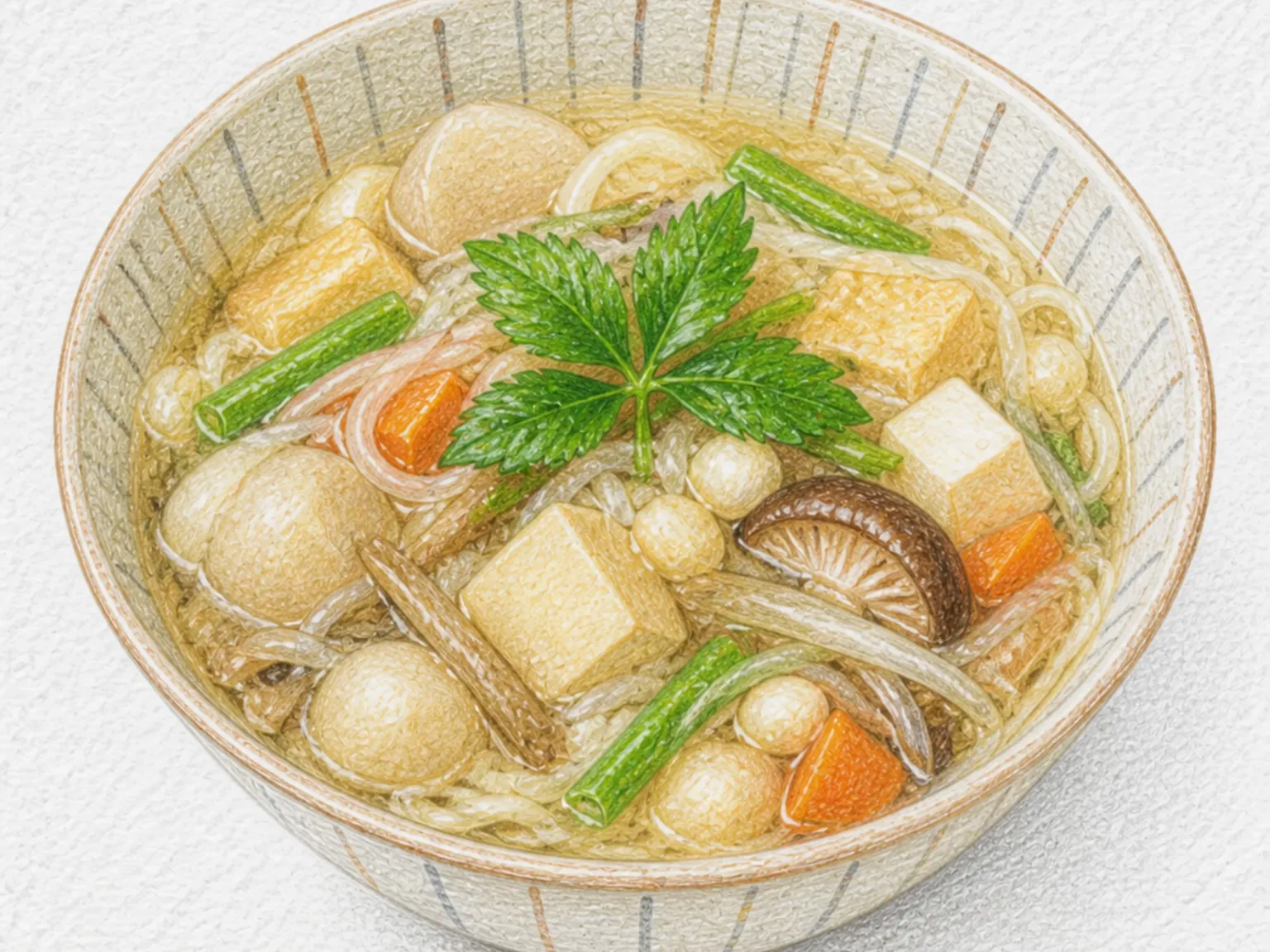
Okuzukake (Thickened Vegetable and Umen Soup)
Noodles Medium

Okuzukake (Thickened Vegetable and Umen Soup)

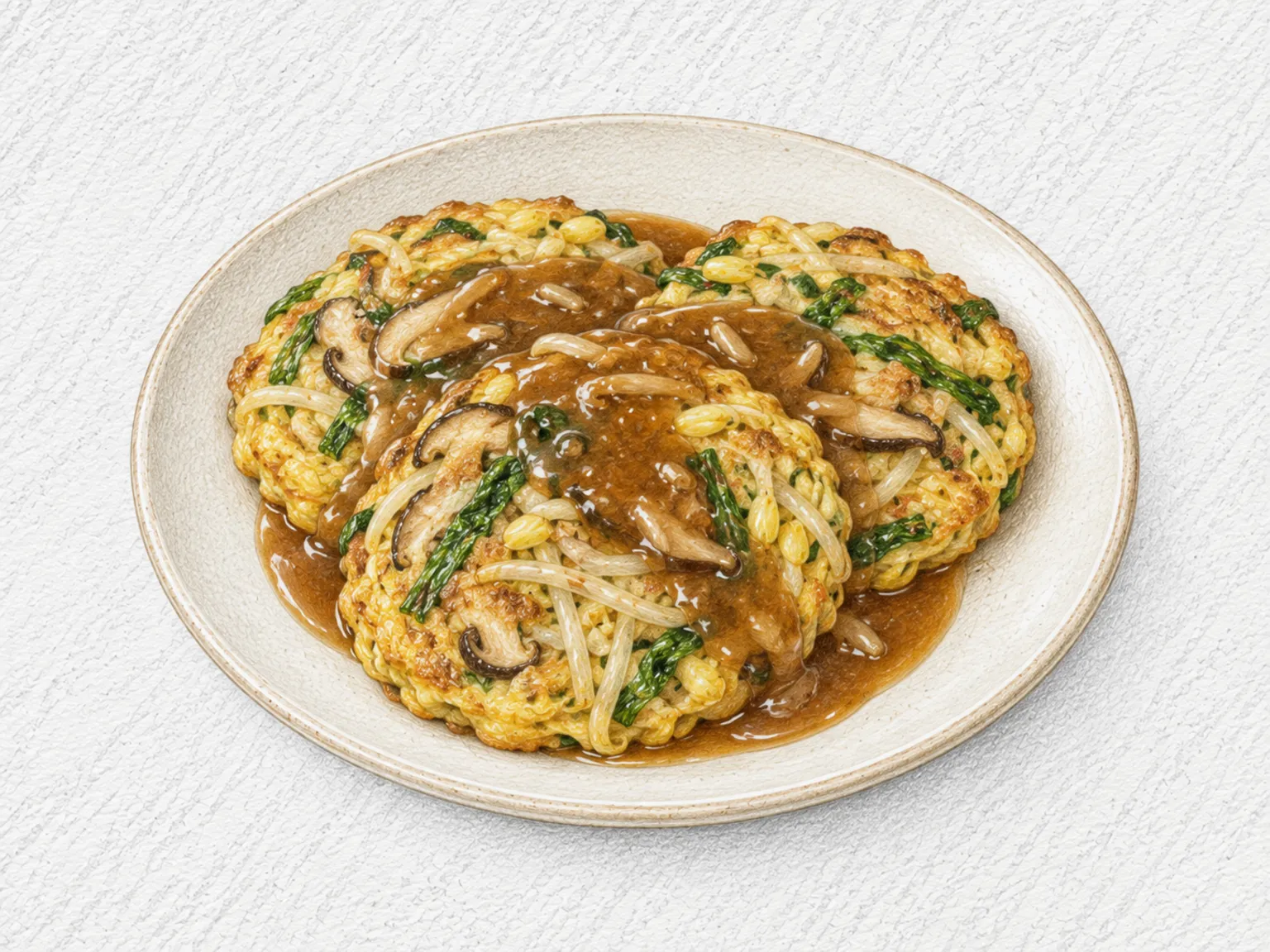
Okuzukake is a Buddhist vegetarian soup served in southern Miyagi during the spring and autumn equinox periods, Obon, and memorial gatherings. Taro, carrot, burdock, cowpea pods, and dried shiitake cook in a broth built from the mushroom soaking liquid. Fried tofu, fresh tofu, shirataki, and small wheat gluten pieces make the bowl substantial without meat or fish. Separately boiled Shiraishi umen noodles are added near the end, then potato starch slurry gives the clear, soy-seasoned broth enough body to cling lightly to the noodles and vegetables. A small amount of mitsuba finishes each serving.

🎉 Special Occasion
Prep 30min Cook 25min 4 servings
Fu no Karashi-ae (Wheat Gluten with Mustard Miso)
Asian Easy

Fu no Karashi-ae (Wheat Gluten with Mustard Miso)

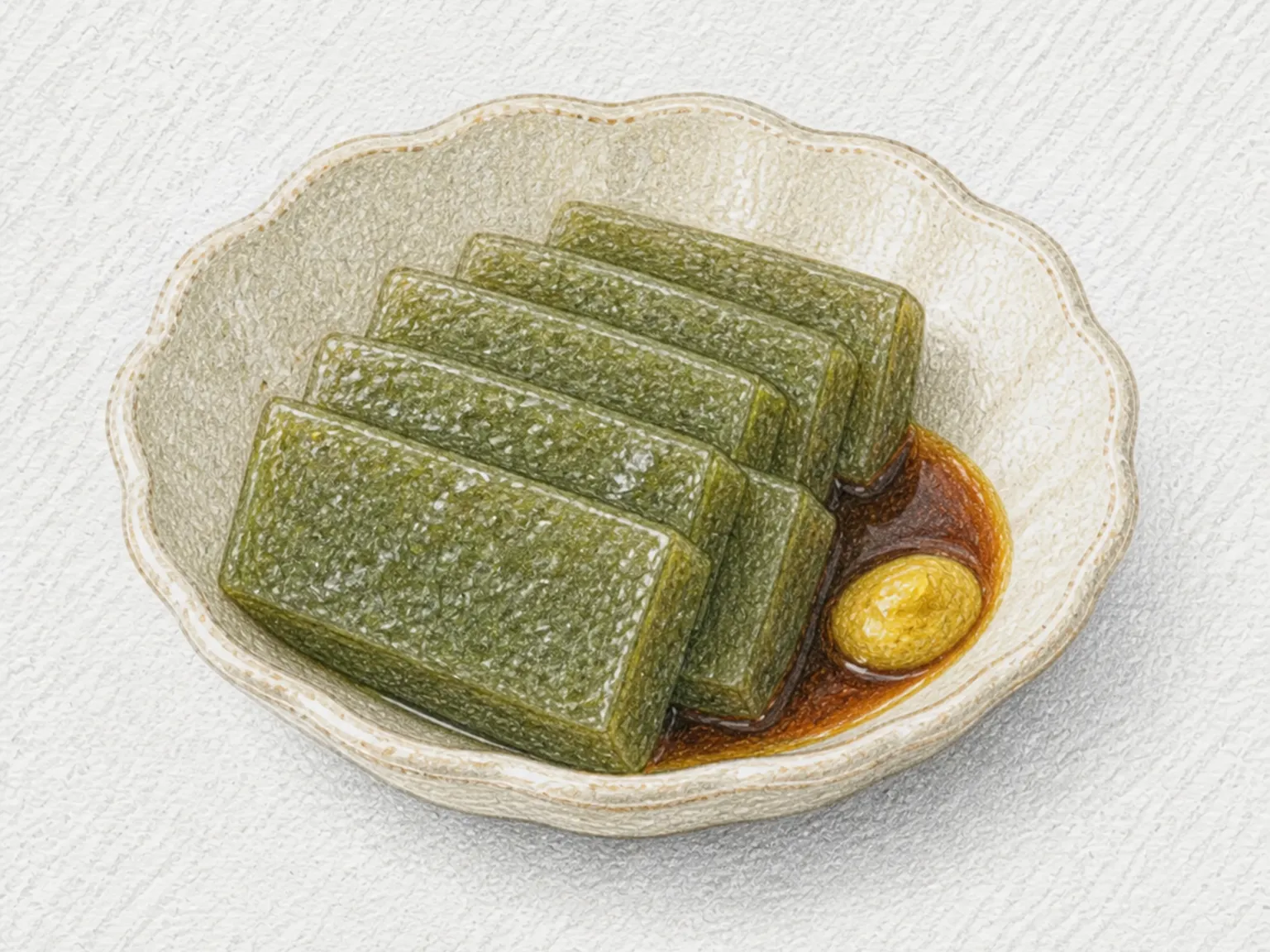
Fu no karashi-ae is a Buddhist vegetarian dish from the Reihoku area of Fukui. Rehydrated square fu and salt-rubbed cucumber are dressed with vinegar, miso, sugar, and pungent Japanese mustard. Fu is a light, porous wheat-gluten food that readily absorbs mustard vinegar miso after excess water is pressed out. The dish has long been served at Hoonko, the major annual Jodo Shinshu observance, as well as funerals and memorial services, where fu and miso provide useful protein without meat or fish. Blooming the mustard before mixing preserves its sharp aroma, while a 30-minute rest leaves the cucumber crisp and the fu thoroughly seasoned.

🏠 Everyday
Prep 75min 10 servings
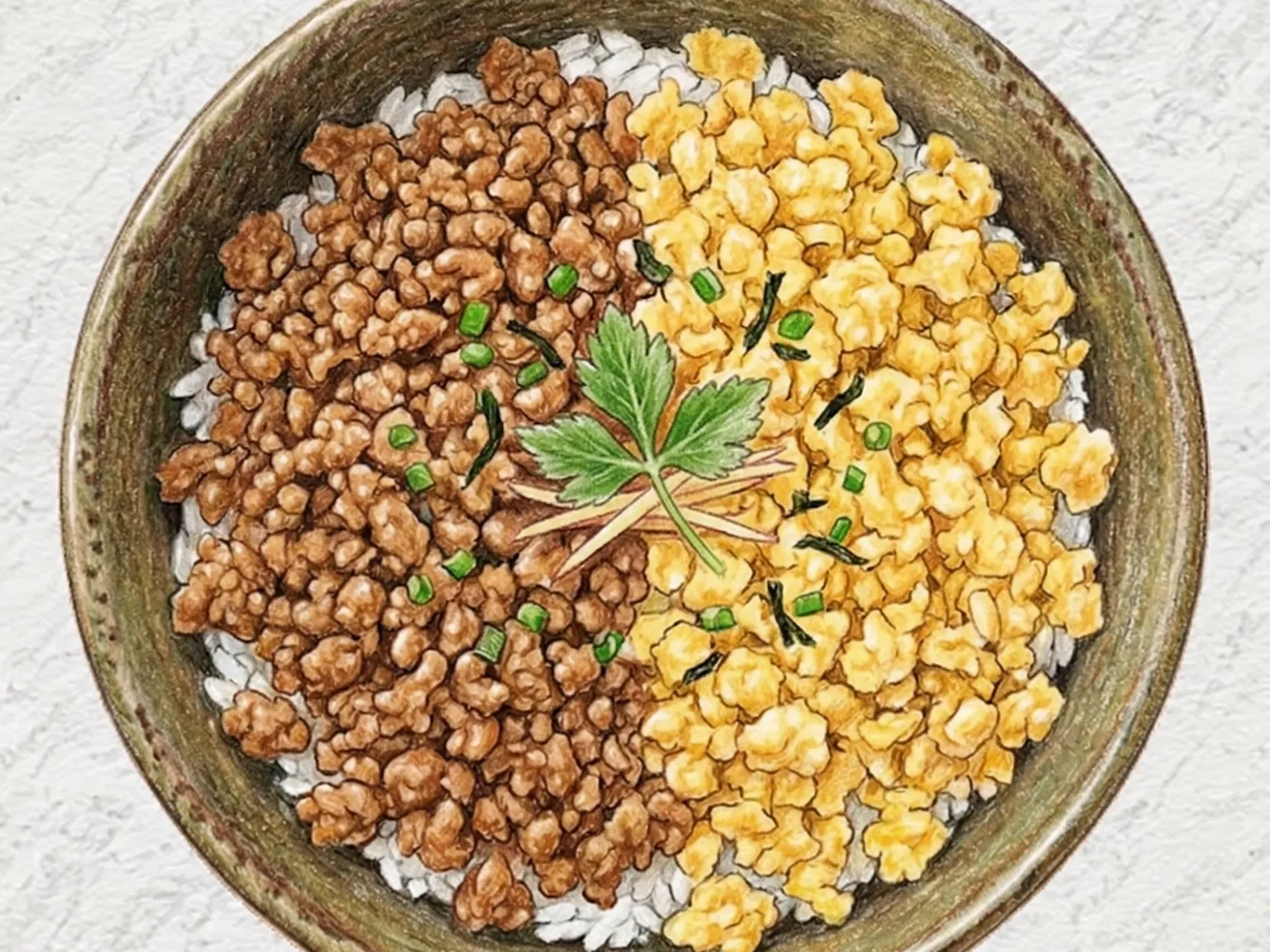
Chicken Soboro Rice Bowl (Ground Chicken and Scrambled Egg over Rice)
Rice Easy

Chicken Soboro Rice Bowl (Ground Chicken and Scrambled Egg over Rice)

Soboro-don is a Japanese-style rice bowl that tops steamed rice with two side-by-side mounds: savory minced chicken and sweet scrambled egg. The chicken is seasoned with soy sauce, sugar, mirin, and ginger juice, then stirred constantly with chopsticks over medium heat until it breaks into fine, crumbly grains that are individually coated in glaze. The egg is treated the same way - beaten, poured into a pan, and stirred into soft, fluffy curds. Arranged half-and-half on the rice, the brown chicken and bright yellow egg create a visual contrast that makes the bowl inviting. Both toppings share a gentle sweetness balanced by soy umami, and their fine, loose texture means every bite blends effortlessly with the rice beneath.

🍱 Lunchbox ⚡ Quick
Prep 15min Cook 15min 2 servings
Thai Drunken Noodles
Noodles Medium

Thai Drunken Noodles

Pad kee mao, or drunken noodles, is a Thai stir-fried noodle dish where wide rice noodles are wok-tossed with chicken, garlic, fresh chili, and Thai basil over very high heat. The noodles are soaked briefly in lukewarm water until pliable but not soft. Garlic and chili go into the smoking-hot wok first to release their aroma, followed by sliced chicken thigh. Onion and bell pepper are added next and stir-fried quickly to keep them crisp. Fish sauce delivers briny umami while dark soy sauce darkens the noodles and adds a subtle sweetness. Thai basil is folded in only after the heat is turned off, so its anise-like fragrance stays intact rather than cooking away. Maintaining intense wok heat throughout is critical - too low and the noodles steam instead of sear.

🎉 Special Occasion 🌙 Late Night
Prep 15min Cook 12min 2 servings
Funankogui (Kombu-Wrapped Crucian Carp in Miso)
Asian Hard

Funankogui (Kombu-Wrapped Crucian Carp in Miso)

Funankogui is a long-simmered dish from Kashima in Saga. Cleaned crucian carp are wrapped tightly in whole kombu, tied with kanpyo, set over daikon, konnyaku, lotus root, and burdock, and cooked for about 10 hours in strained red-miso liquid with brown sugar, white sugar, starch syrup, and soy sauce. The goal is fish so tender that even the bones can be eaten, but they must be checked before serving. Crucian carp from rivers and Saga Plain creeks supplied winter protein when Ariake Sea fishing slowed. In Kashima, the dish is offered to Ebisu on January 20, and ingredients have been sold at a Funa Market with more than three centuries of history.

🎉 Special Occasion
Prep 75min Cook 480min 12 servings

About Asian

Each country brings its own signature spices and sauces, so even the same ingredients can produce completely different flavors. With a few key pantry items - coconut milk, fish sauce, curry powder, doubanjiang - you can recreate the tastes of Asia at home.