Asian

Asian Recipes

806 recipes. Page 23 of 34

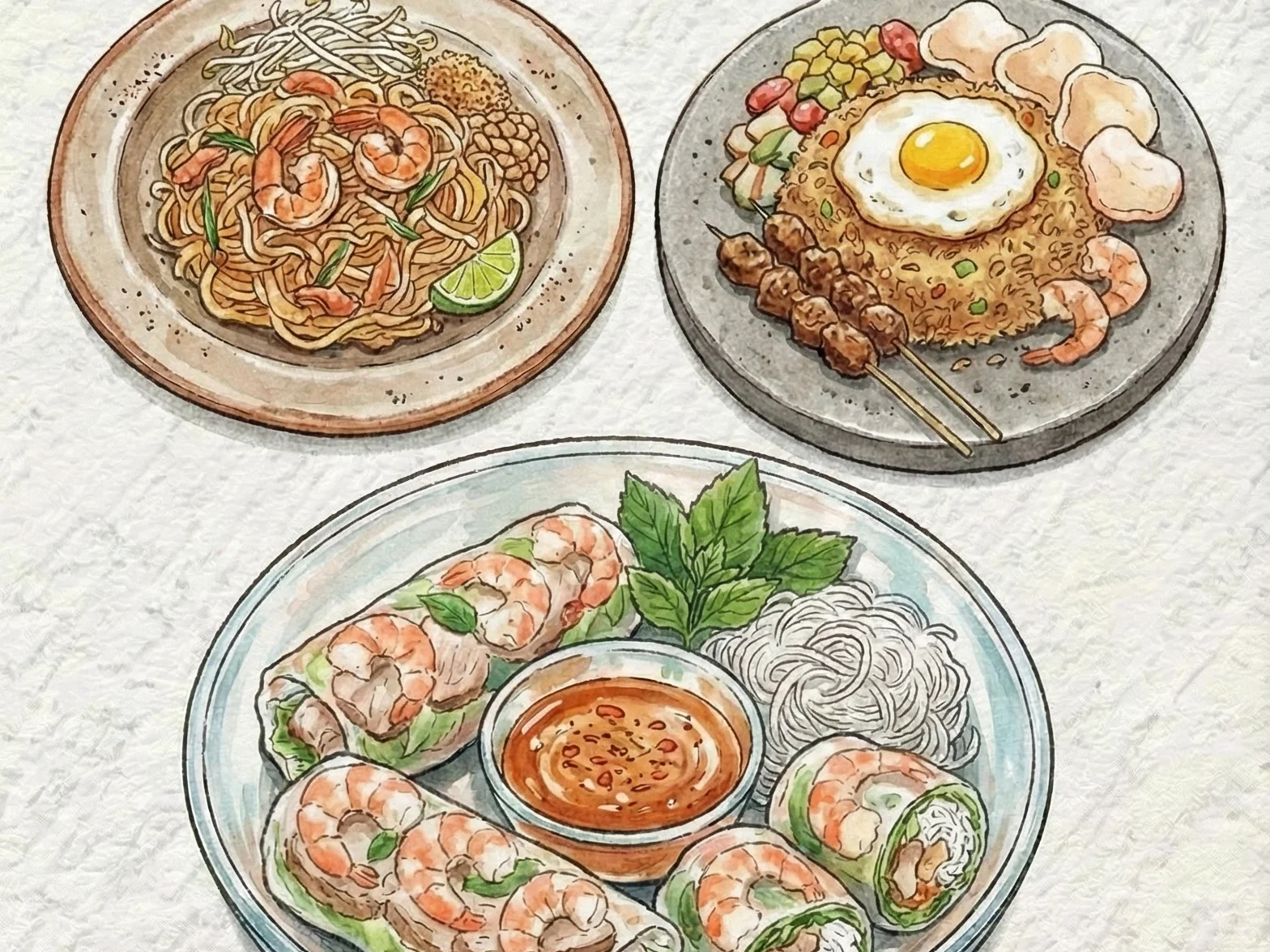
The Asian category gathers popular dishes from Japan, China, Thailand, Vietnam, India, and beyond. Curry, stir-fried noodles, mapo tofu, pad Thai, and pho are among the Asian favorites commonly enjoyed in Korean households.

Asian
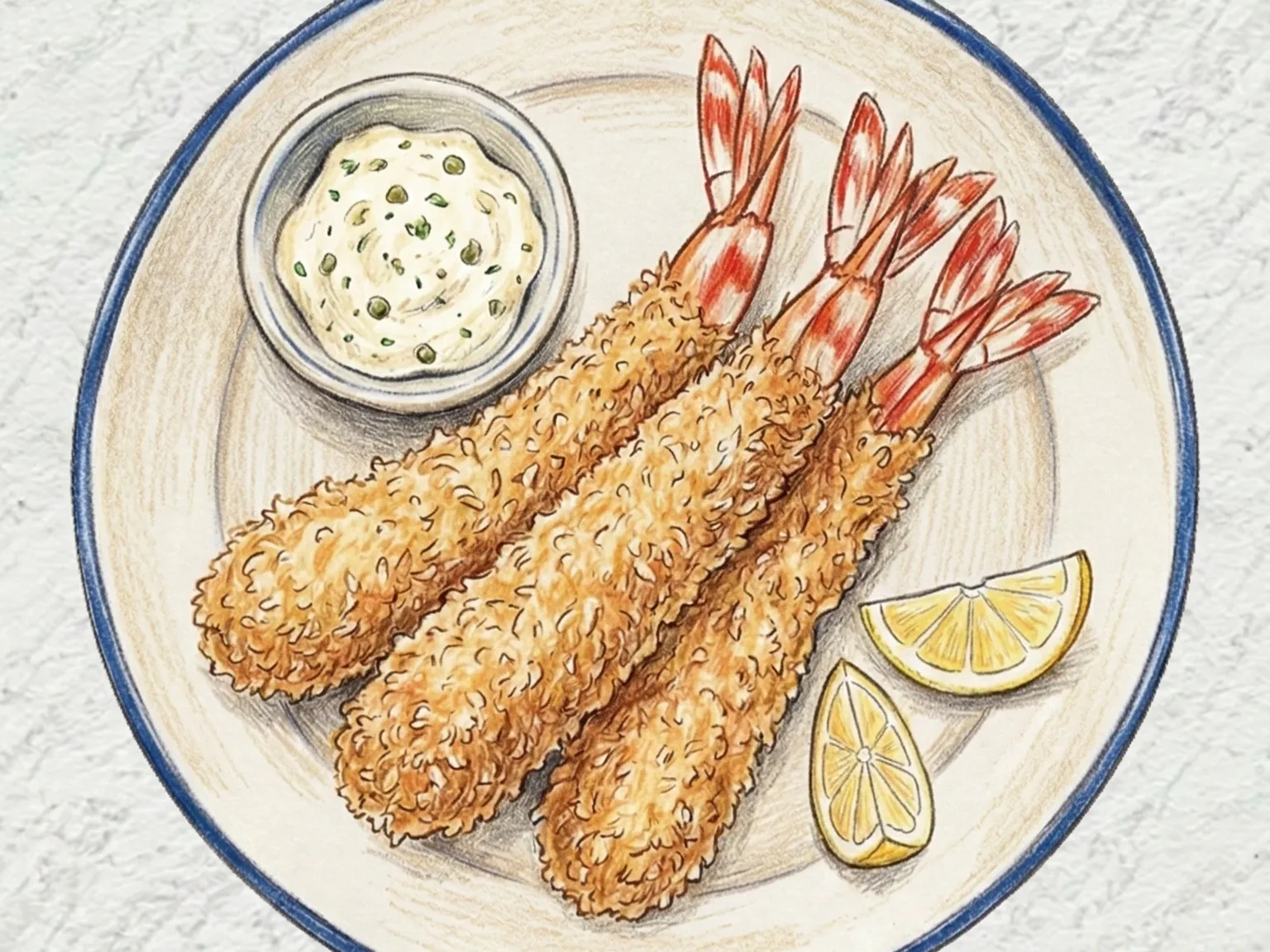
Japanese Shrimp with Mayo
Asian Easy

Japanese Shrimp with Mayo

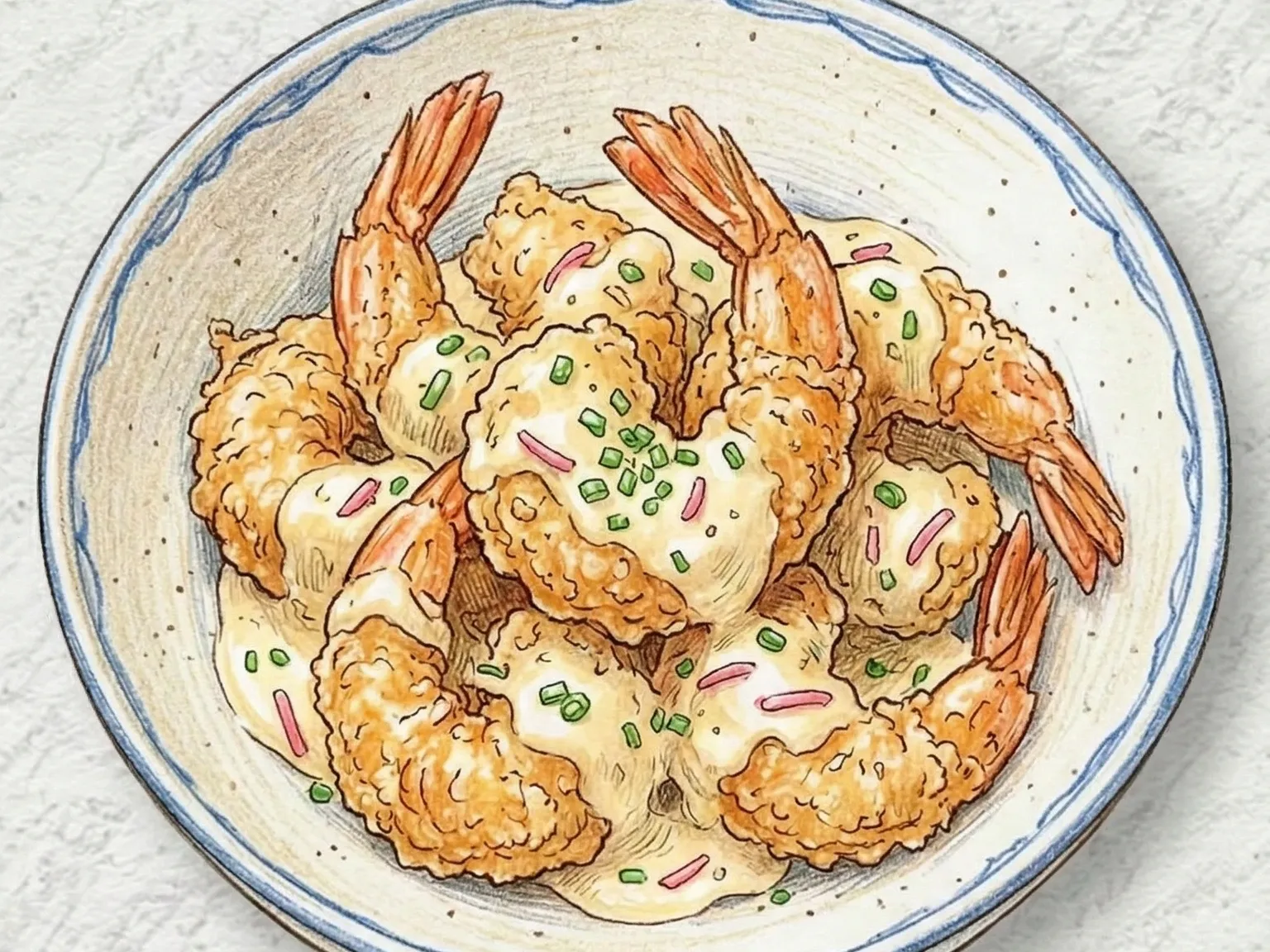
Ebi mayo was invented by Hong Kong-born chef Chou Yuanji while working in Japan, fusing Cantonese prawn cookery with the rich creaminess of Japanese mayonnaise. Shrimp are coated in cornstarch and deep-fried until the shell crackles, then tossed in a sauce of mayonnaise, condensed milk, and lemon juice. The condensed milk tempers the mayo's tang and adds a gentle sweetness. Japanese Kewpie mayonnaise, made with egg yolks only rather than whole eggs, is denser and more umami-rich than Western varieties, and this difference is what gives ebi mayo sauce its distinctive body. The crispy starch coating absorbs the thick sauce on the surface while the shrimp beneath stays springy, creating a two-layered texture -- creamy on first contact, then bouncy when the teeth reach the center. Ebi mayo is a staple of izakaya menus and Chinese restaurants in Japan, and has crossed into convenience-store bento boxes and onigiri fillings as one of the country's most ubiquitous fusion flavors.

🧒 Kid-Friendly ⚡ Quick
Prep 15min Cook 10min 2 servings
Sankaku Chimaki (Plain Glutinous Rice in Bamboo Leaves)
Rice Hard

Sankaku Chimaki (Plain Glutinous Rice in Bamboo Leaves)

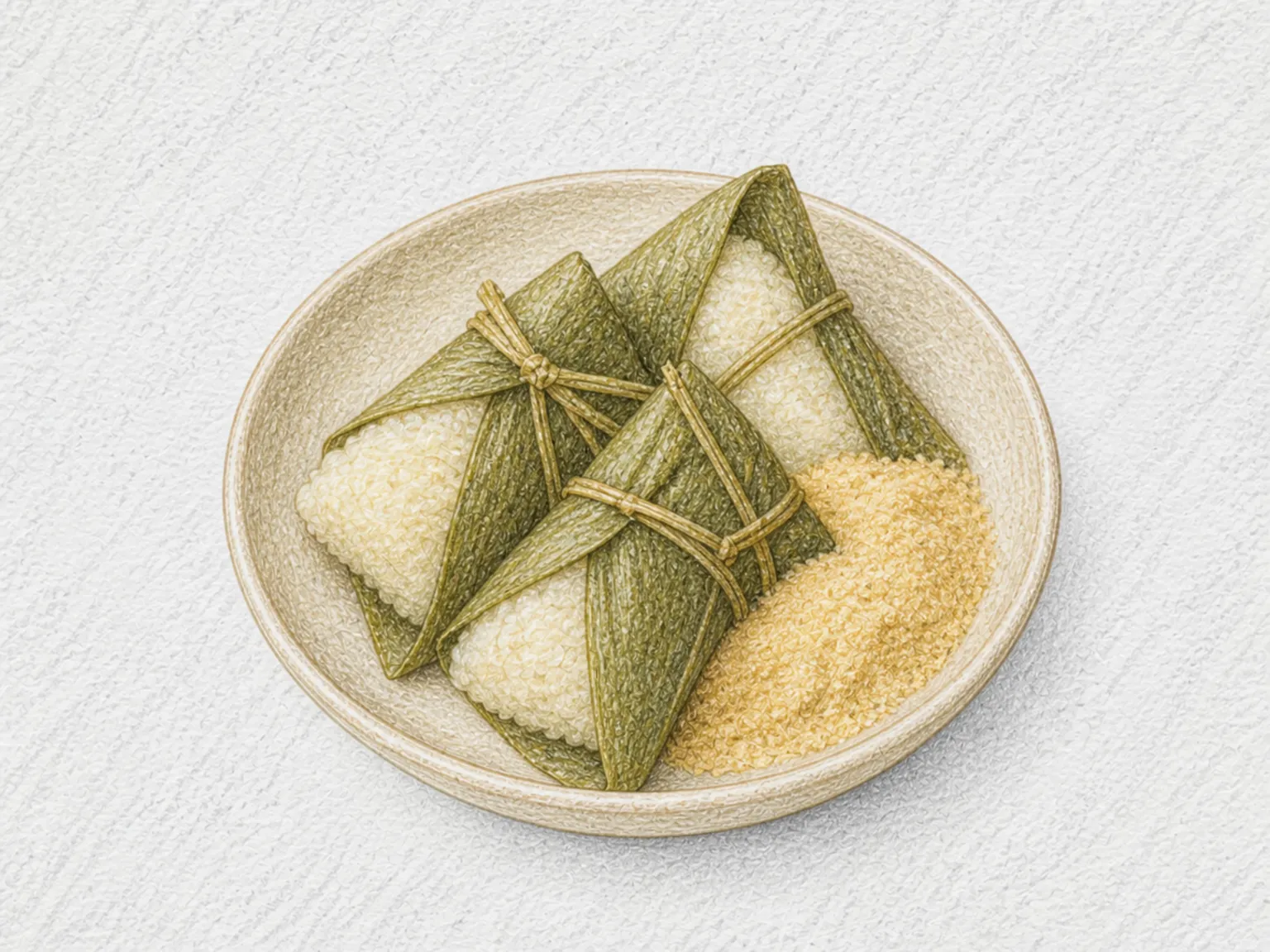
Sankaku chimaki is a plain Niigata parcel made by wrapping washed glutinous rice tightly into a triangle with bamboo leaves, tying it with rush, and boiling it in abundant water for about 2 hours. Once cool enough to handle, the leaves and ties are removed and the rice is served with a mixture of roasted soybean flour, sugar, and salt. Written sources indicate that triangular chimaki existed in the Nara and Heian periods. Wamyo Ruijusho, a dictionary compiled between 931 and 938, records an older method using lye. The preserving qualities of bamboo leaves also made these parcels useful between periods of farm work. A local legend further connects their creation as portable battle food to the warlord Uesugi Kenshin.

🎉 Special Occasion
Prep 40min Cook 120min 20 servings
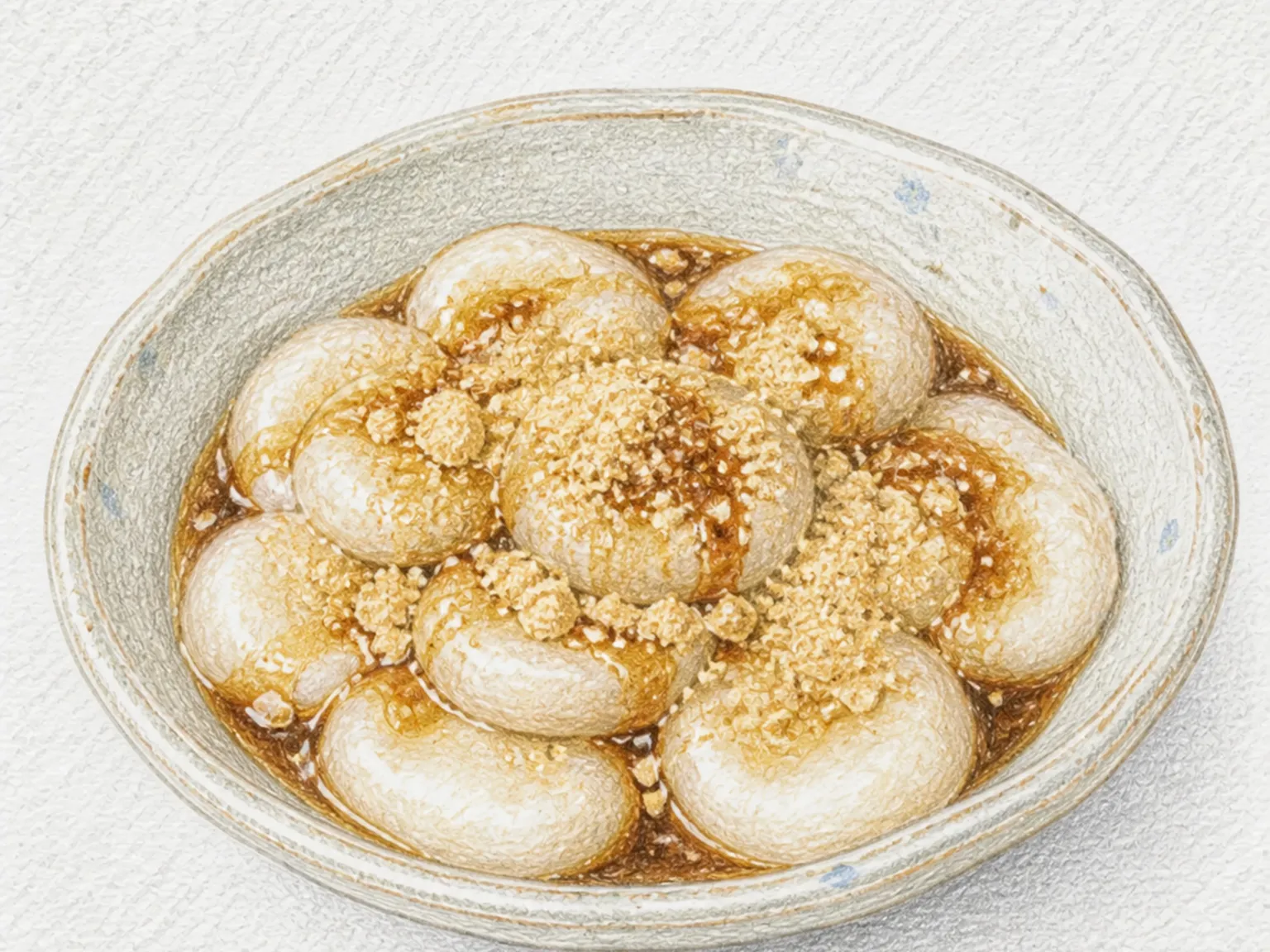
Yudedago Boiled Dumplings with Brown Sugar and Kinako
Desserts Easy

Yudedago Boiled Dumplings with Brown Sugar and Kinako

Yudedago is a humble Saga dumpling made by mixing wheat flour, shiratamako, and leftover rice with boiling water, shaping the dough round or flat, boiling it, and finishing it with brown sugar and kinako. The name is a local shortening of yude dango, and it is also called hiradago. Double cropping was common in Saga, where farmers grew wheat after the rice harvest and kept wheat and rice flours on hand. These dumplings became a fieldwork snack or a supplement when a meal was short. Cooked rice in the dough helps them remain soft after cooling. Adjust to earlobe softness, divide into twenty, and boil each through the center.

🧒 Kid-Friendly 🏠 Everyday
Prep 30min Cook 15min 20 servings
Tinola (Filipino Ginger Chicken Soup with Green Papaya)
Soups Easy

Tinola (Filipino Ginger Chicken Soup with Green Papaya)

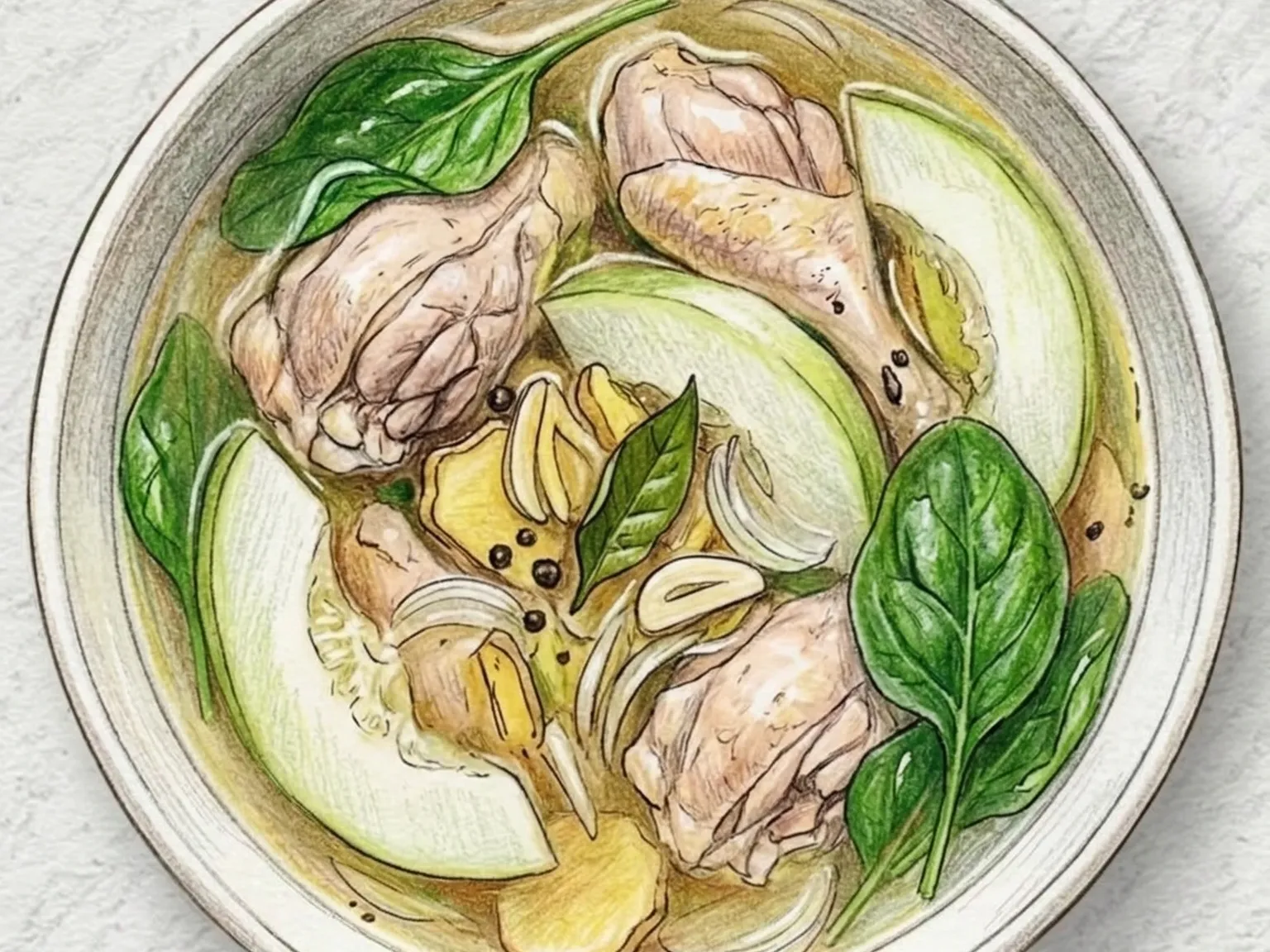
Tinola is a Filipino home-style chicken soup defined by its prominent ginger character and its clear, light broth. The aromatic base is built by sauteing julienned ginger, sliced garlic, and onion in a little oil until fragrant, then adding chicken pieces and cooking them until the surfaces turn opaque. Fish sauce goes in next, providing a salty depth that anchors the broth, followed by a generous pour of water. The chicken simmers until fully tender, at which point wedges of green papaya are added-their mild sweetness and yielding texture complementing the peppery warmth of the ginger. Spinach or other leafy greens are stirred in at the very end, wilting in the residual heat and adding a fresh, verdant note to the bowl. The finished soup is remarkably clean in flavor despite its depth, with the ginger threading through every spoonful as a persistent, warming presence. In Filipino households, tinola occupies the same comforting role that chicken noodle soup holds elsewhere-it is the first dish prepared when someone is unwell or in need of nourishment.

🏠 Everyday 🎉 Special Occasion
Prep 15min Cook 35min 4 servings
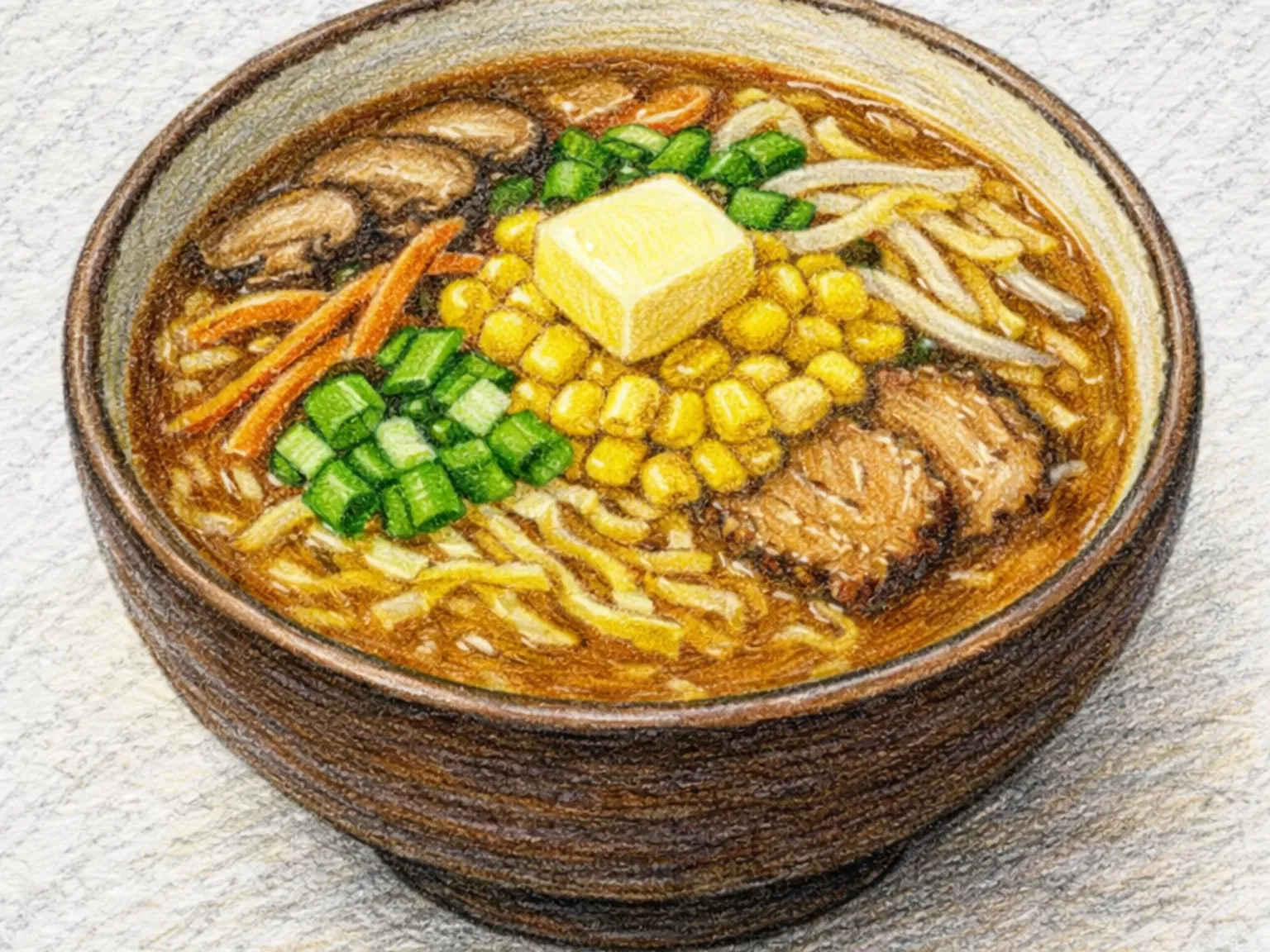
Sapporo Miso Ramen (Hokkaido-Style Rich Miso Broth Ramen with Pork)
Noodles Medium

Sapporo Miso Ramen (Hokkaido-Style Rich Miso Broth Ramen with Pork)

Sapporo miso ramen is a Hokkaido specialty featuring a thick broth designed to provide warmth during cold winters. The cooking process begins by sautéing minced garlic and ginger, followed by ground pork to render its fat. Cabbage and bean sprouts are then stir-fried briefly over high heat to maintain their crisp texture. The base uses a chicken broth mixed with miso paste. The miso is dissolved into the hot liquid after turning off the heat, as boiling would disperse its aroma. The dish is assembled by pouring this rich broth over separately cooked thick, curly ramen noodles that trap the savory soup in their curves. It is finished with sweet corn kernels and a pat of butter placed in the center. As the butter melts into the hot broth, it adds a smooth texture and rich flavor.

🎉 Special Occasion
Prep 15min Cook 30min 2 servings
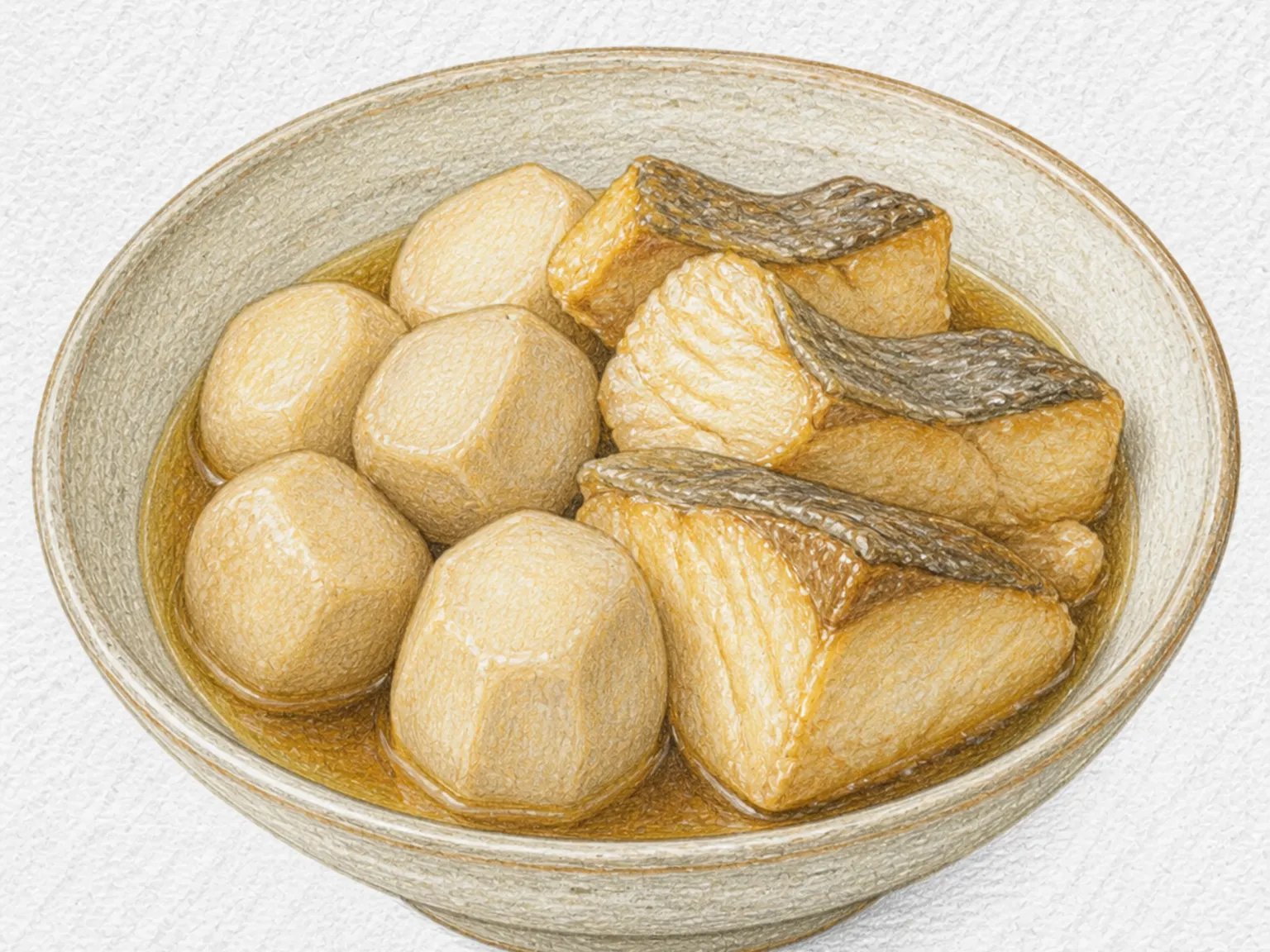
Ebiimo to Bodara no Taitan (Simmered Taro and Dried Cod)
Asian Hard

Ebiimo to Bodara no Taitan (Simmered Taro and Dried Cod)

Ebiimo to bodara no taitan is a Kyoto simmered dish pairing the city's dense, striped ebiimo taro with dried cod traditionally brought from Hokkaido. Rehydrated cod is first cooked gently in brewed bancha to temper its odor and remaining salt, while the taro is thickly peeled, shaped, and rubbed with salt to remove surface slime. Both are simmered in freshly made kombu and bonito dashi with sake before sugar, mirin, and light soy sauce are added in stages. A long, quiet braise followed by an overnight rest lets the cod's gelatin coat the taro, making this a valued autumn, winter, and New Year dish.

🎉 Special Occasion
Prep 45min Cook 180min 10 servings
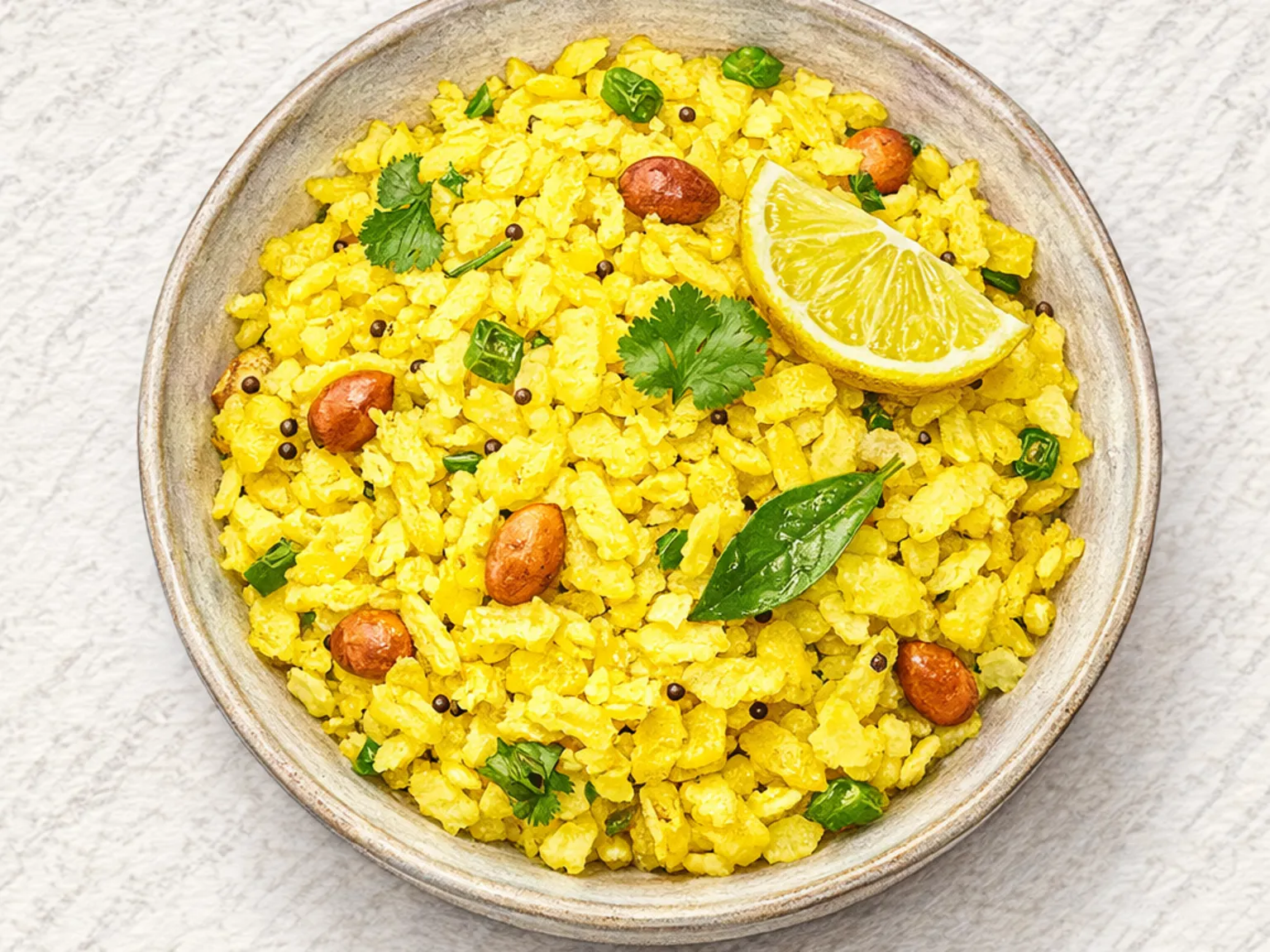
Poha (Indian Spiced Flattened Rice Breakfast with Peanuts)
Rice Easy

Poha (Indian Spiced Flattened Rice Breakfast with Peanuts)

Poha uses flattened rice that is softened briefly, then warmed with mustard seeds, onion, green chili, and turmeric before roasted peanuts and lemon juice are added. Two hundred grams of flattened rice is placed in a sieve and rinsed under cold water for only about 10 seconds. It then rests, drained, for 5 minutes until pliable when pressed. A longer soak would make the thin grains mushy before they reach the pan. One onion is sliced thinly and one green chili is chopped. After 1 tablespoon cooking oil warms for 30 seconds over medium heat, 0.5 teaspoon mustard seeds is added. The seeds need only about 20 seconds to begin popping; the onion and chili go in immediately so the mustard does not burn. The onion cooks for roughly 3 minutes, until translucent, before 0.5 teaspoon turmeric is stirred through for an even yellow color. The softened poha is added and the burner is lowered. Gentle folding for 2 minutes heats the rice without crushing or clumping it. Forty grams roasted peanuts is mixed in for a firm contrast, then the heat is turned off before 1 tablespoon lemon juice is added. Keeping the rinse short and adding the citrus away from the heat preserves both the separate rice flakes and the fresh lemon aroma.

🏠 Everyday ⚡ Quick
Prep 10min Cook 12min 2 servings
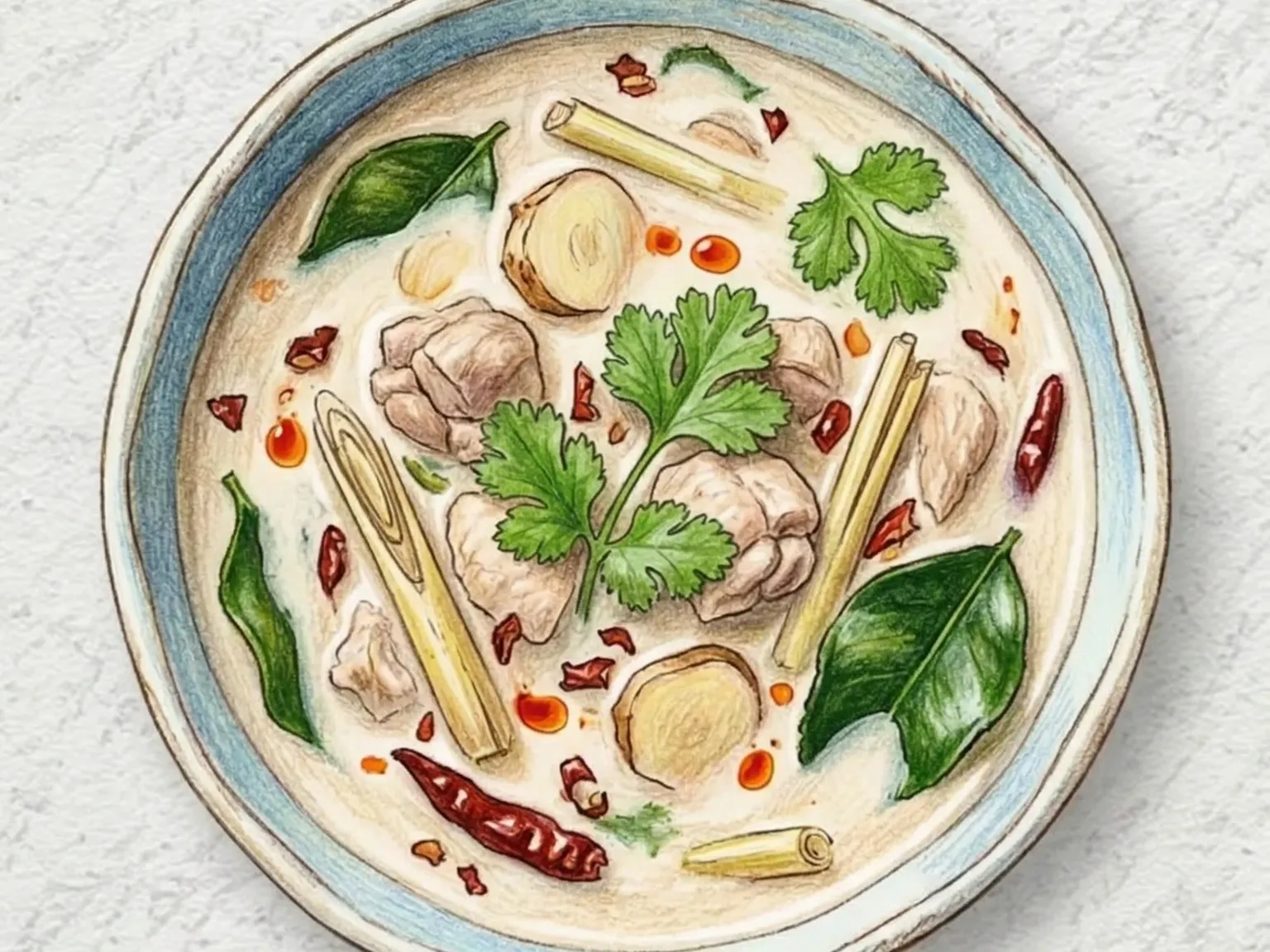
Tom Kha Gai (Thai Coconut Galangal Chicken Soup with Lime)
Soups Medium

Tom Kha Gai (Thai Coconut Galangal Chicken Soup with Lime)

Tom Kha Gai is a classic Thai chicken soup built on a rich coconut milk base infused with traditional herbs. The preparation starts by simmering three key aromatics: thinly sliced galangal, bruised lemongrass, and torn kaffir lime leaves. These steep slowly in the coconut milk over low heat to release their layered citrus and herbal fragrances without letting the milk separate. Bite-sized chicken pieces are gently poached in this herbal broth until tender and opaque. The seasoning relies on fish sauce for a salty umami depth. Once the pot is removed from the heat, fresh lime juice is stirred in to preserve its bright acidity and balance the creamy texture of the coconut broth. The result is a smooth, aromatic soup where the rich coconut milk softens any sharp heat while showcasing the depth of the herbs. It is served hot, optionally removing the tough pieces of galangal and lemongrass before eating.

🎉 Special Occasion
Prep 15min Cook 25min 3 servings
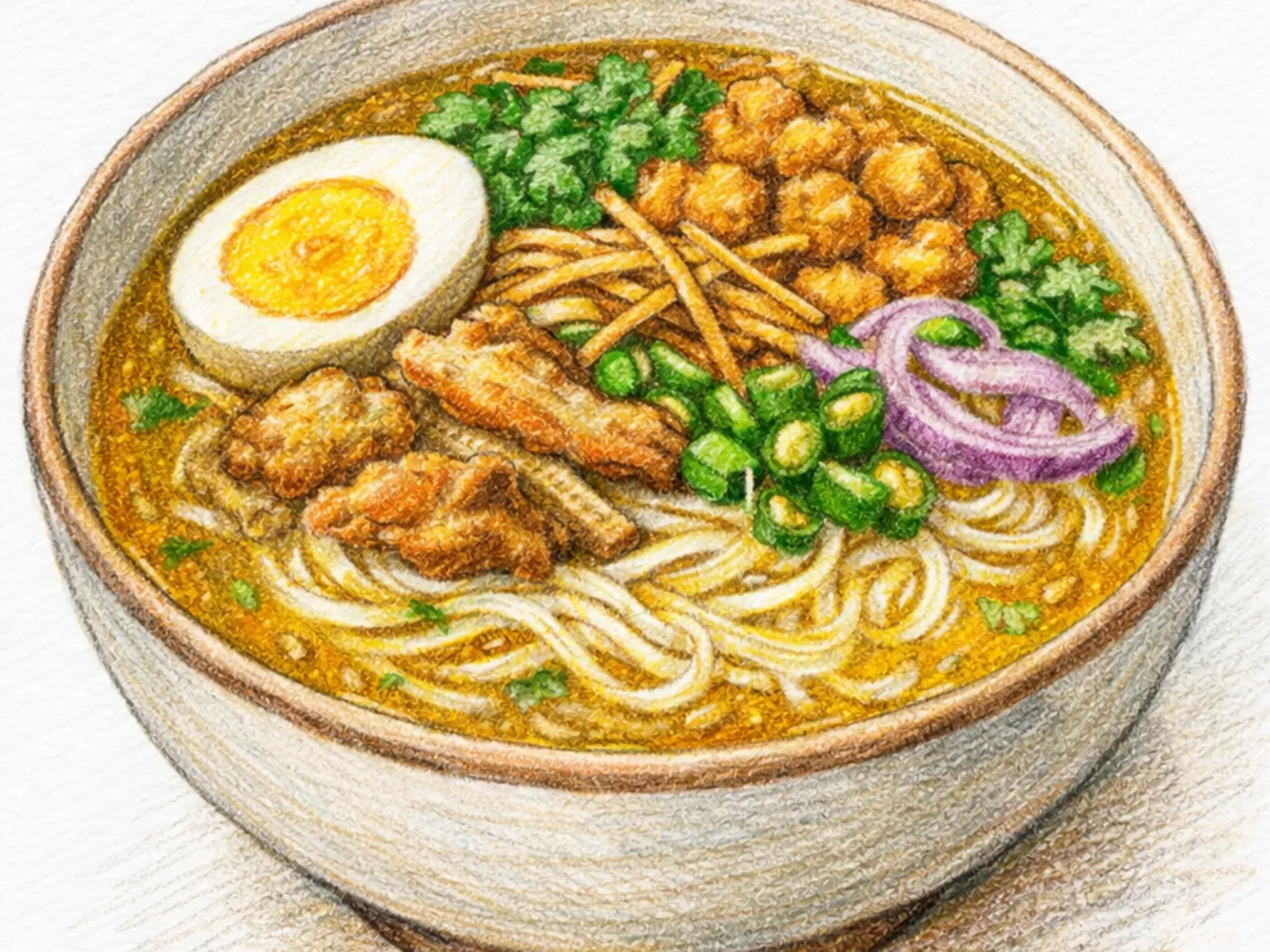
Mohinga (Burmese Fish Broth Rice Noodle Soup)
Noodles Medium

Mohinga (Burmese Fish Broth Rice Noodle Soup)

Mohinga is a traditional Burmese rice noodle soup featuring a golden fish broth seasoned with lemongrass, ginger, and garlic. The preparation begins by poaching freshwater white fish in water, flaking the meat, and simmering the bones and aromatics to extract a flavorful stock. The fish broth is seasoned with turmeric, which imparts a pale golden color, and fish sauce. To achieve the signature thick consistency, a slurry of chickpea flour is gradually stirred into the boiling broth. The flaked fish is then returned to the soup to simmer and combine flavors. To serve, thin rice noodles are placed in a bowl and covered with the hot fish broth. The soup is typically garnished with crispy chickpea fritters, boiled egg halves, fresh cilantro, and a squeeze of lime juice to balance the savory flavors with crunch and acidity.

🎉 Special Occasion 🌙 Late Night
Prep 25min Cook 40min 4 servings
Ebisu Egg and Soy Agar
Asian Easy

Ebisu Egg and Soy Agar

Ebisu is an Ishikawa celebration dish made by streaming beaten egg into agar seasoned with soy sauce and sugar, then chilling it into a sliceable jelly. It is also called berobero for its smooth, slippery appearance, and hayabeshi in some communities. Its roots are associated with tamago kanten recorded in Edo-period cookbooks, when scarce eggs and sugar were turned into special-occasion food. In Kanazawa and Noto, soy sauce gives the jelly an amber color, and it traditionally shares the first tier of New Year boxes with foods such as herring roe and red-and-white fish cake. The cross section shows fine egg ribbons suspended in sweet-savory agar, sharpened by ginger.

🎉 Special Occasion ⚡ Quick
Prep 10min Cook 10min 5 servings
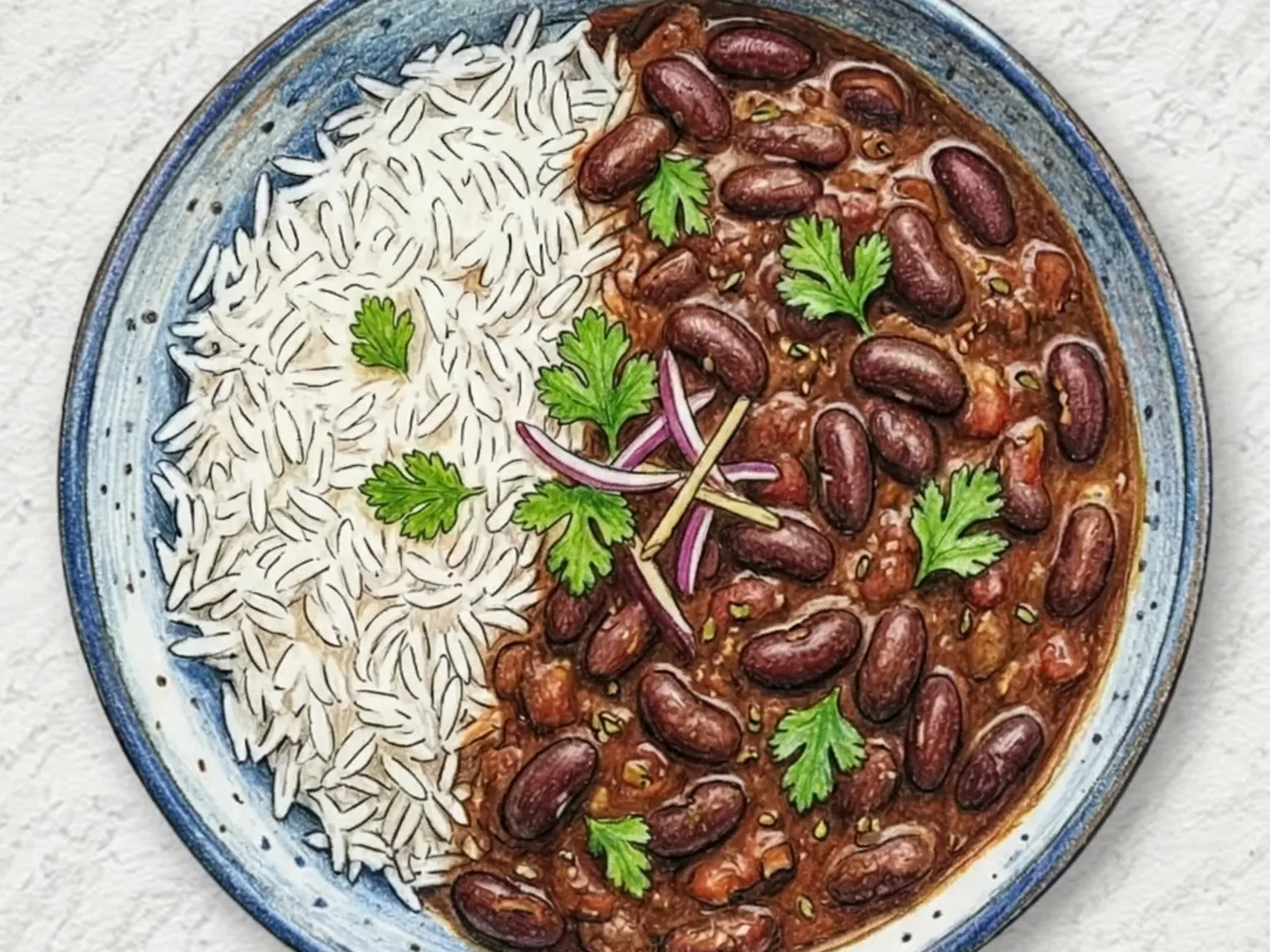
Rajma Chawal (North Indian Kidney Bean Curry with Rice)
Rice Medium

Rajma Chawal (North Indian Kidney Bean Curry with Rice)

Rajma chawal serves a thick kidney bean gravy over warm steamed rice. This version starts with 500 g already-cooked kidney beans, not dried beans: one ladleful is mashed in advance so its starch can thicken the sauce without added cream. One hundred fifty grams onion is finely chopped, and 250 g tomato is crushed. Two tablespoons oil is heated over medium in a heavy pan before 1 teaspoon cumin seeds is allowed to sizzle for about 30 seconds. The onion is added before the seeds darken and cooks for 7 to 9 minutes, with only a small splash of water if the pan becomes dry. One tablespoon ginger-garlic paste cooks for 1 minute, followed by the tomato for 6 to 8 minutes over medium-low heat. When a little oil separates from the tomato base, 0.5 teaspoon turmeric, 1 teaspoon chili powder, and 1 teaspoon garam masala are stirred in for just 30 seconds to prevent scorching. The whole and mashed kidney beans then simmer with a small amount of water for 15 minutes. As the mashed portion disperses, the gravy gains body while the remaining beans retain their shape. Four cups of rice is kept warm and receives a generous portion of the finished bean curry.

🏠 Everyday 🎉 Special Occasion
Prep 20min Cook 45min 4 servings
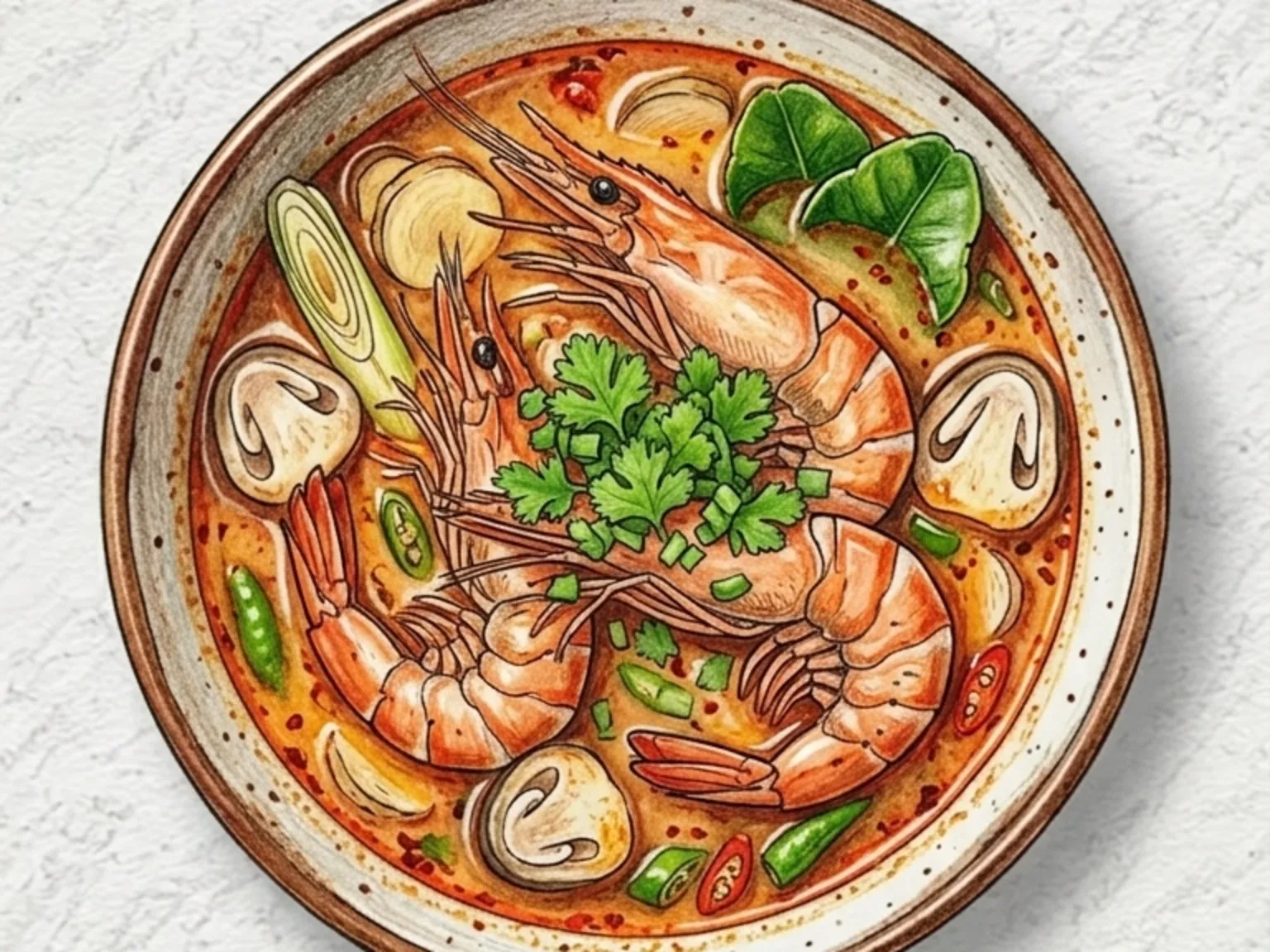
Thai Hot and Sour Shrimp Soup (Tom Yum Goong)
Soups Medium

Thai Hot and Sour Shrimp Soup (Tom Yum Goong)

Tom Yum Goong is a classic Thai soup featuring shrimp and mushrooms in a hot and sour broth infused with aromatic herbs. The base is prepared by boiling chicken stock with lemongrass, galangal, and kaffir lime leaves to release their citrus and herbal notes into the liquid. Mushrooms are simmered in this broth followed by shrimp, which are cooked briefly to maintain their tender, springy texture. A spoonful of Thai chili paste is dissolved into the stock to impart a deep red color and a lingering spicy heat, while fish sauce provides a savory base of umami. The cooking process finishes by turning off the heat before adding fresh lime juice. Adding the lime juice at the end ensures its bright, sour aroma does not dissipate, combining all the flavors into a balanced, clear soup.

🎉 Special Occasion
Prep 18min Cook 15min 2 servings
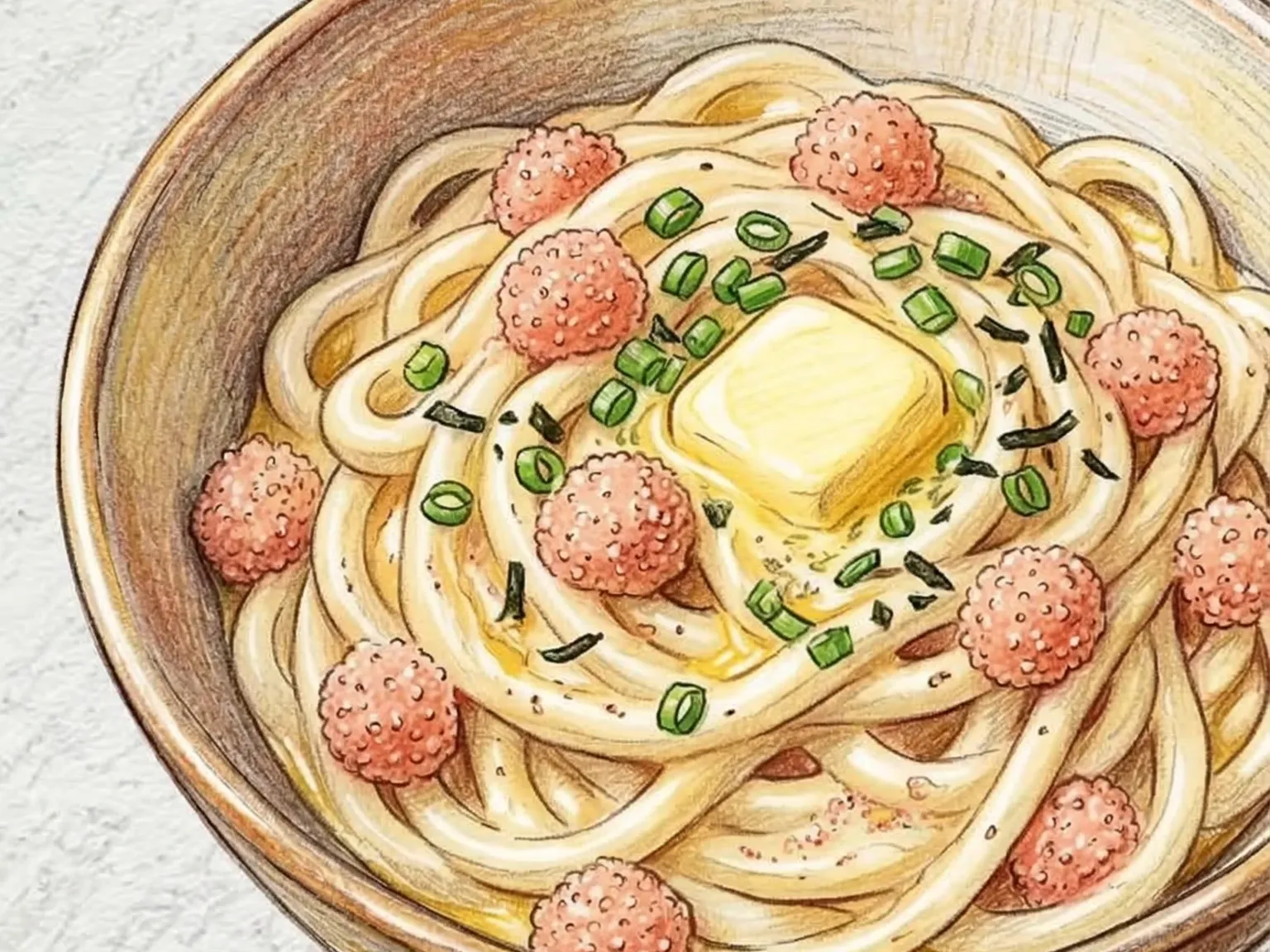
Pollock Roe Butter Udon
Noodles Easy

Pollock Roe Butter Udon

Myeongran butter udon is a Japanese-inspired cream udon in which salted pollock roe is folded into a butter and heavy cream sauce over chewy udon noodles. Garlic is gently cooked in melted butter first to build an aromatic base, then cream and soy sauce are added to create a sauce that is rich without being one-dimensional. The roe membrane is removed so only the loose, individual eggs enter the sauce, and they are stirred in after the heat is lowered to prevent the roe from turning dry, grainy, or unevenly cooked. As each tiny egg bursts against the palate, it releases a briny, oceanic intensity that cuts through the silky cream coating and creates a recurring contrast in every mouthful. The soy sauce performs double duty: it adjusts the salt level and introduces a layer of fermented umami depth that would otherwise be absent. If the sauce tightens too much as it reduces, a few tablespoons of noodle cooking water loosen it while adding a hint of starch that helps the sauce cling more evenly to each strand. Finishing with roasted seaweed flakes and chopped chives brings oceanic aroma and a clean, green freshness that lifts the overall heaviness of the dish.

🏠 Everyday 🌙 Late Night
Prep 10min Cook 12min 2 servings
Kujaku (Oita Egg-Stuffed Fried Fish Cake)
Asian Hard

Kujaku (Oita Egg-Stuffed Fried Fish Cake)

Kujaku is a festive dish from the Kamae area of Saiki, Oita, made by enclosing boiled eggs in seasoned white-fish paste and cutting each cooked parcel lengthwise. Finely ground fish such as lizardfish or croaker is kneaded with salt, sugar, and egg white until springy. The boiled egg whites are tinted red and the surrounding fish paste green, producing green, red, white, and yellow rings that recall the markings of a peacock feather. Steaming is the older preparation, while a quickly fried version is now common. This recipe fries the parcels gently enough to cook the fish layer through without making it tough, then cools them briefly before slicing. The colorful halves are served at New Year meals, celebrations, and special lunch boxes.

🎉 Special Occasion 🍱 Lunchbox
Prep 45min Cook 35min 20 servings
Aka-zuke Red Shiso Rice
Rice Hard

Aka-zuke Red Shiso Rice

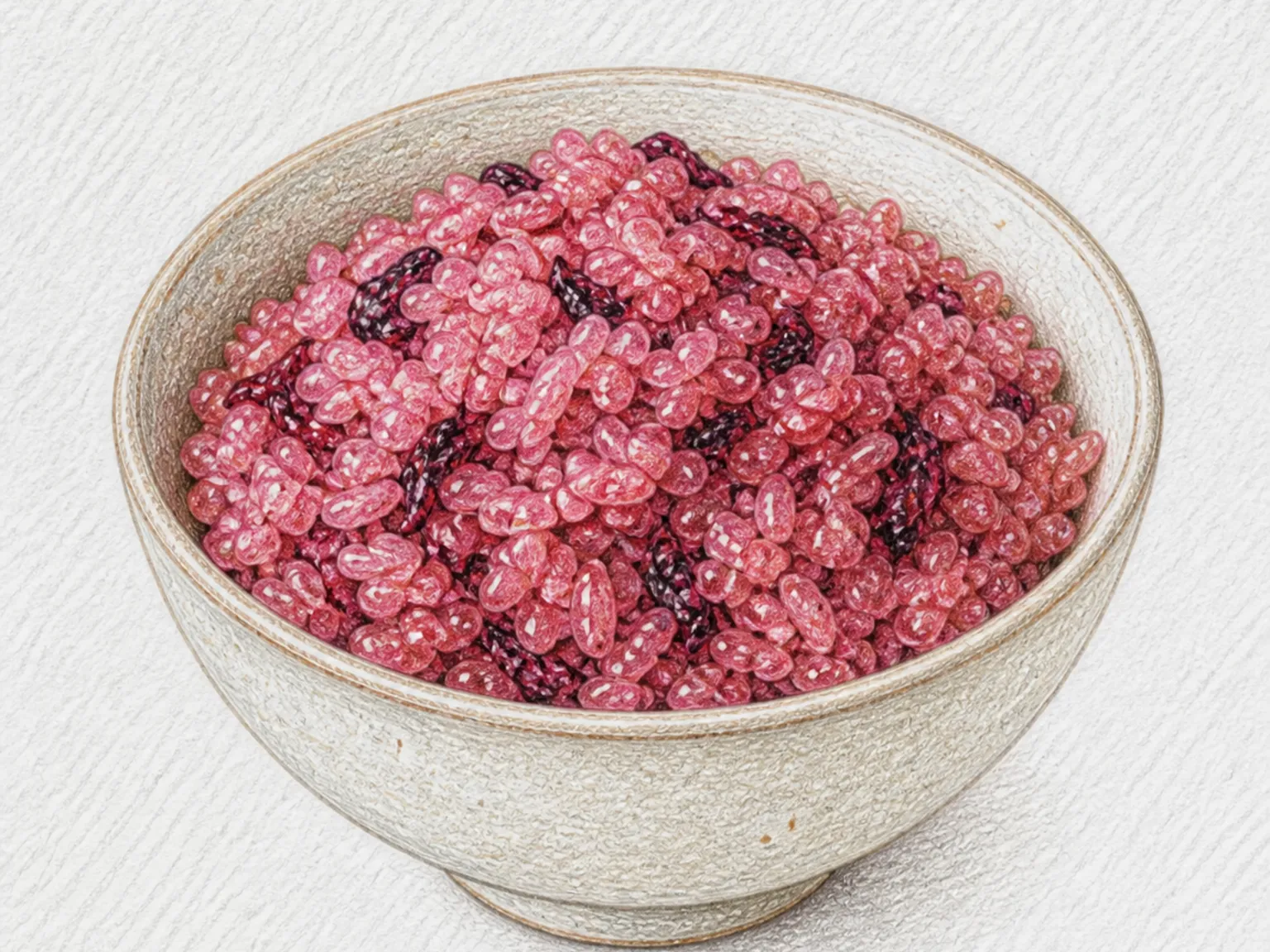
Aka-zuke is glutinous rice colored with salt-rubbed red shiso and cured under refrigeration with sweetened rice vinegar. Before cooking, sanitize and dry the container, weight, and spatula, verify the refrigerator is at 4°C or colder, and calibrate a penetrating food pH meter. Soak 750g glutinous rice with 900ml water for 30 minutes, cook it fully, and confirm a center temperature of at least 85°C. Rub 150g dried-off shiso leaves with 25g salt until whitish, rinse once, squeeze, then rub again with the remaining 5g salt and retain the red liquid. Warm 180ml of rice vinegar with at least 4.5 percent acidity and 150g sugar to 80°C. Fold it immediately through the hot rice, then add the leaves and red liquid. Within 10 minutes, measure three separate points. If the highest pH exceeds 4.2, add reserved vinegar in 15ml portions and retest. Discard without tasting if all 45ml is used and the rice still exceeds pH 4.2. Divide an accepted batch between sanitized containers no deeper than 5cm. Cool from 60°C to 21°C within 2 hours, then to 4°C or colder within 4 more hours. Apply a light weight and refrigerate for 48 hours. Serve only if pH remains 4.2 or lower and there was no temperature lapse, mold, swelling, bubbling, slime, or abnormal odor. Without the required meter and temperature control, do not attempt this home cure.

🎉 Special Occasion 🍺 Bar Snacks
Prep 75min Cook 45min 25 servings
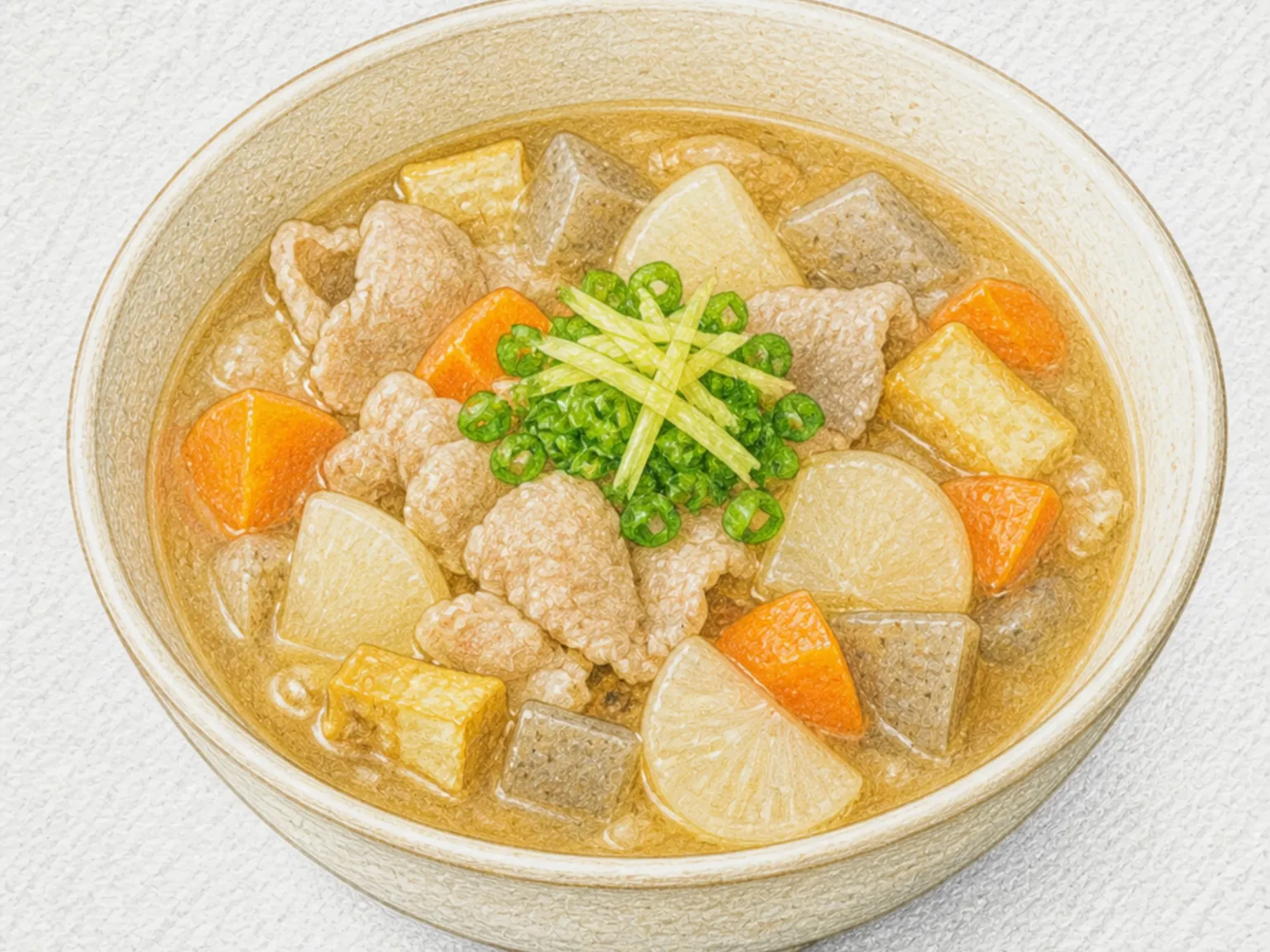
Kagoshima Tonjiru (Pork and Vegetables in Barley Miso Soup)
Soups Easy

Kagoshima Tonjiru (Pork and Vegetables in Barley Miso Soup)

Kagoshima tonjiru is a substantial soup in which thin pork is browned first, then daikon, carrot, taro, konjac, and atsuage are tossed in the rendered fat before dried-sardine broth is added. Once everything is tender, sweet local barley miso seasons the pot. Among the many tonjiru styles eaten across Japan, this formula brings together two Kagoshima staples, pork and barley miso. Dissolve the miso separately in broth only after the pork and vegetables are fully cooked, and do not return it to a hard boil. Fine green onion and ginger strips added to each bowl keep a fresh, sharp aroma against the rich soup.

🏠 Everyday
Prep 20min Cook 30min 4 servings
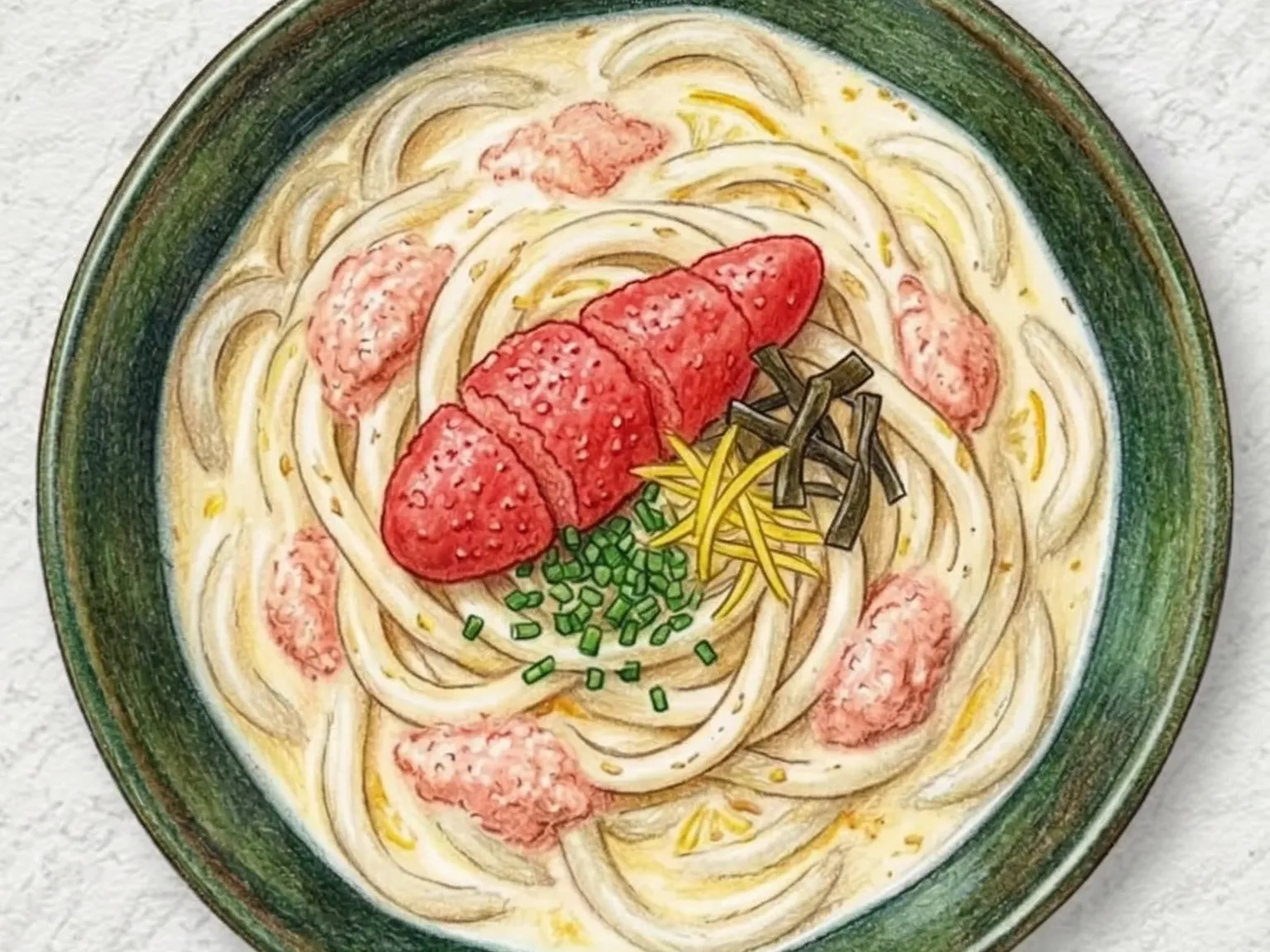
Mentaiko Yuzu Cream Udon
Noodles Medium

Mentaiko Yuzu Cream Udon

Myeongran yuja cream udon is a Japanese-style noodle dish that features a sauce made from a combination of salted pollock roe and yuzu marmalade. The base of the liquid consists of heavy cream and milk, which are enriched with butter to create a dense and smooth texture. The preparation begins by melting butter in a pan and sauteing minced garlic until the aroma is released. Once the garlic is fragrant, the cream and milk are poured in. This mixture needs to simmer over low heat for approximately two to three minutes until it thickens enough to coat the back of a spoon. Instead of adding the yuzu marmalade all at once, the cook incorporates it in small amounts. This gradual process allows for precise control over the citrus acidity so that it complements rather than overshadows the richness of the heavy cream. After removing the pan from the heat, two-thirds of the salted pollock roe is stirred in. The residual warmth of the sauce is sufficient to gently cook these eggs, ensuring they remain tender. The remaining third of the roe is reserved to be placed raw on top of the finished bowl, providing a distinct briny flavor and a grainy texture in every bite. To finish the dish, freshly cracked black pepper is added for a subtle sharpness, and shredded nori is scattered over the top to provide a roasted, oceanic scent that works well with the yuzu fragrance. The thick udon noodles provide a substantial chew that allows them to carry the heavy sauce and stand up to the combination of salty, creamy, and acidic elements without the flavors becoming lost.

🎉 Special Occasion 🌙 Late Night
Prep 12min Cook 15min 2 servings
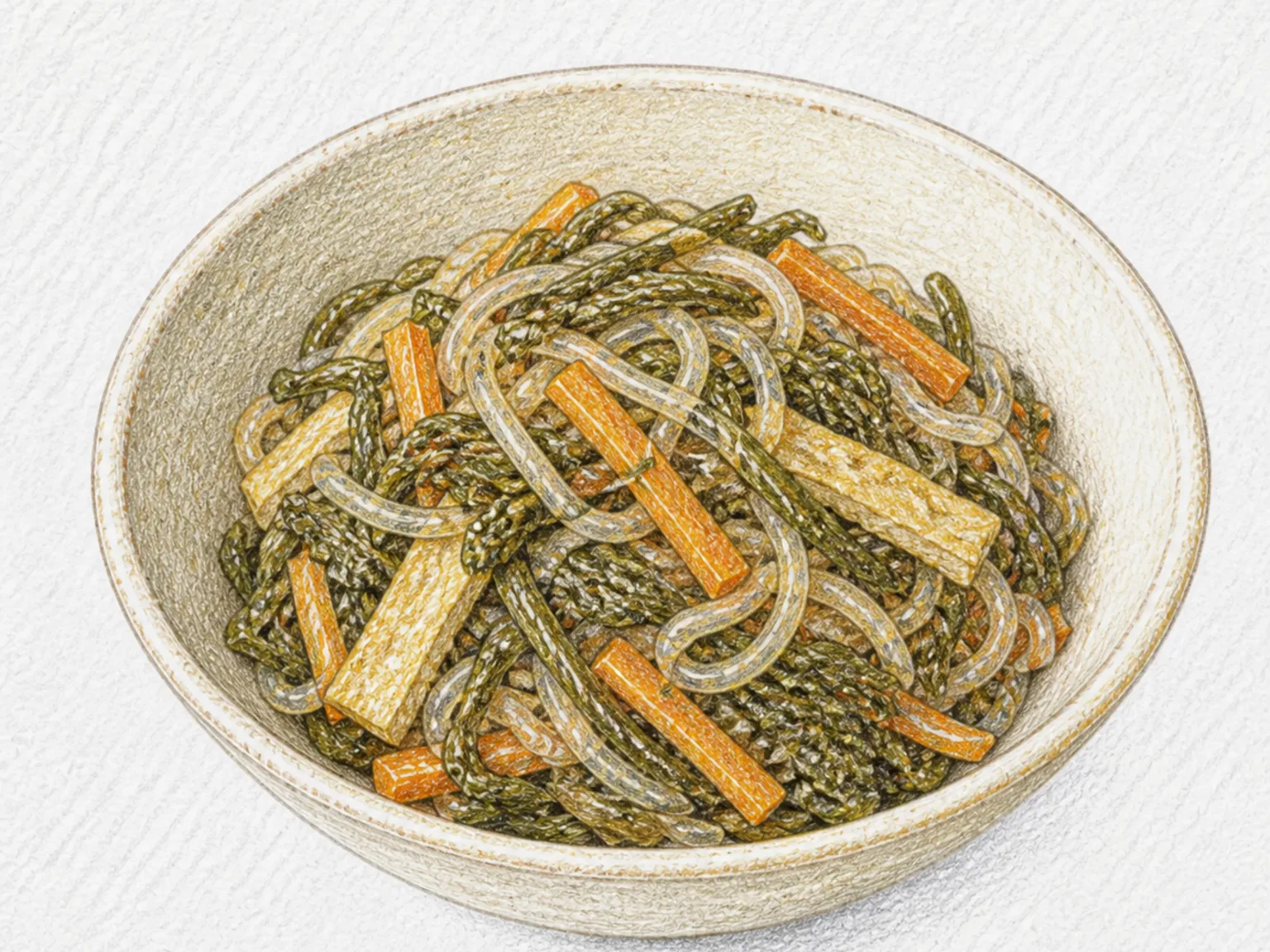
Ego Seaweed Jelly
Asian Easy

Ego Seaweed Jelly

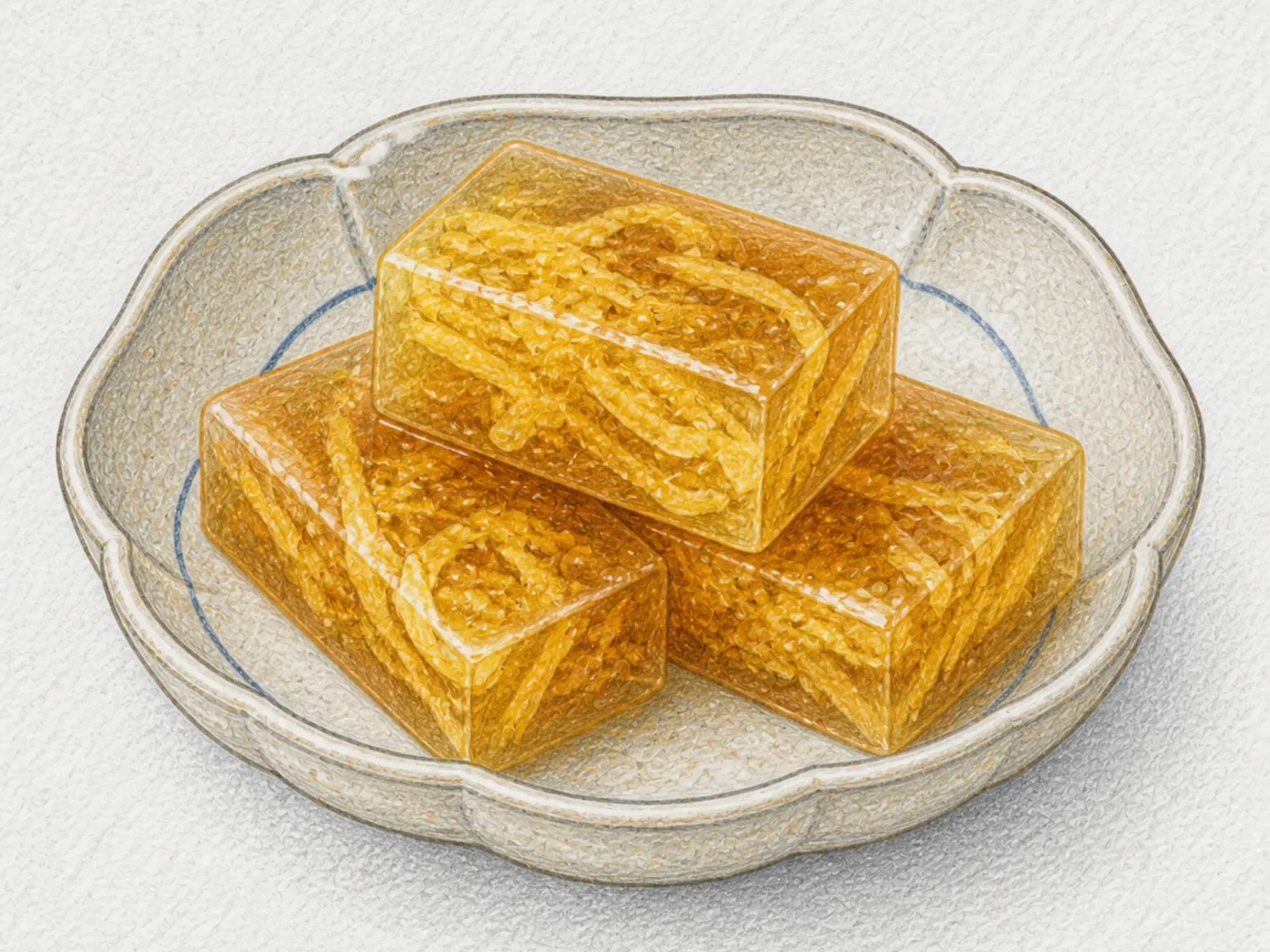
Ego is a Fukushima seaweed jelly from Nishi-Aizu and Kitakata, made by dissolving egokusa seaweed through prolonged cooking and setting it in a square tray. The seaweed is washed repeatedly, cleared of debris, and soaked before being stirred slowly over medium heat for 20 to 30 minutes. A little vinegar helps the fibers dissolve. When the thick mixture begins to spit and a spatula leaves a visible trail, it is poured into a mold and left to firm for one to two hours depending on the season. The set jelly is cut into the preferred shape and dipped in mustard soy sauce, traditionally appearing at memorials, Obon, New Year, and other gatherings.

🥗 Light & Healthy 🎉 Special Occasion
Prep 20min Cook 30min 4 servings
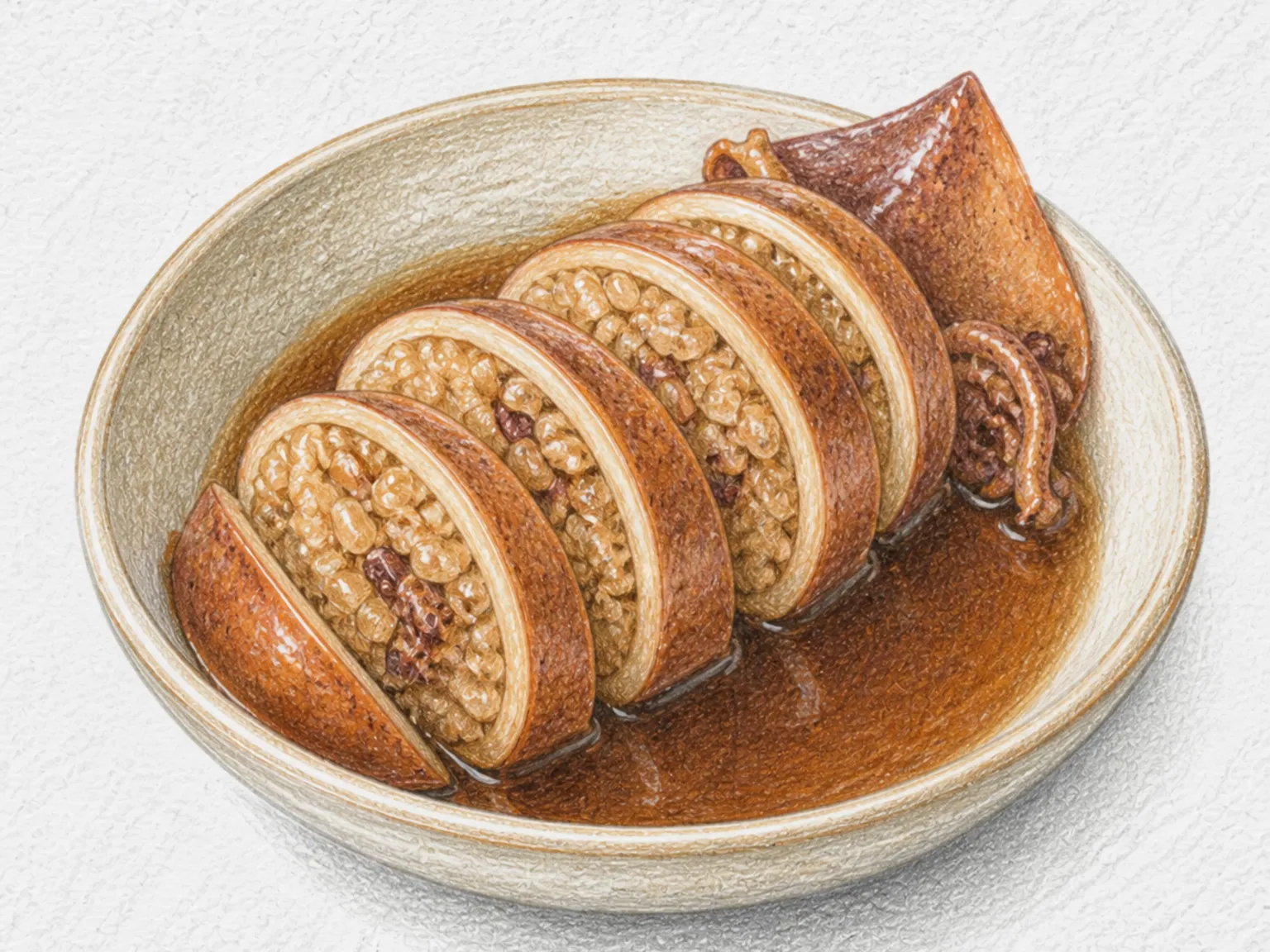
Ikameshi (Rice-Stuffed Squid)
Rice Hard

Ikameshi (Rice-Stuffed Squid)

Ikameshi fills cleaned squid bodies with soaked glutinous rice and chopped tentacles, then simmers them gently in kombu dashi, sake, sugar, and soy sauce before slicing. Rinse 200 g glutinous rice, soak it in plenty of water for 8 hours, and drain it in a sieve for 20 minutes. Separate the tentacles and innards from 4 medium squid and rinse the inside of each body thoroughly. Cut the tentacles into 5 mm pieces. Simmer them for 5 minutes with 100 ml kombu dashi and 12 ml soy sauce, then let them cool before mixing them with the drained rice. Fill each squid body only halfway to 60 percent of its height and close the opening firmly with a toothpick. The empty space is necessary because the glutinous rice expands as it cooks and can split an overfilled body. Pour 30 ml sake and the remaining 900 ml dashi into a wide pot, then arrange the squid in a single layer. When the liquid starts to boil, reduce the heat to low, leave the lid slightly ajar, and simmer for 30 minutes. Add 15 g sugar, the remaining 60 ml soy sauce, and 1 g salt, then turn the squid. Continue cooking over low heat for 25 minutes and baste the surfaces with broth partway through. Check that the rice is tender through the center before turning off the heat. Leave the squid in the broth for 10 minutes, remove the toothpicks, cut 2 cm rounds, and serve with 20 g pickled red ginger.

🏠 Everyday 🎉 Special Occasion
Prep 45min Cook 70min 4 servings
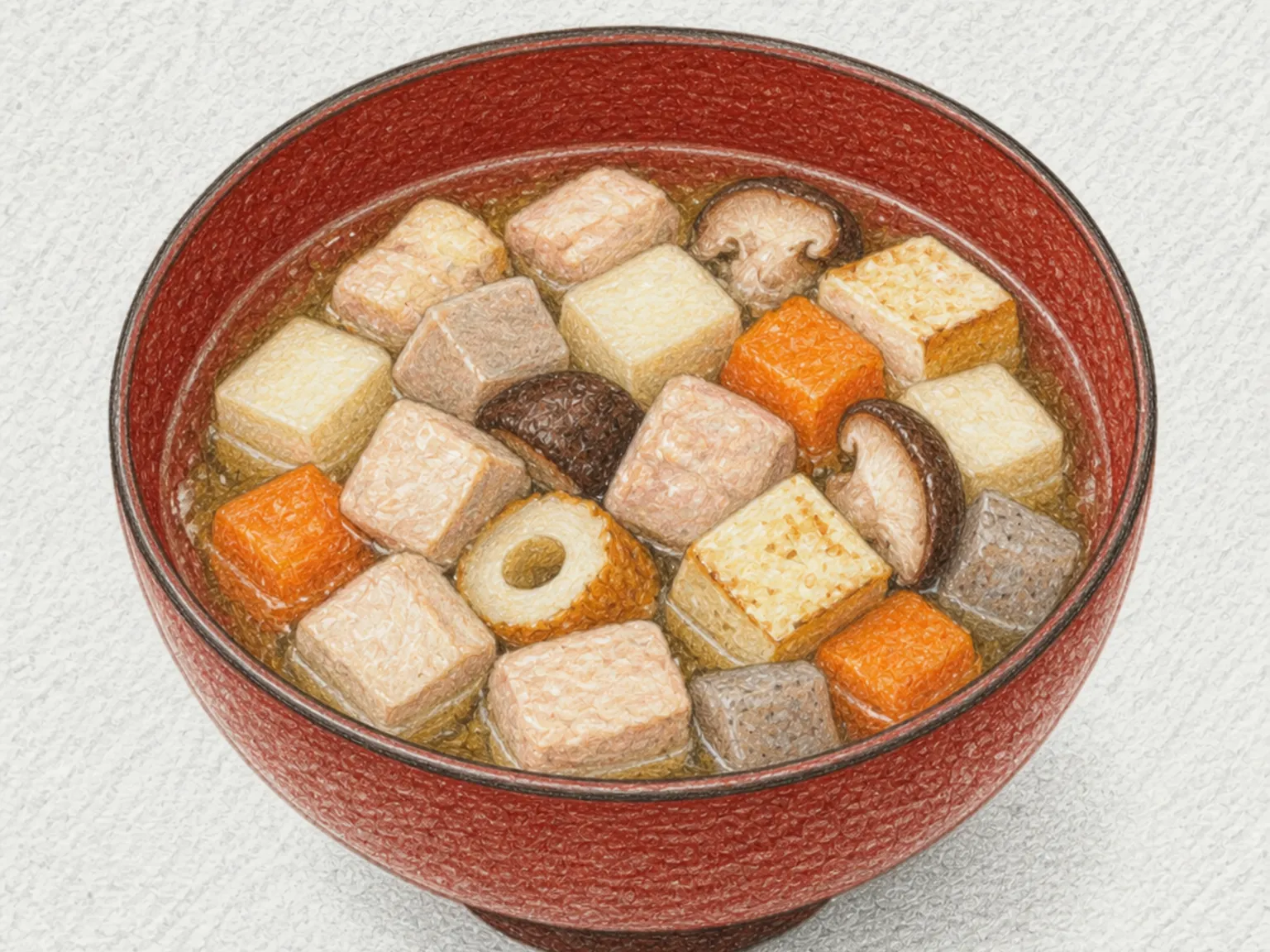
Tsubon-jiru (Clear Chicken and Seven-Ingredient Soup)
Soups Medium

Tsubon-jiru (Clear Chicken and Seven-Ingredient Soup)

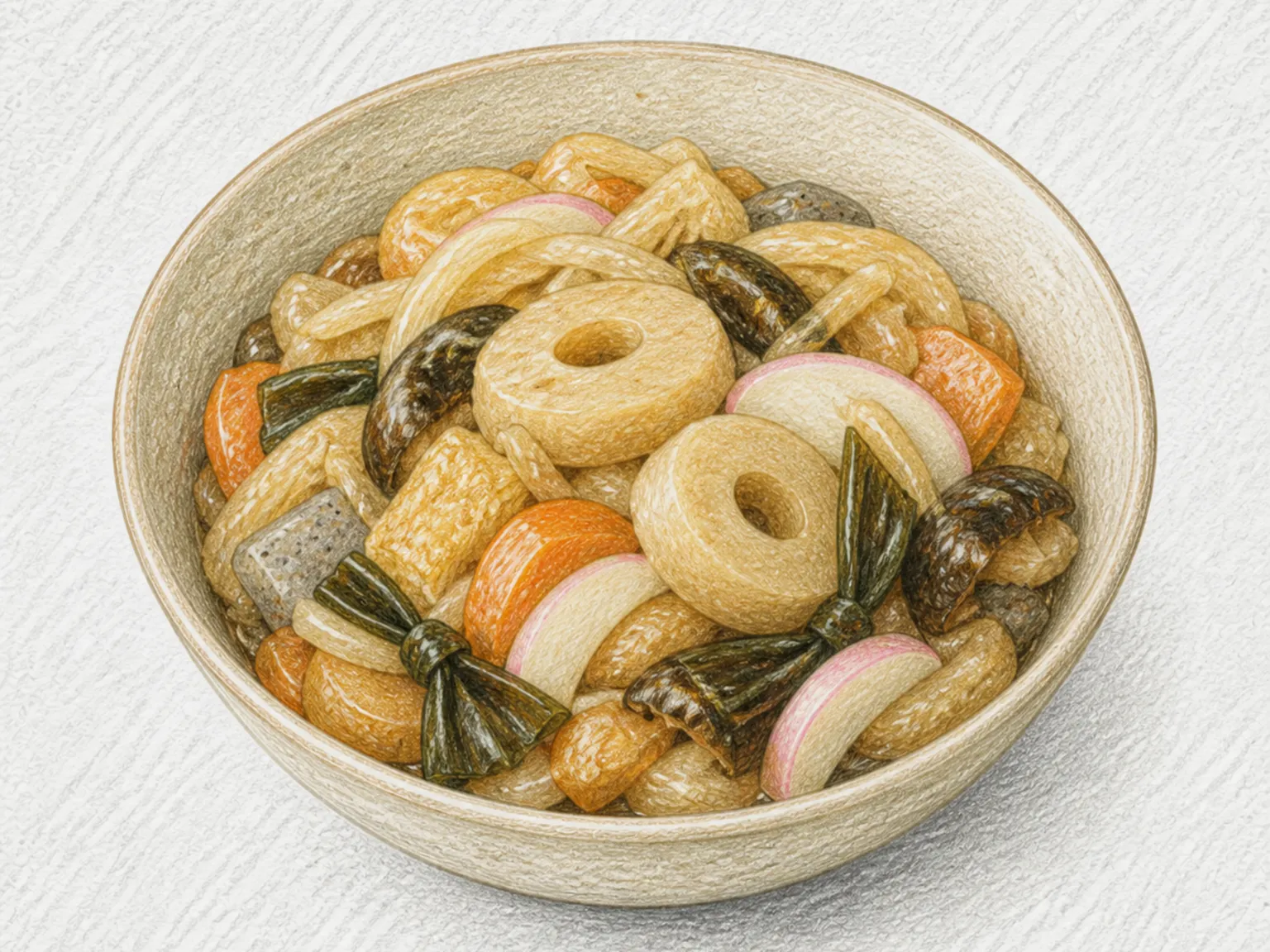
Tsubon-jiru is a ceremonial soup from the Hitoyoshi and Kuma area of Kumamoto. Chicken, soaked shiitake, taro, chikuwa, konjac, carrot, and grilled tofu are cut to similar dice and simmered in a clear soy-seasoned broth. Families traditionally use an odd count of seven or nine ingredients and serve the soup with red rice and nishime for occasions such as the Okunchi festival. It also reflects thrift, turning trimmings left from nishime into a complete dish. Careful skimming keeps the stock clear, and tofu enters last so every cube remains neat.

🎉 Special Occasion 🏠 Everyday
Prep 30min Cook 35min 10 servings
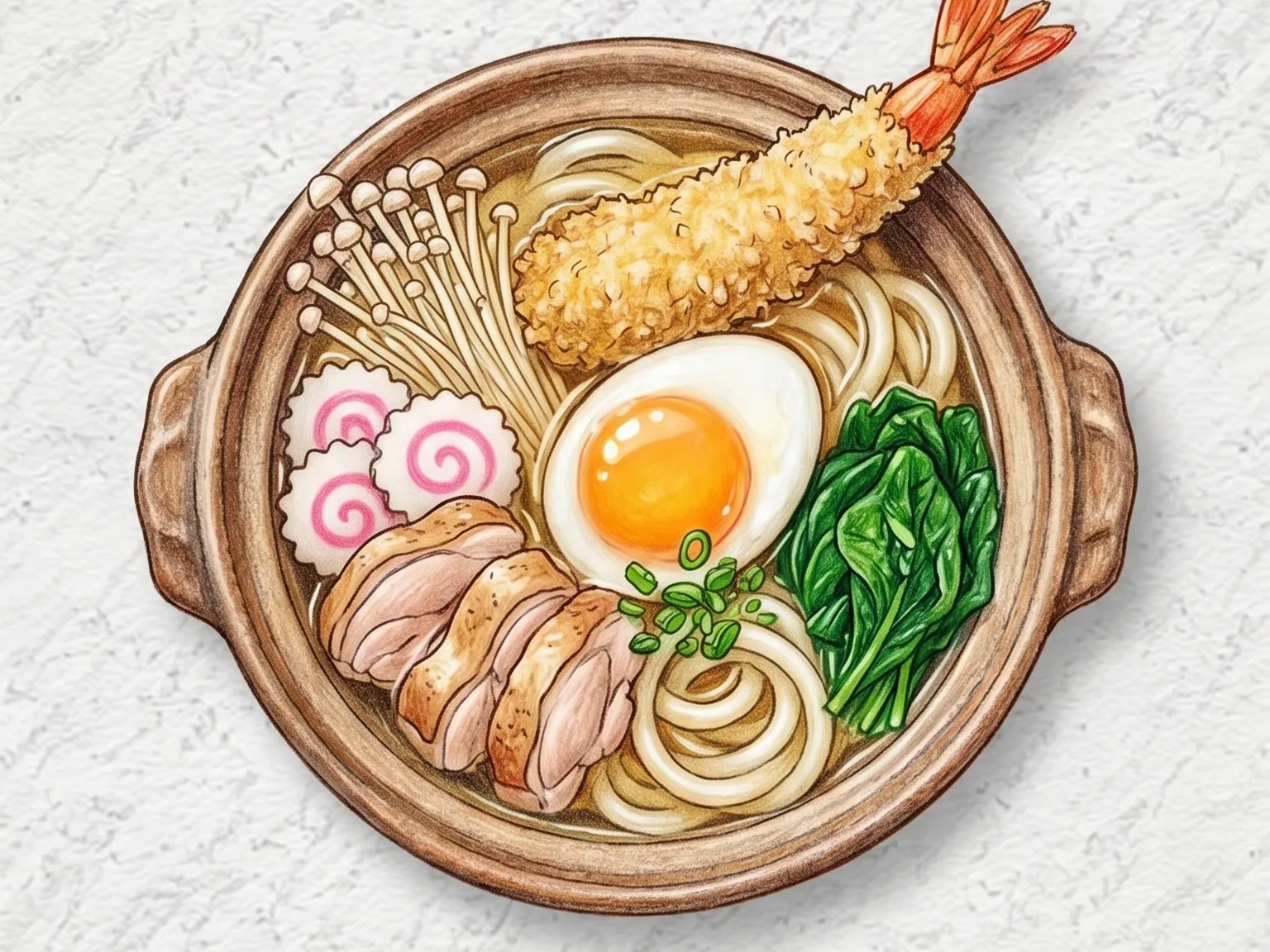
Hot Pot Udon (Japanese Earthenware Pot Noodle Soup)
Noodles Medium

Hot Pot Udon (Japanese Earthenware Pot Noodle Soup)

Nabeyaki udon is a Japanese hot-pot noodle dish cooked and served directly in a small earthenware pot, designed to stay piping hot at the table from first bite to last. The base is a dashi stock seasoned with soy sauce and mirin, which produces a broth that is clear but carries substantial depth of flavor. Chicken thigh cooked directly in the pot releases fat and juices into the surrounding liquid, enriching the stock in a way that chicken breast cannot replicate. Narutomaki fish cake, with its pink spiral cross-section, adds a visual accent that is as much a part of the dish's identity as any flavor it contributes, while enoki mushrooms soak up the broth and give back a delicate umami in return. The egg is cracked into the center of the pot and covered to cook gently until the white sets and the yolk remains soft and runny. When the yolk breaks and bleeds into the hot broth, it creates a brief silky richness that changes the texture of each spoonful. Shrimp tempura is placed on top of the finished dish at the very last moment, not submerged, because the batter collapses from steam and heat within seconds of hitting liquid. Spinach added in the final minute retains its bright color and stays tender without turning soft. The earthenware pot retains heat far longer than a regular bowl, which is why this dish reads as a cold-weather staple in Japan.

🎉 Special Occasion 🌙 Late Night
Prep 15min Cook 20min 1 servings
Amritsari Fish Fry (Spiced Chickpea-Batter Fish)
Asian Medium

Amritsari Fish Fry (Spiced Chickpea-Batter Fish)

Amritsari fish fry originated in Amritsar, the Punjabi city of the Golden Temple, where the narrow lanes surrounding Harmandir Sahib are still packed with fish fry stalls whose frying kadhai fill the air with spice-scented smoke. The dish moved from street corner to pub counter and became one of the most-ordered bar snacks across North India. Freshwater fish varieties such as singara, sole, or pangasius are typical; the fish is marinated in ajwain (carom seeds), chili powder, amchur (dried mango powder), and ginger-garlic paste before being dipped in a besan (gram flour) batter and fried in hot oil. Ajwain suppresses the muddy, fishy notes characteristic of freshwater varieties while depositing a herbal, thyme-adjacent aroma that is unlike any other spice in the marinade. Amchur introduces a dry tartness that cuts through the richness of the fried batter and keeps the overall flavor from becoming heavy. Besan batter adheres in a thinner, more delicate layer than wheat flour and retains its crunch for longer, allowing the fish inside to steam gently and stay moist. Squeezing lemon over the fish and dipping it into mint-coriander chutney before each bite stacks heat, sourness, and herb freshness in a single mouthful. Visiting Amritsar and stopping at one of these stalls after the Golden Temple is a ritual that has remained part of local daily life for generations.

🍺 Bar Snacks 🎉 Special Occasion
Prep 20min Cook 15min 3 servings
King Oyster Mushroom Rice Bowl
Rice Easy

King Oyster Mushroom Rice Bowl

King oyster mushroom rice bowl starts by searing thick mushroom slabs in a dry pan, then simmering them in a soy glaze before placing them over warm rice. Slice 300 g king oyster mushrooms lengthwise into slabs about 1.5 cm thick. Score the broad faces with crossing diagonal cuts without slicing all the way through. These channels give the glaze more surface area and help it reach beyond the outside of each piece. Thinly slice 100 g onion, 50 g green onion, and 15 g garlic. In a separate bowl, stir together 45 ml soy sauce, 30 ml cooking wine, 15 g sugar, and 45 ml water until the sugar is dispersed. Heat a dry skillet and arrange the mushrooms in a single layer. Sear both sides until they develop brown patches and release some of their water, then transfer them to a plate. Removing moisture before any sauce is added helps the thick slices keep a firm bite instead of softening immediately in liquid. Add 15 ml vegetable oil to the same pan and sauté the garlic, green onion, and onion. When the aromatics smell cooked and the onion has softened, pour in the prepared soy mixture and bring it to a boil. Return the seared mushrooms and turn them as the sauce reduces, allowing it to enter the scored surfaces. Stop cooking when the liquid no longer runs like water and forms a thin glaze around the mushrooms. Turn off the heat and mix in 15 ml sesame oil so its aroma is not cooked away. Divide 400 g warm rice between two bowls, then distribute the mushrooms, softened onion, and remaining pan glaze evenly over the top.

🏠 Everyday ⚡ Quick
Prep 10min Cook 15min 2 servings
Uchigae Zoni (Rock Tofu and Taro Soup)
Soups Medium

Uchigae Zoni (Rock Tofu and Taro Soup)

Uchigae zoni is a New Year soup from the Iya area of Tokushima made with rock-firm tofu and taro cooked separately in soy-seasoned stock. Although it belongs to the zoni tradition, this recorded version contains no rice cakes. Each bowl receives three taro pieces with two long tofu slabs crossed over them. For four servings, remove the heads and guts from 5g dried sardines and soak them with two dried shiitake in 800ml water for 30 minutes. Add 5g kombu and warm the pot at medium-low heat. Take out the kombu just before boiling, simmer gently for 3 minutes, and strain away the sardines and mushrooms. Season the resulting stock with 50ml soy sauce and 36ml mirin, then divide it among the separate cooking steps. Cut 600g rock tofu into eight slabs about 5cm by 10cm by 1cm. Simmer them in 300ml seasoned stock for 5 minutes and keep them warm in that liquid. If rock tofu is unavailable, press extra-firm tofu thoroughly so the crossed pieces retain their shape. Peel 500g taro and form twelve pieces of about 40g each. Parboil them for 5 minutes and rinse away the surface starch, which helps keep the final broth clear. Cook the taro with 250ml seasoned stock and 3g sugar for 15 minutes at low heat, stopping when a skewer enters. Put three taro pieces in every bowl, cross two tofu slabs over them, and reheat the remaining 200ml stock. Pour 50ml into each serving and bring it to the table immediately.

🏠 Everyday 🎉 Special Occasion
Prep 40min Cook 35min 4 servings

About Asian

Each country brings its own signature spices and sauces, so even the same ingredients can produce completely different flavors. With a few key pantry items - coconut milk, fish sauce, curry powder, doubanjiang - you can recreate the tastes of Asia at home.