Asian

Asian Recipes

806 recipes. Page 25 of 34

The Asian category gathers popular dishes from Japan, China, Thailand, Vietnam, India, and beyond. Curry, stir-fried noodles, mapo tofu, pad Thai, and pho are among the Asian favorites commonly enjoyed in Korean households.

Asian
Steak Rice Bowl (Seared Beef with Soy-Garlic Glaze over Rice)
Rice Medium

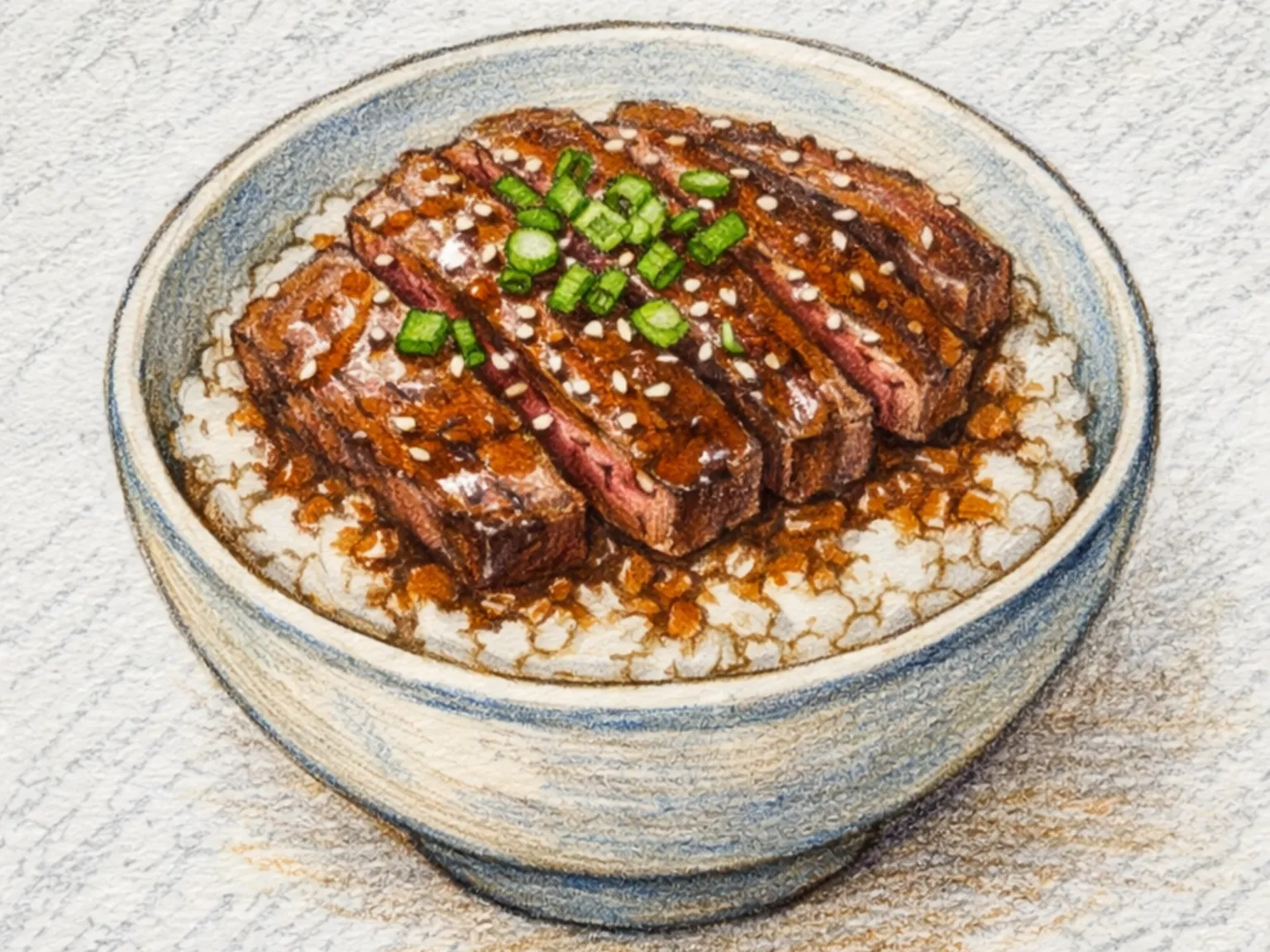
Steak Rice Bowl (Seared Beef with Soy-Garlic Glaze over Rice)

This steak rice bowl sears 300 g beef over high heat, rests and slices it, then serves it over 2 cups of rice with a soy-garlic pan sauce. Pat the beef dry, season it evenly with 1/2 tsp black pepper, and leave it at room temperature for 10 minutes. Mix 2 tbsp soy sauce with 1 tbsp mirin, 1 tsp sugar, and 1 tsp minced garlic until the sugar is no longer visible. Heat the pan thoroughly over high heat, melt 10 g butter, and add the steak when the butter begins to foam. Leave the first surface in contact with the pan until it develops a deep brown crust, then turn it. Stand a thick steak on its sides as needed so the outer edges also cook. Remove the meat slightly before the intended final doneness and rest it on a plate for 3 minutes. Slice thinly across the grain. Wipe away only any blackened fragments from the pan while retaining the brown juices. Pour in the prepared sauce and cook it over medium heat until it looks glossy and slightly thickened. Divide the rice between two bowls, fan the steak slices over the top, and spoon the warm sauce evenly across the meat and rice.

🎉 Special Occasion 🍺 Bar Snacks
Prep 15min Cook 15min 2 servings
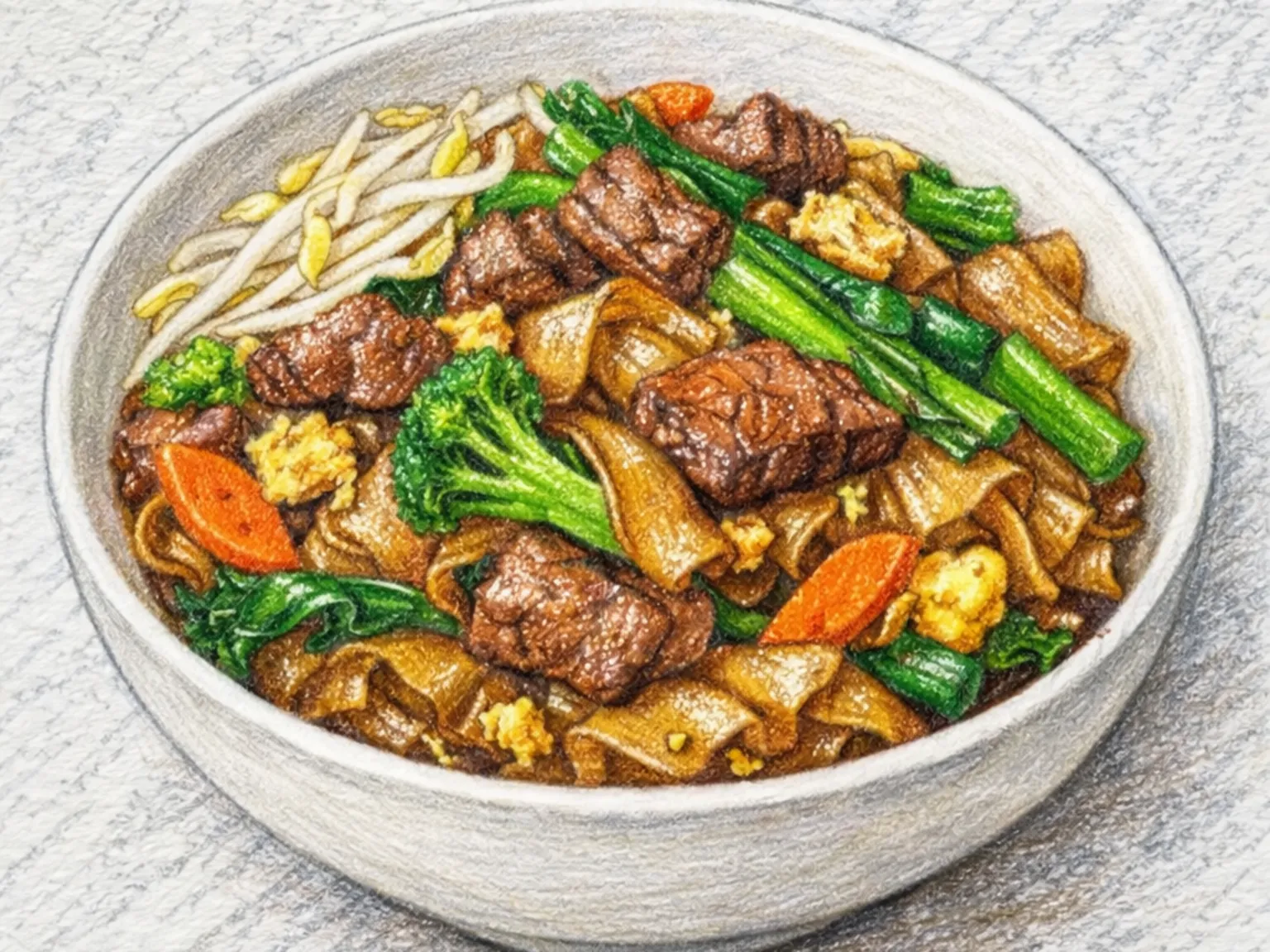
Thai Soy Sauce Noodles (Wide Rice Noodles with Beef and Chinese Broccoli)
Noodles Medium

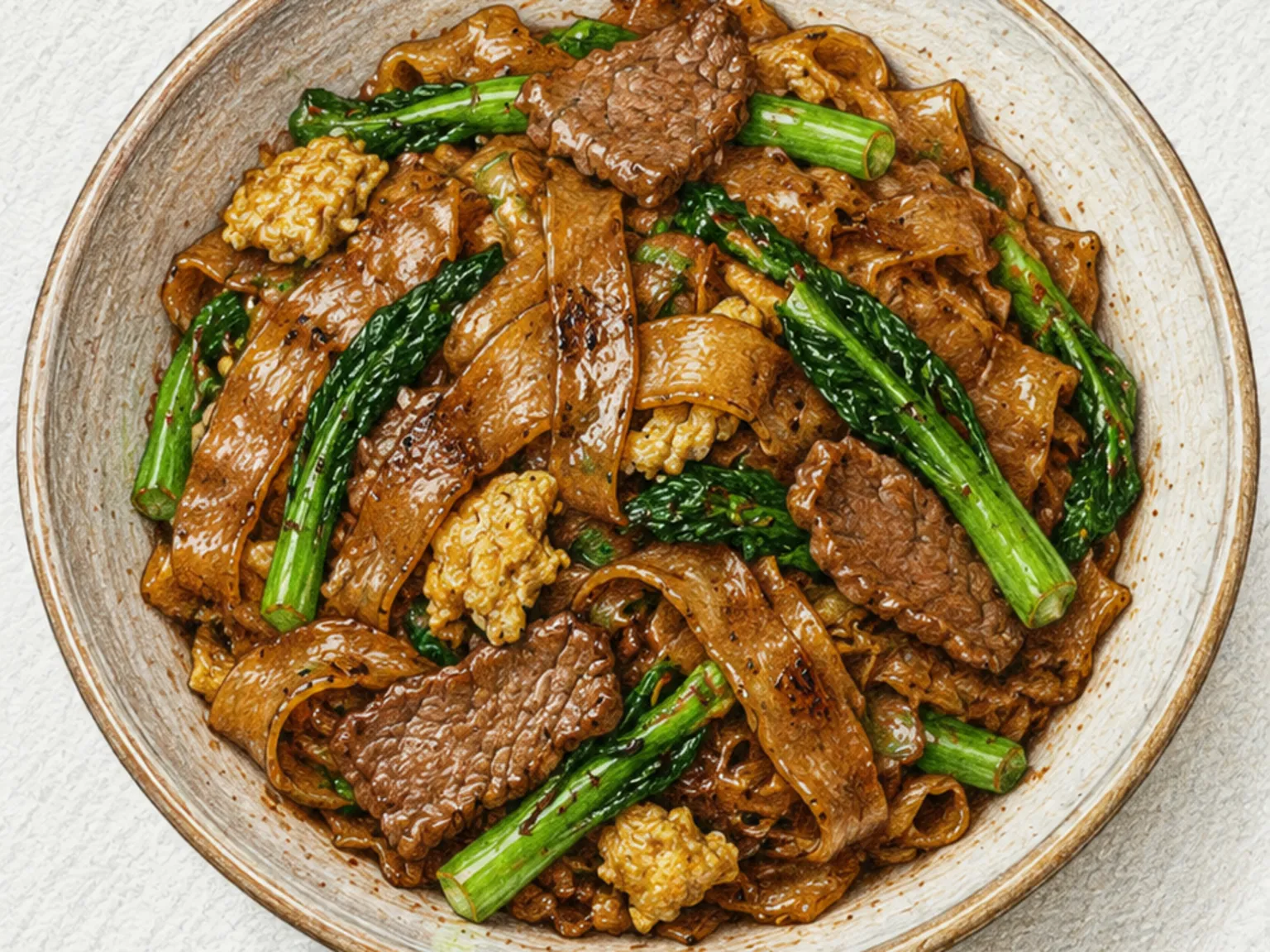
Thai Soy Sauce Noodles (Wide Rice Noodles with Beef and Chinese Broccoli)

Pad see ew is a Thai stir-fried noodle dish built around wide rice noodles, beef, Chinese broccoli, and egg, all tossed in a sauce of soy sauce, oyster sauce, and dark sugar. The central technique is wok hei through extreme heat. Without a properly scorching pan, the sauce pools at the bottom rather than adhering to the noodles, and caramelization never happens. Beef goes into the hot pan first to develop a seared surface before anything else is added. Gai lan and cracked eggs follow, the eggs scrambled loose in the same pan, then the soaked noodles and the pre-mixed sauce go in together and the whole thing is tossed hard and fast. During those few seconds of high contact heat, the sauce binds to the noodle surface and develops a slightly charred, smoky-sweet aroma that is the defining character of the dish. The thick stems of Chinese broccoli keep a satisfying crunch and introduce a mild bitterness that cuts the sweetness of the sauce. Egg fragments distributed throughout the noodles add pockets of soft, creamy texture. The finished noodles are deeply stained, and every strand carries the sauce.

🎉 Special Occasion 🌙 Late Night
Prep 15min Cook 15min 2 servings
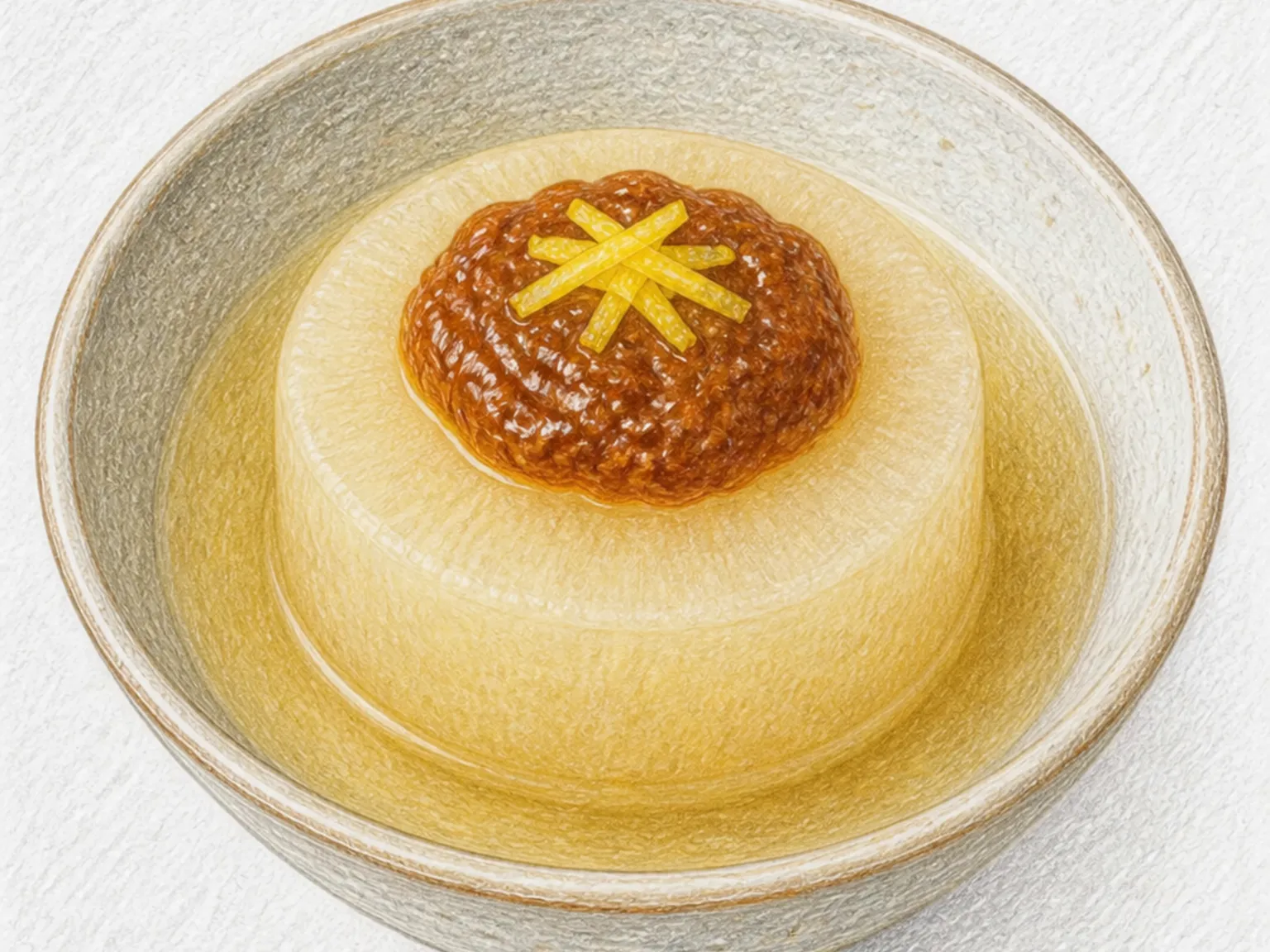
Furofuki Daikon with Dengaku Miso
Asian Easy

Furofuki Daikon with Dengaku Miso

Furofuki daikon is a Kyoto dish of thick daikon rounds peeled generously, first simmered in rice-rinsing water to soften their sharp edge, then cooked through in very lightly seasoned kombu broth. Warm dengaku miso and fine yuzu peel are spooned on top at serving. Traditional Shogoin daikon is valued because it stays intact and has little bitterness, though a dense winter daikon also works. The two-stage simmer preserves the root's clear sweetness, while concentrated miso remains on the surface so each bite can balance mild vegetable and salty-sweet sauce.

🏠 Everyday 🥗 Light & Healthy
Prep 15min Cook 50min 4 servings
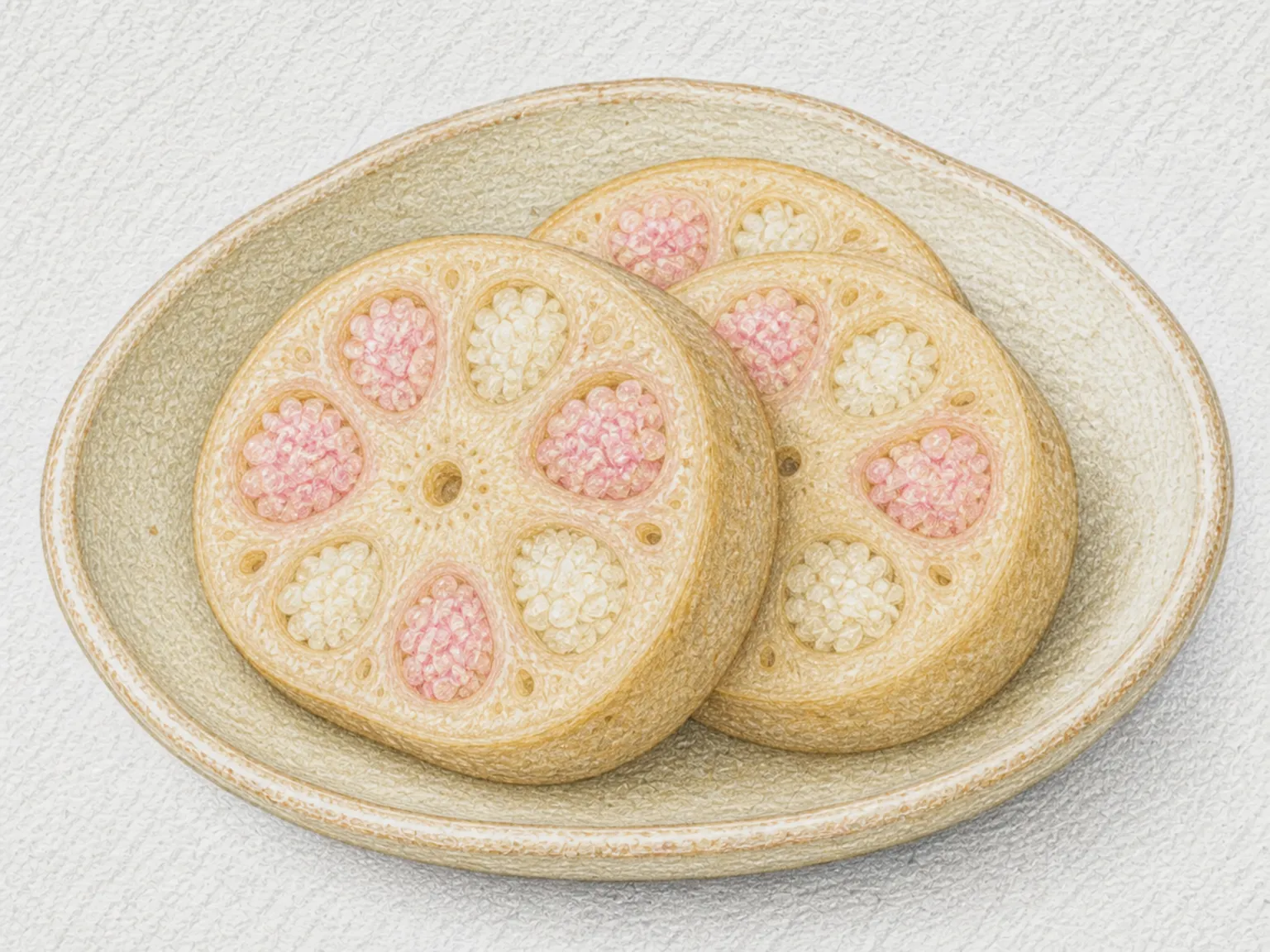
Hasune-mochi (Steamed Lotus Root Stuffed with Rice)
Rice Hard

Hasune-mochi (Steamed Lotus Root Stuffed with Rice)

Hasune-mochi is a celebratory dish from Kadoma in Osaka. White glutinous rice and pale pink rice are packed separately into the holes of two thick lotus-root sections, the cut ends are sealed, and the roots steam for about 2 hours before being sliced into red-and-white rounds. Lotus root is considered auspicious because its open channels suggest a clear view of the future, and the two colors suit festive occasions. The clay soil of Kawachi and Kadoma helped make lotus root a local crop from the Edo period onward. Served in 8mm slices with kinako and sweet azuki paste, it combines chewy rice with the sweet, lightly crisp texture of steamed lotus root.

🎉 Special Occasion
Prep 45min Cook 125min 4 servings
Beef Pad See Ew (Thai Wok-Fried Wide Rice Noodles in Dark Soy)
Noodles Easy

Beef Pad See Ew (Thai Wok-Fried Wide Rice Noodles in Dark Soy)

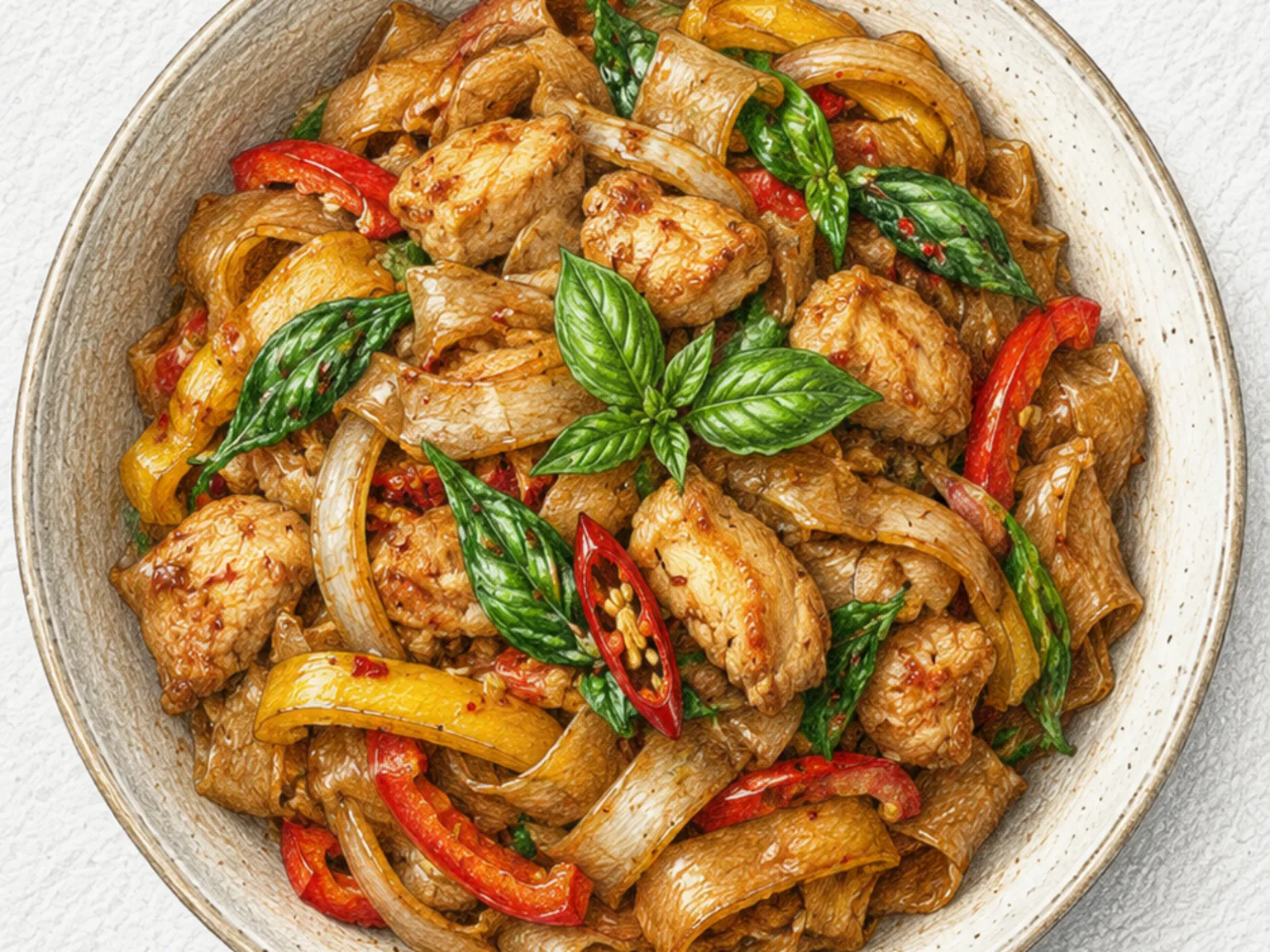
Beef pad see ew is a Thai wok-fried noodle dish built around wide rice noodles and dark soy sauce. The name translates to 'fried with soy sauce,' and broad, silky noodles are stained deep brown by dark soy, balanced with light soy and oyster sauce for a sweet-savory glaze. Thinly sliced beef is seared first in a blazing wok, then noodles go in to absorb the sauce and char slightly against the hot metal. Chinese broccoli or kale adds crunch from its stems and softness from its leaves. The defining element is wok hei - the smoky flavor that only comes from letting noodles sit against the wok until they pick up toasted spots.

🏠 Everyday 🌙 Late Night
Prep 15min Cook 10min 2 servings
Furu-takuan no Nimono (Simmered Aged Pickled Daikon)
Asian Easy

Furu-takuan no Nimono (Simmered Aged Pickled Daikon)

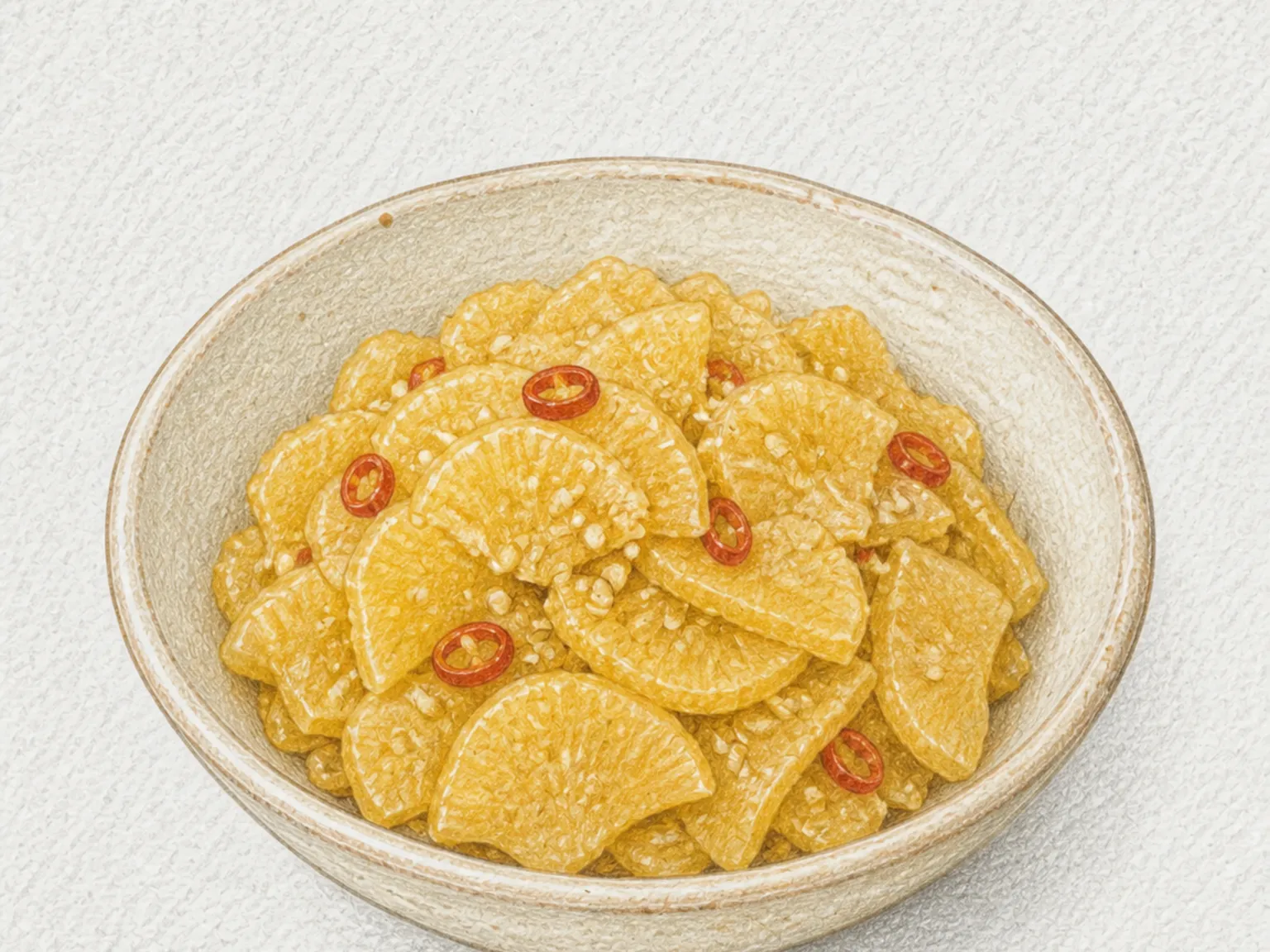
Furu-takuan no nimono is a Fukui side dish made from takuan pickled the previous year until salty and sour. The aged daikon is sliced to 2mm, boiled repeatedly in fresh water to reduce salt and acidity, then gently simmered in dashi, soy sauce, and mirin. Red chili and white sesame finish a dish served with rice, sake, or ochazuke. Because an edible pickle receives extra work to become a new dish, it is also called zeitaku-ni, or luxurious simmer. Use only sound, properly fermented takuan. Fuzzy mold, sliminess, unusual discoloration, or rotten odor cannot be fixed by boiling and requires disposal.

🏠 Everyday 🍺 Bar Snacks
Prep 20min Cook 60min 12 servings
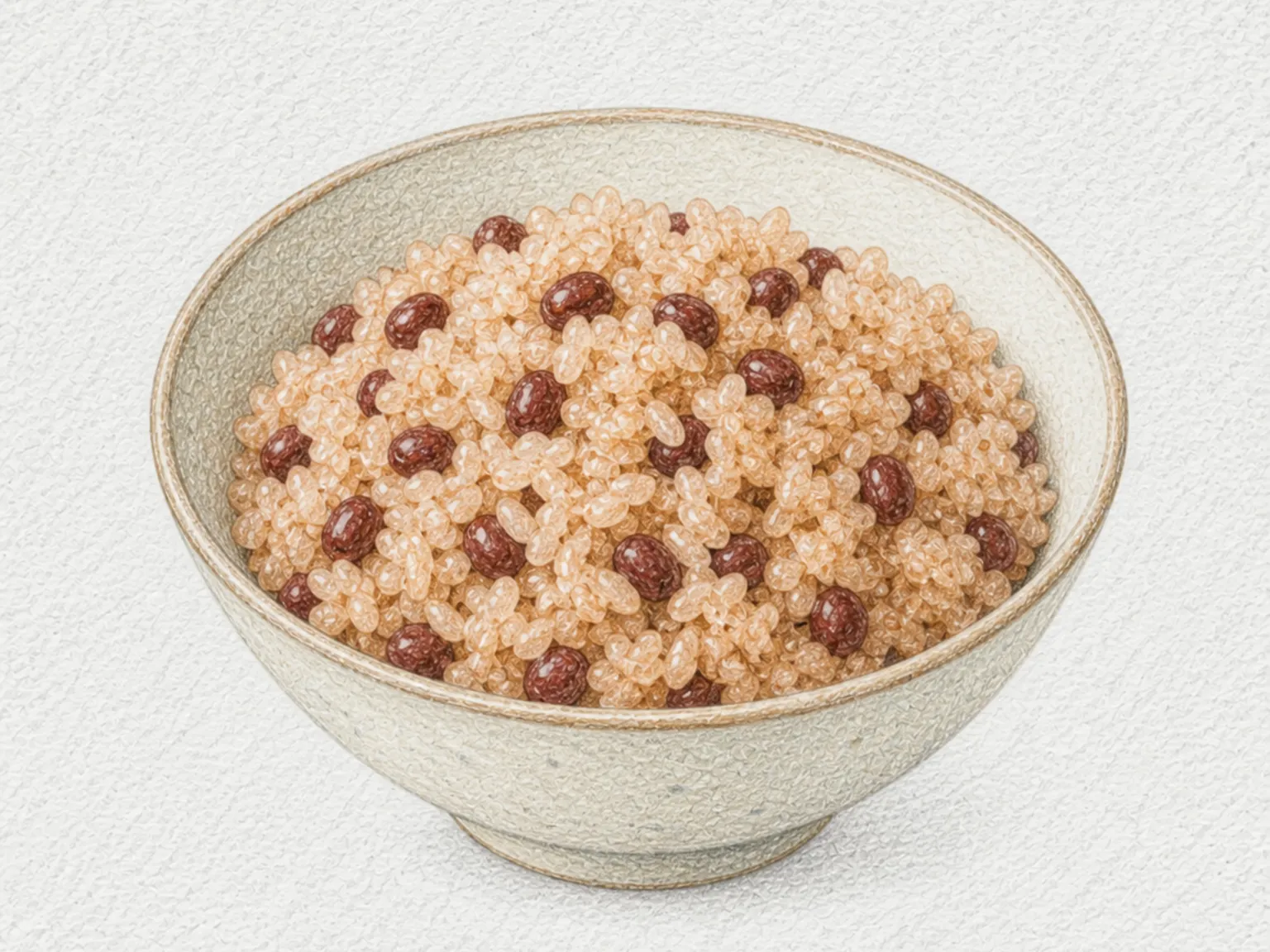
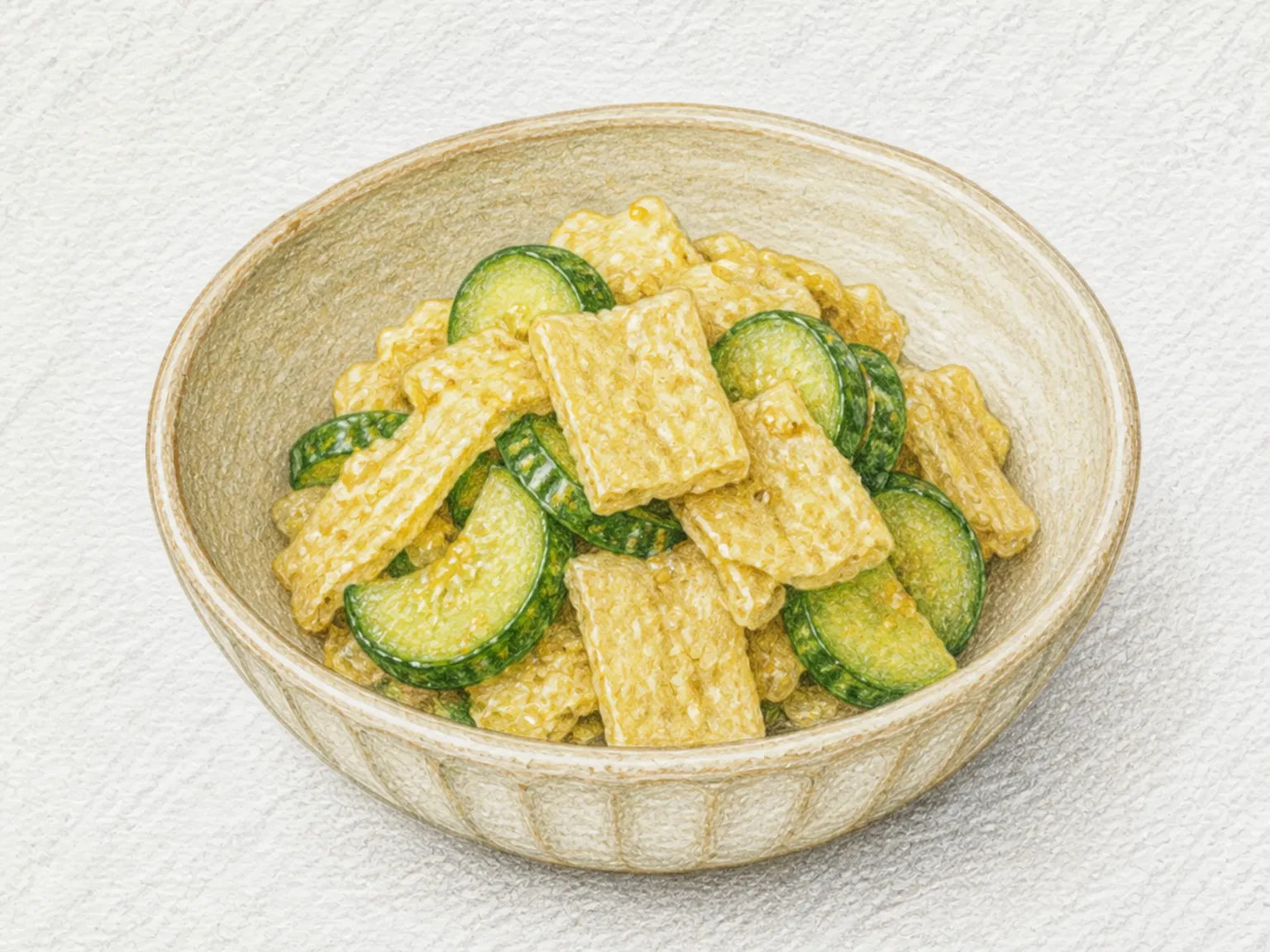
Yan-gome (Roasted Rice Cooked with Sweet Azuki)
Rice Hard

Yan-gome (Roasted Rice Cooked with Sweet Azuki)

Yan-gome is a Boso Peninsula dish from Chiba. Regular rice is soaked overnight in water initially around 40°C, drained, soaked again in fresh water for 3 to 4 hours, dried thoroughly, roasted in an oiled pan, cooled, and then cooked for about 20 minutes over low heat in sweetened azuki and its abundant broth. It resembles sekihan but is mildly sweet, loose-grained, and fragrant from roasting. Yan-gome is offered at Obon welcoming and farewell fires, harvest prayers, and celebrations after rice planting, and regional names include yaki-gome, ya-gome, and ei-gome. For modern safety, both long soaking stages take place under refrigeration.

🎉 Special Occasion
Prep 30min Cook 90min 5 servings
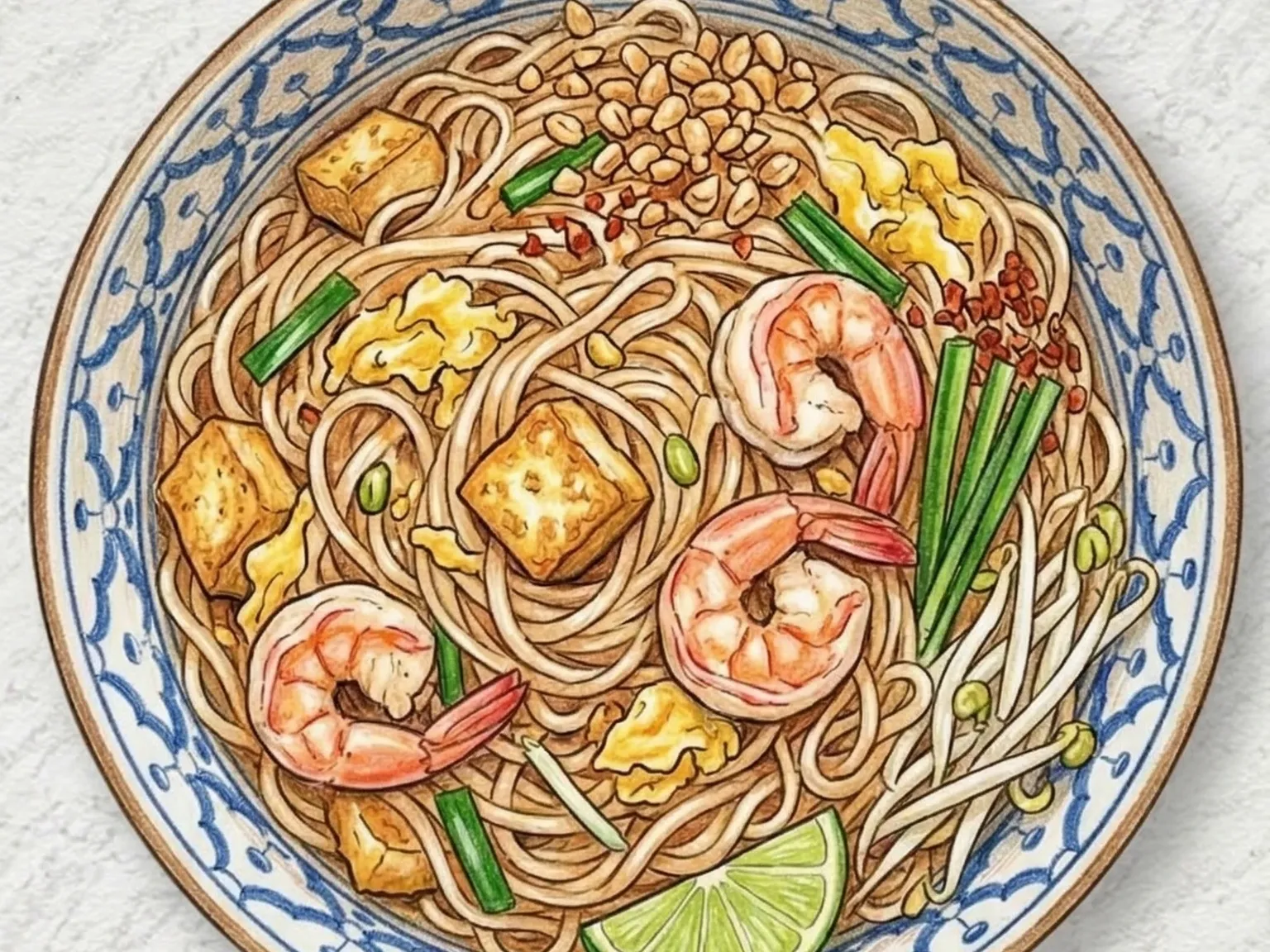
Pad Thai
Noodles Medium

Pad Thai

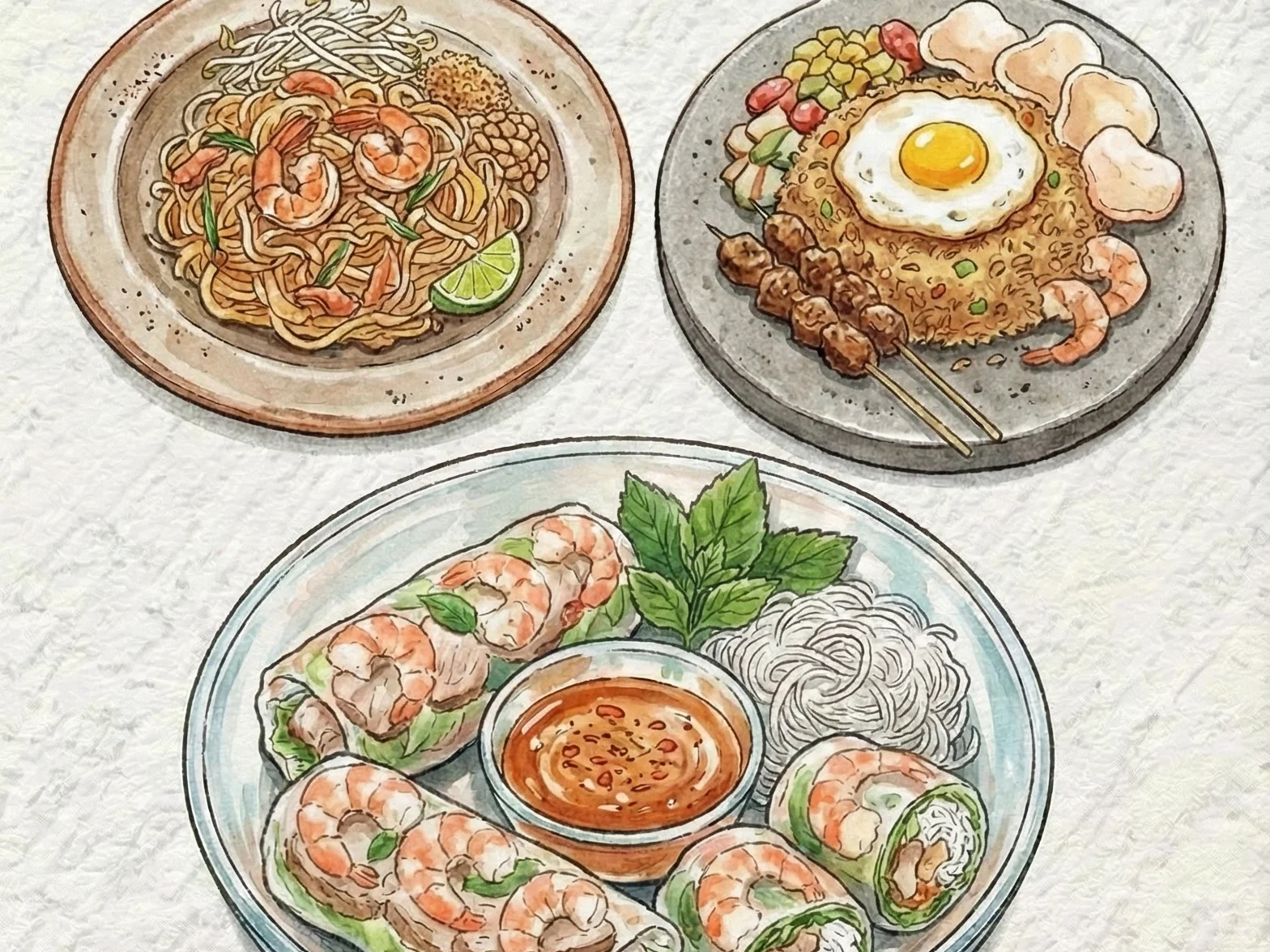
Pad thai is Thailand's most widely recognized stir-fried noodle dish, centered on a sauce made from tamarind paste, fish sauce, and sugar that balances sweet, sour, and salty flavors in every bite. The proportion of these three ingredients is what determines the character of the final dish, and adjusting them even slightly shifts the balance noticeably. Dried rice noodles soak in lukewarm water for twenty minutes until they are pliable but still firm enough to hold up under high heat without becoming mushy. Firm tofu is pan-fried first until golden on all sides, establishing a nutty, textured base, then shrimp are added and pushed to the side as soon as they turn pink. The eggs are scrambled in the cleared center of the pan rather than mixed in with everything else, which allows them to set into thin, irregular sheets that distribute evenly through the noodles when tossed. Adding the soaked noodles and sauce over high heat and tossing quickly causes the noodles to absorb the sauce rapidly, developing a glossy, amber-toned coating. Bean sprouts stirred in at the very end keep their crunch, coarsely ground peanuts provide a roasted, brittle texture, and a squeeze of fresh lime just before eating introduces a bright acidity that sharpens the whole dish.

🎉 Special Occasion 🏠 Everyday
Prep 20min Cook 15min 2 servings
Eggplant Curry
Asian Easy

Eggplant Curry

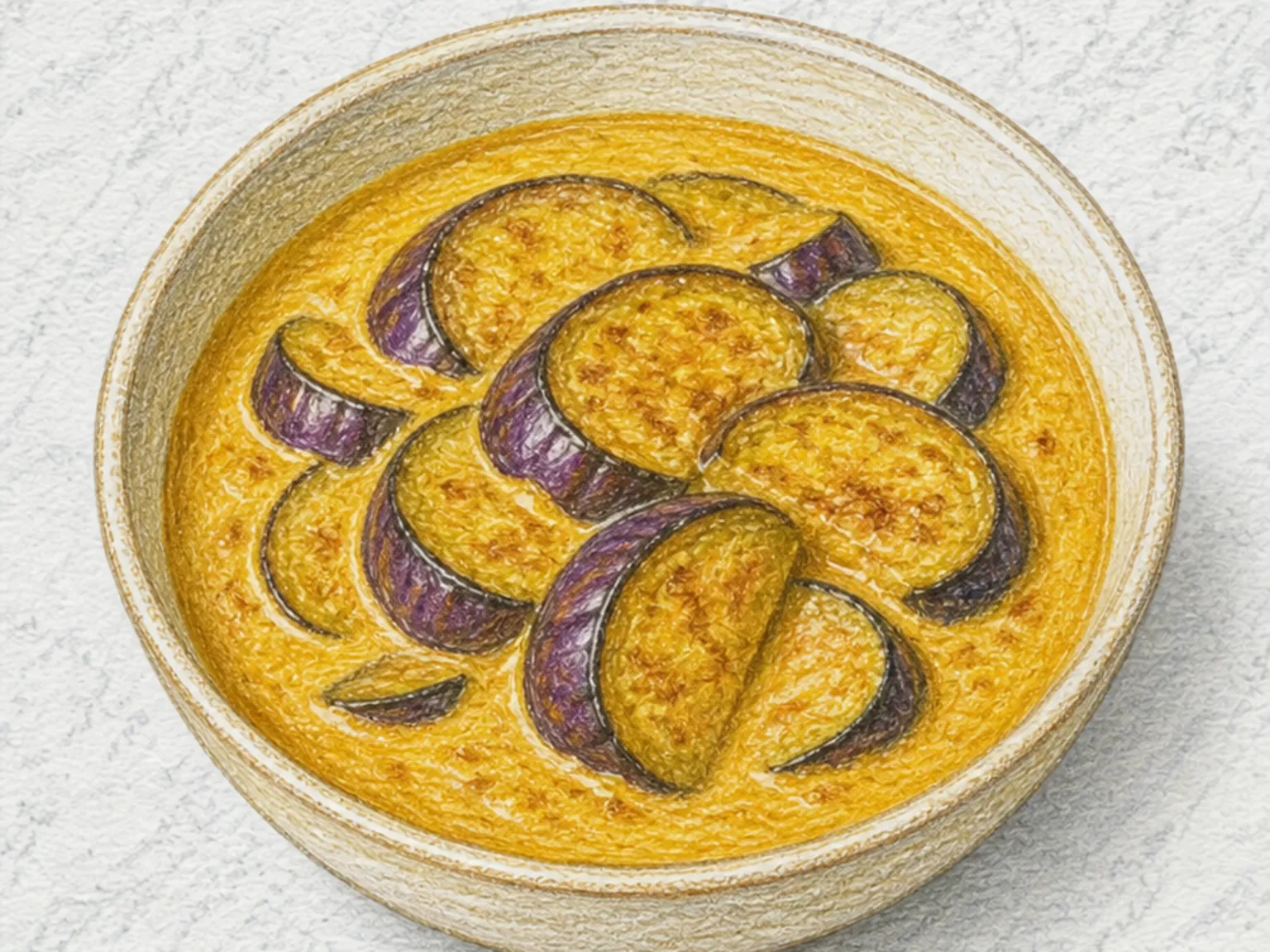
Eggplant curry combines browned cubes of eggplant with a coconut-milk sauce built from onion, tomato, garlic, ginger, and curry powder. Searing the eggplant before it enters the sauce is more than a color step. Raw eggplant absorbs liquid and oil rapidly and can collapse before the surrounding sauce develops, while browned surfaces add roasted flavor and help the cubes keep a clearer shape during the final simmer. Remove the seared pieces, then use the same pan to cook the onion, garlic, and ginger until aromatic. Add chopped tomato and let some of its water evaporate before stirring in the curry powder; blooming the spice against the cooked vegetables prevents a dusty taste and spreads it evenly through the base. Pour in coconut milk and water and keep the heat gentle. A hard boil can make coconut milk look oily or separated, whereas a quiet simmer produces a smooth sauce. Return the eggplant only after that base is uniform, then cook it just long enough to absorb the seasoning without disintegrating. The result has soft, moist eggplant surrounded by a mellow sauce in which tomato acidity and warm curry spices balance the natural sweetness of coconut. Spoon it over rice or use flatbread to gather the sauce, and keep the pieces of eggplant large enough to remain distinct on the plate.

🏠 Everyday 🥗 Light & Healthy
Prep 15min Cook 25min 2 servings
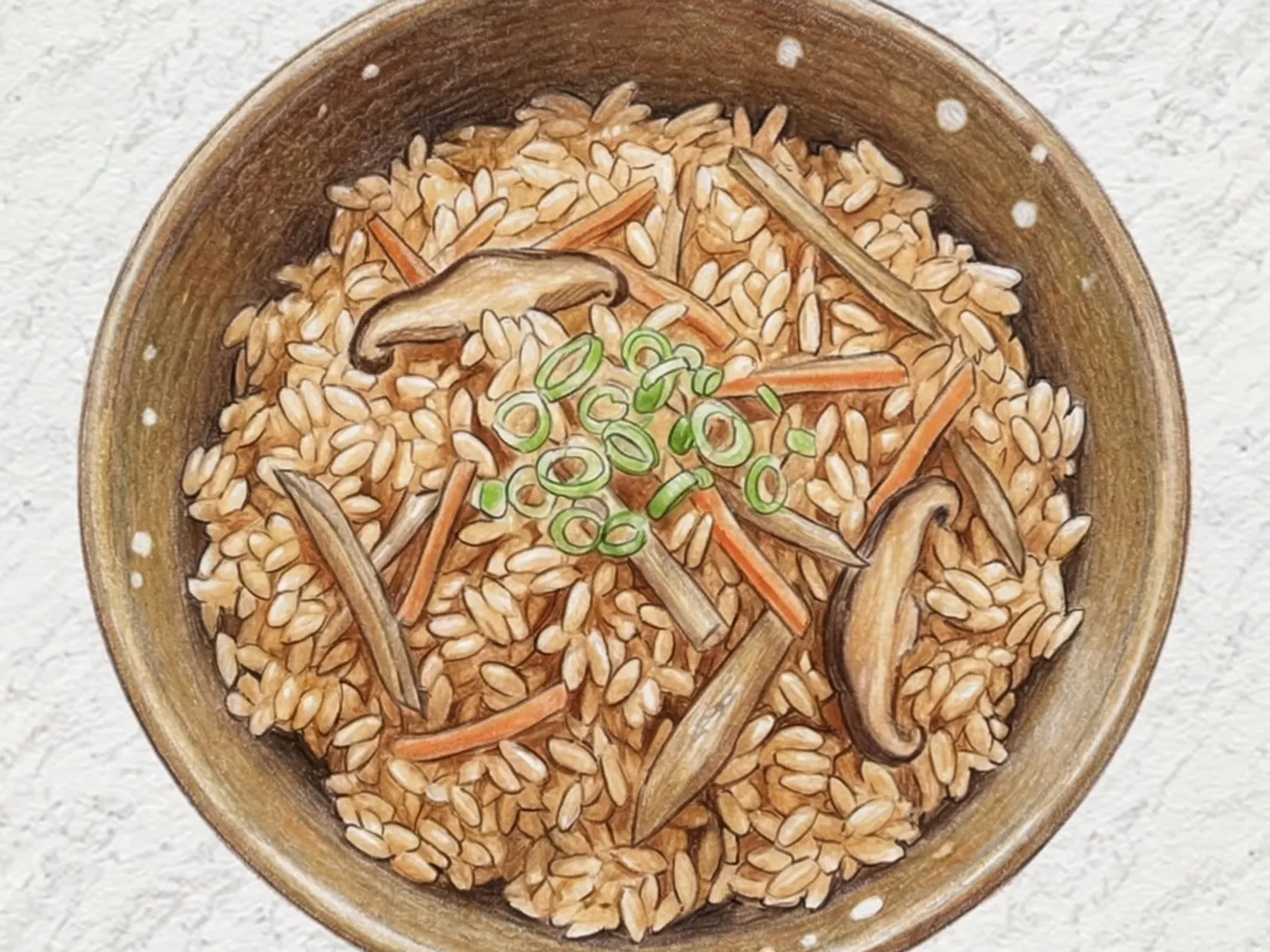
Takikomi Gohan (Japanese Mixed Rice Cooked with Vegetables and Dashi)
Rice Medium

Takikomi Gohan (Japanese Mixed Rice Cooked with Vegetables and Dashi)

Takikomi gohan cooks short-grain rice with shiitake, carrot, and burdock in a measured mixture of dashi, soy sauce, and mirin. Two cups rice is washed, soaked in water for 20 minutes, and left in a sieve for 10 minutes to drain. One hundred twenty grams shiitake, 80 g carrot, and 60 g burdock are cut into thin strips of similar size so they finish cooking together. The cooking liquid combines 420 ml dashi with 2 tablespoons soy sauce and 1 tablespoon mirin. The drained rice is leveled across the bottom of the rice cooker before the seasoned dashi is poured in. Only the rice is smoothed at this point. The cut vegetables and mushrooms are spread in a layer on top rather than mixed down among the grains. Keeping the toppings above the rice allows the liquid to circulate evenly during the normal rice-cooker cycle. When cooking ends, the lid remains closed for a 10-minute rest. A rice paddle is then taken all the way to the bottom, lifting and turning broad sections so the toppings become evenly distributed without mashing the rice. The initial soak, the separate draining period, and the final covered rest each serve a different purpose: the grains hydrate before cooking, receive a controlled amount of seasoned liquid, and finish absorbing steam before they are folded with the vegetables.

🏠 Everyday 🎉 Special Occasion
Prep 15min Cook 35min 4 servings
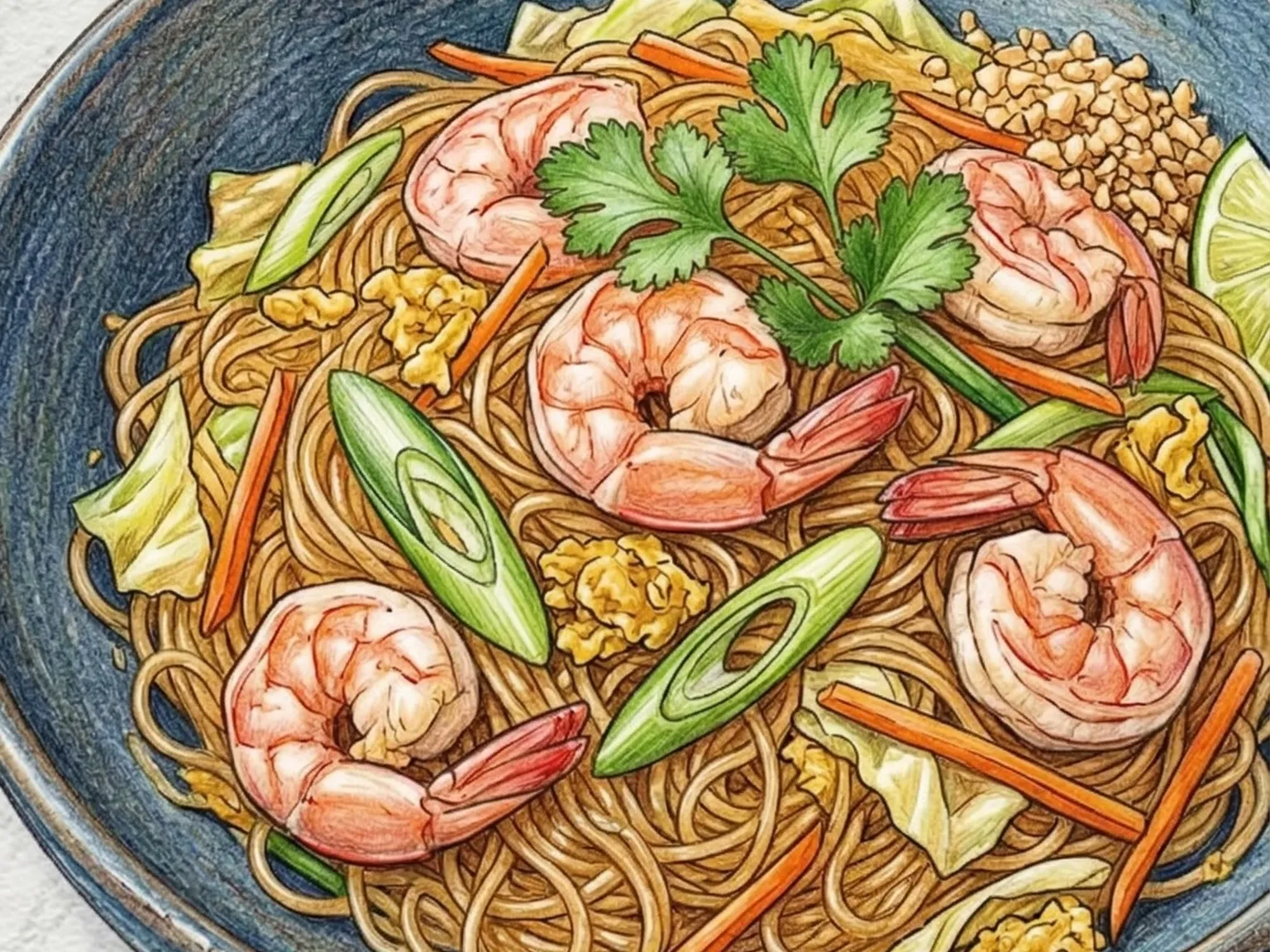
Pad Woon Sen (Thai Stir-Fried Glass Noodles with Shrimp and Egg)
Noodles Easy

Pad Woon Sen (Thai Stir-Fried Glass Noodles with Shrimp and Egg)

Pad woon sen is a Thai stir-fried glass noodle dish that comes together in minutes. The noodles, made from mung bean starch, turn translucent when soaked and have a springy, slippery texture that absorbs sauce without becoming mushy. Shrimp is cooked first until just pink, then vegetables - typically cabbage and carrot - are tossed in over high heat to keep their crunch. Eggs are scrambled to one side of the wok and folded into the noodles along with soy sauce and oyster sauce. The seasoning is deliberately simple, allowing the natural sweetness of the shrimp and the clean bite of the vegetables to come through.

🏠 Everyday 🌙 Late Night
Prep 15min Cook 12min 2 servings
Go-ae (Eggplant with Crushed Edamame Dressing)
Asian Easy

Go-ae (Eggplant with Crushed Edamame Dressing)

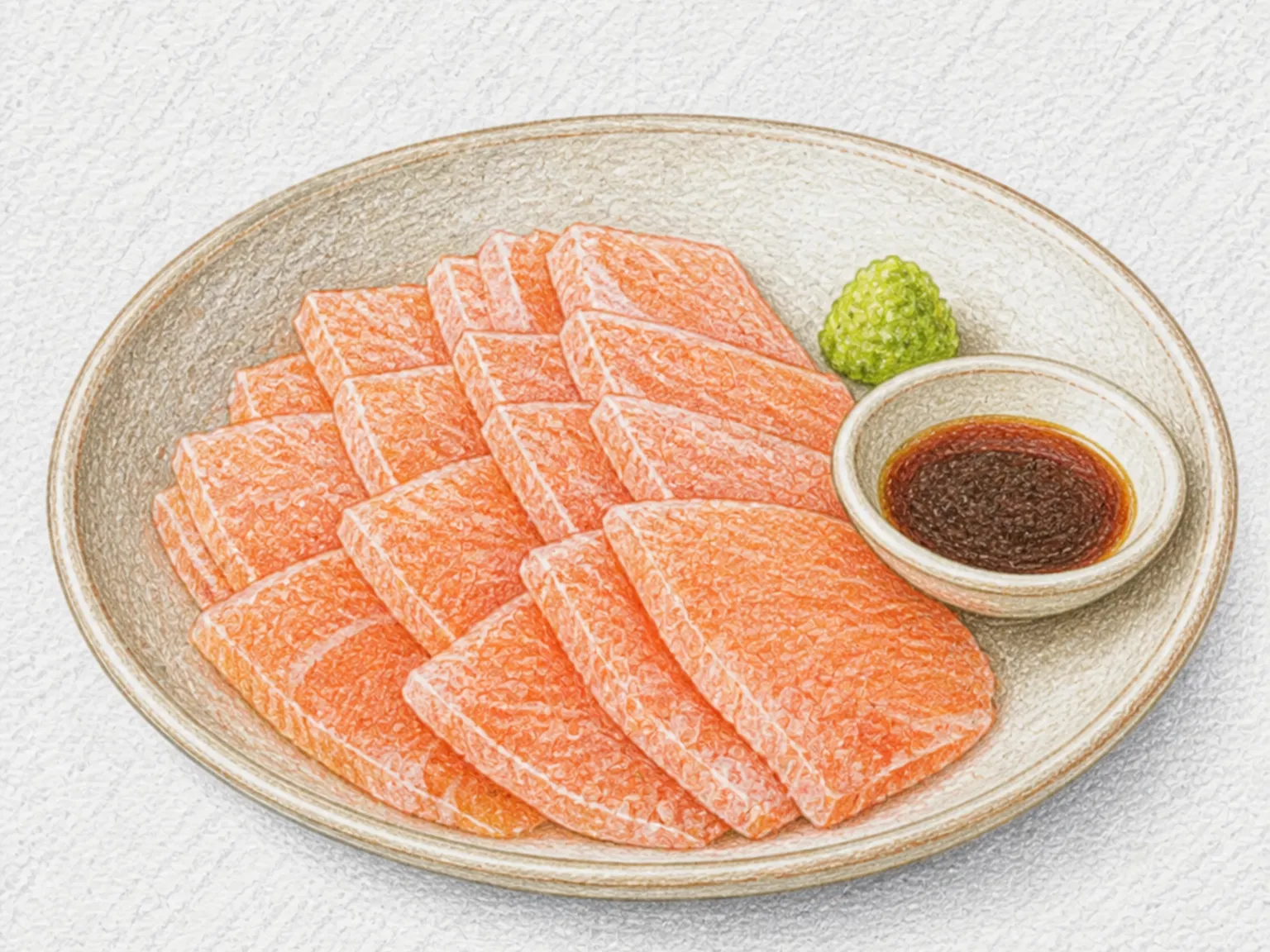
Go-ae is a local dish from Nichinan in Tottori. Boiled edamame is crushed into a thick soybean dressing called go, seasoned with sugar, miso, and dashi, then folded around briefly cooked, firmly squeezed eggplant and fine strips of myoga. When young soybeans are in season, the dressing has a vivid green color that contrasts with the soft eggplant and crisp aromatic myoga. In mountainous Nichinan, where arable land was limited, soybeans were an important source of protein, and households used ground boiled beans to coat vegetables or mushrooms. The eggplant may be boiled, grilled, or microwaved, but it must always be pressed dry so the bean dressing remains dense rather than watery. Served cool, the mild soybean richness makes a gentle summer side dish for rice.

⚡ Quick 🏠 Everyday
Prep 20min Cook 10min 4 servings
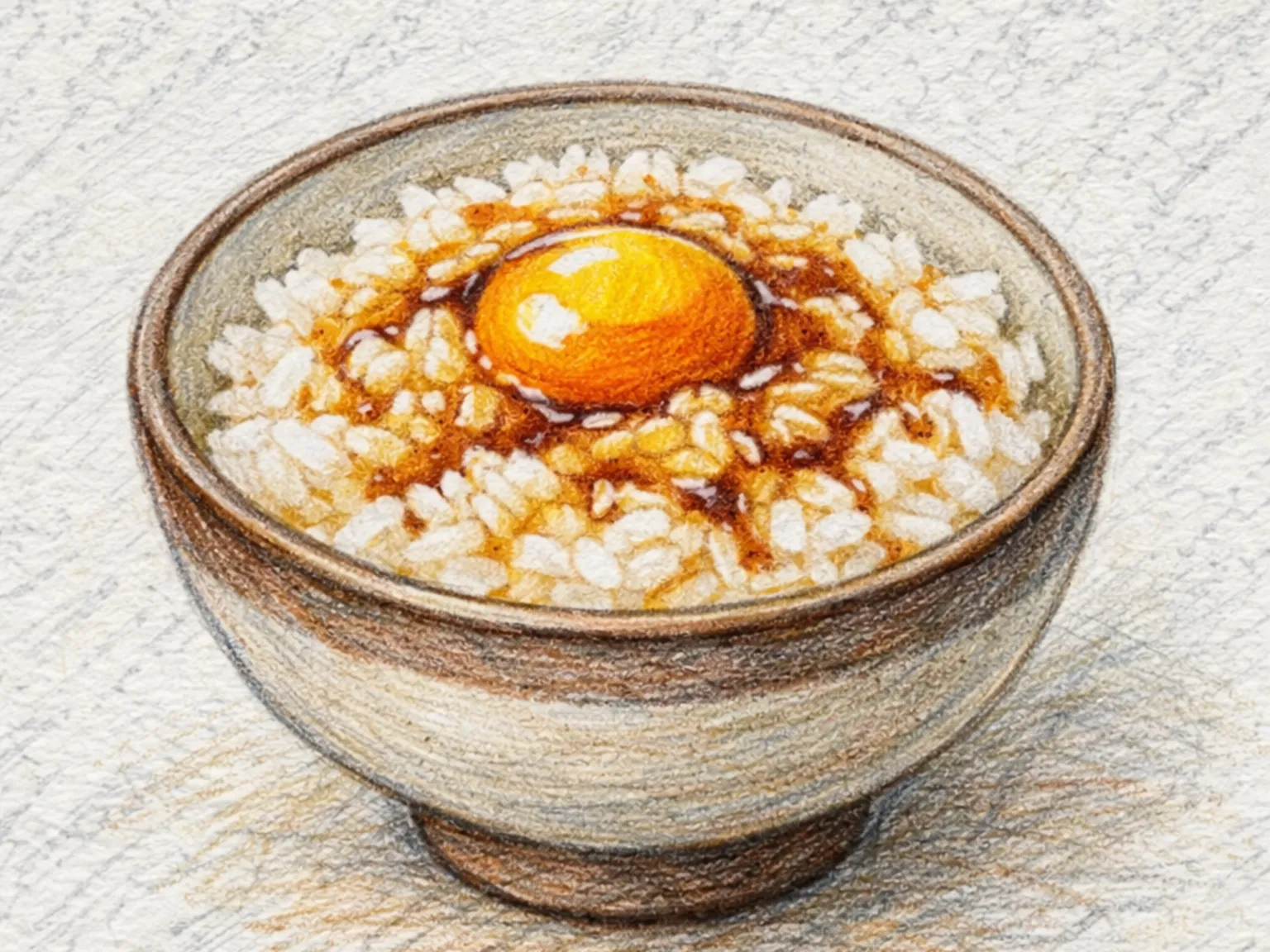
Egg Over Rice (Raw Egg Stirred into Hot Rice with Soy Sauce)
Rice Easy

Egg Over Rice (Raw Egg Stirred into Hot Rice with Soy Sauce)

Tamago Kake Gohan is a simple Japanese comfort food consisting of raw egg stirred into freshly cooked hot rice and seasoned with soy sauce. The core of this dish lies in utilizing the steam and residual heat of the rice to warm and partially cook the raw egg. As it is whipped rapidly with chopsticks, the egg transforms into a silky, custard-like coating around every single grain of rice. Melting a small pat of butter in the center before adding the egg introduces an additional layer of rich aroma. Soy sauce is added gradually to balance the richness with its savory umami depth. To complete the dish, seaweed flakes and finely chopped green onions are sprinkled on top. It must be eaten immediately while steaming hot, as letting it sit cools the egg and causes the rice to become soggy.

⚡ Quick 🏠 Everyday
Prep 5min Cook 5min 2 servings
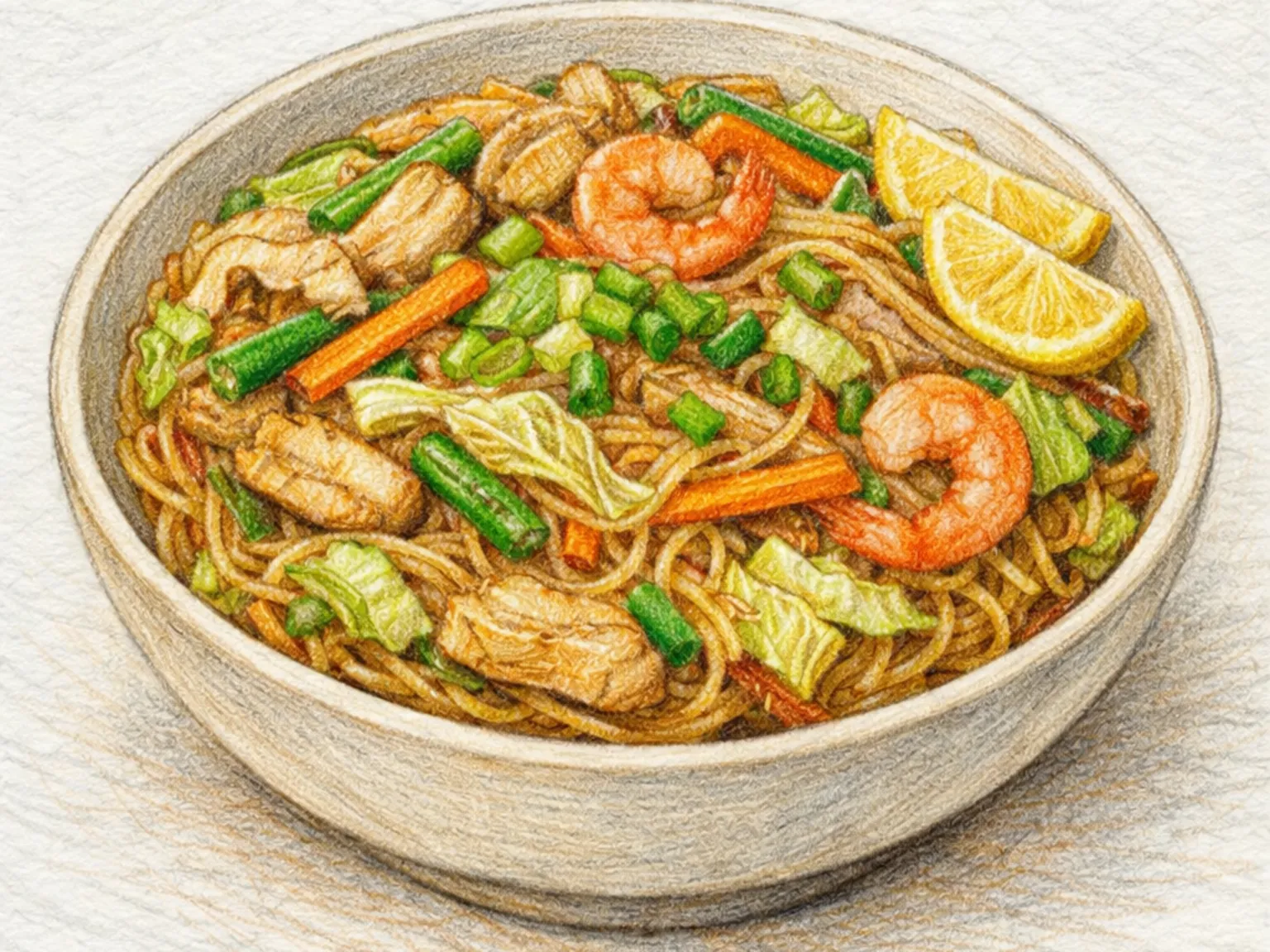
Pancit Bihon (Filipino Stir-Fried Rice Vermicelli with Chicken)
Noodles Easy

Pancit Bihon (Filipino Stir-Fried Rice Vermicelli with Chicken)

Pancit bihon is the most widely eaten noodle dish in the Philippines, made with thin rice vermicelli stir-fried with meat, vegetables, and a savory soy-fish sauce seasoning. It holds a special place in Filipino culture as a celebration dish - no birthday party is complete without a large platter, symbolizing long life and good fortune. The technique involves boiling chicken to create a broth, then using that broth to cook the noodles in the wok so every strand absorbs savory depth. Shredded cabbage and julienned carrots provide crunch, while a squeeze of calamansi brightens the dish with a tart, floral acidity.

🏠 Everyday 🎉 Special Occasion
Prep 20min Cook 20min 4 servings
Go-dofu with Sesame Soy Sauce
Asian Medium

Go-dofu with Sesame Soy Sauce

Go-dofu is an Arita specialty from Saga that sets soy milk with kudzu starch and gelatin rather than the nigari used for ordinary tofu. Soy milk and dairy milk heat together, a smooth kudzu slurry thickens them with constant stirring, and the mixture chills into glossy blocks that are soft like pudding yet distinctly elastic. A savory sauce of dashi, soy sauce, and ground sesame is spooned over each portion, with yuzu peel or tender sansho leaves as a fragrant finish. Several local origin stories describe an Arita tofu maker or restaurant cook learning a kudzu-set soybean method from Chinese residents in Nagasaki in the early twentieth century. The blocks are usually a side dish, but brown sugar syrup and kinako turn them into dessert, while frying and miso soup provide other uses.

🎉 Special Occasion
Prep 15min Cook 20min 4 servings
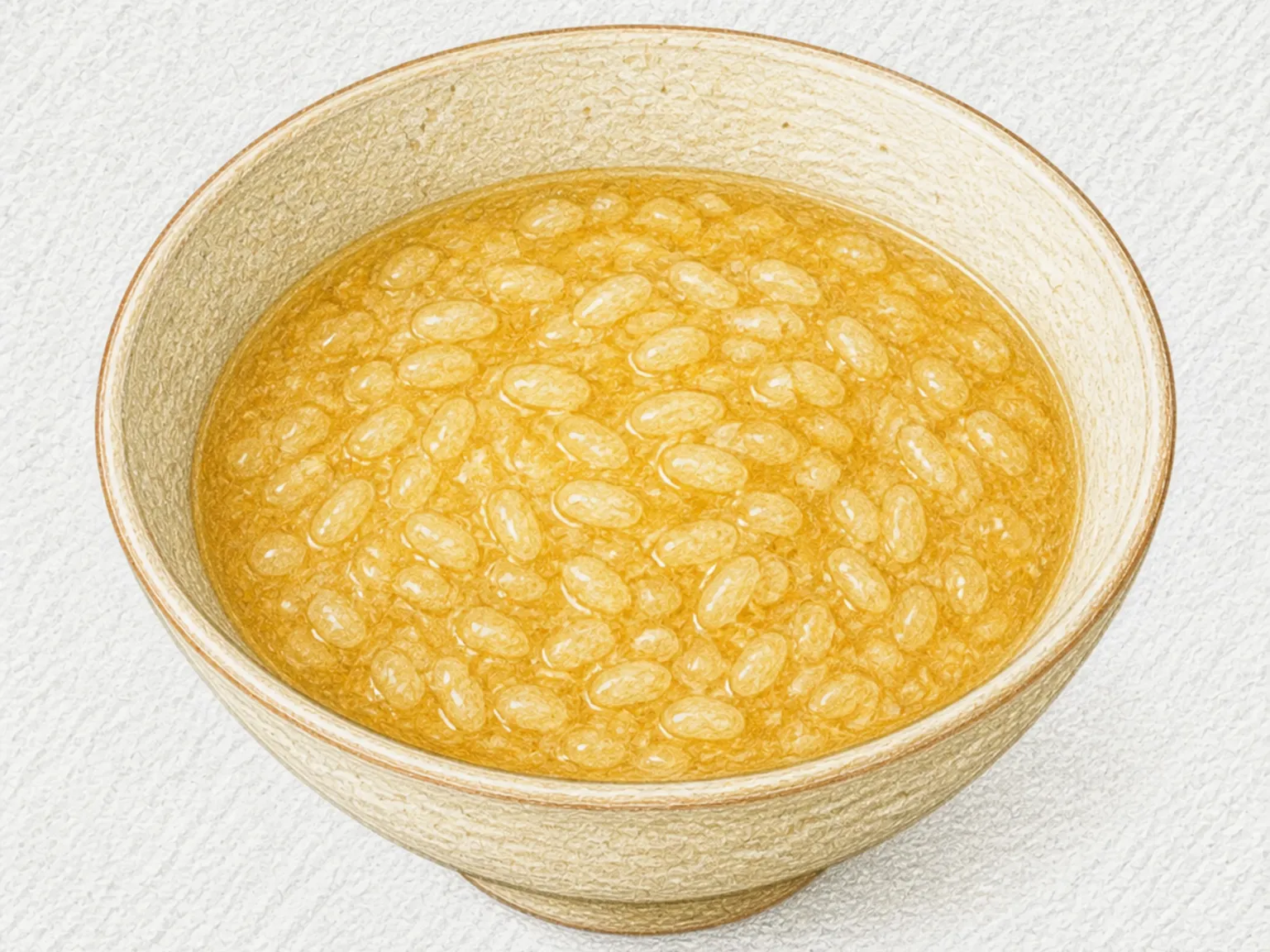
Chagayu (Yamaguchi Bancha Rice Porridge)
Rice Easy

Chagayu (Yamaguchi Bancha Rice Porridge)

Chagayu is a loose rice porridge from Yamaguchi made by simmering unwashed rice in strongly brewed bancha until the liquid turns amber and the grains lose their hard centers. Tea is first simmered in a cloth or paper bag and removed once sufficiently dark; rice then cooks at the strongest heat that will not make the pot boil over for 17 to 18 minutes. Frequent stirring releases starch and makes the porridge sticky, so it is left largely undisturbed for a light, flowing texture. The dish reportedly spread through Yanai, Suo-Oshima, Iwakuni, and Hagi after the Iwakuni lord encouraged it to conserve rice in the early seventeenth century. It is eaten hot in winter and often chilled in summer.

🏠 Everyday ⚡ Quick
Prep 5min Cook 18min 5 servings
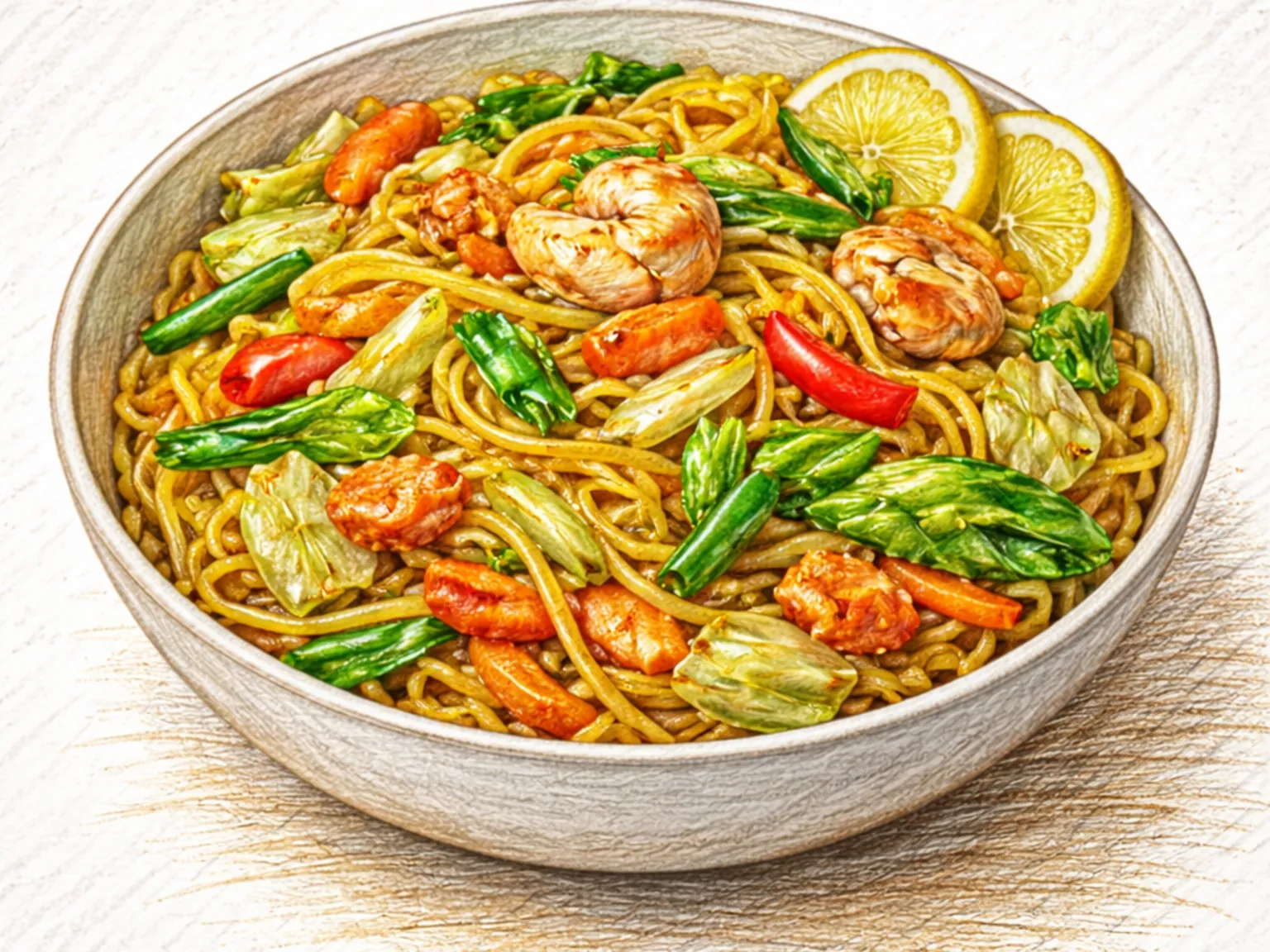
Pancit Canton (Filipino Stir-Fried Egg Noodles with Chicken and Vegetables)
Noodles Easy

Pancit Canton (Filipino Stir-Fried Egg Noodles with Chicken and Vegetables)

Pancit canton is a Filipino stir-fried egg noodle dish cooked with chicken, carrot, and cabbage in a soy sauce and oyster sauce base. The salty depth of soy sauce and the savory richness of oyster sauce permeate the noodles evenly, and a squeeze of fresh lemon at the end cuts through the oil to leave a clean, bright finish. The noodles are parboiled to roughly seventy percent doneness so they finish cooking in the wok while absorbing the sauce, retaining their springy texture rather than turning soft. Chicken thigh is stir-fried first to render its fat and release its juices into the pan, and that rendered fat then carries the carrot and cabbage through a quick, high-heat toss that preserves their crunch. Small additions of broth or water allow the noodles to absorb the sauce gradually, but too much liquid tips the dish toward soupy rather than stir-fried, so the volume must be controlled carefully. Lemon juice is added only after removing the pan from heat, because its volatile citrus aroma dissipates almost instantly on contact with a hot surface. In the Philippines, long noodles symbolize longevity and a full life, making pancit canton a fixture at birthdays and holiday celebrations.

🎉 Special Occasion 🌙 Late Night
Prep 15min Cook 15min 2 servings
Goan Fish Curry (Tangy Coconut Fish Stew)
Asian Easy

Goan Fish Curry (Tangy Coconut Fish Stew)

Goan fish curry - known locally as xitt-kodi - is the daily centerpiece of fishing households along India's Goa coast, shaped over five centuries by the meeting of Konkani culinary tradition and Portuguese colonial influence. Freshly pressed coconut milk forms the foundation, into which a masala paste of tamarind, Kashmiri red chilies, coriander seeds, and cumin is stirred and brought to a simmer. Local fish - kingfish, pomfret, or mackerel - are added bone-in and cooked over gentle heat for no more than five minutes. That restraint is the defining technique: the flesh absorbs the sauce fully while still breaking apart in clean, moist flakes at the press of a spoon rather than turning dense and dry. Tamarind's sharp acidity slices through the coconut cream's weight, producing a broth that reads as fresh and light despite its deep orange color and creamy texture. The Kashmiri chili contributes vivid color with only moderate heat, so the sauce is bold-looking but not aggressively spicy. Goan fishermen have long followed the practice of cooking their morning catch into curry by midday and serving it over boiled parboiled rice called ukde tandull, a pairing so bound to local identity that it crosses every line of religion, caste, and neighborhood across the state.

🎉 Special Occasion 🏠 Everyday
Prep 15min Cook 20min 2 servings
Edo-Style Tendon (Japanese Tempura Rice Bowl with Sweet Soy Tare)
Rice Medium

Edo-Style Tendon (Japanese Tempura Rice Bowl with Sweet Soy Tare)

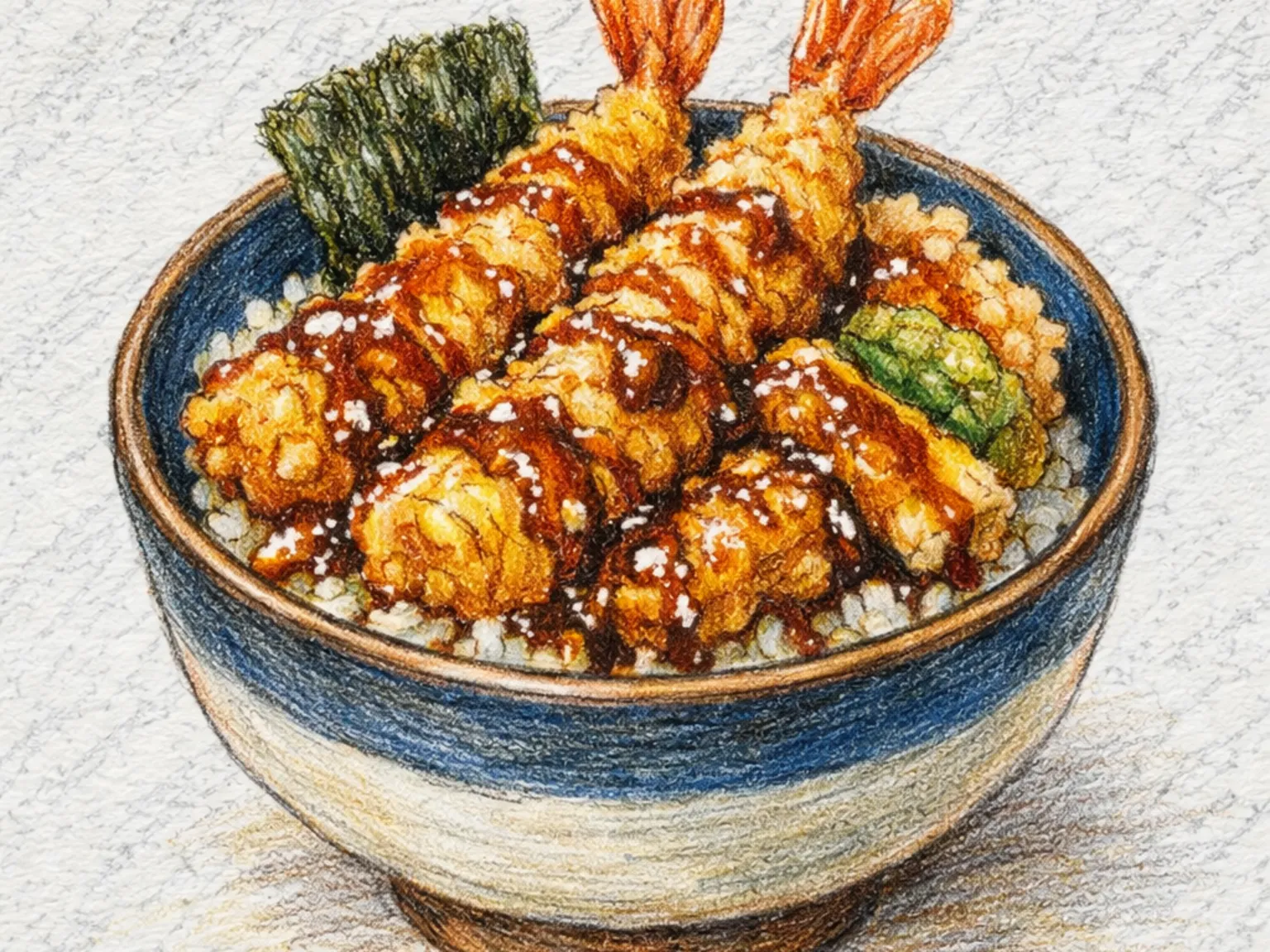
Edo-style tendon places freshly fried shrimp, sweet potato, and eggplant over steamed rice and finishes them with a warm soy-based tare. Six shrimp are cleaned and given several shallow cuts along the belly so they can be pressed straight before frying. One hundred twenty grams sweet potato and 100 g eggplant are sliced 0.7 cm thick, then their surfaces are dried. The batter is made from 100 g tempura flour and 150 ml cold water. It is stirred only briefly with chopsticks and left with a few small lumps, avoiding the dense coating that develops after excessive mixing. For the tare, 3 tablespoons tsuyu, 1 tablespoon soy sauce, and 1 tablespoon sugar go into a saucepan over medium heat. The mixture is ready after simmering for 2 minutes. Four hundred milliliters cooking oil is held at 170 degrees Celsius. The vegetables are fried first in separate small batches so the oil temperature does not fall sharply. Each shrimp receives a thin layer of batter and fries at the same temperature while held in its straightened shape. Three hundred sixty grams warm rice is divided among the bowls, followed immediately by the drained vegetable and shrimp tempura. The tare is spooned over while still warm. Dry ingredient surfaces, cold lightly mixed batter, and uncrowded frying all help the coating remain thin. Adding the sauce only after the tempura reaches the rice lets some tare season the grains while the upper surfaces of the pieces remain freshly fried.

🎉 Special Occasion 🍱 Lunchbox
Prep 18min Cook 16min 2 servings
Pancit Palabok (Filipino Rice Noodles with Annatto Shrimp Sauce)
Noodles Medium

Pancit Palabok (Filipino Rice Noodles with Annatto Shrimp Sauce)

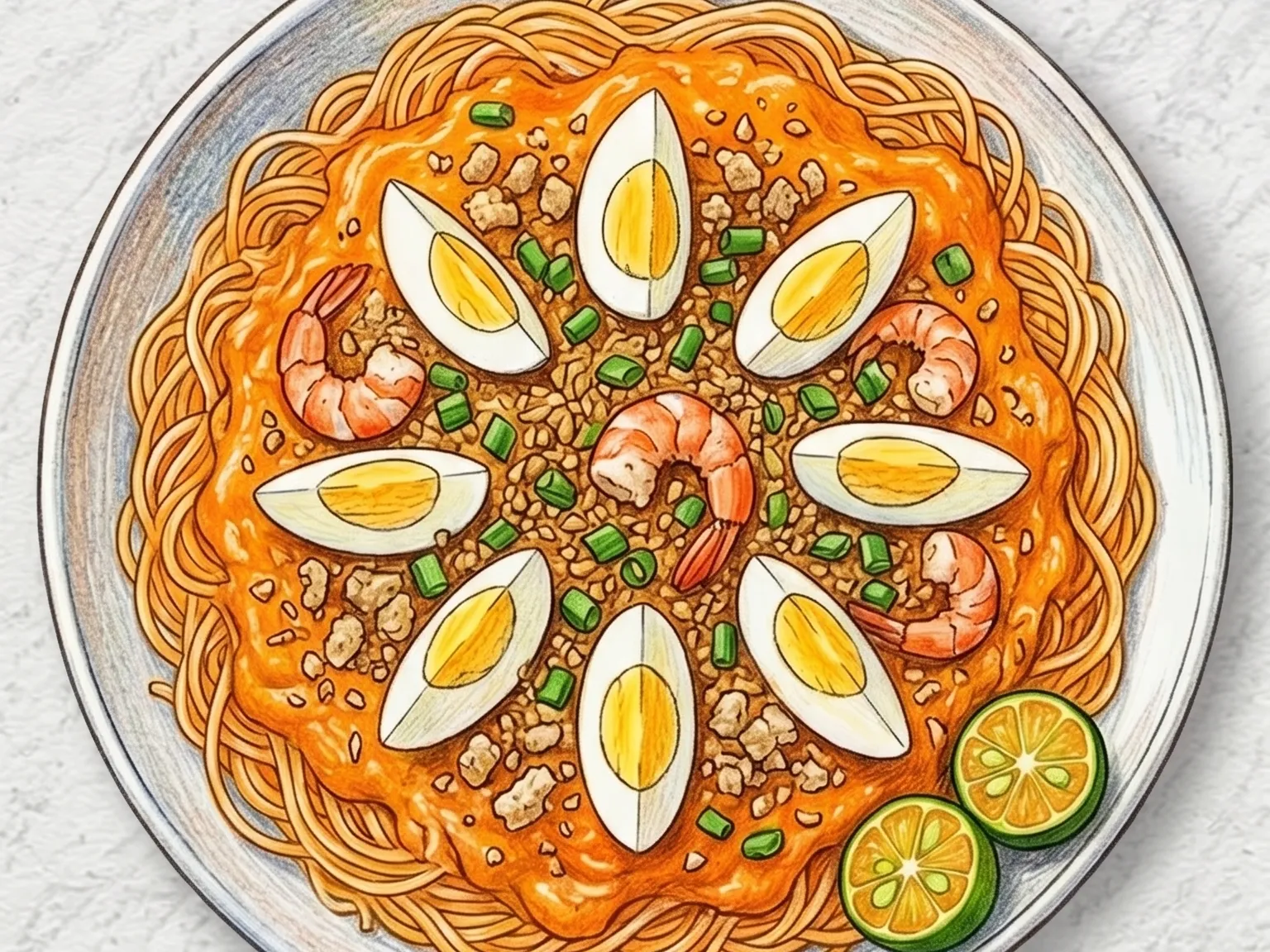
Pancit palabok is a Filipino celebratory noodle dish built on thin rice noodles blanketed in an orange-hued shrimp sauce. The sauce draws its color from annatto powder, which also contributes a faint earthy sweetness, and its savory backbone from shrimp-shell stock simmered with fish sauce. Boiled egg halves and a squeeze of lime are the traditional garnish, cutting through the richness with acidity. Fried garlic, sliced scallions, and crushed chicharron scattered on top add texture contrast and bring multiple layers of flavor to a single serving. At Filipino birthday parties and holiday gatherings, palabok is presented on a large platter and shared family-style, making it one of the most recognizable celebration dishes in the cuisine.

🎉 Special Occasion 🏠 Everyday
Prep 20min Cook 25min 2 servings
Vietnamese Fresh Spring Rolls
Asian Medium

Vietnamese Fresh Spring Rolls

Goi cuon, Vietnamese fresh spring rolls, are an uncooked hand-assembled dish from southern Vietnam. A sheet of rice paper softened in water serves as the wrapper for poached shrimp, sliced pork, rice vermicelli, lettuce, mint, cilantro, and garlic chives, all rolled tightly into a compact cylinder. Because the wrapper is translucent, the pink shrimp and bright herbs are visible through the exterior before the first bite, and that visual layer is part of the appeal. Two dipping sauces are standard: a thick peanut-hoisin blend whose richness suits the fatty pork, and nuoc cham, a light bright mixture of fish sauce, lime juice, sugar, and chili that works against the springy shrimp. Inside each roll, four distinct textures come together - the chewy rice paper, slippery vermicelli, firm shrimp, and leafy herbs - and none of them would work the same way if cooked. The dish requires no heat source to prepare, yet the balance of protein, starch, and fresh aromatics makes it nutritionally complete as a light meal. In Ho Chi Minh City, fresh spring rolls are sold from street carts alongside more elaborate restaurant preparations, and serving them at home means assembling at the table together, a format that brings a communal rhythm to the meal that plated dishes do not.

🥗 Light & Healthy 🎉 Special Occasion
Prep 30min Cook 10min 2 servings
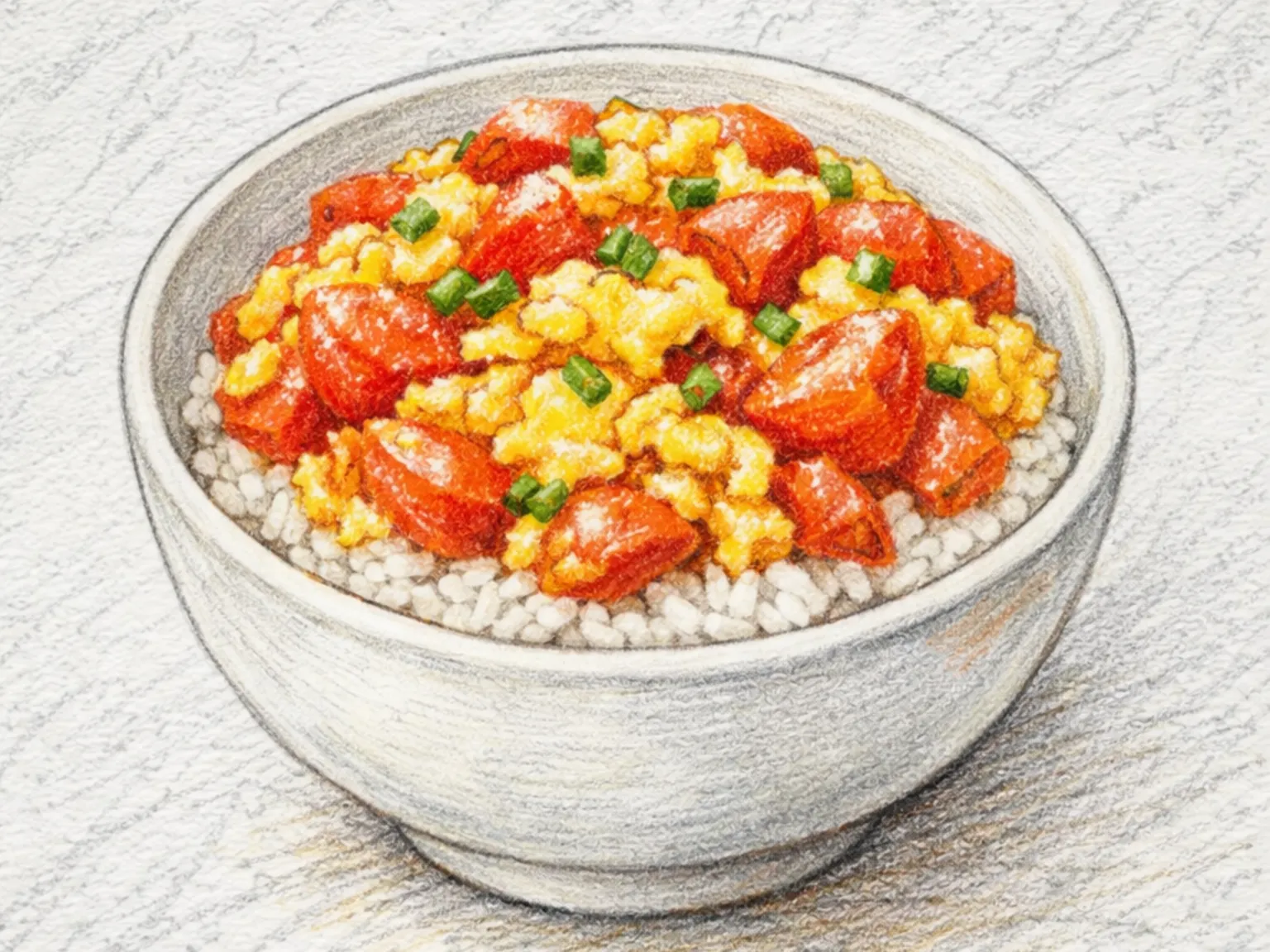
Tomato Egg Rice Bowl (Stir-fried Tomatoes with Soft Scrambled Eggs)
Rice Easy

Tomato Egg Rice Bowl (Stir-fried Tomatoes with Soft Scrambled Eggs)

This tomato egg rice bowl cooks the eggs first until softly set, removes them, and then builds a tomato sauce in the same pan before combining everything over 2 cups of rice. Cut 250 g tomato into large wedges so pieces remain after their juice enters the pan, and thinly slice 1 green onion. Beat 3 eggs only until most of the white streaks disappear. Heat half of the measured 1 tbsp vegetable oil over medium heat, pour in the eggs, and fold them in broad strokes as soon as the edges begin to set. Remove the eggs while they are still soft. Add the remaining oil and green onion to the same pan and cook for 30 seconds. Raise the heat to high, add the tomato, and stir-fry for about 1 minute. Once the edges soften and red juice appears, add 1 tbsp soy sauce and 1 tsp sugar. Let the seasoning bubble on the bottom of the pan and cook for 30 more seconds without crushing every tomato wedge. Lower the heat, return the eggs, and fold gently for only 30 seconds. Divide the tomato, egg, and all of the remaining sauce over the warm rice before the eggs continue to firm.

🏠 Everyday ⚡ Quick
Prep 10min Cook 12min 2 servings
Beijing Zhajiangmian (Northern Chinese Fermented Bean Paste Noodles)
Noodles Medium

Beijing Zhajiangmian (Northern Chinese Fermented Bean Paste Noodles)

Beijing zhajiangmian is the northern Chinese ancestor of Korean jajangmyeon, though the two have diverged significantly in flavor and presentation. The sauce is built from ground pork stir-fried with huangjiang, a fermented soybean paste darker and saltier than miso, until the fat separates and the paste turns glossy. Thick hand-pulled or machine-cut wheat noodles form the base, and an array of raw garnishes - julienned cucumber, radish sprouts, bean sprouts, and shredded scallion - are arranged neatly on top. The dish is meant to be tossed vigorously at the table so the sauce coats every strand. The contrast between the warm, intensely savory paste and the cool, crisp vegetables defines the eating experience. In summer, the noodles are often rinsed in cold water before serving.

🏠 Everyday 🎉 Special Occasion
Prep 20min Cook 25min 4 servings
Gonza (Daikon Simmered with Flattened Soybeans)
Asian Easy

Gonza (Daikon Simmered with Flattened Soybeans)

Gonza, also called Gonji Namasu, is a simmered daikon and soybean dish from the eastern area of Fukui City. Its defining ingredient is uchimame, soybeans that are softened, flattened with a wooden mallet, and dried for storage. Because the beans are already split and thin, they cook more quickly than whole dried soybeans. Peeled daikon is cut into thick matchsticks, while carrot is cut slightly finer. The vegetables and uchimame are layered in a pot with water and simmered under a drop lid until both the roots and beans are tender. Soy sauce is added for the final stage so the seasoning penetrates without obscuring the vegetables. The finished dish has moist daikon, soft carrot, and small flattened soybean pieces with only a little liquid around them. Once associated with Hoonko gatherings and ceremonies, it is now made at home throughout the year.

🏠 Everyday 🥗 Light & Healthy
Prep 15min Cook 30min 4 servings

About Asian

Each country brings its own signature spices and sauces, so even the same ingredients can produce completely different flavors. With a few key pantry items - coconut milk, fish sauce, curry powder, doubanjiang - you can recreate the tastes of Asia at home.