Asian

Asian Recipes

806 recipes. Page 34 of 34

The Asian category gathers popular dishes from Japan, China, Thailand, Vietnam, India, and beyond. Curry, stir-fried noodles, mapo tofu, pad Thai, and pho are among the Asian favorites commonly enjoyed in Korean households.

Asian
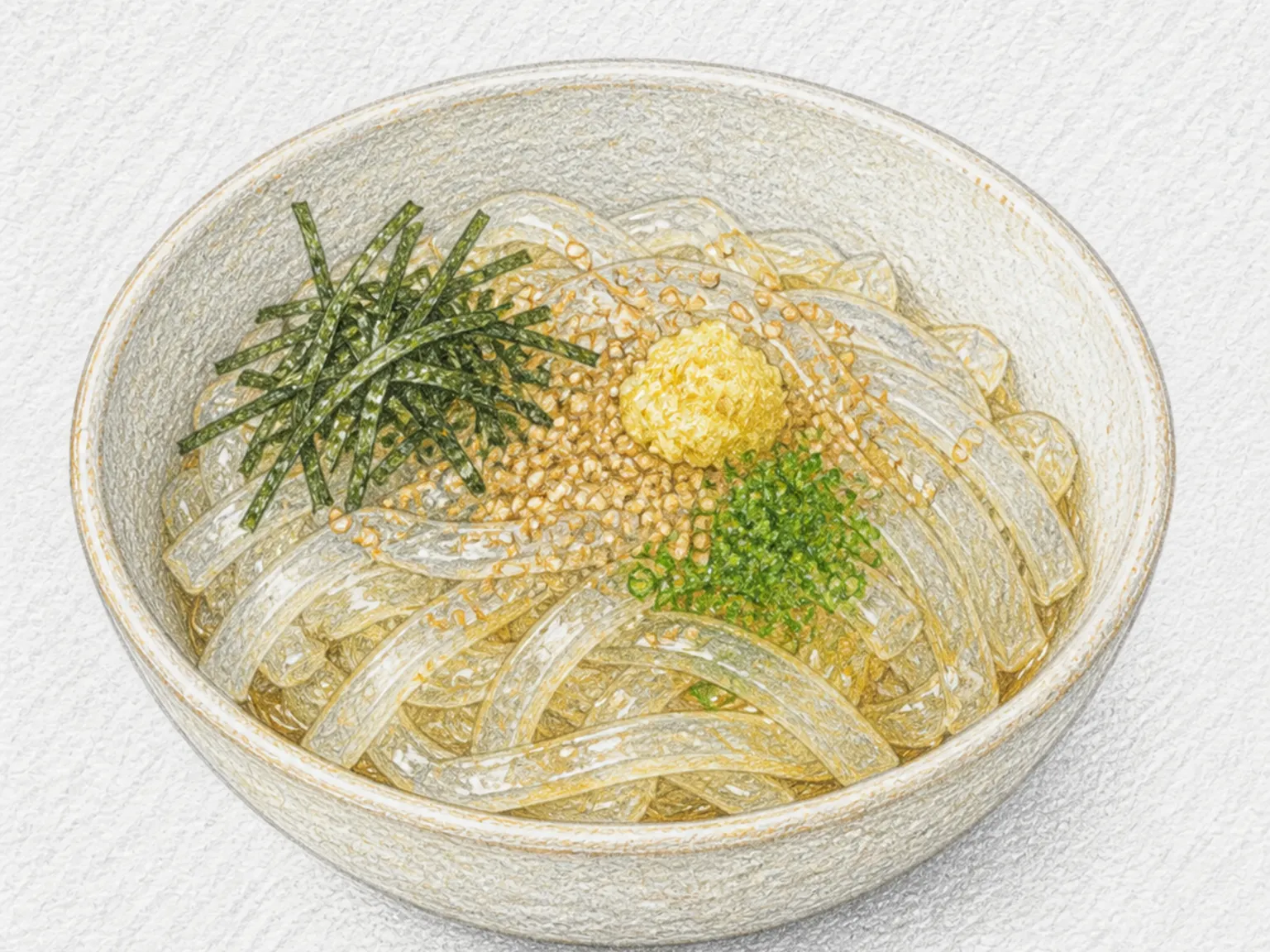
Tokoroten (Pressed Tengusa Jelly Noodles)
Asian Medium

Tokoroten (Pressed Tengusa Jelly Noodles)

Tokoroten is an Izu Peninsula jelly made by washing tengusa seaweed, simmering it with vinegar in hot water for forty minutes, straining the extracted liquid through cloth, and setting it in a shallow mold. The firm block is then pushed through a traditional press into long, fine noodles. Makusa gathered mainly in western Izu is said to produce a soft, cohesive jelly, while obusa from eastern Izu gives thicker, firmer strands. Tengusa has been harvested around Izu for roughly sixteen centuries, and households and small sweet shops sold tokoroten as an everyday children's snack. The plain jelly has little flavor of its own. It can be served savory with sanbaizu, mustard, aonori, and sesame, or turned into a chilled sweet with roasted soybean powder and dark sugar syrup.

🏠 Everyday 🥗 Light & Healthy
Prep 10min Cook 40min 12 servings
Tori Motsu-ni (Glossy Sweet-Soy Chicken Offal)
Asian Hard

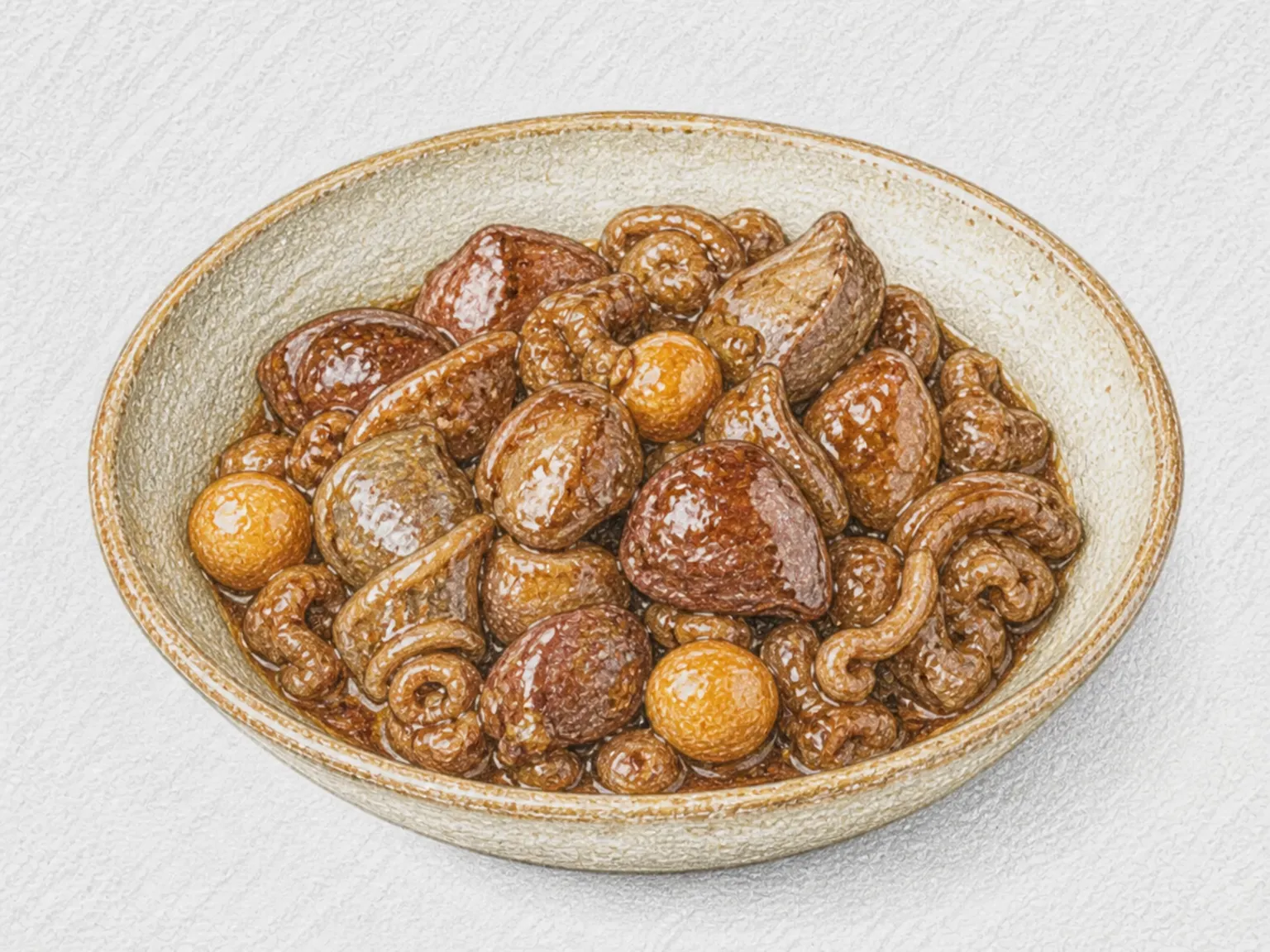
Tori Motsu-ni (Glossy Sweet-Soy Chicken Offal)

Tori motsu-ni is a Kofu dish from Yamanashi. Chicken liver, gizzard, heart, unlaid egg yolks called kinkan, and oviduct called himo are trimmed, dropped together into boiling sugar-soy sauce, and quickly glazed over high heat. Its small amount of concentrated sauce reduces until a shiny film clings to the edge of the pan. The dish is said to have begun at a Kofu soba shop seeking a use for chicken parts that were being discarded. Because each organ has a different thickness, cut them evenly and keep the pan over heat until the thickest gizzard and yolk centers reach at least 74C.

🍺 Bar Snacks 🎉 Special Occasion
Prep 35min Cook 18min 4 servings
Japanese Ginger Soy Braised Chicken
Asian Easy

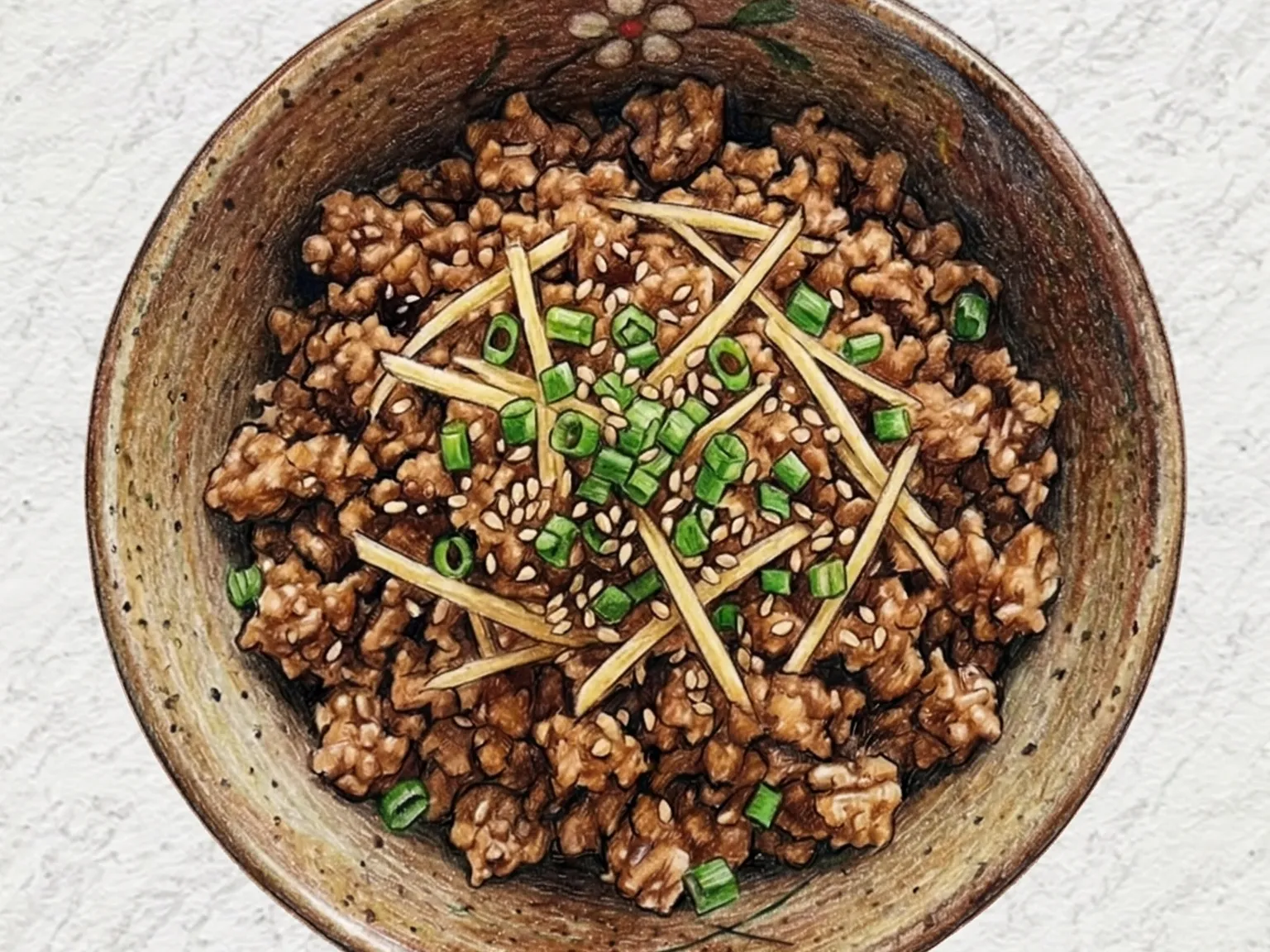
Japanese Ginger Soy Braised Chicken

Toriniku shigureni is a Japanese-style simmered dish of ground chicken cooked down with julienned ginger, soy sauce, mirin, and sugar until most of the liquid evaporates. The chicken is browned first over medium heat, then ginger is added for its sharp bite before the braising liquid goes in. As the sauce reduces over six minutes, it concentrates into a sweet-salty glaze that clings to the meat. The ginger tames any gamey notes while adding warmth, making this a versatile topping for rice bowls or a compact side dish for packed lunches.

🏠 Everyday 🌙 Late Night
Prep 10min Cook 12min 2 servings
Tsukemono Miso-ni (Pickled Cabbage Simmered in Red Miso)
Asian Easy

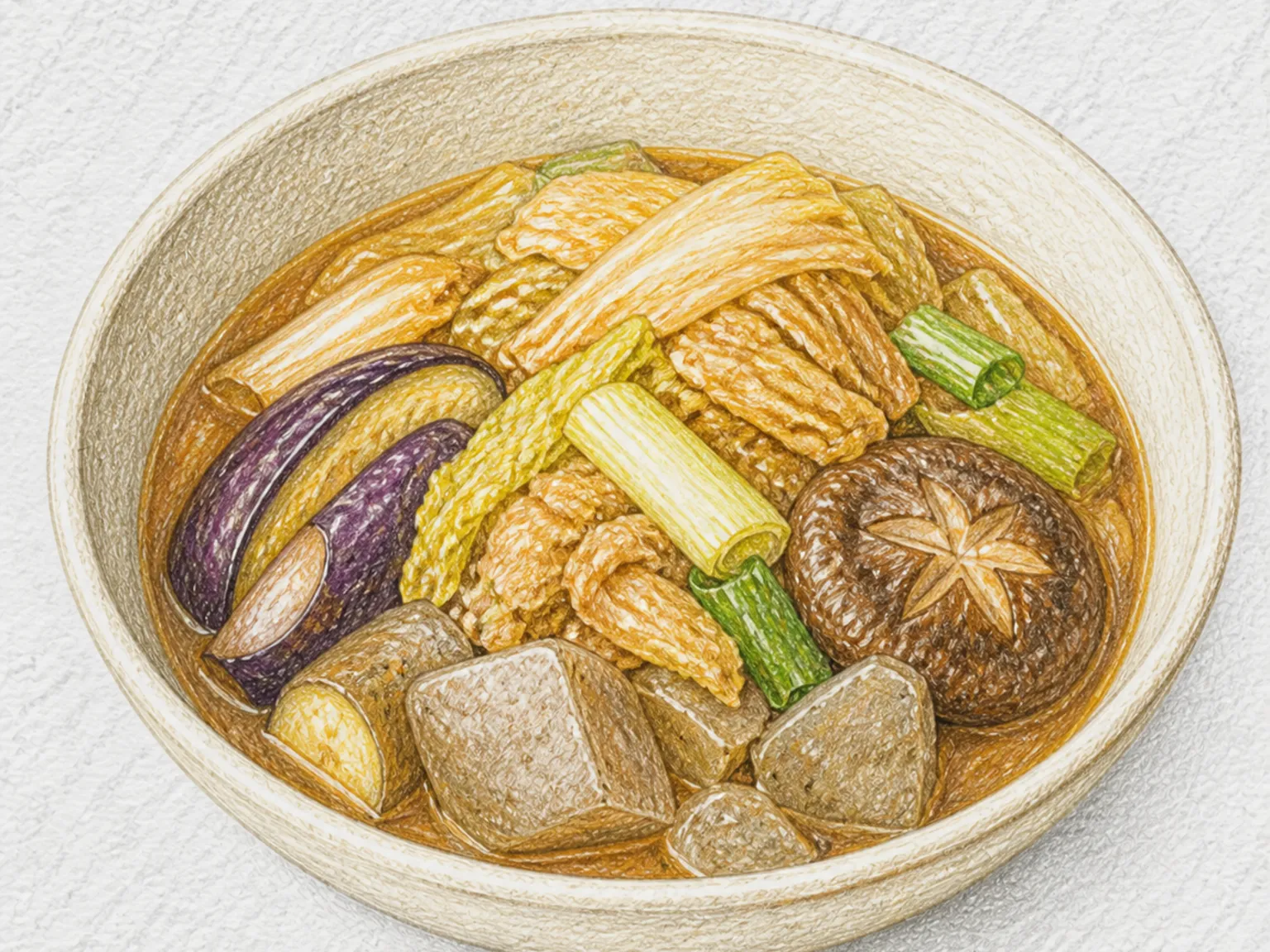
Tsukemono Miso-ni (Pickled Cabbage Simmered in Red Miso)

Tsukemono miso-ni is a Gujo, Gifu dish that rescues mature pickled Chinese cabbage after it has become sharply sour and salty. The cabbage is soaked to remove excess salt, then simmered for 20 to 30 minutes over low heat with red miso, water, sake, mirin, sugar, white onion, eggplant, shiitake, and konnyaku. Historical household versions sometimes did use niboshi stock when recooking winter pickles. Salting the cabbage once and then cooking it again in miso reflects a mountain practice of using preserved food without waste. Water, mirin, sake, and sugar soften the forceful saltiness and edge of the red miso.

🏠 Everyday
Prep 15min Cook 30min 3 servings
Seida no Tamaji
Asian Medium

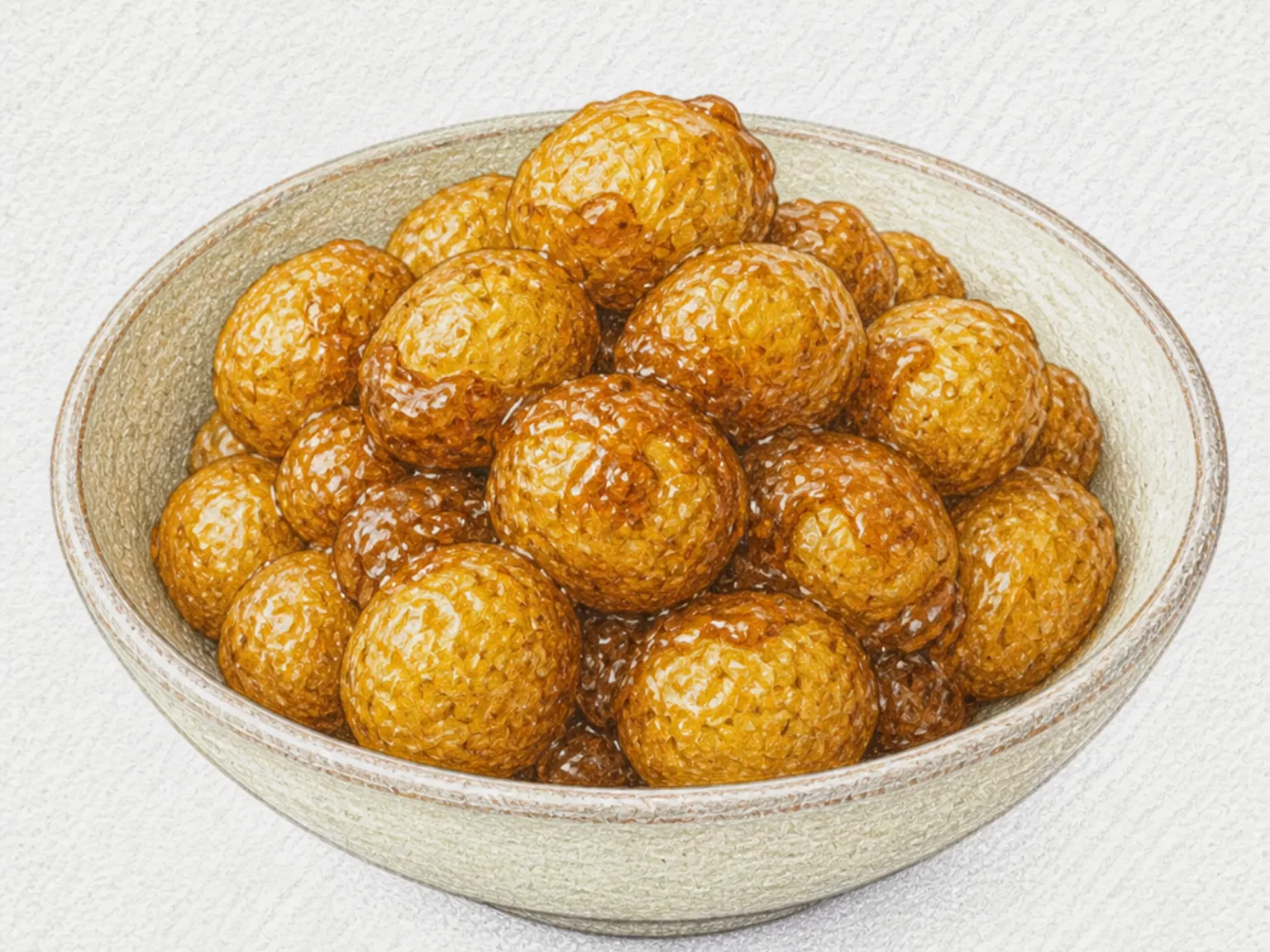
Seida no Tamaji

Seida no tamaji is a specialty of Yuzurihara in Uenohara, Yamanashi. Small thin-skinned potatoes are slowly fried whole until their skins wrinkle, transferred to a pot, covered with dashi, and simmered with miso, sugar, and mirin until the sauce thickly coats them. Tamaji means small potatoes, making the dish an example of using even undersized tubers without waste. It is especially associated with new potatoes from March through July, whose delicate skins become savory while the centers turn fluffy under the dark miso glaze.

🏠 Everyday 🧒 Kid-Friendly
Prep 15min Cook 45min 2 servings
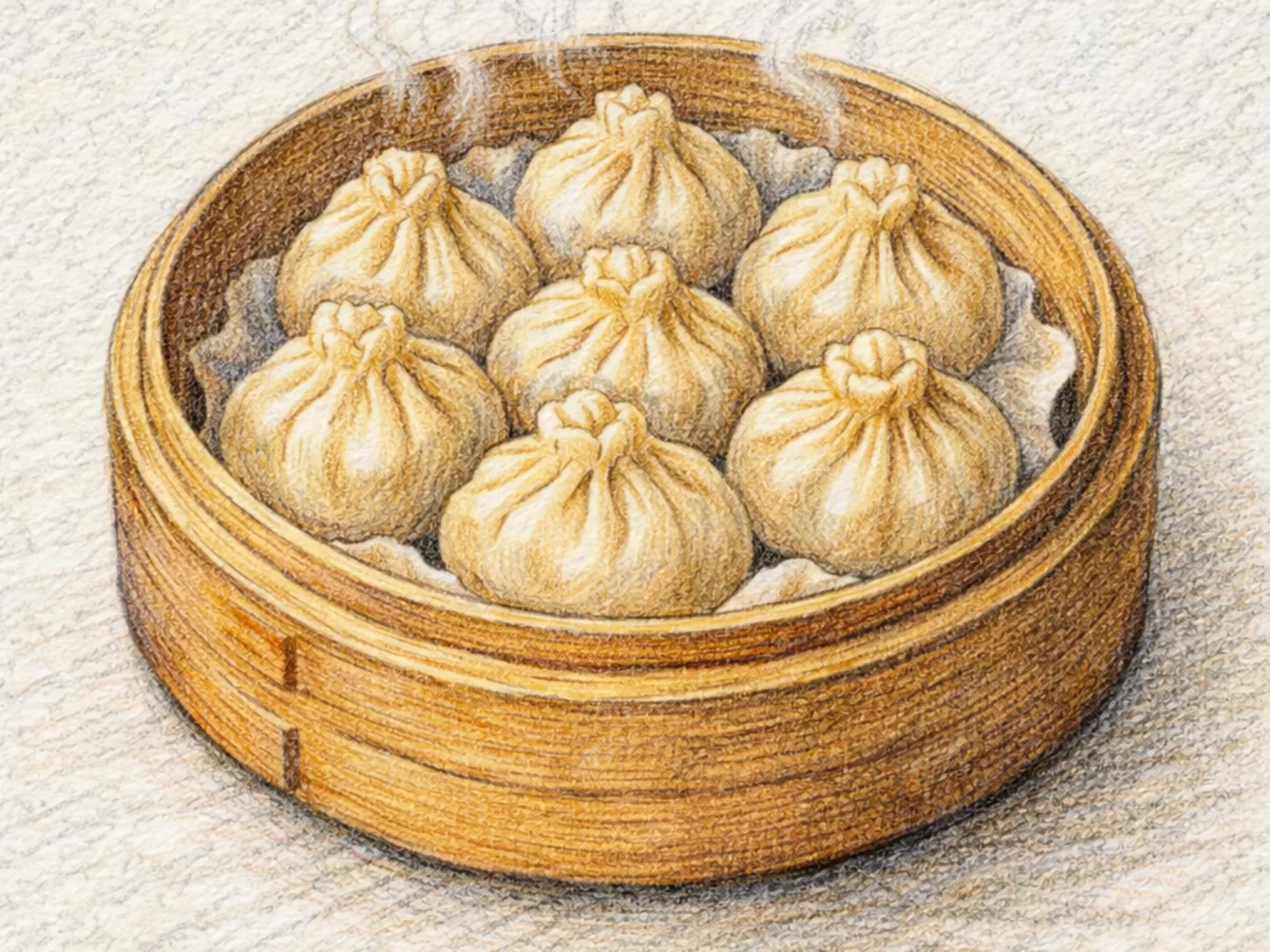
Xiaolongbao (Shanghai Pork Soup Dumplings)
Asian Hard

Xiaolongbao (Shanghai Pork Soup Dumplings)

Xiaolongbao is a classic Shanghai-style soup dumpling characterized by its thin wrapper enclosing a pork filling and hot broth. The dough is prepared by mixing bread flour with hot water and resting it for thirty minutes, allowing the gluten to develop so the wrappers can be rolled thin without tearing during steaming. The filling combines ground pork, soy sauce, sesame oil, minced ginger, and scallions, which is mixed until sticky before folding in small pieces of pork broth gelatin. When steamed over medium-high heat, the gelatin melts to fill the dumpling with hot soup. To eat, place a dumpling on a spoon, pierce the wrapper to release and sip the hot broth, then season the remaining dumpling with black vinegar and shredded ginger, which balances the rich meat flavor.

🎉 Special Occasion 🌙 Late Night
Prep 120min Cook 15min 4 servings
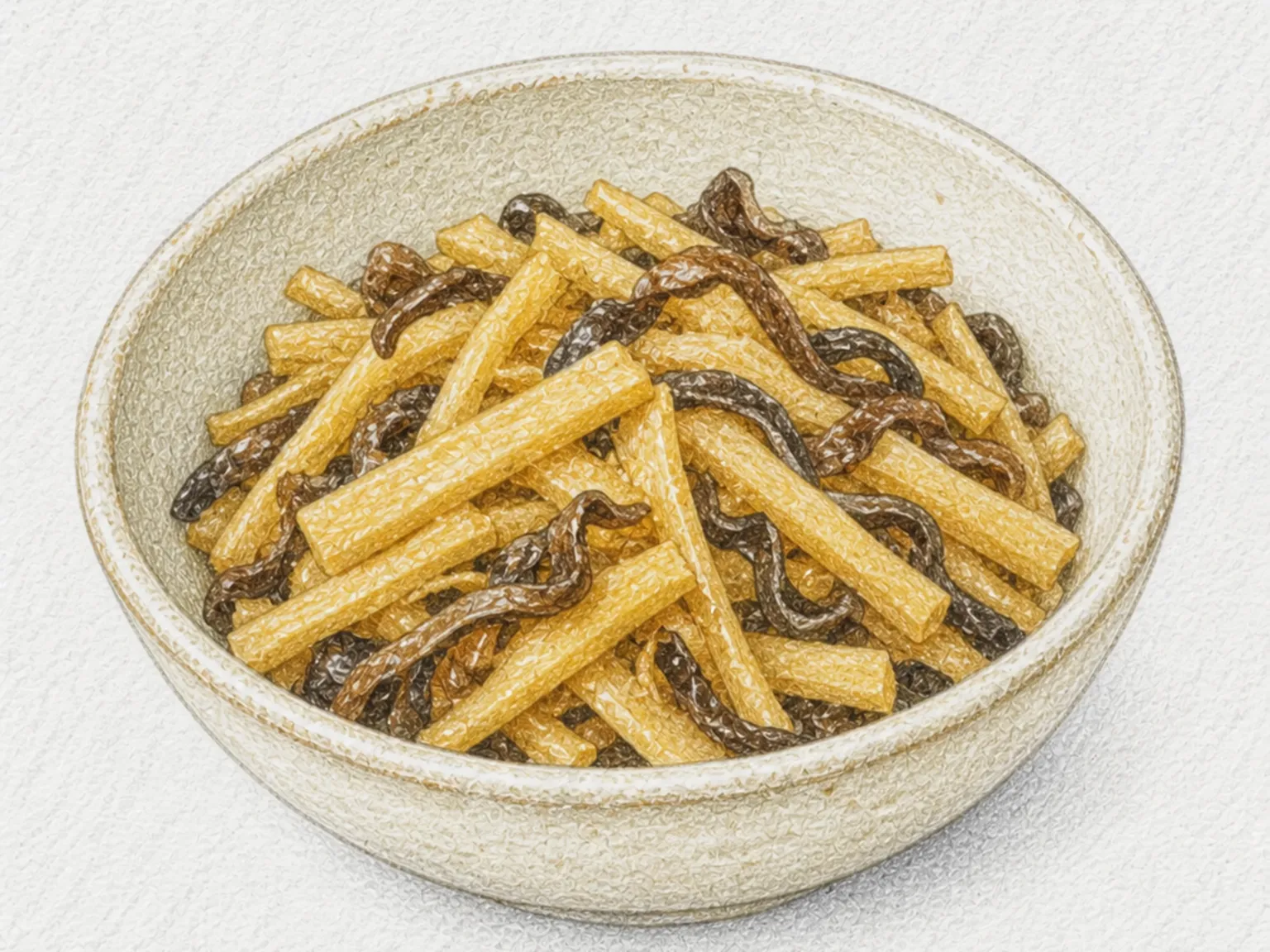
Yama-Surume Kinpira (Simmered Dried Bamboo Shoot and Wood Ear)
Asian Medium

Yama-Surume Kinpira (Simmered Dried Bamboo Shoot and Wood Ear)

Yama-surume kinpira is a Kumamoto simmer made by boiling dried bamboo shoots until fully rehydrated, cutting them into even 8 cm strips, and cooking them in strong dashi with sugar, mirin, light soy sauce, sake, and salt. Only after the broth has reduced are dry sliced wood ears added so they absorb seasoning while retaining a crisp, resilient bite. In spring, fresh bamboo shoots were split lengthwise, cleaned of inner nodes, boiled, and slowly sun-dried for preservation. The hanging triangular pieces resembled dried squid, leading to the name yama-surume, or mountain squid. Stored shoots could be restored throughout the year for farm-season meals, festival Buddhist dishes in Kuma, everyday sides, and sake accompaniments.

🏠 Everyday 🍺 Bar Snacks
Prep 60min Cook 120min 6 servings
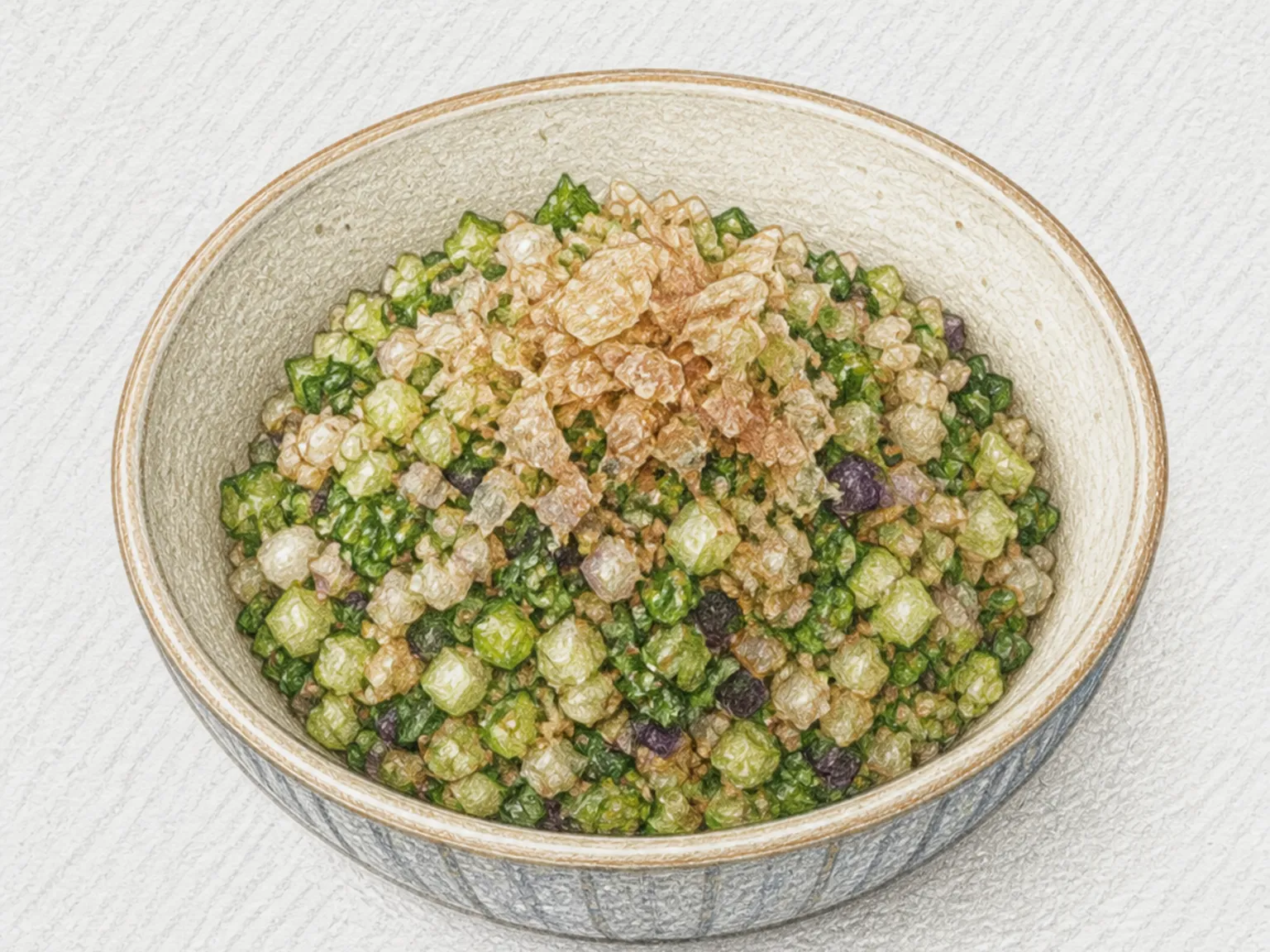
Yamagata Dashi (Finely Chopped Summer Vegetables)
Asian Easy

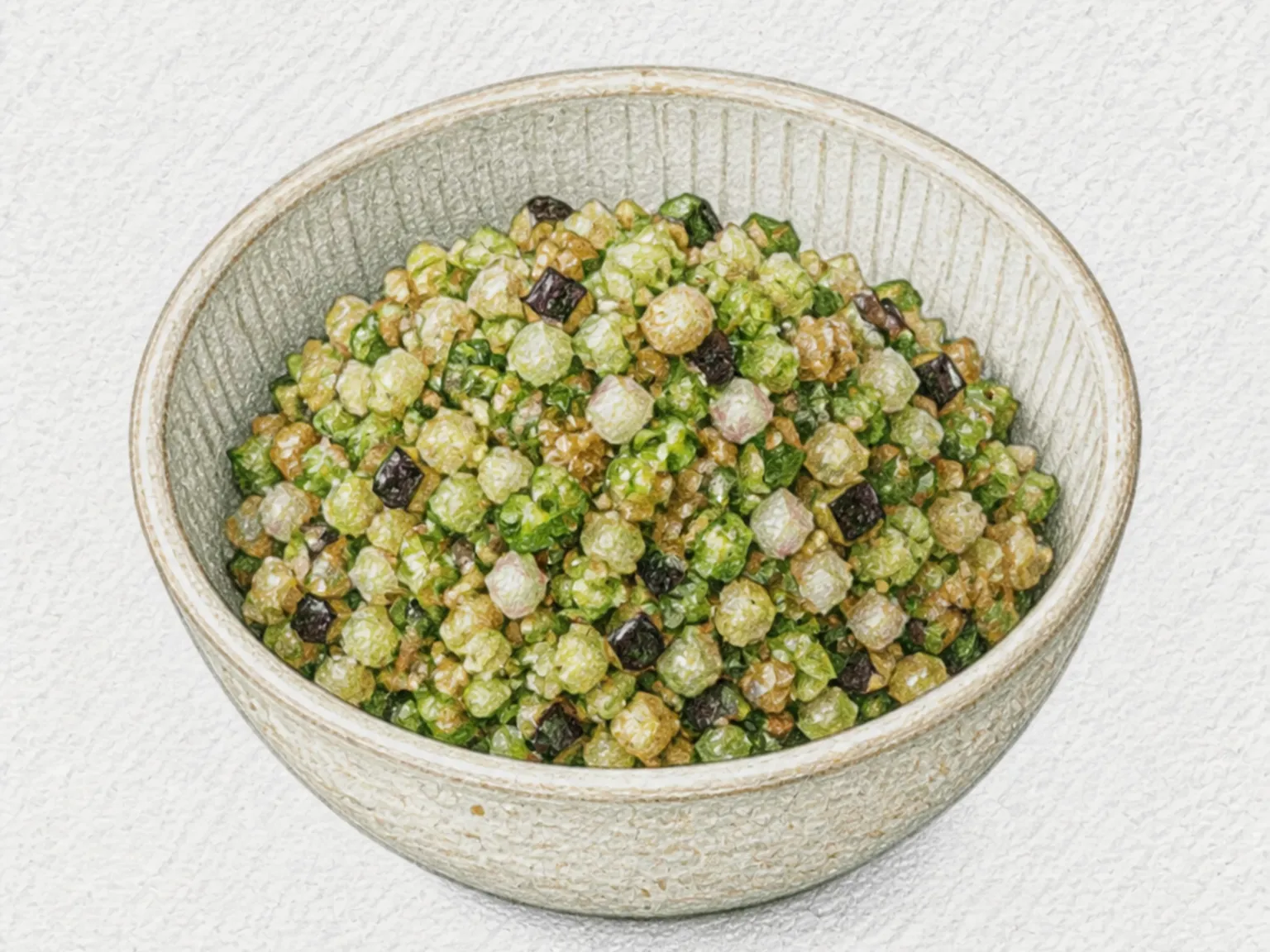
Yamagata Dashi (Finely Chopped Summer Vegetables)

Yamagata dashi is a raw summer relish from the Murayama and Okitama areas of Yamagata. Eggplant, cucumber, myoga, ginger, shiso, Japanese long onion, and green chili are chopped into a cool, crisp mixture finished with bonito flakes and dashi soy sauce. Its fireless preparation made it practical during hot farm seasons, especially when appetite and cooking time were limited. Texture depends on the knife work. Eggplant and cucumber are cut into 3 to 5 mm pieces, while the aromatic vegetables are minced more finely so each spoonful carries both crunch and fragrance. Eggplant and shiso can be dipped briefly in cold water when bitterness or discoloration is a concern. They must then be drained and blotted thoroughly because lingering water dilutes the seasoning and pools in the serving bowl. Mix the vegetables in a chilled bowl, then add bonito and dashi soy immediately before eating. As every ingredient remains raw, use clean utensils kept separate from equipment used for raw meat or fish, and serve the relish promptly. Spoon it over rice, cold tofu, somen, or soba for a fresh vegetable topping with ginger, shiso, and myoga aroma.

🏠 Everyday ⚡ Quick
Prep 20min 4 servings
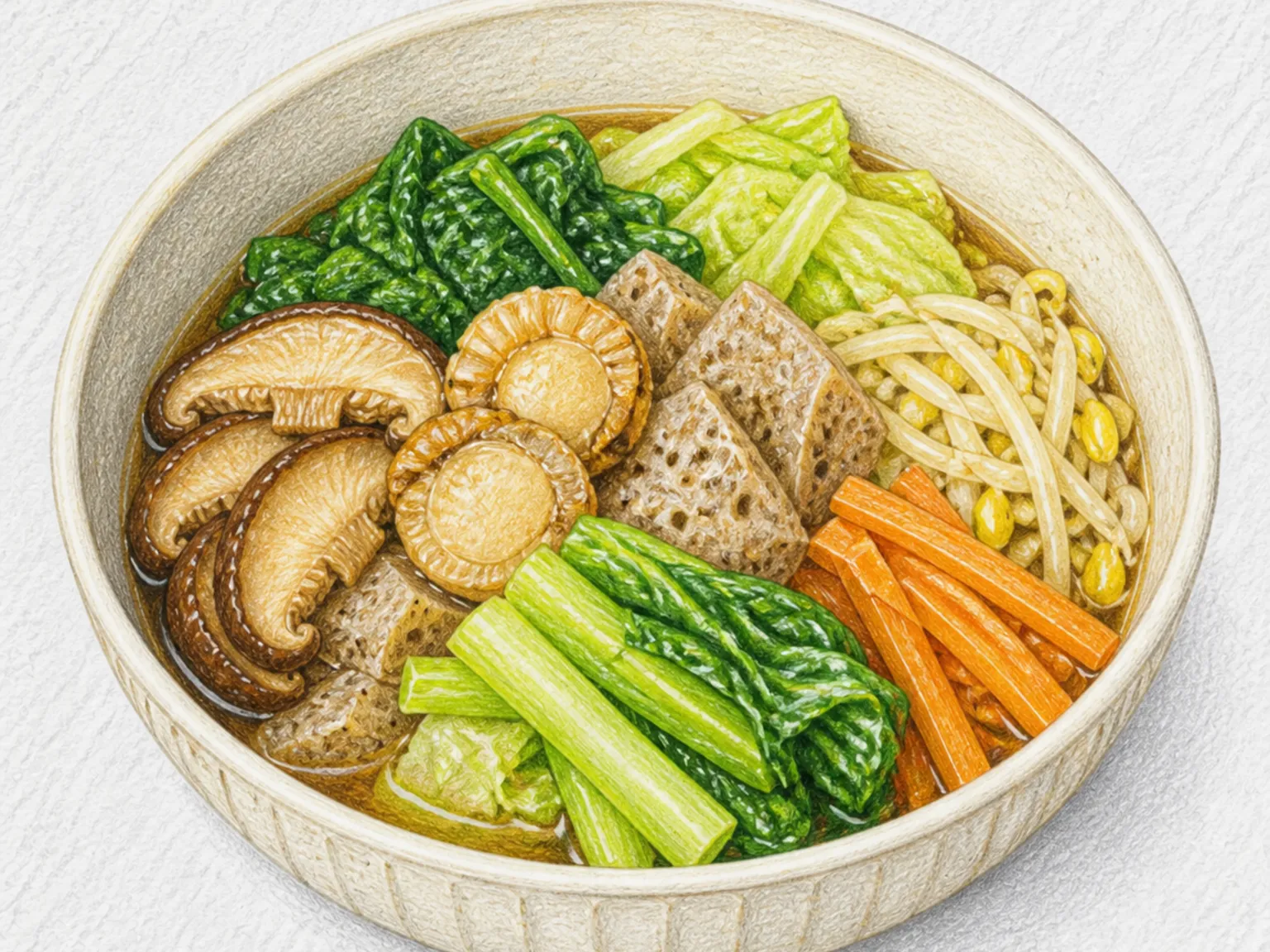
Yamagata Hiyashiru Chilled Vegetables in Savory Stock
Asian Medium

Yamagata Hiyashiru Chilled Vegetables in Savory Stock

Yamagata hiyashiru is not soup in the usual sense but a Yonezawa ohitashi that serves blanched seasonal vegetables with dried scallop, shiitake, and freeze-dried konnyaku in abundant chilled soy-seasoned stock. The scallop soaking liquid becomes the dashi rather than being discarded, while porous shimi konnyaku and dried shiitake absorb the savory broth deeply. Spinach, cabbage, soybean sprouts, and carrot are each blanched to their proper tenderness and cut to three-centimeter lengths. Yukina, Yonezawa's winter green, receives only a quick pass through heat to retain its snap. Rehydrated scallop and shiitake and thoroughly washed konnyaku simmer for five minutes with soy sauce and mirin, then the liquid is cooled promptly. Vegetables and stock rest together under refrigeration from one hour to overnight. Traditionally set in a large shared bowl, every serving includes plentiful soaking liquid as well as the vegetables.

🎉 Special Occasion 🥗 Light & Healthy
Prep 480min Cook 25min 5 servings
Yanagawa Nabe (Loach, Burdock, and Egg Hot Pot)
Asian Medium

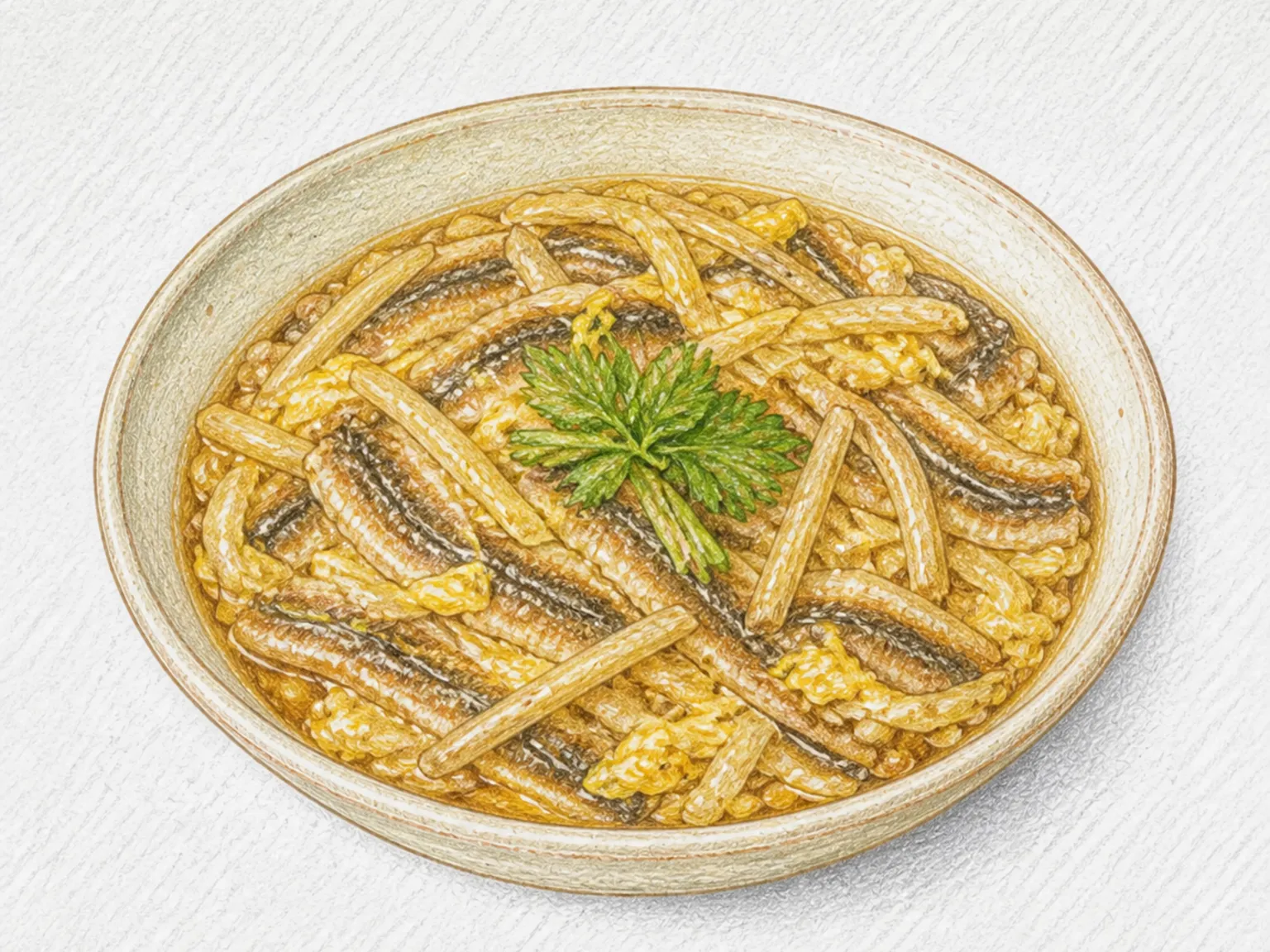
Yanagawa Nabe (Loach, Burdock, and Egg Hot Pot)

Yanagawa nabe is a shallow Tokyo hot pot of cleaned, boned loach and finely shaved burdock simmered in dashi seasoned with soy sauce, mirin, and sugar, then brought together with beaten egg. Marunabe cooks loach whole, while Yanagawa uses opened fish and lets the egg soften the sweet soy broth. For home preparation, begin with loach that has been professionally gutted, boned, refrigerated, and kept at or below 4C until needed. A short rest with sake prepares the fish, and thin burdock shavings are soaked briefly before cooking. Bring the dashi seasoning to a simmer in a shallow pan and cook the burdock first so its earthy flavor enters the broth. Spread the loach over it in a single layer, cover, and cook until the thickest flesh is opaque and flakes easily. Pour lightly beaten egg in two stages. The first portion binds the fish, burdock, and broth, while the second leaves a softer surface. Finish with sliced long onion and ground sansho, serving broth, vegetables, fish, and egg together. Diners who require fully cooked egg should receive a portion heated under the lid until completely set.

🎉 Special Occasion 🍺 Bar Snacks
Prep 20min Cook 20min 4 servings
Yatara (Chopped Summer Vegetables and Miso Pickle)
Asian Easy

Yatara (Chopped Summer Vegetables and Miso Pickle)

Yatara is a summer side dish from northern Nagano made by mincing cucumber, round eggplant, myoga, green chili, and miso-pickled daikon nearly as fine as rice grains. The eggplant is soaked in salted water to remove bitterness, while the fresh vegetables are squeezed firmly before being combined with the pickle, keeping the mixture crisp and free of excess water. It acts like a fresh summer-vegetable furikake over warm rice and also accompanies somen or chilled tofu. Local botan kosho, a traditional Shinshu green chili shaped somewhat like a peony, supplies the sharp heat. One explanation of the name links it to chopping ingredients excessively and adding whatever summer vegetables are available. Its quality rests on produce at peak season, deeply seasoned Shinshu miso pickles, and even knife work.

⚡ Quick 🏠 Everyday
Prep 20min 4 servings
Chinese Crispy Chicken with Scallion Soy Dressing
Asian Medium

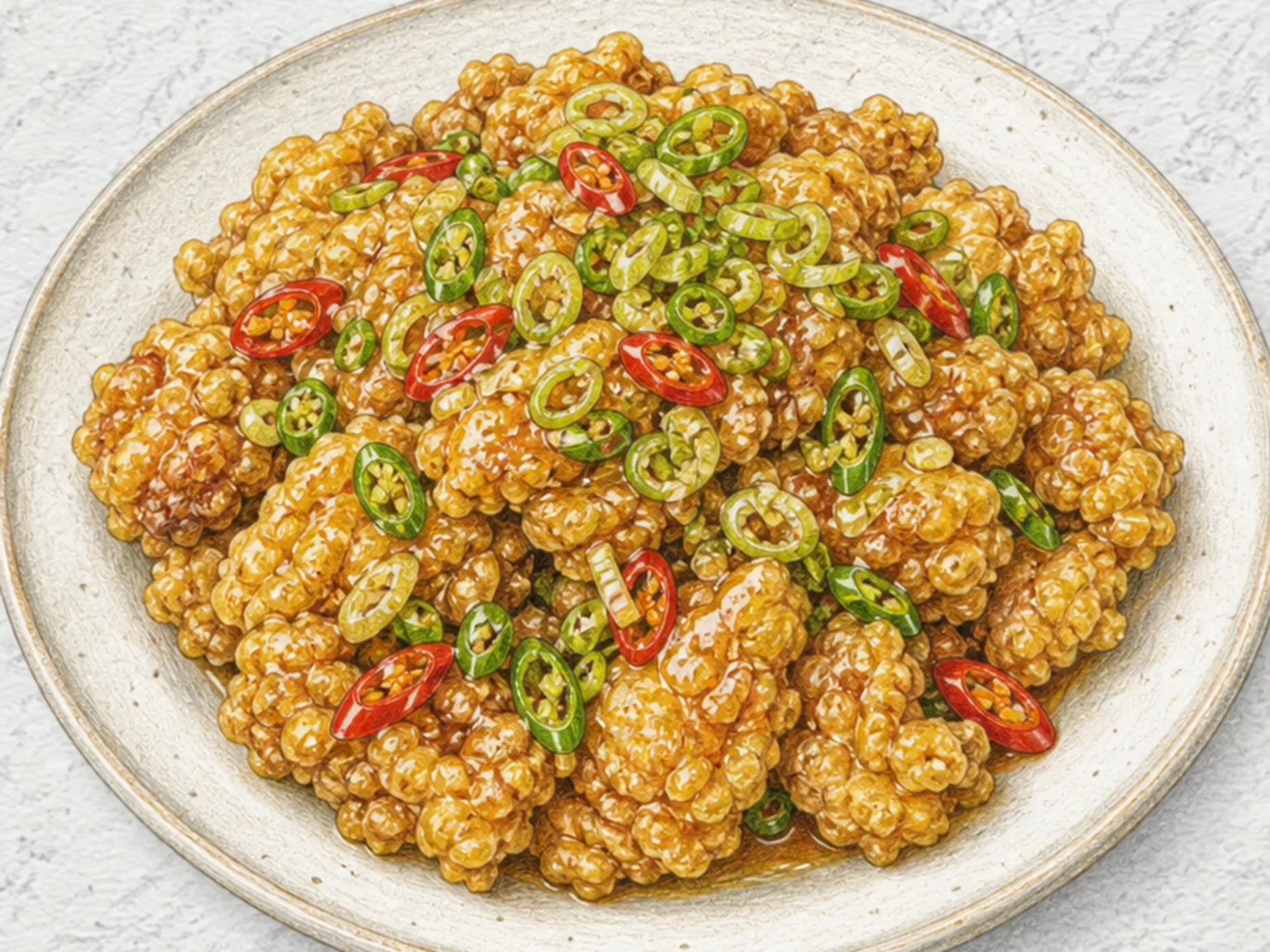
Chinese Crispy Chicken with Scallion Soy Dressing

Yuringi coats chicken thigh with potato starch, fries it twice, and serves it over lettuce with scallion, Cheongyang chili, and a soy-vinegar dressing. Tear 100g lettuce into bite-size pieces, rinse it in cold water, and drain it thoroughly. Water left on the leaves would soften the underside of the chicken as soon as it is plated. Thinly slice 1 scallion and 2 chilies. For the dressing, stir together 4 tablespoons soy sauce, 4 tablespoons vinegar, 3 tablespoons sugar, and 2 tablespoons water until no sugar granules remain. Trim excess fat from 300g chicken thigh and season it with salt. Coat the surface evenly with 100g potato starch and press firmly so the starch adheres to the meat. Heat 300ml vegetable oil to 180C and fry the chicken in two rounds for 6 minutes, until the coating is firm and crisp enough to make an audible crunch when sliced. Drain the fried chicken well before cutting it into bite-size pieces. Spread the dry lettuce across a plate, place the chicken on top, and add the sliced scallion and chili. Do not pour the dressing on ahead of time. Spoon it evenly over the chicken immediately before serving so the sweet and sour sauce can soak in without softening the double-fried crust too early.

🏠 Everyday
Prep 20min Cook 15min 2 servings
Yuzu Karaage (Japanese Citrus-Marinated Fried Chicken)
Asian Medium

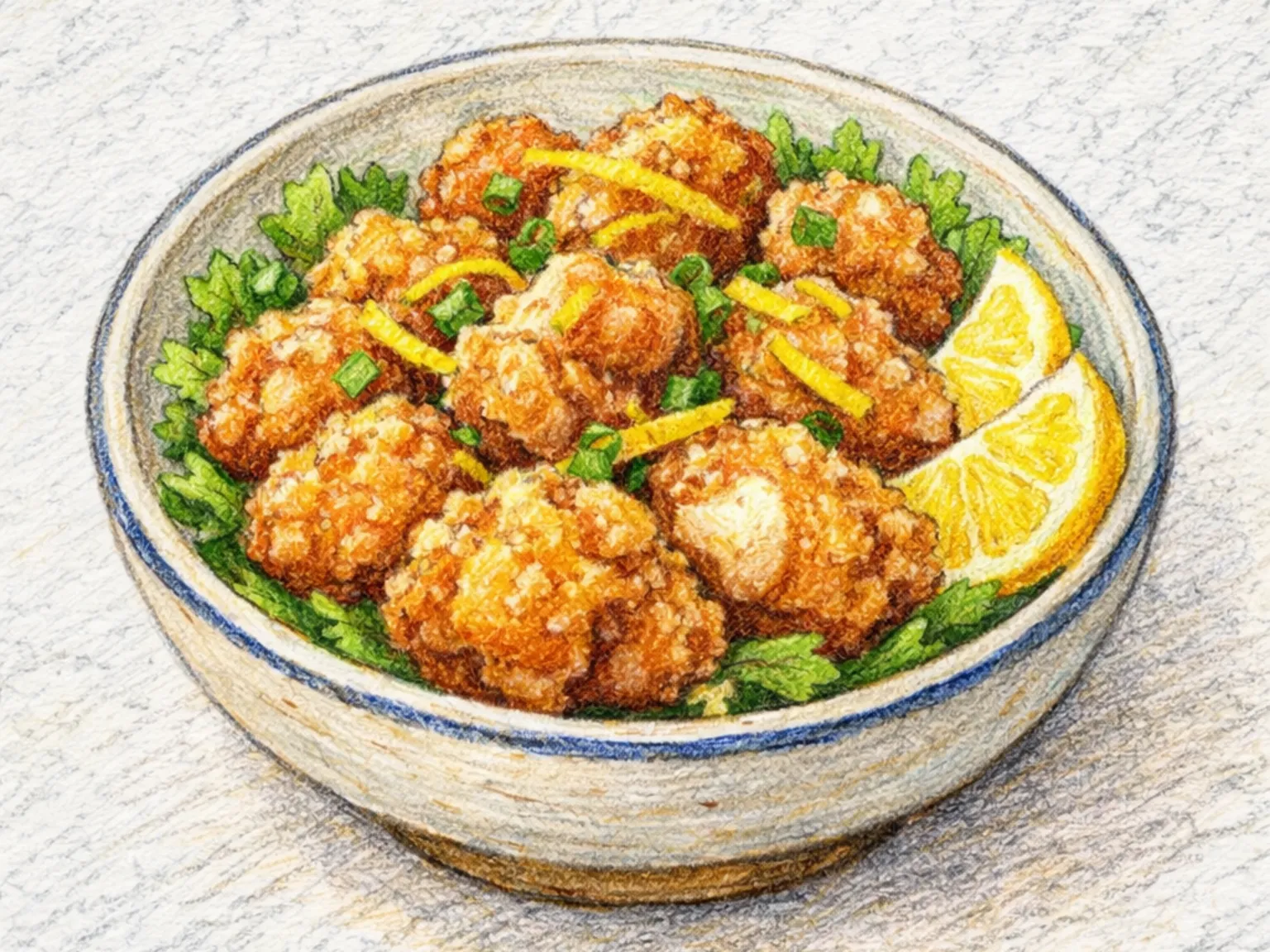
Yuzu Karaage (Japanese Citrus-Marinated Fried Chicken)

Yuzu karaage marinates boneless chicken thighs with soy sauce, cooking sake, yuzu marmalade, garlic, and ginger, then coats the pieces in potato starch for two stage frying. Cut 450 g chicken thighs into even bite size pieces and press the surfaces dry with paper towels. Mix 2 tablespoons soy sauce, 1 tablespoon cooking sake, 1 tablespoon yuzu marmalade, and 1 teaspoon each garlic and ginger. Coat the chicken and marinate for 15 minutes. Lift the pieces from the marinade, shake off excess liquid, and apply 6 tablespoons potato starch in several batches. Cover each surface lightly and remove loose starch before frying. Heat 600 ml cooking oil in a deep pan to 170C. Add the chicken without crowding and fry for about 4 minutes, until the coating is pale golden. Transfer it to a rack and rest for 3 minutes while surface moisture escapes. Raise the oil to 190C and fry the chicken again for 1 to 2 minutes. Check that the thickest piece reaches at least 74C at the center, drain thoroughly, and serve immediately while the coating is crisp.

🍺 Bar Snacks 🎉 Special Occasion
Prep 20min Cook 18min 2 servings
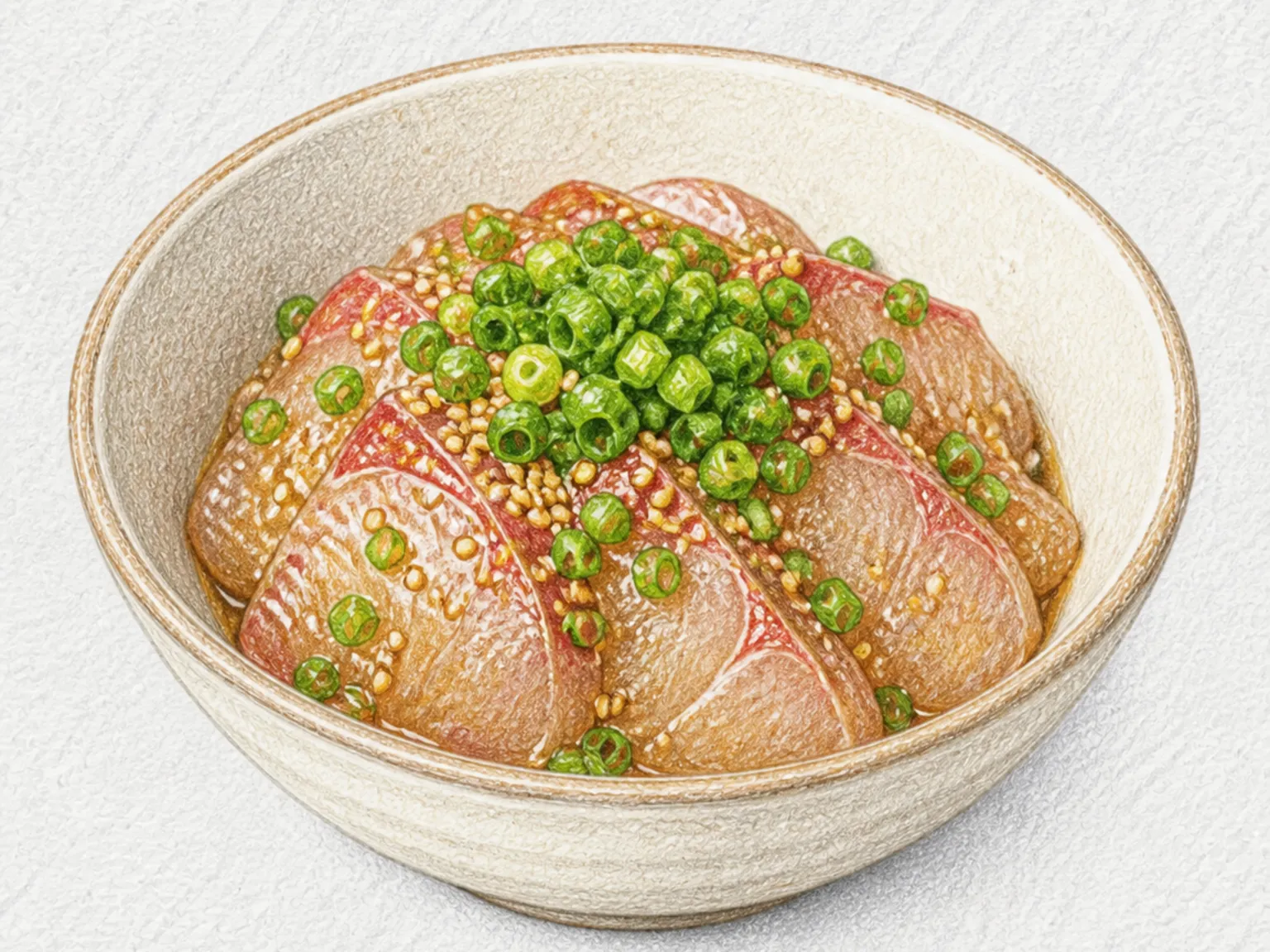
Ryukyu (Oita Sesame-Soy Marinated Sashimi)
Asian Medium

Ryukyu (Oita Sesame-Soy Marinated Sashimi)

Ryukyu is an Oita fisherman's dish of sashimi-grade yellowtail briefly marinated in a cold sauce of toasted sesame, soy sauce, sugar, and sake, then finished with sliced scallions. One account connects the name with Okinawan fishers, while another traces it to rikyu-ae, a sesame-dressed preparation. Grind the toasted sesame until it releases aroma and oil while retaining a little grainy texture, then whisk in soy sauce, sugar, and sake until the sugar is nearly dissolved. Choose yellowtail sold specifically for raw consumption under parasite controls and keep it at or below 4C until the package is opened. Slice it across the grain with a clean, chilled knife and marinate it under refrigeration for only 10 minutes. This gives the surface a concentrated sesame-soy flavor while preserving the resilient texture of the sashimi. Soy sauce and sake season the fish; safe raw service depends on proper sourcing, cold storage, and clean equipment. Serve the finished fish immediately while chilled, spoon it over hot rice, or pour tea over the final bowl for ochazuke. Because it contains raw fish and unheated sake, it is unsuitable for children, pregnant people, and anyone avoiding alcohol, and leftovers should be discarded.

⚡ Quick 🍺 Bar Snacks
Prep 20min 5 servings

About Asian

Each country brings its own signature spices and sauces, so even the same ingredients can produce completely different flavors. With a few key pantry items - coconut milk, fish sauce, curry powder, doubanjiang - you can recreate the tastes of Asia at home.