Asian Recipes
806 recipes. Page 33 of 34
The Asian category gathers popular dishes from Japan, China, Thailand, Vietnam, India, and beyond. Curry, stir-fried noodles, mapo tofu, pad Thai, and pho are among the Asian favorites commonly enjoyed in Korean households.
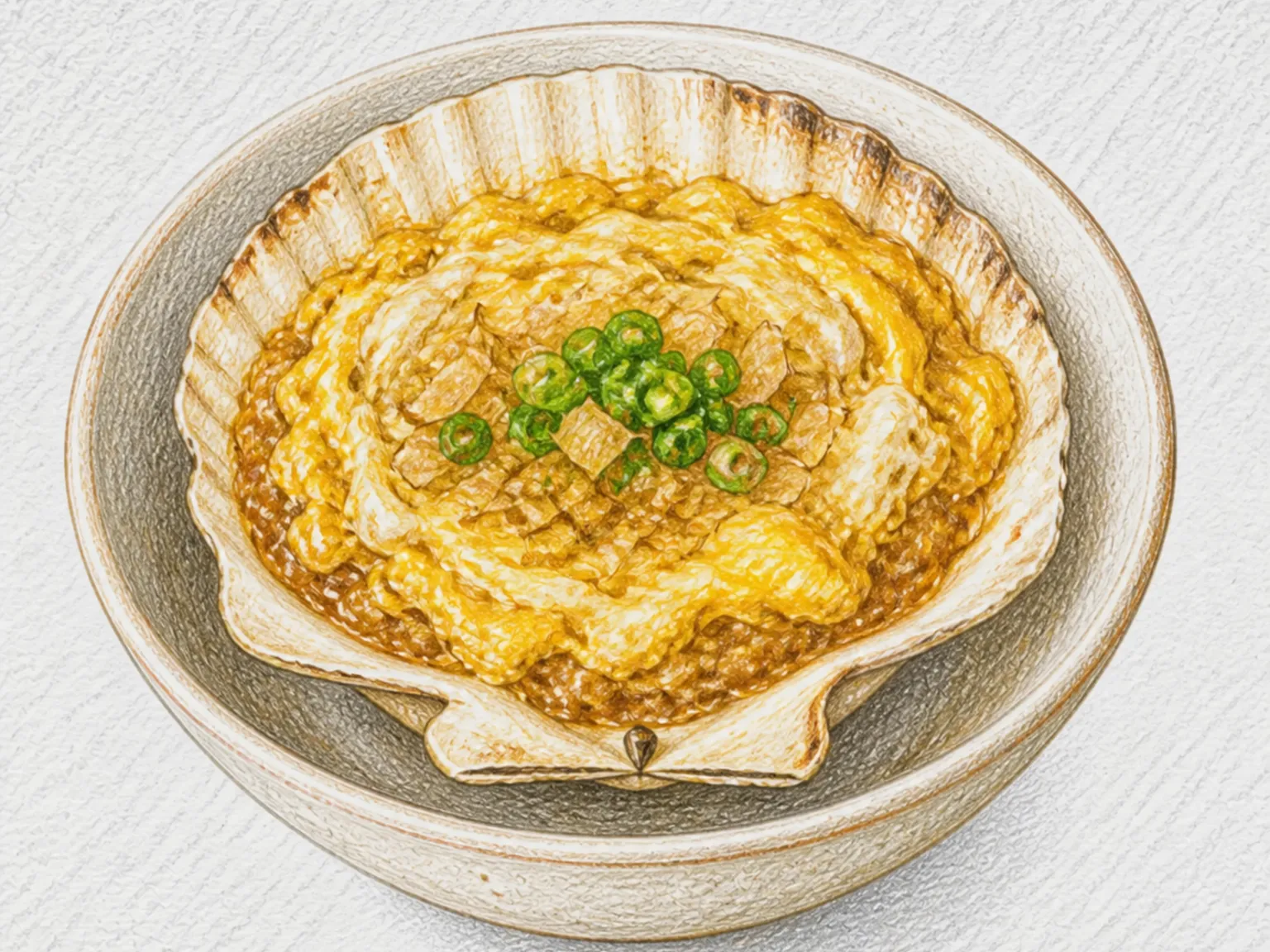
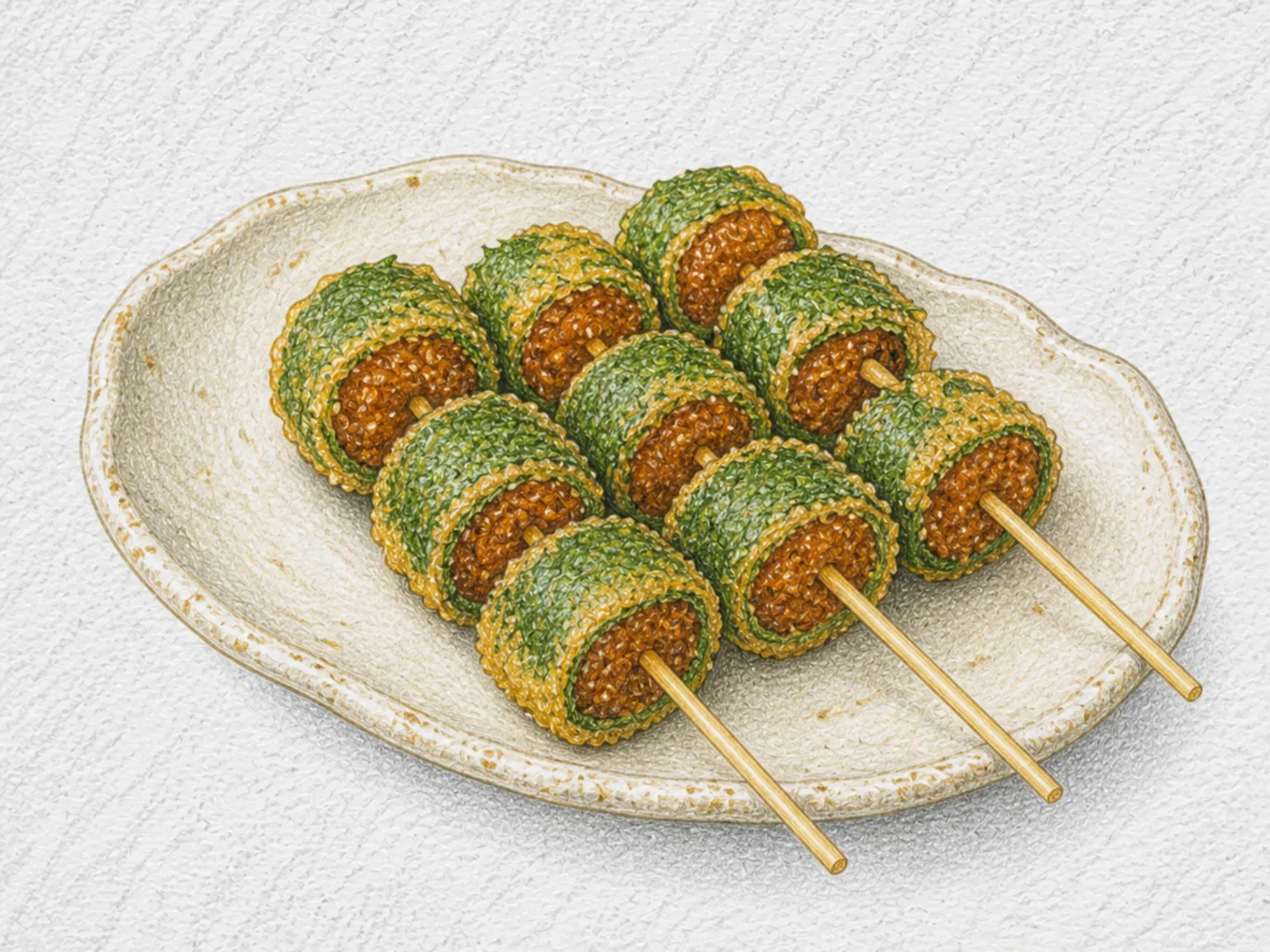
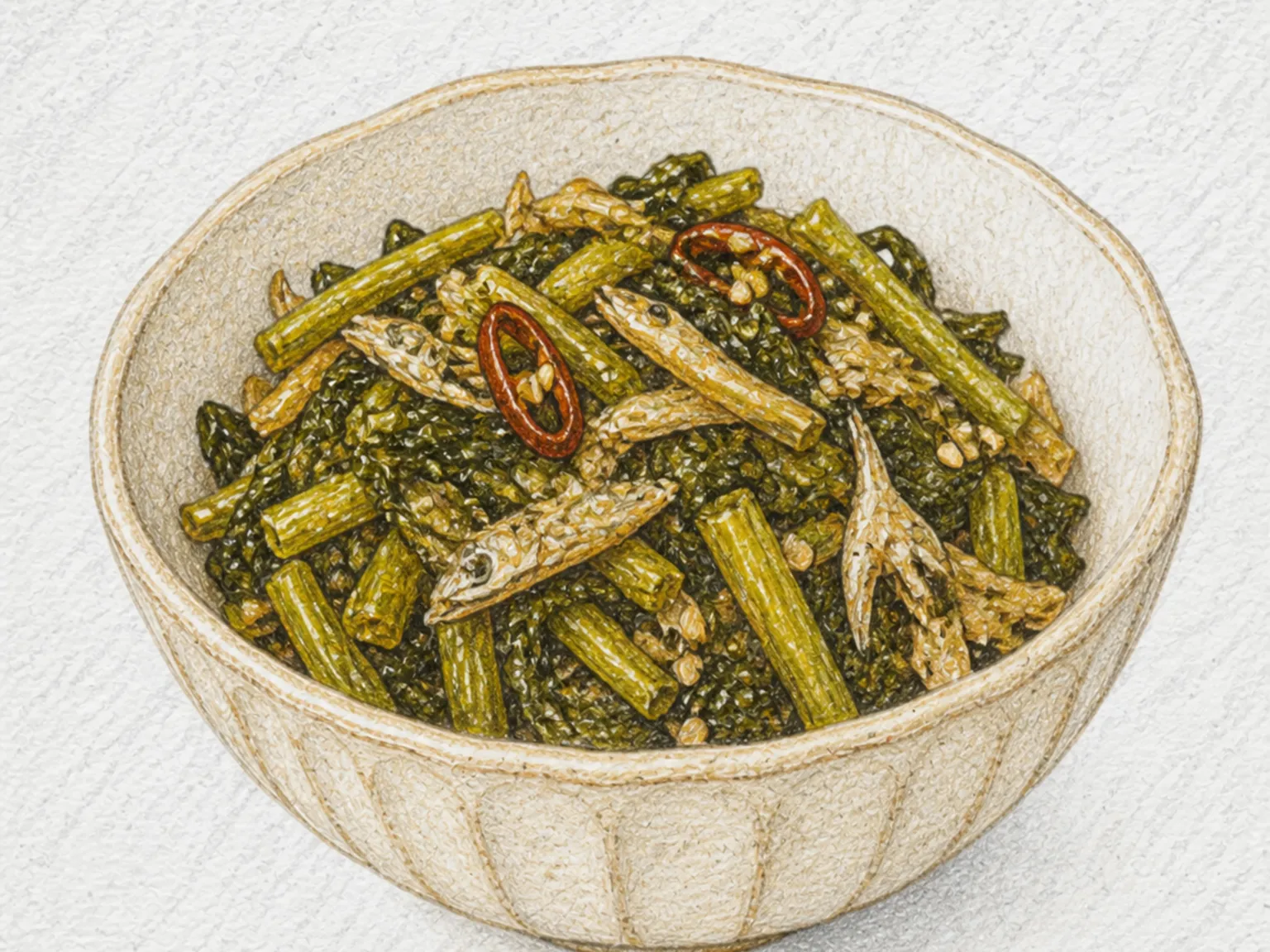
Nita-kumoji (Simmered Aged Turnip-Green Pickles)
Nita-kumoji is a side dish from the Hida area of Gifu that gives a second life to turnip greens salted in winter and turned sour by spring. The aged pickle is rinsed and soaked with several water changes until moderately salty, stir-fried in oil, then simmered with soy sauce, mirin, sake, niboshi, and dried chili until the liquid disappears. Kumoji is said to derive from an old courtly word for pickles, and the dish reflects the practical habit of wasting none of the winter stores. Leaving a little salt in the greens balances the strong braising liquid. Sesame oil and toasted sesame added over high heat at the end create a glossy, nutty finish.
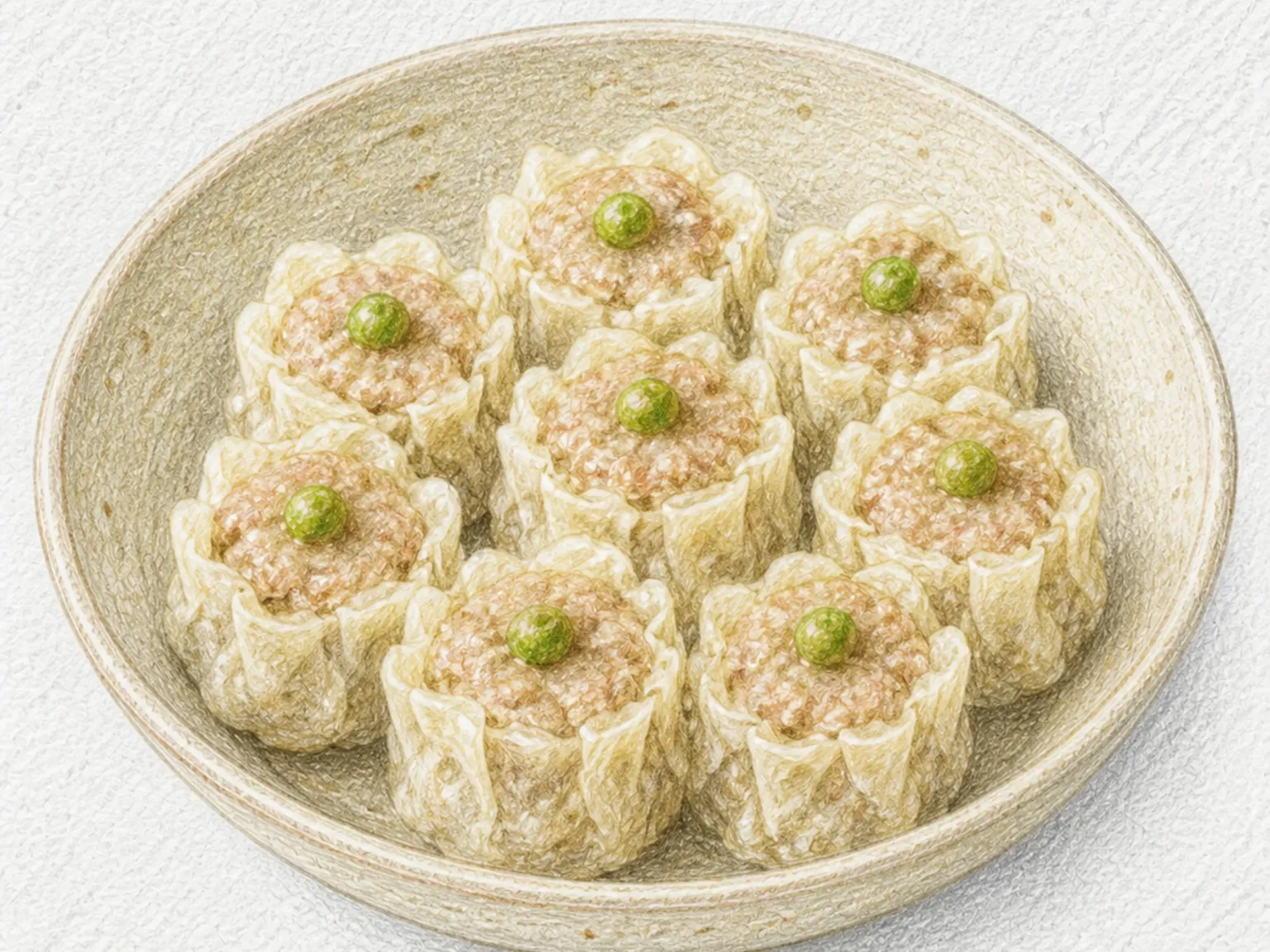
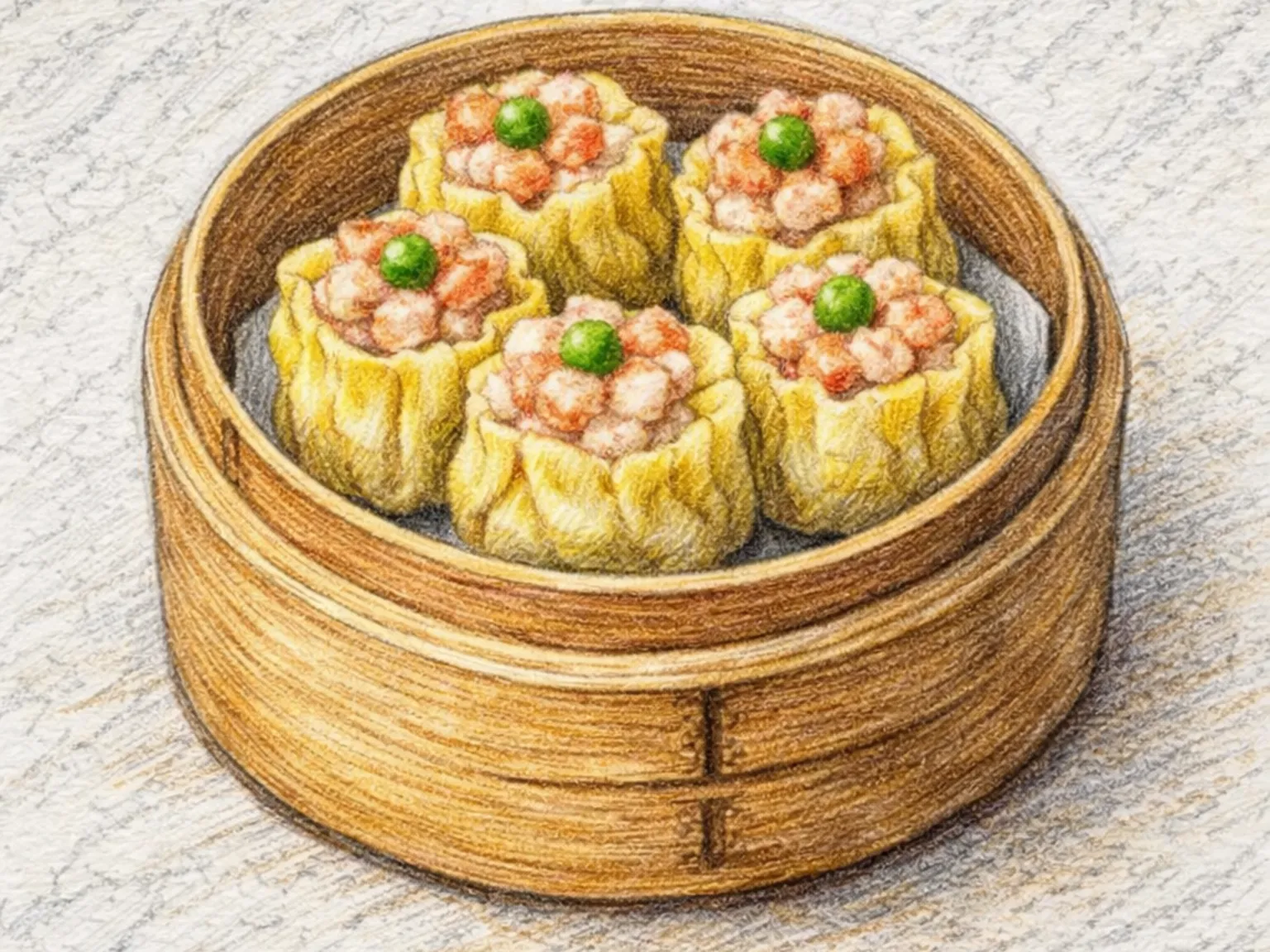
Siu Mai (Cantonese Open-Top Steamed Pork and Shrimp Dumpling)
Siu mai wraps a mixture of ground pork and finely chopped shrimp in thin dumpling wrappers shaped as open-top cylinders, then cooks them with steady steam. Pat 120 g shrimp dry, chop it finely, and place it in a bowl with 250 g ground pork. Loosen any compacted clumps before adding 1.5 tbsp soy sauce, 1 tsp sesame oil, 1 tsp minced ginger, and 1 tbsp cornstarch. Stir firmly in one direction until the filling is sticky, glossy, and able to hold its shape instead of crumbling loosely. Divide the filling evenly among 20 dumpling wrappers. Lift the wrapper sides with your fingers and press them gently against the filling to form firm cylinders without sealing the exposed tops. Line the steamer with parchment and arrange the dumplings about a finger-width apart so the wrappers do not stick as they soften. Set the steamer over fully boiling water only after steady steam is rising. Steam over high heat for 10 to 12 minutes as the first checking point and avoid opening the lid repeatedly. When the wrappers are translucent and the filling is firm, check the center of the largest siu mai and continue steaming until it reaches at least 71C. Turn off the heat, rest the dumplings in the steamer for 1 minute, and lift them out carefully while warm.
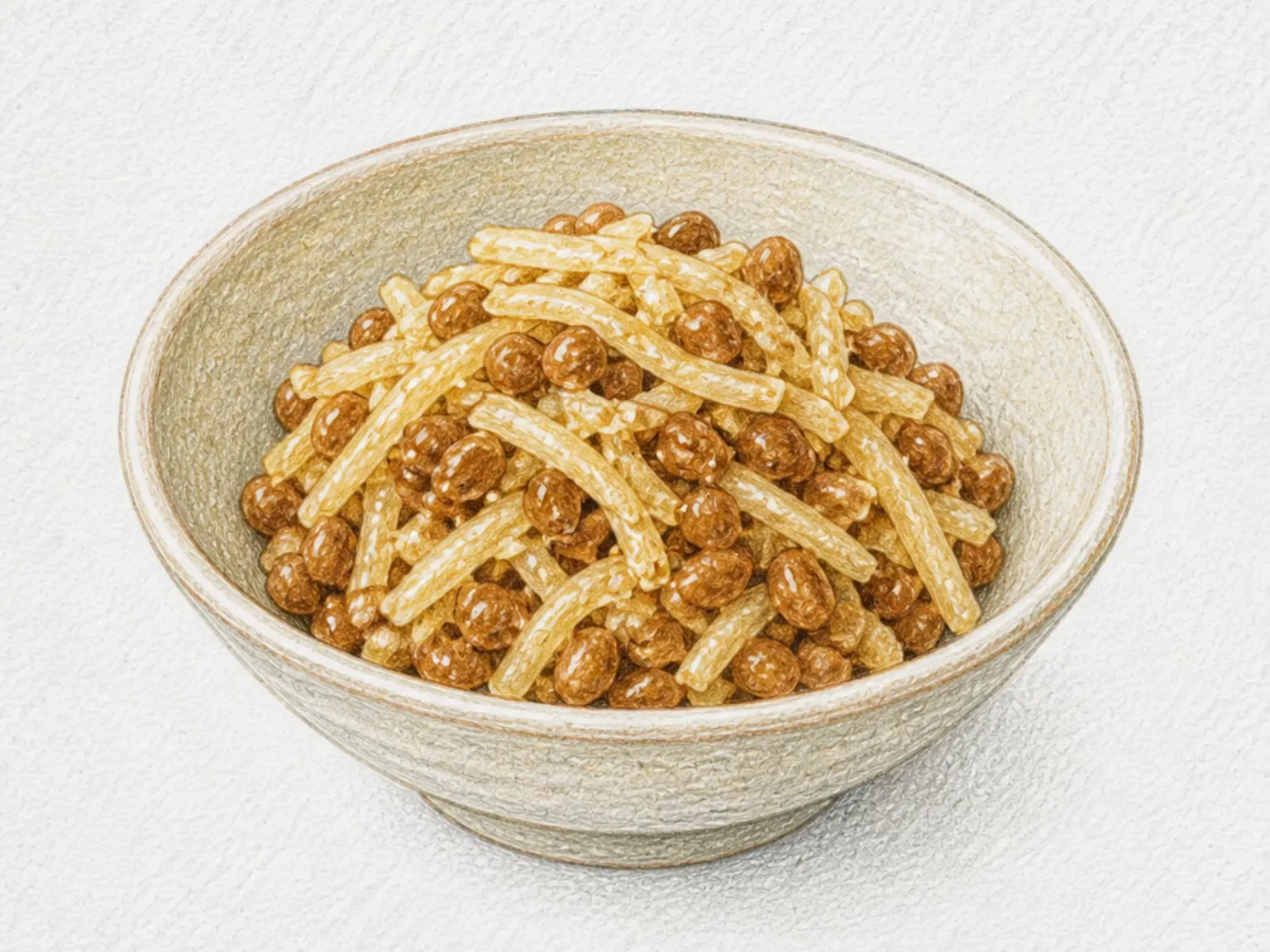
Soboro Natto with Dried Daikon
Soboro natto is a fermented side dish from central Ibaraki that combines Mito small-bean natto with thick dried daikon, salt, and soy sauce. Also called shoboro natto, it arose as a way to keep leftover autumn natto after portions had been shared with neighbors and temples. The radish was traditionally exposed to sun and cold wind for three days and frozen by the final night, producing a firm crunch against the soft beans. This conservative version uses a newly opened commercial natto pack, boils and cools the soy seasoning, blends flavor for only three days at 4°C or colder, and finishes the batch within seven days.
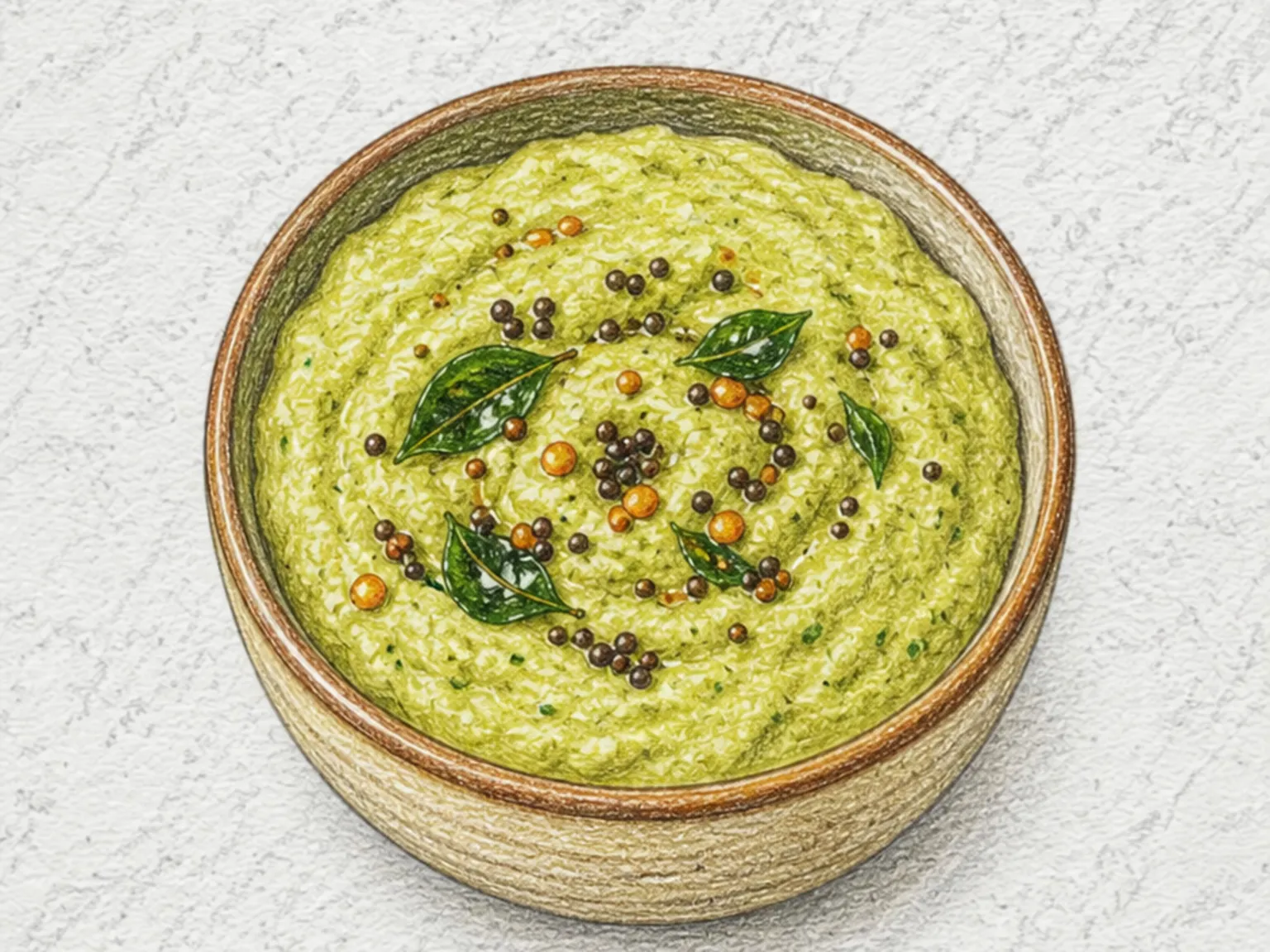
Sorakaya Pachadi (Andhra Bottle Gourd Chutney)
Sorakaya pachadi is an Andhra-style chutney made by coarsely grinding sautéed bottle gourd with two dals, green chili, and tamarind, then finishing it with hot mustard seed and curry leaf tempering. Peel 200g bottle gourd and cut it into 1cm pieces, then roughly chop 15g green chili. Heat 10ml oil in a pan and add 15g urad dal, 15g chana dal, and the chili. Toast them until the dals turn brown and smell nutty, then transfer the mixture to a plate. Add the chopped gourd to the same pan and cook it for 7 minutes. Remove it when the pieces are soft with lightly browned edges and let everything cool completely. Cooling makes it easier to stop blending while the intended coarse texture is still visible. Put the toasted dals and chili, cooked gourd, 10g tamarind paste, 4g salt, and 30ml water in a blender. Pulse only until the mixture forms a thick chutney with small pieces remaining rather than a smooth puree. Transfer it to a serving bowl. Heat the remaining 10ml oil in a small pan and add 3g mustard seeds, 5g curry leaves, and 1g asafoetida. When the mustard seeds splutter and the curry leaves scent the oil, pour the hot tempering directly over the chutney. Stir the spiced oil through the coarse gourd mixture to finish.
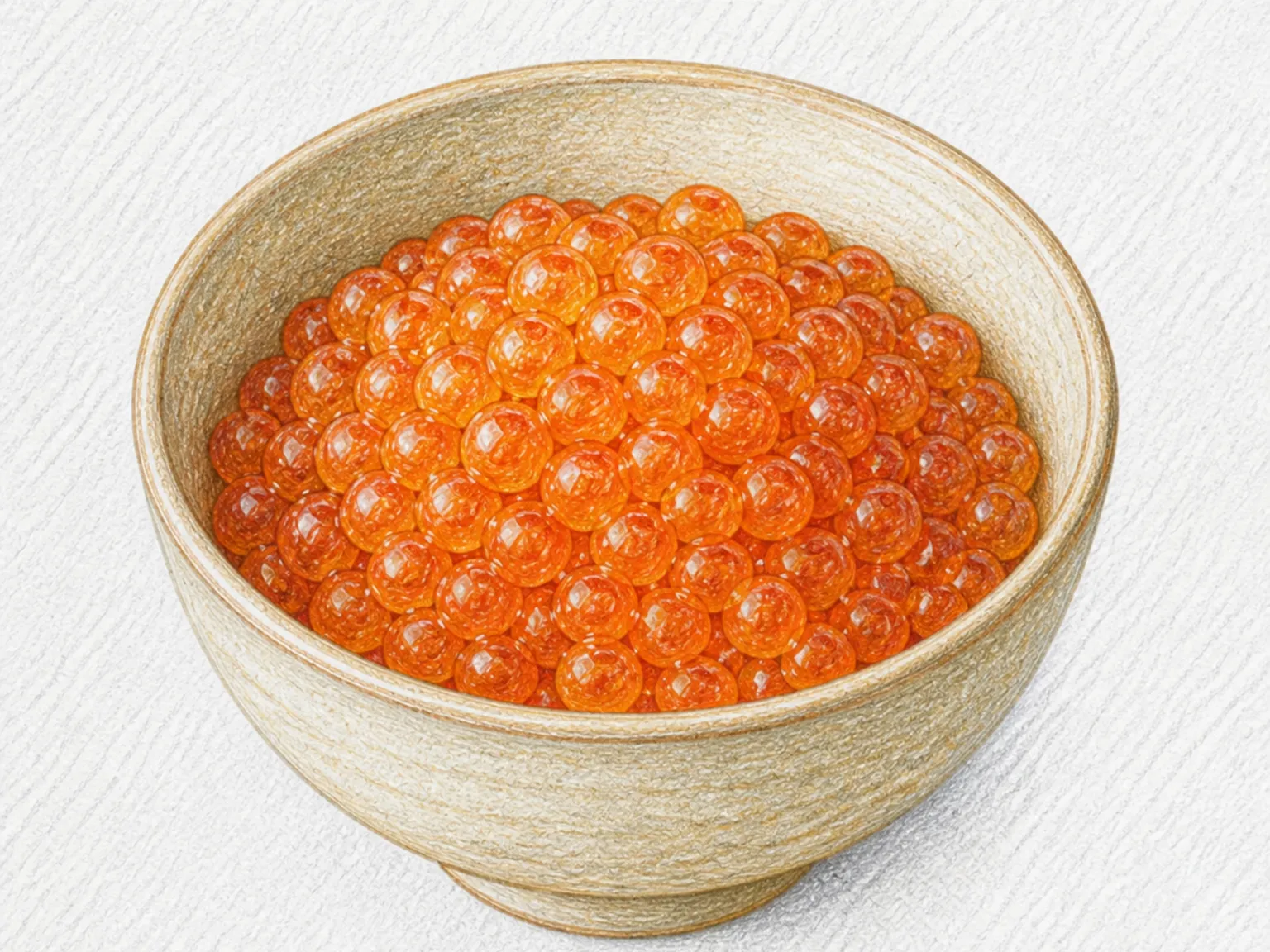
Ikura no Shoyuzuke (Soy-Marinated Salmon Roe)
Ikura no shoyuzuke is a Hokkaido autumn preparation of raw-grade salmon roe separated from its sac in lukewarm brine, rinsed clean, and marinated overnight in sake and soy sauce. The eggs absorb the seasoning while retaining their rounded, popping texture. Because the roe is not cooked, use only fresh sujiko explicitly sold for raw consumption, keep it at or below 4C, and prevent contact with unclean tools. Boil the marinade, cool it completely, and combine it with the roe only when both are cold.
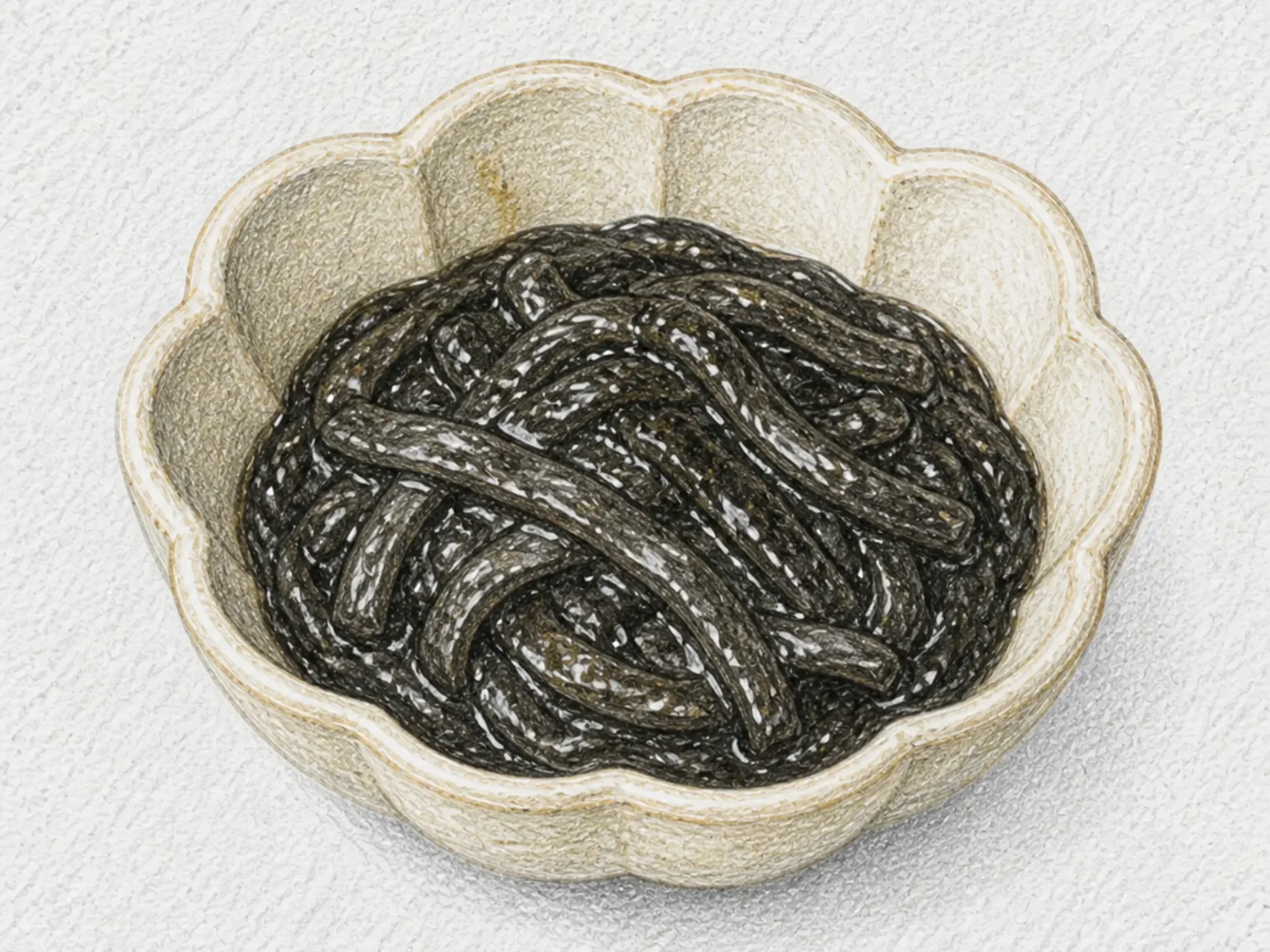
Kurozukuri (Squid Ink Shiokara)
Kurozukuri is a black shiokara specialty of Toyama made by cutting Japanese flying squid into narrow strips and aging it cold with salted viscera and its own ink. The glossy dark color and concentrated umami are distinctive, while the ink makes the salinity and marine aroma seem rounder than ordinary red shiokara. Records say the lord of the Kaga domain presented it to the shogun, showing its long history as a regional delicacy. Small amounts accompany rice, sake, or ochazuke. Because this is an uncooked seafood ferment, use squid supplied for raw consumption and commercially frozen for parasite reduction, keep every component at 4°C or below, and maintain scrupulously clean tools.
Goma Dofu (Sesame and Kudzu Tofu)
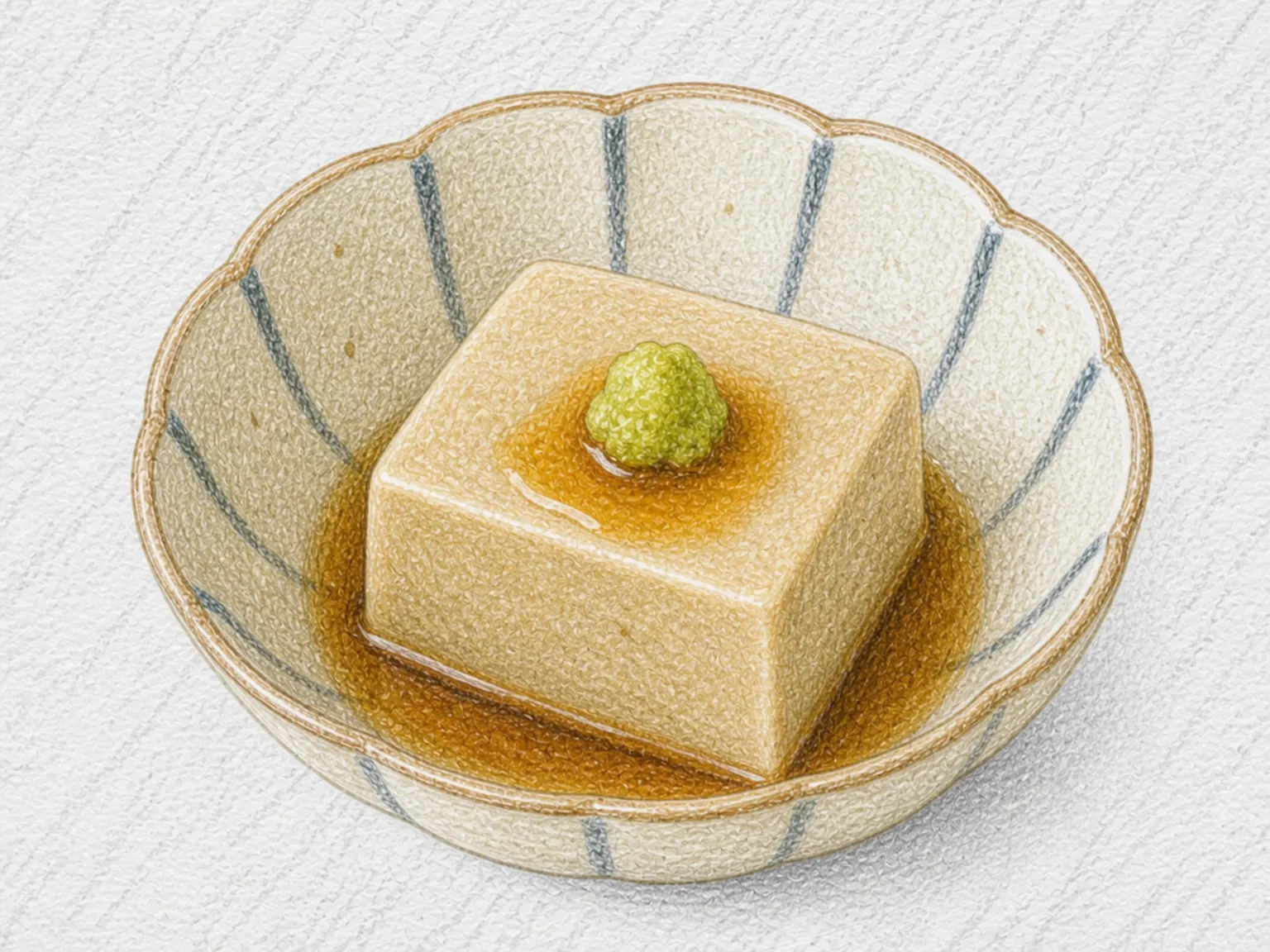
Goma dofu is a Koyasan shojin dish from Wakayama made by grinding toasted white sesame until it releases oil, extracting it with water, and cooking the sesame liquid with Yoshino kudzu starch before chilling it into a firm block. Despite its name, it contains neither soybeans nor a tofu coagulant. Constant stirring gelatinizes the starch and binds sesame fat and water into a smooth set custard with a resilient cut surface. It is commonly served with wasabi soy sauce or vinegared miso, and thorough grinding is essential for deep flavor without gritty particles.
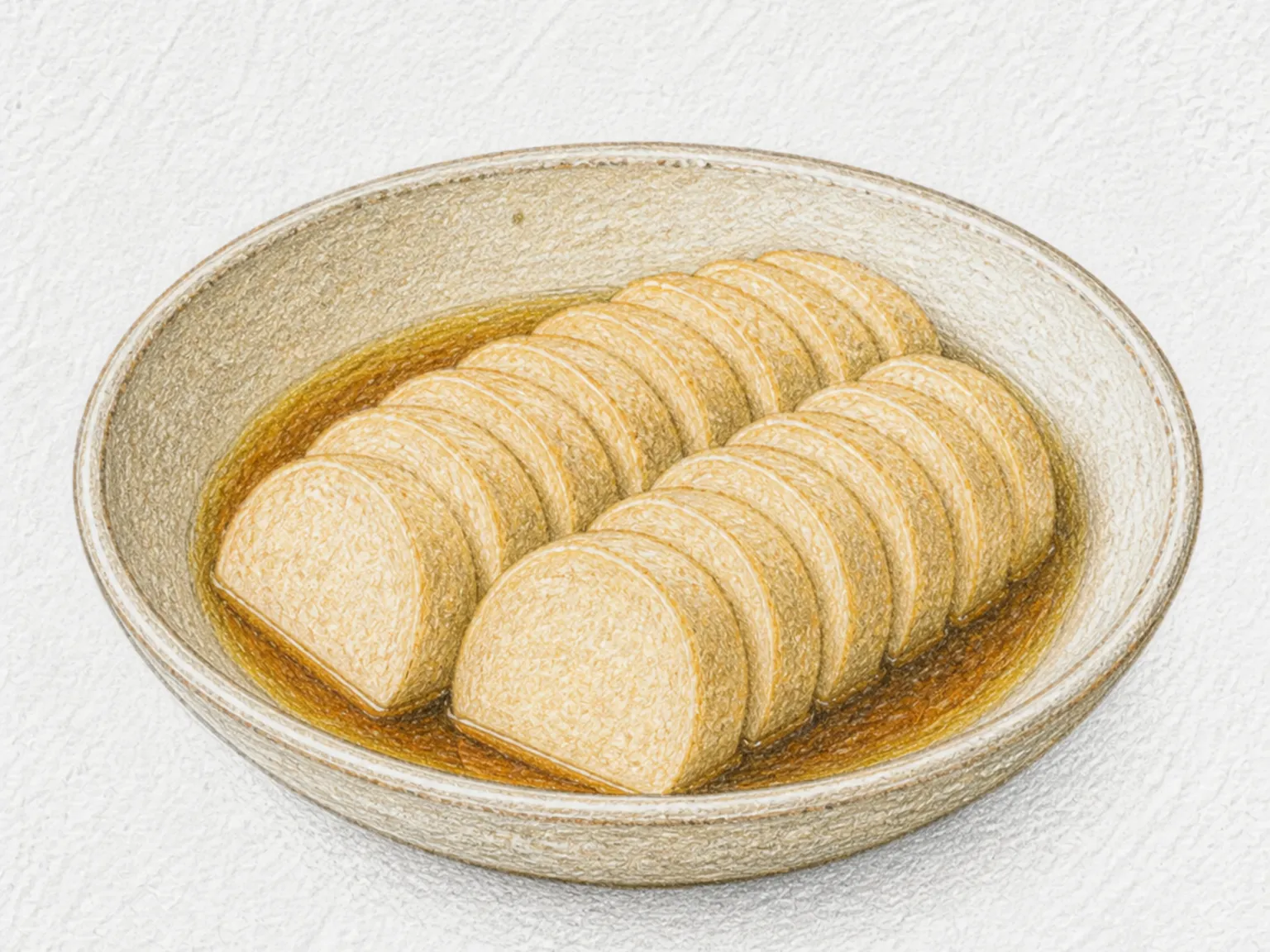
Steamed Monkfish Liver (Ankimo) with Ponzu
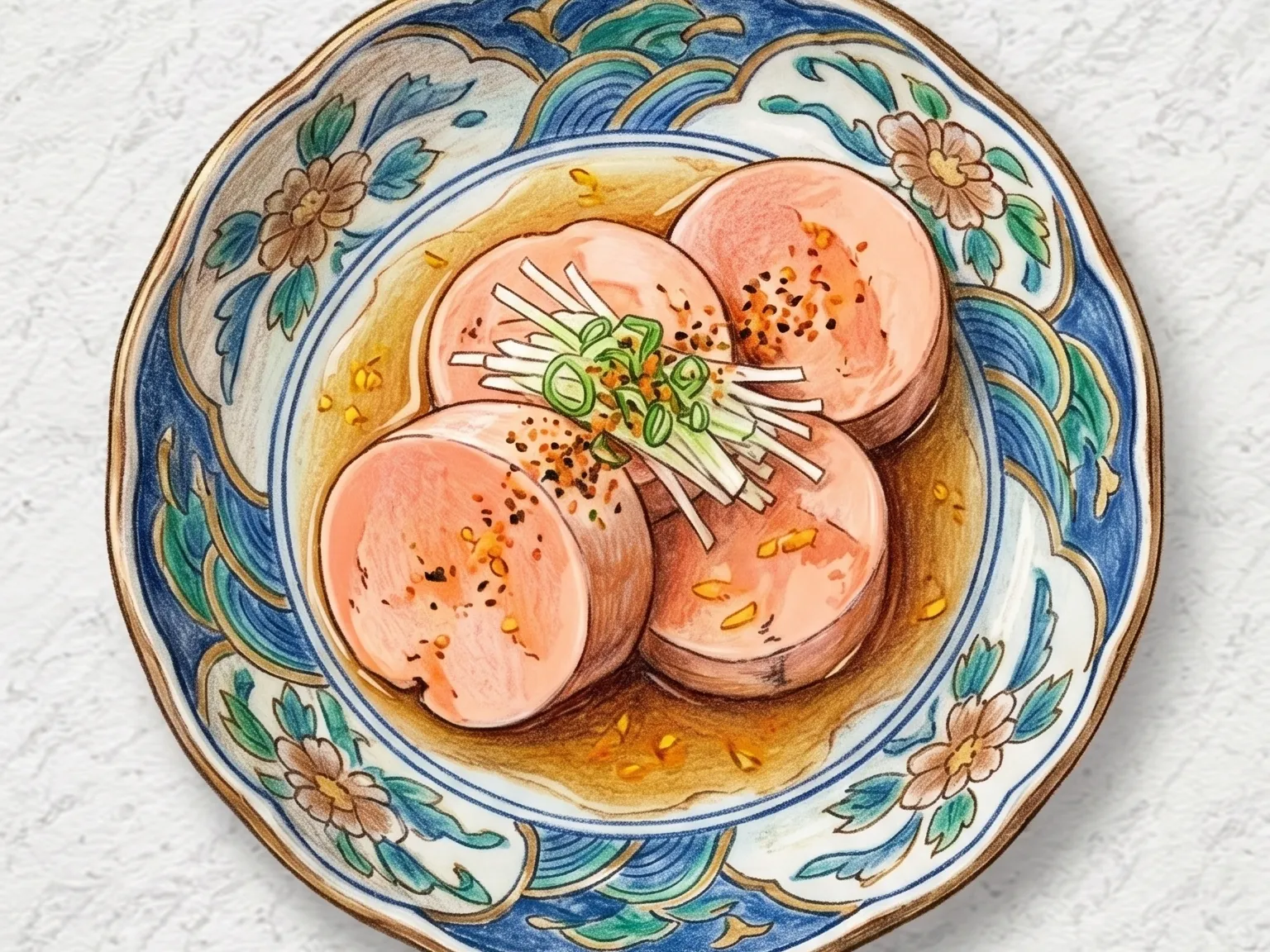
This recipe provides instructions for making steamed monkfish liver, also known as ankimo, at home. The preparation begins by meticulously cleaning the fresh liver, removing all visible veins and membranes to ensure a clean flavor. The liver is then soaked in a mixture of sake and salt for thirty minutes to eliminate its strong natural odor. After drying, it is rolled tightly in aluminum foil into a cylinder shape, twisting the ends firmly to create a dense texture. The wrapped liver is steamed over medium heat for twenty to thirty minutes. To prevent crumbling, the steamed roll is cooled in ice water and chilled in the refrigerator until firm. Sliced into rounds, it is served cold with ponzu sauce, grated daikon radish mixed with chili powder, chives, and lemon. The acidic components cut through the rich fat of the liver.
Odawara Kamaboko
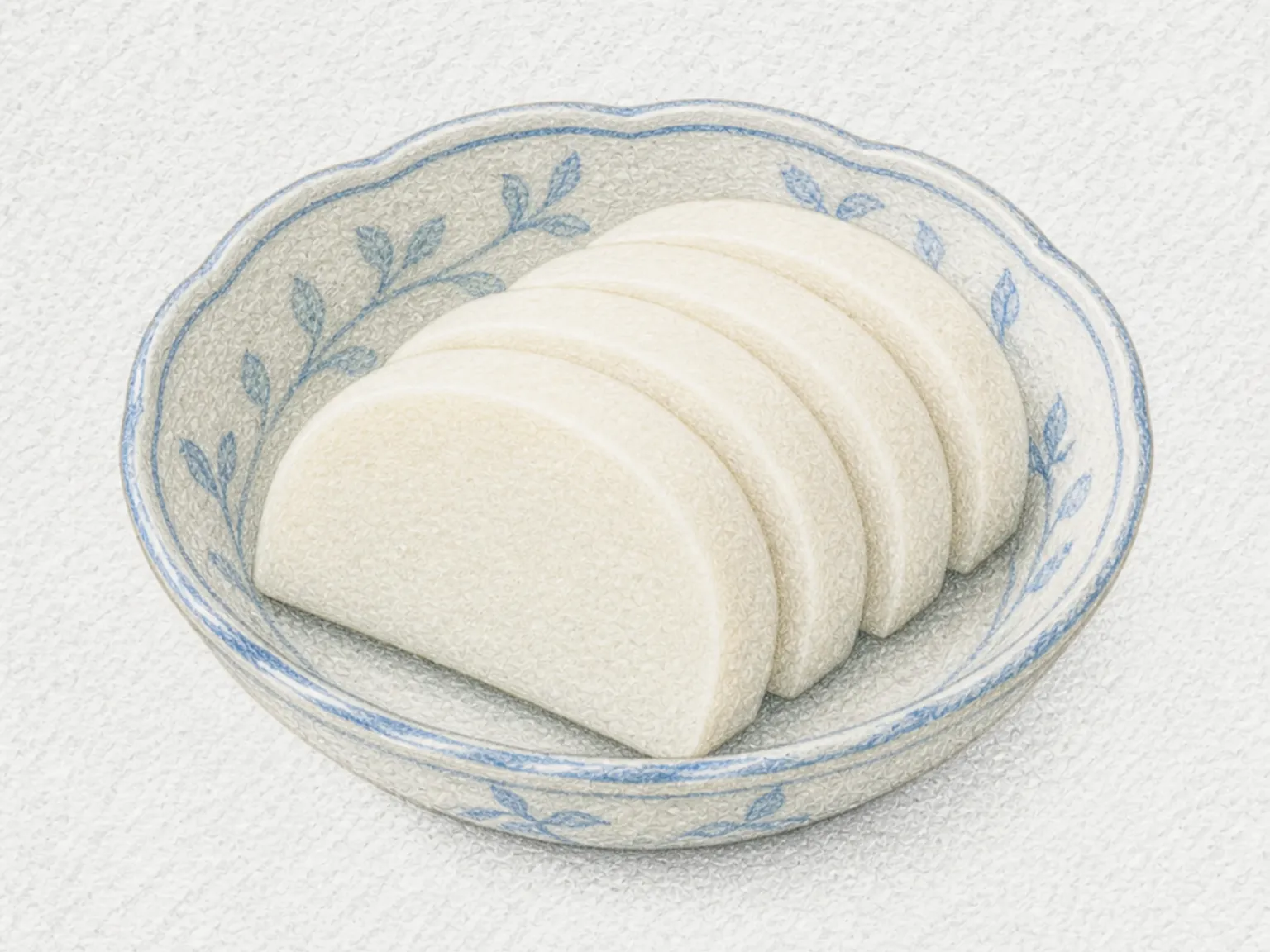
Odawara kamaboko is a steamed fish cake from Kanagawa made by removing fresh white meat from guchi fish, rinsing it in cold water to remove fat and blood, draining it, and grinding with salt, sugar, and mirin until elastic. The paste is sieved, shaped into a smooth half-cylinder on a wooden board, steamed at about 90°C, and rapidly cooled. Known as a Tokaido specialty associated with Odawara, it is valued for its fine white texture and springy bite. Keeping the fish cold, removing every small bone and skin fragment, and developing the salt-bound paste before shaping are the key controls.
Sudarefu Gomazu-Ae (Dried Wheat Gluten with Sesame Vinegar)
Sudarefu gomazu-ae is a Yuki City dish made by soaking heavily salted dried sudarefu overnight, rinsing out the salt, cutting it into 1 cm strips, and dressing it with toasted sesame ground halfway smooth, vinegar, sugar, and soy sauce. Pickled red ginger provides a sharp colored garnish. Yuki sudarefu is produced by adding flour back to extracted wheat gluten, kneading and rolling it thin, salting and boiling it, then drying it in sunlight over a bamboo screen. The screen pattern and salted drying method create a firmer bite and longer keeping quality than ordinary fresh fu. It was used in Buddhist vegetarian food around temples and the former castle town and was already valued by the late Edo period. Because production required extensive handwork, families reserved it for weddings, funerals, festivals, Obon, and other gatherings.
Suizen (Rice and Agar Noodle Jelly)
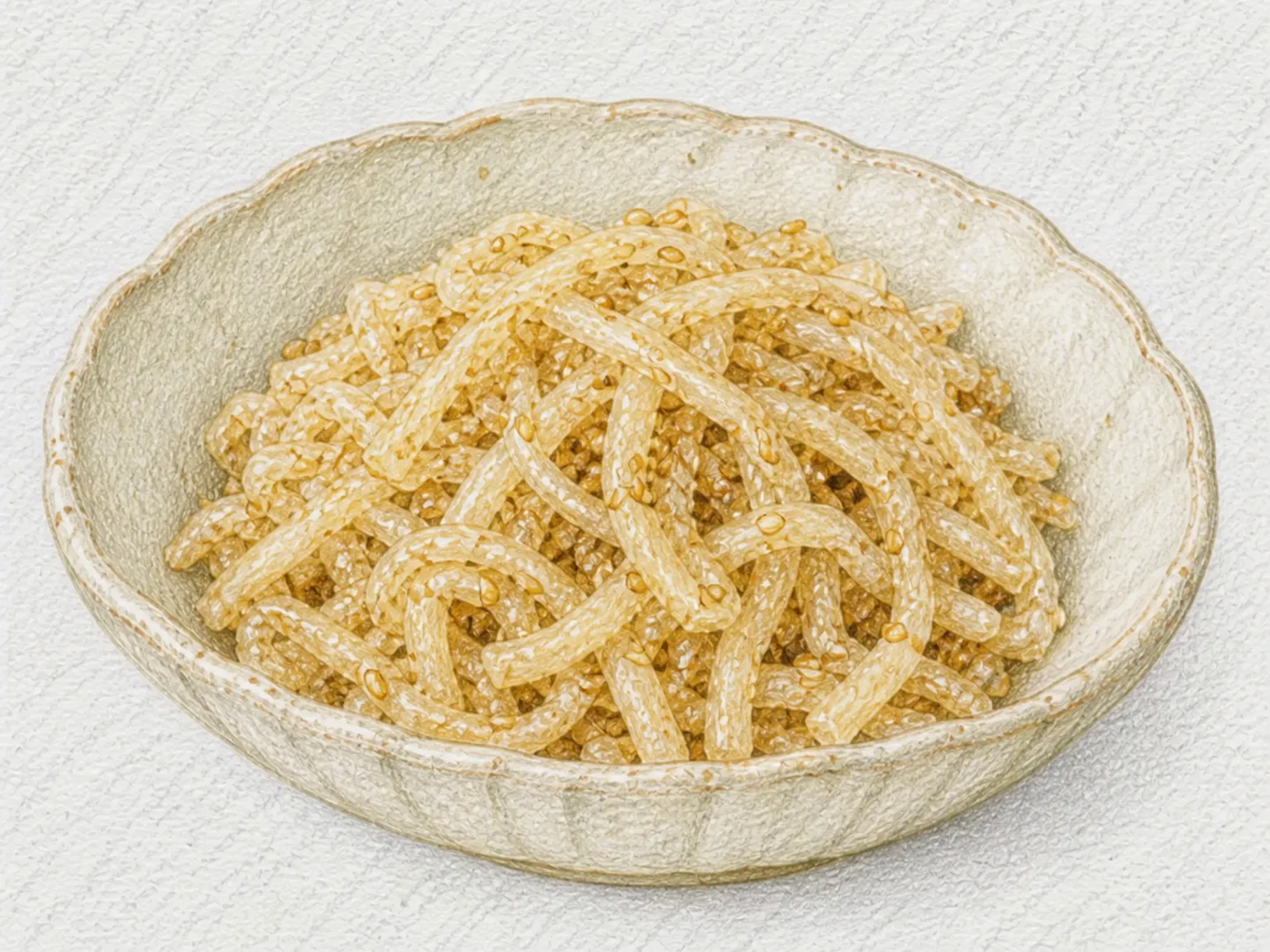
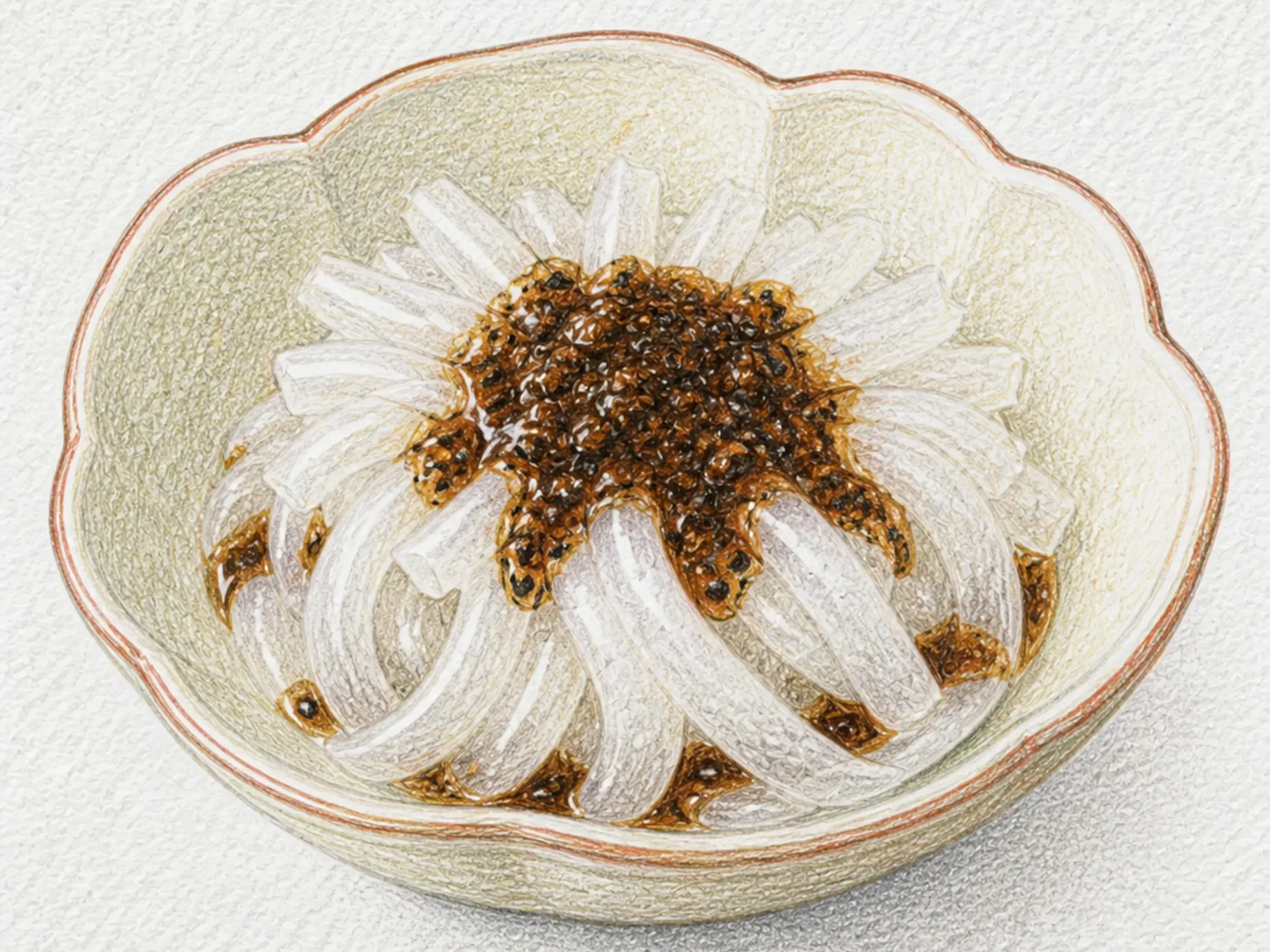
Suizen is a ceremonial food from Wajima in Ishikawa made by simmering tengusa agar seaweed with a little vinegar, straining it, combining the extract with soaked rice ground into a fine slurry, and cooking it again before setting it in a mold. The firm jelly is sliced to 4 or 5mm or pressed into slender strips and arranged like a flower. A sweet-savory sauce of black sesame, brown sugar, miso, soy sauce, and kombu dashi accompanies it. Agar firmness and rice-starch softness meet in one bite, traditionally presented in Wajima lacquerware for Buddhist memorials and funerals.
Kanto-Style Sukiyaki (Japanese Beef Hot Pot in Sweet Soy Warishita Broth)
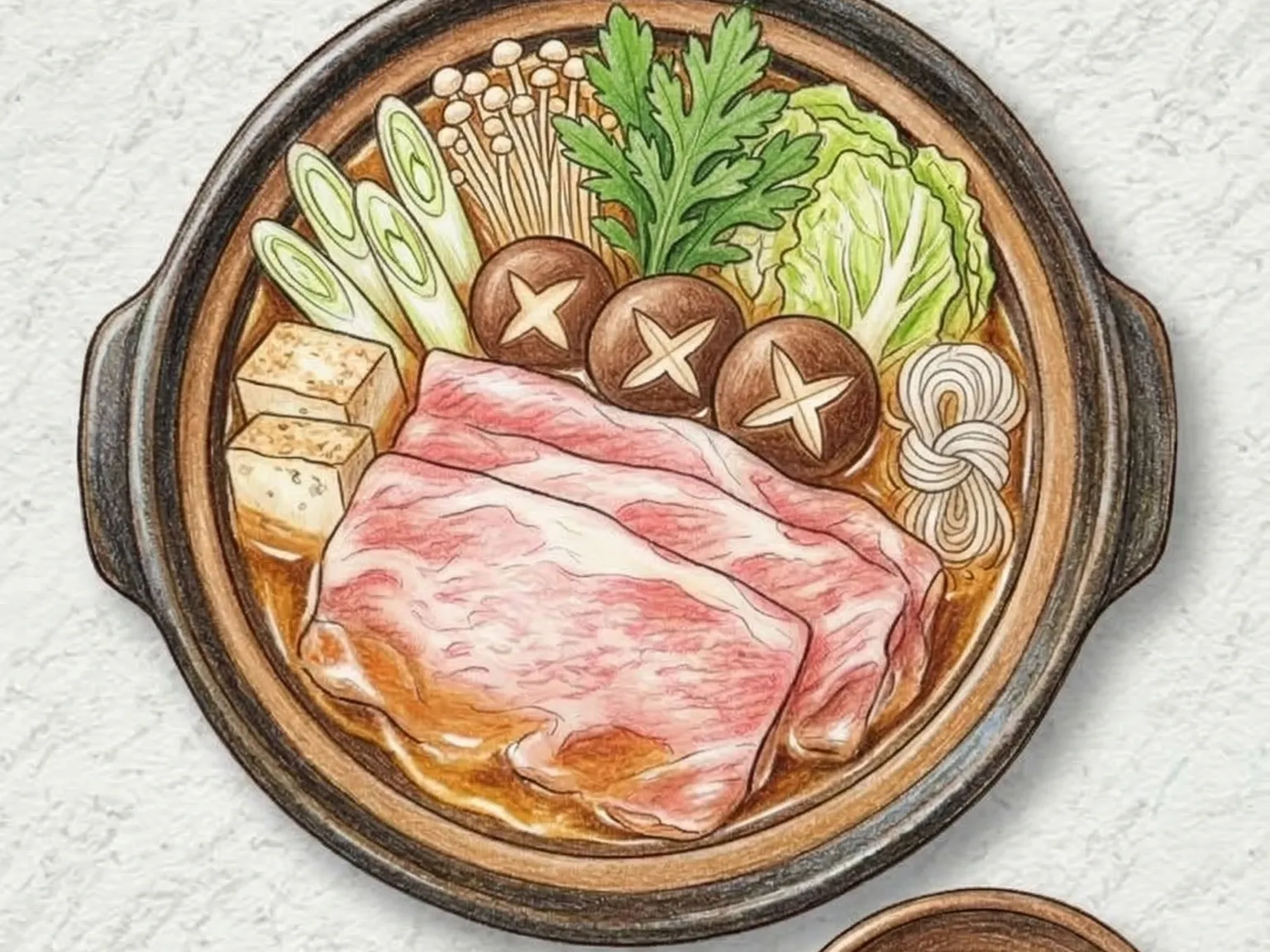
Kanto-style sukiyaki cooks thinly sliced beef, negi, napa cabbage, shiitake mushrooms, grilled tofu, and shirataki in a warishita made from soy sauce, mirin, sugar, and sake. Mix 100 ml soy sauce, 100 ml mirin, 3 tbsp sugar, and 50 ml sake until no sugar remains on the bottom. Cut 2 negi into thick diagonal pieces and prepare 200 g napa cabbage, 6 shiitake mushrooms, and 200 g grilled tofu in bite-size pieces. Blanch 200 g shirataki in boiling water for about 1 minute, drain it, and cut it into manageable lengths. Heat the pot over medium heat and sear the negi for about 2 minutes without added fat or oil. When the edges are lightly browned, pour in the warishita. Once it begins bubbling, arrange the cabbage, mushrooms, tofu, and shirataki in separate areas and simmer over medium-low heat for about 4 minutes. Add the 400 g beef one slice at a time in small batches, only as much as will be eaten soon. Remove each portion when its thickest part reaches at least 63C and let it rest for 3 minutes. If dipping the cooked ingredients in raw egg, use only pasteurized eggs. Pregnant people, children under 5, adults 65 or older, and people with weakened immune systems should omit the raw egg and eat only the cooked ingredients.
Sweet and Sour Pork
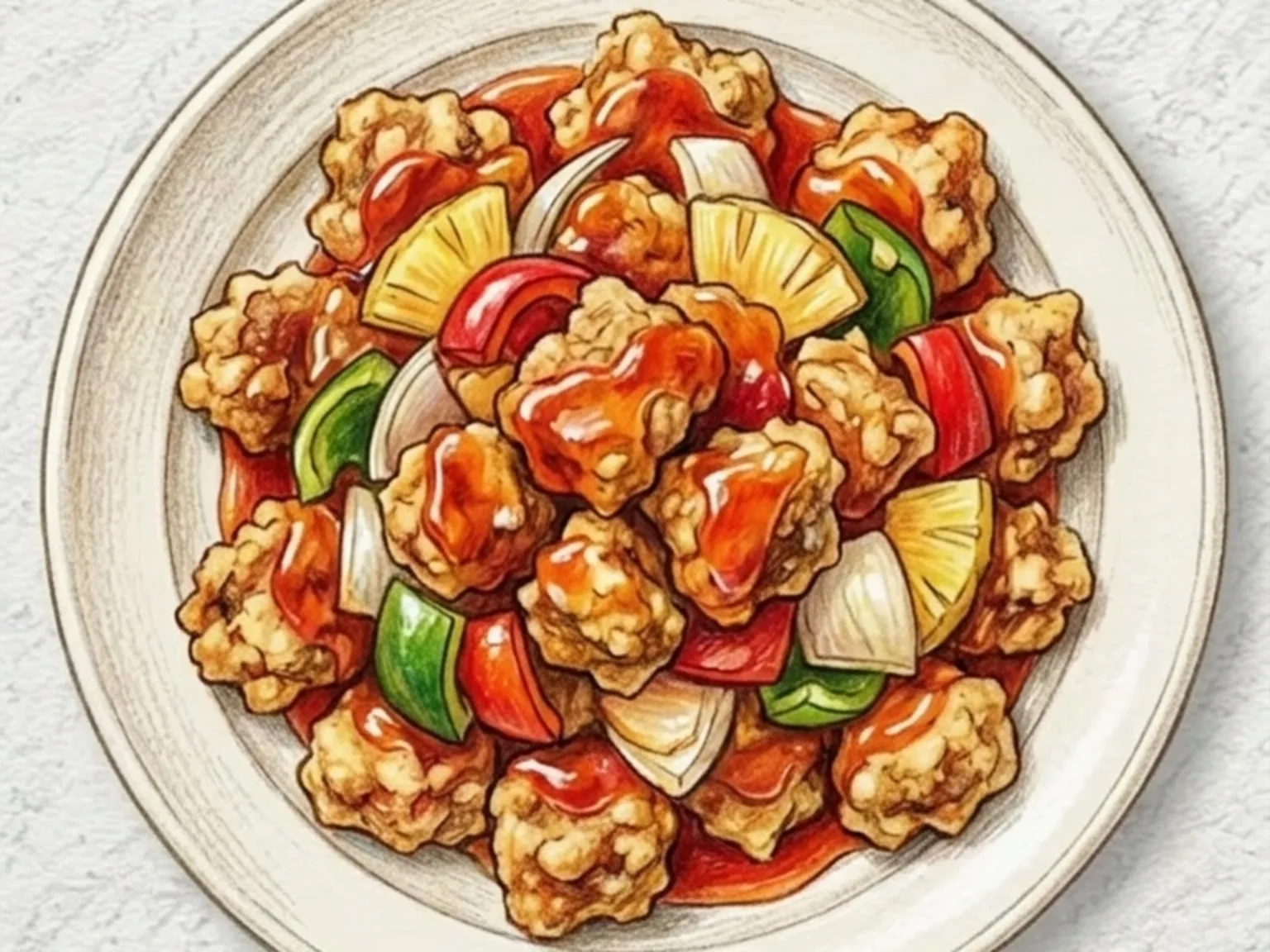
Sweet and sour pork coats bite-size pork loin with egg and cornstarch, fries it twice, and pours a hot ketchup-vinegar sauce with bell pepper and onion over the pieces immediately before serving. Cut 400 g pork loin into even pieces and pat them dry. Cut 1 bell pepper and 1 onion to a similar size. Beat 1 egg and coat the pork lightly, then add 100 g cornstarch in portions until every piece looks pale and dry on the outside without thick wet patches. Heat frying oil to 175C and add the pork without crowding. Continue the first fry until the coating is set and light golden and the pork center reaches at least 63C. Lift the pieces out and rest them for 3 minutes so carryover heat finishes the meat and steam can leave the crust. Return the pork to 175C oil and remove it as soon as the exterior feels firm and crisp. Combine 3 tsp ketchup, 2 tsp sugar, 2 tsp vinegar, and 1 tsp soy sauce in a pan over medium heat. When the edges bubble and the sauce looks glossy, add the bell pepper and onion and stir-fry them. Spread the fried pork on a plate instead of piling it up. Pour the hot sauce over the pork only at the last moment and serve immediately.
Kuromame-ni (Sweet Simmered Black Soybeans)
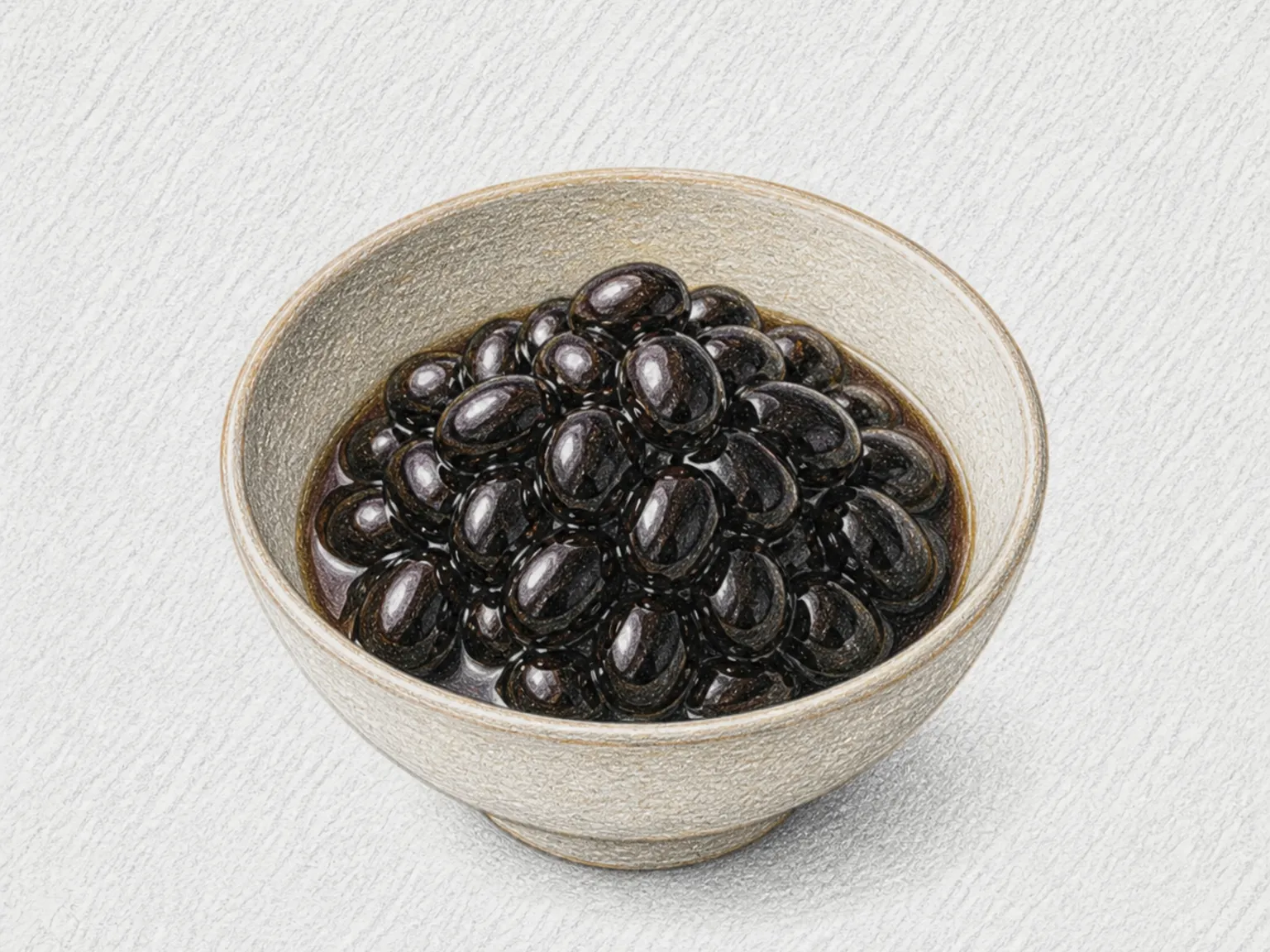
Kuromame-ni is Kyoto's sweet simmered black soybean dish, especially associated with large, richly flavored Tamba beans. The beans soak for four to five hours in a cooled syrup of sugar, soy sauce, and salt, then cook under a drop lid over very low heat for eight hours. Gentle, steady heat and keeping every bean submerged prevent split skins and wrinkles, producing plump beans with a glossy black finish. A purpose-made food-safe iron cooking piece can deepen and stabilize the color. Kuromame are indispensable in New Year osechi: their name evokes the wish to live diligently, while their dark color and enduring bean symbolize health and longevity. The dish is also eaten throughout the year.
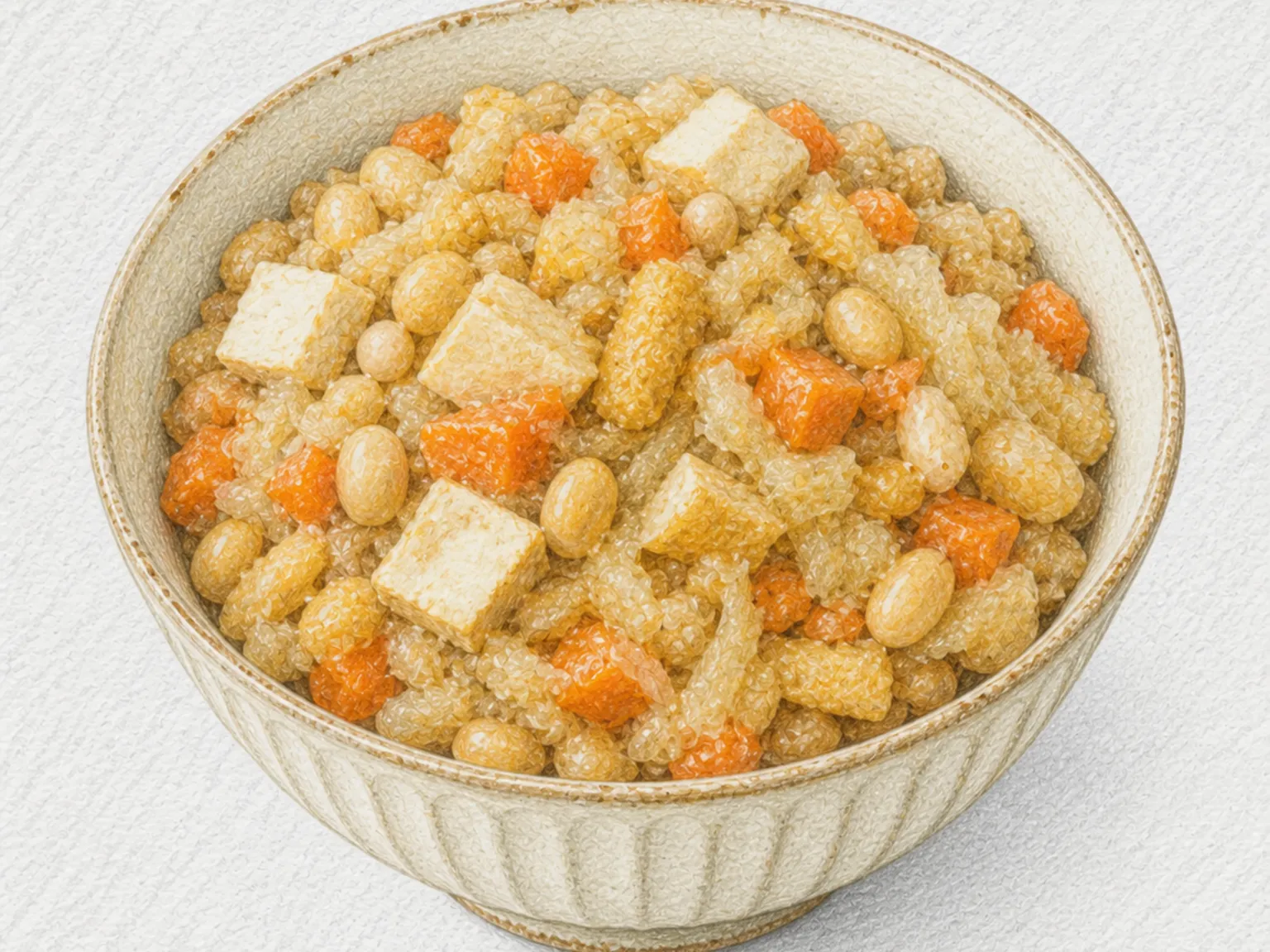
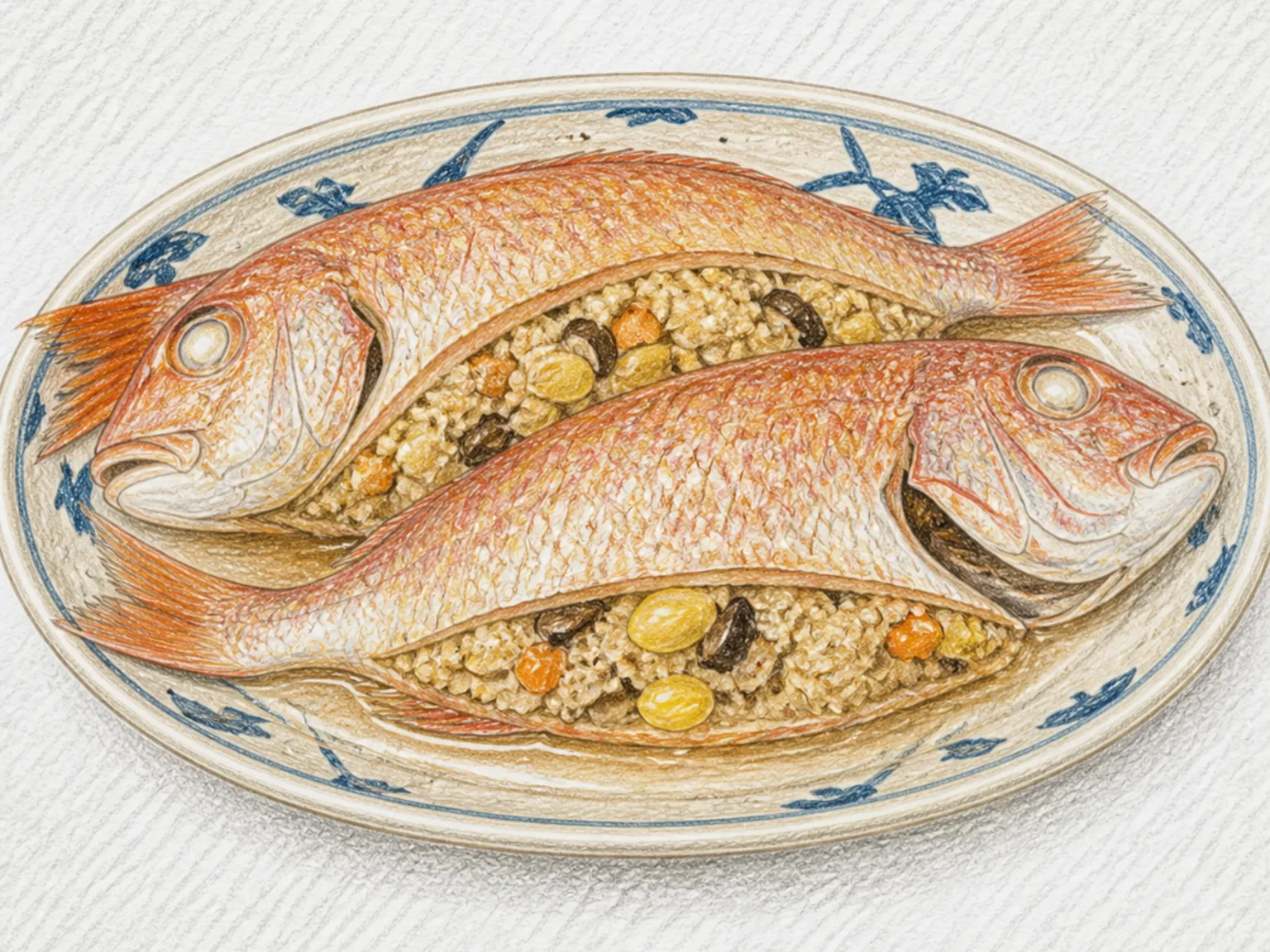
Tai no Karamushi (Steamed Sea Bream Stuffed with Okara)
Tai no karamushi is a celebratory Kaga dish from Ishikawa. Two whole sea bream are opened along the back and packed with okara cooked with bamboo shoot, burdock, carrot, wood ear mushrooms, ginkgo nuts, dashi, sugar, sake, and soy sauce. The fish are traditionally presented with their bellies facing each other, a substantial arrangement served at weddings and other festive tables. The vegetable and okara filling must be cooked until moist rather than wet, then cooled completely before it touches the raw fish. Steaming time changes with the size of the bream, so the thickest flesh and center of the stuffing determine when it is done. Each portion combines tender fish with savory-sweet okara that has absorbed the sea bream juices.
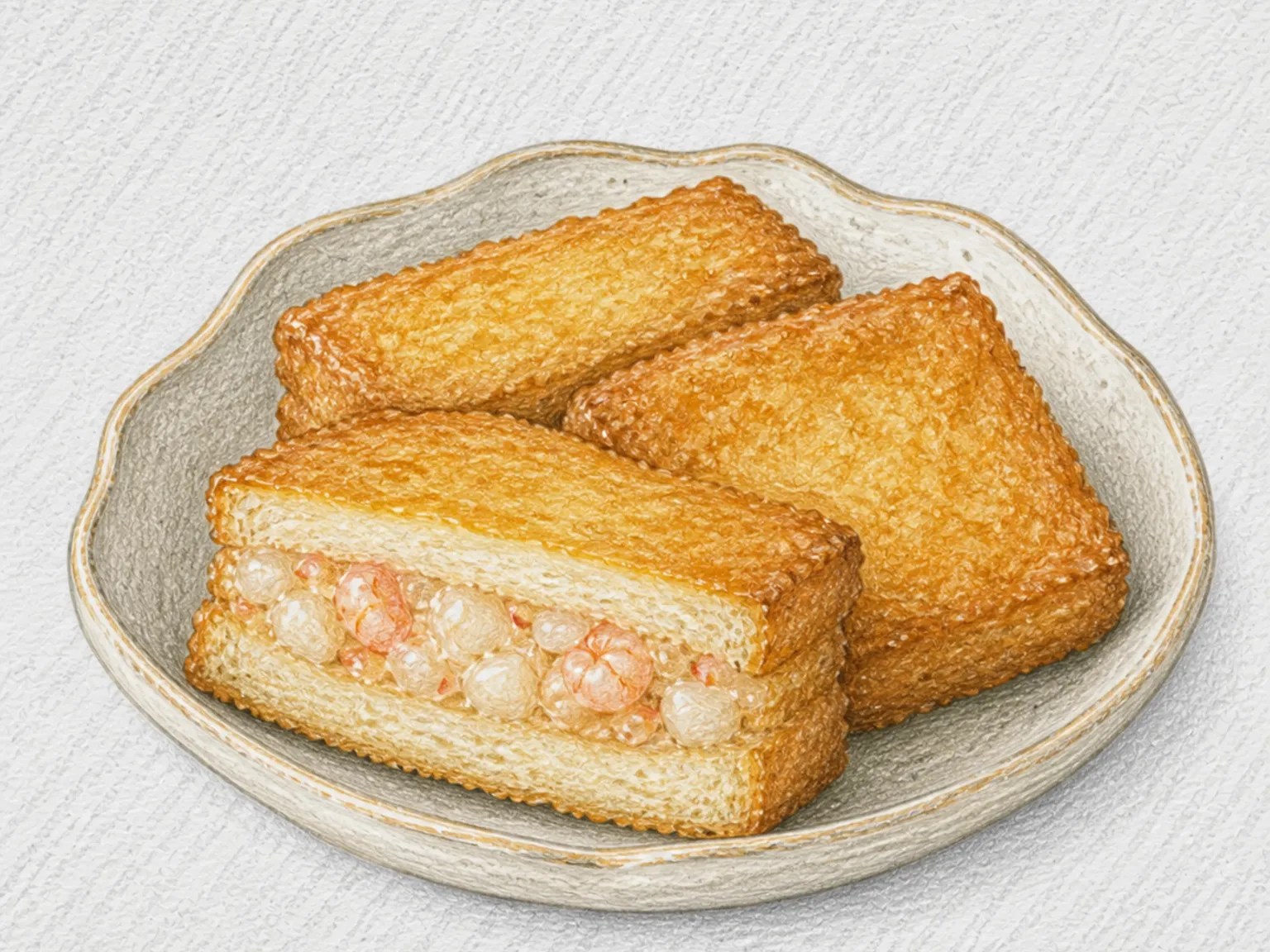
Taiwanese Ham and Cheese Sandwich
The Taiwanese Ham and Cheese Sandwich is a multi-layered sandwich that combines sweet and savory flavors. The filling consists of thin egg sheets, sandwich ham, and cheddar cheese slices placed between pieces of soft white bread. To achieve a smooth texture, the crusts of the bread are trimmed before assembly. The spread is made by mixing equal parts of condensed milk and mayonnaise, providing a creamy, sweet, and salty taste. The egg sheets are pan-fried in butter and must be cooled completely before assembly to prevent the bread from becoming soggy. After stacking the layers in a specific order of bread, egg sheet, bread, ham and cheese, bread, egg sheet, and bread, the sandwich is wrapped in plastic film for five minutes. This resting time stabilizes the layers, allowing for clean diagonal cuts and serving.
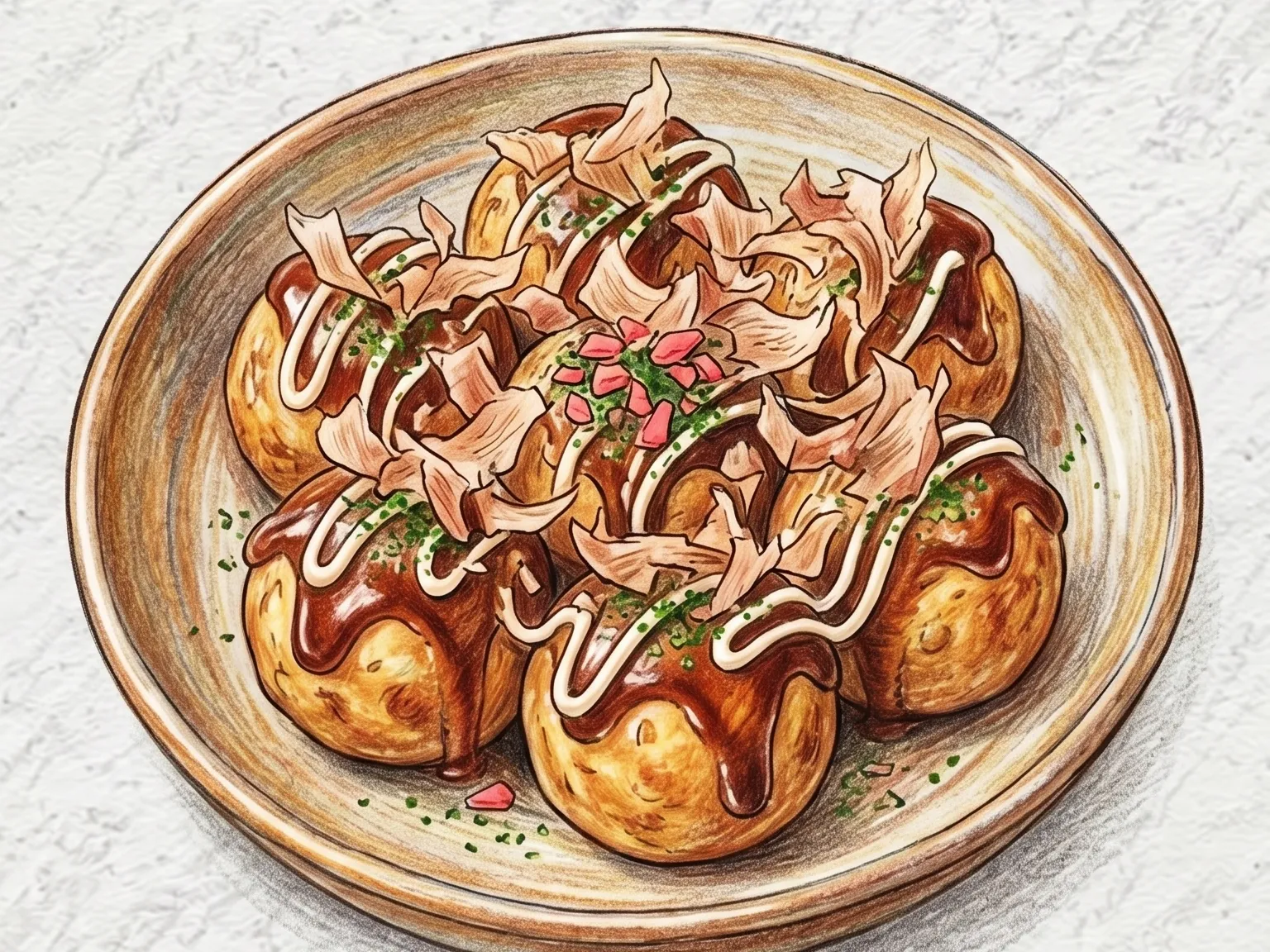
Osaka-Style Takoyaki (Japanese Octopus Ball Street Snack)
Osaka-style takoyaki cooks a thin dashi-and-egg batter with boiled octopus, green onion, tenkasu, and pickled red ginger in a round-welled pan. Whisk 150 g flour, 2 eggs, and 500 ml dashi, pressing out lumps until the batter pours almost like water. Because flour can settle, stir down to the bottom before every pour. Cut 150 g boiled octopus into 1.5 cm pieces and finely slice 3 green onions and 20 g pickled red ginger. Keep 30 g tenkasu beside the pan so all fillings can be added without delay. Heat the takoyaki pan over medium heat and brush each well lightly with cooking oil. When a drop of batter sizzles immediately, pour enough batter to fill and slightly overflow the wells. Distribute the octopus, green onion, tenkasu, and ginger evenly, then leave the pan undisturbed for about 1 minute until the rims turn pale and begin to set. Loosen the edges with a pick and turn each piece 90 degrees so uncooked batter flows into the open space. Lower the heat to medium-low and keep rotating the pieces until they are round and evenly cooked. Remove them when the exterior is lightly browned, the center reaches at least 71C, and a cut piece contains no wet raw batter. Finish with 3 tbsp takoyaki sauce, 2 tbsp Japanese mayonnaise, and 5 g bonito flakes, then serve hot.
Tamagoyaki (Sweet Edo-Style Rolled Omelet)
Tamagoyaki is a Tokyo rolled omelet made by mixing eggs with bonito dashi, sugar, salt, and soy sauce. One quarter of the mixture is spread thinly in a rectangular pan, rolled while still softly set, and the process repeats four times to build a thick layered log. This Edo-style formula is sweeter and more lightly browned than Kansai dashimaki, with clear bonito aroma and resilient layers. Reapply only a thin film of oil before every pour and let fresh egg run underneath the previous roll so the layers join. Shape the hot omelet in a bamboo mat, confirm its center reaches at least 71C, then cool briefly before slicing.
Assorted Japanese Tempura
Tempura moriawase is an assorted platter of Japanese tempura featuring shrimp, sweet potato, eggplant, and shishito peppers, each coated in a light batter. The batter combines 1 egg, 150 ml very cold water, and 100 g cake flour, stirred only 8 to 10 times with chopsticks so small lumps remain. Pat the shrimp, shishito peppers, sweet potato, and eggplant thoroughly dry before dipping so the coating does not slide off and the oil splatters less. Heat 500 ml frying oil to 170 to 180C and add only a few coated pieces at a time. Treat 1 to 3 minutes as the first checking range rather than a fixed endpoint. Remove the shrimp when the center is opaque, the sweet potato when a skewer enters it, and the eggplant when it is tender. For the tentsuyu, combine 100 ml dashi with 3 tbsp soy sauce and 3 tbsp mirin. Grate 50 g daikon and keep it separate until serving. Drain the cooked pieces briefly on a rack or paper towels and serve at once while the coating is crisp, with the tentsuyu and grated daikon on the side.
Teriyaki Chicken
Teriyaki chicken sears chicken thighs skin-side down and reduces a measured soy, mirin, sake, sugar, garlic, and ginger sauce directly around the meat. Mix 3 tsp soy sauce, 3 tsp mirin, 1 tsp sugar, and 2 tsp sake. Add 2 minced garlic cloves and 5 g ginger and stir until the sugar dissolves. Pat 400 g chicken thighs dry and open out the thickest areas so the pieces have an even thickness. Keep the skin flat so all of it touches the pan. Preheat the pan over medium heat, place the chicken skin-side down, and press it with a spatula for 2 to 3 minutes. Continue cooking until the whole skin surface is deeply golden. Flip the chicken and cook the other side for 3 to 4 minutes, until the exterior is opaque. Pour the mixed sauce around the pan edge and lower the heat. Spoon the liquid over the chicken as it reduces for 4 to 5 minutes. Stop before the sugar scorches, when the sauce coats a spatula lightly and clings glossily to the meat. Check the thickest part and continue cooking until its internal temperature reaches at least 74C. Turn off the heat, rest the chicken for 2 minutes, slice it across the grain, and spoon the pan sauce over the slices.
Thai Green Curry with Shrimp
Thai green curry with shrimp is a dish built on a coconut milk base that combines the spicy and aromatic characteristics of green curry paste with the natural sweetness of fresh shrimp. The cooking process begins by splitting the coconut milk, which involves heating the thicker coconut cream in a pan until the oil begins to separate from the solids. The green curry paste is then fried directly in this extracted fat to allow the flavors of lemongrass, galangal, green chili, and kaffir lime to bloom and release their essential oils into the mixture. Once the aromatics are developed, the remaining coconut milk is poured into the pan along with pieces of eggplant. The eggplant is simmered in the liquid until it reaches a soft consistency. After the eggplant is cooked, bell peppers and shrimp are added to the curry for a brief period of approximately three to four minutes. This short cooking window ensures that the shrimp stay plump and maintain a curled shape without becoming tough. The seasoning is adjusted using fish sauce to provide salinity and palm sugar to round out the sharp edges of the spices. After removing the pan from the heat, a handful of fresh Thai basil is stirred into the curry, which introduces a scent reminiscent of anise. A squeeze of fresh lime juice is added just before the dish is served to provide a bright acidity that balances the richness of the coconut milk. The finished curry is traditionally served by spooning it over jasmine rice.
Thai Red Duck Curry (Thai Coconut Red Curry with Duck)
Thai red duck curry simmers seared duck breast with bamboo shoots and red bell pepper in a coconut sauce seasoned with red curry paste, fish sauce, and palm sugar. Pat 500 g duck breast dry and score the skin shallowly without cutting into the meat. Place it skin side down in a cold pan and cook over medium low heat for 8 to 10 minutes so the fat renders gradually. Pour off the rendered fat, turn the duck, and cook the other side for 1 to 2 minutes. Rest for 5 minutes and cut it into bite size pieces. Heat 1 tablespoon cooking oil in a separate pot and cook 3 tablespoons red curry paste over medium heat for 1 to 2 minutes. Before the paste scorches, pour in 500 ml coconut milk gradually and stir until smooth. When the edges bubble, add 2 tablespoons fish sauce and 1 tablespoon palm sugar. Add the duck, 150 g bamboo shoots, and 120 g red bell pepper, then simmer gently for 8 minutes. Check the thickest duck piece and continue cooking until its center reaches at least 74C. Add 20 g Thai basil while the pepper still holds its shape, stir only until the leaves wilt, and remove the pot from the heat.
Thai Yellow Curry (Chicken and Potato Coconut Curry)
Thai yellow curry simmers chicken, potatoes, and onion in a sauce made from yellow curry paste and coconut milk. Cut 400 g chicken into bite size pieces. Cut 2 potatoes into large chunks so they do not break apart too early, and slice 1 onion thickly. Warm a dry pot over medium low heat, add 3 tablespoons yellow curry paste, and stir constantly for 1 to 2 minutes. When the paste darkens slightly, pour in 400 ml coconut milk in several additions. Stir after each addition until no lumps remain, then bring the sauce to a gentle boil. Add the chicken and cook over medium heat for about 3 minutes, stirring until the surfaces turn pale. Add the potatoes and onion, lower the heat to medium low, and simmer quietly for 15 to 20 minutes. Press the potatoes into the liquid occasionally, but avoid a hard boil that can break them apart. The curry is ready for seasoning when a chopstick or fork slides easily into a potato and the thickest chicken piece reaches at least 74C at the center. Stir in 1 tablespoon fish sauce, simmer briefly until the sauce lightly coats the ingredients, and serve with rice.
Vietnamese Braised Pork and Eggs
Thit kho trung is a Vietnamese home-style braise of pork and hard-boiled eggs simmered low and slow in coconut water, fish sauce, and a caramel base for nearly an hour. Sugar is cooked in the pot until it reaches a deep amber caramel before the pork is added, coating the meat in a dark, slightly bitter glaze that underpins the entire flavor of the dish. Coconut water contributes a gentle tropical sweetness and keeps the meat from drying out through the long simmer in a way that plain water cannot. The eggs, peeled and added from the start, absorb the braising liquid through the full cooking time and turn brown all the way to the yolk, taking on the complete range of salty-sweet seasoning. Spoon the sauce over steamed rice and the combination delivers the characteristic Vietnamese balance of fermented fish depth, caramel bitterness, and coconut softness all at once. Pork shoulder or pork belly with skin attached works best for this recipe because the collagen in the connective tissue melts into the braising liquid during the long cook, giving the sauce a glossy, slightly viscous body that clings to the rice.
About Asian
Each country brings its own signature spices and sauces, so even the same ingredients can produce completely different flavors. With a few key pantry items - coconut milk, fish sauce, curry powder, doubanjiang - you can recreate the tastes of Asia at home.