Asian

Asian Recipes

806 recipes. Page 32 of 34

The Asian category gathers popular dishes from Japan, China, Thailand, Vietnam, India, and beyond. Curry, stir-fried noodles, mapo tofu, pad Thai, and pho are among the Asian favorites commonly enjoyed in Korean households.

Asian
Pani Puri (Indian Crispy Hollow Shells with Spiced Herb Water)
Asian Medium

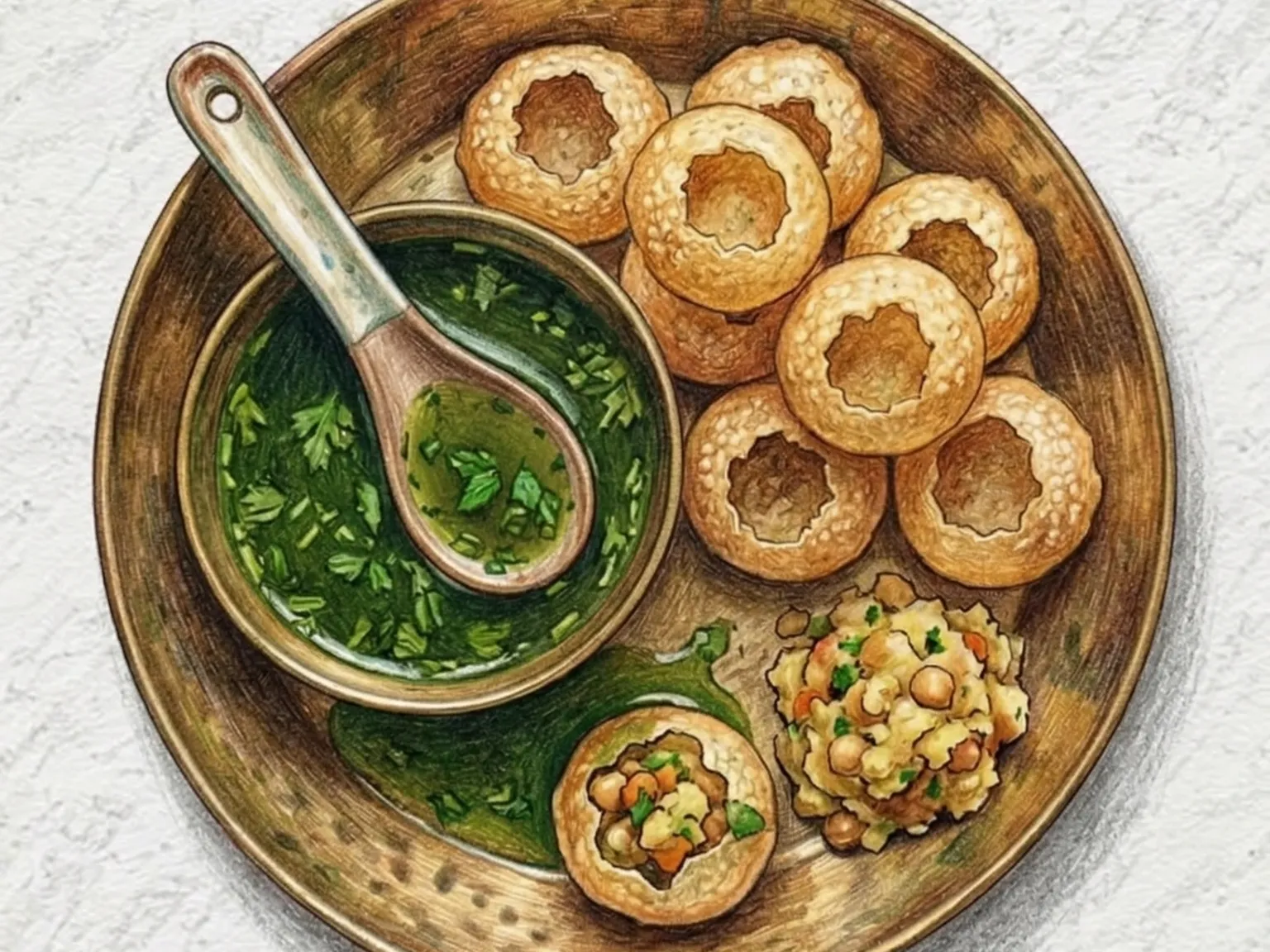
Pani Puri (Indian Crispy Hollow Shells with Spiced Herb Water)

Pani puri fills crisp hollow shells with mashed potato, chickpeas, and chilled herb water, then serves each shell immediately before it softens. Peel and cut 200 g potato into even pieces, boil until a skewer slides through easily, and drain well before mashing it while hot. Fold in 120 g boiled chickpeas and crush only some of them so the filling remains thick enough to stay inside each shell. For the pani, blend 1/2 cup mint, 1/2 cup cilantro, 1 tablespoon tamarind paste, 1 teaspoon chaat masala, and 400 ml water until no coarse herb pieces remain. Strain through a fine sieve and chill for at least 30 minutes. Just before serving, press a small opening into one side of the top of each of the 20 puri shells. Holding the shell too tightly can split the side, so support it lightly. Add a small spoonful of potato and chickpea filling, pour in the cold pani, and serve in the order assembled. The shell begins absorbing liquid as soon as it is filled and should be eaten in one bite while it is still crisp.

🧒 Kid-Friendly
Prep 30min Cook 10min 2 servings
Pav Bhaji (Mumbai Street Food Spiced Mashed Vegetable Curry with Bread)
Asian Easy

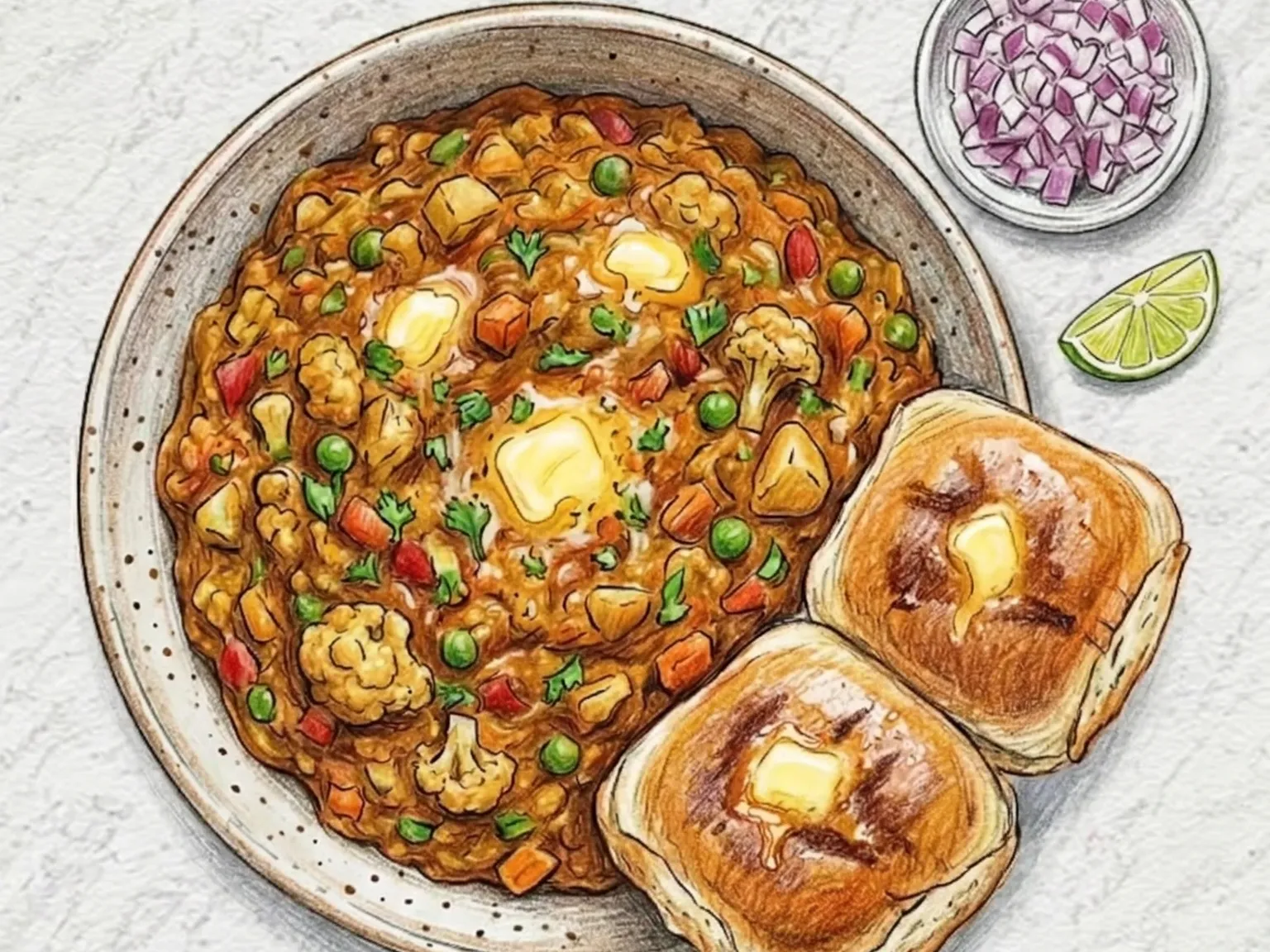
Pav Bhaji (Mumbai Street Food Spiced Mashed Vegetable Curry with Bread)

Pav bhaji combines mashed potato, cauliflower, and green peas with an onion, tomato, and pav bhaji masala base, then serves the thick vegetable mixture with butter-toasted rolls. Cut 300 g potato and 150 g cauliflower into small pieces and boil them with 100 g green peas over medium heat for about 15 minutes. Remove the vegetables when they crush easily, but reserve the cooking water for adjusting the consistency. Melt part of the measured 40 g butter in a wide pan and cook 120 g onion for about 5 minutes, stirring until the edges turn translucent. Add 250 g tomato and 2 tablespoons pav bhaji masala. Cook over medium low heat for about 6 minutes, scraping the pan until the tomato thickens and a little butter separates at the edges. Add the boiled vegetables and mash them in the pan while mixing for 5 minutes. If the mixture becomes too stiff, add the reserved cooking water in small portions. Simmer for 3 more minutes over low heat and stir frequently so the thick mash does not stick. Split 8 soft rolls, toast the cut sides in the remaining butter, and serve them immediately with the hot bhaji.

🧒 Kid-Friendly
Prep 20min Cook 30min 4 servings
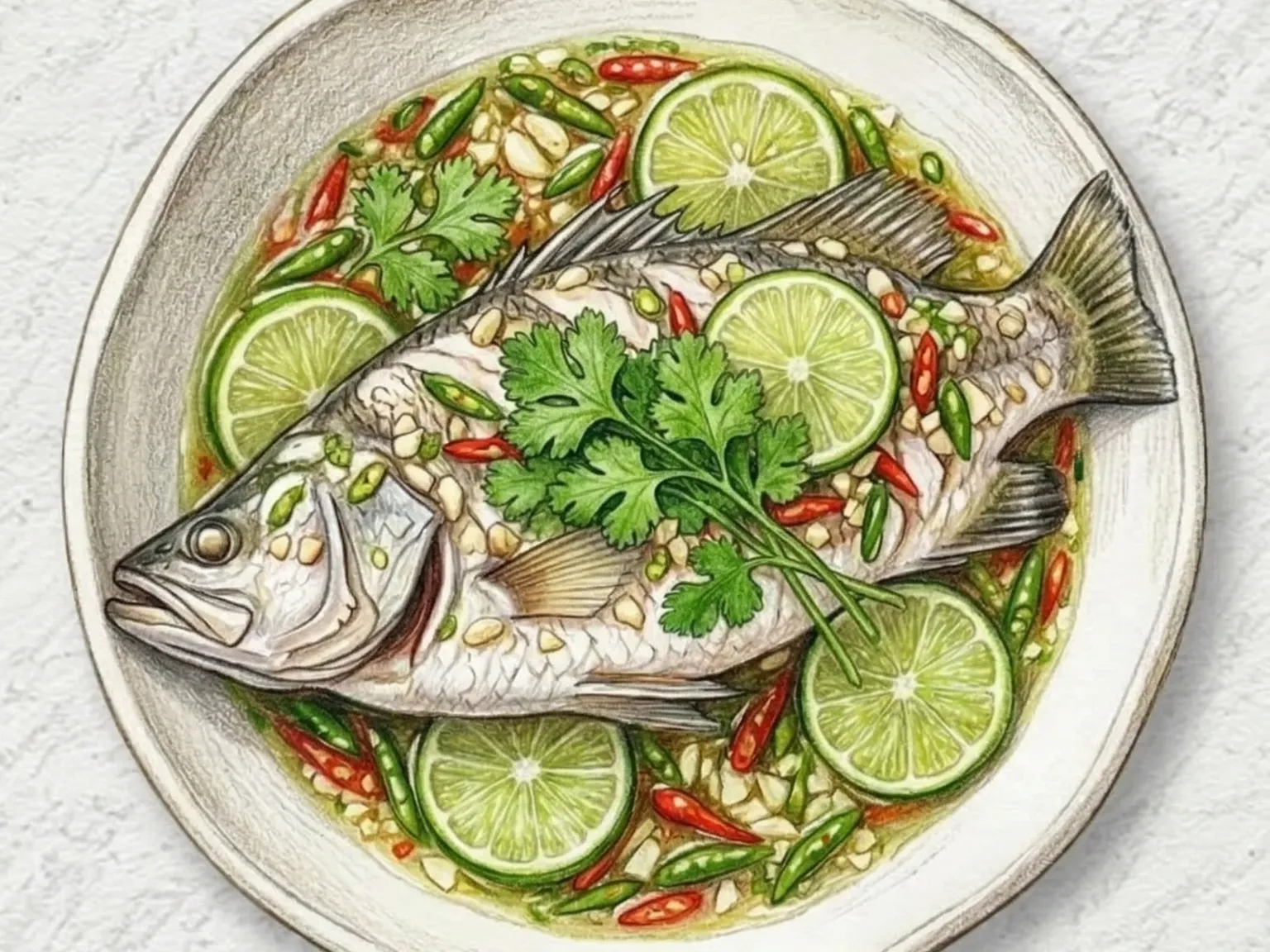
Thai Steamed Lime Fish (Whole Fish Chili Fish Sauce)
Asian Medium

Thai Steamed Lime Fish (Whole Fish Chili Fish Sauce)

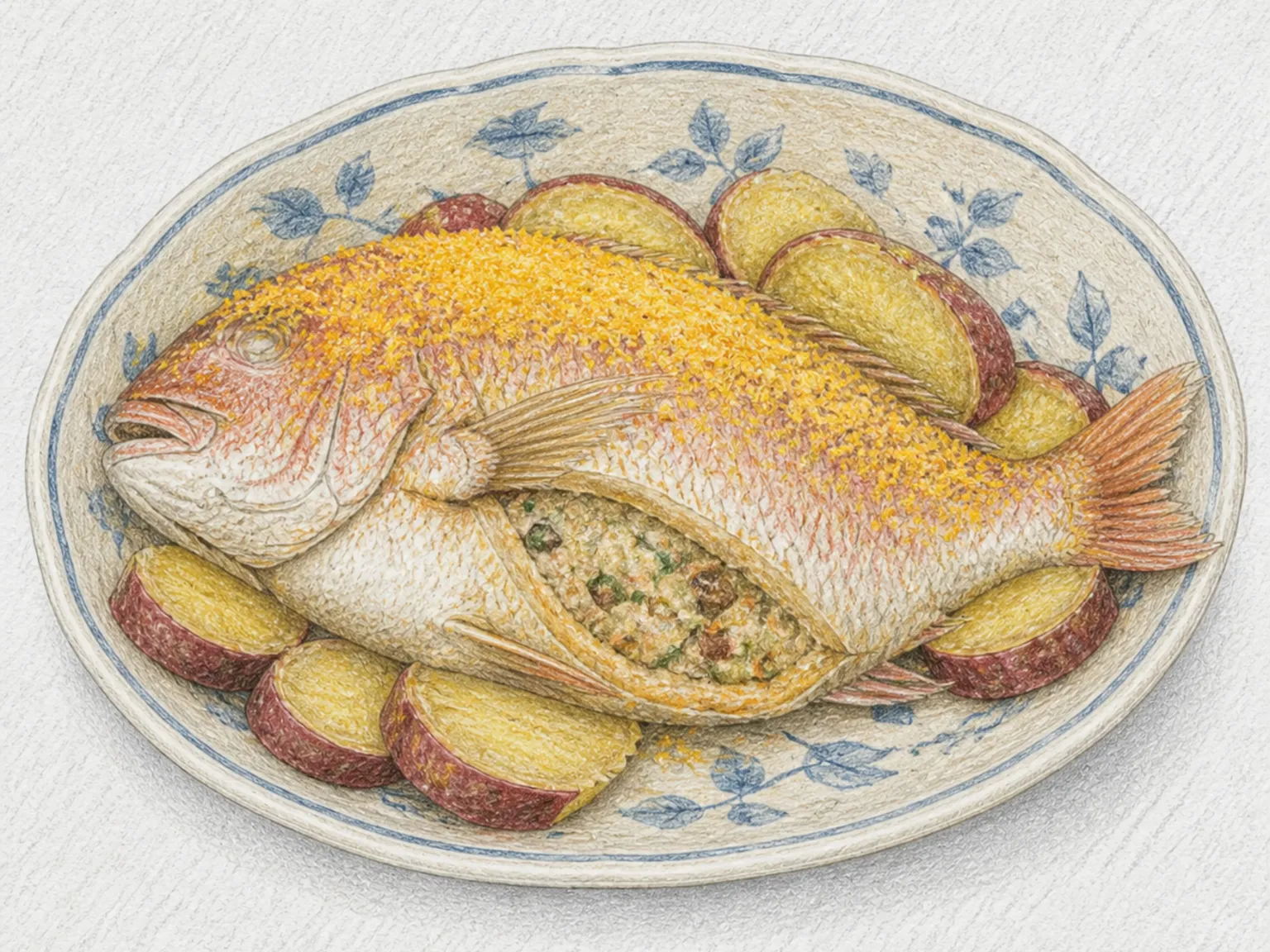
Pla neung manao is a Thai steamed fish dish where a whole white fish is steamed until just cooked through, then drenched in a raw sauce of fresh lime juice, fish sauce, crushed garlic, and minced Thai chili. The sharp acidity of the lime and the salty depth of fish sauce meet directly, producing a dressing that is simultaneously bright and savory without either element overwhelming the other. The minced chili brings a direct, stinging heat that cuts through the mild fish flesh. Because the sauce is poured over raw rather than cooked, the lime and garlic aromas remain fully intact and undiminished by heat. Steaming the fish for a couple of minutes after the sauce is added allows the flavors to penetrate through the scored skin and into the flesh. A generous heap of fresh cilantro on top delivers the final aromatic layer that defines the dish. Served alongside jasmine rice or glutinous rice, the sauce soaks into the grains and ties everything together into a cohesive plate.

🎉 Special Occasion 🏠 Everyday
Prep 20min Cook 18min 2 servings
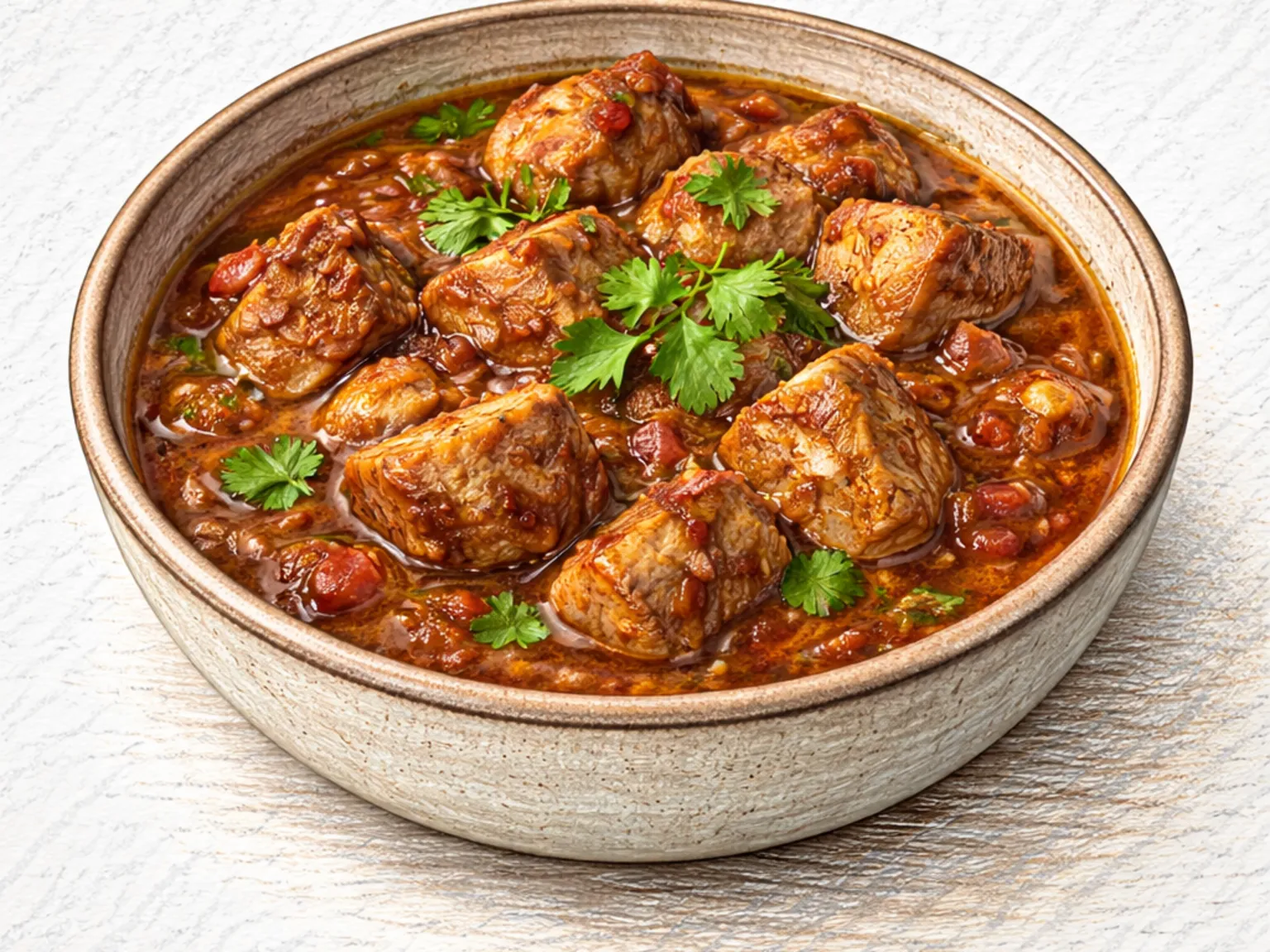
Pork Vindaloo (Goan Vinegar-Marinated Fiery Pork Curry)
Asian Hard

Pork Vindaloo (Goan Vinegar-Marinated Fiery Pork Curry)

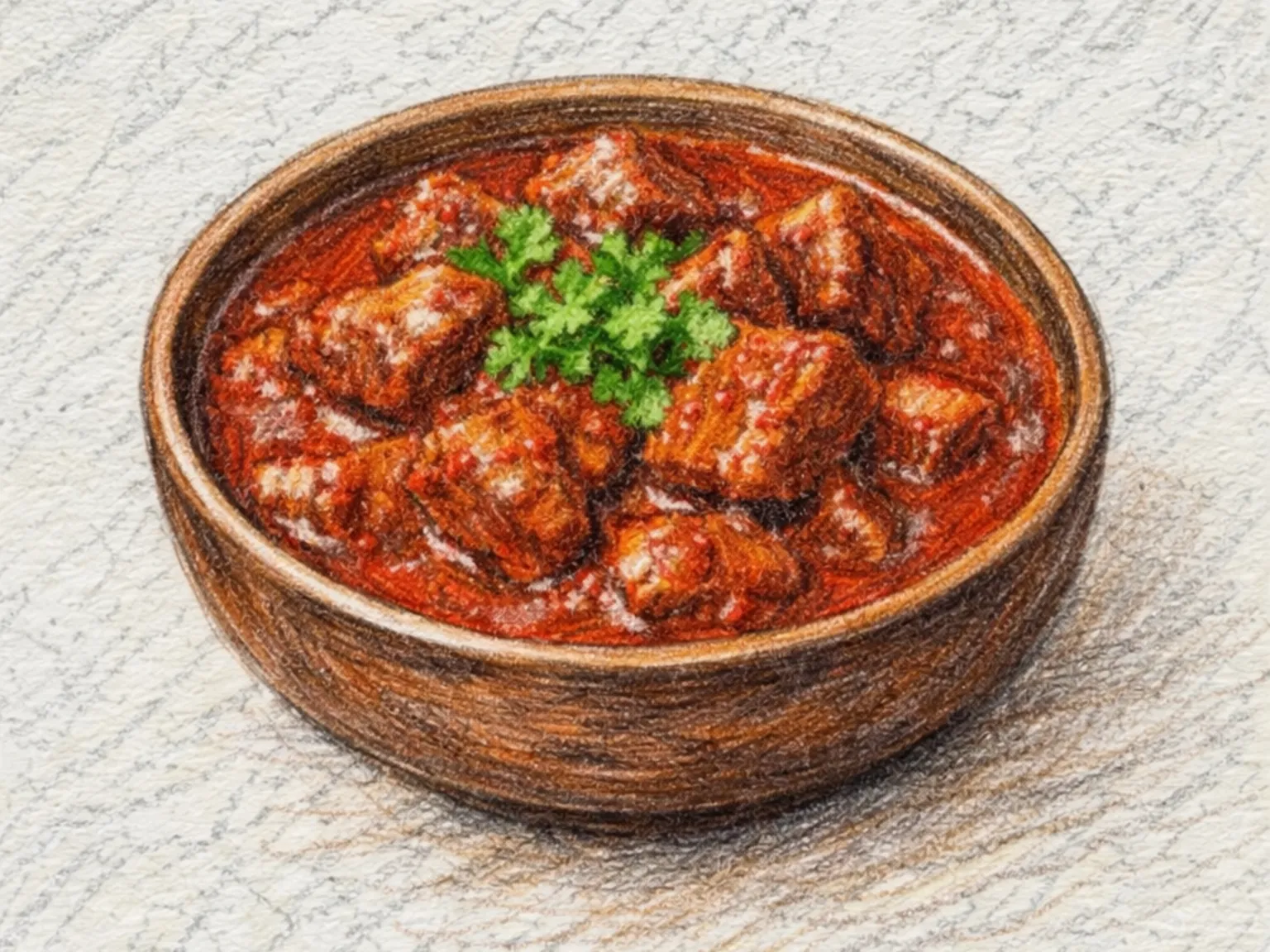
Pork vindaloo braises pork shoulder in a paste made from white vinegar, garlic, ginger, chili powder, and ground cumin. Cut 700 g pork shoulder into 4 cm pieces and pat the surfaces dry. Blend 20 g garlic, 20 g ginger, 80 ml white vinegar, 2 tablespoons chili powder, and 1 teaspoon ground cumin until no dry spice pockets remain. Coat the pork evenly, cover, and refrigerate. Marinate overnight when time allows. Heat 2 tablespoons cooking oil in a heavy pot over medium heat and cook 180 g onion for about 10 minutes, stirring often until golden without scorching. Add the marinated pork and every bit of paste left in the container. Cook until the raw surface color disappears and the spice aroma rises, then add just enough water to cover the bottom of the pot and bring it to a simmer. Reduce to low heat and cook with the lid slightly ajar for at least 45 minutes. Stir from the bottom occasionally and add water only in small portions if the sauce dries before the pork softens. Stop when a fork separates the pork without force and the reduced paste clings to the meat instead of running across the pot.

🎉 Special Occasion 🍺 Bar Snacks
Prep 20min Cook 60min 4 servings
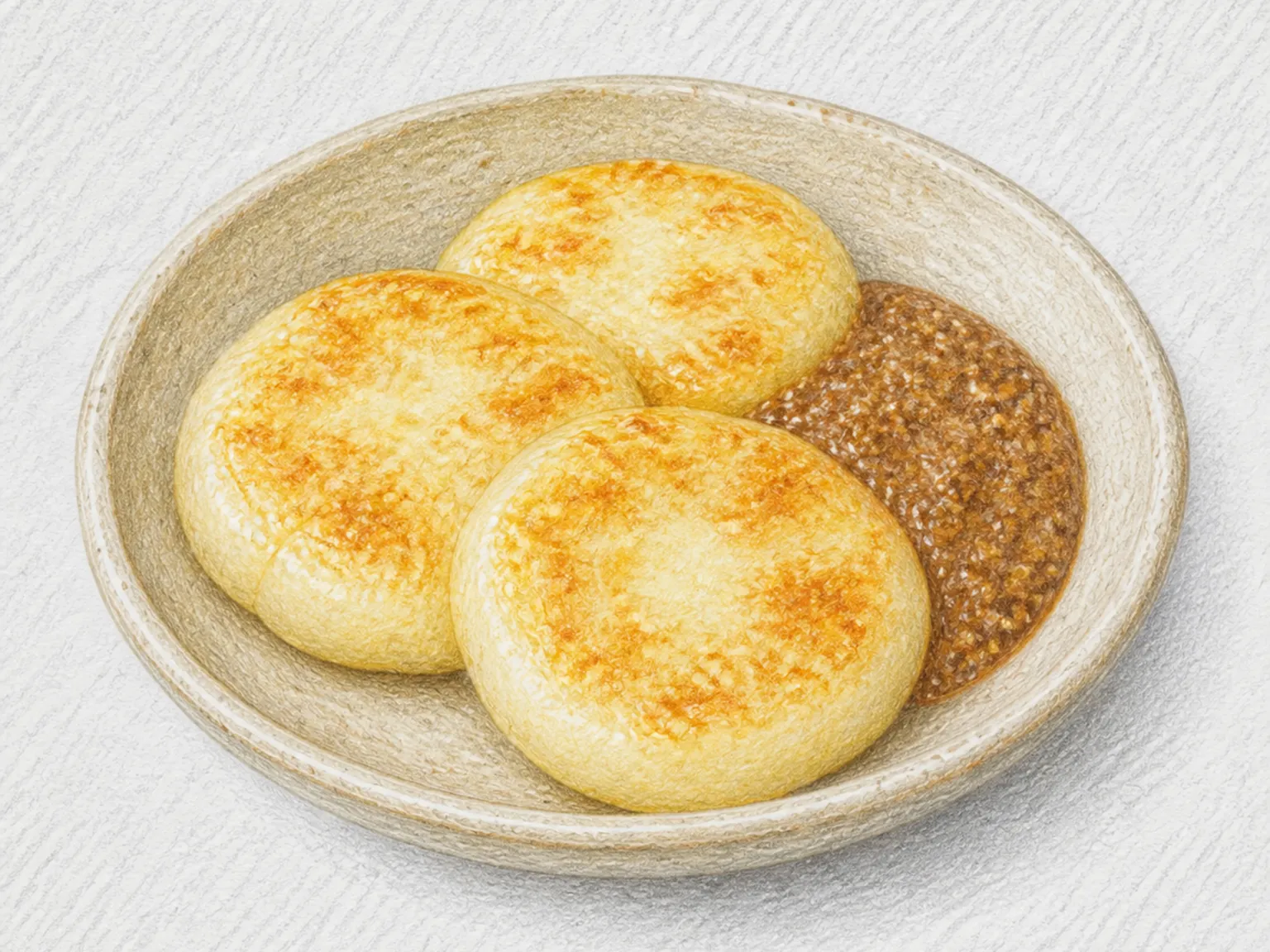
Hokkaido Potato Imomochi
Asian Easy

Hokkaido Potato Imomochi

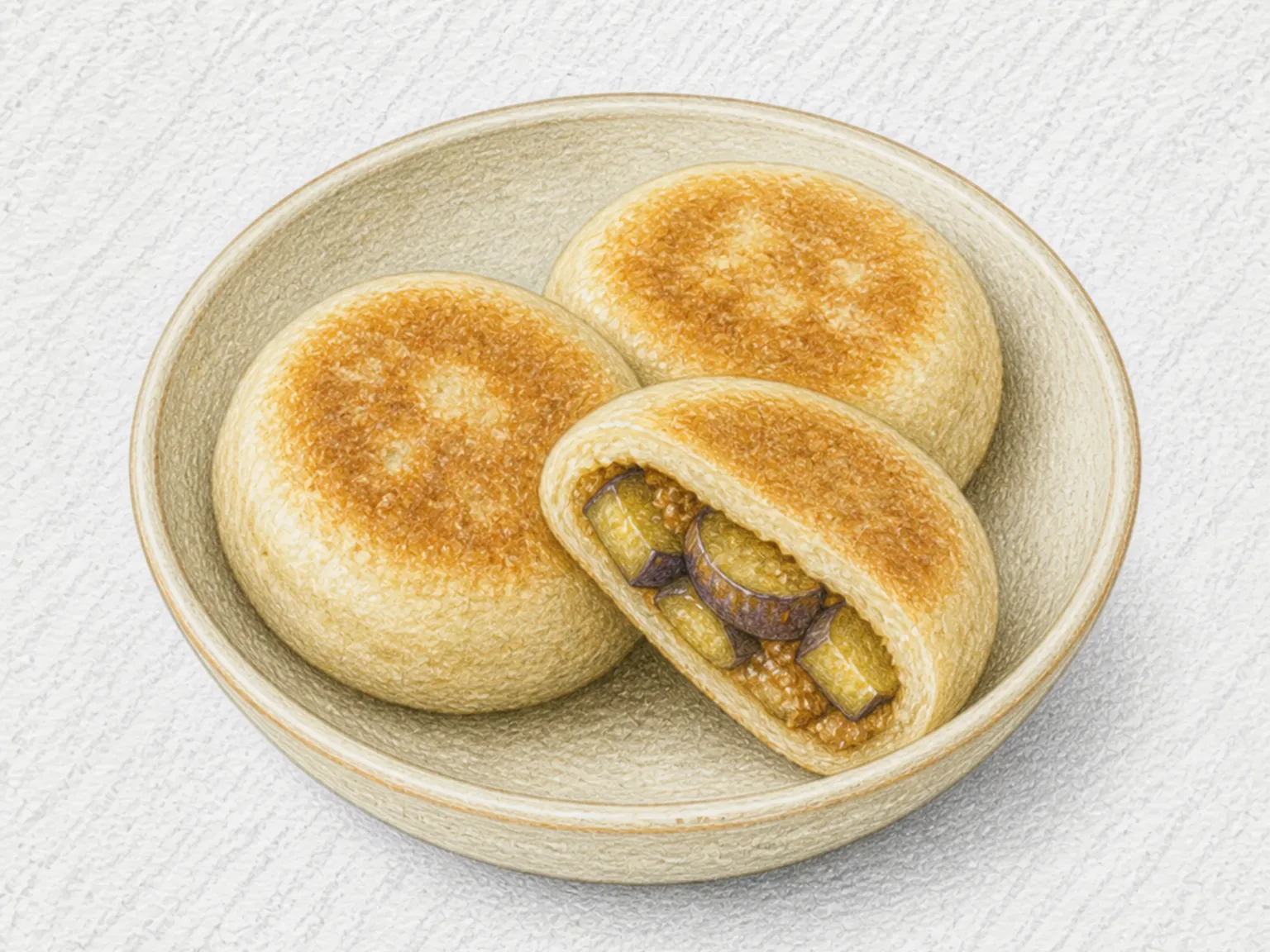
Imomochi is a Hokkaido snack made by mashing boiled potatoes while hot, kneading them with potato starch, shaping thick rounds, and browning them in butter. It is also called imodango and developed when abundant potatoes stood in for glutinous rice used in mochi. Thorough kneading gives the cakes a browned surface and a cohesive, chewy center. A ground perilla seed and white sesame sauce seasoned with sugar and soy accompanies them. Mixing the starch before the potato cools is the key step that prevents cracking during shaping and cooking.

🧒 Kid-Friendly 🌙 Late Night
Prep 15min Cook 30min 4 servings
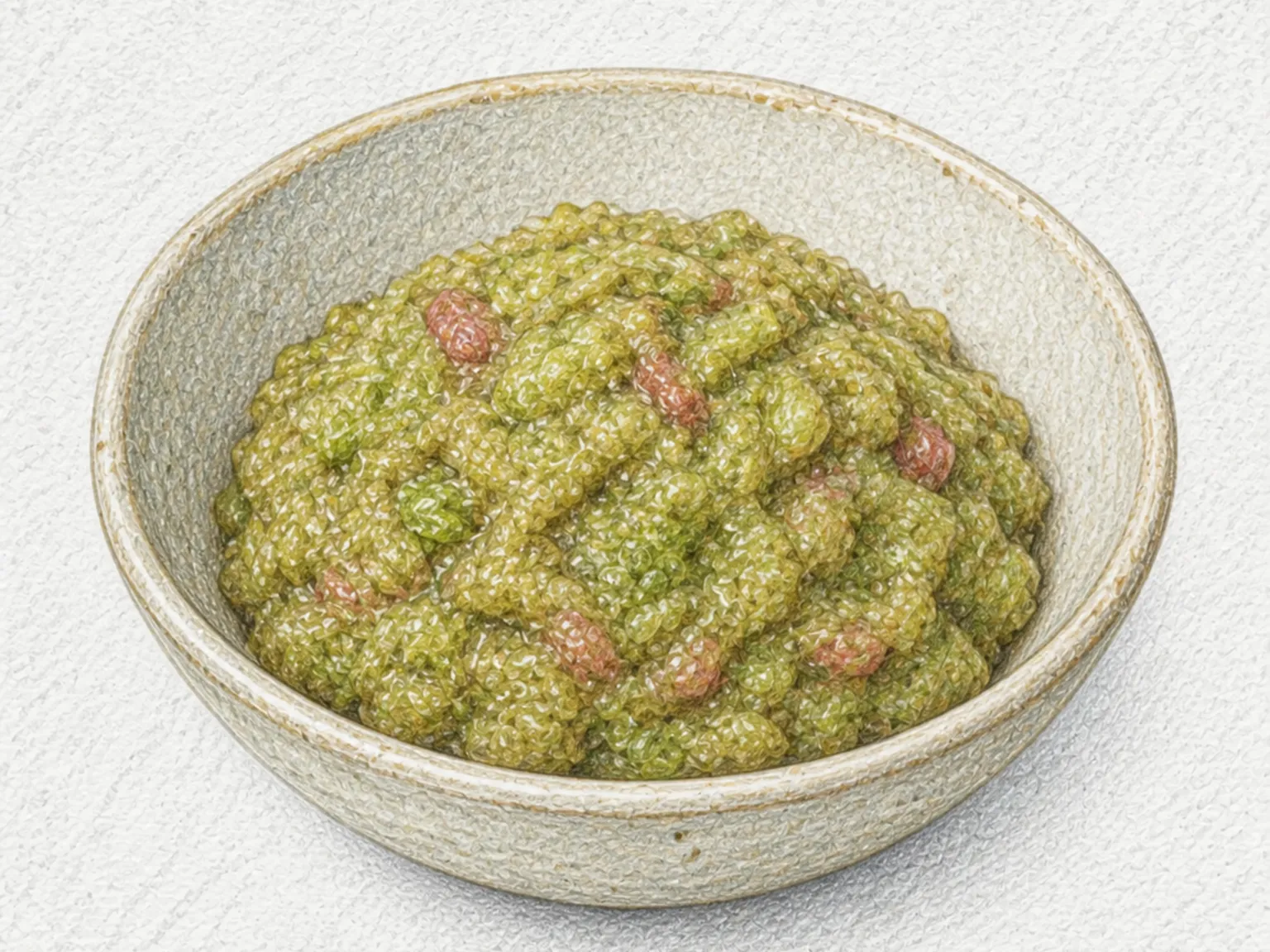
Mizu-tataki Pounded Wild Greens
Asian Medium

Mizu-tataki Pounded Wild Greens

Mizu-tataki is an Iwate side dish from the Ou and Kitakami mountain ranges. The red bases of mizu stems are pounded and minced until sticky like tororo, then dressed with miso, mirin, soy sauce, and sugar. Mizu is formally uwabamiso, a wild green that grows in colonies beside clean mountain streams. The deeper red the base, the stronger its viscosity after pounding, while its water-rich stem keeps both crunch and slipperiness. It can be harvested from May through October, with tender spring and early-summer stems especially valued. Use only cultivated or commercially distributed mizu verified for food, not unidentified foraged greens. Pound inside a thick food-safe bag to contain splashes, keep the finished mixture cold, and eat it the same day.

🏠 Everyday 🍺 Bar Snacks
Prep 40min Cook 3min 10 servings
Cantonese Steamed Seabass
Asian Medium

Cantonese Steamed Seabass

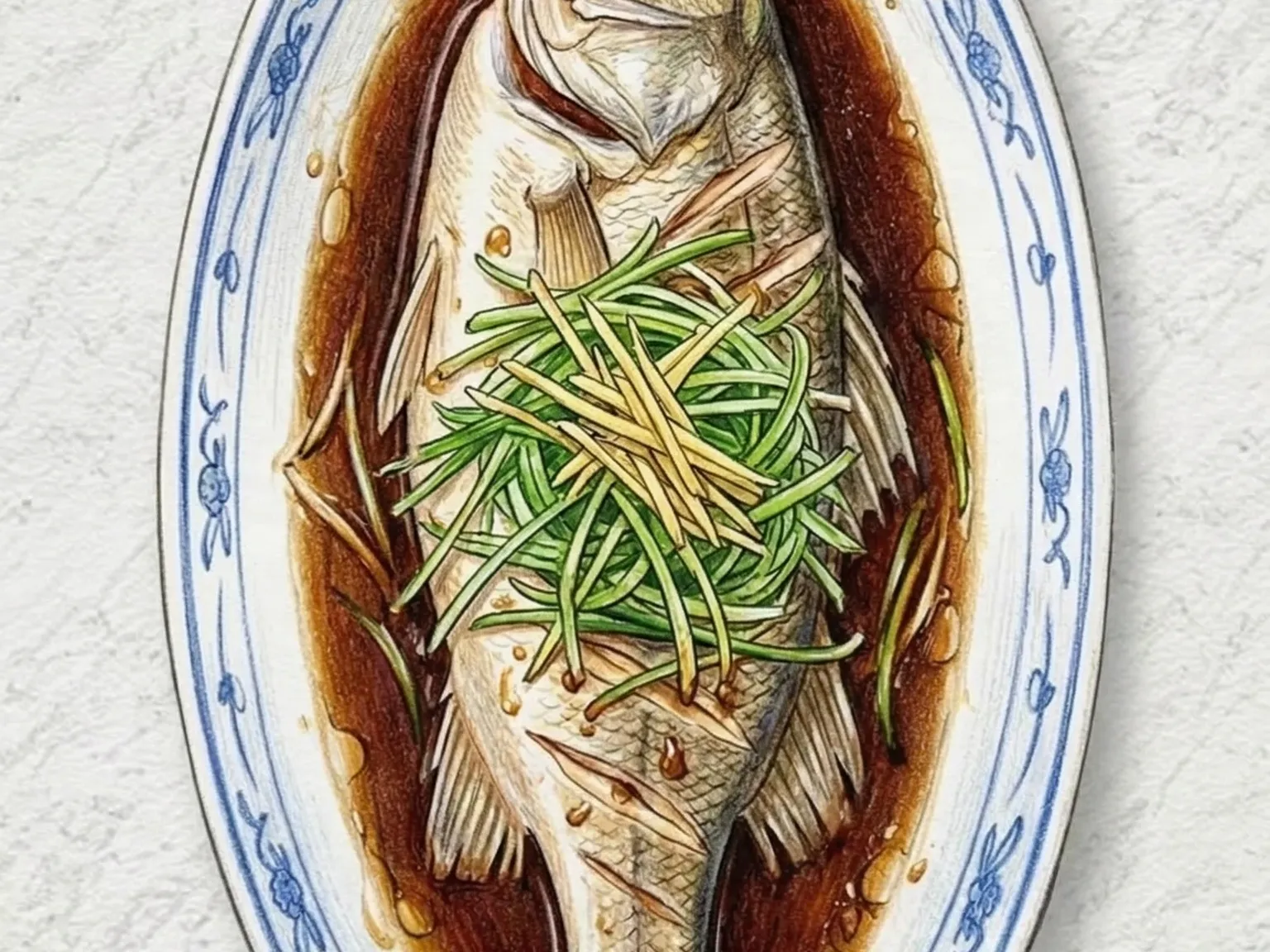
Qingzheng seabass is a Cantonese steamed fish preparation in which a whole seabass is scored, rubbed with julienned ginger and rice wine, then cooked over high heat in a steamer for ten to twelve minutes. Once the fish comes off the steam, a restrained dressing of soy sauce and sugar is poured evenly over the flesh, a generous pile of shredded scallions is laid on top, and smoking-hot oil is drizzled over everything. The oil hits the cold scallions with an audible sizzle and instantly volatilizes their aromatic compounds, filling the kitchen with a concentrated burst of allium fragrance that coats the entire dish. The steamed flesh stays moist with its natural flake intact, and the light soy dressing is calibrated so that the seabass's own clean, delicate flavor remains the centerpiece rather than being buried under seasoning. The finishing pour of hot oil simultaneously cooks the scallions and disperses their fragrance, a technique central to Cantonese cooking. The dish embodies the Cantonese philosophy that the quality of the ingredient, not the intensity of the seasoning, defines the outcome.

🎉 Special Occasion 🏠 Everyday
Prep 20min Cook 15min 2 servings
Shoyu Mame (Kagawa Roasted Broad Beans in Soy Marinade)
Asian Easy

Shoyu Mame (Kagawa Roasted Broad Beans in Soy Marinade)

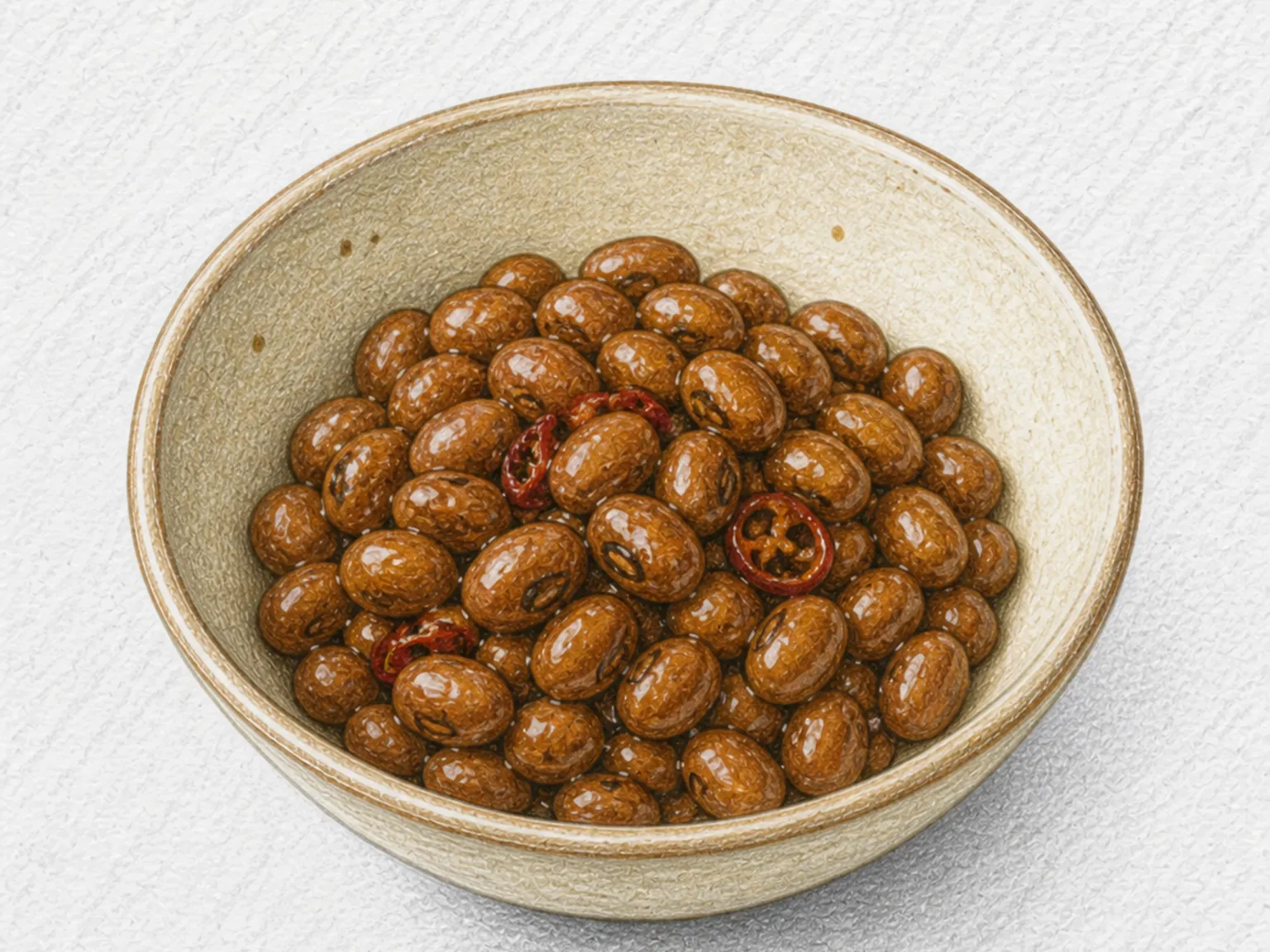
Shoyu mame is a Kagawa side dish made by dry-roasting broad beans over low heat for twenty to thirty minutes, then dropping them while still hot into a boiling marinade of dark soy sauce, sugar, water, and chili. An overnight covered soak lets the seasoning move into the roasted beans. Unlike ordinary simmered beans, the dry-roasting step gives the skins a nutty aroma and creates a distinctive center that crumbles gently when bitten. Sanuki farmers once grew broad beans as a second crop after rice and preserved this dish for busy seasons, everyday sides, and sake. One origin story says roasted beans offered to pilgrims rolled into a nearby soy sauce jar and were later found well seasoned.

🏠 Everyday 🍺 Bar Snacks
Prep 5min Cook 60min 4 servings
Akagarei no Komaburi (Flounder Sashimi Coated with Roe)
Asian Hard

Akagarei no Komaburi (Flounder Sashimi Coated with Roe)

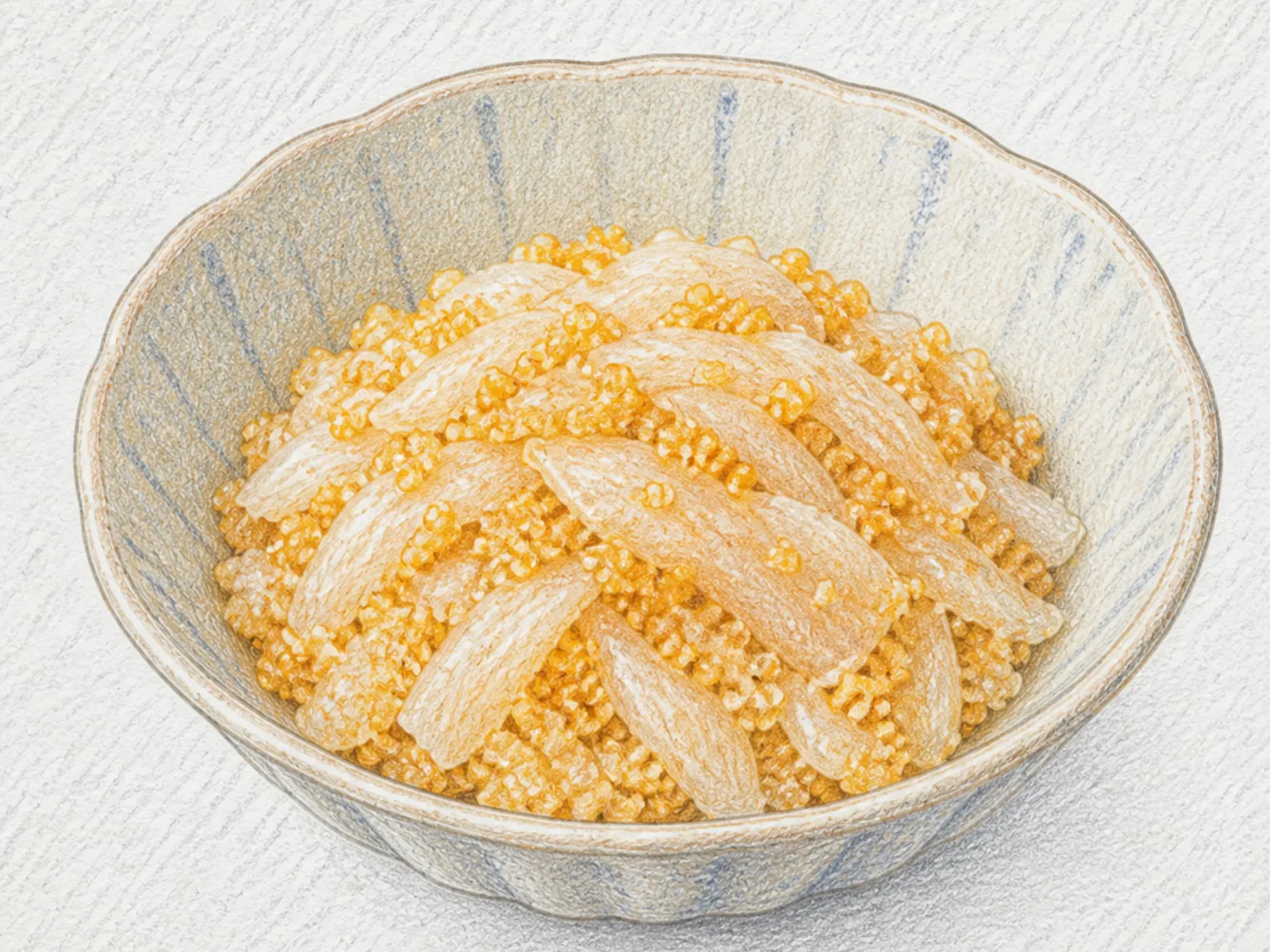
Akagarei no komaburi is a winter celebration dish from Iwami, Tottori. White flesh from a roe-bearing female flathead flounder is sliced as sashimi, while its roe is fully cooked in vinegar water, stripped of membrane, dried in a pan, crumbled, and coated over the fish. The rich cooked roe and separate grains cling to the clean, resilient raw flesh. Use only fish verified by a professional supplier as parasite-controlled and suitable for raw consumption, and keep it at 4C or below throughout preparation. Never mix the roe in raw; cook it through, cool it fully, coat the sashimi, and eat immediately.

🎉 Special Occasion 🍺 Bar Snacks
Prep 40min Cook 15min 6 servings
Rogan Josh (Kashmiri Slow-Braised Lamb Curry with Yogurt)
Asian Hard

Rogan Josh (Kashmiri Slow-Braised Lamb Curry with Yogurt)

Rogan josh in this recipe slowly braises large pieces of lamb with onion, tomato puree, garam masala, paprika, plain yogurt, garlic, and ginger. Cut 800 g lamb into large chunks and set 150 g plain yogurt out briefly before cooking so it is not added straight from the refrigerator. Put 180 g onion in a heavy pot and cook it slowly over medium-low heat. Stir often and lower the heat if the edges darken before the onion softens, continuing until the onion is evenly deep golden. Add 1 tbsp minced garlic and 1 tbsp minced ginger and cook for about 1 minute. Add the lamb and sear until the exterior firms and loses its raw color. Stir in 150 ml tomato puree, 1.5 tsp paprika, and 2 tsp garam masala. Cook over medium-low heat until the mixture thickens and coats the lamb instead of pooling loosely in the pot. Reduce the heat to low and add the yogurt in three portions, stirring each addition until no white streaks remain before adding the next. Keep the sauce at a quiet simmer because hard boiling can split the yogurt. Leave the lid slightly ajar and cook slowly for about 45 minutes, stirring occasionally. Turn off the heat when the lamb is tender and the sauce is thick enough to cling to each piece.

🎉 Special Occasion
Prep 20min Cook 70min 4 servings
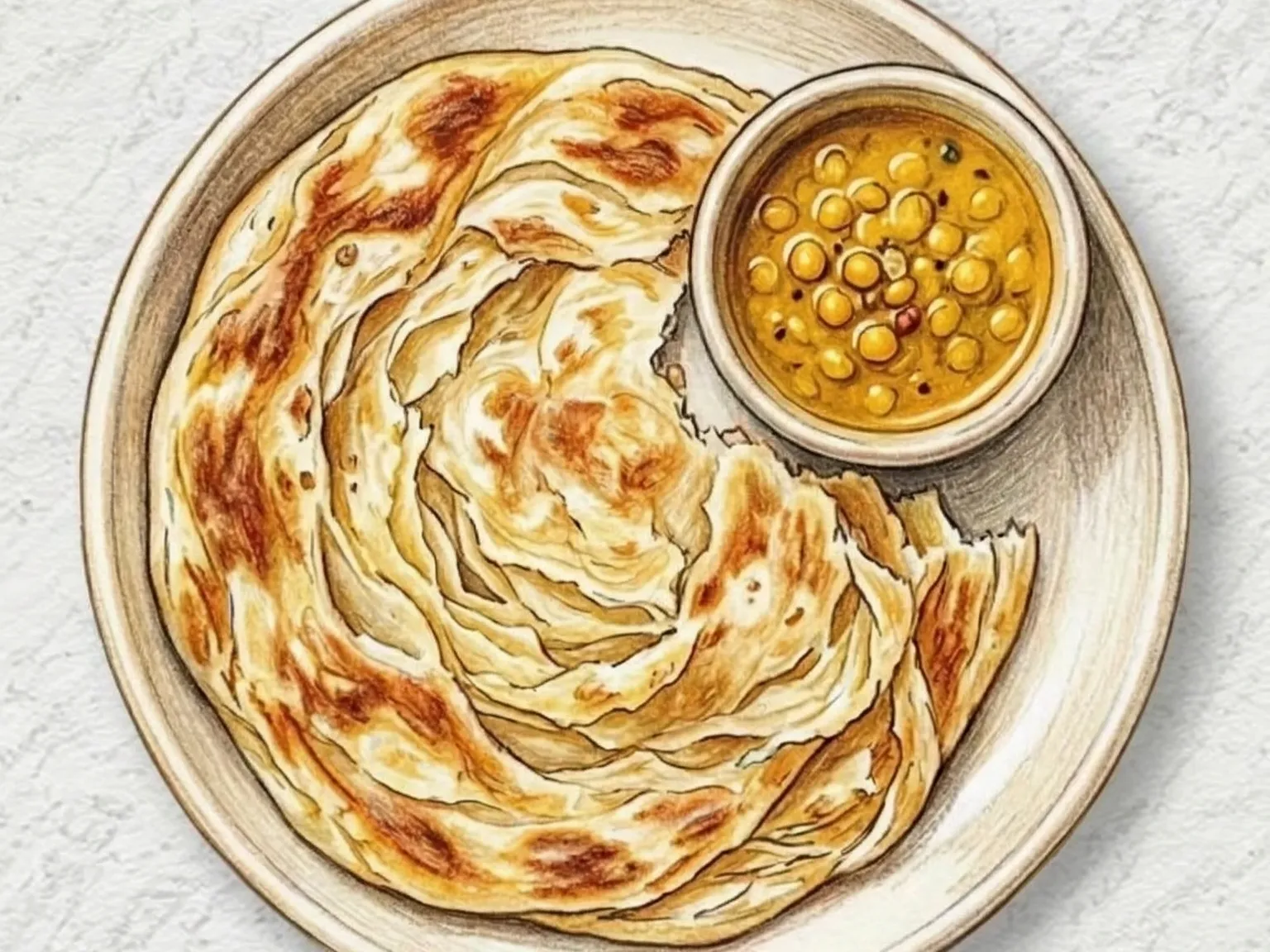
Roti Canai (Malaysian Flaky Butter-Layered Flatbread)
Asian Hard

Roti Canai (Malaysian Flaky Butter-Layered Flatbread)

Roti canai in this recipe is a Malaysian flatbread made by stretching a milk-and-egg dough until almost translucent, brushing it with butter, folding it into a square, and cooking it in a pan. Mix 350 g all-purpose flour with 1 tsp salt and 1 tsp sugar. Add 1 egg and 180 ml milk and gather the mixture until no dry flour remains. Knead for about 8 minutes, stopping when the dough is smooth and elastic. If it feels sticky, let it rest briefly instead of adding enough extra flour to make it stiff. Coat the surface with part of the measured 3 tbsp oil, cover it, and rest it for at least 30 minutes. Divide the relaxed dough into 4 pieces and apply the remaining oil lightly to the work surface and your hands. Press and pull each piece outward from the center until the surface beneath it is almost visible. Divide 20 g melted butter across the four thin sheets, brushing each one lightly. Fold all four sides inward to form square parcels. Preheat a pan well over medium-high heat, apply a small amount of oil, and cook each side for about 2 minutes. Remove the flatbread when both sides are evenly golden and puffed in spots. While it is still hot, clap it gently from the edges to loosen the folded layers before they set together.

🎉 Special Occasion
Prep 40min Cook 20min 4 servings
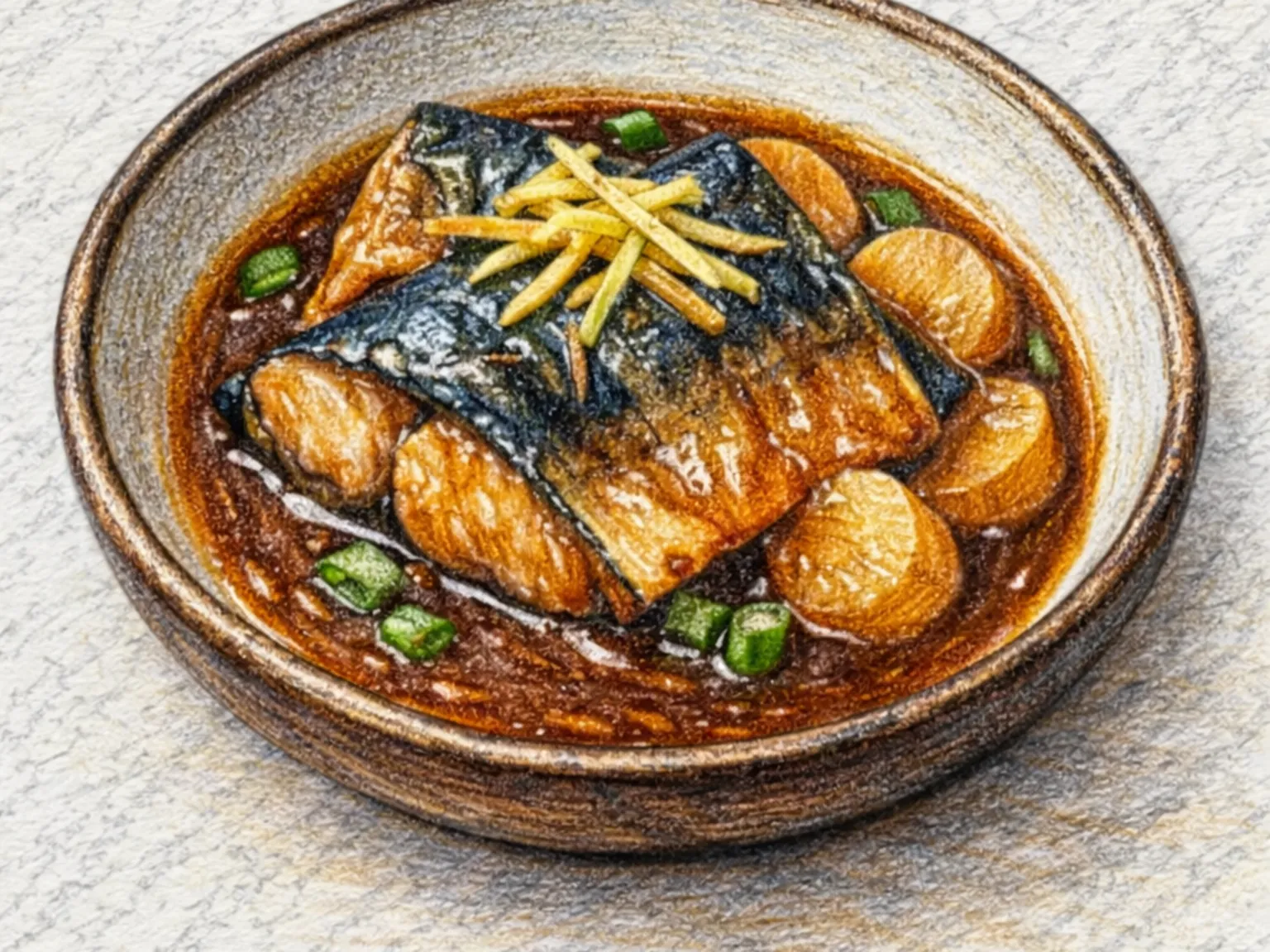
Saba Misoni (Japanese Miso Mackerel Recipe)
Asian Medium

Saba Misoni (Japanese Miso Mackerel Recipe)

Saba miso-ni is a cornerstone of Japanese home cooking, a dish most cooks can make from memory. Mackerel fillets are first doused with boiling water to remove surface proteins and odor, then placed skin-side up in a shallow pan with a sauce of white or red miso, soy sauce, mirin, sake, and sugar. Thick slices of ginger go in alongside the fish, neutralizing any remaining fishiness and lending a clean, sharp note to the broth. The pan is covered with a drop lid so the simmering liquid bastes the fillets continuously, building a glossy, caramelized miso coating on the surface. The finished fish is so tender it flakes at the touch of chopsticks, and the reduced sauce has concentrated into a thick glaze that clings to each piece. Served over steamed rice, a single fillet and a spoonful of sauce make a complete meal.

🏠 Everyday 🍱 Lunchbox
Prep 8min Cook 18min 2 servings
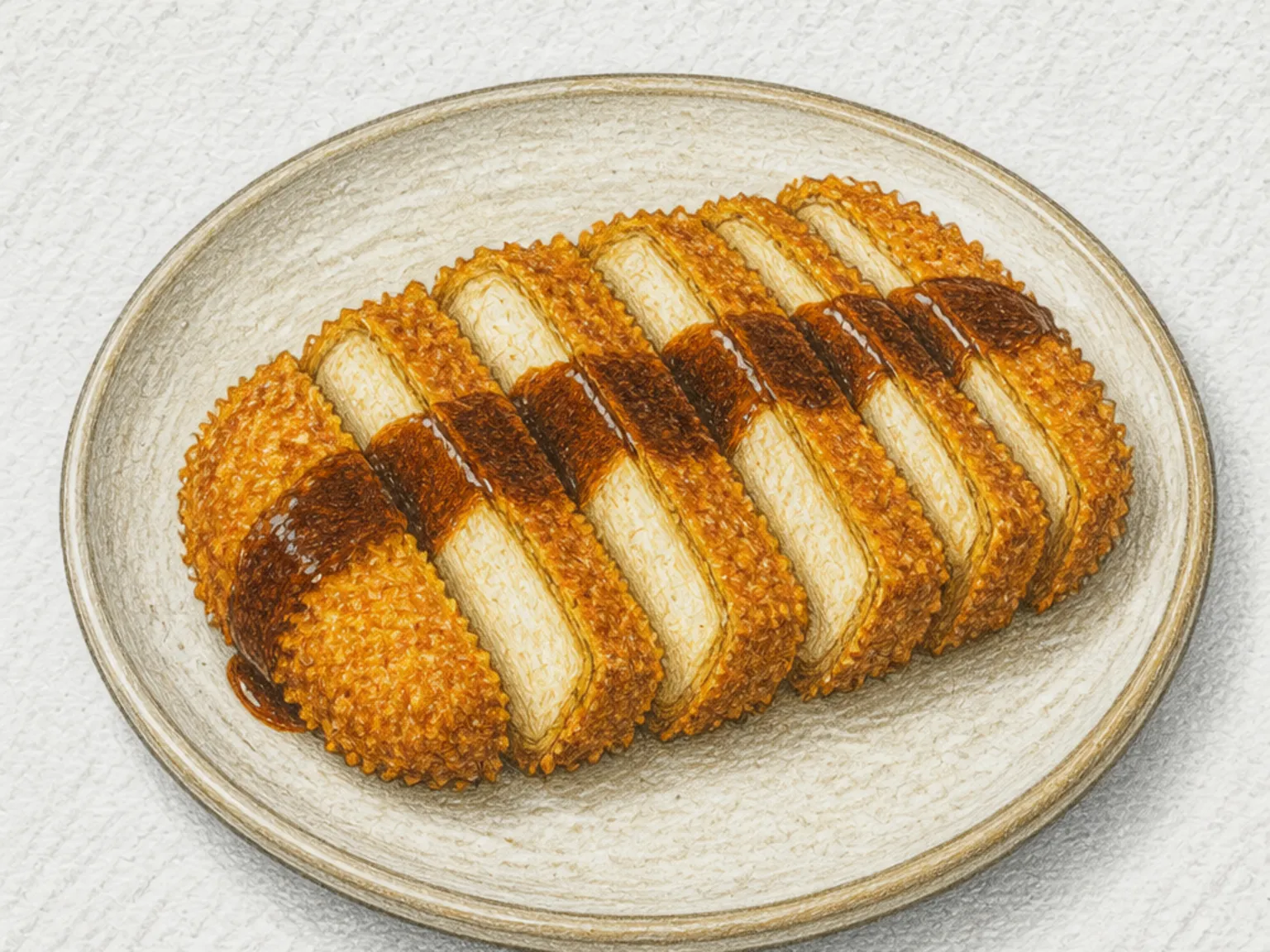
King Oyster Mushroom Katsu
Asian Medium

King Oyster Mushroom Katsu

King oyster mushroom katsu coats 1.5 cm mushroom slabs in flour, egg, and breadcrumbs before frying them in oil held at 170 C. Trim only the untidy base from 300 g king oyster mushrooms and slice them lengthwise into broad, thick pieces. Distribute 3 g salt and 1 g black pepper over both sides and leave them for 10 minutes. If seasoning draws visible moisture to the surface, blot it gently with a paper towel so the first coating does not turn into wet clumps. Set up three shallow bowls in order with 50 g all-purpose flour, 2 beaten eggs, and 100 g breadcrumbs. Cover each mushroom in a thin layer of flour and shake off the excess. Dip it completely in the egg, then lay it in the breadcrumbs and press firmly with your palm and fingertips. Attach crumbs to the narrow sides as well as the broad faces so the coating forms a continuous shell rather than separating in the oil. Heat 500 ml cooking oil in a deep pot to 170 C. Add the breaded mushrooms only after the oil reaches that temperature, leaving enough space that the pieces do not overlap. Fry for about 4 minutes in total, turning as needed until both sides are golden and the crust feels crisp. Cooking too many at once drops the oil temperature and allows the mushrooms to absorb more oil, so work in batches if the pot is small and keep the heat near 170 C. Lift the finished pieces onto a rack or paper towel and let excess oil drain without stacking them, since trapped steam softens the crumbs. Serve while the coating is crisp, with 60 ml tonkatsu sauce on the side rather than poured over every piece in advance.

🏠 Everyday 🧒 Kid-Friendly
Prep 15min Cook 20min 2 servings
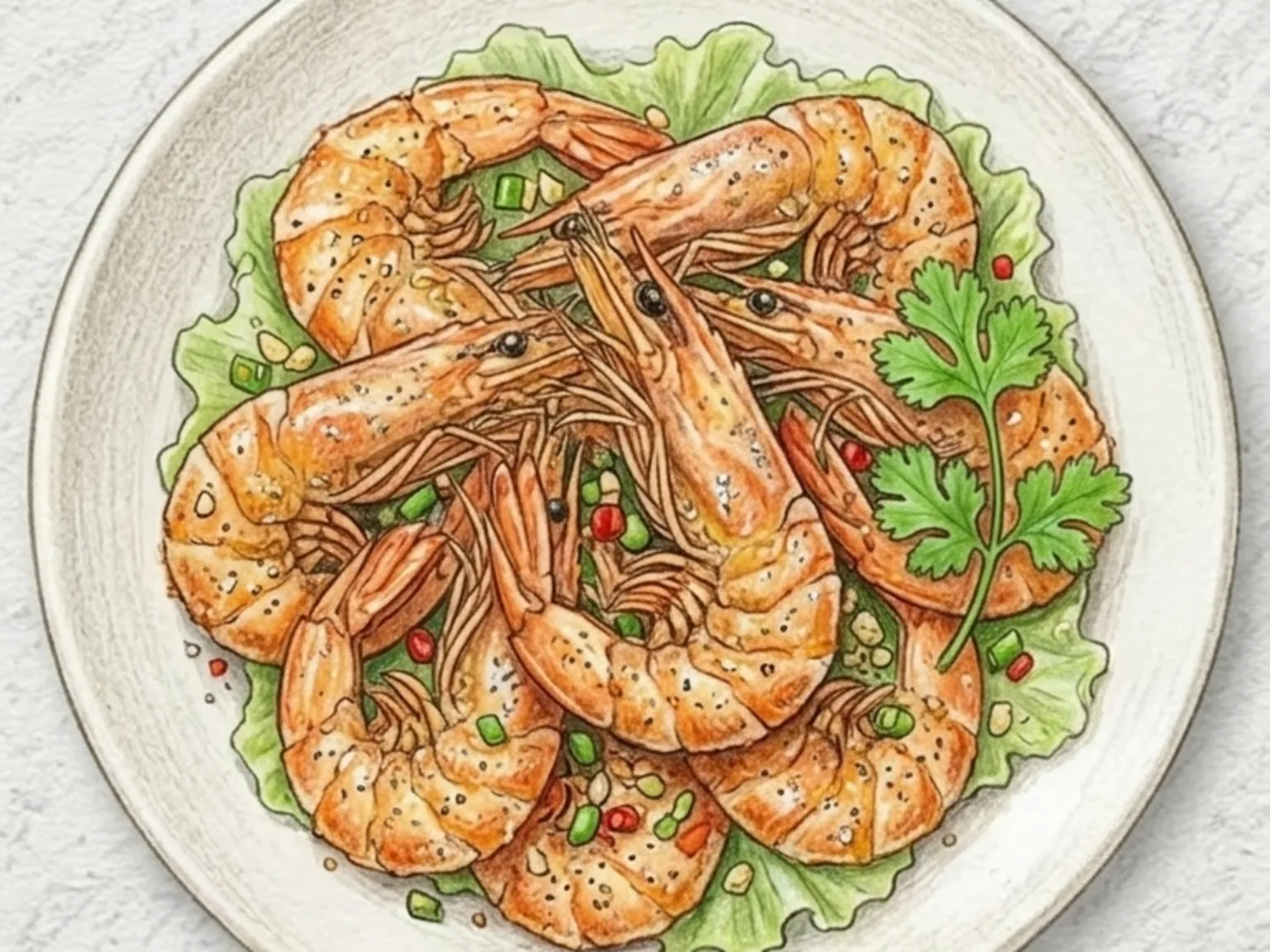
Salt and Pepper Shrimp
Asian Easy

Salt and Pepper Shrimp

Salt and pepper shrimp coats shell-on shrimp with potato starch, fries them twice, and finishes them quickly with garlic, red chili, salt, and black pepper. Trim the whiskers and sharp tail tips from 350 g shrimp and press the shells very dry with paper towels. Moisture can make the starch clump and increase splattering in hot oil. Apply 4 tbsp potato starch in a thin, even layer and shake off all loose powder. Reserve 1 tbsp from the measured 500 ml cooking oil for the final wok step, then heat the remainder to 170C. Add the shrimp without crowding and fry for about 2 minutes as the first stage. When the meat firms and the shell color brightens, lift the shrimp onto a rack and rest them for 1 minute. Raise the oil to 190C and fry them again for 30 seconds to crisp the shells. Heat the reserved 1 tbsp oil in a pan or wok over medium heat. Add 4 minced garlic cloves and 1 sliced red chili, stirring until the garlic edges are lightly golden but not dark. Add the fried shrimp and distribute 1 tsp salt and 1/2 tsp black pepper evenly over them. Toss over high heat for no more than 20 seconds. Serve immediately once the shrimp flesh is opaque through the center and the shells remain crisp.

🍺 Bar Snacks ⚡ Quick
Prep 15min Cook 15min 2 servings
Three Cup Chicken (Taiwanese Soy Sesame Oil Rice Wine Braised Chicken)
Asian Medium

Three Cup Chicken (Taiwanese Soy Sesame Oil Rice Wine Braised Chicken)

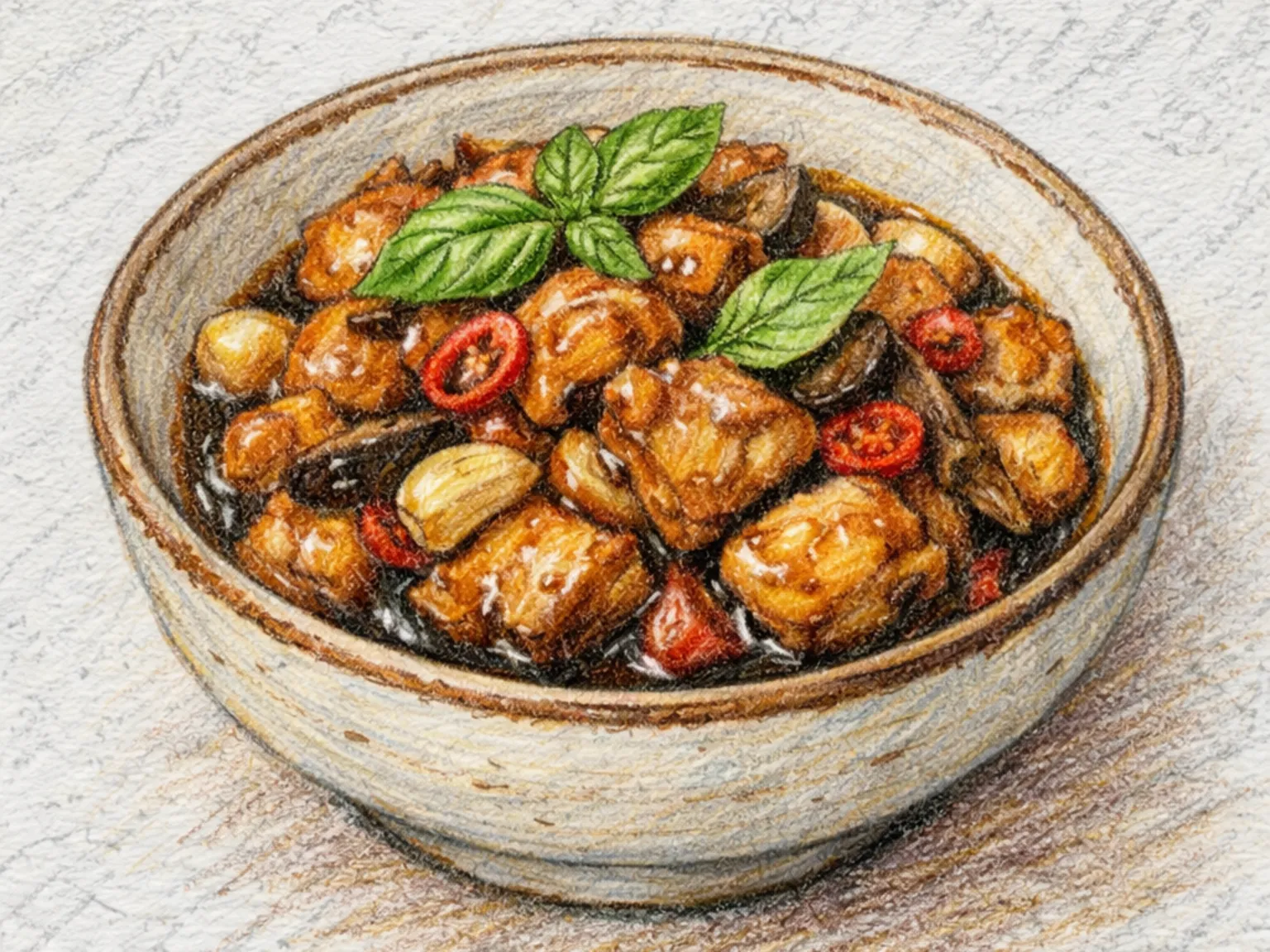
San bei ji, or Three Cup Chicken, braises chicken thigh with equal measures of soy sauce, sesame oil, and rice wine, then finishes it with Thai basil. This recipe uses 3 tbsp of each liquid rather than literal cups. Cut 700 g chicken thigh into bite-size pieces and press the surfaces dry with paper towels. Thinly slice 6 garlic cloves and 20 g ginger. Mix 3 tbsp soy sauce, 3 tbsp rice wine, and 1 tbsp sugar so the sugar begins to dissolve. Warm 3 tbsp sesame oil in a clay pot or heavy pan over medium-low heat. Add the garlic and ginger and fry only until the edges turn pale golden, before either ingredient darkens and becomes bitter. Add the chicken, raise the heat to medium, and spread the pieces into one layer as much as possible. Sear for about 4 minutes, turning occasionally, until the exterior is golden and moisture on the pot bottom has mostly evaporated. Pour in the soy mixture and cover when it starts bubbling. Braise over medium-low heat for about 10 minutes, turning the pieces once midway. Uncover and boil for about 2 minutes more, until the sauce clings glossily to the chicken. Check the thickest piece and continue cooking until its internal temperature reaches at least 74C. Add 1 cup Thai basil, toss for 30 seconds, and turn off the heat.

🍺 Bar Snacks 🎉 Special Occasion
Prep 15min Cook 25min 3 servings
Tsukeage (Satsuma Fried Fish Cakes)
Asian Medium

Tsukeage (Satsuma Fried Fish Cakes)

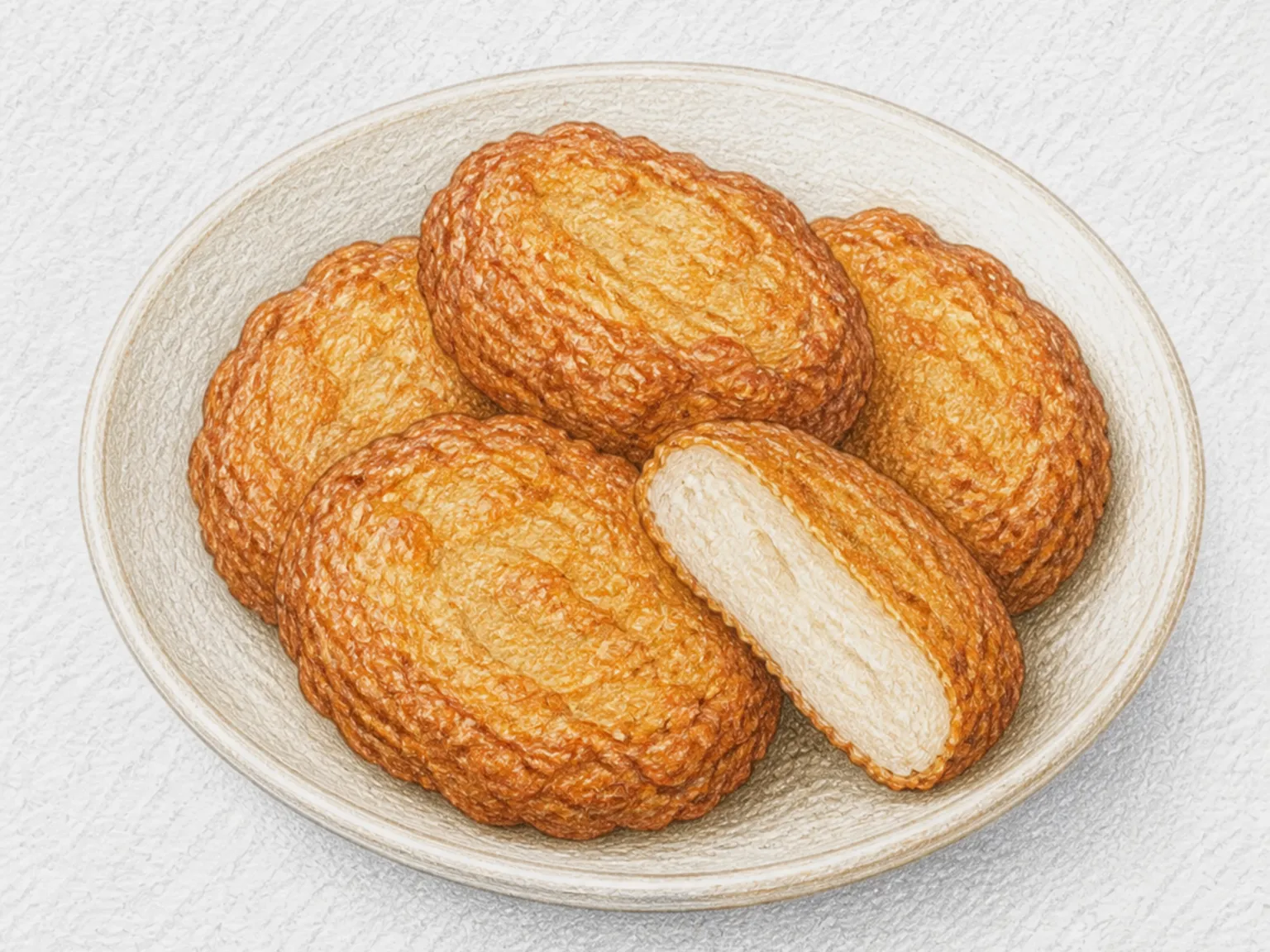
Tsukeage is a Kagoshima fried fish cake made by grinding white fish paste with salt until sticky, then incorporating blanched and firmly squeezed cotton tofu, egg, potato starch, local sake, light soy sauce, sugar, and a little oil. The seasoned paste is formed into flat rods, squares, or ovals and fried at about 160°C. In Kagoshima, the local name tsukeage is used more often than satsuma-age. It can be eaten warm as a side dish or accompaniment to drinks, cooled for a lunchbox, or added later to simmered dishes. Because the thick paste contains raw fish and egg, browning alone is not enough; the center must cook completely before serving.

🏠 Everyday 🍺 Bar Snacks
Prep 20min Cook 20min 4 servings
Igisu (Egonori Seaweed Gel)
Asian Easy

Igisu (Egonori Seaweed Gel)

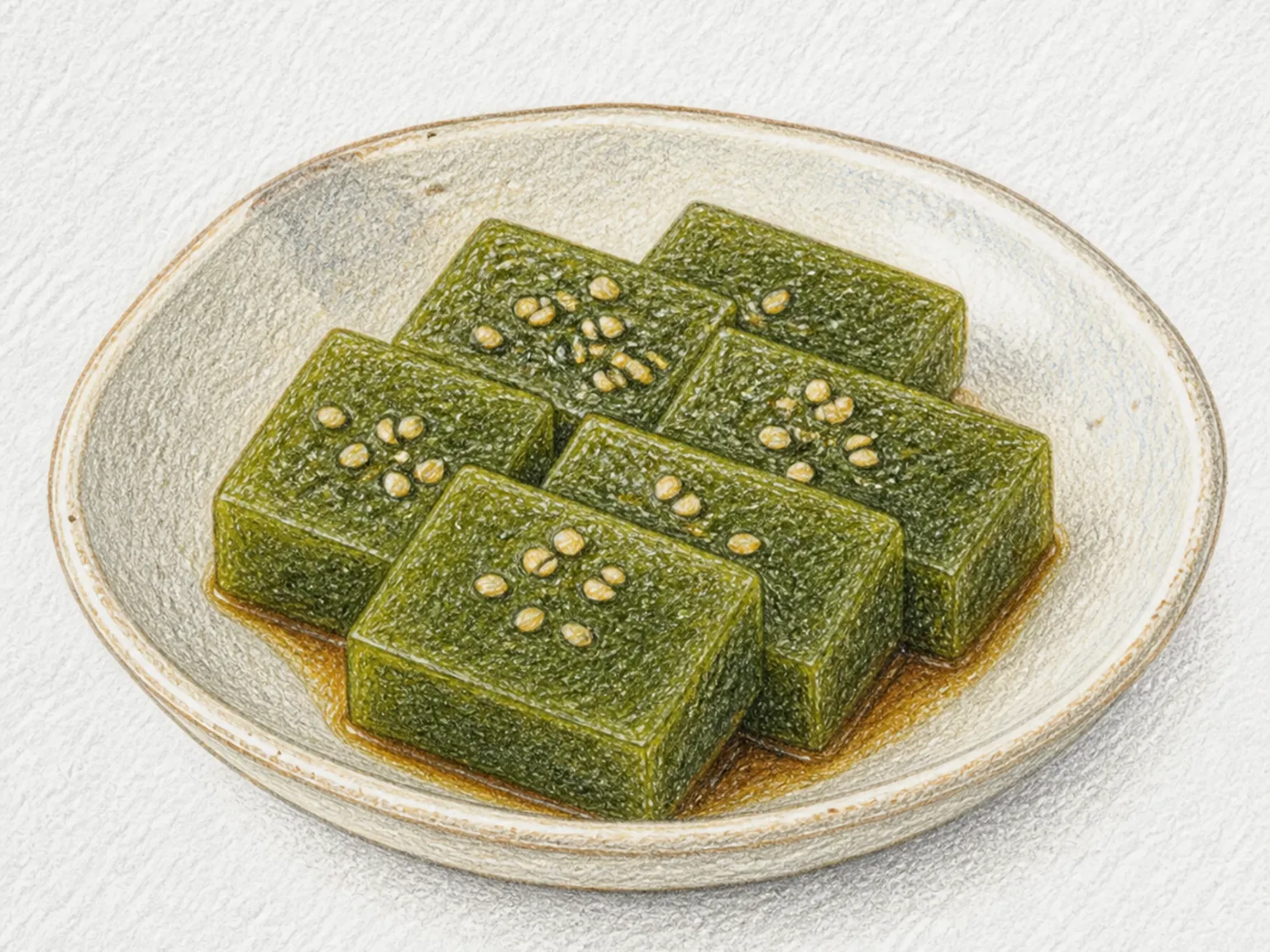
Igisu is a Tottori dish made by boiling dried igisu seaweed, also called egonori, until it sets naturally into a firm gel. The seaweed is washed several times, soaked, and carefully cleared of debris before it is cooked with water and a small amount of vinegar. Steady stirring over low heat for 30 to 40 minutes breaks down the fine fibers into a smooth paste. Chilling it in a container produces neat, jelly-like blocks without a separate setting agent. The pieces are topped with sesame and dipped in soy sauce, and have long appeared in Buddhist vegetarian meals, New Year tables, memorial services, and ceremonies.

🥗 Light & Healthy 🎉 Special Occasion
Prep 20min Cook 40min 4 servings
Shakshuka (Eggs Poached in Spiced Tomato Sauce)
Asian Easy

Shakshuka (Eggs Poached in Spiced Tomato Sauce)

Shakshuka starts with onion and bell pepper softened in olive oil, followed by cumin, smoked paprika, and chili flakes bloomed briefly in the hot fat to unlock their oil-soluble aromas. Crushed whole tomatoes are added and simmered until the sauce thickens enough to hold its shape when a spoon is dragged through it. Eggs are cracked directly into wells made in the sauce, then the pan is covered and cooked for six to eight minutes so the whites set while the yolks stay runny. The spice profile delivers warm earthiness from the cumin, gentle smokiness from the paprika, and a low heat from the chili that builds gradually. Tearing bread and dragging it through a broken yolk and the surrounding sauce is the traditional way to eat it.

🏠 Everyday 🌙 Late Night
Prep 10min Cook 25min 2 servings
Kaiyaki Miso (Scallop-Shell Miso Egg)
Asian Easy

Kaiyaki Miso (Scallop-Shell Miso Egg)

Kaiyaki miso is an Aomori dish from Tsugaru and Shimokita. A large scallop shell serves as a tiny pan for broth made with grilled dried fish and bonito flakes, red miso and ita-fu simmer in it, and beaten egg softly binds the mixture. In the formal ingredient list, the defining scallop element is the shell used as cookware rather than scallop meat or assorted seafood. A small cast-iron skillet reproduces the heat and texture when an old, cooking-safe natural shell is unavailable. Stir until the edges are set and the moist center is fully hot, then spoon it over rice.

⚡ Quick 🍺 Bar Snacks
Prep 10min Cook 12min 1 servings
Shime-dofu (Pressed and Simmered Tofu)
Asian Medium

Shime-dofu (Pressed and Simmered Tofu)

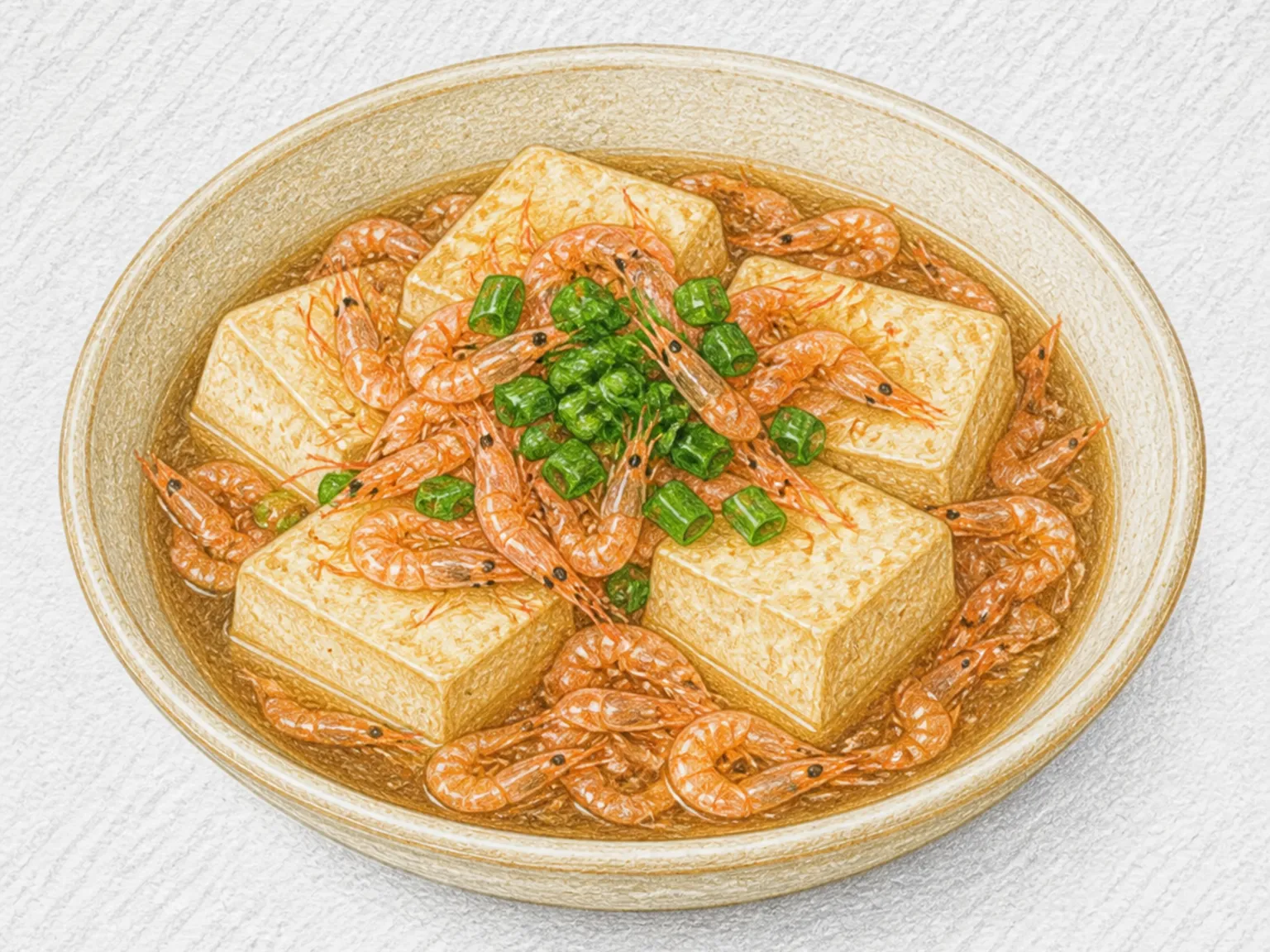
Shime-dofu is a Gunma tofu dish made by wrapping halved tofu tightly in a bamboo mat, tying it, and boiling it in salted water to expel moisture and tighten the curd. The cooled roll is then simmered slowly in dashi, sugar, and soy sauce. The finished tofu has a smooth, firm texture compared with fish cake and is sliced into bite-size rounds or used in nishime. Pressure and heat reduce large water pockets and open fine pathways for seasoning. Cooling before removing the mat is essential for preserving the cylinder and its ribbed surface.

🏠 Everyday 🍱 Lunchbox
Prep 15min Cook 50min 2 servings
Chiba Sumitsukare
Asian Medium

Chiba Sumitsukare

Chiba sumitsukare is a Tokatsu-area dish made by coarsely grating daikon and carrot, cooking them without added water until their own liquid emerges, and then slowly simmering roasted soybeans, aburaage, tofu, and sake lees for three to four hours. Unlike regional versions that include a salmon head, this Chiba transmission is based on vegetables, soybeans, and tofu. It was offered to Inari together with red bean rice on Hatsu-uma, the first Day of the Horse in February, and made practical use of roasted beans left from Setsubun. Names vary across the region, including sumitsukare, shimotsukare, and somotsukare. Long, low cooking breaks down the daikon into a thick mixture bound by mellow sake lees.

🏠 Everyday 🥗 Light & Healthy
Prep 30min Cook 240min 10 servings
Shiso Maki with Walnut Miso Filling
Asian Hard

Shiso Maki with Walnut Miso Filling

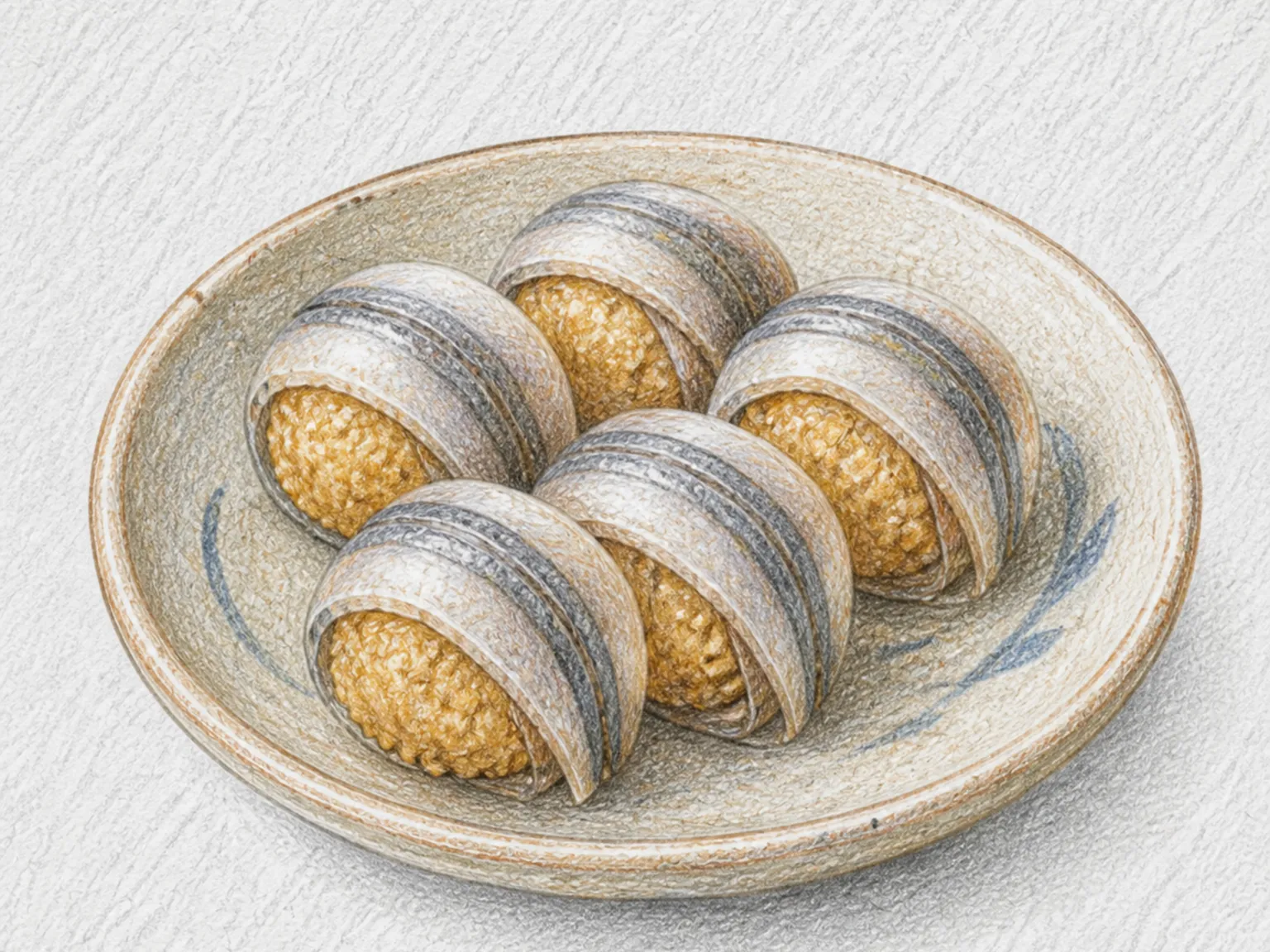
Shiso maki is a Miyagi specialty made by cooking red miso with sugar, flour, walnuts, white sesame, and shichimi into a thick filling, rolling small portions tightly in green shiso leaves, skewering four rolls together, and frying them at 170°C until crisp. It developed within Miyagi's Sendai miso culture. One origin story links it to Date Masamune, while another says it was created in Naruko for visitors taking hot-spring cures. Originally eaten with rice, the sweeter version also became a tea accompaniment, children's snack, bento side, and sake appetizer. Thorough draining keeps the fried leaves crisp rather than oily.

🍱 Lunchbox 🍺 Bar Snacks
Prep 120min Cook 45min 100 servings
Hatoshi (Nagasaki Shrimp Toast)
Asian Medium

Hatoshi (Nagasaki Shrimp Toast)

Hatoshi is a Nagasaki shrimp toast made by sandwiching a thick mixture of minced shrimp, squid, and sautéed onion between bread, steaming it to set the seafood, and frying it until crisp and golden. The dish reached Nagasaki from Qing China during the Meiji era and first appeared among the shared plates of shippoku dining. It later became a familiar shop and street snack. Puréed seafood binds the filling while coarsely chopped pieces keep a springy bite, and the steamed center stays moist beneath the fried bread.

🧒 Kid-Friendly 🎉 Special Occasion
Prep 25min Cook 25min 2 servings
Shumai (Japanese Steamed Pork Dumplings)
Asian Medium

Shumai (Japanese Steamed Pork Dumplings)

Shumai are Japanese steamed dumplings made by wrapping a seasoned pork filling around the sides while leaving the top open and finishing each one with a green pea. Combine 200g coarsely ground pork thigh with 30g beaten egg and 3g salt. Do not add every ingredient at once. Knead these three first in one direction for about 3 minutes, until the meat fibers loosen and the mixture becomes sticky enough to cling to the hand. This initial mixing gives the steamed filling its springy structure. Add 10g sugar, a pinch of pepper, 6g oyster sauce, and 3ml soy sauce. Mix for about 1 minute, until the seasonings disappear into the pork and the sticky texture returns. Add 5g sesame oil, 40g finely chopped onion, and 10g potato starch last, mixing only briefly so the onion pieces do not crush. Divide the finished filling into ten portions of about 26g each. Place one portion in the center of a shumai wrapper and use the space between the thumb and fingers to draw the wrapper sides into a cylinder. Keep the top open, level the exposed filling, and set one green pea on it. Arrange the dumplings apart from one another in a paper-lined steamer. Once the water is boiling vigorously and the steamer is full of strong steam, cook on high heat for 7 minutes. Turn off the heat after the centers are cooked and leave the lid closed for 1 minute. This short covered rest lets the filling settle while retaining its juices and springy texture before serving.

🏠 Everyday 🍱 Lunchbox
Prep 25min Cook 8min 4 servings

About Asian

Each country brings its own signature spices and sauces, so even the same ingredients can produce completely different flavors. With a few key pantry items - coconut milk, fish sauce, curry powder, doubanjiang - you can recreate the tastes of Asia at home.