Browse by cuisine

Japanese Recipes

509 Japanese recipes. Page 9 of 22. Compare ingredients and cooking times. Iiyachi (Glutinous Rice, Millet, and Azuki Cakes).

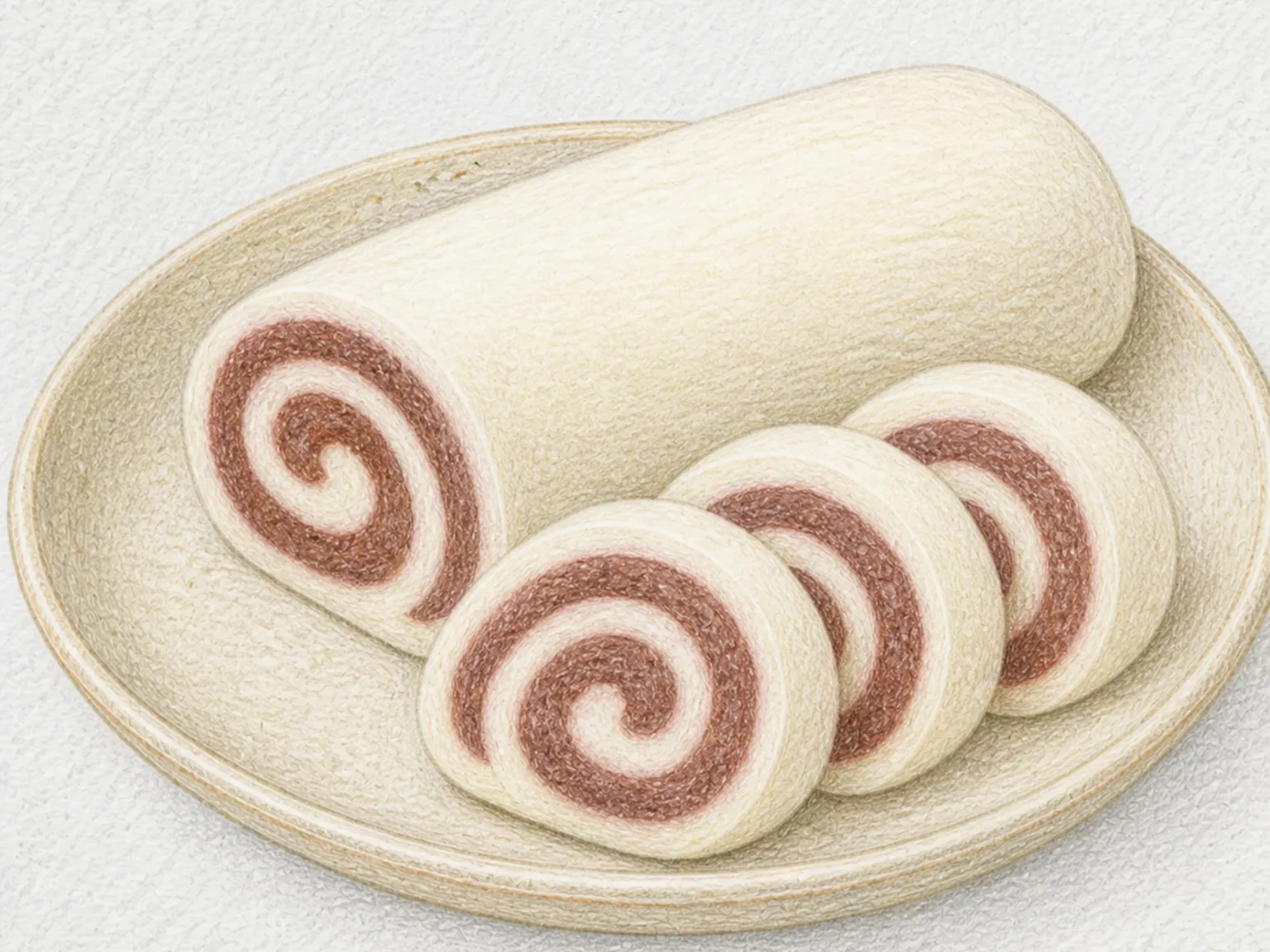
Iiyachi (Glutinous Rice, Millet, and Azuki Cakes)
Rice Hard

Iiyachi (Glutinous Rice, Millet, and Azuki Cakes)

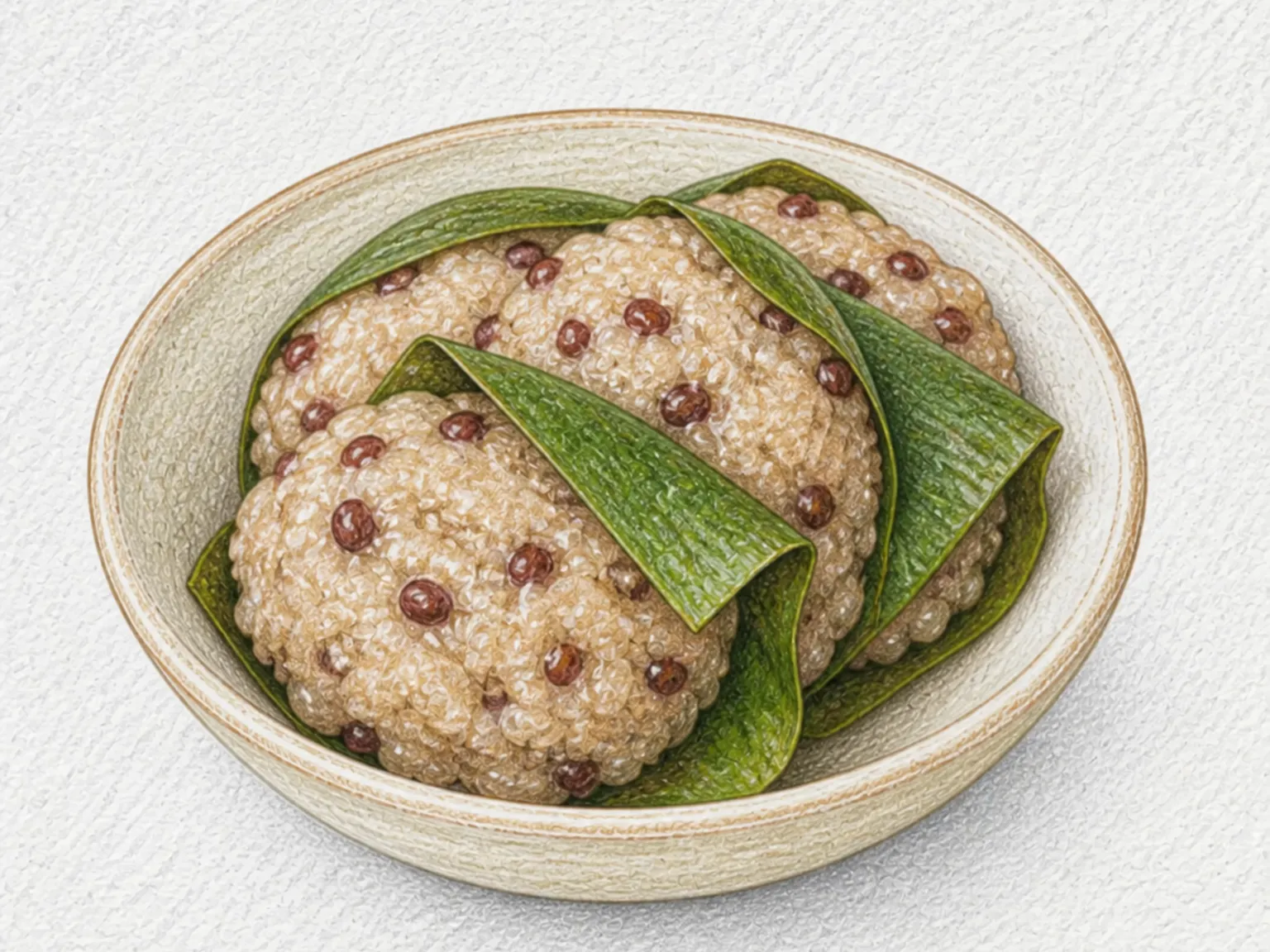
Glutinous rice, sticky millet, and azuki beans are boiled together, then worked with a wooden paddle while still hot until some grains break and the mass holds together without any sugar. On Taketomi Island in Okinawa, these cakes were prepared ahead for the Tanedori festival. Each round is wrapped in a bashō leaf, a relative of the banana leaf, and steamed, which perfumes the cake. Expect a grainy bite, with whole beans and millet still visible.

Prep 260min Cook 55min 8 servings
Mazesoba (Japanese Brothless Mixed Noodles with Minced Pork)
Noodles Medium

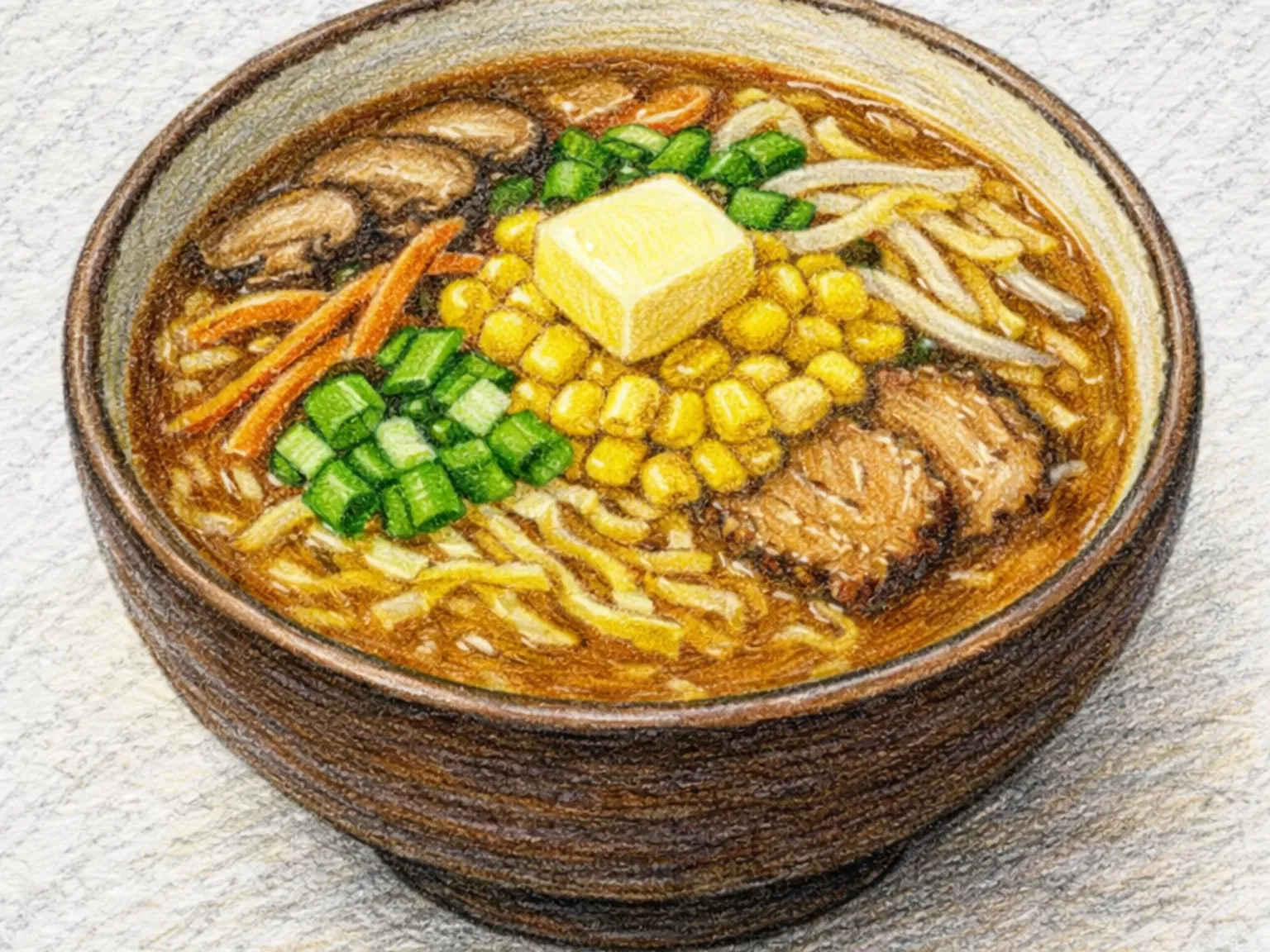
Mazesoba (Japanese Brothless Mixed Noodles with Minced Pork)

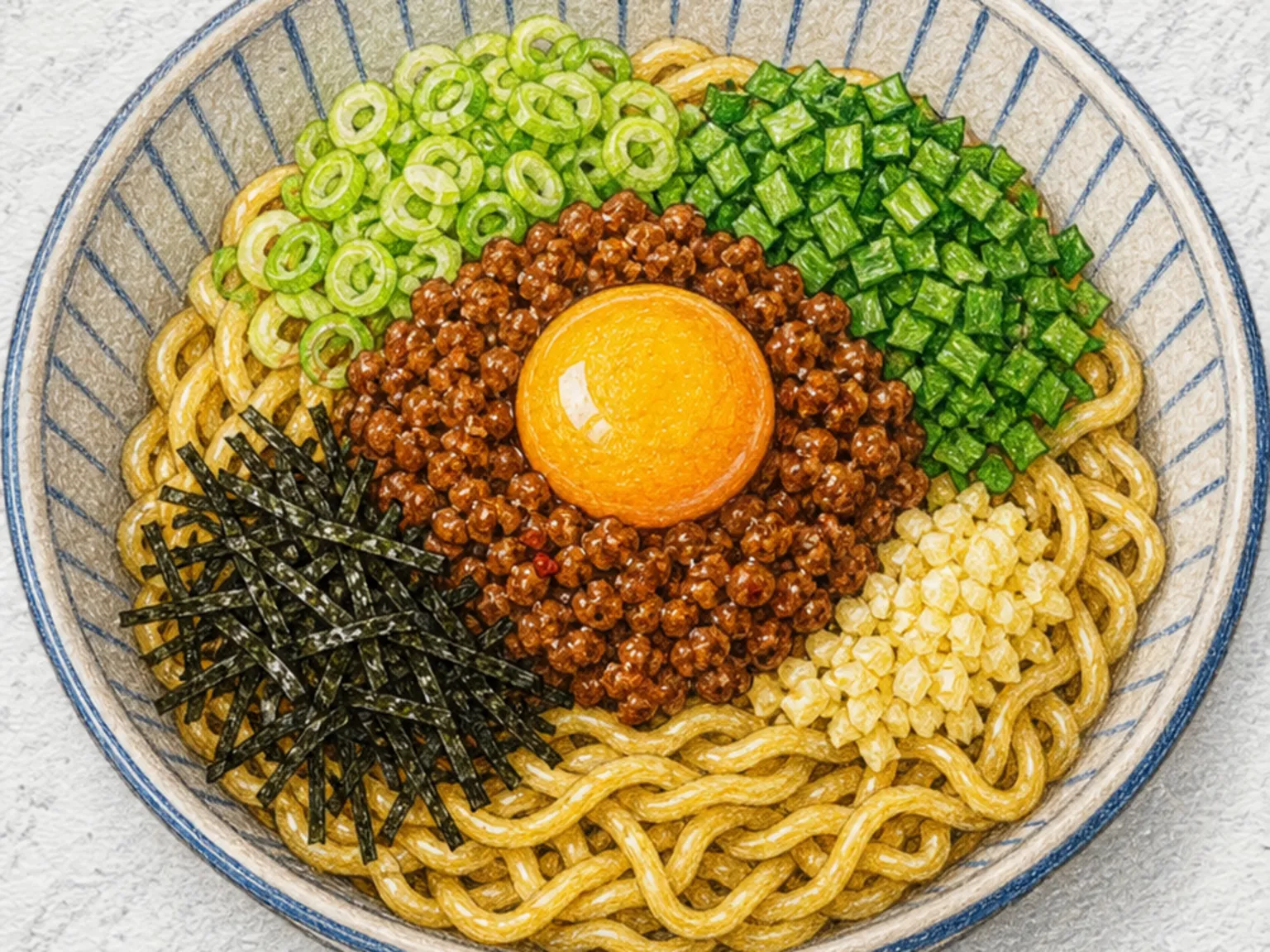
No broth at all: hot, thick noodles are tossed with chili-oil pork, chives, scallion, fish powder, and a raw yolk until everything coats the strands. The noodles skip the cold rinse so they reach the bowl hot and the yolk loosens into a sauce. The pork must be cooked down until no thin liquid remains in the pan; otherwise water pools at the bottom and the mix turns uneven. Spreading the toppings in a ring instead of one pile keeps the flavor from bunching up when everything is mixed. Fish powder and nori bring the savory depth a soup would normally supply.

Prep 20min Cook 15min 2 servings
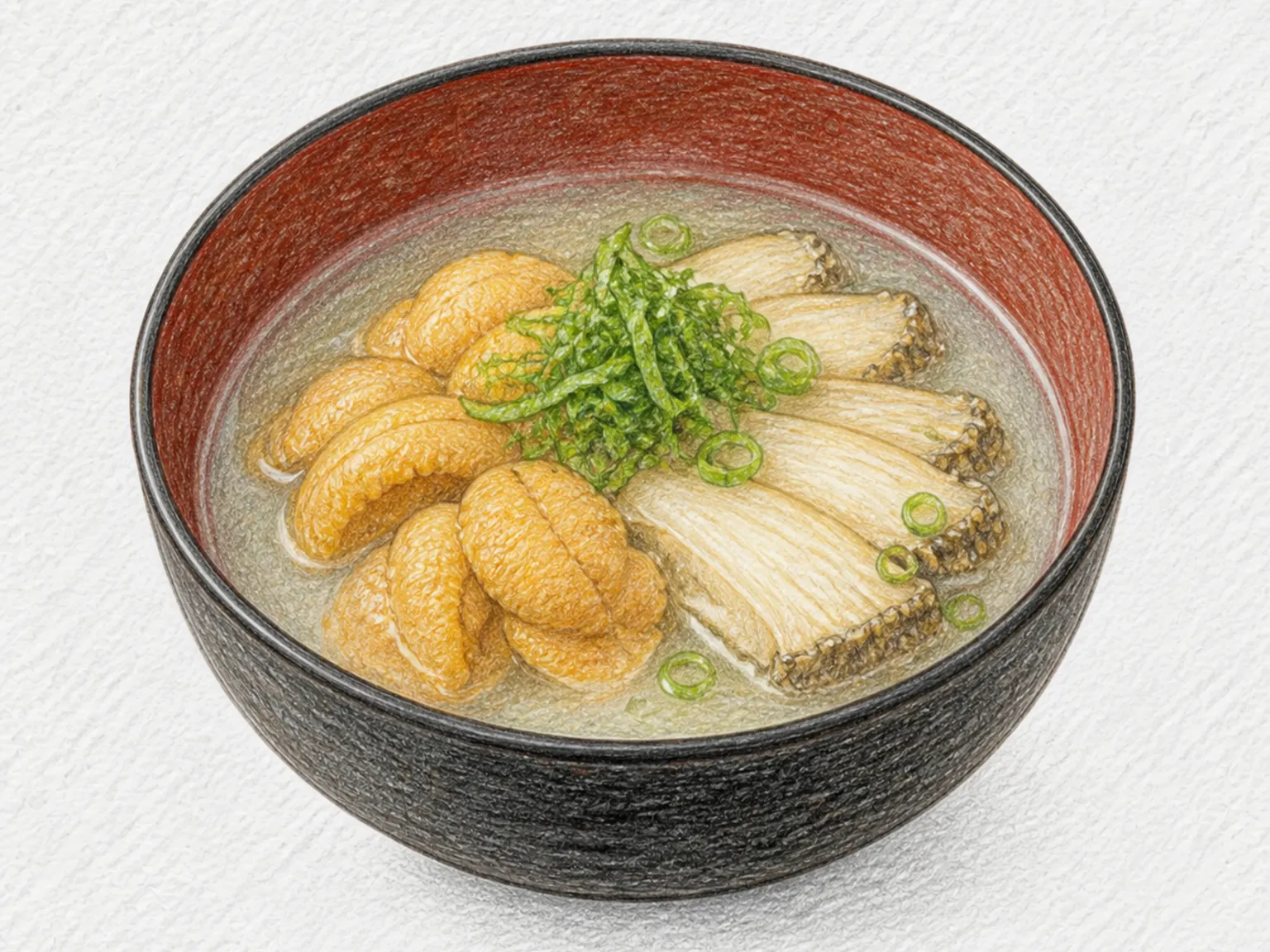
Mizu to Hoya no Mizumono Chilled Sea Squirt Soup
Soups Medium

Mizu to Hoya no Mizumono Chilled Sea Squirt Soup

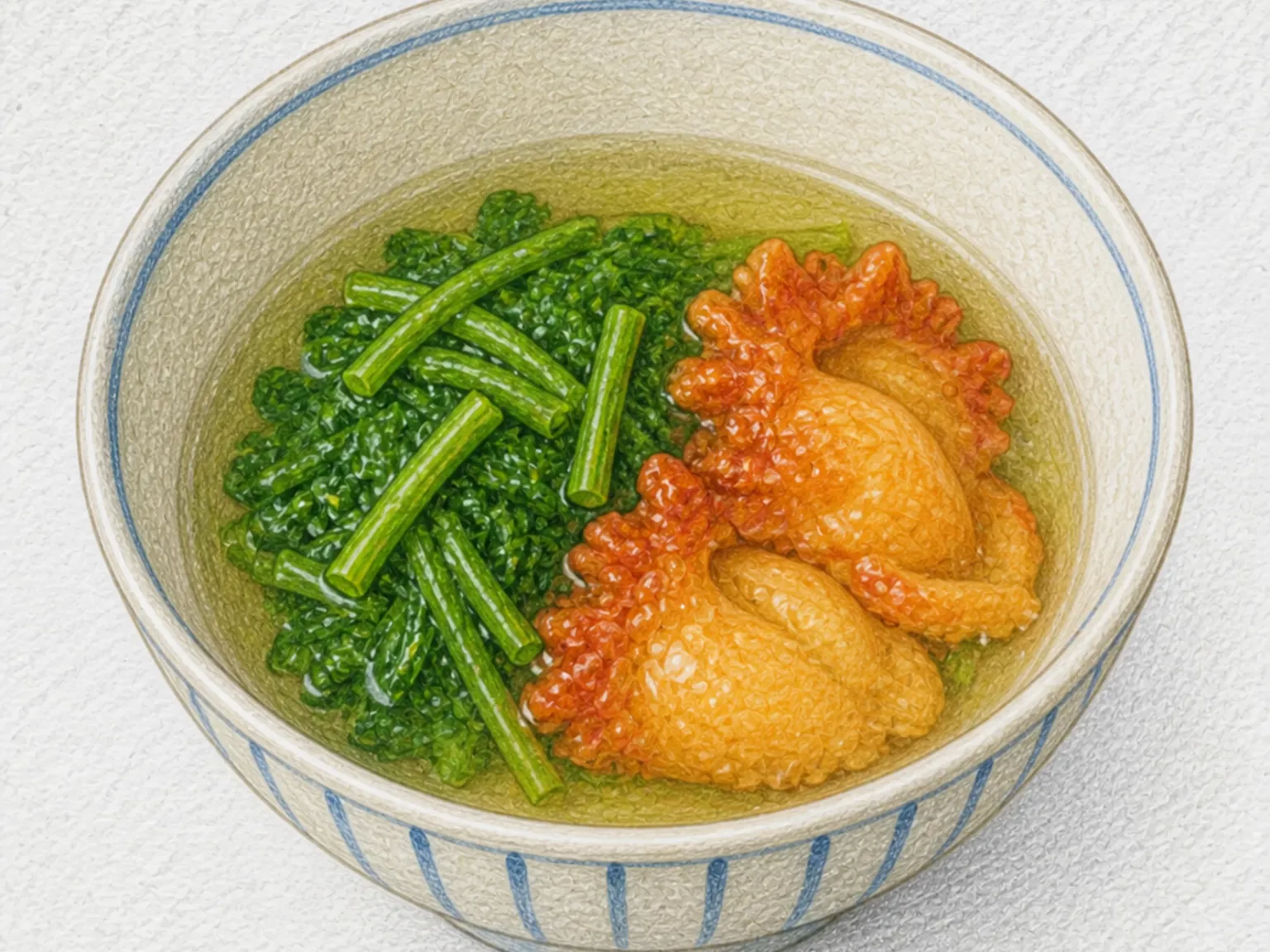
Crisp mizu stems and freshly cleaned sea squirt sit in cold, lightly salted kombu stock, a summer bowl from the Tsugaru area of Aomori that pairs two ingredients peaking in the short northern summer. The sea squirt must be very fresh and sold for raw eating, and because nothing is cooked after assembly, the bowls are put together right before eating and leftovers are not kept.

🏠 Everyday
Prep 35min Cook 8min 5 servings
Suguki-zuke Lactic-Fermented Turnip Pickles
Kimchi Hard

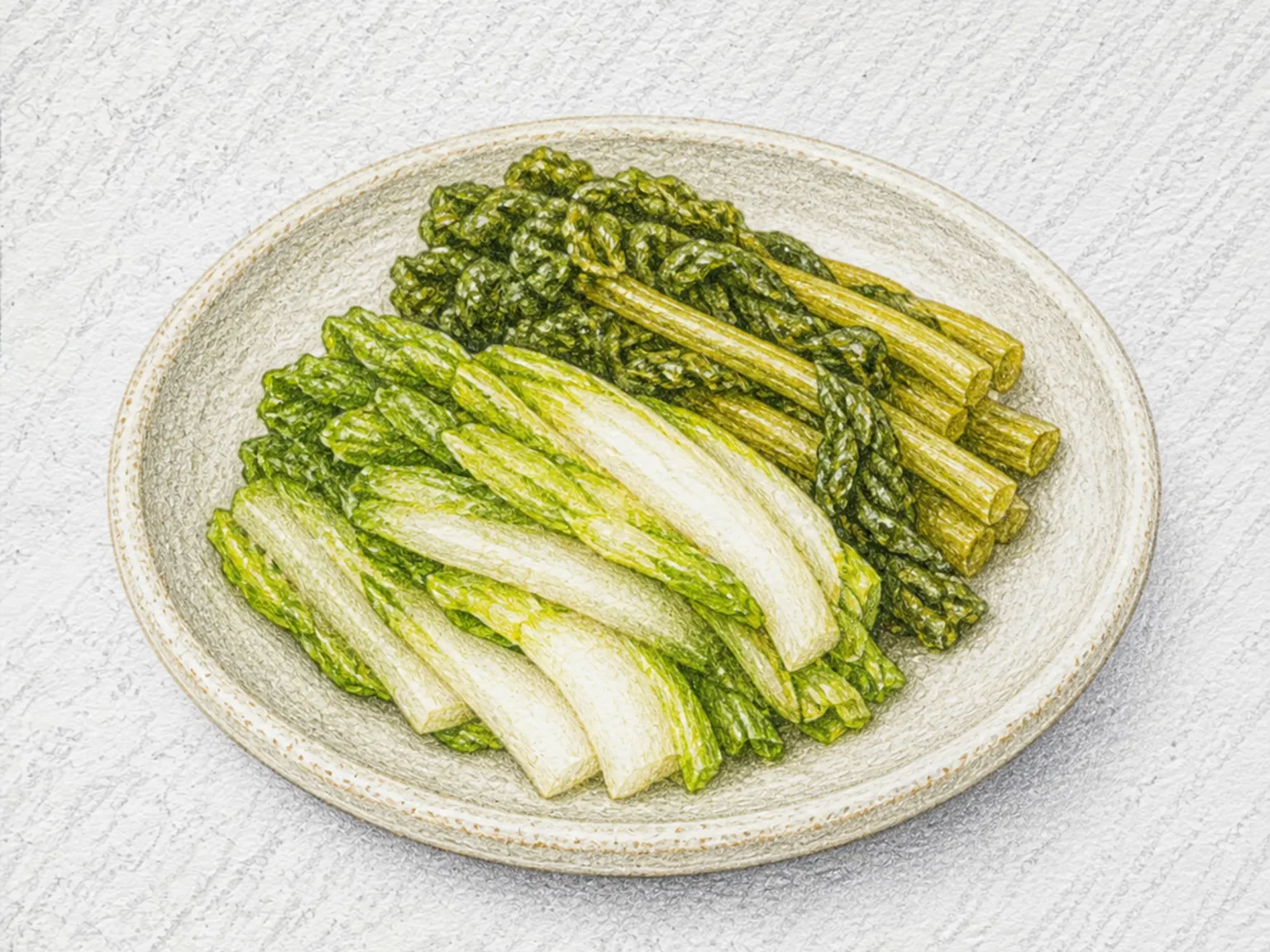
Suguki-zuke Lactic-Fermented Turnip Pickles

Suguki turnips salted with nothing else are held at about 40°C for roughly 14 days, and lactic fermentation turns their purely salty taste distinctly sour. That warm stage, the muro, needs a dedicated fermentation room with temperature and hygiene control; ordinary room temperature or a fluctuating space is no substitute. Before warming, the shrunken leaves and roots should sit firmly under their own brine. The traditional season is winter, when the roots are sweetest, and the finished pickle goes out in small portions with rice, ochazuke or drinks.

🍺 Bar Snacks
Prep 60min Cook 20min 20 servings
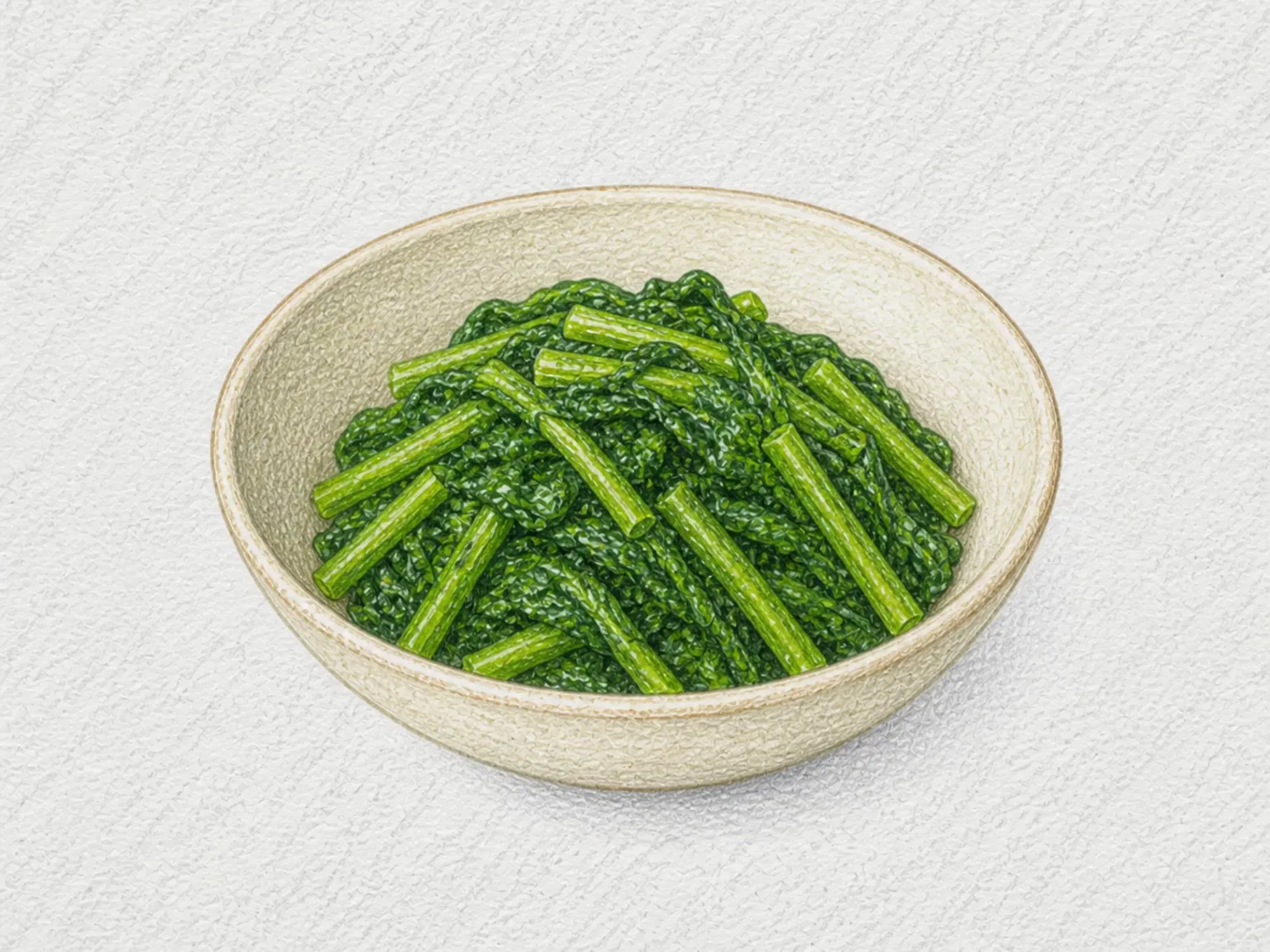
Ukogi no Horohoro (Chopped Ukogi, Daikon, and Walnuts)
Salads Easy

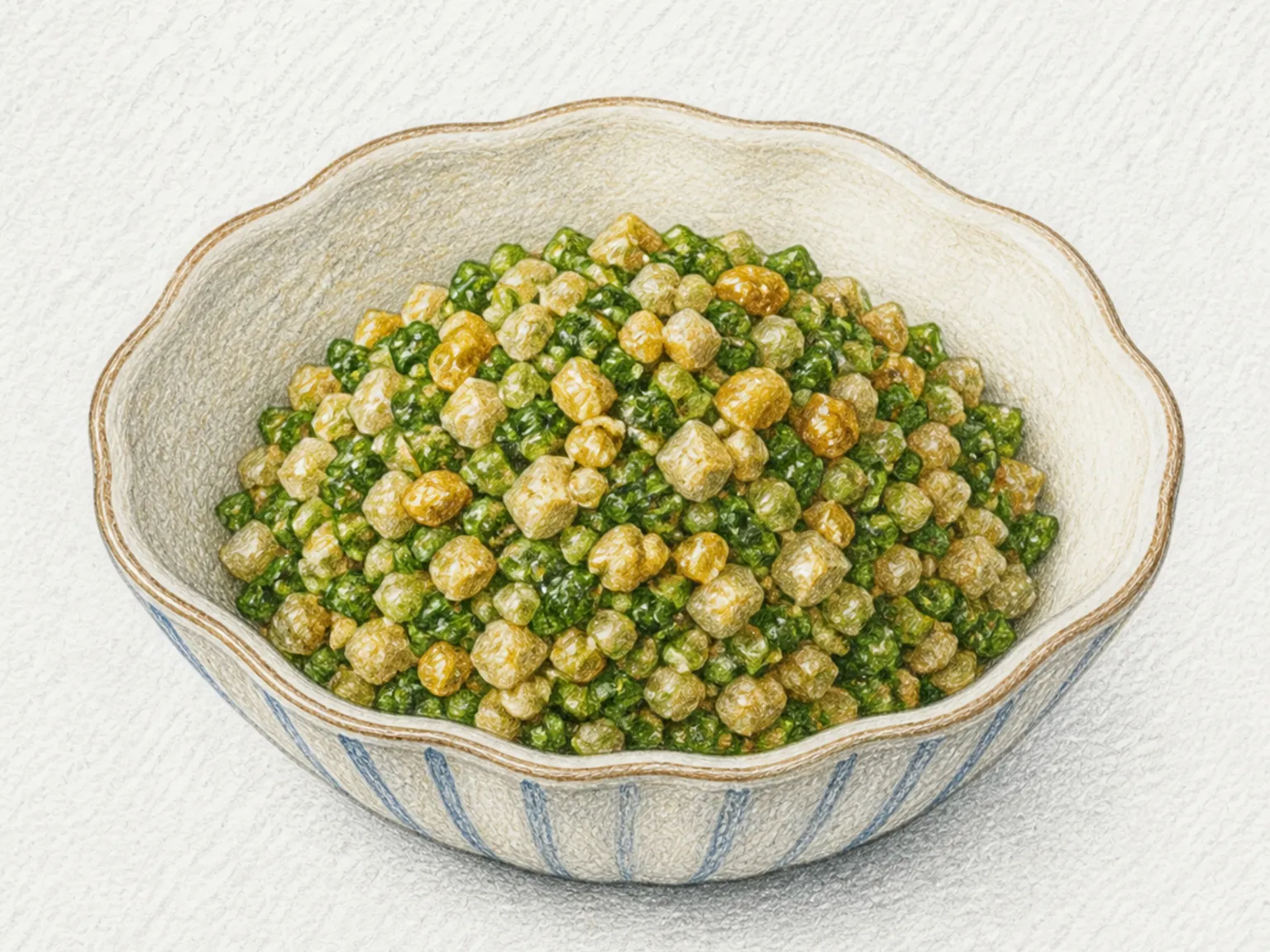
Ukogi no Horohoro (Chopped Ukogi, Daikon, and Walnuts)

Blanched young ukogi shoots, miso-pickled daikon and walnuts are all chopped to just larger than a grain of rice, giving a loose, crumbly mix that scatters as you pick it up. Most of the salt comes from the pickled daikon, so soy sauce and salt are added only after tasting. Only ukogi grown and sold as food belongs in it, since wild plants are easy to confuse with look-alikes, and anyone with a walnut allergy should avoid the dish.

🥗 Lighter Meals
Prep 20min Cook 5min 2 servings
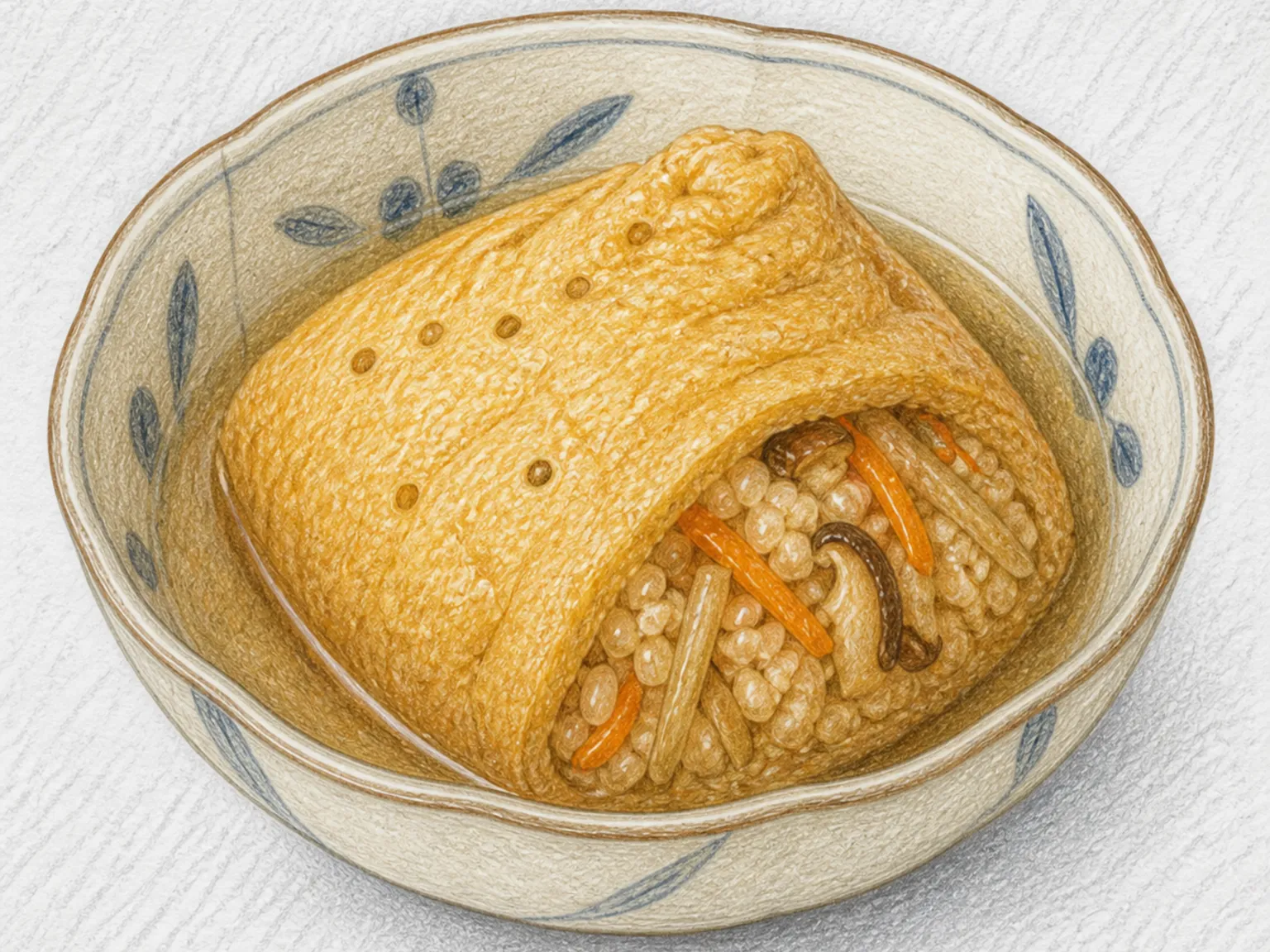
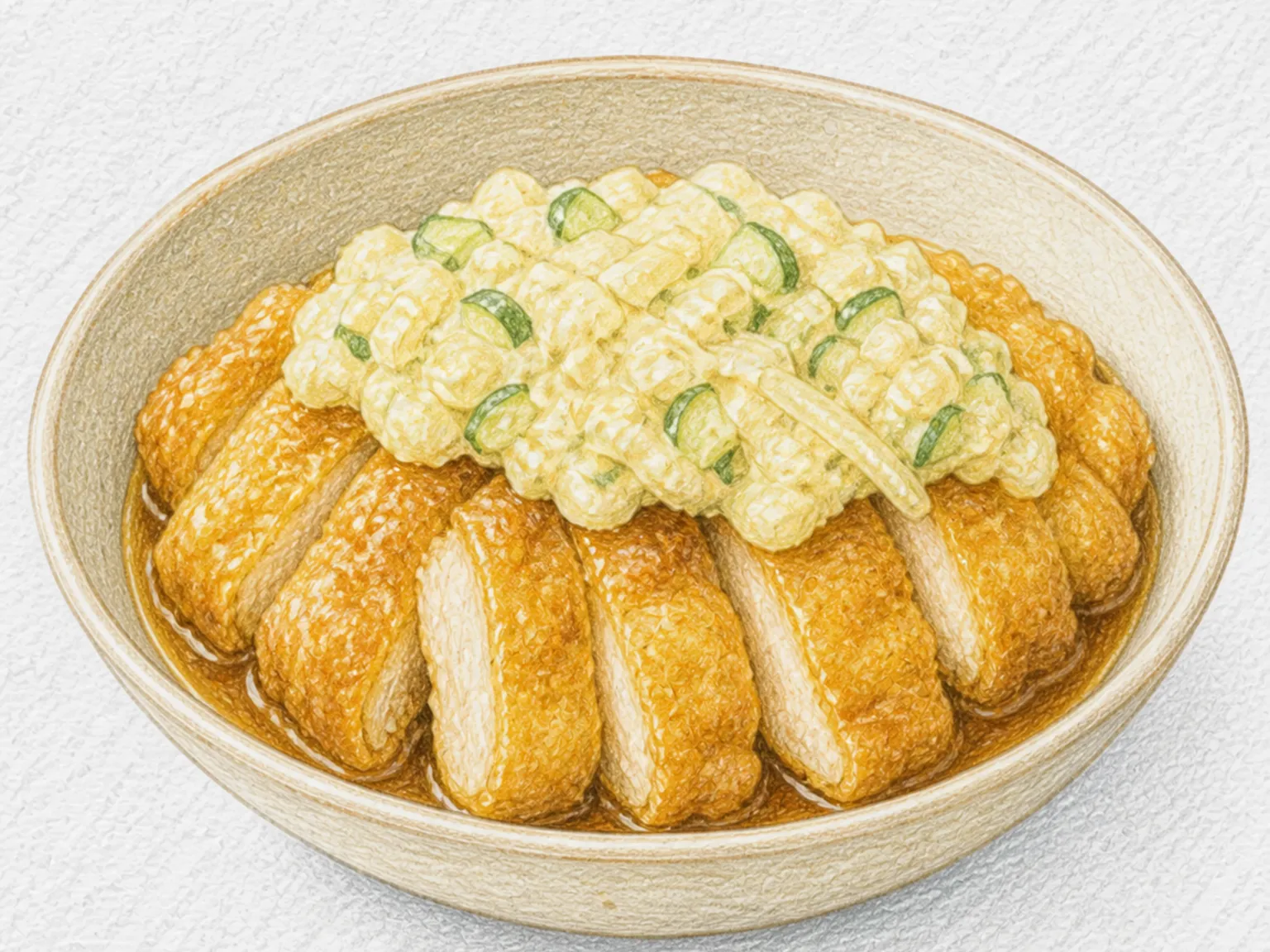
Itadaki (Rice-Stuffed Simmered Tofu Pouches)
Rice Medium

Itadaki (Rice-Stuffed Simmered Tofu Pouches)

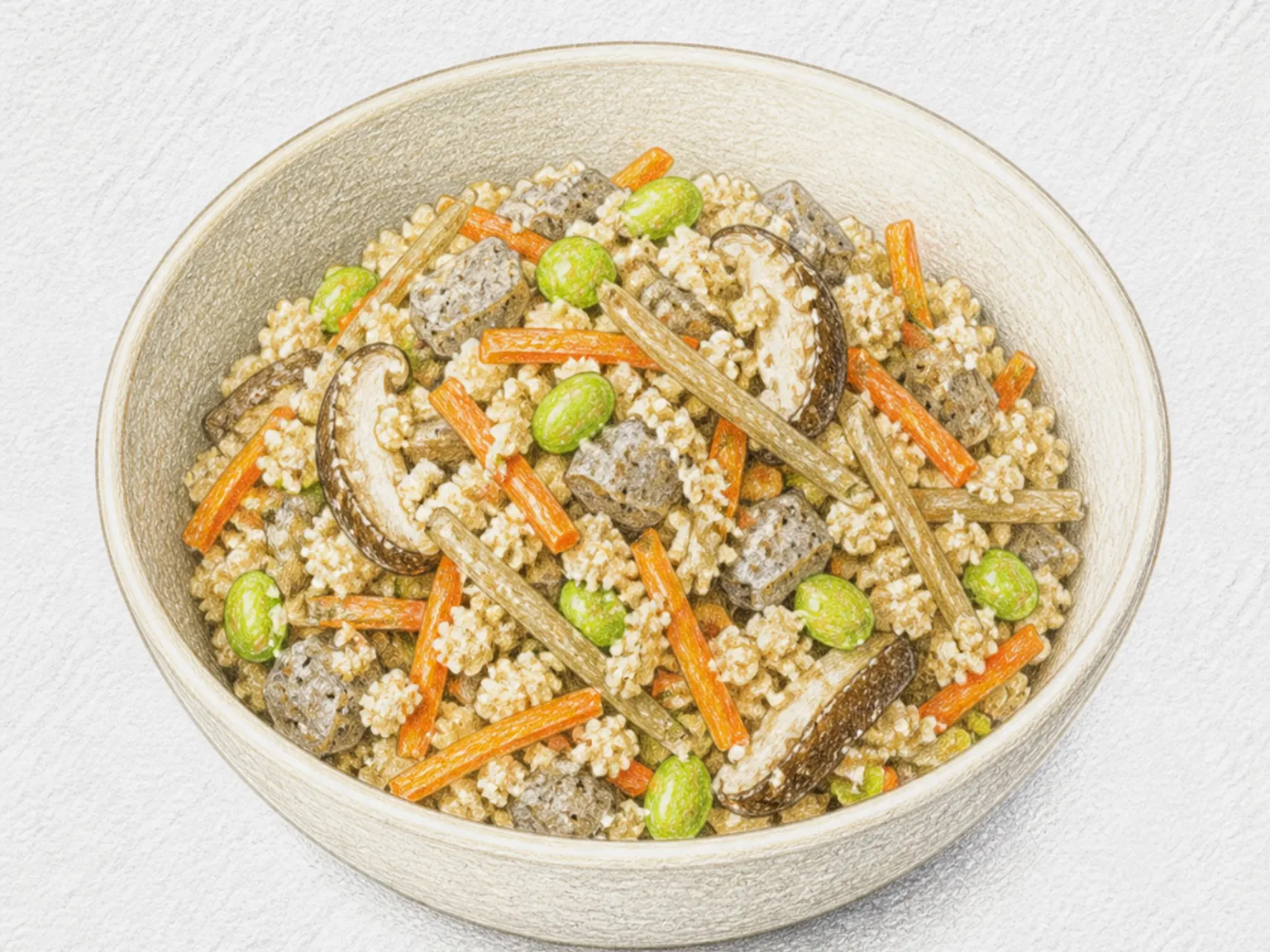
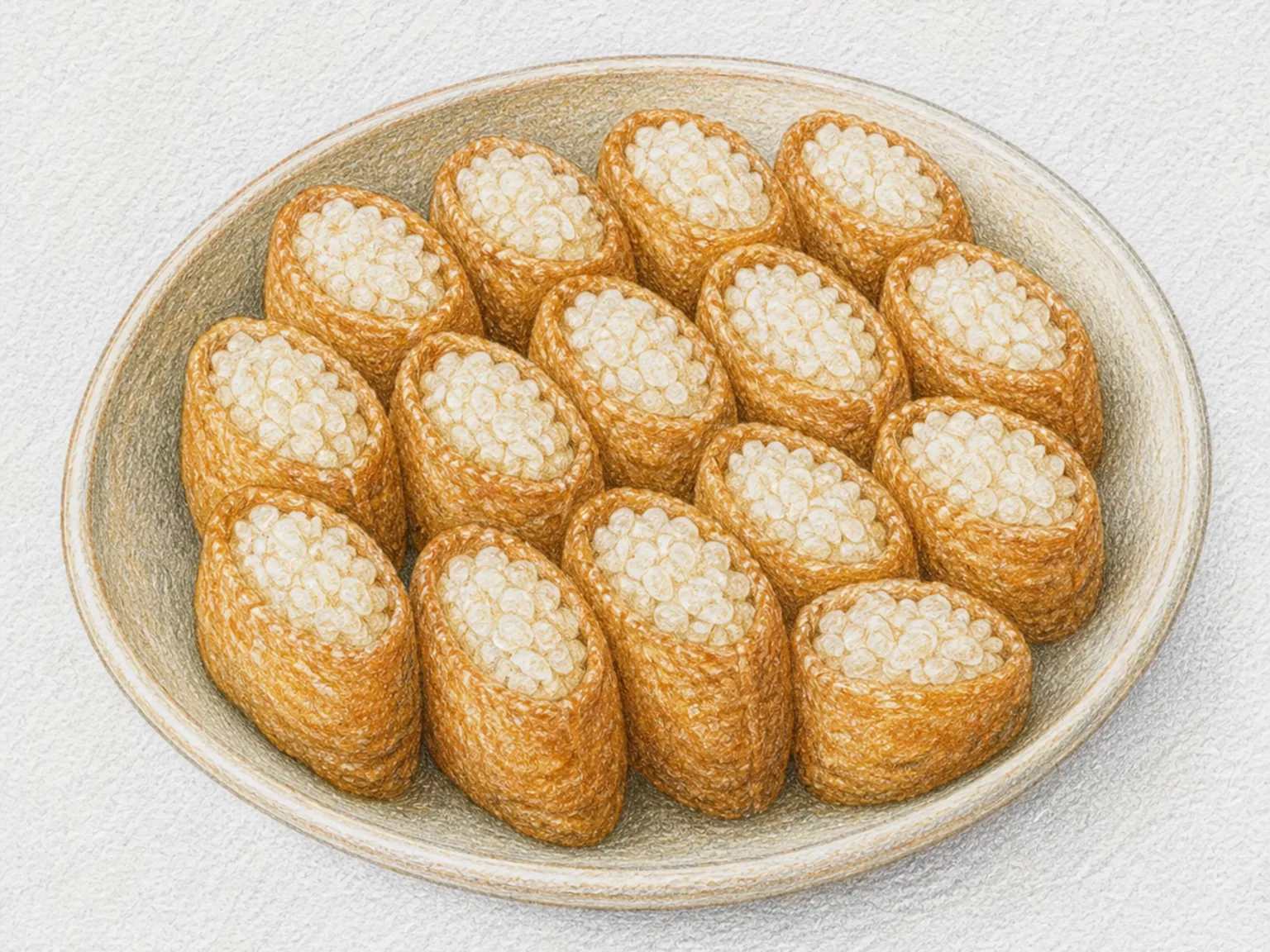
Unlike inari-zushi, which fills tofu pouches with rice that is already cooked, itadaki packs them with raw rice, burdock, carrot, and shiitake and lets the rice cook inside in shiitake soaking liquid seasoned with soy sauce, sugar, and sake. Small holes spread across each pouch let that liquid reach the center, and leaving headroom matters because raw rice expands enough to burst a packed pouch.

Prep 35min Cook 60min 6 servings
Sunki-zuke (Salt-Free Fermented Turnip Greens)
Kimchi Hard

Sunki-zuke (Salt-Free Fermented Turnip Greens)

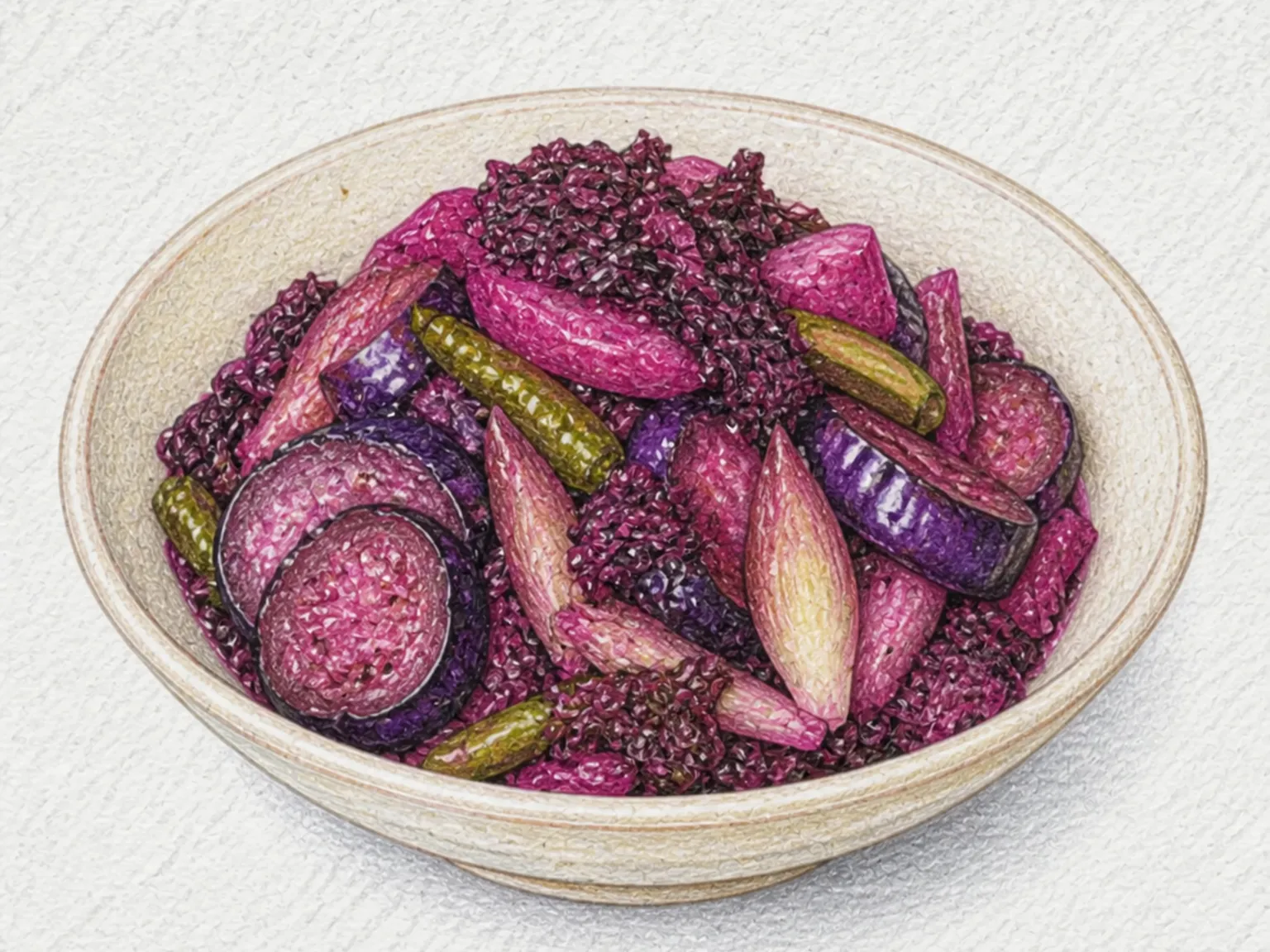
Red turnip greens fermented with a live sunki starter and no salt at all make a pickle that is clean and sour rather than salty. The turnips are a red variety from the Kiso area of Nagano. With no salt in play, safety rests on acidity: the liquid is tested with pH strips or a meter and must read 4.6 or lower before anyone tastes it. Yogurt or ordinary kimchi juice cannot stand in for the starter. Mold, a rotten smell or stringy slime means the whole batch is thrown out untasted, and once fermentation is confirmed it moves to the fridge at 4°C or below.

Prep 50min Cook 10min 20 servings
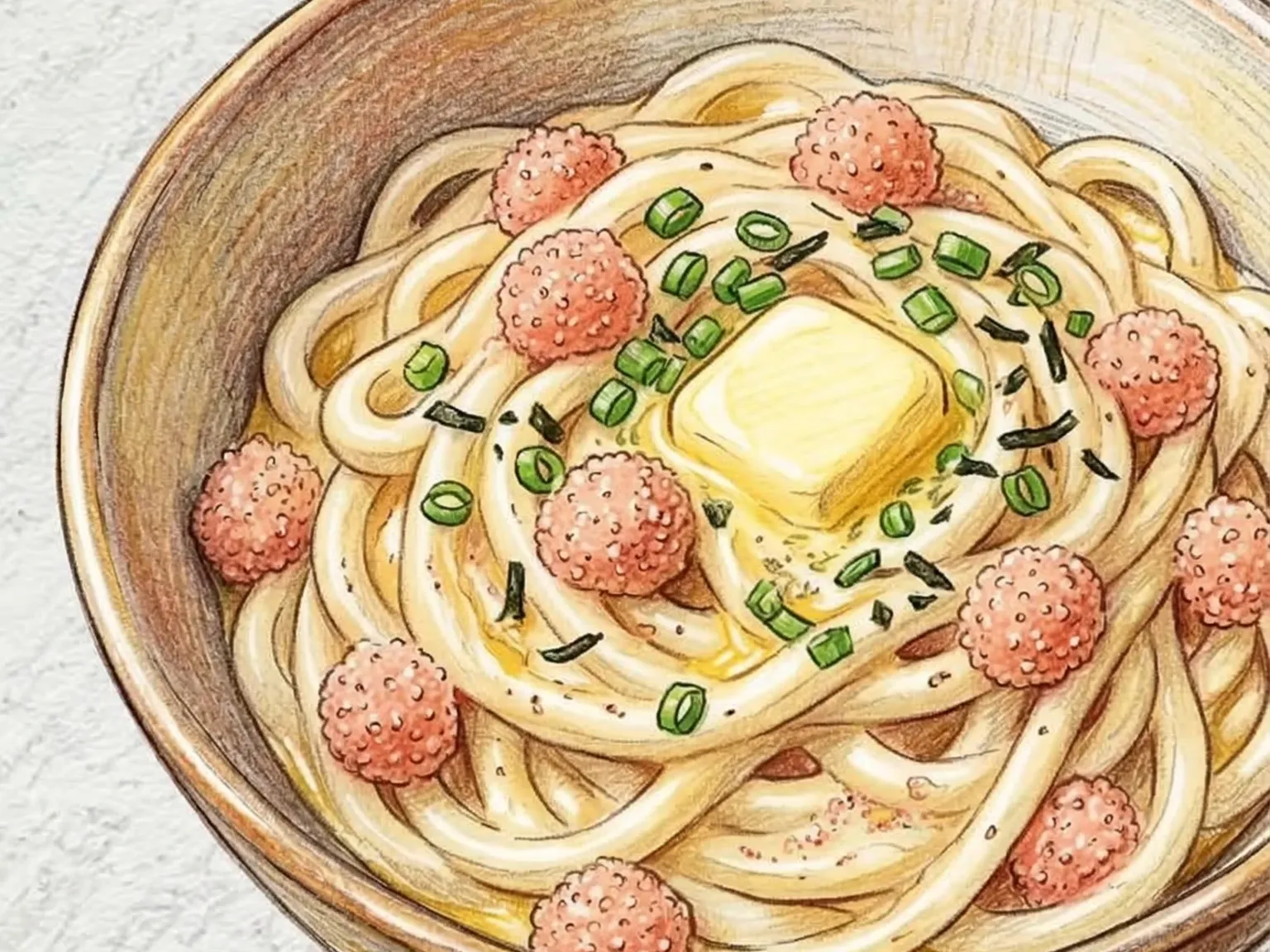
Pollock Roe Butter Udon
Noodles Easy

Pollock Roe Butter Udon

Salted pollock roe, folded into a garlicky butter and cream sauce at the very end, leaves tiny eggs that pop against the soft coating on thick udon. Scraping the roe out of its membrane matters, since any large piece of skin left behind clumps in the sauce. The roe is added only after the heat is lowered and warms through on residual heat, because a long stint over high heat turns it dry and grainy. Soy sauce gives the cream a savory backbone, and the heat drops as soon as the edges bubble so the cream does not split. If the sauce tightens as it reduces, 2 to 3 tablespoons of the reserved noodle water loosen it. Seaweed flakes and scallion finish the bowl.

Prep 10min Cook 12min 2 servings
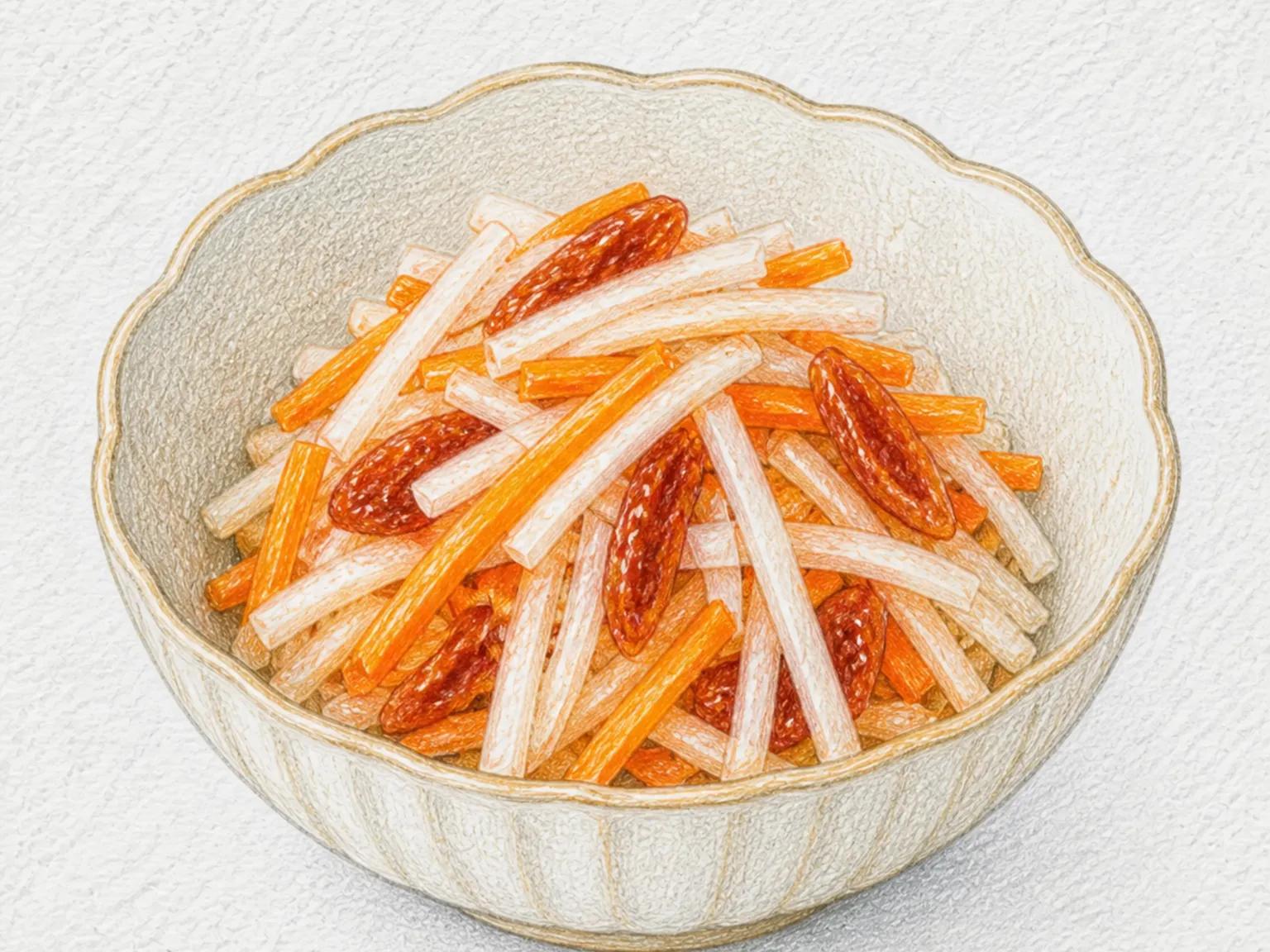
Kakinamasu (Daikon and Dried Persimmon Namasu)
Salads Easy

Kakinamasu (Daikon and Dried Persimmon Namasu)

Dried persimmon brings a concentrated, mellow sweetness that spreads into the sweet vinegar, softening a daikon and carrot namasu. In Shimane it is set out for celebrations and New Year, with the red of persimmon and carrot and the white of daikon read as the auspicious pairing of red and white. The vegetables soak in salt water only until they bend without snapping, so they keep a light crunch.

⚡ 20-Minute Recipes 🥗 Lighter Meals
Prep 20min 0 4 servings
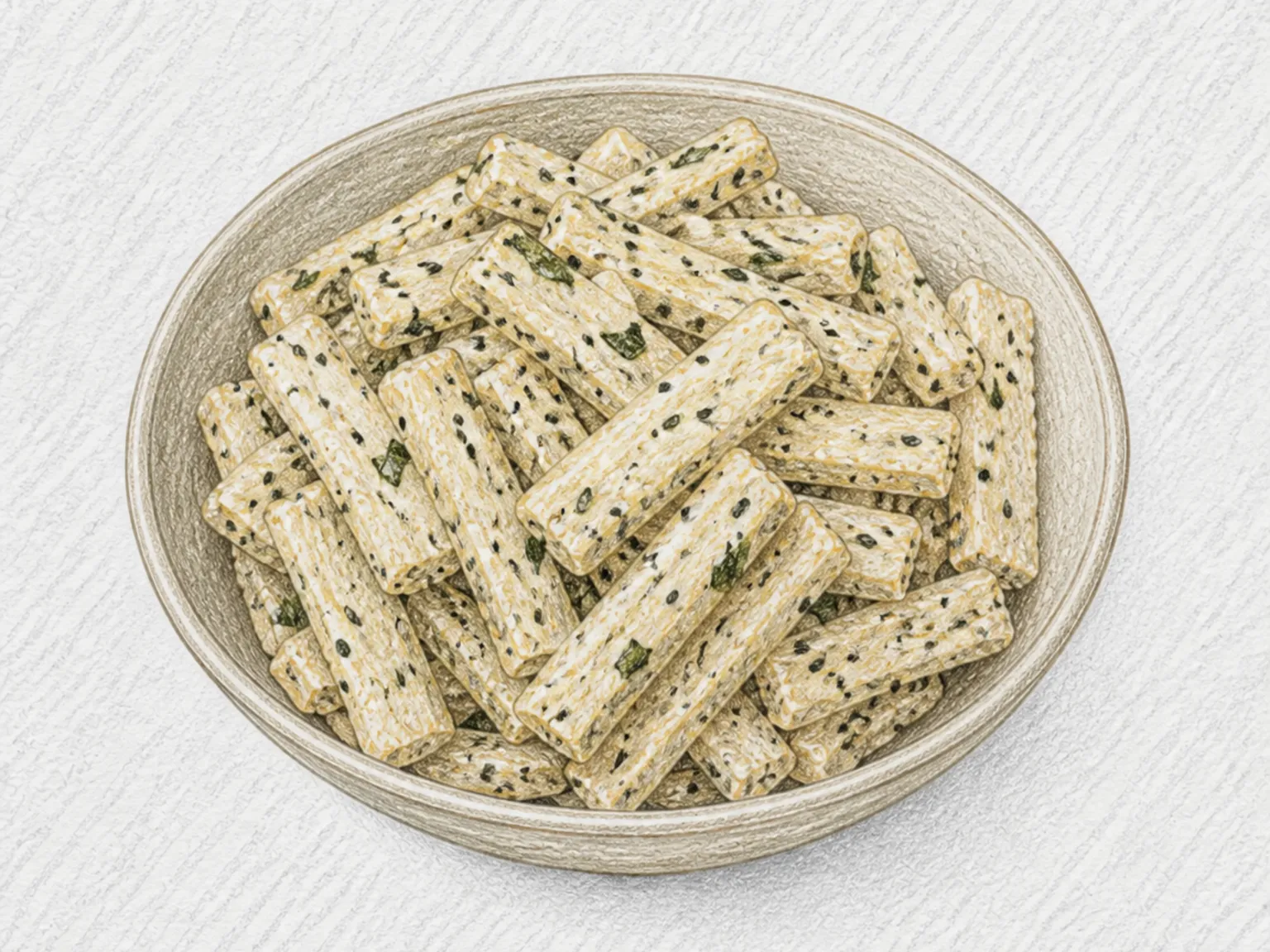
Kakimochi (Dried and Fried Rice-Cake Crackers)
Rice Hard

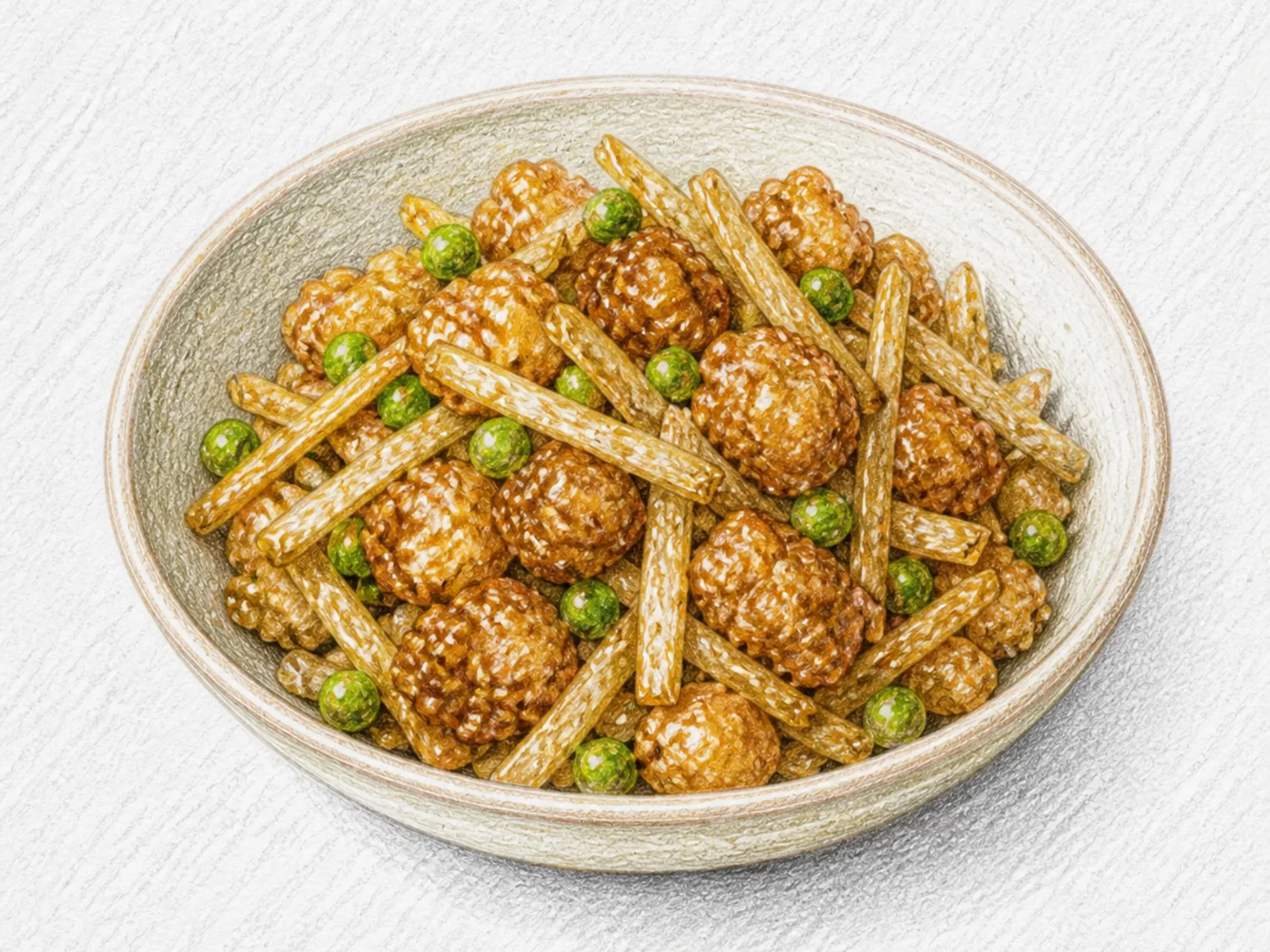
Kakimochi (Dried and Fried Rice-Cake Crackers)

Pounded glutinous rice studded with grated taro, black sesame, and torn nori is sliced thin, air-dried for about two weeks, and only then fried. In oil that is not too hot, each dry slice puffs up into a light, crisp cracker. The rice has to be pounded longer than for ordinary mochi, until no grains show, or the thin slices crumble at the edges. Before frying, a test piece should snap with no damp layer at its center, and any piece with a mold spot or musty smell is thrown out along with its neighbors. A cool, dry, well-ventilated spot is needed before starting, because the drying takes weeks.

Prep 23730min Cook 90min 80 servings
Kanrobai (Sugar-Cured Green Ume Wrapped in Red Shiso)
Desserts Medium

Kanrobai (Sugar-Cured Green Ume Wrapped in Red Shiso)

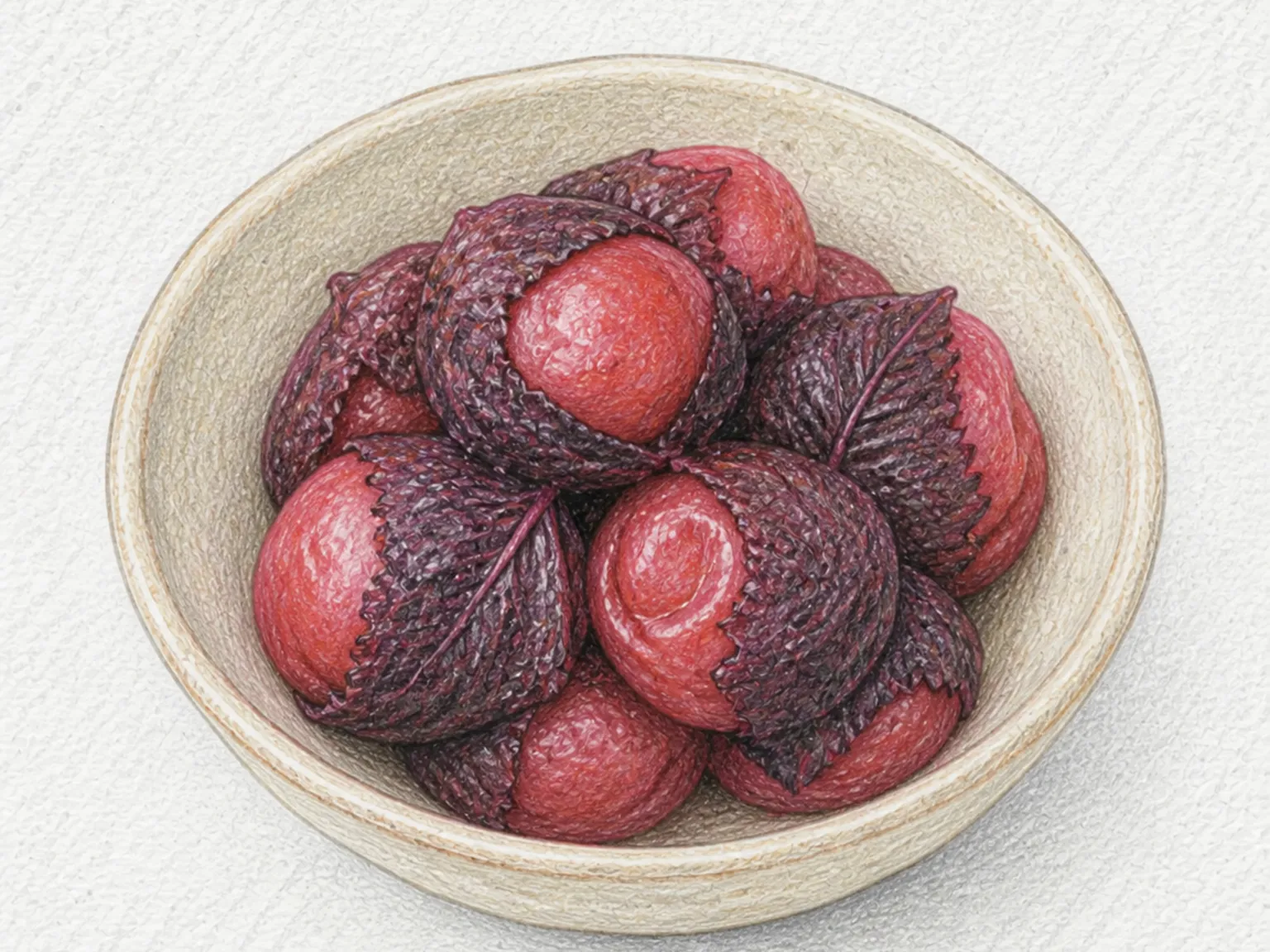
Wrapped piece by piece in red shiso leaves, green ume spend about a month in the fridge while the leaf's red moves into the fruit and the sweetness and sourness go all the way through. The method comes from Ogose in Saitama: the pitted ume are cured in sugar first, and the shiso soaks a day in ume vinegar before wrapping. The ume are raw, and nothing is tasted until the cure is finished.

Prep 360min 0 20 servings
Inamudouchi Okinawan Pork Miso Soup
Soups Medium

Inamudouchi Okinawan Pork Miso Soup

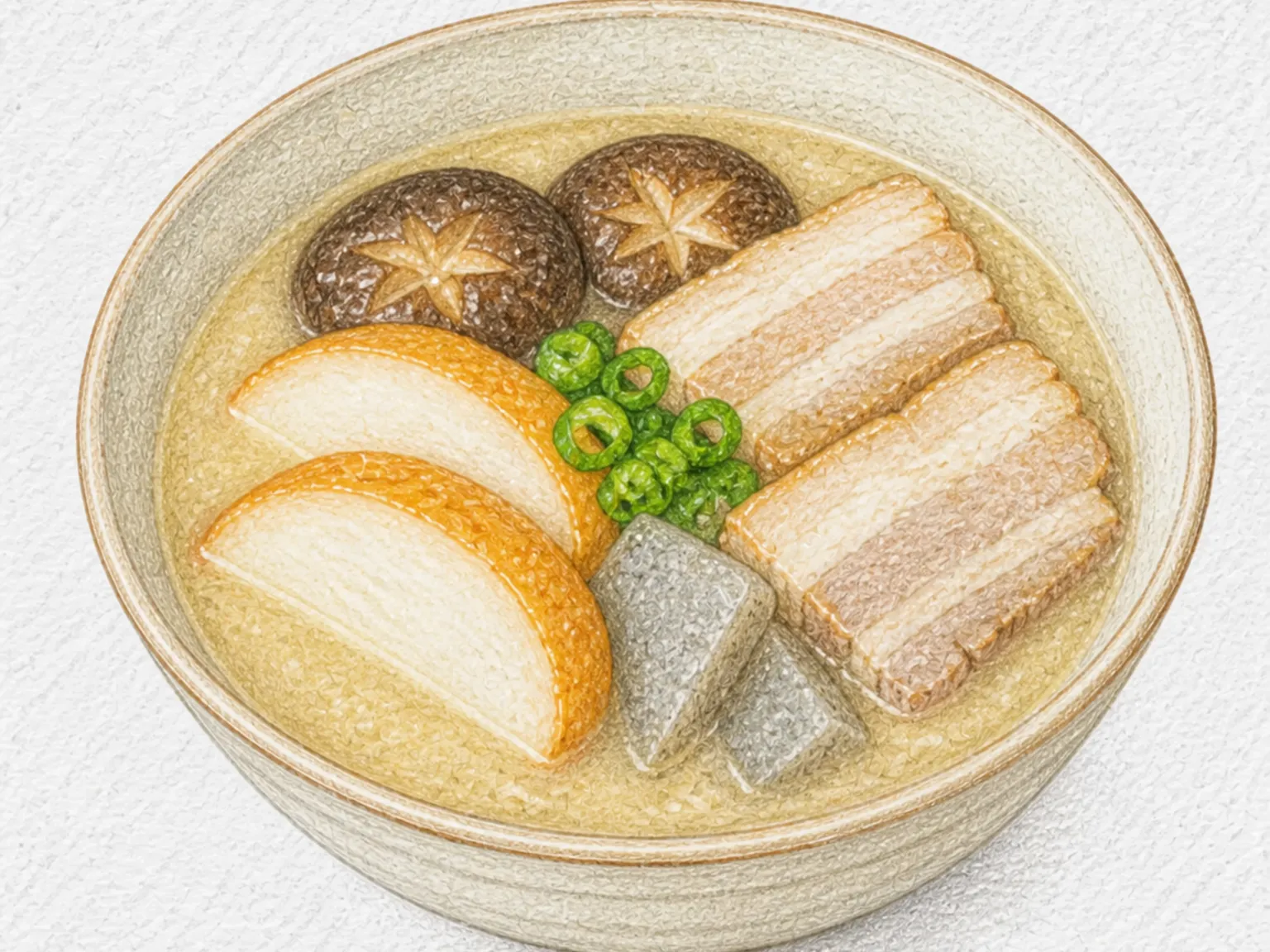
Sweet white miso, used generously, gives this Okinawan celebration soup a soft body and mild sweetness without any starch. Ina means wild boar and mudouchi means an imitation: the name dates from when pork replaced increasingly scarce boar. Castella kamaboko, a fish cake rich in surimi that is steamed and then fried, links the soup to Ryukyu court hospitality, and it still appears at New Year, graduations, school entrance and coming-of-age celebrations.

🏠 Everyday
Prep 35min Cook 60min 4 servings