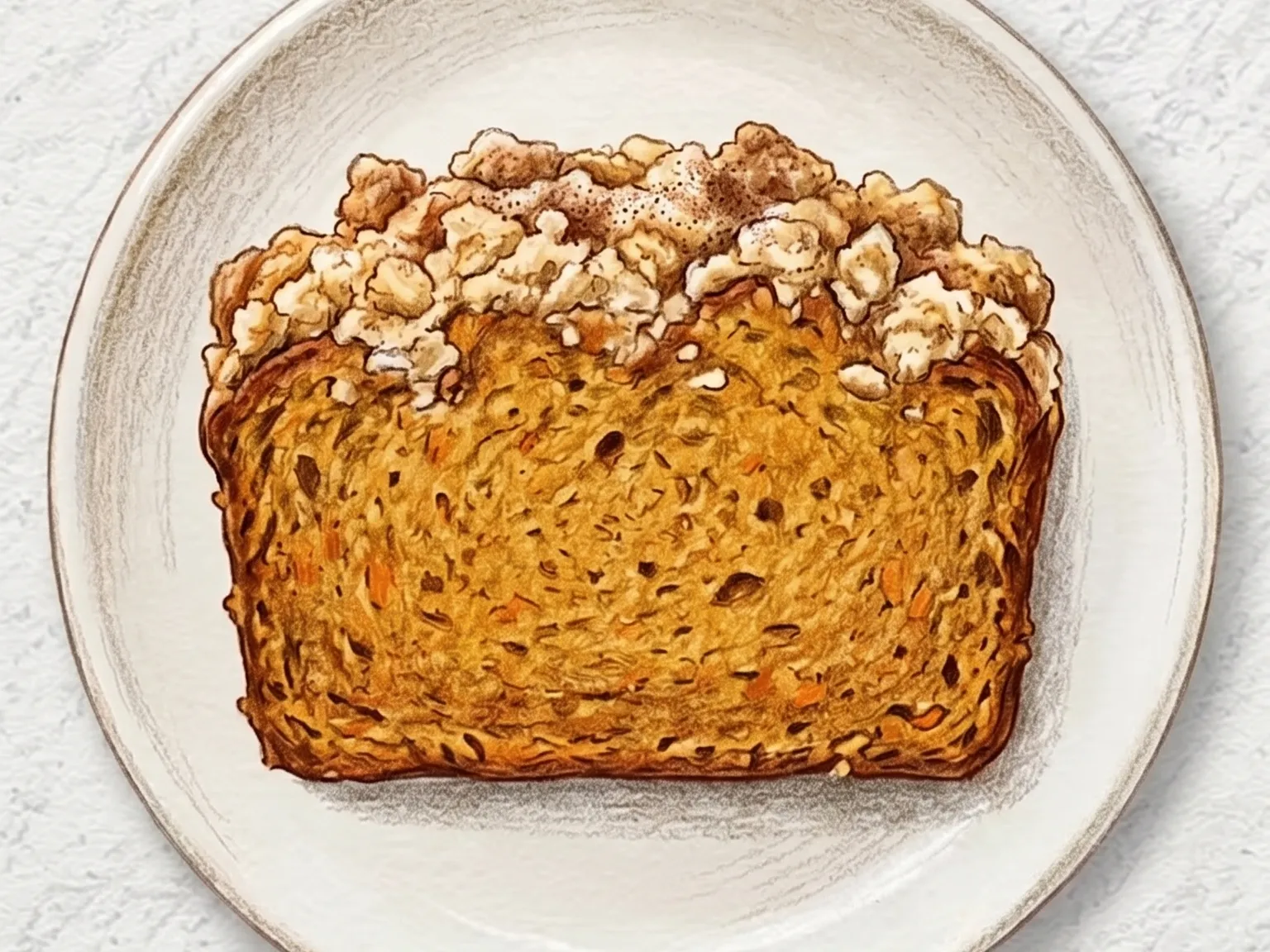
Maple Bacon Cornbread Muffins
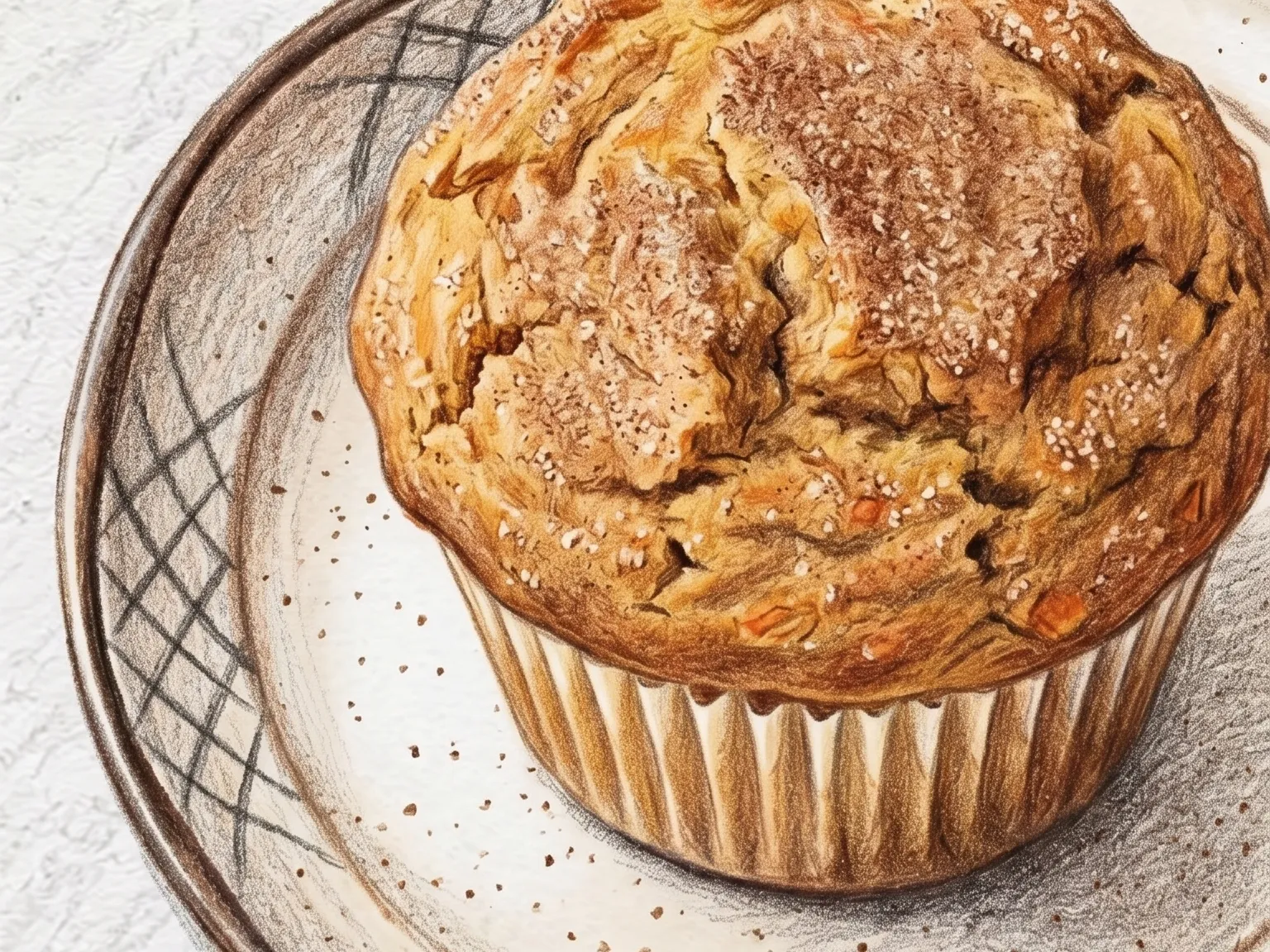
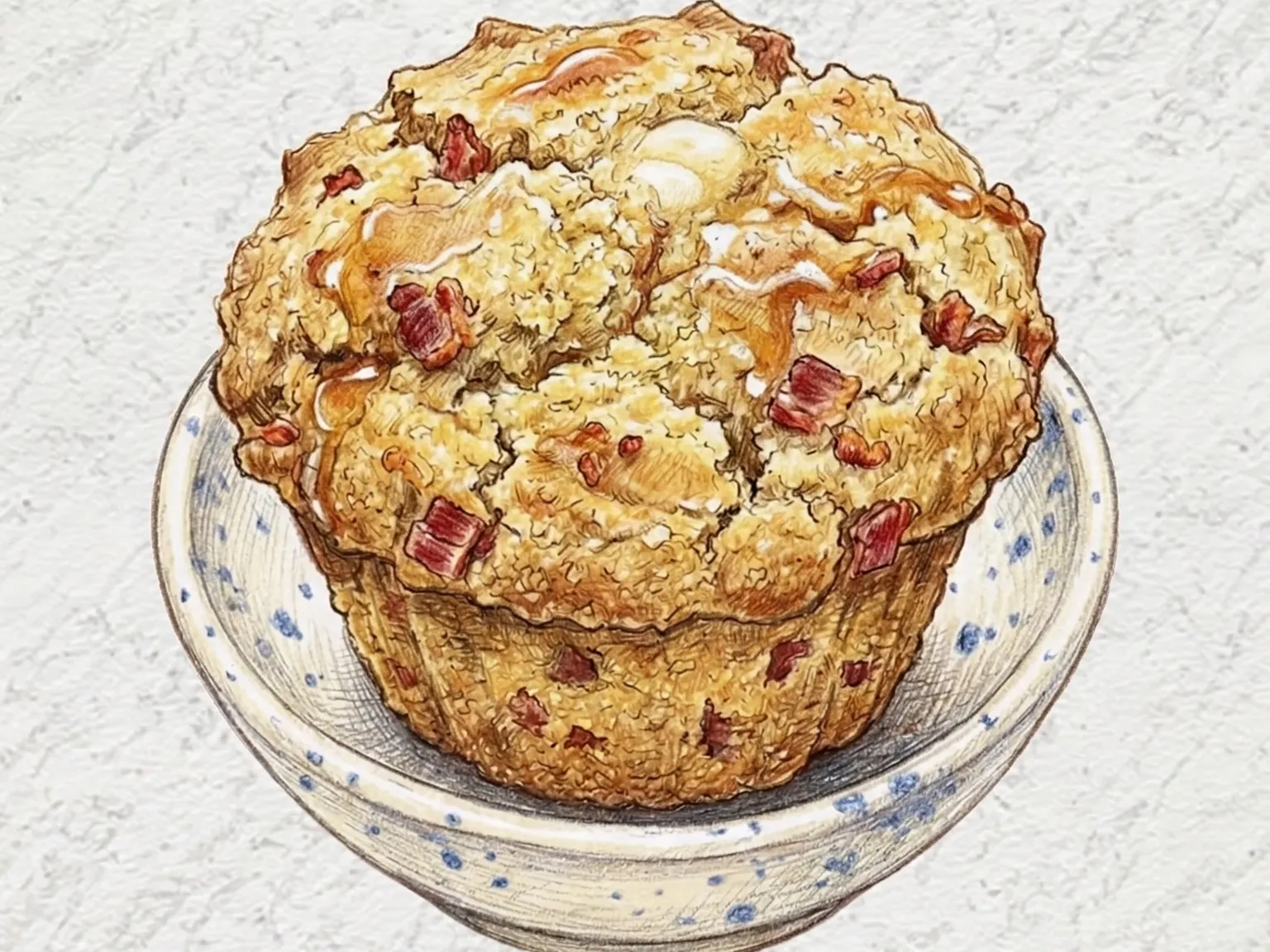
A little more cornmeal than flour gives these a coarse, crumbly texture. Crisp crumbled bacon and maple syrup both go into the batter, so salty and sweet take turns from one bite to the next.
100 recipes. Page 4 of 5
As an Amazon Associate, we may earn from qualifying purchases.
A little more cornmeal than flour gives these a coarse, crumbly texture. Crisp crumbled bacon and maple syrup both go into the batter, so salty and sweet take turns from one bite to the next.
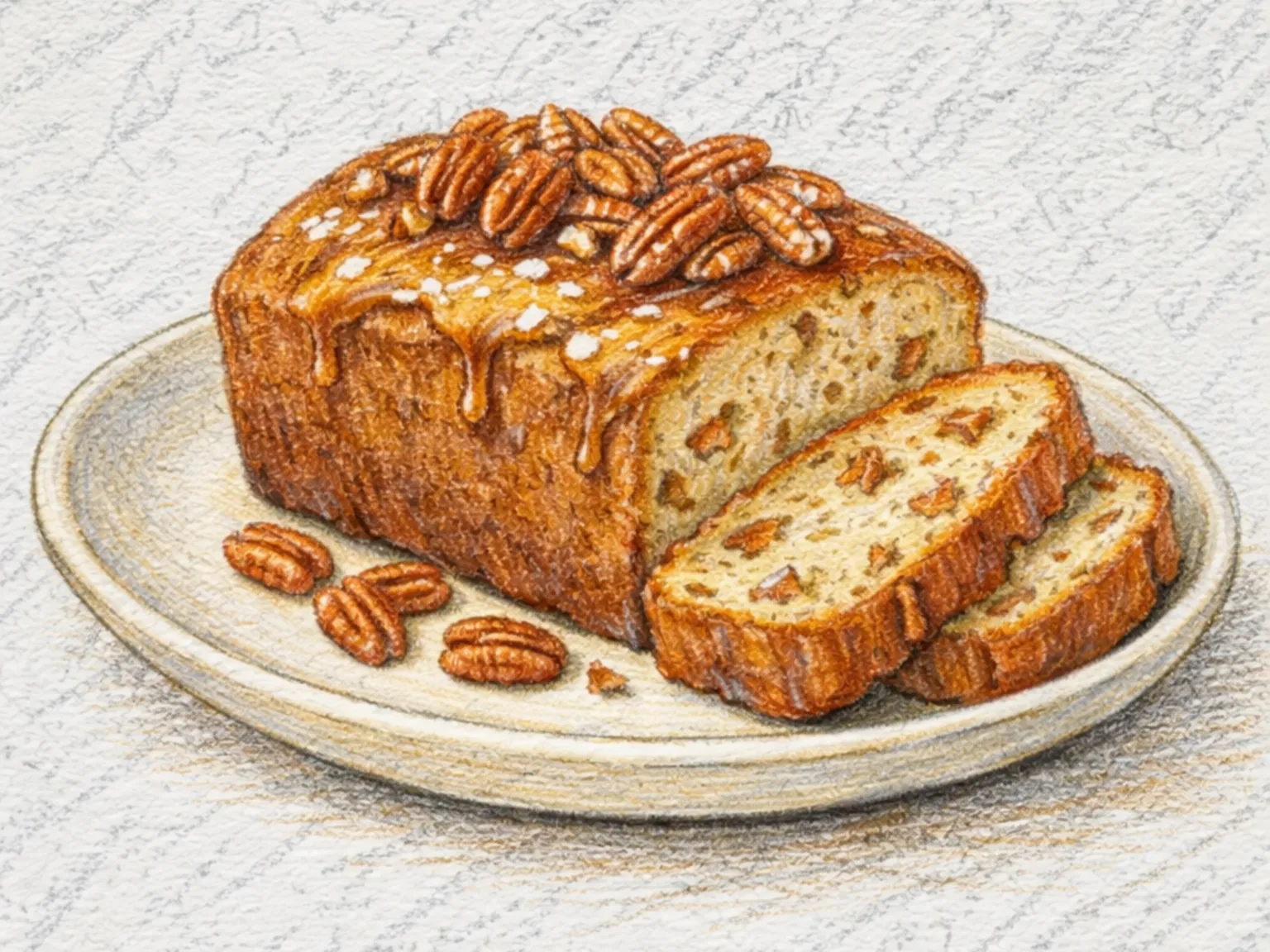
Brown sugar instead of white gives this pound cake a caramel edge that lines up with the woodsy sweetness of maple syrup. The crumb stays tight and buttery, as a pound cake should, with toasted pecans scattered through every slice. It tastes better the next day: wrapped overnight, the maple flavor moves through the whole loaf and the cake turns rounder and more even in flavor.
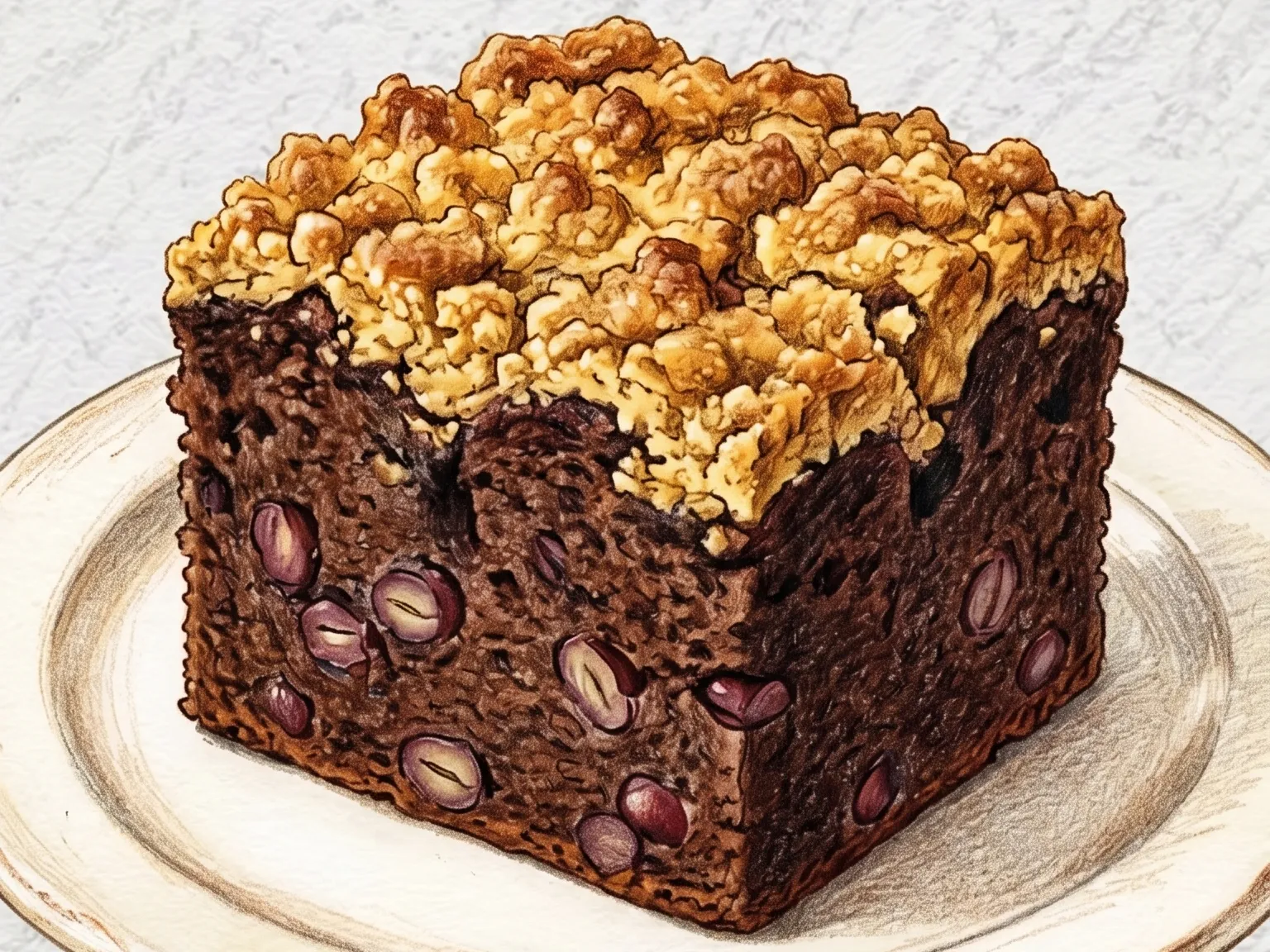
Cocoa and instant coffee darken the crumb of this cake, and small dots of sweet red bean paste sit scattered through the middle. Most bites are bittersweet mocha; every so often you hit a moist pocket of bean paste whose sweetness tones down the bitter coffee. The top is raked with a fork before baking, which leaves a rough, homey surface rather than a smooth glaze.
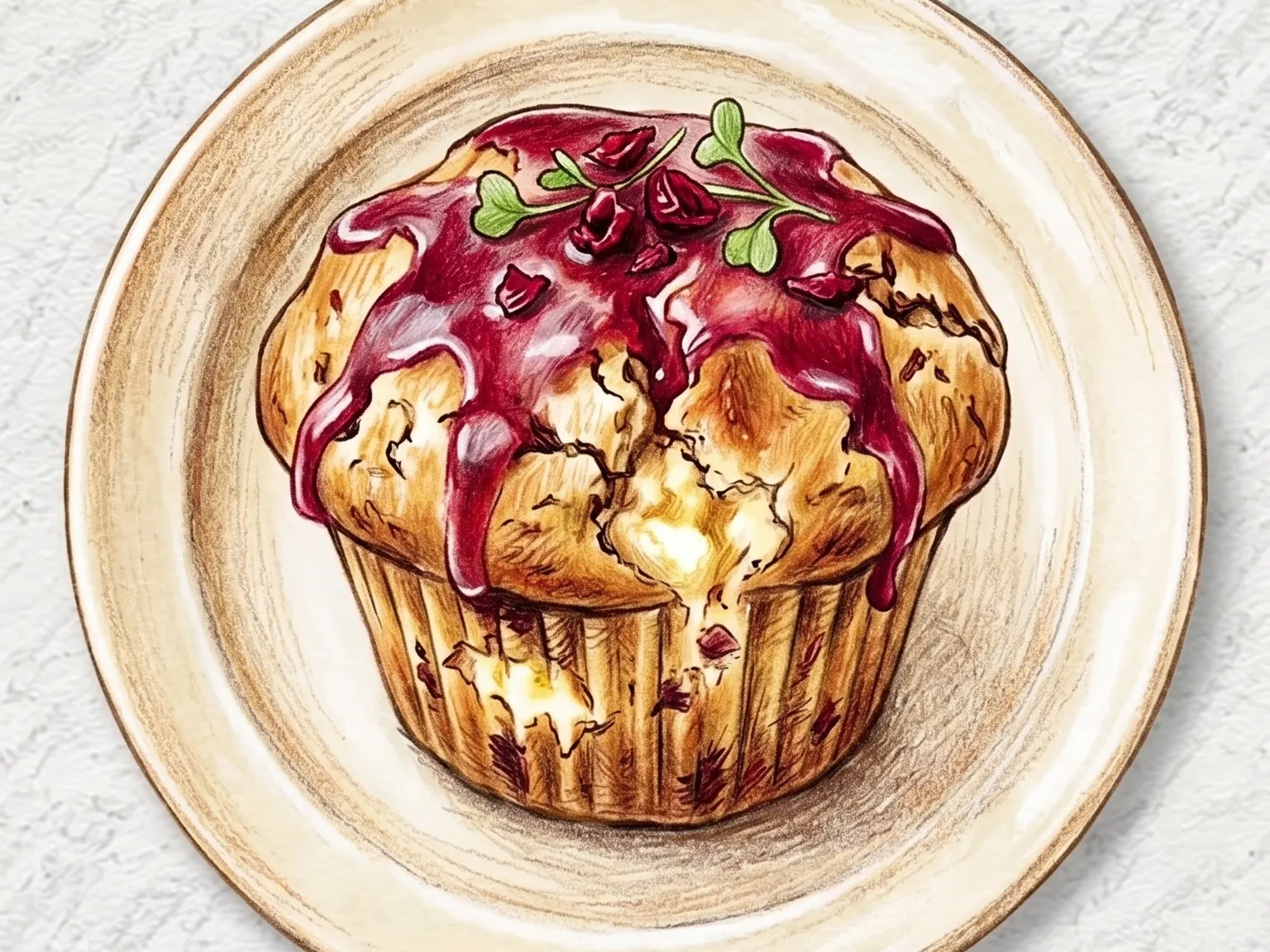
Small cubes of cream cheese go into a batter made with grapeseed oil, and they stay as distinct pockets after baking. Omija syrup flavors the batter and is brushed thinly over the warm tops straight out of the oven for a reddish sheen.
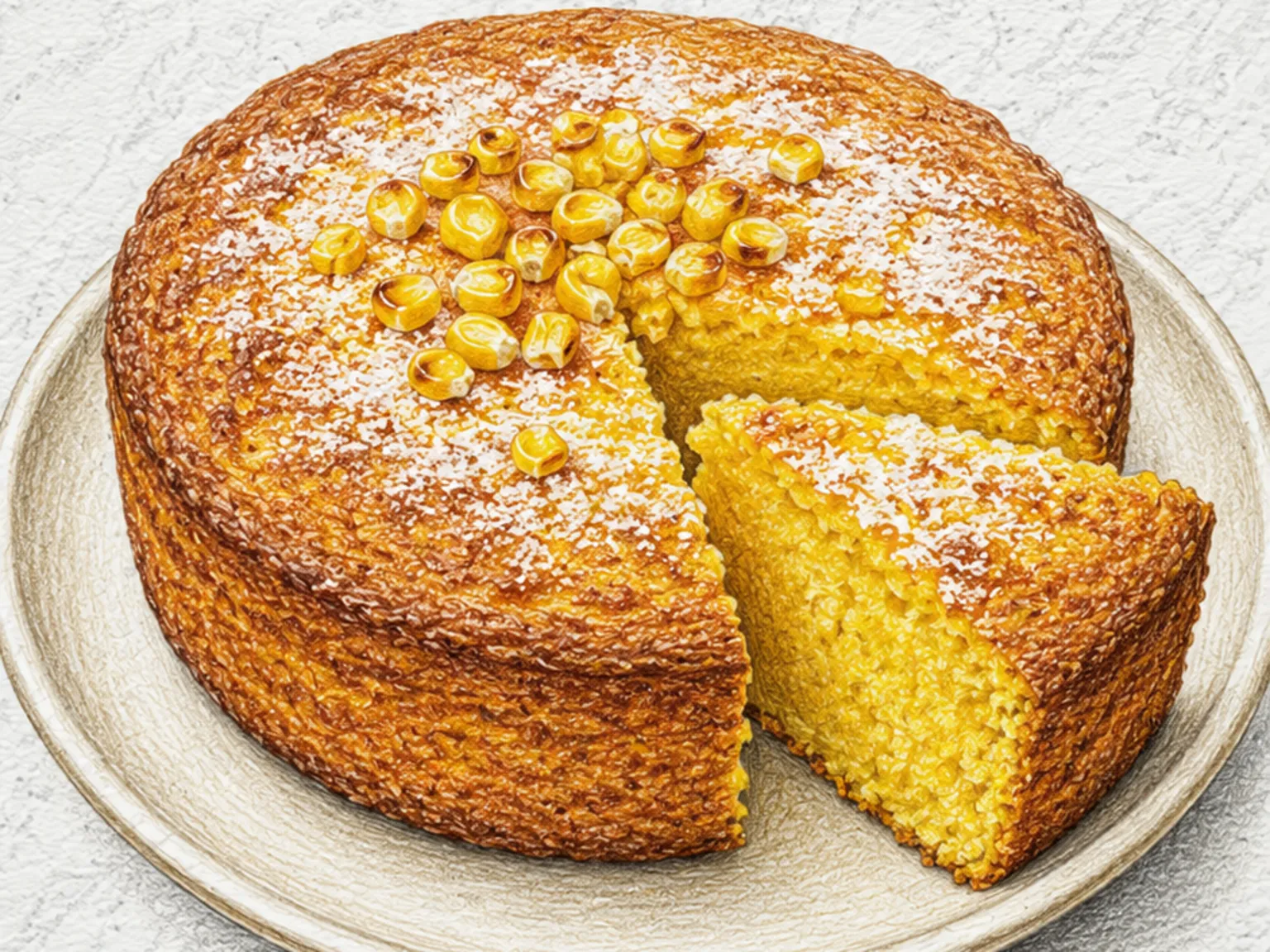
Corn kernels, blended with cream and eggs, flavor this Mexican cake, which is why it tastes of sweet corn rather than the gritty cornmeal of cornbread. The puree spreads color and corn flavor through every slice, and the butter and cream give a dense, moist crumb closer to pound cake than to an airy sponge.
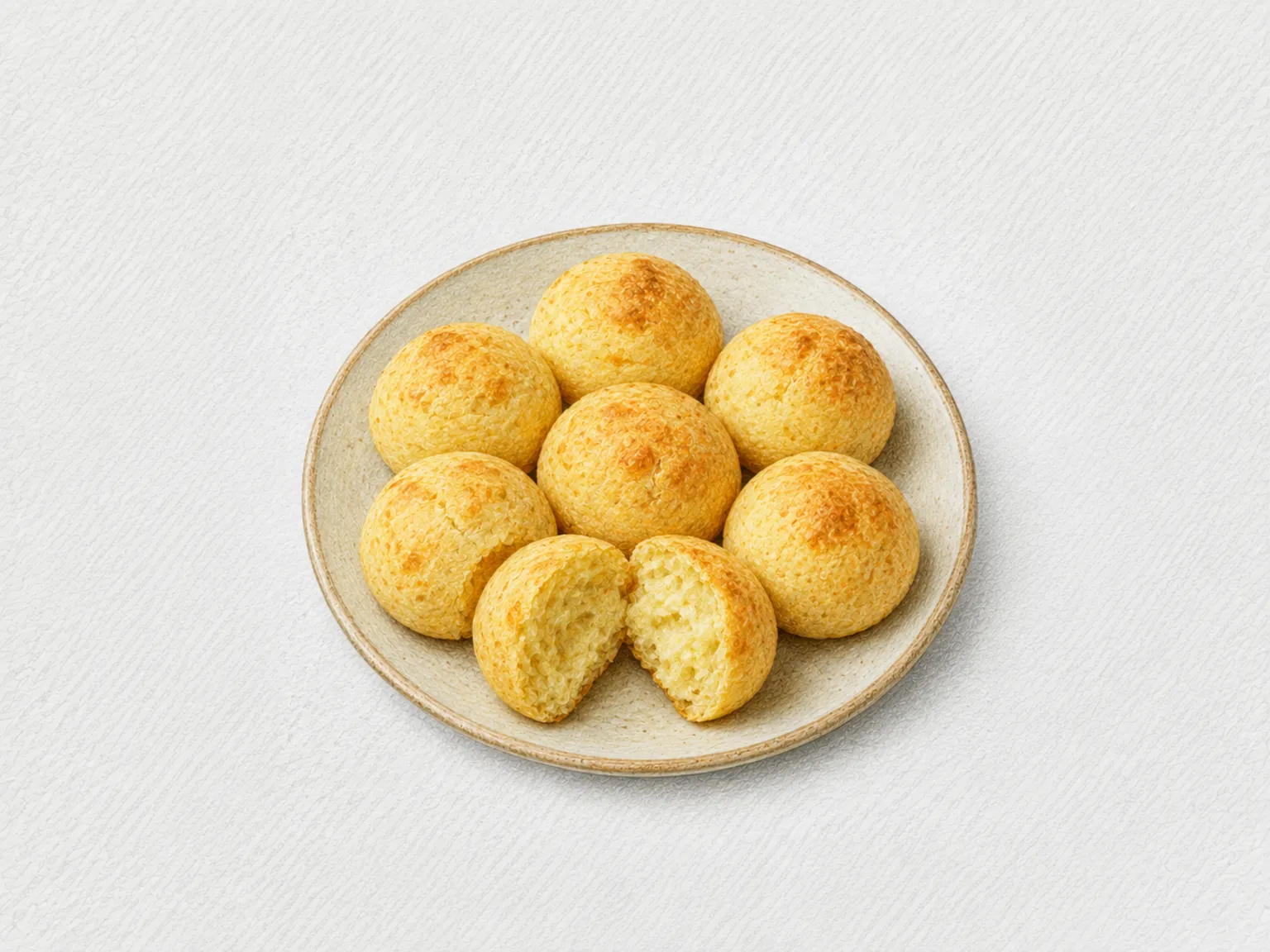
Tapioca starch and plenty of mozzarella and feta make these small Colombian breads, lightly browned outside with hot melted cheese inside. Some pandebono recipes use corn flour, but this one relies on cornstarch, and swapping in masarepa or polenta changes the result.
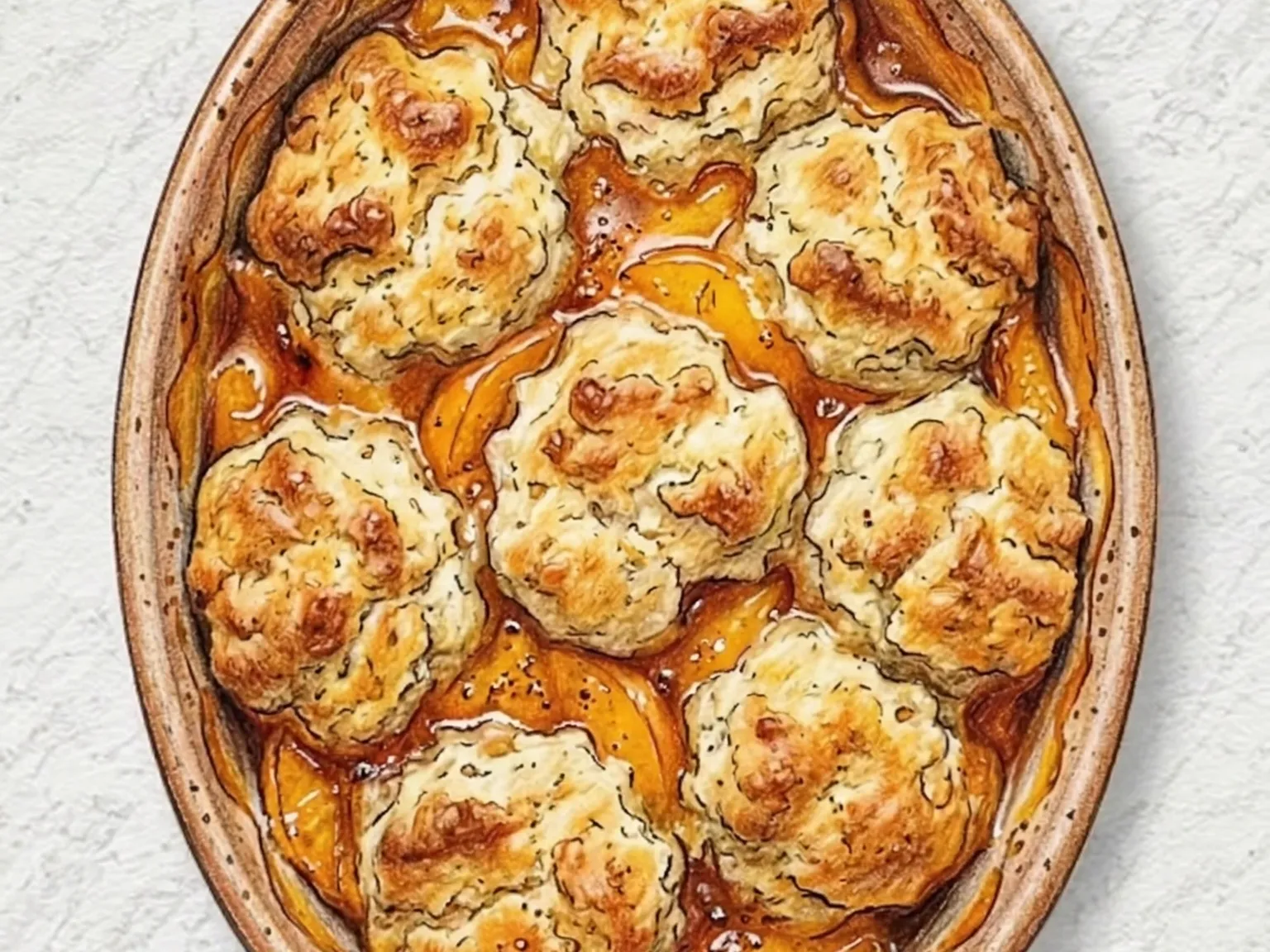
Spoonfuls of soft batter sit on sliced peaches with gaps between them, and the fruit juice bubbles up through those gaps as it bakes. The topping is mixed only until the flour disappears, which keeps it tender instead of heavy.
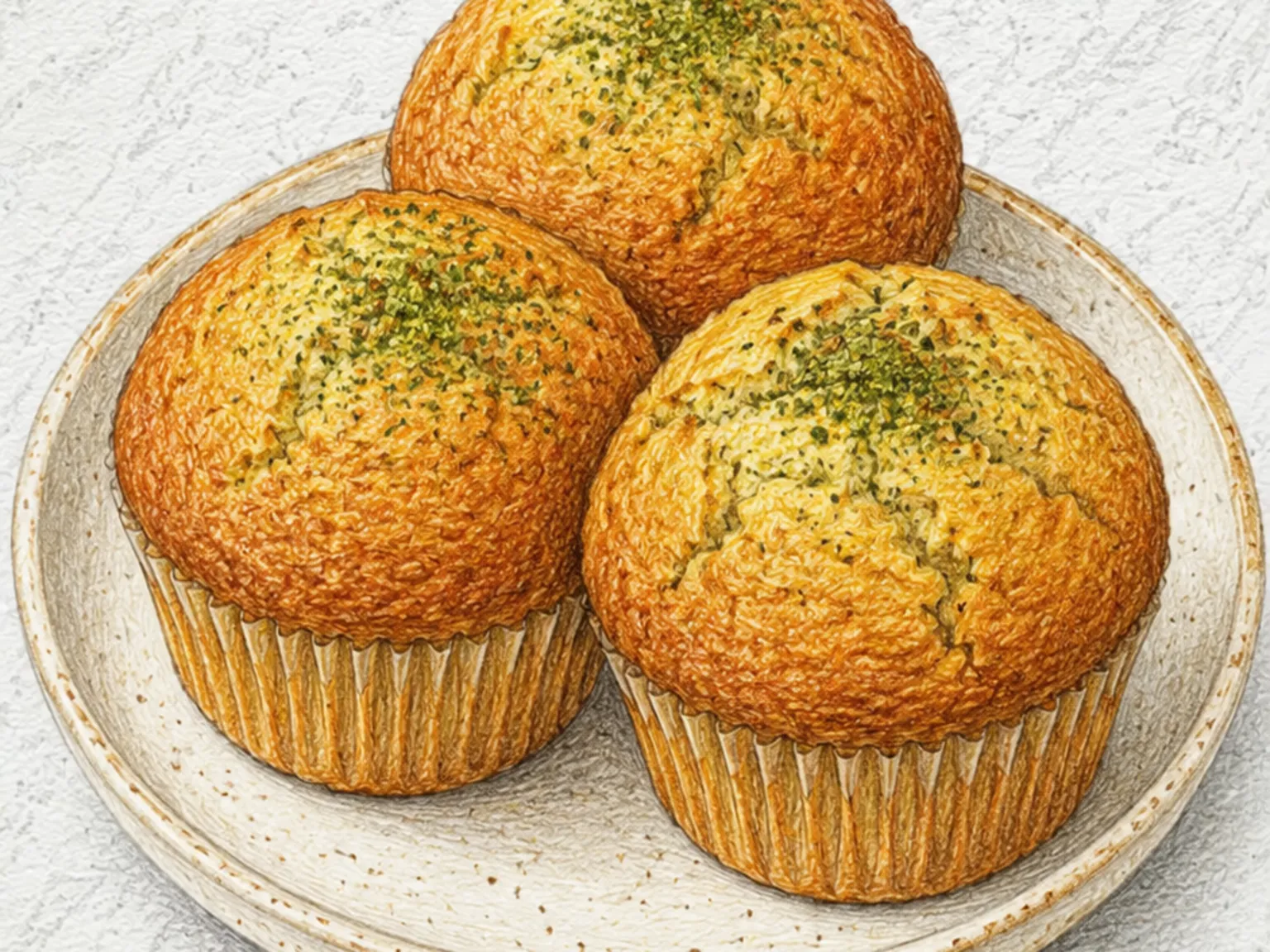
Ground perilla seed, a nutty seed flour common in Korean cooking, goes into both the batter and the tops of these muffins, so its toasty smell comes through first when they leave the oven. Honey and brown sugar share the sweetening, and neutral oil stands in for butter, so there is nothing to melt or cream before mixing. The batter fills one 6-cup muffin tray.
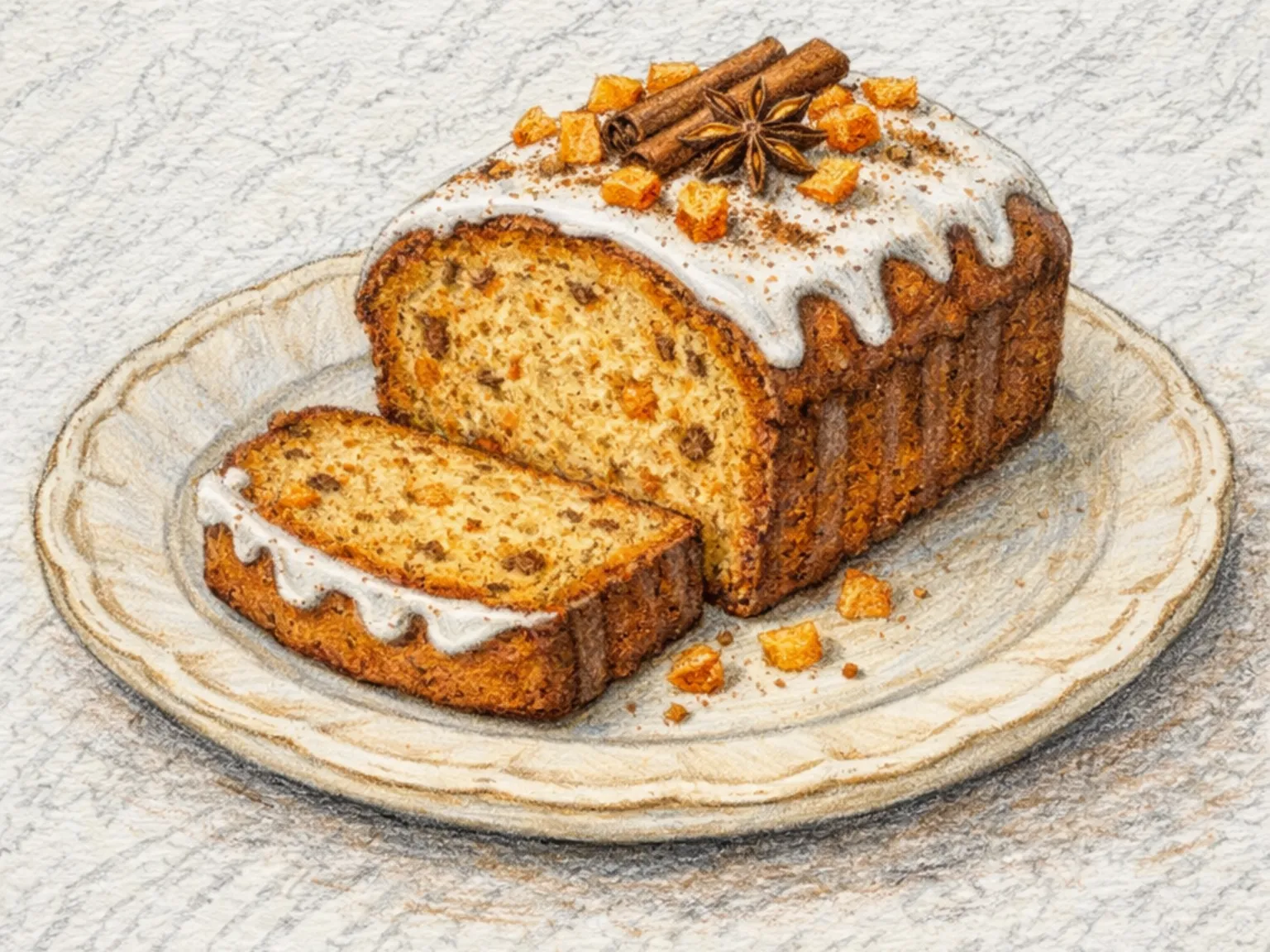
Chopped dried persimmon (gotgam) studs this buttery loaf, and most bites catch a chewy piece of fruit; cinnamon is the only spice. The fruit is sweet enough that the sugar stays modest. It is moister the day after baking, once it has spent a night wrapped in plastic.
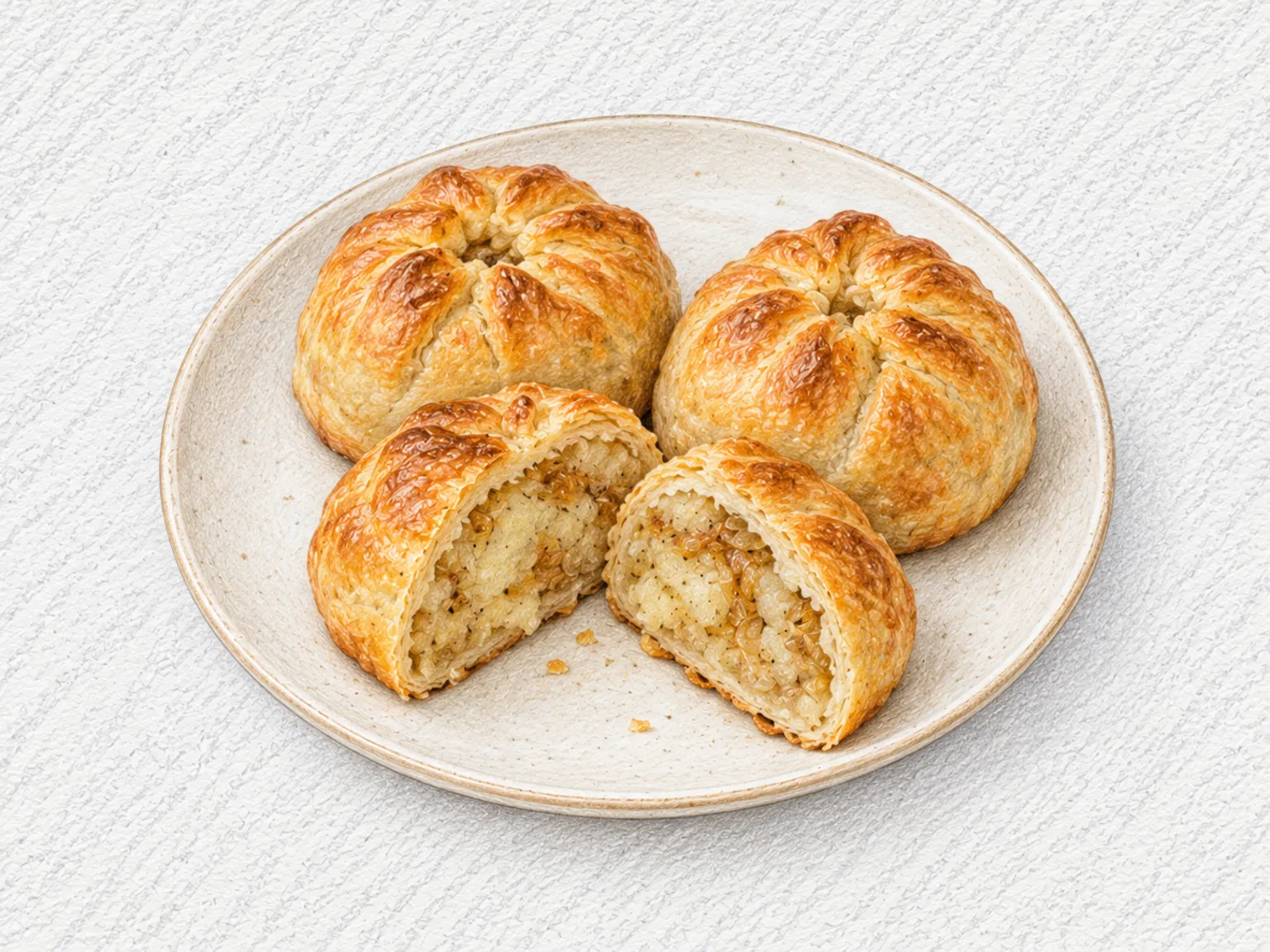
The filling is mashed potato and onion stirred often for about 45 minutes until deep golden. Wrapped around it is a thin dough of oil, egg and a little vinegar, not laminated puff pastry. The filling stays hot long after the crust feels cool, so the knishes get 10 minutes before serving.
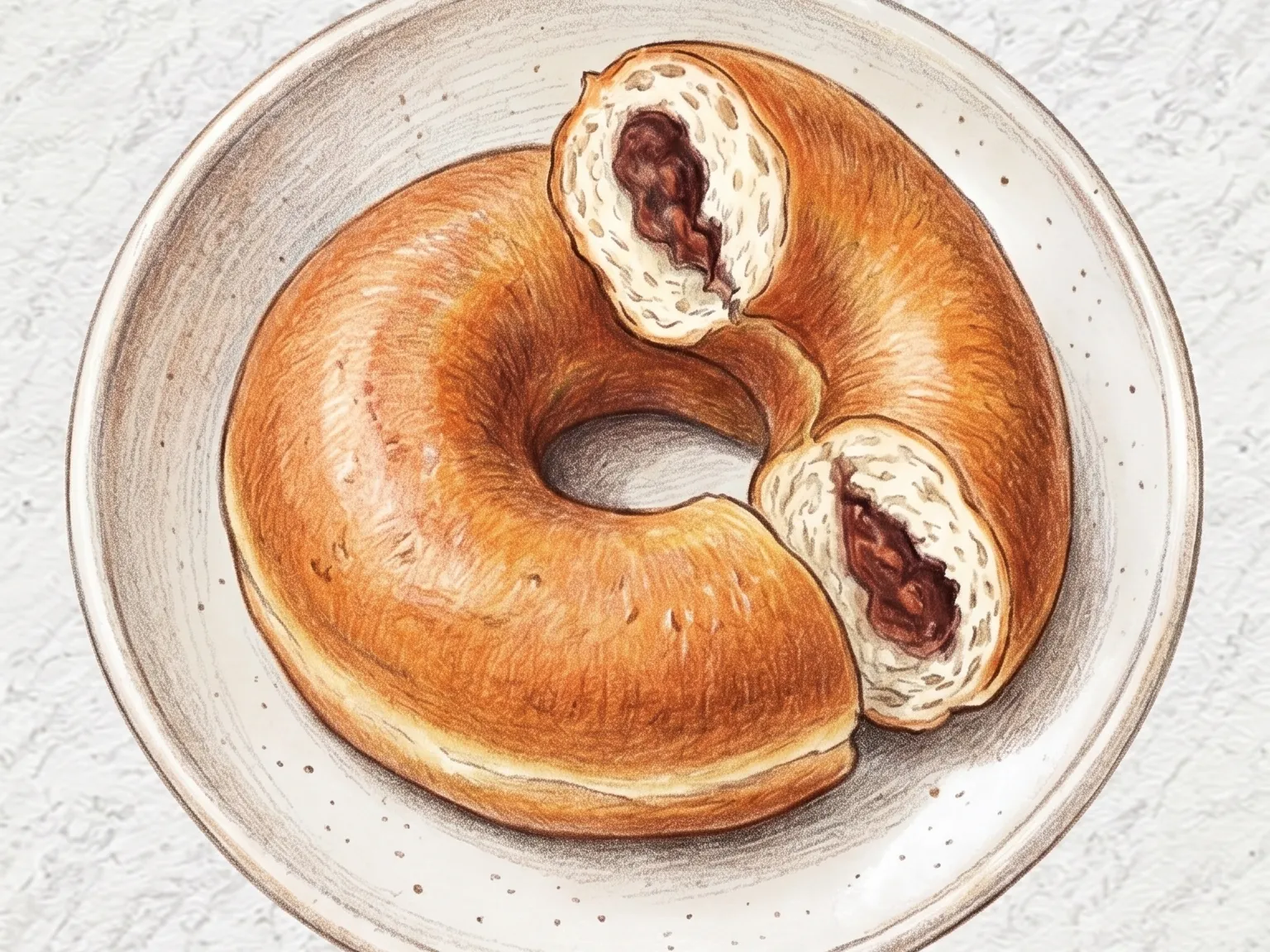
Baked in a doughnut pan rather than fried, these rings have a soft, cake-like crumb. Chilled sweet red bean paste sits in the middle of the batter and is covered completely, so it only shows once you bite in.
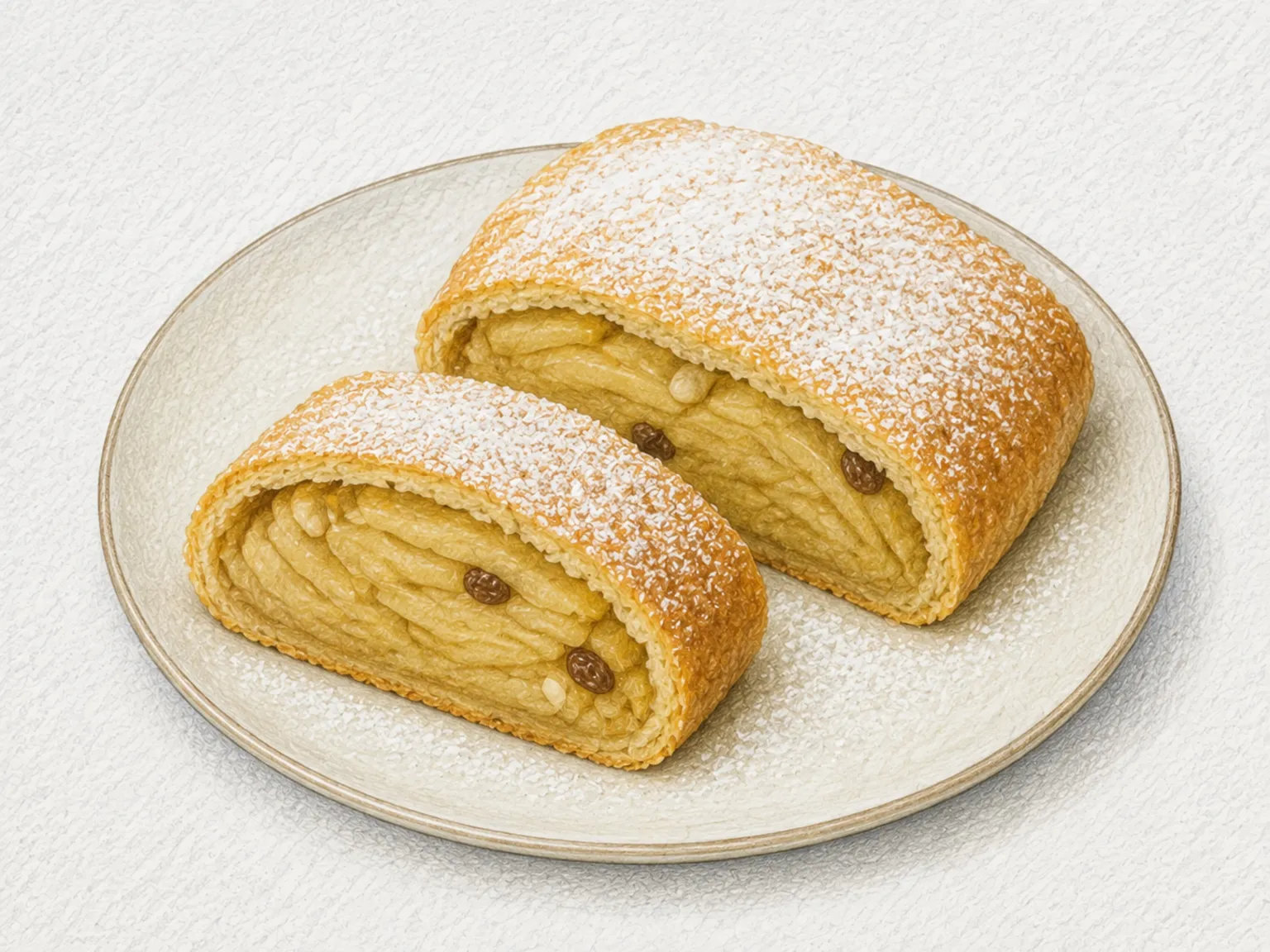
This South Tyrolean version wraps the apples in a sweet, buttery shortcrust instead of hand-stretched strudel dough or puff pastry, so the outside eats more like tart pastry. Inside are raw sliced apples with sultanas, pine nuts and rum, plus fine breadcrumbs toasted in butter that catch the apple juice as it bakes.
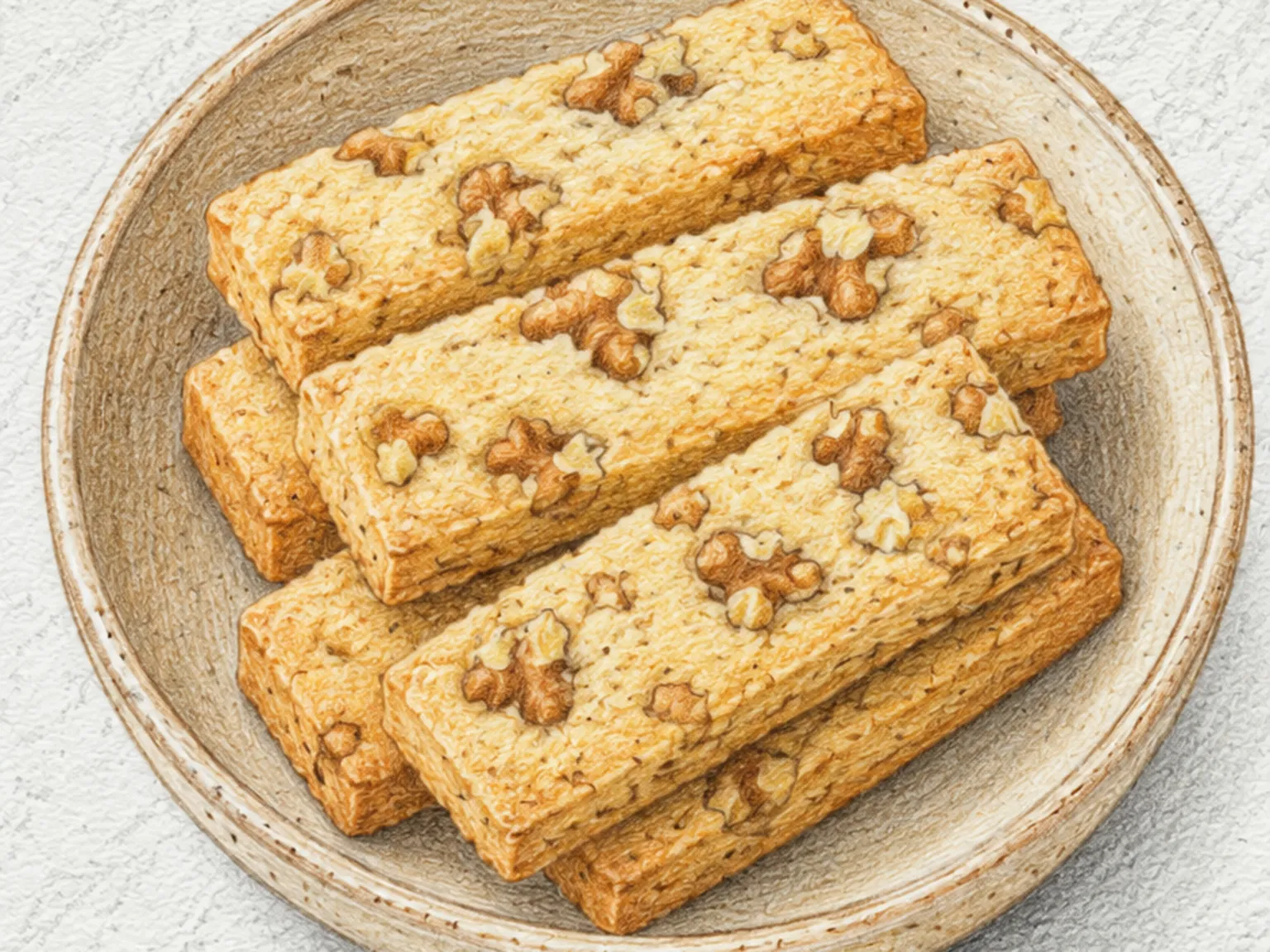
Rice flour and almond flour make up the dough, and the bars break apart lightly in the mouth, with bits of chopped walnut throughout. For more crunch, turn the oven off once they are baked and leave them inside with the door ajar for another 5 minutes. Cutting before they have cooled completely breaks the bars.
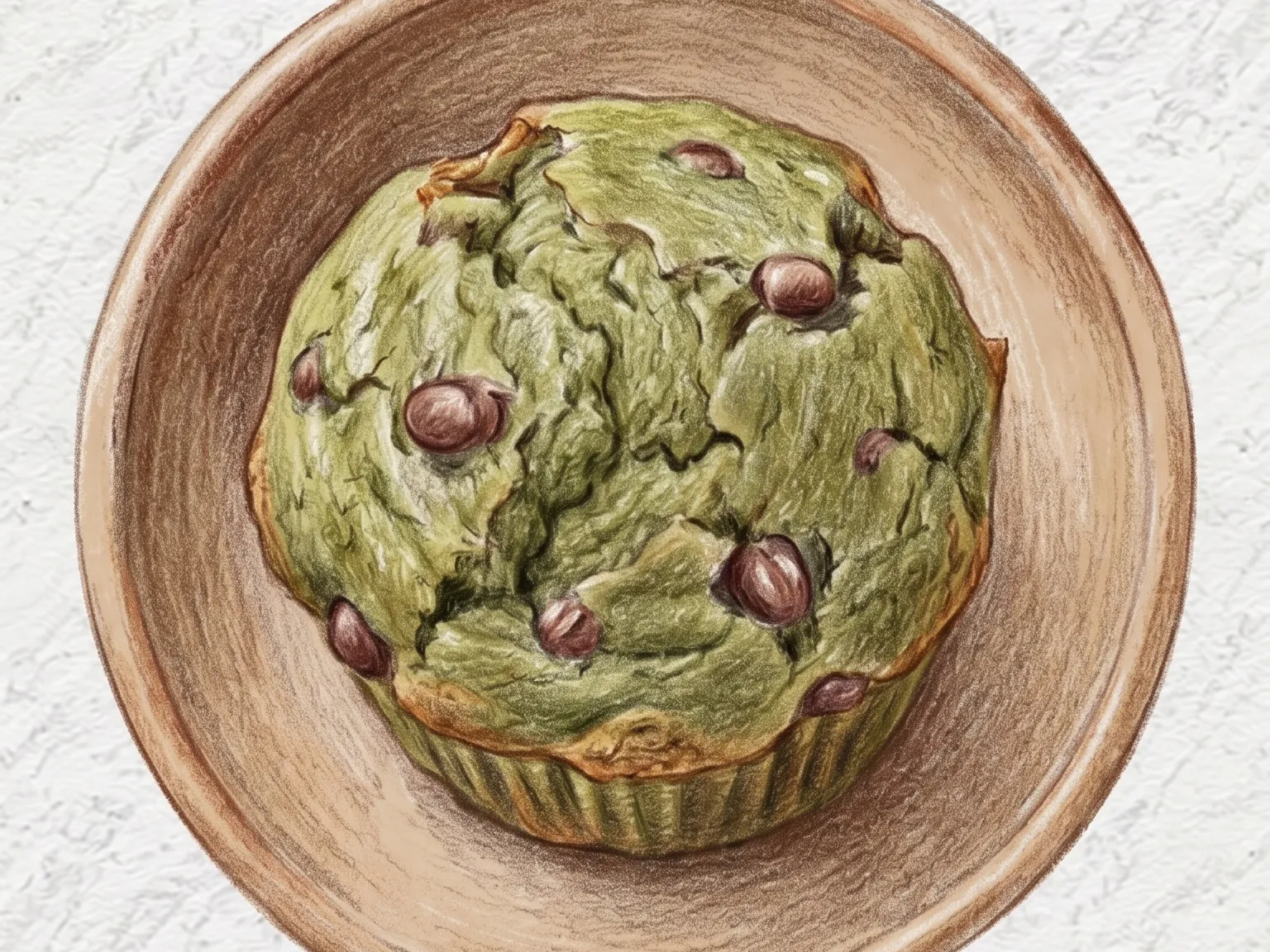
Mugwort powder and whole red beans are a pairing anyone who has been to a Korean rice cake shop will know; here they go into a muffin batter. The beans are folded in last with just a few strokes, so a split muffin shows them whole in the pale green crumb.
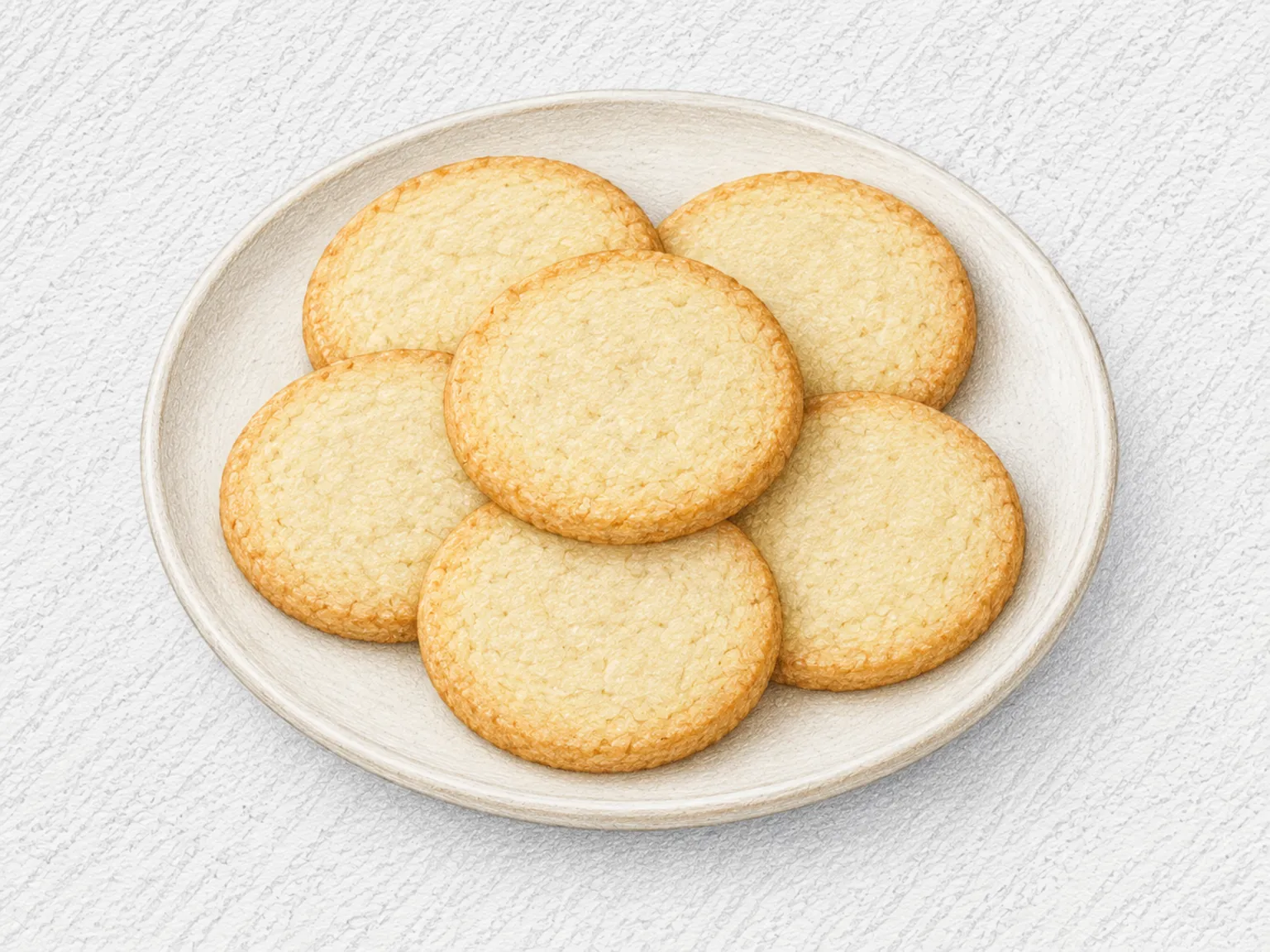
Dough temperature and thickness decide whether a cut-out shape survives the oven, so the dough chills for 2 hours and is rolled to 6 mm between parchment sheets instead of on a floured counter. With no icing, vanilla carries the flavor, and the cookies come out when the center loses its wet shine and the edges just begin to color.
Steamed sweet potatoes vary in how much water they hold, so part of the 90 ml of milk is held back and added 10 ml at a time until the batter drops slowly from the spatula. The fat is plain oil, which means no butter to melt or cream.
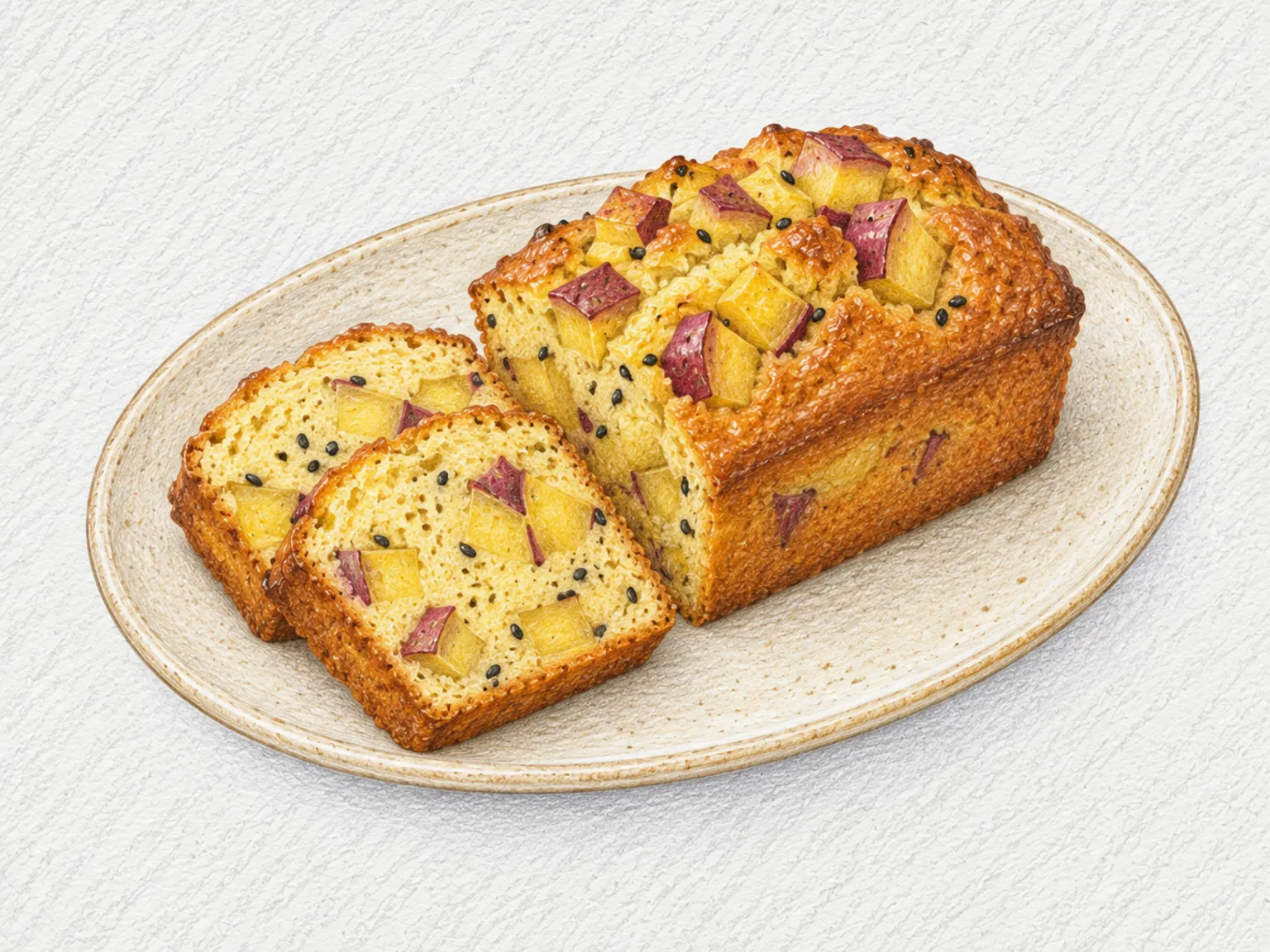
Skin-on sweet potato, cut into 1 cm cubes and glazed in butter, honey and sugar, goes half into the batter and half on top, and chunks of it show in every slice. Ground almonds and black sesame are mixed into the batter too. One 20 cm loaf pan makes a cake that cuts into eight pieces.
Cold, pea-size butter crumbs scattered over a moist sweet potato batter give this loaf its crunchy top. Keep the streusel chilled and sprinkle it on without pressing, so the clumps survive baking. The loaf bakes for 48-50 minutes and the top color runs ahead of the center, so a skewer that comes out free of wet batter is the better signal.
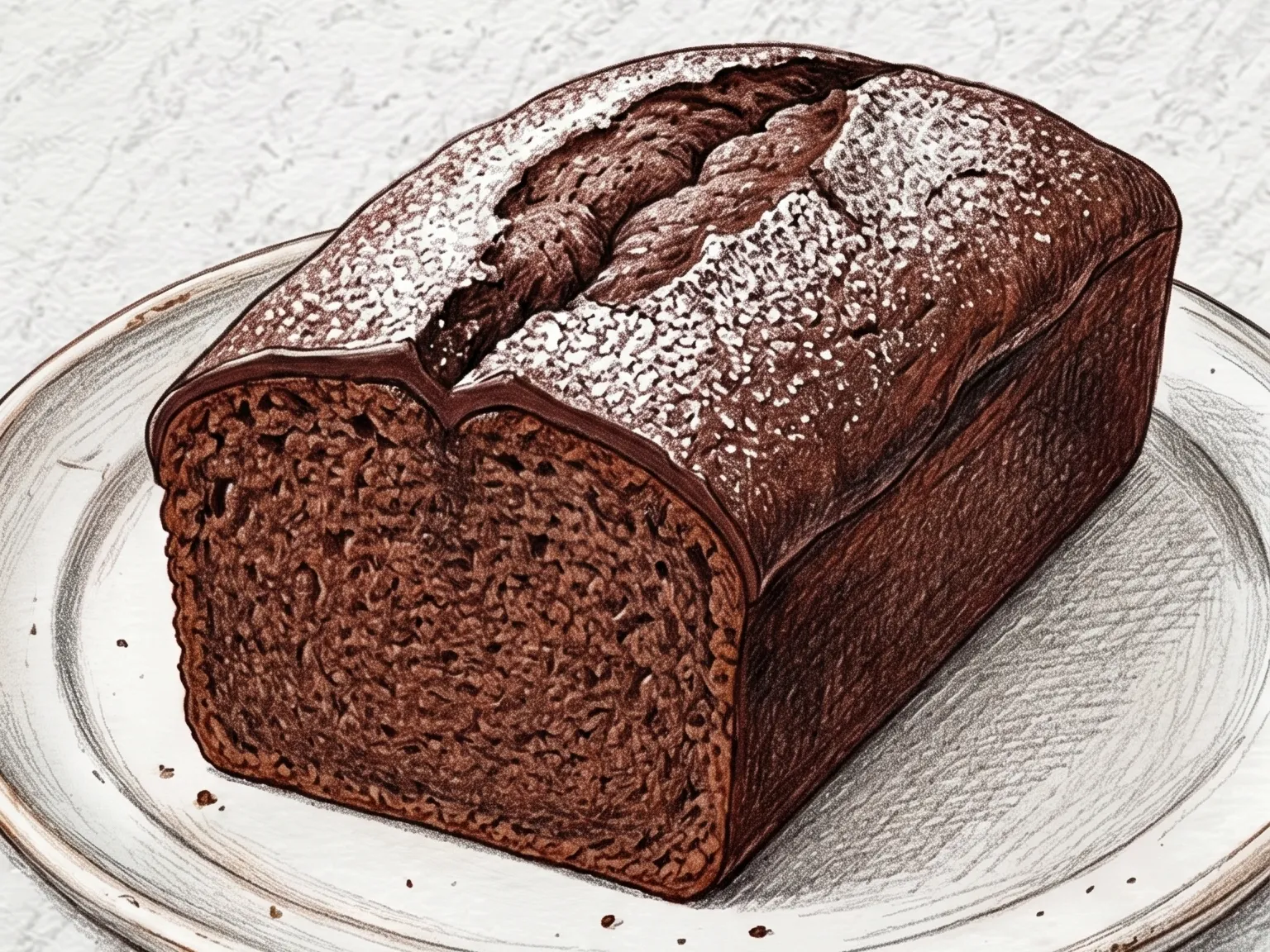
There is no butter in this cocoa loaf. Mashed soft tofu and grapeseed oil fill that role, and dark chocolate chips are folded through. Wet tofu can add 3 to 5 minutes in the oven, which is why it sits in a sieve for 5 minutes first.
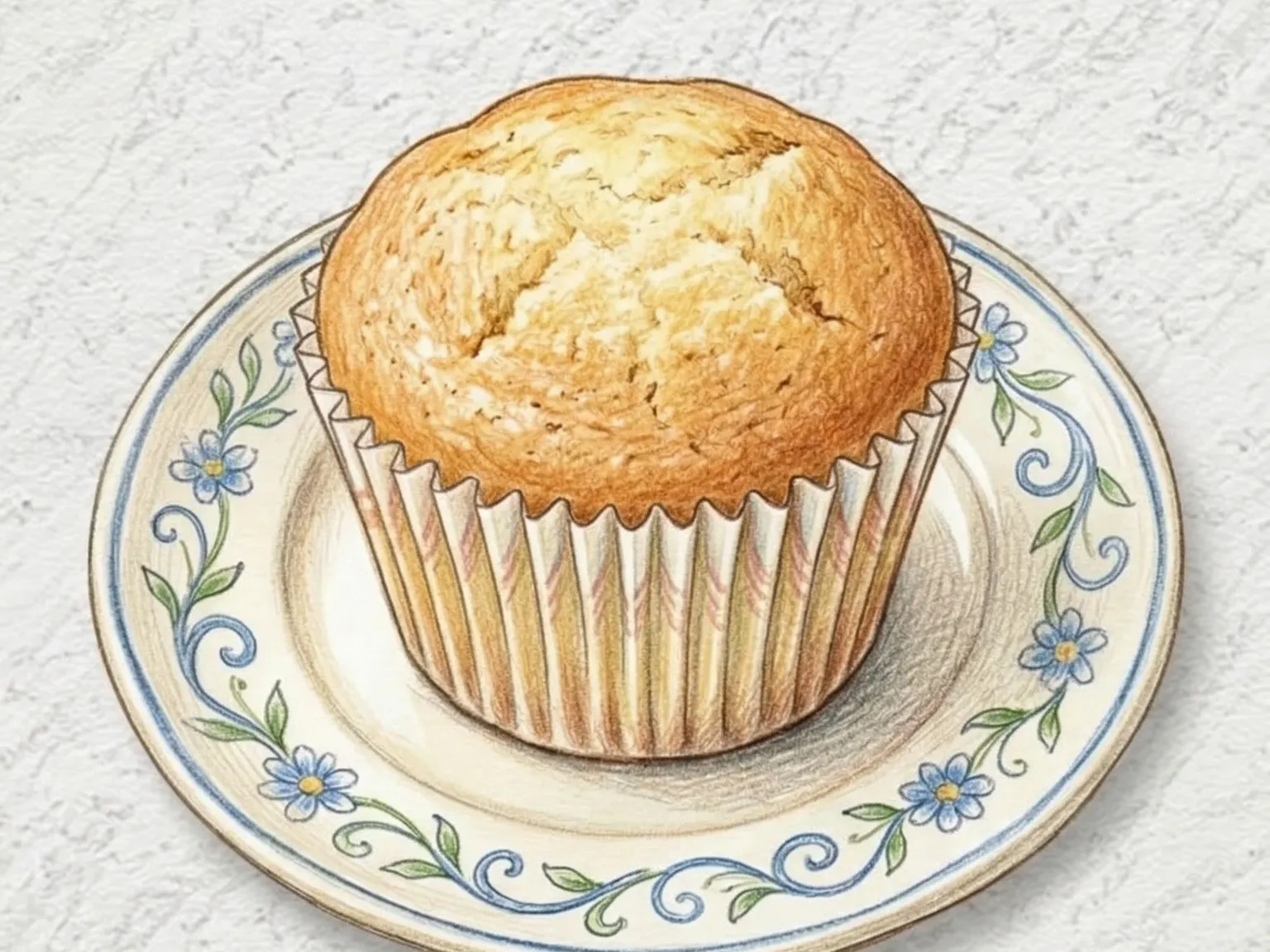
A plain vanilla cupcake meant to sit under whatever goes on top: buttercream, cream cheese frosting, ganache. Batter fills each liner to 70 percent, and the oven door stays shut for the first 15 minutes so the centers do not sink.
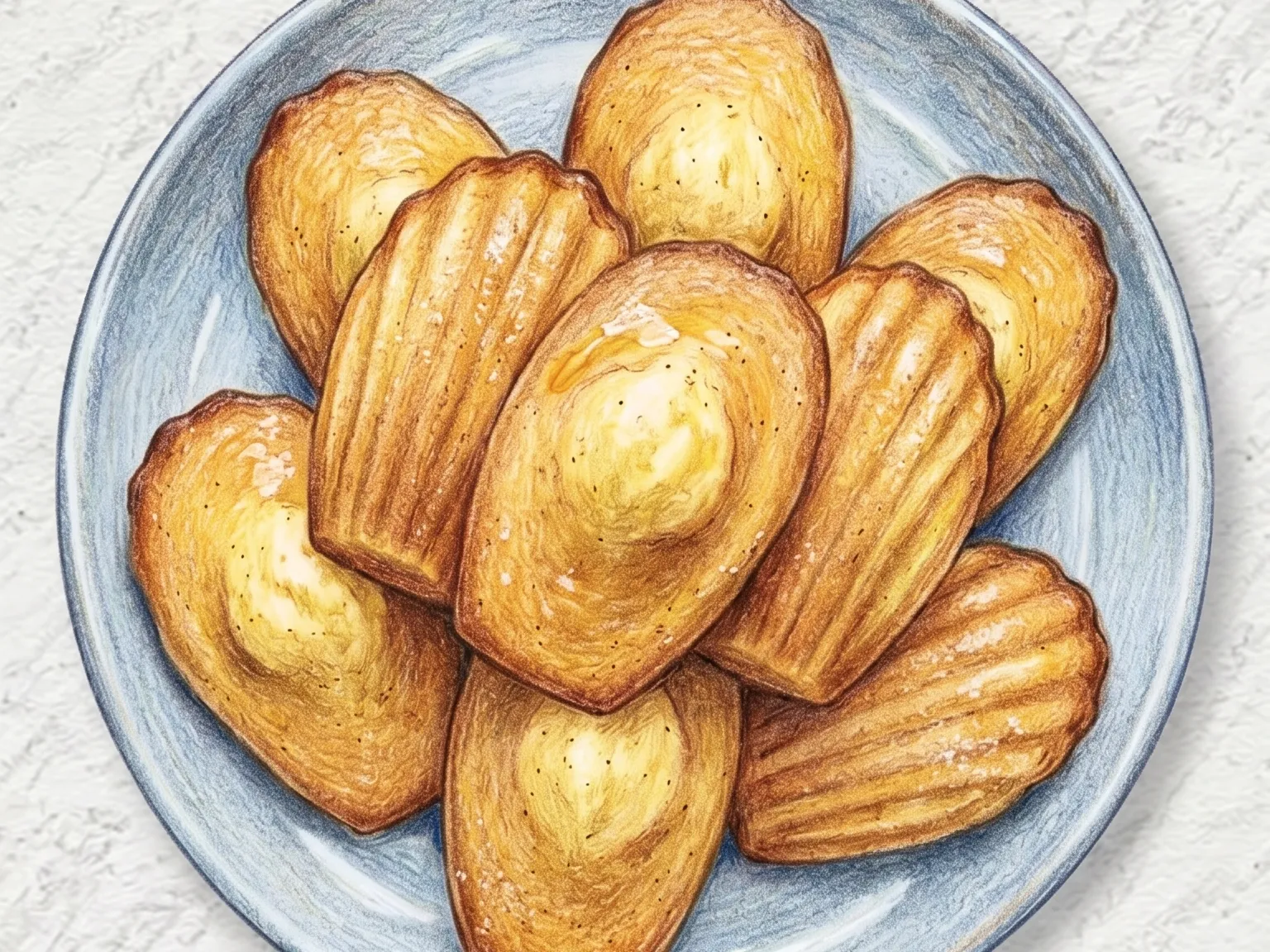
Honey gives these madeleines a slightly deeper color and keeps them moist for longer after they cool. The little hump on the back forms when well-chilled batter goes straight into a hot oven.
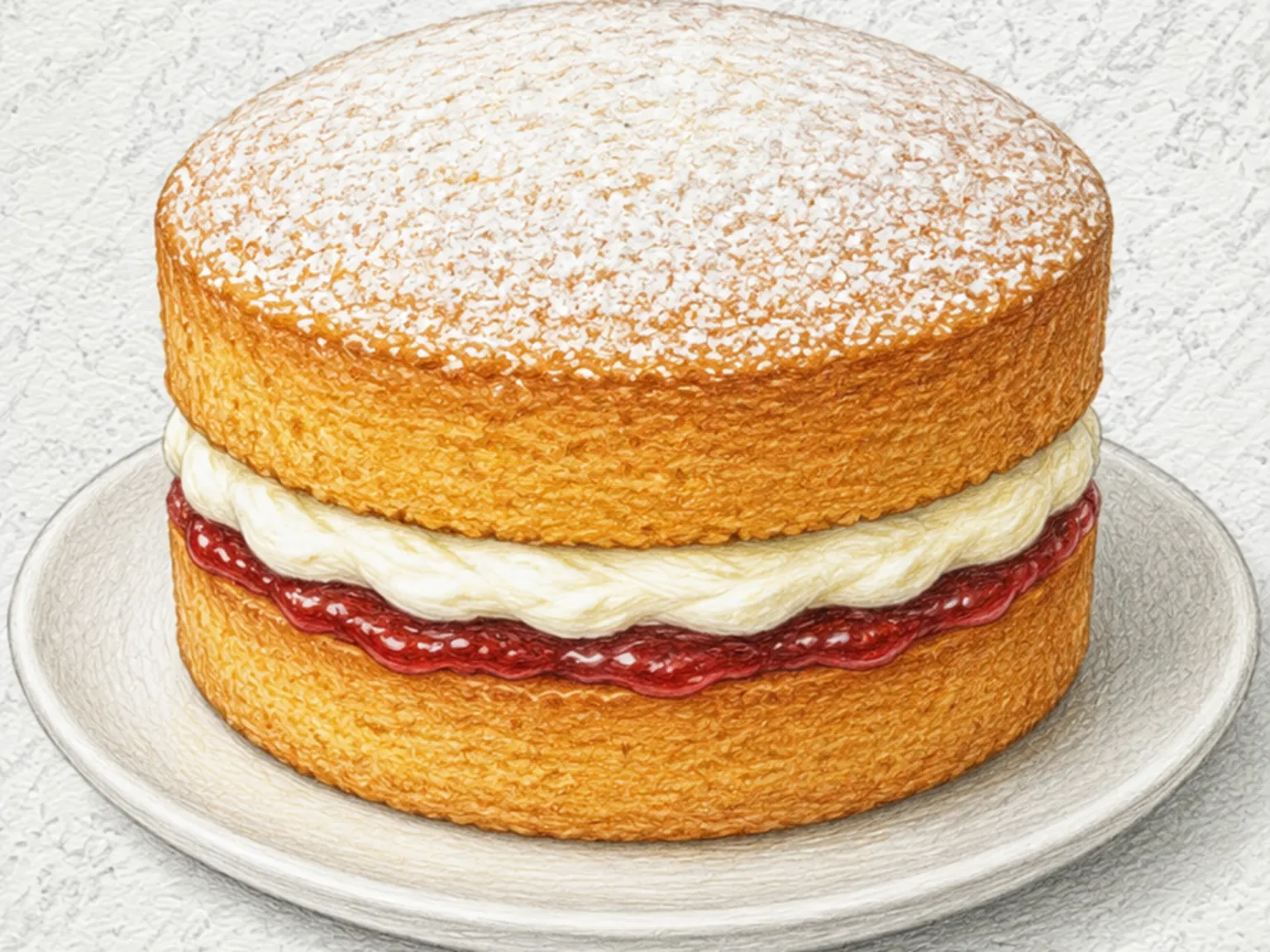
Two plain sponges made from equal weights of butter, sugar and flour, with nothing between them but strawberry jam and whipped cream. It is named after Queen Victoria and is still a regular at British afternoon tea.
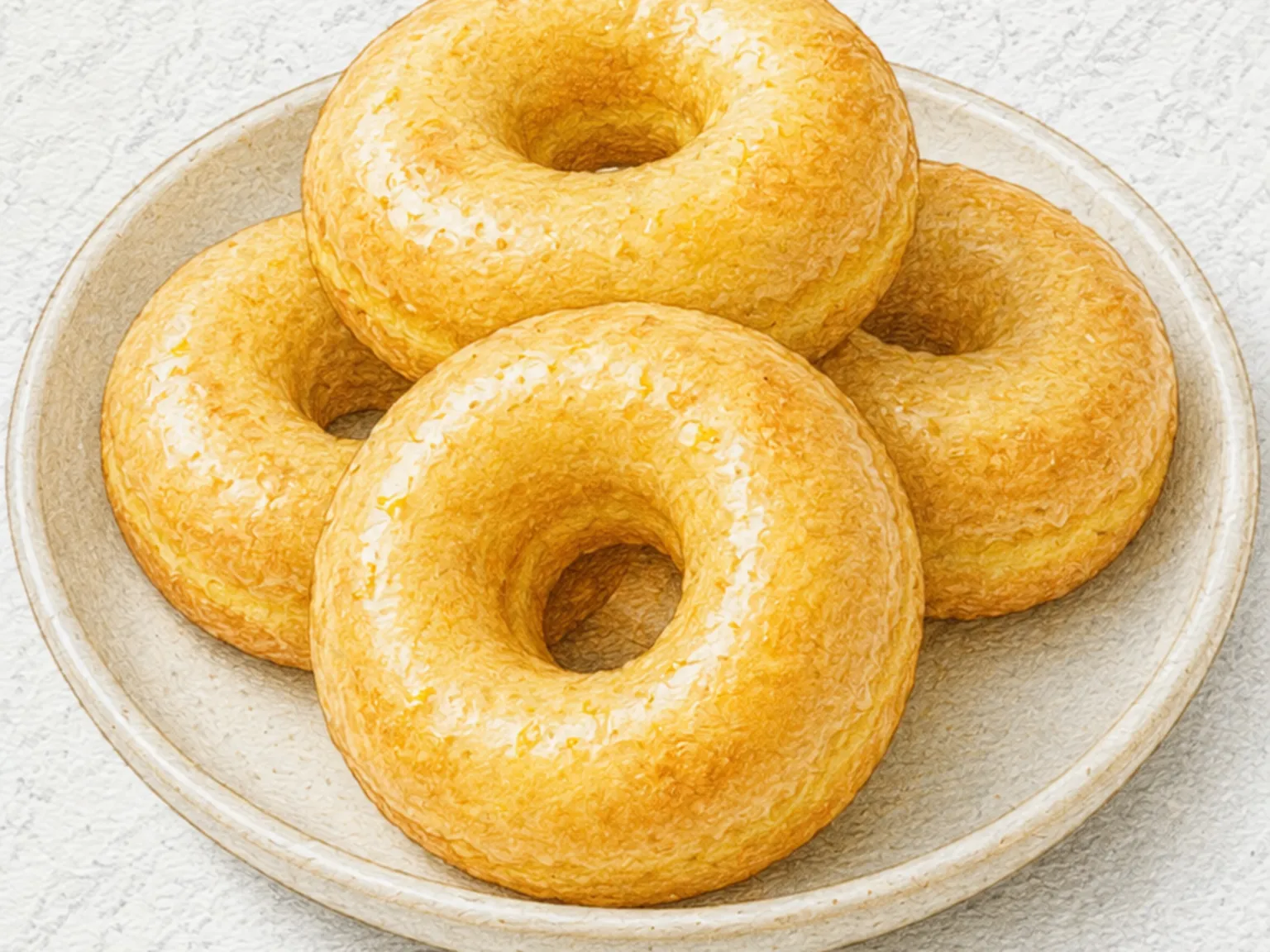
Piped into a doughnut pan and baked rather than fried, these come out soft all the way through, closer to a small cake. The batter has yogurt, milk and yuja-cheong, Korean citron preserve, and the minced ginger is stirred into the yuja-cheong first so it does not end up in one clump. Overbaked, they turn dry, and checking starts at 12 minutes.
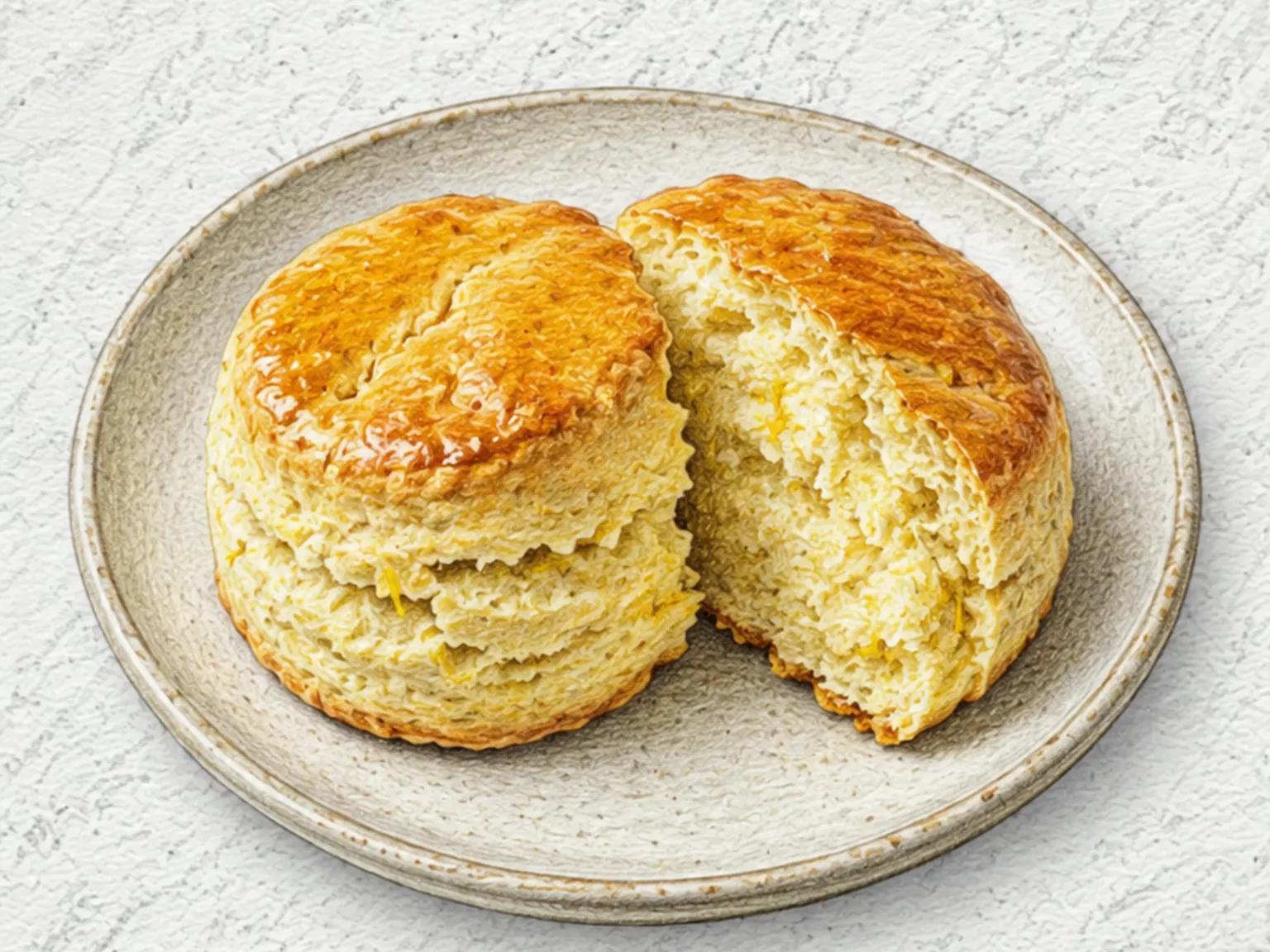
The layers in this scone come from stopping before the butter is fully rubbed in, leaving pea-sized bits in the flour. Those bits melt in the oven and push the sides apart, so a good scone splits by hand into visible layers. Yuja preserve (yuja-cheong), yuja zest and minced ginger go into the dough.