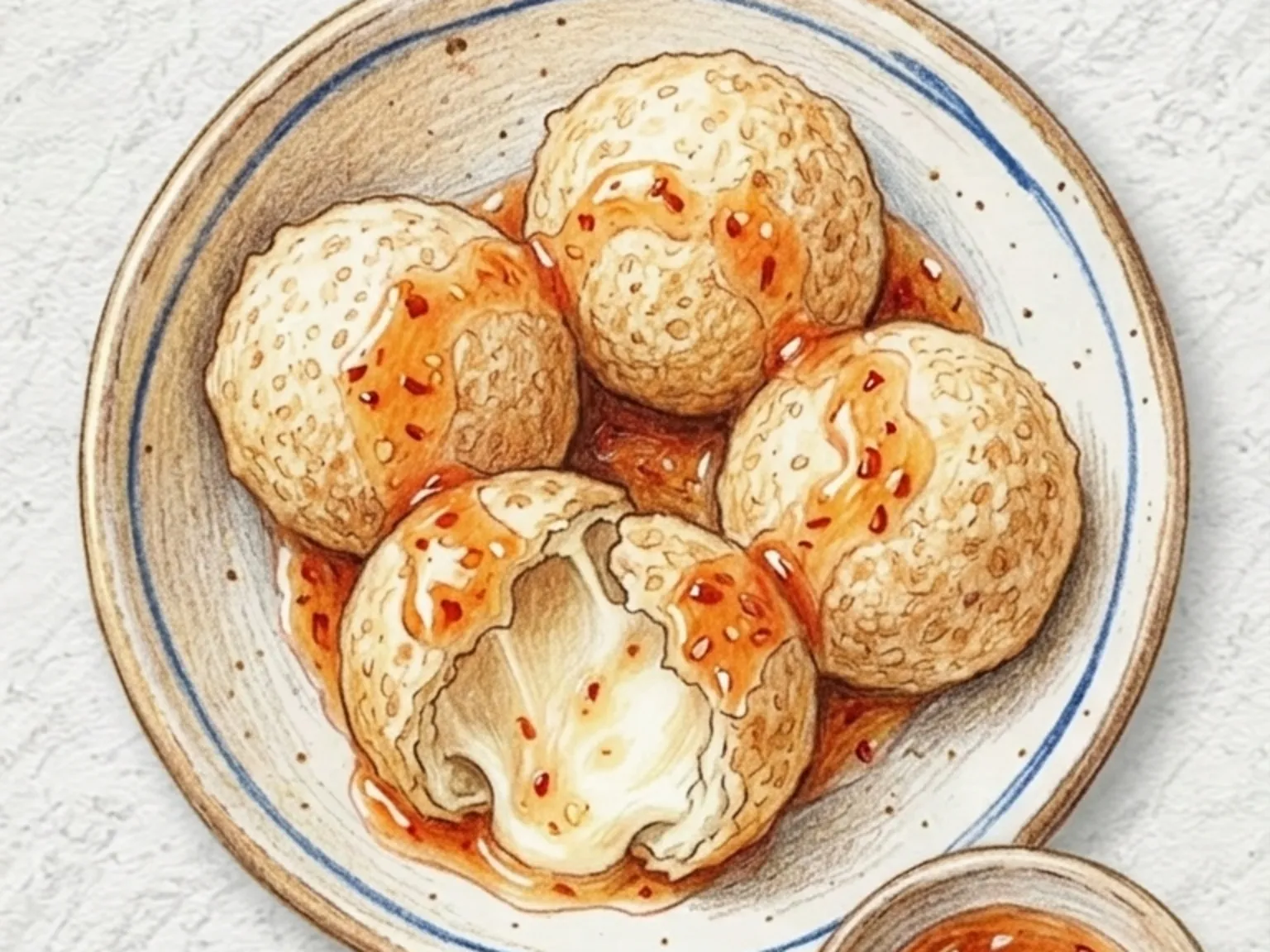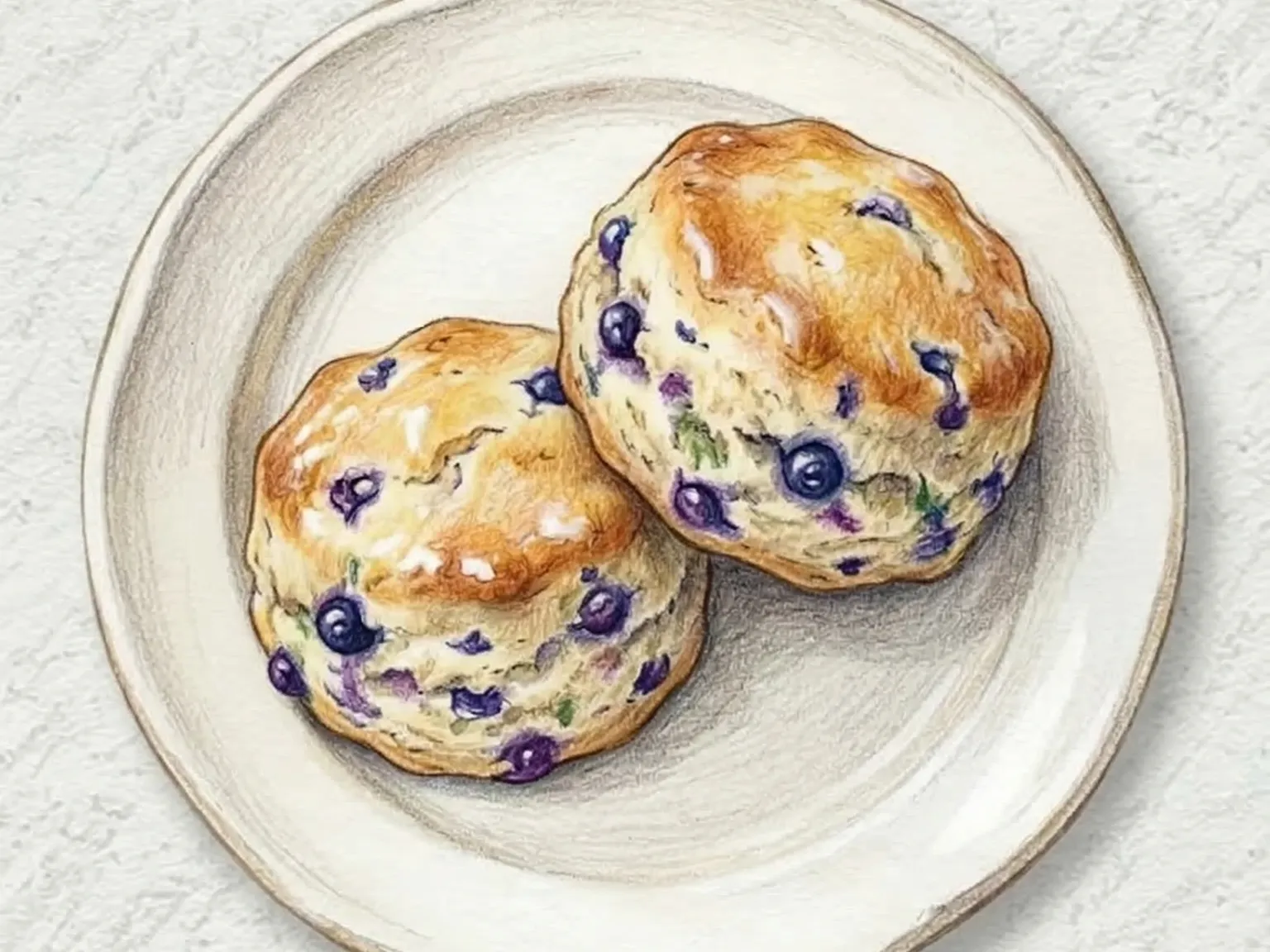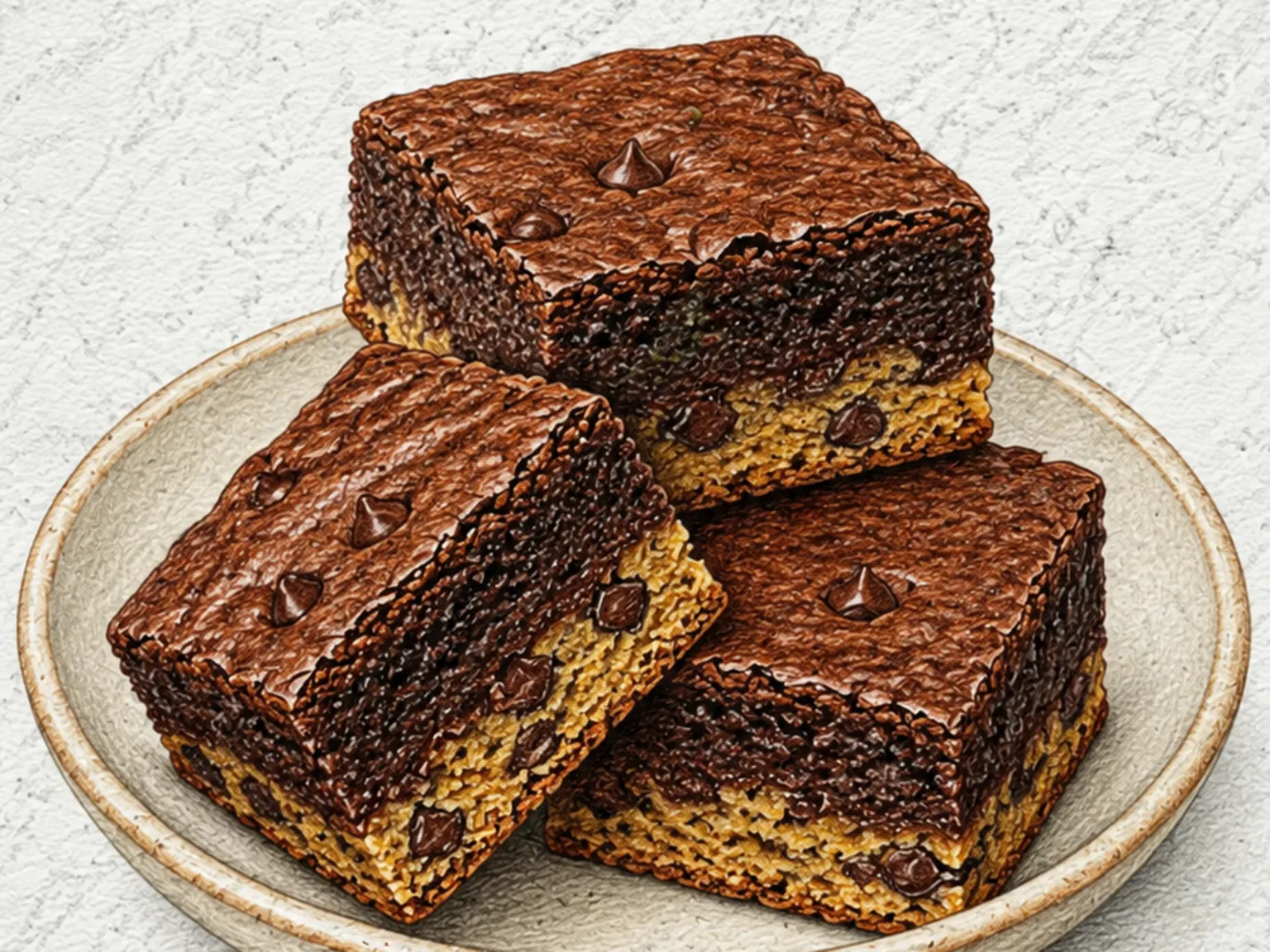
Danhobak Cream Cheese Swirl Muffin (Kabocha Cream Cheese Swirl Muffin)
Kabocha squash swirl muffins are autumn bakes that use steamed and mashed kabocha puree in the batter and a lightly sweetened cream cheese filling swirled across the top before baking. The puree contributes natural moisture and sweetness that transform the crumb from the typically dry muffin texture into something denser and notably more tender, while the orange pigment of the squash tints the batter to a warm amber that signals the season. A small amount of cinnamon and nutmeg deepens the earthy sweetness of the squash and wraps each bite in the rounded, cozy warmth that autumn spices are known for. The cream cheese filling is kept at minimal sweetness so its tanginess remains assertive, and drawing swirls through the batter with a toothpick before baking creates marble-like veins across the surface and through the interior once cut. The muffins emerge from the oven with lightly cracked, golden tops, and splitting one open reveals bright orange crumb threaded with white cream cheese streaks. The interplay between the sharp, rich cream cheese and the spiced squash crumb produces a complexity that makes these more interesting than a single-note muffin, and they come together in under an hour from mixing bowl to cooling rack.

Injeolmi Scone (Soybean Powder & Rice Cake Scone)
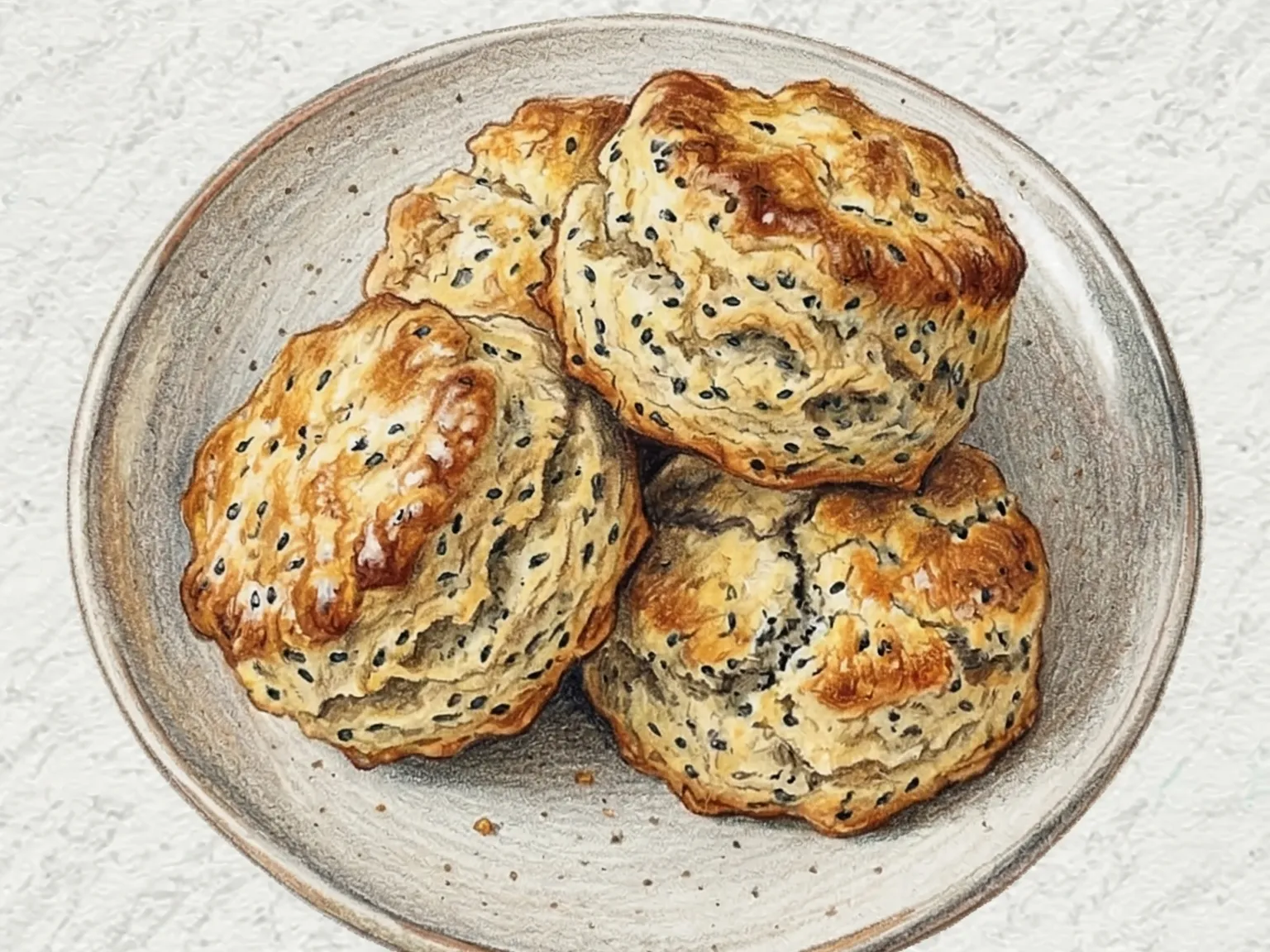
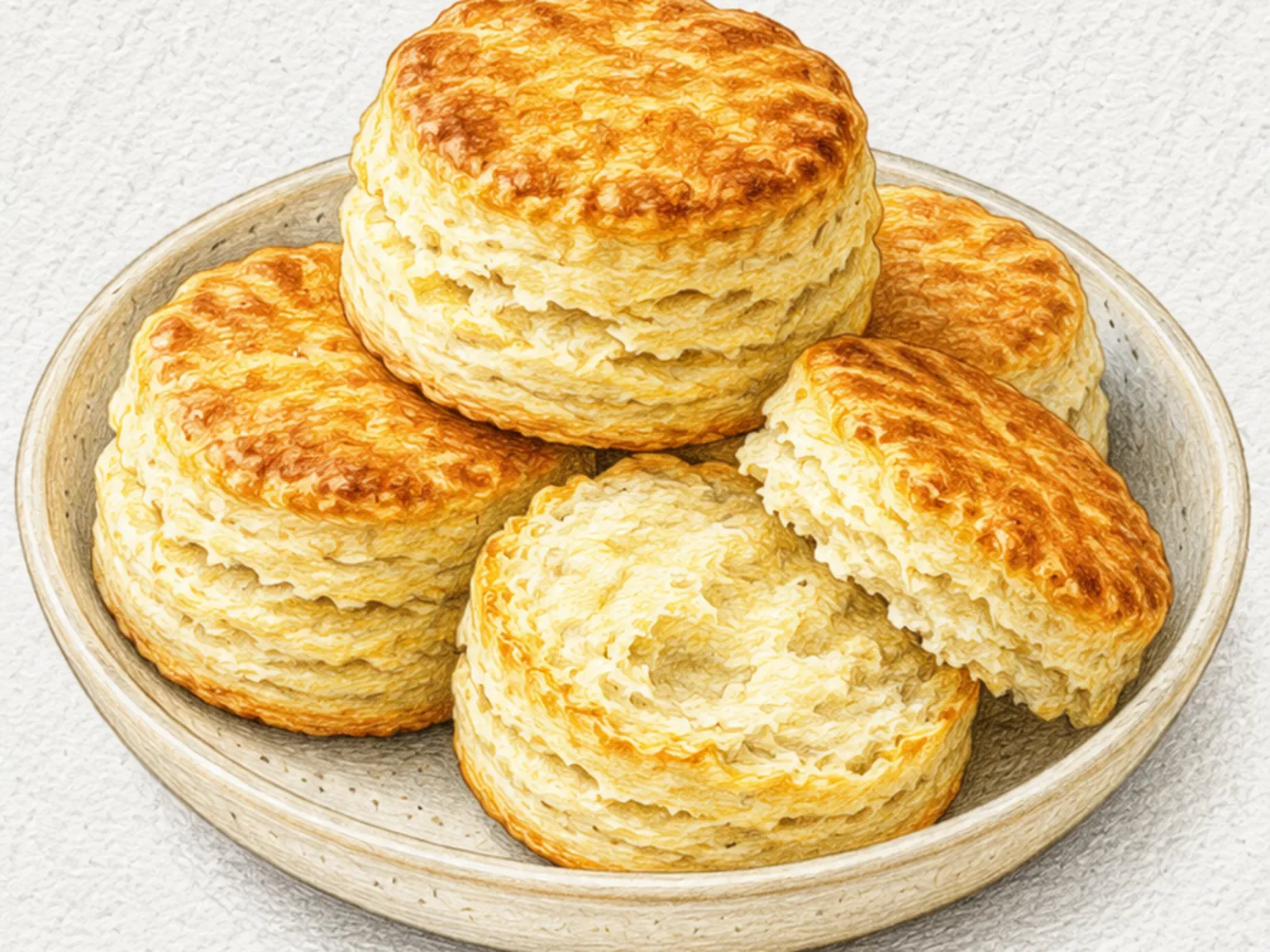
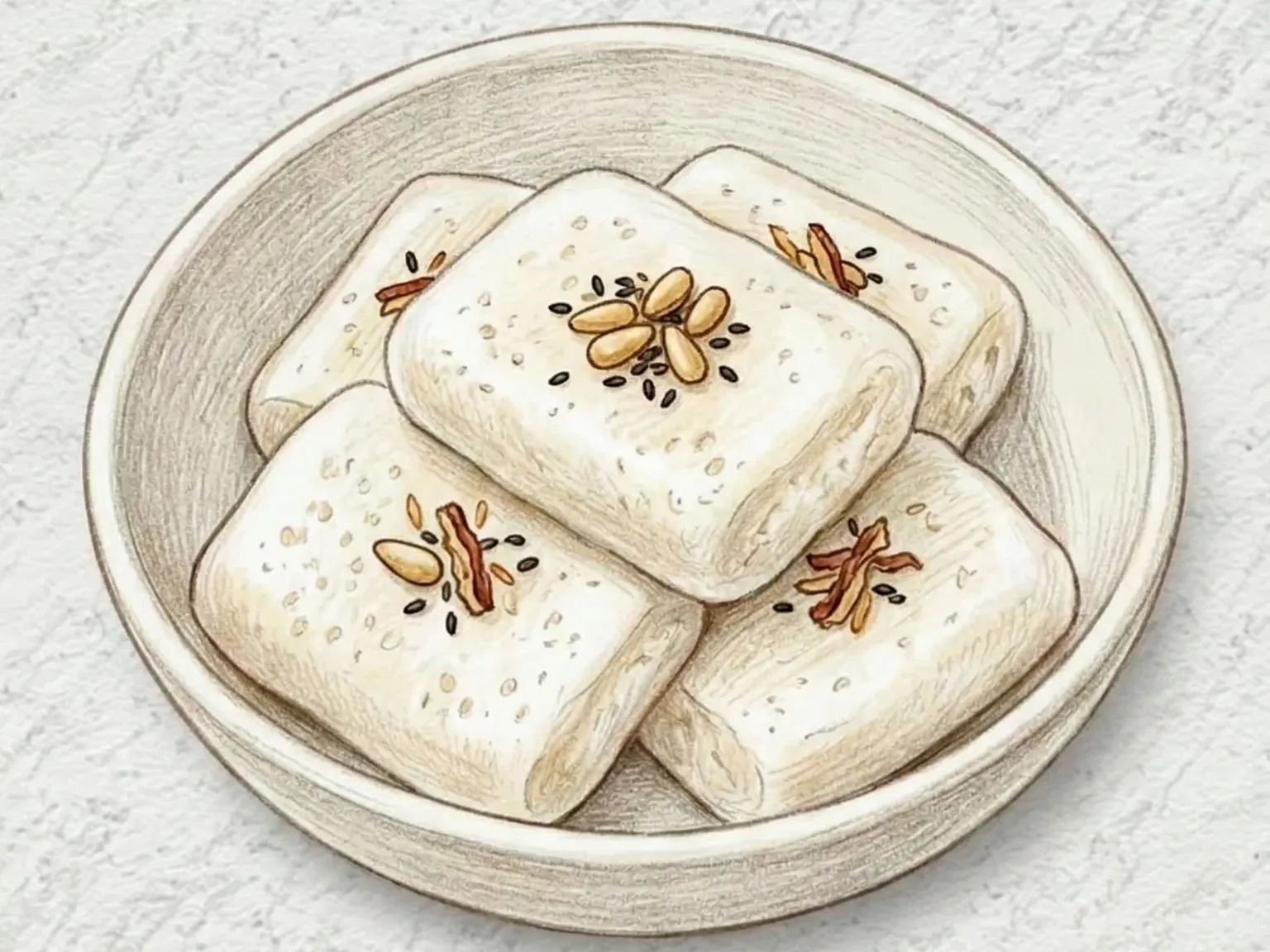
This scone folds roasted soybean powder and small pieces of glutinous rice cake into a classic British scone dough, capturing the flavor of Korean injeolmi in a handheld baked form. Soybean powder mixed into the dough lends the crumb a warm, toasted nuttiness that plain flour alone cannot produce, and the tteok pieces soften and melt in the oven, leaving behind chewy, stretchy pockets scattered throughout the crumb. Cold butter cut into small pieces and worked into the dry ingredients without fully melting is what allows the scone to develop distinct flaky layers that crack at the surface while the interior stays tender and moist. Minimal mixing is the central technique: working the dough only until the ingredients just come together prevents gluten development that would produce a tough, dense result instead of the desired crumbly tenderness. A drizzle of honey or a small bowl of sweetened condensed milk served alongside echoes the traditional way injeolmi is eaten and reinforces the sweet-nutty pairing that defines the dish. Warm green tea or pu-erh makes a natural companion for the afternoon. Cutting the tteok into pieces no larger than one centimeter ensures they melt evenly through the bake rather than leaving undercooked chunks in the center.

Kimchi Cheddar Savory Scone
Cold butter rubbed into flour creates the flaky, crumbly layers of a classic scone, but here the dough takes a savory turn with the addition of squeezed kimchi and sharp cheddar cheese. As the butter melts in the oven, it releases steam that puffs the layers apart, and between those layers the kimchi's spicy acidity and the cheddar's salty richness emerge in alternating waves. Removing moisture from the kimchi before mixing is critical; wet kimchi produces a dense, heavy dough instead of the light texture that defines a good scone. Overworking the dough develops gluten and sacrifices that crumbly snap, so the ingredients are combined just until they hold together. A brief bake at 200 degrees Celsius sets the crust golden while the interior stays tender. Eaten warm with a pat of butter, the scone delivers a pronounced sweet-salty-tangy interplay that works as well at breakfast as it does alongside a bowl of soup.

Madeleines (French Shell-Shaped Brown Butter Cakes)
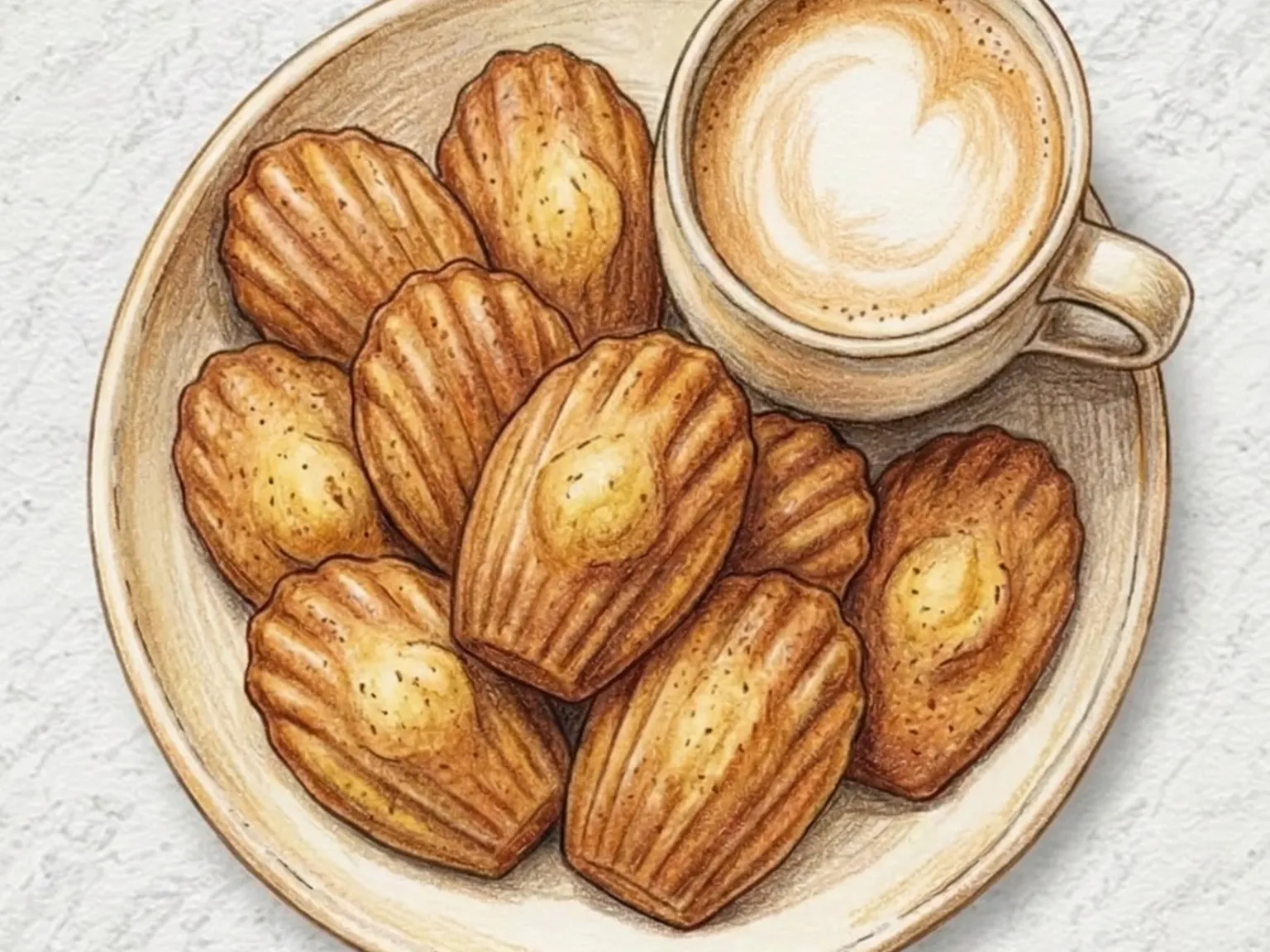
These French cakes are defined by their distinct shell shape and the specific use of browned butter during preparation. The process of browning the butter provides a depth of flavor that resembles toasted hazelnuts, which is a complexity that cannot be achieved by using standard melted butter alone. The preparation begins by combining eggs and sugar, followed by the careful addition of cake flour, baking powder, and lemon zest. The cooled brown butter is incorporated into the mixture as the final step of the process. A critical technical requirement involves chilling the resulting batter for a minimum of one hour before it is placed in the oven. This cooling period is the primary reason for the characteristic bump that forms on the back of each cake. When the chilled batter comes into contact with a hot mold, the temperature difference causes a fast expansion at the center while the outer edges of the cake begin to set. Baking the cakes for twelve minutes at a temperature of 190 degrees Celsius results in a golden exterior with a slightly crisp edge and a soft, spongy texture at the core. The inclusion of lemon zest serves to balance the high fat content of the butter by providing a sharp citrus element that prevents the cake from feeling heavy. These cakes reach their optimal state immediately after being removed from the oven while the outside still retains a subtle crunch. Within a few hours, the cakes lose this textural contrast and become soft throughout. Because of this quick change in consistency, it is standard practice to bake them in small batches for immediate consumption.

Maple Bacon Cornbread Muffins
Cornmeal gives this American muffin a gritty, toasty crumb that sets it apart from all-flour versions, while crisp bacon bits and maple syrup create a pronounced sweet-salty dynamic in every bite. The batter combines cornmeal and all-purpose flour with buttermilk, whose acidity reacts with baking powder for a good rise and also keeps the crumb moist despite the cornmeal's tendency to dry out. Bacon is cooked until shattering-crisp, drained, crumbled, and folded into the batter just before portioning. Maple syrup contributes not only sweetness but also a woody, caramel-edged flavor that complements the smokiness of the bacon. Mixing the wet and dry ingredients just until the flour disappears is essential; over-stirring toughens the muffin. At 200 degrees Celsius, the muffins dome and crack across the top within 18 to 20 minutes, signaling that the center has set. Served warm with butter, the muffin becomes a one-piece brunch that needs nothing alongside it.

Maple Pecan Pound Cake
Maple syrup and toasted pecans anchor this dense, buttery pound cake with woodsy sweetness and deep nuttiness. Brown sugar replaces white, contributing a caramel undertone that aligns naturally with the maple flavor. Creaming the room-temperature butter and sugar for several minutes introduces enough air to lighten the heavy crumb without losing the characteristic density of a pound cake. Eggs added one at a time keep the emulsion stable, and alternating the dry ingredients with milk and maple syrup prevents the batter from splitting. Toasting the pecans for five minutes before chopping and folding them in amplifies their flavor and ensures even distribution throughout each slice. At 170 degrees Celsius, the cake bakes for roughly 45 minutes; if the top darkens too quickly, a foil tent protects it while the center finishes setting. A skewer emerging mostly clean signals doneness. Resting the cake wrapped overnight allows the maple oils to permeate every layer of crumb, producing a deeper, more unified flavor the next day.

Peach Cobbler
Sliced peaches are tossed with sugar and lemon juice, spread in a baking dish, and covered with spoonfuls of biscuit batter that bakes into a golden, slightly craggy topping. In the oven, the fruit juices bubble up around the edges and seep into the base of the dough, creating a zone where crisp crust meets soft, fruit-soaked interior. The lemon sharpens the peach flavor and prevents it from tasting flat under all the sugar. If the peaches lack sweetness on their own, an extra tablespoon of sugar in the fruit layer compensates without making the topping heavier. Served warm with a scoop of vanilla ice cream, the contrast between hot cobbler and cold cream is as much a part of the experience as the flavor itself.

Persimmon Spice Pound Cake
Persimmon spice pound cake is a dense, buttery loaf made with finely chopped dried persimmon folded into the batter, scented with cinnamon and nutmeg. The natural sweetness of dried persimmon keeps the sugar level modest while contributing a concentrated, jammy richness to every slice. Chewy morsels of persimmon distributed through the crumb provide bursts of intense dried-fruit flavor amid the buttery cake. Cinnamon and nutmeg give the loaf its warm, autumnal character, making it a natural fit for the cooler months when dried persimmon is most abundant. The batter should be mixed only until the ingredients just come together; overmixing develops excess gluten and produces a tough, dense result rather than the moist, tender crumb the cake depends on. Resting the cake at room temperature for two days allows the spices to fully penetrate the crumb and the dried persimmon to meld with the surrounding butter base, deepening the flavor considerably. The cake pairs naturally with warm tea or black coffee. Slicing and toasting briefly before serving crisps the outer surface and revives the butter fragrance.

Red Bean Baked Doughnuts (Oven-Baked Doughnuts with Bean Paste)
These baked doughnuts encase a core of sweetened red bean paste inside a soft, cake-like crumb, delivering the satisfaction of a filled doughnut without any frying. The batter is spooned halfway into a greased doughnut mould, a teaspoon of chilled red bean paste is placed on top, and more batter seals it in before baking. The result is a ring with a fluffy exterior and a hidden pocket of dense, earthy-sweet filling that reveals itself on the first bite. Because the recipe relies on cake flour and baking powder rather than yeast, the entire process from mixing to cooling takes under forty minutes. Minimal stirring is essential - overworking the batter activates too much gluten and turns the finished doughnut tough instead of tender. Keeping the bean paste cold before assembly prevents it from melting into the surrounding batter and losing its distinct layer. The absence of oil gives these doughnuts a remarkably clean finish, making them well suited as a light afternoon snack.

Sweet Potato Cinnamon Muffins
Steamed sweet potato is mashed smooth and folded into a quick-mix muffin batter scented with ground cinnamon. The potato provides natural sweetness that reduces the need for refined sugar, while its moisture keeps the crumb soft and tender for days. Cinnamon amplifies the warm character of the sweet potato rather than competing with it, and a neutral oil base makes the muffins lighter than their butter-based counterparts. The mixing technique is critical: stirring beyond the point where dry flour disappears overdevelops gluten and produces a tough result. Because sweet potatoes vary in water content, the milk should be adjusted in ten-milliliter increments - wetter puree needs less liquid. Once baked, the muffins are best cooled on a wire rack so residual heat dries the surface into a faintly crisp shell that contrasts with the pillowy interior.

Vanilla Cupcakes
Butter and sugar are creamed until pale and fluffy, then eggs, vanilla extract, cake flour, and milk are incorporated to produce the most versatile cupcake in home baking. The creaming step is where the texture is decided: enough air beaten into the butter creates a light, tender crumb, while under-creaming yields a dense, flat result. Each egg is added individually to maintain a stable emulsion, and the low protein content of cake flour keeps the finished cupcake soft rather than chewy. Filling each liner to seventy percent capacity allows a domed rise without overflow, and the oven door should remain closed for the first fifteen minutes to prevent collapse. Once cooled, these cupcakes accept virtually any frosting - buttercream, cream cheese, ganache - without the base flavor competing. The vanilla is warm and present but never dominant, which is exactly what makes this recipe a dependable foundation for countless variations.

Vanilla Honey Madeleines (French Shell Cakes with Honey)
Eggs, sugar, and honey are whisked together, then combined with melted butter, cake flour, and vanilla to form a batter that bakes into small, shell-shaped French cakes with a characteristic bump on the back. The honey works alongside sugar to sweeten the madeleine while contributing a floral undertone that plain sugar cannot provide. Melted butter saturates the batter with richness, and vanilla bridges the honey and butter flavors into a cohesive aroma. Chilling the batter for at least thirty minutes is the key to the signature hump - the cold batter hitting the hot oven creates a rapid rise in the center while the edges have already begun to set. Each mold cavity should be well-buttered and filled to eighty percent to ensure clean edges and consistent shape. Baking time is brief, ten to twelve minutes, and the madeleines must be removed as soon as the rims turn golden to preserve the moist, spongy interior. They are best eaten within hours of baking, when the crust is still faintly crisp and the center yields softly.

Yuja Madeleines (Brown Butter Citrus French Shell Cakes)
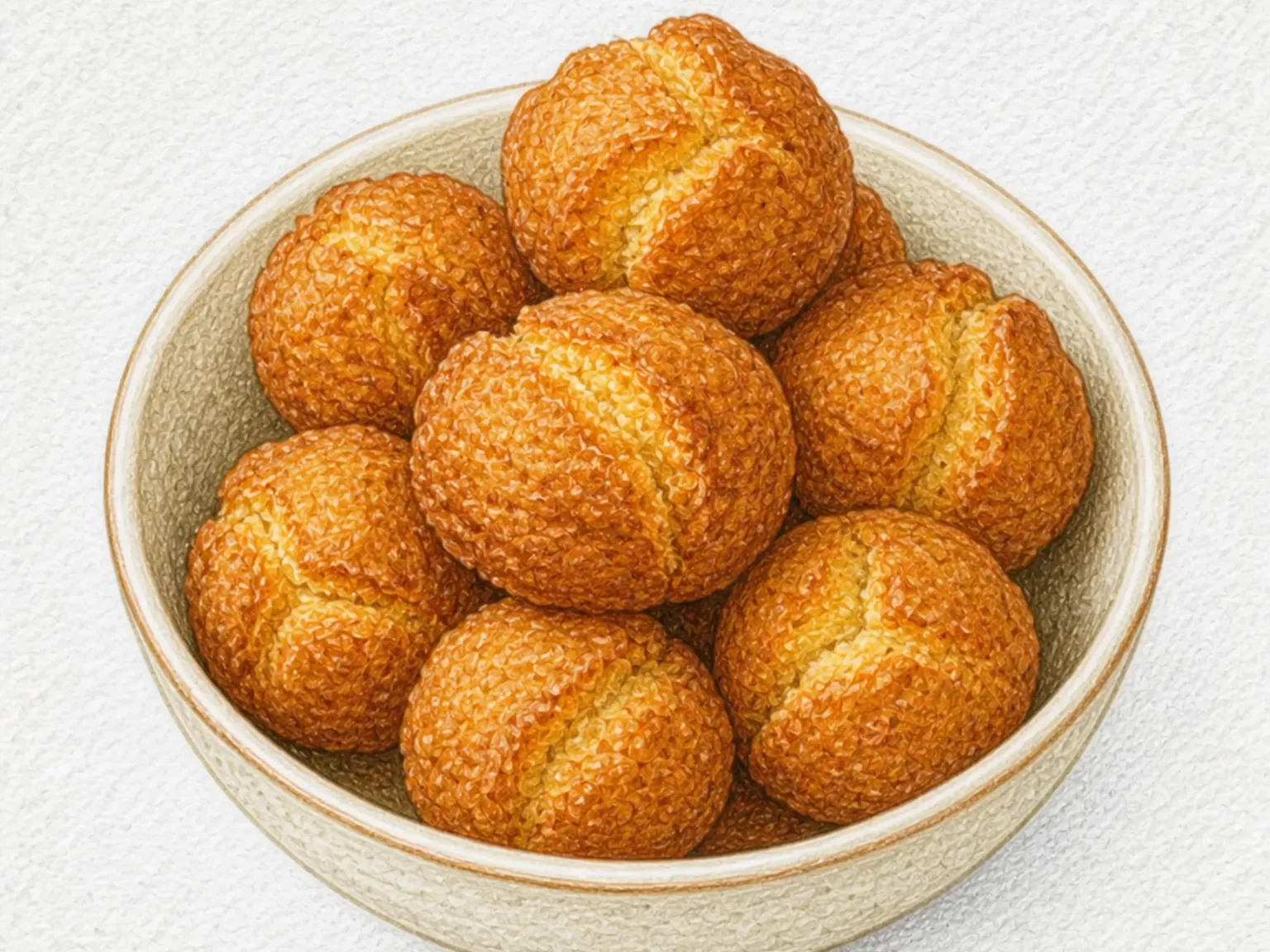
These yuja madeleines rely on brown butter for a deeply nutty base that elevates the batter beyond a standard madeleine. About 35 grams of yuja marmalade is folded directly into the mixture, distributing bright citrus oil and small shreds of peel throughout each shell-shaped cake. A 30-minute rest in the refrigerator helps develop the signature madeleine hump during baking. The two-stage bake - 3 minutes at 200 degrees Celsius followed by 8 to 9 minutes at 180 degrees - crisps the thin edges while keeping the center moist and springy. A small measure of lemon juice reinforces the yuja acidity, preventing the sweetness from becoming one-dimensional.

Yuja Ricotta Tea Cake (Korean Citron Ricotta Loaf Cake)
Yuja ricotta tea cake pairs the gentle creaminess of ricotta cheese with the bright citrus punch of yuja marmalade in a single tender loaf. Ricotta replaces much of the butter found in traditional pound cakes, keeping the crumb exceptionally moist and giving it a soft, almost custard-like quality. Pieces of yuja peel and pulp are folded into the batter, creating pockets of fragrant sourness that cut through the richness with each bite. Once baked, the top develops a thin golden crust while the interior remains plush and yielding. The cake pairs naturally with black tea or green tea, where the yuja's aromatic acidity complements the tannins in the brew. It keeps well for a day or two without drying out.

Carrot Cake with Cream Cheese Frosting
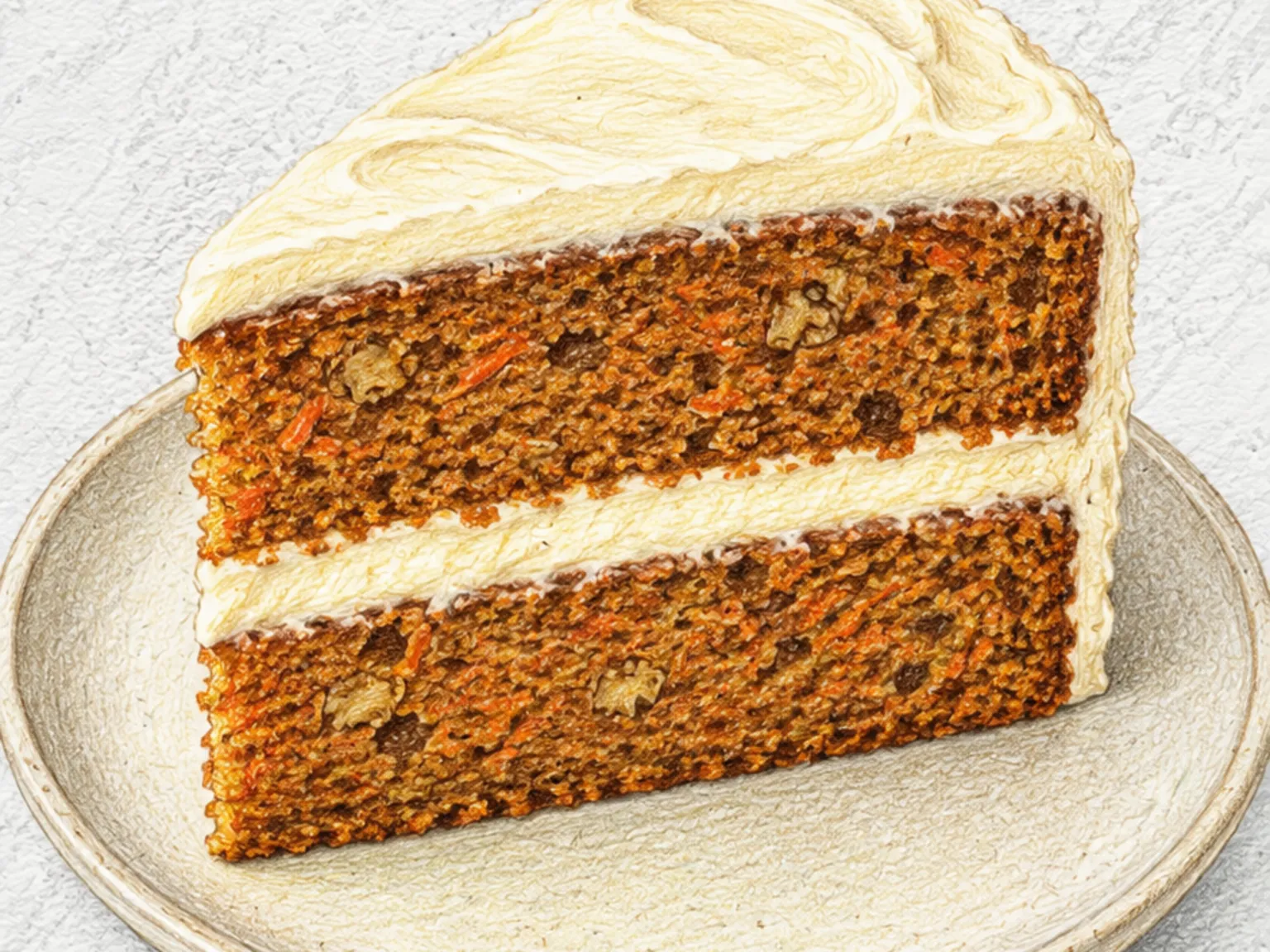
Carrot cake relies on finely grated carrots that are folded directly into the batter to achieve its characteristic texture. As the cake undergoes the baking process, these vegetable pieces release their natural water content into the surrounding crumb. This internal hydration ensures the cake remains soft for an extended period after it has been removed from the oven, effectively avoiding the localized dryness that often occurs in traditional sponge cakes when they are left at room temperature. The aromatic profile of the dessert is built on a foundation of ground cinnamon and nutmeg, which provide a consistent spiced background. By utilizing vegetable oil as the primary fat source instead of solid butter, the cake maintains a tender consistency across various temperatures. This choice of fat prevents the crumb from becoming firm or waxy when the cake is stored in a refrigerator or as it cools down from the heat of the oven. The texture of the cake is further enhanced by the addition of chopped walnuts, which are evenly distributed to provide a regular crunch and a distinct toasted flavor that balances the overall sugar levels. The interior structure of the cake is relatively dense, yet it avoids being overly heavy, providing the necessary strength to support multiple thick layers of cream cheese frosting positioned between each tier. This frosting serves as both a functional and flavor-based counterpoint to the cake layers. Its inherent acidity and moderated sugar content contrast with the deeper, spiced notes of the sponge. When the cake is served at room temperature, the cream cheese layers soften to a point where they integrate with the cake during consumption, rather than remaining as a stiff or isolated coating. The final product is a dessert that is both substantial and balanced. It is a type of cake that often benefits from being prepared a day in advance, as the spices have more time to mellow and the crumb can begin to absorb the moisture and flavor from the frosting layers.

Classic Waffle
Classic waffles are made from a batter of flour, eggs, milk, melted butter, and baking powder cooked in a hot waffle iron. The baking powder aerates the batter, producing a crumb that is open and light while the outer surface crisps against the heated metal plates. Each square grid pocket in the iron serves a structural purpose: it forms a channel that holds maple syrup, melted butter, or fruit compote so every forkful carries an even measure of topping. Eggs distinguish American-style waffles from Belgian ones, contributing fat and protein that give the interior a slightly chewy, springy quality rather than a purely airy crumb. The sizzling sound from the iron as the batter hits the plates signals that the surface temperature is high enough for browning; the waffle is done when the steam output drops off and the exterior color deepens to a uniform amber. Fresh from the iron, pressing a fork into the surface produces an audible crack, and the inside is steaming, soft, and moist.

Chicken and Dumplings
Chicken and dumplings is a Southern American comfort dish built on simplicity and patience. Bone-in or boneless chicken thighs simmer with carrot, onion, and celery in chicken stock for about fifteen minutes, after which the meat is lifted out, shredded along the grain, and returned to the pot. Shredding rather than cubing matters because the torn fibers absorb broth more deeply, carrying more flavor into every bite. The vegetables release natural sugars as they cook, and those sugars combine with the chicken stock to create a layered, savory-sweet base. Once a simple batter of flour, baking powder, butter, and milk is spooned in spoonfuls onto the simmering surface, the lid goes on and must stay closed for a full twelve minutes. Steam trapped inside puffs the dumplings into light, pillow-like rounds, and lifting the lid even briefly lets the steam escape, resulting in flat, doughy discs instead. The finished dumplings are soft on the outside and tender and bread-like inside, and eating them together with the rich broth in a single spoonful is the point of the whole dish.

Yuzu Poppy Seed Loaf Cake
This loaf cake pairs the fragrant acidity of 80 grams of yuja marmalade with 12 grams of poppy seeds that add a subtle crunch to every slice. Creaming 120 grams of room-temperature butter with sugar traps air in the batter, producing a fine, tender crumb once baked. Eggs are added one at a time to maintain emulsion, and the dry ingredients are folded in gently to avoid toughening the gluten. Bits of yuja peel and pulp appear throughout the cross-section, releasing bursts of citrus when bitten. Baked at 175 degrees Celsius for 40 to 45 minutes, the loaf develops a golden crust on top while staying plush inside, holding its moisture well for a day or two after cooling.

Black Rice Walnut Madeleines
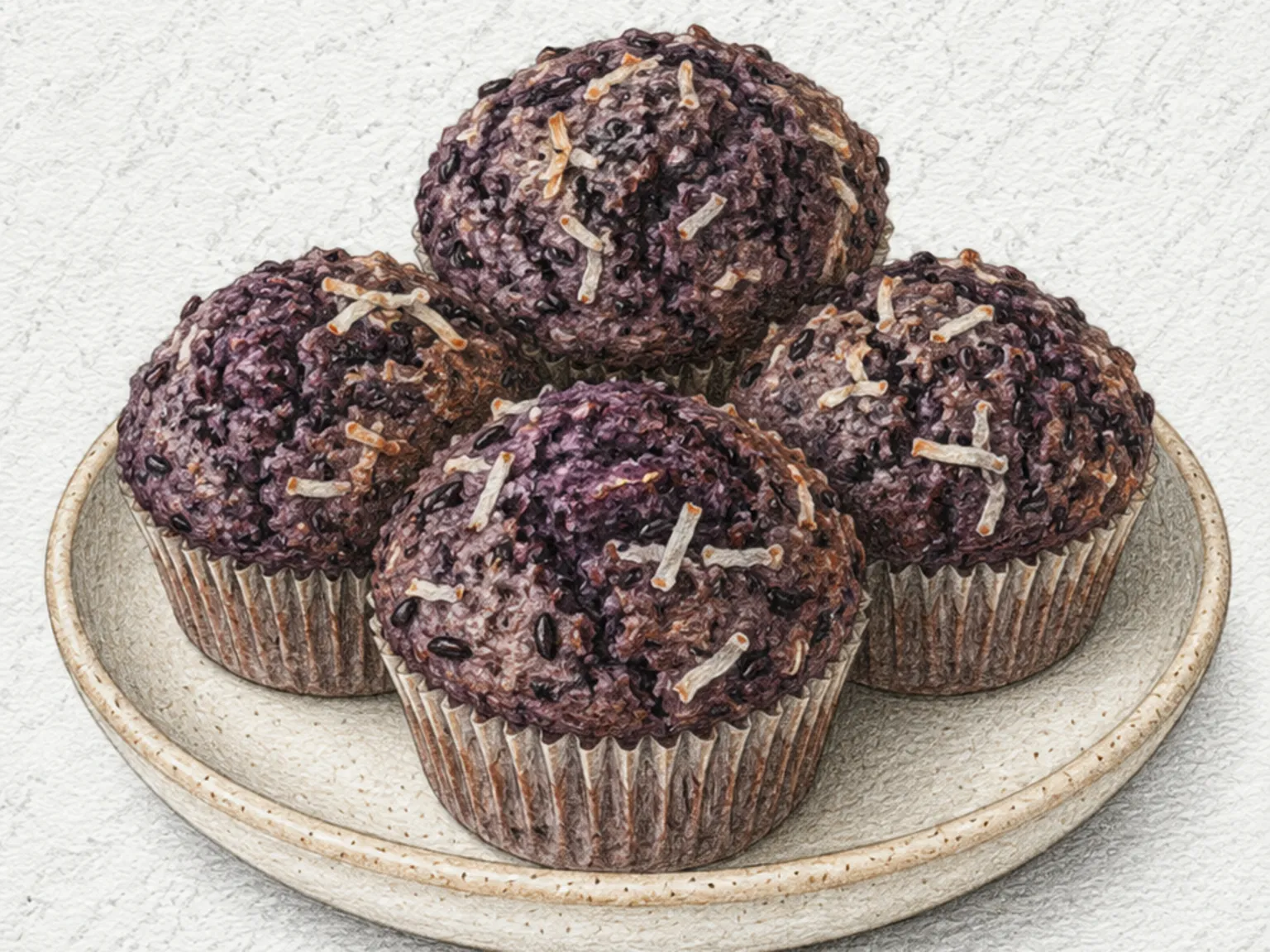
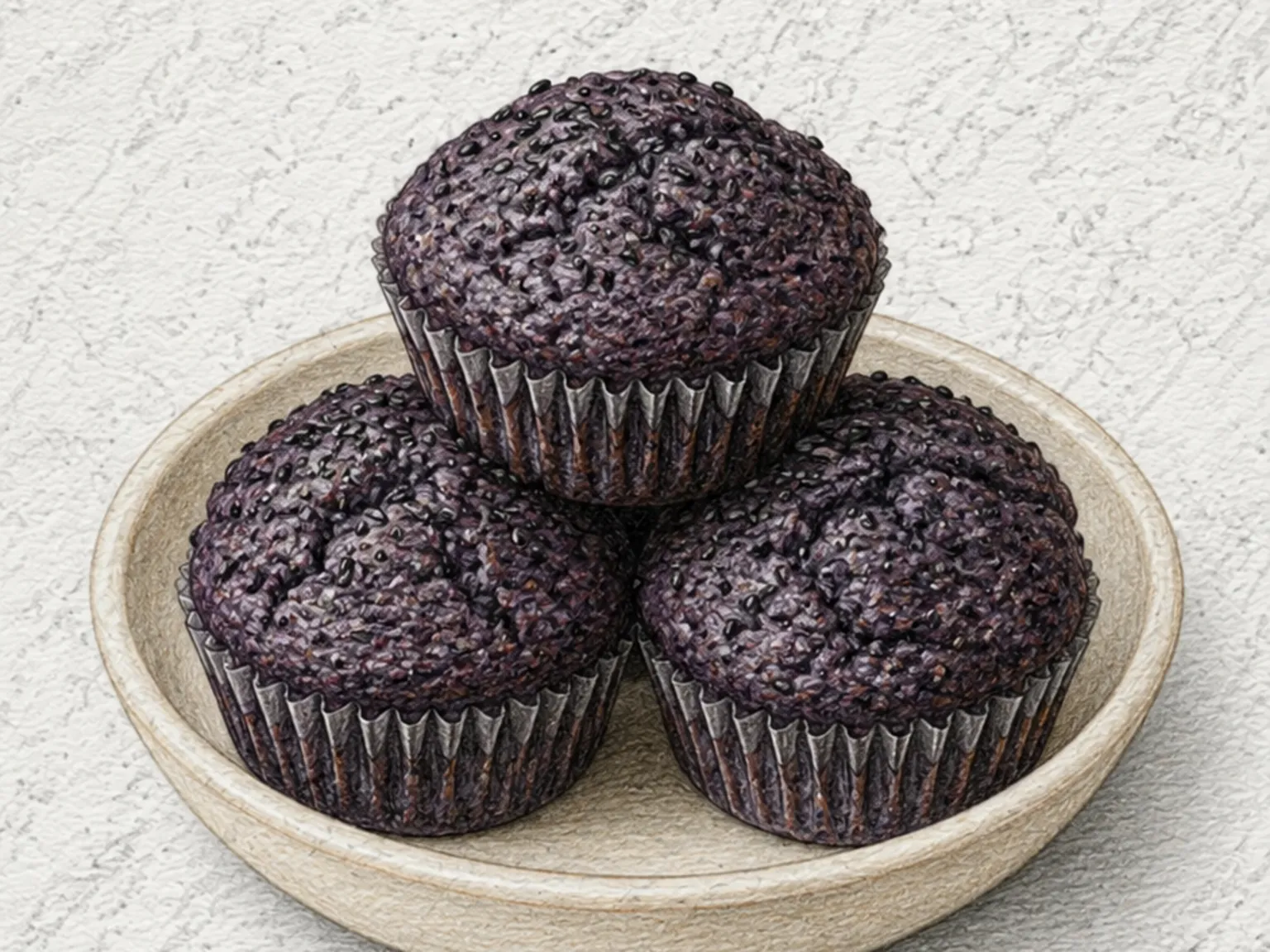
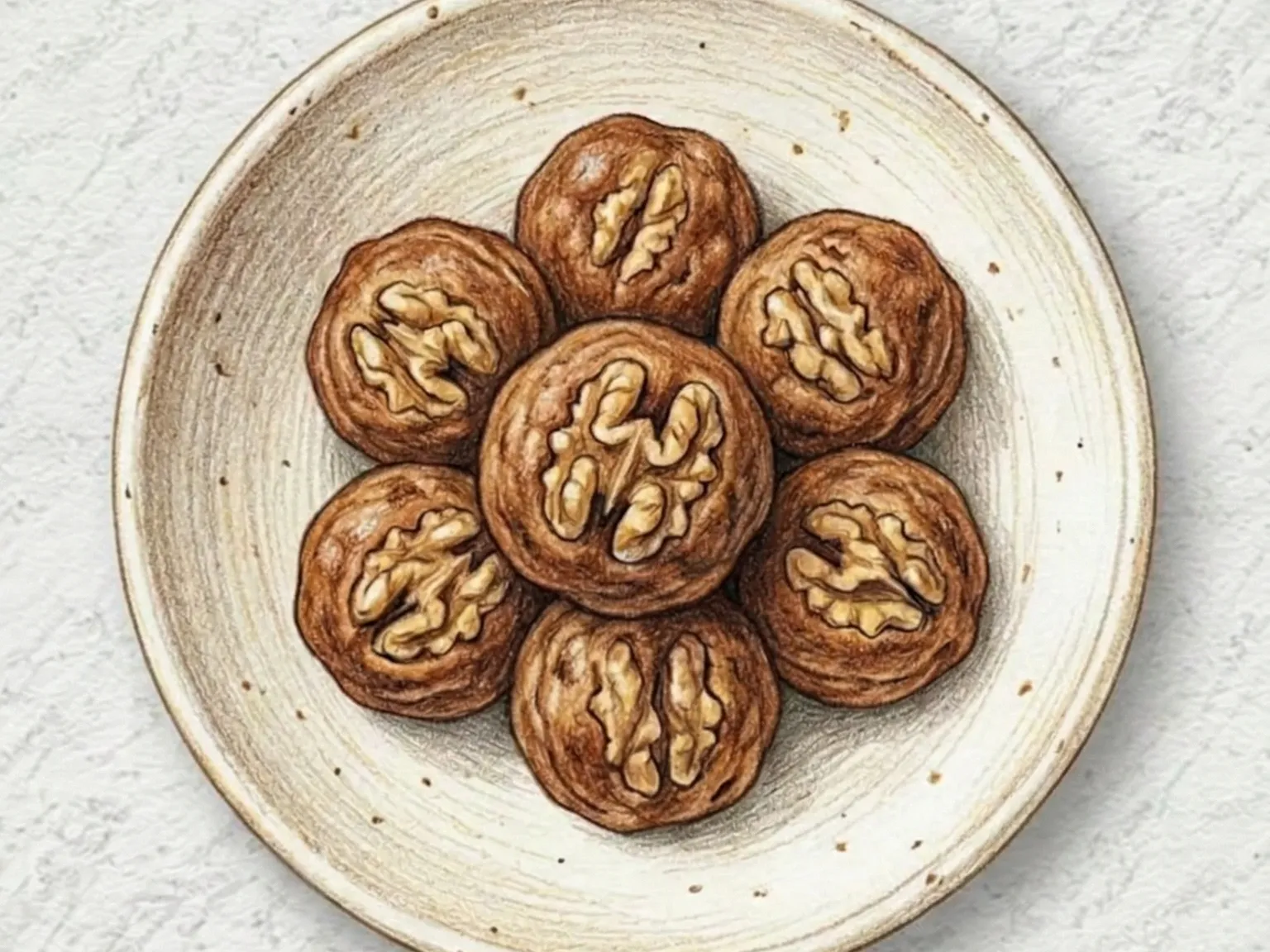
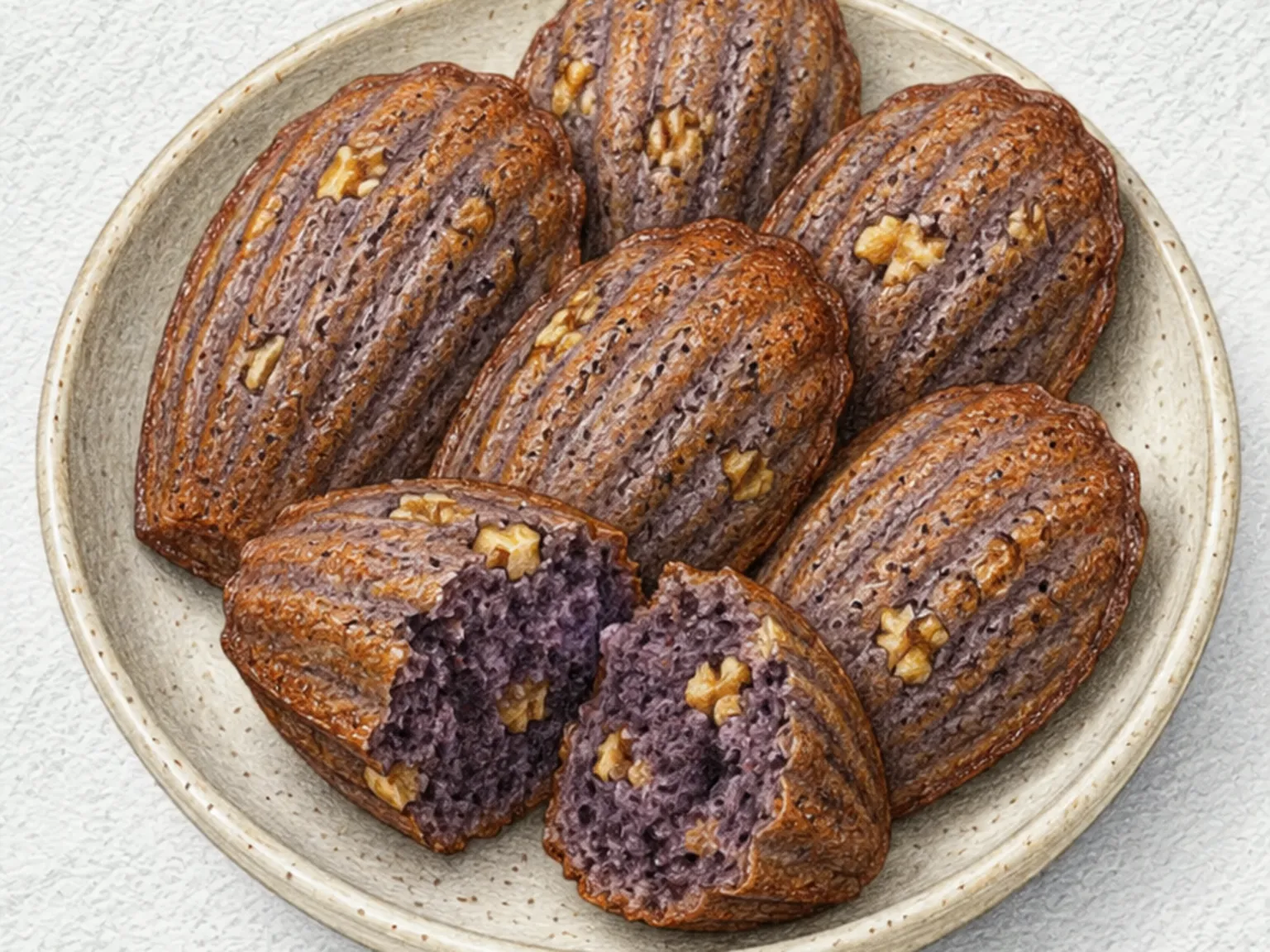
Black rice walnut madeleines put a Korean spin on the French shell-shaped cake by substituting part of the wheat flour with black rice flour, producing a striking purple-brown crumb and a toasty, grain-forward flavor that sets them apart from the classic version. The batter depends on fully melted butter for the signature belly bump to rise cleanly during baking, creating a thin, crisp outer shell while the interior stays dense and moist. Chopped walnuts folded into the batter form crunchy pockets distributed throughout, so nearly every bite contains a textural contrast against the soft crumb. Honey replaces a portion of the sugar to add a rounded depth that granulated sugar alone cannot deliver. Stored in an airtight container, these madeleines hold their crisp exterior for about two days. They make an ideal homemade gift or an afternoon snack alongside coffee or a warm cup of tea.

Tofu Chocolate Loaf Cake (Light Cocoa Loaf with Silken Tofu)
Soft tofu is blended smooth and folded into a cocoa batter, replacing some of the butter and egg to produce a loaf cake that is moist, dense, and noticeably lighter in fat than a conventional chocolate cake. The cocoa provides deep, bittersweet flavor while the tofu contributes a clean, neutral backdrop - any bean taste is completely masked by the intensity of the cocoa. Neutral oil in the batter maintains moisture over several days, so the cake stays soft well after baking. The crumb is compact yet tender, somewhere between a brownie and a pound cake in density. Smoothing the surface of the batter before it enters the oven ensures an even rise and a flat top suitable for dusting with powdered sugar or glazing with dark chocolate ganache. Because the tofu adds water content, the baking time may run slightly longer than a standard loaf; a skewer inserted into the center should come out with only a few moist crumbs, not wet batter.

Yuja Saenggang Baked Donuts (Yuja Ginger Baked Donuts)
The preparation of these doughnuts involves folding yuja marmalade and finely grated fresh ginger into a light batter base. The mixture is then transferred to a doughnut pan and baked in the oven rather than being fried in oil. This specific cooking method produces an oil-free doughnut characterized by a soft and fluffy crumb that is highly fragrant with citrus notes. The yuja component contributes a floral and complex citrus profile that offers a perfumed quality more intricate than the flavor of a standard lemon or orange. Complementing this, the ginger provides a mild and warm spiciness that persists quietly in the background of each bite. Because the doughnuts are baked, the internal structure stays light, which ensures that the specific flavor of the yuja is not masked by the presence of frying oil. While the doughnuts are still warm from the oven, a thin honey glaze is brushed over the surface. This application creates a glossy appearance and adds a layer of sweetness that functions to seal in the moisture of the crumb. During the preparation of the batter, the ingredients should be combined only until the dry components are just incorporated. Mixing the batter too much will lead to a finished product that is tough and dense. Filling the pan cavities to eighty percent of their capacity allows for an even rise and prevents the batter from spilling over the edges during baking. Finally, the doughnuts require a five-minute rest period within the pan after they are removed from the oven. This time allows the structure to firm up, ensuring that each doughnut can be removed cleanly from the mold.

Victoria Sponge Cake (British Jam and Cream Layered Cake)
Equal weights of butter and sugar are creamed together, then eggs and cake flour are added to produce two round sponge layers that are sandwiched with strawberry jam and whipped cream - the defining structure of this classic British cake. Named after Queen Victoria, the cake is deliberately simple in presentation: no elaborate frosting or tiered decoration, just a dusting of powdered sugar on top. Thorough creaming is essential to a light rise, and room-temperature eggs integrate into the batter without curdling. The jam provides a bright, tart contrast to the buttery sponge, while the whipped cream softens each bite with cool richness. Both layers must cool completely before assembly, as warm sponge melts the cream and causes the filling to slide. Refrigerated, the cake stays moist through the next day, and the jam and cream flavors deepen as they settle into the sponge overnight. It is the standard cake served at British afternoon teas and garden parties.

Fish and Chips
Fish and chips began in the seaside towns of England and grew into one of the most recognized British dishes worldwide. A fillet of cod or haddock is dipped in a batter made with beer or sparkling water, then fried at high heat until the coating turns golden, crisp, and shatteringly light. The carbonation in the batter creates tiny air pockets during frying, producing a shell that is crunchy without being heavy or greasy. Inside, the fish remains moist and flakes cleanly along its natural grain. The chips - thick-cut potatoes fried twice - develop a golden crust around a fluffy, starchy interior. Malt vinegar splashed over the hot fish cuts through the oil with sharp acidity, and traditional accompaniments include mushy peas and tartar sauce. Eating them wrapped in paper, standing at the harbor, remains the definitive experience.

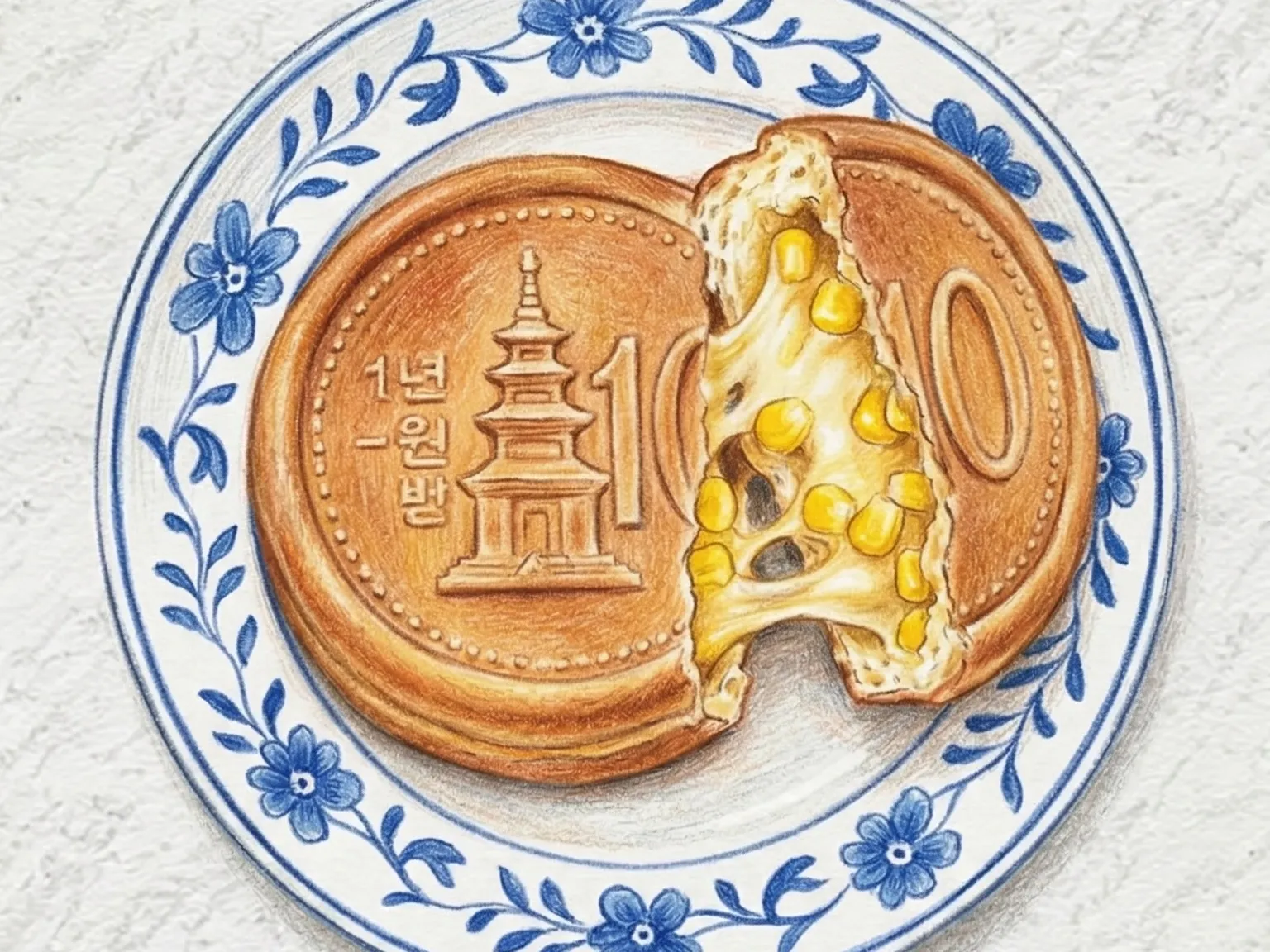
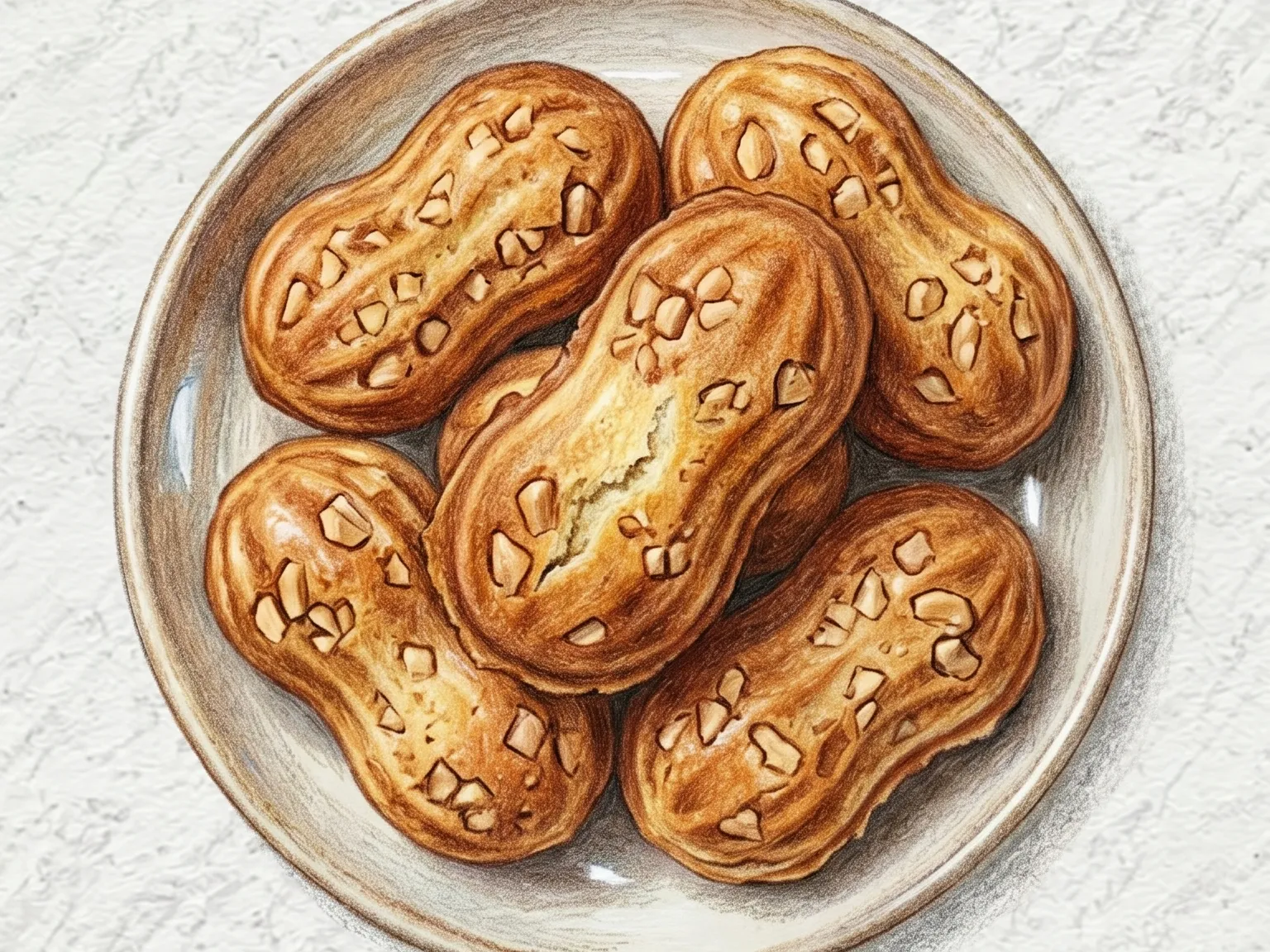
Korean Peanut Bread (Mold-Baked Peanut-Studded Street Snack)
Ttangkong-ppang is Korean peanut bread baked in a shaped mold from a batter of flour, eggs, milk, and melted butter mixed with roughly chopped roasted peanuts. The natural oils in the peanuts infuse the batter with a toasted, nutty richness, and each peanut chunk provides a crunchy interruption in the soft crumb. Cooking on medium-low heat and flipping regularly develops a thin crust on both sides while butter keeps the interior moist. Sugar supplies sweetness and a pinch of salt balances against the nuttiness, resulting in a flavor profile that stays engaging bite after bite.