Omija Cream Cheese Muffins (Korean Schisandra Muffins)
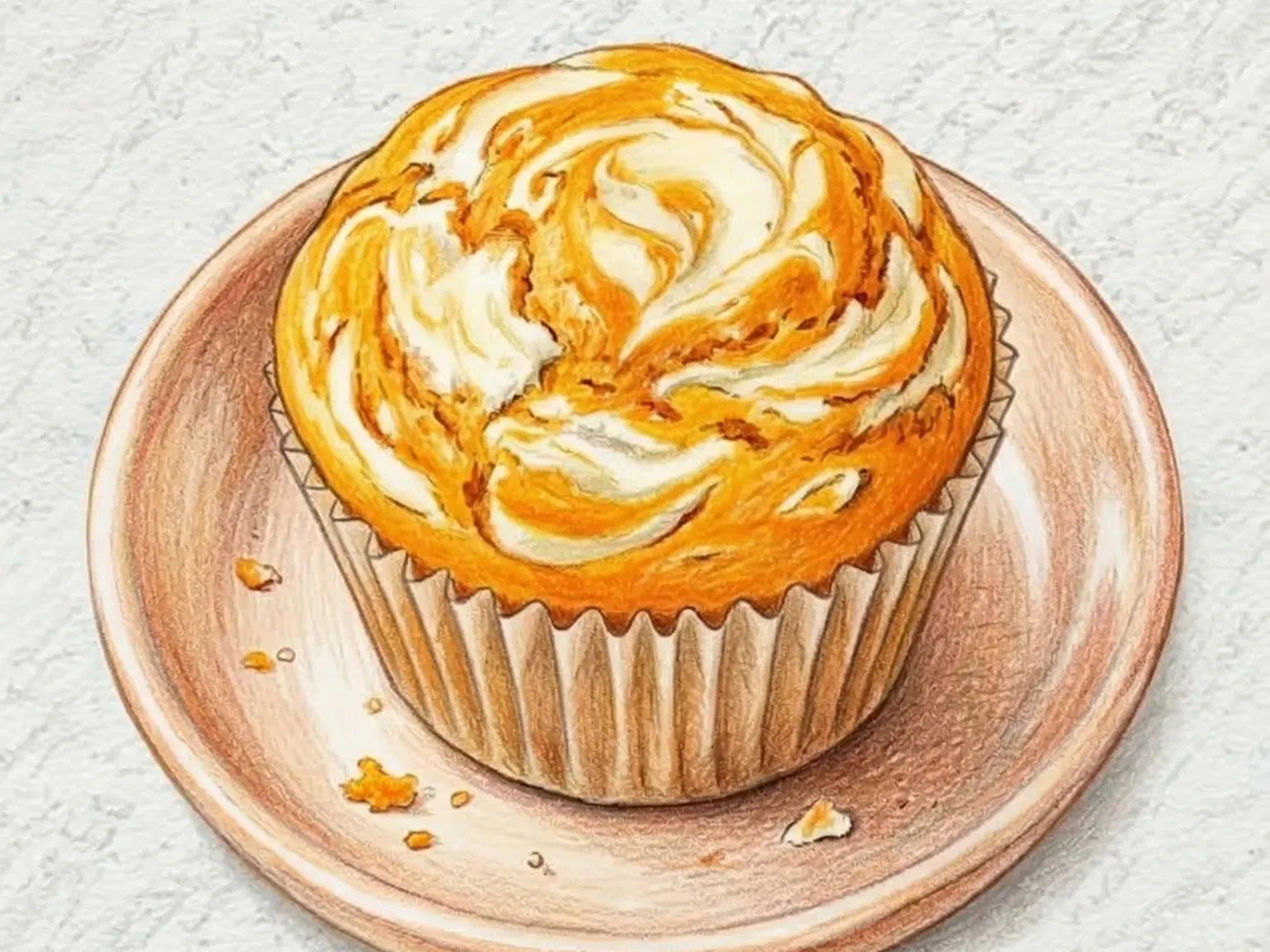
Soft muffin batter is dotted with cubes of cream cheese and swirled with omija syrup, then baked until the tops dome and crack. The cream cheese melts partially in the oven, creating dense, tangy pockets that contrast with the airy crumb around them. Omija - the Korean five-flavor berry - adds a layered tartness that goes beyond simple fruit sourness, carrying faint bitter, peppery, and salty undertones that make each bite more complex than a typical fruit muffin. The cream cheese smooths out the omija's sharper edges, acting as a rich buffer between the berry's intensity and the sweet batter. A final brush of omija syrup over the warm muffin tops deepens the pink color and reinforces the berry flavor on the crust, where it concentrates into a thin, tacky glaze.

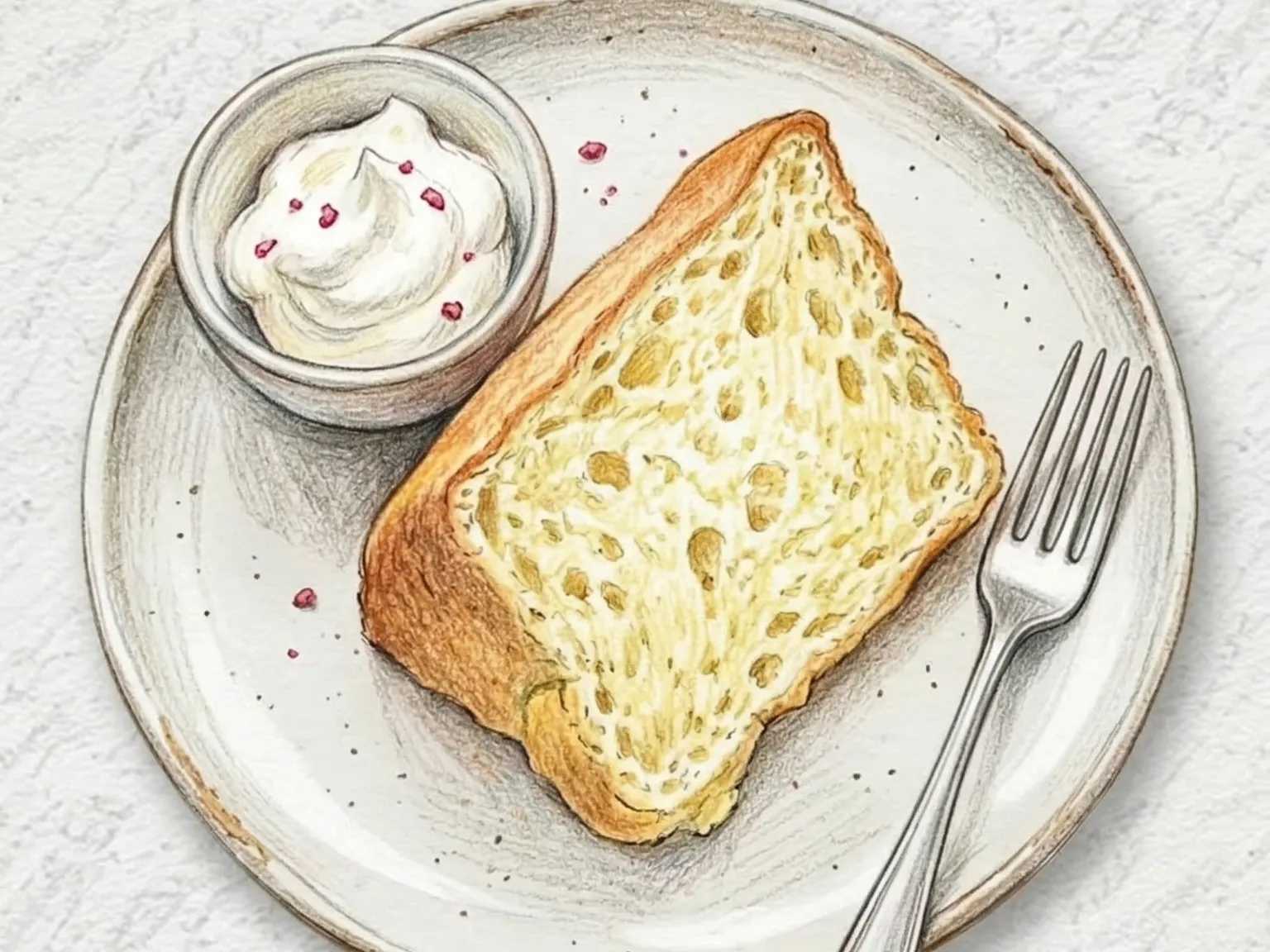
Lemon Drizzle Cake (Syrup-Soaked British Lemon Loaf)
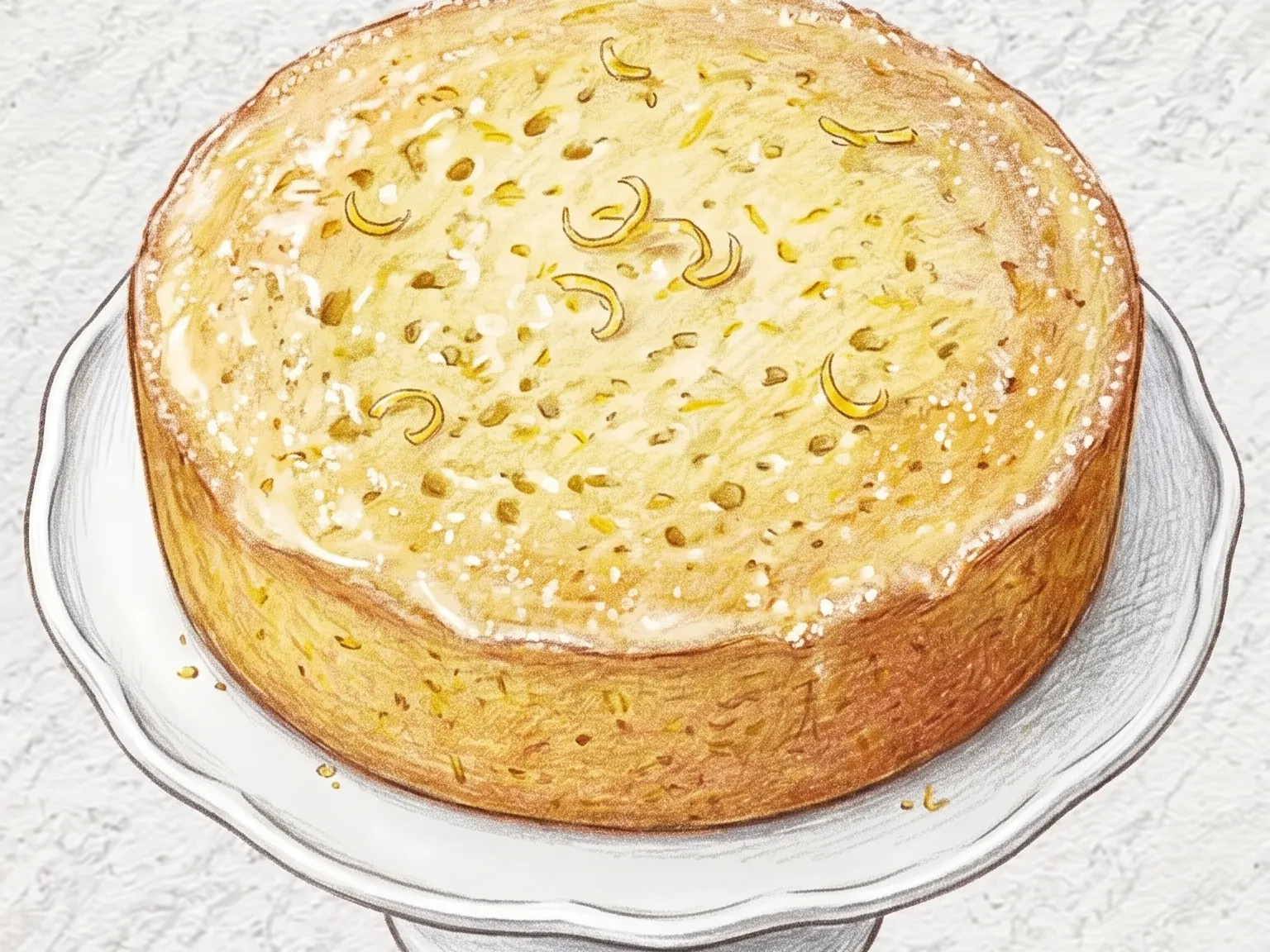
A British loaf cake that owes its lasting moisture to a lemon syrup poured over the surface straight from the oven. Creaming butter and sugar thoroughly at the start incorporates air for a lighter crumb, while lemon zest folded into the batter releases its essential oils during baking, filling the kitchen with citrus fragrance. The critical step comes after baking: a hot syrup of freshly squeezed lemon juice and sugar is drizzled over the cake while it is still warm, and the open crumb absorbs the liquid rapidly. As the cake cools, a thin crust of crystallized sugar forms on top, adding a faintly crunchy texture that gives way to the soft, syrup-soaked interior beneath. A skewer test determines doneness; underbaked cake collapses, while overbaked cake lacks the porosity to absorb the syrup fully. Wrapping the cooled cake and leaving it overnight allows the syrup to distribute evenly, deepening both the lemon flavor and the moist texture. It is a staple of the English afternoon tea table, needing no elaborate decoration to impress.

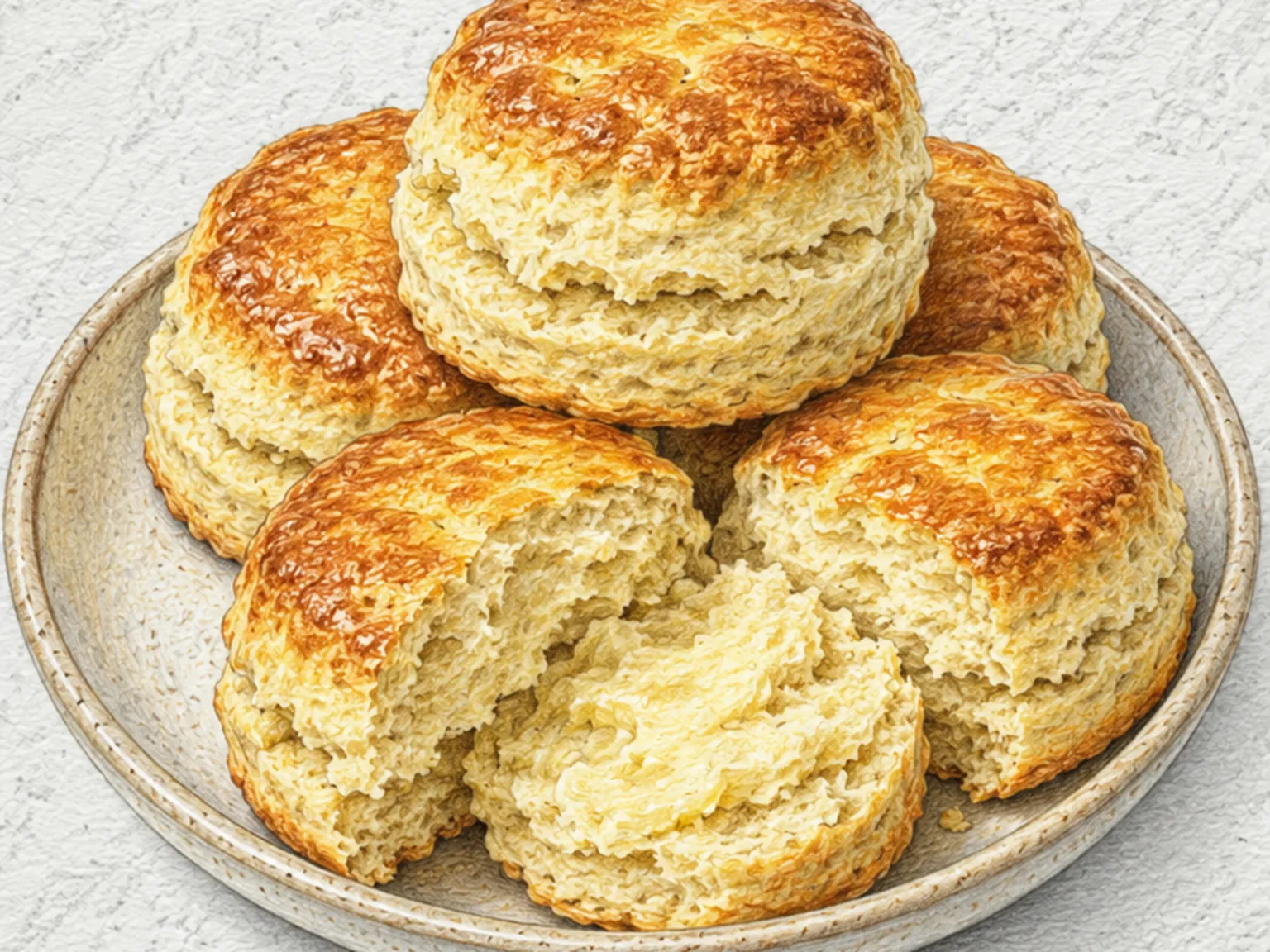
Flaky Oven Biscuits
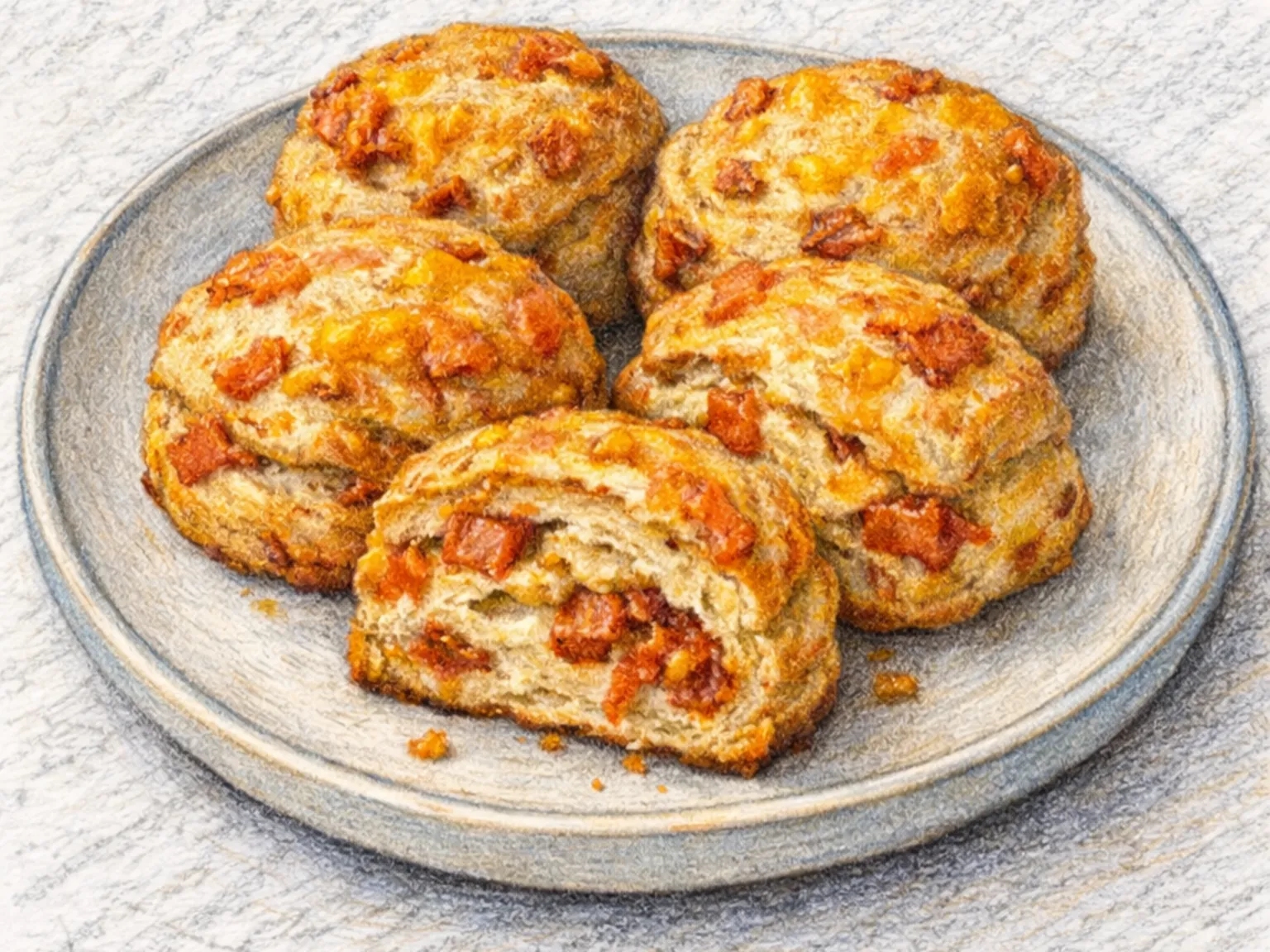
Buttermilk biscuits are built on the tension between cold butter and high oven heat. Cubes of chilled butter are cut into flour until pea-sized pieces remain, and the dough is brought together quickly with buttermilk - just enough mixing to bind, no more. In the oven, the butter melts and releases steam, forcing the dough apart into flaky, irregular layers. The exterior bakes to a golden, slightly crisp shell while the interior stays soft and crumbly. Buttermilk provides a faint tanginess that sharpens the overall flavor and reacts with baking soda to give the biscuits additional lift. Overworking the dough is the most common mistake, as it develops gluten and produces a tough, bread-like result instead of the tender, pull-apart texture that defines a good biscuit. Split while still warm and spread with butter and jam, they are a cornerstone of American Southern breakfast. Lower-protein flour produces a more tender crumb, and keeping the butter frozen until just before use helps maintain the distinct layers throughout baking.

Dorayaki (Sweet Red Bean Pancake Sandwich)
Dorayaki is a Japanese confection consisting of two small, round pancakes sandwiching a filling of sweet red bean paste. The batter brings together eggs, sugar, honey, and flour before being portioned onto a lightly greased griddle over low heat. Each pancake cooks on one side only, producing a smooth, pale top surface and an evenly browned, slightly springy underside. Honey in the batter dramatically improves moisture retention, keeping the pancakes soft and pliable for hours after cooling and lending a subtle floral sweetness that layers naturally with the bean filling. The pancakes' own sweetness is deliberately restrained so the dense, earthy richness of the anko filling takes the lead. Traditional anko uses adzuki beans simmered with sugar until thick and glossy; tsubu-an retains visible bean pieces while koshi-an is strained smooth, and either works depending on preference. The two pancakes are gently pressed together with a generous layer of filling between them, forming a compact round that fits easily in one hand. Beyond classic red bean, the same format welcomes custard cream, matcha paste, or sweetened chestnut filling.

Honey Madeleines (Buttery Shell-Shaped French Cakes)
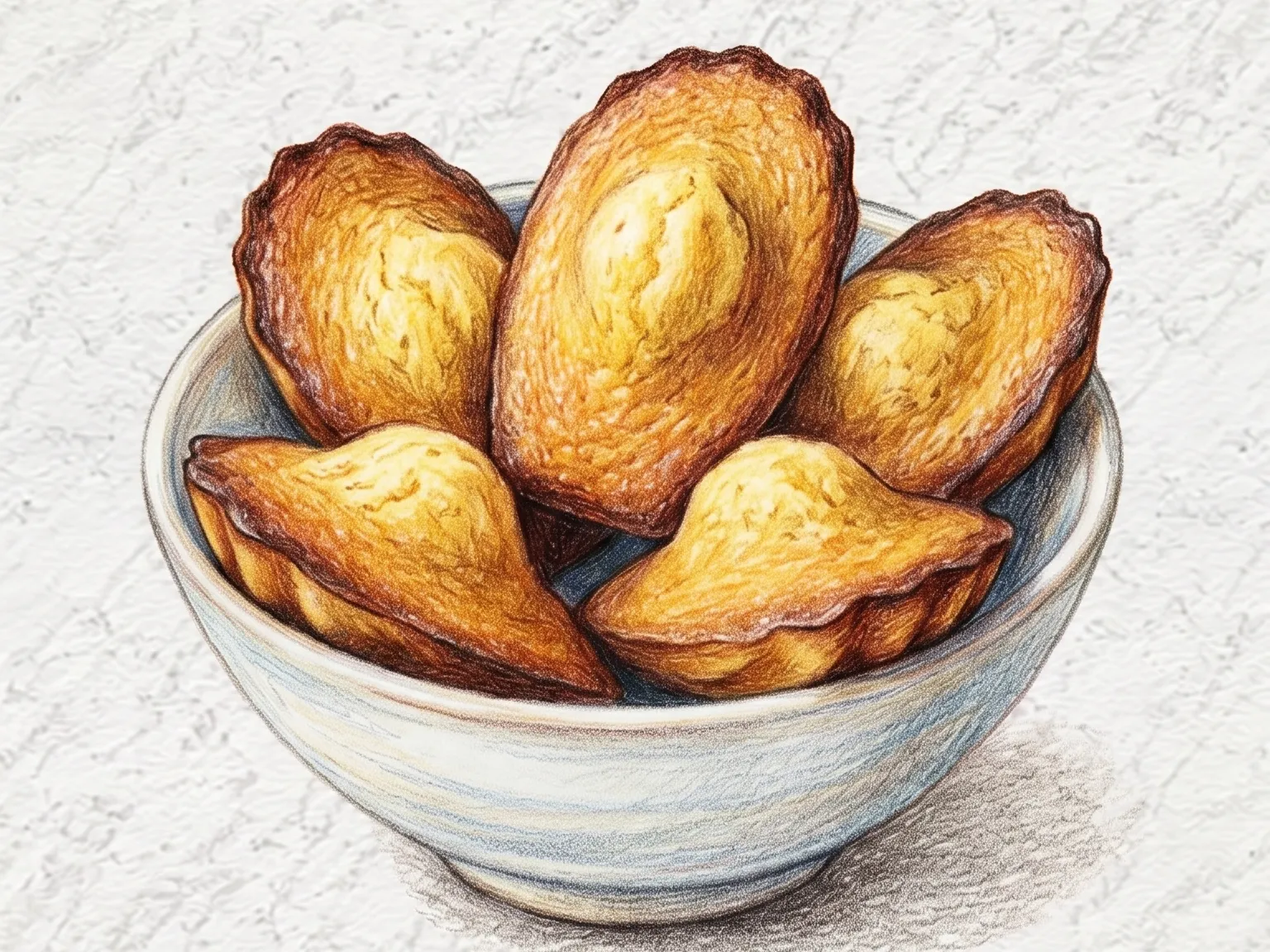
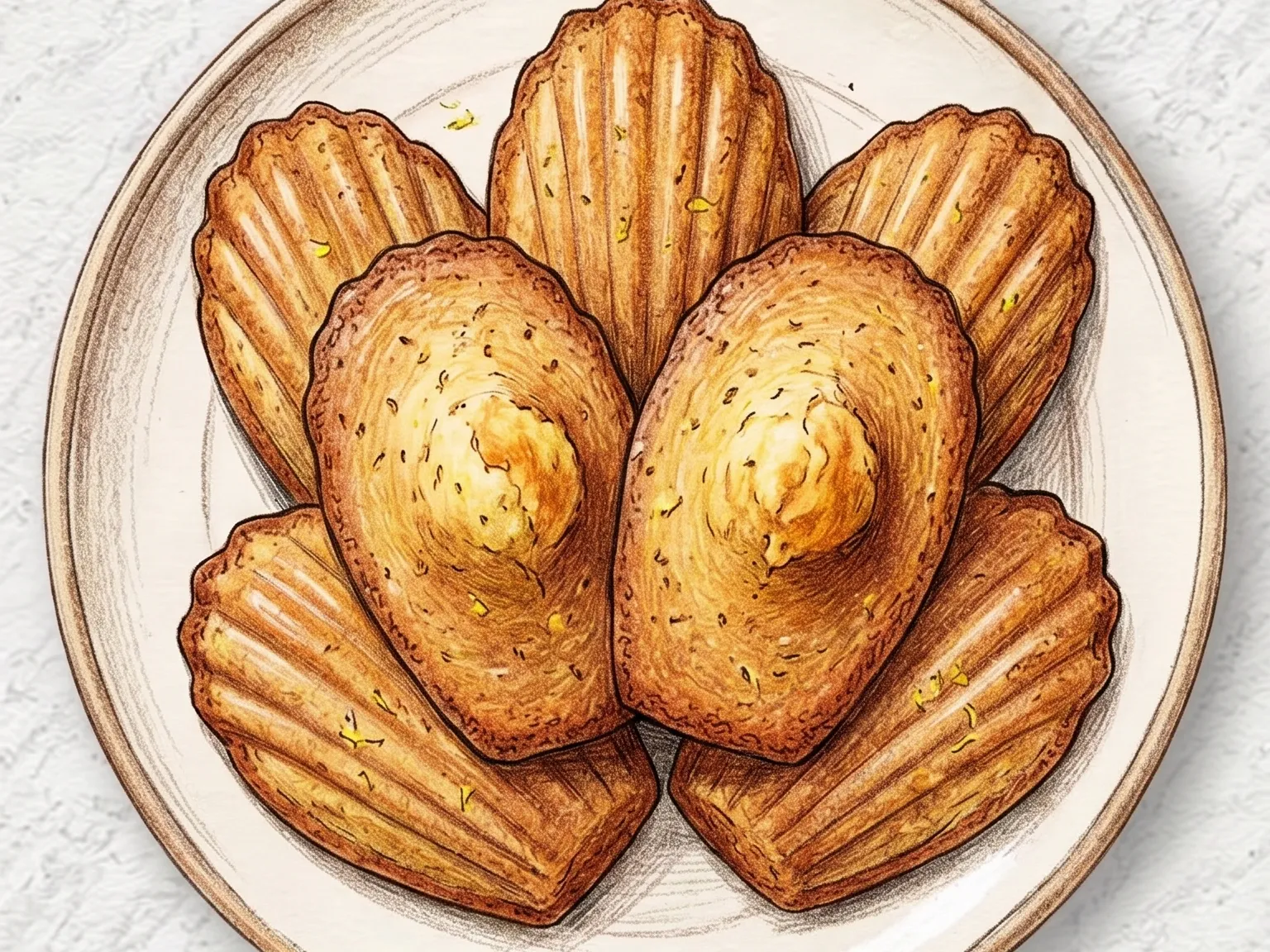
Honey madeleines are small French sponge cakes characterized by their shell-like shape and the prominent rounded mound that rises on their underside during the baking process. To successfully create this characteristic hump, the prepared batter must be rested in a refrigerator until it is thoroughly chilled before being placed into a preheated oven set to a high temperature. This specific thermal shock between the cold batter and the hot air causes the outer edges of the cake to set almost immediately. While the exterior firms up, the steam generated inside the batter is forced upward through the center, resulting in the distinct bump that separates a correctly baked madeleine from one that remains flat. The recipe utilizes a high proportion of melted butter to ensure the edges are crisp and develop a deep golden color. By substituting a portion of the standard granulated sugar with honey, the cakes gain a specific floral sweetness and a rounded flavor profile that sugar alone cannot provide. When served fresh from the oven, the exterior provides a light crunch that gives way to a moist and spongy texture inside. This combination releases the fragrance of toasted butter and warm honey as the cake is eaten. The addition of lemon zest to the batter introduces a sharp citrus quality. This component serves to balance the inherent richness of the butter and prevents the flavor from becoming overly heavy on the palate. Madeleines are best consumed within a very narrow window of time, ideally within thirty minutes of leaving the oven. During this period, the outer shell retains its crispness while the center of the cake is still warm. These cakes are commonly served alongside a cup of black tea or coffee as a simple afternoon snack.

Hallabong Marmalade Madeleines
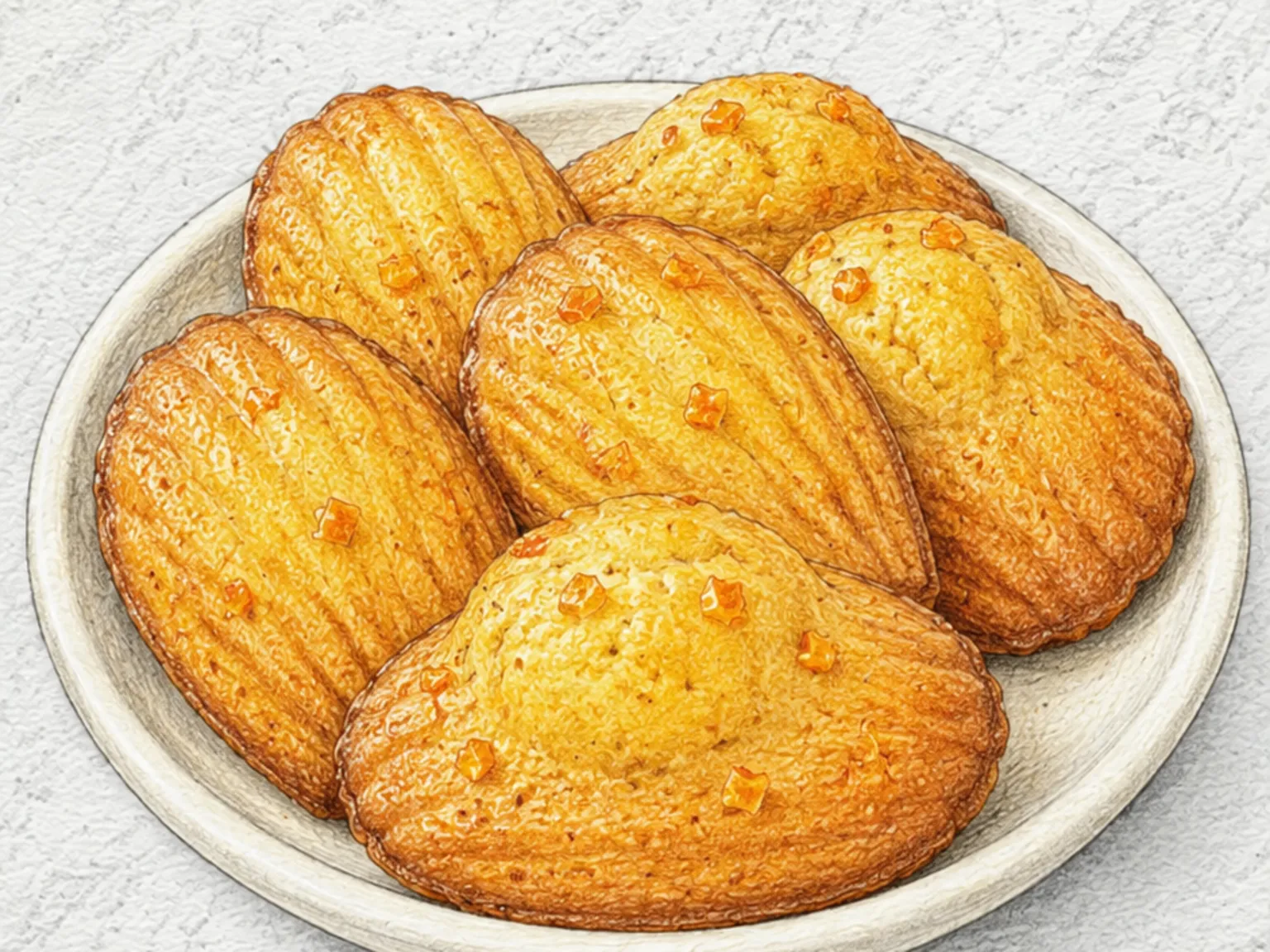
These shell-shaped madeleines incorporate hallabong marmalade directly into the batter, delivering bursts of candied citrus peel and sweet mandarin flavor in every bite. A properly baked madeleine rises with a characteristic bump on top, and these are no exception. The marmalade adds extra moisture, keeping the crumb softer and more tender than a classic plain version. Small pieces of preserved hallabong rind within the batter provide occasional chewy texture against the otherwise pillowy cake. They are best eaten warm, minutes after leaving the oven, though they hold their softness well in an airtight container through the next day. Black tea or Earl Grey is the natural companion, as the bergamot in the tea echoes the hallabong's citrus character.

Goguma Streusel Loaf Bread (Sweet Potato Streusel Loaf)
Sweet potato puree is whisked into a batter enriched with brown sugar, eggs, and neutral oil, then baked in a loaf pan with a generous layer of butter streusel on top. The puree keeps the crumb remarkably moist and dense, while the streusel bakes into crunchy, crumbly clusters that shatter against the soft interior. Cinnamon reinforces the sweet potato's warmth, and brown sugar deepens the flavor with a faint molasses note. The streusel must be prepared with cold butter rubbed by hand into flour and sugar - the coarse, irregular texture is what creates the satisfying crunch after baking. If the puree is particularly wet, reducing the milk by ten milliliters prevents a batter that is too loose. Should the top brown too quickly during the long bake, a loose tent of foil protects the streusel without trapping steam. The loaf slices most neatly after cooling completely on a rack.

Black Sesame Miso Cornbread
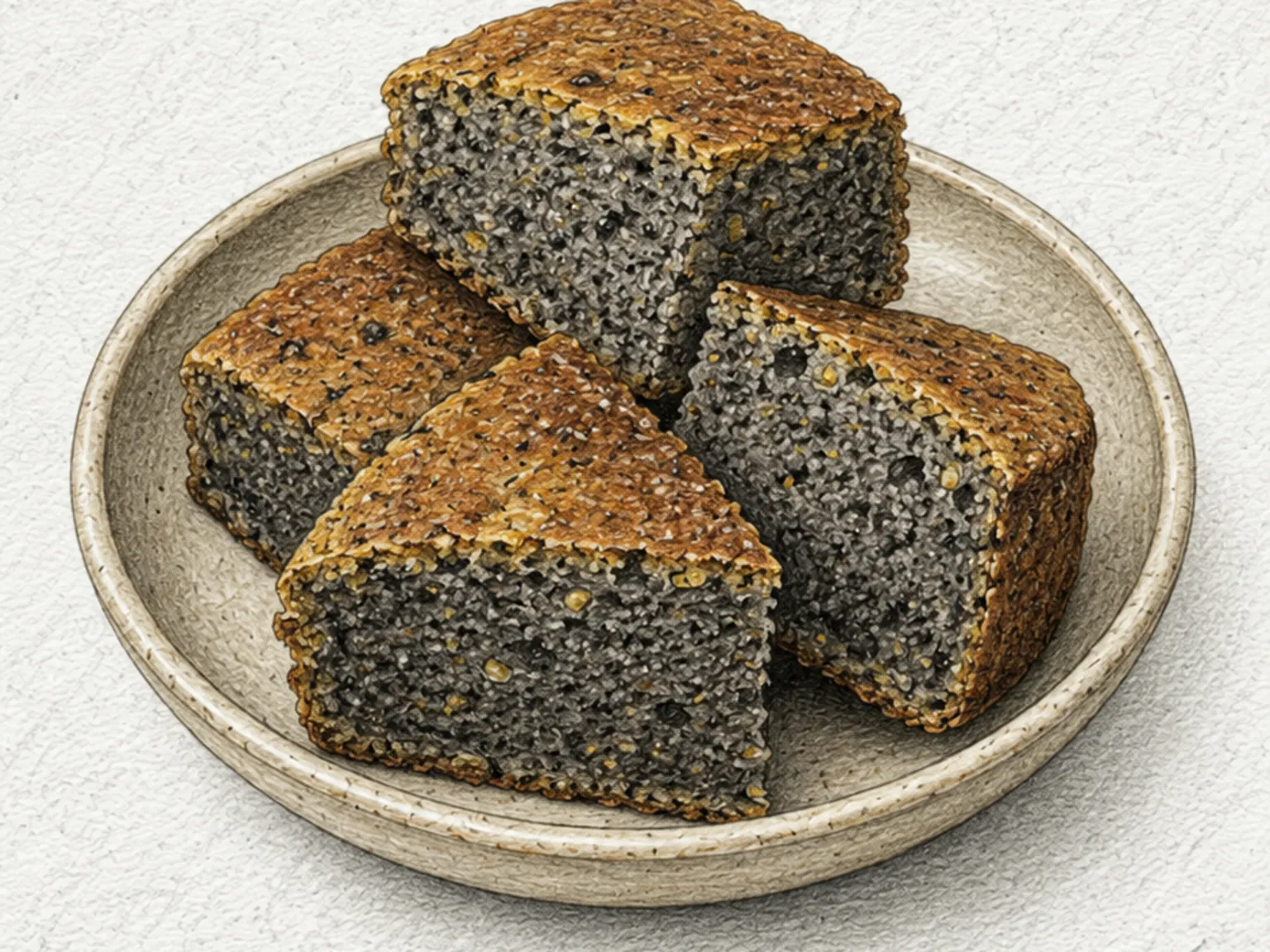
This fusion cornbread combines roasted black sesame powder and doenjang with a classic American cornmeal batter. Adding ground heukimja tints the batter a deep charcoal grey and introduces a toasted-nut richness that ordinary cornbread simply does not have. A small amount of doenjang dissolved into the wet ingredients spreads a quiet, fermented savoriness throughout the crumb, not asserting itself as bean paste but registering as an unexplained depth and complexity that makes the bread more interesting with each bite. Coarse cornmeal preserves the grainy, slightly gritty chew that defines good cornbread, while butter and buttermilk keep the crumb moist rather than dry. The salt in the doenjang holds the sweetness of the sugar in check, landing the bread in an ambiguous zone between savory and sweet rather than firmly in either camp. A drizzle of honey or a pat of butter on a warm slice amplifies the nuttiness of the sesame. The bread also pairs naturally with soups and Korean jjigae, where its savoriness harmonizes with broth-based dishes in a way that plain cornbread would not.

Yuja Saenggang Scone (Yuja Ginger Scone)
Cold butter is rubbed into flour to form coarse crumbs, then yuja marmalade and ginger juice are mixed in to create a dough that bakes into scones with a crumbly, flaky exterior and a moist, tender center. The yuja contributes a bright citrus fragrance that is more aromatic and floral than lemon, pairing naturally with the buttery richness of the scone. Ginger adds a subtle warmth that tempers the sweetness and leaves a clean finish. Minimal handling of the dough preserves the cold butter pockets that generate flaky layers during baking - if the dough warms, it should be returned to the refrigerator immediately. Shaping into rounds and brushing the tops with egg wash produces a golden, glossy crust. These scones are at their best served warm with clotted cream or yuja curd, where the citrus notes in the spread echo those baked into the scone itself. The combination of Korean citrus and British baking tradition makes this a distinctive cross-cultural pastry.

Pan de Elote (Mexican Corn Cake)
Fresh corn kernels are blended into a smooth puree and folded into a buttery batter, producing a baked cake saturated with natural corn flavor. The crumb is dense yet tender, closer to custard than to sponge, with a faint golden hue from the corn itself. Heavy cream in the batter locks in moisture so the cake stays soft for several days without drying out. Because the corn provides substantial natural sweetness, refined sugar plays a supporting role rather than leading. If using frozen kernels, thorough thawing and draining are essential to prevent a watery batter. An overnight rest at room temperature allows the corn starch to redistribute, deepening the flavor and firming the texture to a satisfying slice.

Black Rice Coconut Muffins
Black rice flour is blended into all-purpose flour until the batter takes on a distinctive purple-gray hue, and the grain brings a toasted, nutty quality that plain flour cannot provide on its own. Coconut milk stands in for regular dairy, producing a crumb that is noticeably more moist and tender than a standard muffin while the tropical scent settles into the batter without the need for any extract or flavoring. Desiccated coconut folded in before baking survives the oven and creates small chewy pockets throughout the finished crumb, varying the texture bite by bite. The anthocyanin pigments in the black rice deepen visibly on the muffin tops during baking, giving them a pronounced purple that signals the presence of the grain before a single bite is taken. Both ingredients reinforce the nutty note from their own direction, one earthy and grainy, the other sweet and tropical, and together they give the muffin more depth than a recipe built on white flour alone.

Korean Fish-Shaped Bread (Sweet Red Bean Filled Wheat Waffle)
Bungeoppang is a Korean fish-shaped pastry made by filling a heated iron mold with wheat batter and sweet red bean paste. The preheated mold creates a thin, crisp shell on the outside while the interior bakes into soft, pillowy dough cradling the dense, smooth bean filling. The red bean paste has a thick consistency that flows slowly when bitten into, delivering a concentrated sweetness. The tail section bakes crispiest because the batter layer is thinnest there, while the belly holds the largest pocket of filling - giving each part of the fish a distinct texture. A staple of Korean winter street stalls, it is eaten hot, straight from the mold.

Injeolmi Crumble Muffins (Roasted Soybean Crumble Top)
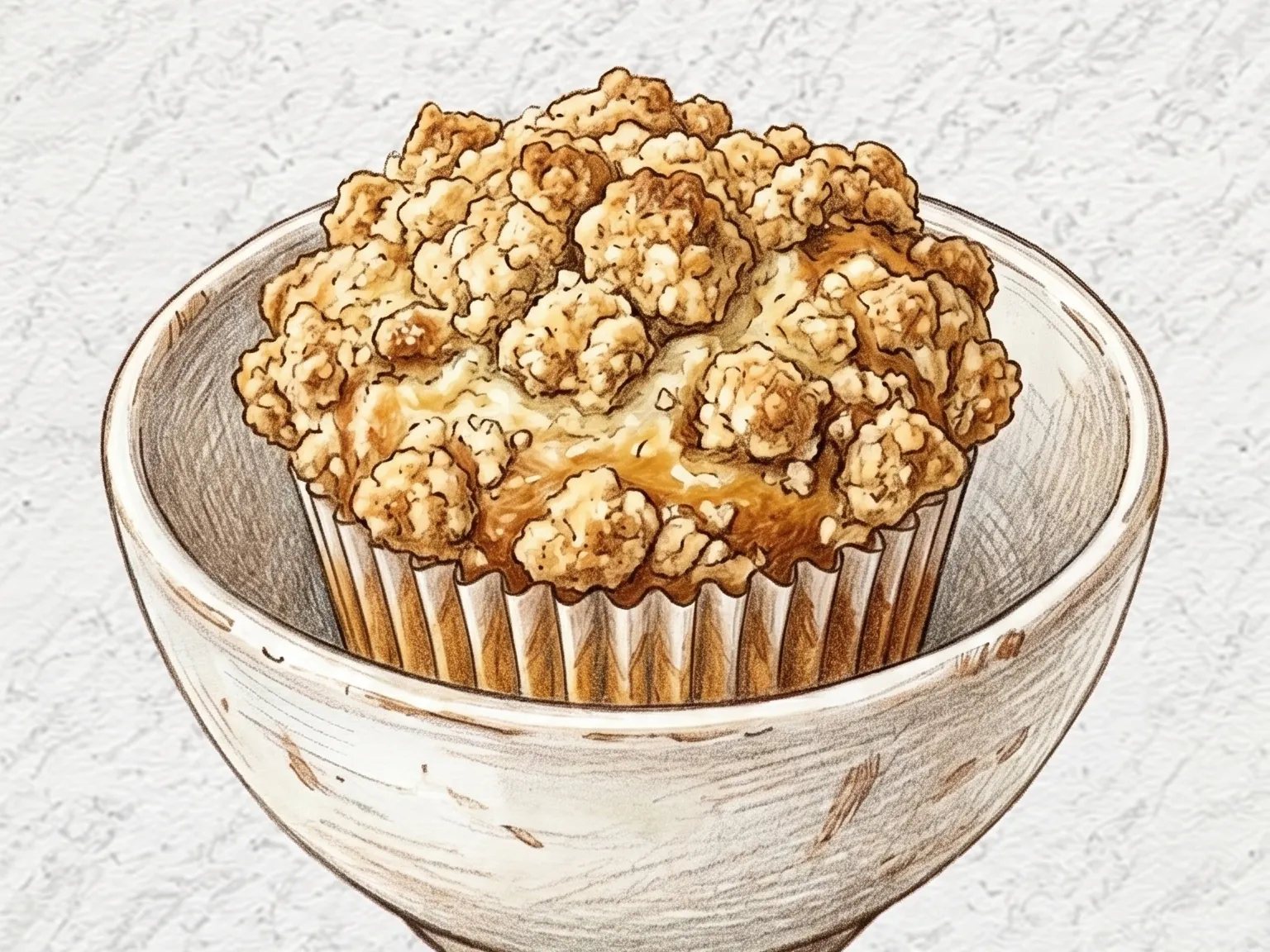
Injeolmi crumble muffin takes the roasted soybean powder that coats injeolmi rice cakes and builds it into both the muffin batter and the crumble topping, translating a beloved Korean rice cake flavor into a baked format. The batter is soft and moist throughout, carrying a mild nuttiness that runs from the first bite to the last, while the crumble on top bakes into crunchy, sandy clusters that shatter when bitten - a textural contrast between the pillow-soft interior and the crisp crown that defines each mouthful. Sweetness is kept deliberately moderate, making these appropriate as an after-school snack for children while remaining interesting for adults who appreciate the depth of roasted grain flavors. Paired with a grain latte or a misutgaru drink, the shared soybean-and-roasted-grain family of flavors amplifies in a way that plain coffee or tea cannot replicate. Each muffin fills the kitchen with a roasted, faintly popcorn-like aroma as it bakes, a signal that the soybean powder is developing the same toasty character it has on traditional injeolmi.

Brownie Cookie Bars (Layered Brownie and Cookie Bar)
Brookie bars combine brownie batter and cookie dough in a single baking pan, stacking the two components so that each cut piece delivers both in one bite. The cookie layer sits at the bottom of the pan and is built on brown sugar and melted butter, which together produce a deep caramel flavor that plain white sugar cannot achieve. At the edges, where the batter is thinnest and heat penetrates fastest, the cookie bakes into a crisp, snapping crust. Toward the center, the same layer stays chewy and slightly underdone, with a pull to the texture that contrasts with the firmer brownie above. The brownie layer uses both cocoa powder and dark chocolate chips, a dual approach that delivers two distinct expressions of chocolate flavor. Cocoa powder spreads its bitter intensity throughout the entire layer, while the chips melt into pockets of concentrated richness that survive as soft inclusions in the finished bar. Where the two layers press against each other during baking, a narrow transition zone forms in which cookie and brownie are partially merged. This interstitial region carries the vanilla-butter warmth of the cookie alongside the bitter darkness of the brownie simultaneously. The bars must cool completely before cutting. Removing them from the pan too soon results in crumbling and smearing that destroys the clean cross-section that makes brookie bars visually satisfying.

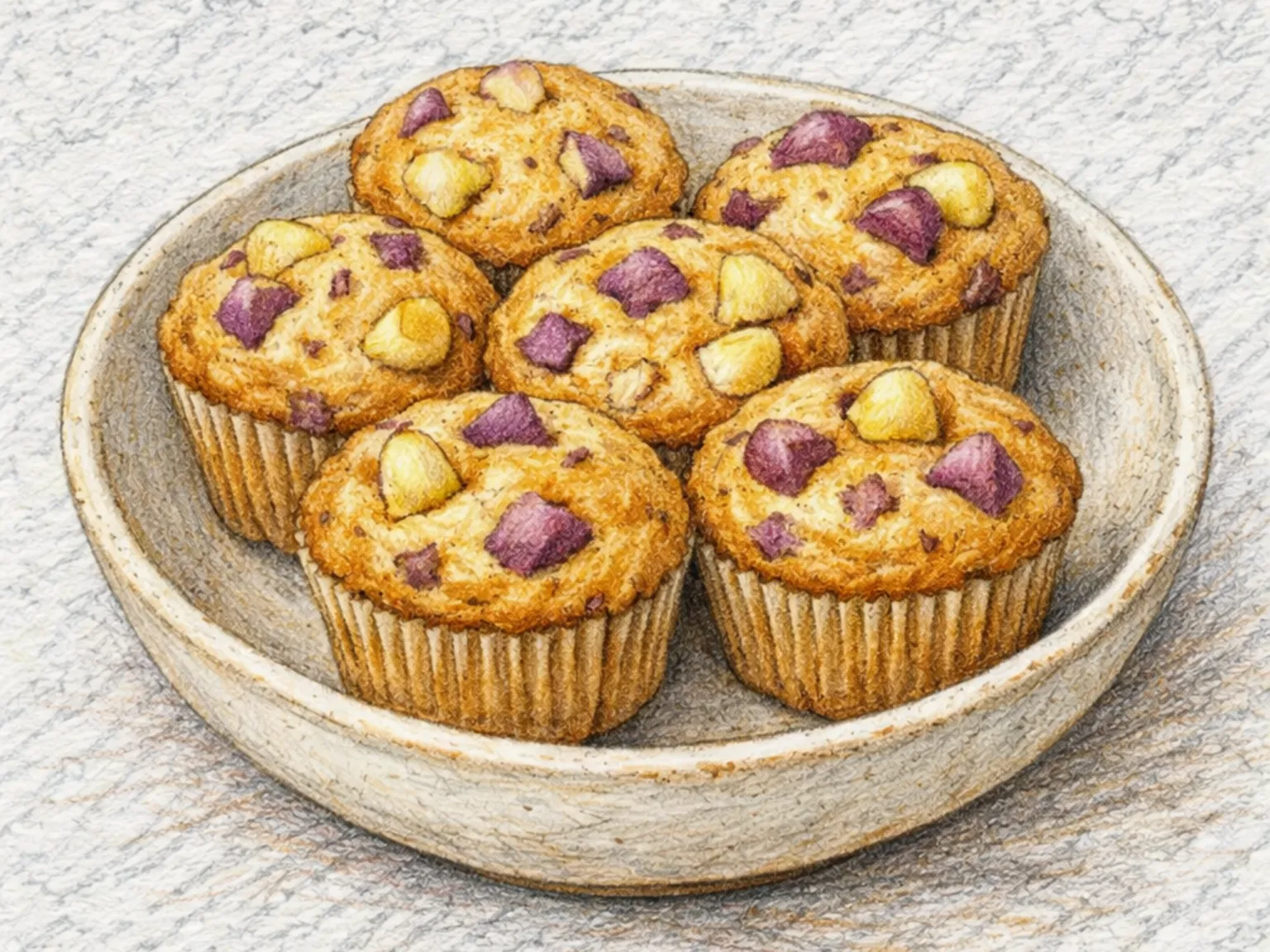
Deulkkae Kkul Muffins (Perilla Honey Muffins)
Ground perilla seeds are folded into a quick muffin batter alongside honey and brown sugar, creating a Korean-inspired bake with a pronounced nutty fragrance and gentle sweetness. The perilla flavor is warm and toasty, somewhere between sesame and fresh herbs, and it builds with each bite rather than fading. Honey keeps the crumb moist without making it heavy, and neutral oil replaces butter so the perilla aroma stays at the forefront. Mixing the batter in only ten to twelve strokes is critical: overmixing toughens the gluten and dulls the texture. A light sprinkle of perilla powder on top before baking gives each muffin a visual cue and an extra burst of fragrance when broken open. They pair well with grain lattes, where the roasted notes in the drink echo the seed's toasted character.

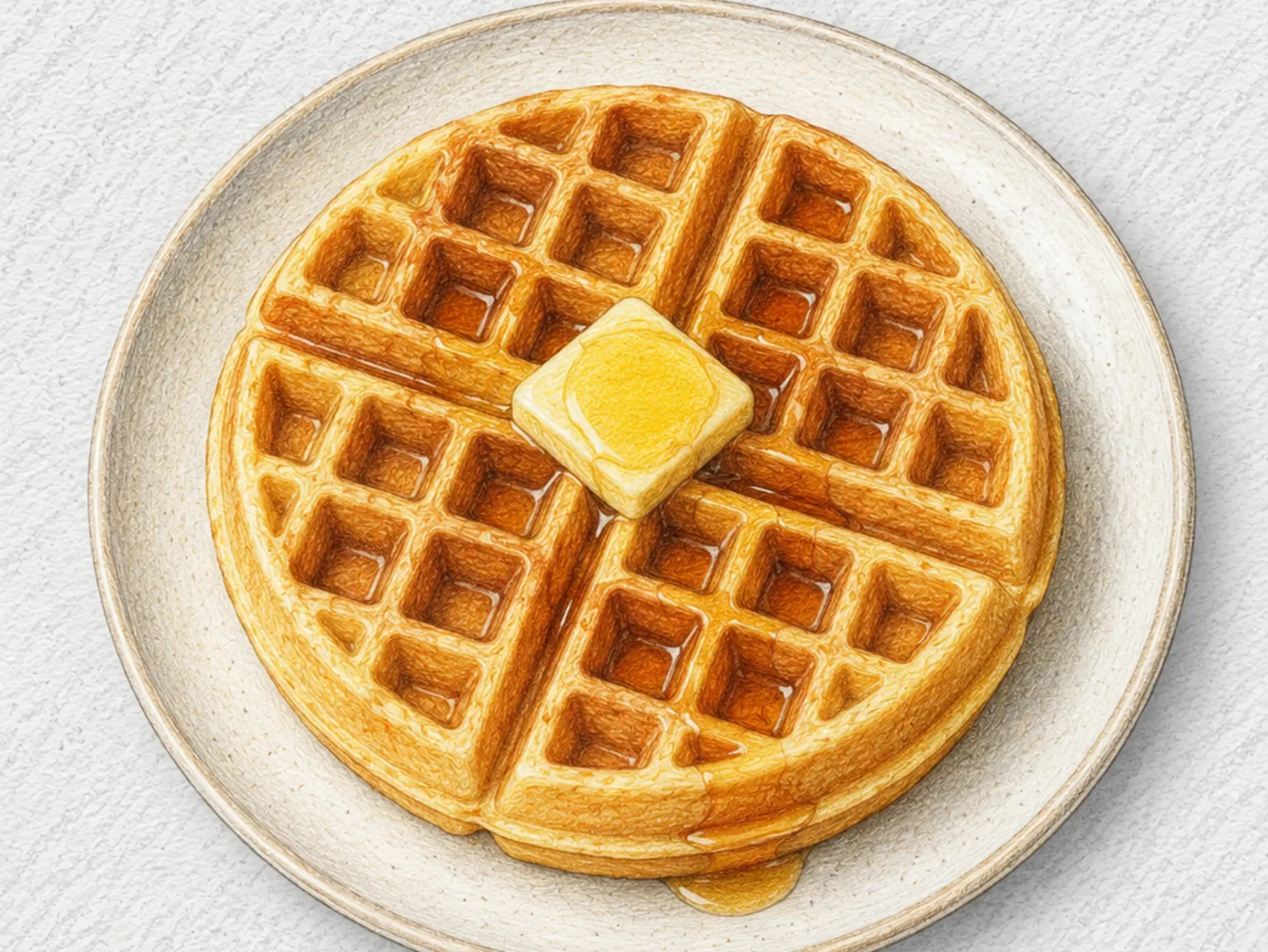
Chicken and Waffles
Chicken and waffles is a Southern American soul food dish that places crispy fried chicken thighs on freshly made waffles and finishes everything with a pour of maple syrup. Soaking the chicken in buttermilk for at least an hour before dredging tenderizes the meat and gives the finished crust a more pronounced crunch; without this step the coating is drier and less flavorful. The double-dredge technique -- flour first, then beaten egg, then flour again -- builds a thick, irregular crust that shatters at the bite after eight to ten minutes in 170-degree oil, while the interior stays moist and fully cooked. The waffle batter includes melted butter, which is what creates waffles that are genuinely crisp on the patterned exterior while staying soft and airy on the inside; waffles made without fat in the batter tend to turn limp quickly. Waffles are cooked first and kept warm in a low oven so they are ready the moment the chicken is lifted from the oil. The appeal of the dish lies entirely in contrast: the hot, salty, fatty crunch of the fried chicken meets the sweet yielding softness of the waffle and the maple syrup, and the interplay of those opposing sensations is what turns a straightforward combination of ingredients into something that stays in memory.

Mocha Red Bean Crumble Cake
Cocoa powder and instant coffee are folded into the batter together, producing a deep mocha character where the bitterness of coffee amplifies the chocolate's intensity rather than competing with it. Sweetened red bean paste - left in small, discernible pieces - is scattered through the crumb, providing pockets of earthy sweetness that interrupt the mocha richness with each bite. A buttery crumble topping bakes to a golden, crunchy cap that contrasts sharply with the moist cake below. The balance of red bean to batter matters: too much and the cake becomes dense and stodgy, too little and the Korean accent disappears. Resting the cake overnight allows the coffee and red bean flavors to meld into a more unified profile, making the second-day slice arguably better than the first.

Classic British Scones
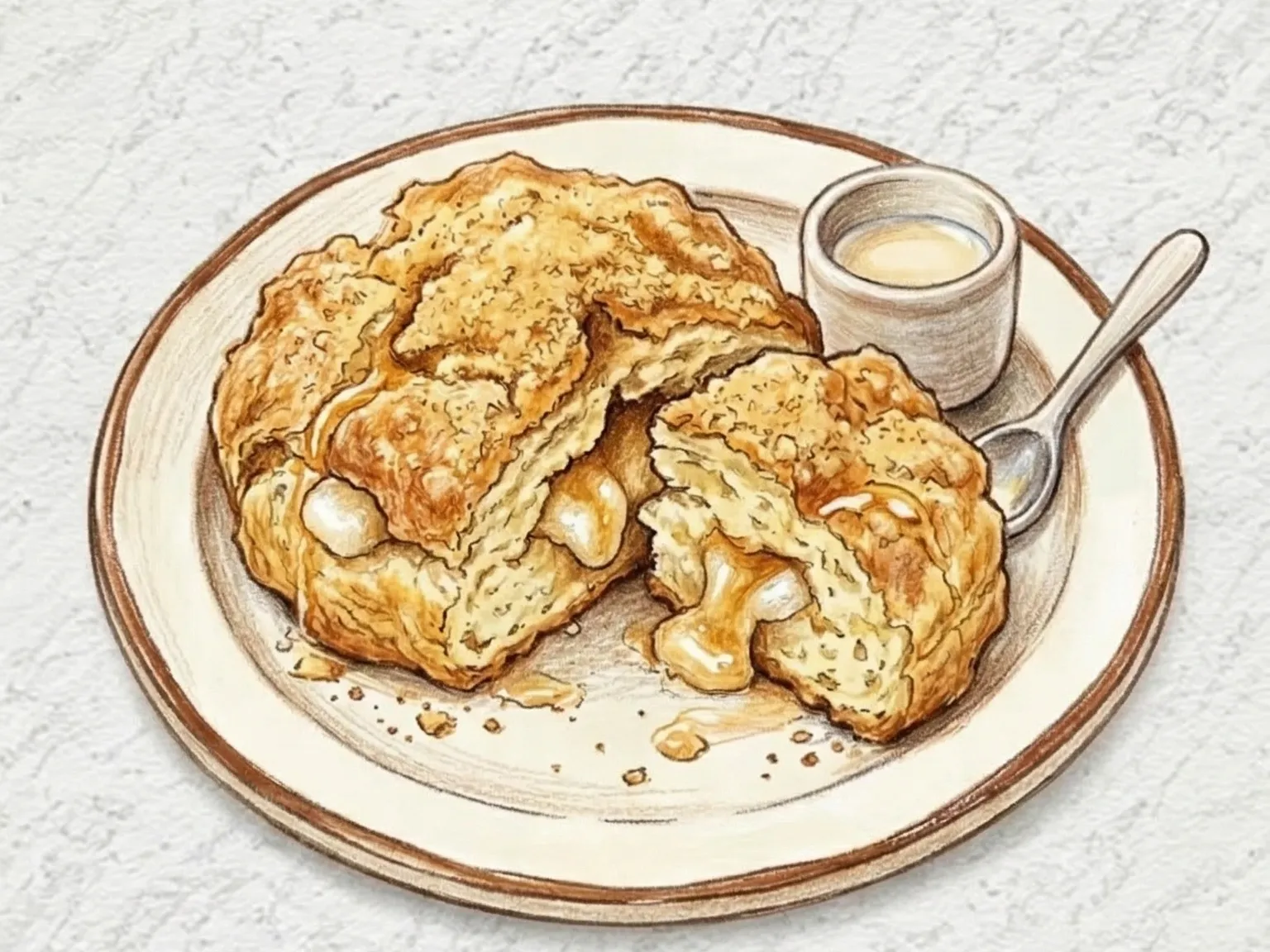
Classic British scones are made by rubbing cold butter into flour and binding the mixture with milk, using minimal handling to keep the dough light. This restraint is what creates the signature crumbly, layered texture. Overworking develops gluten and produces a tough result instead of the delicate flake the scone is known for. In the oven, the butter melts and generates steam between the flour layers, causing the scone to rise and split naturally along its sides. The exterior, brushed with egg wash before baking, turns golden and slightly crisp, while the interior stays soft and flaky, somewhere between bread and biscuit. Traditionally served during afternoon tea with clotted cream and strawberry jam, scones are split by hand rather than cut with a knife. The warmth of a freshly baked scone against the cool richness of clotted cream is the combination that defines the English tea table.

Mugwort Red Bean Muffin (Korean Herbal Sweet Bean Muffin)
This muffin combines mugwort powder and cooked sweet red beans in a soft, fluffy batter that bridges Korean traditional flavors with Western baking technique. Mugwort contributes a distinctive herbal fragrance - faintly bitter, grassy, and deeply aromatic - that permeates the entire crumb and gives it a muted green hue. The red beans, folded in whole, add pockets of grainy sweetness that burst with each bite. Cake flour and baking powder keep the rise gentle and the texture light, while melted butter adds moisture without heaviness. The combination of mugwort and red bean is deeply familiar from Korean rice cakes, but baking it as a muffin introduces a crisp top and a pillowy interior that the steamed rice cake format cannot offer. Mixing the batter in no more than ten to twelve strokes prevents toughness - visible streaks of flour are acceptable and even preferred over a smooth, overworked batter. The beans should be folded in last with a gentle spatula motion to preserve their shape. These muffins pair naturally with grain-based lattes, where the roasted notes in the drink echo the earthy quality of the mugwort.

Lemon Pound Cake
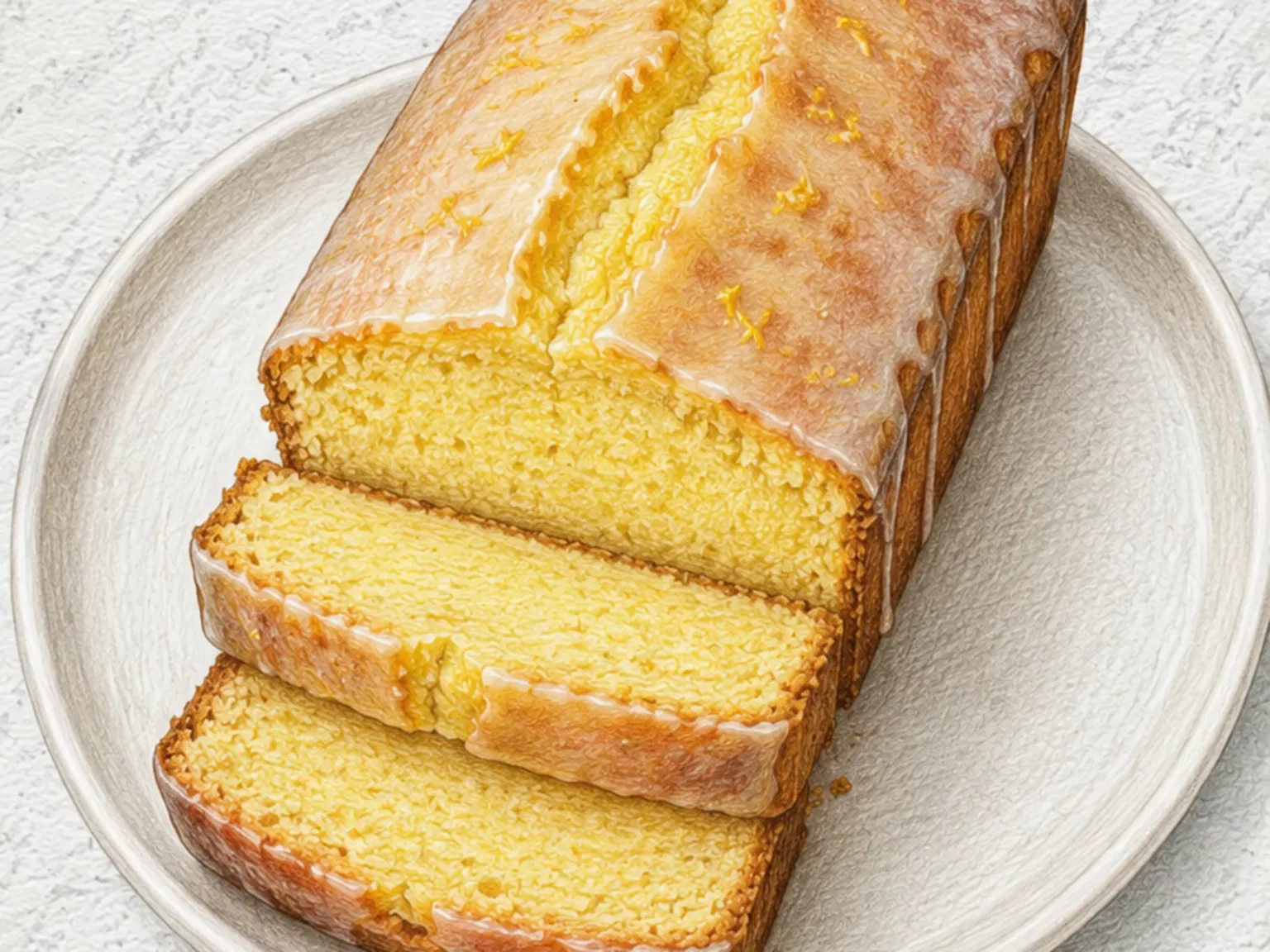
A dense, buttery pound cake elevated by the brightness of fresh lemon zest and juice. Creaming the butter and sugar until light introduces air pockets that keep the heavy crumb from becoming leaden, and adding eggs one at a time ensures the emulsion stays stable. Rubbing the lemon zest into the flour before combining releases its essential oils evenly throughout the batter, so every slice carries the same citrus intensity. Lemon juice raises the batter's acidity just enough to maintain a tender, fine crumb rather than a tough one. During roughly an hour at 175 degrees Celsius, the top splits into the characteristic crack that signals a properly risen pound cake. After cooling completely, a glaze of powdered sugar and lemon juice is drizzled over the surface, hardening into a thin, translucent shell that adds sweetness and a subtle sheen. Wrapped and rested overnight, the lemon flavor deepens as the oils permeate every layer of crumb.

Cornbread
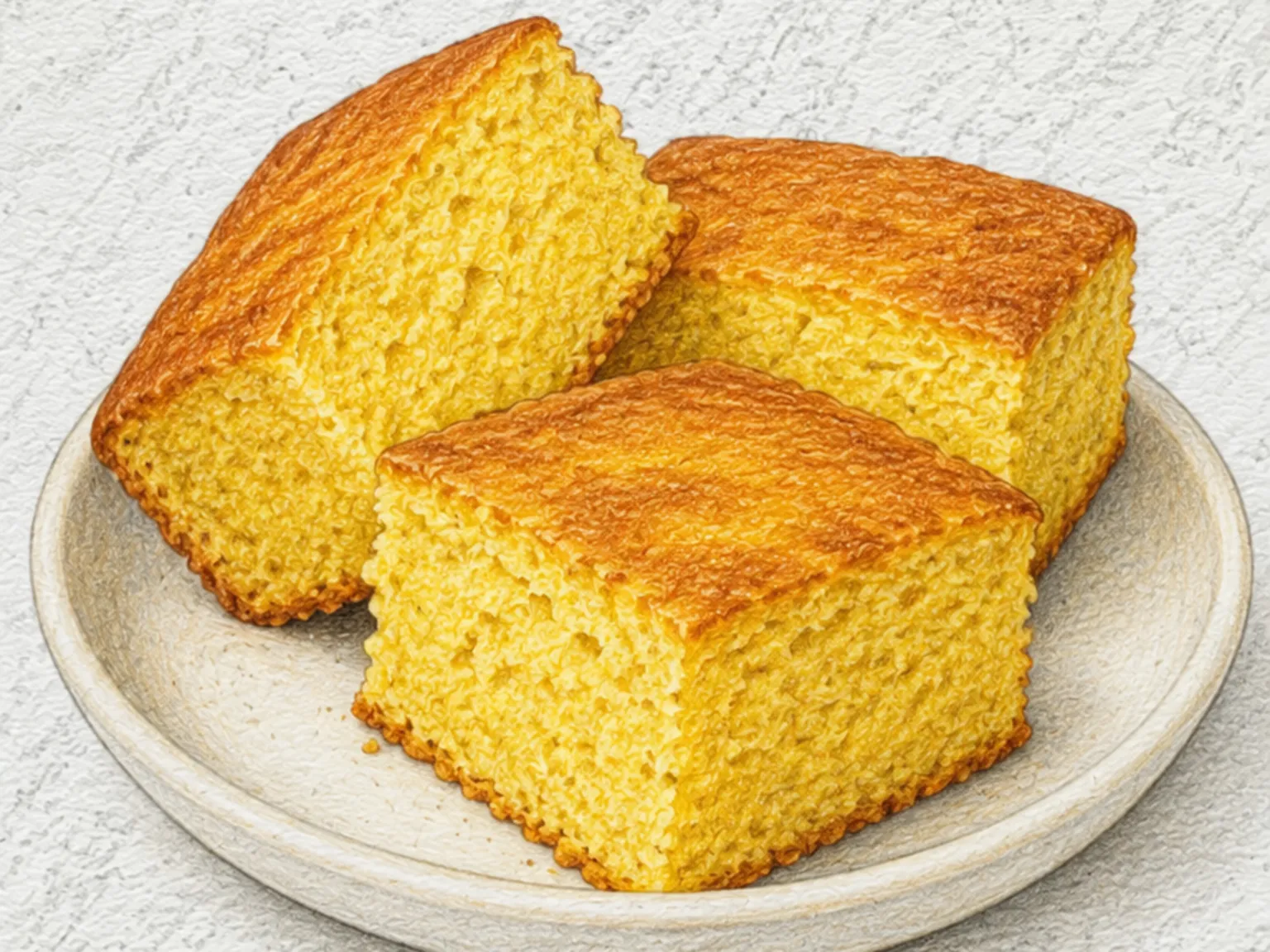
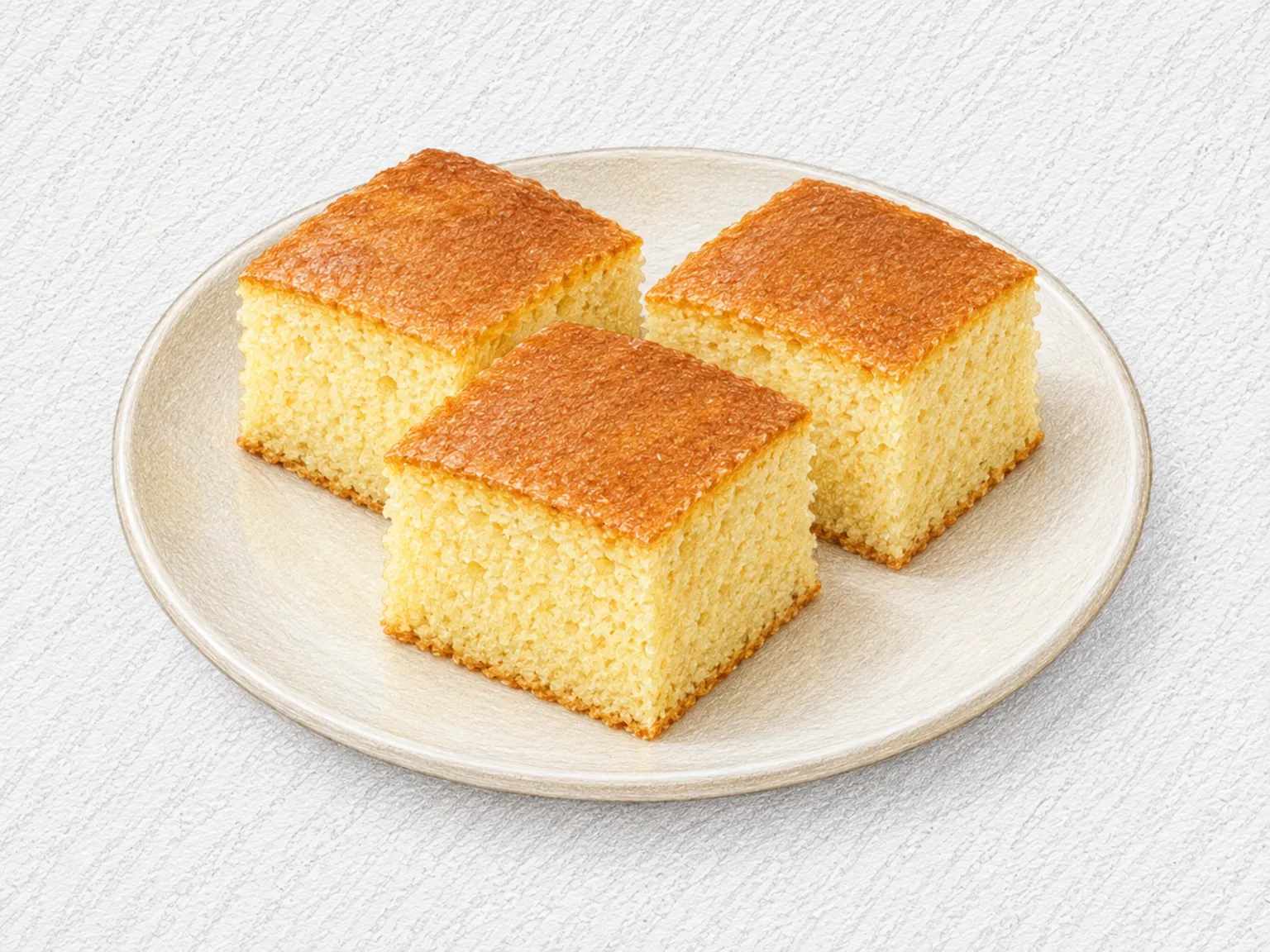
Cornbread is a Southern American quick bread made from cornmeal, flour, sugar, baking powder, milk, egg, and melted butter, baked until golden. Mixing the wet and dry ingredients separately and combining them with minimal stirring prevents overdeveloping gluten, which keeps the crumb tender and moist rather than tough. Baking at 200 degrees Celsius for twenty-two to twenty-five minutes produces a crisp exterior with a lightly sweet, nutty interior characteristic of cornmeal. The bread pairs well with stews, chili, and soups; its coarse grain absorbs broth and sauce effectively, making every bite more flavorful the longer it sits in the bowl.

Rice Flour Walnut Biscuit Bars
These biscuit bars are built on rice flour and almond flour rather than wheat, producing a crumb that is tender and crumbly with minimal gluten development. Chopped walnuts folded into the dough contribute a firm, nutty crunch that punctuates the otherwise delicate texture. Brown sugar provides a caramel-like depth of sweetness, and vanilla extract ties the flavors together with a gentle warmth. Toasting the walnuts before adding them to the batter intensifies their flavor significantly - the roasted oils become more fragrant and the nuts take on a slightly bitter edge that balances the sugar. Pressing the dough evenly into the pan is important for uniform baking; uneven thickness means burnt corners and pale centers. The bars must cool completely in the pan before slicing, or they will crumble apart at the cut. Stored in an airtight container, they maintain their snap for several days. The near-absence of gluten makes these bars lighter than a traditional shortbread while still delivering the satisfying richness that butter and nuts provide.

Gochujang Chocolate Crinkle Cookies
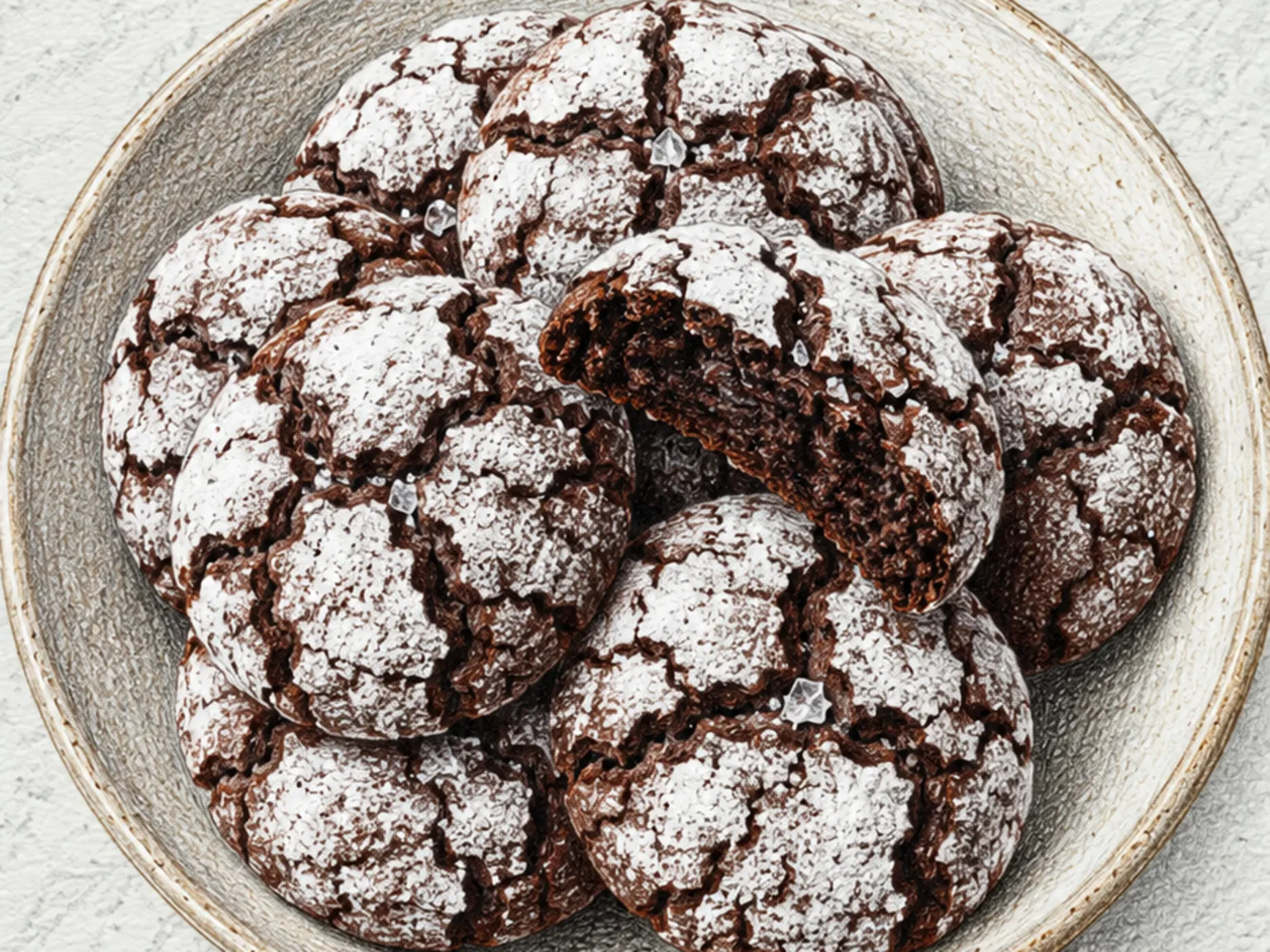
Gochujang chocolate crinkle cookies merge the fermented heat of gochujang with deep chocolate flavor in a single bite. The signature cracked surface forms when balls of dough rolled in powdered sugar expand in the oven, splitting the white coating to reveal the dark interior beneath. Gochujang, added in a modest amount, threads a low, lingering warmth and an umami undertone through the chocolate without overtly announcing itself. Most tasters sense something unexpected at the finish but cannot immediately identify the source. The exterior sets into a thin, lightly crisp shell while the inside stays dense and fudgy, occupying the territory between a brownie and a cookie. Using both cocoa powder and melted chocolate increases the chocolate intensity beyond what either ingredient achieves alone. A pinch of flaky sea salt on top before baking sharpens the contrast between sweet and spicy, making the flavor more defined. Chilling the dough for at least 30 minutes before rolling ensures the powdered sugar coating adheres evenly and produces the consistent cracking pattern that defines the cookie's appearance.

Black Rice Black Sesame Muffins
Black rice black sesame muffins bring together two of Korean baking's most distinctive ingredients into a single pastry with layered flavor and an unusual deep color. Black rice flour and cake flour form the dry base, with roasted black sesame seeds folded in to add concentrated nuttiness and tiny bursts of crunch throughout the crumb. Plain yogurt and milk provide the moisture and a faint tang that offsets the sweetness, while neutral oil keeps the fat light. During baking, the heat activates the oils within the sesame seeds, intensifying their roasted aroma as the muffins rise. The finished interior stays moist and tender, and the crust develops a subtle chew. The color is a striking deep purple-gray from the black rice. Flavor arrives in sequence: the earthy, slightly mineral depth of black rice leads, and the bold, roasted sesame note finishes. The restrained sweetness makes these muffins as well-suited to coffee or tea as they are to eating on their own.