Gunma Suiton
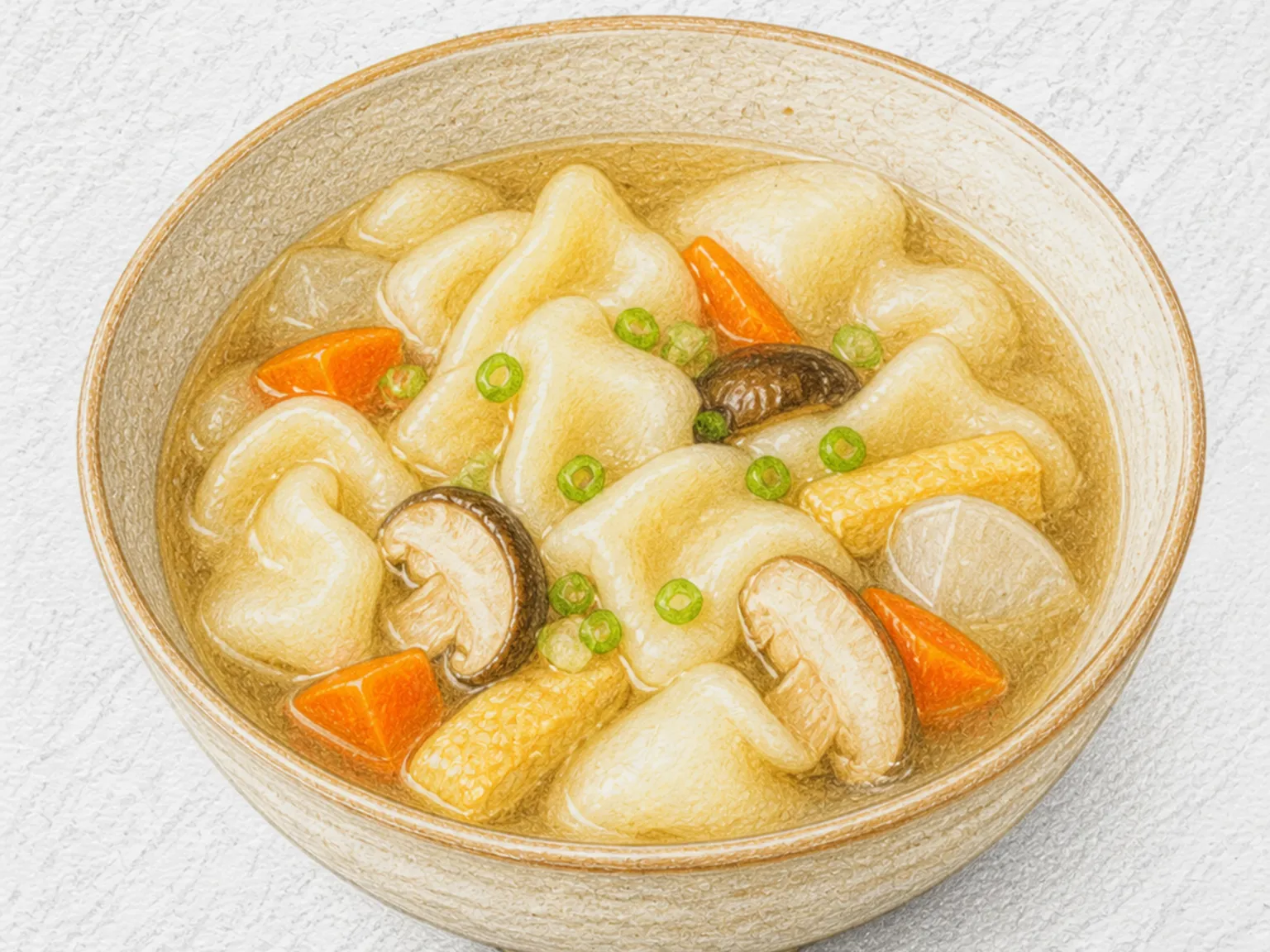
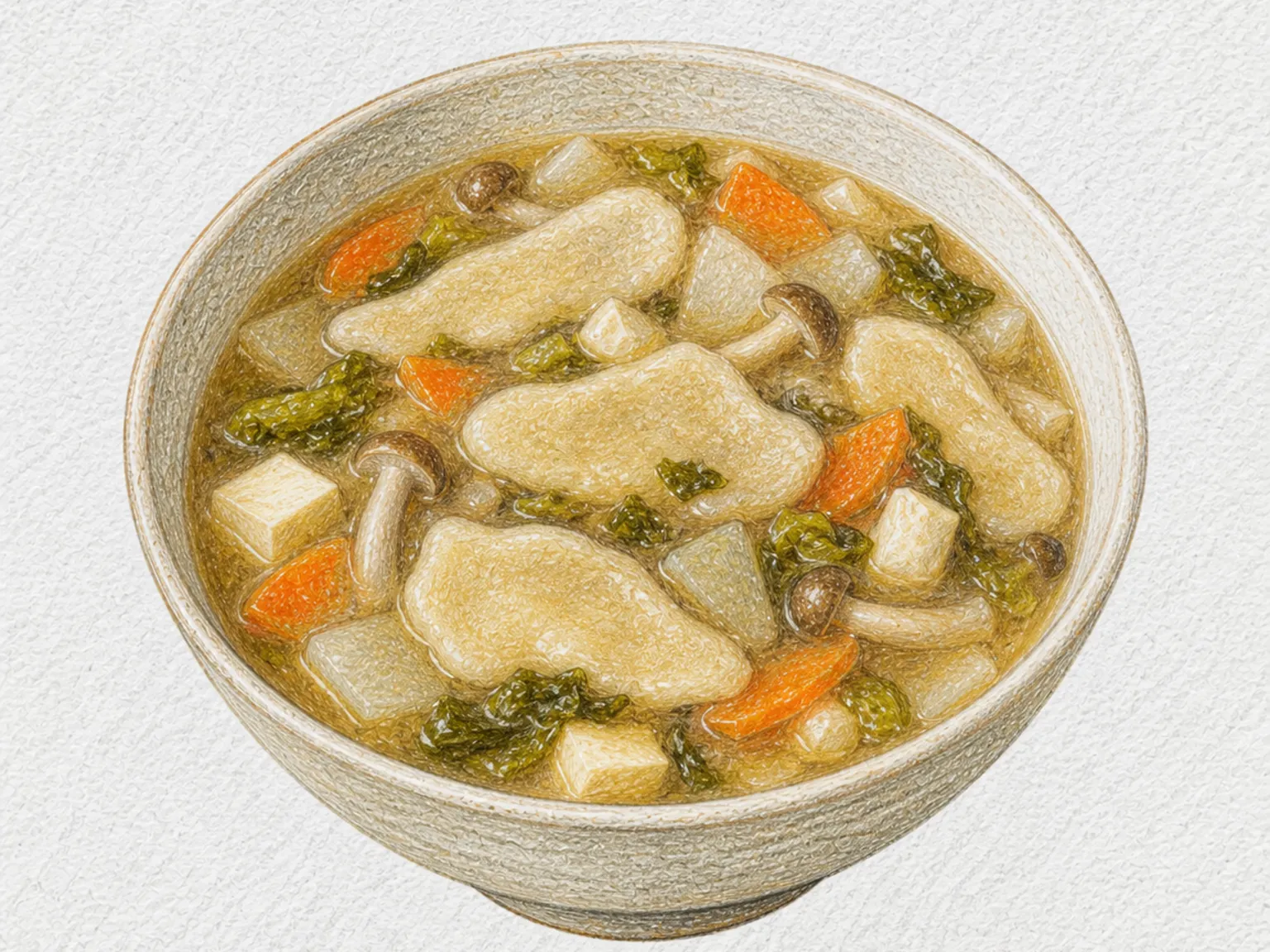
Gunma suiton is a wheat dumpling soup made by stirring flour with water into a soft batter that can be dropped from a spoon directly into dashi containing daikon, carrot, taro, shiitake, scallion, and aburaage. Gunma's long history of double-cropping rice and wheat produced many flour dishes, and suiton became an everyday staple and rice substitute in times of shortage because its dough needs no rolling or cutting. Regional names include tocchanage-jiru, tsumerikko, otsuyu-dango, and nejikko. The spoonfuls are added only after the vegetables are mostly tender and then boiled until no raw flour remains at their centers.
Tortellini in Brodo (Italian Stuffed Pasta in Clear Meat Broth)
Tortellini in brodo is a traditional soup from Emilia-Romagna in which small stuffed pasta parcels are served in a clear, full-flavored meat broth. The filling typically combines pork, prosciutto, and Parmigiano-Reggiano. The broth - usually made from chicken or beef bones - is simmered long enough to develop deep body while remaining transparent. In Italy, this dish is closely associated with Christmas and holiday meals. Using store-bought tortellini, the recipe can be completed in about 40 minutes.
Tsushima (Crumbled Tofu and Vegetable Salad)
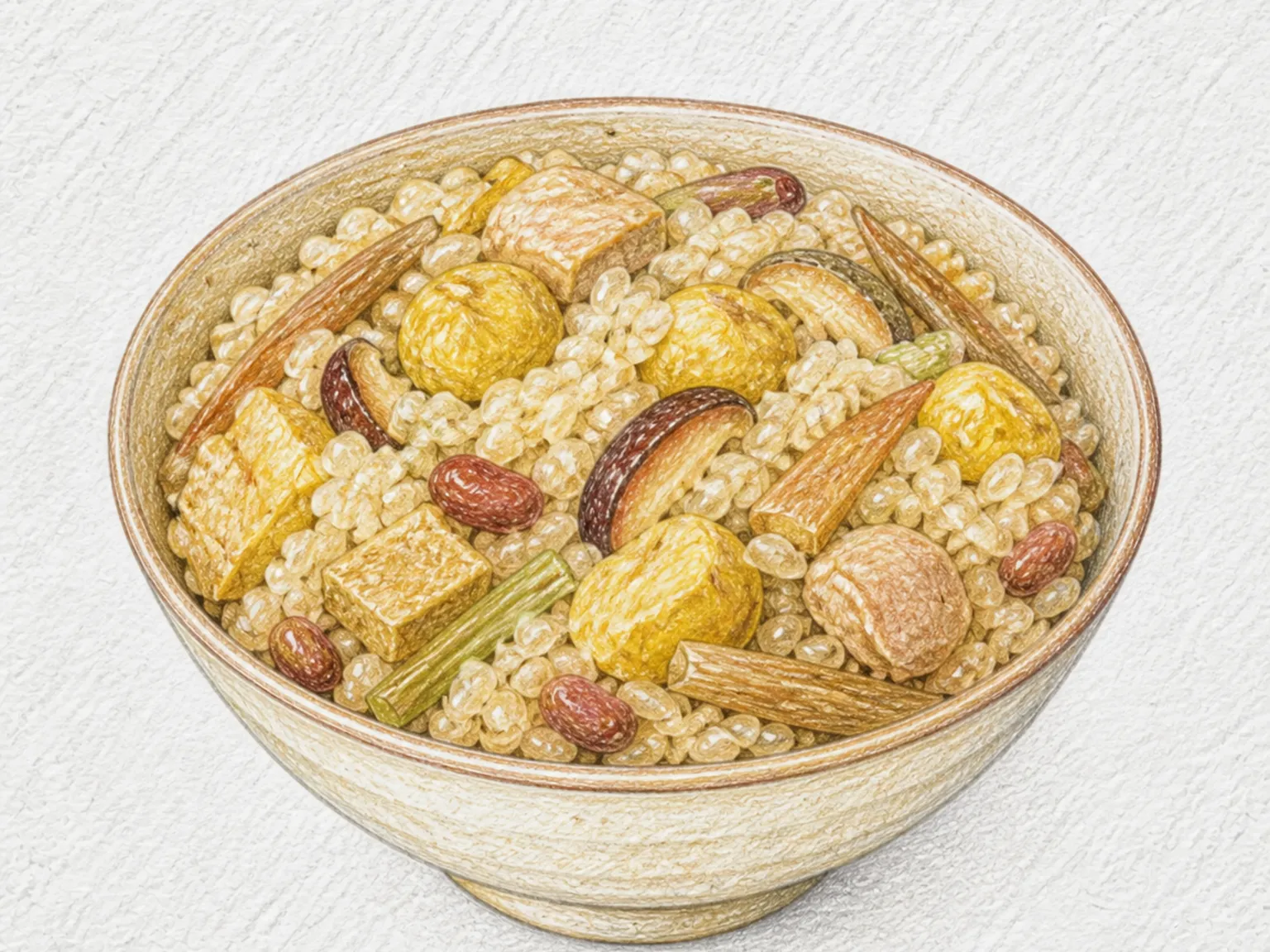
This tofu and vegetable salad combines dry-cooked crumbled tofu with shiitake, carrot, burdock, and konjac simmered in dashi and finished with a vinegar dressing. Crumble 400g tofu into a pan and dry-fry over medium heat for 8 to 10 minutes. When moisture has emerged and the tofu is loose, drain in a sieve and cool completely. Combine the shiitake, carrot, burdock, konjac, 100ml dashi, 4g simmering sugar, and 6ml simmering soy sauce. Cook about 10 minutes until nearly dry, spread out, and cool. Mix the fully cooled tofu and simmered vegetables in a large bowl. Pour over the vinegar dressing, toss gently, fold in the green beans, and serve or chill.
Ribollita (Tuscan Bread and Bean Soup)
This Ribollita (Tuscan Bread and Bean Soup) recipe follows the actual preparation, main cooking method, and finish in order. Dice 1 onion, 1 carrot, and 80 g celery into small even pieces. Cut 250 g cabbage and 200 g tomato into bite-size pieces so they soften at a similar pace in the pot. Add the cabbage and tomato, keeping the heat at medium. Cook about 7 minutes, stirring from the bottom, until the cabbage loses about half its volume and the tomato releases enough juice to moisten the vegetables. Season with salt and pepper after the bread has thickened the soup, then turn off the heat and rest 5 minutes to settle the texture. Serve warm with a light final drizzle of olive oil.
Shiraae Vegetables in Tofu Sesame Dressing
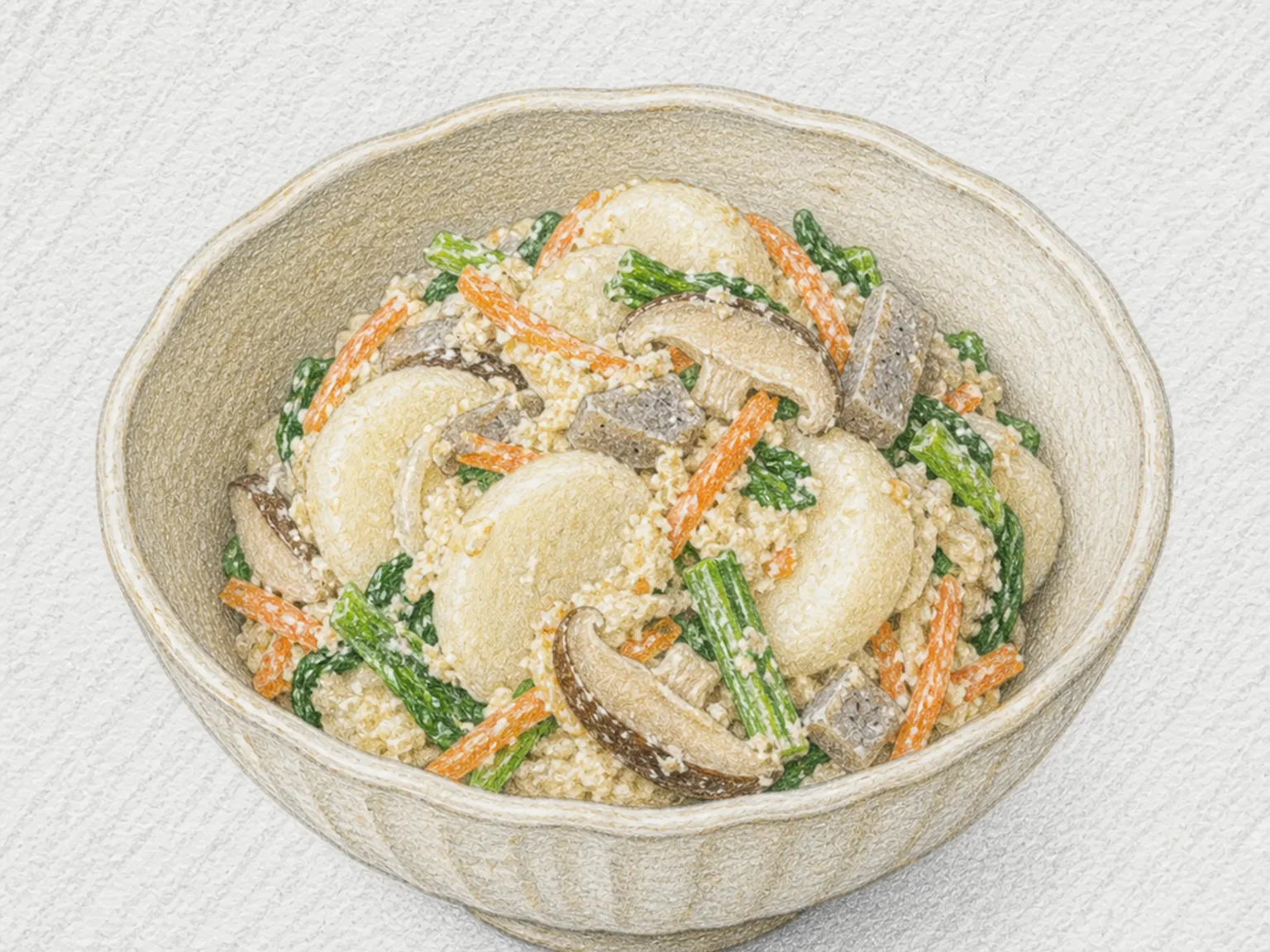
Shiraae is a Tochigi home side dish that turns well-drained firm tofu into a smooth white dressing with sugar, salt, and ground sesame, then folds it around seasoned carrot and konnyaku immediately before serving. In mountain communities where tofu was once scarce, neighbors shared equipment to make it for New Year, weddings, funerals, and shrine festivals. It is now an everyday dish throughout the year. Konnyaku is briefly boiled first to reduce its characteristic odor and cut to match the carrot. Both are simmered in dashi with sugar and salt, absorb the seasoning, and must cool completely so their moisture does not loosen the tofu dressing. The tofu is weighted for thirty minutes and ground until no curds remain visible. Mixing waits until the last moment, and a light folding motion keeps the dressing white while preserving the vegetables' clear shape.
Korean Omelette Rice (Ketchup Fried Rice in Egg Wrap)
Omurice wraps ketchup-fried rice in a thin, softly set egg sheet, producing a one-plate meal that balances sweet-tangy tomato notes with rich buttery egg. Diced onion, carrot, and ham are sauteed in butter until fragrant, then tossed with cooked rice and ketchup to build a lightly caramelized fried rice base. A separate egg mixture enriched with a splash of milk is spread thin in a hot pan and folded around the rice while still slightly runny, so cutting into it reveals a creamy, flowing center. Green peas mixed into the rice add pops of sweetness and color. The contrast between the glossy egg exterior and the savory-sweet filling has made omurice one of the most comforting one-plate meals in both Japanese-origin home cooking and Korean everyday cuisine. Tilting the pan and nudging the egg sheet against the curved edge is the standard technique for shaping the signature oval.
Imogara Stir-fry and Simmer
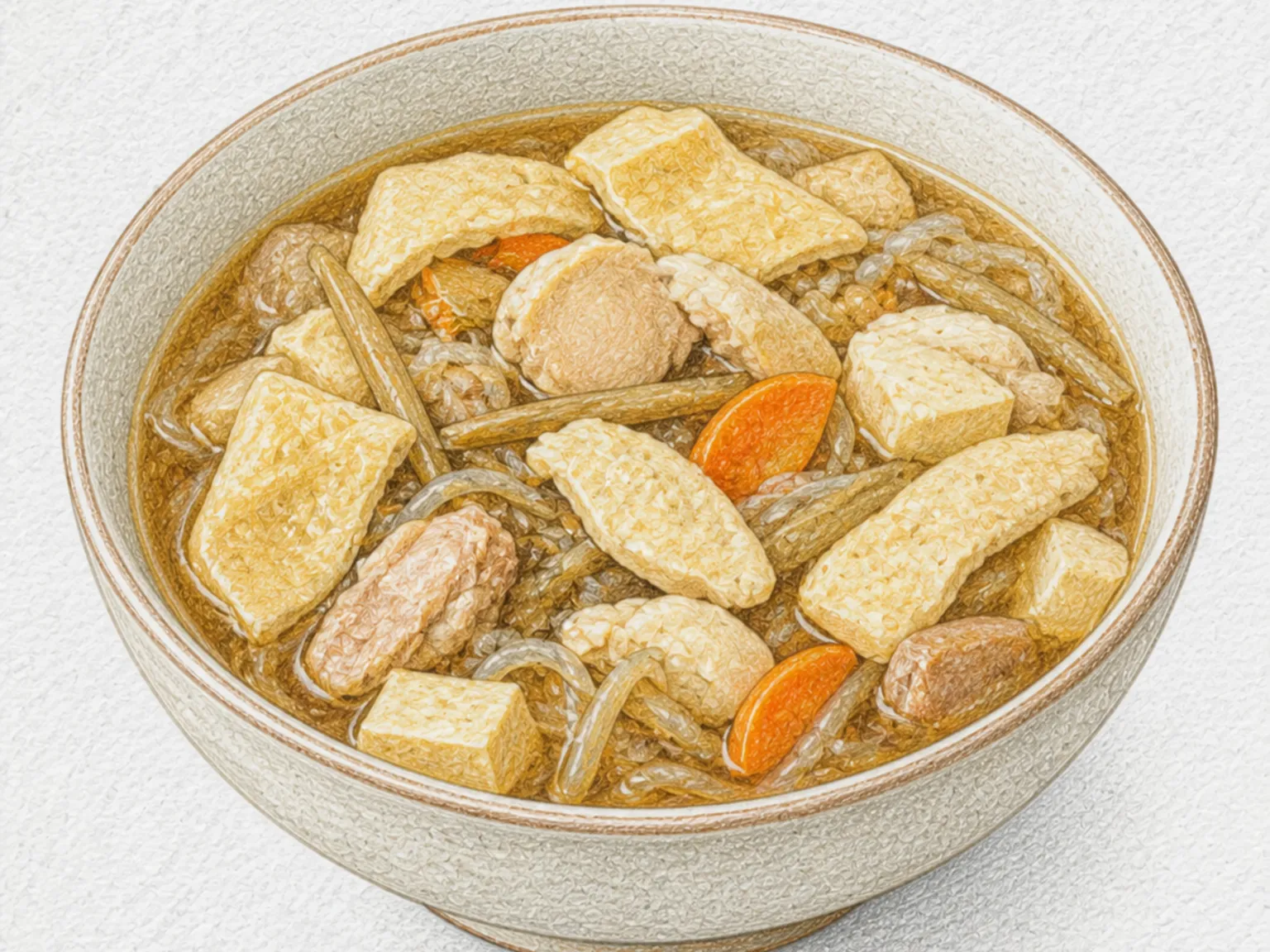
Imogara no itame-ni is an Ibaraki side dish of rehydrated dried taro stalk stir-fried with lotus root, carrot, fried tofu, and konjac, then simmered until a sweet soy broth is absorbed. Dried taro stalk was kept as a year-round preserved ingredient; once soaked, its porous fibers take in seasoning while retaining a noticeable bite. The pot stays uncovered during simmering so the lotus root remains crisp, and the dish is finished when almost no liquid remains. It appears both as an everyday prepared side and at New Year or celebratory gatherings.
Korean Vegetable Gimbap (Colorful Veggie Seaweed Rice Roll)
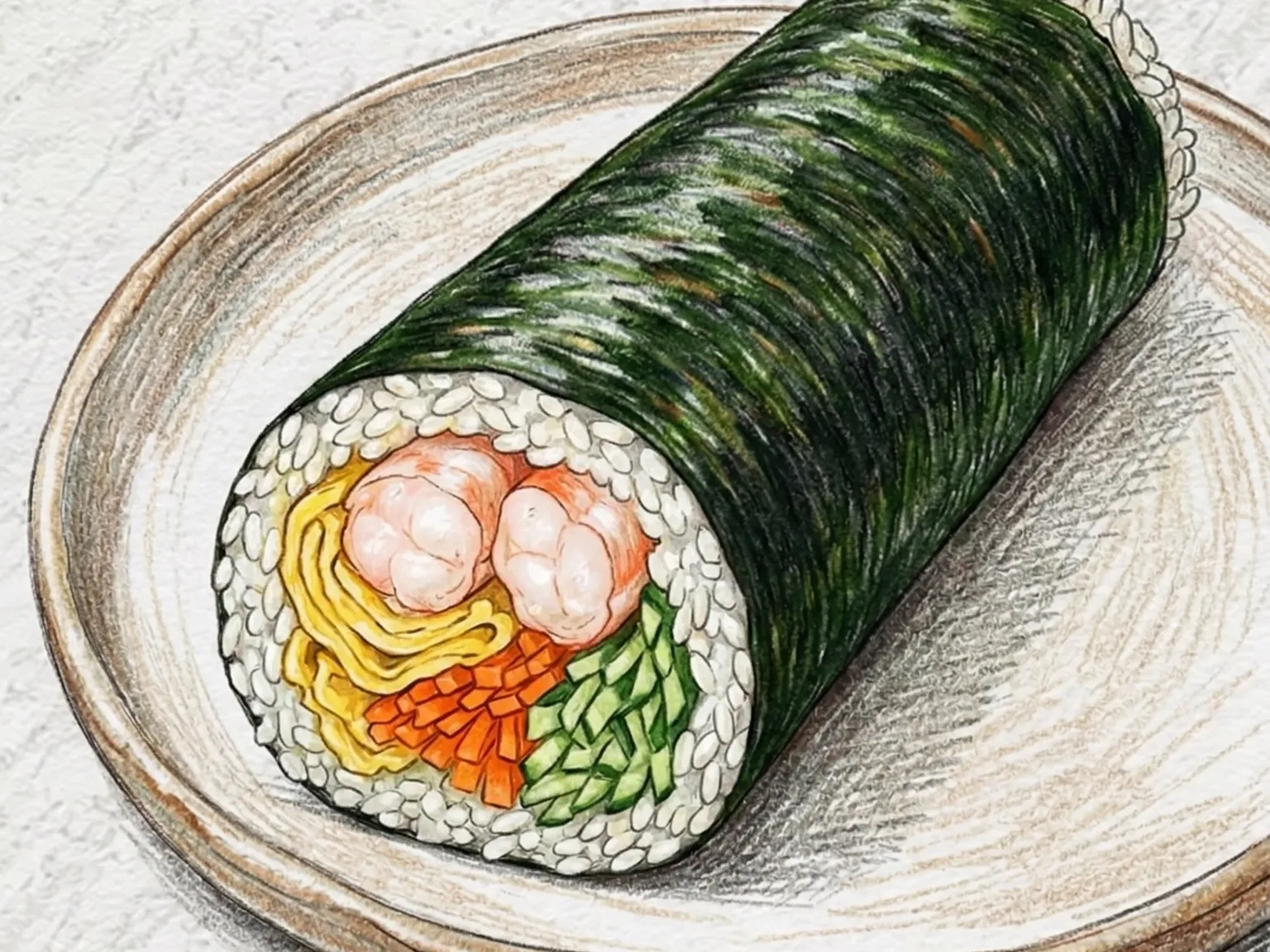
Yachae gimbap is a vegetable-focused Korean seaweed rice roll filled with blanched spinach, sauteed carrot, braised burdock root, pickled radish, and egg omelet strips, all wrapped in sesame-oil-seasoned rice. Each vegetable is prepared separately to preserve and highlight its own distinct character: spinach is dressed with sesame oil and salt after blanching, carrot is stir-fried to draw out its natural sweetness, and burdock root is slow-braised in soy sauce and sugar to develop a deep savory-sweet depth that nothing else in the roll can replicate. Pickled radish adds a tart, satisfying crunch that contrasts with the soft egg strips, and the combination of six or more individually seasoned ingredients creates both visual variety in the cross-section and complexity in every bite. Draining every filling thoroughly and cutting them all to a uniform diameter is the practical key to a roll that stays tight, slices cleanly, and keeps the seaweed from turning soggy.
Tara Jappa-jiru (Whole-Cod Miso Soup)
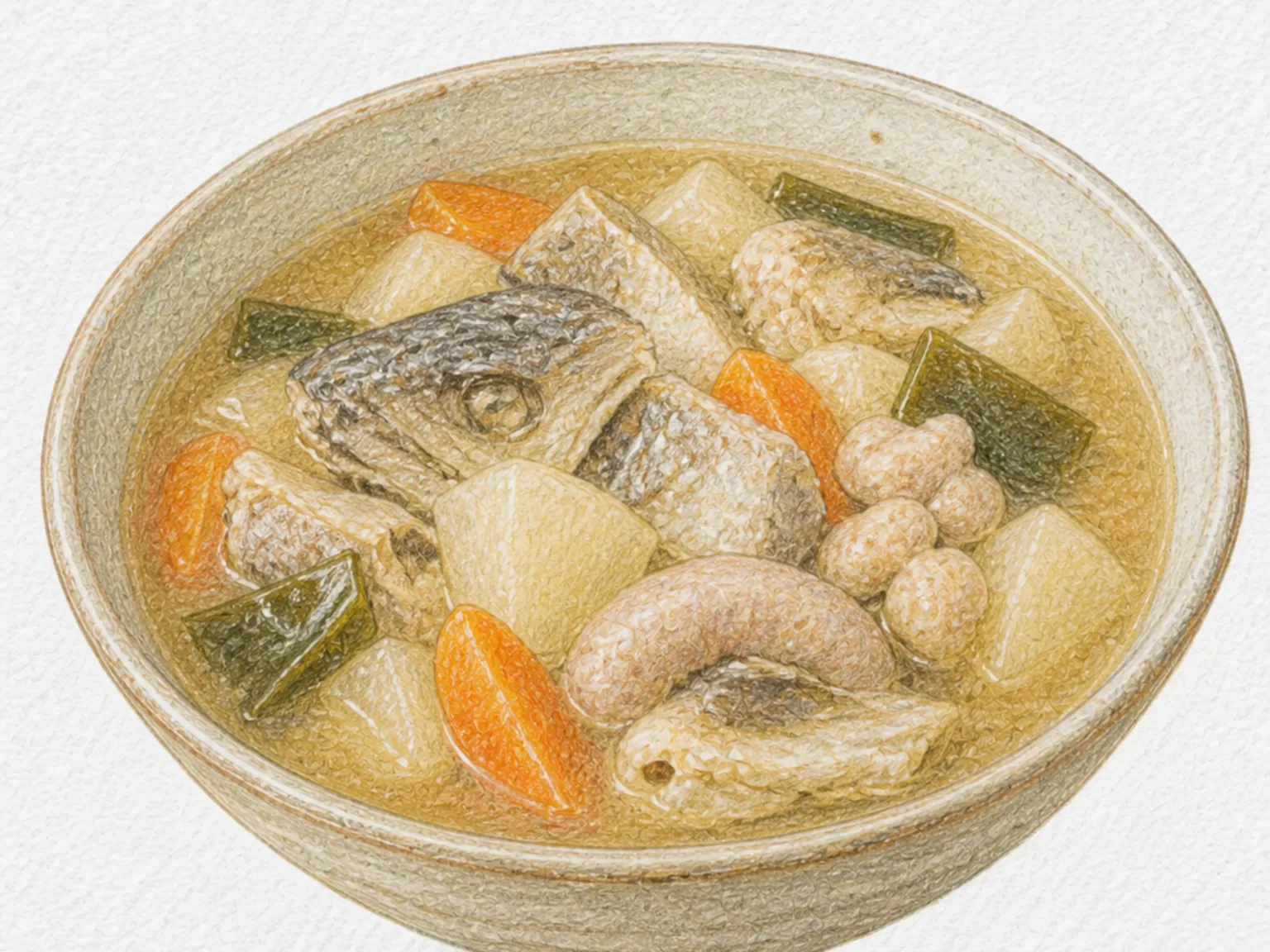
Tara jappa-jiru is a Tsugaru winter soup from Aomori that uses the head, backbone, skin, organs, roe, or milt left after filleting a whole cod. Carefully cleaned parts simmer in a large pot with kombu, daikon, carrot, sake, and water before miso seasons the broth. Jappa means parts usually discarded in the Tsugaru dialect, but the dish turns an entire cold-water cod into a deeply flavored meal without waste. Liver is mashed into the soup near the end for mellow richness, and exceptionally fresh milt is especially prized. Cod was the year-end fish of Tsugaru, so essential to New Year that the phrase tara shogatsu, cod New Year, emerged. Families once bought a whole large fish and dragged it home over snowy roads. A generous ten-serving pot warms a household in midwinter.
Uchikomi-Jiru (Fresh Noodle Miso Soup)
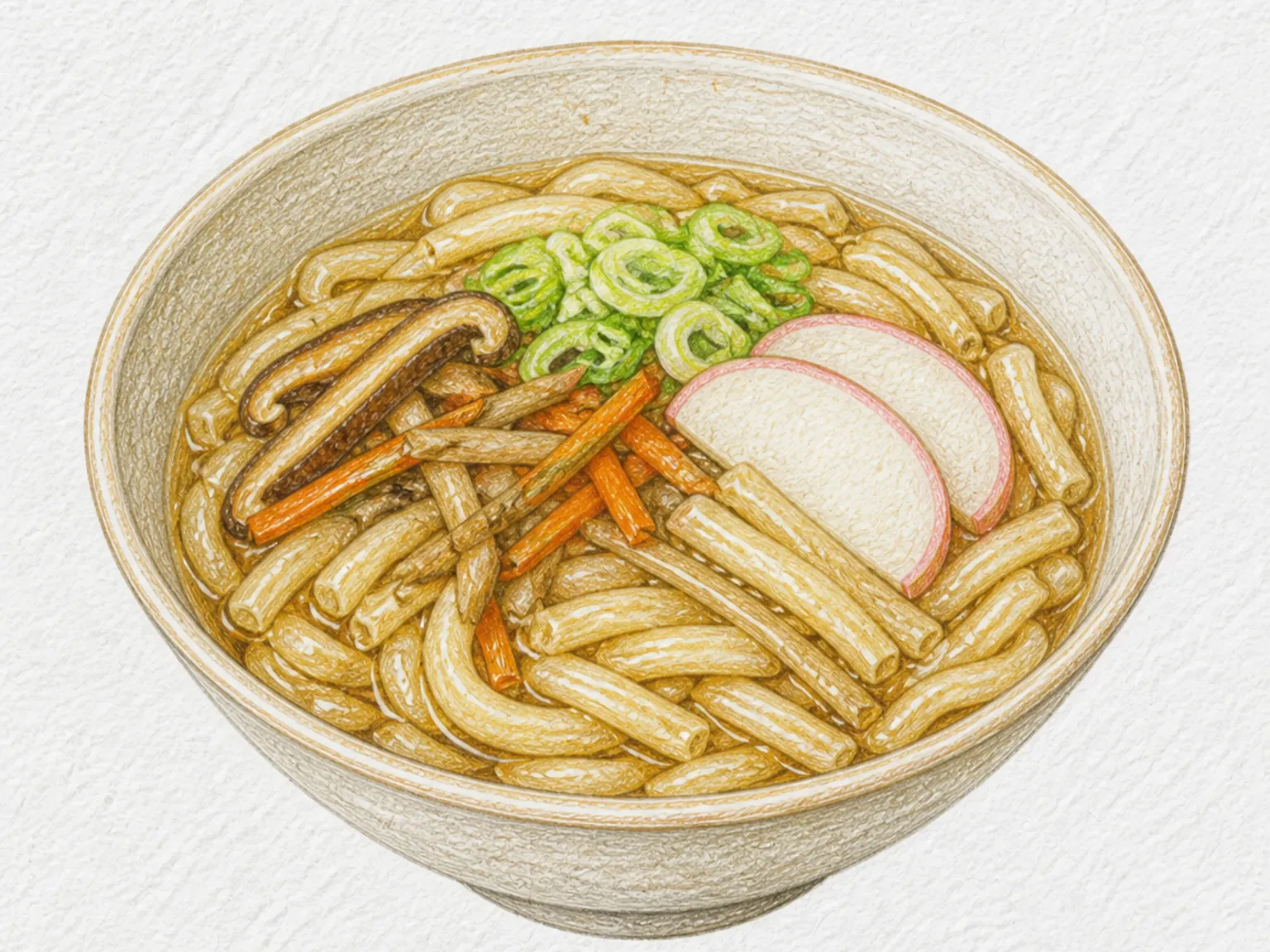
Uchikomi-jiru is a Kagawa winter noodle soup in which unsalted fresh noodles made only from wheat flour and water are cooked directly in miso broth rather than boiled separately. While the dough rests, daikon, carrot, burdock, taro, and fried tofu are cut and simmered first in dried-sardine stock. The dough is rolled and cut slightly thicker than ordinary udon, then dropped into the boiling soup for 7 to 8 minutes. Flour clinging to the raw noodles disperses into the pot and gives the broth its characteristic body. Medium miso is dissolved only after the noodle centers are cooked, and green onion completes the dish. Unlike handmade udon served for special occasions, this was a quick everyday evening meal in rural areas during cold winters. Kagawa's dry climate suited wheat production, while anchovies from the Seto Inland Sea supplied the stock.
Tuna Potato Salad (Japanese Creamy Tuna and Potato Mix)
Tuna potato salad mashes boiled potatoes while still hot, then folds in drained canned tuna, salt-pressed cucumber, carrot, and onion with mayonnaise and whole grain mustard. Mashing the potatoes warm keeps the starch active, which bonds more effectively with the mayonnaise for a creamier result - but over-mashing turns the texture gluey, so leaving some chunks is ideal. Salting the chopped vegetables for five minutes and squeezing out the released moisture is essential to prevent a watery salad.
Schweinshaxe (German Crispy Roasted Pork Knuckle)
A German pork knuckle roasted in the oven while basted with beer. It features a crackling crispy skin and tender meat inside.
Korean Konjac Noodle Salad
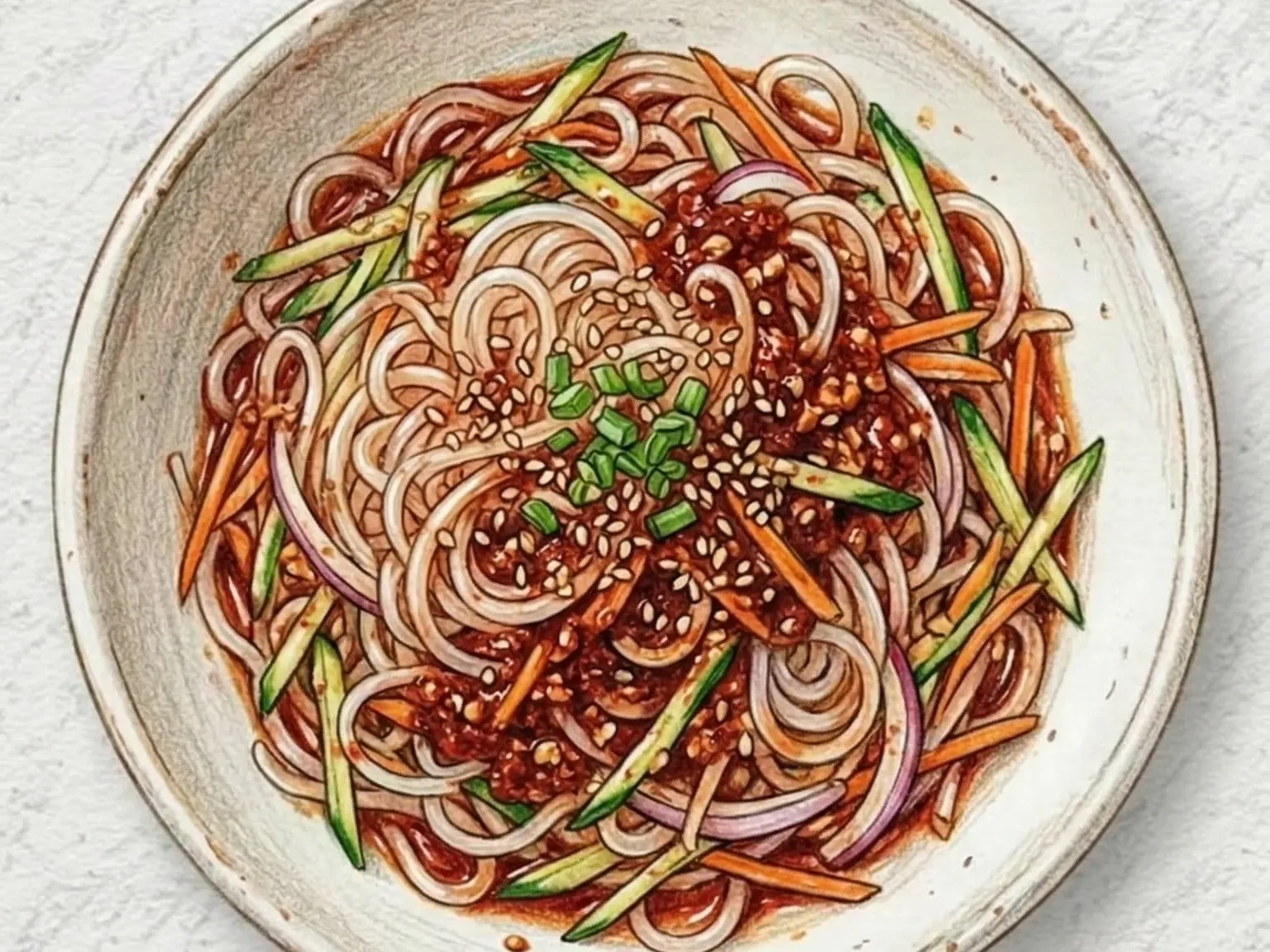
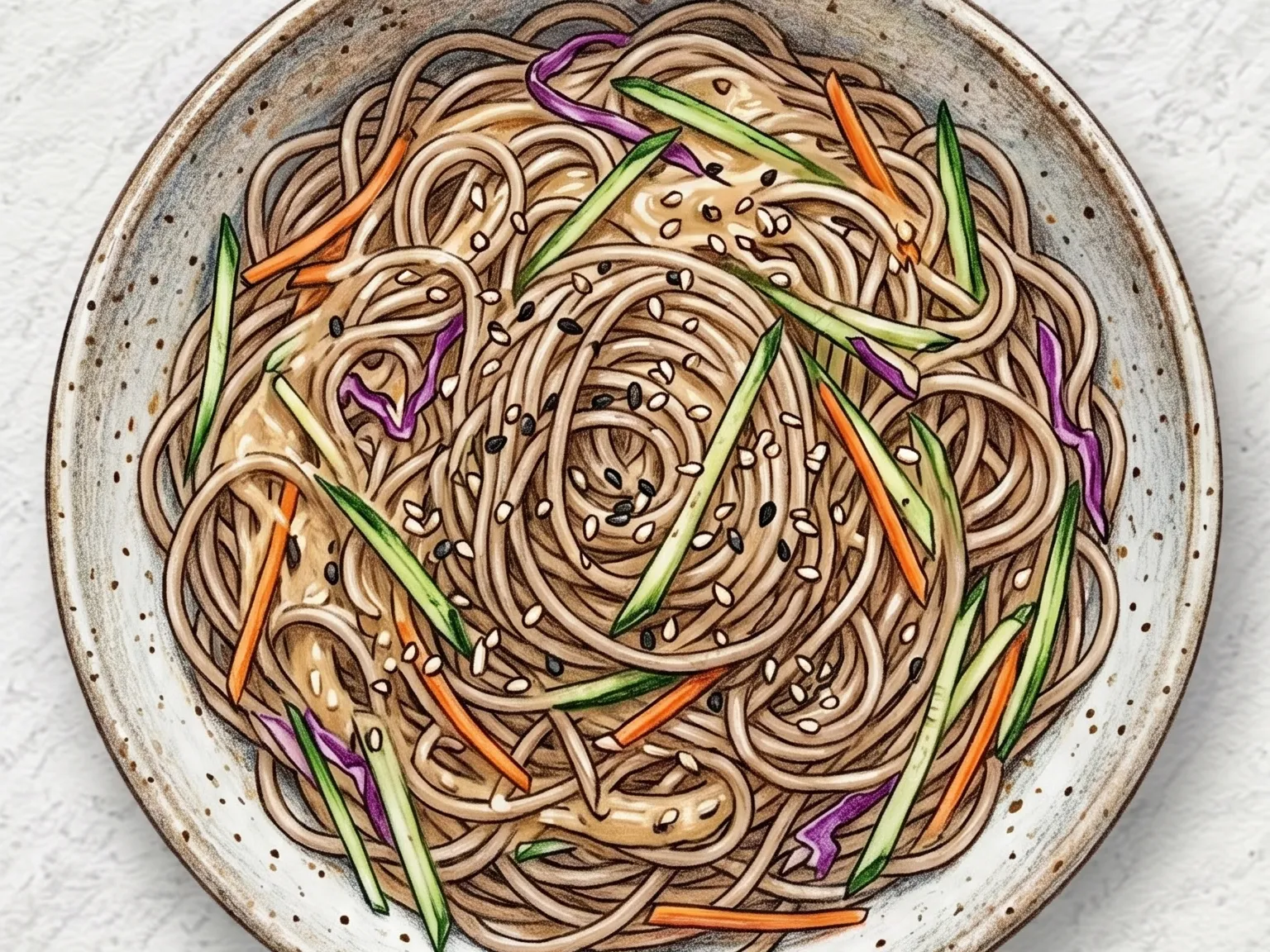
Silgonyak-chae-muchim tosses 250 grams of blanched konjac noodles with julienned cucumber, carrot, and onion in a gochujang-based dressing spiked with vinegar, sugar, soy sauce, and garlic. Blanching the noodles for two minutes removes their faint alkaline smell and softens their rubbery chew to a pleasant springiness. The vegetables provide crisp contrast - cucumber adds a cool snap, carrot a mild sweetness, and onion a sharp bite. The dressing clings to the translucent noodles, turning them a vivid reddish hue. At only 95 calories per serving, this banchan relies on texture and bold seasoning rather than fat for its appeal. Chilling for 10 minutes before serving firms up the noodles and intensifies the tangy-spicy flavor profile.
Korean Shiitake Mushroom Rice
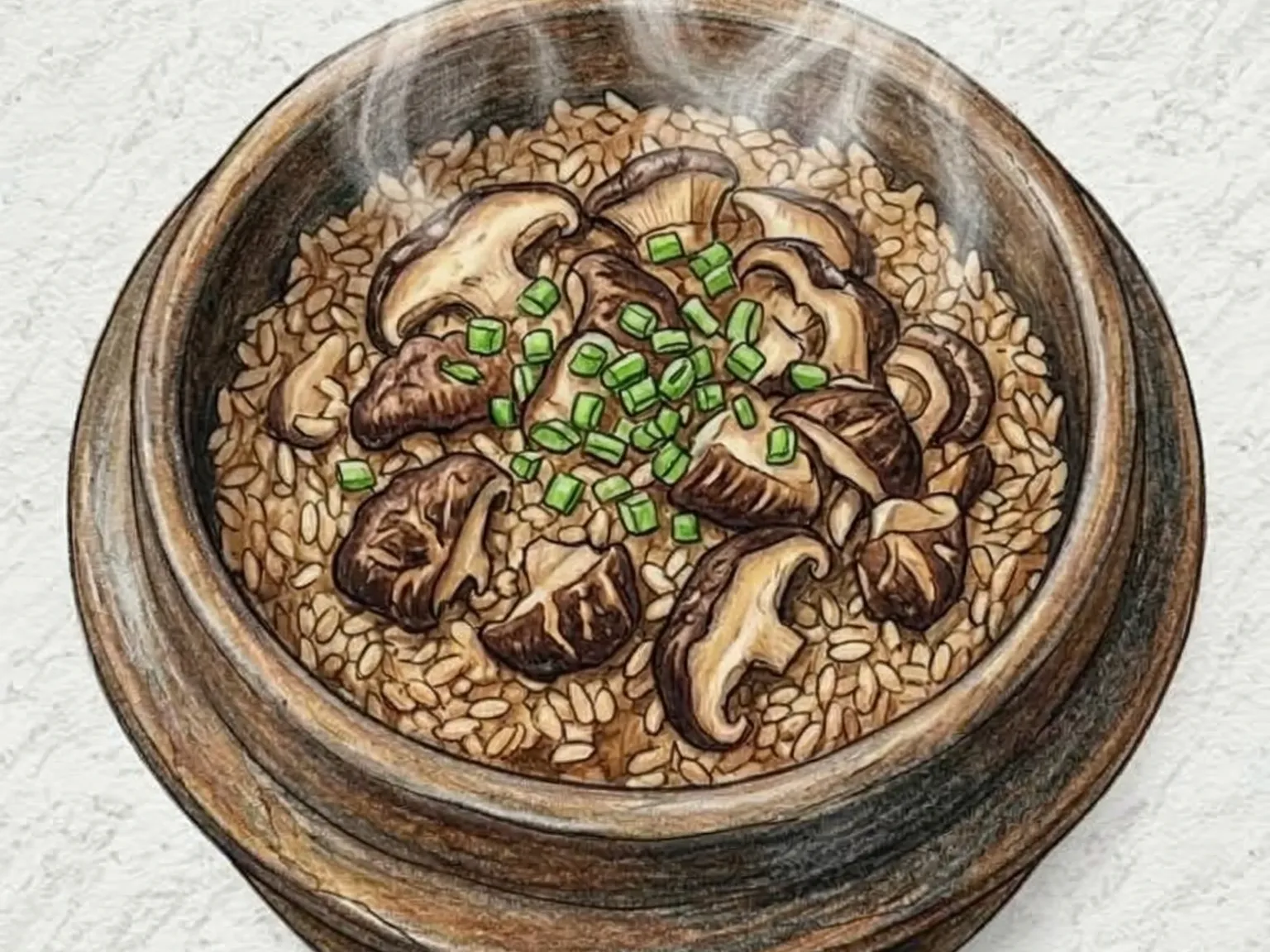
Pyogo-beoseot-bap is a Korean pot rice that cooks thickly sliced fresh shiitake mushrooms directly on top of soaked rice, allowing the mushrooms' concentrated umami and earthy aroma to infuse every grain as steam circulates inside the sealed pot. Once the rice is done, it is mixed with a soy-sesame dipping sauce made from soy sauce, sesame oil, chopped scallion, and toasted sesame seeds, which amplifies the earthy depth already present in the rice and ties all the flavors into a cohesive bowl. The shiitake mushrooms retain a satisfying meaty chew even after the cooking process, giving the dish a substantive bite that rivals meat-based rice bowls and makes the absence of protein go unnoticed. Adding julienned carrot to the pot introduces a subtle natural sweetness and a vivid splash of color to the cross-section when the rice is served. This is a classic vegetarian option in Korean home cooking, valued for the remarkable way a single key ingredient can carry an entire meal without requiring broth, seasoning, or complexity beyond the mushroom itself.
Urakami Soboro (Pork and Burdock Stir-Fry)
Urakami soboro is a home-style dish from the Urakami area of Nagasaki City. Thick strips of pork belly are stir-fried with fried fish cake, konnyaku, bean sprouts, carrot, burdock, and shiitake, then briefly simmered in shiitake soaking liquid with light soy sauce, sugar, and sake. Despite soboro in the name, no minced meat is used; the ingredients are cut into sturdy strips. A local account traces it to Portuguese missionaries in the late sixteenth century, followed by a household style that reduced the pork and increased the vegetables. Bean sprouts and blanched green beans go in last to keep their bite and color.
Yakisoba Pan (Noodle Bread)
A staple of Japanese street food culture, Yakisoba-pan combines a toasted, buttered hot dog bun with a filling of stir-fried egg noodles seasoned with yakisoba and soy sauce. Shredded cabbage, onions, and carrots start in the pan over high heat for exactly two minutes before the noodles are added. This timing ensures the vegetables remain crisp and provide a textural contrast to the soft noodles rather than becoming limp during the cooking process. As the yakisoba sauce hits the hot metal, it caramelizes quickly to wrap every noodle strand in a glossy, sweet-savory glaze. The act of spreading butter on the interior of the bun and giving it a quick toast serves a functional purpose beyond flavor. This butter layer acts as a moisture barrier, preventing the sauce from soaking into the bread and keeping the bun from turning soggy as it sits. The subtle richness of the butter bridges the gap between the savory noodle filling and the soft crumb of the bun. Sprinkling dried parsley over the top introduces a mild herbal scent that balances the heavy, concentrated sauce. For a burst of acidity, a small amount of beni shoga pickled ginger is tucked into the noodles to cleanse the palate. Spreading a layer of Japanese mayonnaise inside the bun alongside the butter creates an additional creamy texture. Softening the noodles in hot water before they hit the pan prevents clumping and allows for easier separation during the stir-frying stage.
Kagoshima Tonjiru (Pork and Vegetables in Barley Miso Soup)
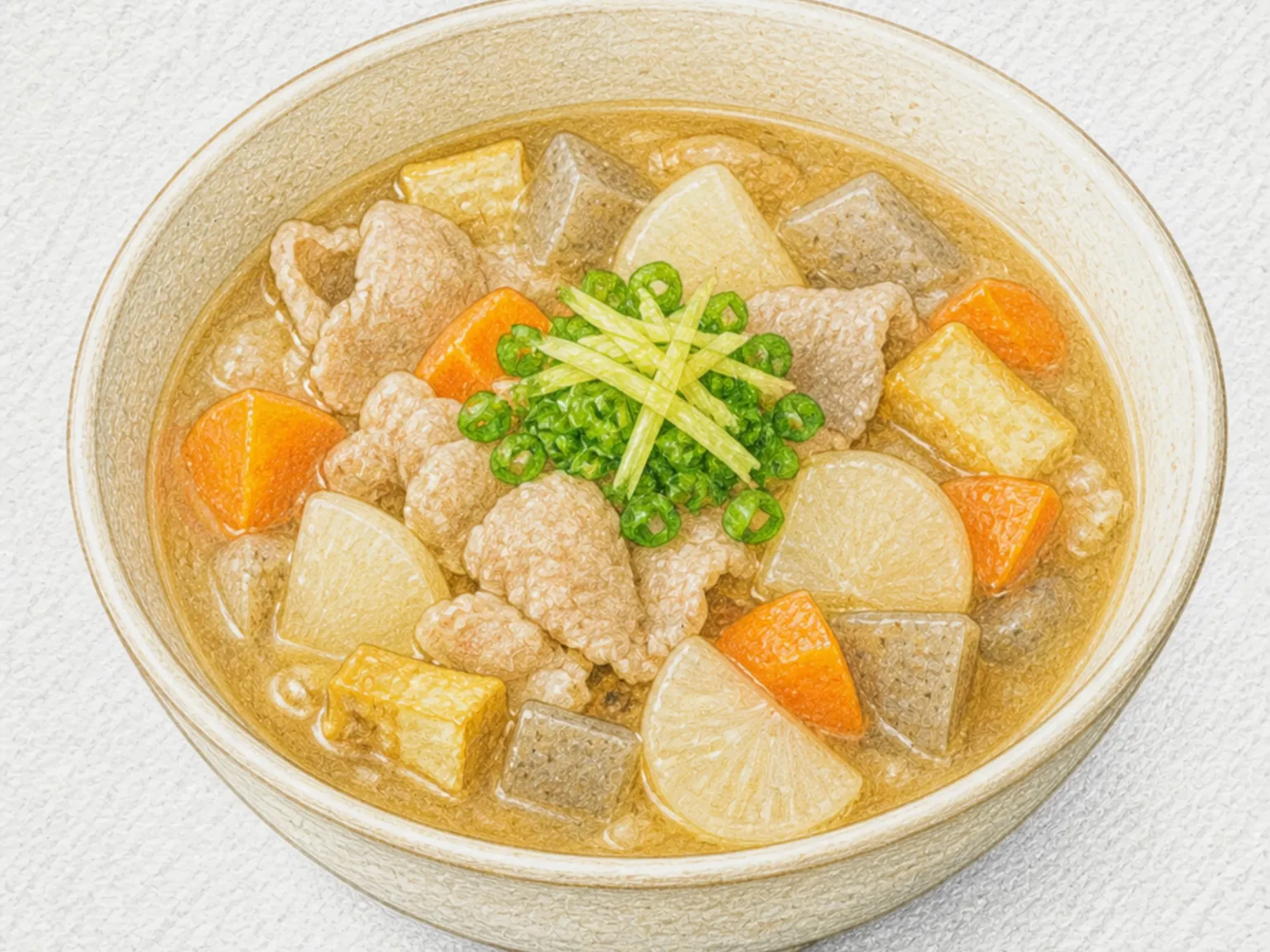
Kagoshima tonjiru is a substantial soup in which thin pork is browned first, then daikon, carrot, taro, konjac, and atsuage are tossed in the rendered fat before dried-sardine broth is added. Once everything is tender, sweet local barley miso seasons the pot. Among the many tonjiru styles eaten across Japan, this formula brings together two Kagoshima staples, pork and barley miso. Dissolve the miso separately in broth only after the pork and vegetables are fully cooked, and do not return it to a hard boil. Fine green onion and ginger strips added to each bowl keep a fresh, sharp aroma against the rich soup.
Japanese Stir-Fried Udon
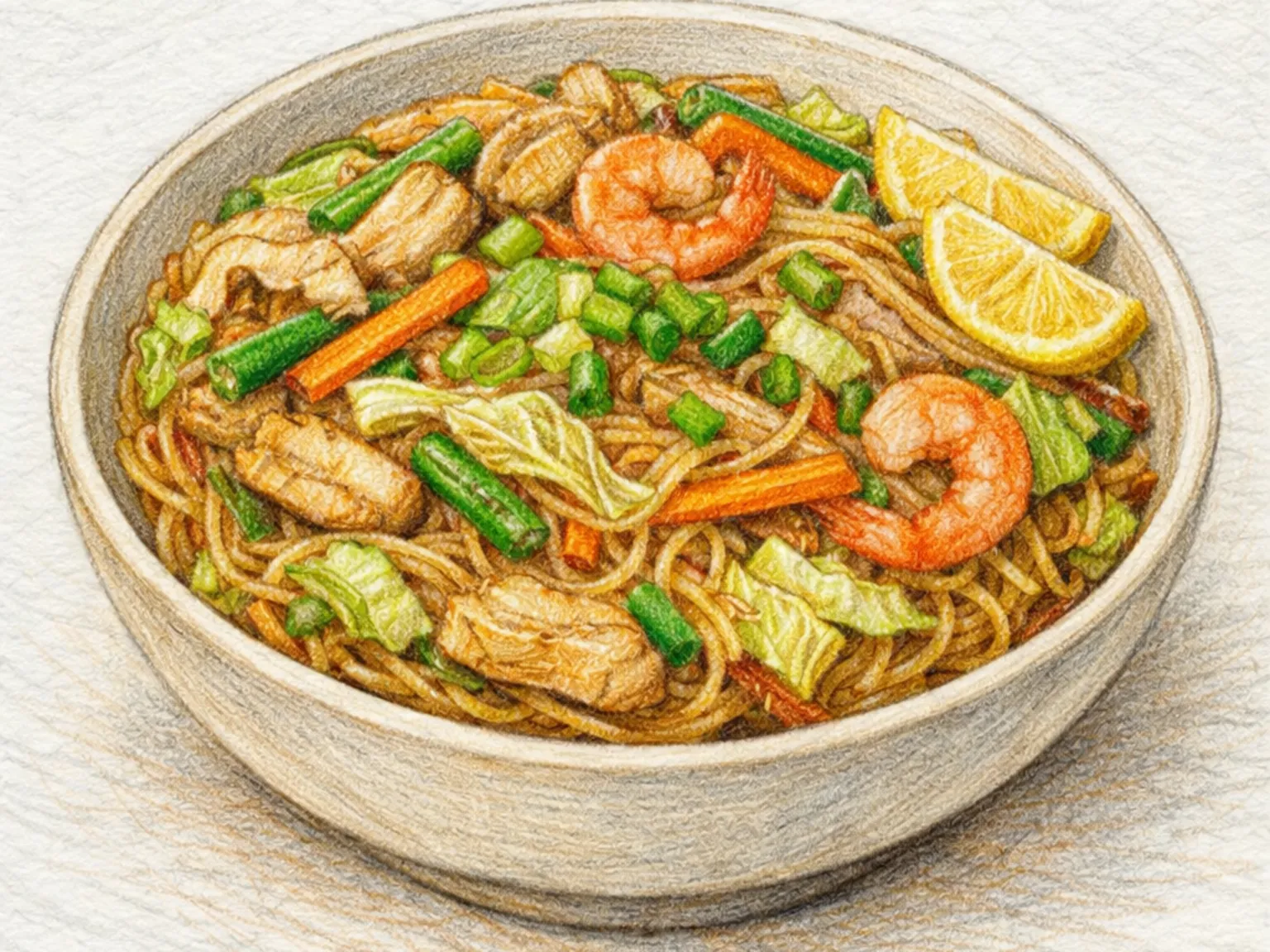
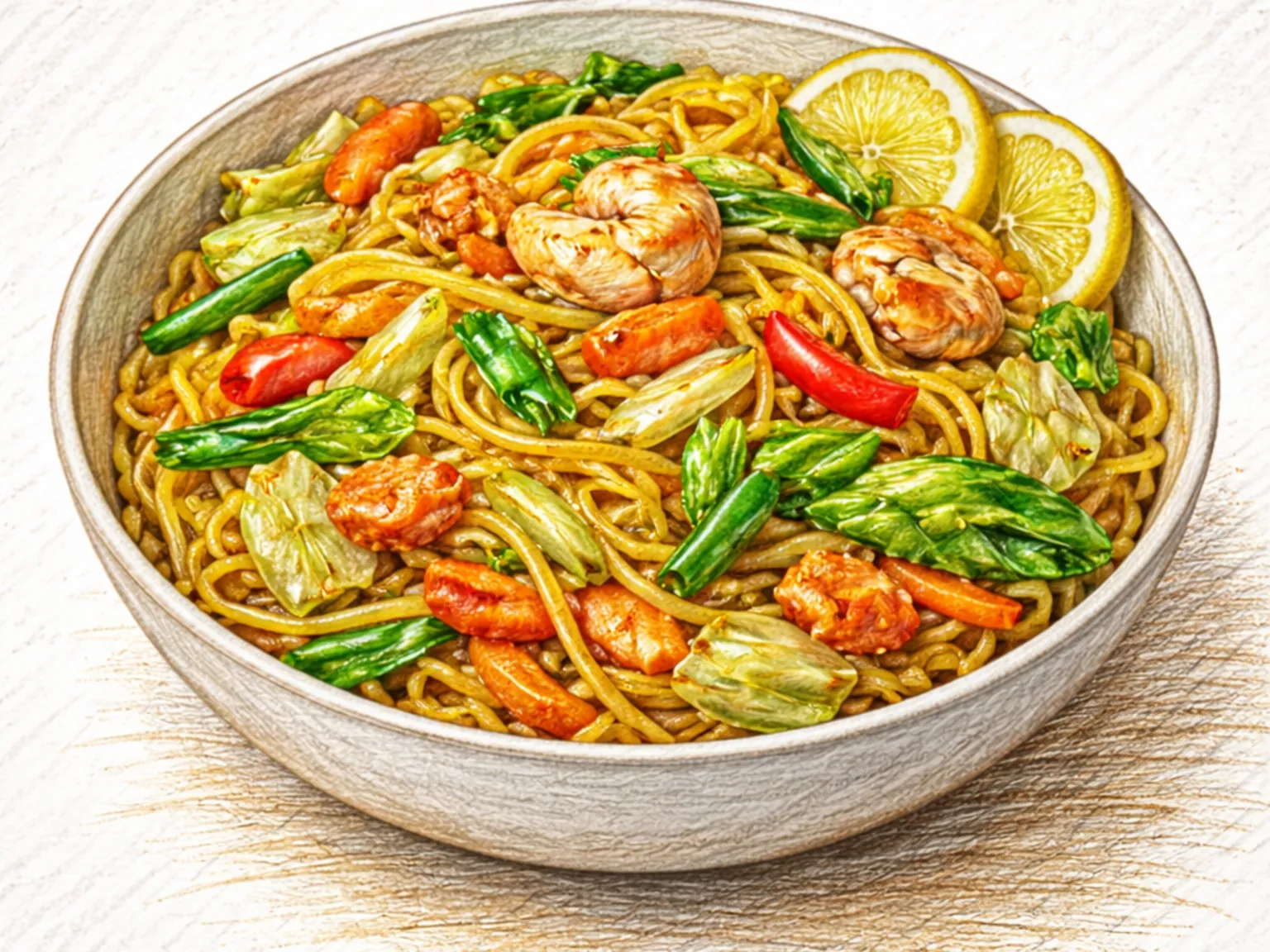
Yaki udon is a Japanese stir-fried noodle dish where thick udon noodles are tossed in a soy-based sauce over high heat with sliced pork or seafood and vegetables such as cabbage, carrot, and scallion. The high heat gives the noodles lightly charred edges while keeping their chewy center intact. Bonito flakes (katsuobushi) are often scattered on top just before serving, where they wave from the residual heat. The recipe takes about 25 minutes and depends on maintaining strong heat throughout the stir-fry to avoid steaming the noodles.
Kakinamasu (Daikon and Dried Persimmon Namasu)
Kakinamasu is a Shimane vinegared salad that combines daikon and carrot softened in brine with strips of well-dried persimmon. Cutting the vegetables into thin 5 cm batons and soaking them in salt water relaxes their rigid texture while retaining a clean crunch. After they are squeezed very dry, seeded persimmon strips are added with vinegar, sugar, and a pinch of salt. A short refrigerated rest lets the concentrated fruit sweetness spread through the sharp dressing without making the vegetables watery. Saijo persimmons, representative of Shimane, begin as an astringent fruit and become still sweeter when dried. Their reddish color, together with carrot, contrasts with the white daikon. This red-and-white appearance is considered auspicious, so kakinamasu has long been served at celebratory banquets and as a standard New Year dish.
Korean Yangbaechu Kkae Bokkeum (Sesame Cabbage Stir-fry)
Shredded cabbage, onion, and carrot are stir-fried over high heat with soup soy sauce and finished with sesame oil and a generous handful of toasted sesame seeds. Cabbage benefits from fast, hot cooking: the edges char lightly and caramelize while the interior retains its crisp bite, and the heat unlocks a gentle natural sweetness hidden in the raw leaves. Soup soy sauce seasons the vegetables with depth while keeping the finished dish pale and clean-looking, and minced garlic stirred in early fills the pan with fragrance. Carrot goes into the pan first to draw out its sugar, and as the onion softens, its moisture deglazes the surface and adds another layer of mellow sweetness. Sesame oil drizzled off-heat coats the vegetables in a nutty sheen, and the sesame seeds scattered on top provide a crunchy, aromatic punctuation with every bite. The dish is lean and uncomplicated, relying on the quality of fresh vegetables and precise timing rather than heavy seasoning, making it a banchan suited to daily meals.
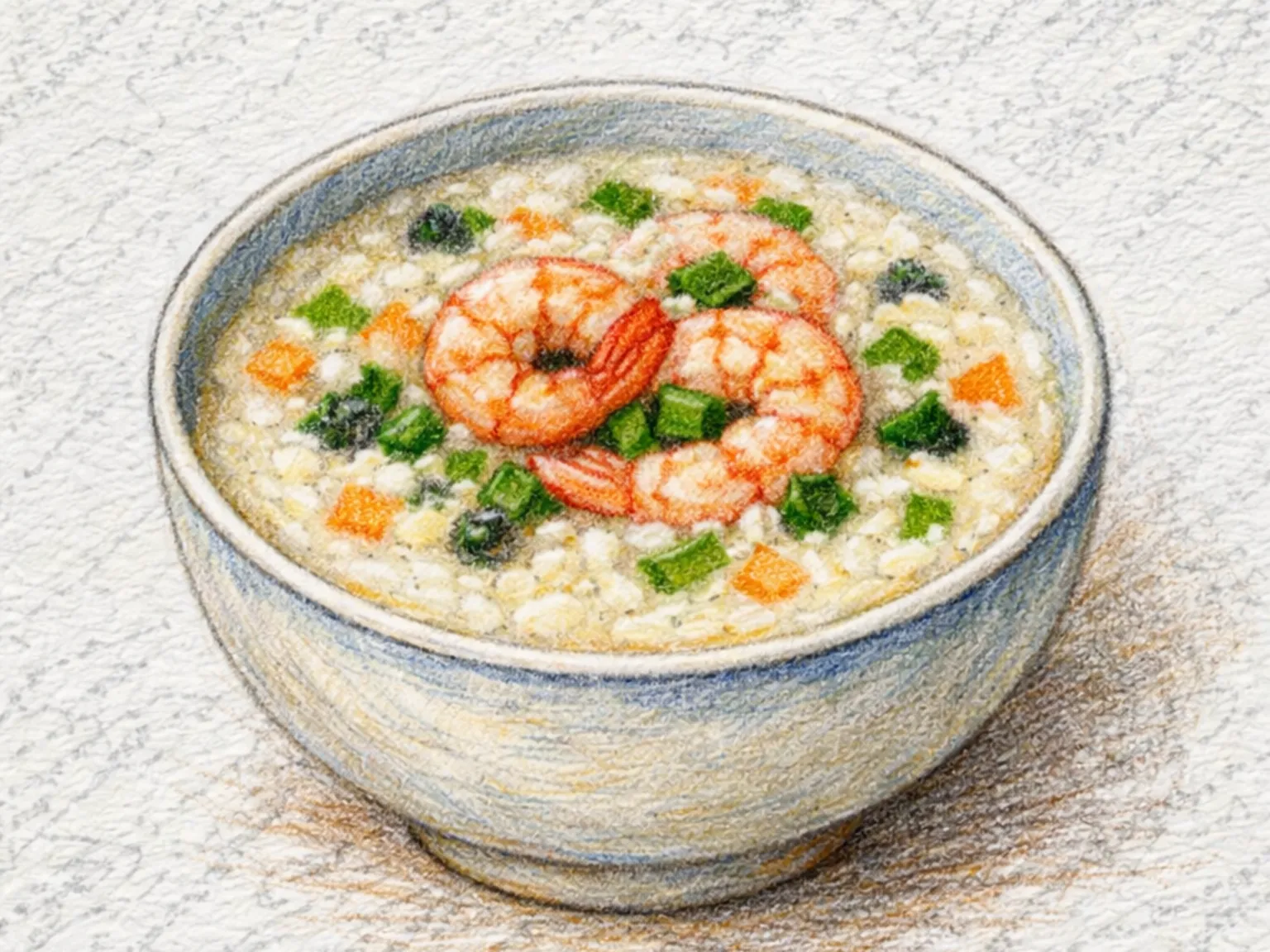
Korean Shrimp Porridge (Creamy Rice Porridge with Shrimp Broth)
Saeu-juk is a Korean shrimp porridge that simmers rice with shell-on shrimp to draw out a gentle oceanic broth. The heads and shells are cooked down to build a flavorful stock, while the shrimp meat is minced and stirred in separately so each spoonful carries bursts of umami. Diced zucchini and carrot add mild sweetness that balances the seafood character. Soaked rice is first toasted in sesame oil before the liquid goes in, which gives the finished porridge a nuttier base and slightly thicker consistency. The result is a light, nourishing bowl with a clean finish - commonly served as a gentle breakfast or a recovery meal, where the warmth and mild flavor are as important as the nutrition.
Korean Vegetable Japchae (Glass Noodle Mixed Vegetable Stir-Fry)
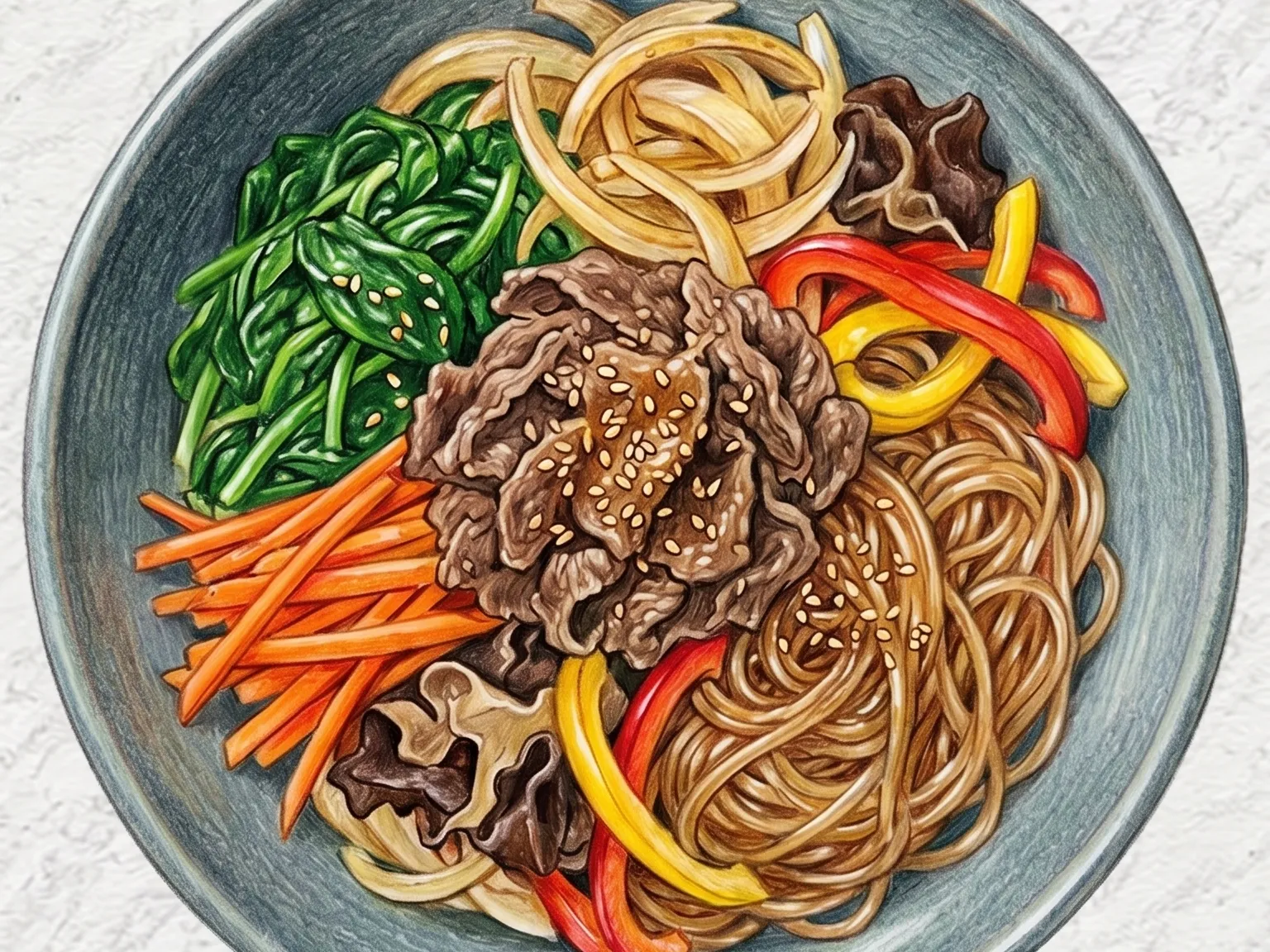
Yachae japchae is a vegetarian version of the classic Korean glass noodle dish, made entirely with sweet potato noodles and mixed vegetables - spinach, carrot, shiitake mushrooms, bell pepper, and onion. Each vegetable is stir-fried separately to maintain its color and distinct texture, then combined with pre-seasoned noodles dressed in soy sauce and sesame oil. The varied sweetness and crunch of each vegetable layer together under the soy-sugar seasoning, while the noodles absorb the sauce and turn glossy and chewy. Without meat, the vegetables take center stage, making this equally suitable for everyday meals and celebration spreads.
Tsubon-jiru (Clear Chicken and Seven-Ingredient Soup)
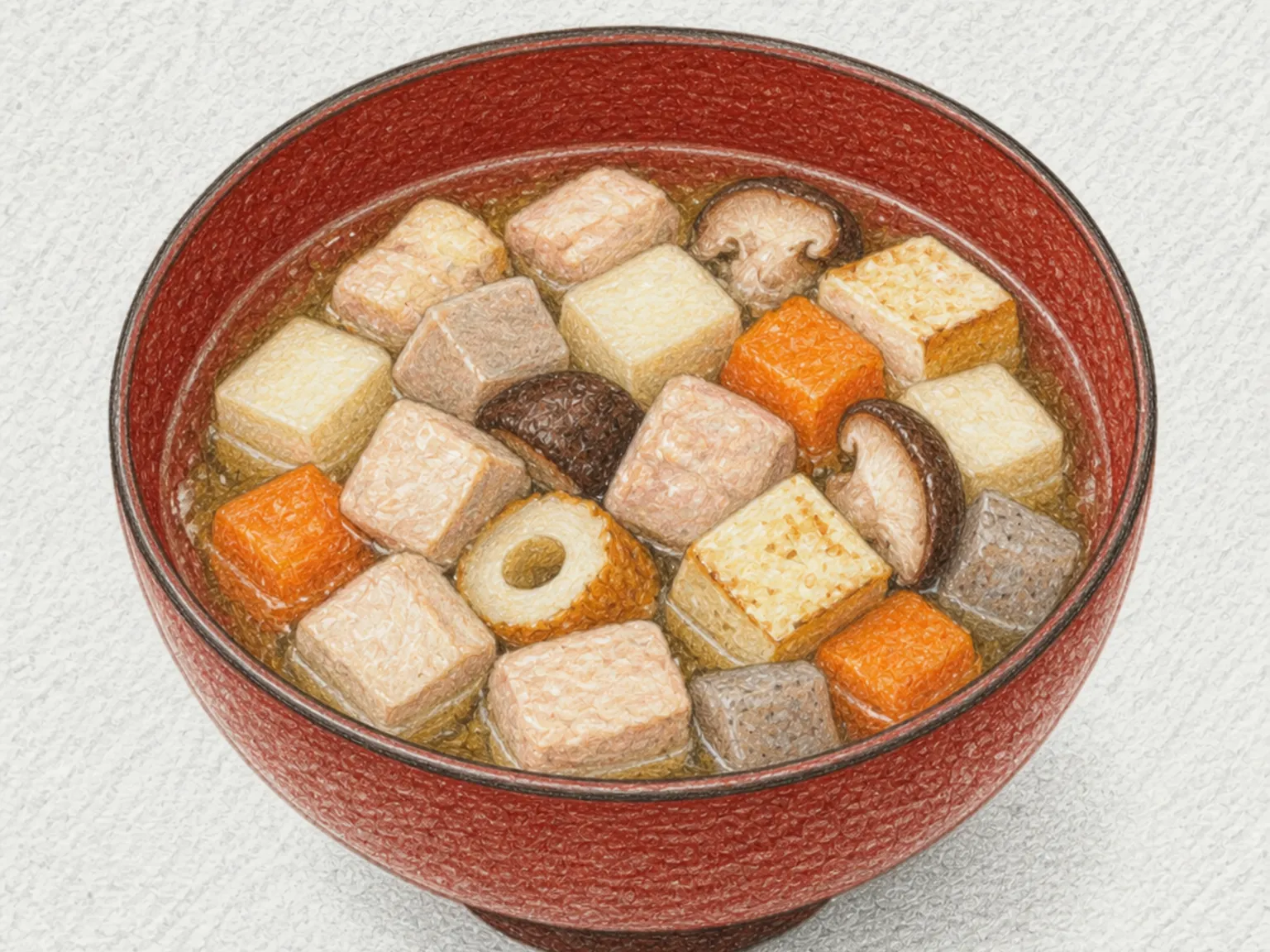
Tsubon-jiru is a ceremonial soup from the Hitoyoshi and Kuma area of Kumamoto. Chicken, soaked shiitake, taro, chikuwa, konjac, carrot, and grilled tofu are cut to similar dice and simmered in a clear soy-seasoned broth. Families traditionally use an odd count of seven or nine ingredients and serve the soup with red rice and nishime for occasions such as the Okunchi festival. It also reflects thrift, turning trimmings left from nishime into a complete dish. Careful skimming keeps the stock clear, and tofu enters last so every cube remains neat.
Wild Rice Crispy Seaweed Salad
Wild rice crispy seaweed salad combines cooked and cooled wild rice with julienned red cabbage, carrot, and thawed edamame, dressed in soy sauce, brown rice vinegar, sesame oil, and minced garlic, then topped with crispy seaweed chips. Wild rice takes longer to cook than regular rice due to its tough hull, but cooling it completely is essential - warm grains clump together and lose their distinct chewy bite. The dressing layers soy saltiness and garlic depth over a gentle vinegar acidity and sesame richness, elevating the mild grain base.