2741 Korean & World Recipes

2741+ Korean recipes, clean and organized. Ingredients to instructions, all at a glance.

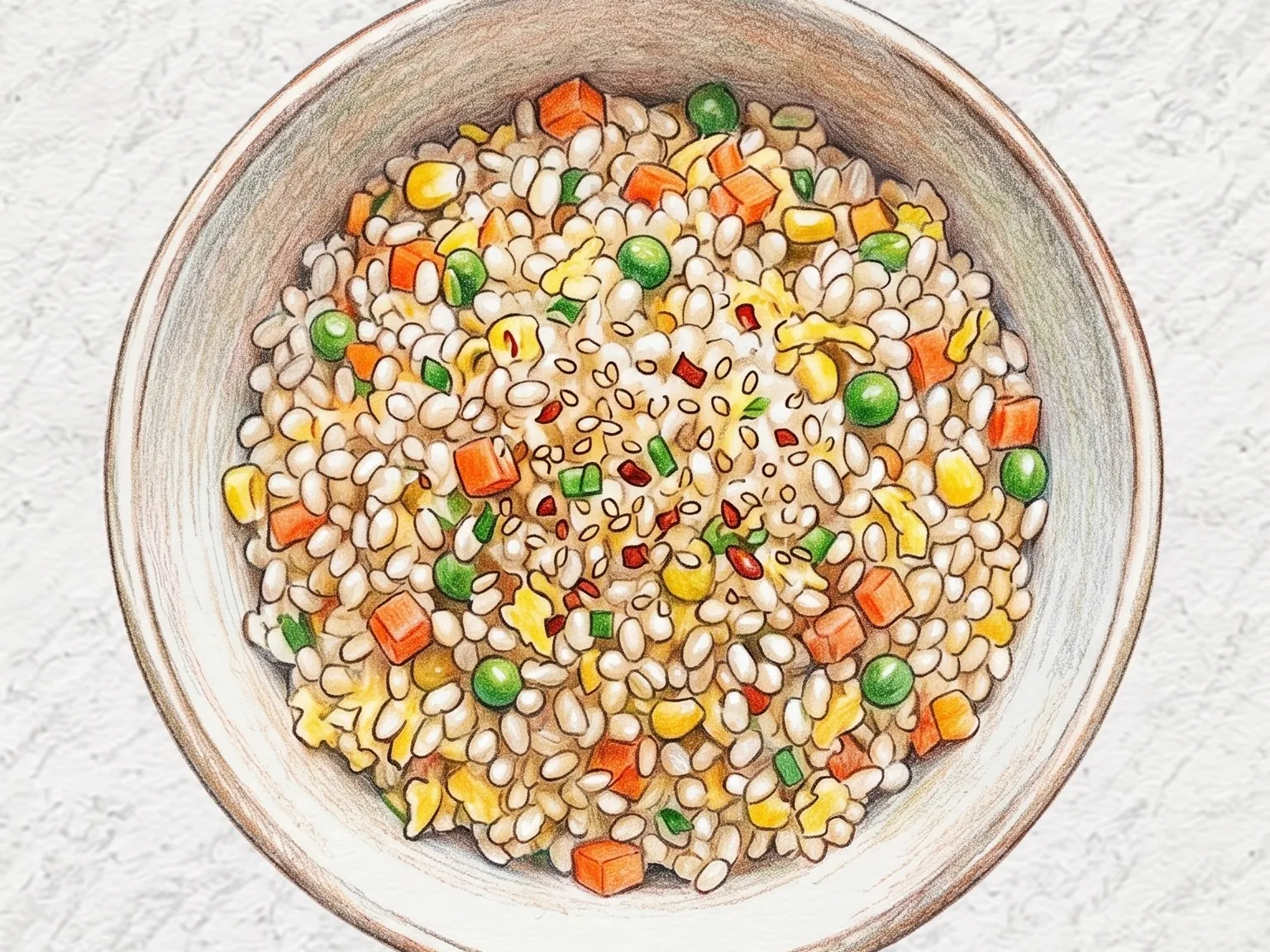
Diet Konjac Fried Rice
Rice Easy

Diet Konjac Fried Rice

A light and delicious konjac fried rice to enjoy without calorie worries.

  • Dry-frying konjac rice removes excess moisture, giving each grain a firm, satisfying texture.
  • Dry-frying konjac rice first removes moisture that would make it soggy
Total time
25 min
Level
Easy
Servings
2 servings
Ingredients
9
Calories
185 kcal
Protein
18 g

Key ingredients

Konjac riceChicken breastEggGreen onionCarrot

Core cooking flow

  1. 1 Rinse the konjac rice in a sieve with cold water and drain completely.
  2. 2 Put konjac rice in a dry pan and stir-fry until the moisture evaporates.
  3. 3 Add oil to the pan and stir-fry chopped green onions to infuse the aroma.

A light and delicious konjac fried rice to enjoy without calorie worries.

What Makes This Special

  • Dry-frying konjac rice removes excess moisture, giving each grain a firm, satisfying texture.
  • Dry-frying konjac rice first removes moisture that would make it soggy
  • Small dose of oyster sauce plus soy overcomes konjac's natural blandness
  • Pushing ingredients aside to scramble eggs separately prevents rubbery egg
Prep 10min Cook 15min 2 servings

Instructions

  1. 1

    Rinse the konjac rice in a sieve with cold water and drain completely.

  2. 2

    Put konjac rice in a dry pan and stir-fry until the moisture evaporates.

  3. 3

    Add oil to the pan and stir-fry chopped green onions to infuse the aroma.

  4. 4

    Add bite-sized chicken breast and carrots, then stir-fry together.

  5. 5

    Push ingredients to one side and scramble the eggs.

  6. 6

    Add konjac rice, soy sauce, and oyster sauce, then stir-fry to mix evenly.

  7. 7

    Finish by sprinkling black pepper.

Tips

Evaporate the moisture from the konjac rice thoroughly for a firm texture.
Mixing with regular rice in a 1:1 ratio helps keep you full longer.

Nutrition (per serving)

Calories
185
kcal
Protein
18
g
Carbs
8
g
Fat
9
g

Recipes to Cook Together

More Rice →

Similar recipes

Korean Dakgalbi Fried Rice
Rice Easy

Korean Dakgalbi Fried Rice

Dakgalbi bokkeumbap is a fried rice made by stir-frying gochujang-marinated boneless chicken thigh with cabbage and onion over high heat, then adding day-old rice to the pan and frying until every grain absorbs the sweet-spicy marinade. The dish originated from the Chuncheon tradition of finishing a dakgalbi meal by stir-frying the leftover sauce and scraps with rice, effectively turning what remains in the pan into a second course. Day-old rice is essential: fresh rice holds too much moisture and clumps together, while refrigerated rice separates cleanly on the hot surface and makes sufficient contact with the pan to develop slightly charred bits at the bottom. These caramelized patches add a smoky crunch that contrasts with the sauced grains above and elevate the dish beyond a simple fried rice. Cabbage and perilla leaves added at the very end of cooking retain a faint crunch that cuts through the richness of the gochujang marinade. Plating the rice with a few perilla leaves laid on top and a scatter of sesame seeds over the surface finishes the dish without requiring anything further.

🏠 Everyday
Prep 12min Cook 14min 2 servings
Korean Vegetable Porridge (Yachae Juk)
Rice Easy

Korean Vegetable Porridge (Yachae Juk)

Finely diced carrots, zucchini, potato, and onion are simmered with soaked rice over low heat until the porridge turns creamy and the vegetables soften completely. The long, gentle cooking draws out the natural sweetness of each vegetable, so the porridge tastes mild and comforting without heavy seasoning. A thin drizzle of sesame oil stirred in at the end adds a quiet nuttiness that deepens the otherwise plain flavor. Easy to digest and gentle on the stomach, it works well as a morning meal or a restorative bowl when energy is low.

🥗 Light & Healthy
Prep 15min Cook 35min 2 servings
Korean Curry Fried Rice (Golden Spiced Chicken Fried Rice)
Rice Easy

Korean Curry Fried Rice (Golden Spiced Chicken Fried Rice)

Curry bokkeumbap is a Korean fried rice where curry powder coats each grain with warm spice and gives the rice a vivid golden color. Chicken breast, onion, carrot, and bell pepper are stir-fried together before the rice goes in, distributing protein and vegetables evenly through every serving. The curry fragrance develops gradually with each bite - more present than plain fried rice but lighter than a curry sauce, landing at a satisfying middle point between the two. Bell pepper adds sweetness and a visual contrast of color against the golden rice. Topping with a fried egg raises the dish further: when the yolk breaks and mixes into the rice, a layer of creaminess runs through each bite. The recipe works well with day-old rice and requires few ingredients, making it a practical weeknight meal.

🏠 Everyday 🍱 Lunchbox
Prep 10min Cook 10min 2 servings
Korean Vegetable Fried Rice
Rice Easy

Korean Vegetable Fried Rice

Carrots, onions, zucchini, and bell peppers are finely diced and tossed with rice in a hot wok, moving fast enough that each grain separates and picks up a light char. The vegetables release just enough moisture to keep the rice from drying out while the high heat ensures the grains stay individually distinct. Soy sauce and sesame oil provide a clean, nutty seasoning that lets the vegetable flavors come through. Topping with a fried egg or a shower of crushed nori turns this simple fried rice into a satisfying meal.

🥗 Light & Healthy ⚡ Quick
Prep 10min Cook 8min 2 servings
Chicken Cabbage Wraps
Side dishes Easy

Chicken Cabbage Wraps

Simple chicken tenderloin and cabbage wraps, ideal for a diet-friendly side dish.

🔥 Trending Now
Prep 15min Cook 15min 2 servings
Korean Soy Braised Konjac
Side dishes Easy

Korean Soy Braised Konjac

Gonnyak-jorim is a braised konjac banchan seasoned with soy sauce, rice syrup, gochugaru, and garlic, valued mainly for its satisfying chew and near-zero calorie count. Konjac carries a faint lime-water odor from its processing, and blanching it in boiling water for two minutes removes that smell before any seasoning is applied. Draining thoroughly and then dry-toasting the pieces in a pan without oil evaporates residual moisture from the surface, creating a drier exterior that the sauce can actually grip. Scoring the konjac in a crosshatch pattern before cooking solves its fundamental flavor problem: the dense, non-porous texture resists absorption, but the scored grooves pool the sauce and hold it in place so the coating sticks. Rice syrup in the sauce builds a glossy, slightly sticky finish as the liquid reduces. The finished pieces are sweet, salty, and faintly spicy with a firm, springy bite that makes them one of the more filling low-calorie side dishes in Korean cuisine.

🥗 Light & Healthy 🏠 Everyday
Prep 10min Cook 20min 4 servings