Soba Sesame Salad (Chilled Buckwheat Noodle Sesame Dressing)
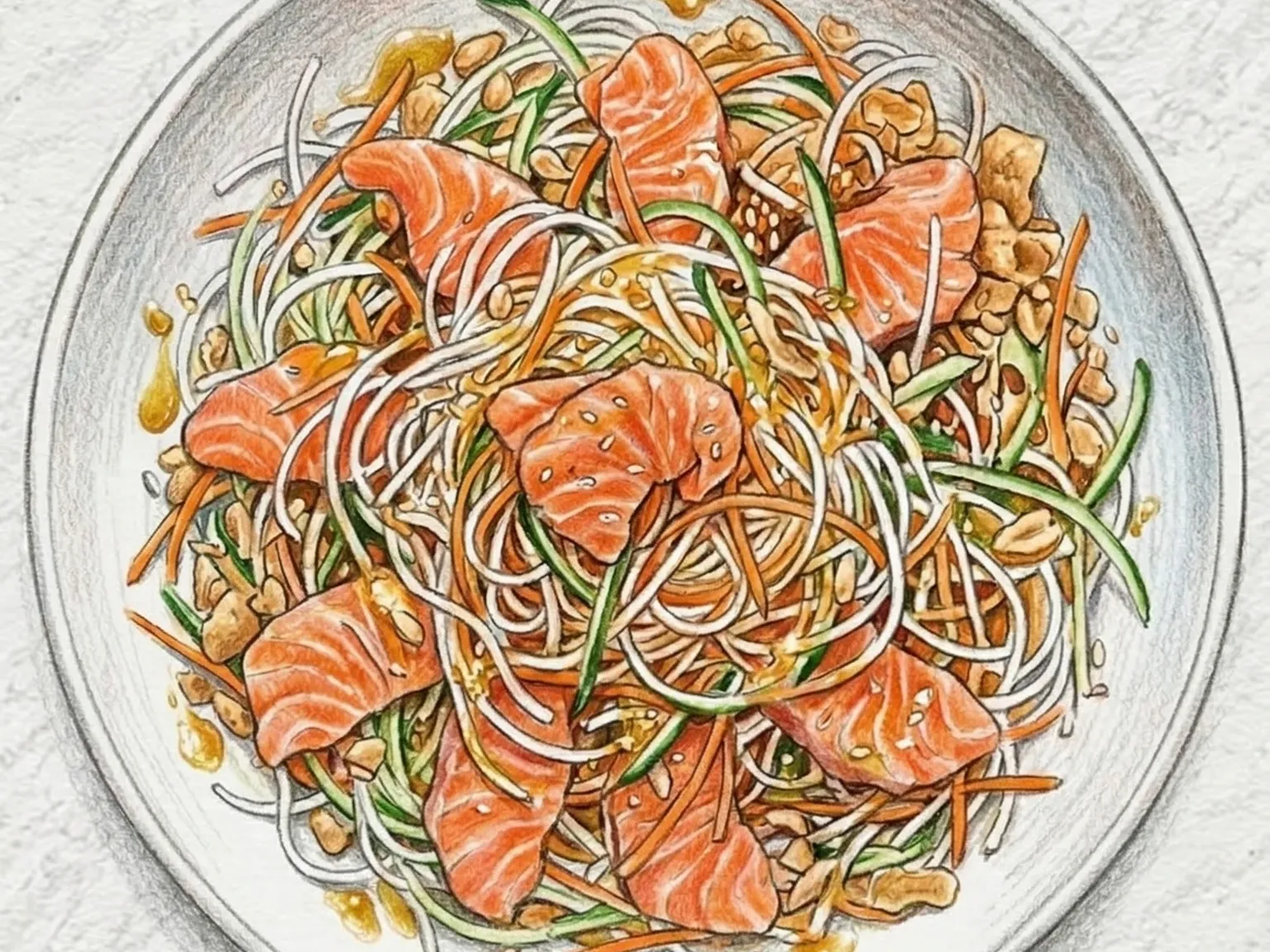
Soba sesame salad is a cold noodle dish in which cooked buckwheat noodles are rinsed repeatedly in cold water to remove surface starch, then tossed with julienned cucumber, carrot, and red cabbage in a dressing of soy sauce, rice vinegar, sesame oil, and sesame seeds. The earthy, nutty character of buckwheat pairs naturally with toasted sesame, and rice vinegar's light acidity keeps the dish from feeling heavy despite the sesame oil. Thorough rinsing in cold water is the technical cornerstone of this recipe: residual starch left on the noodles dilutes the dressing on contact and causes the strands to clump into an uneven mass, disrupting the balance of flavors in every bite.
Pasta e Fagioli (Italian Rustic Bean and Pasta Soup)
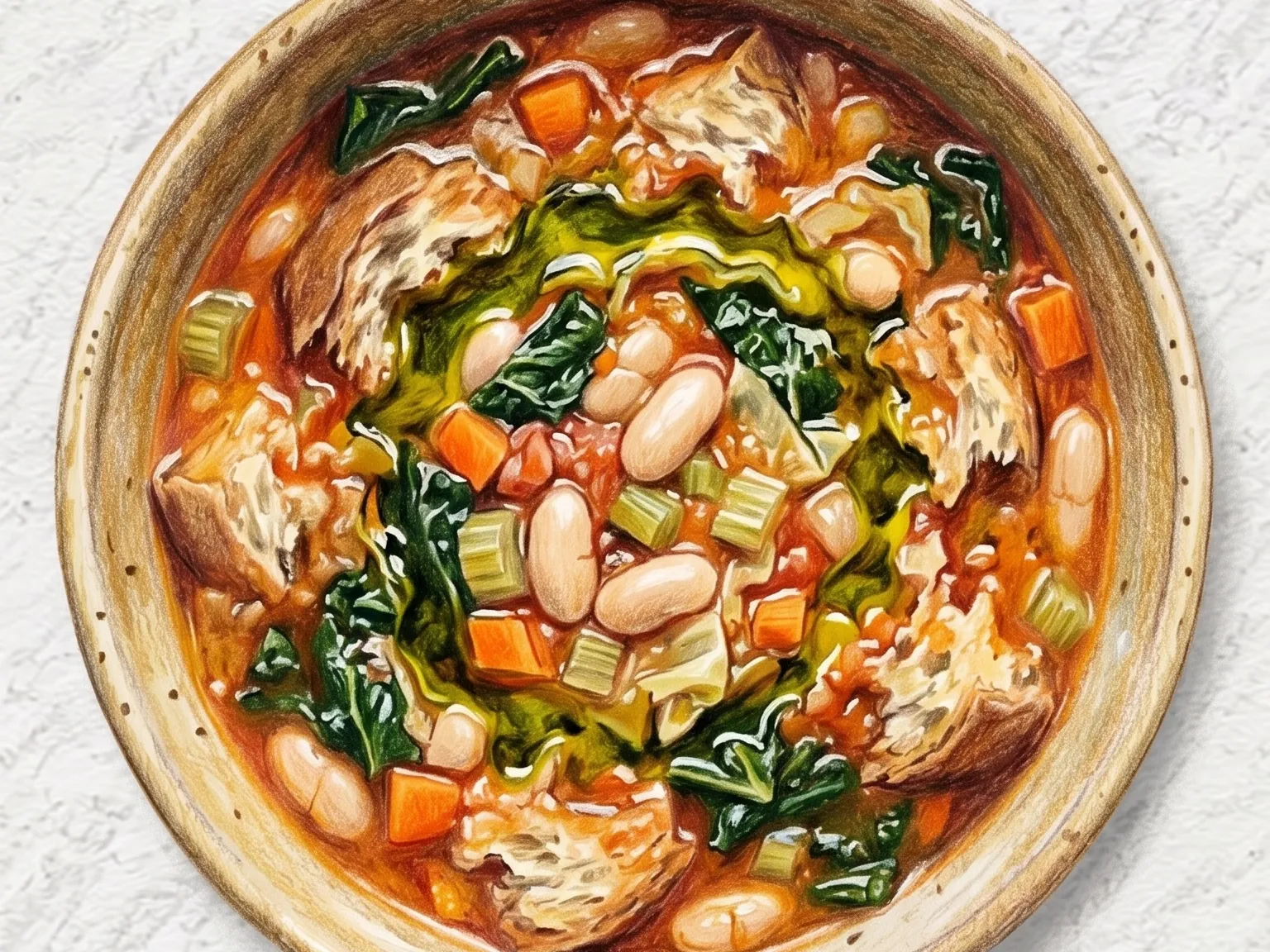
This Pasta e Fagioli (Italian Rustic Bean and Pasta Soup) recipe follows the actual preparation, main cooking method, and finish in order. Dice the onion, 2 celery stalks, and carrot finely, then mince the 3 garlic cloves. Drain the cannellini beans, and crush the whole peeled tomatoes by hand so they break down evenly in the soup. Add the garlic and fresh rosemary, and cook for 1 minute to release their aroma. Before the garlic turns brown, add the crushed tomatoes and scrape the bottom of the pot to loosen the cooked-on flavor. Add 150 g ditalini and cook over medium heat, stirring often, until the pasta is al dente. If the soup becomes too thick, loosen it with small splashes of water until it still eats like broth.
Na Dofu Seasonal Vegetable Tofu
Na dofu is a specialty tofu from Shiiba village in Miyazaki that mixes finely cut seasonal vegetables and nigari into hot freshly made soy milk, setting their color and aroma inside the tofu curd. Spring versions used rape blossoms, wisteria flowers, and mitsuba, while an aromatic local green called Heike kabu appeared from autumn through spring. Carrot, radish greens, shiso, and spinach are also used today. In a mountain village with poor farmland, adding vegetation both stretched precious soybeans and increased the block's nourishment while expressing the season. The vegetables are washed carefully, passed briefly through water held at seventy to eighty degrees, and chopped very fine. Soy milk made by soaking, grinding, straining, and fully boiling soybeans cools to about sixty degrees before powdered nigari and vegetables are folded in. The curds drain and press in a cloth-lined mold. Unlike plain tofu, the finished block is not soaked in water; it is cut directly and eaten with soy sauce or yuzu miso.
Nezushi (Koji-Fermented Trout and Rice)
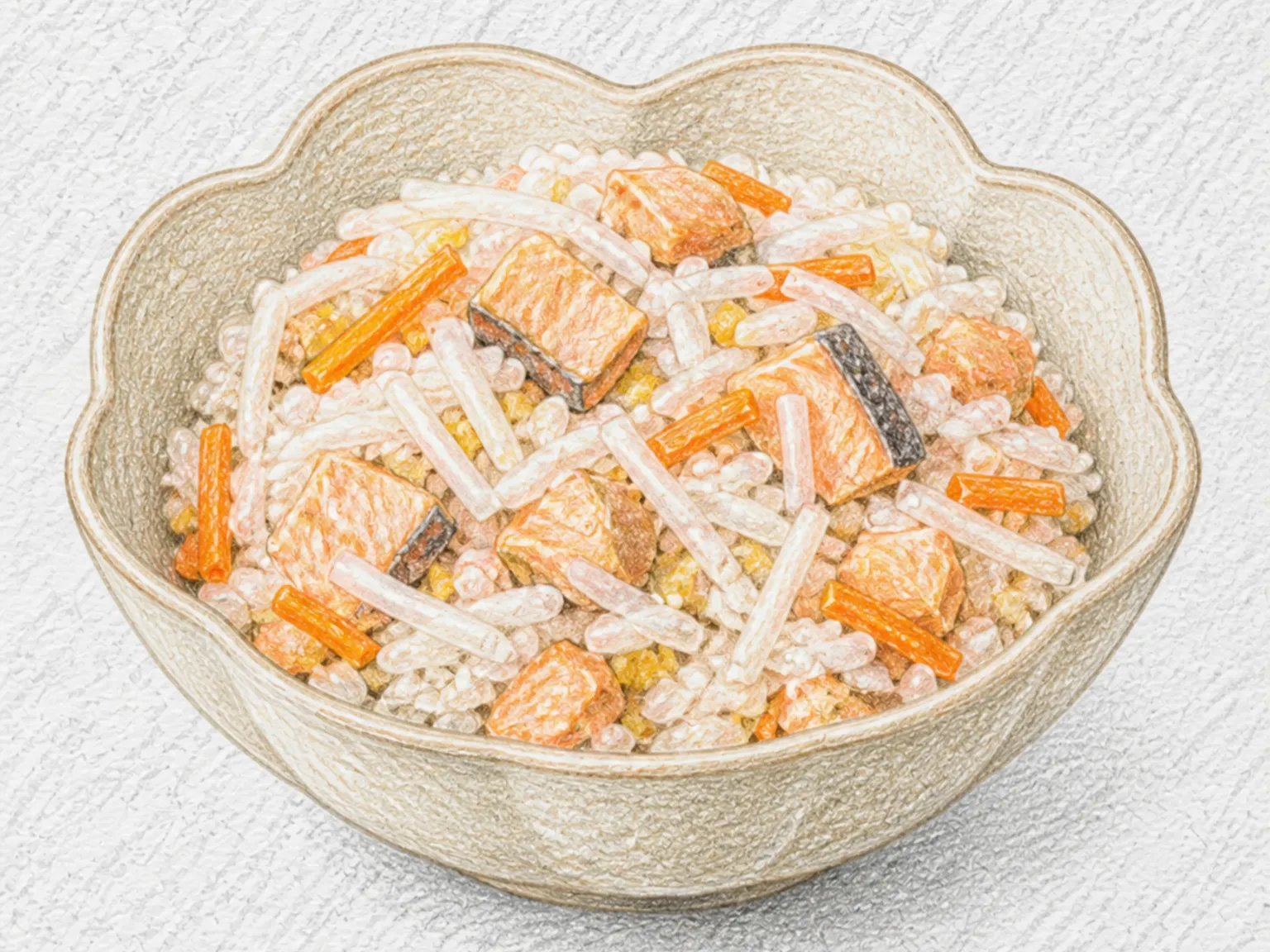
Nezushi is a type of fermented sushi prepared for New Year in the Hida and Chuno areas of Gifu, especially around Gero. Salted trout is deboned and cut into small pieces, while shredded daikon and carrot are rubbed with salt and squeezed. Freshly cooked rice is allowed to cool slightly before being mixed with rice koji, chopped ginger, fish, and vegetables. The mixture is packed closely into a container and left in the cold winter environment for about 14 to 20 days. During that rest, rice and koji develop a mild sweet-sour character that seasons the trout and vegetables, reflecting the preservation culture of Gifu's severe mountain winters.
Ninjin Shirishiri (Okinawan Carrot and Egg Stir-Fry)
Ninjin shirishiri is an everyday Okinawan side dish made by grating carrot into long, coarse strands, stir-frying it with oil and salt, and finishing it with beaten egg. A large-holed shirishiri grater or a julienne slicer keeps enough thickness for a tender but distinct bite. The carrot cooks over medium heat until soft and naturally sweet. Beaten egg is poured across the pan at the end and folded through the strands only until no liquid remains. In Okinawan speech, shirishiri refers to the grating action or its sound. The name, the specialized tool, and the quick method are familiar in households throughout the islands.
Korean Beef Gimbap (Soy-Marinated Beef Seaweed Rice Roll)
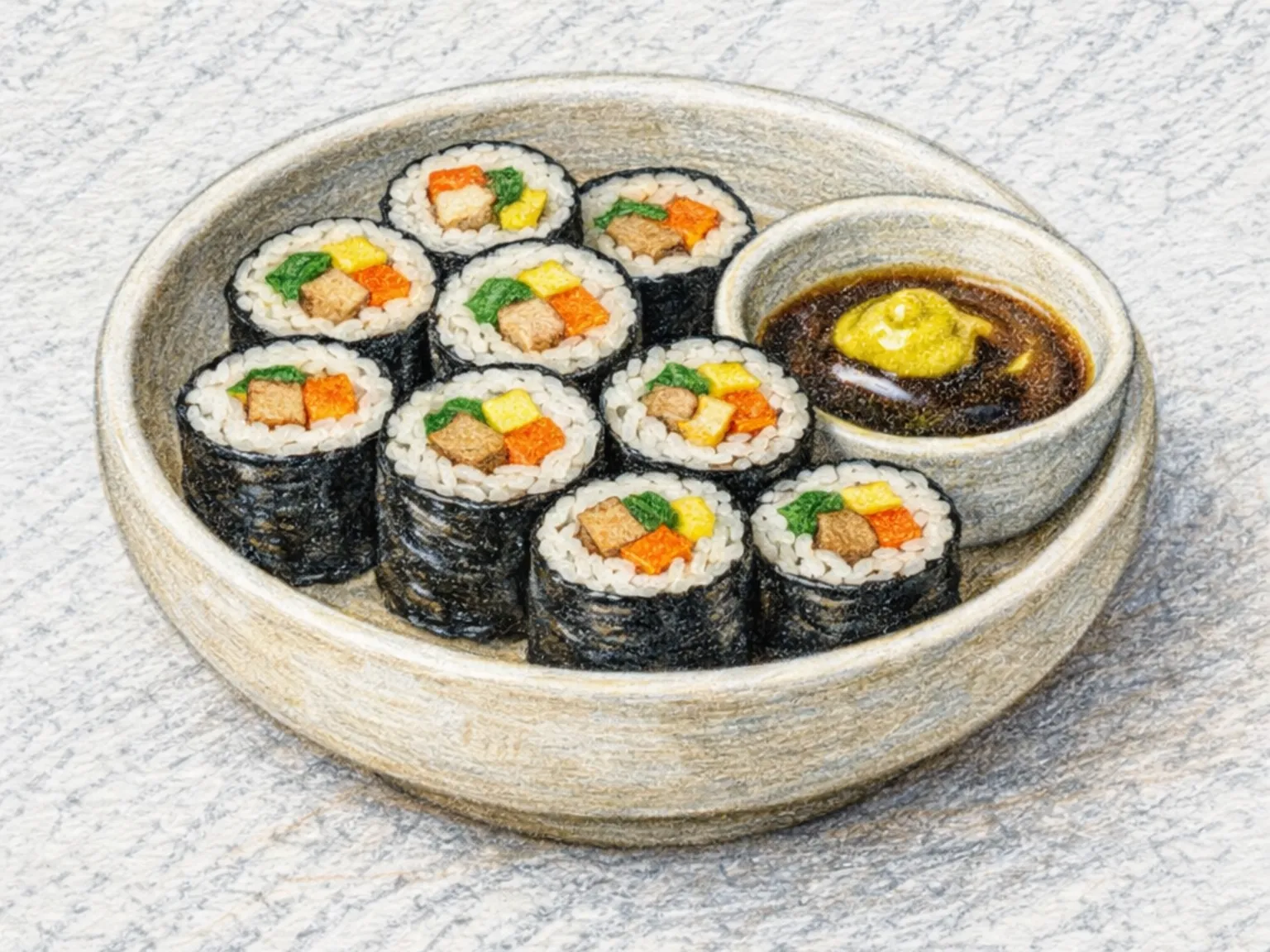
Sogogi-gimbap is a Korean seaweed rice roll featuring beef marinated in soy sauce and sugar, then stir-fried. The sweet-savory beef is rolled alongside sesame-seasoned rice, blanched spinach, sauteed carrots, and thin egg omelet strips inside a sheet of gim. The soy marinade from the beef seeps slightly into the rice, distributing flavor evenly through each cross-section slice. Thinly cut against the grain, the beef stays tender when bitten, while the spinach and carrot provide crisp texture and vegetable sweetness to balance the richness.
Sanpei Jiru (Hokkaido Salted Salmon Soup)
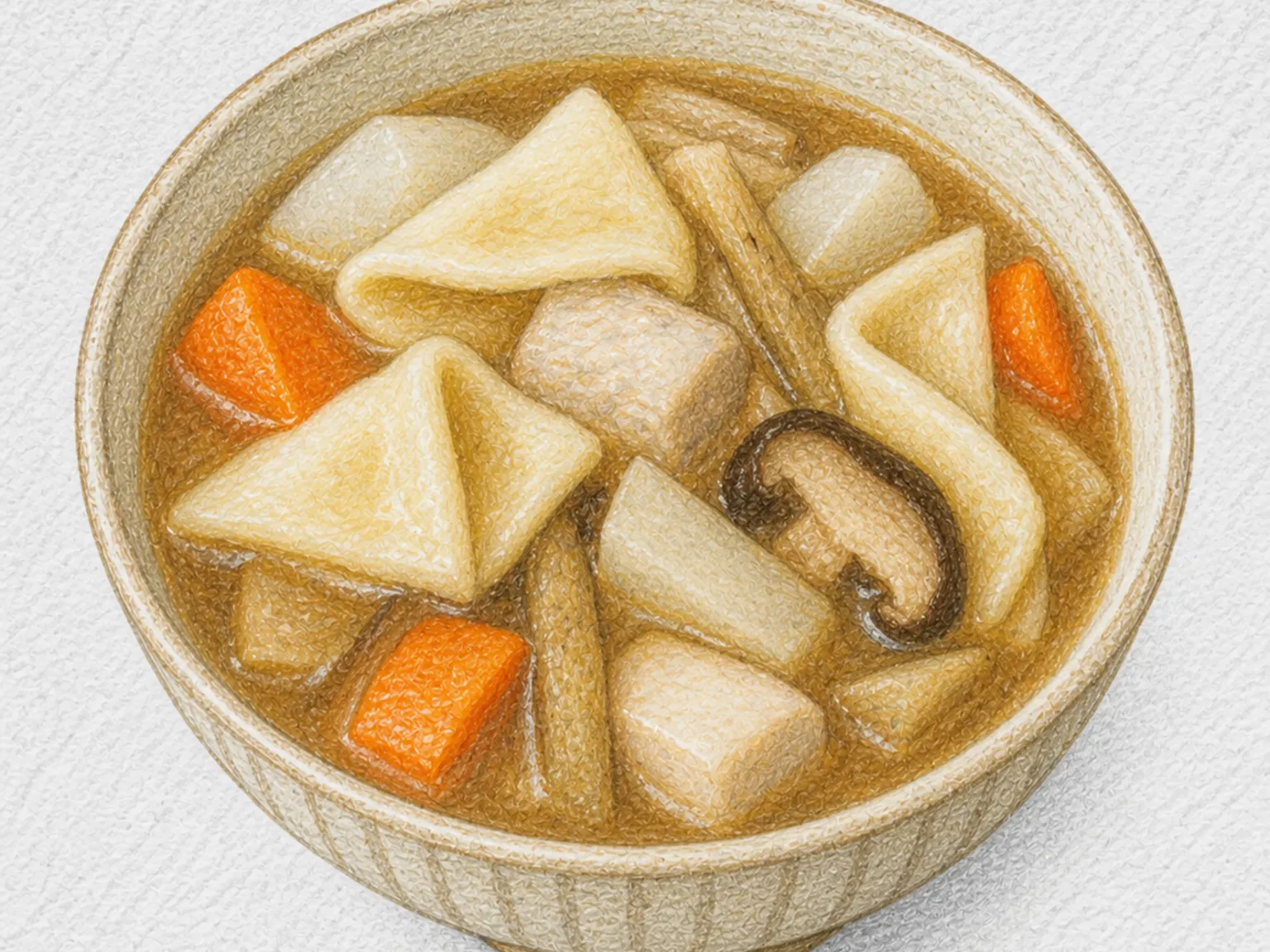
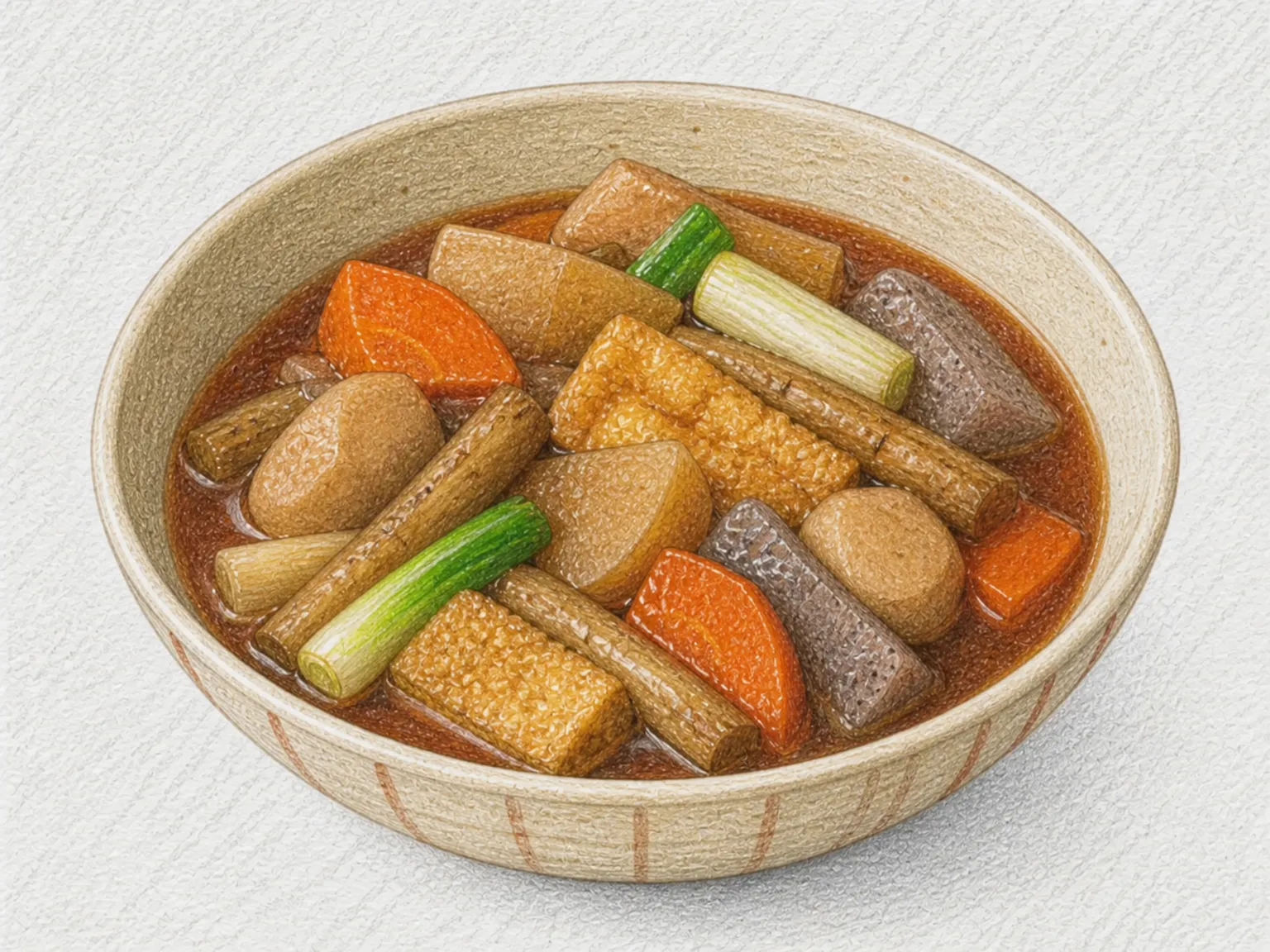
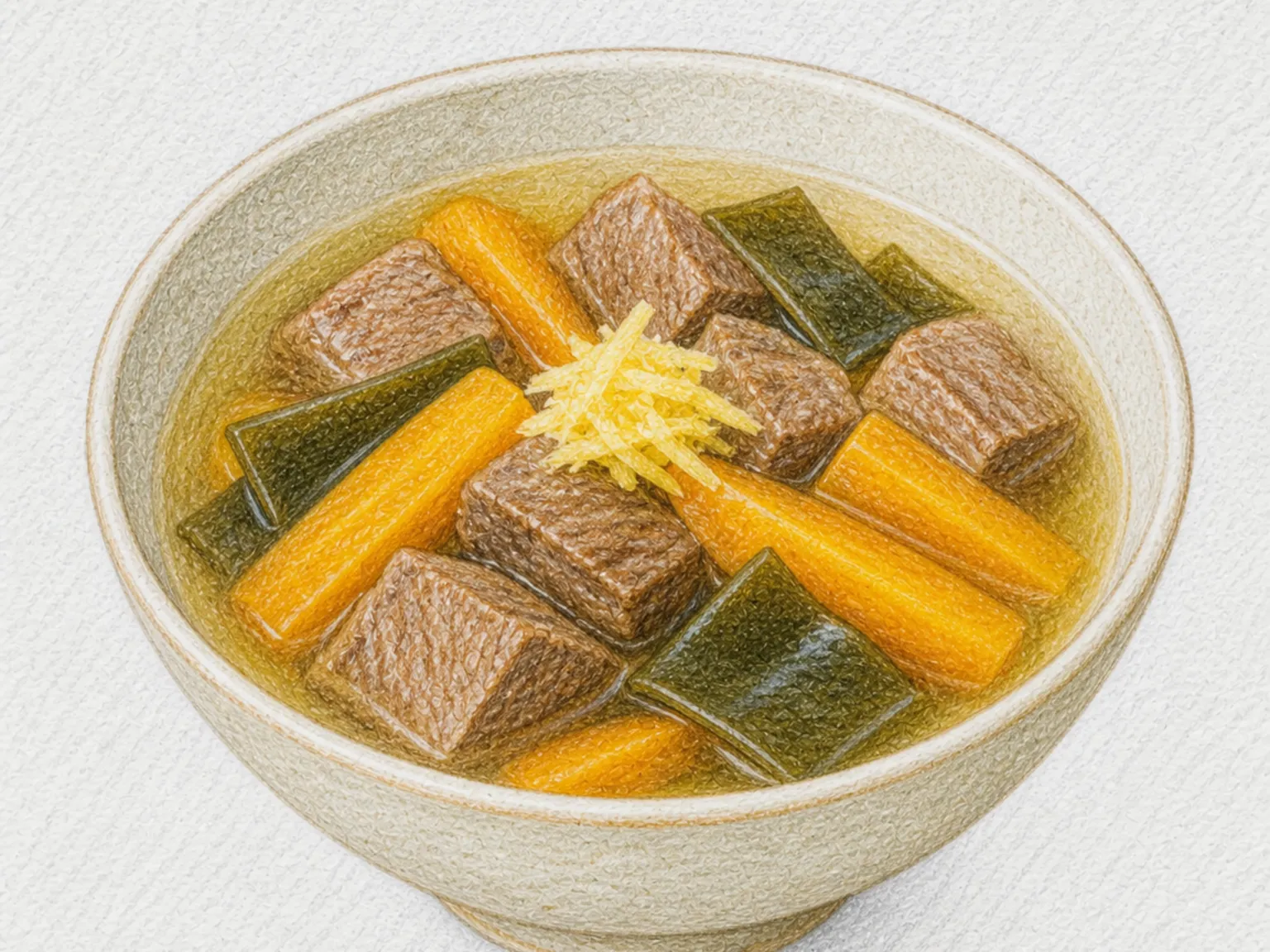
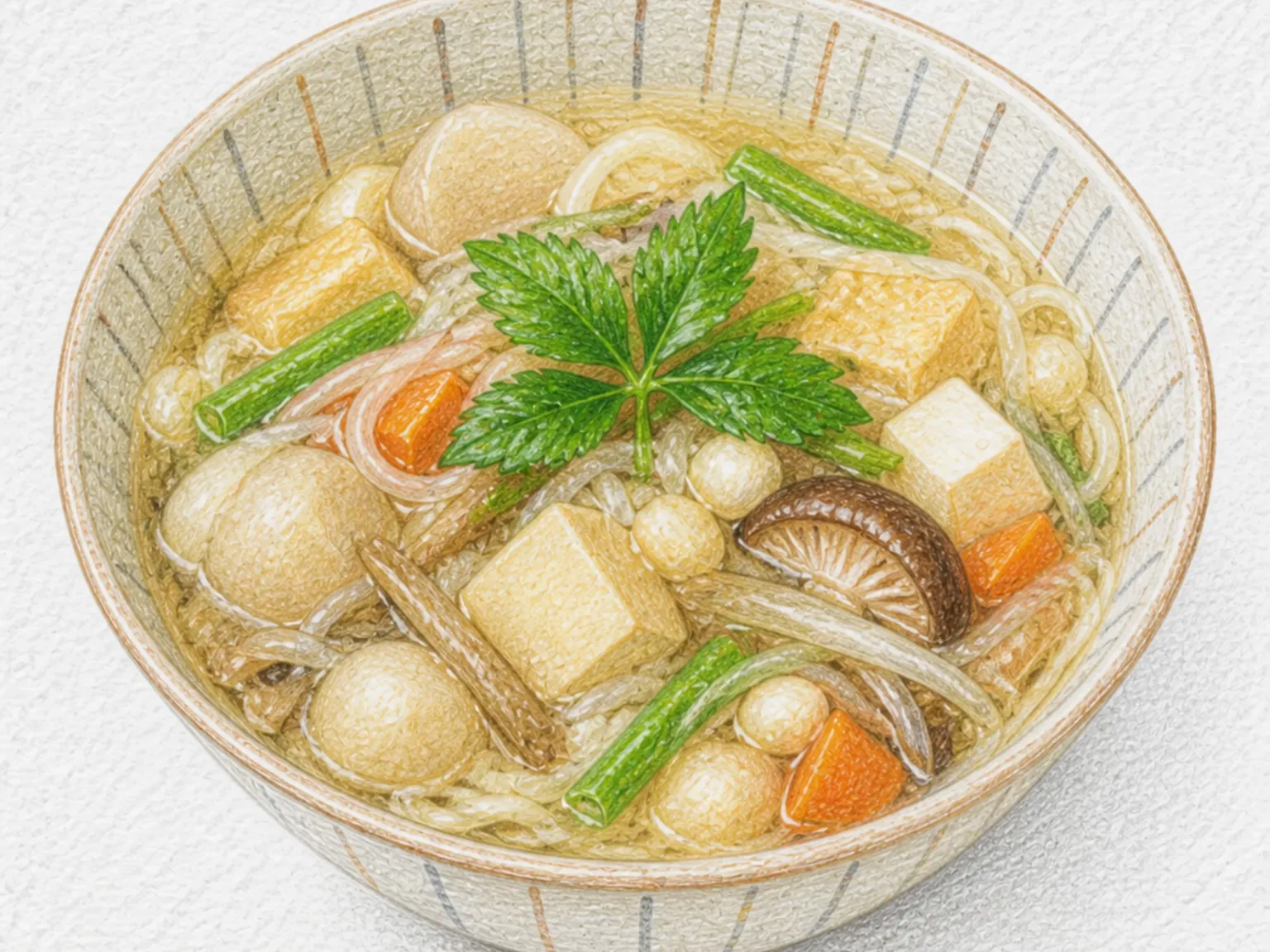
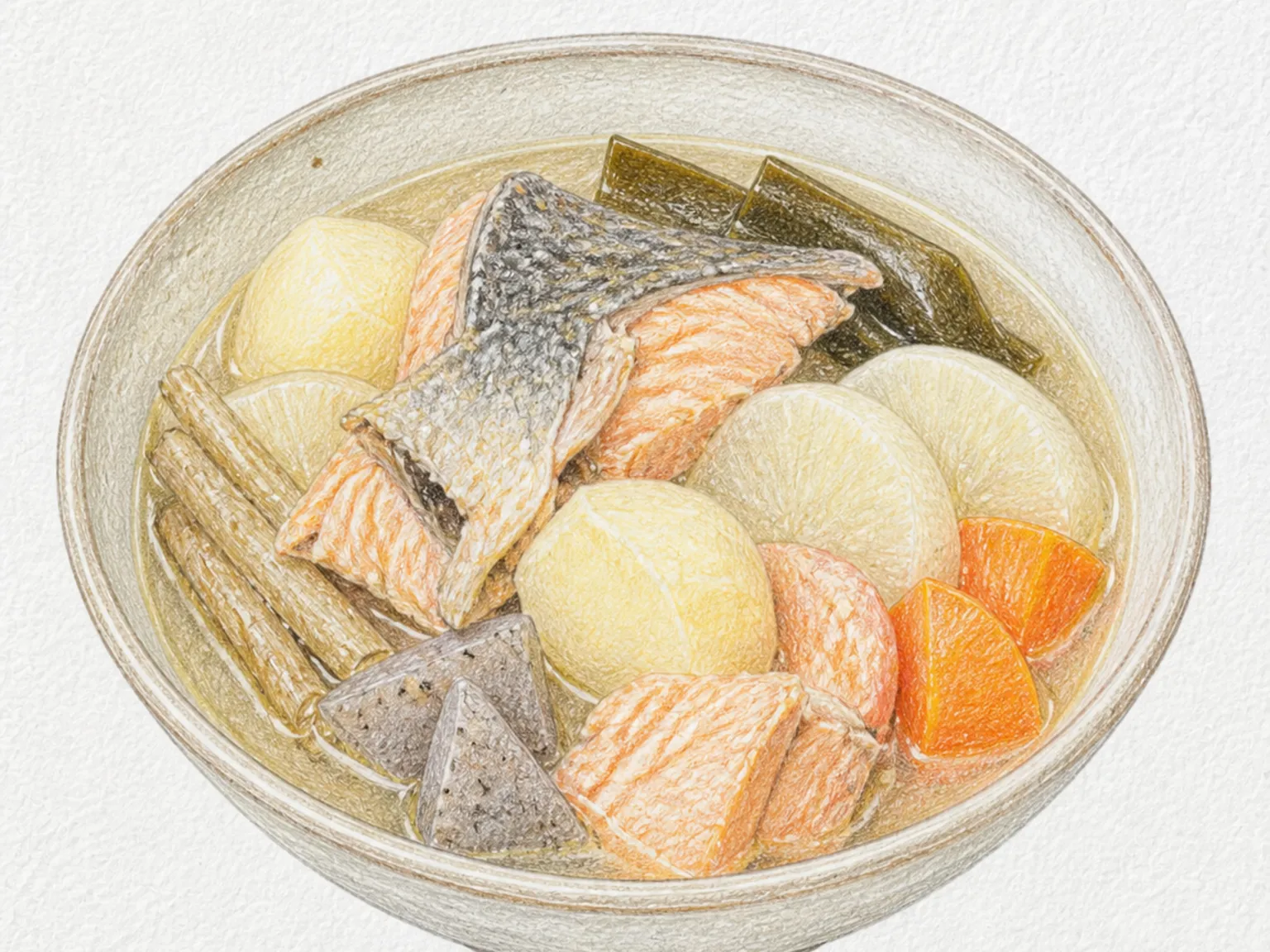
Sanpei jiru is a winter soup from Hokkaido that simmers salted fish with potatoes, daikon, carrots, and other vegetables in kombu stock. This version uses a salted salmon head and backbone with some flesh attached, allowing the bones and skin to enrich the broth. Unlike Ishikari nabe, which is commonly seasoned with miso and fresh salmon, the salt preserved in the fish provides the main seasoning here. Additional salt is added only after tasting the finished broth. Potatoes and daikon remain in generous pieces, while burdock and konnyaku receive separate preparation to keep the soup clean. Adding the salmon after the root vegetables have started softening prevents overcooked, dry flesh and excessive cloudiness.
Mushidai (Whole Sea Bream Steamed with Okara Stuffing)
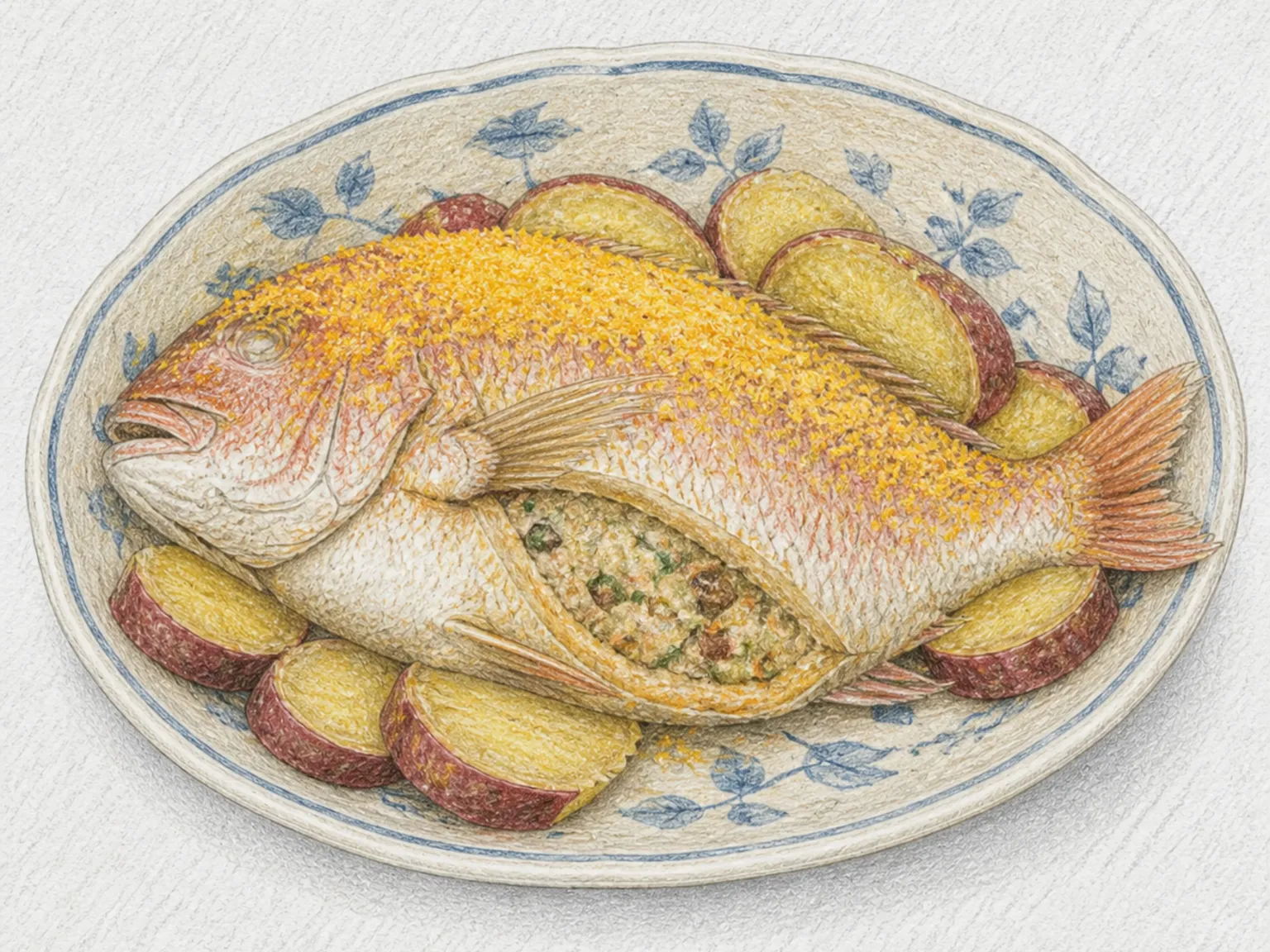
Mushidai is a Kochi celebration dish built around a whole sea bream of about 1 kg. The fish is opened from the back while its fins and overall form remain intact, salted lightly overnight, filled with 500 g okara seasoned with burdock, carrot, shiitake, leaf garlic, eggs, and sugar, then steamed whole for about 45 minutes. A sweet potato steams beside it as a traditional doneness indicator; when a skewer passes through the potato, the fish is checked. Sieved hard-boiled egg yolk finishes the surface. Presented whole on a large sawachi platter, it belongs at weddings, New Year gatherings, and Kochi banquets called okyaku. The center bones are traditionally retained for flavor, so diners must remove bones carefully.
Rokubei (Extruded Sweet Potato Noodles)
Rokubei is a sweet-potato noodle dish passed down since the Edo period in Shimabara and Tsushima, Nagasaki Prefecture. Sendango, made from the local preserved sweet-potato product called sen, is crumbled and kneaded with warm water. The smooth dough is formed into softball-size balls, briefly boiled, broken apart, and kneaded again. Small portions are pressed through the holes of a rokubei-segi directly into boiling water, producing short, thick strands rather than long wheat noodles. After the pot returns to a boil, the noodles cook for 2 to 3 minutes, then are cooled and rinsed to remove surface harshness. A clear soup is made with burdock, carrot, rehydrated shiitake, dashi, sake, light soy sauce, dark soy sauce, and salt. The drained noodles are served in the soup with sliced kamaboko and green onion, giving a smooth exterior, chewy center, and faint sweet-potato taste.
Tofu Satay Salad Bowl
Tofu satay salad bowl combines pan-seared tofu with crisp lettuce, julienned carrot, and cucumber, all coated in a Thai-style peanut satay dressing. The dressing is built from peanut butter, soy sauce, lime juice, and chili sauce - the peanut fat provides body, while the lime and chili cut through it with bright acidity and heat. Pressing the tofu dry before searing ensures the surface browns rather than steams, producing a firm, golden exterior that holds up in the bowl.
Pot-au-Feu (French Slow-Simmered Beef and Root Vegetable Broth)
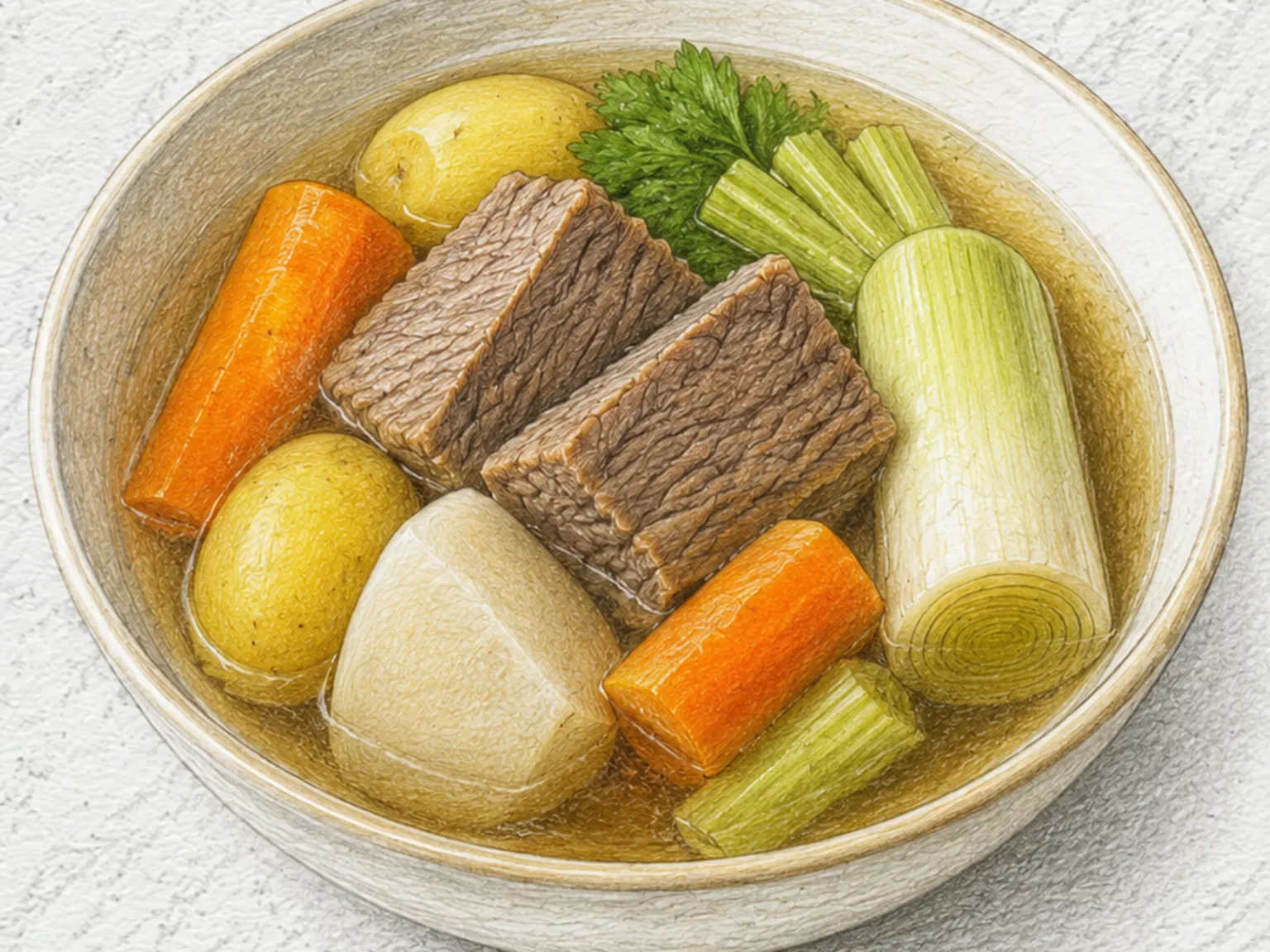
This Pot-au-Feu (French Slow-Simmered Beef and Root Vegetable Broth) recipe follows the actual preparation, main cooking method, and finish in order. Place 800 g beef brisket in cold water and heat it gradually over medium heat. Once foam rises, blanch for only 2 to 3 minutes, then discard the first water to remove surface impurities. Add 1 onion, 2 celery stalks, 1 leek, the bay leaf, and the peppercorns. Keep the heat low enough that the broth only trembles gently, then simmer about 2 hours. Season near the end with the 2 teaspoons salt, adding it gradually and tasting the broth. Slice the beef thickly, arrange it with the vegetables, and serve the clear broth separately in bowls.
Etsu Nanbanzuke (Fried Fish in Sweet Vinegar)
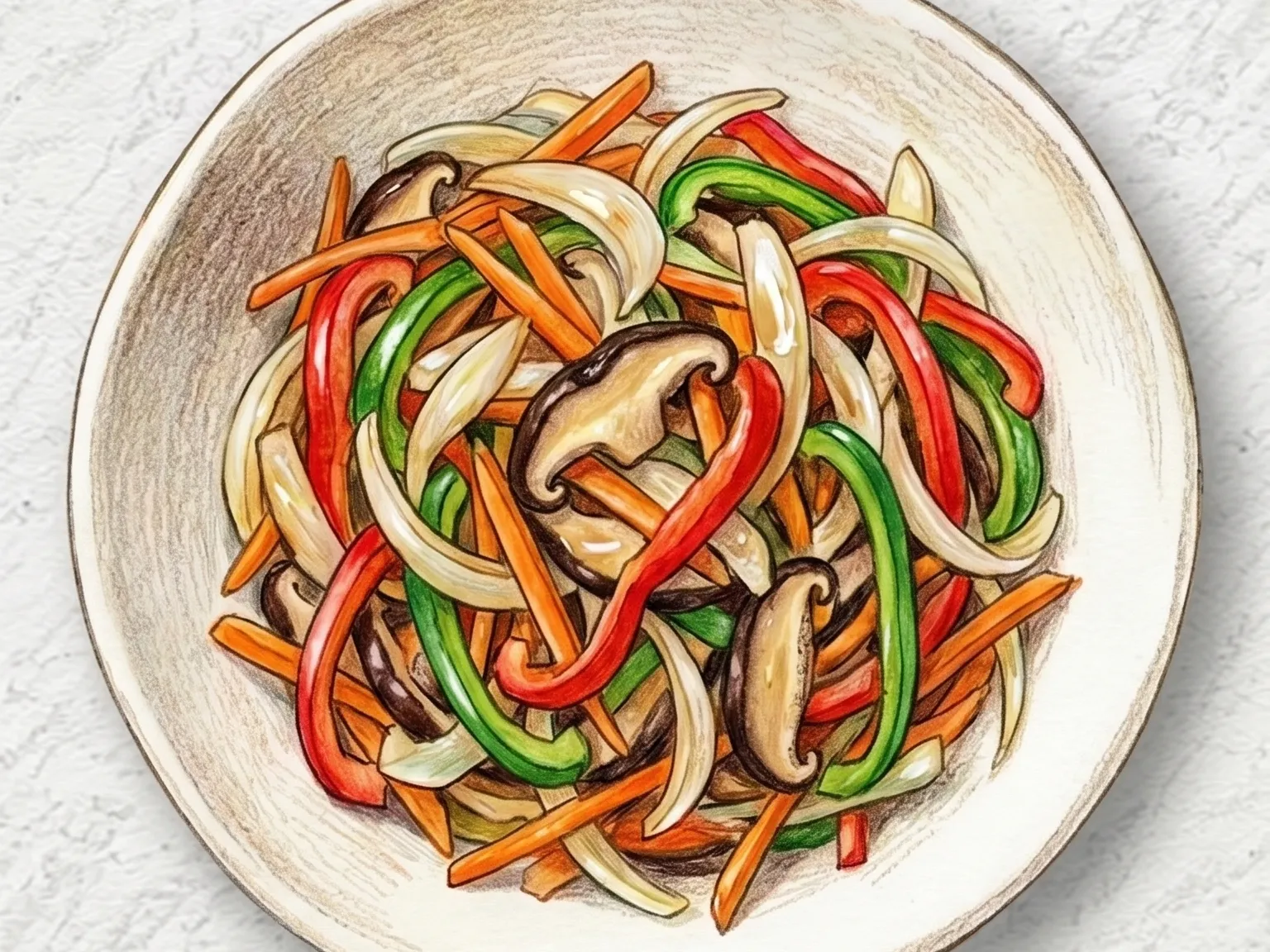
Etsu nanbanzuke is a summer fish dish from the Chikugo area of Fukuoka. Etsu from the Ariake Sea and Chikugo River estuary is scored at 1mm intervals to cut its many fine bones, coated with potato starch, fried crisp, and soaked while hot in a sweet soy-vinegar marinade with onion, carrot, green pepper, and dried chili. The fish appears during a short May-to-July season, and smaller catches are often prepared this way for the home table. Hot fried fish absorbs the dressing quickly, becoming tangy outside and moist within, while thin vegetables soften slightly in the residual heat yet retain a fresh bite.
Ohan to Kayaku (Gardenia Rice with Fish and Vegetable Stew)
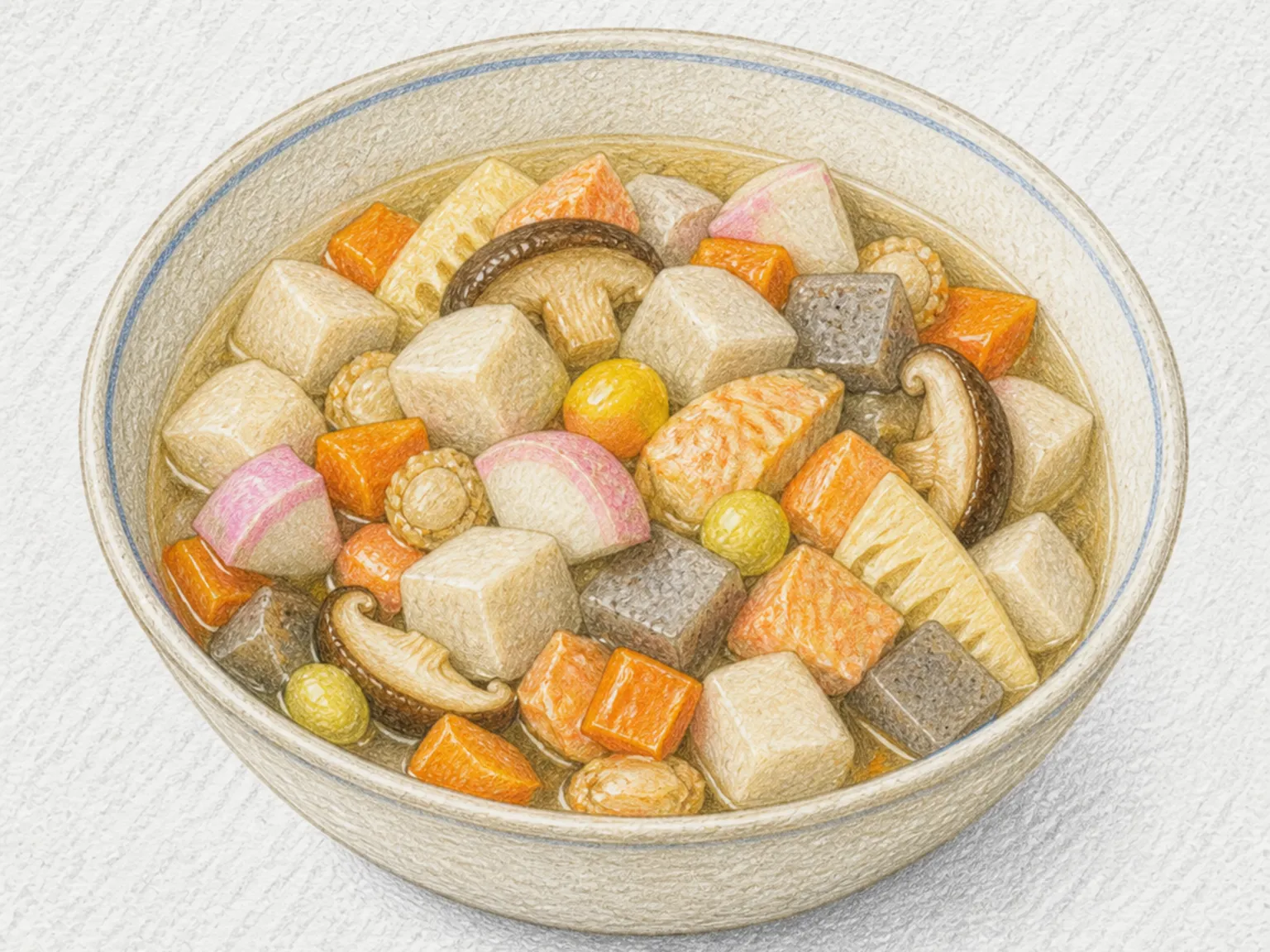
Ohan to kayaku is an Usuki ceremonial meal pairing rice colored yellow with gardenia fruit and a hearty stew of tofu, burdock, daikon, carrot, onion, and white-fleshed lizardfish. The gardenia infusion is strained and used promptly because prolonged soaking can dull the bright yellow or turn it greenish. For the kayaku, drained tofu is crumbled into oil, followed by minced fish and firm vegetables, then dashi and soy-based seasoning create a warm, substantial soup spooned directly over the rice. One story says the frugal Usuki domain developed yellow rice as an alternative to costly red bean rice. Another links its color to paella encountered through Nanban trade under the Christian lord Otomo Sorin. Merchants also cooked large pots of kayaku on New Year's Eve and reheated them through the first three days of the year.
Korean Spicy Stir-fried Squid
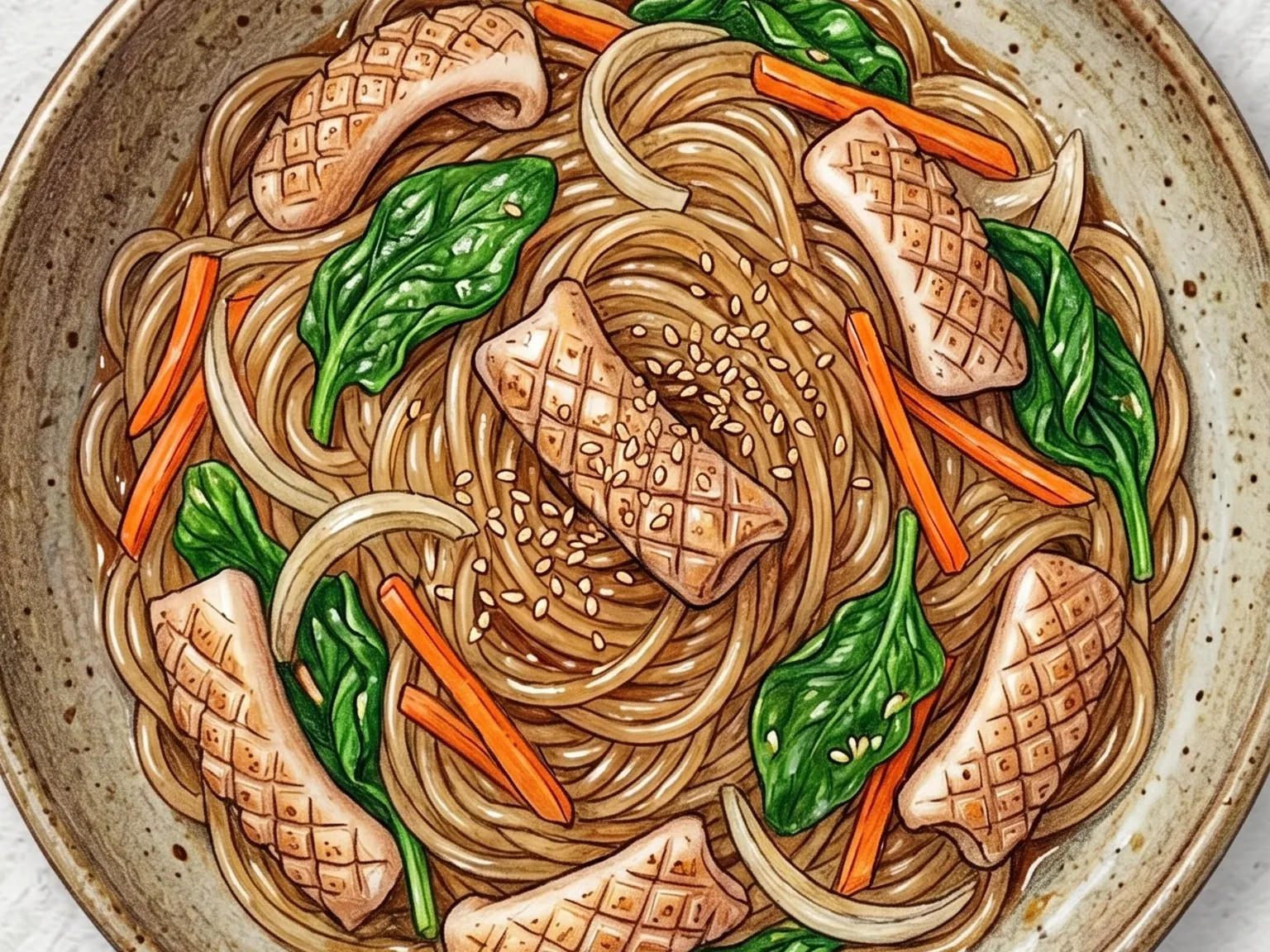
Ojingeo-bokkeum is one of Korea's most popular spicy stir-fries, featuring scored squid bodies and tentacles tossed over high heat with onion, carrot, cabbage, and scallion in a gochujang-gochugaru-soy-sugar sauce. Crosshatch scoring on the squid allows the thick, spicy sauce to penetrate deeply, ensuring consistent flavor in every bite. The entire stir-fry takes only a few minutes on maximum heat - essential for keeping the squid springy rather than rubbery. Cabbage and carrot go in near the end to retain their crunch, and a final sesame oil drizzle ties the smoky wok char to the bold red seasoning.
Korean Tuna Mini Gimbap (Addictive Bite-Sized Tuna Mayo Seaweed Rolls)
Tuna mayak gimbap are bite-sized rolls made by cutting seaweed sheets in half, spreading a thin layer of sesame-oil-seasoned rice, and filling with tuna-mayo, pickled radish, sauteed carrot, and blanched spinach. Draining the canned tuna thoroughly before mixing with mayonnaise prevents sogginess while keeping the filling creamy. The pickled radish provides a sharp crunch that cleanses the palate between each piece, and the lightly sauteed carrot brings a touch of natural sweetness. Their miniature size ensures every ingredient registers in a single bite, delivering a compact burst of balanced flavor.
Senbei-jiru (Nanbu Cracker and Chicken Soup)
Senbei-jiru is a regional soup from Hachinohe in Aomori. Chicken breast and thigh simmer with burdock, carrot, thread konnyaku, freeze-dried tofu, and wheat gluten in a soy-seasoned broth, then soup-use Nanbu wheat crackers are broken in near the end. Nanbu senbei developed as a durable staple in the former Nanbu domain, where cold damage often made rice harvests unreliable. After the war, makers produced crackers that absorb broth yet keep a chewy center, making them especially useful in winter soups and hot pots. White miso rounds the chicken broth, while the crackers soften at the edges without dissolving.
Tai no Karamushi (Steamed Sea Bream Stuffed with Okara)
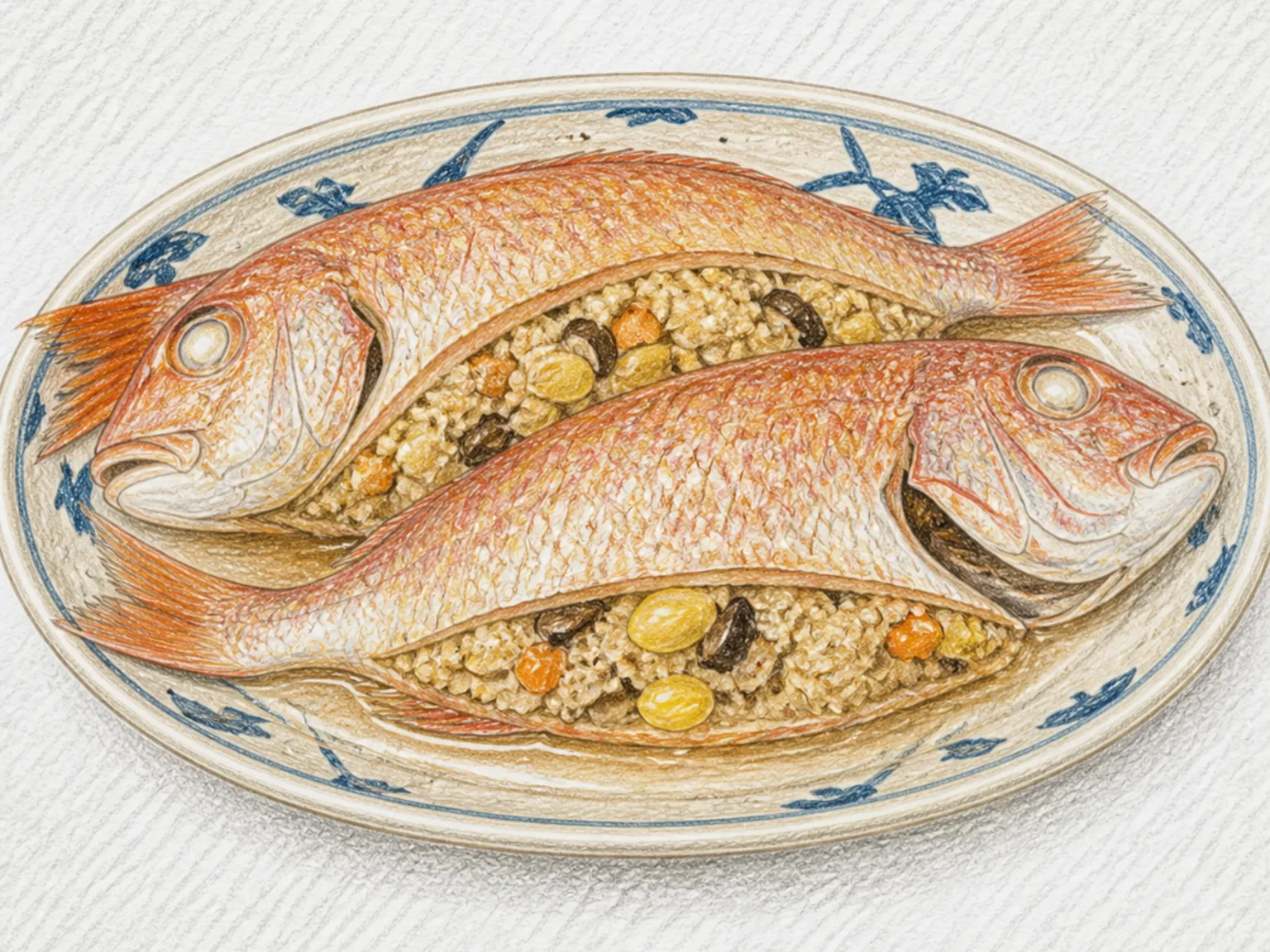
Tai no karamushi is a celebratory Kaga dish from Ishikawa. Two whole sea bream are opened along the back and packed with okara cooked with bamboo shoot, burdock, carrot, wood ear mushrooms, ginkgo nuts, dashi, sugar, sake, and soy sauce. The fish are traditionally presented with their bellies facing each other, a substantial arrangement served at weddings and other festive tables. The vegetable and okara filling must be cooked until moist rather than wet, then cooled completely before it touches the raw fish. Steaming time changes with the size of the bream, so the thickest flesh and center of the stuffing determine when it is done. Each portion combines tender fish with savory-sweet okara that has absorbed the sea bream juices.
Taipiien (Kumamoto Glass Noodle Soup)
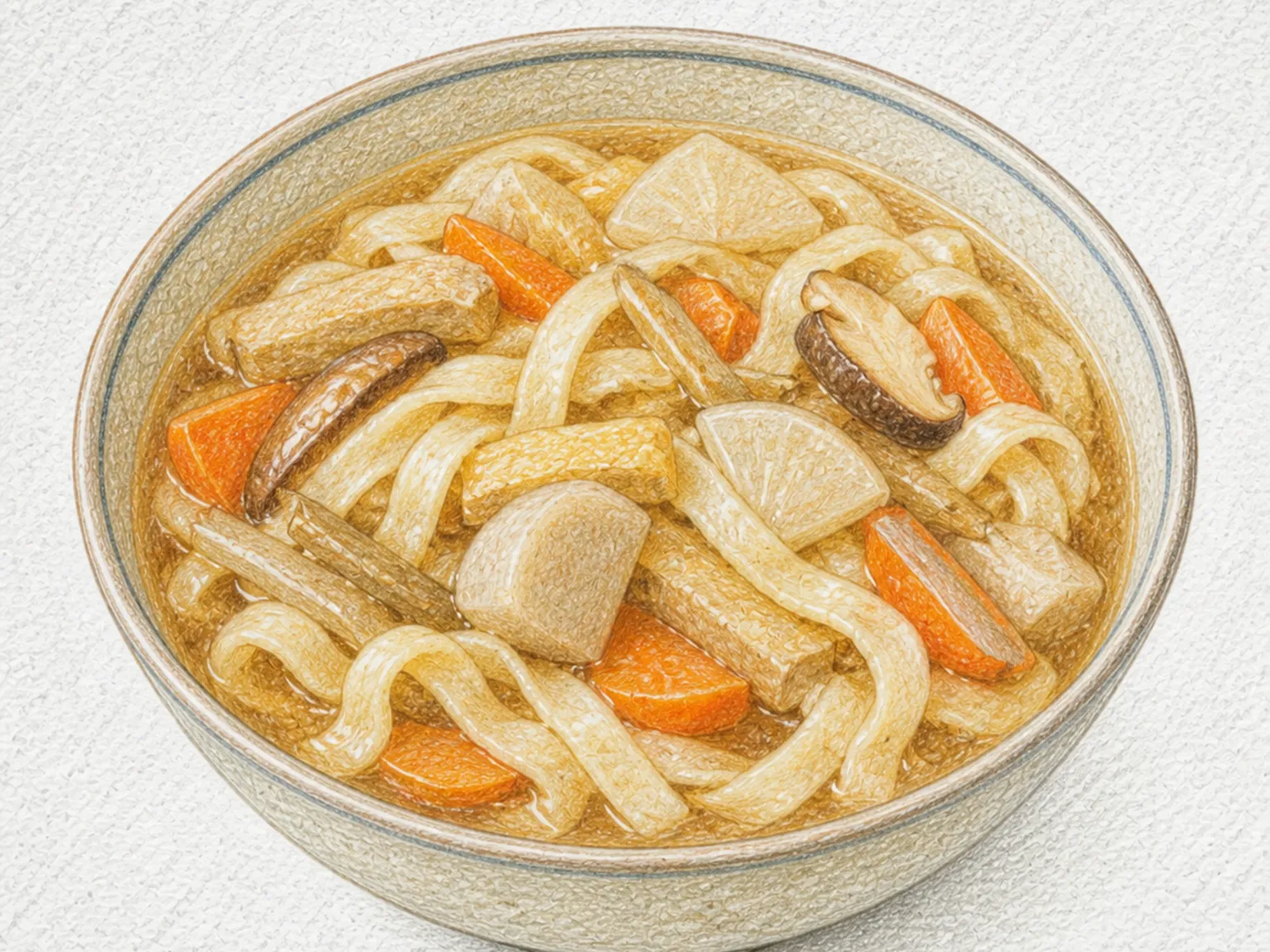
Taipiien is a substantial glass noodle soup served in Chinese restaurants and homes across central Kumamoto. Ginger, pork, onion, carrot, wood ear, and napa cabbage are stir-fried before shrimp, squid, and kamaboko join a clear chicken broth. Separately boiled glass noodles are cut to an easy length and warmed in the soup, which is finished with light soy sauce, green onion, and sesame oil. A firm hard-boiled egg cut in half tops each bowl. The dish traces its roots to celebratory soup from Fuzhou in China's Fujian Province, brought through Nagasaki to Kumamoto in the late Meiji period and adapted with local ingredients.
Tofu Sesame Salad (Chilled Tofu with Roasted Sesame Dressing)
Tofu sesame salad starts with firm tofu cubes seared until golden on all sides, then placed over baby greens, shredded red cabbage, and julienned carrot, finished with a sesame-soy dressing. Pressing the tofu in paper towels for ten minutes removes enough moisture for the pan to produce a sizzling, nutty crust rather than steaming the surface. This crust absorbs the soy from the dressing while the soft interior provides a contrasting texture.
Pot Roast
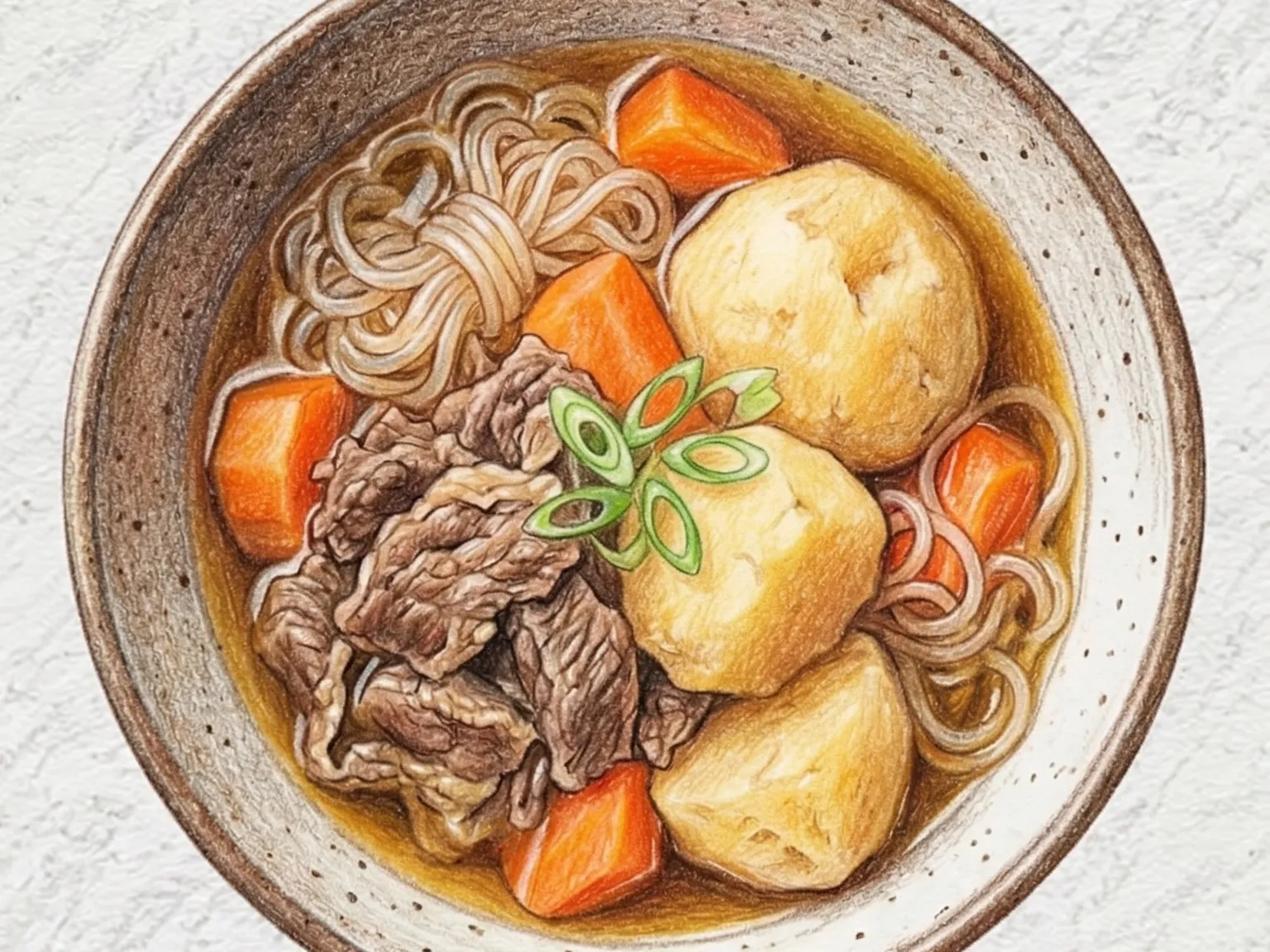
This Pot Roast recipe follows the actual preparation, main cooking method, and finish in order. Pat the 900 g chuck roast dry, then season it evenly with 1 teaspoon salt. Cut the carrots, potatoes, onion, and garlic into sturdy pieces so they can braise without falling apart. Remove the beef briefly, then cook the onion and garlic in the same pot over medium heat. When fragrant and lightly softened, stir in 1 tablespoon tomato paste and cook until it darkens slightly without scorching. Add the carrots and potatoes, cover again, and braise for about 1 more hour. When the beef pulls apart easily with a fork, slice or shred it and serve with the vegetables and reduced sauce.
Oae Dango
Oae dango is a local dish of the Moriyama and Yasu areas of Shiga. Flattened rice-flour dumplings are boiled, cooled, and coated in shira-ae made from pressed cotton tofu, toasted sesame, miso, and sugar, together with carrot, shiitake, konjac, and komatsuna. Because the dumplings make the dressed vegetables substantial, the dish can serve as both a side and something offered with tea. It has been prepared especially for Buddhist memorial gatherings, while also appearing in everyday meals. The sesame is ground before the seasonings and tofu are worked in, producing a smooth coating that clings best when every boiled component is thoroughly cooled and squeezed dry.
Hiruzen Okowa
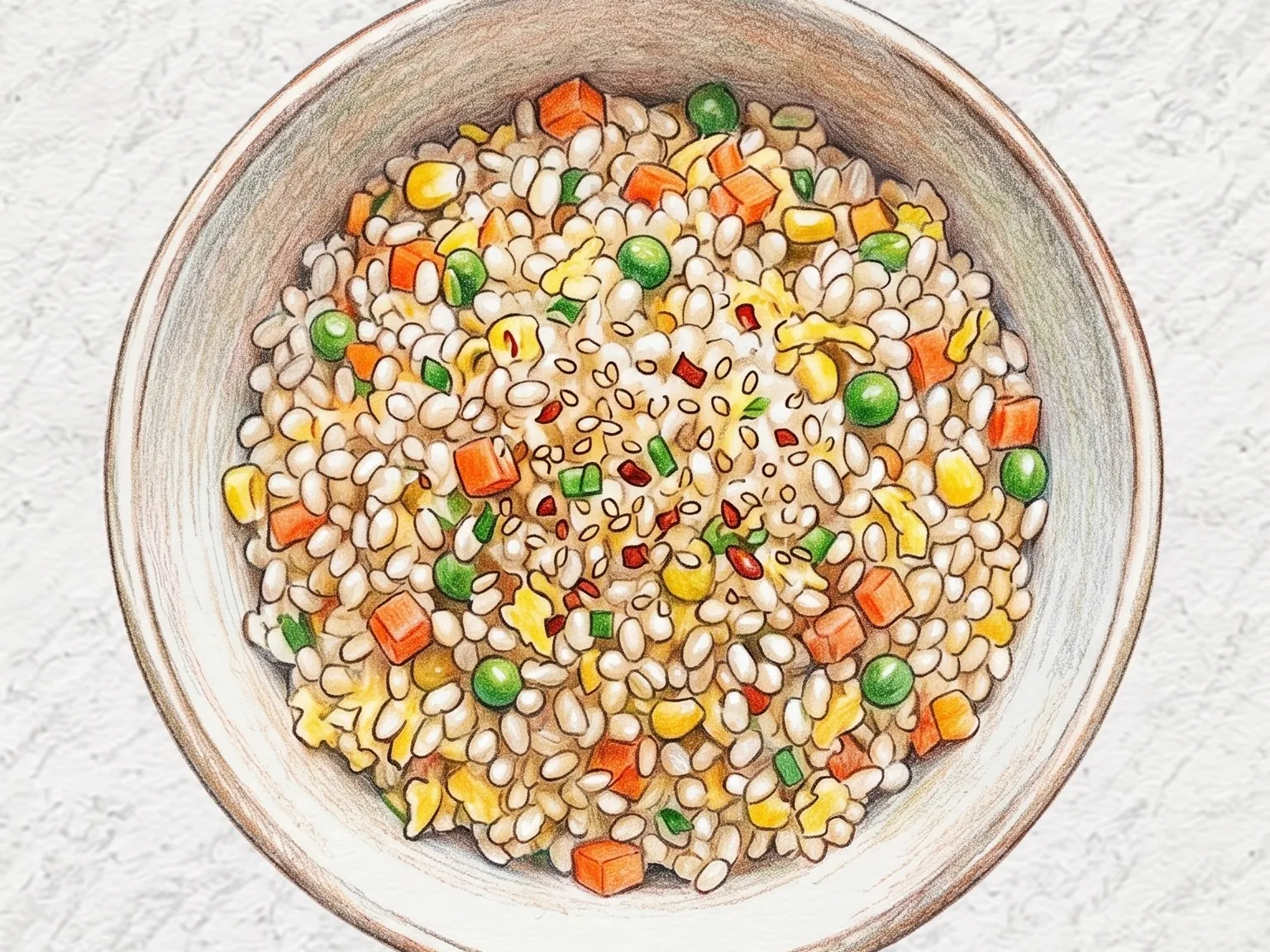
Hiruzen okowa is a steamed mixed glutinous-rice dish from Maniwa in Okayama, combining sticky rice and barley with chicken, chestnuts, burdock, fuki, dried shiitake, and fried tofu. It developed after Daisen okowa crossed into the Hiruzen area, and barley became part of the local version through community nutrition programs from the 1950s. Families served it for New Year, seasonal celebrations, festivals, and household gatherings. Its defining method is to sauté and simmer the filling, reserve the seasoned cooking liquid, and sprinkle that liquid over the grains during steaming. Soaked grains and briefly dried chestnuts become glossy and pleasantly chewy, while blanched green beans added at the end preserve a fresh green accent.
Kishazu-iri (Okara and Vegetable Stir-Fry)
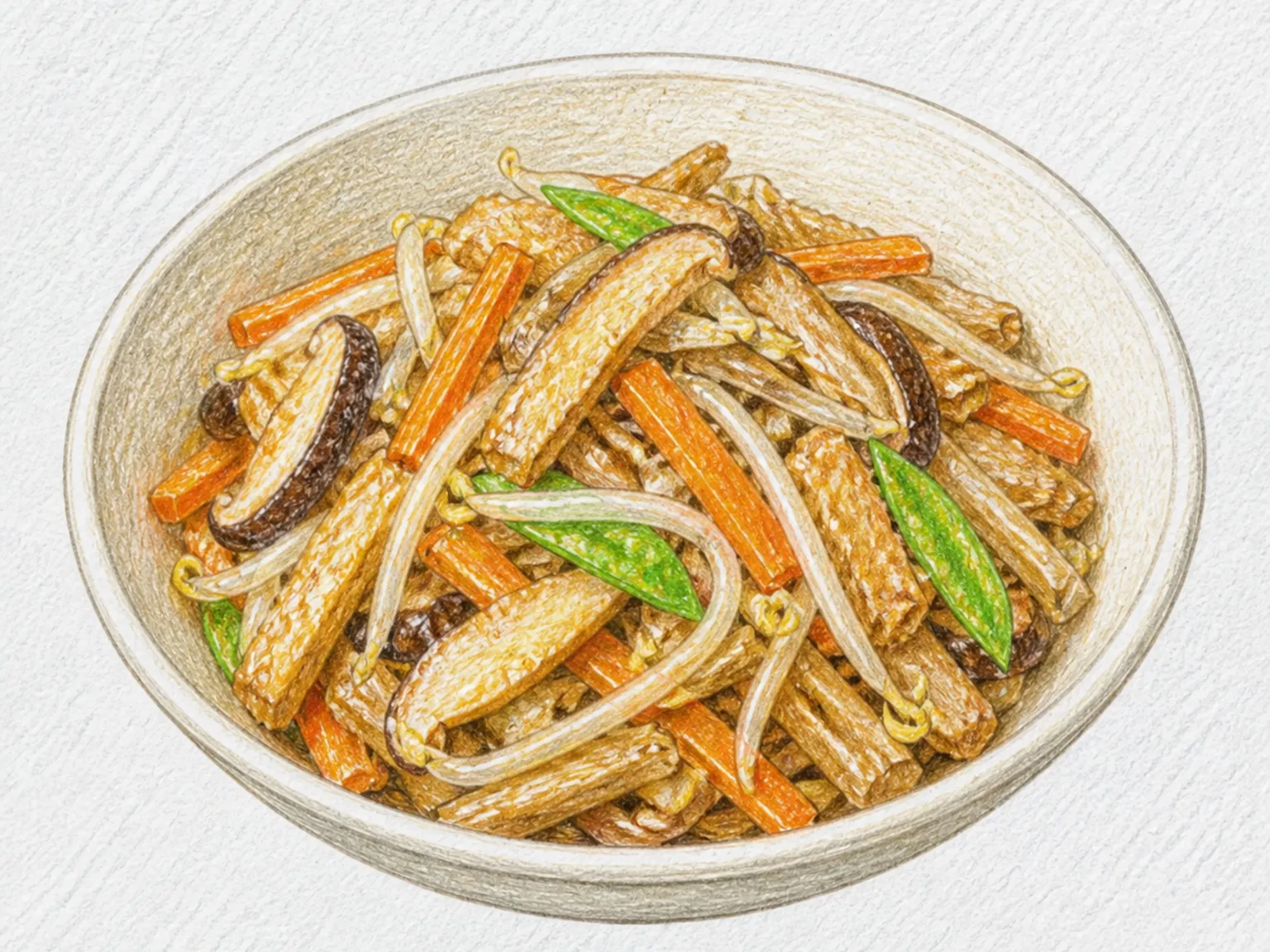
Kishazu-iri is an everyday okara dish eaten year-round throughout Miyagi Prefecture. In Miyagi, the soybean pulp left from tofu making is called kirazu as well as okara. It is cooked with carrot, burdock, and rehydrated dried shiitake. The vegetables are first sautéed in oil, then sugar, salt, soy sauce, and dashi are added and brought to a boil. Fresh okara goes in once the seasoned broth is bubbling. Continuous stirring breaks it up and lets it absorb the broth without scorching on the pan bottom. The dish is ready when there is no loose liquid but the grains remain moist and crumbly. Thinly sliced green onion is folded in only at the end.
Mixed Korean Tempura
Modeum twigim is an assorted Korean tempura platter featuring sweet potato, squid, shrimp, onion, and carrot dipped in a light batter of frying powder mixed with cold water, then deep-fried at 170 degrees Celsius until crisp. Keeping the water cold and mixing minimally prevents gluten development, yielding a thin, shattering crust rather than a heavy coating. Each ingredient brings its own character: sweet potato offers starchy sweetness, squid and shrimp contribute oceanic umami, and onion and carrot release their natural moisture and fragrance as they fry. Because each ingredient has a different density and water content, maintaining a steady oil temperature is essential so every piece cooks through at the center while staying crisp at the surface. Served with a small bowl of soy sauce, the platter lets the clean frying flavor and the individual taste of each ingredient come through without any additional seasoning.