Hanoi-Style Chicken Pho (Pho Ga)
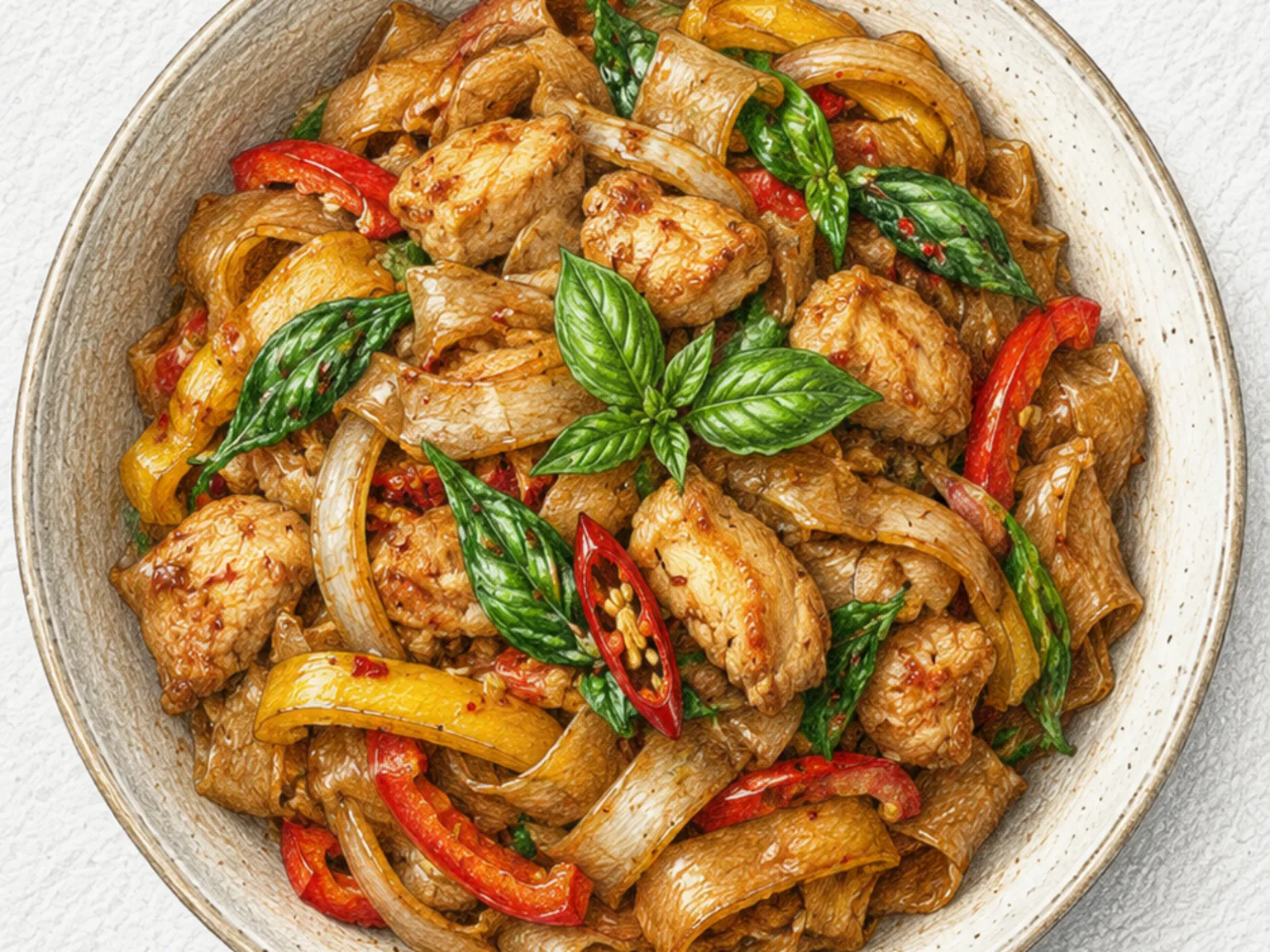
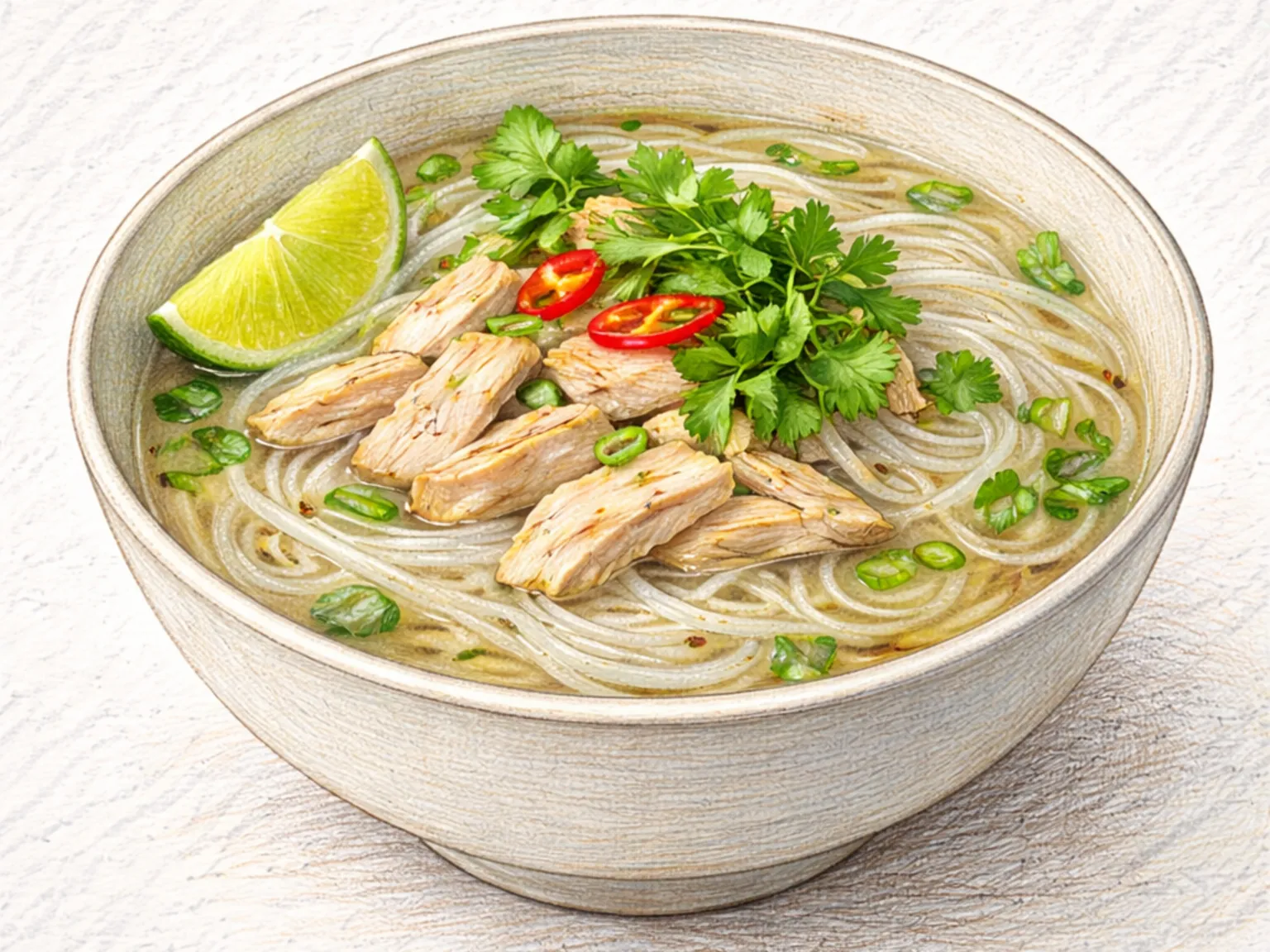
Hanoi-style pho ga is a chicken noodle soup that trades the beefy richness of pho bo for a lighter, cleaner bowl. Chicken bones and thighs simmer together until the broth turns golden and fragrant, then the meat is pulled into long shreds and piled over flat rice noodles. The spice profile is gentle - a knob of charred ginger and a single star anise - keeping the chicken flavor at the forefront. The broth has a silky quality from the natural gelatin in the bones, giving each spoonful a body that belies its clarity. Scallion, cilantro, and a squeeze of lime are the standard accompaniments. Some vendors add a torn fried dough stick for crunch. Pho ga is widely considered the everyday breakfast pho in Hanoi, less ceremonial than its beef counterpart but no less satisfying.
Shan Noodles (Burmese Flat Rice Noodles with Turmeric Meat Sauce)
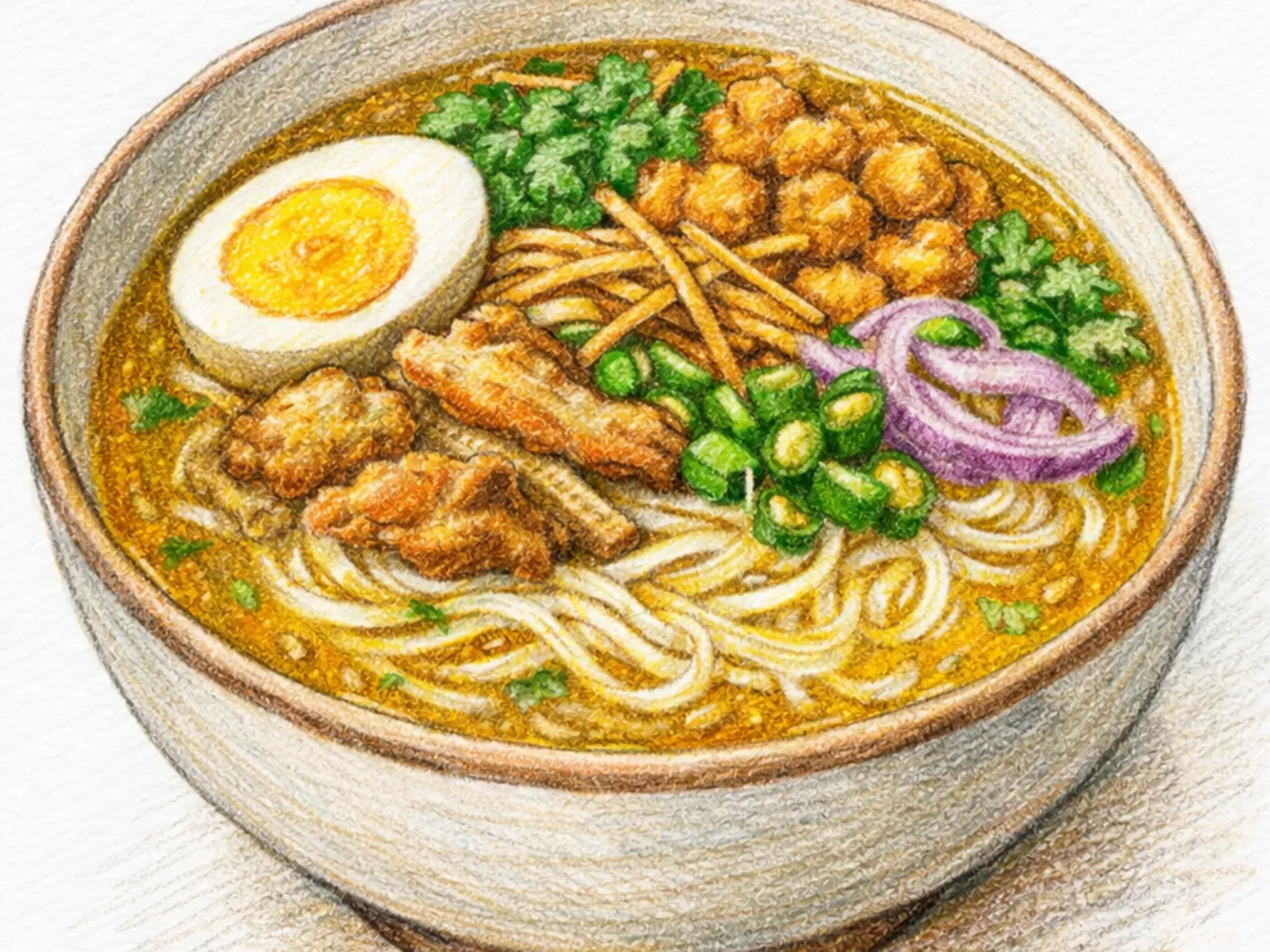
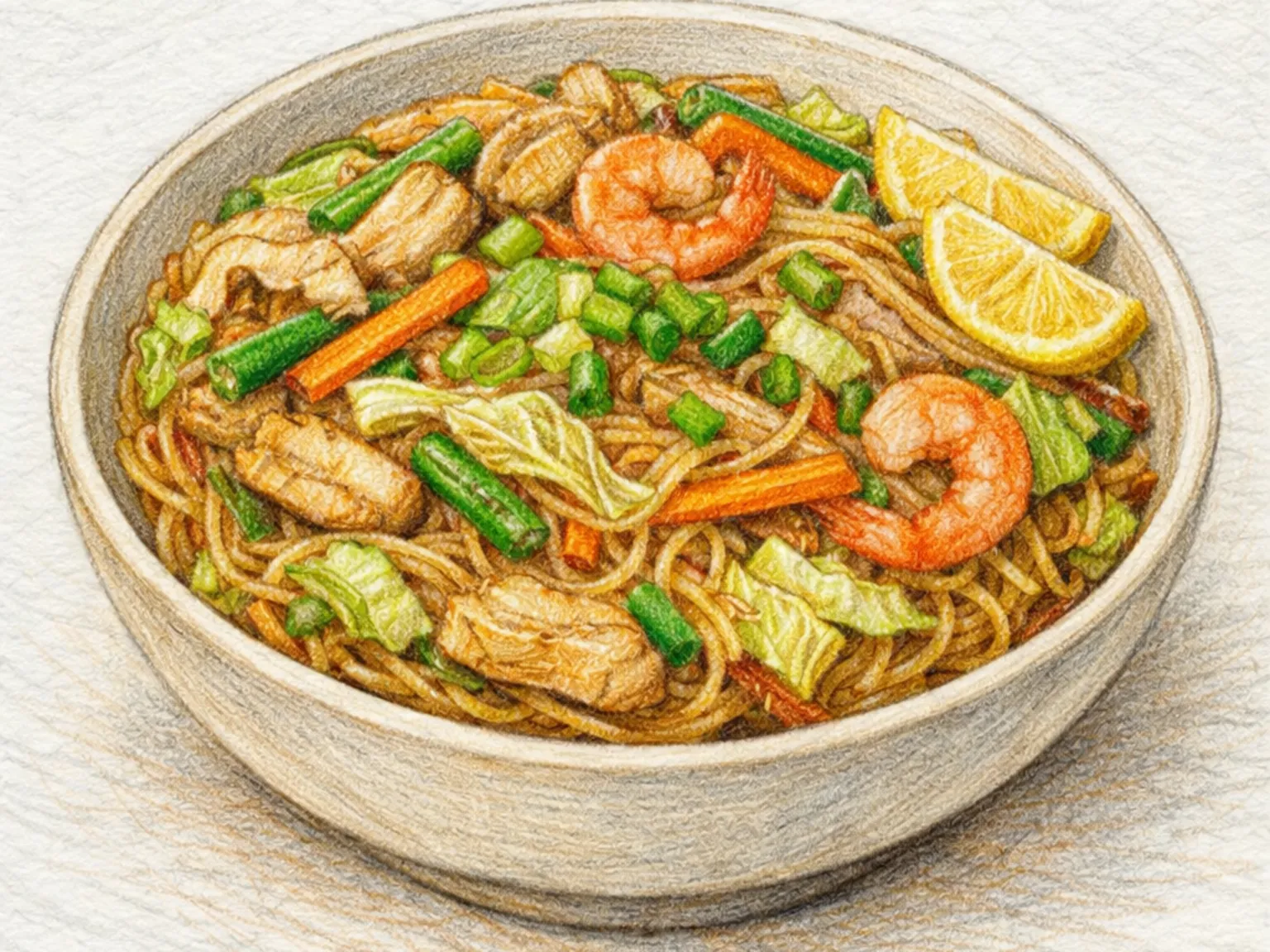
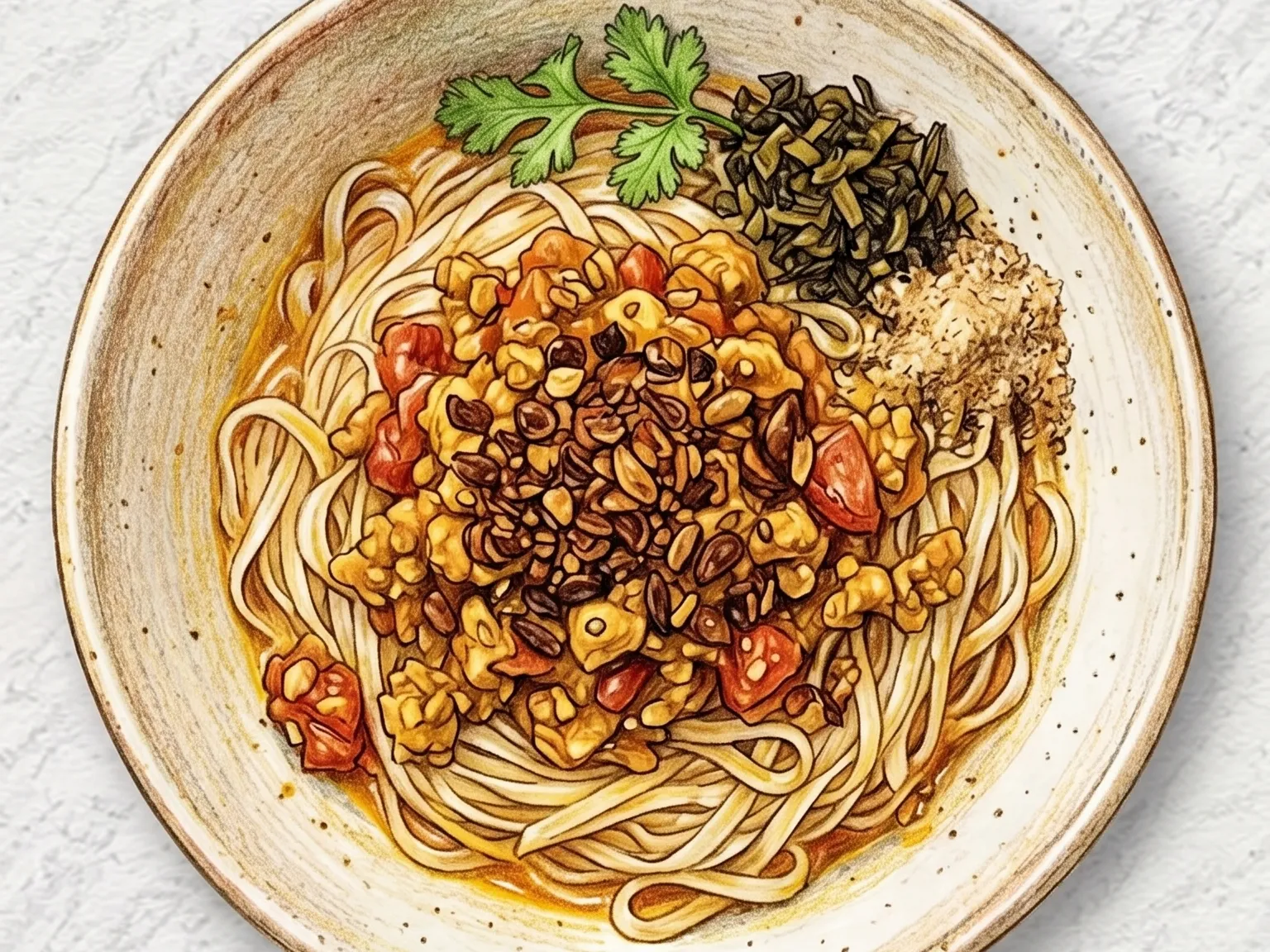
Shan noodles are the everyday noodle of Myanmar's Shan State, found at nearly every market stall and tea shop in the region. Thin, flat rice noodles are topped with a sauce of minced chicken or pork cooked with turmeric, tomato, and a touch of chili. The dish is finished with a generous pour of fried garlic oil - golden-brown garlic chips sizzling in their own rendered fat - which gives the bowl its signature aroma. Pickled mustard greens add a sour crunch on the side, and toasted chickpea flour is sprinkled over for a nutty, grainy texture. The noodles come in two styles: a dry version tossed with the sauce, and a soup version swimming in a light broth. Both are eaten with a spoon and fork rather than chopsticks, in keeping with Burmese custom.
Sinigang na Baboy (Filipino Tamarind Sour Pork Rib Soup)
Sinigang na baboy is a Filipino sour soup that appears on family tables across the Philippines with the comforting regularity of a weekly ritual. Pork ribs are simmered until the meat loosens from the bone, then the broth is sharpened with tamarind - either fresh pods pounded and strained, or a spoonful of tamarind paste for convenience. Tomatoes, onions, and daikon radish go in early and soften into the broth, while eggplant, long green beans, finger chilies, and leafy greens like water spinach are added toward the end so they keep their color and bite. The resulting broth is clear, tart, and savory all at once, with the pork fat adding a subtle richness beneath the acidity. Filipinos ladle the soup generously over steamed rice, and the sourness is said to sharpen the appetite rather than satisfy it, which explains why second helpings are almost mandatory.
Som Tam (Thai Green Papaya Salad with Lime Fish Sauce Dressing)
Som tam is a Thai salad made by pounding shredded green papaya with a handful of bold seasonings in a clay mortar. The dressing comes together right in the mortar: bird's eye chilies and palm sugar are crushed first, then lime juice and fish sauce are added to create a sauce that is simultaneously sour, salty, sweet, and spicy. Cherry tomatoes are bruised just enough to release their juices into the mix, and roasted peanuts contribute a nutty crunch that contrasts with the crisp, watery strands of papaya. The pounding is deliberately gentle-too much force turns the papaya limp and loses the texture that defines the dish. Som tam is Thailand's most widely eaten salad, appearing everywhere from pushcart vendors to upscale restaurants, and it is often served alongside sticky rice and grilled chicken as a complete meal.
Soto Betawi (Jakarta Creamy Coconut Milk Beef Soup)
Soto Betawi is a Jakarta-born beef soup distinguished by its creamy, coconut-enriched broth and a layered spice profile. The aromatics begin with a paste of onion, garlic, and ginger, bloomed in oil alongside ground coriander and a cinnamon stick to build a warm, complex base. Beef brisket simmers in this fragrant liquid for forty minutes or more until it yields to the touch, its collagen enriching the stock. Coconut milk and fish sauce are stirred in toward the end, transforming the broth into something rich and velvety while rounding off the sharper spice edges. The finished soup is neither thin nor heavy-it sits in a satisfying middle ground, substantial enough to serve as a main course with steamed rice or crusty bread on the side. Soto Betawi is a point of pride for Jakarta's Betawi community and a fixture of the city's street-food landscape.
Thai Boat Noodles (Intense Thai Canal Beef Noodle Soup)
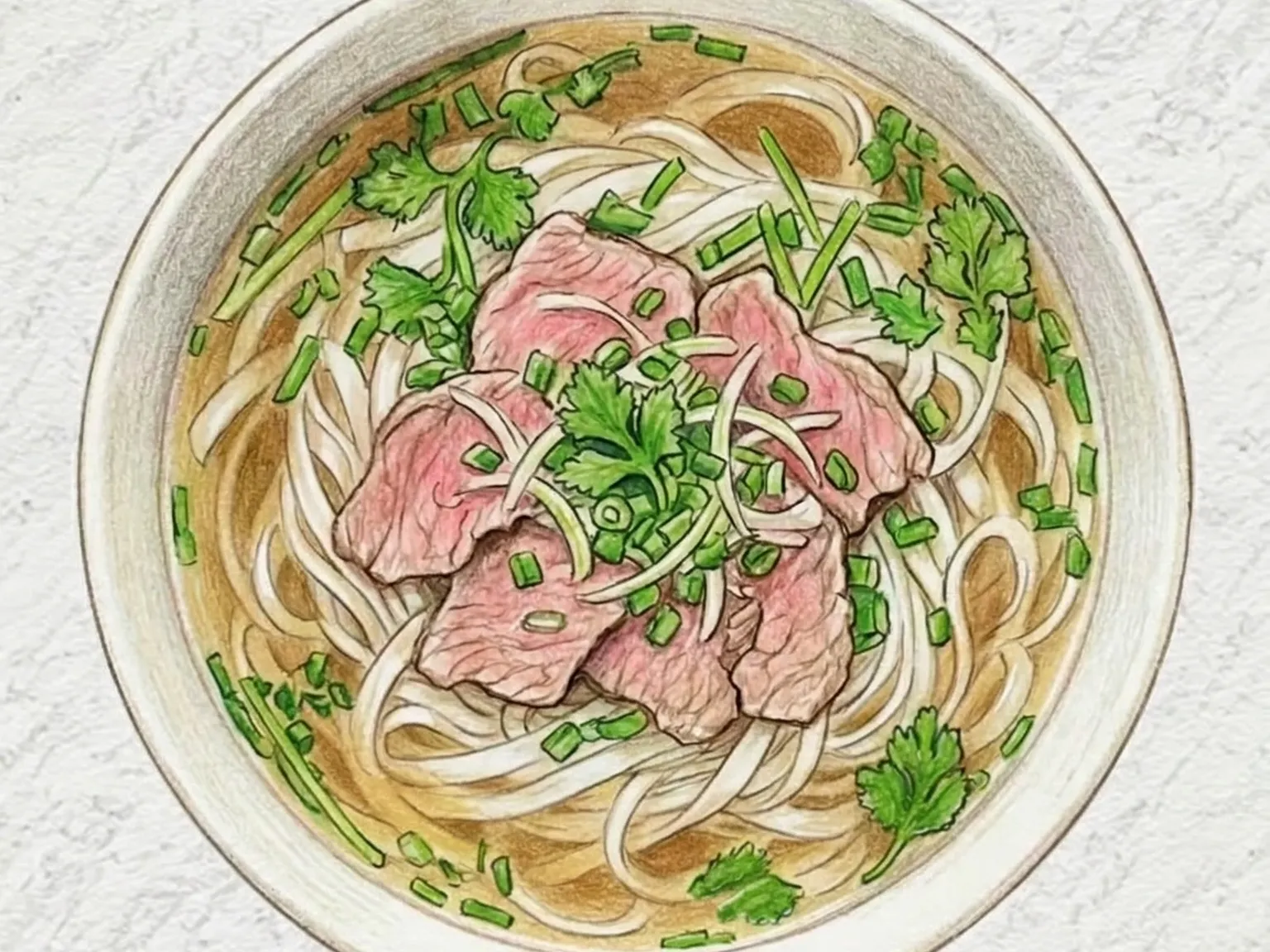
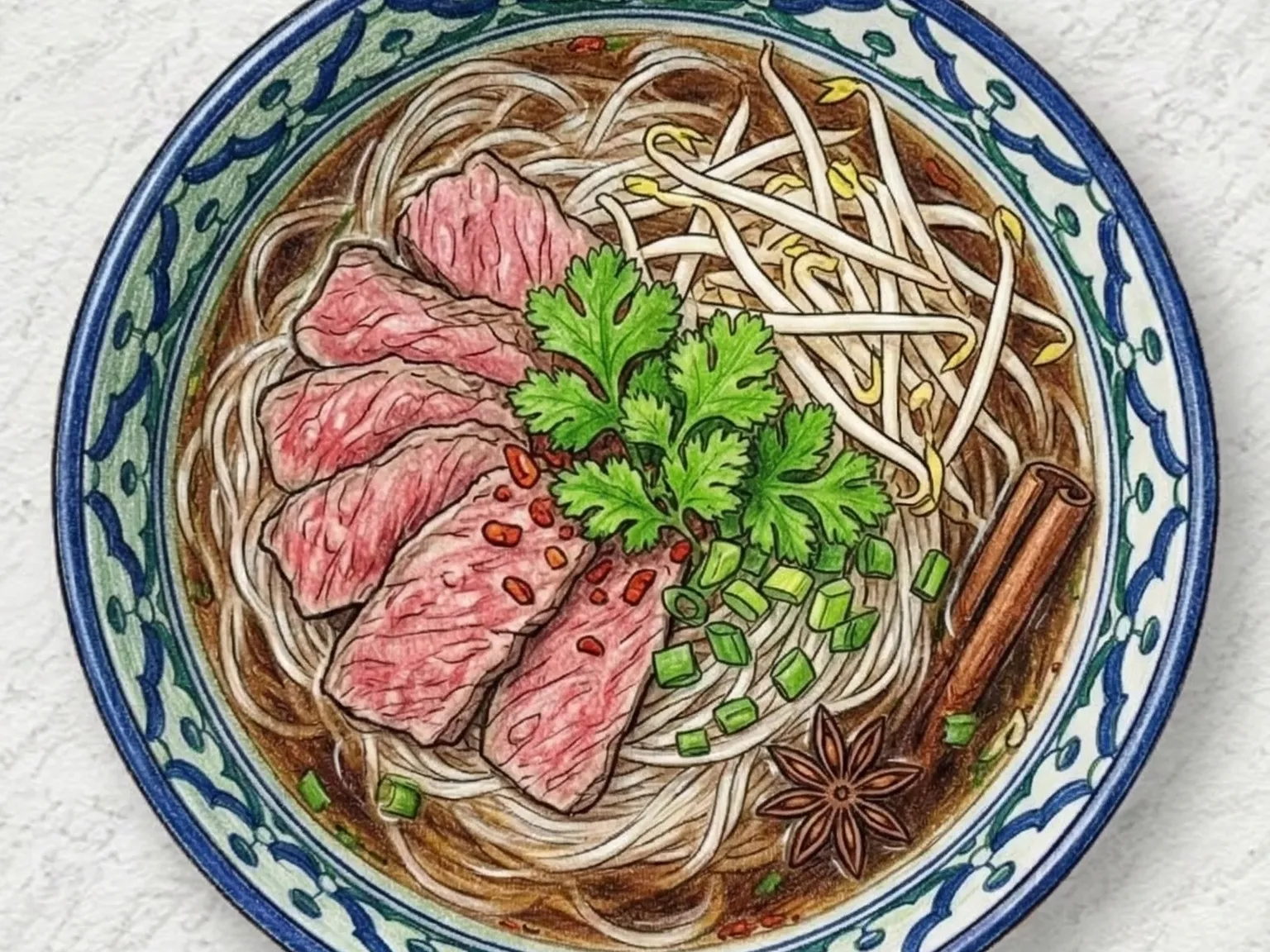
Thai boat noodles are an intensely flavored street noodle soup that originated on the small boats plying Bangkok's canals, where vendors would hand bowls across the water to customers on the banks. The broth is built by simmering beef stock with star anise and a cinnamon stick for fifteen minutes or more, extracting warm, aromatic notes that form the backbone of the dish. Fish sauce, dark soy sauce, and palm sugar are added to season the liquid into a deeply savory, slightly sweet, and mahogany-dark broth. Thinly sliced beef is poached in the simmering liquid for just a minute or two so it stays supple, then ladled over cooked rice noodles in a bowl. Fresh bean sprouts provide crunch and cilantro adds a bright herbaceous lift that counterbalances the concentrated broth. Boat noodle portions are traditionally small-designed to be eaten quickly and in multiples-so every spoonful delivers maximum impact.
Thai Green Curry with Shrimp
Thai green curry with shrimp is a dish built on a coconut milk base that combines the spicy and aromatic characteristics of green curry paste with the natural sweetness of fresh shrimp. The cooking process begins by splitting the coconut milk, which involves heating the thicker coconut cream in a pan until the oil begins to separate from the solids. The green curry paste is then fried directly in this extracted fat to allow the flavors of lemongrass, galangal, green chili, and kaffir lime to bloom and release their essential oils into the mixture. Once the aromatics are developed, the remaining coconut milk is poured into the pan along with pieces of eggplant. The eggplant is simmered in the liquid until it reaches a soft consistency. After the eggplant is cooked, bell peppers and shrimp are added to the curry for a brief period of approximately three to four minutes. This short cooking window ensures that the shrimp stay plump and maintain a curled shape without becoming tough. The seasoning is adjusted using fish sauce to provide salinity and palm sugar to round out the sharp edges of the spices. After removing the pan from the heat, a handful of fresh Thai basil is stirred into the curry, which introduces a scent reminiscent of anise. A squeeze of fresh lime juice is added just before the dish is served to provide a bright acidity that balances the richness of the coconut milk. The finished curry is traditionally served by spooning it over jasmine rice.
Thai Red Duck Curry (Thai Coconut Milk Red Curry with Crispy Duck)
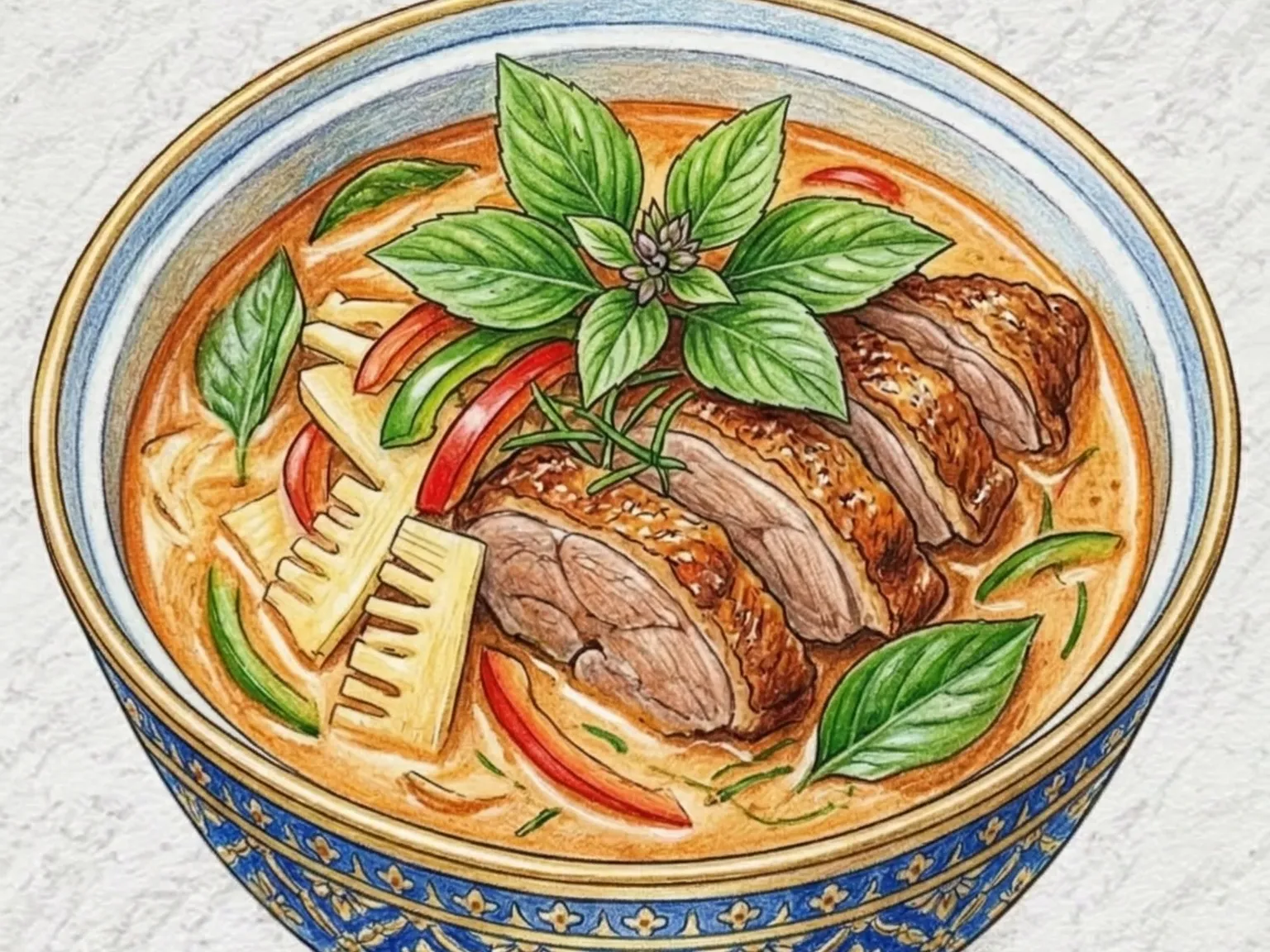
Thai red duck curry marries the deep, fatty richness of duck breast with the pungent heat of red curry paste, all smoothed by coconut milk into a velvety, rust-colored sauce. The duck is cooked skin-side down first without any added oil, rendering its fat and crisping the skin before being sliced into bite-sized pieces. The curry paste is fried in a separate pot until fragrant, then coconut milk is added gradually and seasoned with fish sauce and palm sugar to achieve a balance of salty, sweet, and spicy. Bamboo shoots and red bell pepper are simmered in the sauce, the shoots providing a snappy crunch and the pepper a mild sweetness that complements the duck. Thai basil is stirred in at the very end, wilting just enough to release its distinctive aroma without losing its color. The finished curry is substantial and aromatic, with each serving delivering layers of flavor from the rendered duck fat, the fermented chili paste, and the coconut base.
Tinola (Filipino Ginger Chicken Soup with Green Papaya)
Tinola is a Filipino home-style chicken soup defined by its prominent ginger character and its clear, light broth. The aromatic base is built by sauteing julienned ginger, sliced garlic, and onion in a little oil until fragrant, then adding chicken pieces and cooking them until the surfaces turn opaque. Fish sauce goes in next, providing a salty depth that anchors the broth, followed by a generous pour of water. The chicken simmers until fully tender, at which point wedges of green papaya are added-their mild sweetness and yielding texture complementing the peppery warmth of the ginger. Spinach or other leafy greens are stirred in at the very end, wilting in the residual heat and adding a fresh, verdant note to the bowl. The finished soup is remarkably clean in flavor despite its depth, with the ginger threading through every spoonful as a persistent, warming presence. In Filipino households, tinola occupies the same comforting role that chicken noodle soup holds elsewhere-it is the first dish prepared when someone is unwell or in need of nourishment.
Thai Hot and Sour Shrimp Soup (Tom Yum Goong)
Tom Yum Goong is a classic Thai soup featuring shrimp and mushrooms in a hot and sour broth infused with aromatic herbs. The base is prepared by boiling chicken stock with lemongrass, galangal, and kaffir lime leaves to release their citrus and herbal notes into the liquid. Mushrooms are simmered in this broth followed by shrimp, which are cooked briefly to maintain their tender, springy texture. A spoonful of Thai chili paste is dissolved into the stock to impart a deep red color and a lingering spicy heat, while fish sauce provides a savory base of umami. The cooking process finishes by turning off the heat before adding fresh lime juice. Adding the lime juice at the end ensures its bright, sour aroma does not dissipate, combining all the flavors into a balanced, clear soup.