Charim

2686 Korean & World Recipes

2686+ Korean recipes, clean and organized. Ingredients to instructions, all at a glance.

Recipes with fish sauce

24 recipes

Buy fish sauce
Hokkien Prawn Mee (Spicy Prawn Noodle Soup)
AsianMedium

Hokkien Prawn Mee (Spicy Prawn Noodle Soup)

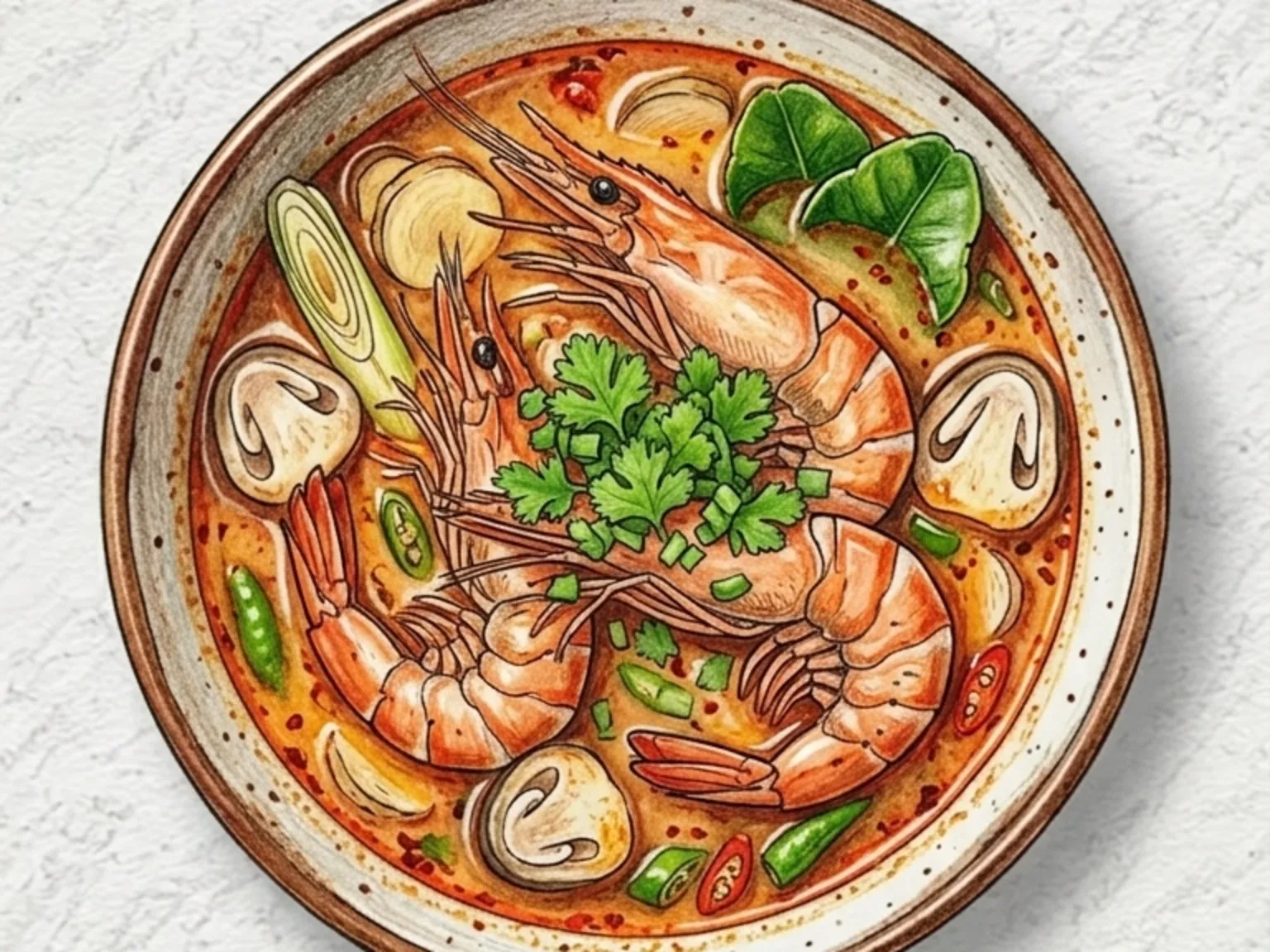
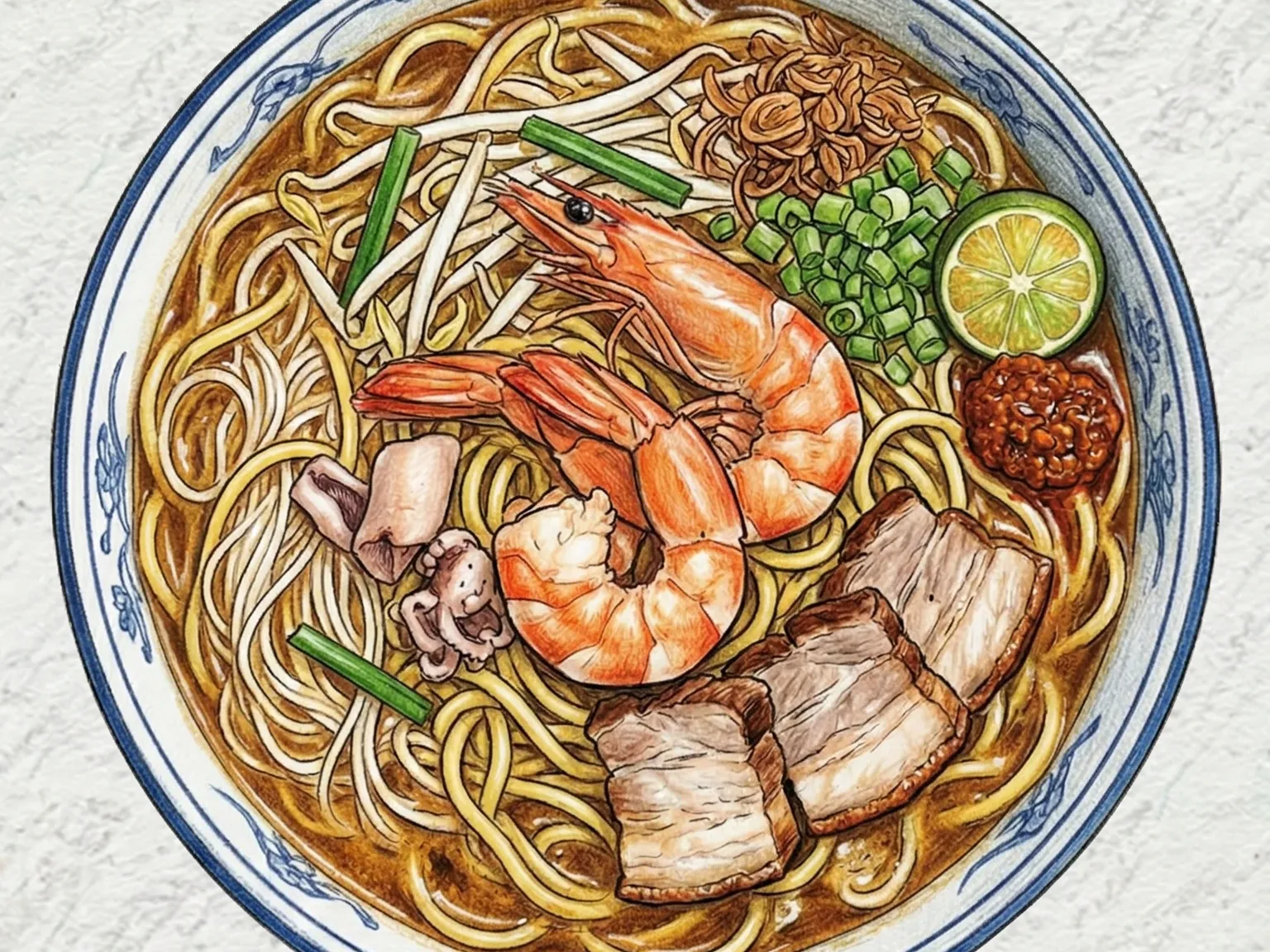
Hokkien prawn mee is one of the defining noodle dishes of Singapore's hawker culture, built on a dual stock of roasted shrimp shells and slow-simmered pork bones. The shrimp are broken down into shells and meat before cooking begins - the shells are fried in oil with garlic until deeply browned and fragrant, and this step alone sets the ceiling of flavor the final broth can reach. Pork stock is added to the pan and the combined liquid simmers for twenty minutes before being strained, producing a broth that appears almost clear but carries a concentrated marine and pork depth. Egg noodles and the reserved shrimp meat are cooked directly in this strained liquid, and fish sauce is stirred in to reinforce the ocean character. A spoonful of sambal chili paste rests on the surface and gradually dissolves into the soup as the bowl is eaten, intensifying with each sip. Chopped scallion adds a fresh green note against the rich, amber broth.

🎉 Special Occasion
Prep 25minCook 35min2 servings
Hu Tieu Nam Vang (Vietnamese Pork & Shrimp Noodle Soup)
AsianMedium

Hu Tieu Nam Vang (Vietnamese Pork & Shrimp Noodle Soup)

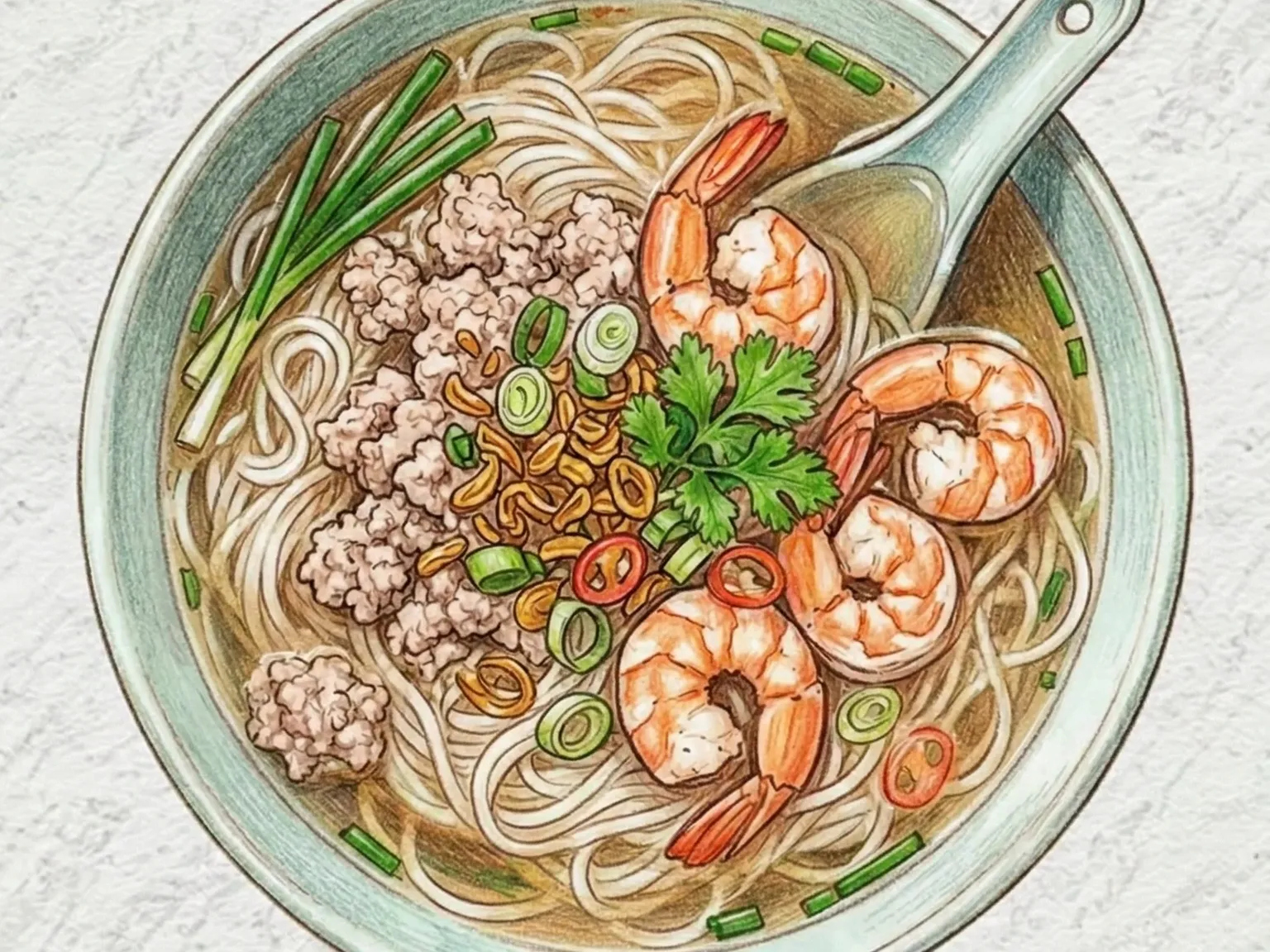
Hu tieu nam vang is a clear-broth rice noodle soup from southern Vietnam, originating in the Cambodian immigrant communities of Phnom Penh and now thoroughly embedded in Saigon street food culture. Pork bones are simmered at low heat for an extended time while the surface is skimmed repeatedly to keep the broth transparent and clean-tasting. Fish sauce and a measured amount of sugar season the broth with a savory-sweet balance that is distinctively southern Vietnamese. Ground pork is pan-fried with garlic until the moisture cooks off and the meat turns crumbly and lightly browned, creating a textured topping that contrasts with the silky broth. Whole shrimp are blanched for one minute only, enough to set the flesh without turning them rubbery. Rice noodles go into the bowl first, raw bean sprouts are piled on top, and boiling broth is ladled over, wilting the outer layers of the sprouts while leaving their cores crisp. A spoonful of garlic-infused oil floated on the surface releases fragrance with each sip and deepens the overall aroma. Green onion and black pepper finish the bowl simply, and the long-cooked broth does the work of pulling every element together. Lime wedges and fresh chilies on the side let each diner adjust acidity and heat to their own preference.

🎉 Special Occasion
Prep 25minCook 40min2 servings
Kai Jeow (Crispy Thai Omelette)
AsianEasy

Kai Jeow (Crispy Thai Omelette)

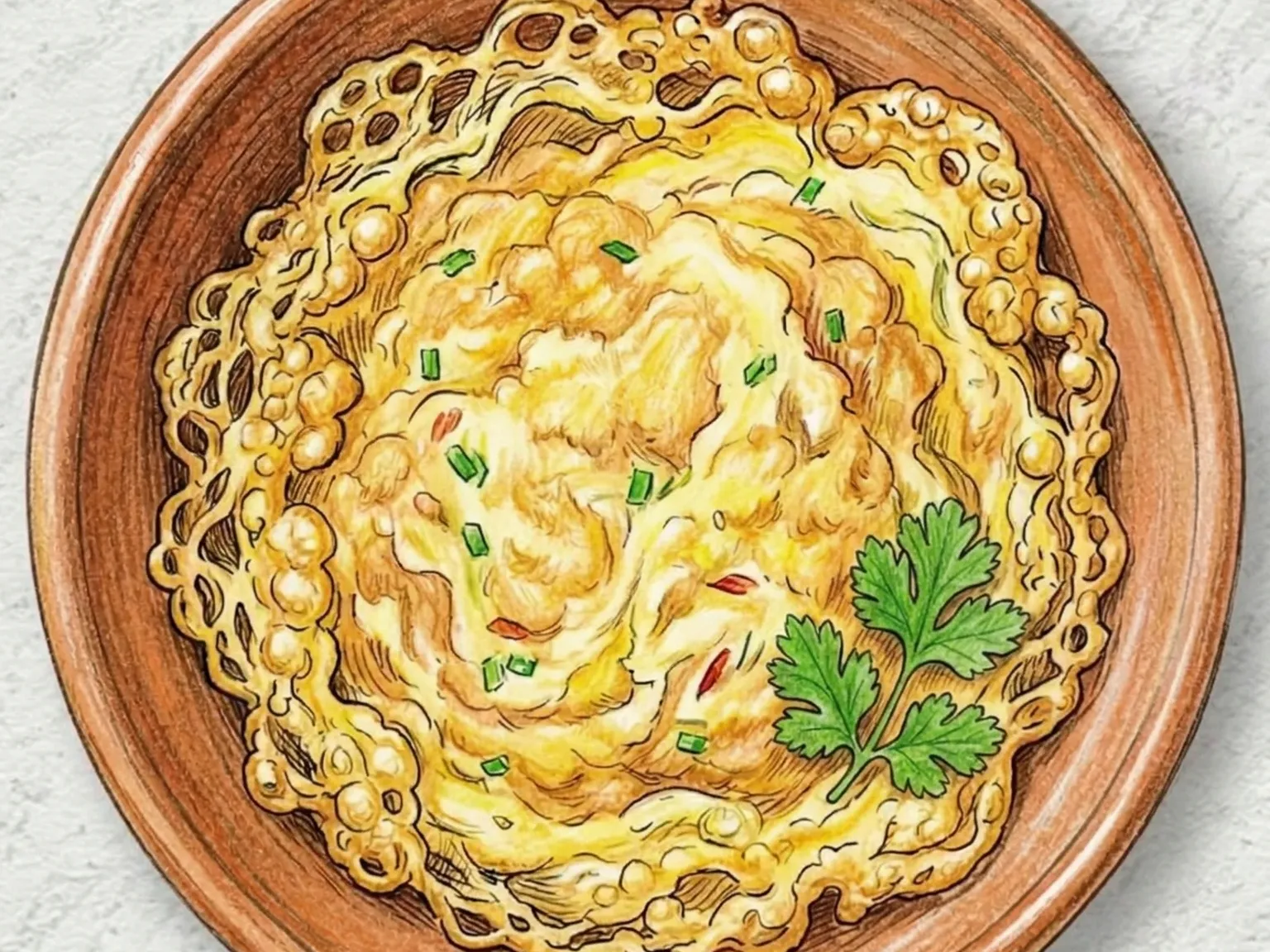
Kai jeow is a Thai home-style omelet that differs fundamentally from Western versions in its cooking method. Eggs seasoned with fish sauce and sugar are whisked until genuinely foamy, then poured into oil hot enough to be smoking. That contact heat makes the egg batter puff and blister on impact, creating lacy, deeply crisped edges while the center stays thick and pillowy. The amount of oil matters as much as the temperature -- use enough for shallow frying rather than a thin film, otherwise the egg sits flat and turns greasy instead of lifting. Ground pork or chopped shrimp can be mixed directly into the batter for a more filling meal, though a plain version with nothing added is just as common in everyday Thai cooking. After the omelet is done, it goes briefly on paper towels to drain, then lands on a mound of jasmine rice. The fish sauce does double duty as the sole seasoning, supplying salt along with a rounded, fermented depth that plain salt cannot replicate. The defining pleasure of kai jeow is the contrast -- a crackly perimeter giving way to a soft, almost custardy interior -- and that texture only happens when the oil temperature is exactly right.

🍱 Lunchbox Quick
Prep 10minCook 10min2 servings
Khanom Jeen Nam Ya (Thai Fermented Rice Noodles in Fish Curry)
AsianHard

Khanom Jeen Nam Ya (Thai Fermented Rice Noodles in Fish Curry)

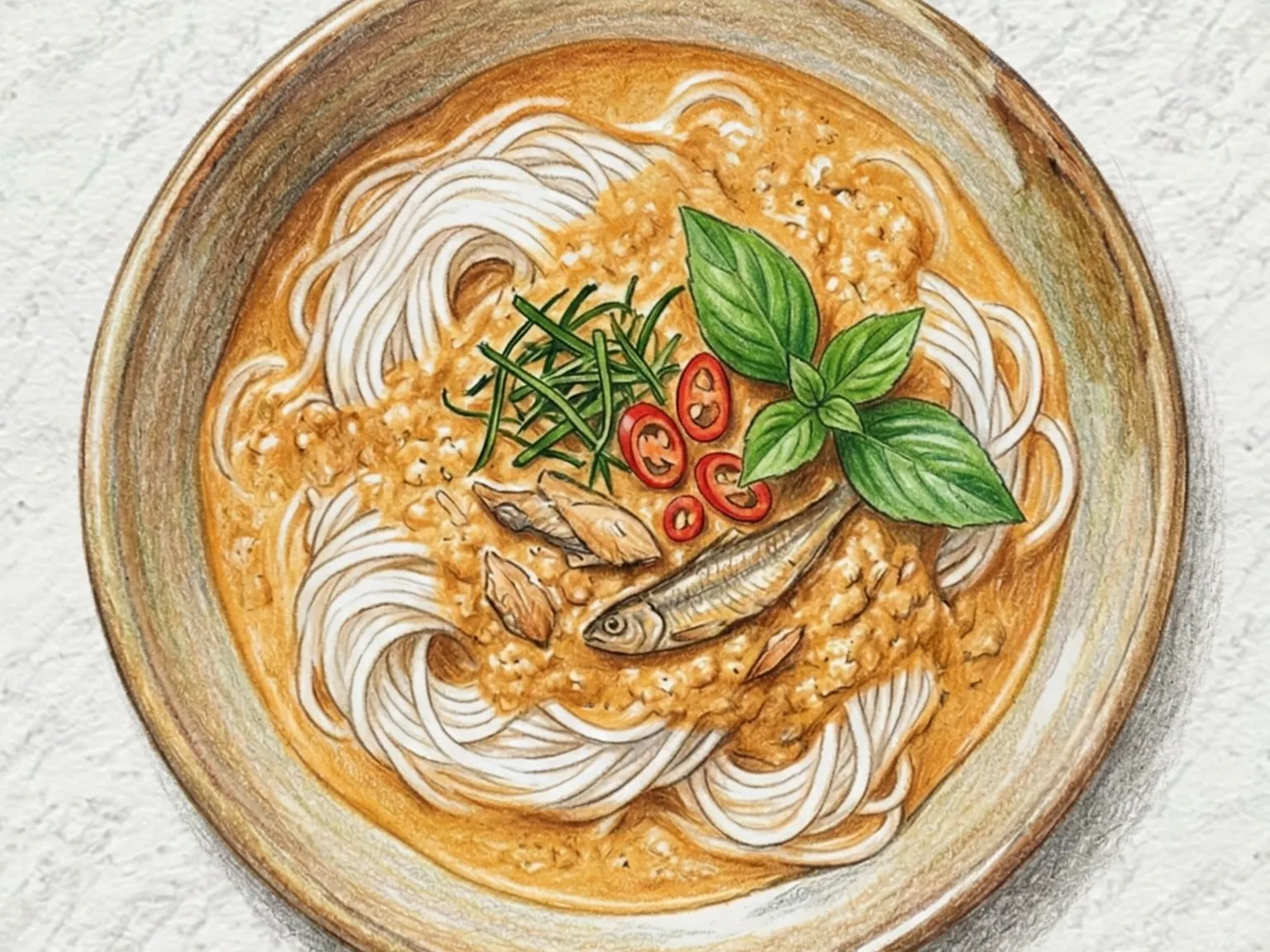
Khanom jeen nam ya is a traditional Thai dish of fermented rice noodles bathed in a thick, fragrant curry sauce built from fish and coconut milk. White fish fillets are poached with lemongrass and kaffir lime leaves, then flaked and folded into a simmering pot of red curry paste and coconut milk. The fish dissolves into the sauce, lending body and a subtle marine sweetness that balances the heat of the curry. Fish sauce sharpens the salt, and palm sugar rounds off the edges. The finished sauce is ladled generously over coiled bundles of the thin, slightly sour fermented noodles. A spread of raw garnishes - bean sprouts, morning glory, green beans, shredded cabbage, and fresh chili - accompanies each serving, letting diners customize texture and freshness with every bite. The dish traces its origins to royal Thai cuisine but is now a common sight at market stalls across the country.

🎉 Special Occasion
Prep 25minCook 30min4 servings
Khao Man Gai Tod (Thai Fried Chicken Rice Bowl)
AsianMedium

Khao Man Gai Tod (Thai Fried Chicken Rice Bowl)

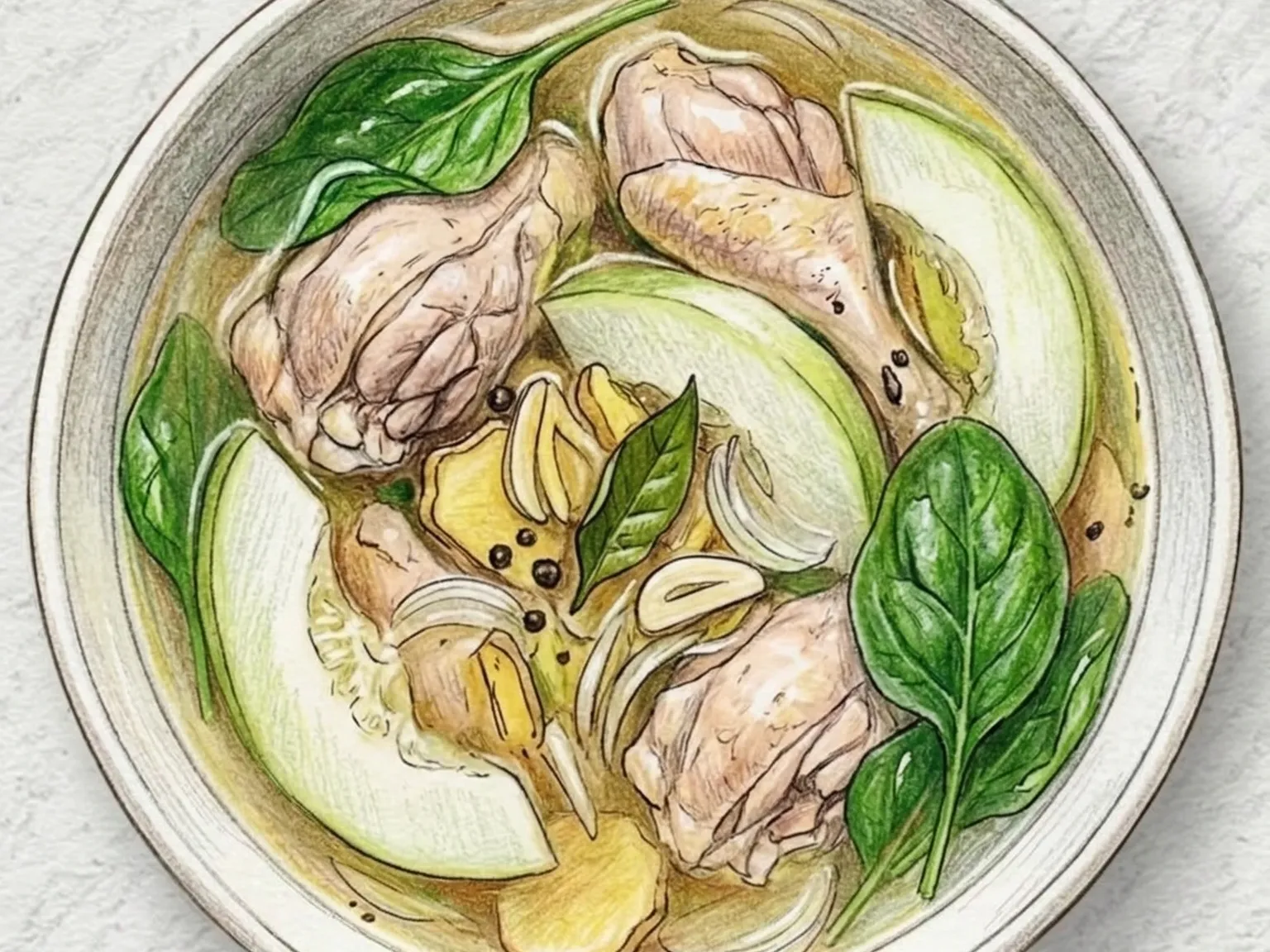
Khao man gai tod is the fried variation of Thailand's beloved chicken rice, replacing the poached bird with a crispy deep-fried version that adds texture and caramelized flavor to an already satisfying dish. Chicken pieces are marinated in garlic, white pepper, and fish sauce, then dusted in seasoned flour and fried until the crust turns deep golden and audibly crunchy. The rice is cooked in chicken broth with garlic and ginger, absorbing the fat and aroma of the stock into each grain so that it tastes rich on its own before any sauce is added. What ties the plate together is the sweet chili dipping sauce, a mix of fermented soybean, vinegar, chili, and sugar that delivers a sharp, funky counterpoint to the rich fried chicken and oily rice. Sliced cucumber and a small bowl of clear broth with winter melon round out the standard serving and provide relief between bites. Street vendors across Bangkok keep vats of oil at the ready for this dish throughout the day, and the crackling sound of chicken hitting hot oil is a reliable signal to stop and eat.

🎉 Special Occasion
Prep 20minCook 25min2 servings
Thai Fried Rice
AsianEasy

Thai Fried Rice

Khao pad is Thailand's definitive fried rice, and the entire dish depends on one preparatory decision made the day before: using cold, day-old rice rather than freshly cooked grains. Freshly steamed rice retains too much moisture and clumps together in the wok, steaming rather than frying and resulting in a heavy, gummy texture. Cold rice separates easily under the heat, allowing the individual grains to coat in oil and achieve the distinct, lightly chewy texture that defines good khao pad. The wok is heated until it smokes before garlic goes in, building a fragrant base in seconds. Eggs are scrambled into large, soft curds alongside the garlic before the rice is added and tossed vigorously with fish sauce, soy sauce, and a small pinch of sugar, which rounds the saltiness into something rounder and more complex. The most important quality that separates a superior khao pad from a mediocre version is wok hei: the faint, smoky breath that comes from sustained contact between the ingredients and a very hot wok surface. A plate of khao pad is always accompanied by a lime wedge, sliced cucumber, and chopped scallion. In its simplest form it needs no protein, but shrimp, chicken, or crab are common and equally traditional additions.

🏠 Everyday🌙 Late Night
Prep 12minCook 10min2 servings
Thai Chicken Fried Rice
AsianEasy

Thai Chicken Fried Rice

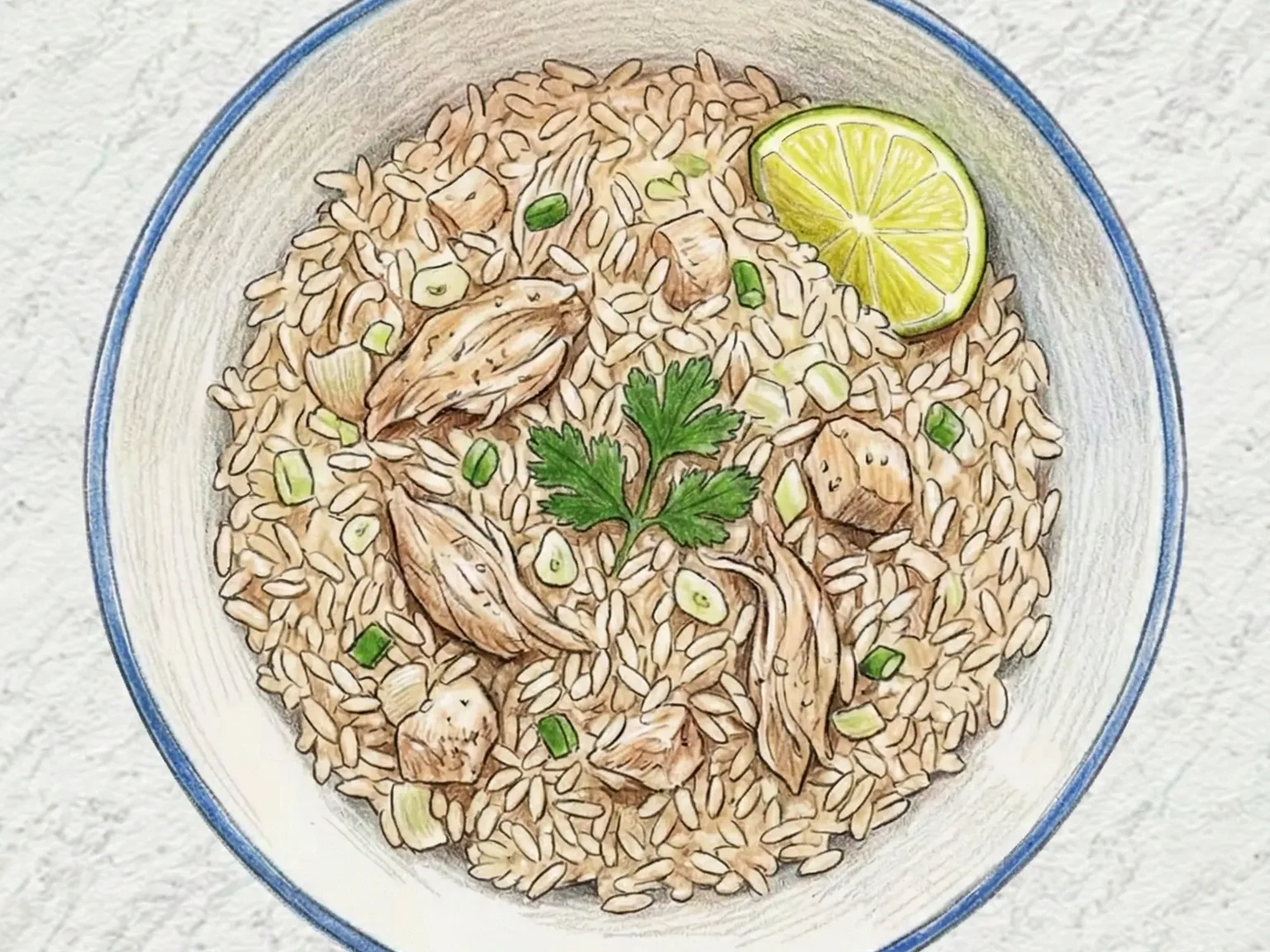
Khao pad gai is Thai chicken fried rice, one of the most consistently available single-plate meals sold at street stalls and sit-down restaurants across Thailand from morning until late at night. Bite-size pieces of chicken breast or thigh are seared first in a ripping-hot wok to develop color and a slight char, then minced garlic and a cracked egg follow in rapid succession. Day-old jasmine rice, cold from the refrigerator, is added next because its reduced moisture allows each grain to separate cleanly and pick up oil rather than clumping. Constant tossing over the highest possible heat is what produces the characteristic wok fragrance that sets Thai fried rice apart from versions cooked at lower temperatures. Fish sauce provides the primary saltiness, soy sauce adds a brown color and a layer of savory depth, and white pepper delivers a warm, earthy heat that lingers in the background. The mound of finished rice is tipped onto a plate and surrounded by a lime wedge, cucumber slices, and tomato to provide cool, acidic relief between bites. At the table, diners season their own portion from a small tray holding fish sauce, dried chili flakes, white sugar, and vinegar - the standard four-condiment set present at virtually every Thai table. The combination of all these adjustments makes a single dish capable of tasting quite different from person to person, which is part of its enduring appeal.

🏠 Everyday🌙 Late Night
Prep 12minCook 10min2 servings
Pineapple Shrimp Khao Pad
AsianEasy

Pineapple Shrimp Khao Pad

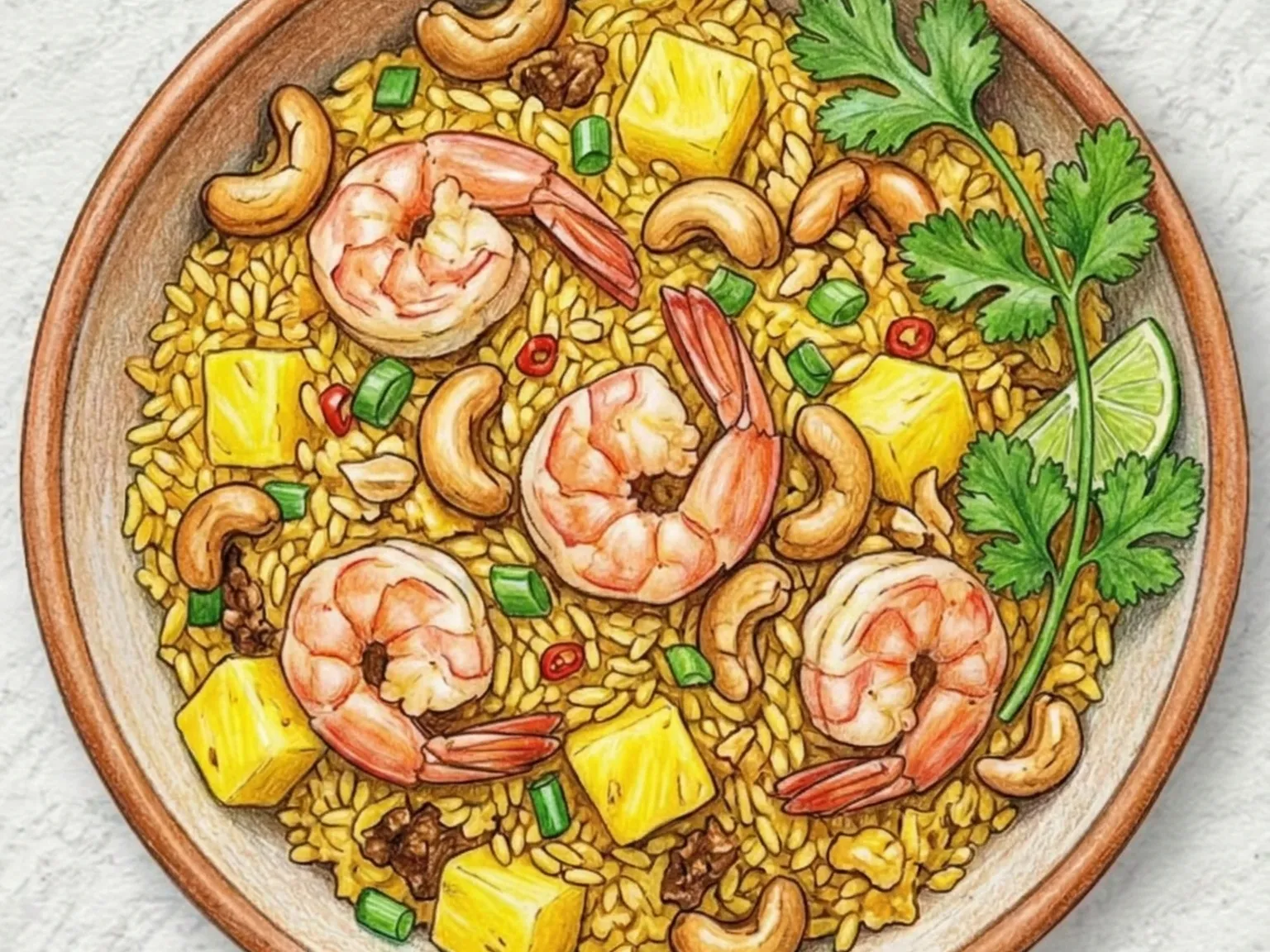
Pineapple shrimp khao pad is a Thai fried rice served inside a hollowed-out pineapple half, which functions both as a vessel and as a flavoring agent as residual juice from the fruit walls seeps gradually into the rice during service. Shrimp are cooked first in a very hot wok with minimal time, just long enough to firm up and curl before they are set aside, preventing the rubbery texture that results from overcooking in the subsequent stir-fry steps. Garlic goes into the oil next, quickly followed by day-old jasmine rice, which is broken up and tossed at high heat. Using rice that has dried out in the refrigerator overnight is important: fresh rice carries too much moisture and steams rather than fries, resulting in clumping. Egg is pushed through a cleared space in the center, scrambled lightly, then folded into the rice before it fully sets. Diced fresh pineapple is added at the very end and tossed only briefly so that it retains some structure while releasing enough juice to flavor the rice with its characteristic tart sweetness, which plays against the salty depth of fish sauce. Curry powder tints the grains a pale yellow and contributes a warm, earthy undertone that keeps the dish from reading as purely sweet. Roasted cashew nuts add crunch throughout, and scattered raisins provide small concentrated hits of sweetness. The assembled rice is mounded into the pineapple shell and brought to the table, often served with a wedge of lime on the side.

🎉 Special Occasion🧒 Kid-Friendly
Prep 15minCook 10min2 servings
Thai Crab Fried Rice (Khao Pad Pu)
AsianEasy

Thai Crab Fried Rice (Khao Pad Pu)

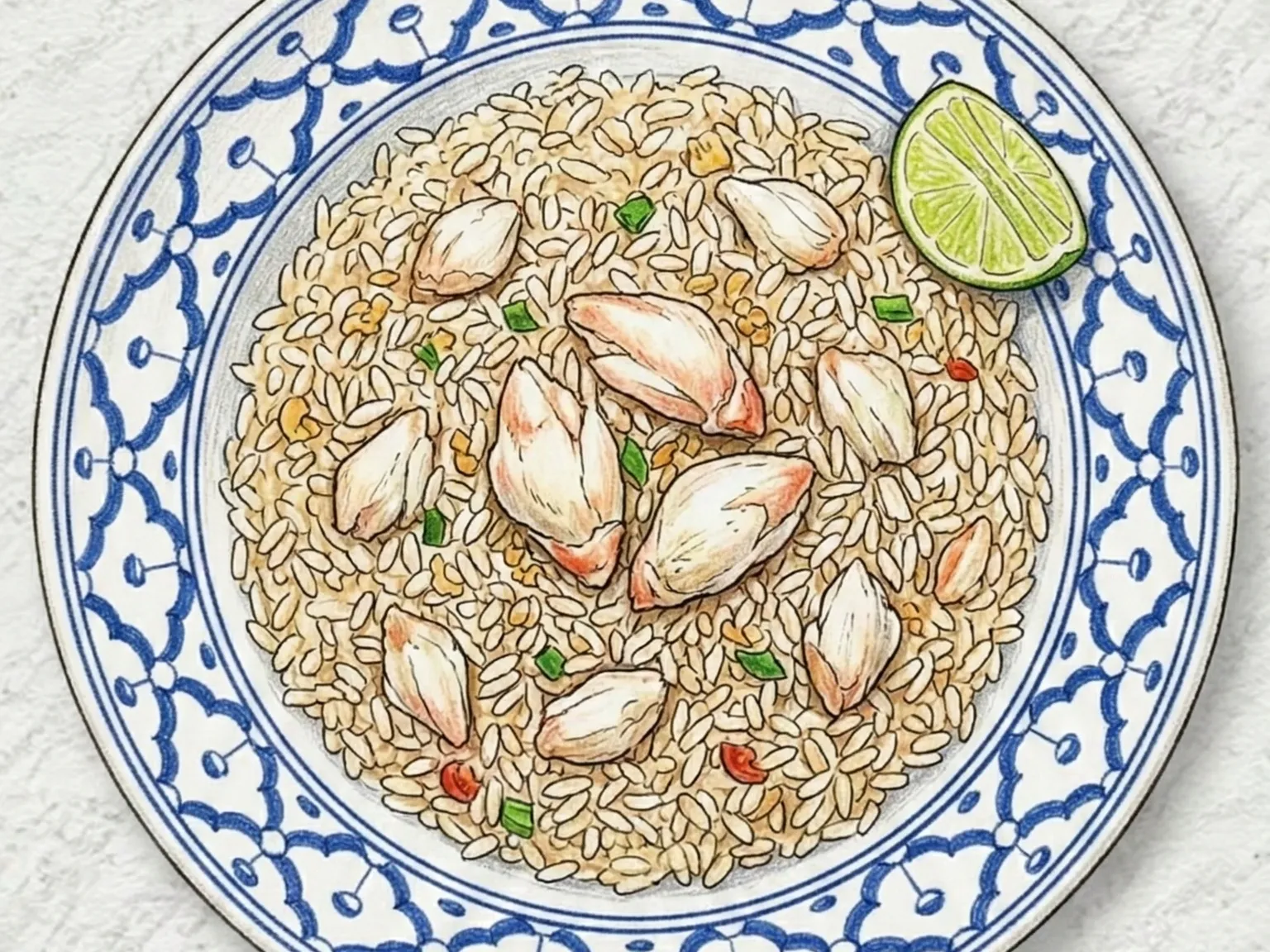
Khao pad pu is a Thai crab fried rice built on the premise that the sweetness of fresh crab meat carries the entire dish. The wok must reach smoking heat before minced garlic goes in and fries for ten seconds. Beaten egg follows and is scrambled into large, loose curds before cold jasmine rice is added and tossed rapidly to prevent sticking. Cold rice works here because its lower moisture content allows every grain to stay separate and pick up a direct scorch from the wok surface. Fish sauce and a small measure of soy sauce season the rice, and white pepper ground over the top adds a subtle, lingering heat. Lump crab meat goes in thirty seconds before the heat is cut and is stirred only gently, just enough to warm through without breaking the pieces down or toughening the texture. Prolonged heat would shrink the crab and strip out its sweetness entirely. The finished rice is plated and finished with a generous squeeze of lime, then garnished with spring onion, sliced cucumber, and fresh coriander. The salted umami of the fish sauce, the brightness of the lime, and the delicate sweetness of the crab come together cleanly on one plate.

🎉 Special Occasion
Prep 12minCook 10min2 servings
Khua Kling (Southern Thai Dry-Fried Spiced Minced Pork Curry)
AsianMedium

Khua Kling (Southern Thai Dry-Fried Spiced Minced Pork Curry)

Khua kling is the dry-fried curry that defines the cooking of southern Thailand, built around minced meat stir-fried with an intense red curry paste until every trace of liquid has been cooked away. The paste goes into a dry, preheated pan first, and it fries in its own aromatic oils until the raw edge is gone and the kitchen fills with its fragrance. Ground pork is then added and the cook stirs without pause, working the meat against the hot surface and driving off all moisture until each grain of meat is separate, dry, and coated in a concentrated layer of spice. Fish sauce brings salt, a small measure of sugar tempers the raw heat, and finely shredded kaffir lime leaves push a bright citrus fragrance through the heavy chili and shrimp paste base. Extra sliced red chilies are standard in the southern version, and the heat level here far exceeds what most central Thai dishes offer. There is no sauce at all in the finished dish: the texture is crumbly and almost granular, which is precisely the point. A single spoonful carries enough concentrated flavor to carry several bites of plain steamed rice. The dish is best served immediately off the heat, while the aromatics are still vivid and the meat still steaming.

🍺 Bar Snacks🎉 Special Occasion
Prep 15minCook 12min2 servings
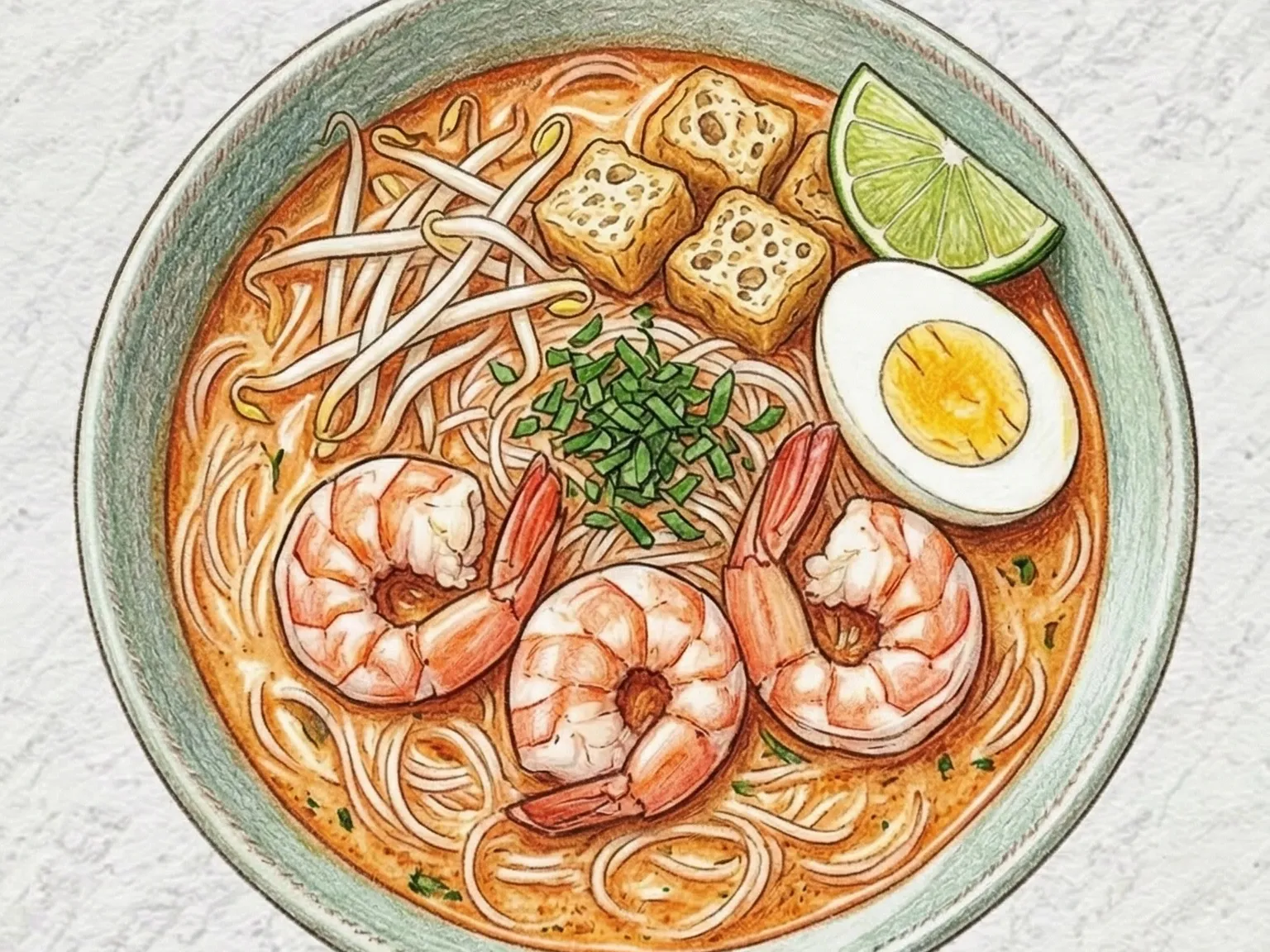
Coconut Shrimp Laksa (Spiced Coconut Broth Noodle Soup with Shrimp)
AsianMedium

Coconut Shrimp Laksa (Spiced Coconut Broth Noodle Soup with Shrimp)

Coconut shrimp laksa is a Southeast Asian noodle soup built on a broth of coconut milk, spice paste, and chicken stock that manages to be simultaneously rich, spicy, and aromatic. The laksa paste - a pounded blend of lemongrass, galangal, turmeric, dried shrimp, dried chilies, and shrimp paste - is fried in oil until deeply fragrant before coconut milk and stock are poured in. The resulting broth is thick and creamy with visible pools of chili oil floating on the surface. Shrimp are cooked shell-on in the broth to extract maximum flavor, then peeled and placed back on top. Rice noodles form the base of each bowl, topped with bean sprouts, halved hard-boiled egg, and cubes of fried tofu puff that soak up the broth like sponges. A squeeze of lime and a drizzle of fish sauce finish the bowl, adding acid and salt that sharpen the richness of the coconut. In Singapore and Malaysia, laksa is eaten from early morning through late night, served at hawker stalls that often specialize in this single dish.

🎉 Special Occasion
Prep 20minCook 18min2 servings
Larb Gai (Thai Isan Minced Chicken Herb Salad with Lime)
AsianEasy

Larb Gai (Thai Isan Minced Chicken Herb Salad with Lime)

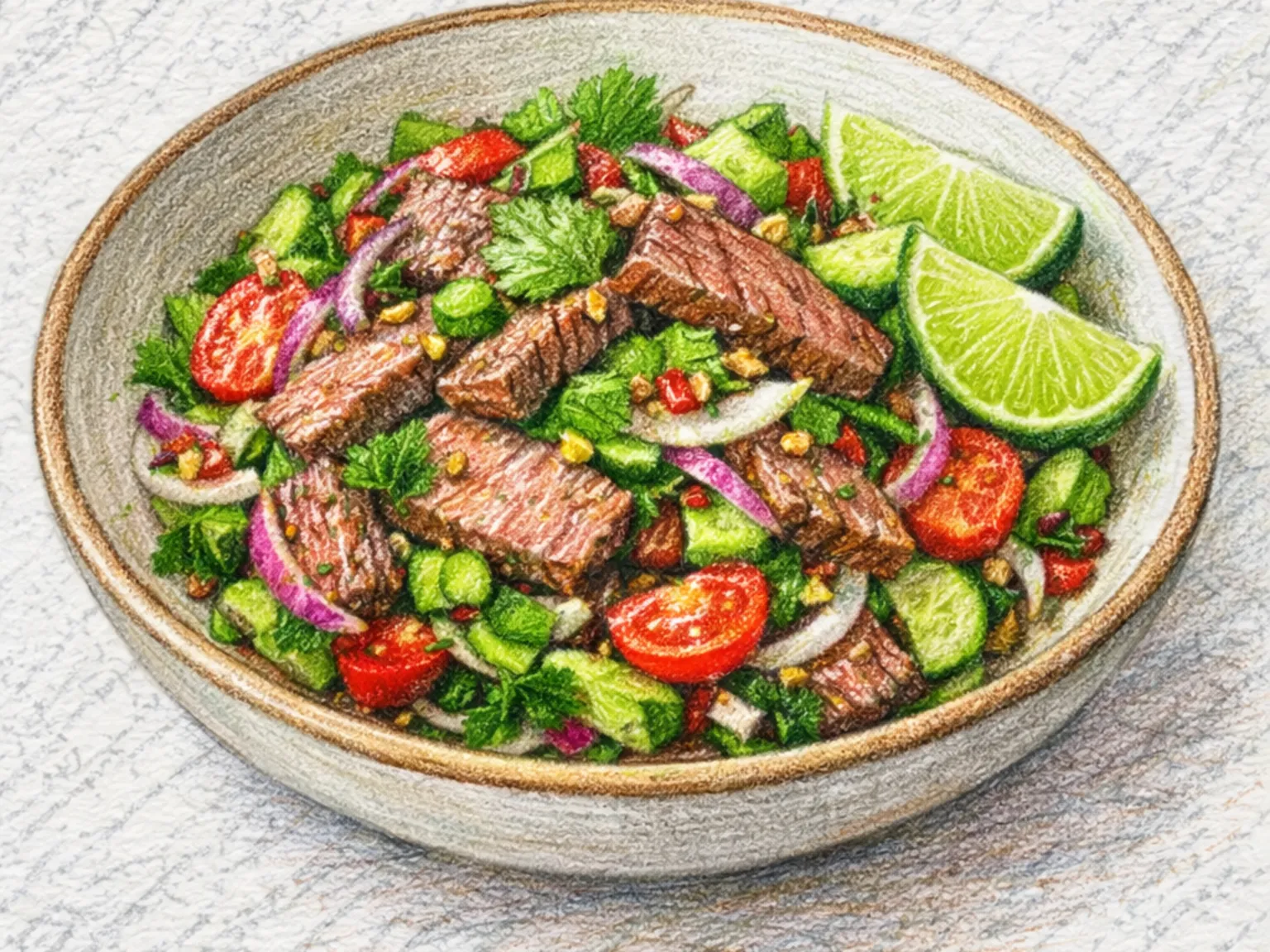
Larb gai is a minced chicken salad from the Isan region of northeastern Thailand. The chicken is cooked just until it loses its raw color, then dressed while still warm with lime juice, fish sauce, and a generous pinch of toasted rice powder that gives each bite a nutty, sandy crunch. Fresh mint, cilantro, and thinly sliced shallots add layers of brightness, while dried chili flakes bring a slow-building heat. Traditionally scooped up with balls of sticky rice, it works equally well wrapped in lettuce leaves or cabbage cups. The dish is light enough for hot weather yet full-flavored enough to anchor a meal.

🍺 Bar Snacks🥗 Light & Healthy
Prep 15minCook 10min2 servings
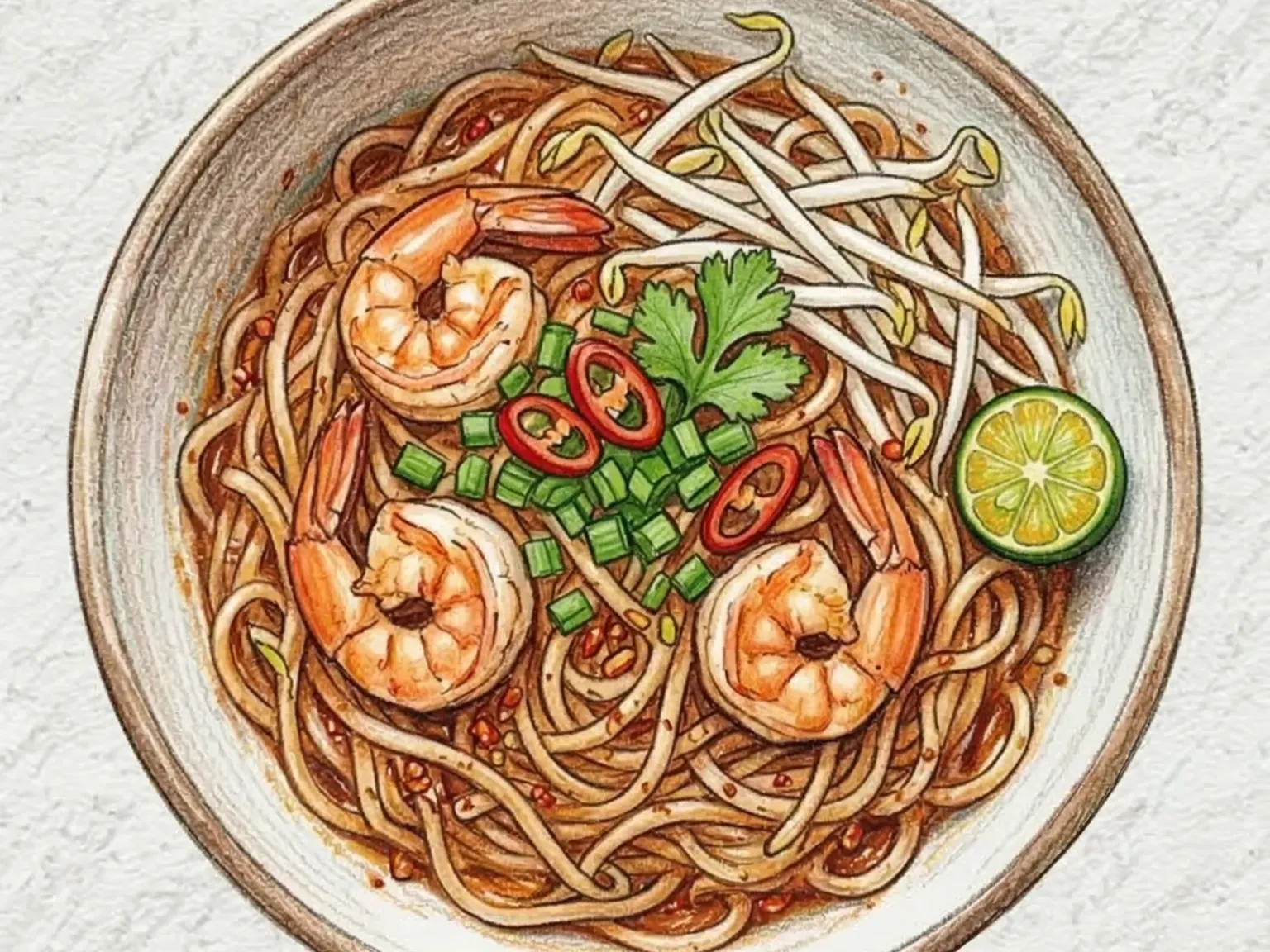
Mee Siam (Singaporean Tangy Tamarind Shrimp Rice Vermicelli)
AsianEasy

Mee Siam (Singaporean Tangy Tamarind Shrimp Rice Vermicelli)

Mee siam is a rice vermicelli dish from Singapore and Malaysia defined by a tamarind-based sauce that balances sour, sweet, and spicy in one bowl. Thin rice noodles are stir-fried with a rempah, a pounded paste of dried shrimp, shallots, and chili, then finished with tamarind water, fish sauce, and sugar, with bean sprouts and tofu added near the end. A squeeze of fresh lime over the top introduces a bright acidity that cuts through the richness of the stir-fry. Despite the name referencing Siam, the dish is a distinctly Malay-Singaporean creation rather than Thai, most commonly eaten at breakfast or as a light meal at hawker centers. Soft-boiled eggs and whole shrimp are the standard toppings when the dish is served, and the heat level can be adjusted by varying the amount of chili in the rempah. Soaking the dried shrimp and pounding them finely before cooking deepens the umami in the rempah and spreads a consistent seafood richness throughout the sauce that whole or coarsely ground shrimp cannot achieve.

🏠 Everyday🎉 Special Occasion
Prep 15minCook 15min2 servings
Mohinga (Burmese Fish Broth Rice Noodle Soup)
AsianMedium

Mohinga (Burmese Fish Broth Rice Noodle Soup)

Mohinga is widely regarded as Myanmar's national dish - a fish noodle soup eaten most often at breakfast but available throughout the day from street vendors and restaurants alike. The broth is built from freshwater fish, typically catfish, simmered until the flesh falls apart, then strained and enriched with turmeric, lemongrass, ginger, and a slurry of toasted rice flour that gives the soup its signature thick, almost porridge-like consistency. Thin rice noodles are ladled into the broth and topped with crispy chickpea fritters, a halved boiled egg, fresh cilantro, and sliced banana stem. Fish sauce and a squeeze of lime at the table pull everything into focus. The broth is deeply savory with a golden color from the turmeric, and the fritters add crunch against the soft noodles.

🎉 Special Occasion
Prep 25minCook 40min4 servings
Moo Ping (Thai Grilled Pork Skewers)
AsianEasy

Moo Ping (Thai Grilled Pork Skewers)

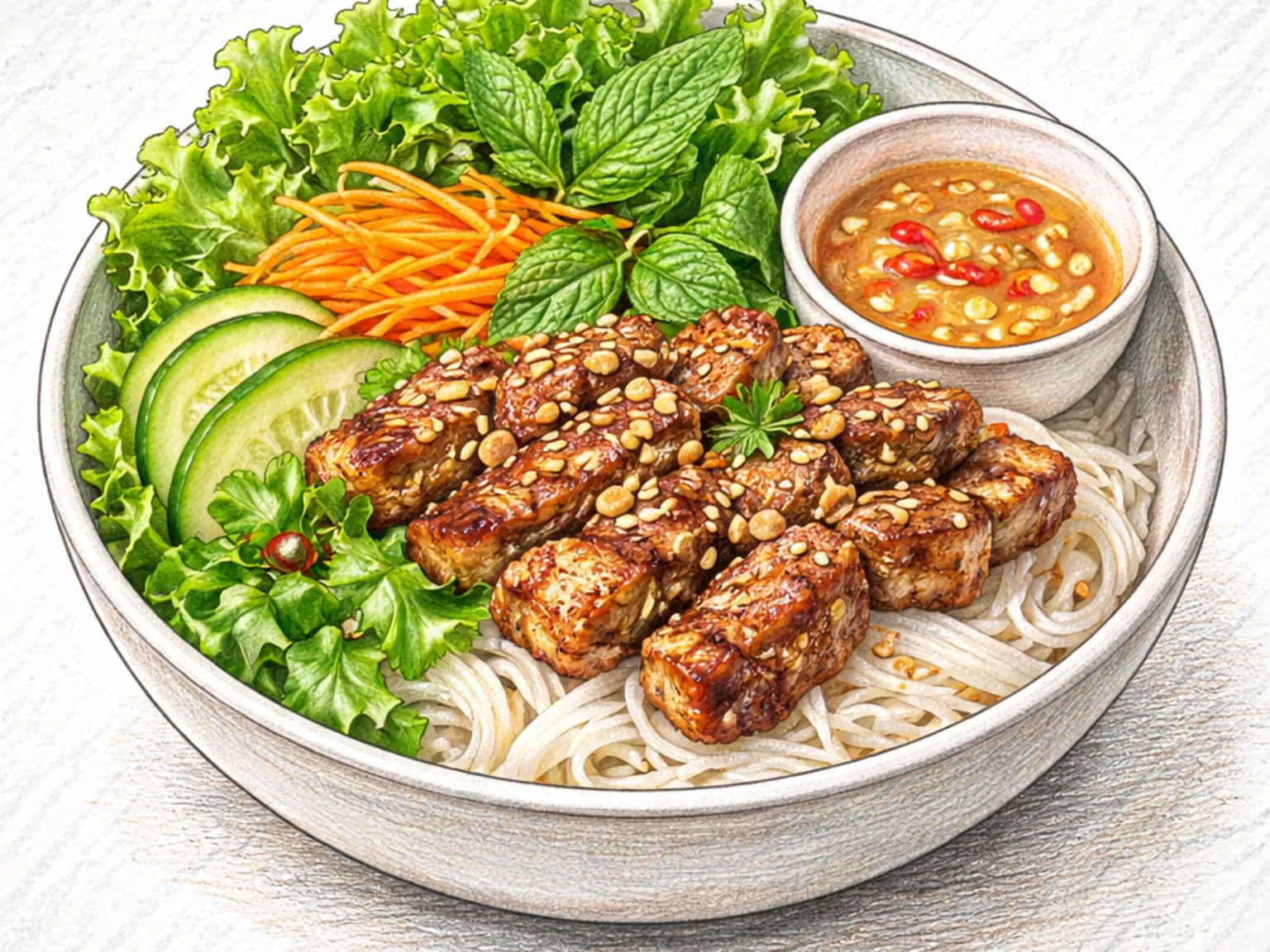
Moo ping are Thai grilled pork skewers marinated in a mixture of coconut milk, palm sugar, soy sauce, garlic, and white pepper, then charred over glowing coals until the marinade caramelizes into a sticky, darkened glaze. The pork neck meat - chosen for its marbling - stays moist inside while the surface picks up an unmistakable smoky sweetness. Coconut milk in the marinade adds a rounded richness, and the palm sugar provides a deeper, less sharp sweetness than white sugar would. They are sold from morning onward at street carts across Thailand, almost always alongside small bags of sticky rice and a plastic bag of jaew dipping sauce. Wrapping a piece of charred pork in a pinch of sticky rice is the standard way to eat them, and few street foods match the simplicity and satisfaction of that combination.

🍺 Bar Snacks🎉 Special Occasion
Prep 25minCook 12min2 servings
Nasi Kandar (Penang Indian-Muslim Rice with Mixed Curries)
AsianMedium

Nasi Kandar (Penang Indian-Muslim Rice with Mixed Curries)

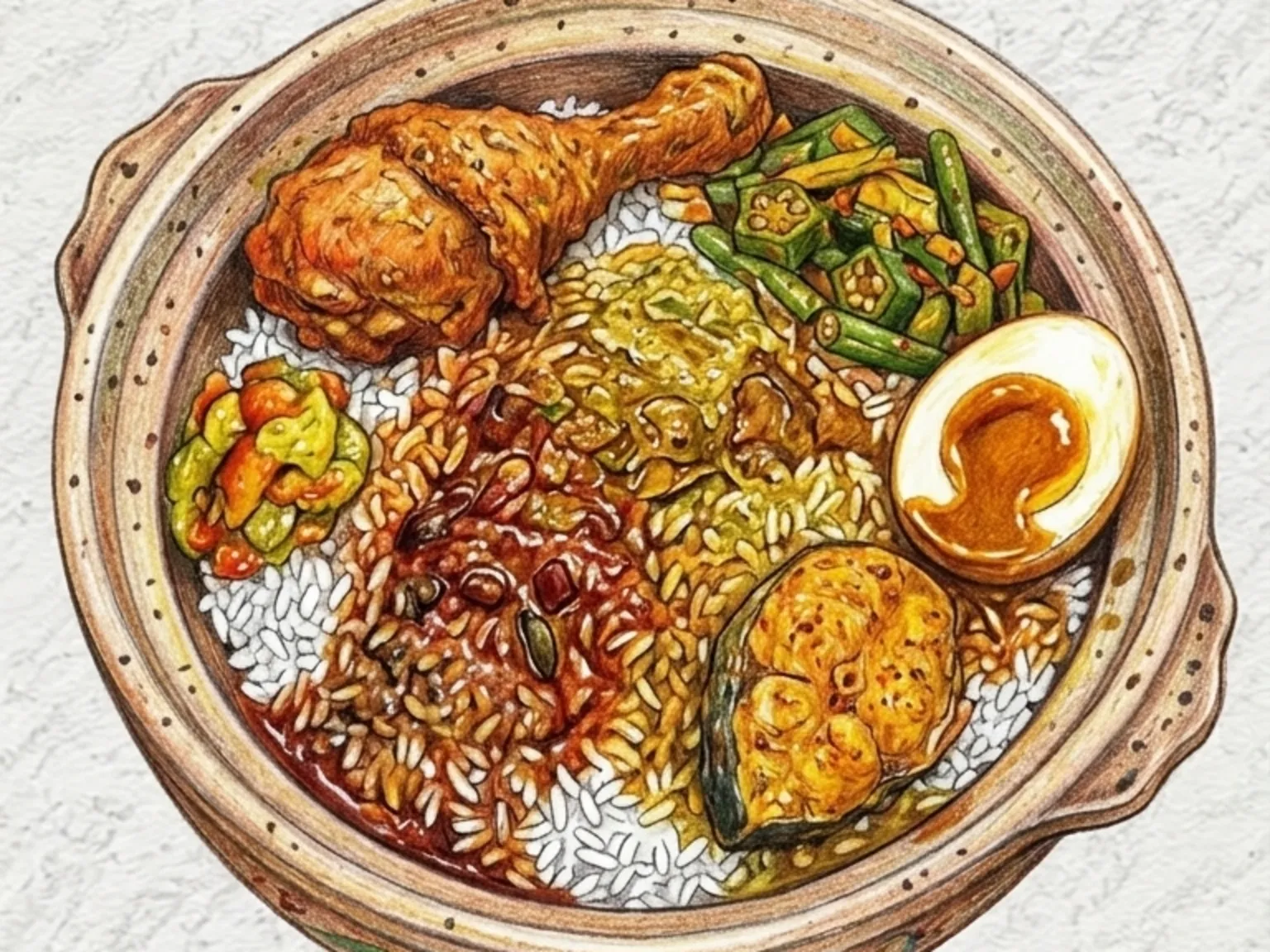
Nasi kandar is a Penang-born rice dish rooted in the culinary traditions of Malaysia's Indian-Muslim community. A mound of steamed white rice is doused with multiple curry gravies and accompanied by a choice of protein and vegetable sides. The defining technique is kuah campur - the deliberate mixing of different curry sauces so they pool together and soak into the rice, creating a layered complexity no single curry could achieve alone. Coconut milk lends a gentle richness, curry powder supplies aromatic depth, and chili brings lingering warmth. Diners select their own combination from a counter full of dishes, making each plate unique.

🎉 Special Occasion
Prep 20minCook 35min2 servings
Otak-Otak (Southeast Asian Grilled Fish Paste in Banana Leaf)
AsianMedium

Otak-Otak (Southeast Asian Grilled Fish Paste in Banana Leaf)

Otak-otak represents a traditional method of preparing grilled fish paste that is prevalent throughout various regions of Southeast Asia. It maintains particularly deep roots within the culinary heritage of Malaysia and Singapore. The process begins by taking fresh white fish and processing it into a very smooth consistency. This fish base is combined with coconut milk, egg whites, and red curry paste to create a uniform mixture. Once the paste is ready, it is spread out in thin layers onto prepared sections of banana leaves. These leaves are then folded to secure the contents before being placed over a charcoal fire for grilling. As the charcoal heat causes the edges of the banana leaves to char, a subtle smoky quality is transferred through the leaf directly into the soft fish mixture contained within. Finely sliced kaffir lime leaves are incorporated into the paste to provide a distinct citrus profile, which serves to balance the inherent fat content of the coconut milk. In terms of its final consistency, this preparation differs significantly from the dense structure typically associated with Western-style fish cakes. It possesses a texture that is more comparable to a firm custard, being notably smooth and moist while remaining soft when bitten into.

🎉 Special Occasion
Prep 25minCook 15min2 servings
Panang Curry (Thai Thick Peanut Coconut Curry)
AsianMedium

Panang Curry (Thai Thick Peanut Coconut Curry)

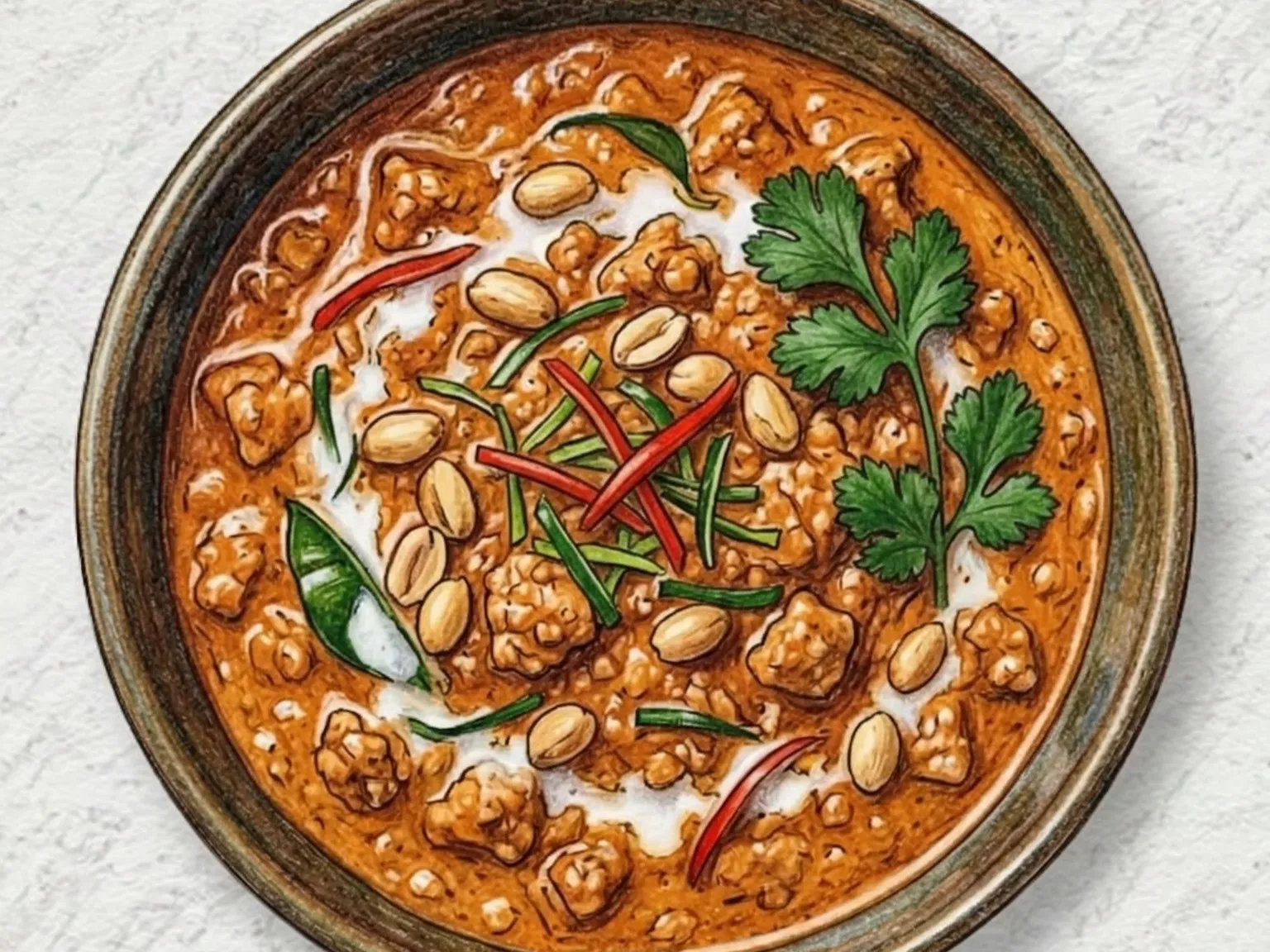
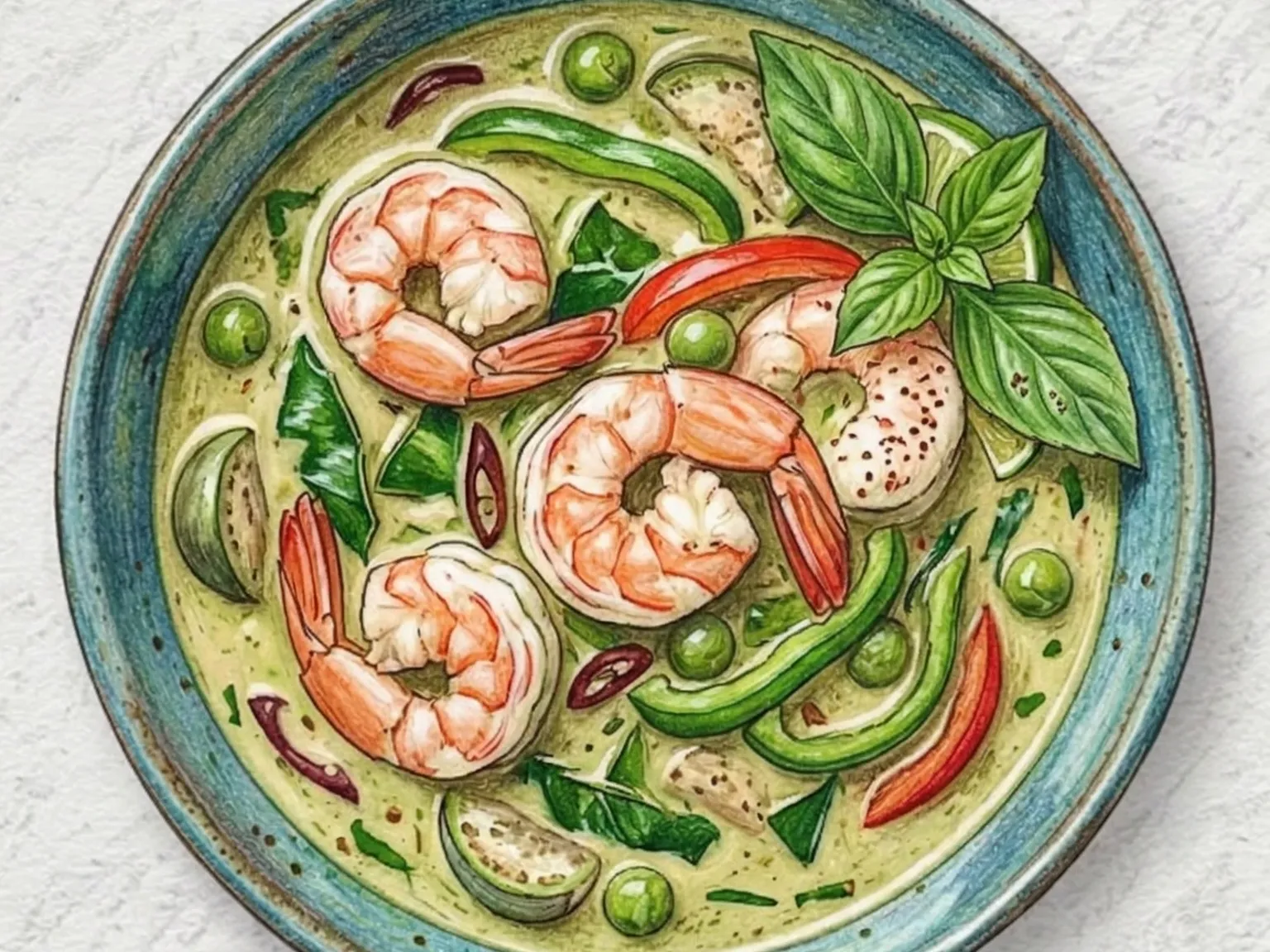
Panang curry is the thickest and richest member of the Thai curry family, distinguished by its concentrated coconut base and the addition of ground peanuts. The cooking begins by splitting coconut cream in a hot pan until the fat separates, then frying the curry paste in that fat to bloom its aromatics. The remaining coconut milk is added gradually and simmered until the sauce reduces to a spoonable consistency. Peanut butter or finely ground roasted peanuts give it a subtle nuttiness that sets it apart from green or red curries. Fish sauce provides depth, palm sugar brings sweetness, and torn kaffir lime leaves contribute a bright citrus fragrance.

🍱 Lunchbox
Prep 15minCook 20min2 servings
Pancit Bihon (Filipino Stir-Fried Rice Vermicelli with Chicken)
AsianEasy

Pancit Bihon (Filipino Stir-Fried Rice Vermicelli with Chicken)

Pancit bihon is the most widely eaten noodle dish in the Philippines, made with thin rice vermicelli stir-fried with meat, vegetables, and a savory soy-fish sauce seasoning. It holds a special place in Filipino culture as a celebration dish - no birthday party is complete without a large platter, symbolizing long life and good fortune. The technique involves boiling chicken to create a broth, then using that broth to cook the noodles in the wok so every strand absorbs savory depth. Shredded cabbage and julienned carrots provide crunch, while a squeeze of calamansi brightens the dish with a tart, floral acidity.

🏠 Everyday🎉 Special Occasion
Prep 20minCook 20min4 servings
Hanoi-Style Pho Bo (Vietnamese Northern Clear Beef Noodle Soup)
AsianMedium

Hanoi-Style Pho Bo (Vietnamese Northern Clear Beef Noodle Soup)

Hanoi-style pho bo is the original northern Vietnamese beef noodle soup, distinguished from its southern counterpart by a leaner, clearer broth and restrained garnishing. Beef bones and brisket simmer for hours with a modest hand of spices - star anise, cinnamon bark, and a few cloves - so the beef flavor leads rather than the aromatics. The broth is repeatedly skimmed until it runs nearly transparent, with no trace of grease on the surface. Paper-thin slices of raw beef placed in the bowl cook to a pale pink the moment the scalding broth is ladled over them. In Hanoi, the bowl arrives with only chopped scallion and cilantro; bean sprouts, hoisin sauce, and sriracha - common in southern and overseas versions - are absent by tradition.

🎉 Special Occasion
Prep 25minCook 55min4 servings
Hanoi-Style Chicken Pho (Pho Ga)
AsianMedium

Hanoi-Style Chicken Pho (Pho Ga)

Hanoi-style pho ga is a chicken noodle soup that trades the beefy richness of pho bo for a lighter, cleaner bowl. Chicken bones and thighs simmer together until the broth turns golden and fragrant, then the meat is pulled into long shreds and piled over flat rice noodles. The spice profile is gentle - a knob of charred ginger and a single star anise - keeping the chicken flavor at the forefront. The broth has a silky quality from the natural gelatin in the bones, giving each spoonful a body that belies its clarity. Scallion, cilantro, and a squeeze of lime are the standard accompaniments. Some vendors add a torn fried dough stick for crunch. Pho ga is widely considered the everyday breakfast pho in Hanoi, less ceremonial than its beef counterpart but no less satisfying.

🎉 Special Occasion
Prep 20minCook 55min4 servings
Shan Noodles (Burmese Flat Rice Noodles with Turmeric Meat Sauce)
AsianMedium

Shan Noodles (Burmese Flat Rice Noodles with Turmeric Meat Sauce)

Shan noodles are the everyday noodle of Myanmar's Shan State, found at nearly every market stall and tea shop in the region. Thin, flat rice noodles are topped with a sauce of minced chicken or pork cooked with turmeric, tomato, and a touch of chili. The dish is finished with a generous pour of fried garlic oil - golden-brown garlic chips sizzling in their own rendered fat - which gives the bowl its signature aroma. Pickled mustard greens add a sour crunch on the side, and toasted chickpea flour is sprinkled over for a nutty, grainy texture. The noodles come in two styles: a dry version tossed with the sauce, and a soup version swimming in a light broth. Both are eaten with a spoon and fork rather than chopsticks, in keeping with Burmese custom.

🎉 Special Occasion
Prep 20minCook 20min2 servings
Sinigang na Baboy (Filipino Tamarind Sour Pork Rib Soup)
AsianMedium

Sinigang na Baboy (Filipino Tamarind Sour Pork Rib Soup)

Sinigang na baboy is a Filipino sour soup that appears on family tables across the Philippines with the comforting regularity of a weekly ritual. Pork ribs are simmered until the meat loosens from the bone, then the broth is sharpened with tamarind - either fresh pods pounded and strained, or a spoonful of tamarind paste for convenience. Tomatoes, onions, and daikon radish go in early and soften into the broth, while eggplant, long green beans, finger chilies, and leafy greens like water spinach are added toward the end so they keep their color and bite. The resulting broth is clear, tart, and savory all at once, with the pork fat adding a subtle richness beneath the acidity. Filipinos ladle the soup generously over steamed rice, and the sourness is said to sharpen the appetite rather than satisfy it, which explains why second helpings are almost mandatory.

🎉 Special Occasion
Prep 20minCook 50min4 servings
Som Tam (Thai Green Papaya Salad with Lime Fish Sauce Dressing)
AsianEasy

Som Tam (Thai Green Papaya Salad with Lime Fish Sauce Dressing)

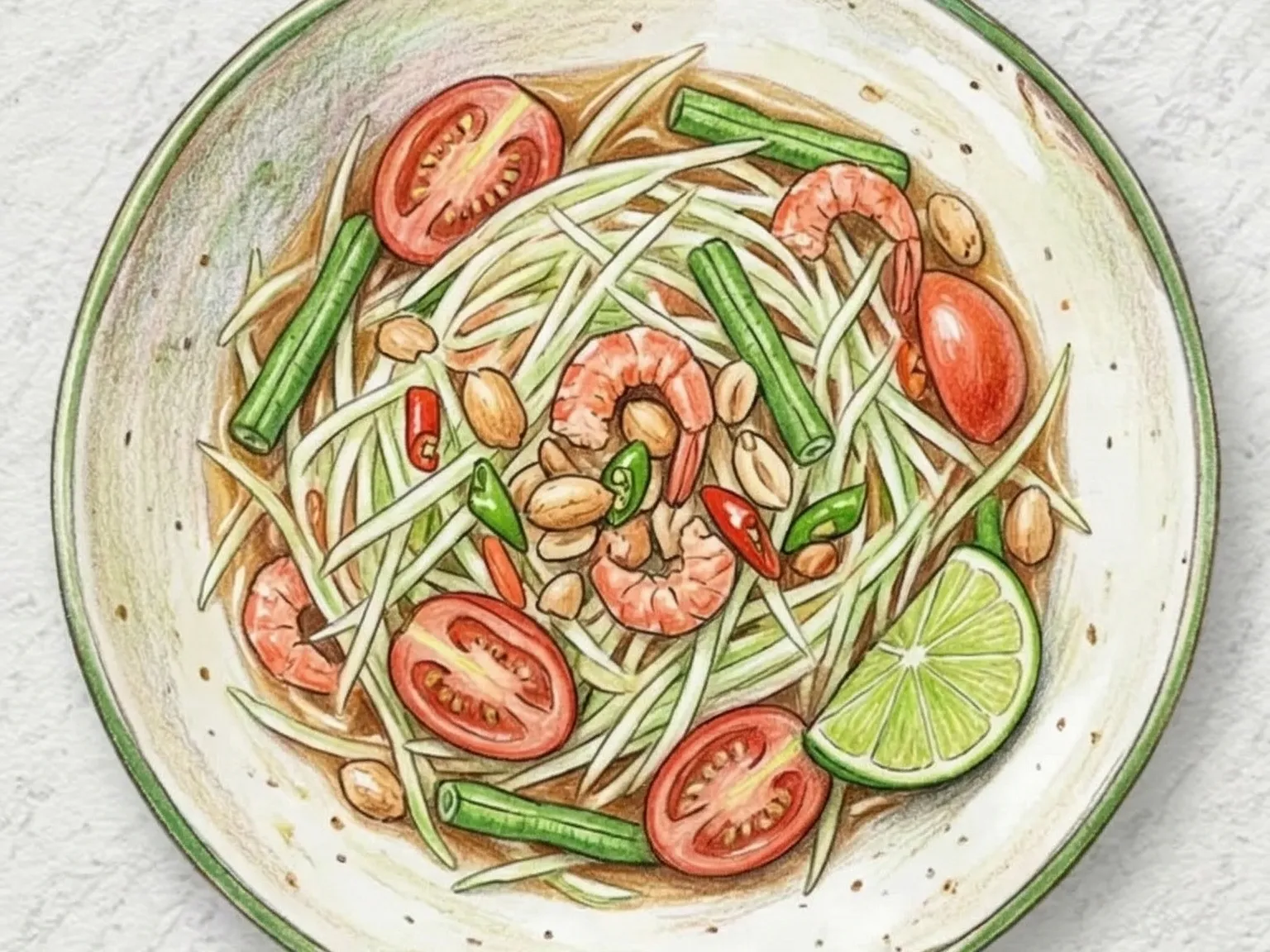
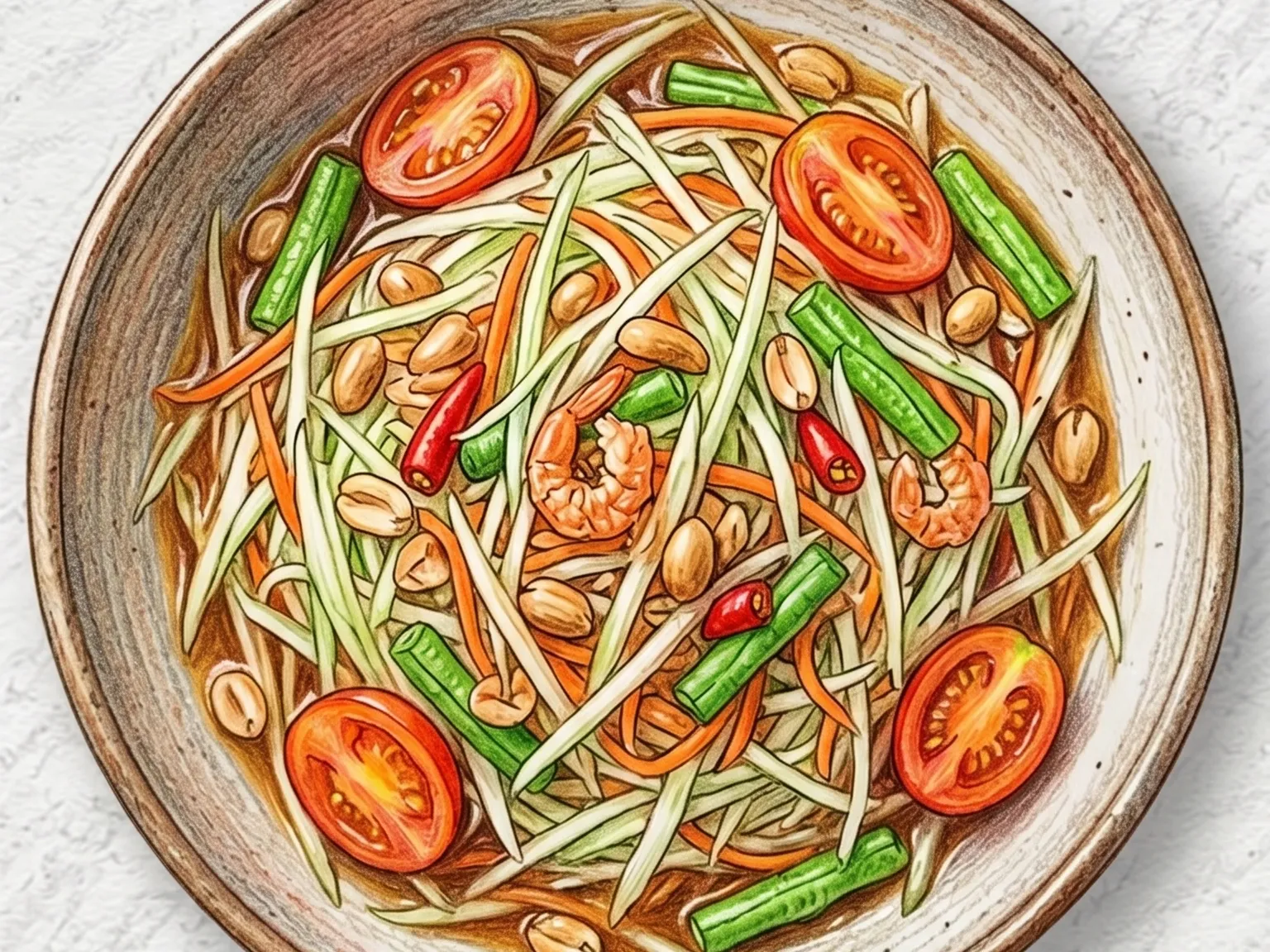
Som tam is a Thai salad made by pounding shredded green papaya with a handful of bold seasonings in a clay mortar. The dressing comes together right in the mortar: bird's eye chilies and palm sugar are crushed first, then lime juice and fish sauce are added to create a sauce that is simultaneously sour, salty, sweet, and spicy. Cherry tomatoes are bruised just enough to release their juices into the mix, and roasted peanuts contribute a nutty crunch that contrasts with the crisp, watery strands of papaya. The pounding is deliberately gentle-too much force turns the papaya limp and loses the texture that defines the dish. Som tam is Thailand's most widely eaten salad, appearing everywhere from pushcart vendors to upscale restaurants, and it is often served alongside sticky rice and grilled chicken as a complete meal.

🍺 Bar Snacks🥗 Light & Healthy
Prep 18min2 servings