Charim

2686 Korean & World Recipes

2686+ Korean recipes, clean and organized. Ingredients to instructions, all at a glance.

Recipes with korean radish

10 recipes

Buy korean radish
Korean Spicy Blue Crab Soup
SoupsMedium

Korean Spicy Blue Crab Soup

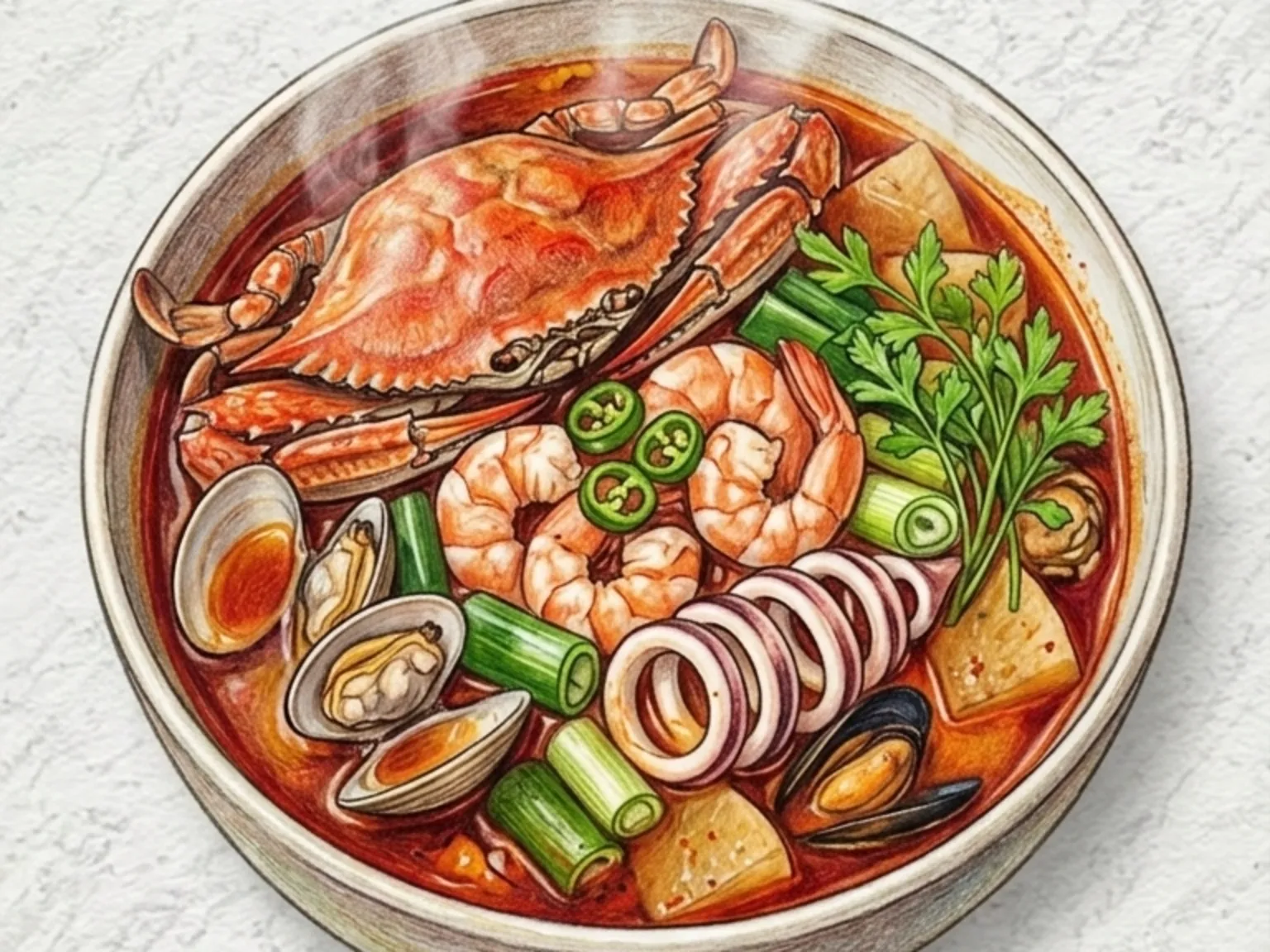
Ggotge-tang is a spicy Korean crab soup built around whole blue crabs that infuse the broth with a concentrated, briny seafood depth. The shells release their marine richness as they crack apart during simmering, forming the structural foundation of the pot. Doenjang dissolved into the broth adds fermented complexity, while gochugaru delivers a persistent heat that compounds with each spoonful. Radish chunks sweeten and clarify the liquid, and zucchini with green onion fill the bowl with color and contrasting texture. Before cooking, the crabs should be scrubbed clean under cold water and cleaned of their sand pouches and gills, which eliminates any off-flavors. Scoring the claws lightly with the back of a knife before the pot goes on the heat makes extracting the claw meat easier at the table. Female crabs in season carry bright orange roe inside the top shell that dissolves into the broth and intensifies its richness. The real reward at the end of the meal is mixing leftover rice directly into the crab's top shell with the residual roe and braising juices, a practice Korean diners regard as the true finish of the meal. Blue crab season peaks in spring and autumn.

🏠 Everyday
Prep 20minCook 30min4 servings
Korean Braised Cod with Vegetables
SteamedMedium

Korean Braised Cod with Vegetables

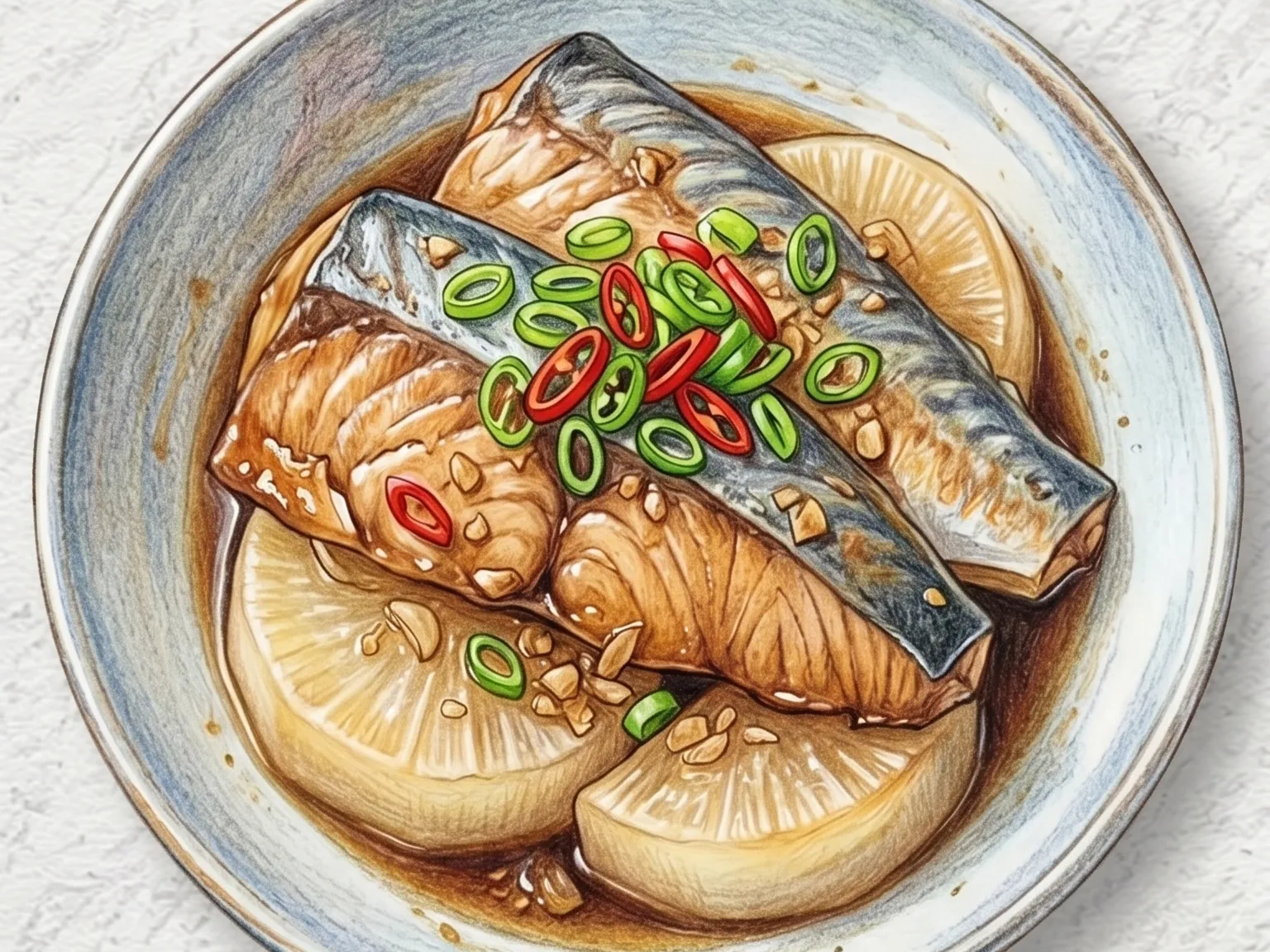
Daegu-jjim braises thick cod fillets with Korean radish, onion, and green onion in a sauce built from gochugaru, soy sauce, garlic, and cooking wine. Cod holds up well to braising: its firm, flaky flesh absorbs the spiced cooking liquid without breaking apart, even after extended time in the pot. The radish soaks up the braising sauce and turns sweet against the backdrop of chili heat. Garlic and cooking wine together neutralize any fishiness from the cod. The dish is done when just enough glossy sauce remains at the bottom of the pan to spoon over steamed rice for a satisfying one-bowl meal. The same method works with pollock or monkfish in place of cod.

🏠 Everyday🍱 Lunchbox
Prep 15minCook 25min3 servings
Korean Thistle and Mackerel Pot Rice
RiceMedium

Korean Thistle and Mackerel Pot Rice

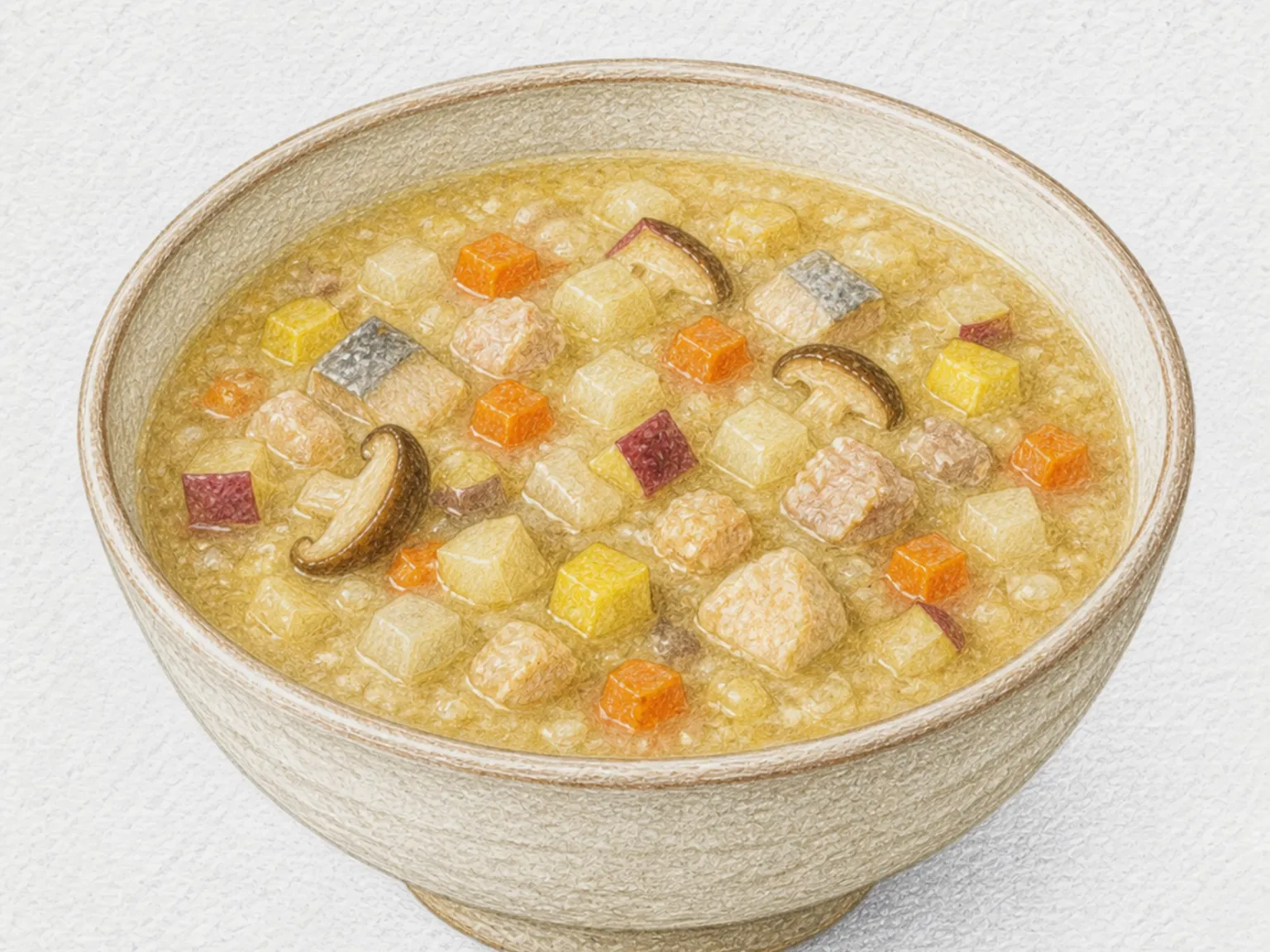
Gondre mackerel sotbap begins by stir-frying thinly sliced radish in sesame oil to build a savory base, then soaked rice and squeezed gondre thistle greens are added before a mackerel fillet marinated in cooking wine and ginger juice is placed skin-side up on top. The pot is covered and cooked over low heat for fourteen minutes, followed by five minutes of resting off the heat. During that resting period, the earthy, slightly smoky aroma of gondre and the concentrated umami of the mackerel seep into each grain of rice without further stirring. Keeping the fish skin-side up protects the flesh from breaking apart during cooking and prevents the pot from becoming cloudy with loose pieces. The radish layer at the bottom absorbs moisture and guards against sticking while contributing its own mild sweetness to the rice underneath. Before eating, a drizzle of soy sauce is poured over the opened pot and the contents are tossed together lightly, bringing the mountain-foraged greens and the sea fish into a unified, quietly complex bowl. The scorched rice crust that forms on the bottom of the pot is steeped in hot water to make nurungji tea.

🏠 Everyday
Prep 18minCook 28min2 servings
Korean Dried Greens Mackerel Stew
StewsMedium

Korean Dried Greens Mackerel Stew

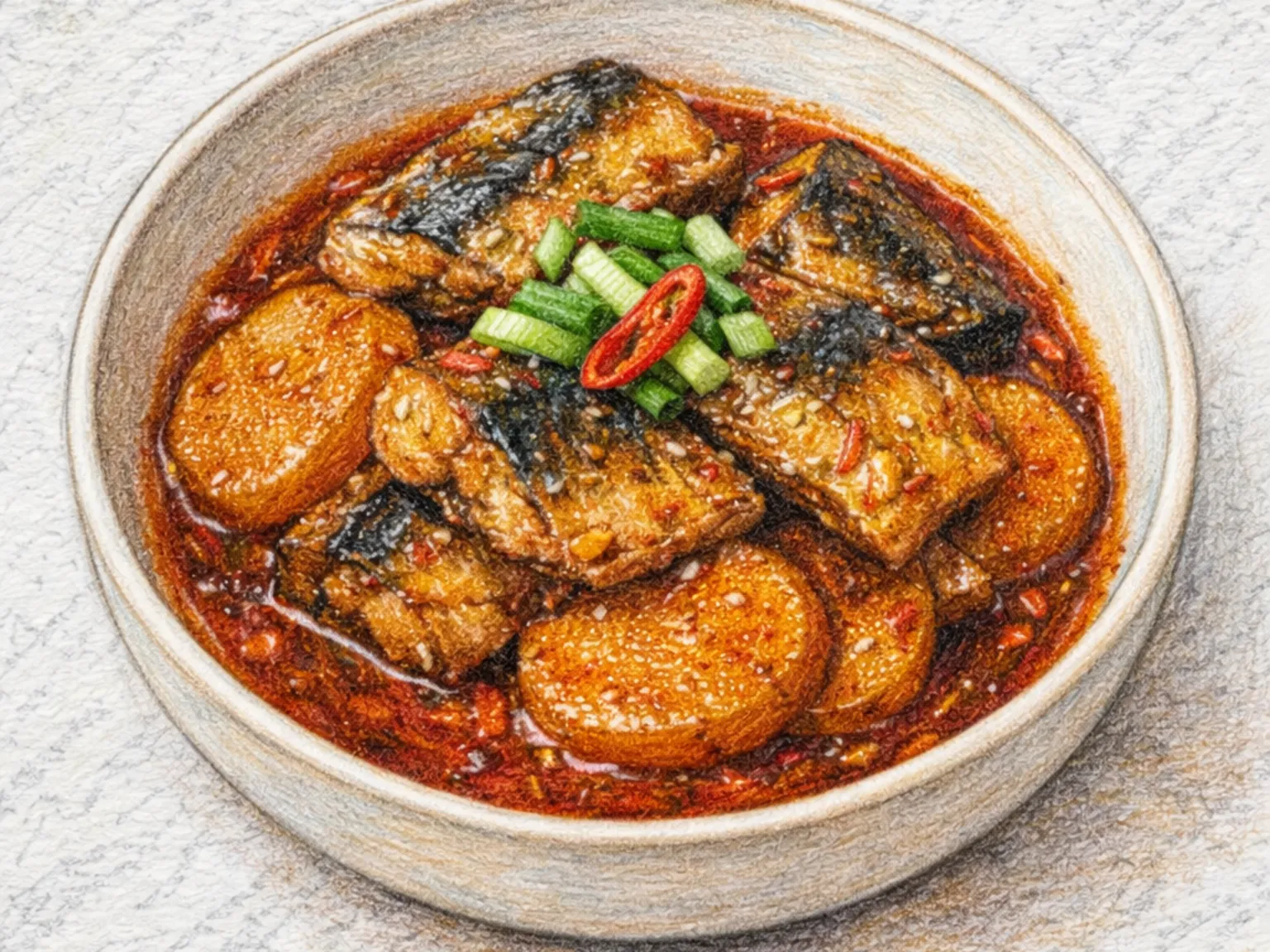
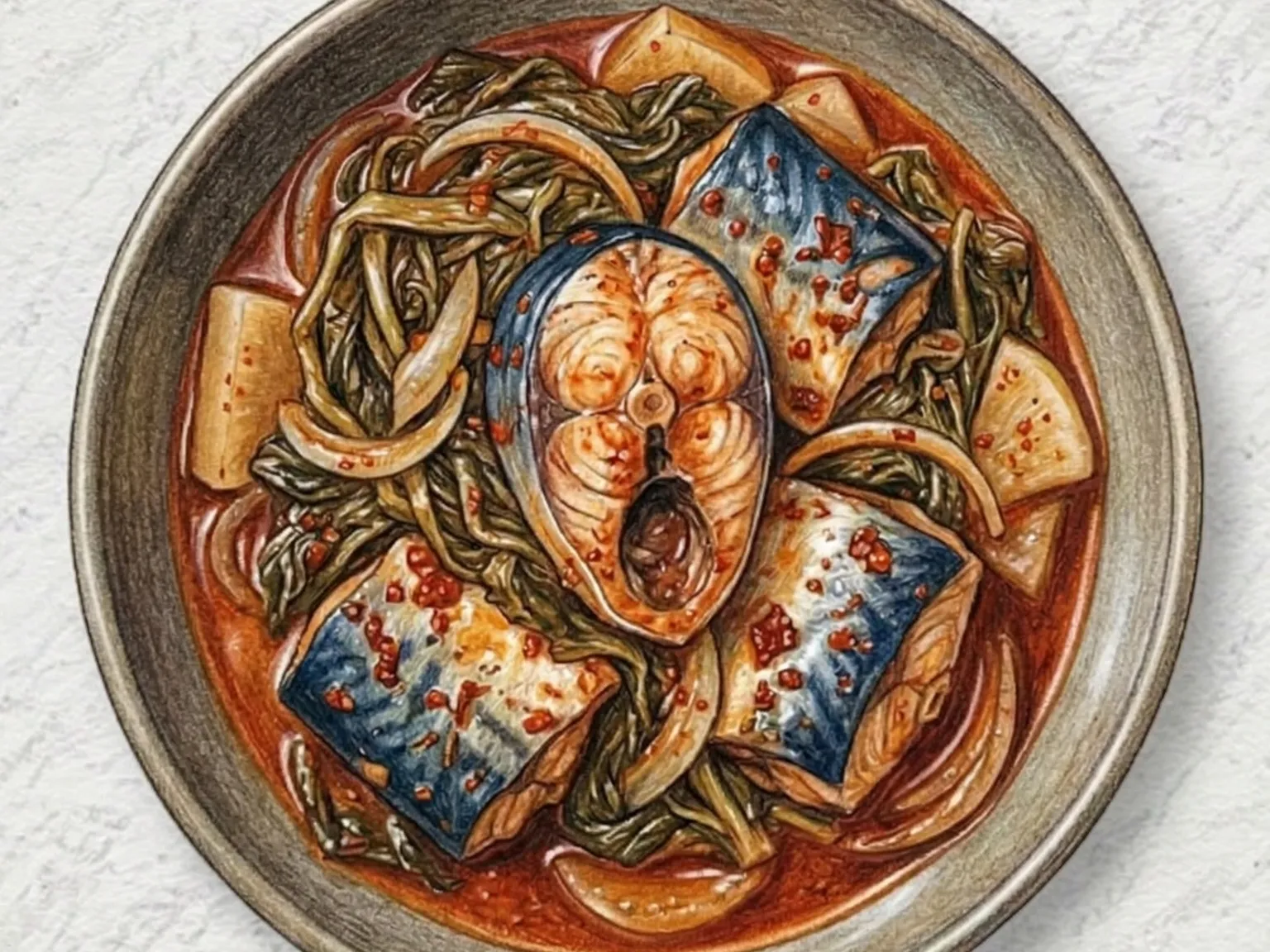
Siraegi-godeungeo-jjigae is a spicy Korean stew that combines mackerel and boiled dried radish greens in a gochugaru-seasoned broth. The oily, pronounced umami of the mackerel and the earthy, slightly musty depth of the dried greens amplify each other in the pot, while Korean radish maintains a clean, refreshing base that prevents the combination from becoming too heavy. Using rice-rinse water as the broth foundation is a traditional technique that neutralizes the mackerel's fishiness while simultaneously giving the liquid a mild, rounded body that plain water cannot provide. The radish greens must be well squeezed after boiling to remove any grassy, off-putting odor; briefly sauteing them in perilla oil before adding them to the stew deepens their nutty character further. Seasoning with gochugaru alone, without gochujang, preserves the clarity and clean red color of the broth and keeps its defining quality: a penetrating spiciness that is simultaneously bracing and warming rather than paste-thick and murky. Onion, green onion, and minced garlic round out the aromatics and complete the flavor profile of a classic everyday Korean jjigae. Mackerel is typically added bone-in, and eating it by working the flesh off the bones with chopsticks as you go is part of the simple, unhurried character of the dish.

🏠 Everyday
Prep 20minCook 35min4 servings
Korean Braised Gizzard Shad
SteamedMedium

Korean Braised Gizzard Shad

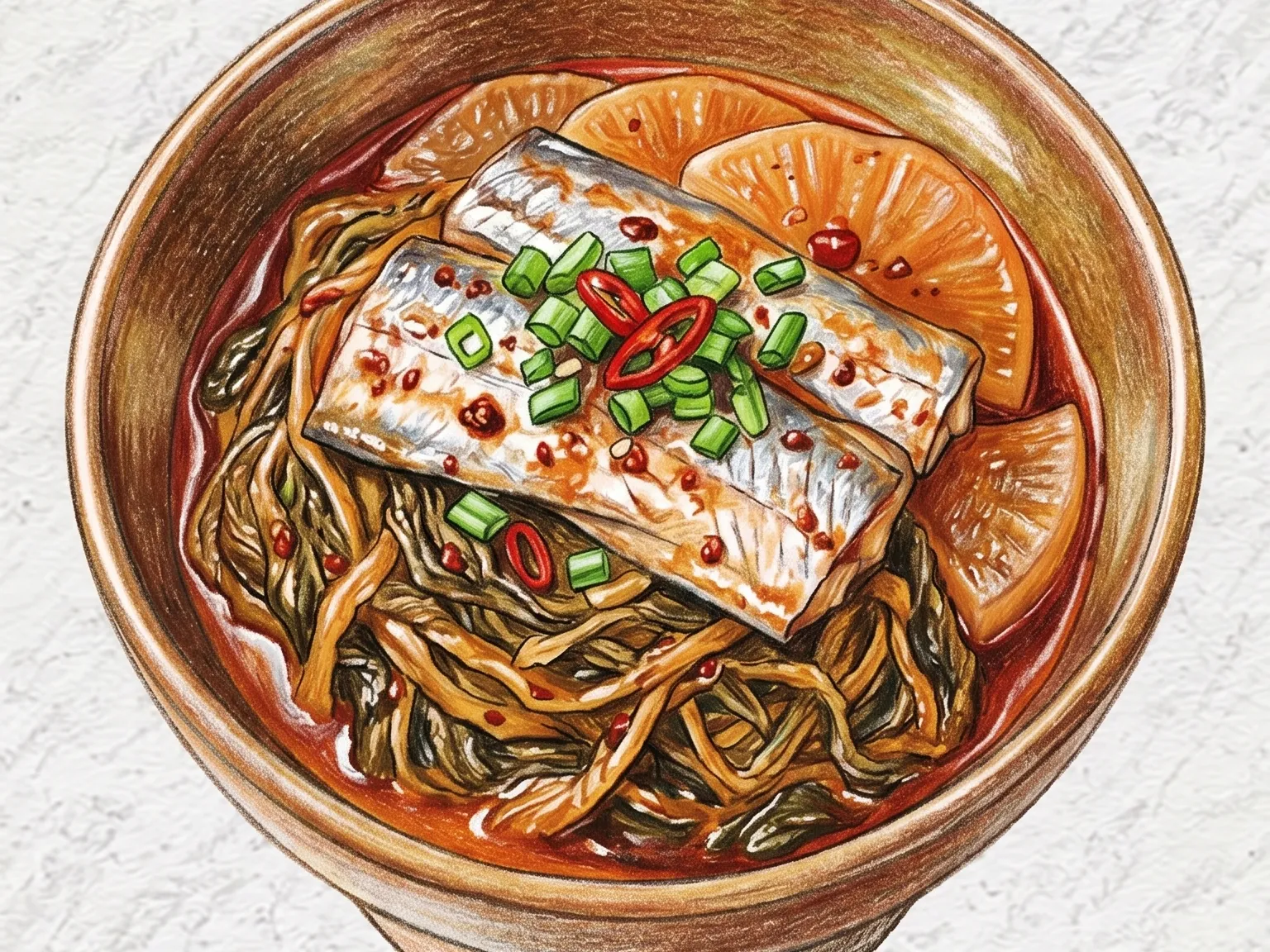
Jeoneo-jjim is a braised gizzard shad dish in which the fish and Korean radish are slowly cooked together in a soy sauce and gochugaru seasoning, making it a dish best suited to autumn when the fish carries its peak fat. Radish slices line the bottom of the pot and serve a dual purpose: they act as a natural buffer that absorbs fishiness rising from the heat, and they soak up the braising liquid as they soften, turning sweet and deeply flavored by the end of cooking. The gizzard shad's characteristic fatty richness pairs well with the bold chili and garlic seasoning, and ginger threads through the entire preparation to neutralize any remaining off-notes and leave the flavor clean. Autumn-caught fish are fattier and remain moist even after extended braising, which makes them far preferable to fish taken at other times of year. Green onion is scattered on top at the finish for fragrance, and the intensified, reduced braising sauce left in the pot is traditionally ladled over steamed rice as a condiment in its own right.

🎉 Special Occasion🍱 Lunchbox
Prep 20minCook 25min4 servings
Korean Steamed Croaker (White Fish Radish Soy)
SteamedMedium

Korean Steamed Croaker (White Fish Radish Soy)

Mineo-jjim is a Korean steamed croaker prepared with Korean radish, green onion, ginger, and rice wine. Croaker is prized among white fish for its fine-grained flesh and mild aroma, and steaming preserves its delicate, moist texture without drying it out. Ginger and rice wine work together to eliminate any trace of fishiness, while the radish releases a gentle sweetness into the broth as it cooks. Seasoned with just a touch of soy sauce at the end, this dish lets the natural flavor of the fish take center stage and is well suited for formal meals.

🎉 Special Occasion
Prep 20minCook 30min4 servings
Korean Dried Pollock & Water Parsley Soup
SoupsEasy

Korean Dried Pollock & Water Parsley Soup

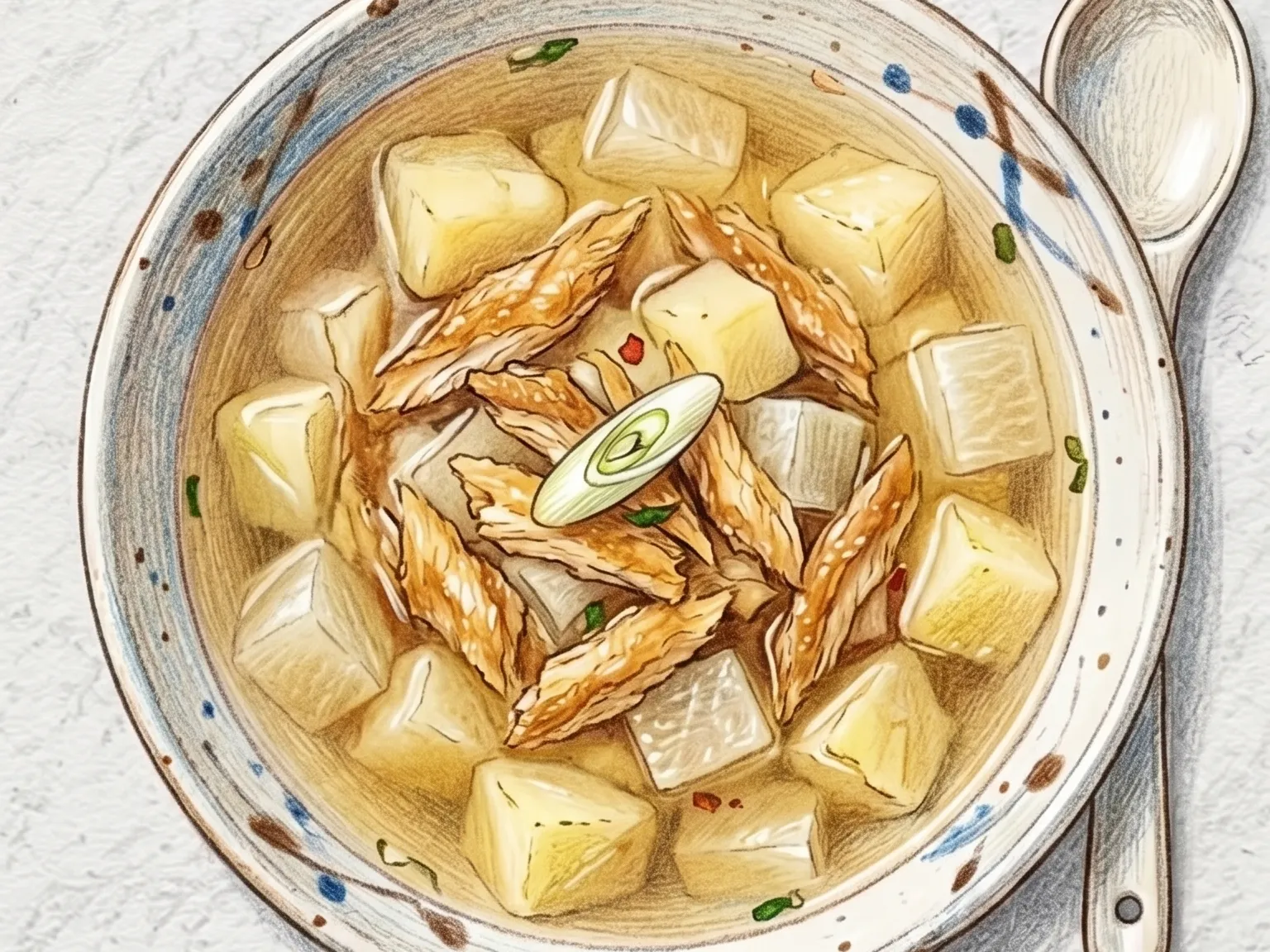
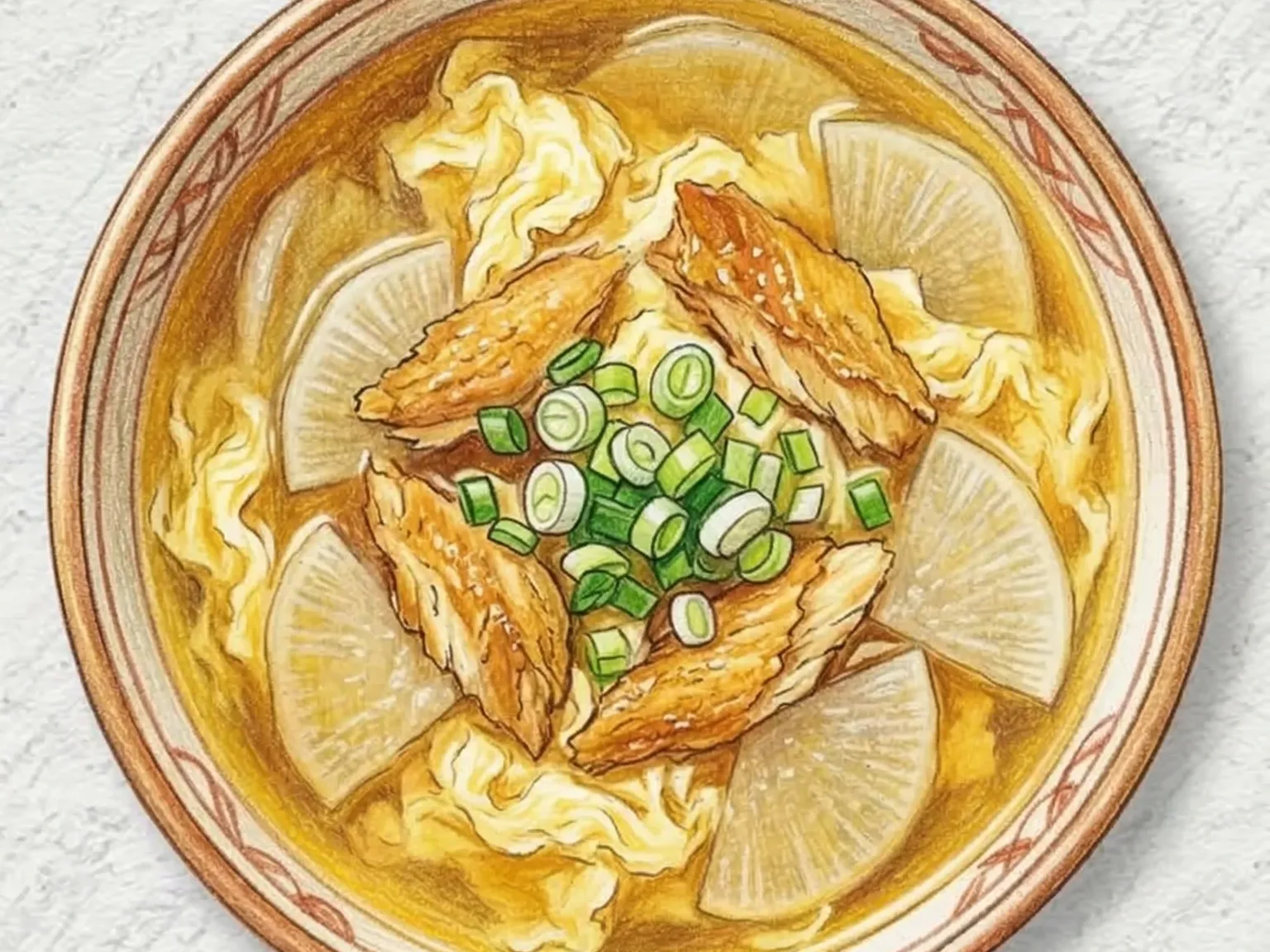
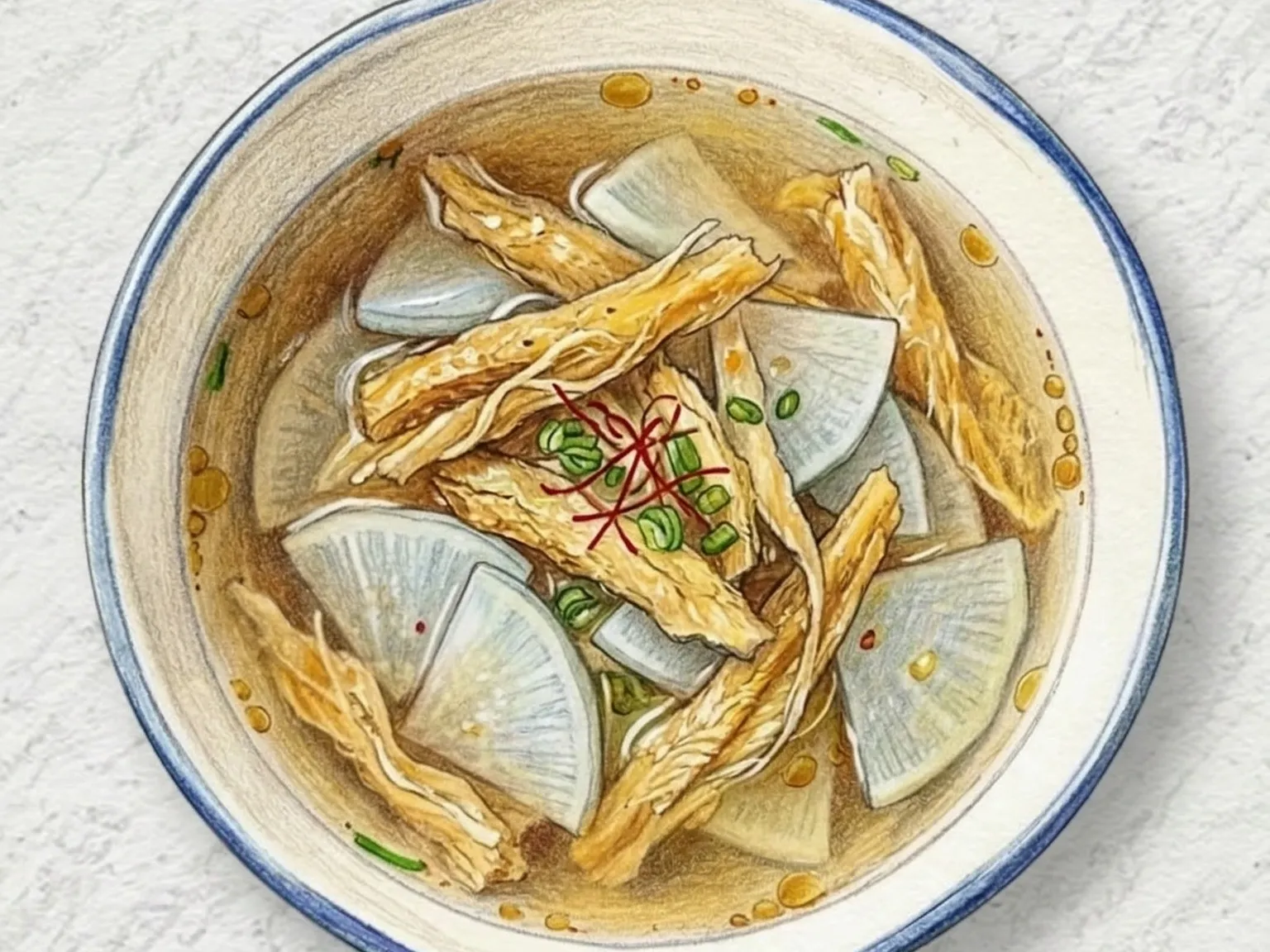
This soup begins with dried pollock strips - stir-fried in sesame oil until golden and deeply fragrant - then simmered in water to draw out a clear, nutty broth that carries the unmistakable aroma of toasted sesame and cured fish. Water dropwort goes in at the very end, contributing a fresh green lift that counterbalances the richness of the pollock. A beaten egg is swirled into the simmering liquid, forming delicate ribbons that soften the broth's texture. Radish slices, added early, sweeten the stock gently in the background. The seasoning stays simple: soup soy sauce, garlic, and salt if needed, keeping the flavor profile clean and digestible. In Korea, this style of pollock soup is regarded as one of the best remedies for a hangover because the amino acids in dried pollock and the hydrating broth are believed to support liver recovery. Morning vendors near traditional markets sell bowls of it to customers who arrive before the sun is fully up. The addition of minari elevates what is already a restorative soup into something that smells and tastes distinctly of spring.

🥗 Light & Healthy🏠 Everyday
Prep 15minCook 25min4 servings
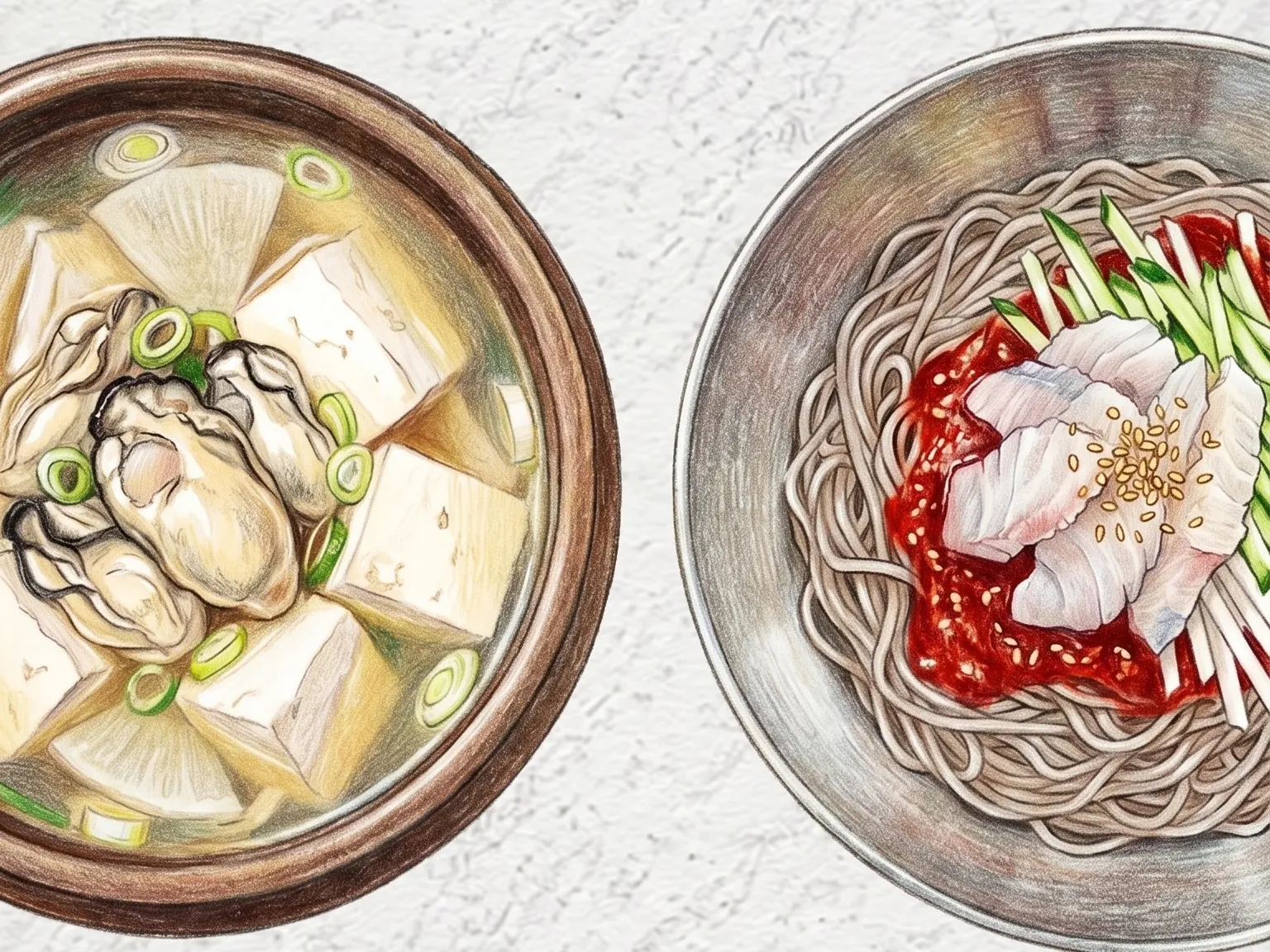
Korean Sea Squirt Soybean Paste Soup
SoupsMedium

Korean Sea Squirt Soybean Paste Soup

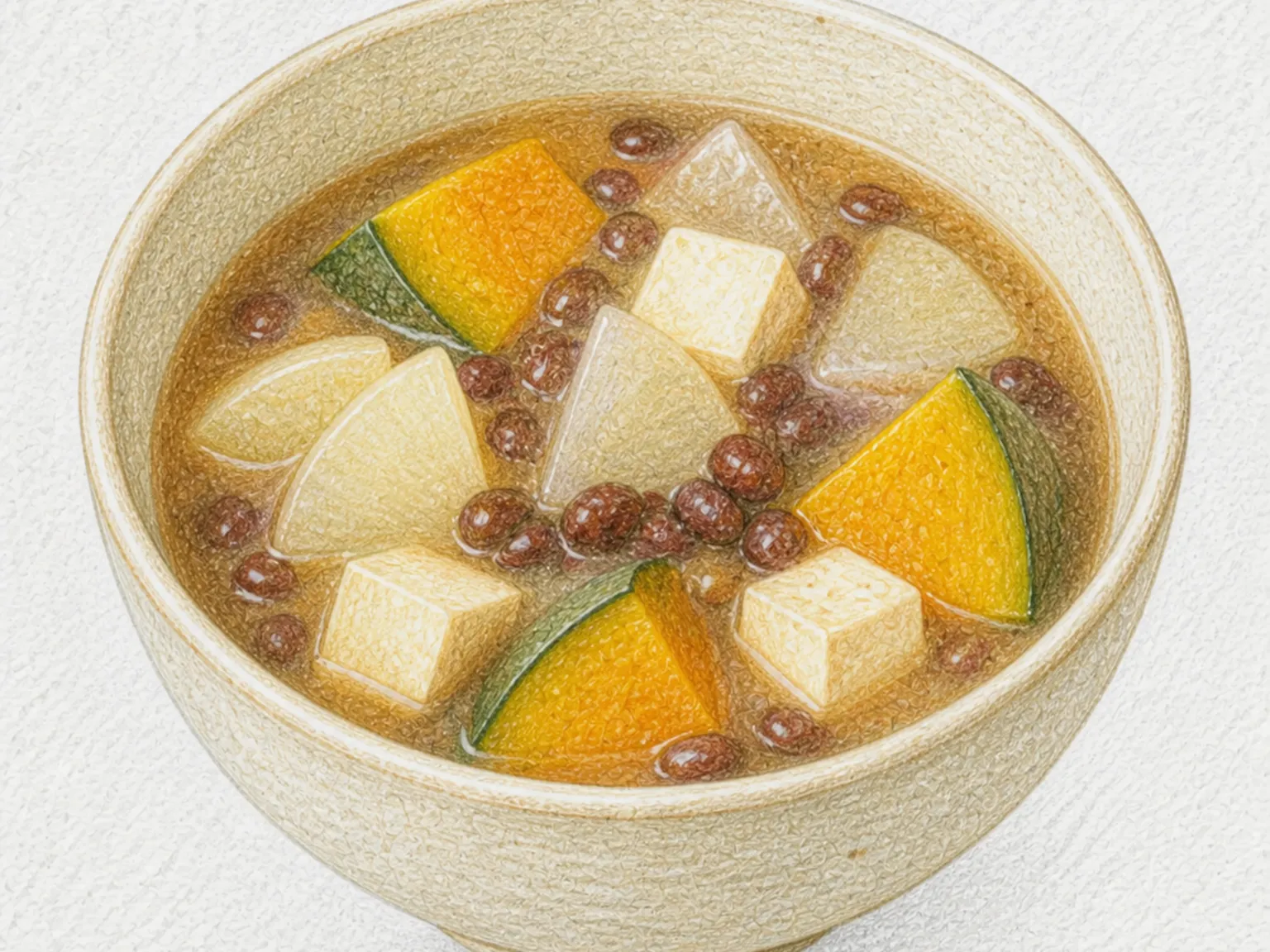
Mideodeok-doenjang-guk is a Korean soybean paste soup made with sea squirt, one of the more unusual and intensely flavored combinations in everyday Korean cooking. Sea squirt, called mideodeok in Korean, belongs to the same class of sea creatures as the better-known meongge. What sets it apart is the small pocket of brine inside its leathery outer skin. When bitten, the skin pops and releases a burst of concentrated ocean liquid that spreads through the surrounding broth. Combined with the fermented earthiness of doenjang, this creates a double layer of umami that lingers well past the last spoonful. The soup is built on anchovy-kelp stock, which reinforces the seafood character and keeps the base clean. Doenjang is stirred in once the stock is fully boiling so it dissolves evenly without losing its fermented depth. Radish and zucchini are added to balance the intensity: both vegetables absorb the strong flavors of the broth while contributing a quiet sweetness. One or two Cheongyang chili peppers provide a clean, building heat that cuts through any richness. Generous sliced green onion added just before serving keeps the finish bright and aromatic. Sea squirt should not be scored or cut before the soup is finished, as breaking the skin early causes the inner liquid to drain away into the pot rather than releasing inside the mouth. Along the southern coast of South Korea, particularly in Tongyeong and Geoje where mideodeok is harvested in large quantities, this soup is ordinary home cooking. Elsewhere it is a deliberate seasonal choice, best in late spring and early summer.

🏠 Everyday
Prep 12minCook 18min2 servings
Wafu Daikon Salad (Shredded Radish with Japanese Soy Dressing)
SaladsEasy

Wafu Daikon Salad (Shredded Radish with Japanese Soy Dressing)

Wafu daikon salad shreds daikon radish into very fine julienne strips and dresses them with a Japanese wafu dressing made from soy sauce, rice vinegar, and sesame oil, finished with bonito flakes and torn nori. Soaking the shredded daikon in cold water for five minutes draws out excess starch and maximizes its crisp, snappy texture - draining and drying thoroughly afterward prevents the dressing from becoming diluted. The dressing layers soy salt over the gentle acidity of rice vinegar and the nuttiness of sesame oil, giving depth to the otherwise neutral radish. Bonito flakes placed on top wave gently in the residual heat and release a smoky umami that permeates the salad. Shredded nori adds a briny crunch that creates textural contrast throughout the bowl.

🥗 Light & Healthy Quick
Prep 15min2 servings
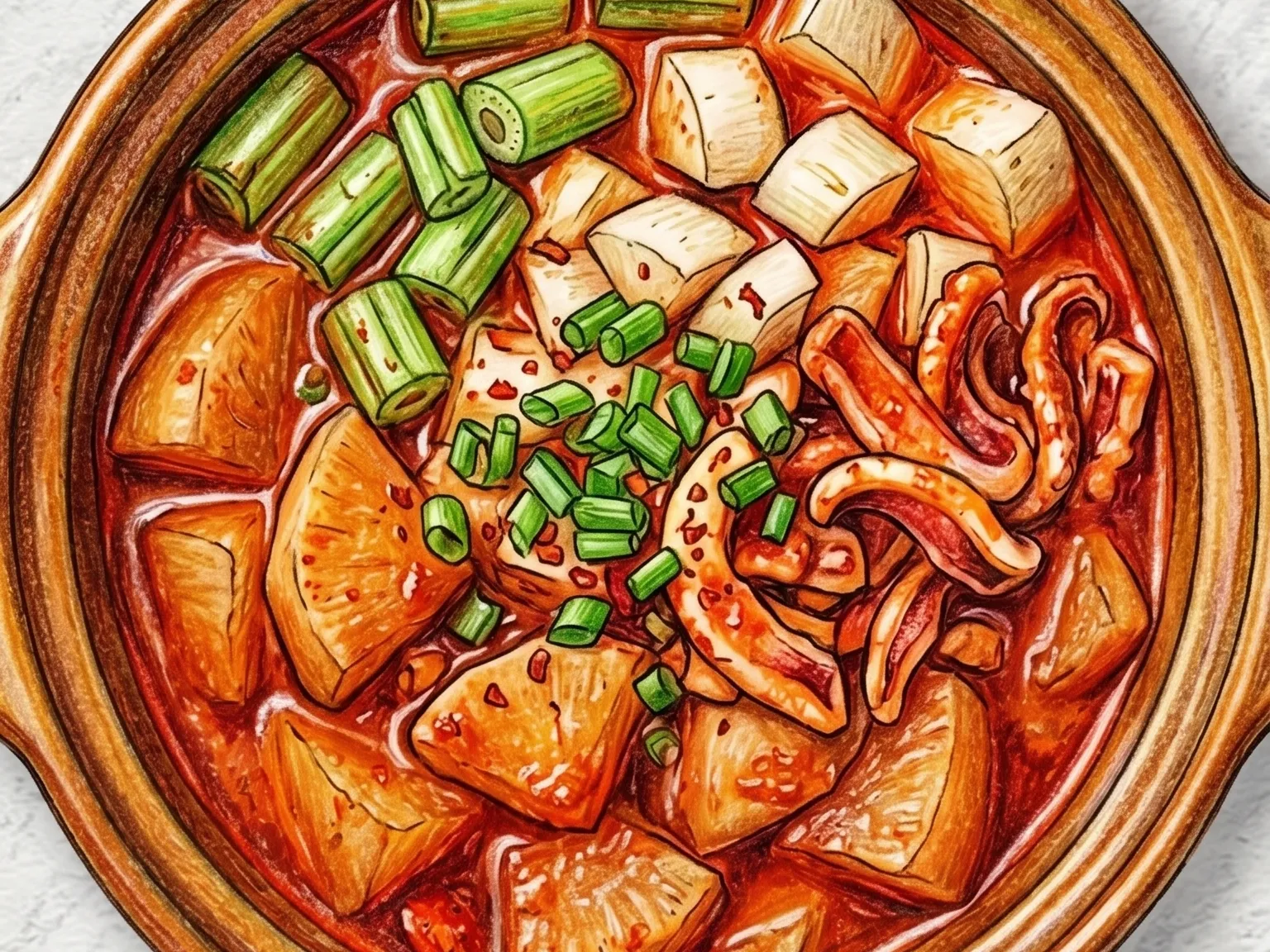
Maeuntang (Spicy White Fish Radish Stew)
SoupsMedium

Maeuntang (Spicy White Fish Radish Stew)

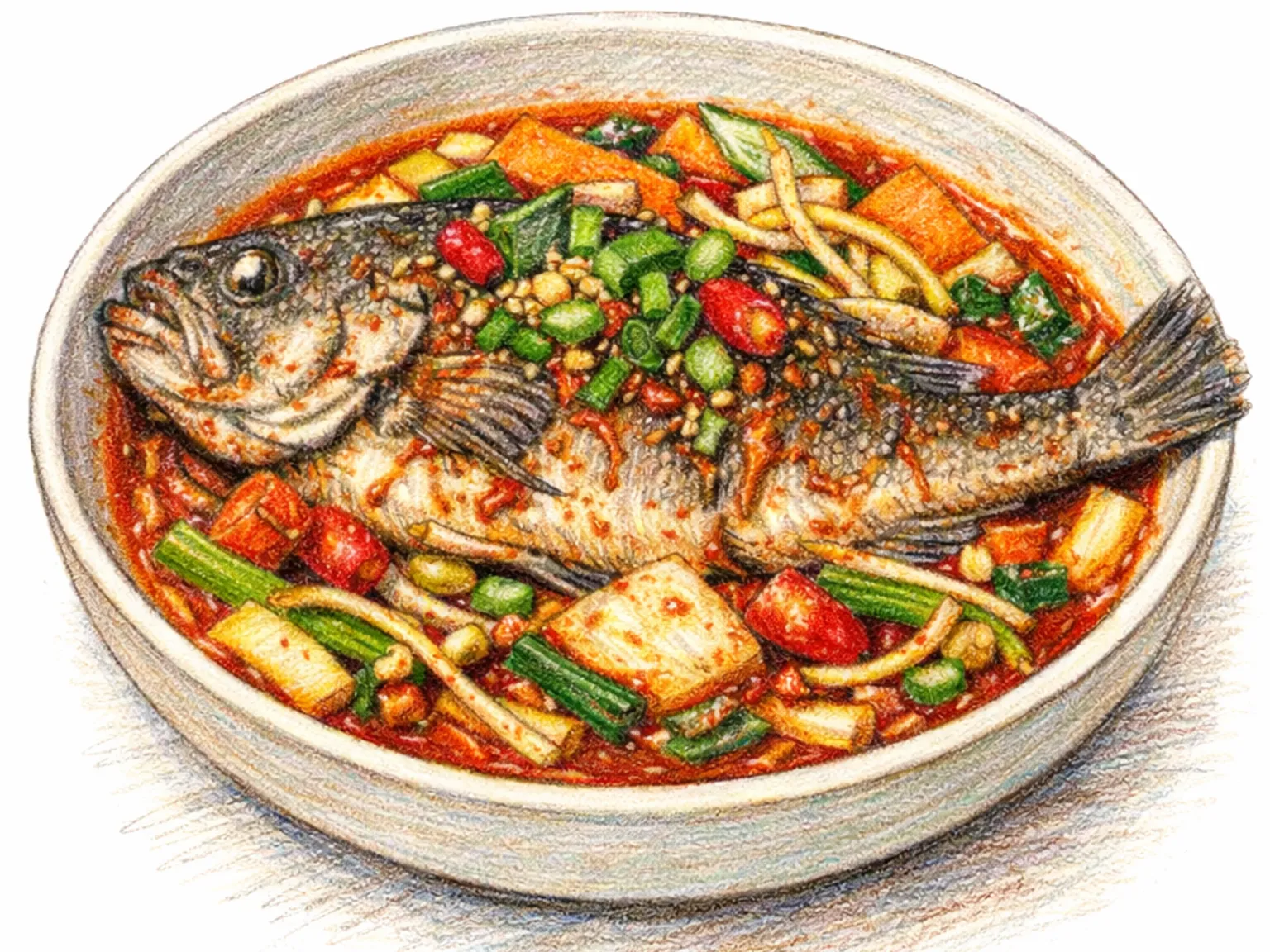
Maeuntang is a traditional Korean spicy fish stew centered on white-fleshed fish such as cod or frozen pollock. The fish is salted for ten minutes before cooking, which draws out excess moisture and the compounds responsible for fishiness, resulting in a cleaner-tasting broth. Radish goes into the pot first and simmers until its clean, mild sweetness dissolves into the water, forming the base. Gochujang, gochugaru, soup soy sauce, and minced garlic are then stirred in to build the spiced, savory broth. The fish and tofu are added together and cooked for ten minutes without being turned over. Instead, hot broth is repeatedly ladled over the top surface so the fish cooks evenly without the flesh breaking apart. Zucchini, green onion, and cheongyang chili are added in the final three minutes to preserve their color and slight crunch. A half tablespoon of doenjang stirred in at the end adds a secondary layer of umami that deepens and rounds out the broth considerably.

🏠 Everyday
Prep 15minCook 25min2 servings