Charim

2686 Korean & World Recipes

2686+ Korean recipes, clean and organized. Ingredients to instructions, all at a glance.

Recipes with korean radish

24 recipes

Buy korean radish
Bánh Mì (Vietnamese Crispy Baguette Sandwich with Pork and Pickles)
AsianMedium

Bánh Mì (Vietnamese Crispy Baguette Sandwich with Pork and Pickles)

Banh mi is the product of French colonialism meeting Vietnamese resourcefulness. A baguette made partly with rice flour results in a bread lighter and airier than its French counterpart, with a shattering crust that flakes on the first bite. The bread is the foundation and everything else is built around its texture. Fillings vary by region and stall, but the classic Saigon version layers pate, cold cuts, pickled daikon and carrot, sliced cucumber, cilantro, and jalapeno. The pickled vegetables provide sharp, tangy crunch that cuts through the fattiness of the meat and pate. At street carts across Ho Chi Minh City, a banh mi is assembled in under a minute and costs less than a dollar, delivering crispy, sour, herbal, spicy, and fatty elements in every bite. The bread was introduced during French colonial rule in the nineteenth century, and Vietnamese bakers gradually reduced the density and adapted the loaves to local ovens and ingredient availability. Today, variations include a tofu version for vegetarians and a shrimp version common in coastal cities. The key to a proper banh mi is bread baked the same day, eaten while the crust is still intact.

🎉 Special Occasion🍱 Lunchbox
Prep 20minCook 10min2 servings
Korean Braised Mackerel in Spicy Sauce
Side dishesMedium

Korean Braised Mackerel in Spicy Sauce

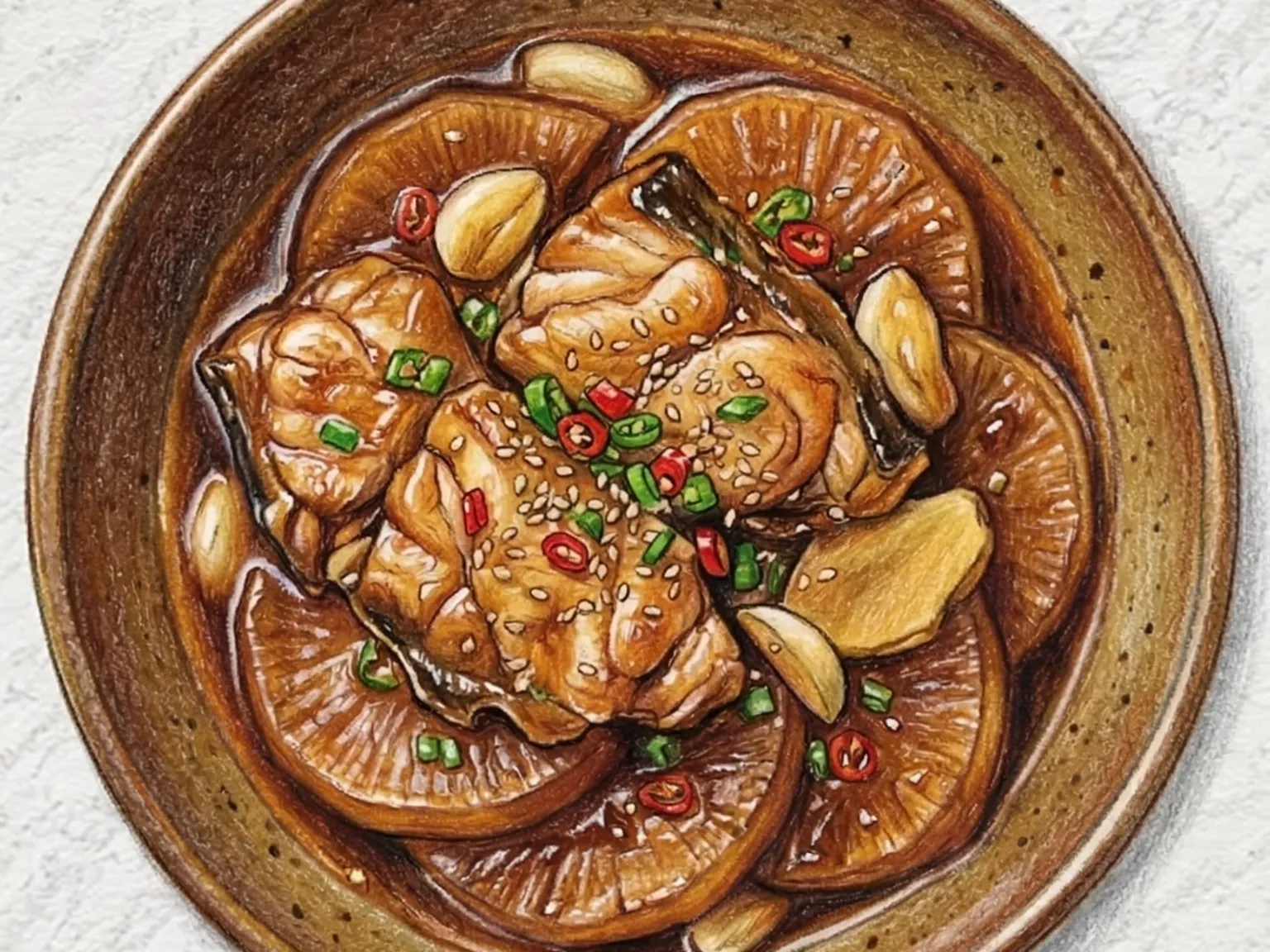
Godeungeo-jorim is one of the most frequently cooked fish banchan in Korean homes, pairing mackerel's assertive flavor with a spicy braising sauce that demands steamed rice. Mackerel is cut into steaks and salted for ten minutes to draw out fishy odors, then arranged over thick radish slices that line the pot bottom. The radish serves dual duty: preventing the fish from sticking and releasing its natural sweetness into the braising liquid below. A sauce of gochugaru, gochujang, soy sauce, garlic, ginger, and sugar is spooned over, and the pot simmers covered for twenty minutes. During this time the seasoning penetrates the flesh while the radish absorbs enough sauce to rival the fish itself as the most satisfying component of the dish. Green onion added in the final minutes lifts the heavy spice with a fresh sharpness.

🏠 Everyday🍱 Lunchbox
Prep 15minCook 25min4 servings
Korean Clam and Radish Pot Rice
RiceMedium

Korean Clam and Radish Pot Rice

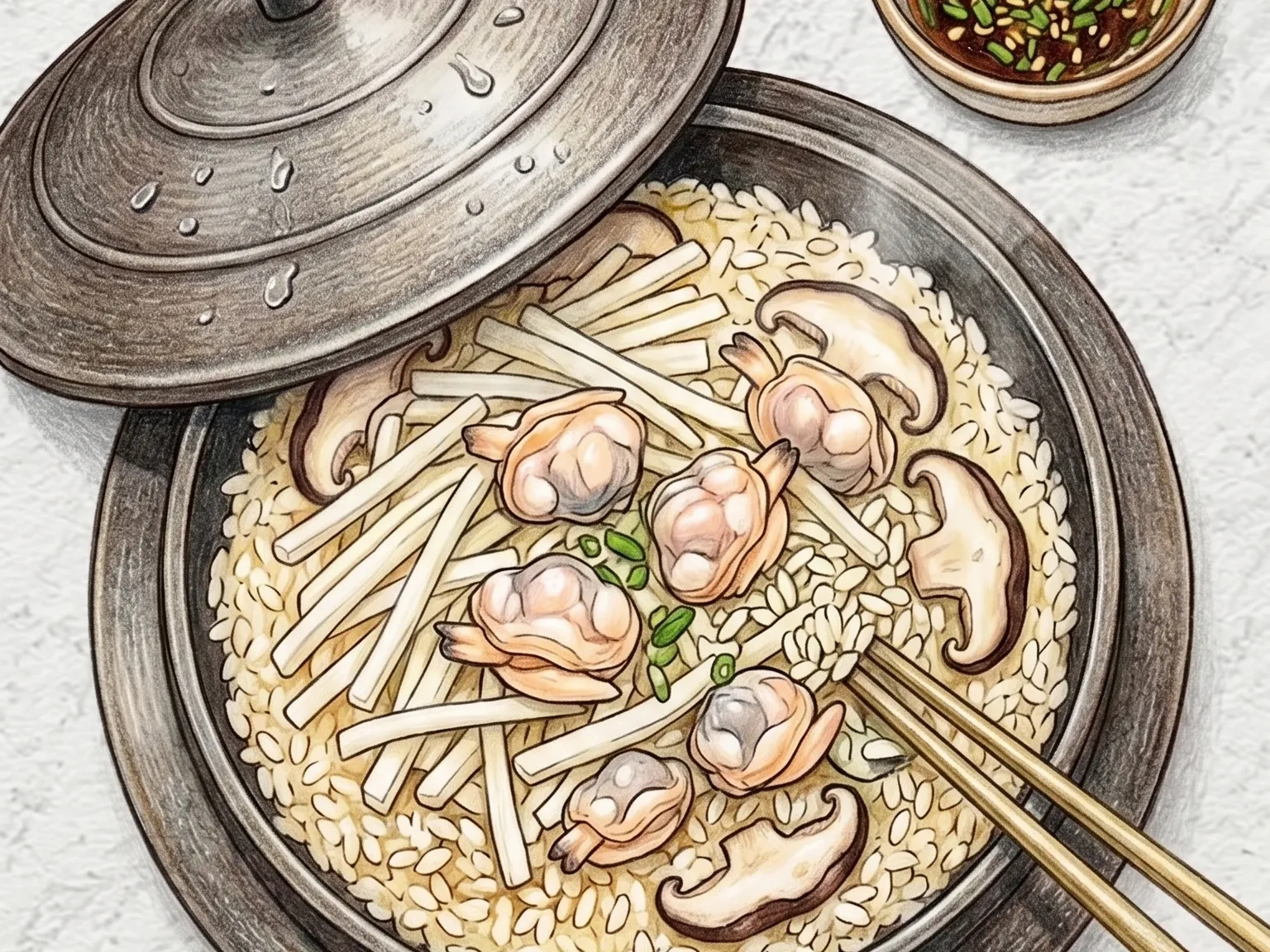
Baekhap mu sotbap is a Korean pot rice dish where soaked rice is cooked with radish, shiitake mushrooms, and hard clam meat using kelp-infused water. The kelp water establishes a deeper umami base than plain water, and the glutamic acid released by shiitake mushrooms compounds with the clams' briny character to build layered savory depth. Radish sits on top of the rice and steams as the pot cooks, losing moisture while concentrating its natural sweetness into the surrounding grains. The clam meat must be added just before the resting phase rather than at the start, because prolonged heat toughens shellfish; residual steam finishes the cooking gently while keeping the clams firm. The resting period is critical - ten minutes with the lid sealed after the flame is turned off allows steam to redistribute evenly through the rice and all the toppings. A seasoning sauce of soy sauce, sesame oil, and chopped scallion is mixed in at the table, adding a salty richness that ties the seafood and vegetable components together. Hard clams require thorough purging before use; soaking in salted water for at least two hours removes sand, and any clam that does not open during this process should be discarded.

🎉 Special Occasion
Prep 18minCook 22min2 servings
Korean Braised Monkfish in Spicy Soy Sauce
Stir-fryMedium

Korean Braised Monkfish in Spicy Soy Sauce

Agwi-jorim is a braised monkfish dish built around a soy-based sauce rather than the chili paste used in the better-known agu-jjim. The technique is gentler and the flavor profile more balanced - salty, faintly sweet, with a moderate heat from gochugaru rather than the aggressive fire of gochujang. Thick rounds of Korean radish go into the pot first, serving two functions simultaneously: they act as a physical buffer that keeps the fish from sticking to the bottom, and they slowly absorb the braising liquid while releasing their own sweetness into it, becoming the most flavorful element in the finished dish. The braising sauce is straightforward - soy sauce, gochugaru, garlic, and water - but it concentrates significantly as it reduces, coating both the fish and radish in a deep amber lacquer. Monkfish is well suited to braising because of its high collagen content; the flesh stays tender and almost gelatinous even with extended cooking, never turning rubbery. The liver-colored skin softens into the sauce. To eat, the standard approach is to spoon the sauce-saturated radish and fish over a bowl of steamed rice, letting the braising liquid soak in. Less fiery than agu-jjim, agwi-jorim is the version more commonly made at home, where the controlled salt-sweet-spice balance appeals to a wider range of palates.

🏠 Everyday
Prep 20minCook 30min4 servings
Korean Mini Seaweed Rice Rolls
Street foodMedium

Korean Mini Seaweed Rice Rolls

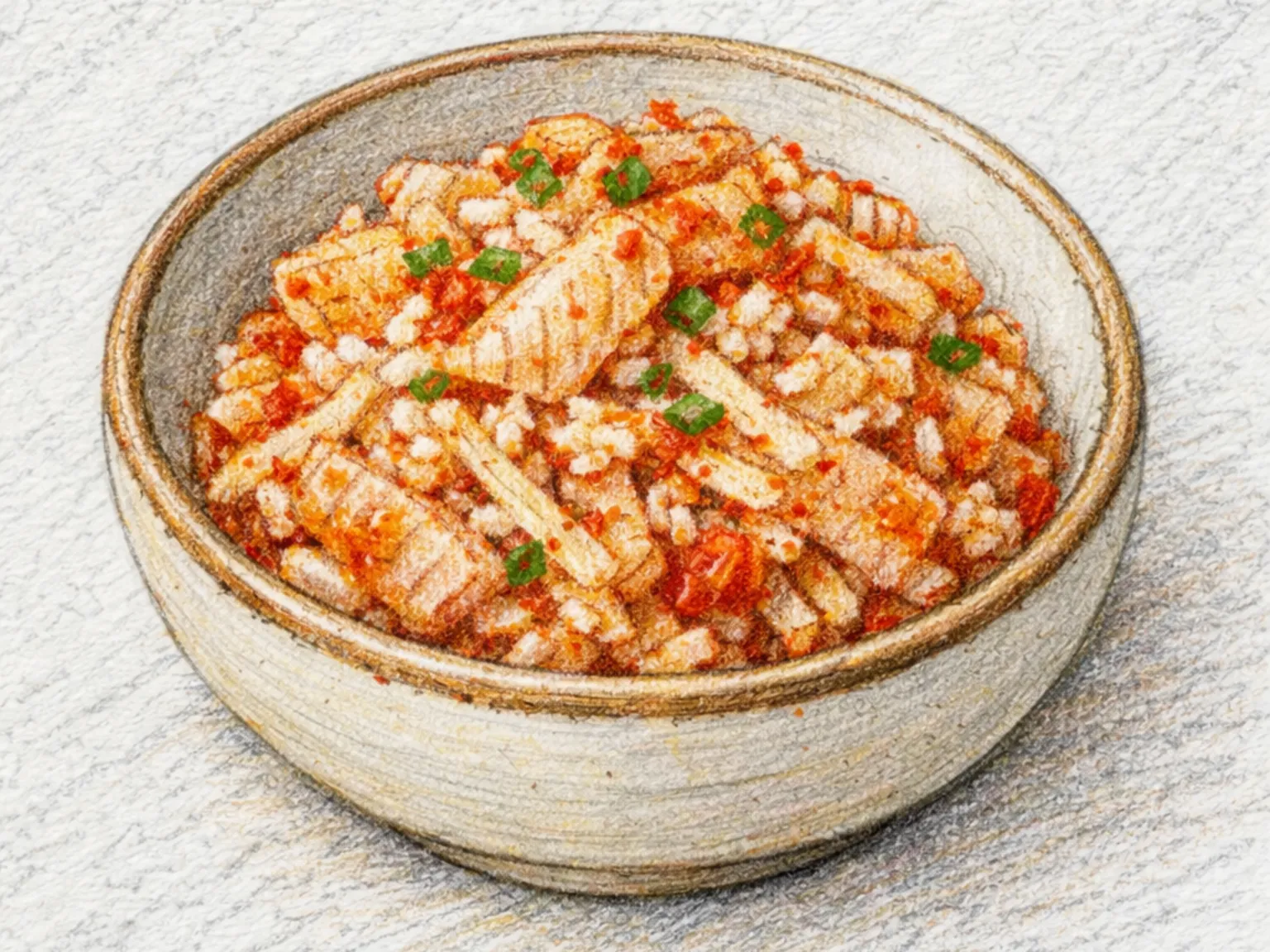
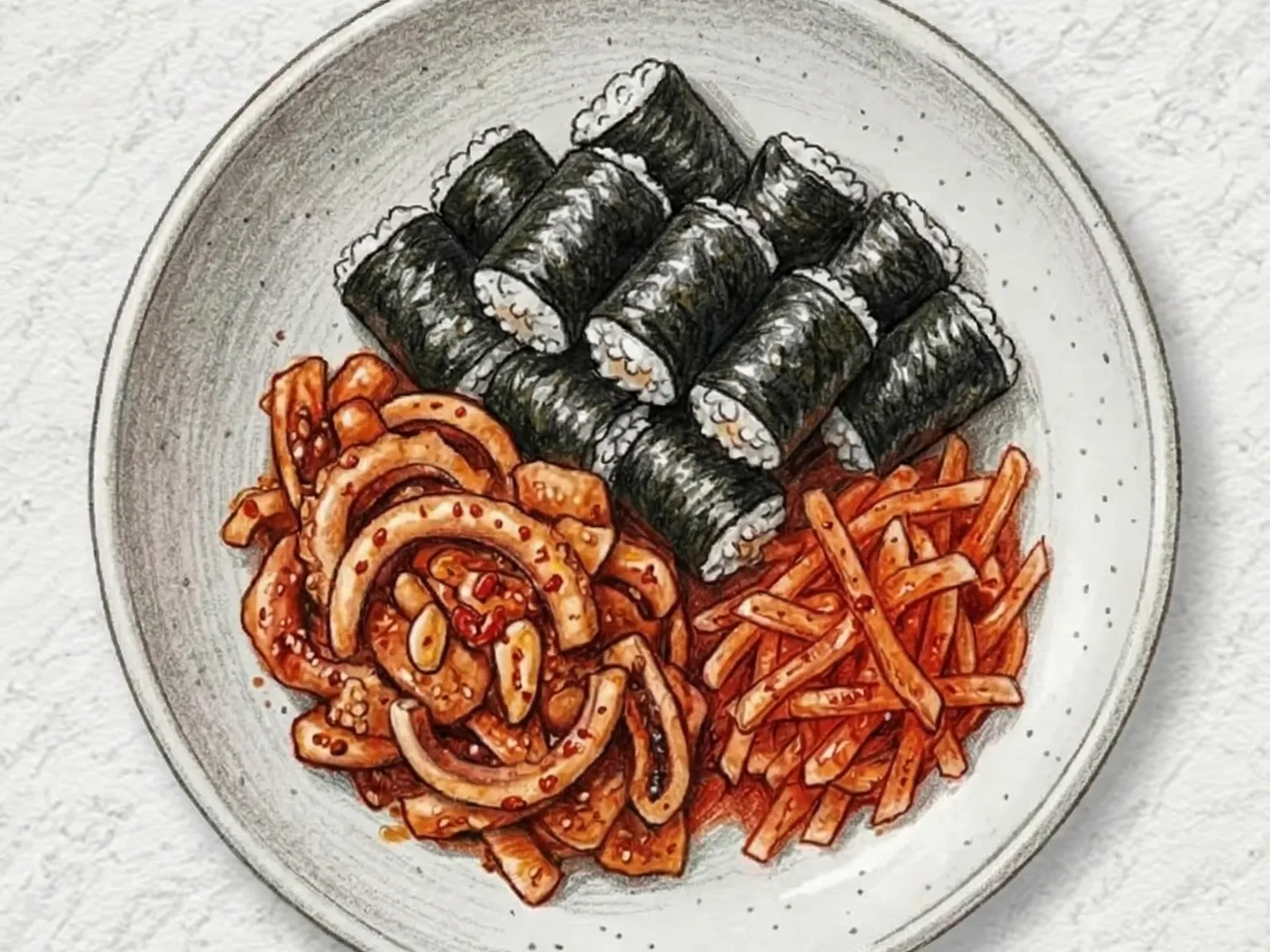
Chungmu gimbap is a regional specialty from Tongyeong in South Gyeongsang Province - small, bite-sized seaweed rice rolls seasoned only with sesame oil and salt, served alongside spicy squid and pickled radish side dishes. The rolls carry no filling at all, so the rice and seaweed stay clean and mild, with all the bold flavor coming from the accompaniments. Blanched squid is tossed in gochugaru, fish sauce, and garlic for a spicy, briny punch, while thin-sliced radish pickled in the same seasoning adds crunch and sharp tartness. The tension between the plain, compact rolls and the intensely seasoned sides is the point of this dish - each plain bite and each fiery bite calibrate each other, making the combination more satisfying than either part alone.

🧒 Kid-Friendly🍱 Lunchbox
Prep 25minCook 20min4 servings
Korean Fish Cake Soup (Clear Anchovy Radish Broth)
DrinksEasy

Korean Fish Cake Soup (Clear Anchovy Radish Broth)

Eomuk-tang is a Korean fish cake soup in which skewered fish cakes and thick radish slices simmer in a clear broth built from dried anchovies and kelp. The kelp must be removed the moment the water begins to boil, otherwise it releases a slimy texture that clouds the broth. Cutting the radish thick allows it to slowly release natural sweetness over the long simmer. Rinsing the fish cakes in hot water before adding them washes away surface oil and keeps the broth clear and clean. Soup soy sauce adjusts the seasoning, and green onion and black pepper finish the pot. Adding the radish before the fish cakes ensures it has enough time to fully soften and sweeten the broth, since it takes longer than the eomuk to cook through.

🍺 Bar Snacks
Prep 15minCook 25min4 servings
Korean Grilled Yellowtail
GrilledEasy

Korean Grilled Yellowtail

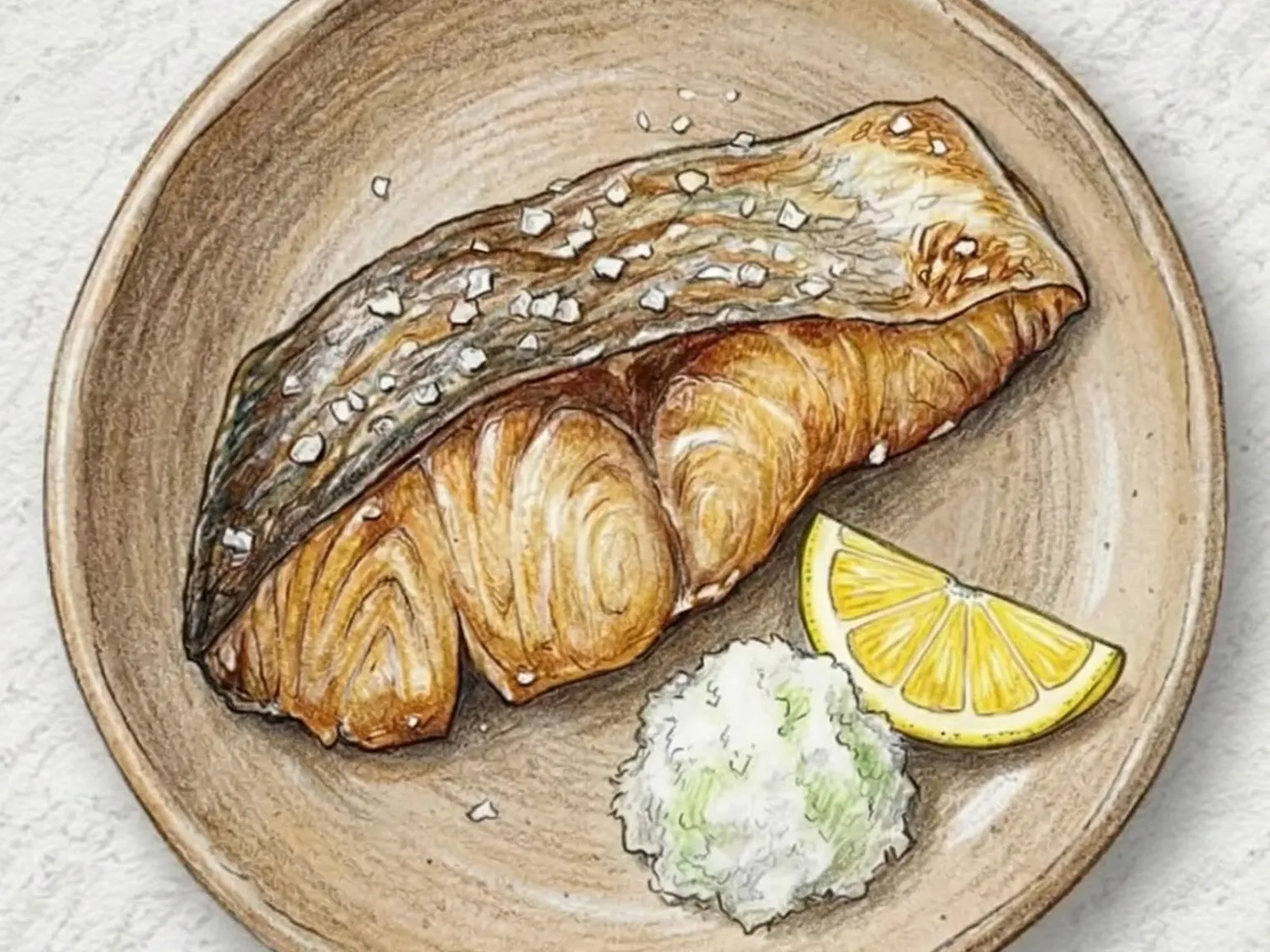
Bangeo-gui is a Korean salt-grilled yellowtail that relies on the fish's own winter fat for flavor rather than elaborate seasoning. Yellowtail caught in the cold months develops a thick fat layer under the skin, making coarse salt alone sufficient to bring out the natural richness. Patting the surface completely dry before grilling is essential because any moisture prevents the skin from crisping. The skin side goes down on a medium-heat pan, pressed for six to seven minutes until it turns brittle and golden as the fat renders. Flipping too often breaks the flesh apart, so the rule is to wait until one side is fully done before turning once. Grated fresh daikon and a wedge of lemon served on the side cut through the oiliness with sharp, clean acidity.

🍺 Bar Snacks
Prep 10minCook 15min2 servings
Korean Clear Puffer Fish Soup
SoupsMedium

Korean Clear Puffer Fish Soup

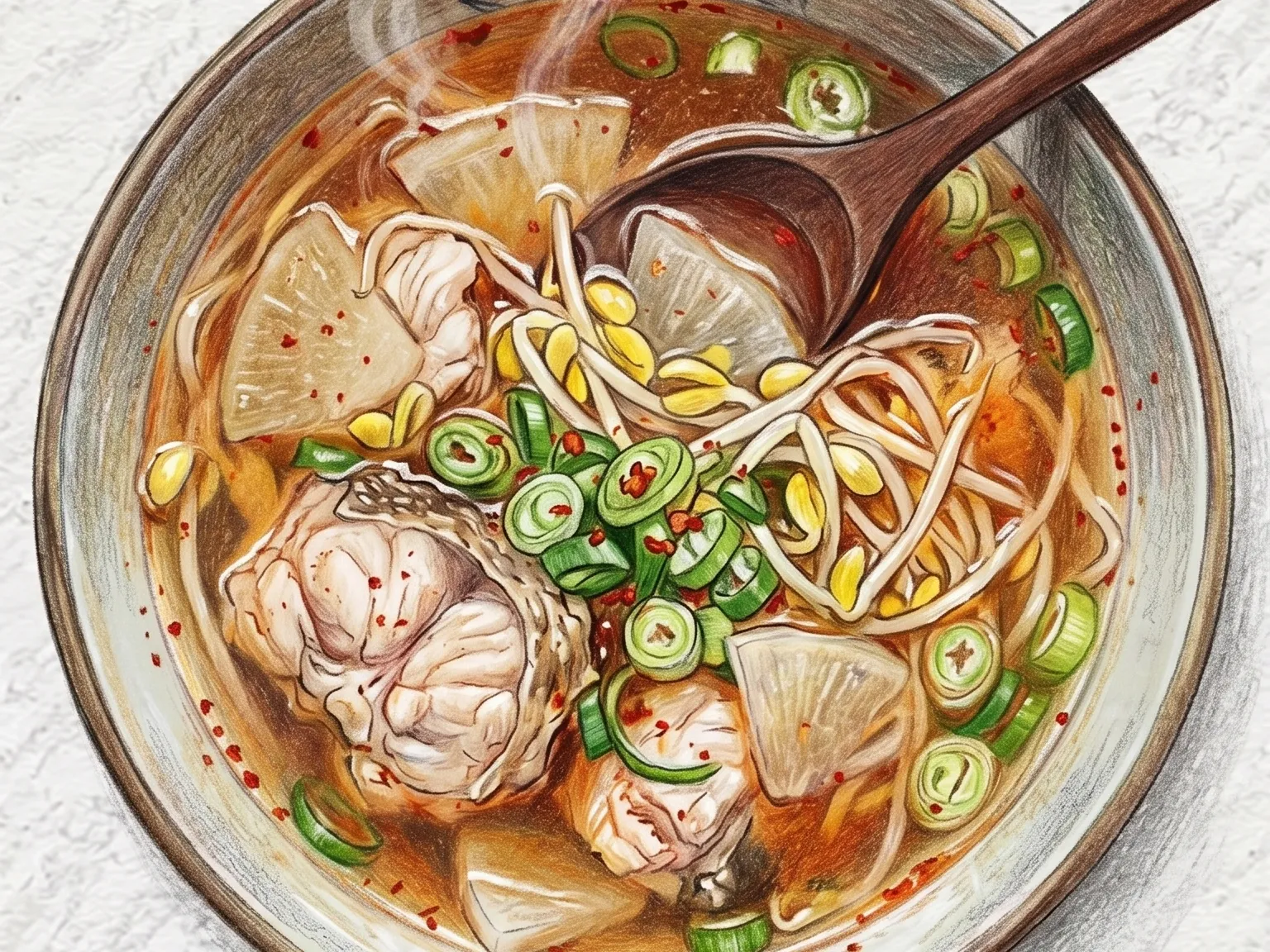
Cleaned puffer fish simmers with Korean radish and water dropwort in a clear, lightly seasoned broth. The radish goes in first to build a sweet base, and the puffer fish cooks for ten minutes, releasing a clean, delicate umami into the stock. Water dropwort added at the very end provides a fresh herbal lift that keeps the broth bright. Only professionally prepared, food-safe puffer fish must be used. The dish is high in protein and low in fat, and it has a long-standing reputation as a restorative after drinking.

🏠 Everyday
Prep 20minCook 30min2 servings
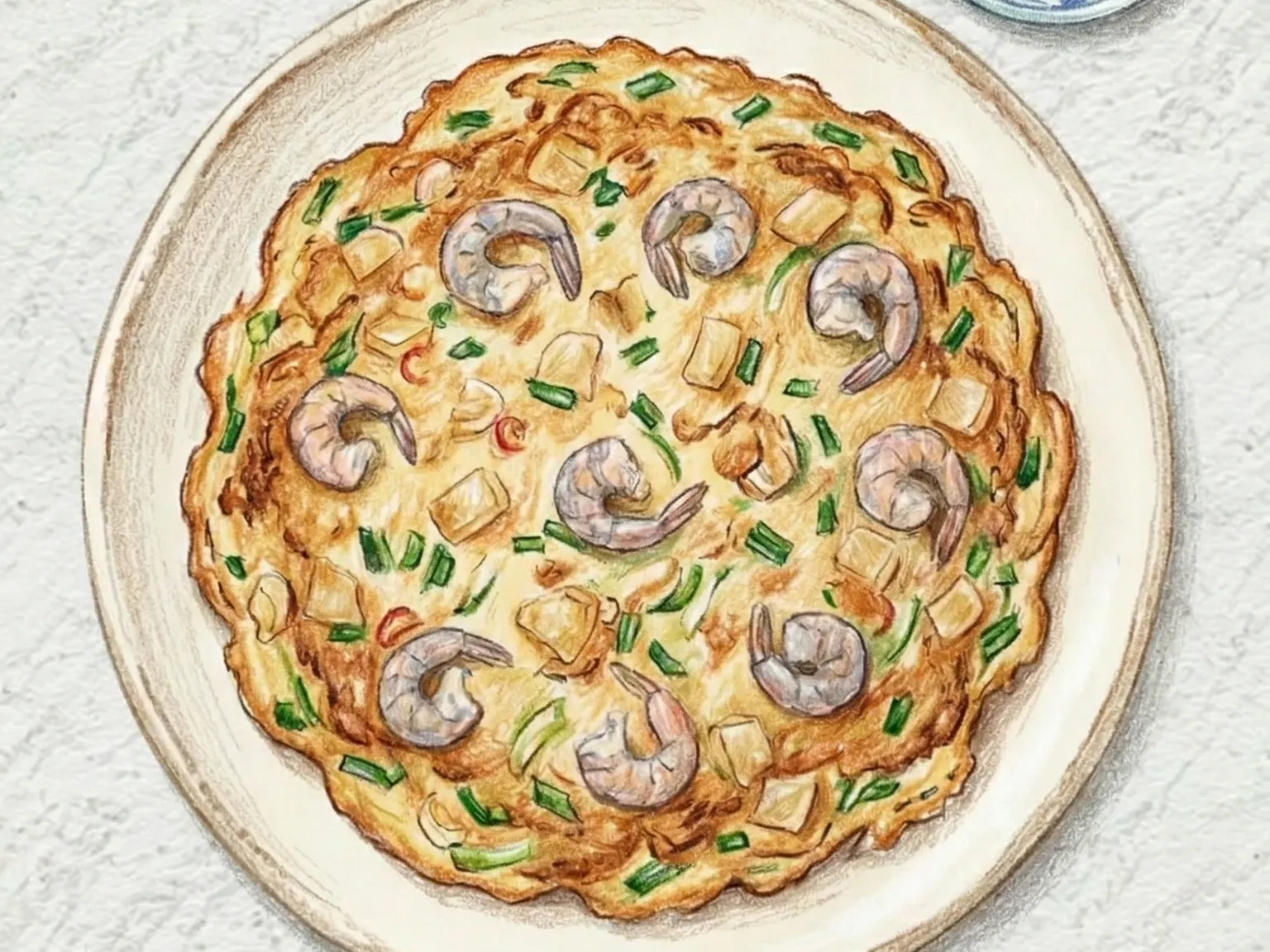
Korean Radish & Shrimp Pancake
PancakesEasy

Korean Radish & Shrimp Pancake

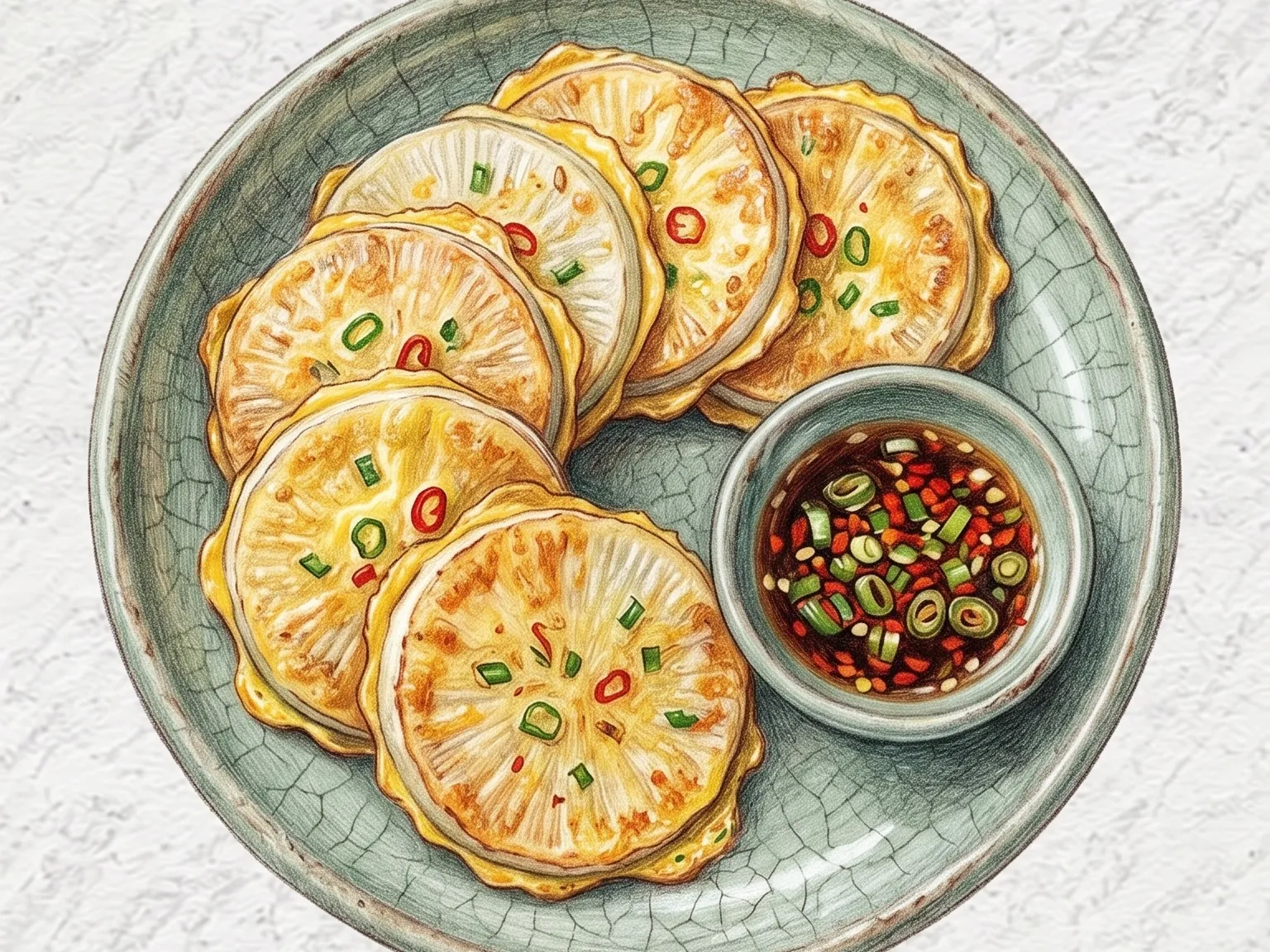
Julienned Korean radish and small peeled shrimp are combined in a pancake batter fortified with a measured amount of potato starch for added crispiness. Egg is mixed into the batter to improve binding and keep the pancake intact when flipped. Scallions are distributed throughout for a mild, grassy fragrance. Radish releases notable moisture as it cooks, so frying over high heat is essential to drive off that liquid quickly and achieve a crisp outer surface. The sharp, slightly bitter edge of raw radish disappears with heat and gives way to a gentle natural sweetness that pairs cleanly with the mild, delicate flavor of the shrimp. Pressing the center of the pancake down with a spatula while frying encourages even browning all the way through.

🍺 Bar Snacks
Prep 15minCook 12min2 servings
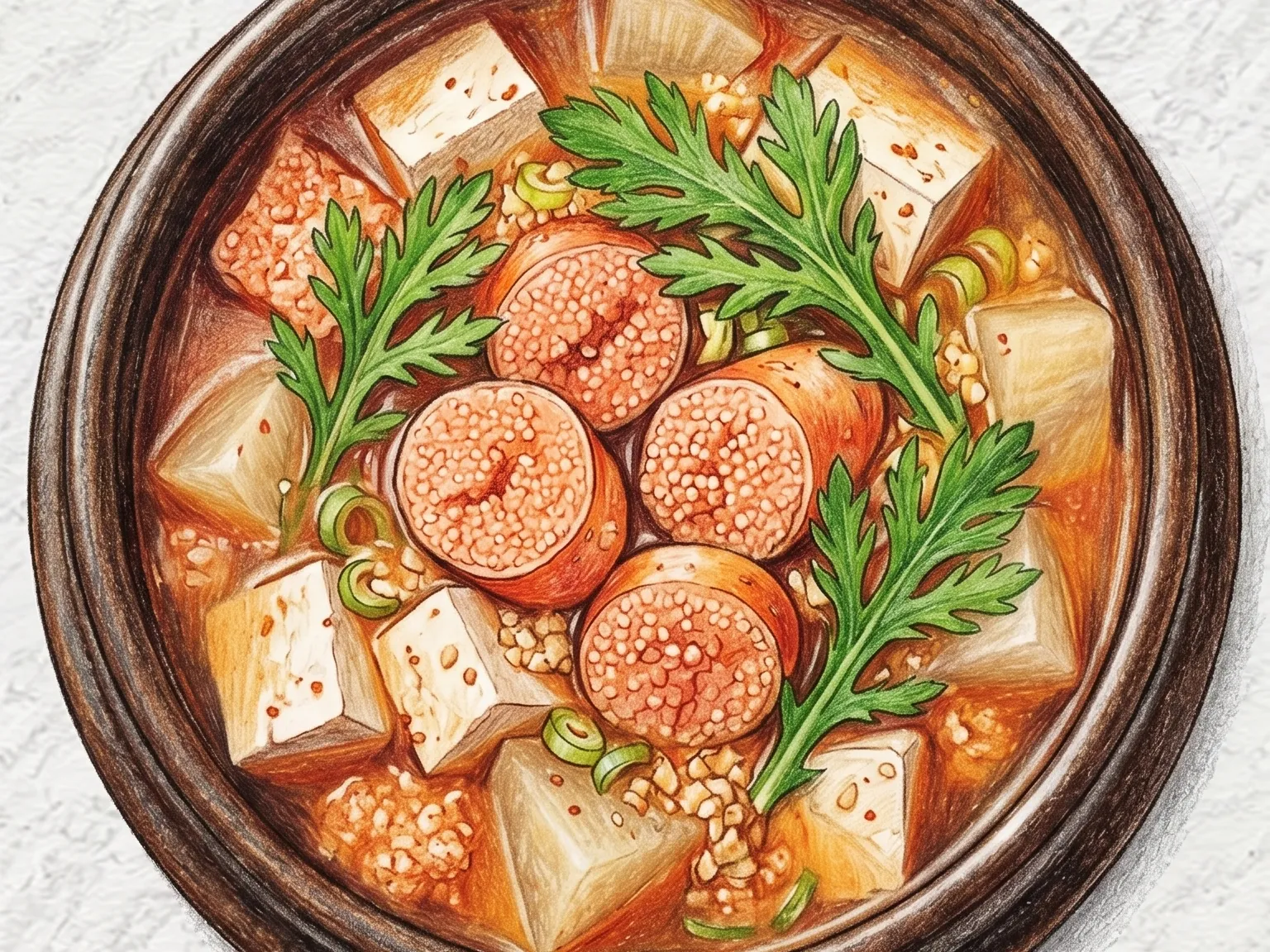
Korean Spicy Fish Roe Stew
StewsMedium

Korean Spicy Fish Roe Stew

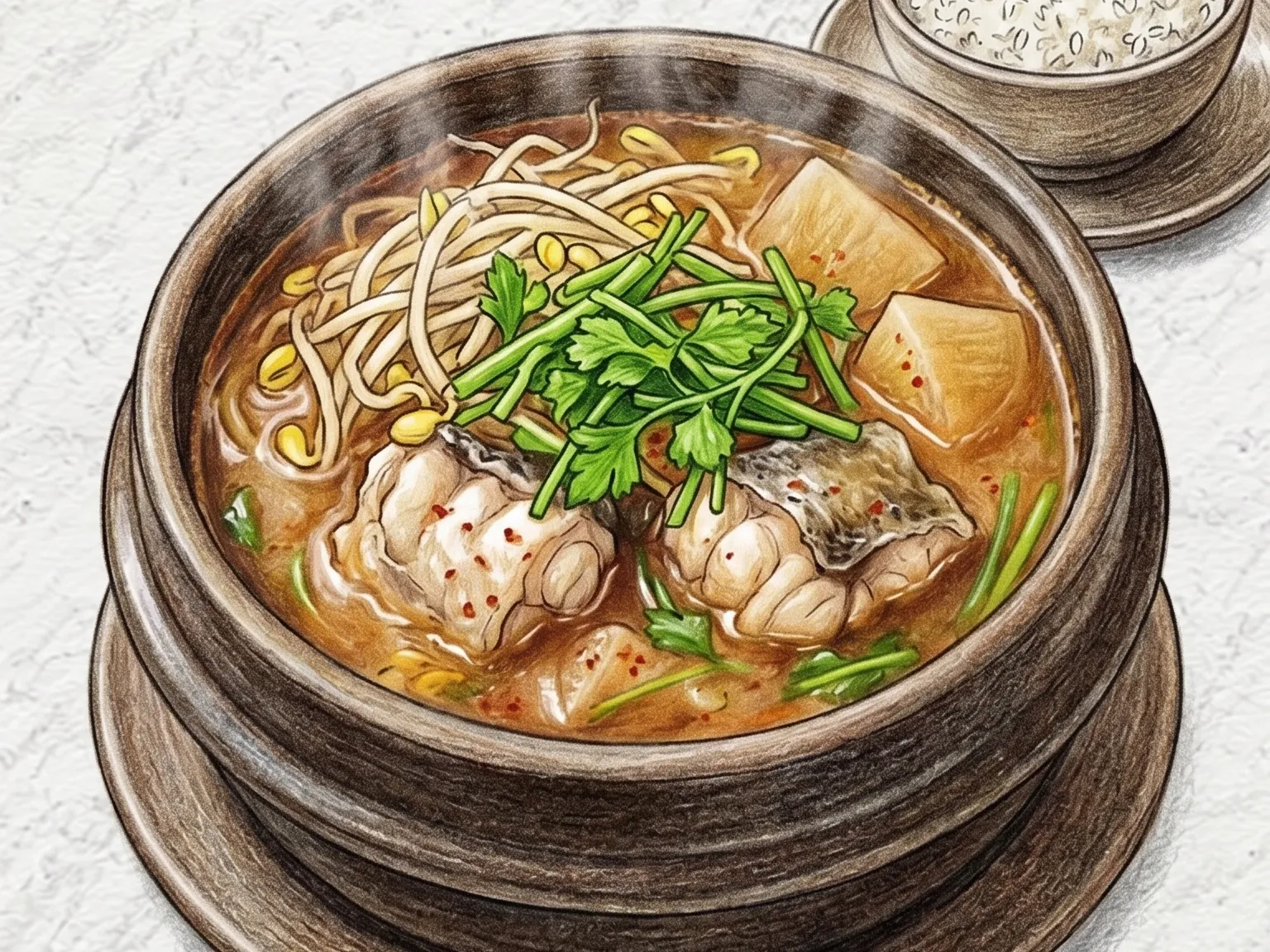
Altang is a Korean stew built around pollock roe - the egg sacs that are the defining ingredient, distinguishing this dish from the many other spicy Korean seafood stews. The dish originated in east coast fishing towns where fresh roe is available in large quantities during the winter spawning season and must be used quickly. Anchovy-kelp stock simmers first with radish to create a clean, sweet foundation before the roe and tofu are added. Once the roe goes into the broth, something visible happens: the egg sacs release their contents as they cook, turning the liquid cloudy and enriching it with marine oils that give the broth a noticeably heavier, more unctuous body. This transformation is specific to altang and is part of what makes it a different eating experience from other spicy Korean stews. Gochugaru and doenjang season the stew together - the chili bringing direct heat and the fermented paste adding depth - and together they neutralize the fishy edge that pollock roe would otherwise carry. Crown daisy, ssukgat, is added in the final moments. Its sharp, almost medicinal herbal fragrance is the correct counterpoint to the heavy, briny broth. In Korean drinking culture, altang occupies a specific role as a late-night restorative consumed at the end of a long evening. The image of a stone pot of altang arriving at the table still vigorously boiling, at two or three in the morning, is a recognizable part of Korean urban nightlife.

🍺 Bar Snacks🏠 Everyday
Prep 12minCook 18min2 servings
Korean Soy-Braised Dotted Gizzard Shad with Radish
SteamedMedium

Korean Soy-Braised Dotted Gizzard Shad with Radish

Baendaengi mu jorim is a Korean braised dish where small dotted gizzard shad and radish simmer together in a gochujang-based sauce. Radish lines the bottom of the pot, preventing the fish from sticking while absorbing the braising liquid as it reduces, infusing the pieces with a deep salty-sweet flavor. The sauce combines gochujang, gochugaru, soy sauce, and minced garlic, with cooking wine added to suppress any fishy odor while contributing a mild sweetness. The pot simmers covered on medium-low heat for twenty minutes, with the sauce spooned over the fish midway through to coat the surface evenly. Gizzard shad have fine, soft bones that are edible whole, and the braising process softens them further until they are barely noticeable when chewing. Onion added alongside the radish melts into the liquid, contributing natural sweetness that balances the spicy-salty punch of the gochujang sauce. The finished dish concentrates into a thick glaze that clings to both the fish and radish pieces, making it substantial enough to serve as a one-bowl meal over rice.

🎉 Special Occasion
Prep 20minCook 35min4 servings
Korean White Kimchi (Non-Spicy Napa Pear Fermented)
KimchiMedium

Korean White Kimchi (Non-Spicy Napa Pear Fermented)

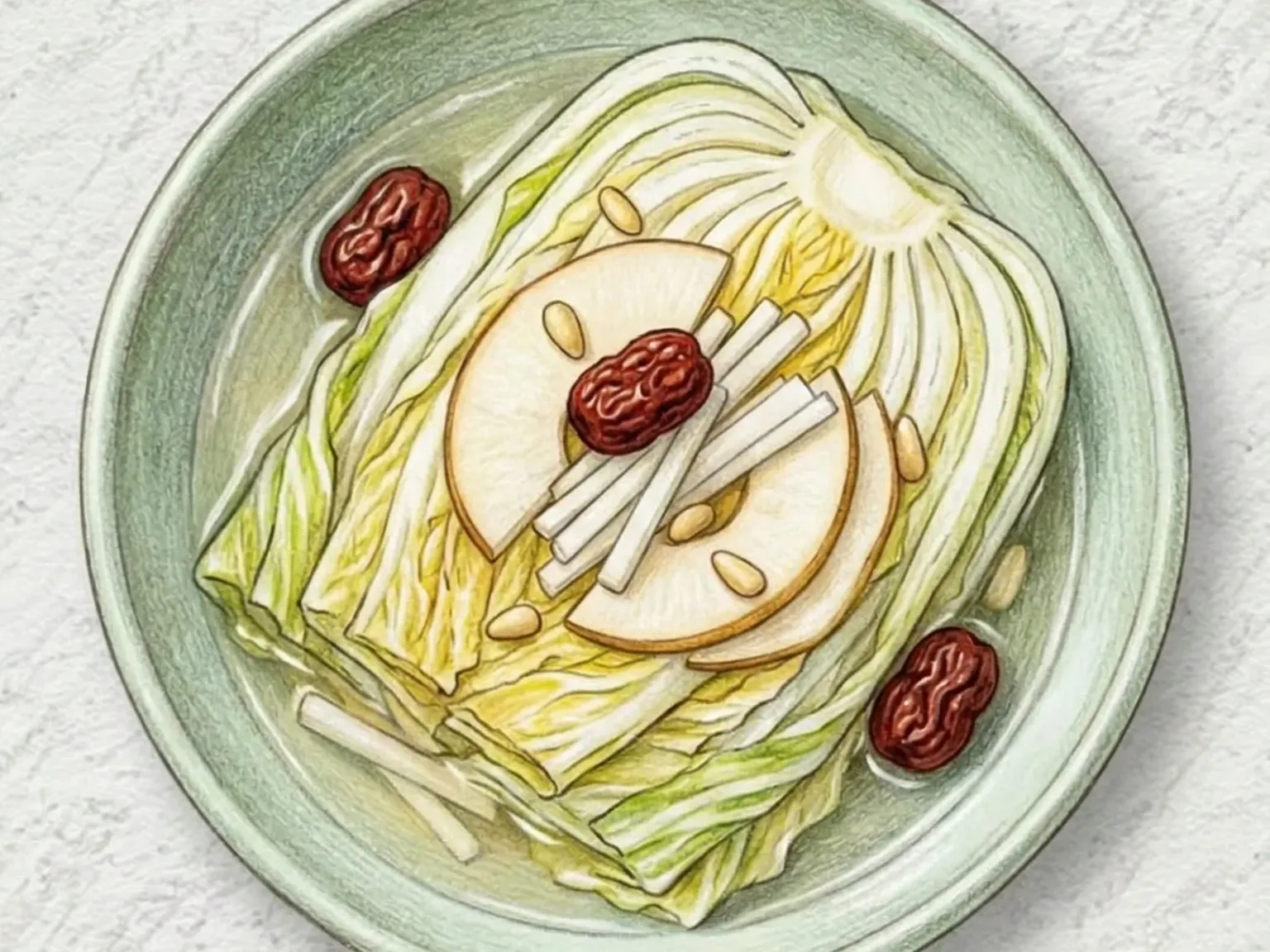
Baek kimchi is a Korean white kimchi made without gochugaru, producing a completely non-spicy, clear-broth fermented vegetable. Napa cabbage is salted and wilted, rinsed, then layered with julienned radish, sliced garlic, and ginger tucked between the leaves. Pureed pear serves as a natural sugar source that feeds fermentation, while dried jujubes add a subtle background sweetness to the brine. Salted water is poured over the assembled cabbage, the container is sealed, and after one day at room temperature the kimchi moves to the refrigerator for a slow ferment. Without chili heat, the flavor centers on the clean lactic acidity that develops over time, balanced by the natural sweetness of pear and jujube and the warm bite of garlic and ginger dissolved into the brine. The fermentation is slower than standard kimchi, reaching optimal taste at two to three weeks. It is eaten with its brine, either on its own or as a palate-clearing side alongside fatty meat dishes. Before chili peppers were introduced to the Korean peninsula in the late sixteenth century, kimchi without gochugaru was the standard form, and baek kimchi is considered the closest modern equivalent to those pre-chili preparations.

🏠 Everyday🍱 Lunchbox
Prep 50minCook 20min4 servings
Korean Clam Kalguksu (Hand-Cut Noodles in Clam Broth)
NoodlesMedium

Korean Clam Kalguksu (Hand-Cut Noodles in Clam Broth)

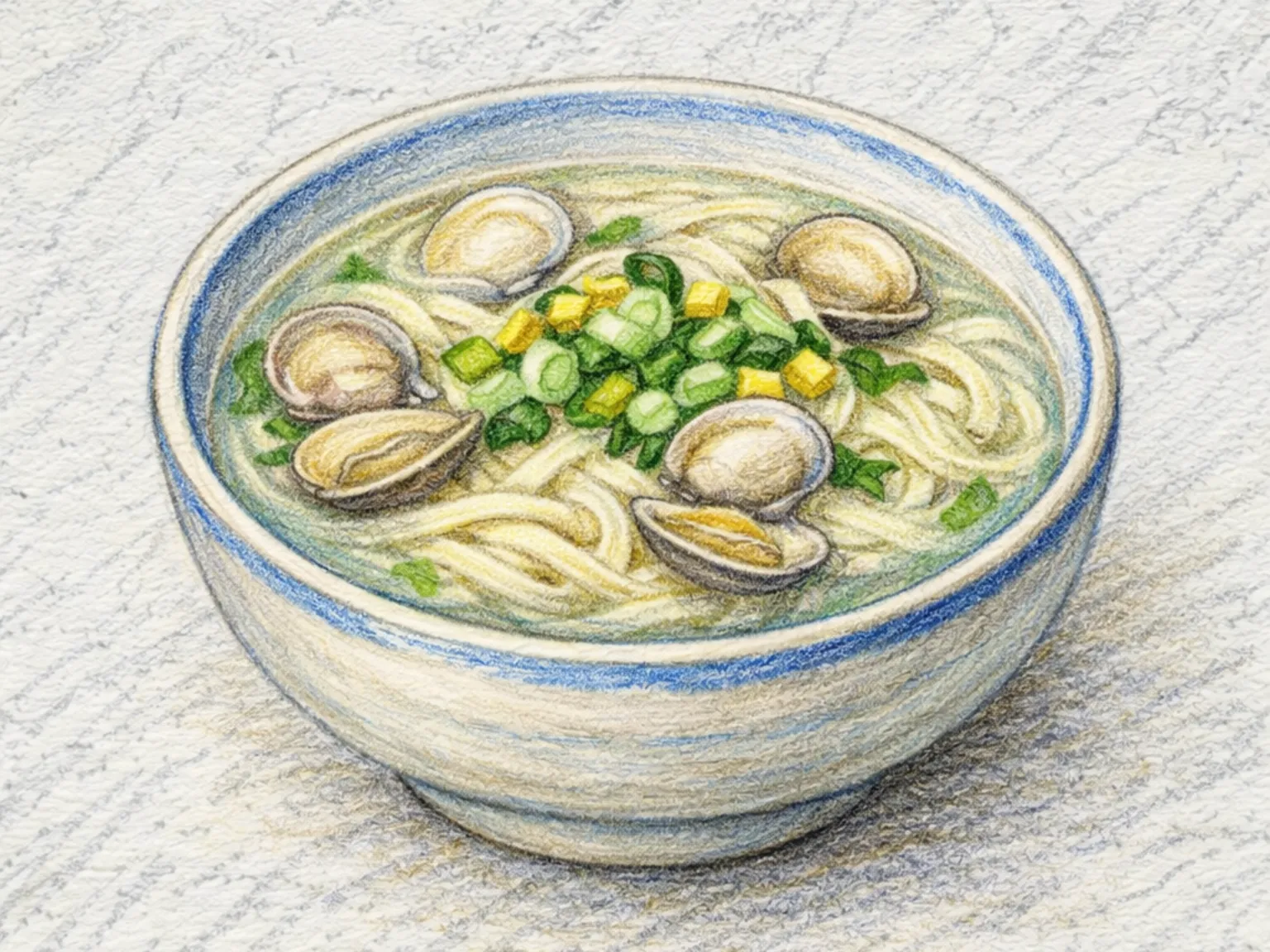
Baekhap kalguksu is a Korean knife-cut noodle soup in which the broth is derived entirely from hard clams rather than the more standard anchovy base. Purged clams are placed in cold water and brought to a boil; once the shells open, the clams are lifted out and the broth is strained through cheesecloth to remove any residual sand or shell fragments. Thinly sliced daikon radish and Korean zucchini cook in the strained broth for five minutes, contributing vegetal sweetness. The hand-cut noodles go in next and are boiled for six to seven minutes until they turn translucent; starch released from the noodles thickens the broth naturally into a lightly viscous, silky consistency without any additional thickener. Once the noodles are cooked, the reserved clam meat returns to the pot, and the soup is seasoned with minced garlic and guk-ganjang. Onion added with the vegetables deepens the broth's sweetness further. Because clam liquor rather than dried anchovy forms the base, the soup carries a distinctly marine, mineral character that permeates every strand of noodle, setting baekhap kalguksu apart from all other regional kalguksu variations. Along the coastal areas of South Chungcheong and Jeolla Provinces, this style of noodle soup has been a local specialty for generations, best in the seasons when clams are most abundant.

🎉 Special Occasion
Prep 20minCook 25min2 servings
Fattoush Salad (Crispy Pita & Sumac Veggie Salad)
SaladsEasy

Fattoush Salad (Crispy Pita & Sumac Veggie Salad)

Fattoush is a Levantine bread salad in which crisped pita chips are as important as the vegetables surrounding them, providing a textural anchor that elevates the dish beyond a simple green salad. Tomatoes, cucumber, radishes, and romaine are cut into generous pieces and tossed with a dressing of lemon juice, olive oil, and ground sumac. Sumac brings a flavor that resists easy comparison - a tart, fruity sourness distinct from lemon and unrelated to vinegar - and its reddish hue stains the dressing a deep rose color that coats every surface. Added to lemon juice, sumac creates a layered acidity with more dimension than either ingredient alone. Pita chips must be added immediately before serving and eaten without delay, because the juicy vegetables and dressing begin softening them within minutes. The ideal bite captures both the residual crunch at the center of the chip and the moistened, flavor-soaked edge. Fresh mint and flat-leaf parsley contribute a clean herbal brightness that lifts the heavier elements of the dressing. Pomegranate seeds scattered over the top add bursts of sweet-tart juice and a jewel-like visual contrast that is characteristic of Levantine presentation.

🥗 Light & Healthy
Prep 15minCook 8min2 servings
Sinigang na Baboy (Filipino Tamarind Sour Pork Rib Soup)
AsianMedium

Sinigang na Baboy (Filipino Tamarind Sour Pork Rib Soup)

Sinigang na baboy is a Filipino sour soup that appears on family tables across the Philippines with the comforting regularity of a weekly ritual. Pork ribs are simmered until the meat loosens from the bone, then the broth is sharpened with tamarind - either fresh pods pounded and strained, or a spoonful of tamarind paste for convenience. Tomatoes, onions, and daikon radish go in early and soften into the broth, while eggplant, long green beans, finger chilies, and leafy greens like water spinach are added toward the end so they keep their color and bite. The resulting broth is clear, tart, and savory all at once, with the pork fat adding a subtle richness beneath the acidity. Filipinos ladle the soup generously over steamed rice, and the sourness is said to sharpen the appetite rather than satisfy it, which explains why second helpings are almost mandatory.

🎉 Special Occasion
Prep 20minCook 50min4 servings
Korean Restaurant-Style Kkakdugi
Side dishesMedium

Korean Restaurant-Style Kkakdugi

Sikdang-style kkakdugi is the cubed radish kimchi served as a complimentary banchan at virtually every Korean restaurant, standing alongside baechu-kimchi as a permanent fixture on the Korean table. Cutting Korean radish into chunky 2 cm cubes preserves crunch deep into the flesh even after salting and fermentation. Twenty minutes in coarse salt draws out excess moisture, and the cubes are then coated in a seasoning mixture of gochugaru, anchovy fish sauce, garlic, ginger, and sugar. The fish sauce lays the umami foundation that develops further during fermentation, while ginger suppresses the raw edge of the radish and leaves a clean finish. One day at room temperature initiates lactic acid fermentation, producing the characteristic tingle of an active kimchi, after which refrigeration allows the flavor to mature steadily over two to three weeks. Winter radish carries more natural sugar, so the added sugar can be reduced without sacrificing sweetness. In summer, shortening the room-temperature rest to half a day before refrigerating prevents the kimchi from becoming overly sour. It pairs particularly well alongside grilled pork belly, rice noodle soup, and earthenware pot rice soup, where its acidity cuts through the richness of the main dish.

🏠 Everyday🍱 Lunchbox
Prep 25minCook 5min4 servings
Korean Cutlassfish Pot Rice
RiceMedium

Korean Cutlassfish Pot Rice

Galchi sotbap is a Korean one-pot rice dish in which cutlassfish seasoned with soy sauce and ginger is arranged on top of soaked rice along with sliced radish and shiitake mushroom, then cooked together in a heavy pot over direct heat. As the rice steams, the oils from the fish seep down through the grains, carrying a clean, rich marine savoriness into every layer of the pot. Radish softens slowly alongside the rice and releases a gentle sweetness that supports the fish without competing with it. Ginger handles any potential fishiness, keeping the overall flavor bright and unclouded. Shiitake mushroom contributes earthiness, added umami, and a chewy counterpoint to the tender fish and rice. The aroma released when the lid is lifted - soy-seasoned fish, steamed grain, and caramelized crust - is a considerable part of the eating experience. A soy-sesame dipping sauce is provided for mixing through the rice, layering in salt and nuttiness. The rice crust that forms at the base of the pot, called nurungji, adds a toasted crunch. The dish is finest in autumn when cutlassfish from the waters around Jeju Island and Korea's southern coast carry their peak fat content.

🎉 Special Occasion
Prep 25minCook 30min4 servings
Korean Braised Flounder with Radish
Stir-fryEasy

Korean Braised Flounder with Radish

Gajami-jorim is a Korean braised flounder dish where the fish is gently simmered with Korean radish in a soy sauce and chili flake broth. The delicate flounder flesh absorbs the seasoning deeply while careful low-heat cooking prevents it from breaking apart. Radish serves a dual purpose in the dish: it draws out and neutralizes the fishy odor while contributing a clean, refreshing sweetness that adds depth to the braising liquid. Spooning the reduced sauce over rice makes it a complete, standalone meal without the need for additional side dishes. Because flounder fillets are thin, the braising time is short, and the heat should be turned off once the liquid has reduced by at least half to keep the flesh moist and tender.

🏠 Everyday🍱 Lunchbox
Prep 15minCook 25min2 servings
Korean Skewered Fish Cake Soup
Street foodEasy

Korean Skewered Fish Cake Soup

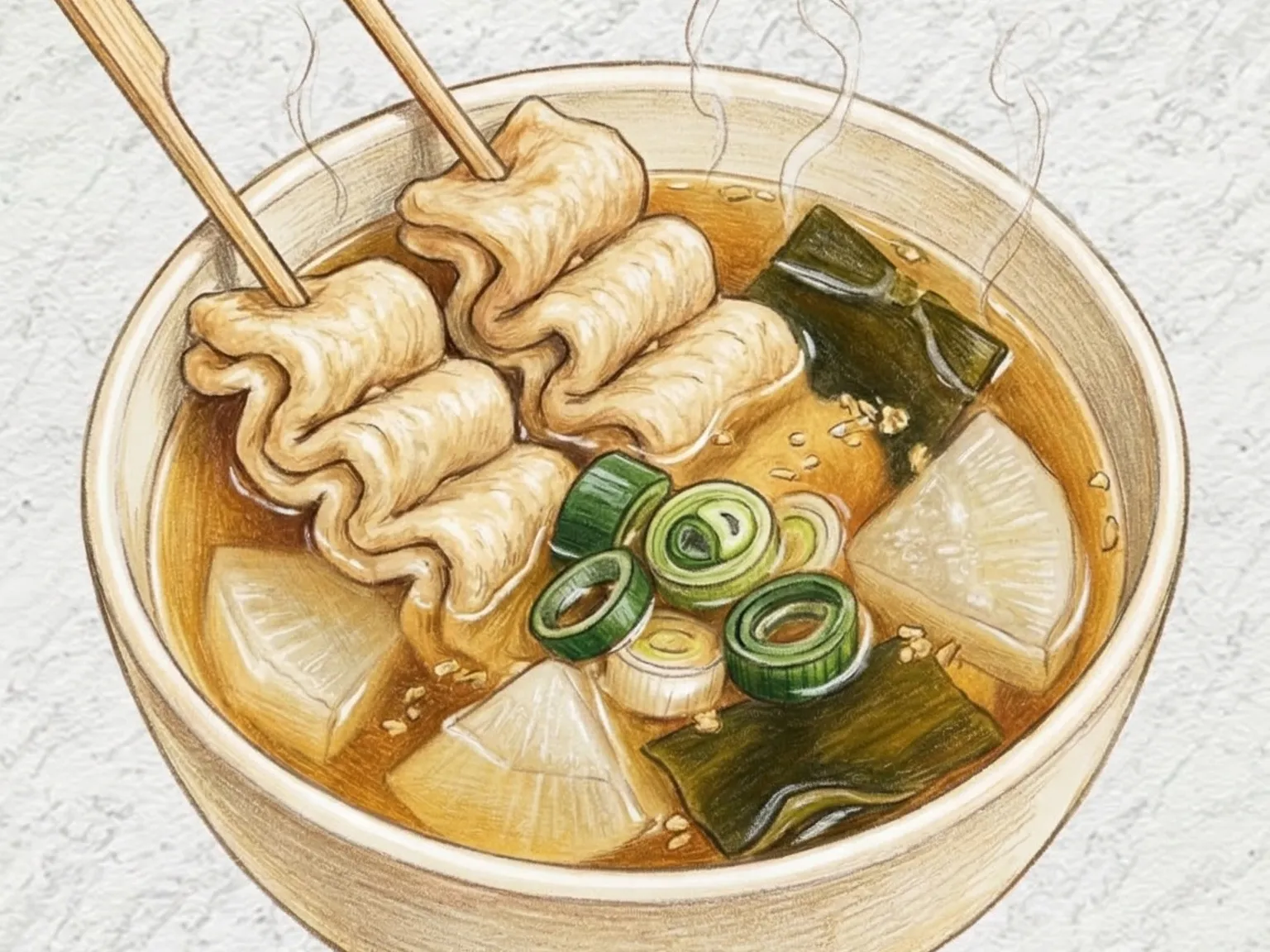
Eomuk-kkochi starts with flat fish cake sheets folded into zigzag shapes on skewers, which then simmer in a clear broth made from Korean radish, kelp, and green onion. The broth draws umami from the radish and kelp and transfers that depth into the fish cakes as they cook. The fish cakes soften from their original firm bounce as they absorb the broth, while the liquid itself thickens slightly from the starch the eomuk releases. Serving a dipping sauce of soy or gochujang alongside each skewer adds another dimension of flavor at the table. This is one of Korea's most iconic winter street foods, served at pojangmacha stalls where the hot broth gets ladled into paper cups for sipping between bites.

🧒 Kid-Friendly
Prep 10minCook 20min2 servings
Korean Poached Octopus Slices
DrinksMedium

Korean Poached Octopus Slices

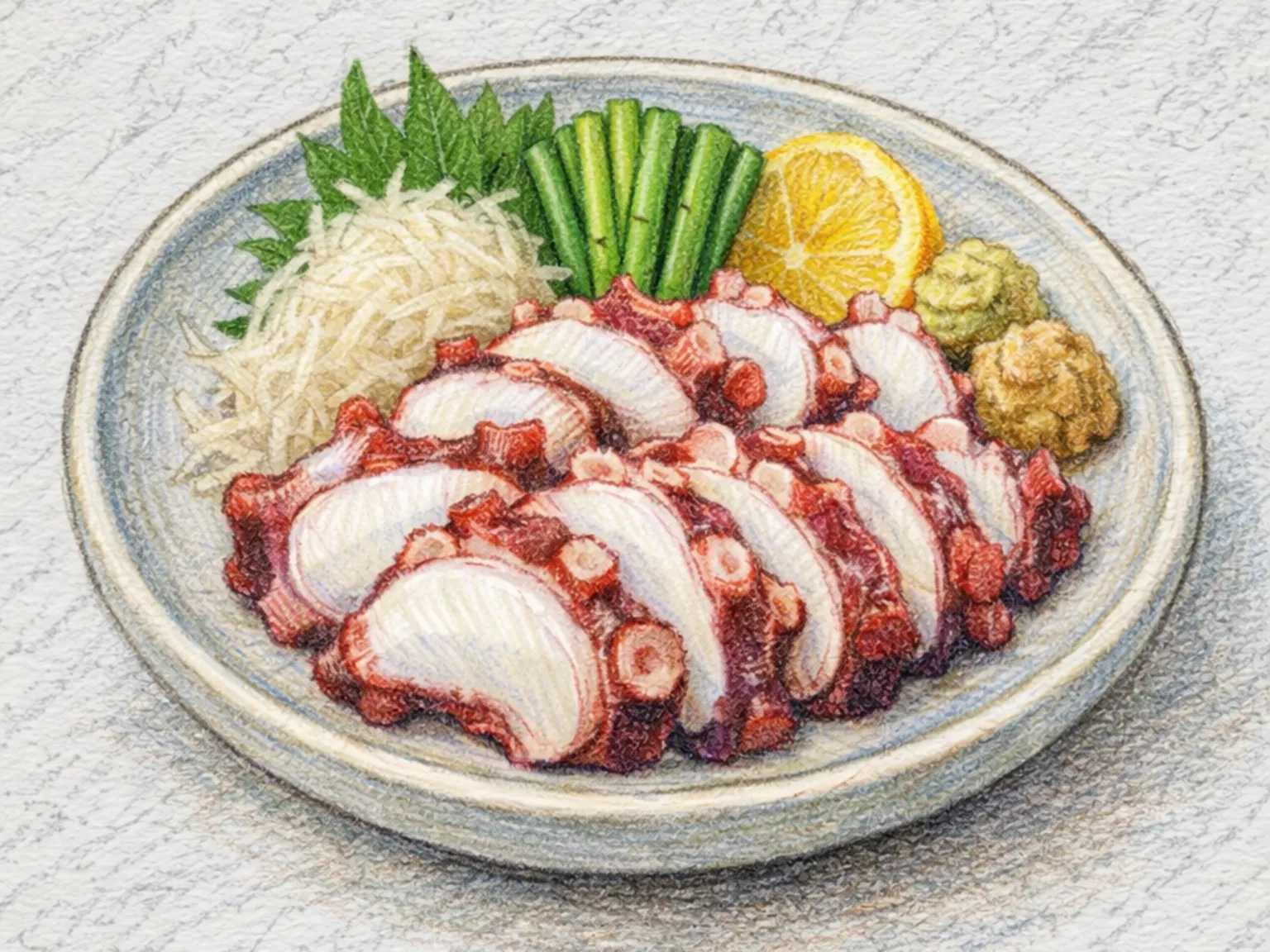
Muneo-sukhoe is poached octopus prepared by simmering a whole raw octopus in water with radish, green onion, and ginger for about 20 minutes, then slicing it thin and serving it with vinegared gochujang dipping sauce. Before cooking, the octopus is vigorously rubbed with salt to strip away the slippery surface mucus, which is the single most important step for removing any unpleasant ocean odor. When lowering the octopus into the hot water, the tentacles go in first: submerging them before the body causes the legs to curl inward, giving the cooked octopus a cleaner shape. After the cooking time, the heat is turned off and the octopus rests undisturbed in the pot for five minutes, allowing the muscle fibers to relax and produce a chewy but not tough texture. Radish in the poaching liquid absorbs impurities; ginger suppresses fishiness, leaving the flesh tasting clean and mild on its own. Thick diagonal slices bring out the natural sweetness of the octopus, and the tangy-spicy dipping sauce amplifies the savoriness rather than masking it. The dish works equally well as a drinking snack or a summer seafood side.

🍺 Bar Snacks
Prep 15minCook 25min4 servings
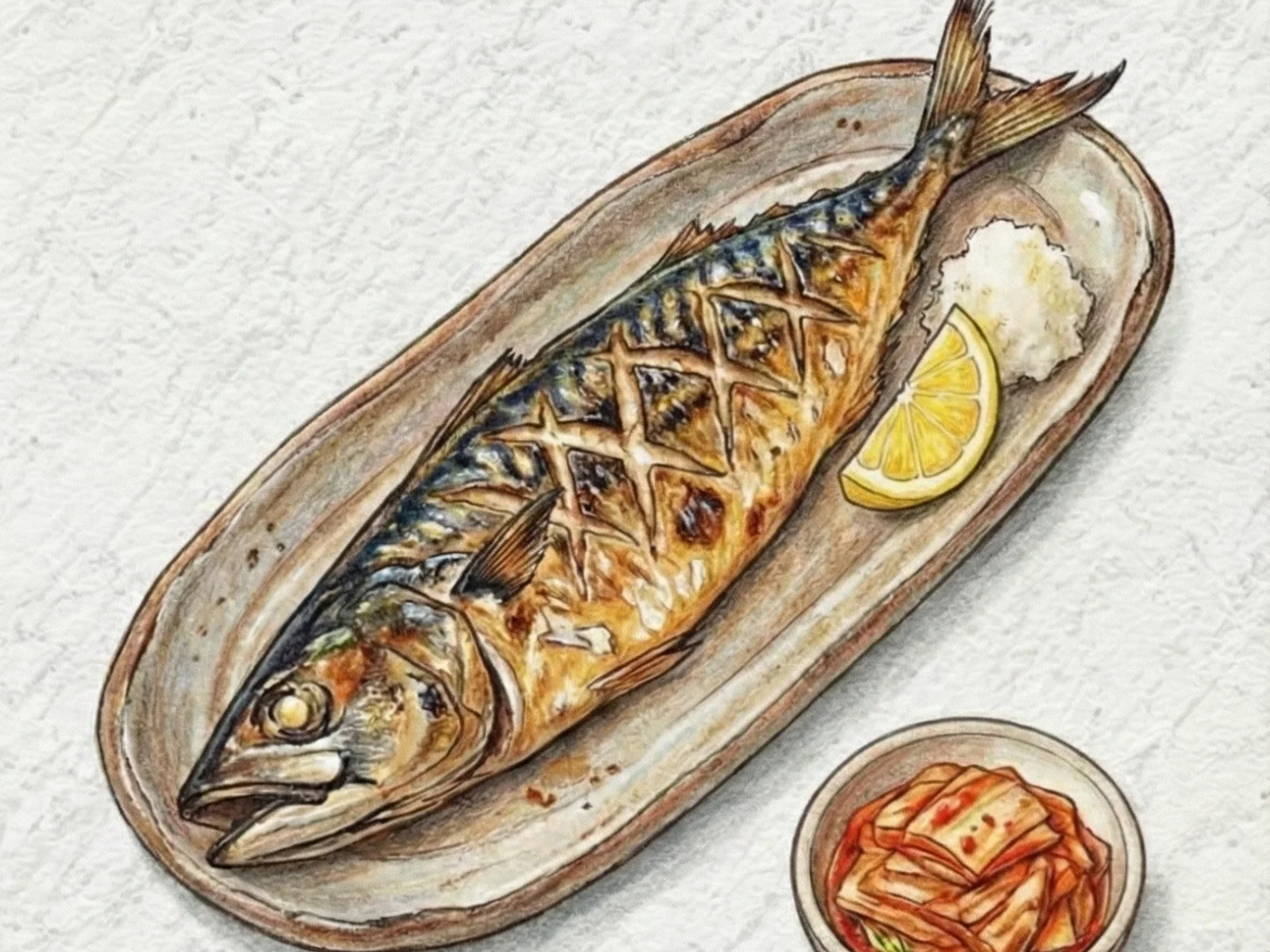
Korean Grilled Mackerel (Crispy Skin Salt-Grilled Blue Fish)
GrilledEasy

Korean Grilled Mackerel (Crispy Skin Salt-Grilled Blue Fish)

Godeungeo-gui is Korea's classic grilled mackerel, prepared by salting the fish for ten minutes to draw out moisture and reduce fishiness, patting the surface completely dry, then pan-frying or grilling over direct heat. Cooking skin-side down first for five to six minutes renders the abundant subcutaneous fat and crisps the skin, while flipping and cooking the flesh side for four to five more minutes keeps the interior moist and flaky. Mackerel's high omega-3 fat content transforms under heat into a deeply savory, naturally rich flavor that requires no marinade beyond salt. A side of freshly grated daikon mixed with soy sauce provides a sharp, peppery counterpoint that clears the palate between bites. Autumn mackerel is considered peak eating, when fat content reaches its highest, and grilled mackerel has long been a centerpiece banchan on everyday Korean tables.

🍺 Bar Snacks
Prep 15minCook 15min2 servings
Korean Chive Clam Soup (Briny Clam Broth with Garlic Chives)
SoupsEasy

Korean Chive Clam Soup (Briny Clam Broth with Garlic Chives)

Purged clams cook with Korean radish to produce a refreshing, clean broth, then garlic chives and cheongyang chili go in near the end for fragrance and heat. Simmering the radish alone for five minutes first establishes a mild sweetness in the base that balances the natural salinity of the clam liquor. The chives are added only after the heat is cut, preserving their vivid color and grassy scent. Any clam that does not open during cooking is removed before serving. Because the clam broth itself carries substantial umami, seasoning should be kept light with just a pinch of salt or a small measure of gukganjang.

🏠 Everyday
Prep 20minCook 15min2 servings
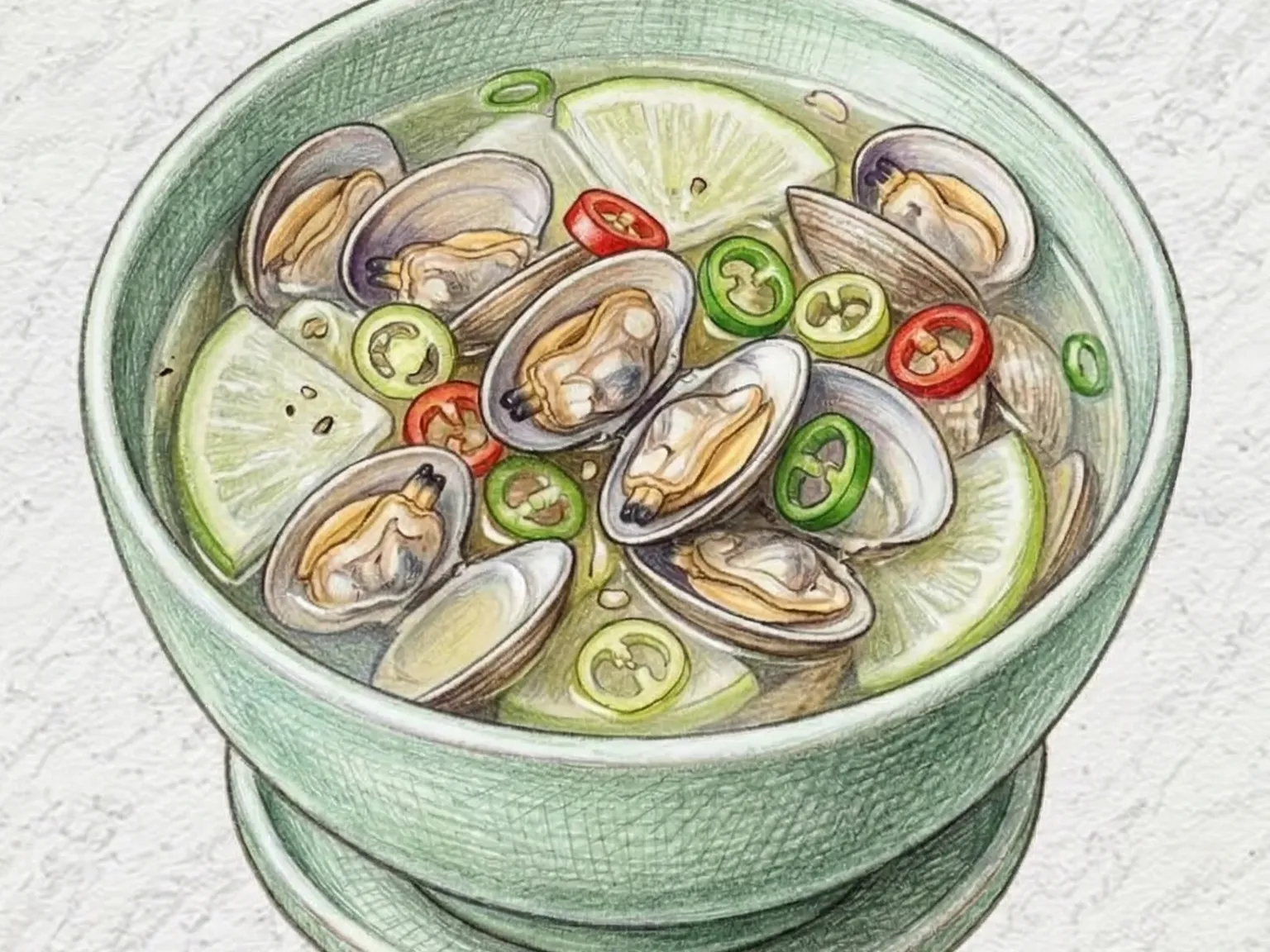
Korean White Chili Clam Stew
StewsEasy

Korean White Chili Clam Stew

Baekgochu bajirak jjigae is a clear Korean clam stew where manila clams and daikon radish supply all the broth depth without any additional stock. Starting from cold water is essential: the gradual temperature rise draws the clams open slowly, pulling their briny, mineral-rich juices into the liquid and producing a more fully flavored broth than a quick boil would allow. The clams are purged first in salted water to remove all traces of sand, then placed in the cold pot together with cut daikon. As the water reaches a boil, the clams open and release their liquor into the surrounding liquid; any that remain closed after full boiling are discarded. Seasoning stays measured with minced garlic and guk-ganjang, while diagonally sliced red chili and cheongyang chili add both visual warmth and layered heat to the otherwise clear broth. Scallion is added only at the final moment to preserve its freshness and fragrance. The daikon contributes a cool, gentle sweetness that balances the clams natural salinity and fuses with the shellfish stock to build a broth of surprising complexity. The stew requires no anchovy, no kelp, and no premade stock: clams and radish alone generate the kind of depth that usually takes considerably more effort to achieve.

🥗 Light & Healthy
Prep 15minCook 14min2 servings
Japanese Simmered Yellowtail and Daikon
SteamedMedium

Japanese Simmered Yellowtail and Daikon

Yellowtail and daikon are simmered in a dashi broth seasoned with soy sauce, mirin, and sake until the braising liquid concentrates around the fish. The daikon absorbs the rich stock as it cooks, turning tender and translucent with a deep savory flavor throughout. Sliced ginger added to the pot neutralizes the fishiness without masking the yellowtail's natural richness. Sugar tempers the salt in the soy, producing a glaze that coats the skin and clings to the daikon. The dish is best from December through January, when yellowtail carries its peak fat content and yields the most flavorful braising stock.

🎉 Special Occasion
Prep 20minCook 40min4 servings