Tomato Basil Soup
Tomato basil soup sautés onion and garlic in olive oil, adds canned whole tomatoes crushed by hand, simmers with vegetable stock for 15 minutes, then blends until smooth and finishes with cream and fresh basil. Crushing and cooking the tomatoes for the first five minutes before adding stock concentrates their natural sugars and reduces raw acidity, building a sweeter, deeper base. The 15-minute simmer lets the flavors merge without overcooking, and blending produces a velvety texture that cream enhances without masking the tomato. Basil is heat-sensitive - its volatile oils dissipate within minutes of cooking - so it goes in only after the heat is off, releasing its fragrance through residual warmth alone. A tablespoon of tomato paste can be stirred in during the sauté stage for a more intense tomato flavor if desired.
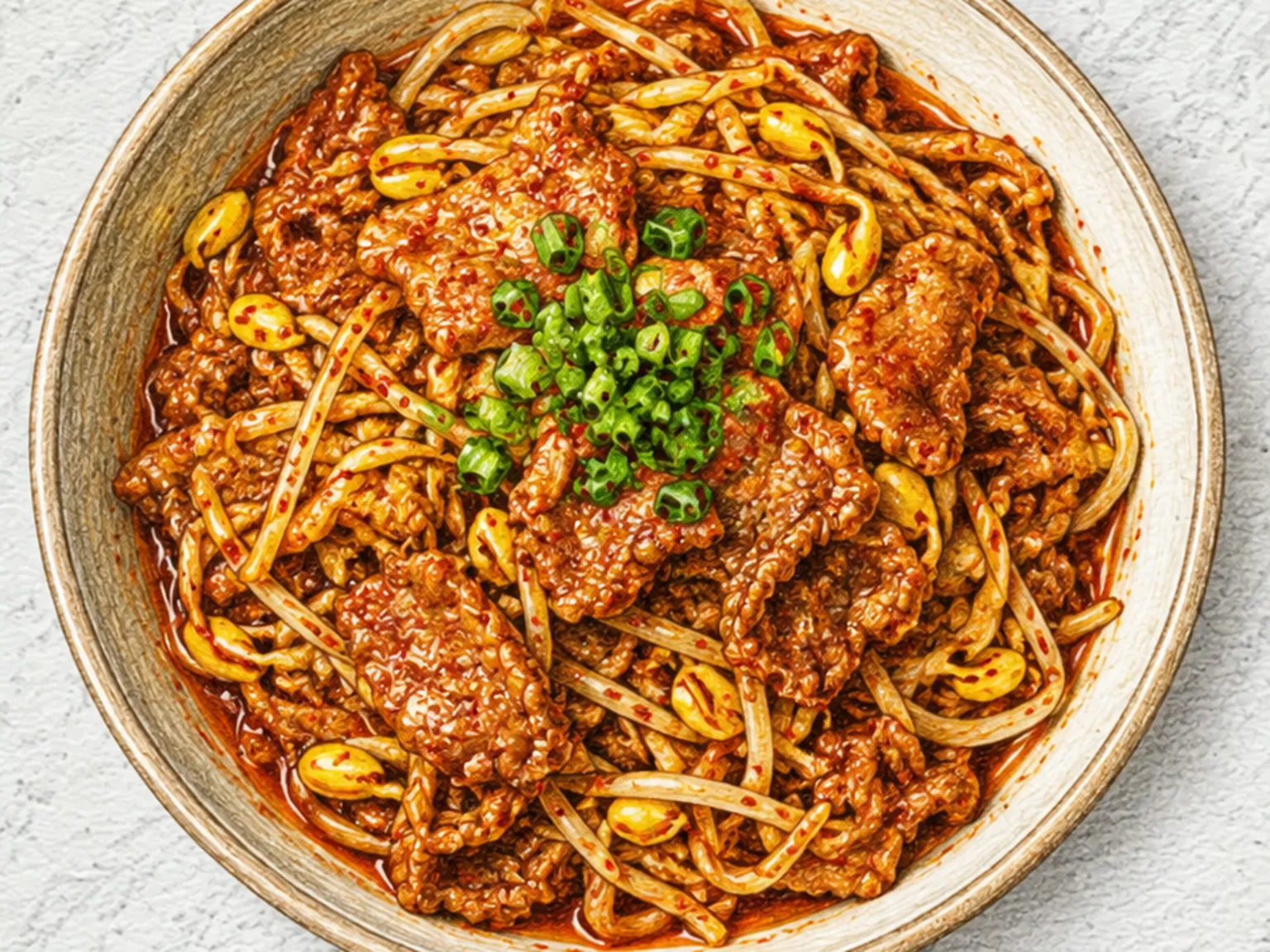
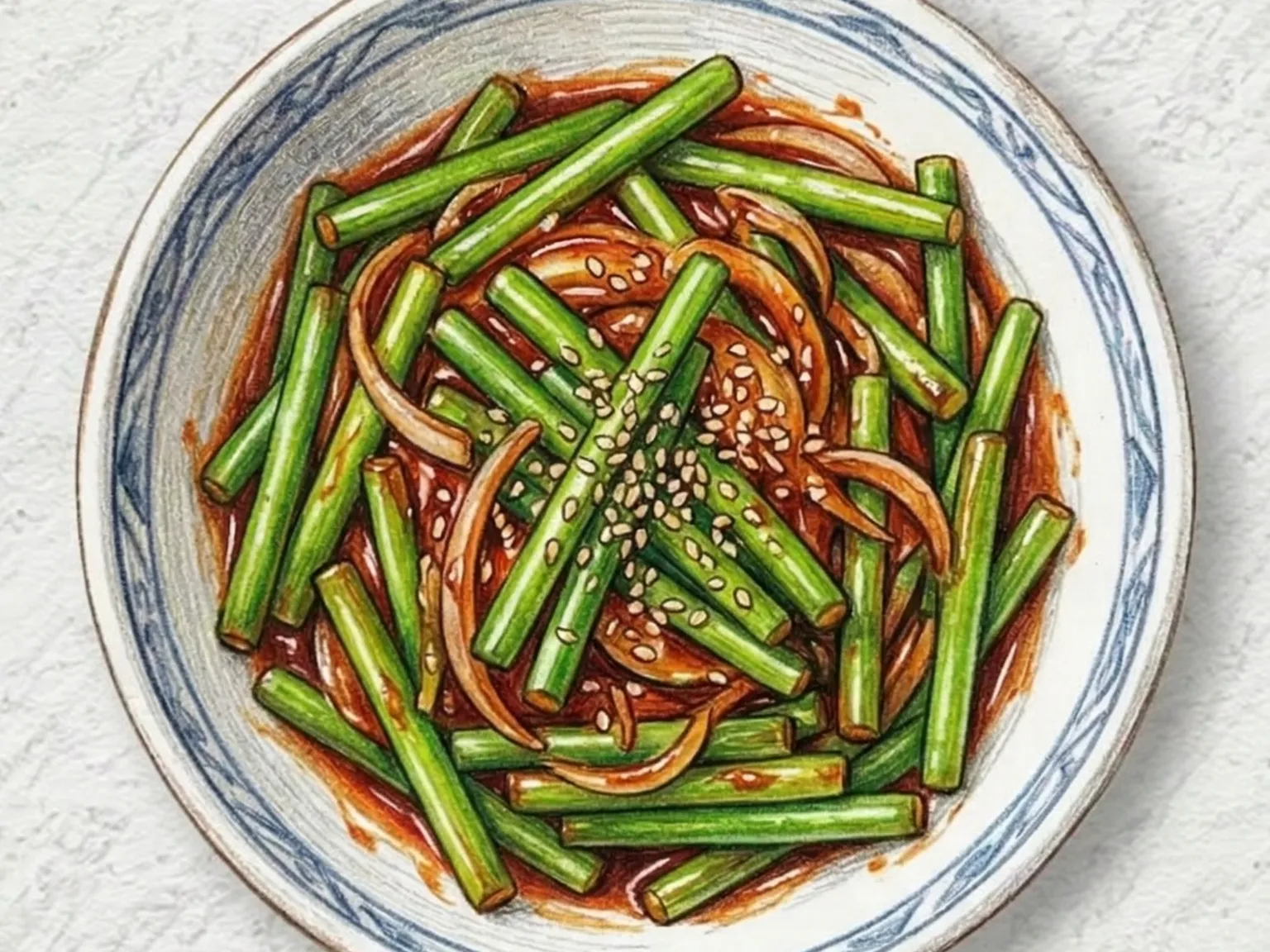
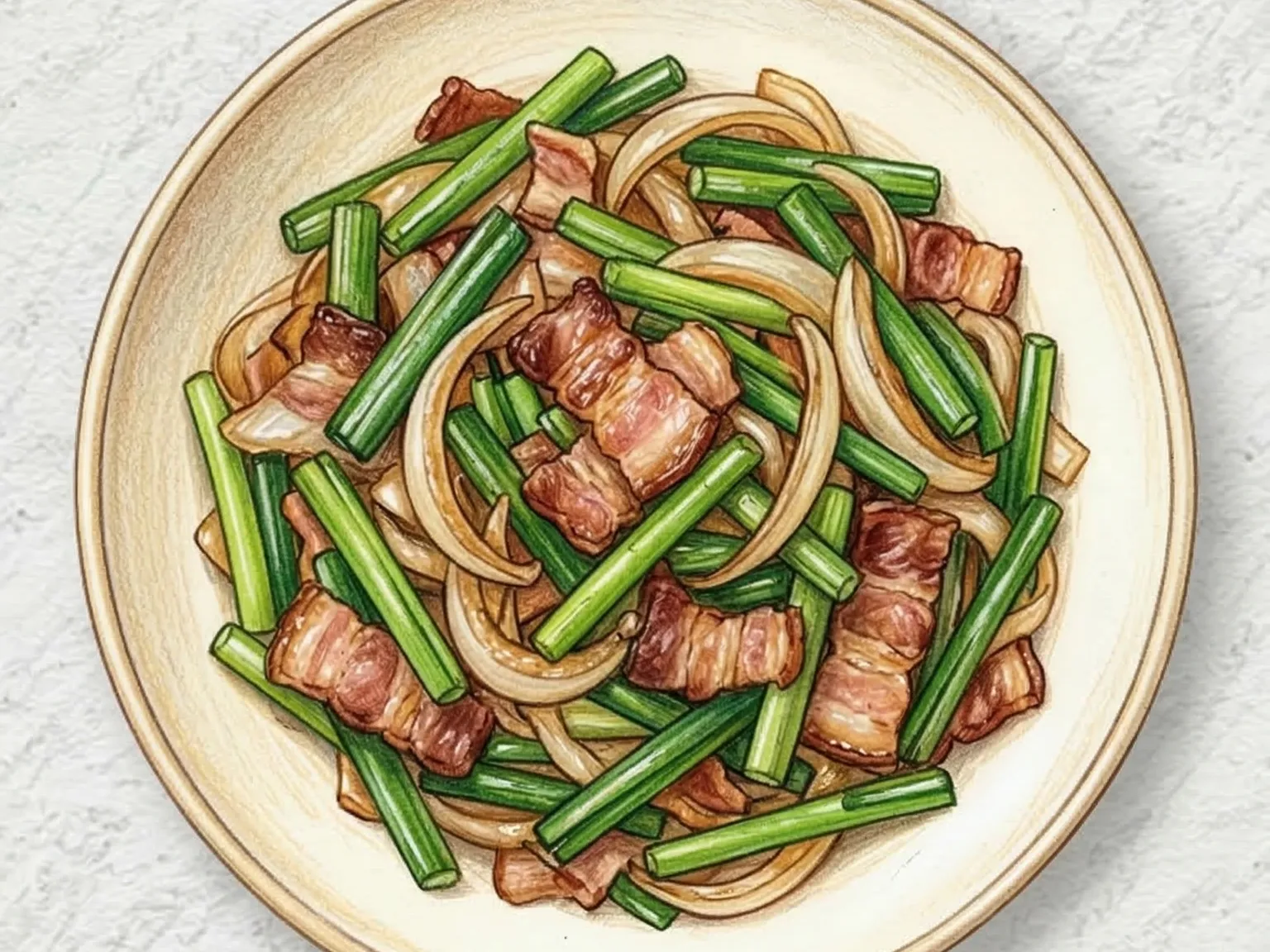
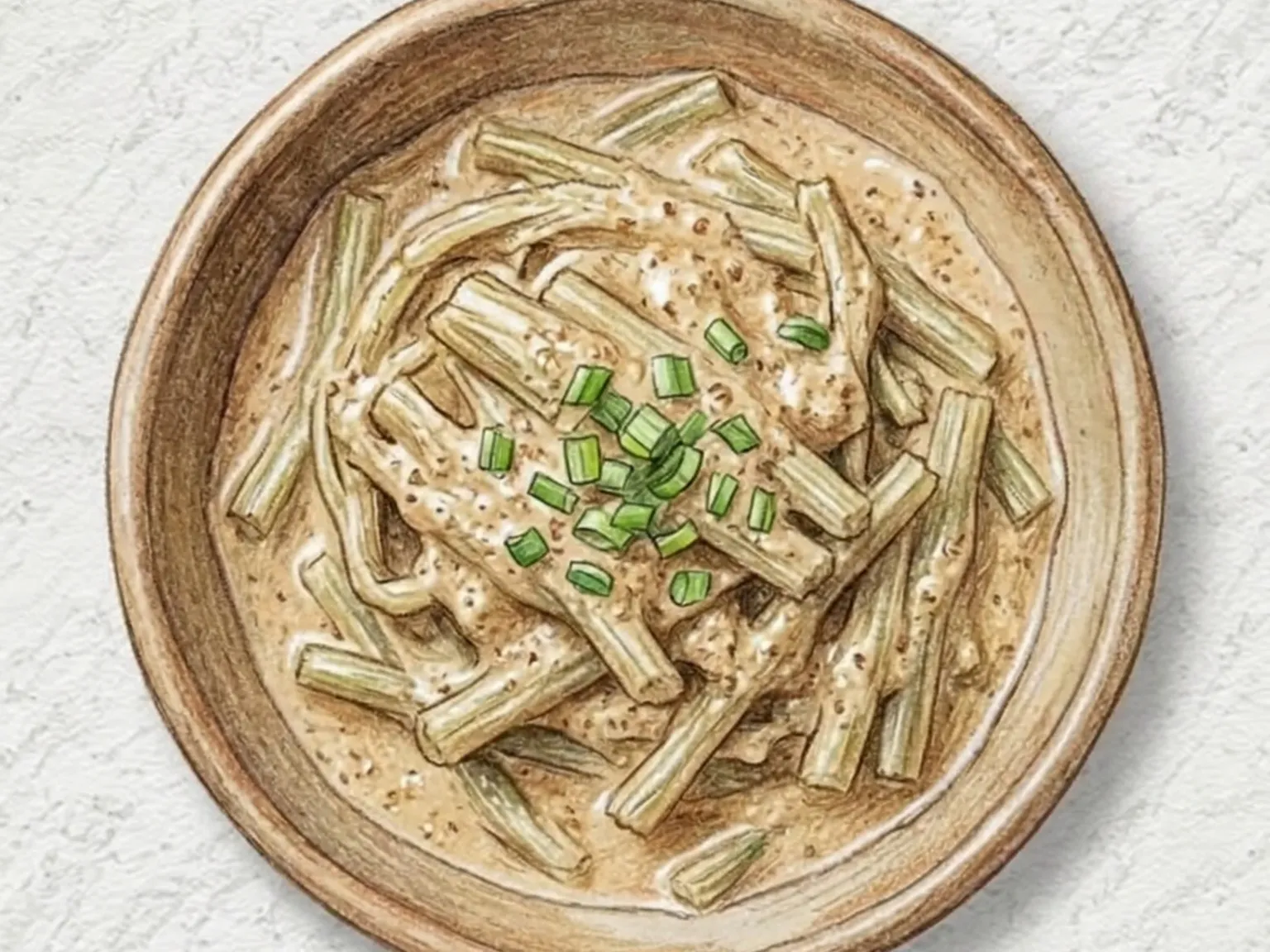
Korean Young Radish Pork Stir-fry
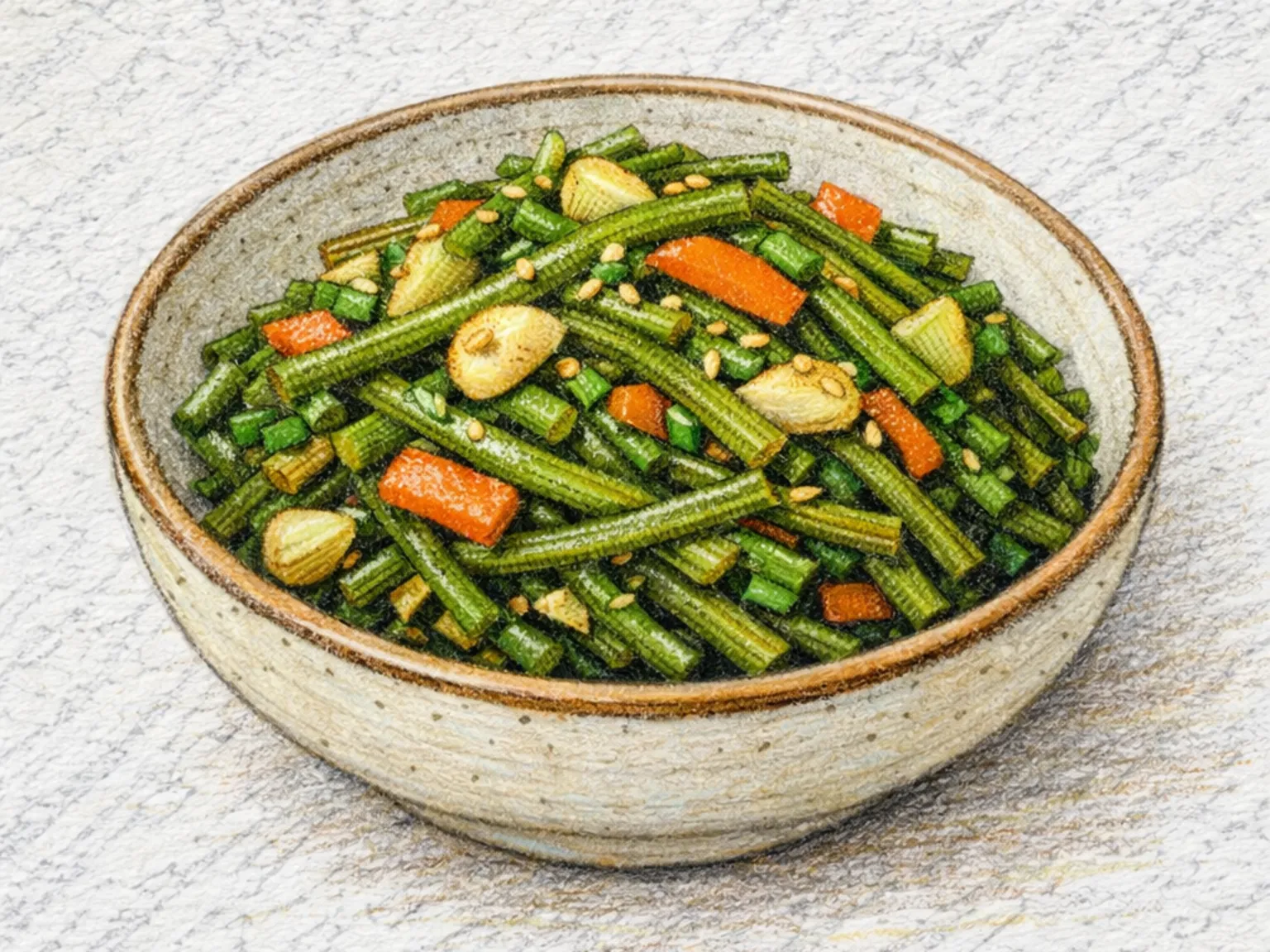
Yeolmu-dwaejigogi-bokkeum is a spicy Korean stir-fry of pork shoulder marinated in gochujang, gochugaru, and soy sauce, cooked together with young radish greens (yeolmu). The pork is seared first over high heat for four minutes, then the greens are added on medium heat for another four minutes - just long enough to wilt without losing their fresh bite. The gochujang heat contrasts with the crisp, slightly grassy stems of the yeolmu, and sesame oil ties the flavors together at the end. It is a seasonal dish best made when young radish greens are in peak supply during summer.
Tortilla Espanola (Spanish Potato and Onion Omelette)
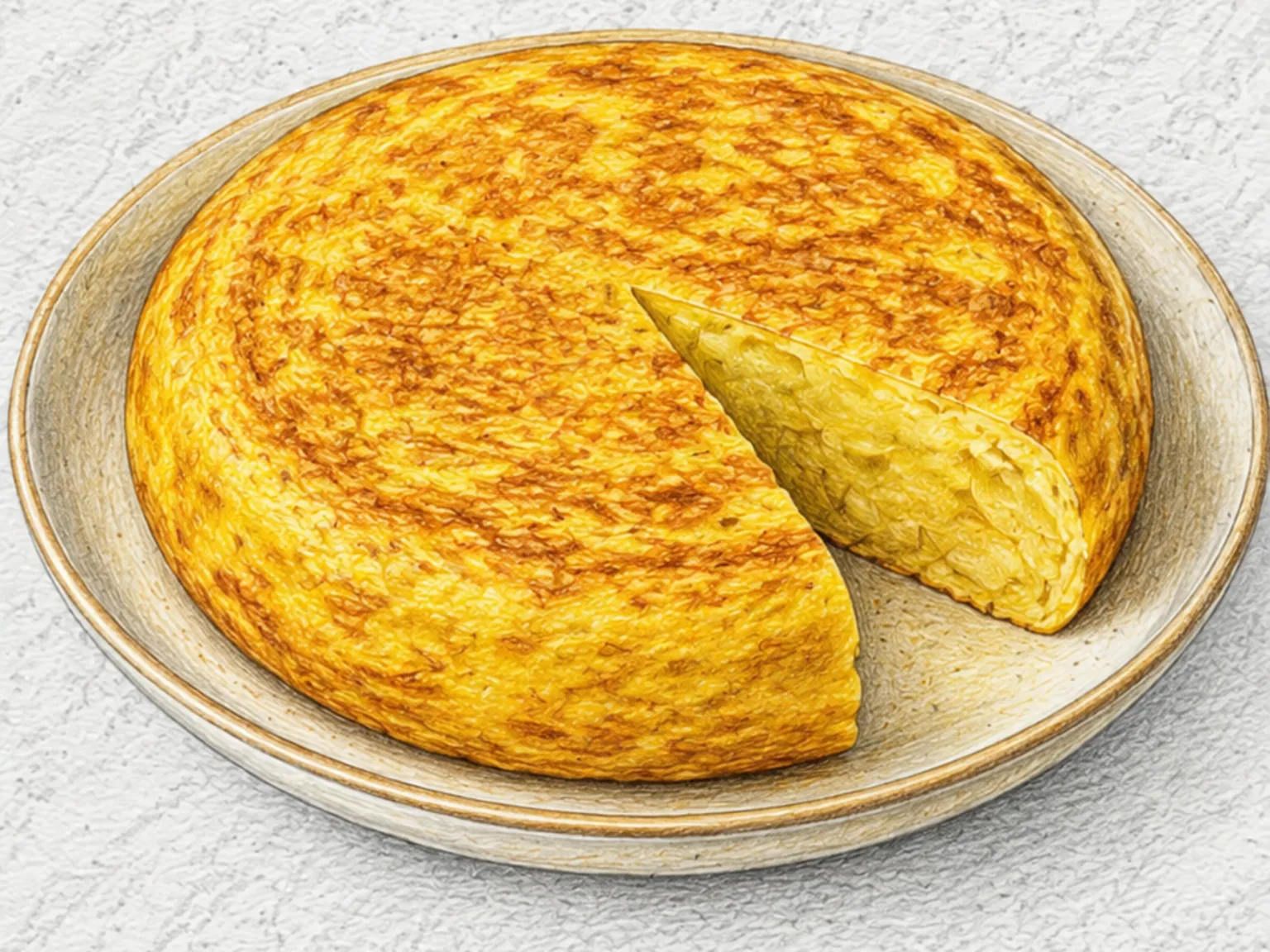
Tortilla Espanola cooks thinly sliced potatoes and onions slowly in generous olive oil over low heat until completely tender, then combines them with beaten eggs seasoned with salt and pepper, and pan-fries the mixture into a thick, golden omelette. The low-and-slow approach to cooking the potatoes is essential - high heat browns the outside while leaving the center hard, but gentle heat lets the potato slices absorb oil and turn creamy throughout. Once the potato-egg mixture goes back into the pan, low heat again ensures the bottom sets gradually without burning, while the interior stays moist. Flipping the tortilla using a plate placed over the pan is the most critical moment - confidence and a quick wrist motion prevent the half-set omelette from breaking apart. Letting it rest at room temperature for a few minutes before cutting firms the egg just enough to produce clean slices.
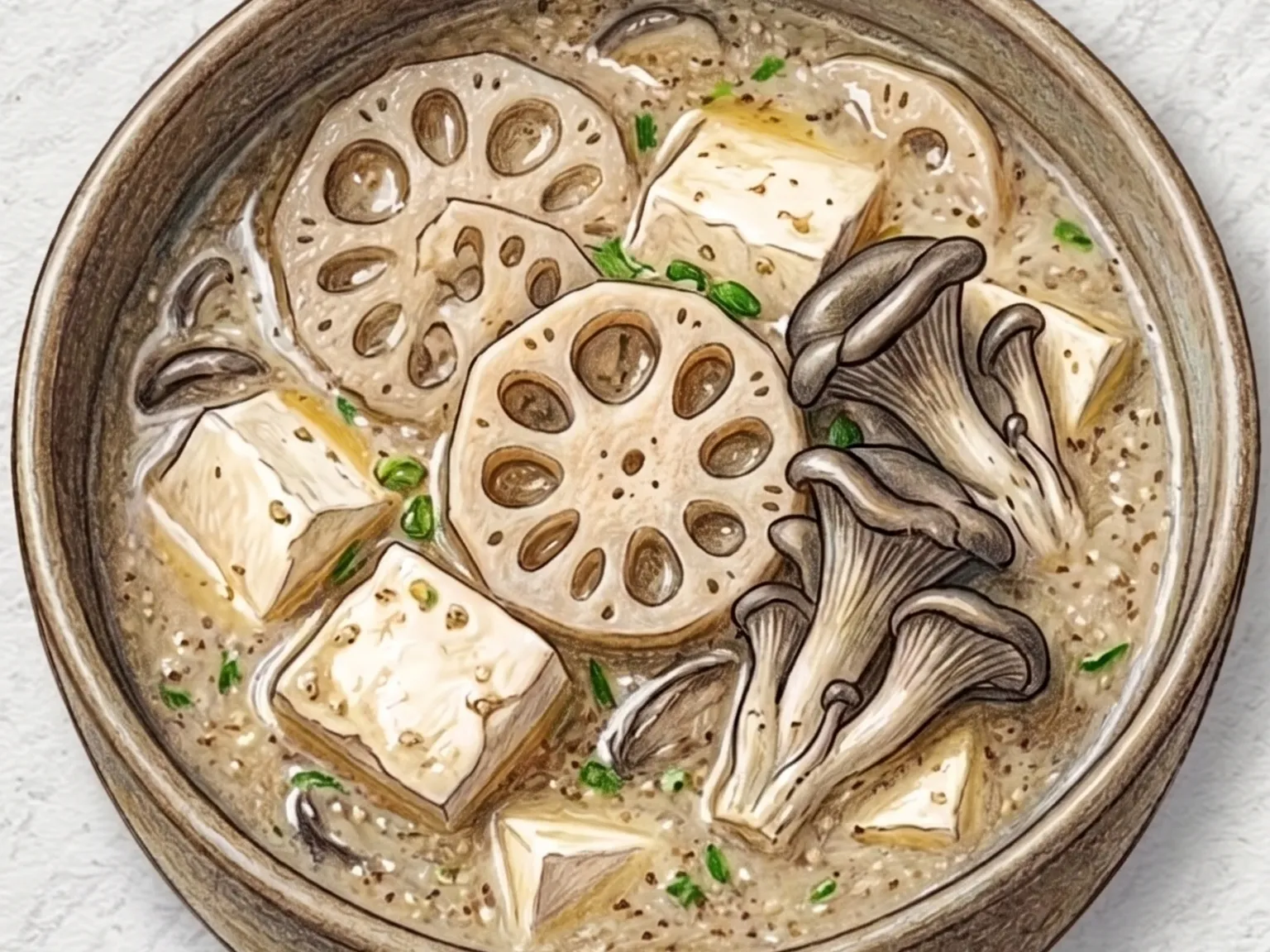
Korean Lotus Root Chicken Breast Stir-fry
Yeongeun-dakgaseumsal-bokkeum stir-fries soy-and-wine-marinated chicken breast with lotus root, bell pepper, and onion. The lotus root is sliced 3mm thick and soaked in vinegar water to prevent browning and keep its crunch, while the chicken is cooked quickly over medium-high heat to avoid drying out. Oligosaccharide syrup mixed with soy sauce creates a glossy glaze that coats the ingredients, and bell pepper adds color and sweetness. The crisp, starchy bite of the lotus root paired with the lean chicken makes this a protein-rich banchan that stays grease-free and packs well for lunches.
Tuna Noodle Casserole
Tuna noodle casserole boils egg noodles one minute short of the package time, sautés onion and mushrooms in butter, builds a cream sauce with flour and milk, folds in drained tuna and half the cheddar cheese, then bakes the mixture topped with the remaining cheese at 190 degrees Celsius for 20 minutes. Undercooking the noodles is intentional - they continue absorbing sauce and softening in the oven, so fully cooked noodles turn mushy by the time the casserole is done. Toasting the flour in butter before adding milk eliminates the raw flour taste and produces a smooth sauce when the milk is poured in gradually. Draining the tuna well keeps the sauce from becoming greasy. Splitting the cheese between the sauce and the topping gives the casserole depth throughout while creating a golden, bubbling gratin crust on the surface.
Korean Lotus Root & Duck Chili Stir-fry
Yeongeun-ori-gochu-bokkeum stir-fries lotus root separately first to lock in its crunch, then combines it with rendered smoked duck and cheongyang chili in a spicy-sweet finish. The duck is cooked on medium-high heat to draw out excess fat, and a sauce of soy sauce, gochujang, and oligosaccharide syrup is built in the pan. The cheongyang chili's direct heat cuts through the smokiness and richness of the duck, while the returned lotus root absorbs the sauce and retains its firm bite. Three distinct flavors - smoky duck, sharp chili heat, and nutty lotus root - remain clearly defined in each bite.
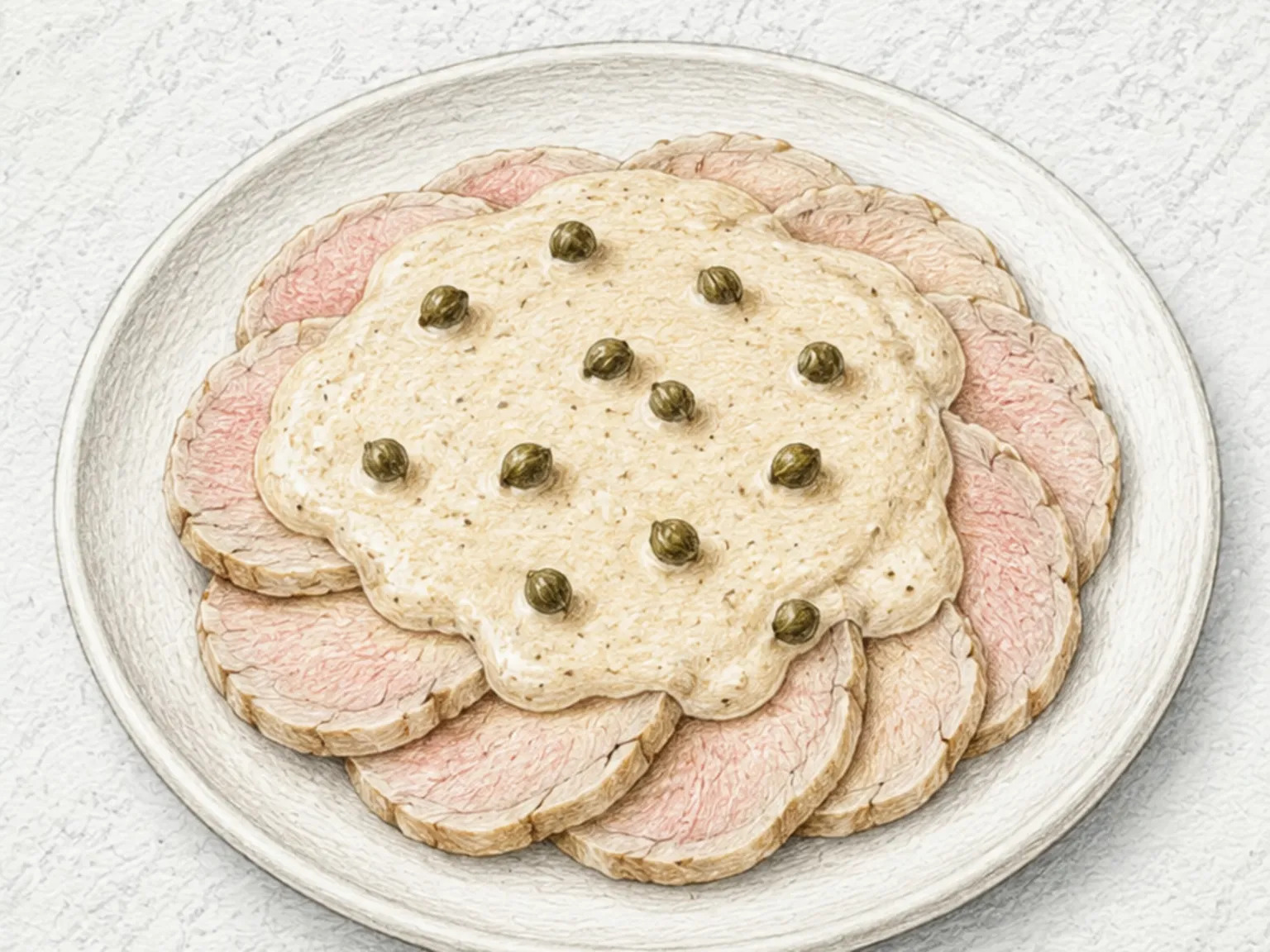
Vitello Tonnato (Classic Italian dish)
Vitello Tonnato is a classic Italian appetizer consisting of chilled, thinly sliced veal topped with a creamy sauce made from tuna, anchovies, and capers. The veal loin is slowly cooked over low heat in a covered pot with sliced onions and white wine. Once cooked, the meat must be chilled completely to allow for neat, thin slices of about three millimeters without tearing the fibers. The sauce is prepared by blending canned tuna, mayonnaise, capers, anchovy fillets, and lemon juice. The thickness is adjusted using the strained cooking liquid from the veal, creating a texture that coats a spoon smoothly. To serve, the cold veal slices are arranged on a plate, covered generously with the tuna sauce, and garnished with extra capers to add a contrast of briny acidity to the creamy, savory meat.
Korean Lotus Root and Shrimp Stir-fry
Yeongeun-saeu-bokkeum stir-fries vinegar-soaked lotus root and cleaned shrimp in a soy sauce and oligosaccharide glaze. The lotus root goes in the pan first for two minutes to start cooking, then shrimp are added and the soy-syrup seasoning goes in over high heat to build a glossy coating. The crunchy, starchy bite of the lotus root contrasts with the bouncy firmness of the shrimp in each mouthful, while the soy and syrup provide a simple salty-sweet balance. Finished with sesame oil, the dish holds its texture well even after cooling, making it well-suited for packed lunches.
Zuppa Toscana (Hearty creamy soup with sausage)
Zuppa Toscana is a warm Italian style soup featuring seasoned sausage, potatoes, and kale in a creamy broth. The cooking starts by browning the Italian sausage to render its flavorful fat, which is then used to sauté the minced garlic and chopped onion. Slicing the potatoes to a thickness of at least 0.5 centimeters prevents them from disintegrating during the twelve minutes of simmering in chicken stock. Once the potatoes soften, the cooked sausage and kale are incorporated, allowing the greens to wilt without releasing any bitterness. The dish is finished by stirring in heavy cream and black pepper over low heat. Keeping the heat low prevents the cream from splitting, resulting in a cohesive, smooth broth that pairs well with the textured ingredients.
Korean Lotus Root and Beef Stir-fry
Yeongeun-soegogi-bokkeum is a Korean stir-fry of thinly sliced lotus root and beef in a soy sauce and oligosaccharide syrup glaze. The lotus root is soaked in vinegar water to prevent browning, then stir-fried briefly to keep its distinctive crunch, while the beef is pre-seasoned in soy sauce for deeper flavor. The syrup creates a thin, glossy coating that carries the sweet-salty seasoning evenly across every piece. A finishing drizzle of sesame oil rounds out the dish with a nutty fragrance, making it a versatile side for everyday rice meals and packed lunches.