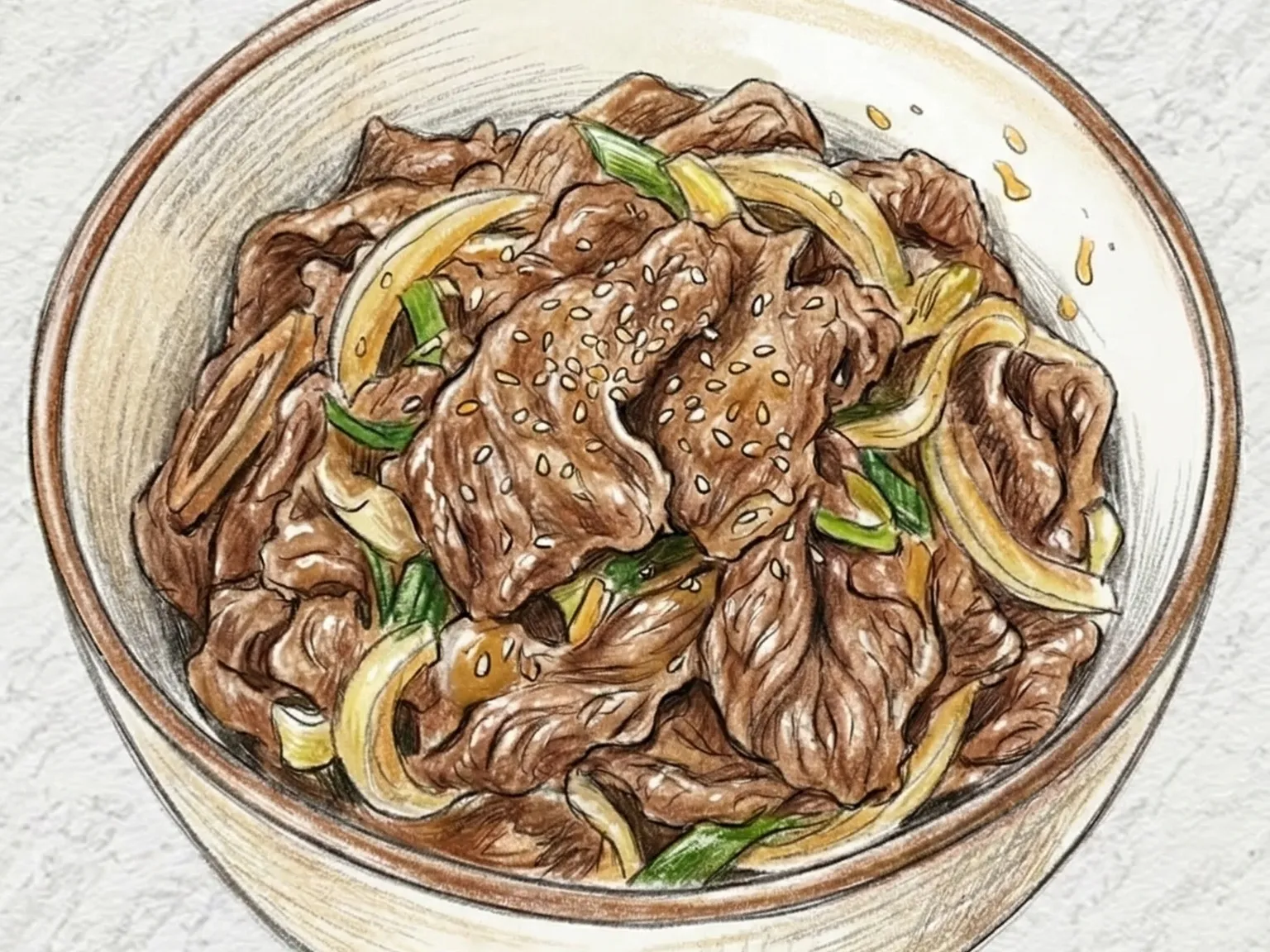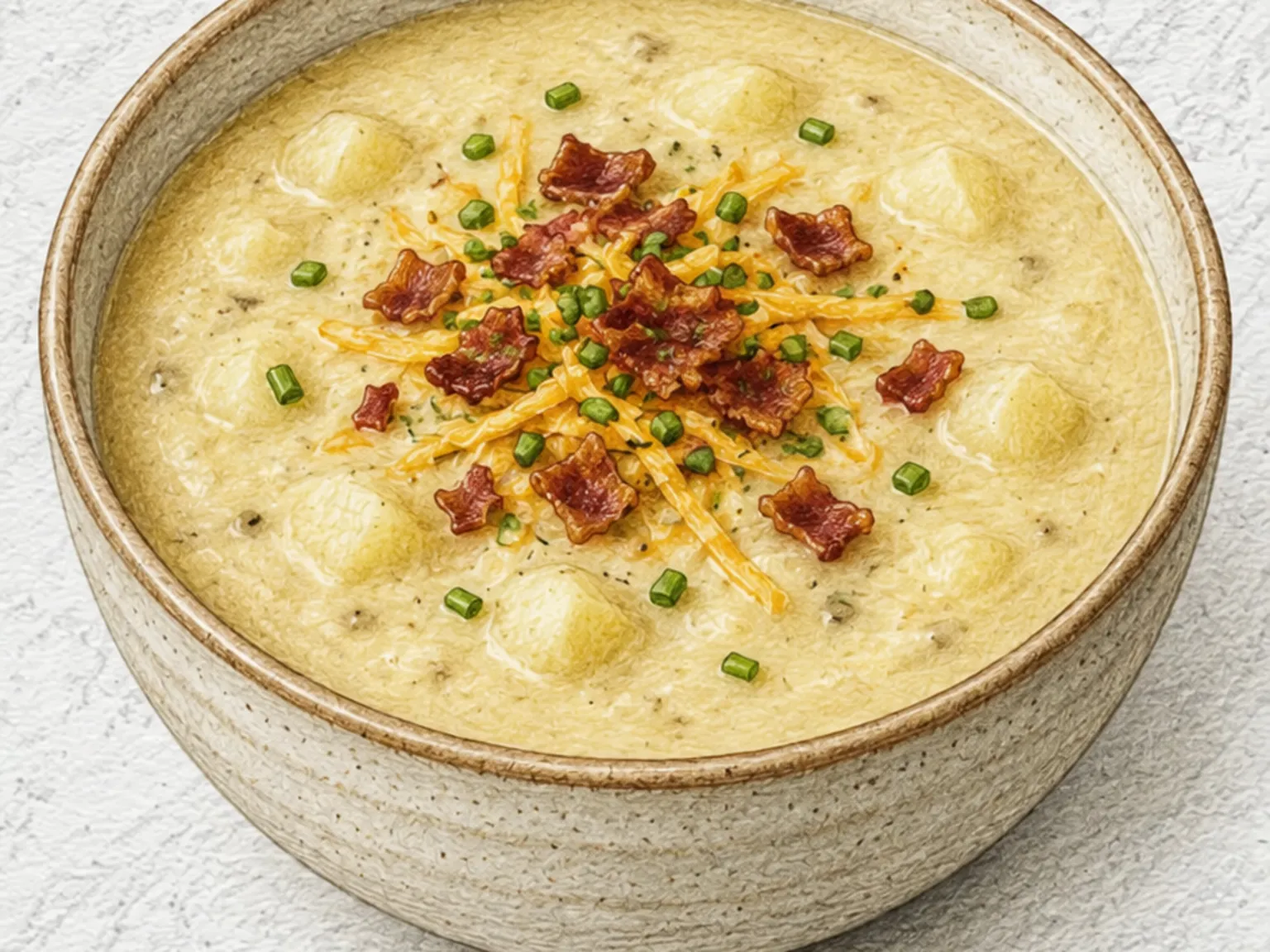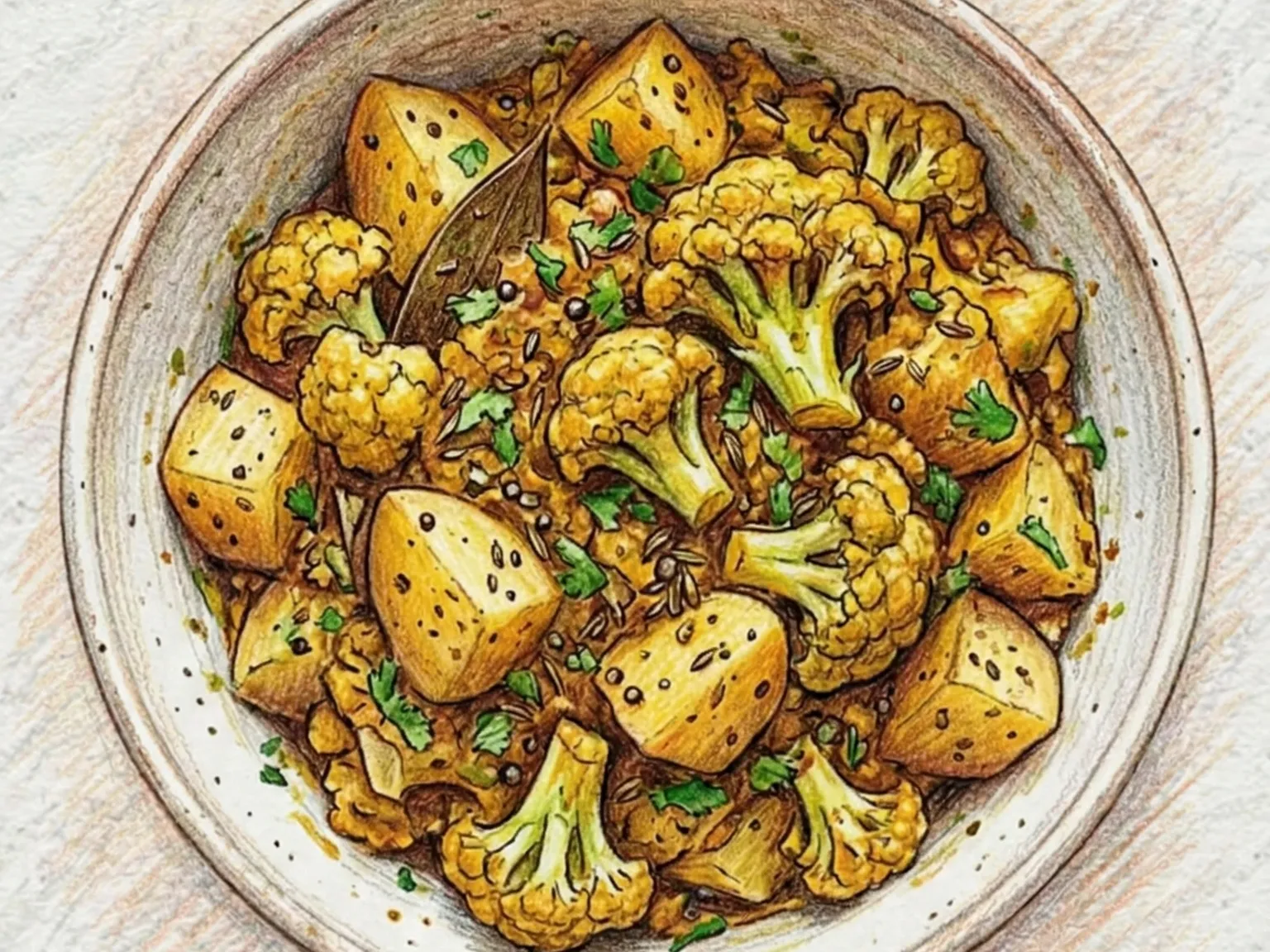
Aloo Gobi (Indian Cauliflower Potato Curry)
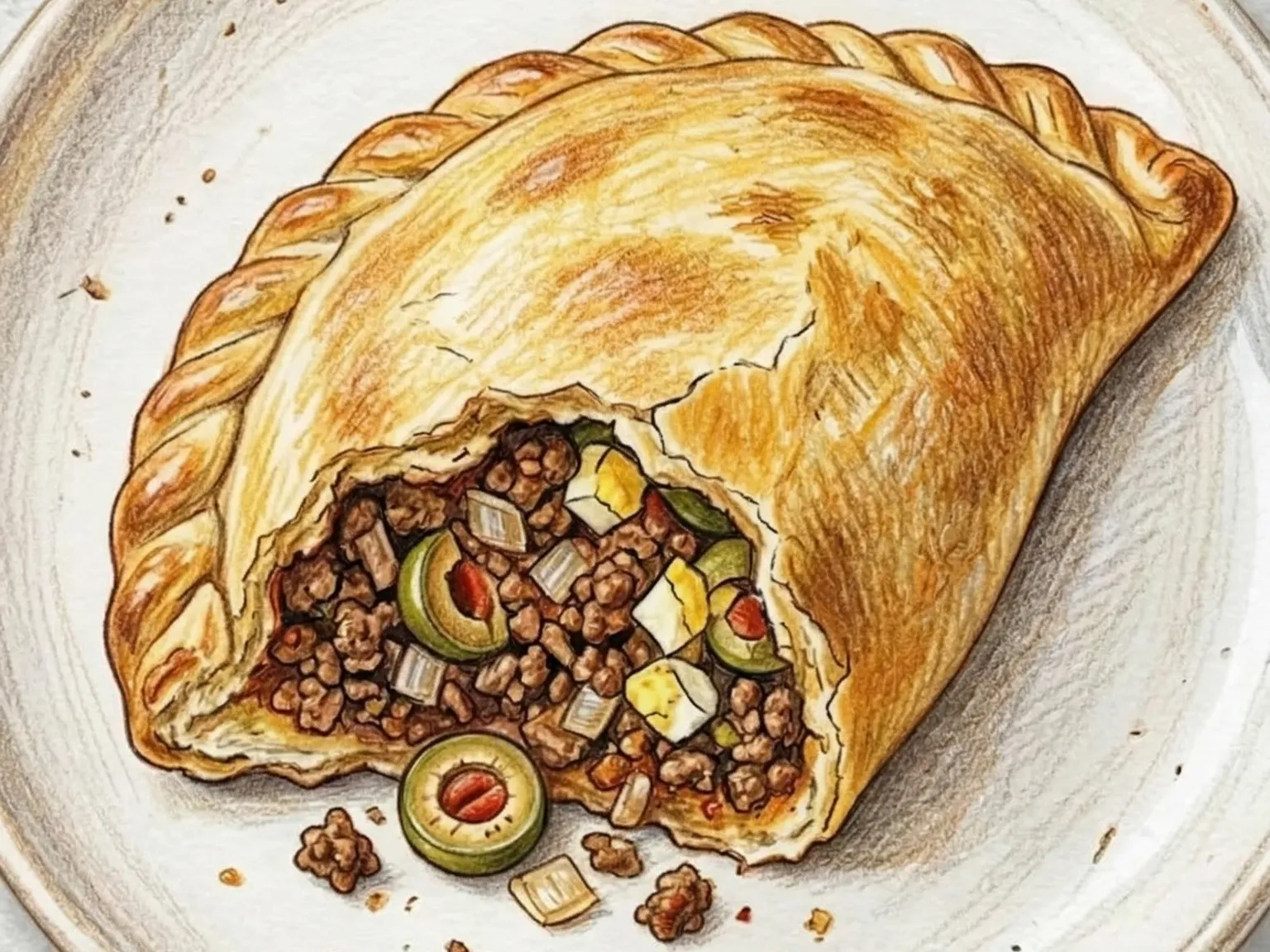
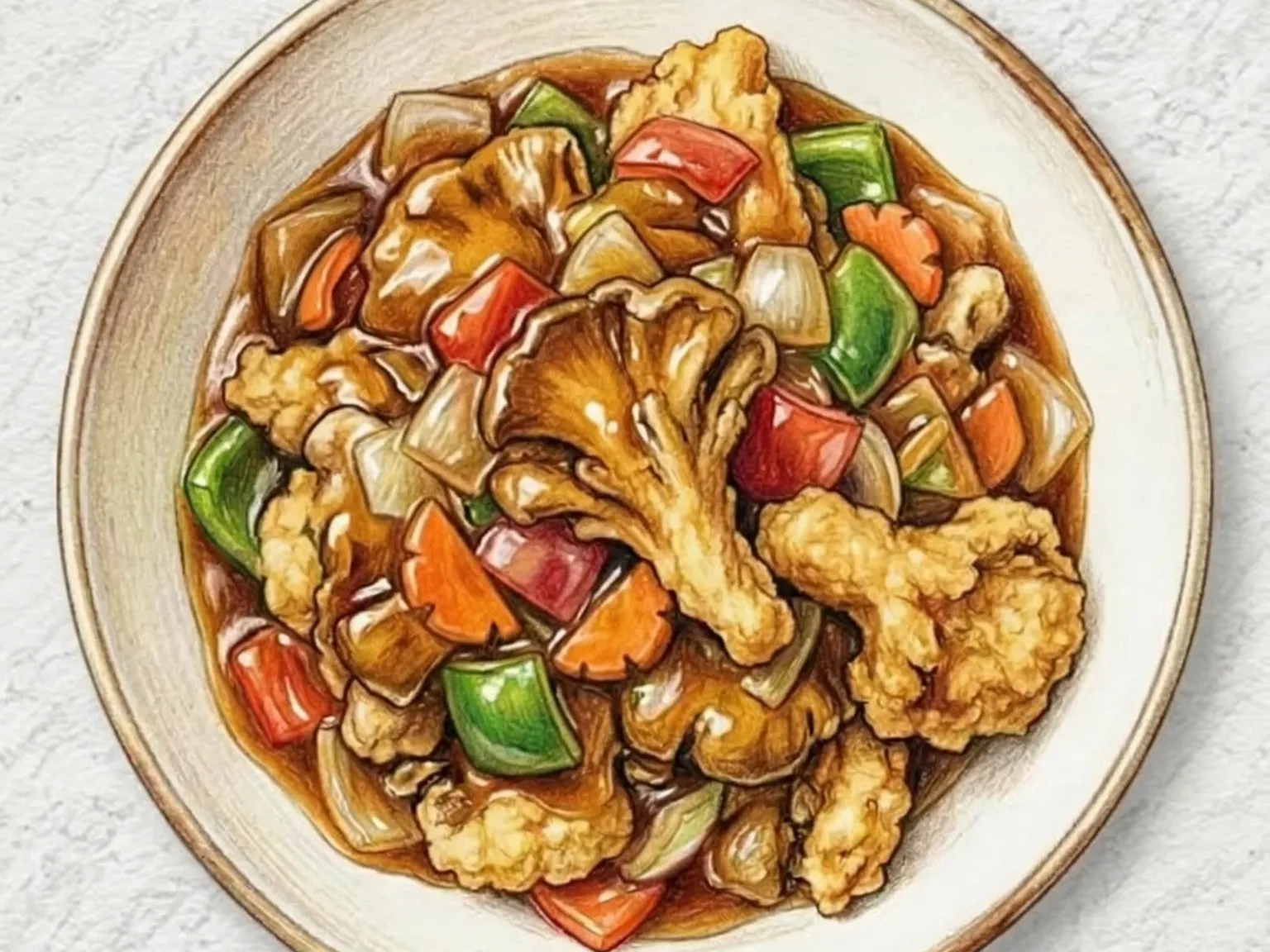
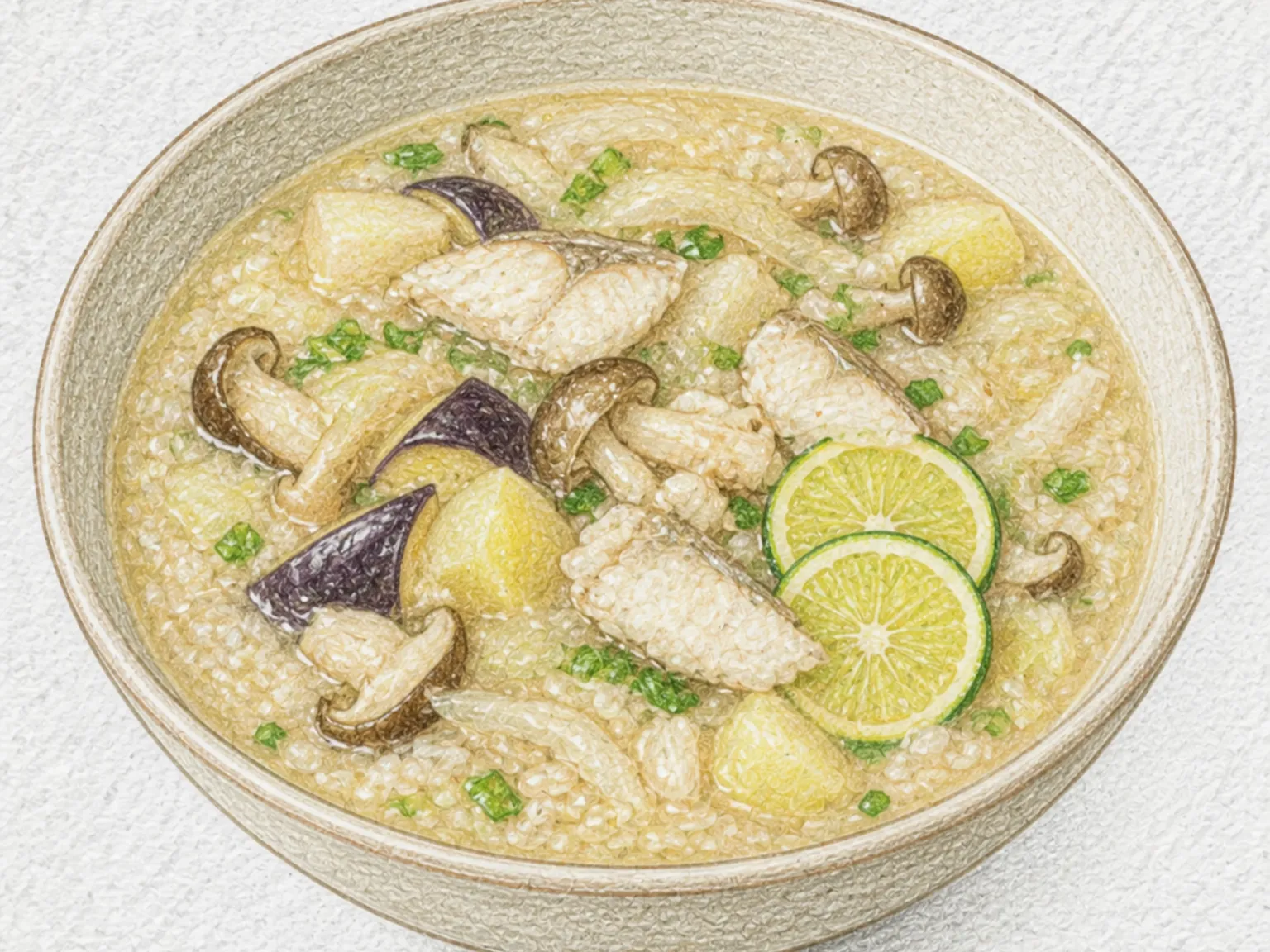
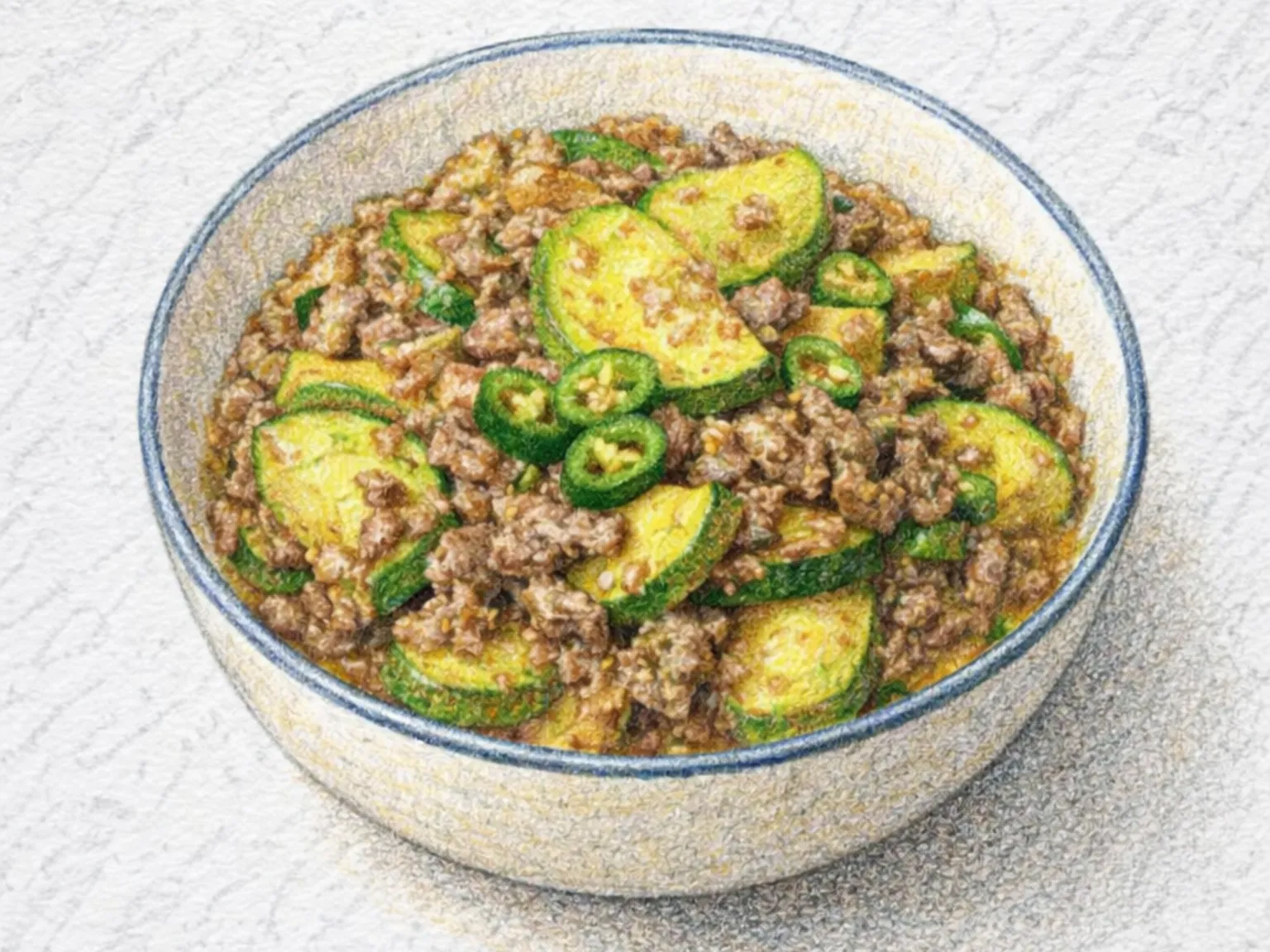
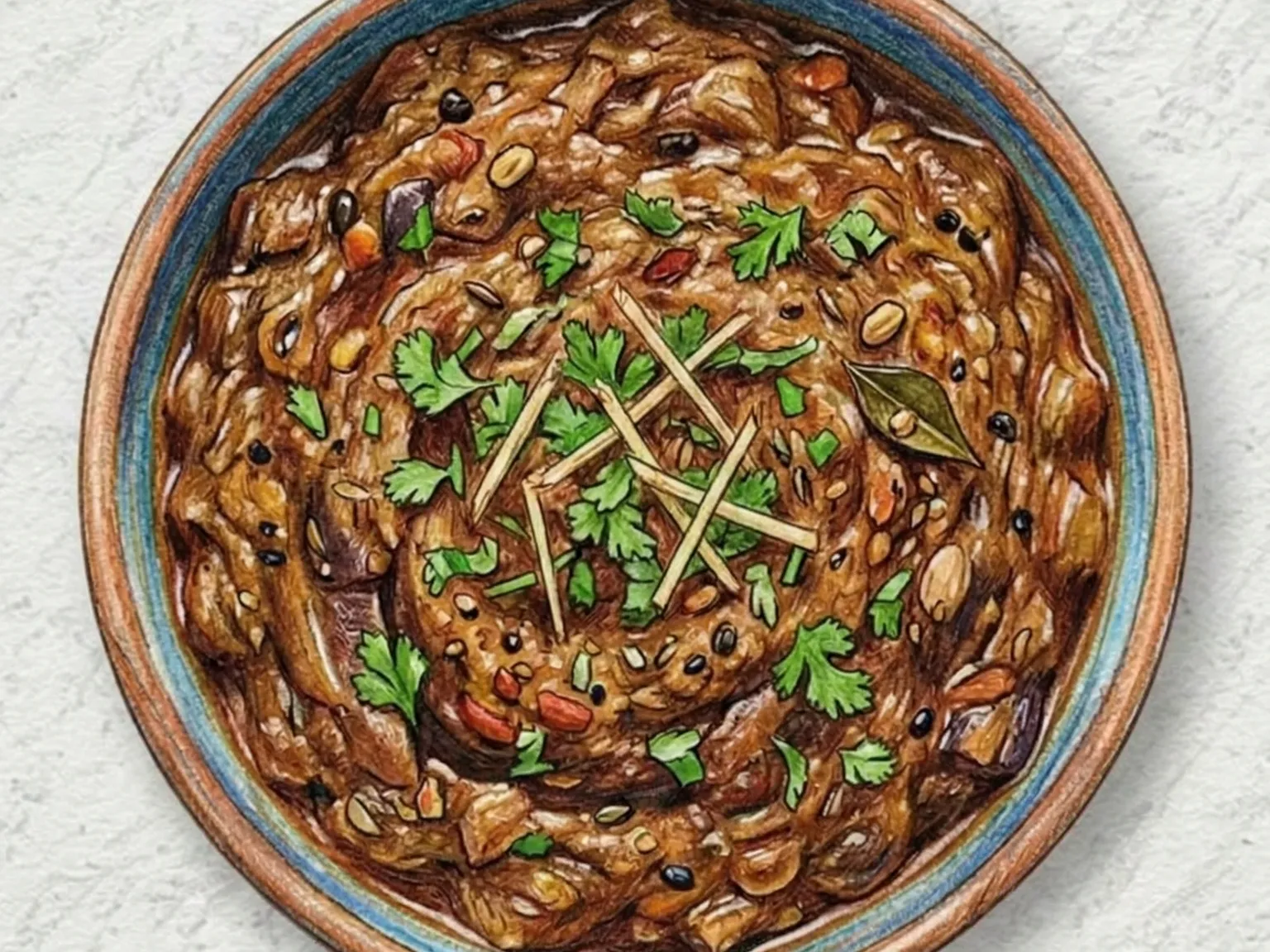
Aloo gobi is the kind of North Indian dish that appears in both roadside dhabas along Punjab highways and home kitchens across Uttar Pradesh, eaten by people with very different relationships to food. It is a dry preparation - no gravy, no broth - just potatoes and cauliflower coated in cumin, turmeric, and chili powder that forms a thin spice crust as the vegetables cook. Cumin seeds go into hot oil first, blooming their fragrance before the vegetables are added and turned to coat them evenly in the spiced fat. The lid goes on, trapping steam to cook the interiors while the base stays dry enough for browning to develop. Flipping once or twice is enough - too much movement breaks the crust and stews the vegetables instead of roasting them. The result: cauliflower edges that carry a faint char and a nutty depth, potato cubes that hold their structure with a floury, tender interior. Roti or plain steamed rice are the natural companions, and the spice notes actually sharpen as the dish cools, which makes it equally good packed for lunch the next day.

Korean Napa Cabbage Perilla Stir-fry
Two ingredients carry this dish: baby napa cabbage and ground perilla seeds. Perilla oil goes into the pan first, then cabbage over high heat until just wilted. A splash of water and a measure of soup soy sauce follow, with the lid on for two minutes more. The timing gap between leaf and stem matters here - stems retain a little bite while leaves turn soft, and that contrast is the point of the dish rather than an oversight. Ground perilla seeds go in just before turning off the heat: too early and the nutty fragrance dissipates in the steam; too late and they do not thicken the liquid properly. When done right, the seeds create a pale, creamy sauce that clings to the cabbage and soaks into rice underneath. Salt and pepper are the only other seasoning. It keeps well cold and travels without issue in a lunchbox.

Korean Bacon Kimchi Fried Rice
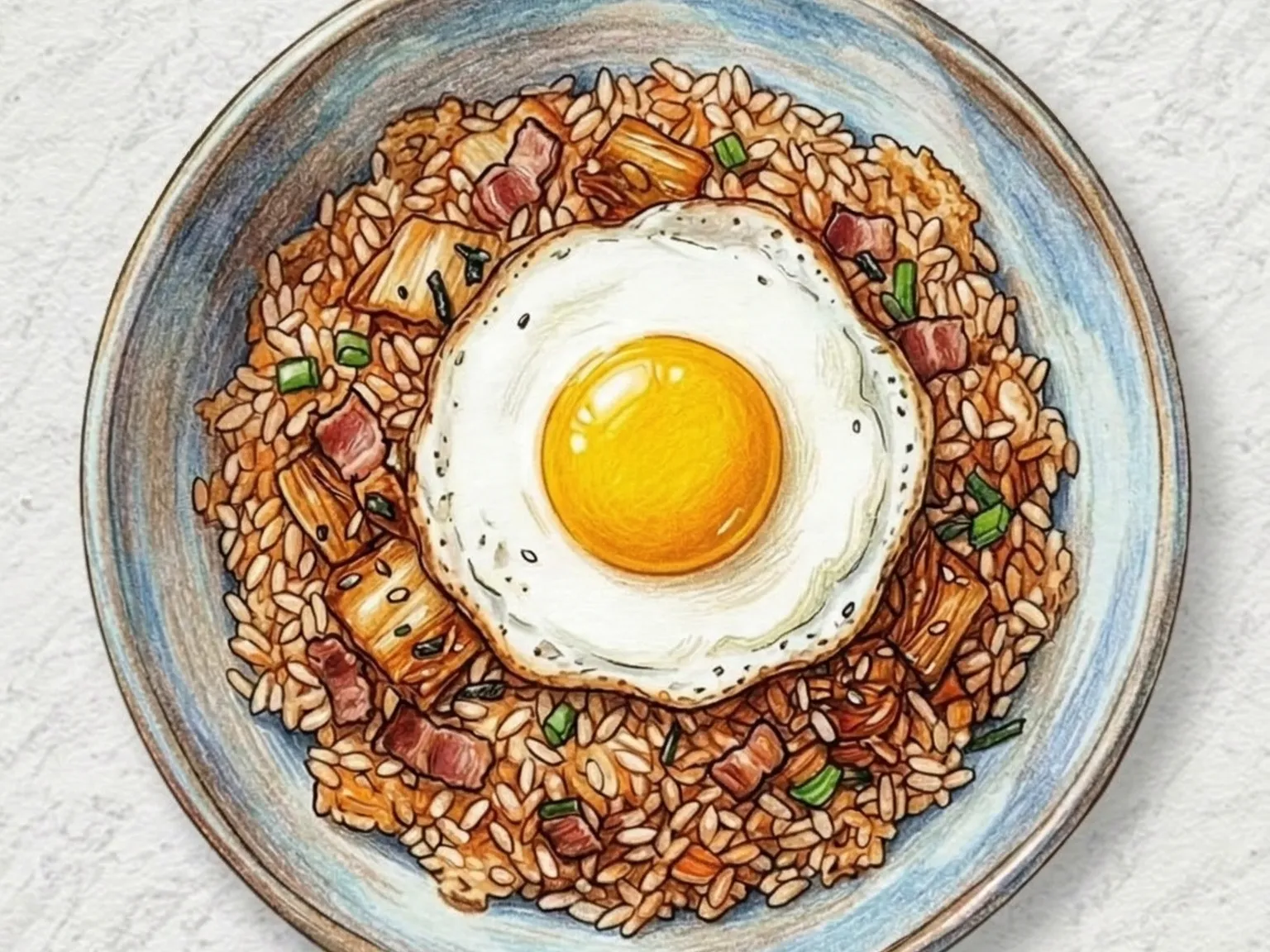
Bacon kimchi fried rice takes the most common Korean leftover combination - cold rice and aging kimchi - and substitutes rendered bacon fat for the traditional sesame oil base. The bacon goes into a cold pan and cooks slowly so the fat renders completely before the meat crisps, creating a pool of smoky drippings that replace cooking oil entirely. Well-fermented kimchi, squeezed of excess juice and chopped roughly, goes into the hot fat and sizzles until its edges caramelize and the sharp lactic tartness mellows into a deeper, roasted sourness. Day-old rice is pressed flat against the pan to develop a crust reminiscent of nurungji - the scorched rice layer that fried rice enthusiasts seek. Soy sauce and a pinch of sugar season the dish, though both should be used in small amounts to avoid masking the interplay between the bacon's smokiness and the kimchi's fermented character. A fried egg on top, with a yolk still runny, becomes a sauce when broken and stirred through the rice. Bacon became a standard Korean grocery item in the 2000s, and this dish has since become a common home-cooking variation, with many cooks preferring its deeper, smokier flavor profile over the sesame oil original.

Korean Stir-Fried Zucchini and Beef Brisket with Doenjang
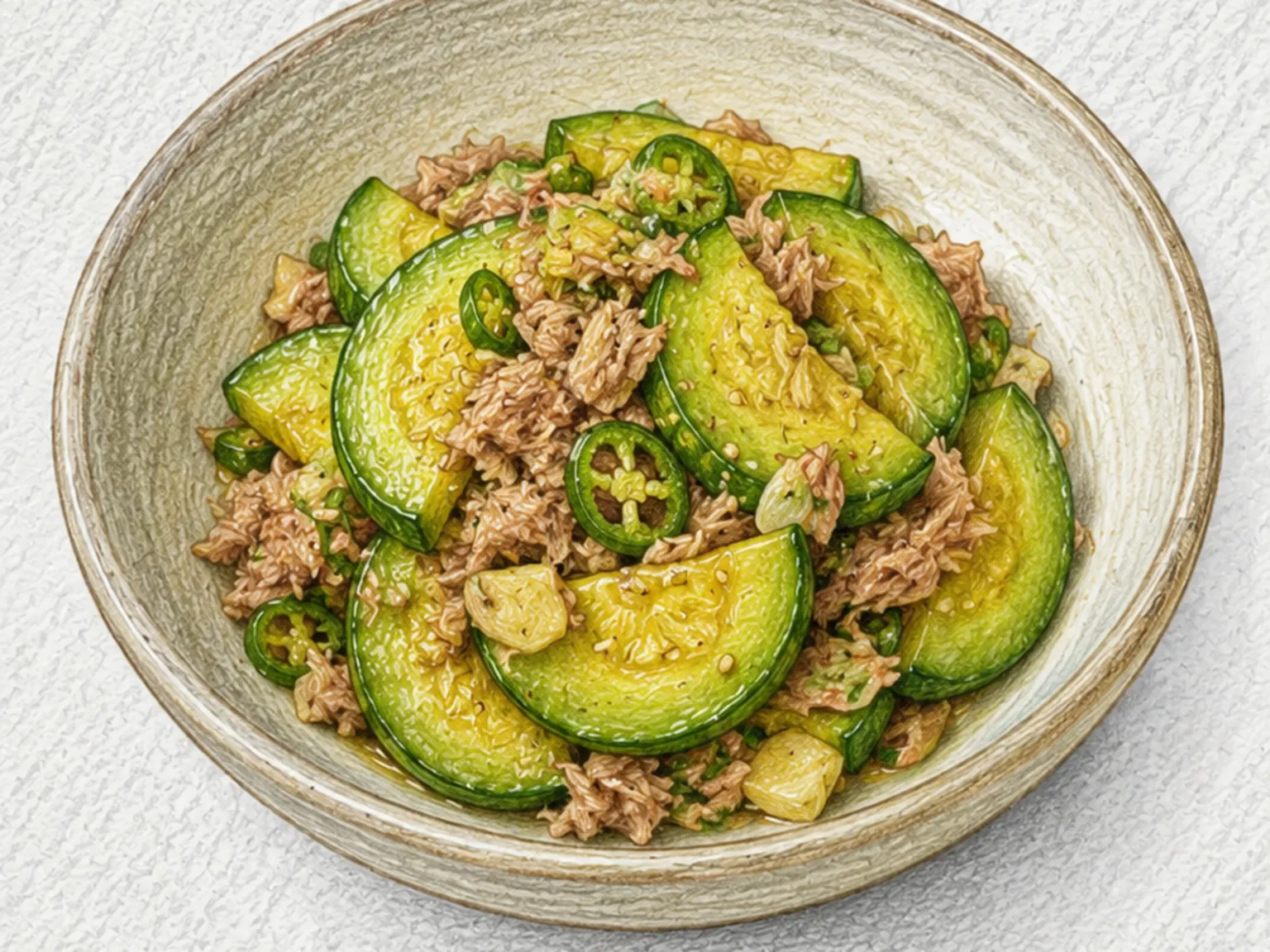
Three ingredients divide the labor in this stir-fry: beef brisket renders the fat, doenjang provides the fermented backbone, and zucchini supplies the body of the dish. The brisket goes into a dry pan first, no added oil, so its own fat melts out and becomes the cooking medium. Doenjang added directly to that rendered fat fries for thirty seconds until the raw paste smell cooks off and a deeper fragrance develops. Then the zucchini, sliced into half-moons, goes in with a dash of soup soy sauce over high heat. Total cooking time from pan to plate runs about five minutes - push past that and the zucchini releases too much water and turns limp. Sliced cheongyang chili at the end keeps a sharp heat in the background. A drizzle of perilla oil with the heat off gives a clean, herbal finish. Works as a banchan alongside rice, or spooned over a full bowl of steamed rice as a quick one-dish meal.

Korean Cream Tteokbokki (Chewy Rice Cake in Cream Butter Sauce)
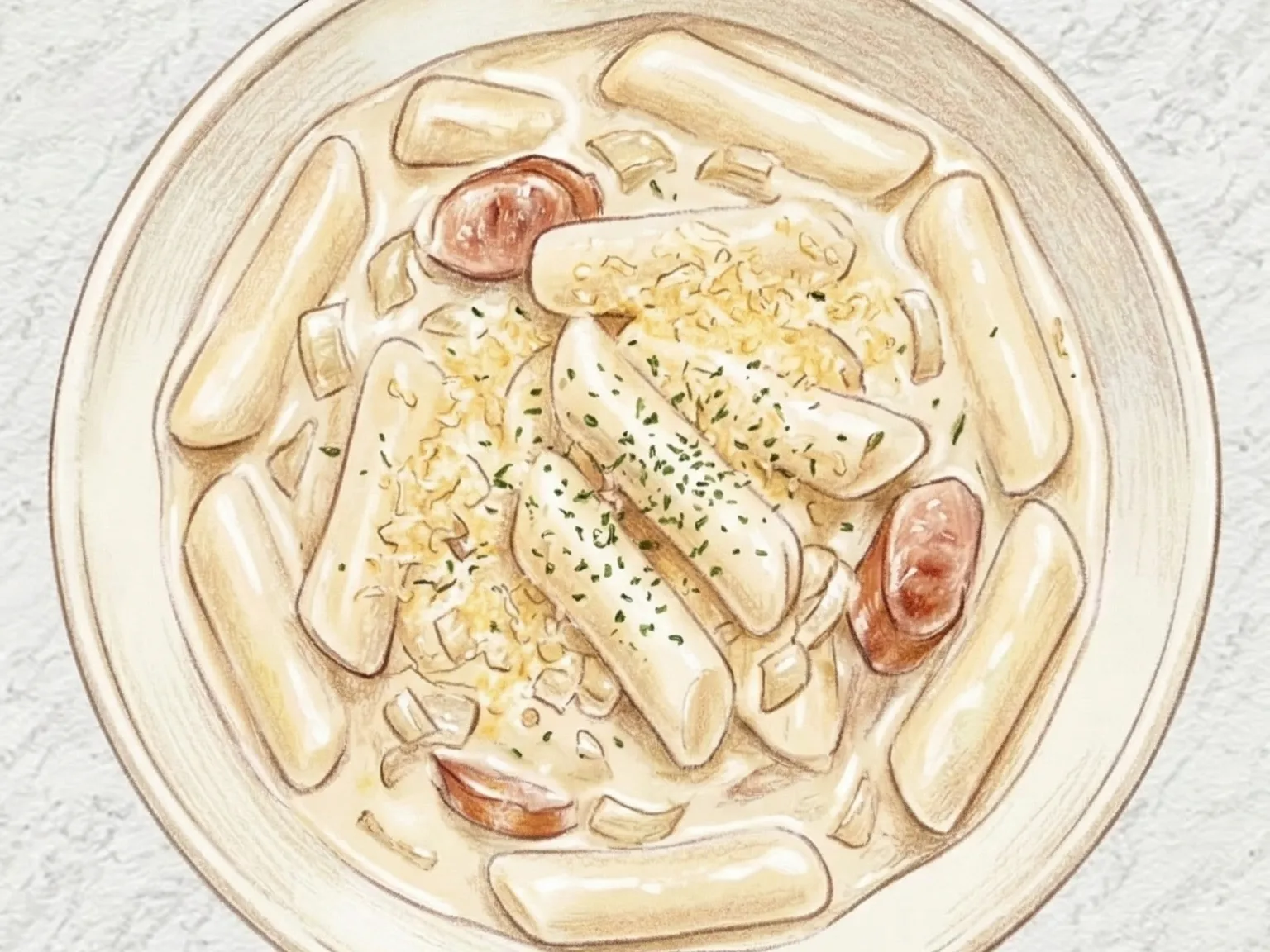
Cooking rice cakes in a mixture of heavy cream, milk, and butter offers a mild alternative to the spicy gochujang-based version. The process begins with sauteing onions in butter over low heat for at least ten minutes, which converts onion starches into sugar for a natural sweetness without added sugar. Once the cream and milk are added to the softened onions, the rice cakes simmer for seven to eight minutes over medium-low heat. This allows the cakes to absorb the liquid while maintaining their characteristic dense chewiness. A final addition of parmesan cheese provides a salty contrast to the heavy cream base. Because the flavor profile resembles a cream pasta, it serves as a common entry point for people avoiding chili heat. Maintaining a steady medium-low temperature prevents the sauce from separating during cooking. Adding bacon or shrimp introduces extra protein and savory elements to the pan. The sauce consistency thickens quickly as its temperature drops, making immediate service from the pan the best way to maintain the intended texture. Swapping the parmesan for cheddar or mozzarella changes the character of the finished sauce and provides a different eating experience.

Korean Corn Cheese (Buttery Skillet Corn Mozzarella)
Korean corn cheese starts with drained canned corn tossed in mayonnaise, sugar, and black pepper, then sauteed with diced onion in butter before being spread flat in the pan and topped with a generous layer of mozzarella. The lid goes on over low heat until the cheese melts into a stretchy, golden sheet that locks the corn mixture underneath. A teaspoon of sugar pushes the corn's natural sweetness forward, and the fat from the mayonnaise blends with the cheese to produce a rich, creamy texture that coats every kernel. For a finished crust, broiling at 220 degrees Celsius for five minutes chars the surface and adds a toasty, slightly smoky layer on top. Sliced green onion or chopped parsley scattered over the finished dish cuts through the richness and adds a fresh note.

Korean Chive Kimchi Jeon (Spicy Fermented Kimchi Pancake)
Buchu-kimchi-jeon is a Korean pancake built around well-fermented aged kimchi and garlic chives, mixed into a cold-water batter that also includes a pour of kimchi brine. The brine is not optional: it tints the batter a deep red and introduces the concentrated, tangy umami that only long-fermented kimchi produces, which a fresh batch or water substitute cannot provide. Cold water is used because it limits gluten development, giving the finished pancake a shatteringly crisp exterior instead of the chewy, doughy texture that warm water encourages. Thinly sliced fresh hot green chili adds a sharper, more immediate heat on top of the kimchi's fermented sour spiciness, creating a more complex profile than either ingredient achieves alone. The pancake must be spread thinly on a pan preheated over medium-high heat and left alone until the edges turn a deep golden brown; attempting to flip before the perimeter has fully set will cause the center to collapse and lose its structure. The garlic chives soften into the batter but release a persistent fragrance that carries through each bite and lingers after the meal.

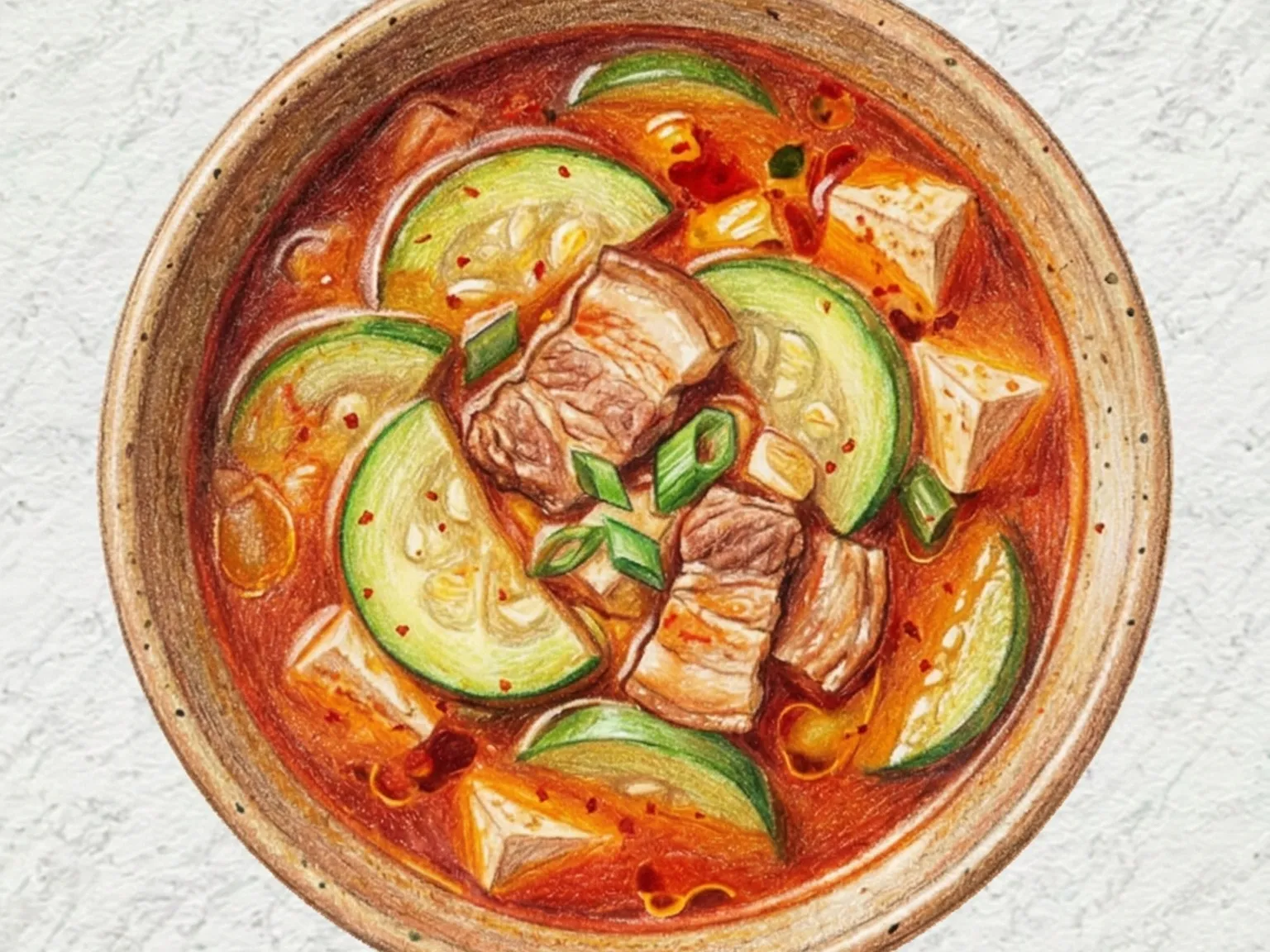
Korean Zucchini Soybean Paste Soup
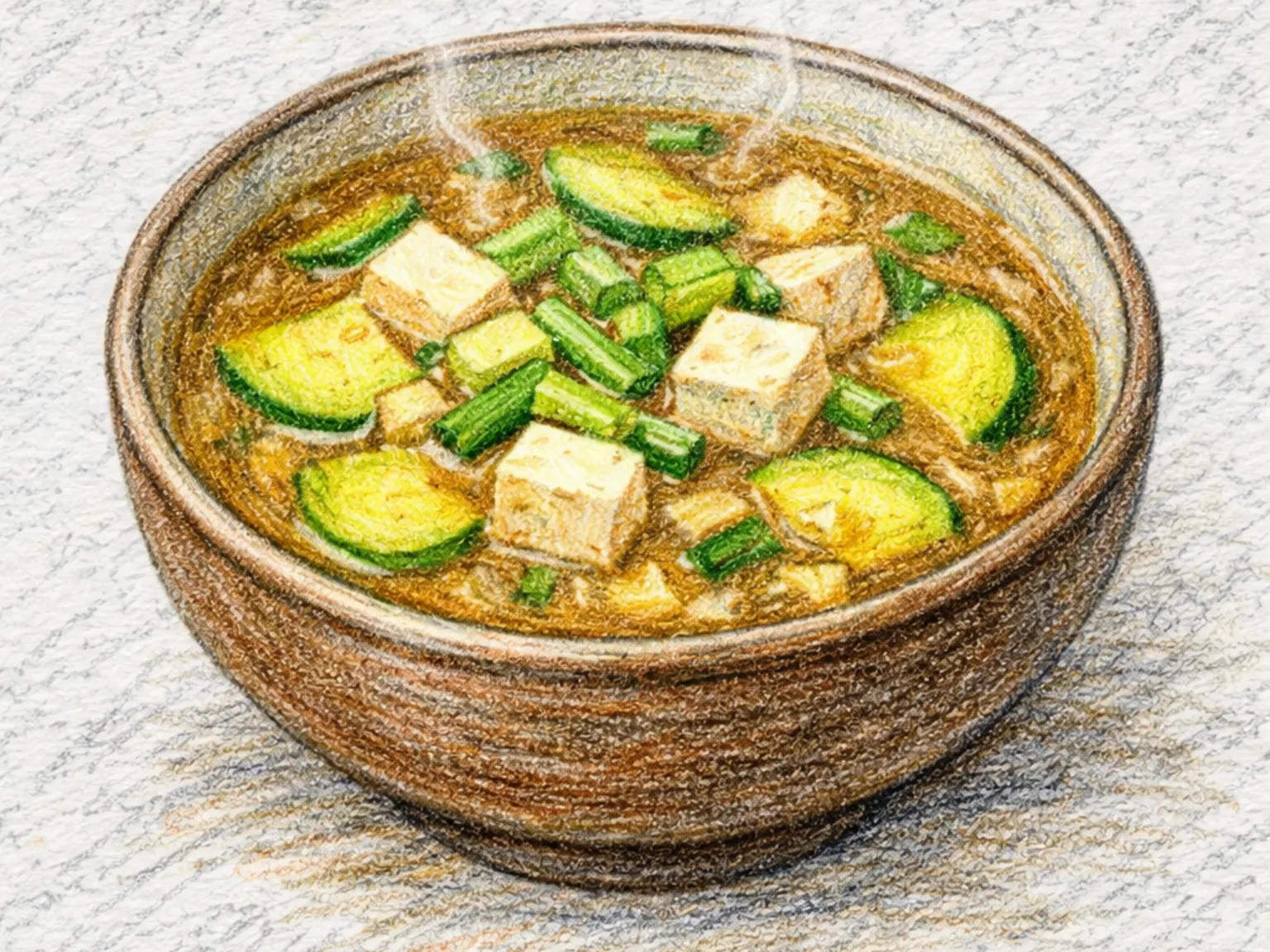
The soup that comes to mind when Koreans think of home cooking. Not a dish for special occasions - this is what gets made on ordinary weeknights when nothing more specific has been decided. Anchovy-kelp stock is the base: dried anchovies and a piece of kombu in cold water, brought to a boil and simmered ten minutes. Doenjang dissolved through a strainer into the finished stock adds the fermented, earthy depth that defines the soup. Onion goes in first and sweetens the broth as it softens. Zucchini, sliced into half-moons, follows with minced garlic, cooking for five minutes at most - past that point the slices lose their shape and the broth becomes murky. Cubed tofu is added last, just to warm through without breaking. The result is a cloudy, golden soup where the salty funk of the doenjang sits underneath a gentle vegetable sweetness. A sliced cheongyang chili makes it spicy; left out, the soup is mild enough for any table.

Korean Beoseot Deulkkae Jeon (Mushroom Perilla Pancake)
Mushroom and perilla seed jeon brings together oyster mushrooms and shiitake, sliced thin and folded into a batter built on perilla seed powder and a splash of soy sauce. Perilla seeds carry a heavier, slightly bitter nuttiness compared to sesame, and that quality anchors the earthy depth of the mushrooms rather than competing with it. Seasoning the batter directly with soy sauce means the pancake holds its own without a dipping sauce, though one on the side does not go amiss. Frying with enough oil gives the exterior a thin, crisp shell while the mushroom filling stays moist inside. Oyster mushrooms torn along their grain develop a pleasantly chewy bite as they cook; shiitake sliced fine distribute evenly so the whole pancake cooks at the same rate. It works as a makgeolli pairing or a straightforward side, and holds up well at room temperature - the perilla aroma actually deepens as it cools.

Korean Zucchini Pork Stew
Aehobak-jjigae makes a convincing case that modest ingredients and correct technique outperform a long shopping list. The base is pork, zucchini, gochujang, and gochugaru - nothing more - but the order of operations matters. Stir-frying the pork with garlic until the fat renders creates a savory base on the bottom of the pot; then gochujang goes in and toasts in that rendered fat before any liquid is added. Pouring anchovy broth into this spiced oil produces a broth with body and cohesion that simply boiling everything together cannot replicate. Zucchini cut into half-moons enters the simmering broth and cooks for six minutes, just long enough to absorb the seasoning without losing structure. Timing here is important - overcooking collapses the zucchini into mush. The finished broth reads as spicy upfront, but pork fat and vegetable sugars sustain a low sweetness underneath that keeps the heat from feeling one-dimensional. The broth is dense enough to spoon over rice, and the dish comes together entirely from a standard Korean pantry with no special shopping required.

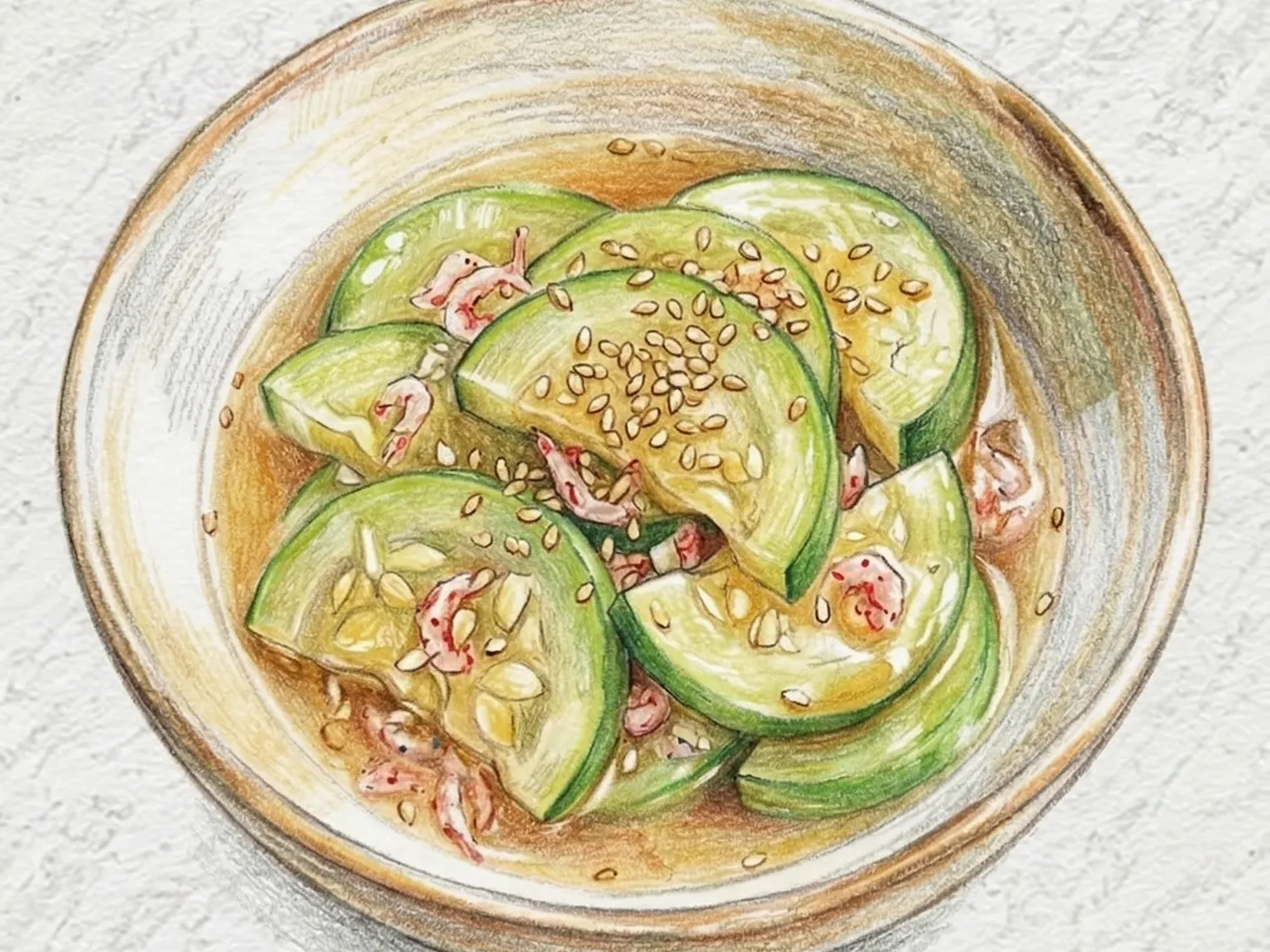
Korean Steamed Zucchini with Salted Shrimp
Aehobak saeujeot jjim belongs to a class of Korean dishes where the ingredient list is deliberately short and fermentation carries the flavor. The only seasoning is salted shrimp - saeujeot - minced fine and dissolved in water with garlic to form a light broth. That minimal liquid does more than it looks: as zucchini cooks in it, the brine's concentrated umami soaks into each piece, delivering more depth than the simple preparation suggests. Half-moon slices go into the pot, the broth is poured over, and the lid goes on over medium-low heat. This method sits between steaming and braising - moisture stays trapped in the pot, heat distributes evenly, and the zucchini cooks through without going soft or watery. Perilla oil and sesame seeds added off the heat balance the fermented note of the shrimp paste with a round, nutty fragrance. The dish comes from Korean countryside cooking, where salted seafood was the default seasoning long before soy sauce was widely available. It pairs well alongside richer, oil-forward mains where something clean and lightly briny makes sense.

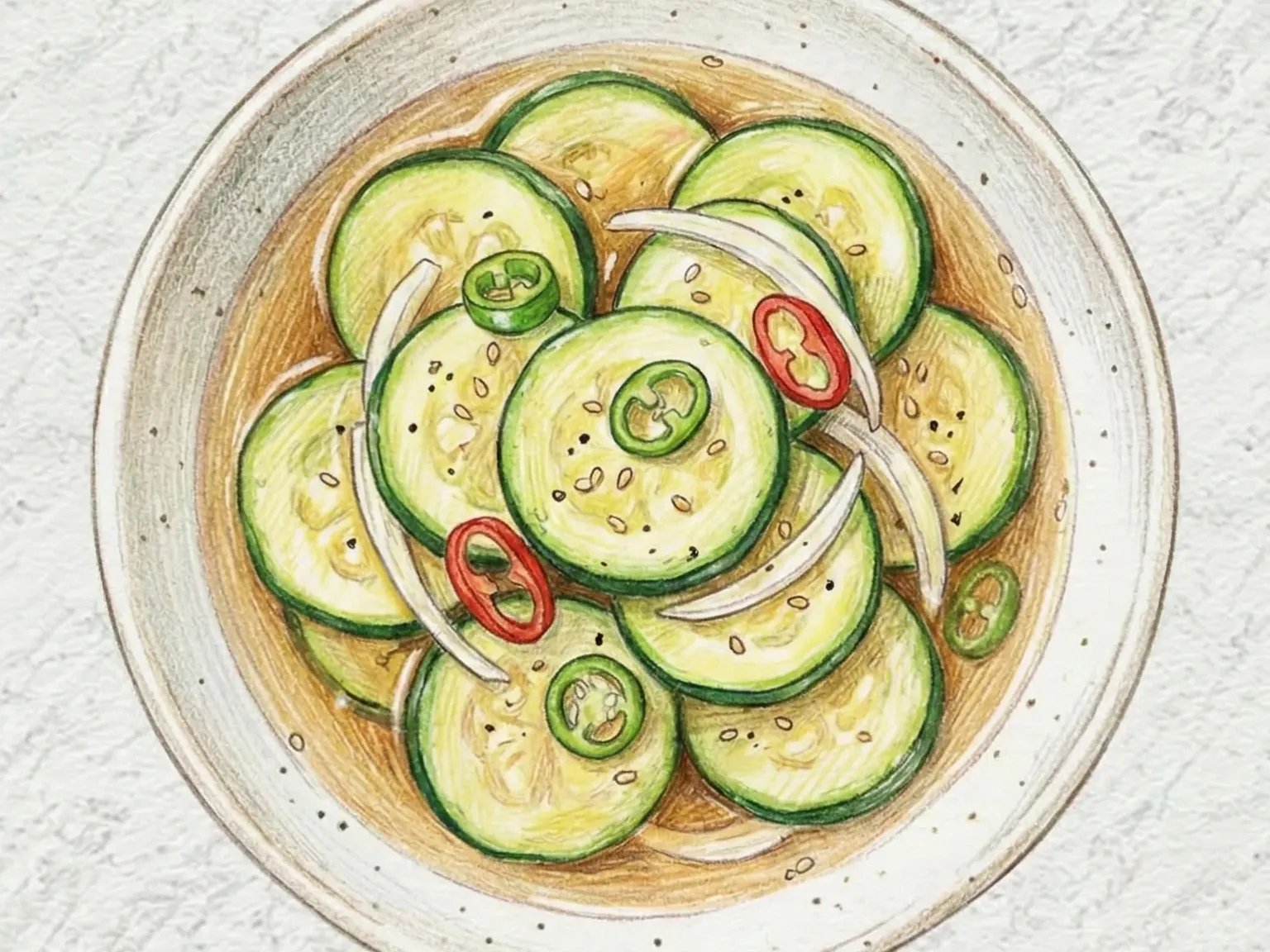
Korean Zucchini Pickles (Soy Vinegar Brine Jangajji)
Jangajji - vegetables preserved in soy brine - was the Korean kitchen's answer to long winters and months without reliable food storage. This zucchini version layers thick half-moon slices with onion, cheongyang chili, and whole garlic cloves in a sterilized glass jar before a boiling-hot brine of soy sauce, vinegar, sugar, and water is poured straight in. The heat from the brine does two things at once: it partially cooks the outer surfaces while the centers stay crisp, and it drives the pickling liquid deeper into each piece than cold brine ever could. The pickle is technically ready at 24 hours, but after three days the sweet-sour-salty brine has fully penetrated and the flavors integrate into something more balanced. Cheongyang chili contributes a slow-building heat at the back of each bite, and the whole garlic cloves shed their raw sharpness in the brine, softening into something mellow and slightly sweet. Unlike fresh banchan that must be eaten the same day, this keeps for two weeks in the refrigerator - a ready supply of bright, tangy contrast for any meal that needs it.

Korean Clam Kalguksu (Hand-Cut Noodles in Clam Broth)
Baekhap kalguksu is a Korean knife-cut noodle soup in which the broth is derived entirely from hard clams rather than the more standard anchovy base. Purged clams are placed in cold water and brought to a boil; once the shells open, the clams are lifted out and the broth is strained through cheesecloth to remove any residual sand or shell fragments. Thinly sliced daikon radish and Korean zucchini cook in the strained broth for five minutes, contributing vegetal sweetness. The hand-cut noodles go in next and are boiled for six to seven minutes until they turn translucent; starch released from the noodles thickens the broth naturally into a lightly viscous, silky consistency without any additional thickener. Once the noodles are cooked, the reserved clam meat returns to the pot, and the soup is seasoned with minced garlic and guk-ganjang. Onion added with the vegetables deepens the broth's sweetness further. Because clam liquor rather than dried anchovy forms the base, the soup carries a distinctly marine, mineral character that permeates every strand of noodle, setting baekhap kalguksu apart from all other regional kalguksu variations. Along the coastal areas of South Chungcheong and Jeolla Provinces, this style of noodle soup has been a local specialty for generations, best in the seasons when clams are most abundant.

Heukimja Cream Bacon Rigatoni (Black Sesame Cream Pasta)
Black sesame cream bacon rigatoni is a fusion pasta that earns its crossover status through ingredient logic rather than novelty. Roasted black sesame ground to a fine powder and blended into heavy cream and milk produces a sauce with a deep, slightly bitter nuttiness - closer to a nut butter than a standard cream - with a grey-toned color that signals immediately this is not a conventional cream pasta. Bacon fried until crisp adds salt, smoke, and crunch at regular intervals throughout the dish, which is important because the sauce, however rich, stays uniform in texture without it. Rigatoni is the right format here: the tube shape traps sauce both inside each piece and on the outer ridges, so every forkful delivers the full flavor load. Finishing with grated Parmigiano or Pecorino deepens the salt and umami content, and a final dusting of black sesame powder over the plated dish reinforces the Korean ingredient that anchors the whole concept. The combination works because black sesame and cream are both fat-forward and round - they do not fight each other.

Mexican Cactus Salad (Lime-Dressed Nopal Cactus Pad)
Ensalada de nopales is a traditional Mexican salad made from cleaned and boiled prickly pear cactus pads tossed with diced tomato, onion, fresh cilantro, and lime juice. Preparing the pads requires removing the fine spines and glochids that cover the surface; wearing gloves and scraping with a knife is the standard method. Once cleaned, the pads are diced and boiled until tender. Cooking releases a mucilaginous substance similar to okra, which is the source of nopales' distinctive texture. Draining the cooked cactus thoroughly and letting it cool before dressing prevents the lime juice from becoming diluted. Even after full cooking, nopales retain a slight resistance in the bite, producing a texture that is at once tender and firm. The strong acidity of lime and the herbal quality of cilantro create contrast against the cactus's mild, neutral flavor, giving the salad a clear flavor structure. In Mexico this is a common side dish alongside tacos, grilled meats, or beans, and its high fiber and water content make it a practical addition to a balanced meal.

Albondigas en Salsa (Spanish Meatballs in Tomato Sauce)
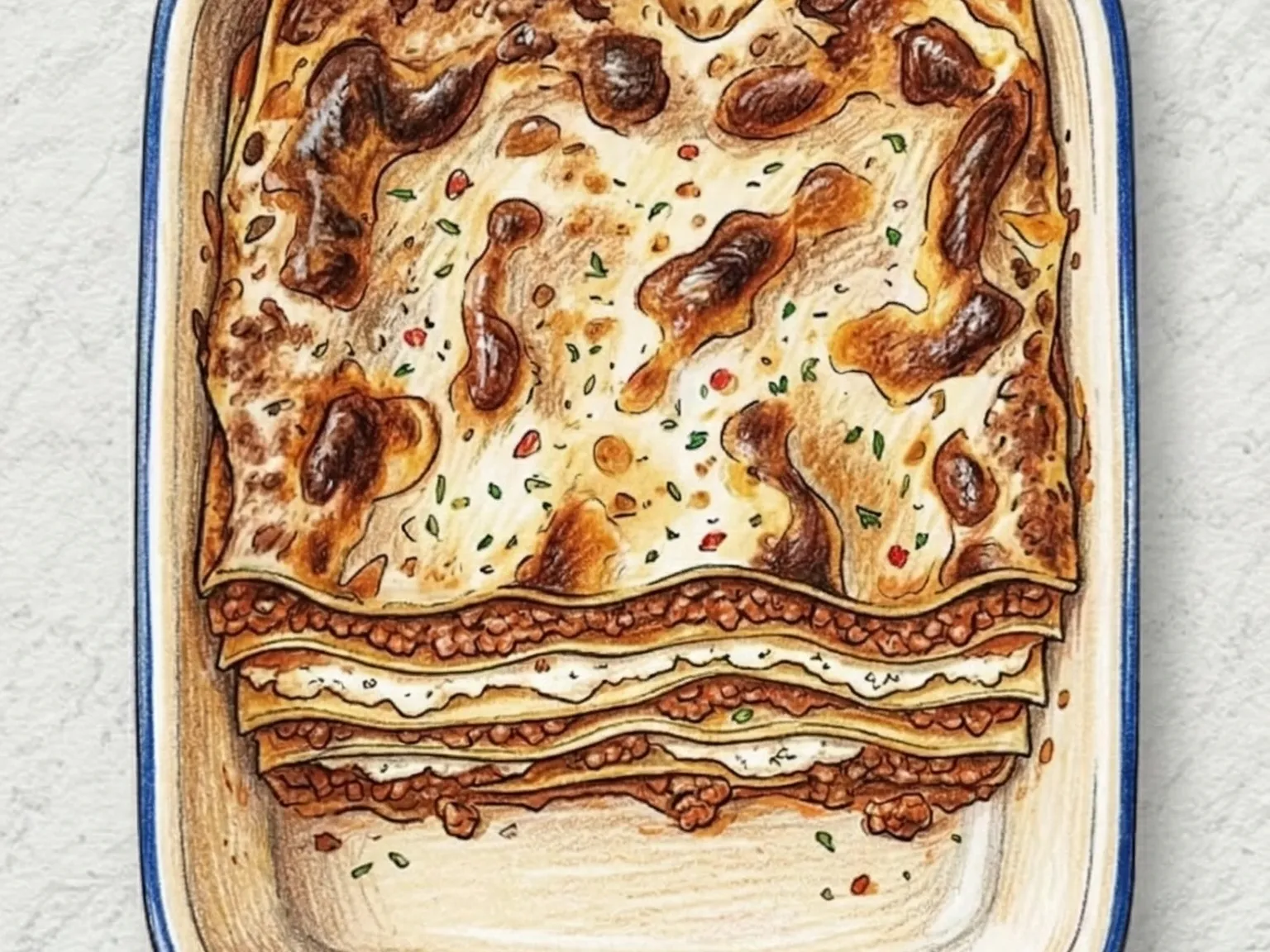
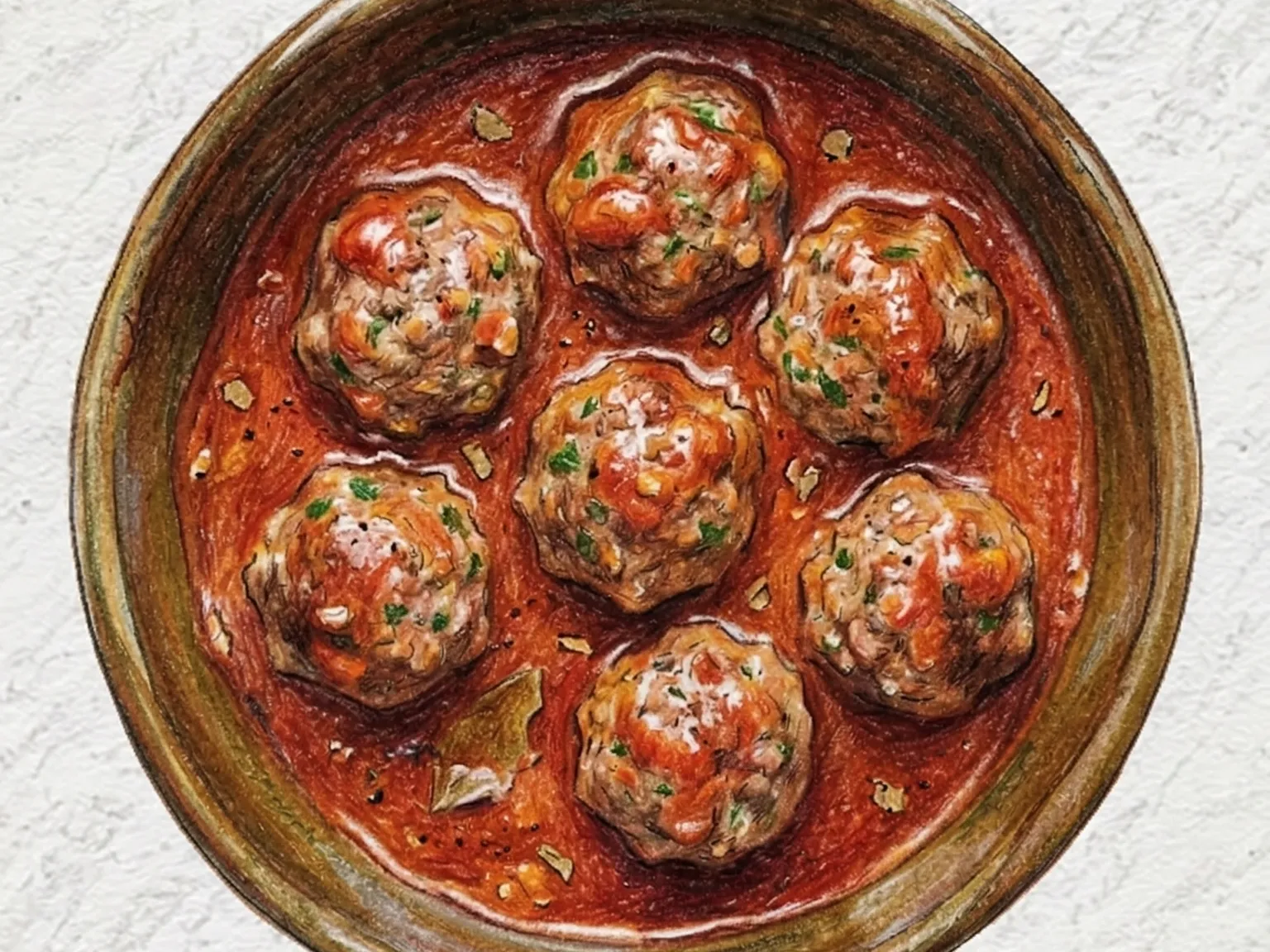
Albondigas - the word itself tracing back to the Arabic 'al-bunduq' meaning a small round thing - arrived in Spain with the Moorish occupation and became embedded in everyday home cooking across the peninsula. Ground pork and beef are combined with bread soaked in milk or water, egg, and garlic, then rolled into small, dense balls and browned in olive oil before the braising begins. The soaked bread in the mixture is what keeps the meatballs from tightening into dense rounds as they cook - it loosens the structure and creates a soft, almost spongy interior that drinks in the sauce during the long simmer. The tomato sauce is built with onion and garlic fried until golden, then tomatoes, smoked paprika, and a bay leaf are added and the whole pot cooks down over twenty minutes of low heat until the raw acidity mellows into sweetness. The meatballs go back into the sauce for a final ten minutes so the braising liquid penetrates to the center. Crusty bread to mop up the glossy sauce is traditional, but the dish works equally well spooned over plain rice. This is the kind of Spanish grandmother cooking where nothing is measured and the result is always the same.

Aloo Methi (Indian Potato Fenugreek Dry Stir-Fry)
Aloo methi is a North Indian home-cooking classic built on the natural pairing of starchy potatoes and bitter fenugreek leaves - two ingredients whose flavors balance each other. Fresh methi leaves carry a pronounced earthy bitterness that softens and sweetens into a warm, maple-like aroma once they hit a hot pan. The potatoes are cut into small cubes and cooked covered with cumin, turmeric, and chili powder until fork-tender, absorbing the spices throughout as they steam. Methi leaves fold in at the end, and their residual moisture evaporates quickly on the hot pan, concentrating the herbaceous flavor into every bite. In Indian households this dish appears regularly alongside dal and rice as a weeknight staple that comes together in under thirty minutes. When fresh methi is unavailable, dried kasuri methi - rubbed between the palms to release its aroma before adding - produces a comparable result with a more concentrated flavor. Unlike many North Indian preparations built on layered masala chains, aloo methi has a short ingredient list and a straightforward method, which explains why it appears so consistently on everyday family tables.

Korean Beef & Shiitake Japchae
Japchae originated as a Joseon royal court dish of stir-fried vegetables before sweet potato glass noodles were added to create the form recognized today. This version pairs glass noodles with soy-marinated beef and sliced shiitake mushrooms. Each component cooks separately: beef and mushrooms stir-fried with garlic, spinach blanched and squeezed dry, carrots and onions sauteed until just tender. A final toss with sesame oil brings everything together. The noodles should be translucent and springy, carrying a sweet-salty soy glaze into each forkful. A standard presence on every Korean holiday table at Chuseok, Seollal, and birthday celebrations alike.

Korean Napa Cabbage Doenjang Porridge
Baechu doenjang juk is a Korean porridge where soaked rice is first toasted in sesame oil before any liquid is added, building a nutty foundation that plain boiled rice cannot provide. The doenjang is dissolved and strained through a fine-mesh sieve directly into anchovy stock so the finished porridge stays smooth without chalky bits of fermented paste. Finely chopped napa cabbage and onion go in with the strained stock: the onion melts quietly into the broth as it cooks, contributing a background sweetness, while the cabbage softens until it nearly disappears into the porridge's texture. Stirring frequently over medium-low heat for at least twenty minutes is what allows the rice grains to break down evenly and merge with the liquid rather than sitting as distinct kernels in thin broth. Skipping the initial oil-toasting step and adding raw soaked rice directly causes the starch to release unevenly, producing a porridge that sticks to the bottom of the pot and tastes flat. A drop of sesame oil and a final seasoning with guk-ganjang complete the dish. The result is a bowl that feels gentle on the stomach while carrying the full fermented complexity and depth of doenjang - suitable as a light meal or a restorative dish during recovery.

Korean Braised Monkfish in Spicy Soy Sauce
Agwi-jorim is a braised monkfish dish built around a soy-based sauce rather than the chili paste used in the better-known agu-jjim. The technique is gentler and the flavor profile more balanced - salty, faintly sweet, with a moderate heat from gochugaru rather than the aggressive fire of gochujang. Thick rounds of Korean radish go into the pot first, serving two functions simultaneously: they act as a physical buffer that keeps the fish from sticking to the bottom, and they slowly absorb the braising liquid while releasing their own sweetness into it, becoming the most flavorful element in the finished dish. The braising sauce is straightforward - soy sauce, gochugaru, garlic, and water - but it concentrates significantly as it reduces, coating both the fish and radish in a deep amber lacquer. Monkfish is well suited to braising because of its high collagen content; the flesh stays tender and almost gelatinous even with extended cooking, never turning rubbery. The liver-colored skin softens into the sauce. To eat, the standard approach is to spoon the sauce-saturated radish and fish over a bowl of steamed rice, letting the braising liquid soak in. Less fiery than agu-jjim, agwi-jorim is the version more commonly made at home, where the controlled salt-sweet-spice balance appeals to a wider range of palates.

Korean Curry Flavored Tempura
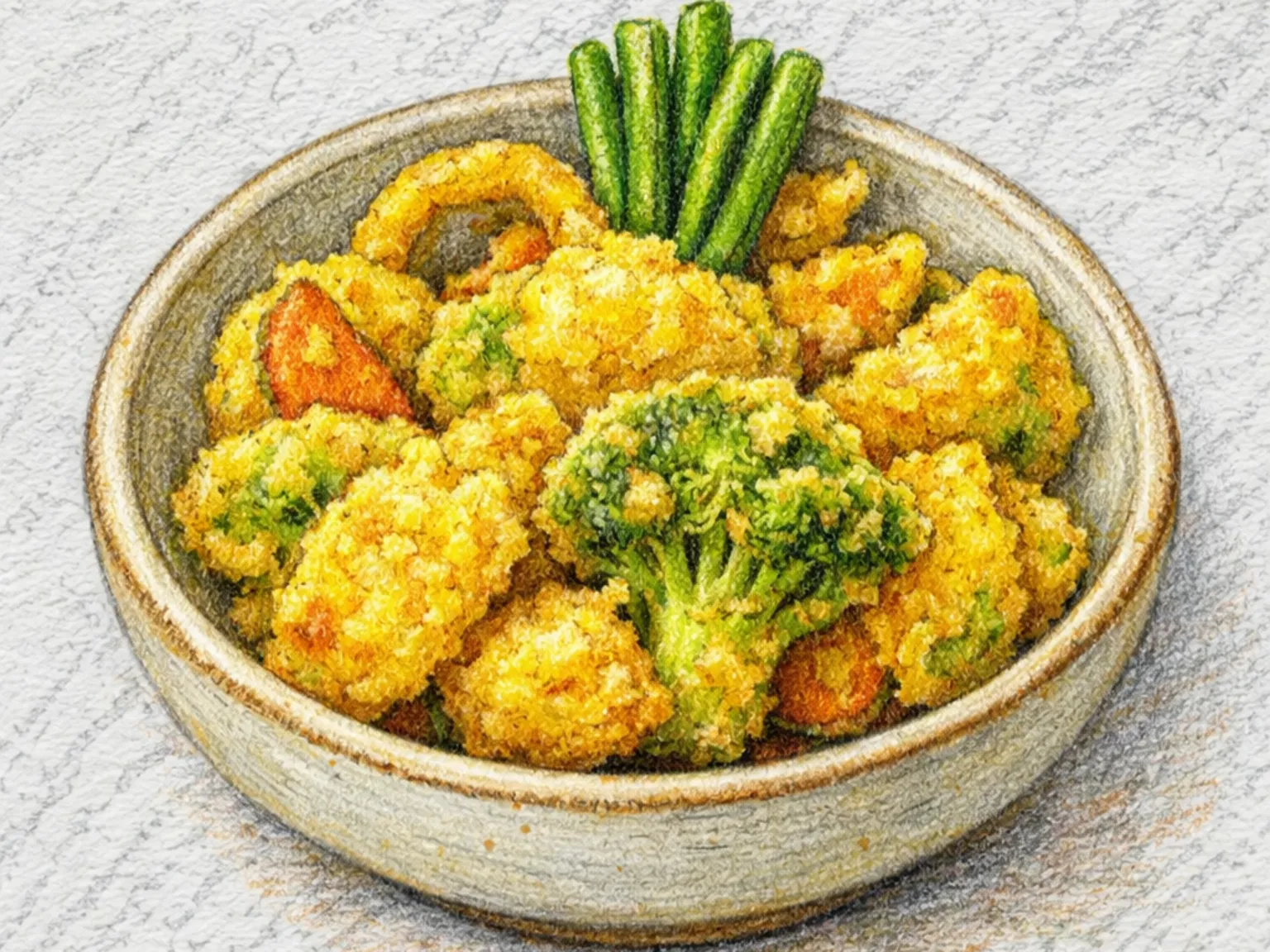
Curry twigim mixes curry powder directly into the frying batter, giving it a vivid golden color and distributing spice throughout the coating before any frying begins. Sweet potato, carrot, and onion slices are dipped in this batter and deep-fried at 170 degrees Celsius. The key technical requirement is ice-cold water in the batter: cold temperature inhibits gluten development, which keeps the coating thin and produces a shattering, light crunch when bitten. Using warm or room-temperature water causes the gluten strands to develop fully, resulting in a thick, chewy crust that absorbs oil rather than repelling it. Because the curry powder is built into the batter itself, every piece carries turmeric, cumin, and coriander flavor in each bite without needing a dipping sauce. Compared to standard Korean vegetable tempura, the curry spices add an aromatic warmth and complexity to the sweet vegetables that distinguishes it clearly. The texture is best immediately out of the oil while the coating is still rigid.

Korean Tofu with Stir-fried Kimchi
Dubu-kimchi pairs thick slabs of blanched tofu with aged kimchi stir-fried alongside pork shoulder and onion, and stands as one of the most recognized drinking accompaniments in Korean food culture. Blanching the tofu in salted water for roughly three minutes draws out any raw bean flavor and firms the surface so the slices hold their shape on the plate. The deep fermentation sourness of the aged kimchi concentrates as it cooks in oil with gochugaru, and a small amount of sugar bridges the gap between the sour and spicy notes. Using only the fat rendered from the pork keeps the stir-fry clean-tasting; maintaining medium heat throughout prevents the kimchi from scorching. Placing the tofu under the hot kimchi stir-fry lets the surface absorb the seasoning so the tofu is not bland on its own. A finish of sesame oil adds a nutty aroma, and sliced green onion on top provides a fresh contrast. When serving alongside soju or makgeolli, plate the tofu separately and spoon the stir-fry over it at the table to keep the slices intact.

Korean Chive and Beef Jeon
Buchu-soegogi-jeon are Korean chive and beef patties made from ground beef, pressed firm tofu, finely chopped garlic chives, and onion seasoned with soy sauce, garlic, and sesame oil, shaped into small ovals, dipped in beaten egg, and pan-fried for three minutes per side. Squeezing every drop of moisture from the tofu before mixing is the critical step - it prevents the patties from falling apart on the pan while contributing a soft texture that tempers the density of the beef. The egg coating sets into a thin golden crust on the outside, while the interior stays moist and fragrant with seared chive and beef. These are a standard on Korean holiday tables and guest spreads: one-bite sized, easy to pick up, and the soy-garlic-sesame seasoning holds its flavor without degrading as the patties cool.

Korean Green Seaweed Tofu Soup
Cheonggak-dubu-guk is a light Korean seaweed soup made by soaking salted cheonggak sea staghorn in cold water to draw out excess salt, then simmering it with tofu and onion in a clean broth. Onion and garlic are sauteed in perilla oil first to build a nutty base, and the broth is seasoned with tuna extract and soup soy sauce, which together bring a deep oceanic savoriness to every spoonful. The cheonggak seaweed contributes a firm, satisfying crunch that contrasts directly with the soft, mild tofu cubes. At 140 calories per bowl, the soup sits at the lighter end of Korean everyday cooking while still delivering genuine depth. The combination of sea vegetable, perilla oil, and fermented soy seasoning makes a broth that tastes cleaner and more mineral than standard vegetable soups.