Charim

2686 Korean & World Recipes

2686+ Korean recipes, clean and organized. Ingredients to instructions, all at a glance.

Recipes with onion

24 recipes

Buy onion
Korean Tofu Perilla Leaf Soup
SoupsEasy

Korean Tofu Perilla Leaf Soup

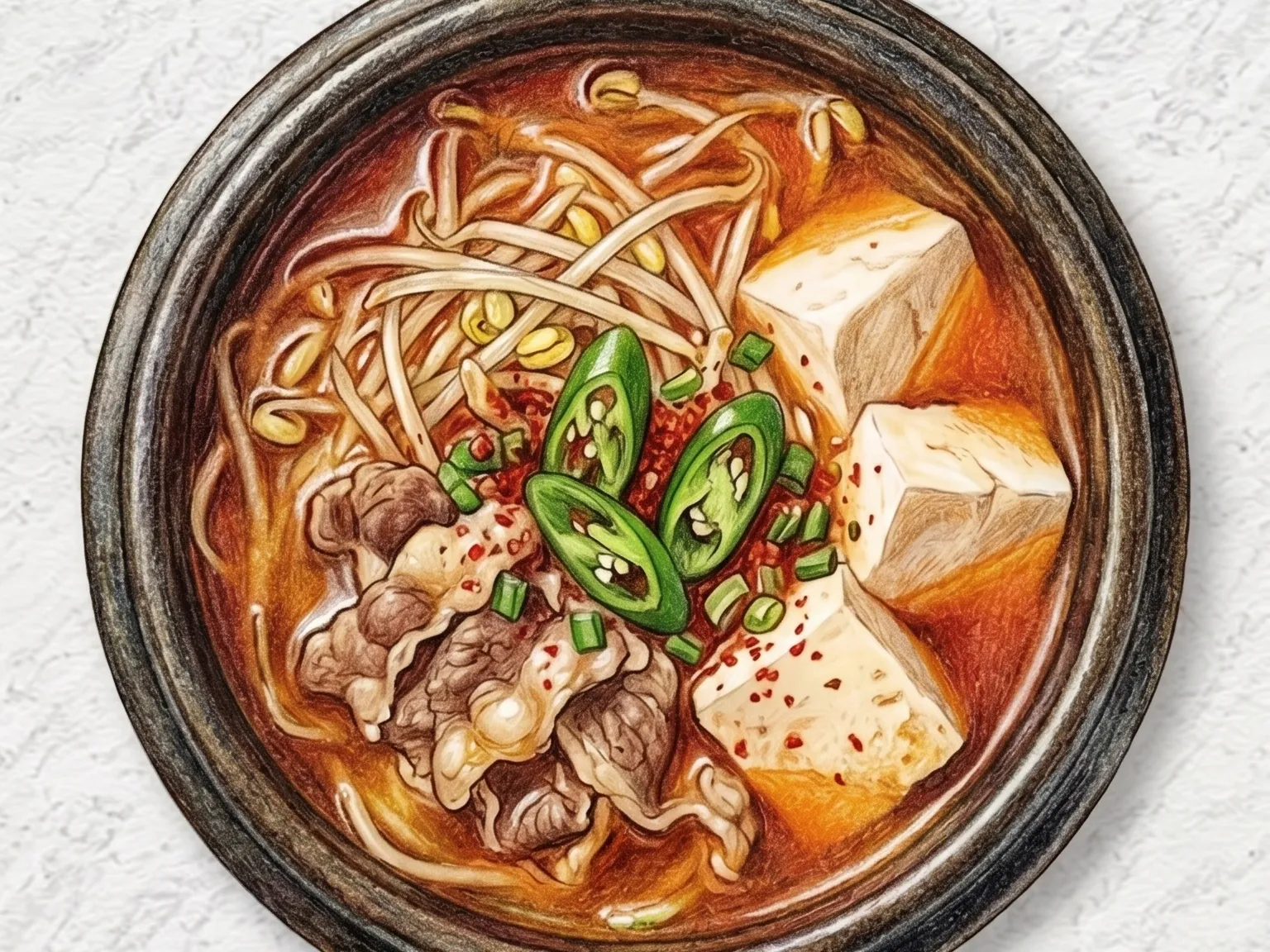
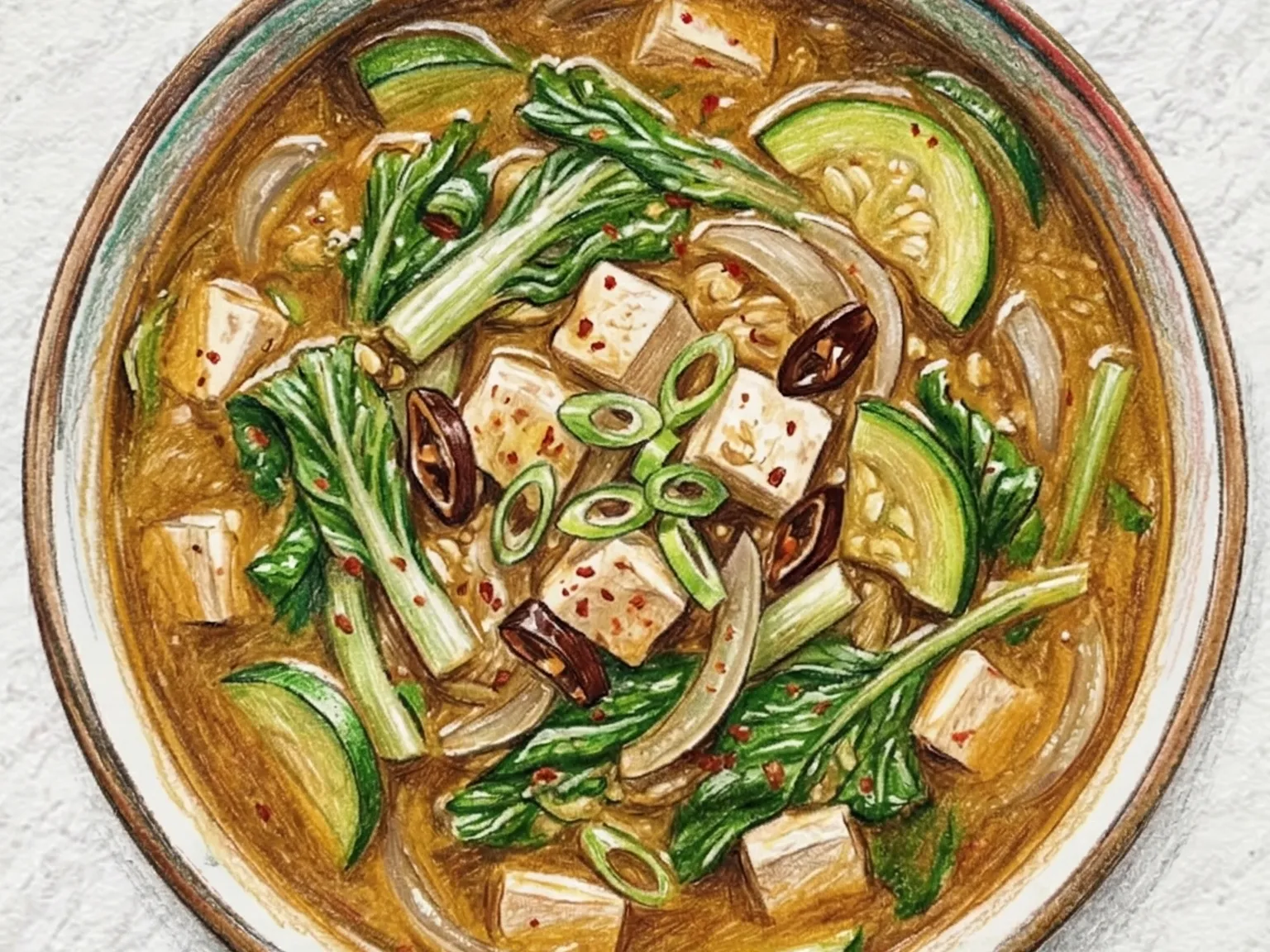
Dubu-kkaennip-guk is a Korean tofu and perilla leaf soup in anchovy broth, finished with chiffonaded perilla leaves that release a bright, minty-herbal fragrance into the clear liquid. Zucchini and onion simmer first to build a vegetable-sweetened base, releasing their natural sugars into the anchovy stock. Large scoops of soft tofu - spooned rather than knife-cut, so the rough surfaces trap more broth - warm through over medium heat for five minutes. The perilla leaves must go in during the last thirty seconds before serving: any longer and they turn dark and lose the sharp aromatic freshness that defines the dish. Soup soy sauce and a light dusting of black pepper complete the seasoning, letting the clean anchovy umami and the herbal lift of the kkaennip share the stage without one overpowering the other. Cooking the zucchini fully soft is important - its gentle sweetness needs time to dissolve into the broth, and when the tofu and vegetables together hold the liquid, each spoonful carries varied texture.

🏠 Everyday
Prep 10minCook 15min2 servings
Korean Tofu and Vegetable Stir-Fry
Stir-fryEasy

Korean Tofu and Vegetable Stir-Fry

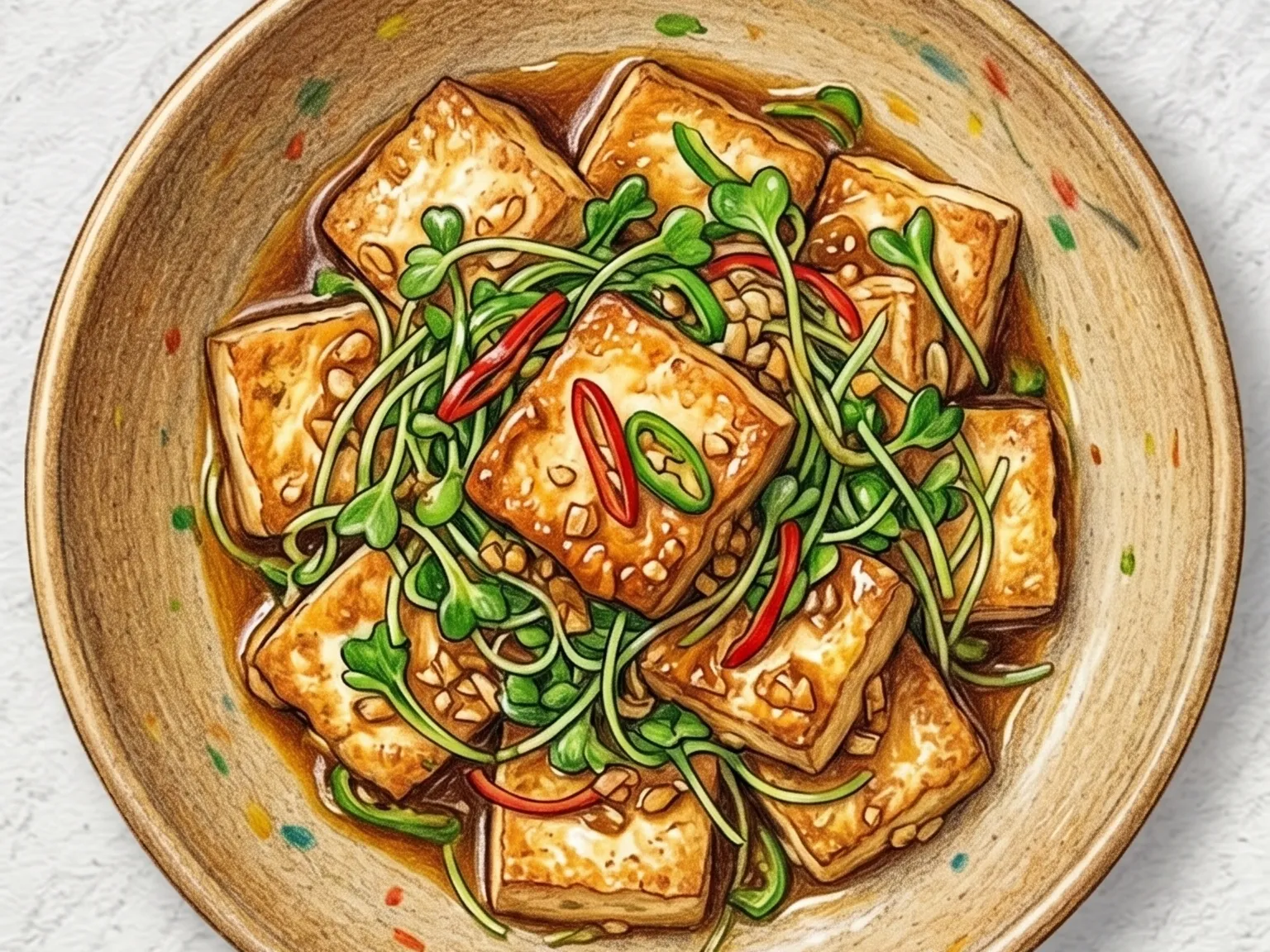
Dubu-yachae-bokkeum is a Korean stir-fry of pan-fried tofu with carrots, onions, and bell peppers in a light soy-based sauce. Before anything else, the tofu has to be pressed to expel excess moisture, then pan-fried on both sides until a firm golden crust develops, which keeps the pieces from breaking apart when they go back into the wok with the vegetables. Because the vegetables cook at different rates, they are added in sequence to preserve each one's texture. The seasoning of soy sauce, sesame oil, minced garlic, and a small amount of sugar sits on the lighter side, letting the natural sweetness and fragrance of the vegetables come through without being masked. Gochugaru or a spoonful of gochujang can be incorporated for a spicier variation. Sesame seeds and a final drizzle of sesame oil finish the dish with a nutty fragrance that ties all the elements together. The combination of plant protein from the tofu and dietary fiber from the vegetables makes it both nutritious and satisfying, and it is commonly packed into Korean lunch boxes.

🏠 Everyday🌙 Late Night
Prep 10minCook 15min2 servings
Korean Hairtail Braised with Dried Greens
SteamedMedium

Korean Hairtail Braised with Dried Greens

Siraegi galchi jorim is a Korean braised hairtail fish dish assembled by layering boiled dried radish greens, radish, and hairtail in a pot, then simmering everything together in a sauce built from gochugaru, soy sauce, and gochujang. Rubbing the dried radish greens with a teaspoon of doenjang before they go into the pot allows fermented earthiness to penetrate the greens during cooking, adding a layer of depth that the braising sauce alone cannot provide. The greens are firm and springy enough that long simmering does not cause them to fall apart, and their cellular structure soaks up the braising liquid so thoroughly that every bite releases a concentrated burst of the seasoned sauce. Radish absorbs the stock produced by the fish and the greens as it cooks, developing a clean, gentle sweetness that grounds the spice of the sauce. The hairtail is never turned during cooking; the braising liquid is spooned over it repeatedly instead, which preserves the delicate, layered texture of the flesh and prevents it from flaking and falling apart in the pot. Closing the lid and maintaining a steady medium-low heat while basting only between lid lifts gives the fish the best chance of arriving at the table intact. The finished dish is the kind of strongly seasoned, deeply savory Korean side that makes a full bowl of white rice disappear without effort.

🏠 Everyday🎉 Special Occasion
Prep 25minCook 35min4 servings
Korean Gangwon-style Potato Pancake
GrilledMedium

Korean Gangwon-style Potato Pancake

Gangwon-gamja-jeon is a traditional potato pancake from the mountainous Gangwon province, made by finely grating potatoes and incorporating the settled starch sediment back into the batter to achieve a uniquely chewy, mochi-like center with crisp edges. After grating, the potato liquid is left to sit until white starch settles at the bottom. The water on top is poured off and the dense starch is folded back in. Skipping this step produces a flat, crumbly pancake instead of the trademark sticky pull. Finely chopped Cheongyang chili peppers add a clean, sharp heat that cuts through the potato's natural sweetness, while minced onion reinforces that sweetness without adding excess moisture. The batter must be spread thin in a generously oiled pan and cooked patiently until the edges darken to deep golden brown. Rushing the process leaves the interior gummy and causes the pancake to fall apart when flipped. Even when the batter still looks soft and undercooked on top, waiting until the underside is fully set is what makes the flip clean. Makgeolli is the traditional pairing.

🍺 Bar Snacks
Prep 15minCook 14min2 servings
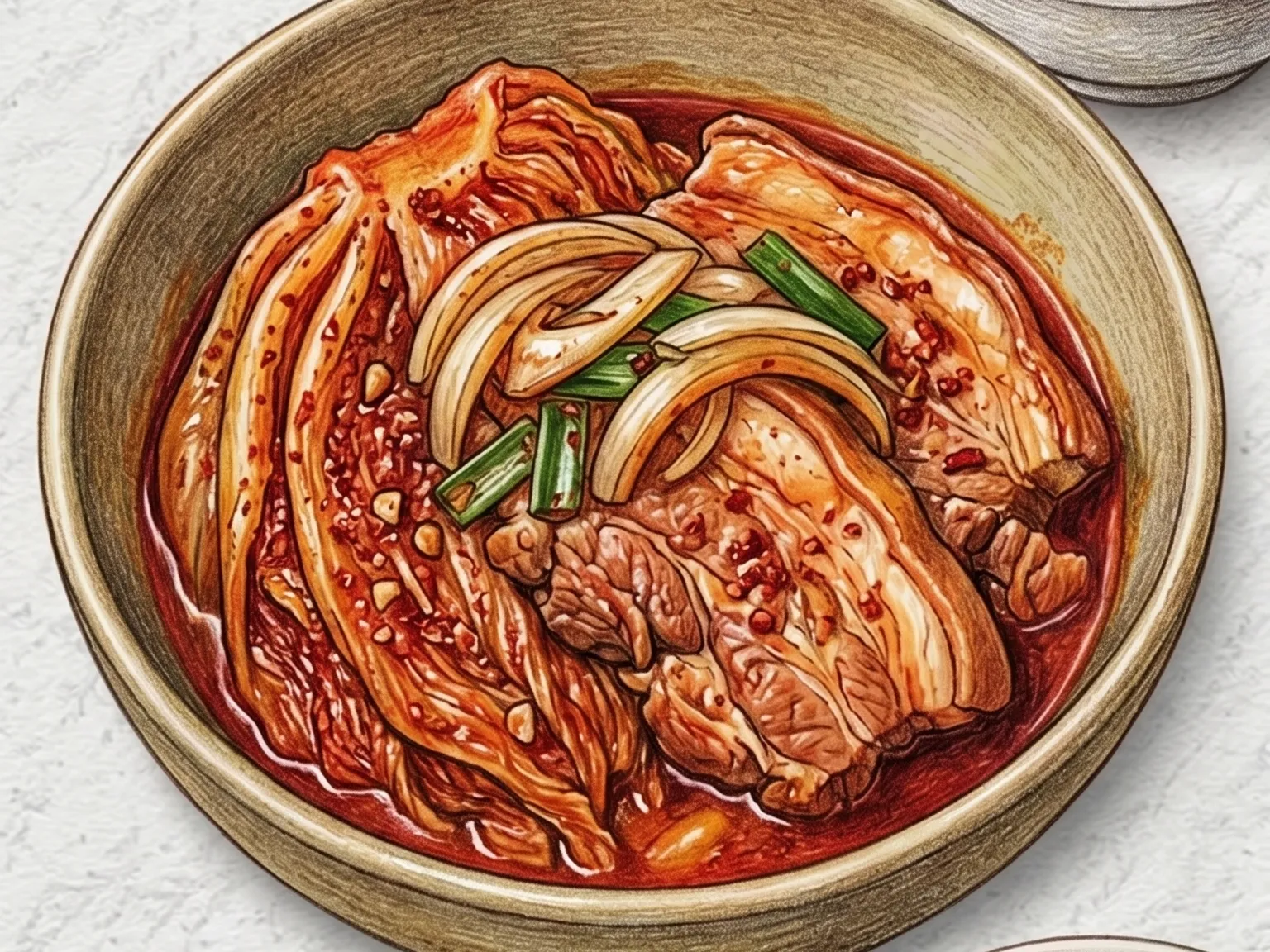
Korean Saury Kimchi Rice Bowl
RiceEasy

Korean Saury Kimchi Rice Bowl

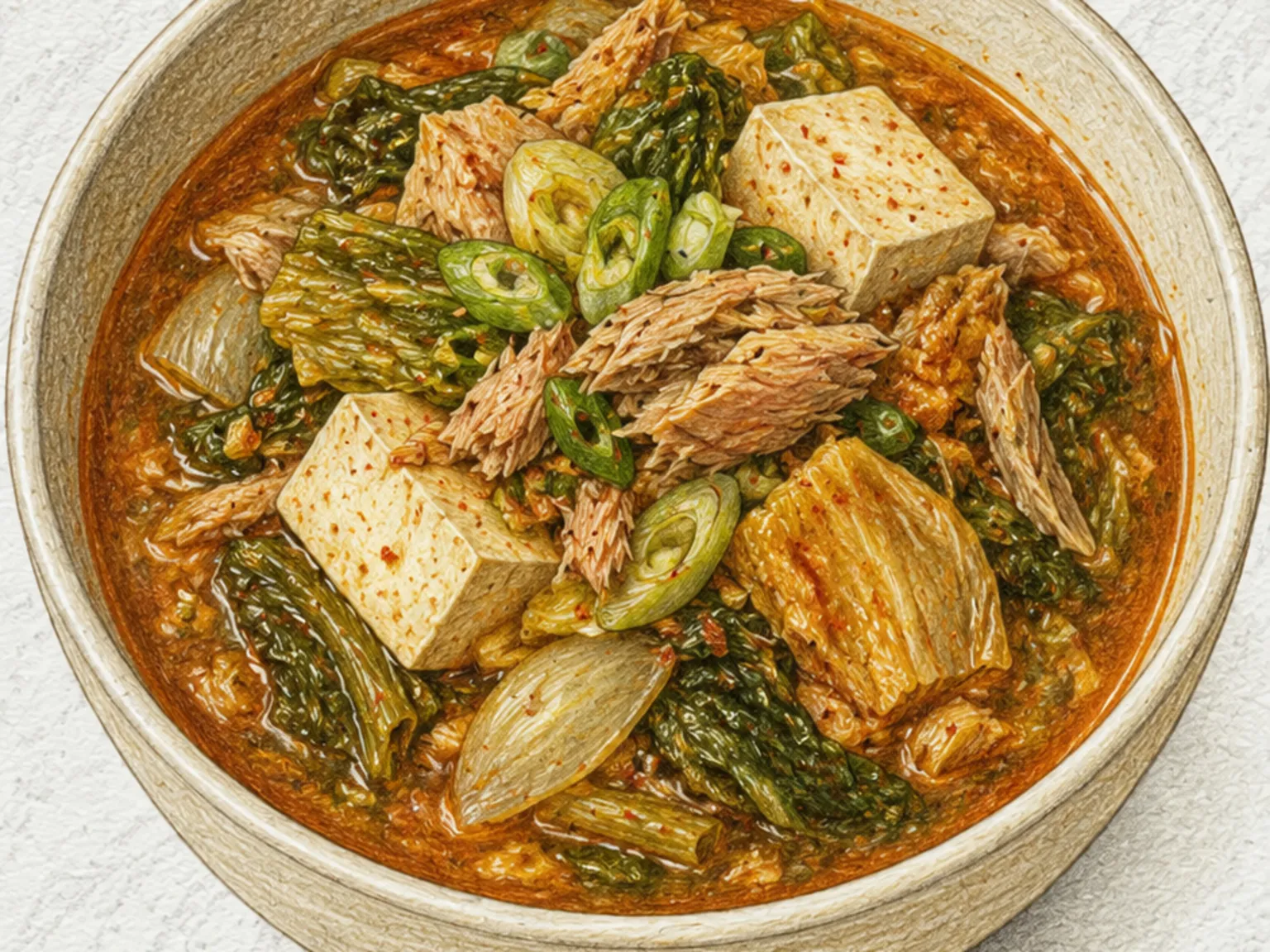
Canned mackerel pike (kkongchi) is stir-fried with aged kimchi and sliced onion, using a couple spoonfuls of the can liquid to deepen the sauce's umami. The kimchi cooks down for three minutes first to drive off excess moisture and tame its sourness, then the fish is broken into generous chunks - keeping them large preserves a pleasant flaky texture. Chili flakes, soy sauce, and sugar simmer together for four minutes into a thick, clinging glaze that soaks into the rice below. Topped with fresh scallion, this is a pantry-friendly rice bowl that transforms humble canned fish into something deeply flavorful.

🏠 Everyday
Prep 12minCook 18min2 servings
Penne alla Vodka
NoodlesEasy

Penne alla Vodka

Penne alla vodka combines tomato puree, heavy cream, and a splash of vodka into a smooth, coral-colored sauce. The vodka helps release flavor compounds in the tomato that are not soluble in water or fat alone, then cooks off to leave only a subtle warmth. Butter-softened onions and a pinch of chili flakes round out the base before cream is stirred in on low heat. The tubular shape of penne catches the thick sauce inside each piece.

🏠 Everyday🎉 Special Occasion
Prep 10minCook 18min2 servings
Korean Stir-Fried Chicken
Stir-fryEasy

Korean Stir-Fried Chicken

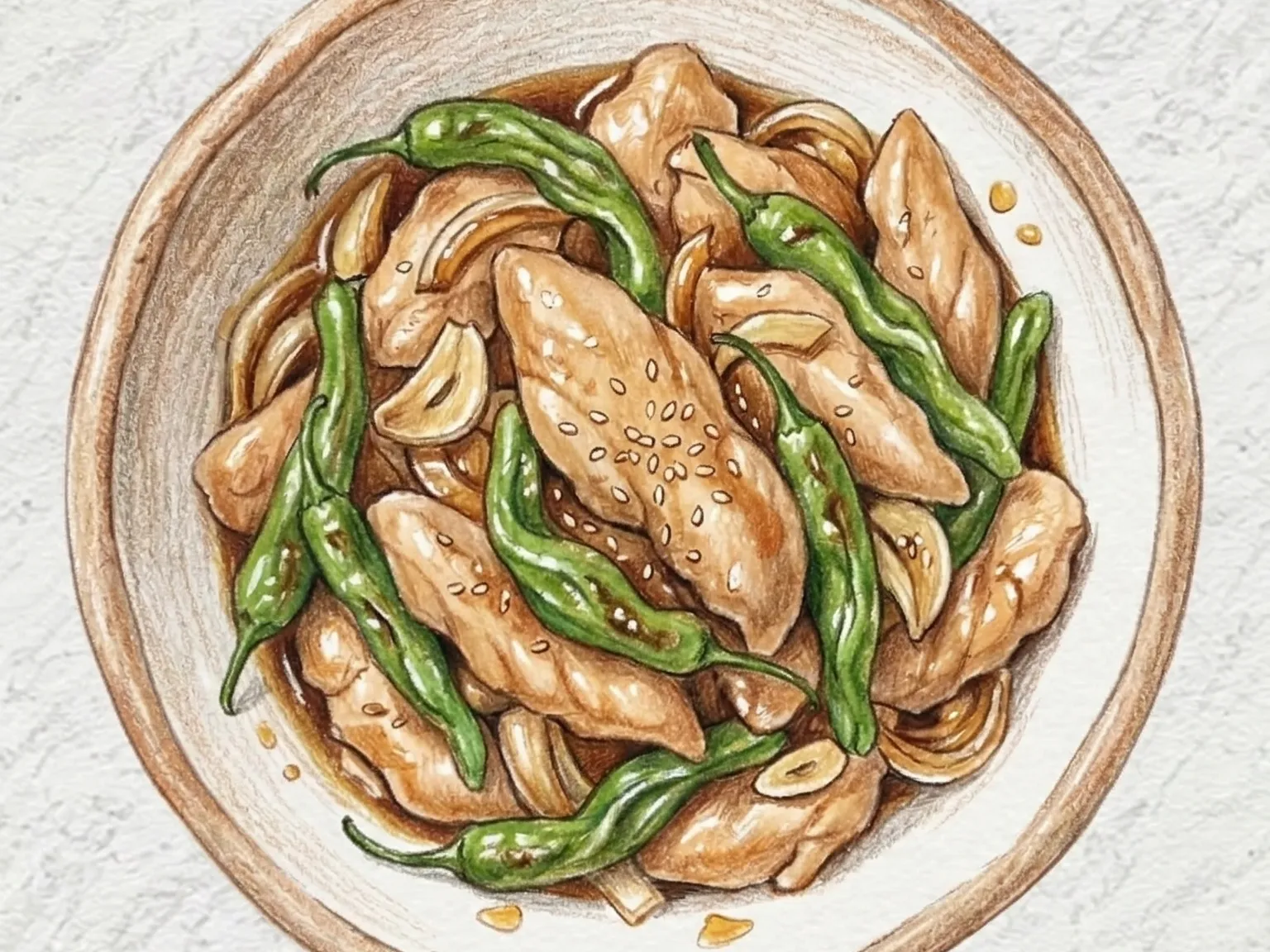
Dak-bokkeum is a Korean stir-fried chicken dish seasoned with a soy sauce-based marinade. Soy sauce, sugar, and minced garlic coat the chicken evenly before it hits the pan, producing a salty, umami-forward crust as it sears. Onion and carrot are added partway through, and the moisture they release as they soften blends into the seasoning to form a natural pan sauce without any added liquid. Sesame oil goes in at the end, its nutty aroma lifting through the dish as it finishes. Breast meat produces a leaner, cleaner-tasting result, while thigh meat stays more moist and springy throughout cooking. The dish pairs well with steamed rice and comes together quickly enough for weeknight cooking.

🏠 Everyday🌙 Late Night
Prep 15minCook 15min2 servings
Korean Jeju-style Braised Hairtail
Stir-fryHard

Korean Jeju-style Braised Hairtail

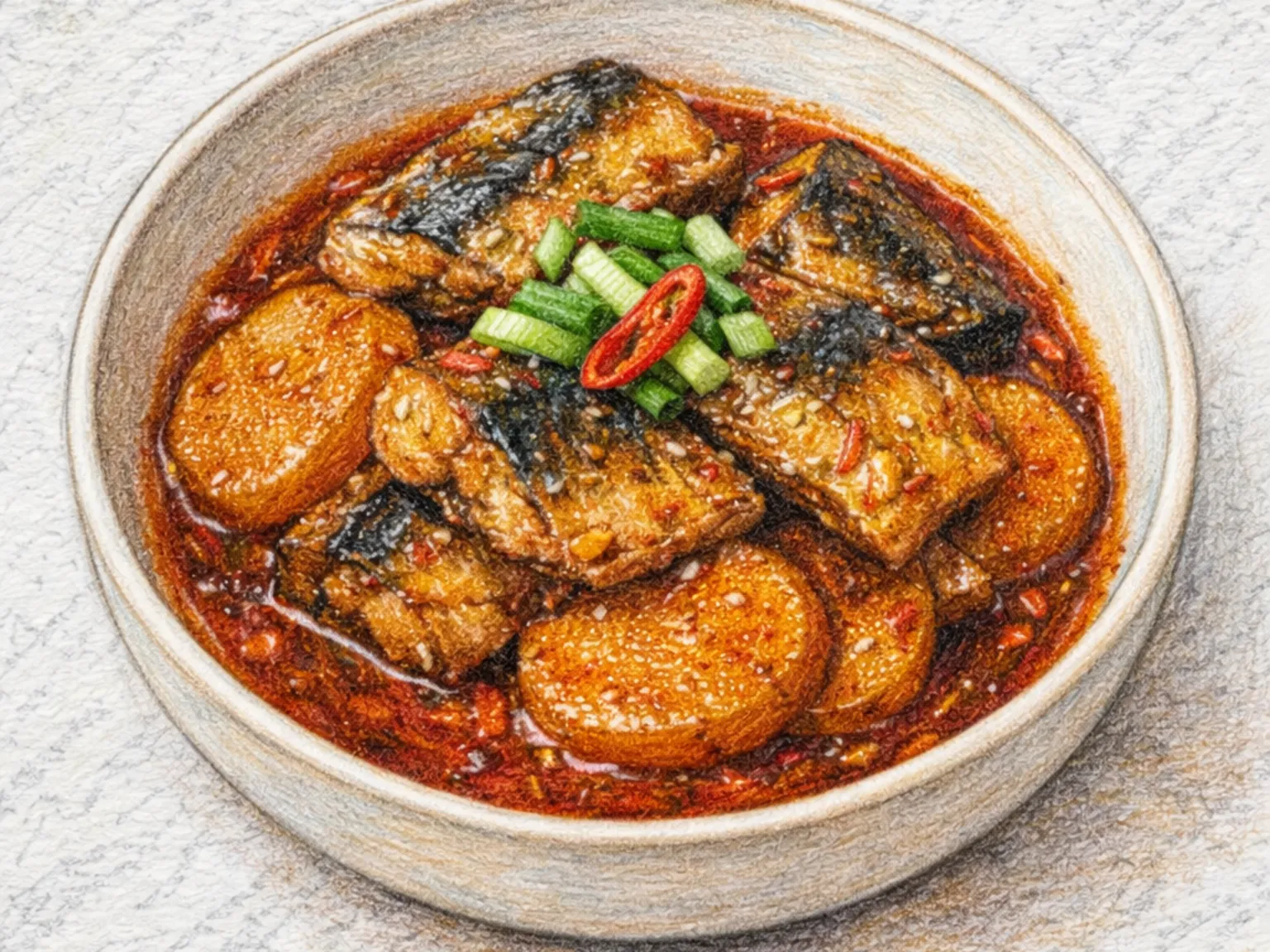
Galchi-jorim-jeju is a regional specialty of Jeju Island in which thick-cut hairtail is braised with radish and potato in a bold, deeply seasoned chili sauce. Unlike mainland versions, the Jeju style uses considerably more sauce and cooking liquid, producing a result that sits closer to a jjigae than to a dry braise, and it is common to eat the leftover sauce mixed into plain rice. Radish provides a cooling, clean sweetness that tempers the intensity of the chili and brings balance to the overall flavor, while potato absorbs the sauce and thickens the liquid naturally as it cooks. Jeju silver hairtail is prized for its thick, fatty flesh, which holds together without falling apart during the long braise and absorbs the pungent, layered sauce deeply into each piece. The result is a dish that is simultaneously fiery, savory, and faintly sweet.

🏠 Everyday🎉 Special Occasion
Prep 20minCook 30min4 servings
Kedgeree (British Smoked Fish Spiced Rice Dish)
WesternMedium

Kedgeree (British Smoked Fish Spiced Rice Dish)

Kedgeree is a British brunch dish of smoked haddock flaked into spiced rice with boiled eggs, descended from the Indian colonial-era dish khichri. The smoked fish is poached or steamed and broken into large pieces - keeping the flakes sizable preserves their texture and allows the smoky flavor to distribute through the rice in distinct pockets. Onion is sauteed in butter, then curry powder is bloomed for thirty seconds, releasing the warm aromas of cumin and turmeric into the fat, which tints and seasons every grain of rice. A squeeze of lemon juice at the end cuts through the richness of the butter and the heaviness of the spices with a bright acidity. Halved boiled eggs and chopped parsley finish the dish with contrasting texture and color.

🎉 Special Occasion
Prep 15minCook 20min2 servings
Korean Young Radish Pork Stir-fry
Stir-fryMedium

Korean Young Radish Pork Stir-fry

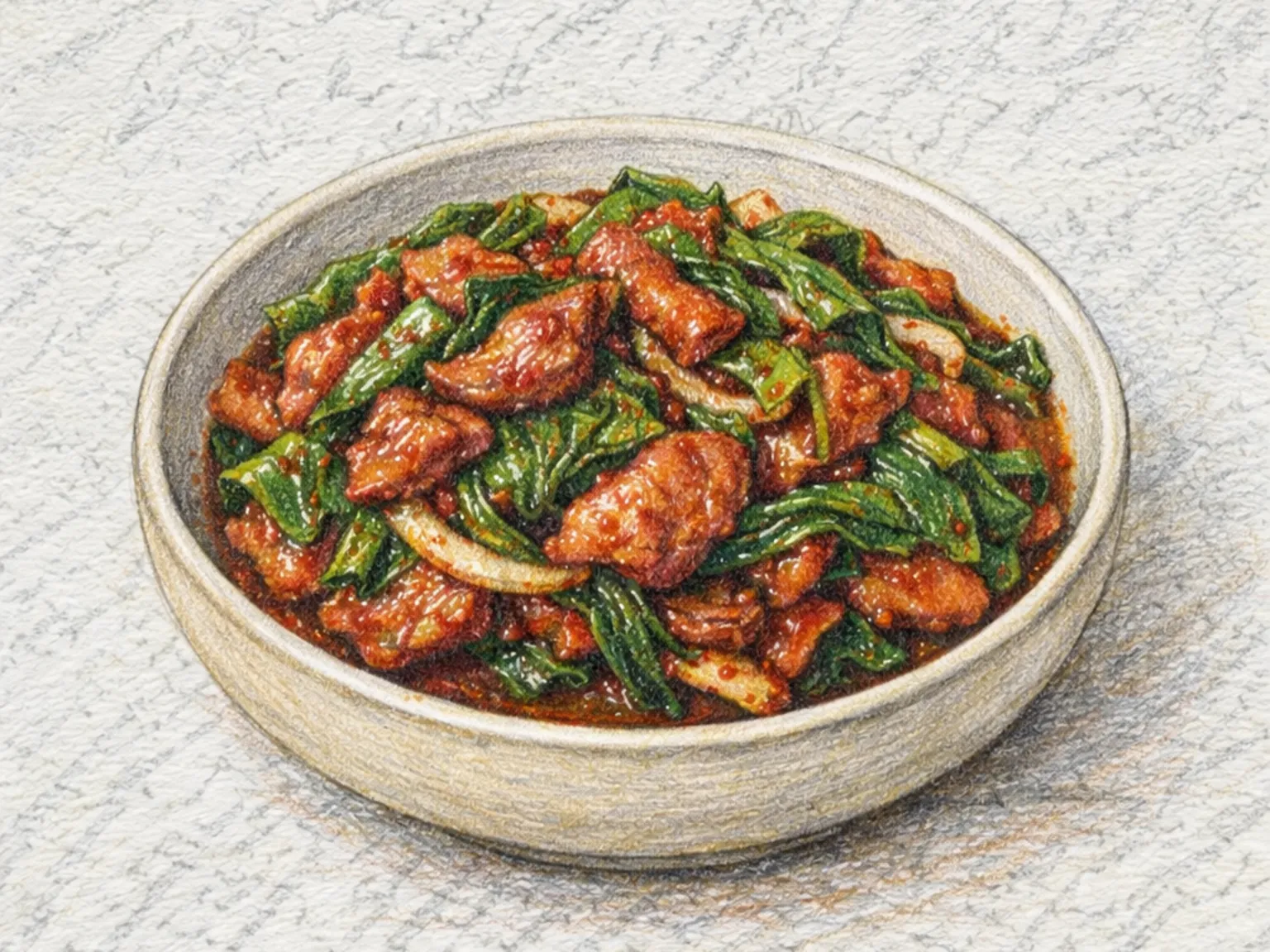
Yeolmu-dwaejigogi-bokkeum is a spicy Korean stir-fry of pork shoulder marinated in gochujang, gochugaru, and soy sauce, cooked together with young radish greens (yeolmu). The pork is seared first over high heat for four minutes, then the greens are added on medium heat for another four minutes - just long enough to wilt without losing their fresh bite. The gochujang heat contrasts with the crisp, slightly grassy stems of the yeolmu, and sesame oil ties the flavors together at the end. It is a seasonal dish best made when young radish greens are in peak supply during summer.

🏠 Everyday🍱 Lunchbox
Prep 16minCook 14min4 servings
Korean Mushroom Porridge (Silky Shiitake Sesame Porridge)
RiceEasy

Korean Mushroom Porridge (Silky Shiitake Sesame Porridge)

Shiitake mushrooms and onion are sauteed in sesame oil to build a deep aromatic base, then simmered with soaked rice and water for 35 minutes until the grains break down into a silky porridge. Despite containing no meat, the natural glutamates in shiitake produce a full-bodied broth, sharpened with a finish of soy sauce and black pepper. Using rehydrated dried shiitake instead of fresh intensifies the woodsy fragrance further, and adding the soaking liquid to the pot deepens the broth even more. A few drops of sesame oil stirred in just before serving leave a nutty note in each spoonful. Mild and settling, it works as a morning meal or as something to eat when the stomach needs rest.

🥗 Light & Healthy🏠 Everyday
Prep 20minCook 35min2 servings
Korean Stir-Fried Taro Stems
Side dishesMedium

Korean Stir-Fried Taro Stems

Boiled taro stems are stir-fried in perilla oil with soy sauce and garlic to create a banchan prized for its uniquely chewy texture. Dried taro stems, once soaked and simmered, lose their rawness but retain a springy, almost rubbery bite along the center of each stalk, setting them apart from softer namul greens. Stir-frying in perilla oil first builds a nutty base note, and soy sauce with minced garlic layers savory depth onto the stems' neutral flavor. A splash of stock added mid-cook allows the seasoning to penetrate the fibrous interior during a brief simmer. Sliced green onion introduces a fresh aromatic accent, and a finishing spoonful of ground perilla seeds dissolves into the residual moisture, creating a creamy coating that clings to each piece. Mixed into a bowl of steamed rice, the chewy stems provide satisfying resistance with every bite, and their mild character lets them complement bolder dishes like doenjang jjigae without competing for attention.

🏠 Everyday🍱 Lunchbox
Prep 15minCook 12min4 servings
Korean Young Napa Soft Tofu Stew
StewsEasy

Korean Young Napa Soft Tofu Stew

Eolgari-sundubu-doenjang-jjigae is a gentle Korean stew that pairs soft tofu with young napa cabbage (eolgari baechu) in a kelp stock base seasoned with doenjang and a small measure of gochujang. The doenjang brings fermented soybean depth to the broth, while the gochujang adds a measured spiciness that stays mild rather than sharp -- the two pastes work together to produce a broth that is simultaneously savory, slightly sweet, and lightly spiced. Potato and onion are added early to contribute their natural sugars, and the potato softens gradually into the liquid, lending slight body to the stock. Soft tofu should be spooned in gently rather than stirred, as it breaks apart easily -- rocking the pot from side to side distributes it without tearing the curds into pieces. Once in the stew, the soft tofu slowly releases some of its moisture and takes on the broth around it, spreading a silky, almost cream-like texture throughout the liquid. Young napa cabbage provides a light crunch that contrasts with the velvet texture of the tofu and the smoothness of the broth. A finishing addition of minced garlic and a drop of perilla oil deepens the savory fragrance just before serving. The stew is mild enough to work as a morning meal and substantial enough to stand as a light dinner.

🏠 Everyday
Prep 12minCook 16min2 servings
Korean Lotus Root & Duck Chili Stir-fry
Stir-fryMedium

Korean Lotus Root & Duck Chili Stir-fry

Yeongeun-ori-gochu-bokkeum stir-fries lotus root separately first to lock in its crunch, then combines it with rendered smoked duck and cheongyang chili in a spicy-sweet finish. The duck is cooked on medium-high heat to draw out excess fat, and a sauce of soy sauce, gochujang, and oligosaccharide syrup is built in the pan. The cheongyang chili's direct heat cuts through the smokiness and richness of the duck, while the returned lotus root absorbs the sauce and retains its firm bite. Three distinct flavors - smoky duck, sharp chili heat, and nutty lotus root - remain clearly defined in each bite.

🏠 Everyday🍱 Lunchbox
Prep 20minCook 14min4 servings
Seafood Jajangmyeon (Black Bean Noodles with Squid and Shrimp)
NoodlesMedium

Seafood Jajangmyeon (Black Bean Noodles with Squid and Shrimp)

Haemul jajangmyeon replaces the usual pork with squid and shrimp, bringing a marine twist to the classic Korean black bean noodle dish. The chunjang paste is fried in oil until its raw bitterness fades and a caramel-like sweetness emerges, then the seafood releases its juices into the sauce, building a layered umami absent from the standard version. Diced onion, potato, and zucchini soften into the sauce, contributing natural sweetness and body, while a cornstarch slurry thickens everything to a glossy, clinging consistency. The timing of the seafood matters: adding squid and shrimp too early causes them to tighten and turn rubbery, so they should go in during the final minutes of cooking once the vegetables have softened, allowing just enough heat to cook them through while keeping them springy. The chunjang itself requires at least five minutes of frying over medium heat before any other ingredients join the pan; cutting this step short leaves a harsh, bitter note in the finished sauce that no amount of sugar can fully correct. Poured over springy fresh wheat noodles, the dark sauce delivers both the familiar roasted-bean depth and an unmistakable ocean undertone.

🏠 Everyday🌙 Late Night
Prep 20minCook 18min2 servings
Korean Fermented Soybean Soup
SoupsEasy

Korean Fermented Soybean Soup

Cheonggukjang-guk is a soup where cheonggukjang -- a short-fermented soybean paste with an assertive, pungent aroma that distinguishes it from the milder doenjang -- is dissolved into anchovy-kelp stock and simmered with zucchini, onion, and tofu. The paste infuses the broth with a deep, earthy fermented quality that forms the core character of the soup. Zucchini and onion contribute natural sweetness that tempers the intensity of the fermented base, keeping the overall flavor approachable rather than overwhelming. Tofu is added partway through to absorb the broth without breaking apart, adding a soft textural contrast. Red chili flakes and sliced green onion go in at the end, lifting the finish with a gentle heat. Because cheonggukjang ferments faster and more aggressively than doenjang, its flavor is noticeably stronger -- starting with a smaller quantity and adjusting to taste is advised for first-time cooks.

🏠 Everyday
Prep 15minCook 20min2 servings
Chicken Fricassee (French White Wine Cream Braised Chicken)
WesternMedium

Chicken Fricassee (French White Wine Cream Braised Chicken)

Chicken fricassee is a French white braise where chicken thighs are lightly seared, just enough to firm the surface without deep browning, then set aside while mushrooms, onion, and garlic are sauteed in butter and dusted with flour to form a roux. Chicken stock is whisked in to dissolve the roux into a smooth base, the chicken returns for a twenty-five-minute covered simmer, and heavy cream is added for a final ten minutes of gentle reduction. The deliberately light sear is what distinguishes fricassee from darker braises; heavy browning would muddy the pale, delicate sauce. Drying the chicken thoroughly before it touches the pan is important: surface moisture causes the pan temperature to drop sharply, making it harder to develop even the modest color the dish calls for. When building the roux, the flour should cook in the butter for an extra minute or two after it is fully absorbed so the raw starch taste cooks out and the roux disperses smoothly when the stock is added. The roux provides body without heaviness, and the cream transforms the broth into a silky coating that clings to the meat. Mushroom earthiness and onion sweetness emerge quietly within the cream. Bread or boiled potatoes are the traditional side, used to soak up the sauce completely.

🎉 Special Occasion
Prep 15minCook 45min4 servings
Korean Stir-Fried Bamboo Shoots
Side dishesEasy

Korean Stir-Fried Bamboo Shoots

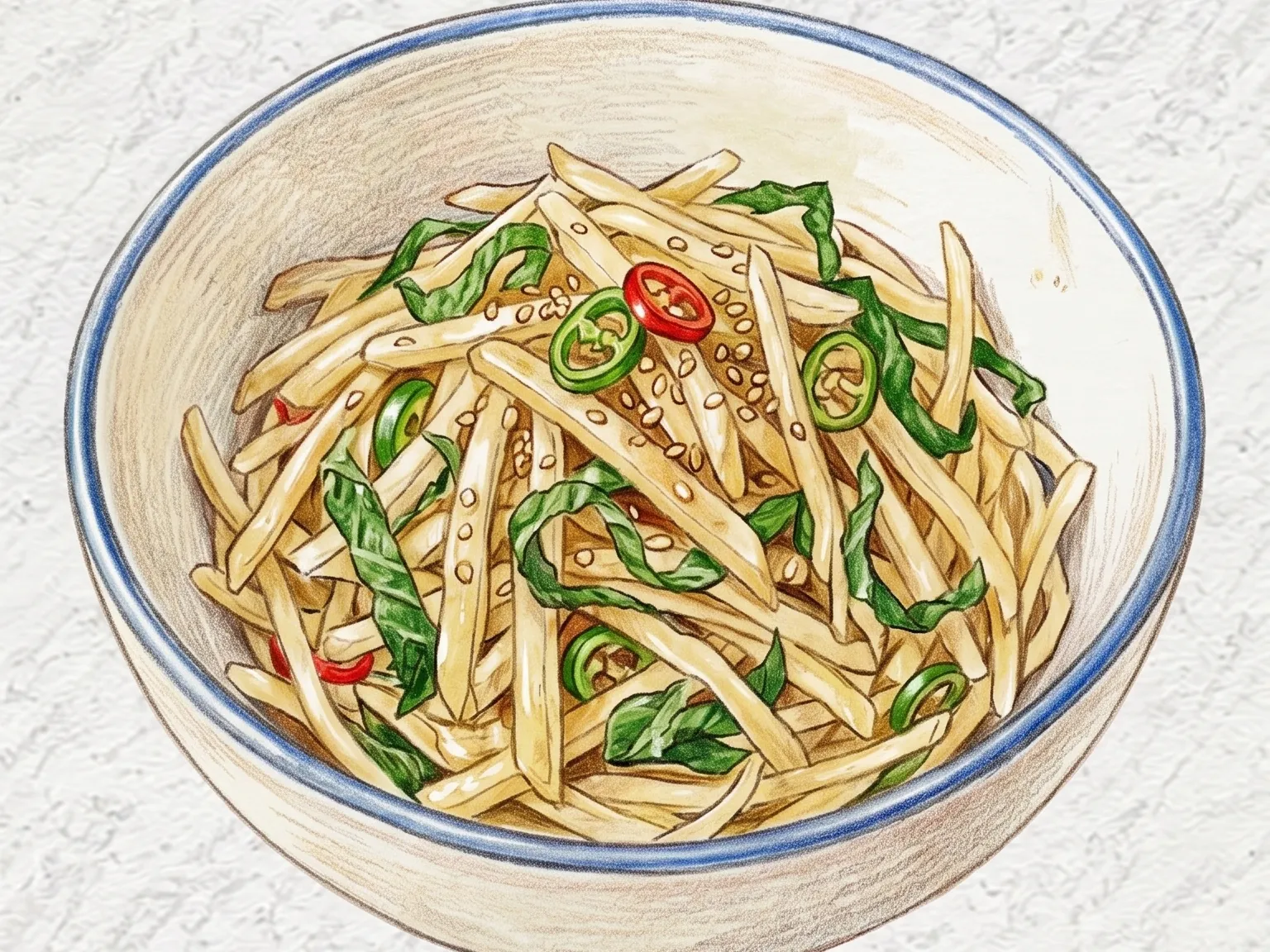
Juksun-bokkeum is a soy-seasoned stir-fry of bamboo shoots, a banchan closely tied to spring, when fresh juksun appears briefly in Korean markets from April through May, primarily from Damyang in Jeollanam-do. Fresh shoots carry oxalic acid, which must be neutralized by boiling them in rice-rinsing water for at least thirty minutes; skipping this step leaves a harsh, bitter aftertaste. Canned or vacuum-packed shoots, available year-round, need a thorough rinse under running water to remove the metallic tinned flavor before cooking. Julienned bamboo shoots are stir-fried with carrot and onion over high heat for a short, controlled burst. Prolonged cooking draws out moisture and turns the shoots rubbery, so timing is crucial. The seasoning is deliberately understated: soy sauce, a pinch of sugar, minced garlic, and a finishing drizzle of sesame oil produce a subtly sweet, nutty dish that lets the natural crunch of the shoots come through. Bamboo shoots are rich in dietary fiber and notably low in calories, making this banchan a filling choice for those watching their intake.

🏠 Everyday🍱 Lunchbox
Prep 12minCook 8min4 servings
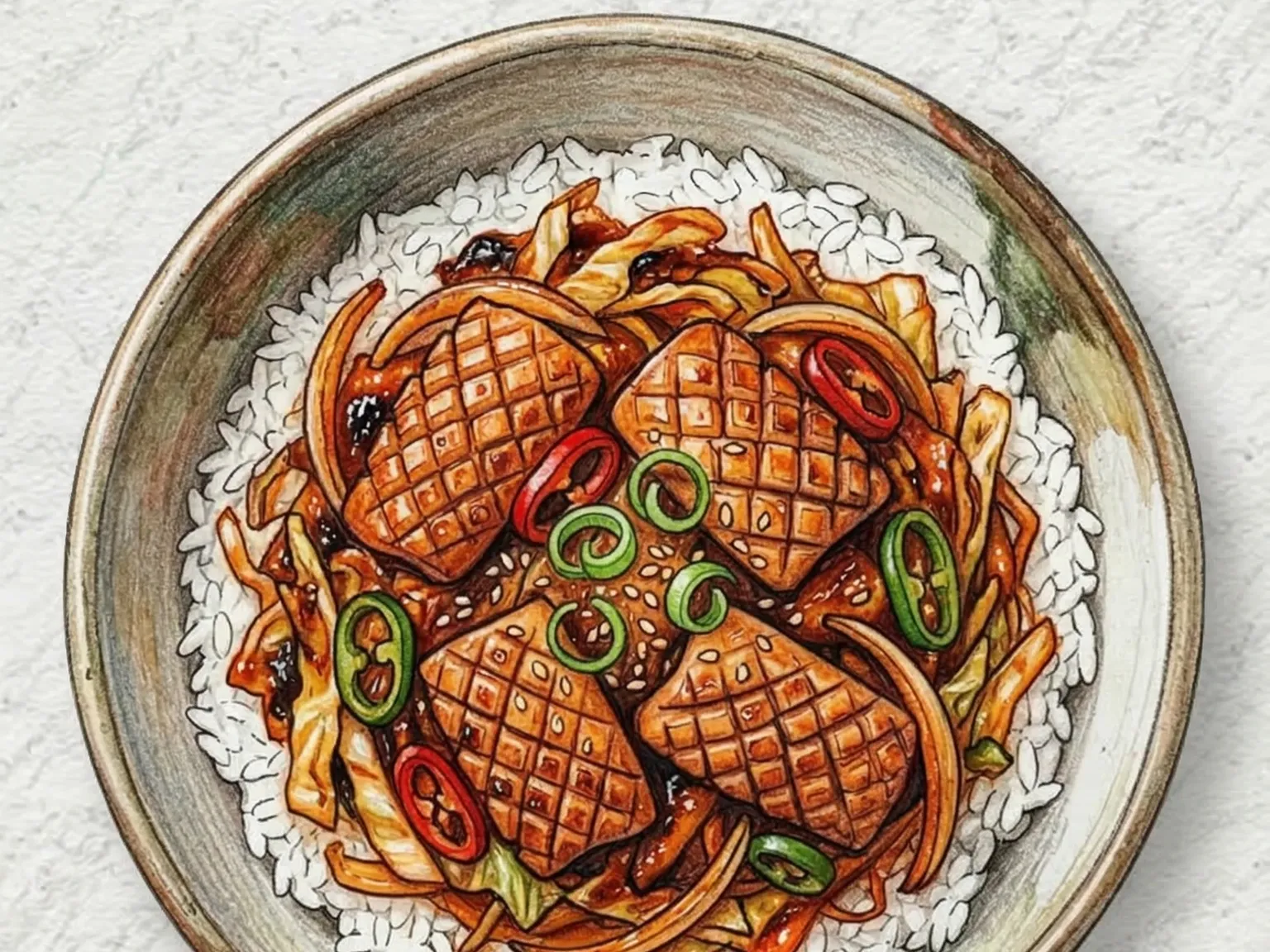
Korean Grilled Beef Daechang
GrilledMedium

Korean Grilled Beef Daechang

Daechang-gui is Korean grilled beef large intestine, cleaned and lightly seasoned with salt, black pepper, minced garlic, and sesame oil before being seared on a high-heat pan. The thick layer of fat lining the inside of the intestine renders quickly over intense heat, and it is this fat that produces the dish's characteristic richness and crisp exterior as the outer surface browns. The fat is also the reason moderation matters: too much rendered fat left in the pan makes the finished dish greasy rather than luxuriously fatty, so blotting with a paper towel midway through cooking keeps the balance. Adding julienned onion and garlic chives at the end introduces vegetable moisture and fresh, sharp aromatics that cut through the heaviness. Daechang is one of the most sought-after cuts at Korean gopchang restaurants, where it is cooked tableside on a grill and eaten immediately - because the intestine tightens and toughens as it cools, eating it directly off the heat is the only way to catch it at its best. Soju or cold beer alongside is standard, and the contrast between the fatty meat and the cold, clean drink is a central part of the experience.

🍺 Bar Snacks
Prep 20minCook 15min2 servings
Korean Soy Sauce Bulgogi (Soy-Pear Marinated Thinly Sliced Beef)
Stir-fryEasy

Korean Soy Sauce Bulgogi (Soy-Pear Marinated Thinly Sliced Beef)

Ganjang bulgogi is one of Korea's most enduring home-cooked main dishes, built around thinly sliced beef marinated in soy sauce, pear juice, sugar, garlic, and sesame oil. Pear juice acts as a natural tenderizer while adding a subtle sweetness that offsets the salt-forward depth of the soy. Onion, carrot, and green onion are stir-fried together with the beef over high heat, developing caramelized edges while keeping the center moist. Slicing the beef thin is essential: the short cooking time only penetrates marinade fully into thin cuts, and the pan must be properly preheated before the meat goes in to seal the juices. The soy-based seasoning is milder and less assertive than gochujang-marinated bulgogi, making it broadly appealing across ages and a consistent presence on both everyday dinner tables and guest menus.

🏠 Everyday🎉 Special Occasion
Prep 18minCook 10min4 servings
Hayashi Rice (Japanese Beef and Onion Brown Sauce Rice)
RiceEasy

Hayashi Rice (Japanese Beef and Onion Brown Sauce Rice)

Hayashi rice is a Japanese home-cooking dish in which thinly sliced onions are caramelized in butter for at least eight minutes until deeply golden, then simmered with thin-cut beef, tomato paste, Worcestershire sauce, and flour into a glossy, thick brown sauce served over warm rice. The caramelization of the onions is the single most important step in the recipe. Rushing this stage produces onions that have lost moisture but not developed sweetness, resulting in a flat sauce with no depth. Extended browning converts the onion's natural sugars into a rich, almost candy-like sweetness that forms the foundation of the entire dish and cannot be replicated by any shortcut. Tomato paste adds acidity and deepens the color, Worcestershire sauce contributes a layered spice complexity, and flour gives the sauce enough body to sit on top of the rice without running. The sauce is spooned generously over one side of the rice in the same manner as curry rice, and the complete absence of spicy heat makes it a mild, accessible dish that appeals to both children and adults.

🏠 Everyday🧒 Kid-Friendly
Prep 15minCook 25min2 servings
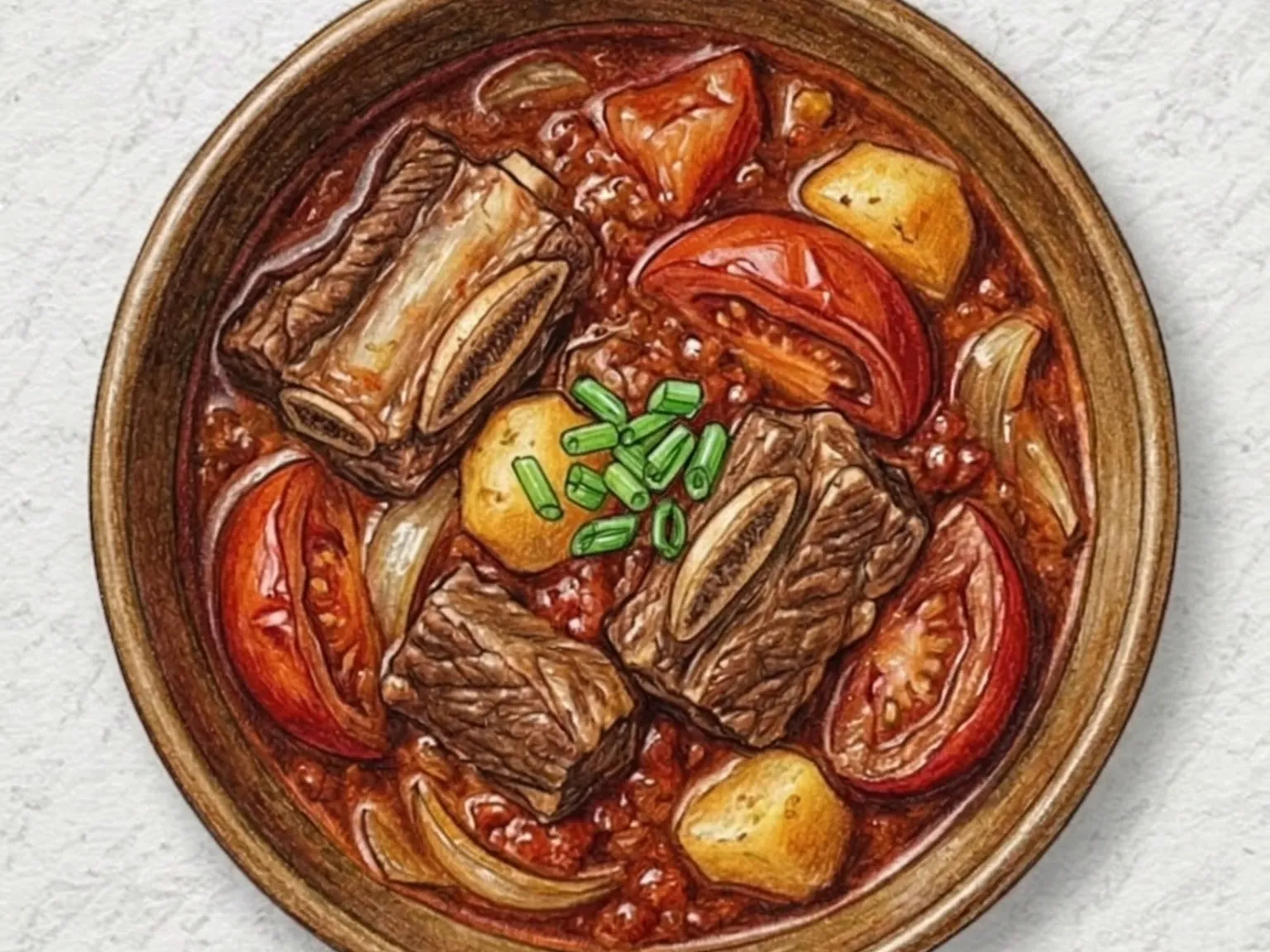
Korean Thick Soybean Paste Stew
StewsEasy

Korean Thick Soybean Paste Stew

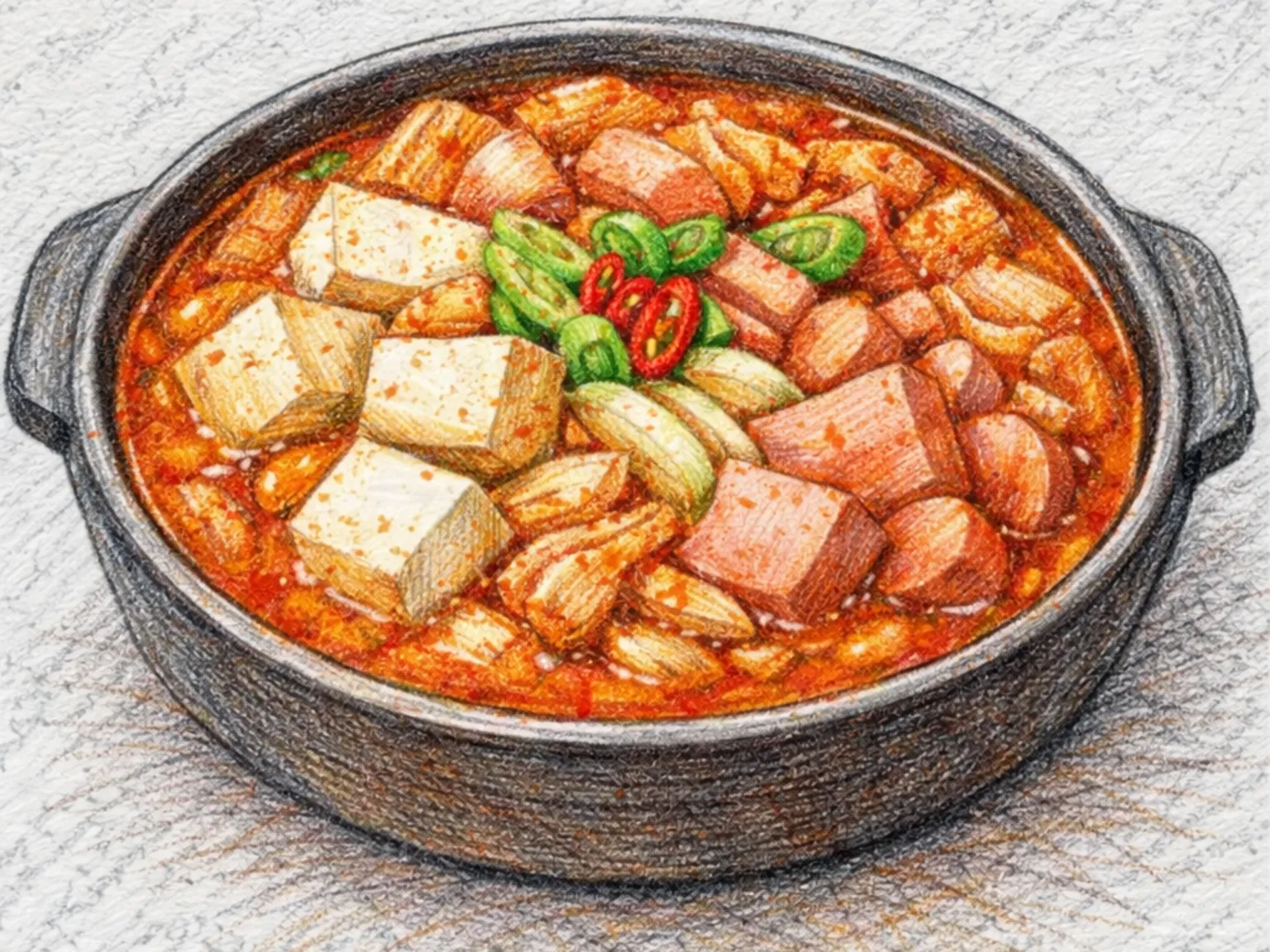
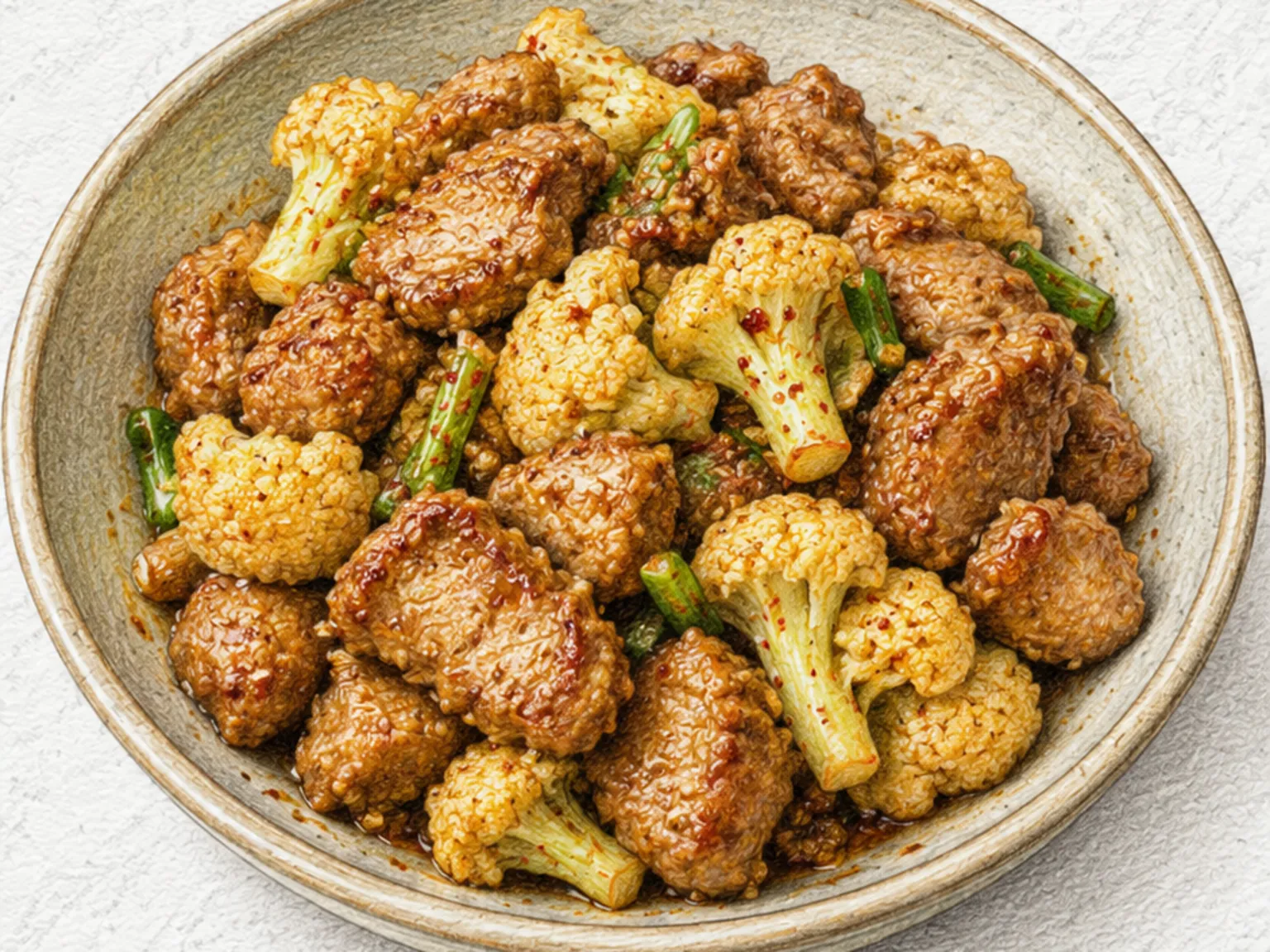
Gangdoenjang jjigae is a concentrated Korean soybean paste stew that combines doenjang with a measure of gochujang, pushing the base into a richer, sharper register than standard doenjang jjigae. Ground beef stirred into the paste mixture amplifies the savory depth from the start, while cubed firm tofu and zucchini slices provide soft, yielding textures that absorb the bold seasoning. The anchovy-kelp stock beneath the paste keeps the overall flavor clean and well-defined rather than muddy. A single Cheongyang chili, added whole or sliced, threads a steady, moderate heat through the broth without dominating it. Because the stew is intentionally thicker and more intensely flavored than most Korean soups, it pairs naturally with ssam-bap: wrapped in lettuce leaves with rice, it functions as both dipping sauce and main component in one.

🏠 Everyday
Prep 12minCook 18min2 servings
Korean Potato Cheese Porridge
RiceEasy

Korean Potato Cheese Porridge

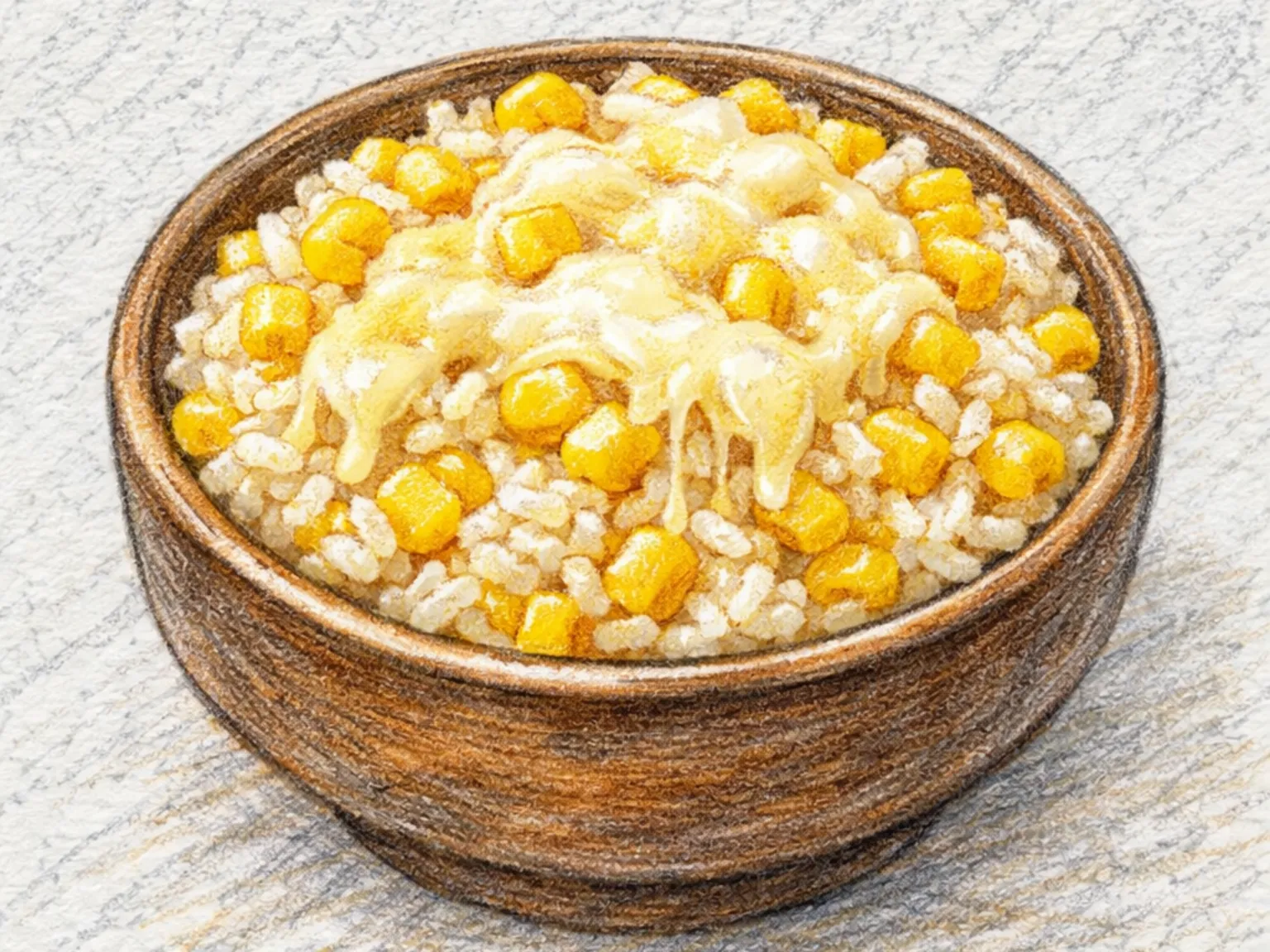
Gamja-cheese-juk is a creamy Korean rice porridge in which finely diced potato and onion are first sauteed in butter to draw out their natural sweetness before soaked rice and milk are added and the whole pot is brought to a slow simmer. As the potato cooks, its starch releases into the liquid and thickens the porridge from within, producing a smooth, dense base without the need for any thickening agent. Cheddar cheese is stirred in near the end of cooking, contributing salt and richness that eliminates the need for much additional seasoning -- the combination of buttery saute, starchy potato, and melted cheese produces a flavor deep enough to stand without extra condiments. Partially mashing the potato pieces against the side of the pot while the porridge cooks creates an even creamier consistency, and because different cheeses carry varying levels of salt, adding the final seasoning only after the cheese has fully melted prevents over-salting. The porridge is mild, warm, and velvety, suited to children and comforting as a light breakfast or recovery meal on a cold morning.

🧒 Kid-Friendly
Prep 12minCook 25min2 servings
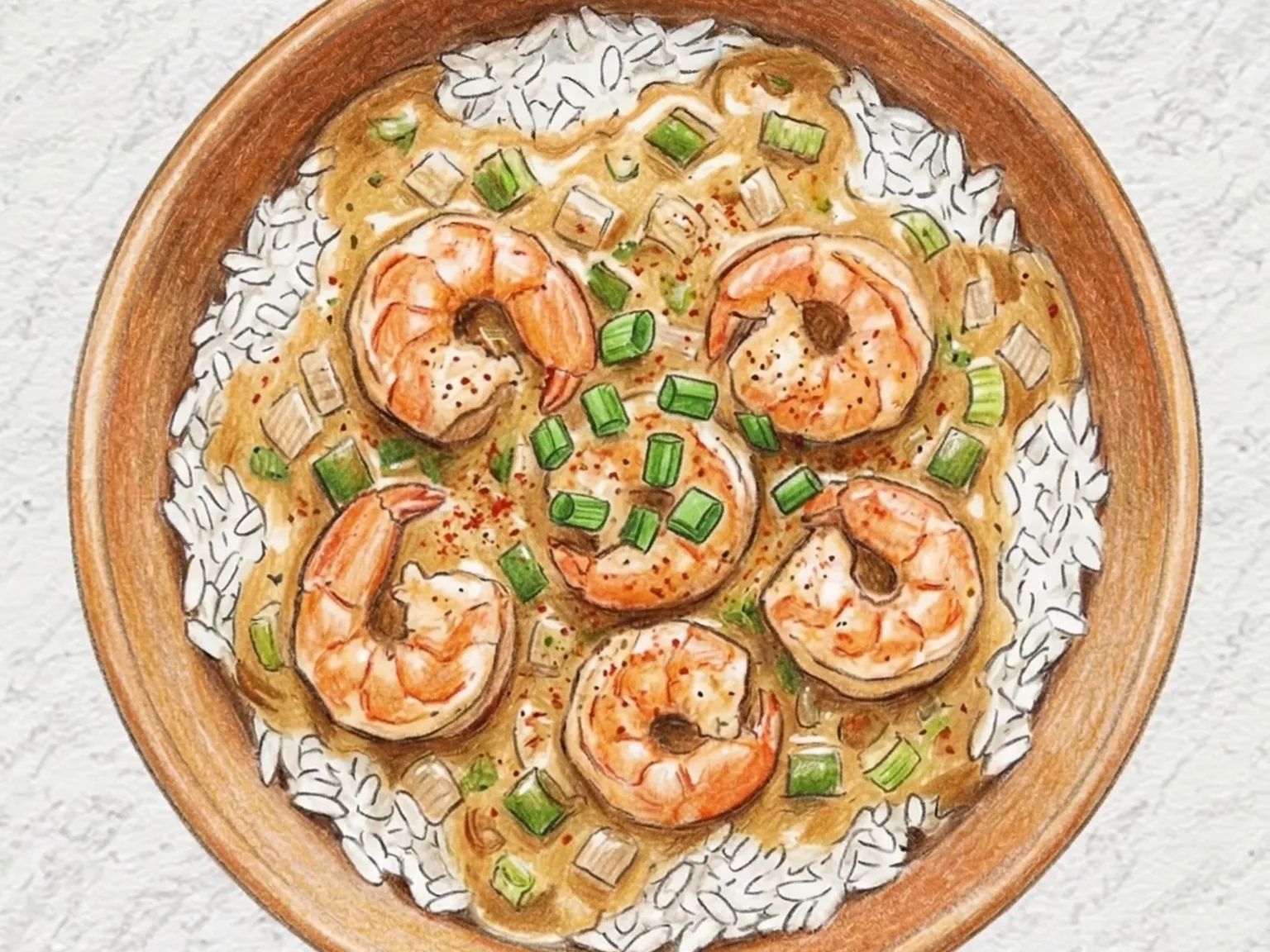
Korean Stir-fried Pumpkin Leaves and Shrimp
Stir-fryMedium

Korean Stir-fried Pumpkin Leaves and Shrimp

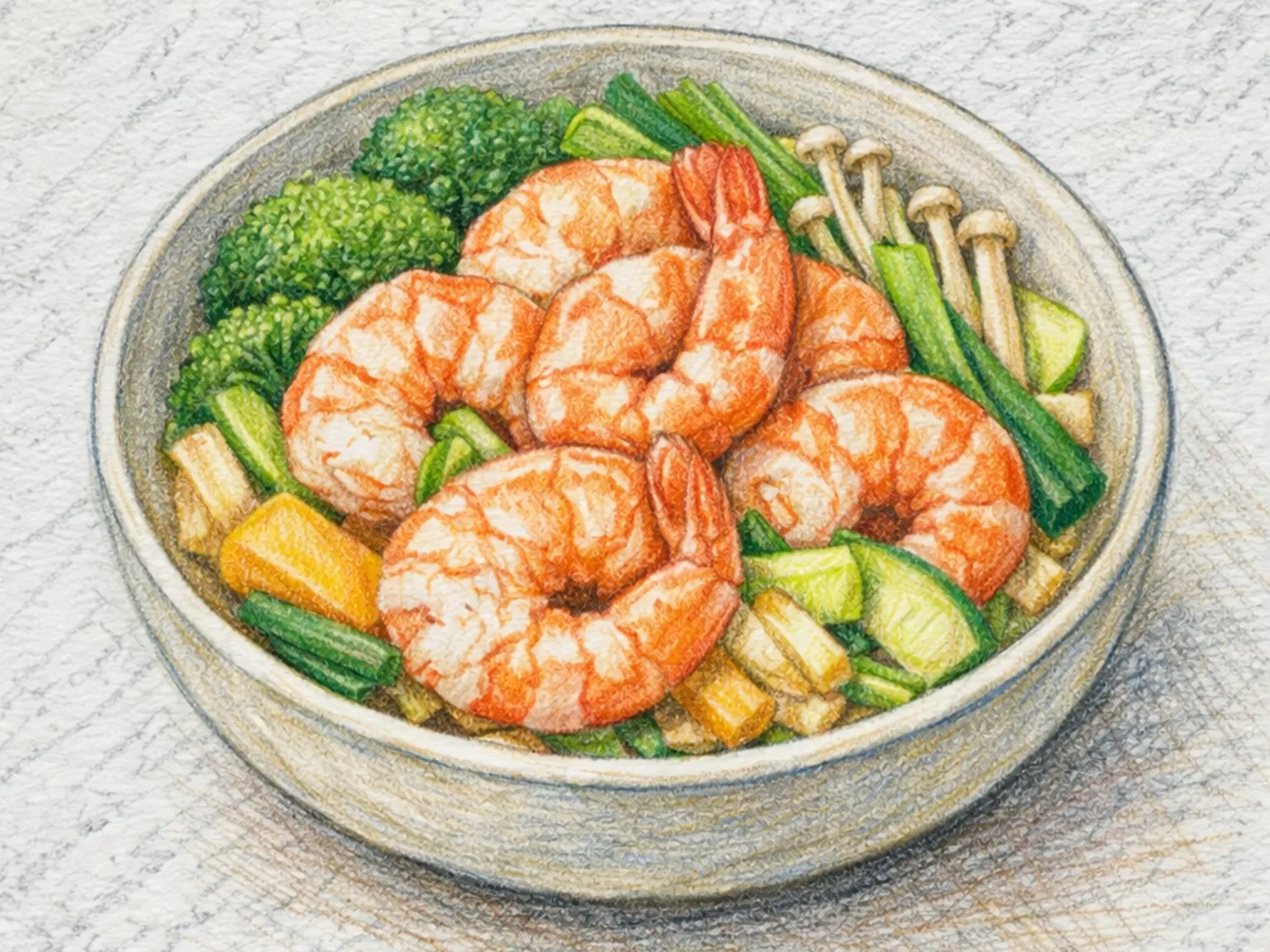
Hobakip-saeu-bokkeum is a Korean summer stir-fry that pairs blanched pumpkin leaves with fresh shrimp in perilla oil, seasoned lightly with soup soy sauce. Blanching the leaves before anything else goes into the pan is not optional. The coarse, fuzzy surface that characterizes raw pumpkin leaves softens through the brief heat exposure, but the leaf itself retains enough structure so that it does not collapse into a slippery, formless mass when it hits the hot pan. The mild, grassy aroma that defines the vegetable comes through intact after the blanching step. Shrimp brings a clean, oceanic savory quality that pairs well with the herbaceous character of the leaves rather than overwhelming it. Perilla oil holds the two together with its distinctively nutty and faintly herbal fragrance, which complements both the sea-forward shrimp and the green quality of the pumpkin leaves in a way that plain vegetable oil would not. A sliced cheongyang chili pepper adds a thread of gentle heat that keeps the dish from tasting flat without pushing the spice level high enough to obscure the delicate flavors of the main ingredients. Clam meat or finely minced pork can substitute for the shrimp, each producing a different but equally satisfying version. This is a seasonal dish that depends on pumpkin leaves at their youngest and most tender, which occurs in summer. Larger, older leaves are tougher and more fibrous, and the flavor is less delicate. After blanching, the leaves need to be squeezed thoroughly to remove excess water before they go into the pan. Skipping this step causes steam to build as they hit the hot oil, which leads to uneven cooking and a watery, diluted finish. Spooning the finished stir-fry over a bowl of hot rice and mixing it in is the most direct way to eat the dish well.

🏠 Everyday🍱 Lunchbox
Prep 18minCook 9min2 servings