Chamchi Mayo Deopbap (Korean Tuna Mayo Rice Bowl Recipe)
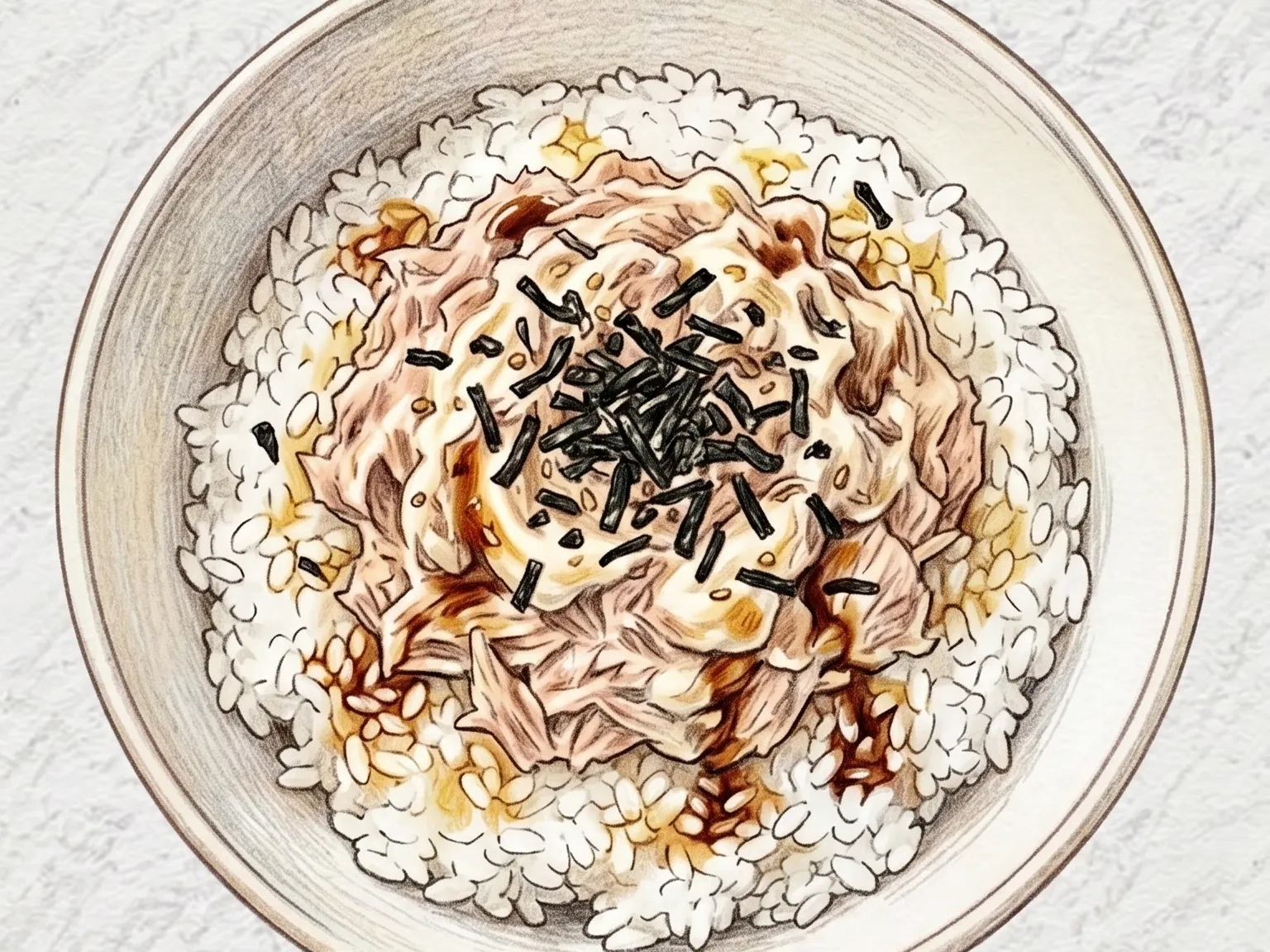
Chamchi mayo deopbap is a no-cook Korean rice bowl where drained canned tuna is tossed with mayonnaise and spooned over warm rice, finished with soy sauce, sesame oil, and crumbled dried seaweed. The warmth of the rice gently melts the mayo into a creamy coating that clings to each grain, while the seaweed adds a subtle crunch. There is virtually no cooking involved - just mixing and assembling - which makes it one of the fastest meals you can put together, ready in under five minutes on days when standing at the stove feels like too much to ask. Despite the minimal effort, the combination of creamy, salty, and nutty flavors creates a surprisingly complete and comforting meal.
Adjust Servings
Instructions
- 1
Drain tuna and mix with mayonnaise.
- 2
Spoon the tuna mayo over hot rice.
- 3
Drizzle with soy sauce and sesame oil; add crumbled seaweed.
As an Amazon Associate, we may earn from qualifying purchases.
Tips
Nutrition (per serving)
More Recipes

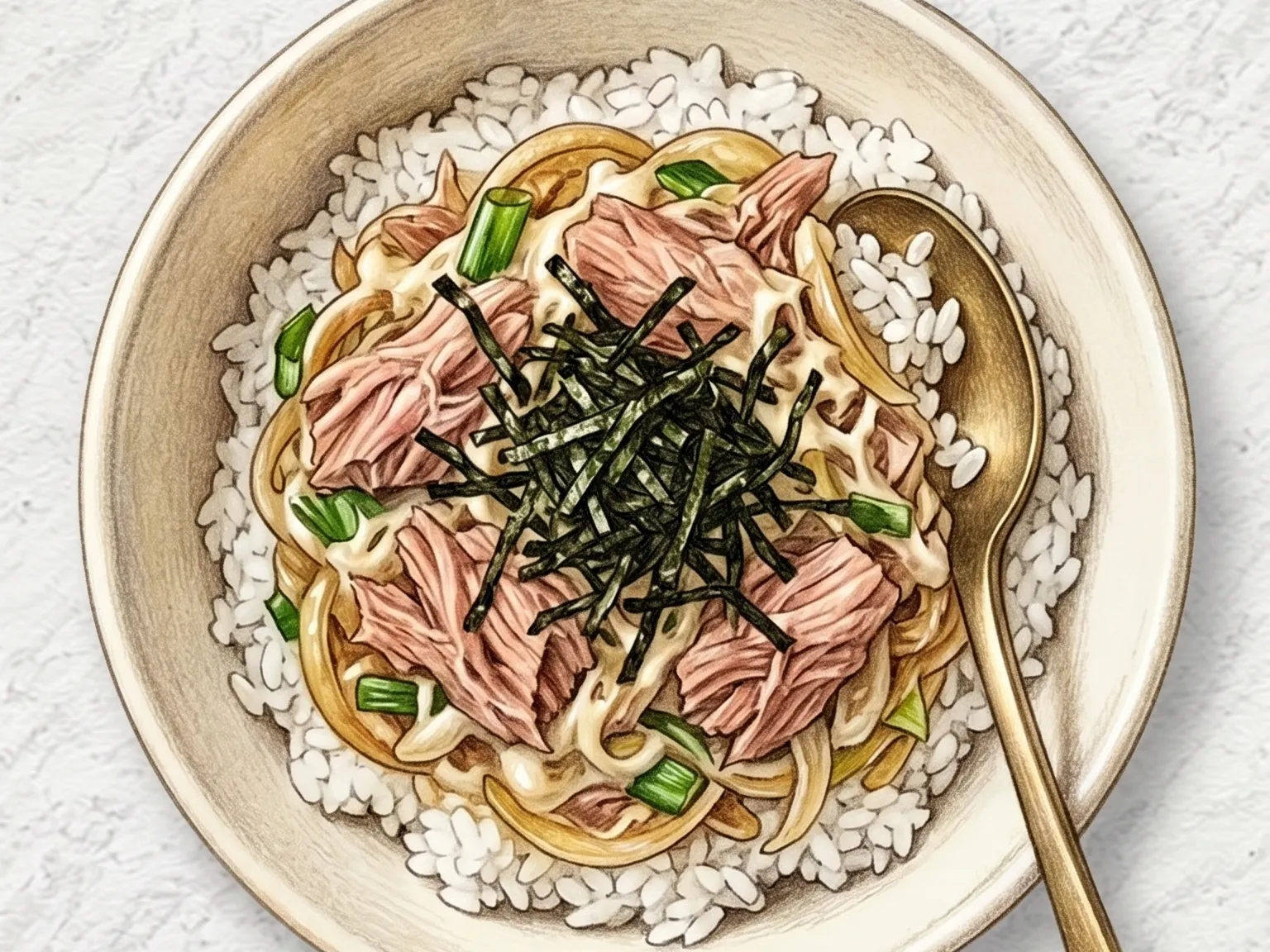
Tuna Mayo Rice Bowl (Chamchi Mayo Cupbap) - Easy Korean Bunsik Recipe
Creamy tuna and mayo over hot rice in just 18 minutes - Korea's favorite grab-and-go bunsik cup meal. Drain the canned tuna well to keep the rice from going soggy, stir-fry onion and scallion until sweet, then fold in mayo off the heat for a silky finish. A shower of crushed seaweed on top adds oceanic crunch. Mix everything together so the savory tuna-mayo sauce coats every grain.

Korean Kimchi Rice Bowl (Stir-Fried Aged Kimchi over Steamed Rice)
Stir-frying aged kimchi drives off moisture and triggers caramelization, mellowing the sourness into a deeper, sweeter intensity. A splash of soy sauce and sesame oil adds salty nuttiness to the charred edges. Topped over plain rice with a single fried egg, this bowl is deceptively simple - yet using well-fermented kimchi (mukeunji) introduces layers of tangy complexity that elevate it beyond its minimal ingredient list. The entire dish comes together in under fifteen minutes, making it the go-to Korean rice bowl when the pantry is nearly bare.

Korean Seafood Rice Bowl (Shrimp Squid Clam Starchy Sauce Bowl)
Shrimp, squid, and clams are stir-fried with garlic, then seasoned with oyster sauce and soy sauce before being thickened with a cornstarch slurry. The slurry gives the sauce a glossy sheen and helps it cling to each piece of seafood, so when ladled over rice the sauce gradually seeps downward rather than pooling. Adding the seafood last and cooking briefly keeps each piece plump, while the natural liquor from the clams forms the umami backbone of the sauce. The entire dish comes together in about 25 minutes from start to finish.

Korean Salmon Rice Bowl (Marinated Raw Salmon over Warm Rice)
Fresh salmon is sliced thin and briefly marinated in a dressing of soy sauce, sesame oil, and wasabi so the seasoning just barely coats each piece. Laid over warm rice, the heat gently firms the salmon's surface while the center remains raw and buttery. Perilla leaves or shredded nori on top bring a herbal, aromatic note that cuts through the richness of the fish. The sweet-salty balance of the dressing meets the salmon's natural fat in a way that makes the bowl disappear quickly.

Korean Tuna Fried Rice (Quick Canned Tuna Stir-Fried Rice)
Chamchi bokkeumbap is a staple Korean home-style fried rice made by stir-frying canned tuna - oil and all - with diced onion, carrot, and green onion, then tossing in rice and seasoning with soy sauce and sesame oil. The tuna oil coats each grain, delivering a savory richness that needs little else to taste complete. It is the kind of dish that comes together from whatever is already in the pantry and fridge, requiring no special shopping trip. When you need a quick, filling meal with minimal effort, this is often the first recipe that comes to mind in Korean households.

Korean Tuna Stew
A quick weeknight stew built around a single can of tuna. The tuna's oil and flaked meat dissolve into the broth along with gochugaru and soup soy sauce, creating a brothy base that is both spicy and full of umami. Zucchini and onion contribute natural sweetness, tofu softens into the stock, and a cheongyang chili brings an extra kick of heat.