California Roll
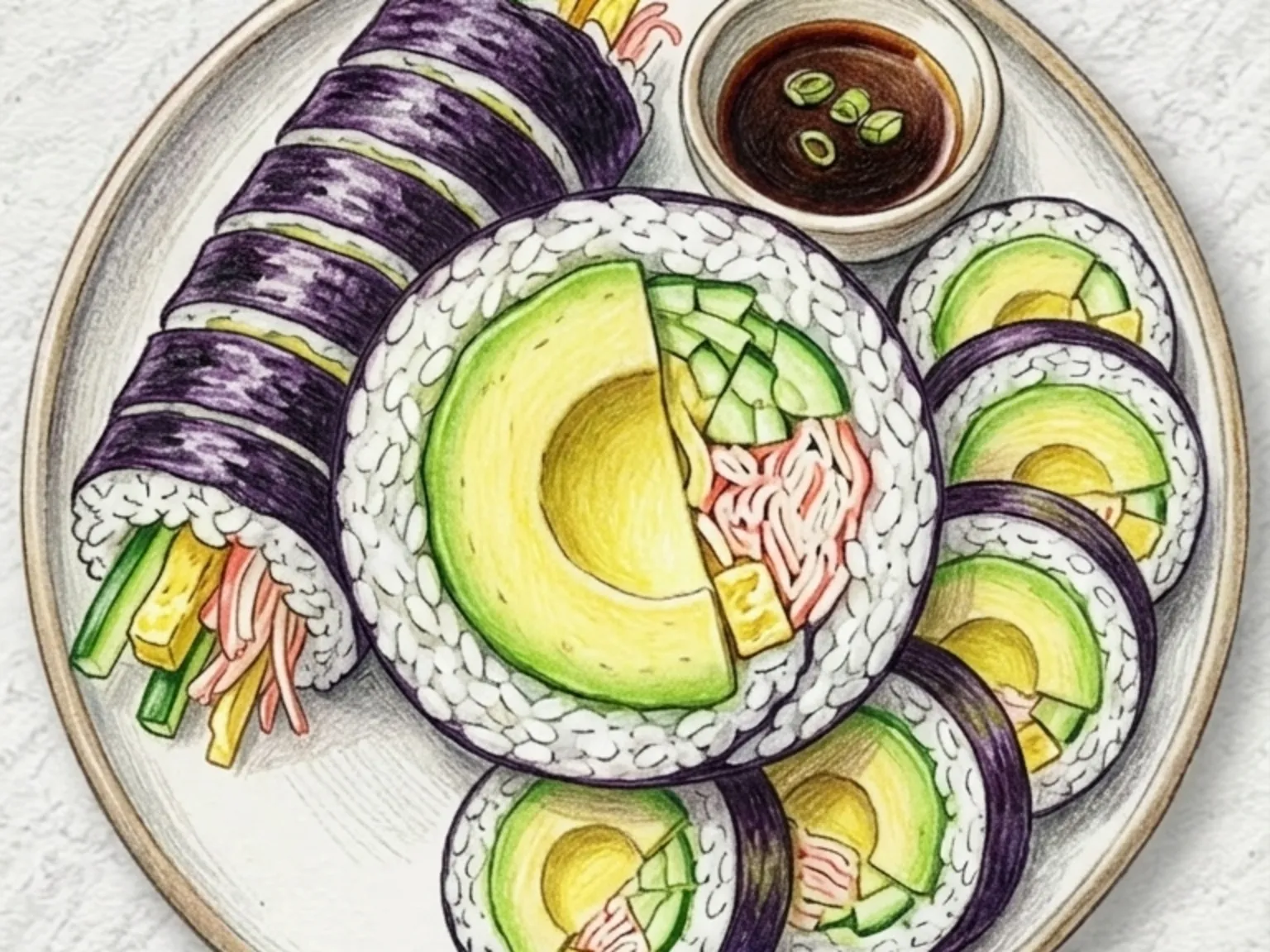
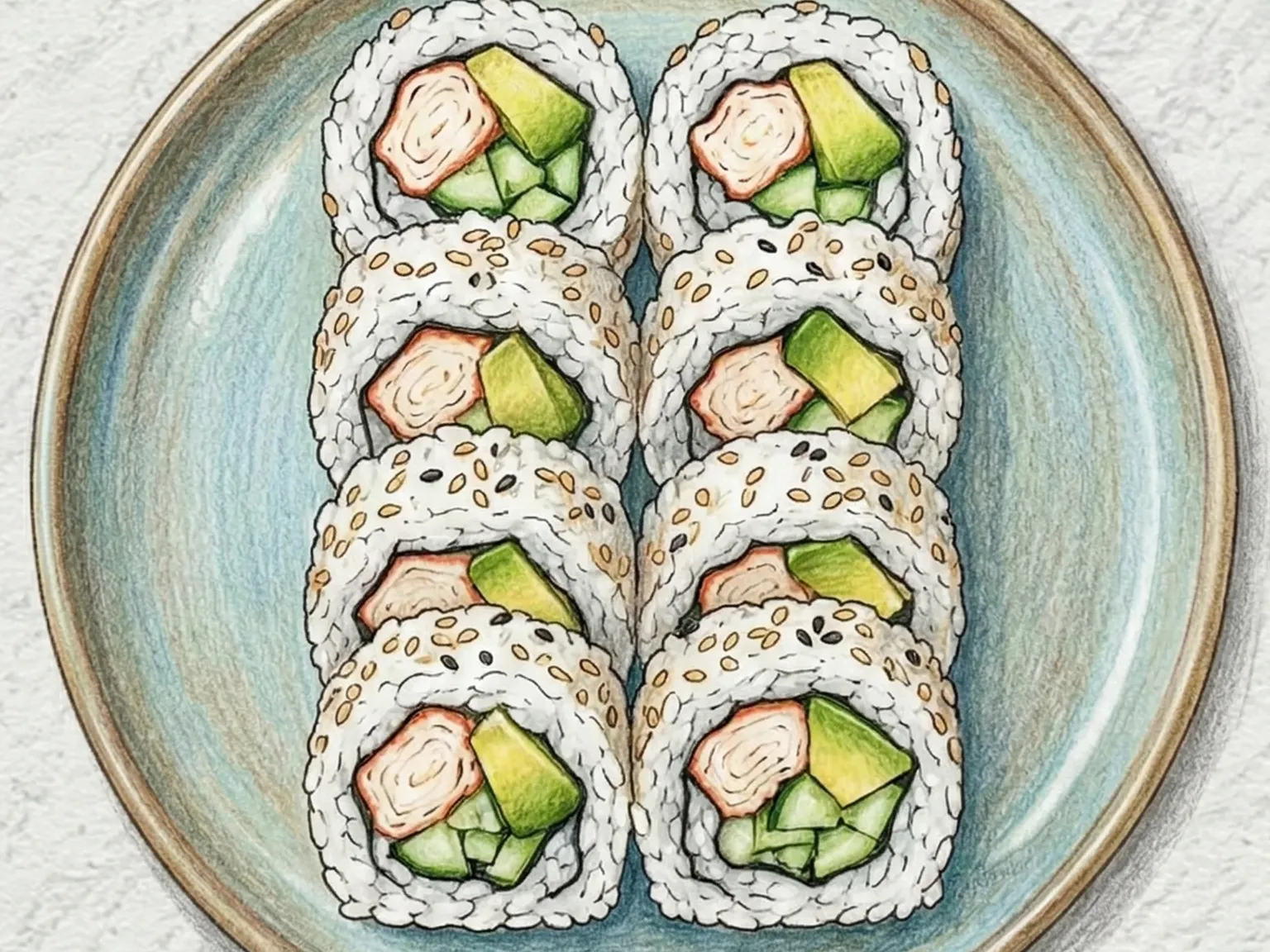
The California roll was developed in the early 1970s, most likely by Japanese chefs working in Vancouver or Los Angeles who needed to make sushi approachable for North American diners unfamiliar with raw fish. The inside-out construction - rice on the outside, nori hidden within - was a deliberate inversion designed to conceal the dark seaweed that Western eaters initially found off-putting. Imitation crab (surimi), ripe avocado, and cucumber form the filling, delivering a mild, creamy, and crunchy combination that requires no acquired taste to appreciate. The rice is seasoned with vinegar, sugar, and salt, then rolled so the grains hold together without being compacted into a dense cylinder. Tobiko or sesame seeds pressed into the outer rice layer add visual appeal and a subtle pop of texture with each bite. Though dismissed by sushi traditionalists, the California roll served as a gateway that brought millions of Westerners into Japanese cuisine and laid the foundation for the global sushi market. Today it remains the single most ordered sushi roll in North America.

Korean Bacon Kimchi Fried Rice
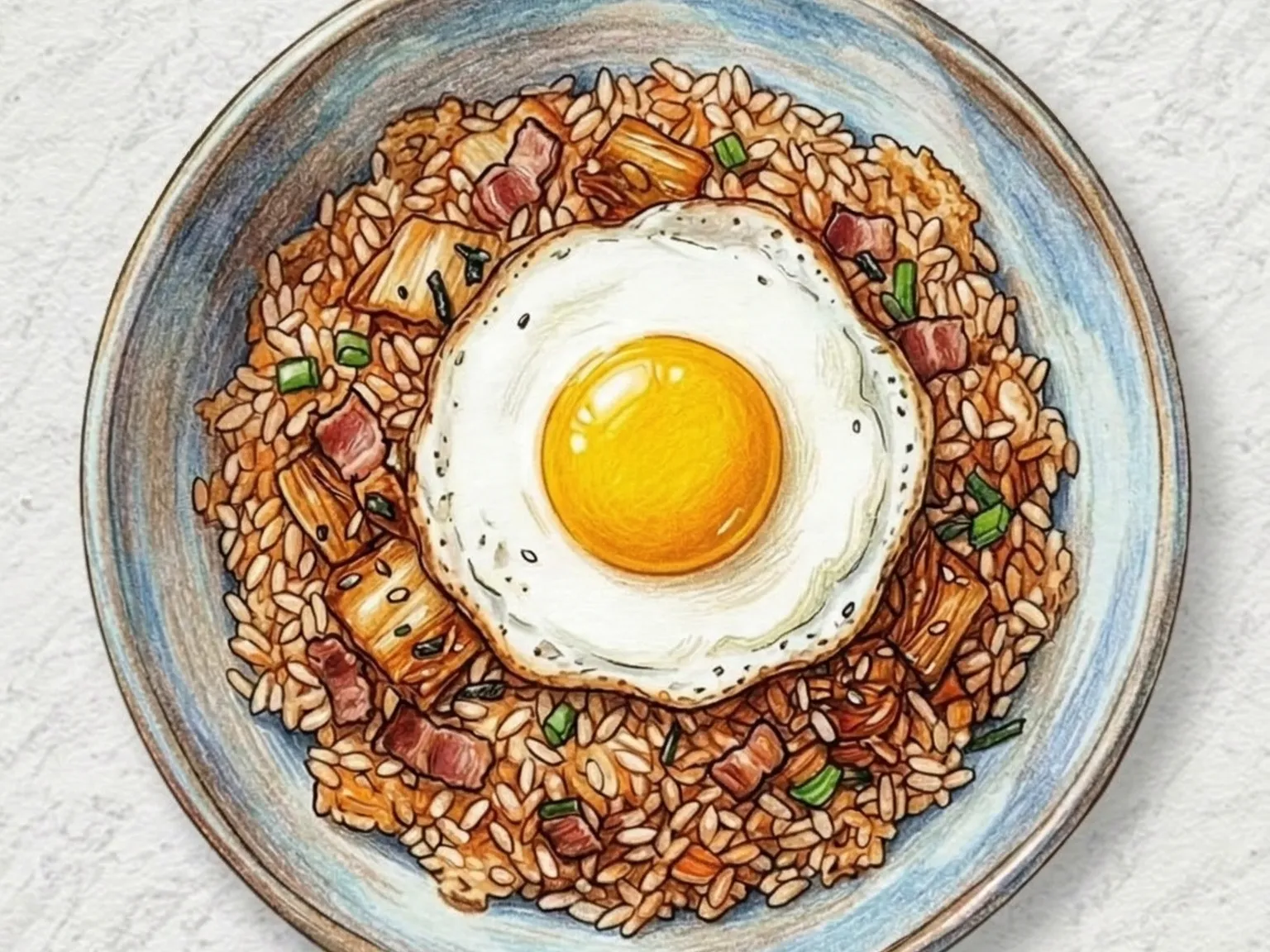
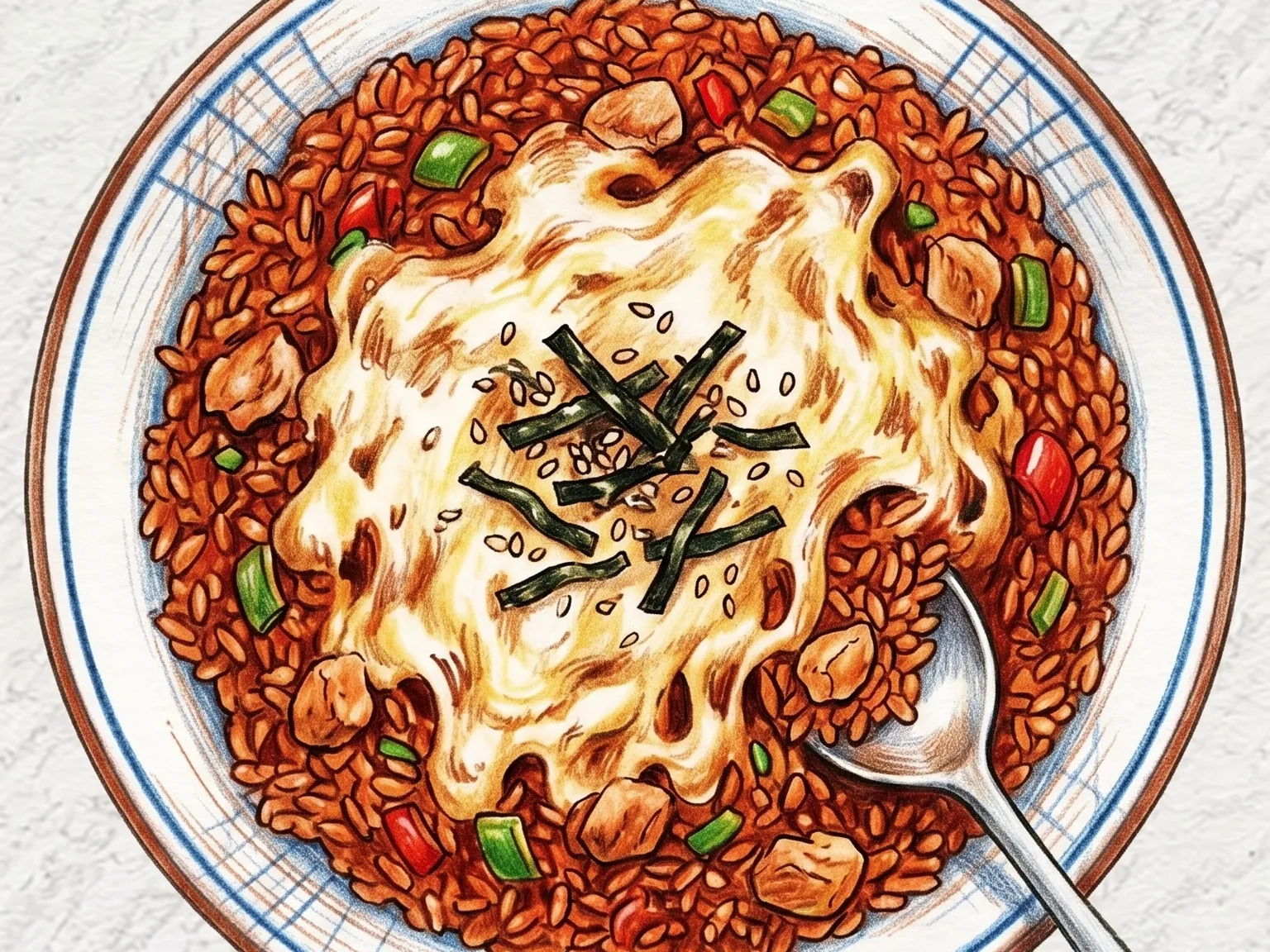
Bacon kimchi fried rice takes the most common Korean leftover combination - cold rice and aging kimchi - and substitutes rendered bacon fat for the traditional sesame oil base. The bacon goes into a cold pan and cooks slowly so the fat renders completely before the meat crisps, creating a pool of smoky drippings that replace cooking oil entirely. Well-fermented kimchi, squeezed of excess juice and chopped roughly, goes into the hot fat and sizzles until its edges caramelize and the sharp lactic tartness mellows into a deeper, roasted sourness. Day-old rice is pressed flat against the pan to develop a crust reminiscent of nurungji - the scorched rice layer that fried rice enthusiasts seek. Soy sauce and a pinch of sugar season the dish, though both should be used in small amounts to avoid masking the interplay between the bacon's smokiness and the kimchi's fermented character. A fried egg on top, with a yolk still runny, becomes a sauce when broken and stirred through the rice. Bacon became a standard Korean grocery item in the 2000s, and this dish has since become a common home-cooking variation, with many cooks preferring its deeper, smokier flavor profile over the sesame oil original.

Korean Avocado Gimbap (Creamy Avocado Crab Seaweed Rice Roll)
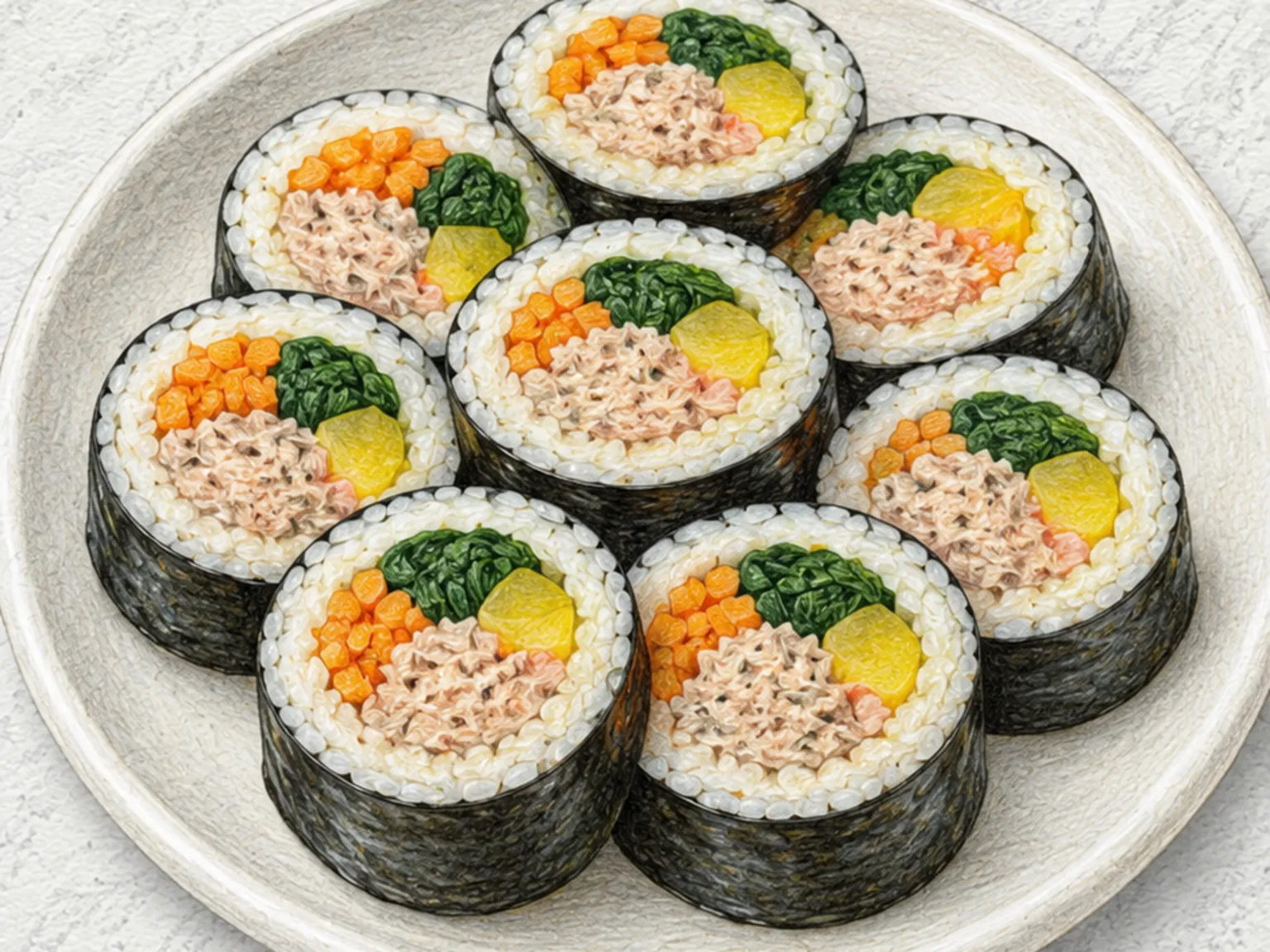
Avocado gimbap is a contemporary Korean roll that emerged in the 2010s as avocado shifted from a specialty import to a common supermarket staple in Korea. The timing of Korean avocado adoption is traceable: consumption roughly doubled between 2014 and 2018, driven by cafe culture and wellness trends, and this gimbap variant followed directly from that availability. Where traditional gimbap - danmuji, ham, spinach, carrot, egg - delivers discrete, clearly differentiated flavors in each bite, avocado gimbap works differently. The avocado at the center is buttery and neutral, its creaminess binding the other ingredients rather than competing with them. Selecting the right avocado matters considerably: the fruit must be ripe enough to yield when bitten without resistance, but firm enough to hold a clean slice. Underripe avocado is hard and flavorless; overripe avocado collapses when cut and turns the cross-section muddy. The rice is seasoned simply with sesame oil and salt, and the sheet of dried laver wrapping everything contributes a roasted, oceanic note. Crab stick placed lengthwise in the center, alongside julienned cucumber and a strip of egg jidan, creates the characteristic cross-section: concentric rings of green, white, and yellow that have made this version one of the most photographed gimbap in Korean food media. The avocado begins oxidizing and browning within an hour of cutting, so the roll is best eaten soon after assembly. It has become one of the highest-selling items in Korean convenience store gimbap sections, and a standard offering at gimbap specialty restaurants.

Sweet Pumpkin Rice Punch (Korean Kabocha Malt Drink)
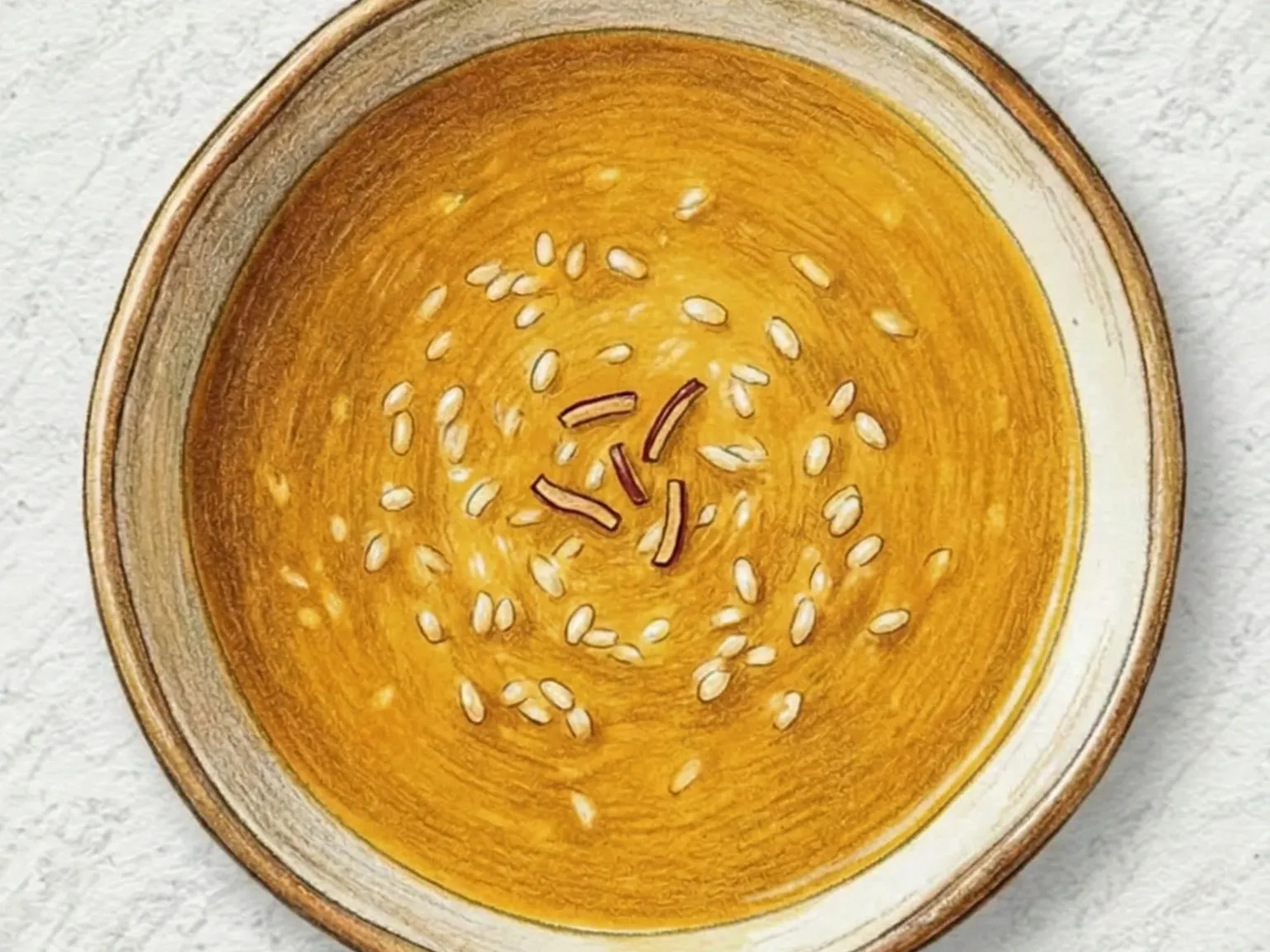
Danhobak sikhye is a Korean malt rice punch with steamed kabocha pumpkin puree stirred in to thicken the body and deepen the color beyond what plain sikhye offers. The base follows traditional method: cooked rice steeps in malt-strained water held at around 60 degrees Celsius, where the malt enzymes convert starches to maltose over several hours, creating a sweetness that needs no added sugar. Kabocha puree blended into the fermented liquid adds a dense, velvety weight and a warm golden-orange color. Sliced fresh ginger added during the fermentation hold leaves a faint spicy note in the finish, which prevents the pumpkin's natural sweetness from turning cloying as the drink warms. After the steeping is done, the liquid is brought to a full boil to stop the enzyme activity before cooling. Served cold with a few floating rice grains, it occupies the space between a refreshing beverage and a light dessert.

Korean Scorched Rice Tea (Toasted Rice Grain Brew)
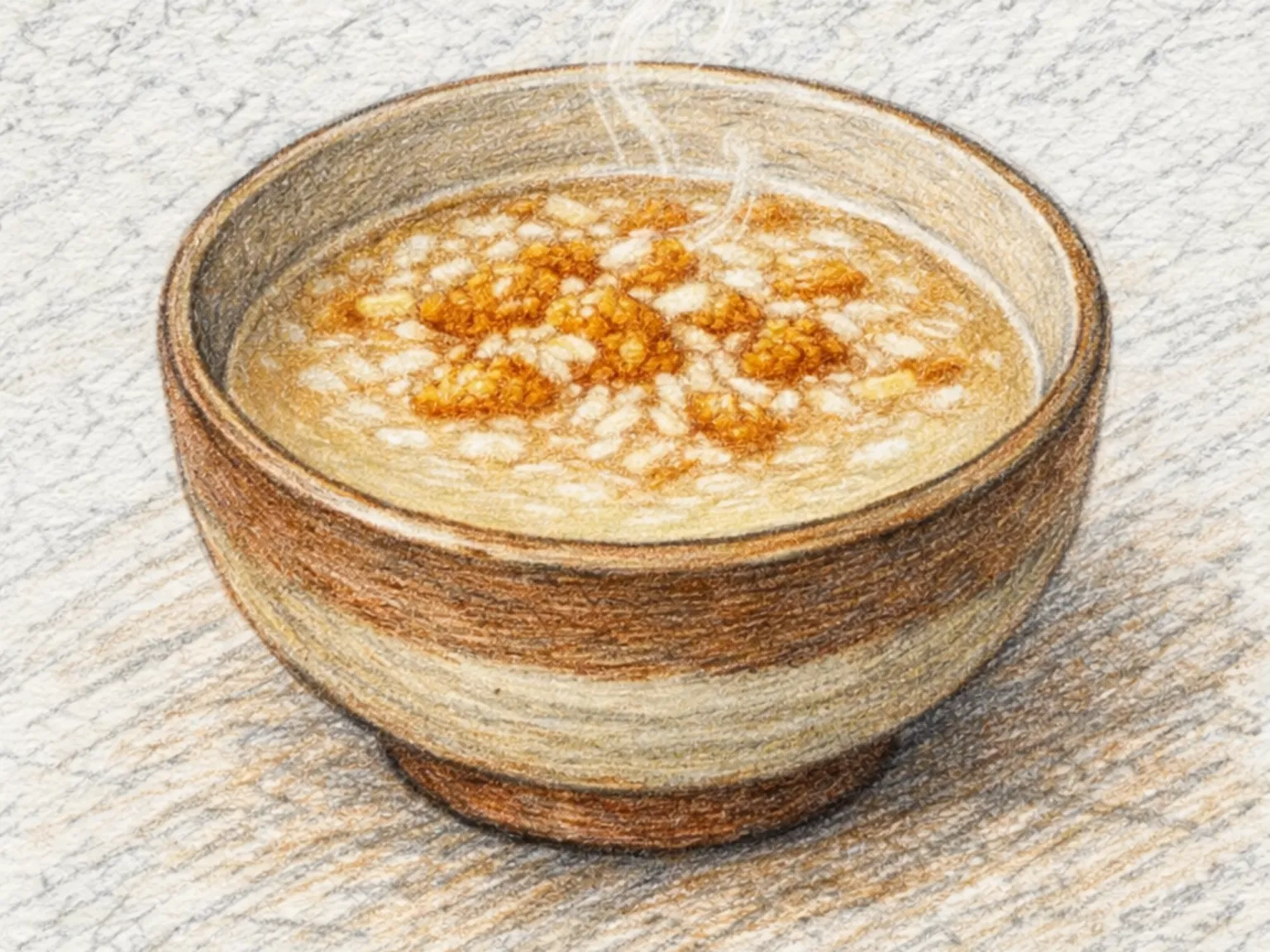
Sungnyung is a traditional Korean grain beverage made by toasting the cooked rice left on the bottom of a pot until it forms a golden crust called nurungji, then pouring in water and simmering the crust with small additions of brown rice and glutinous rice for about fifteen minutes. The toasting step is where the character of the drink is established: enough scorching produces a deep, roasted, almost tea-like aroma, but any actual burning spreads bitterness through the entire liquid, so keeping the heat low and watching carefully is essential. A small pinch of salt sharpens the perception of the grain flavor without making the drink taste seasoned in any obvious way, and two or three pine nuts floated on the surface add a mild, oily richness that gives the otherwise lean liquid some body. Sungnyung has long been served at the end of meals in Korean households, rooted in the practical experience that a cup of the hot, gentle drink settles the stomach and eases the discomfort of having eaten heavily. There was also a household efficiency dimension: the same pot used to cook the rice would be used to make sungnyung, and the process cleaned the stuck rice off the bottom without scrubbing. With electric rice cookers now standard in most Korean homes, nurungji does not form naturally, but commercially produced nurungji can be purchased and simmered in the same way to achieve a close approximation.

Korean Pyongyang Onban (Rice in Clear Chicken Broth)
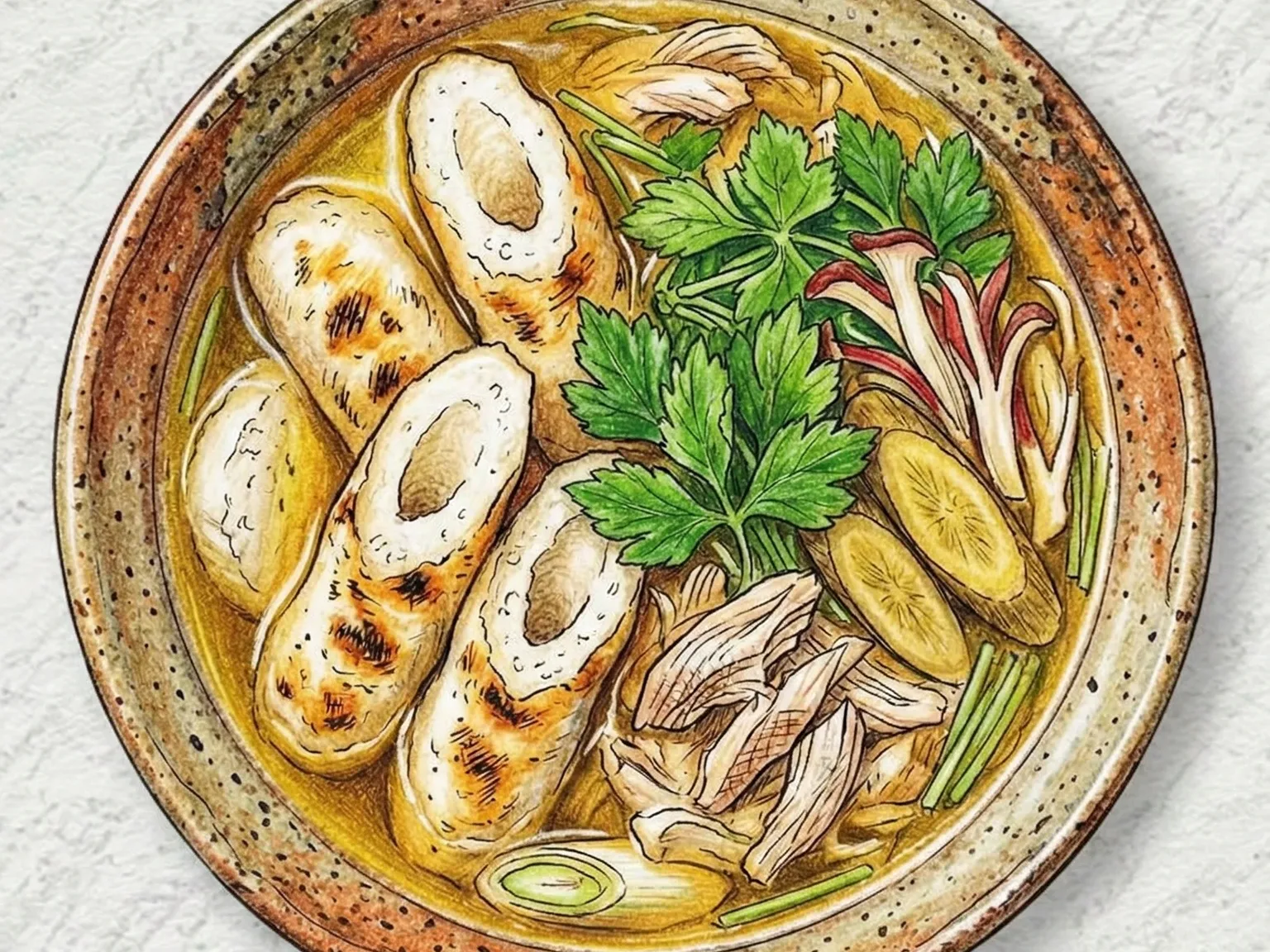
Pyeongyang-onban is a North Korean-style warm rice soup in which steamed rice is submerged in clear chicken broth and topped with shredded chicken and sliced shiitake mushrooms. The chicken simmers with garlic and green onion for forty-five minutes, producing a clean, golden stock that is strained for clarity before use. The cooked meat is pulled into strips and set aside, while shiitake slices steep in the broth for five minutes to add an earthy dimension without muddying the liquid. Rice goes into the bowl first, followed by the hot broth and the chicken garnish, with salt as the sole seasoning. No fermented pastes, chili, or bold spices are used, which means the dish stands entirely on the quality of the stock itself. Onban was traditionally served as a breakfast dish in Pyongyang, and the deliberate restraint in seasoning makes it one of the gentler, more stomach-friendly preparations in the Korean rice soup tradition. A long, unhurried simmer is what separates a flat broth from one with real depth.

Shrimp Creole
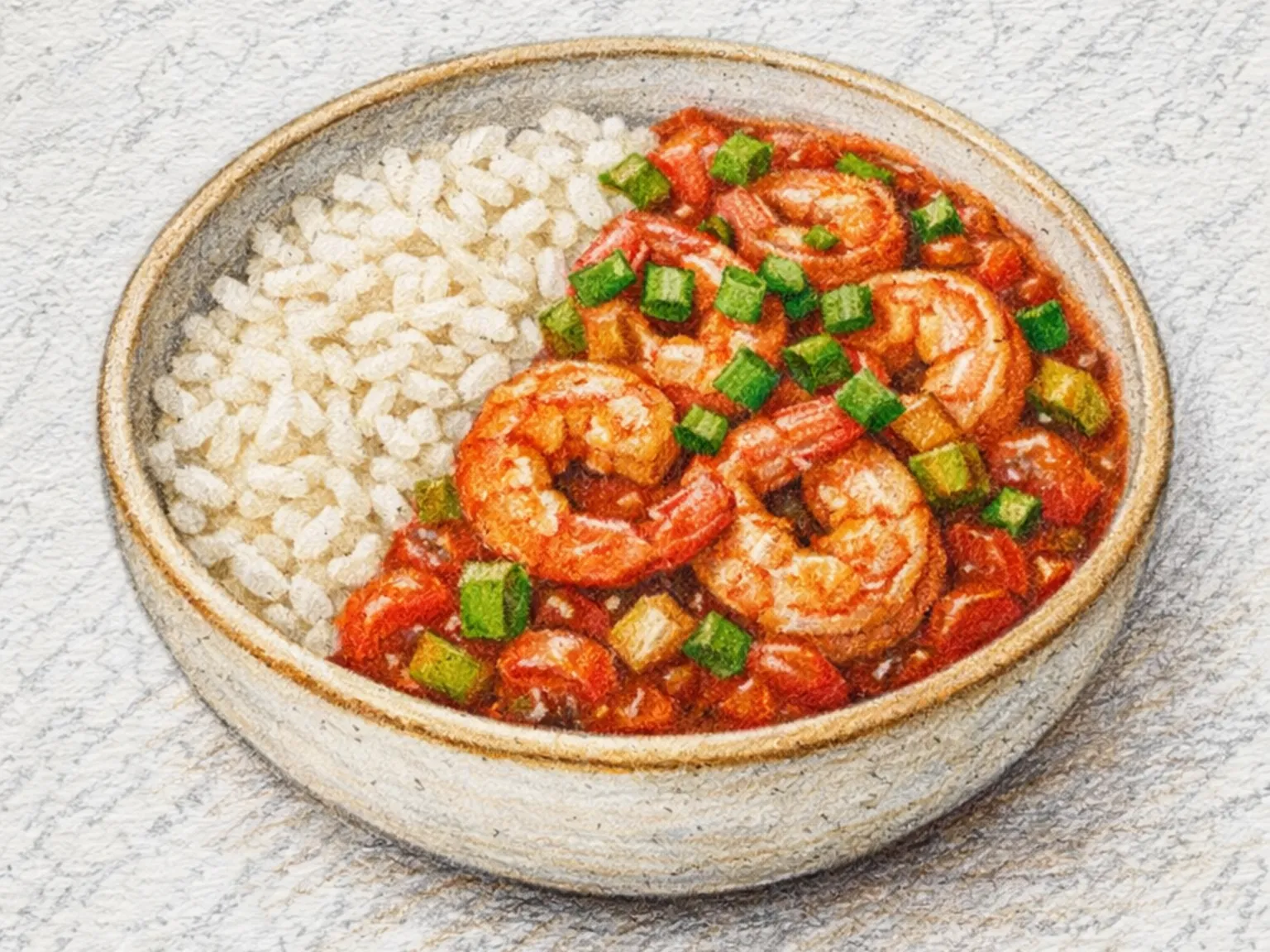
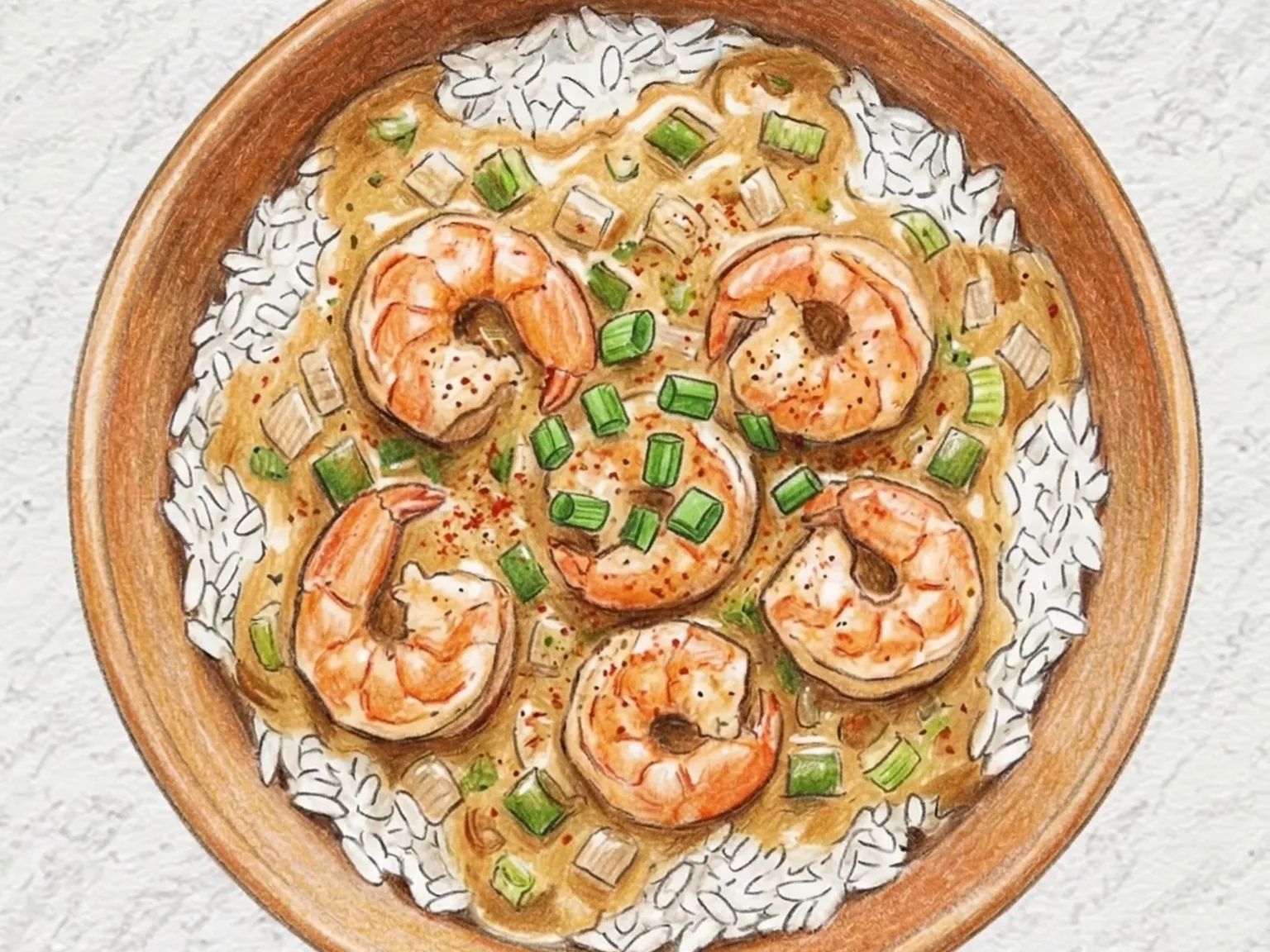
Shrimp Creole builds its flavor base from the Cajun holy trinity - onion, celery, and bell pepper - sauteed in olive oil until softened and sweet. Garlic and paprika go in next for thirty seconds to bloom their aromas before canned tomatoes are added and simmered over medium heat for eight minutes, reducing the liquid into a thick, fragrant sauce. The shrimp are stirred in only at the end and cooked for three to four minutes until just pink, preserving their tender bite. The tomato's natural acidity balances the paprika's smokiness, and a dash of hot sauce pushes the dish toward its authentic Louisiana character. Served ladled generously over steamed white rice, the sauce soaks into the grains and carries every layer of flavor.

Chirashi Zushi (Scattered Sashimi Rice Bowl)
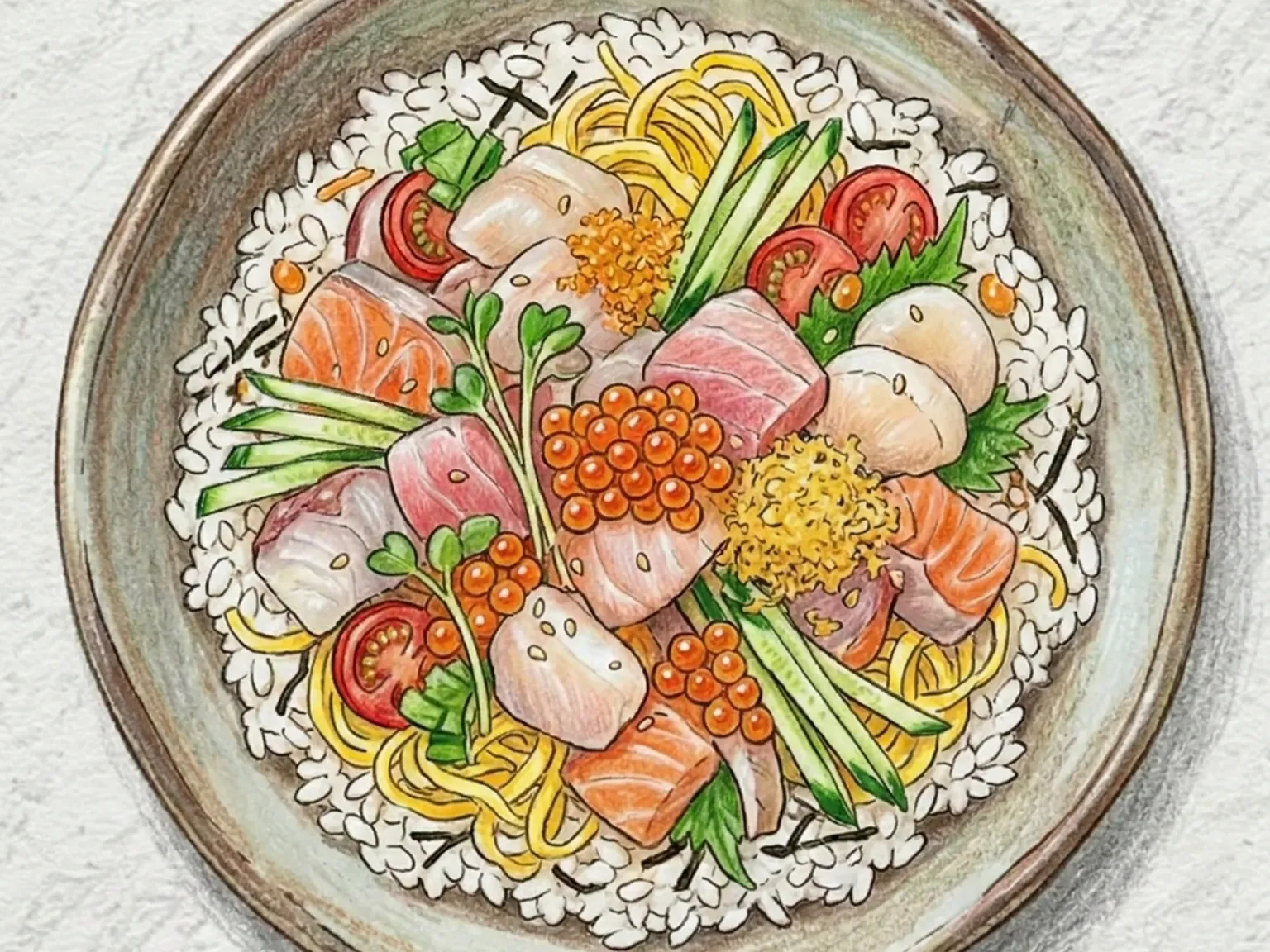
Chirashi-zushi, scattered sushi, is the celebratory home-cooking sushi of Japan, traditionally prepared for Hinamatsuri on March 3rd and other occasions where the meal itself carries visual significance. A bowl of sushi rice seasoned with vinegar, sugar, and salt forms the base, and over it are arranged sashimi cuts, julienned egg crepe, simmered lotus root, shiitake mushroom, salmon roe, and cherry shrimp. Unlike nigiri, there is no shaping technique involved, which makes chirashi accessible to any home cook, but the creative challenge shifts to composition: how the colors and textures are placed determines whether the bowl reads as festive or ordinary. Seasonal variation is embedded in the tradition - spring bowls feature bright green peas and pink-pickled cherry blossoms, summer compositions lean toward abalone and cucumber, autumn brings ginkgo nuts and matsutake. At high-end sushi counters, Edomae-style chirashi uses only top-grade cuts, chu-toro, uni, kohada, anago, arranged with the same deliberation a painter brings to a canvas. The vinegared rice beneath every version does more than hold the toppings in place: its acidity cuts the fat in the raw fish, refreshing the palate between bites and tying disparate ingredients into a unified dish.

Korean Mixed Rice Bowl (Colorful Vegetables & Gochujang)
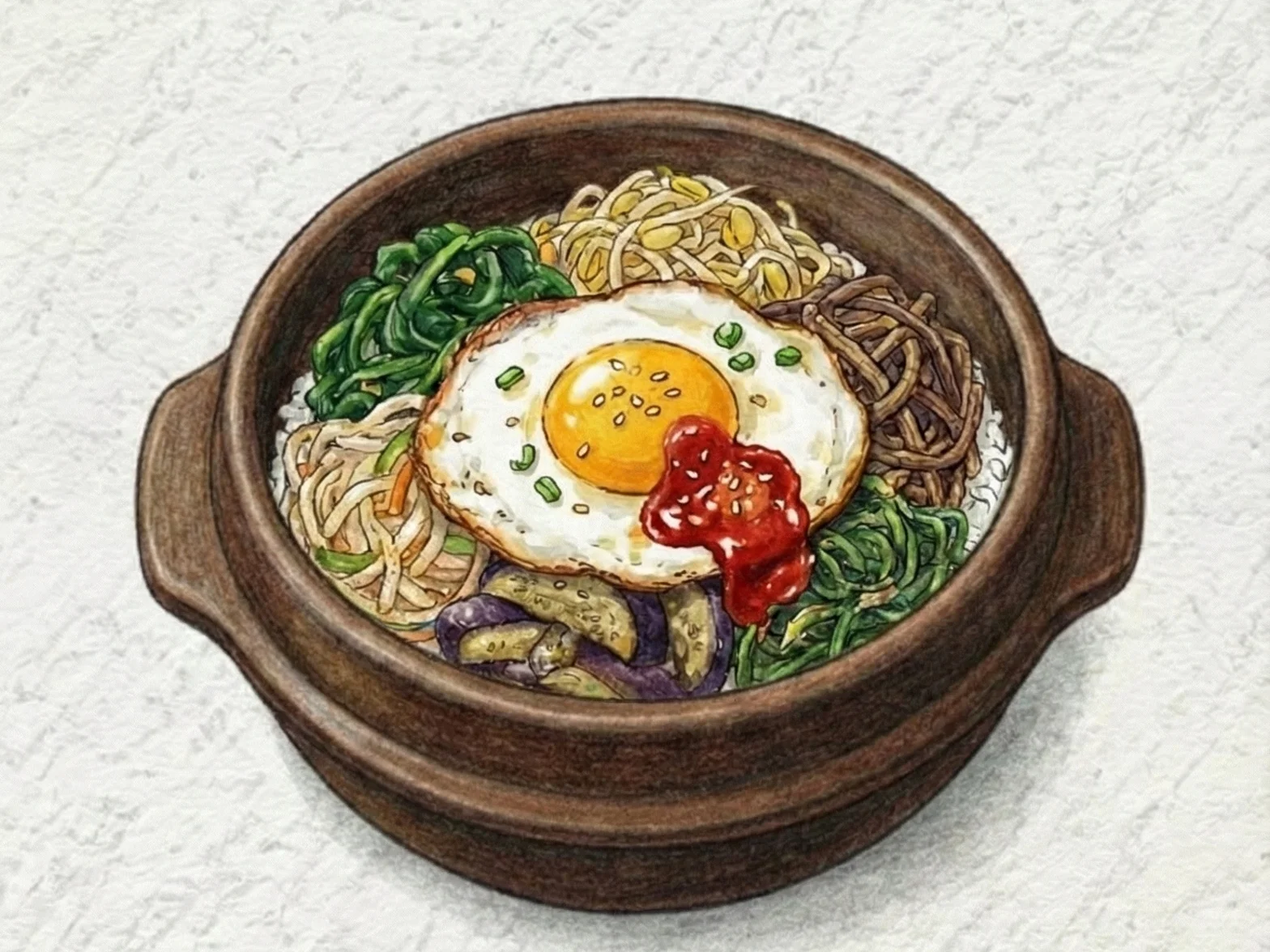
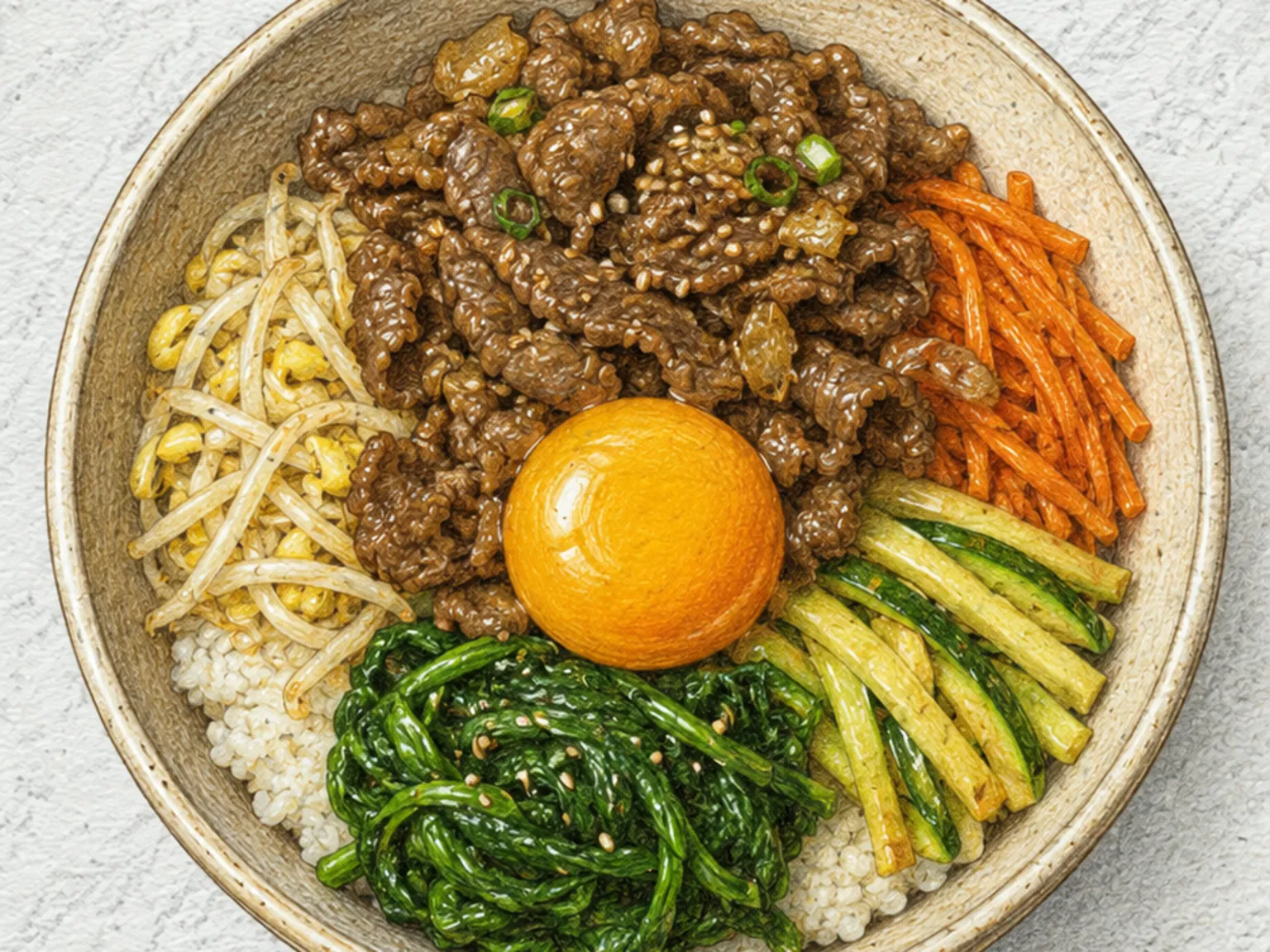
Bibimbap is one of Korea's defining one-bowl meals, assembled by arranging individually seasoned vegetables - spinach, bean sprouts, zucchini, and carrots - alongside marinated beef and a fried egg over a bowl of steamed rice, then mixed together at the table with gochujang. Each component is cooked and seasoned on its own before plating, which preserves distinct textures and flavors right up until the moment of mixing. The act of stirring brings crisp vegetables, tender beef, and spicy fermented chili paste into a single cohesive bite. Leftover namul from previous meals makes the assembly genuinely fast on a weeknight, and when served in a preheated stone pot, the rice forms a golden, crackling crust at the base that provides a final textural reward. The gochujang ratio is adjustable, making it easy to calibrate heat to individual preference.

Korean Chicken Gimbap (Crispy Chicken Tender Seaweed Rice Roll)
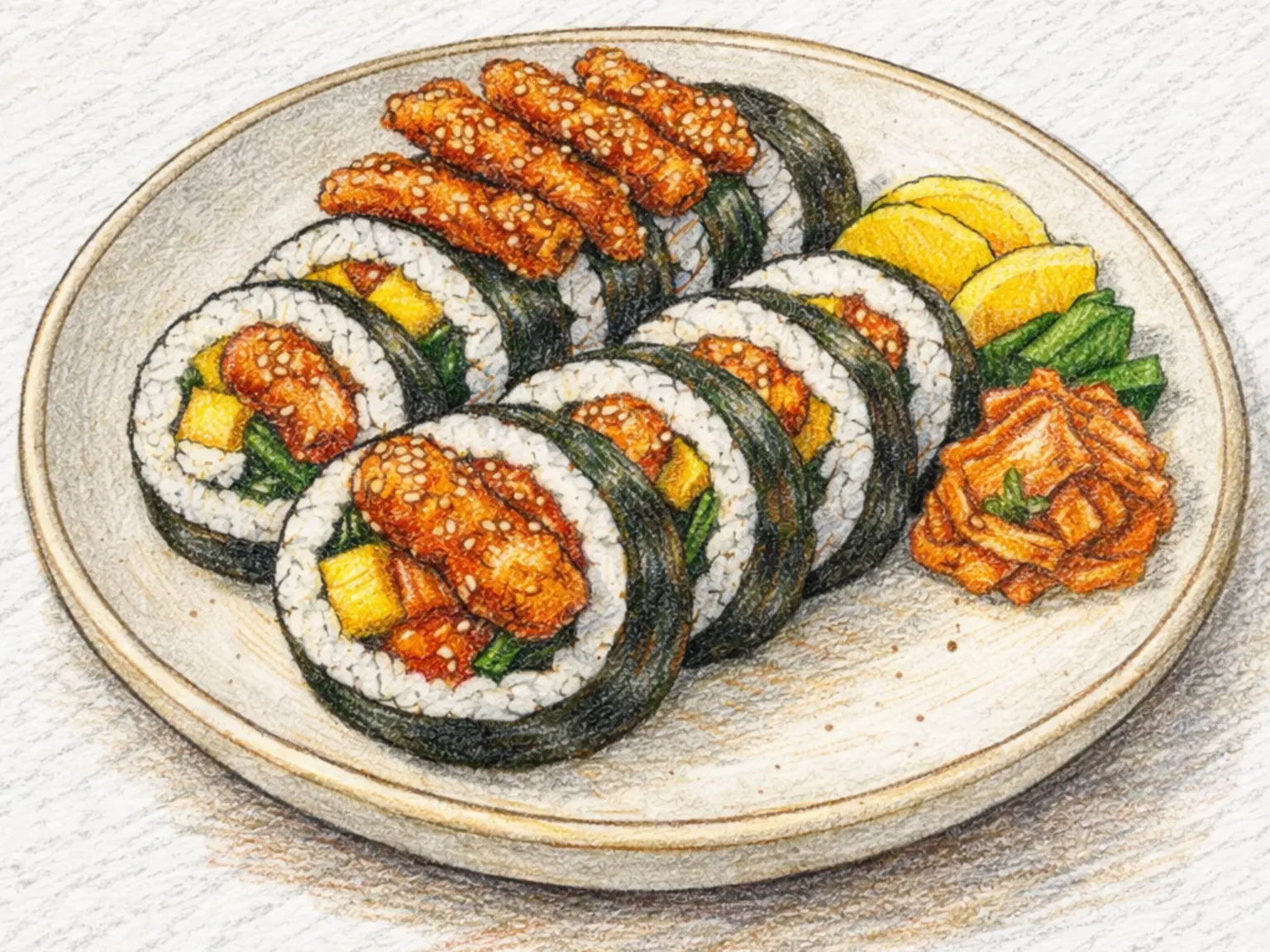
Chicken gimbap is a Korean seaweed rice roll filled with air-fried crispy chicken tenders, sesame-salt seasoned rice, lettuce, and mayonnaise. The timing of assembly is important: the chicken must go in immediately after cooking while the fried coating is still hot and rigid, otherwise moisture from the rice and lettuce softens the crust before the roll is even finished. Mayonnaise forms a creamy layer between rice and chicken that also acts as a barrier, slowing moisture transfer and keeping each component distinct. Lettuce adds a fresh, cool crunch that balances the richness of the fried chicken and mayo. Laying the chicken pieces in a straight line before rolling produces an even cross-section when the gimbap is sliced. Mixing hot sauce into the mayonnaise creates a spicy version that can be scaled to taste. The roll travels well and is a reliable choice for packed lunches.

Sweet Rice Punch (Traditional Korean Malted Barley Grain Drink)
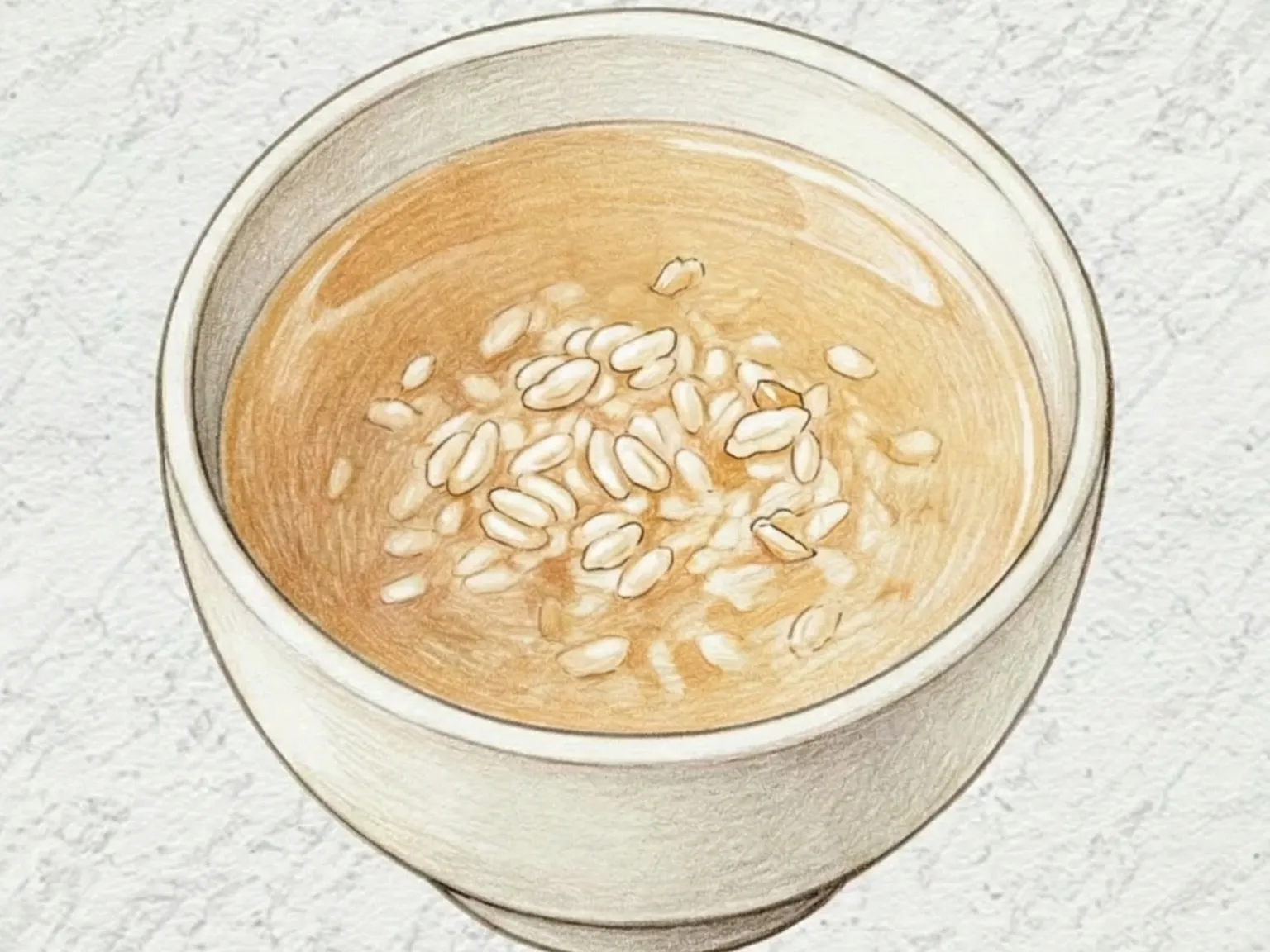
Sikhye is a traditional Korean sweet rice punch made by steeping malted barley powder in lukewarm water, straining the liquid, adding cooked rice, and holding the mixture at around 60 degrees Celsius for one hour until the rice grains float to the surface. The amylase enzymes in the malt break down the rice starch, producing a distinctly malty, clear sweetness with grain depth that no sugar alone can replicate. Only the clear top liquid is used after settling -- discarding the sediment keeps the punch from turning cloudy. Simmering with sugar and sliced ginger for 20 minutes rounds the sweetness and adds a gentle, spiced warmth to the finish. Served well chilled with the reserved floating rice grains and pine nuts on top, the cold temperature sharpens the malty aroma and makes each sip crisp. Temperature control during the steeping stage is critical: if the mixture exceeds 70 degrees Celsius, the amylase denatures and the grains will not float, so keeping a steady 60-degree hold determines whether the preparation succeeds.

Shrimp Etouffee
Shrimp etouffee starts with a blonde roux - butter and flour stirred continuously over medium heat until the mixture turns light brown and smells faintly of toasted nuts. The Cajun trinity of diced onion, celery, and bell pepper is added directly to the roux, where the vegetables release moisture that loosens the paste and contributes sweetness. Chicken stock and paprika transform the mixture into a thick, velvety sauce with warm color and gentle spice. The shrimp go in during the final four minutes of cooking so they absorb the sauce's flavor without overcooking. Darkening the roux beyond light brown risks bitterness that overpowers the delicate shrimp. The finished dish is spooned over steamed rice, which absorbs the rich sauce.

Japanese Beef Bowl (Gyudon)
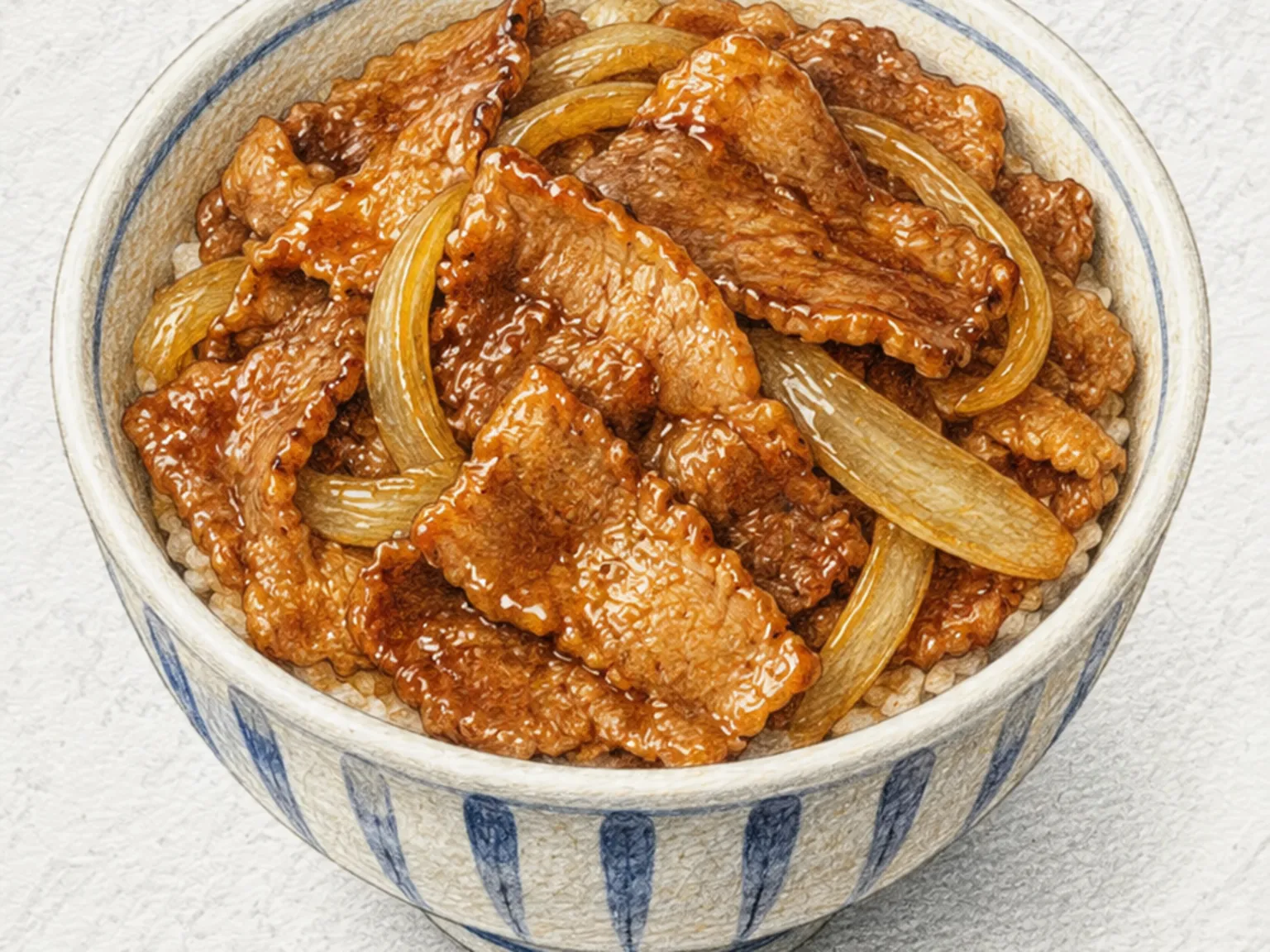
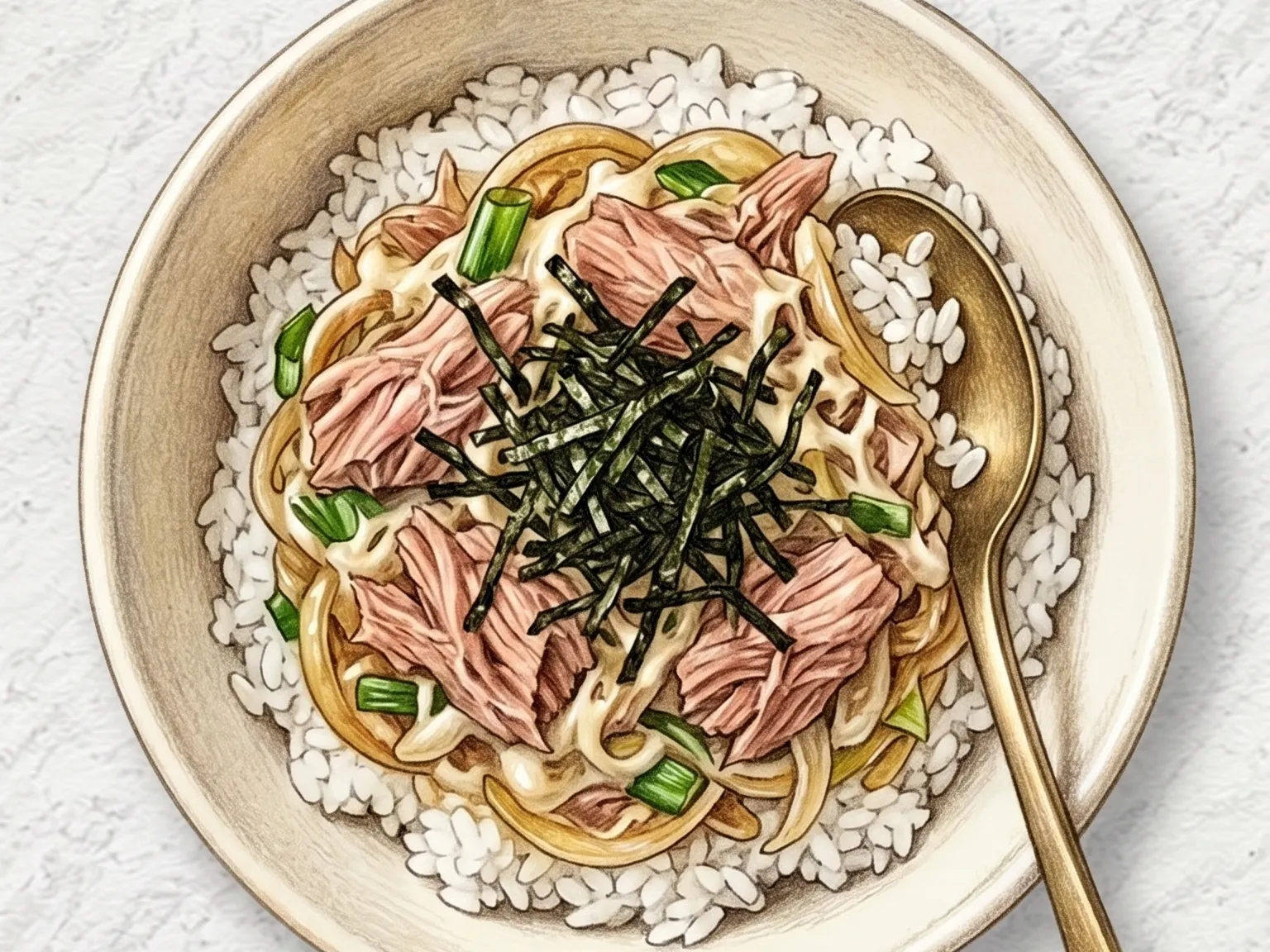
Gyudon starts with paper-thin slices of beef and thinly cut onion simmered together in a broth of soy sauce, mirin, sugar, and grated ginger. The key is keeping the heat at medium rather than high, which prevents the beef from toughening and allows the onion to break down gently, releasing sweetness into the sauce. As the liquid reduces to a glossy, concentrated state, the flavors intensify into a layered combination of salty, sweet, and faintly sharp ginger notes. A one-minute rest off the heat lets the beef absorb more of the seasoned broth before it goes over the rice. The dish differs from stir-fried beef bowls in that the meat is never seared; instead it poaches in the simmering liquid, staying notably soft. A runny egg on top is traditional and adds richness when the yolk breaks into the sauce.

Korean Beef Brisket Rice Bowl
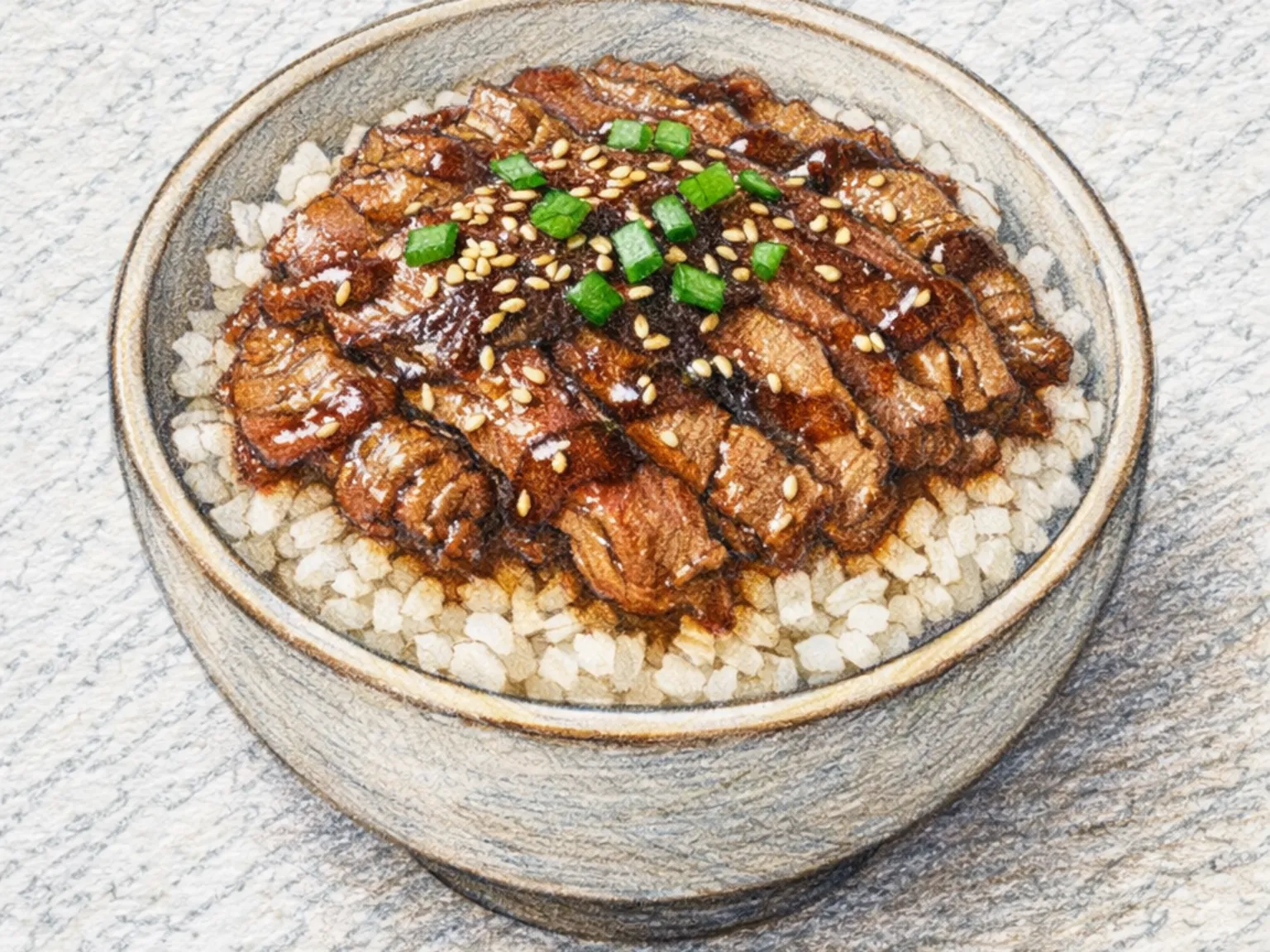
Chadol deopbap is a Korean rice bowl built on paper-thin beef brisket slices seared in a hot dry pan until the edges turn crisp and caramelized, then finished with a soy-based glaze and placed over steamed rice. The marbling in the brisket renders quickly under high heat, coating the pan in fat that then carries the flavors of soy sauce, sugar, garlic, and sesame oil into a concentrated glaze. A soft-cooked or raw egg yolk placed on top is a standard addition; stirring it in spreads a golden richness across the rice that thickens the sauce and rounds out the saltiness of the soy. Sliced scallions and toasted sesame seeds scattered over the finished bowl add textural contrast and a clean finish. The recipe relies on pantry staples, requires no marinating, and comes together in under ten minutes from start to plate, making it one of the most practical formats for a single-serve weeknight meal without sacrificing depth of flavor.

Korean Donkatsu Gimbap (Pork Cutlet Roll)
Donkatsu gimbap rolls an entire crispy pork cutlet inside a seaweed rice roll. Sesame oil and salt-seasoned rice is spread thinly over a sheet of dried seaweed, tonkatsu sauce is drizzled generously over the rice, and the full cutlet along with shredded cabbage is placed at the near edge before rolling tightly. The structural goal of the roll is to keep the breadcrumb coating on the cutlet crispy between the layers of rice and seaweed rather than letting it soften against the moisture in the rice. To achieve this, the cutlet must be well-drained of oil and cooled to room temperature before rolling, and the roll should be cut and eaten promptly rather than held for long. When sliced, the cross-section reveals the full width of the pork cutlet occupying most of the interior, which is a visual cue for the substantial filling inside. The sweet, savory tonkatsu sauce melds with the sesame-scented rice and the salt of the dried seaweed wrapper, making each section of the roll satisfying enough to serve as a complete meal.

Hainanese Curry Rice (Mixed Curry Gravy Platter)
Hainanese curry rice is a Singaporean comfort plate that grew out of the island's Hainanese immigrant community, blending Japanese-style pork cutlet, Malay curry traditions, and the influence of British colonial cooking into a single unassuming dish. Crispy pork cutlet, boiled potato, and blanched cabbage are laid over steamed rice, then drenched in a combination of curry gravy and braised soy sauce that pool together on the plate. The curry begins with blooming curry powder in oil to coax out its full fragrance before coconut milk and water are added, simmering until the sauce thickens and takes on a gentle coconut sweetness alongside the layered spice. What truly distinguishes this plate is the intentional mixing of two contrasting sauces directly on the rice, where the heat and warmth of curry meets the saltier, deeper soy-braised gravy. The pork cutlet is sliced only at the moment of serving to preserve its crunch against the liquid. Soft potato pieces and slightly firm cabbage provide textural counterpoints to each bite of crunchy cutlet and saucy rice. In Singapore, this dish is served from early morning at hawker centres where each stall keeper holds their own closely guarded ratio of spices, making the quality of the gravy the true mark of each vendor.

Korean Tuna Fried Rice (Quick Canned Tuna Stir-Fried Rice)
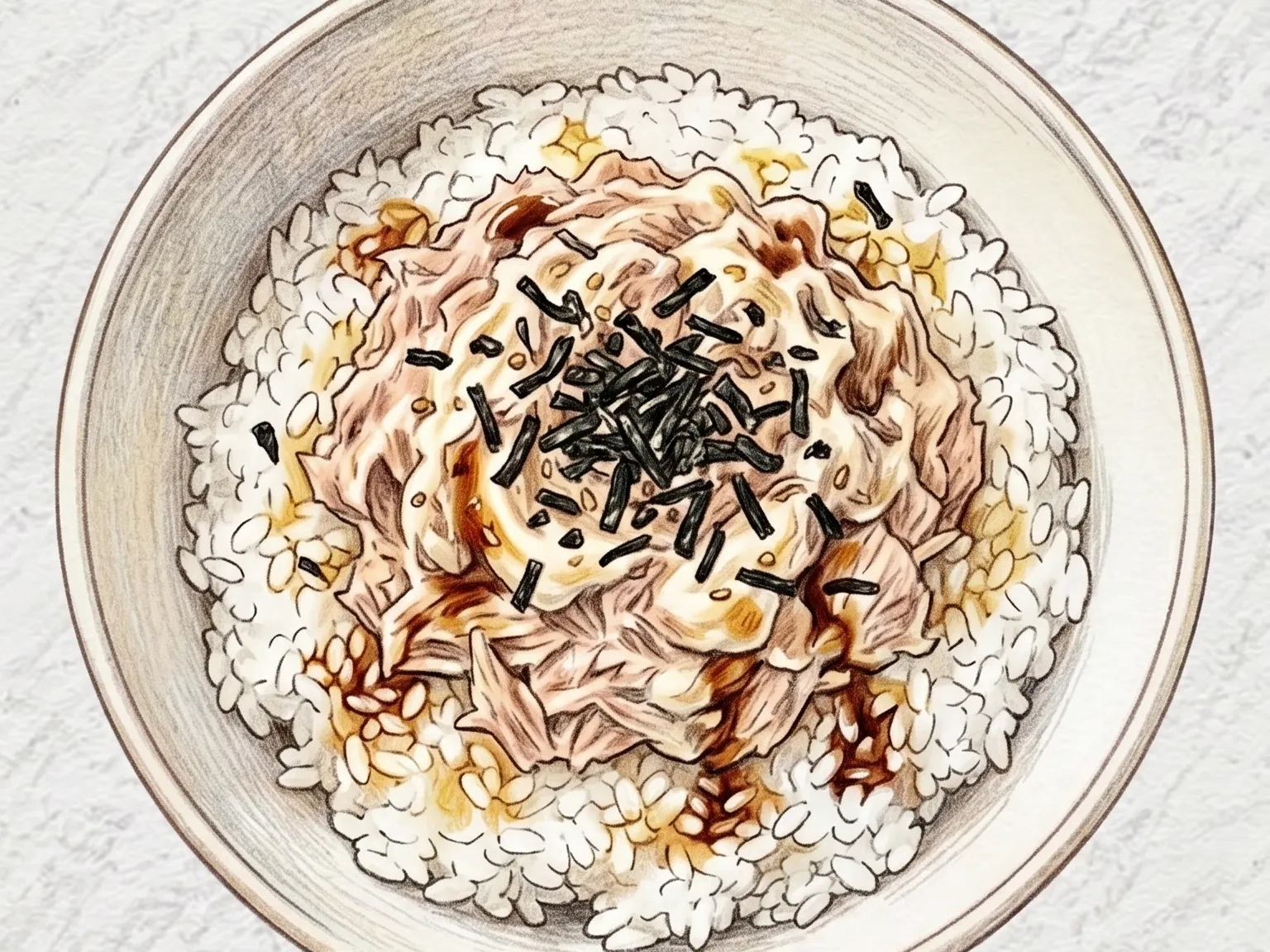
Chamchi bokkeumbap is a staple Korean home-style fried rice made by stir-frying canned tuna together with its oil alongside diced onion, carrot, and green onion, then folding in cooked rice and seasoning with soy sauce and sesame oil. The tuna oil distributes through the rice during frying, coating each grain and building a savory, nutty richness that needs little else to feel complete. It is the kind of meal that comes together from pantry and fridge staples with no advance planning: one can of tuna plus whatever vegetables are on hand covers the whole recipe. Cold leftover rice works better than freshly cooked because lower moisture content keeps the grains separate and gives the fried rice its characteristic loose texture. Maintaining high heat throughout prevents clumping and develops a slight char on the rice that adds depth.

Korean Seaweed Rice Roll
Gimbap is a Korean seaweed rice roll made by spreading sesame-oil-and-salt-seasoned rice over a sheet of gim, then lining up individually prepared fillings such as spinach namul, sauteed carrot, egg strip, ham, pickled radish, and braised burdock before rolling tightly. Each filling is cooked separately so distinct flavors and textures meet in every bite. The rice must cool before spreading, because hot rice releases steam that softens the seaweed and breaks the roll's structure. When sliced, the cross-section reveals concentric rings of color, and a final brush of sesame oil over the finished roll deepens the nuttiness of the seaweed while giving the surface a slight sheen. The combination of fillings can shift with the season or personal preference, which is part of why gimbap remains a staple from picnic lunches to neighborhood snack bars.

Japanese Curry Rice
Kare raisu is one of the most frequently cooked meals in Japanese households, using commercially prepared curry roux blocks that produce a milder, thicker, and sweeter result than Indian curry. Beef or chicken is cut into bite-sized pieces and stir-fried with onion, potato, and carrot before water is added and the pot simmers until the potatoes turn tender. The heat is lowered and the curry roux blocks are broken in and stirred until fully dissolved; the roux contains flour and fat that thicken the liquid into a glossy, coating sauce. Keeping the heat low after adding the roux is critical because high heat causes the thick sauce to scorch on the bottom. The finished curry deepens in flavor if rested overnight, as the vegetables continue to release their sweetness into the sauce. Unlike Indian curry with its layered spice blends, Japanese curry draws its appeal from the consistent, approachable flavor that a single roux block delivers every time.

Chicken Curry Rice
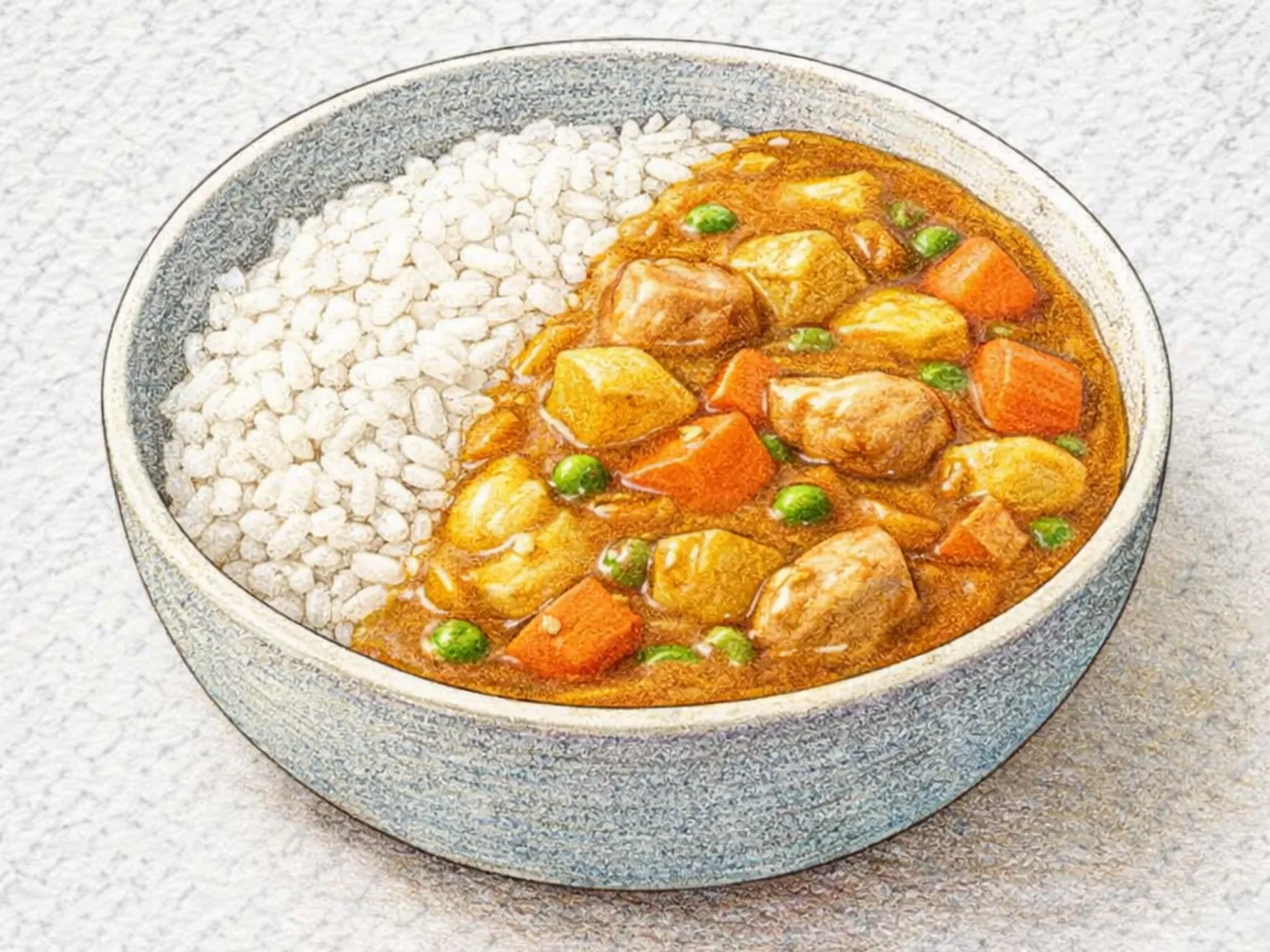
Chicken curry rice is a Japanese-style curry where bite-sized chicken thigh, potato, carrot, and onion simmer together until the curry roux melts into a thick, glossy sauce. The spice blend is gentle rather than fiery, with a mellow sweetness drawn from the slowly cooked vegetables. Chicken thigh meat stays moist and succulent even after prolonged simmering, absorbing the curry flavor throughout. The potato pieces break down slightly at the edges, thickening the sauce further and giving it a starchy body that clings to each spoonful of rice. A one-pot format makes it easy to scale -- prepare a large batch and the flavor deepens further overnight as everything continues to meld, making it well-suited for family dinners or weekly meal prep.

Korean Spicy Pork Rice Cup
Jeyuk cupbap is a Korean street-style rice cup topped with pork shoulder stir-fried in gochujang, soy sauce, sugar, and garlic, layered over steamed rice with onion and cabbage. The gochujang-sugar combination forms a spicy-sweet glaze on the pork that caramelizes quickly under high heat, sealing in the meat's juices and creating a lacquered surface. Cabbage goes in last to keep its snap, and the slow-cooked onion contributes a gentle sweetness that tempers the chili heat. Slightly cooled rice keeps the cup from turning soggy, and the tight, portable format makes this a defining item of Korean street-food culture, equally at home in a pojangmacha stall and a school cafeteria. A soft-boiled egg or a slice of processed cheese on top adds a rich, creamy note.

Katsu Curry
Katsu curry is a Japanese single-plate meal of crisp deep-fried pork cutlet served beside a thick, glossy curry sauce over steamed rice. The pork loin is pounded to an even thickness, seasoned with salt and pepper, then coated in three layers: flour, beaten egg, and panko. Panko breadcrumbs have a coarser, more jagged texture than standard breadcrumbs, which creates more air pockets in the crust and produces a crunch that stays crisp longer after frying. The breaded cutlet is lowered into oil heated to 170 degrees Celsius and fried for four to five minutes until deep golden brown, then lifted onto a wire rack to rest for two minutes. The resting period allows the residual heat to finish cooking the center while the juices redistribute and the crust firms up. The curry sauce is built separately: onion and carrot are sauteed until their natural sweetness develops fully, then water is added and everything simmers until the vegetables are tender. The curry roux blocks are added and dissolved over low heat until the sauce reaches a thick, velvety consistency. Resting the curry overnight deepens its flavor as the vegetables continue to release sugars and the spices meld together. At the table, the curry fills one side of the plate and the sliced katsu occupies the other so the crust stays dry until deliberately pushed into the sauce, preserving the contrast between the two textures.

Korean Chicken Mayo Rice Bowl
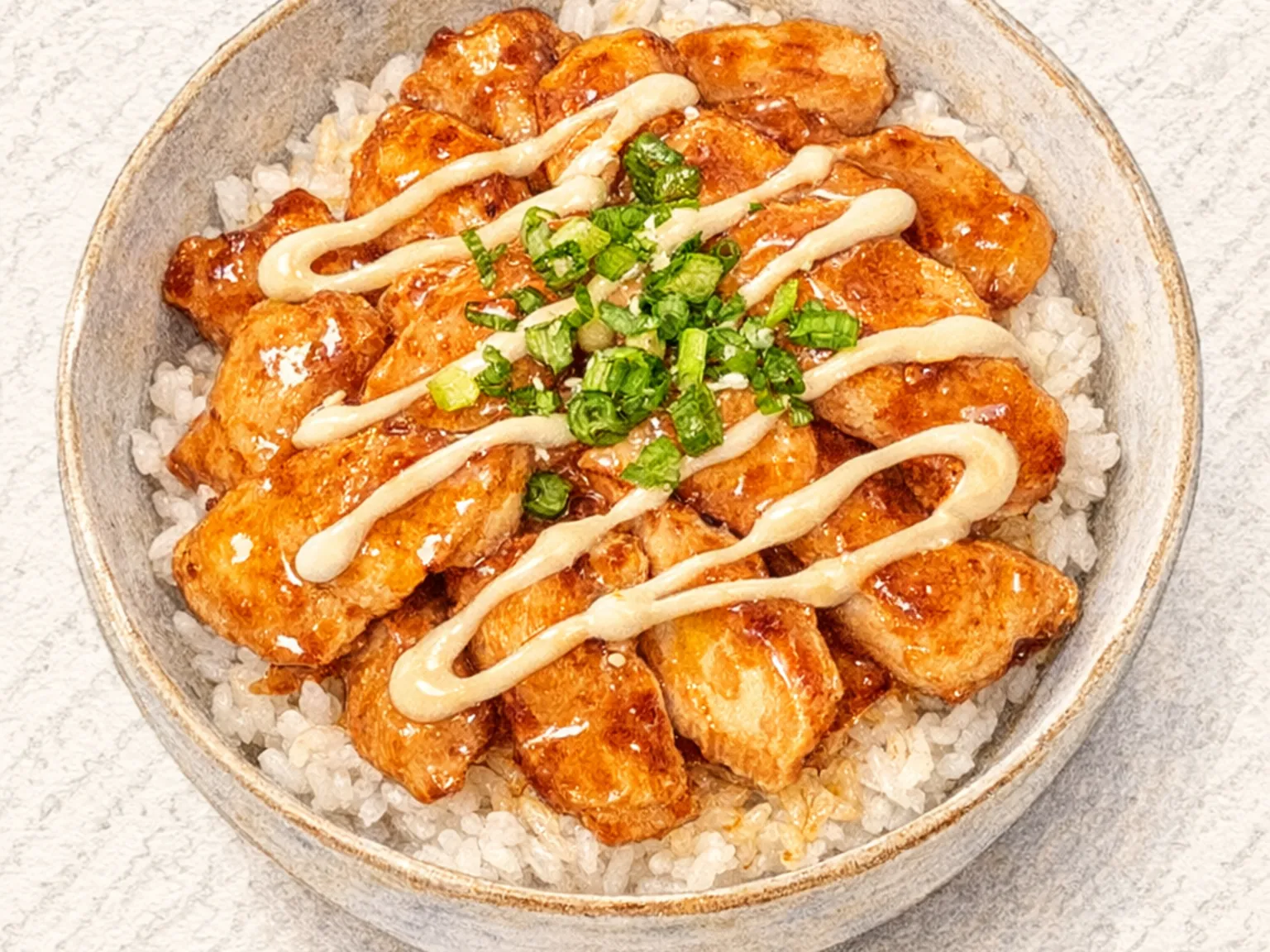
Chikin mayo deopbap is a Korean rice bowl topped with pan-fried chicken breast glazed in a sweet-salty soy sauce and finished with a generous drizzle of mayonnaise. The chicken is cooked over medium-high heat until the exterior turns golden and slightly crisp while the inside stays moist. A soy sauce and sugar glaze added near the end caramelizes around each piece, creating a sticky coating that clings well. The mayonnaise adds creaminess and a mild tang that balance the saltiness of the glaze; when it hits the warm chicken and rice, it loosens slightly into a sauce that seeps down through the bowl. With only a handful of everyday ingredients and around fifteen minutes of cooking time, it matches the convenience of a packaged lunch box while delivering noticeably better flavor and texture.

Korean Bunsik Kimchi Bokkeumbap (Kimchi Fried Rice)
Bunsik-style kimchi fried rice starts by making scallion oil from green onions, then stir-frying well-fermented kimchi to drive off moisture before seasoning with gochujang and soy sauce and tossing in day-old rice. The scallion oil lays a nutty base across the rice, and the aged kimchi's sharp acidity layers with the gochujang's heat to build depth. Cold leftover rice fries without turning mushy, keeping individual grains distinct, and the dish is topped with seaweed flakes and a runny fried egg. A small amount of sugar can be added if the kimchi's sourness is overpowering.