Korean Hemp Seed Rice (Nutty Protein-Rich Grain Rice)
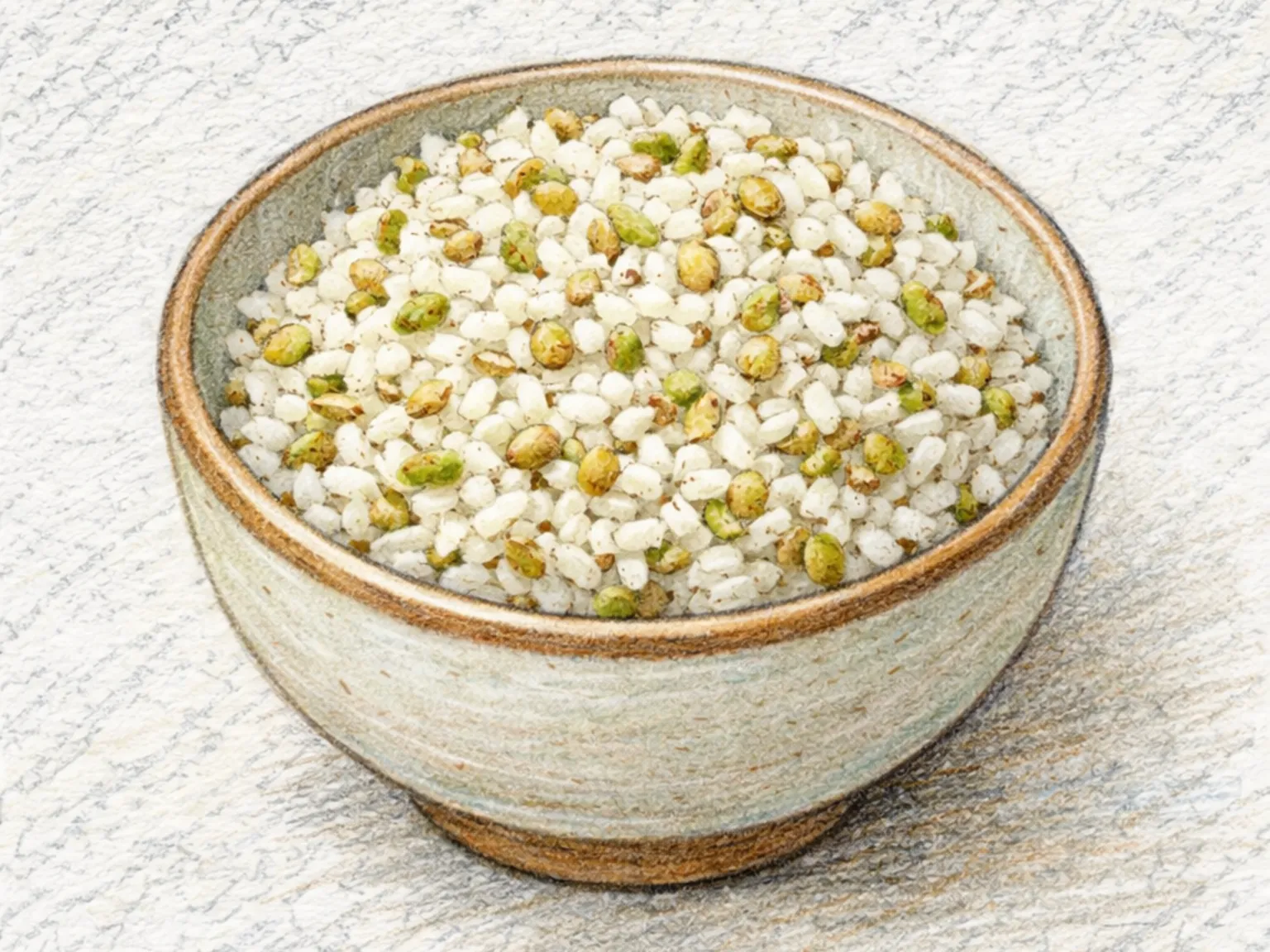
Cheongsam bap is a Korean nutritional rice made by cooking toasted hemp seeds together with short-grain rice. The hemp seeds bring a nutty flavor and a pleasant pop of texture that transforms plain white rice into something more interesting, while also adding a meaningful boost of plant protein and healthy fats. The preparation is as simple as regular rice cooking - just add the seeds and a pinch of salt before starting the cooker. The mild, toasty flavor of the hemp seeds pairs well with virtually any side dish, or the rice can stand on its own as a wholesome, understated bowl.
Adjust Servings
Instructions
- 1
Rinse and soak rice for 30 minutes.
- 2
Toast hemp seeds lightly in a dry pan.
- 3
Cook rice with hemp seeds in rice cooker or pot.
As an Amazon Associate, we may earn from qualifying purchases.
Tips
Nutrition (per serving)
More Recipes

Korean Sweet Potato Rice (Steamed Grain Bowl with Natural Sweetness)
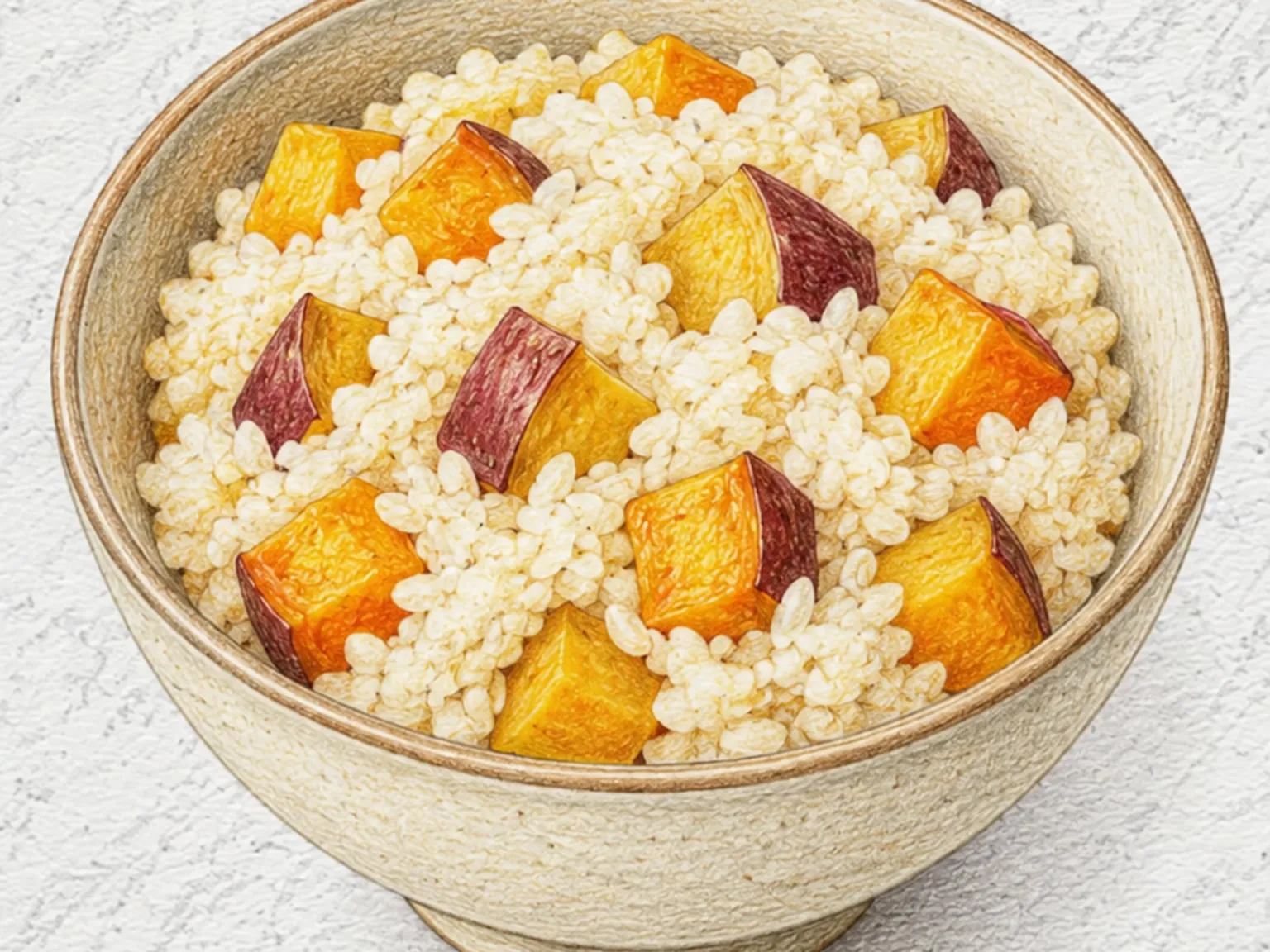
Cubed sweet potato is placed on top of washed rice and cooked together in a single pot. As the rice steams, the sweet potato's natural sugars seep into the grains, lending a gentle sweetness without any added seasoning, and the orange chunks against white rice create an inviting visual contrast. Cutting the sweet potato to roughly 2 cm ensures it cooks through at the same rate as the rice. A small pinch of salt sharpens the sweetness, and pairing the finished bowl with doenjang soup or kimchi provides a salty counterpoint.

Korean Seafood Rice Bowl (Shrimp Squid Clam Starchy Sauce Bowl)
Shrimp, squid, and clams are stir-fried with garlic, then seasoned with oyster sauce and soy sauce before being thickened with a cornstarch slurry. The slurry gives the sauce a glossy sheen and helps it cling to each piece of seafood, so when ladled over rice the sauce gradually seeps downward rather than pooling. Adding the seafood last and cooking briefly keeps each piece plump, while the natural liquor from the clams forms the umami backbone of the sauce. The entire dish comes together in about 25 minutes from start to finish.

Korean Butterfish Porridge
Butterfish (byeongeo) is cut into pieces and simmered slowly with rice and water over low heat until the fish flesh dissolves into the porridge, releasing a gentle sweetness. This lean white fish carries minimal fat, so the finished juk stays light and clean on the palate. Careful bone removal before cooking is essential for a smooth eating experience. Seasoned with just salt and a drop of sesame oil, the porridge lets the fish flavor stand on its own - a traditional Korean comfort food prized for its easy digestibility and soothing warmth.

Korean Salmon Rice Bowl (Marinated Raw Salmon over Warm Rice)
Fresh salmon is sliced thin and briefly marinated in a dressing of soy sauce, sesame oil, and wasabi so the seasoning just barely coats each piece. Laid over warm rice, the heat gently firms the salmon's surface while the center remains raw and buttery. Perilla leaves or shredded nori on top bring a herbal, aromatic note that cuts through the richness of the fish. The sweet-salty balance of the dressing meets the salmon's natural fat in a way that makes the bowl disappear quickly.

Korean Tteokbokki Noodles
Tteok-bokkeum-myeon stir-fries udon noodles and cylindrical rice cakes together in a gochujang-based sauce that is both spicy and slightly sweet. The two main components offer contrasting textures - stretchy rice cakes and springy noodles - coated in the same thick, red sauce. Fish cake and boiled eggs are common additions. The dish takes about 25 minutes from start to plate, with most of the work being chopping ingredients and stirring everything in a single pan. It is a staple of Korean street-food culture.

Korean Injeolmi Toast (Buttery Toast Topped with Rice Cake and Soybean Powder)
Injeolmi toast starts with bread pan-toasted in butter until golden, then topped with sliced injeolmi rice cake, a generous dusting of roasted soybean powder, and a drizzle of honey. The crisp bread contrasts with the sticky, chewy rice cake, while the soybean powder adds a toasty, nutty flavor that ties everything together. Briefly pan-frying the injeolmi before placing it on the toast enhances its elasticity and lightly caramelizes the surface. The entire dish comes together in under ten minutes.