Charim

2686 Korean & World Recipes

2686+ Korean recipes, clean and organized. Ingredients to instructions, all at a glance.

Recipes with short grain rice

24 recipes

Buy short grain rice
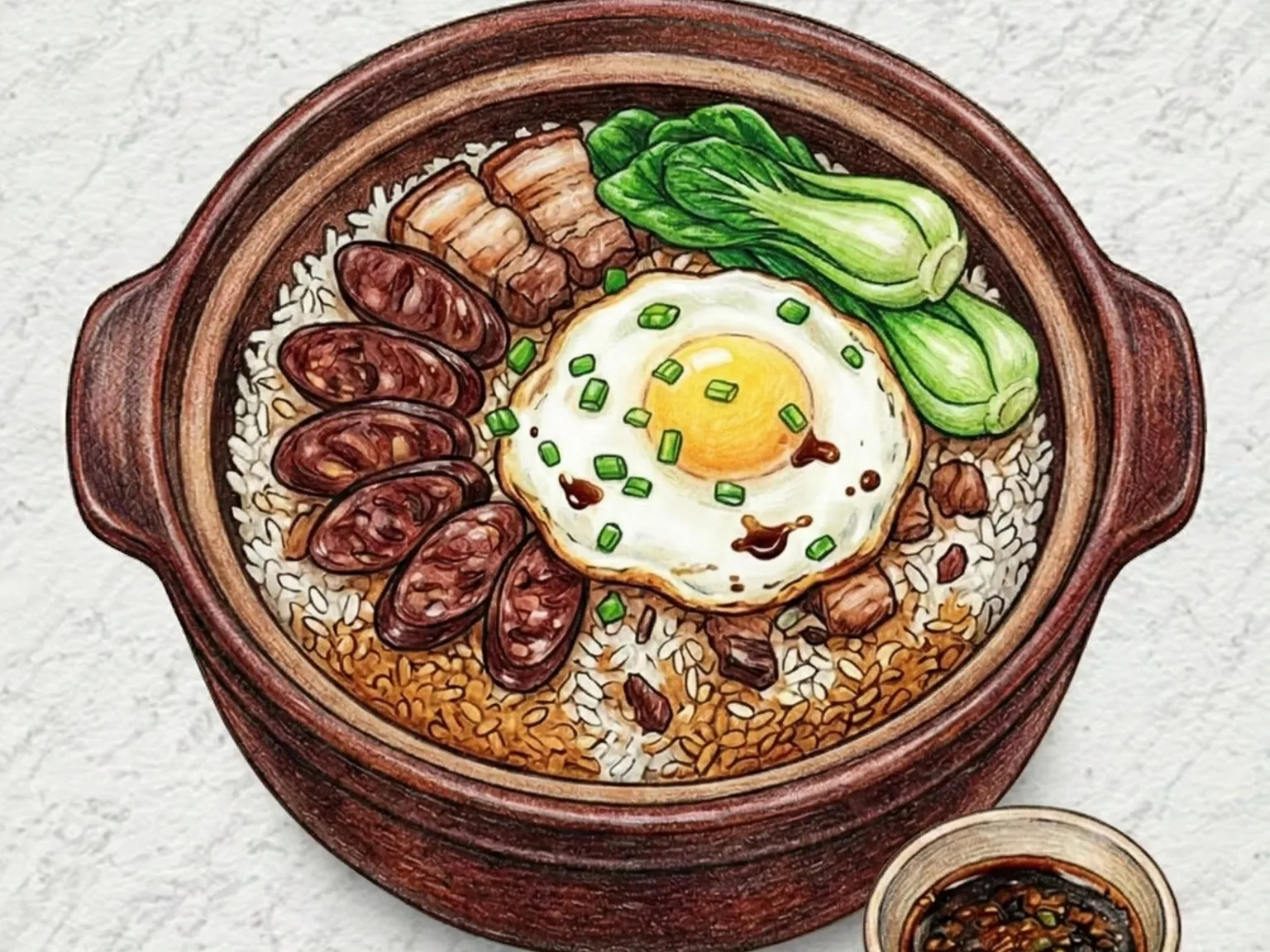
Bao Zai Fan (Cantonese Claypot Rice with Chinese Sausage)
AsianHard

Bao Zai Fan (Cantonese Claypot Rice with Chinese Sausage)

Bao zai fan - claypot rice - is a Cantonese winter dish served in Hong Kong dai pai dong stalls and Guangzhou old-quarter restaurants for well over a century. Raw rice cooks directly in a heated clay vessel with Chinese sausage, cured meats, or marinated chicken layered on top; their rendered fats drip down and season the grains as they absorb liquid. Clay retains heat well after leaving the flame, continuing to toast the bottom layer of rice into a golden, crackling crust called fan jiu - the most coveted part of the whole dish. A sauce of dark soy, light soy, sugar, and sesame oil is poured over at the table and stirred through, staining the white rice amber and releasing a rush of caramelized soy fragrance. Within a single pot, textures shift from sticky-soft grains on top through a chewy middle layer to a shattering crust at the bottom - a range that has kept claypot rice central to Cantonese comfort eating despite the patience it demands.

🎉 Special Occasion
Prep 20minCook 25min2 servings
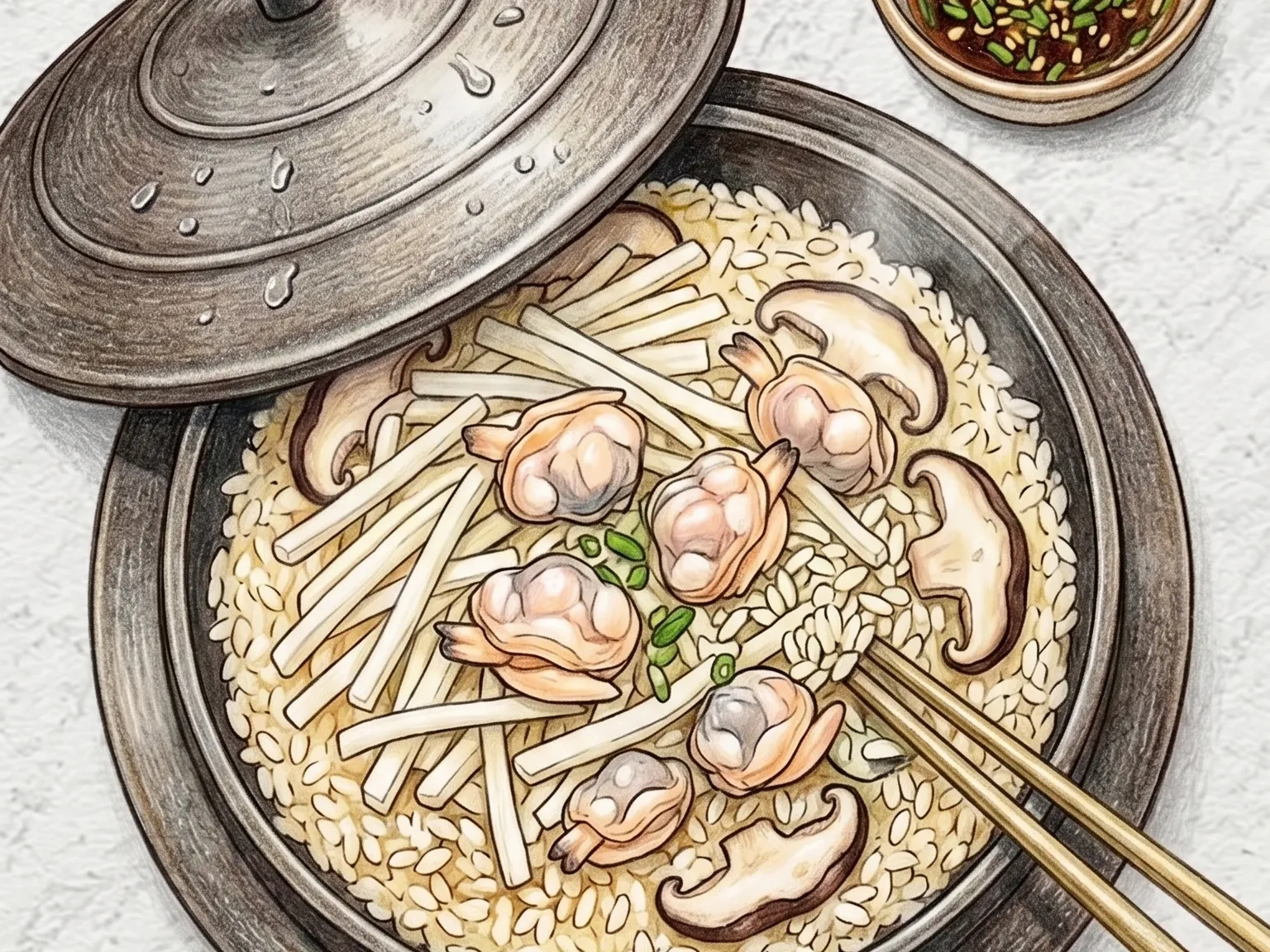
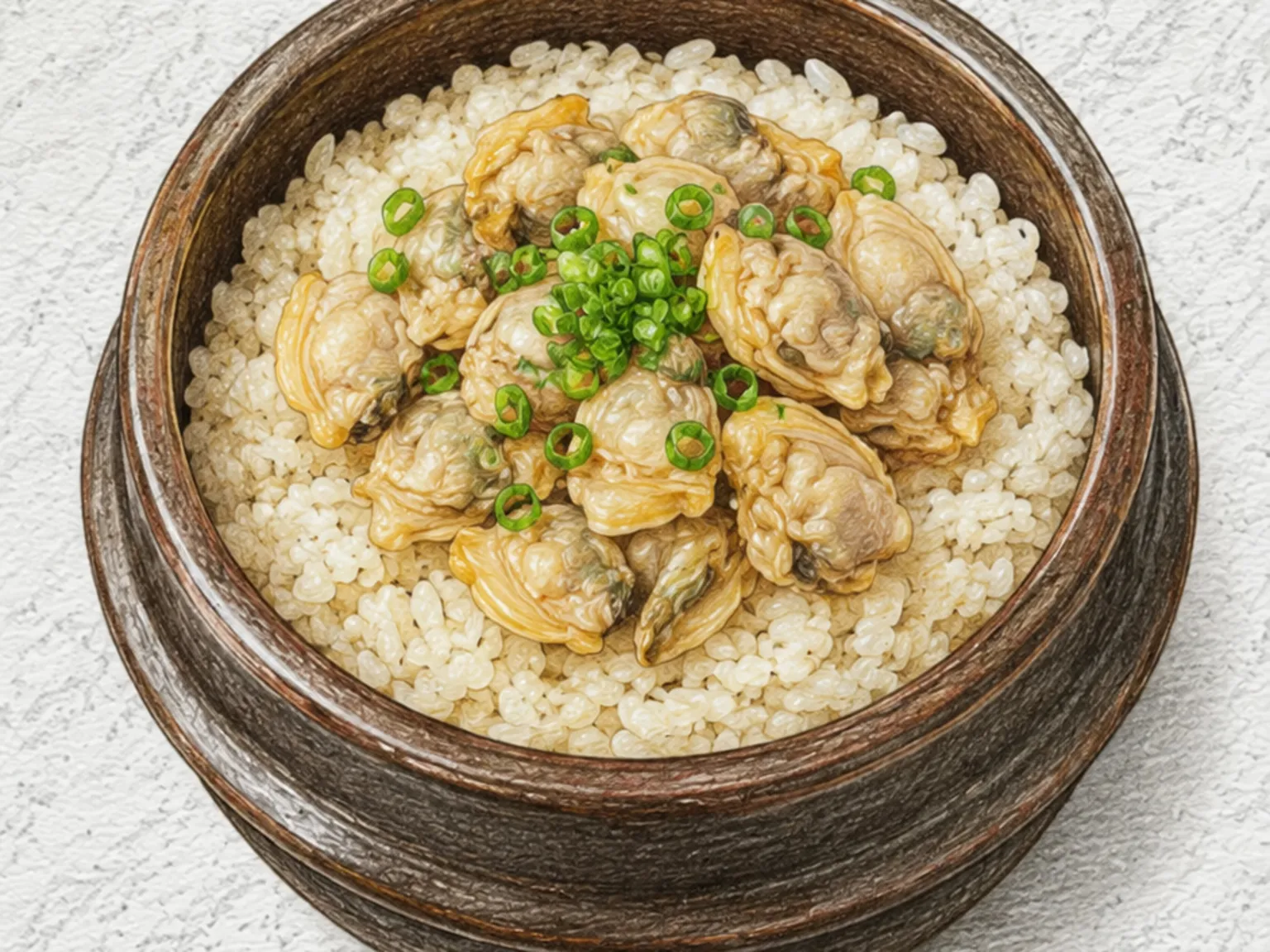
Korean Clam and Radish Pot Rice
RiceMedium

Korean Clam and Radish Pot Rice

Baekhap mu sotbap is a Korean pot rice dish where soaked rice is cooked with radish, shiitake mushrooms, and hard clam meat using kelp-infused water. The kelp water establishes a deeper umami base than plain water, and the glutamic acid released by shiitake mushrooms compounds with the clams' briny character to build layered savory depth. Radish sits on top of the rice and steams as the pot cooks, losing moisture while concentrating its natural sweetness into the surrounding grains. The clam meat must be added just before the resting phase rather than at the start, because prolonged heat toughens shellfish; residual steam finishes the cooking gently while keeping the clams firm. The resting period is critical - ten minutes with the lid sealed after the flame is turned off allows steam to redistribute evenly through the rice and all the toppings. A seasoning sauce of soy sauce, sesame oil, and chopped scallion is mixed in at the table, adding a salty richness that ties the seafood and vegetable components together. Hard clams require thorough purging before use; soaking in salted water for at least two hours removes sand, and any clam that does not open during this process should be discarded.

🎉 Special Occasion
Prep 18minCook 22min2 servings
Korean Mini Seaweed Rice Rolls
Street foodMedium

Korean Mini Seaweed Rice Rolls

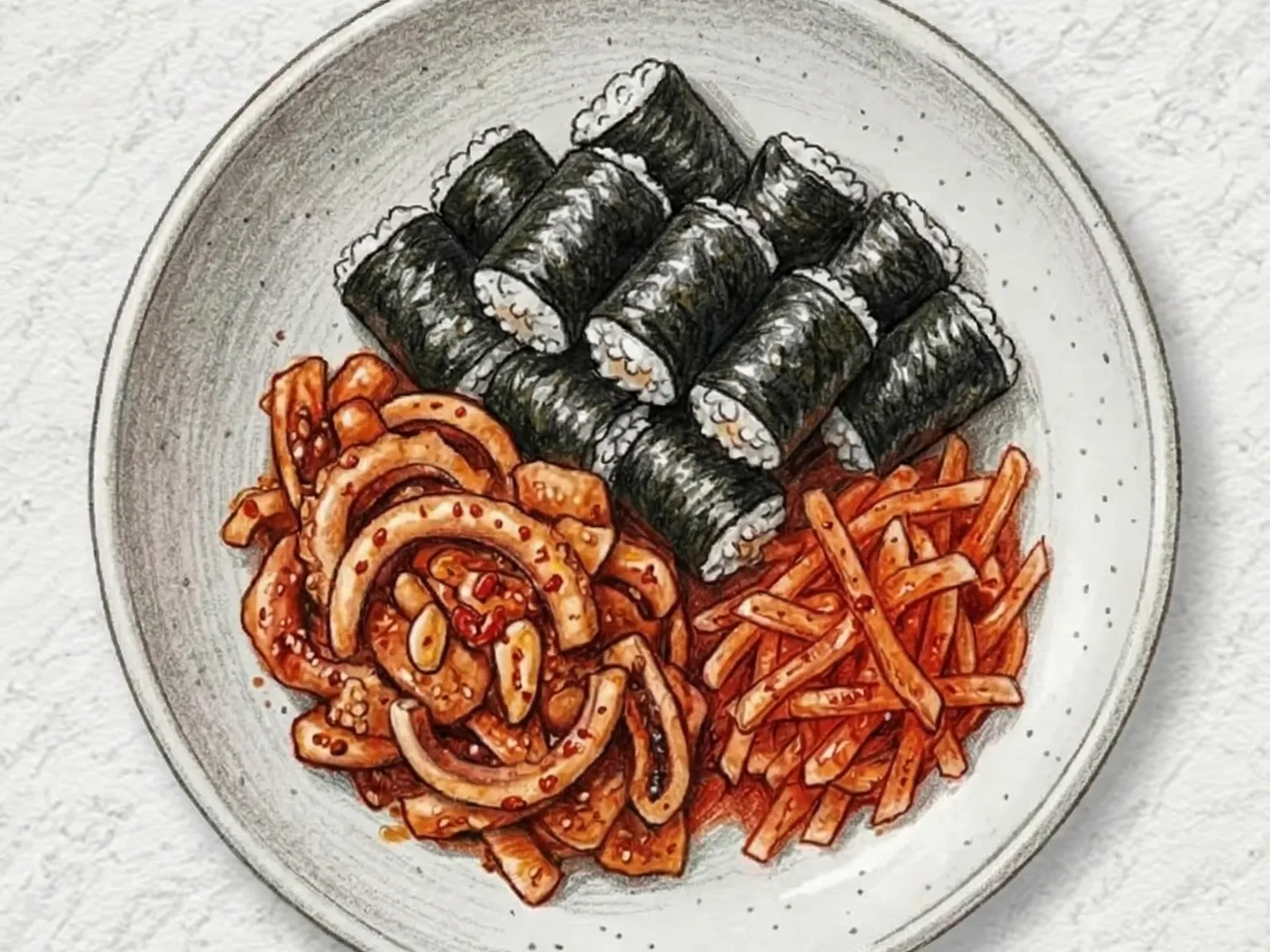
Chungmu gimbap is a regional specialty from Tongyeong in South Gyeongsang Province - small, bite-sized seaweed rice rolls seasoned only with sesame oil and salt, served alongside spicy squid and pickled radish side dishes. The rolls carry no filling at all, so the rice and seaweed stay clean and mild, with all the bold flavor coming from the accompaniments. Blanched squid is tossed in gochugaru, fish sauce, and garlic for a spicy, briny punch, while thin-sliced radish pickled in the same seasoning adds crunch and sharp tartness. The tension between the plain, compact rolls and the intensely seasoned sides is the point of this dish - each plain bite and each fiery bite calibrate each other, making the combination more satisfying than either part alone.

🧒 Kid-Friendly🍱 Lunchbox
Prep 25minCook 20min4 servings
Avgolemono Soup (Greek Egg-Lemon Chicken Rice Soup)
WesternMedium

Avgolemono Soup (Greek Egg-Lemon Chicken Rice Soup)

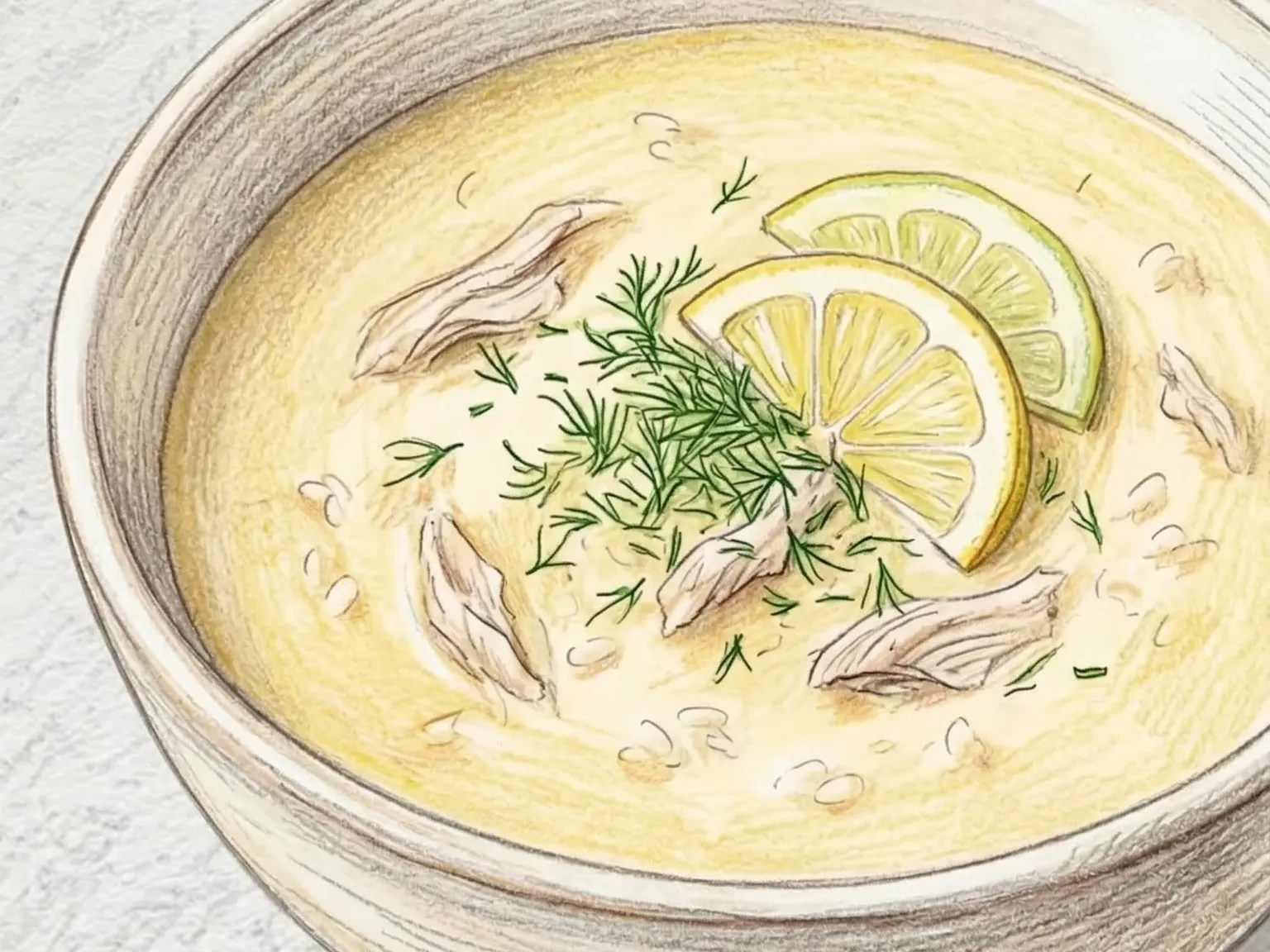
Avgolemono - from the Greek avgo (egg) and lemoni (lemon) - is a soup with roots reaching back to Sephardic Jewish communities of the Byzantine Empire who brought egg-lemon sauces to the eastern Mediterranean, where they were absorbed into Greek cooking and eventually became one of the country's most enduring culinary signatures. Chicken broth is simmered with short-grain rice until the grains swell and release enough starch to give the liquid a faint body before the egg mixture even goes in. The defining technique is tempering: beaten eggs and freshly squeezed lemon juice are whisked together until frothy and unified, then ladles of hot broth are drizzled in one by one while whisking constantly, gradually raising the temperature of the egg mixture without allowing it to set. This tempered liquid is then stirred back into the pot with the heat off, transforming the broth into a pale-yellow, velvet-smooth cream. Lemon acidity registers first on the palate, clean and forward, followed by the warmth and body of the chicken stock settling in behind it. The soup must never return to a boil after the eggs are incorporated - even a brief simmer will cause the proteins to seize and turn the broth grainy and opaque. Shredded poached chicken stirred in at the end makes it a complete, sustaining meal, and a final grating of lemon zest over each bowl sharpens the citrus note for those who want more brightness. In Greece, avgolemono is considered the default remedy for cold days and illness, made more often in home kitchens than ordered in restaurants.

🎉 Special Occasion
Prep 15minCook 30min4 servings
Century Egg and Pork Congee
AsianMedium

Century Egg and Pork Congee

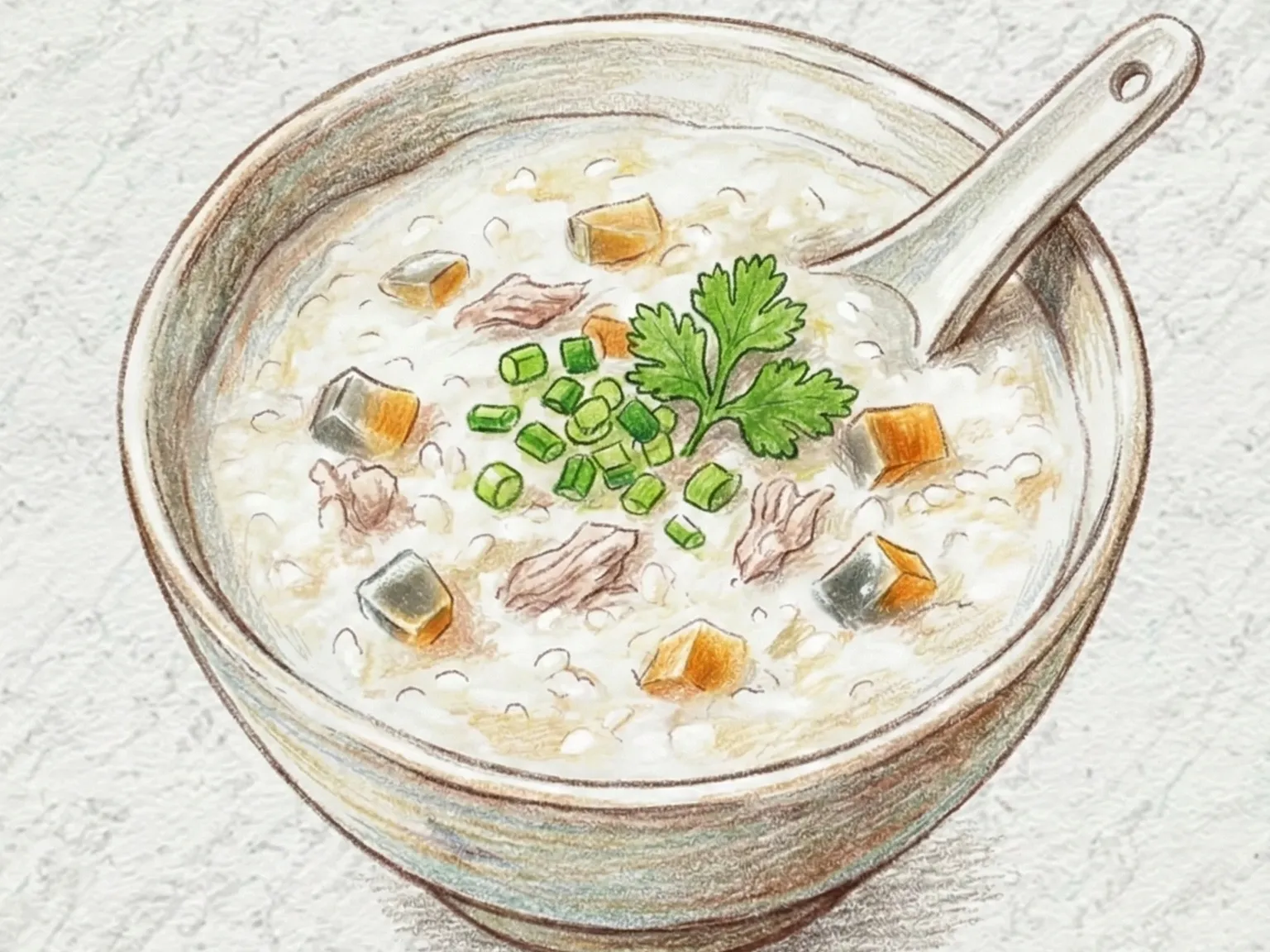
Century egg and pork congee - pi dan shou rou zhou - is the defining Cantonese breakfast, served from dawn at congee shops across Hong Kong, Guangzhou, and the broader Pearl River Delta. The congee base demands a full hour of slow simmering over low heat, during which the rice grains break down entirely into a silky, fluid suspension. In Cantonese this texture is called sang shui - meaning the rice and water have become indistinguishable from each other - and anything short of that is considered undercooked. Lean pork is sliced thin and added during the final minutes, cooking through immediately in the residual heat of the porridge without toughening. Century egg - duck egg preserved in an alkaline mixture of clay, ash, and salt for several weeks - transforms dramatically in the process: the white sets into translucent, trembling amber jelly and the yolk becomes a creamy, dark-green semi-solid with a dense, sulfurous depth. Cubed and stirred through the porridge, the egg's alkaline richness cuts through the clean blandness of the rice base, while the pork provides a grounding savory note. White pepper, a few drops of sesame oil, and sliced scallion finish the bowl. The congee thickens rapidly once it leaves the heat, narrowing the window of ideal texture, so it must be eaten as soon as it is served.

🏠 Everyday
Prep 15minCook 50min2 servings
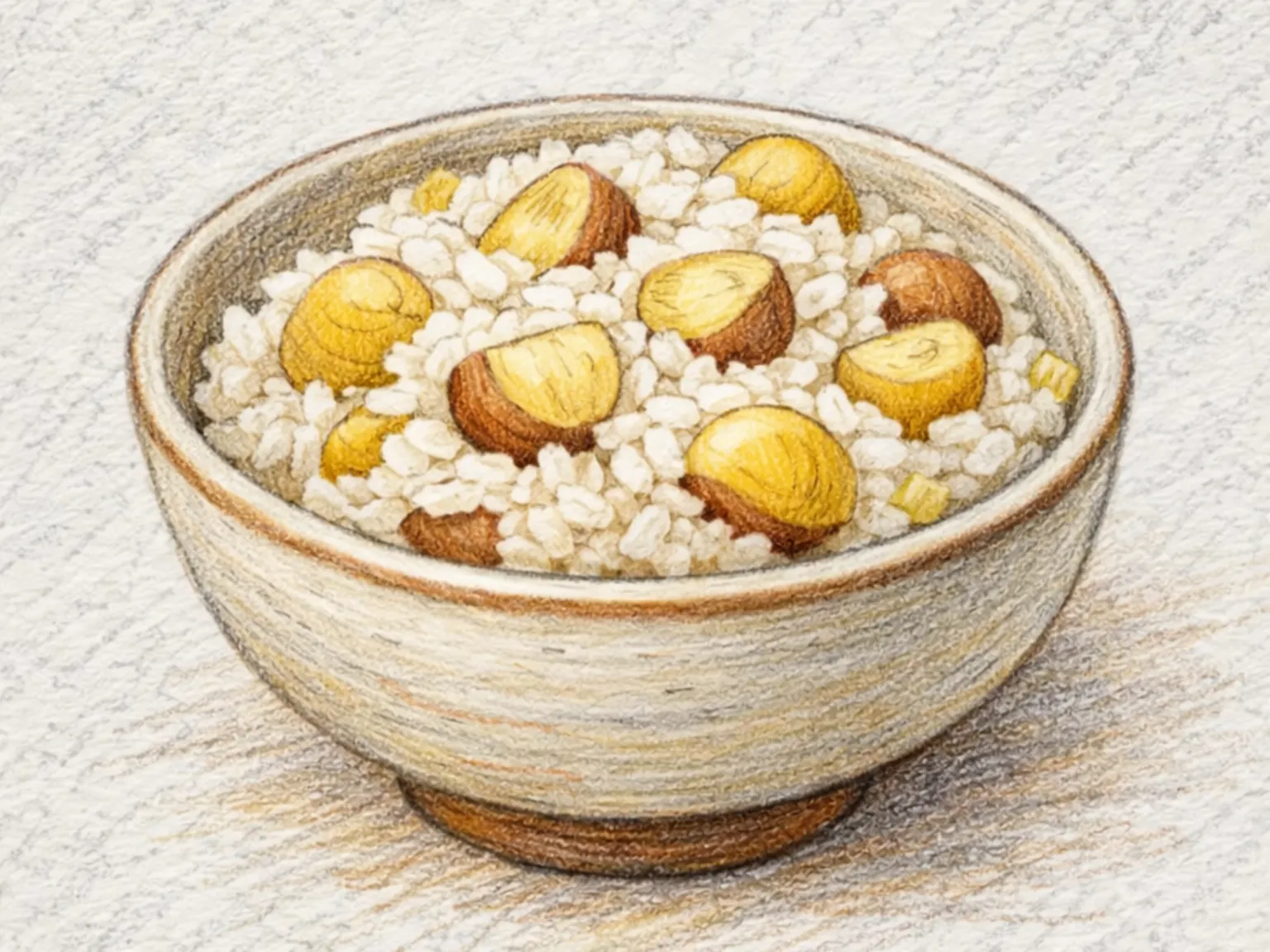
Korean Chestnut Rice (Nutty Sweet Autumn Pot Rice)
RiceEasy

Korean Chestnut Rice (Nutty Sweet Autumn Pot Rice)

Bam bap is a Korean seasonal rice dish cooked with freshly harvested chestnuts, combining the starchy comfort of white rice with the earthy sweetness of autumn chestnuts. Peeled chestnuts are placed on top of soaked rice before cooking, and as the water absorbs into the grains, chestnut starch gradually dissolves into the cooking liquid, infusing each grain with a subtle sweetness and a faintly mealy texture characteristic of the nut. Black sesame seeds sprinkled over the cooked rice add a toasted nuttiness. The dish uses only salt for seasoning, so the flavor of the chestnuts remains the primary element. A small dish of soy-based dipping sauce on the side allows each person to season individual spoonfuls as needed. Cutting the chestnuts into halves or quarters distributes their flavor more evenly throughout the pot than leaving them whole. Soaking the chestnuts in cold water before peeling helps remove astringency from the inner skin, which should be removed completely to avoid bitterness. A pressure cooker shortens the cooking time and helps the chestnut flavor penetrate the rice more thoroughly. The dish is best made with fresh chestnuts in autumn, when their natural sweetness peaks.

🏠 Everyday
Prep 15minCook 25min2 servings
Jambalaya
WesternMedium

Jambalaya

Jambalaya is a Louisiana Creole one-pot dish where chicken, andouille sausage, and shrimp cook together with rice in a spiced tomato broth. Browning the sausage and chicken first renders fat and develops deep flavor, then the Cajun holy trinity of onion, celery, and bell pepper is sauteed in the drippings until softened. Tomatoes, Cajun seasoning, rice, and chicken stock are added and brought to a boil, then covered and simmered on low heat so the rice absorbs the seasoned liquid as it cooks. The shrimp go in only during the final two to three minutes - adding them earlier causes them to toughen and lose their firm, bouncy texture. Each grain of rice carries the smoky, spicy character of the broth, making the dish a complete meal from a single pot.

🎉 Special Occasion
Prep 15minCook 35min4 servings
Chao Ga (Vietnamese Chicken Rice Porridge with Ginger)
AsianEasy

Chao Ga (Vietnamese Chicken Rice Porridge with Ginger)

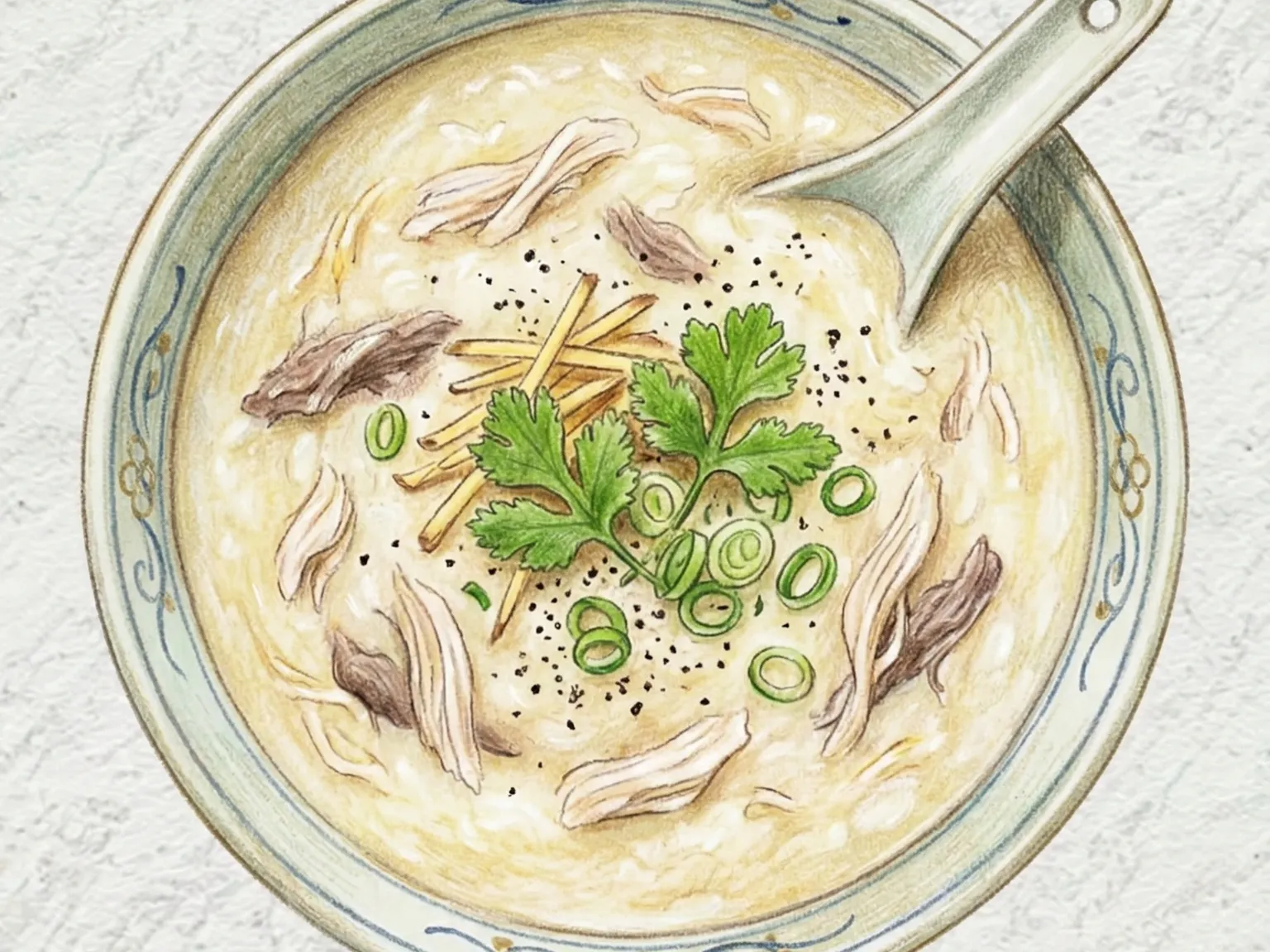
Chao ga is Vietnam's most widely eaten breakfast porridge, served whenever someone is ill or needs gentle nourishment, occupying the same restorative role that dakjuk holds in Korean cooking. A whole chicken simmers in water until the broth turns opaque and deeply flavored, then rice cooks directly in that liquid until the grains dissolve into a thick, almost creamy consistency. Generous slices of ginger added early in cooking suppress any gaminess and warm the stomach, while fish sauce brings an underlying umami depth that plain salt cannot replicate. The finished porridge is ladled into bowls and finished with hand-shredded chicken meat, fresh cilantro, cracked black pepper, crispy fried shallots, and strips of you tiao -- Chinese fried dough sticks -- whose crunch against the soft porridge creates a textural contrast considered essential to the dish. In Hanoi's early-morning alleys, chao ga vendors work from a single clay pot, serving hundreds of bowls to workers and commuters before noon, and the sight of rising steam from those stalls remains one of the defining images of the Vietnamese morning.

🏠 Everyday
Prep 15minCook 55min4 servings
Korean Hemp Seed Rice (Nutty Protein-Rich Grain Rice)
RiceEasy

Korean Hemp Seed Rice (Nutty Protein-Rich Grain Rice)

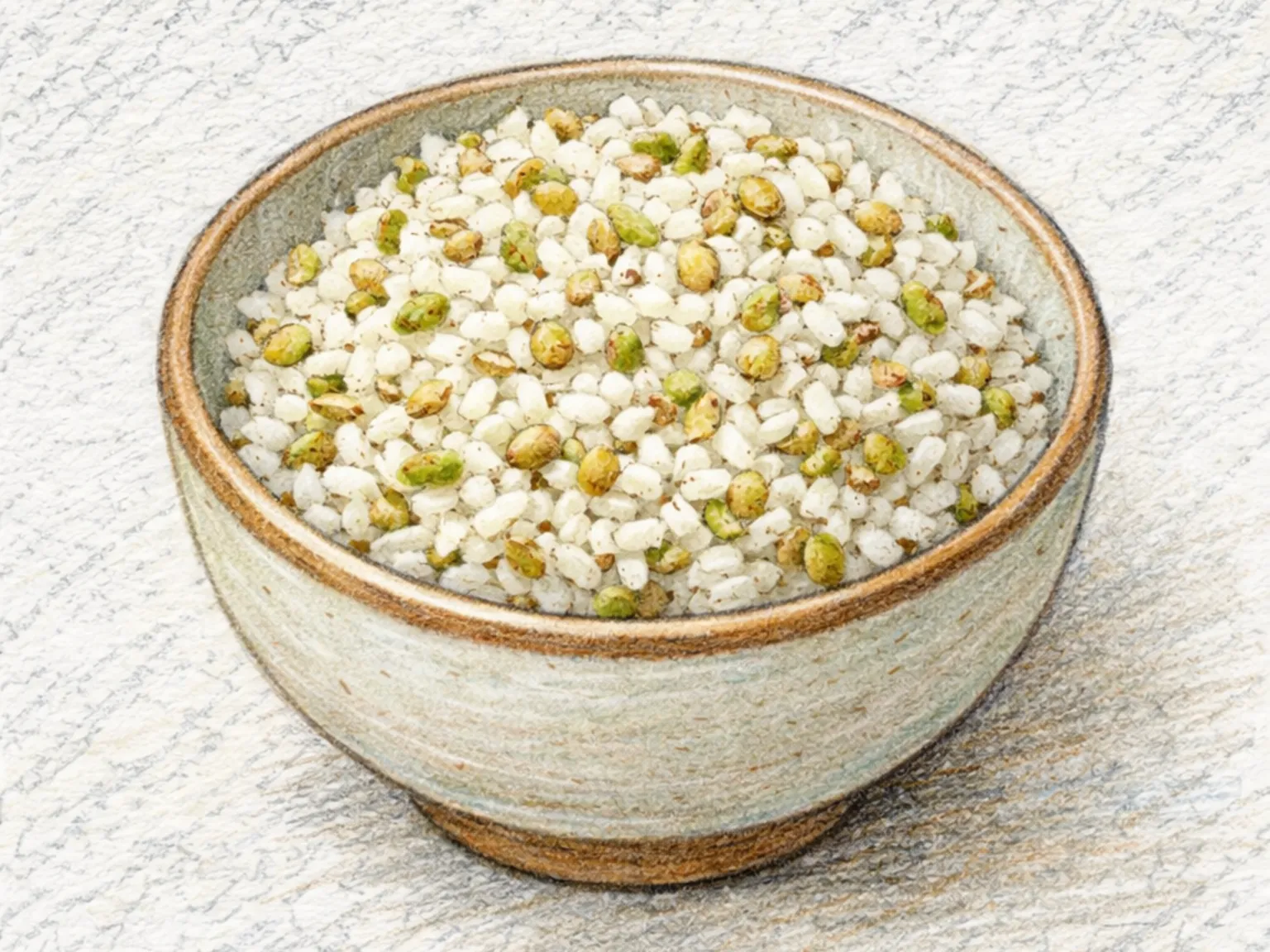
Cheongsam bap is a Korean nutritional rice cooked with toasted hemp seeds. The hemp seeds contribute a nutty, subtly grassy aroma and a gentle popping texture that transforms plain short-grain rice into something more layered. Hemp seeds are nutritionally notable for their high plant protein content and a well-balanced ratio of omega-3 to omega-6 fatty acids, which is why they have attracted attention as a functional food in Korea. The preparation requires no extra technique beyond standard rice cooking - the seeds and a small amount of salt go in with the rice before the cooker starts. Lightly toasting the seeds in a dry pan for about five minutes before adding them deepens their fragrance noticeably compared to untoasted seeds. The finished rice pairs well with virtually any Korean side dish, and the mild, toasty flavor holds up equally well when the rice is eaten on its own as a simple, wholesome bowl.

🥗 Light & Healthy🏠 Everyday
Prep 5minCook 30min2 servings
Hainanese Chicken Rice (Poached Chicken on Fragrant Rice)
AsianMedium

Hainanese Chicken Rice (Poached Chicken on Fragrant Rice)

Hainanese chicken rice is the signature dish of Singapore and Malaysia, built on the deceptively simple technique of poaching bone-in chicken thighs in water seasoned with ginger and scallion at a consistently gentle temperature, then using the resulting broth to cook the rice. The temperature during poaching is the defining variable: the water must stay at a bare tremble rather than a rolling boil to keep the muscle fibers relaxed and the meat silky rather than fibrous or dry. For the rice, garlic and ginger are sauteed in oil or rendered chicken fat until fragrant, then raw jasmine rice joins the pot and the strained poaching broth replaces plain water for cooking. A spoonful of additional chicken fat stirred in before the lid goes on gives the finished rice a glossy sheen and noticeably richer aroma. The poached chicken is cooled, sliced across the grain to show a smooth, tender cross-section, and arranged alongside fresh cucumber slices that add a crisp, refreshing contrast to the soft meat. Two condiments accompany the dish and define its character: a chili-ginger sauce that provides heat and brightness, and a thick, dark soy sauce that contributes deep, caramel-like sweetness. Despite relying on few ingredients, the dish rewards careful attention to poaching temperature and broth management at every stage.

🎉 Special Occasion
Prep 20minCook 45min4 servings
Korean Chwinamul Pot Rice
RiceEasy

Korean Chwinamul Pot Rice

Chwinamul sotbap is a Korean pot rice made by layering lightly seasoned wild chwinamul greens over soaked rice and cooking everything together in kelp stock until done. The greens release their distinctively herbal, faintly bitter fragrance directly into the rice as it steams, filling the room with an earthy mountain scent when the lid is lifted. Mixed at the table with a soy-sesame sauce, the initial bitterness softens into a pleasant background that makes each spoonful layered and grounding. It is best prepared in spring when chwinamul is freshly picked, offering the sharpest aroma and the most tender stems. Dried chwinamul, soaked and squeezed before use, extends the recipe across all four seasons, though the fresh version carries a vitality and brightness that dried leaves cannot fully replicate.

🏠 Everyday
Prep 15minCook 25min2 servings
Khao Man Gai Tod (Thai Fried Chicken Rice Bowl)
AsianMedium

Khao Man Gai Tod (Thai Fried Chicken Rice Bowl)

Khao man gai tod is the fried variation of Thailand's beloved chicken rice, replacing the poached bird with a crispy deep-fried version that adds texture and caramelized flavor to an already satisfying dish. Chicken pieces are marinated in garlic, white pepper, and fish sauce, then dusted in seasoned flour and fried until the crust turns deep golden and audibly crunchy. The rice is cooked in chicken broth with garlic and ginger, absorbing the fat and aroma of the stock into each grain so that it tastes rich on its own before any sauce is added. What ties the plate together is the sweet chili dipping sauce, a mix of fermented soybean, vinegar, chili, and sugar that delivers a sharp, funky counterpoint to the rich fried chicken and oily rice. Sliced cucumber and a small bowl of clear broth with winter melon round out the standard serving and provide relief between bites. Street vendors across Bangkok keep vats of oil at the ready for this dish throughout the day, and the crackling sound of chicken hitting hot oil is a reliable signal to stop and eat.

🎉 Special Occasion
Prep 20minCook 25min2 servings
Korean Chicken Rice Porridge
RiceEasy

Korean Chicken Rice Porridge

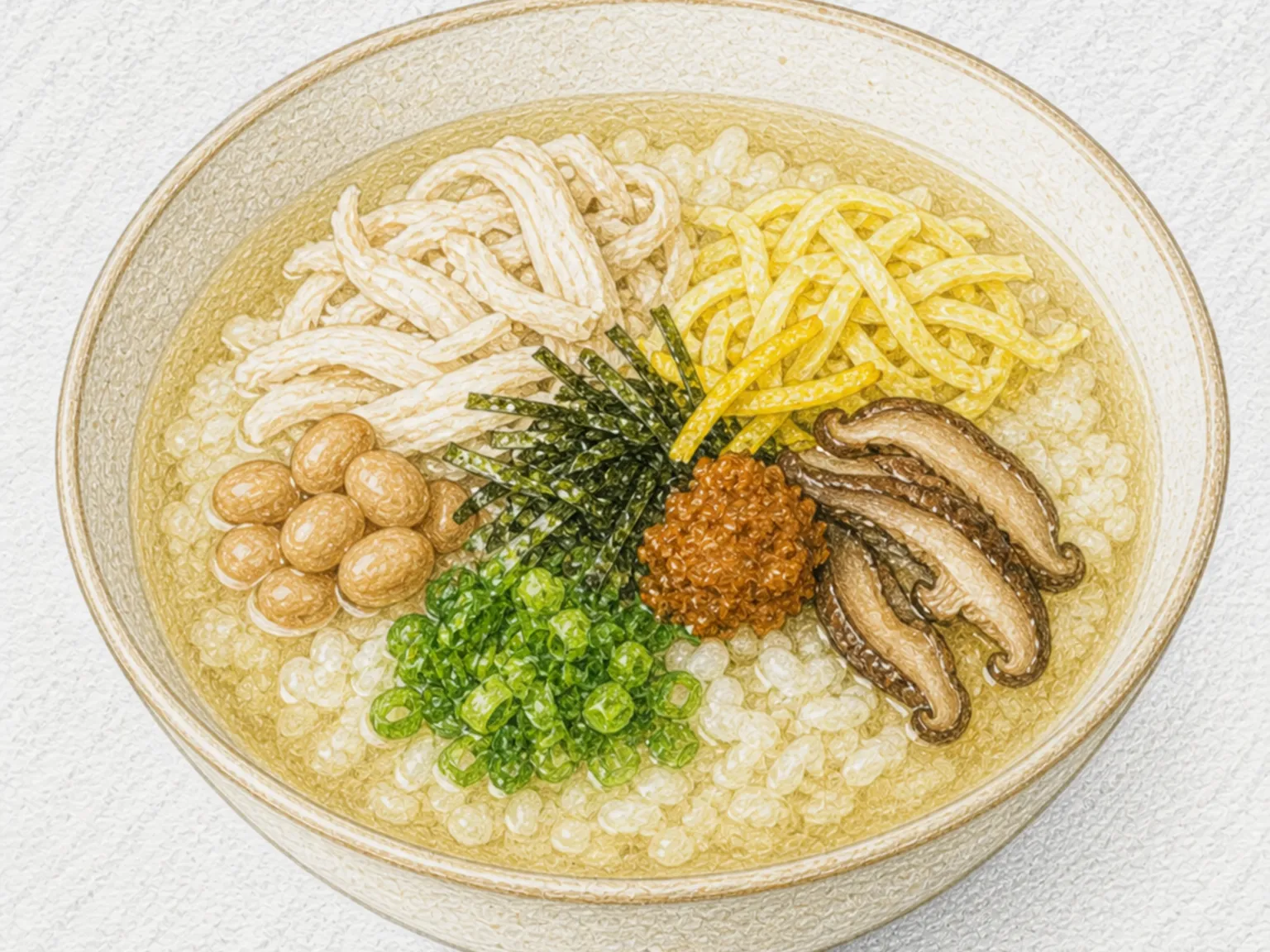
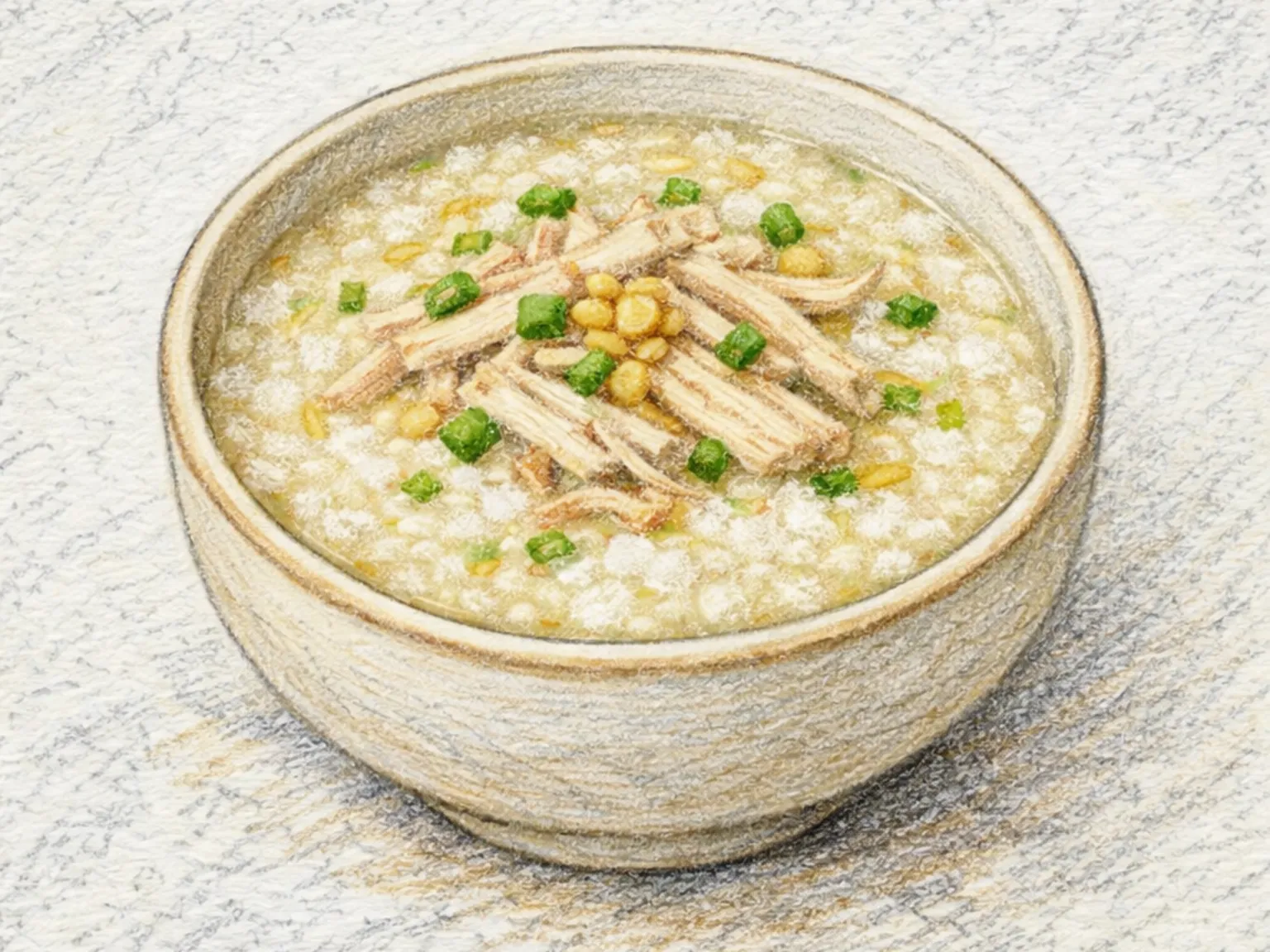
Dakjuk is a Korean chicken rice porridge built from a straightforward foundation: a whole chicken breast poached in water until tender, then shredded along the grain and returned to the broth with soaked short-grain rice. The rice and minced garlic are first sauteed briefly in sesame oil so each grain takes on a faint nuttiness before the stock is added, which carries through into the finished porridge. As the rice simmers and slowly breaks down over twenty-five or more minutes of regular stirring, it releases starch that thickens the liquid into a smooth, flowing consistency without turning gluey. The chicken adds lean protein without weighing the dish down, and the garlic mellows from sharp to a quiet warmth. Sliced green onion scattered on top provides a fresh, grassy contrast to the mild, savory base. Dakjuk has been a household staple in Korea for generations, reached for when the body needs recovery, when the stomach asks for something gentle, or when a warm and undemanding breakfast is simply the right start to the morning.

🏠 Everyday
Prep 20minCook 45min2 servings
Khao Mok Gai (Thai-Muslim Spiced Chicken Biryani)
AsianMedium

Khao Mok Gai (Thai-Muslim Spiced Chicken Biryani)

Khao mok gai is a Thai-Muslim take on biryani, in which spice-marinated chicken is cooked together with turmeric-tinted rice until the grains absorb the meat's juices. The chicken is rubbed with yogurt, cumin, coriander, and cinnamon, then briefly seared before being buried in parboiled rice seasoned with cardamom, cloves, and bay leaves. The pot is sealed and left on low heat so steam circulates through the layers, infusing every grain with aromatic depth. Turmeric gives the rice its signature golden hue. The dish originated in the Muslim communities of southern Thailand and reflects the culinary crossroads of Indian, Middle Eastern, and Southeast Asian cooking traditions. It is served with a sweet chili sauce for dipping, a bowl of clear chicken broth on the side, and a scattering of crispy fried shallots on top.

🎉 Special Occasion
Prep 20minCook 30min4 servings
Korean Danhobak Haemul Juk (Kabocha Seafood Porridge)
RiceMedium

Korean Danhobak Haemul Juk (Kabocha Seafood Porridge)

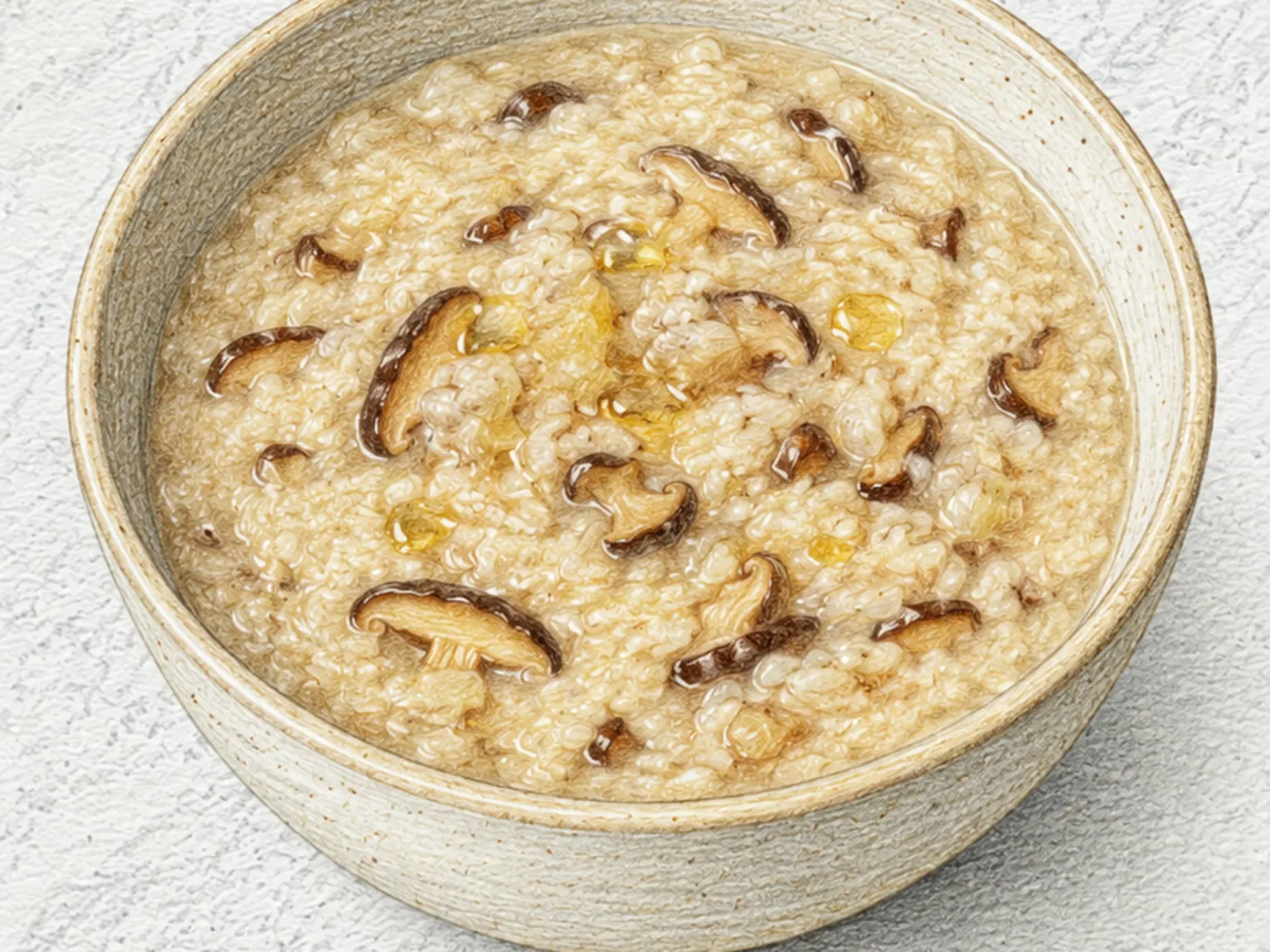
Danhobak haemul juk is a traditional Korean rice porridge that uses kabocha squash, shrimp, and squid as its primary ingredients. The foundation of the dish begins with short grain rice that has been soaked in water until it becomes opaque. This rice is then lightly toasted in a pot with a small amount of toasted sesame oil. This initial sauteing process is functional, as the oil forms a thin layer around each grain. This fat coating prevents the rice from disintegrating too quickly during the boiling process and provides a subtle, toasted depth of flavor to the entire dish. Once the rice is prepared, it is simmered in a stock made from either dried anchovies or dried kelp. Diced pieces of kabocha squash are added to the liquid early in the cooking process. As the rice and squash cook together, the squash eventually becomes tender enough to yield under light pressure. At this point, a spoon is used to press several pieces of the squash against the interior wall of the cooking pot, mashing them into a fine pulp. This pulp dissolves into the liquid, providing a natural thickening agent for the porridge and introducing a mild sweetness that intensifies during the simmering period. The seafood components, consisting of cleaned shrimp and sliced squid, are introduced to the pot only during the final minutes of cooking. They are heated just until their proteins set and their flesh becomes firm. This specific timing is necessary to ensure the seafood retains a snappy and tender texture, avoiding the rubbery consistency that results from excessive heat exposure. The inherent salinity of the shrimp and squid provides a direct contrast to the sweetness of the kabocha squash, creating a complex flavor profile. The only seasoning used for this porridge is salt, which is added to taste. This minimalist approach allows the natural flavors of the squash and seafood to remain prominent. From a nutritional perspective, the dish is balanced through the combination of protein from the aquatic ingredients and the high beta-carotene content found in the squash.

🎉 Special Occasion
Prep 20minCook 30min4 servings
Nasi Kandar (Penang Indian-Muslim Rice with Mixed Curries)
AsianMedium

Nasi Kandar (Penang Indian-Muslim Rice with Mixed Curries)

Nasi kandar is a Penang-born rice dish rooted in the culinary traditions of Malaysia's Indian-Muslim community. A mound of steamed white rice is doused with multiple curry gravies and accompanied by a choice of protein and vegetable sides. The defining technique is kuah campur - the deliberate mixing of different curry sauces so they pool together and soak into the rice, creating a layered complexity no single curry could achieve alone. Coconut milk lends a gentle richness, curry powder supplies aromatic depth, and chili brings lingering warmth. Diners select their own combination from a counter full of dishes, making each plate unique.

🎉 Special Occasion
Prep 20minCook 35min2 servings
Korean Hot Stone Pot Rice
RiceMedium

Korean Hot Stone Pot Rice

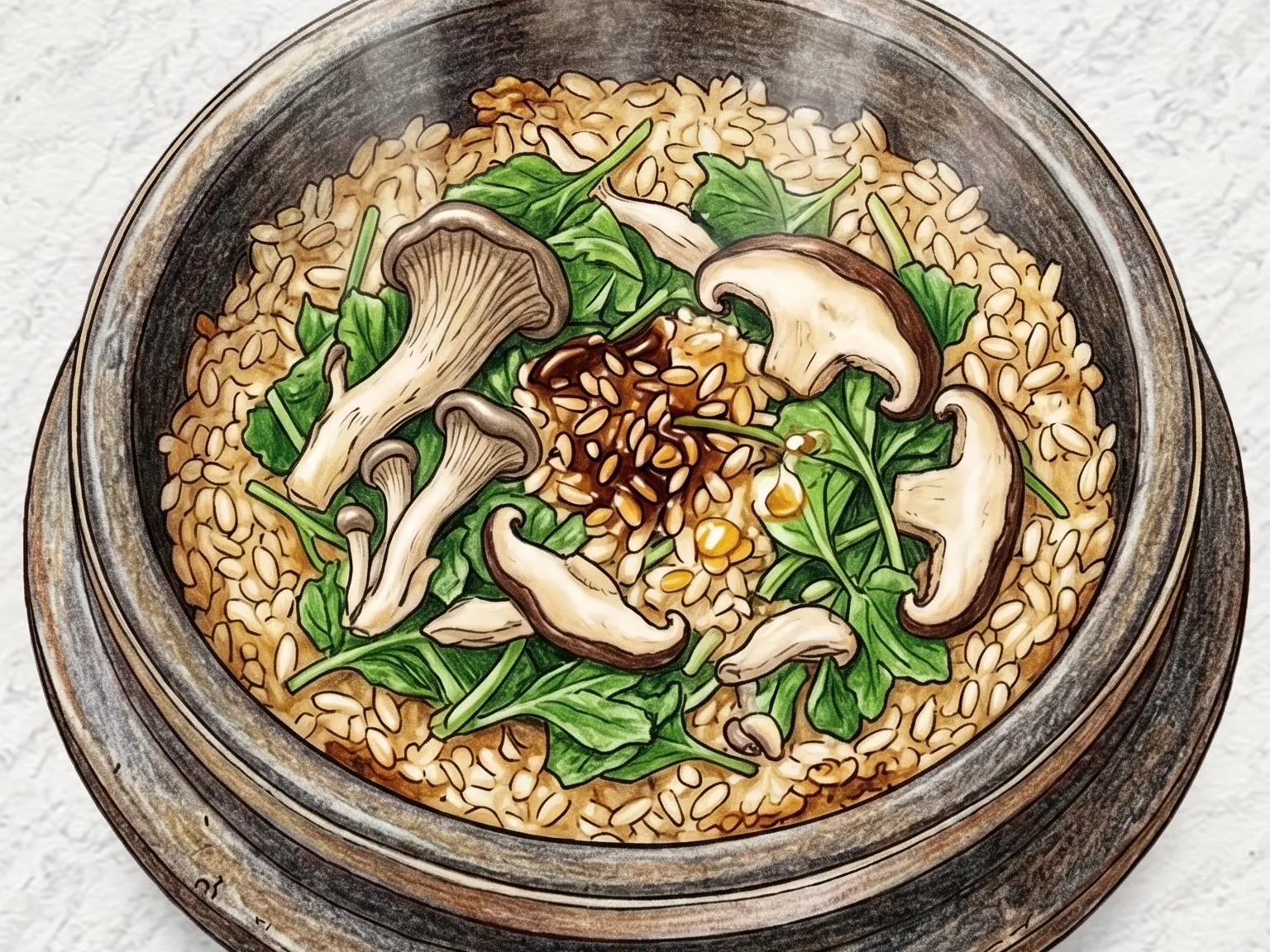
Dolsot bap consists of rice prepared within a heavy, pre-heated stone pot, a method that relies on slow heat to cook the grains thoroughly. The primary base involves rice that has been soaked in water beforehand, combined with specific additions including dried jujubes, whole chestnuts, and small ginkgo nuts. Because the stone pot has thick walls, the heat spreads in a uniform manner during the entire cooking process. This results in rice grains that appear glossy and have a texture that is both plump and somewhat sticky from top to bottom. Each added ingredient provides a distinct element to the final profile. Jujubes offer a light sweetness, chestnuts provide a dense and nutty quality, and ginkgo nuts introduce a subtle bitter quality that balances the other flavors to prevent the dish from becoming cloying. To prepare the pot, the interior surface is coated with a layer of sesame oil prior to adding the rice and other components. This step is essential for developing a golden and crispy layer of scorched rice, known as nurungji, which forms at the very bottom of the vessel. After the heat is turned off, the rice must remain covered to steam for a duration of ten minutes. This resting period allows the moisture to move through every layer of the pot before the lid is removed. When it is time to serve, the lid should be lifted at a slow pace so the steam does not leave the pot immediately, as a sudden release of vapor can cause the top layer of rice to become dry. Dolsot bap is typically served with a dipping sauce made of soy sauce and sesame oil. Diners mix the rice and ingredients at the table, allowing for a meal where each bite features a contrast between the soft, aromatic grains and the firm, crunchy crust found at the base.

🏠 Everyday
Prep 10minCook 25min2 servings
Nasi Kerabu (Malaysian Blue Herb Rice with Coconut and Vegetables)
AsianMedium

Nasi Kerabu (Malaysian Blue Herb Rice with Coconut and Vegetables)

Nasi kerabu is a traditional rice dish from Malaysia's east coast that commands attention with its striking blue-tinted rice. The color comes from butterfly pea flowers, which stain the grains a vivid indigo without altering the taste. Rice is cooked with coconut milk and lemongrass, then served alongside grilled fish, julienned cucumber, blanched bean sprouts, and finely chopped fresh herbs. Sambal provides a spicy counterpoint that ties the plate together. The proper way to eat it is to mix everything by hand, combining herbs, rice, protein, and chili paste in each bite so no two mouthfuls taste the same. Fresh mint and cilantro give the dish a bright, herbaceous character.

🎉 Special Occasion
Prep 25minCook 25min2 servings
Korean Dureup Pot Rice (Spring Angelica Shoot Pot Rice)
RiceMedium

Korean Dureup Pot Rice (Spring Angelica Shoot Pot Rice)

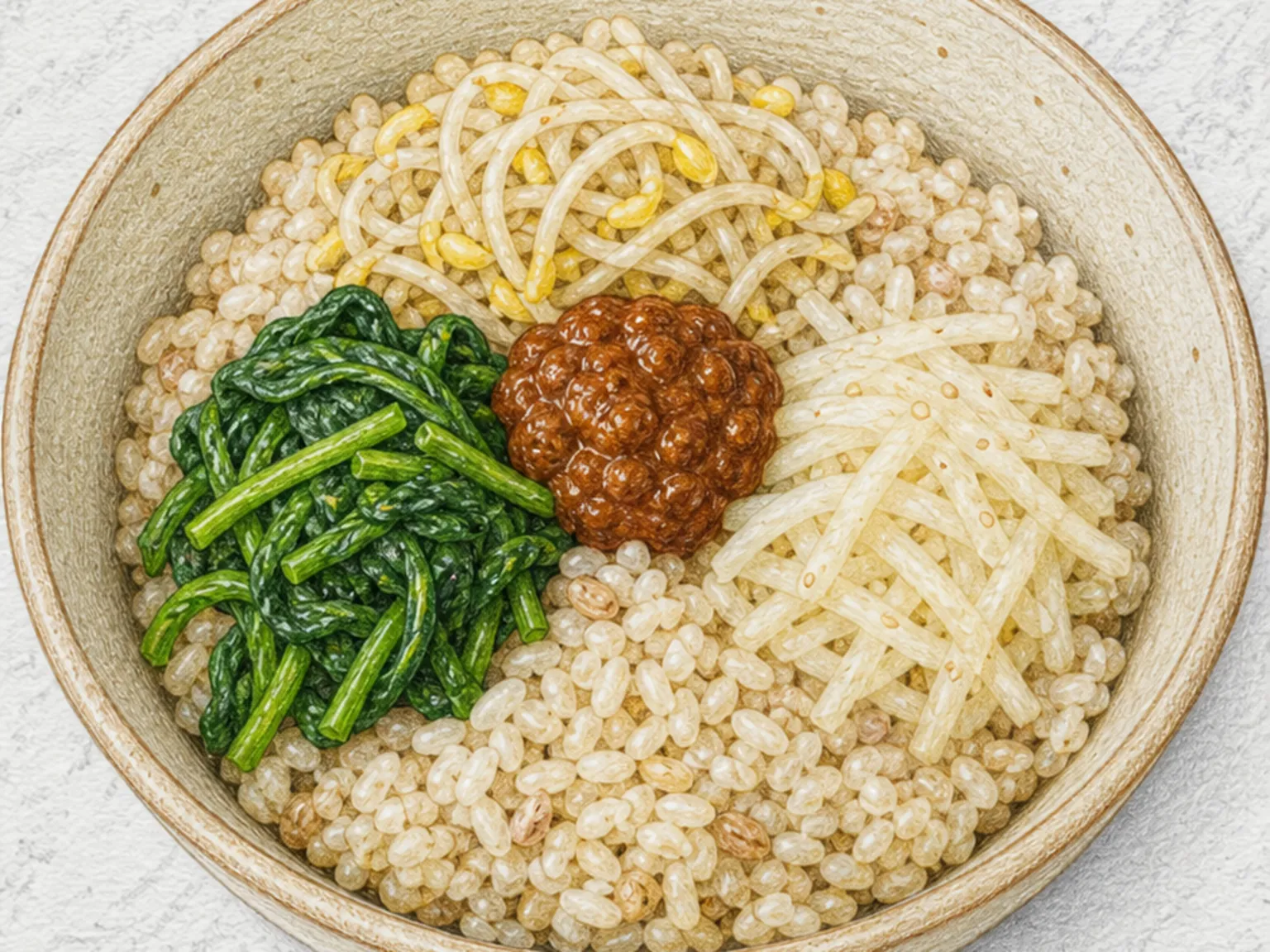
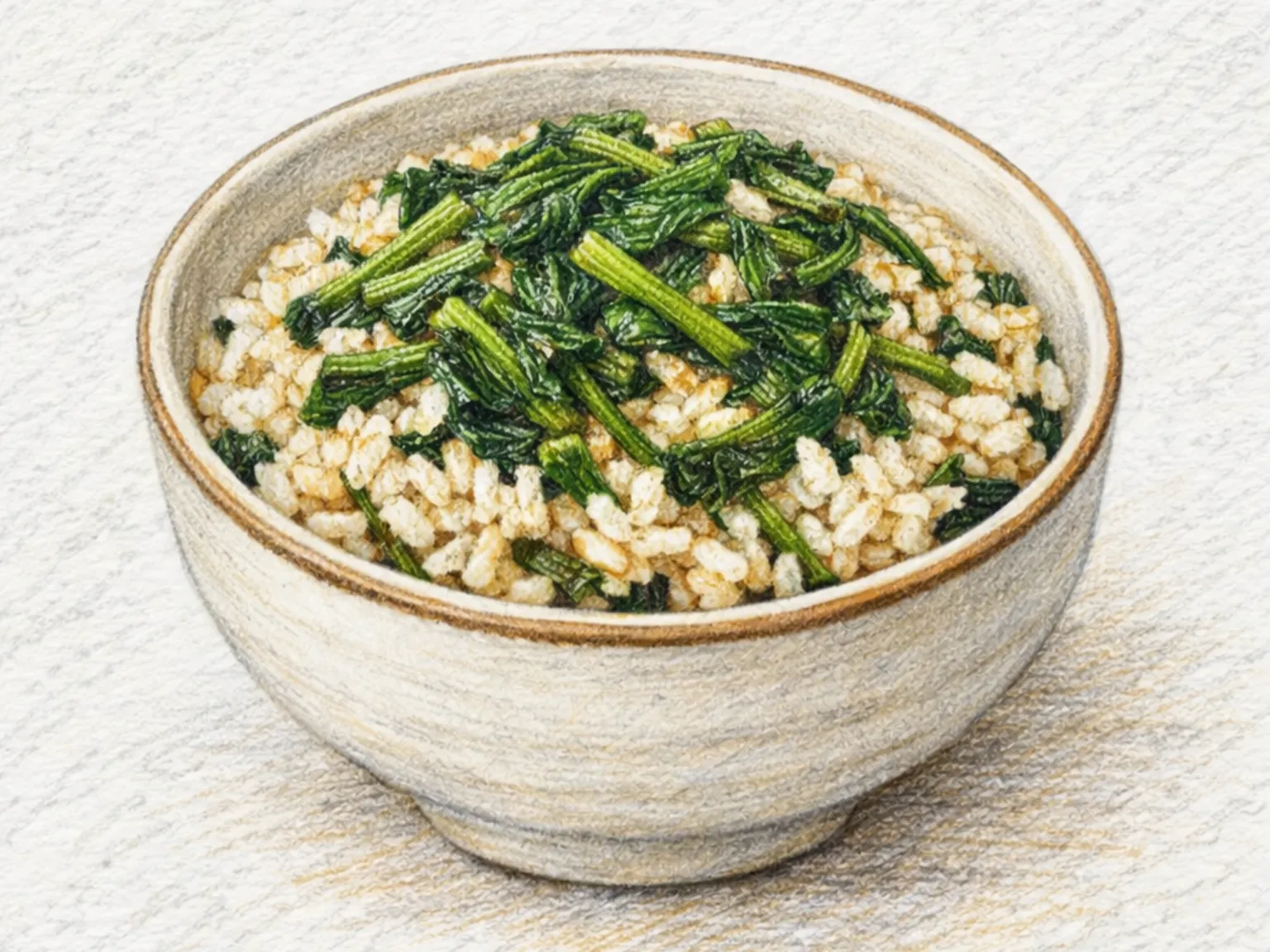
Durup sotbap is a Korean spring pot rice centered on dureup, the young shoots of the Aralia elata tree that appear for only a few weeks between late March and late April. During this narrow season, the shoots carry a pleasantly bitter, faintly woodsy flavor that is unlike any other vegetable used in Korean cooking, and sotbap is one of the most direct ways to taste that character. The rice cooks in kelp stock rather than plain water, giving every grain a subtle umami base, with soup soy sauce and garlic seasoning from within the pot. Blanching the dureup requires restraint: twenty to thirty seconds in boiling water is enough to soften the fibrous ends and mellow the sharpness slightly, while keeping the bright green color intact and the slender stems with just enough resistance. Blanching longer dulls both the color and the flavor. The shoots are placed over the nearly finished rice just before the pot rests with its lid sealed for ten minutes. During that resting period the steam carries the herbal fragrance of the dureup into every grain of rice. The lid must not be opened during this time, as releasing the steam interrupts even cooking. Served with a soy-sesame dipping sauce mixed through the rice, the nuttiness of the oil wraps around the bitterness of the shoots, and the combination captures something specifically tied to early spring in the Korean mountains.

🏠 Everyday
Prep 15minCook 30min2 servings
Nasi Lemak (Malaysian Coconut Pandan Rice with Anchovy Sambal)
AsianMedium

Nasi Lemak (Malaysian Coconut Pandan Rice with Anchovy Sambal)

Nasi lemak is Malaysia's definitive national dish, built on a foundation of rice cooked in coconut milk with pandan leaves. The rice alone carries a subtle richness and a faint vanilla-like fragrance from the pandan, making it flavorful even before any accompaniment. The essential sambal is a cooked chili paste built on shrimp paste and tamarind, delivering sweetness and slow-building heat in equal measure. Crispy fried anchovies and roasted peanuts contribute crunch, while a halved boiled egg and fresh cucumber slices balance the richness. In its simplest form, nasi lemak is wrapped in a banana leaf for a quick breakfast.

🎉 Special Occasion
Prep 20minCook 30min4 servings
Korean Cutlassfish Pot Rice
RiceMedium

Korean Cutlassfish Pot Rice

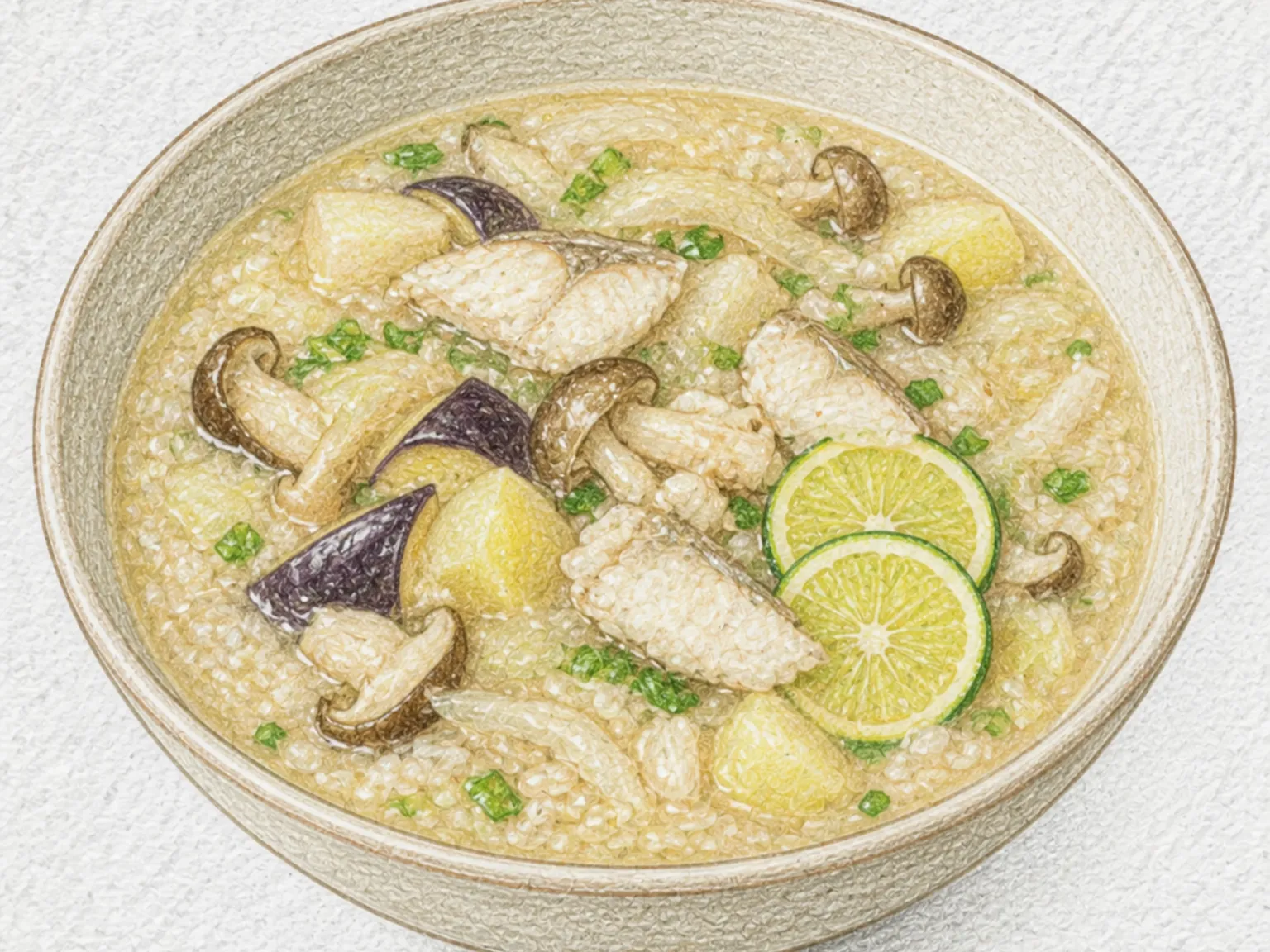
Galchi sotbap is a Korean one-pot rice dish in which cutlassfish seasoned with soy sauce and ginger is arranged on top of soaked rice along with sliced radish and shiitake mushroom, then cooked together in a heavy pot over direct heat. As the rice steams, the oils from the fish seep down through the grains, carrying a clean, rich marine savoriness into every layer of the pot. Radish softens slowly alongside the rice and releases a gentle sweetness that supports the fish without competing with it. Ginger handles any potential fishiness, keeping the overall flavor bright and unclouded. Shiitake mushroom contributes earthiness, added umami, and a chewy counterpoint to the tender fish and rice. The aroma released when the lid is lifted - soy-seasoned fish, steamed grain, and caramelized crust - is a considerable part of the eating experience. A soy-sesame dipping sauce is provided for mixing through the rice, layering in salt and nuttiness. The rice crust that forms at the base of the pot, called nurungji, adds a toasted crunch. The dish is finest in autumn when cutlassfish from the waters around Jeju Island and Korea's southern coast carry their peak fat content.

🎉 Special Occasion
Prep 25minCook 30min4 servings
Nasi Uduk (Jakartan Coconut Lemongrass Pandan Steamed Rice)
AsianEasy

Nasi Uduk (Jakartan Coconut Lemongrass Pandan Steamed Rice)

Nasi uduk is a Jakartan coconut rice that serves as a staple breakfast across Indonesia. Rice is simmered in coconut milk with lemongrass, pandan leaves, and a pinch of salt, producing grains coated in a gentle coconut richness with herbal undertones. Though it shares the coconut-rice concept with Malaysian nasi lemak, nasi uduk has a milder coconut presence and comes with distinctly Indonesian accompaniments. Fried shallots scattered on top provide an aromatic crunch that defines the dish. Common sides include fried tempeh, seasoned chicken, omelette strips, and prawn crackers, each adding a different texture and flavor layer. Street vendors wrap portions in paper or banana leaf for a convenient morning meal.

🏠 Everyday🎉 Special Occasion
Prep 10minCook 30min4 servings
Korean Seaweed Roe Pot Rice
RiceMedium

Korean Seaweed Roe Pot Rice

The preparation starts by layering finely diced radish at the bottom of a heavy pot before adding soaked rice. A specific technique defines this dish: warming the salted pollock roe and butter using only the residual heat of the vessel after the flame is extinguished. Avoiding direct heat prevents the roe's proteins from tightening into a dry or crumbly texture. Instead, the indirect warmth maintains a soft consistency where individual eggs pop and release their salty essence into the grains. As the butter melts, it coats each piece of rice, acting as a bridge between the sharp saltiness of the fish roe and the mild nature of the rice. Throughout the cooking process, the radish pieces release moisture upward, ensuring the rice remains hydrated while contributing a subtle sweetness and a clean finish. Before the meal begins, crumbling gamtae over the surface introduces a distinct oceanic scent that sits above the savory layers of butter and roe. Sliced scallions provide a sharp, crisp contrast to the overall richness. Pouring hot water into the pot at the end creates a toasted rice water that clears the palate. It is important to place the roe and butter within four minutes of turning off the heat to ensure the remaining warmth is sufficient to soften the ingredients.

🎉 Special Occasion
Prep 15minCook 25min2 servings
Neer Dosa (Mangalorean Thin Rice Water Crepe with Coconut)
AsianMedium

Neer Dosa (Mangalorean Thin Rice Water Crepe with Coconut)

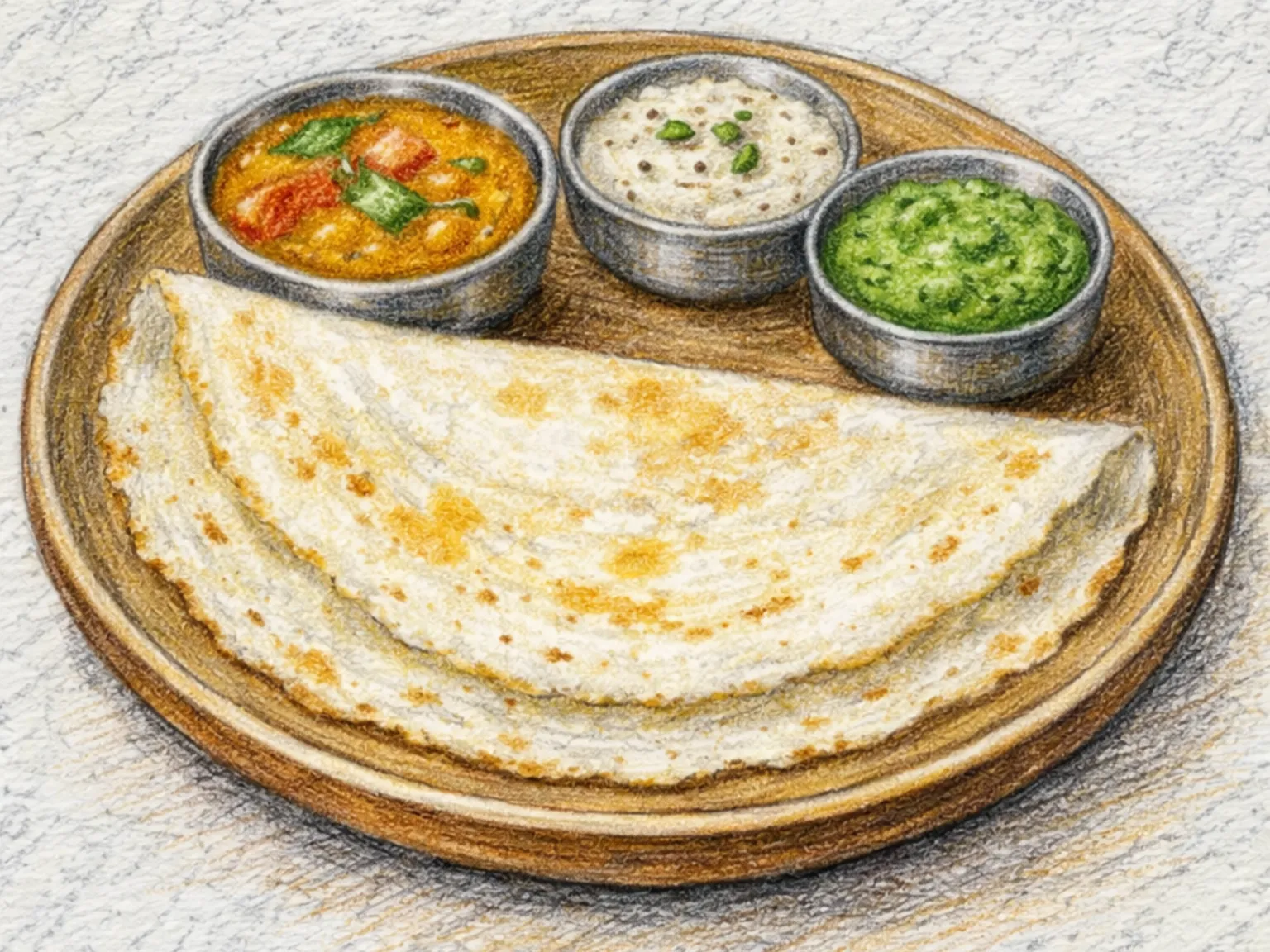
Neer dosa is a rice crepe from the coastal Mangalore region of Karnataka in southwestern India. The name means 'water dosa' in Kannada, referring to the extremely thin batter used to make it. Soaked rice and a little fresh coconut are ground to a pourable consistency thinner than regular dosa batter, then swirled onto a hot pan from the edges inward. The batter spreads into a delicate, lace-patterned sheet with tiny holes throughout. Unlike traditional dosa, neer dosa requires no fermentation, so there is no sourness - just the clean, mild flavor of rice. It is cooked on one side only and never flipped.

🏠 Everyday🎉 Special Occasion
Prep 20minCook 20min4 servings