Lemon Drizzle Cake (Syrup-Soaked British Lemon Loaf)
Quick answer
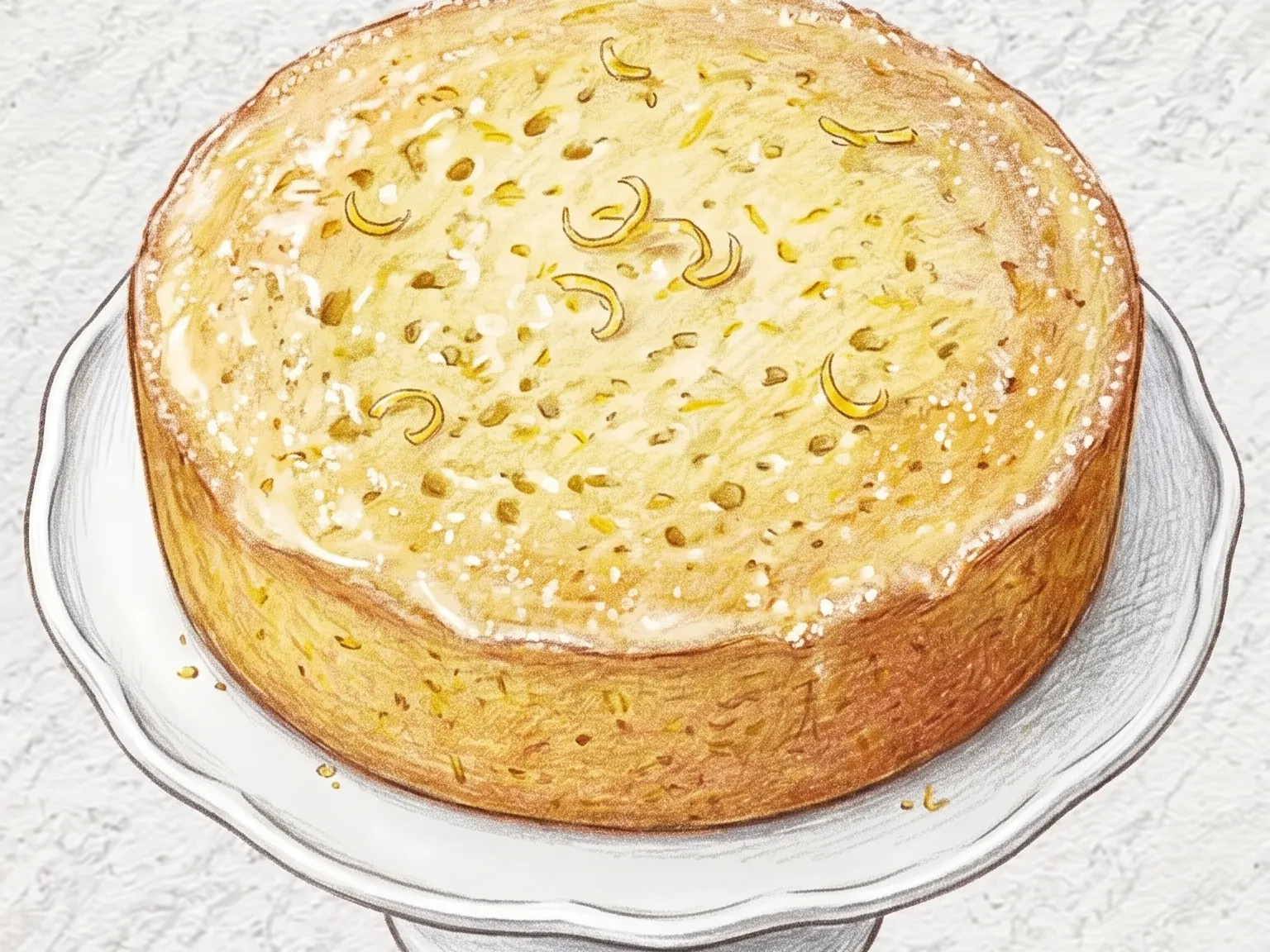
A British loaf cake that owes its lasting moisture to a lemon syrup poured over the surface straight from the oven.
What makes this special
- Hot lemon syrup poured over the loaf straight from the oven locks moisture into British Lemon Drizzle Cake.
- Syrup poured on hot cake absorbs through open pores as the drizzle technique
- Cooling forms thin sugar crystals on the surface for a slight crunch
Key ingredients
Core cooking flow
- 1 Preheat the oven to 175C and line a loaf pan with parchment.
- 2 Cream the butter with part of the sugar for 3-4 minutes, until pale and fluffy.
- 3 Add 170 g cake flour, 1 tsp baking powder, and the lemon zest.
A British loaf cake that owes its lasting moisture to a lemon syrup poured over the surface straight from the oven. Creaming butter and sugar thoroughly at the start incorporates air for a lighter crumb, while lemon zest folded into the batter releases its essential oils during baking, filling the kitchen with citrus fragrance. The critical step comes after baking: a hot syrup of freshly squeezed lemon juice and sugar is drizzled over the cake while it is still warm, and the open crumb absorbs the liquid rapidly. As the cake cools, a thin crust of crystallized sugar forms on top, adding a faintly crunchy texture that gives way to the soft, syrup-soaked interior beneath. A skewer test determines doneness; underbaked cake collapses, while overbaked cake lacks the porosity to absorb the syrup fully. Wrapping the cooled cake and leaving it overnight allows the syrup to distribute evenly, deepening both the lemon flavor and the moist texture. It is a staple of the English afternoon tea table, needing no elaborate decoration to impress.
Instructions
Read the steps as a cooking flow: prep, heat, seasoning, doneness control, and finish.
- 1Prep
Preheat the oven to 175C and line a loaf pan with parchment.
Let the 140 g butter, 2 eggs, and 50 ml milk lose their chill so the batter mixes smoothly.
- 2Season
Cream the butter with part of the sugar for 3-4 minutes, until pale and fluffy.
Add the eggs one at a time, mixing fully after each addition to keep the emulsion stable.
- 3Prep
Add 170 g cake flour, 1 tsp baking powder, and the lemon zest.
Pour in the milk and mix only until the dry patches disappear, stopping before the batter becomes tough.
- 4Heat
Transfer the batter to the pan and level the top.
Bake at 175C for 40-45 minutes, then insert a skewer in the center and confirm it comes out without wet batter.
- 5Season
While the cake bakes, make the syrup with the remaining lemon juice and sugar.
Heat just until the sugar dissolves and the edges begin to bubble, then take it off the heat.
- 6Step
Poke several holes across the hot cake with a skewer and pour the syrup slowly over the top.
Let it cool in the pan, then wrap it once cool and rest overnight for a moister crumb.
After the steps
Pick a recipe that fits this dish.
Continue with shared ingredients, meal pairings, or a similar method.
Recipes That Go Well With This
More Baking →Based on shared ingredients and meal pairing
Victoria Sponge Cake (British Jam and Cream Layered Cake)
Equal weights of butter and sugar are creamed together, then eggs and cake flour are added to produce two round sponge layers that are sandwiched with strawberry jam and whipped cream - the defining structure of this classic British cake. Named after Queen Victoria, the cake is deliberately simple in presentation: no elaborate frosting or tiered decoration, just a dusting of powdered sugar on top. Thorough creaming is essential to a light rise, and room-temperature eggs integrate into the batter without curdling. The jam provides a bright, tart contrast to the buttery sponge, while the whipped cream softens each bite with cool richness. Both layers must cool completely before assembly, as warm sponge melts the cream and causes the filling to slide. Refrigerated, the cake stays moist through the next day, and the jam and cream flavors deepen as they settle into the sponge overnight. It is the standard cake served at British afternoon teas and garden parties.
Blueberry Lemon Scones
Blueberry lemon scones bring together the bright zing of lemon zest and the sweet tartness of fresh blueberries in a buttery, crumbly pastry. Cold butter is worked into flour by hand until the mixture resembles coarse crumbs, then bound with heavy cream into a shaggy dough - the technique that produces scones with a crisply fractured exterior and a layered, tender center. Lemon zest is distributed throughout the dough so every bite opens with a citrus fragrance before the pop of a blueberry follows with its rush of sweet-tart juice. Sugar is kept to a minimum, allowing the fruit and zest to carry the flavor without sweetness overwhelming them. The restrained sugar level also makes these scones a natural fit for clotted cream or preserves on the side.
Black Tea Milk Tea (British Condensed Milk Sweet Tea)
Milk tea is prepared by steeping black tea bags in boiling water for exactly four minutes to extract a strong, tannic base, then combining it with whole milk and condensed milk over low heat. Steeping shorter than four minutes leaves the tea pale and thin; longer than four minutes introduces bitterness and astringency that no amount of milk can fully mask. The milk rounds out the tea's sharpness and adds a creamy body, while condensed milk layers on a dense, caramel-like sweetness that sets this version apart from tea simply sweetened with sugar. Regular sugar dissolved early provides the baseline sweetness, and the condensed milk fine-tunes the richness and texture in the final moments. Warming the milk before combining it with the brewed tea helps both blend more smoothly. For an iced version, the mixture must be cooled completely before pouring over ice, since adding hot liquid directly to ice dilutes the drink and washes out the flavor.
Treacle Tart (British Golden Syrup Breadcrumb Tart)
Golden syrup, fresh breadcrumbs, and lemon juice are combined and baked inside a shortcrust pastry shell to create one of Britain's most enduring desserts. The syrup caramelizes gently during baking, developing a deep, toffee-like sweetness, while the breadcrumbs absorb it and give the filling a sticky, dense body. Lemon zest and juice are the essential counterweight - without them, the sweetness would be overwhelming, but their acidity sharpens the syrup into something balanced and compelling. The tart shell benefits from a brief blind bake before filling to keep the base crisp under the wet filling. Breadcrumbs should be coarse rather than fine, preserving a slight texture within the otherwise smooth filling. The tart appears runny when first removed from the oven but firms as it cools, slicing cleanly once at room temperature. An overnight rest allows the flavors to meld and settle, and many consider the tart superior on the second day.
Serve with this
Cottage Pie
Cottage pie is a British comfort dish that layers a rich ground-beef filling under buttery mashed potatoes and bakes the whole thing until the top is golden and the interior is bubbling. The filling starts with beef browned alongside diced onion and carrot, then simmers with tomato paste, Worcestershire sauce, beef stock, and green peas until the liquid reduces to a thick, concentrated sauce that holds its shape in the dish. Adding beef stock to the simmer deepens the flavor considerably compared to water alone. The potatoes must be mashed immediately after draining while still steaming hot: mashing cool potatoes produces a gluey texture instead of a smooth, creamy layer. Scoring the surface with a fork before the dish goes into the oven creates ridges that catch the heat and brown in the oven at 200 degrees Celsius over twenty minutes, adding a lightly crisp layer over the soft interior. During baking, the heat from the filling rises through the potato crust, allowing the two layers to exchange aromas. The defining characteristic of the dish is the contrast between the deeply savory, umami-packed meat layer below and the soft, golden, buttery potato crust above.
Chapssal Kkwabaegi (Glutinous Rice Twist Donuts)
Chapssal-kkwabaegi are Korean twisted donuts made from a yeasted dough of glutinous rice flour and bread flour, proofed until nearly doubled, shaped by twisting pairs of ropes together, and fried at 170 degrees Celsius. The high ratio of glutinous rice flour gives the interior a notably chewy pull that sets these apart from standard wheat donuts, though over-proofing turns that chew tough rather than springy. Maintaining oil temperature at 170 degrees keeps the shell golden and crisp while minimizing grease absorption, so the finished donut stays light in hand. Tossing them in cinnamon sugar immediately after draining lets the residual heat partially melt the crystals into a thin, clinging sweet crust.
Halloumi Persimmon Arugula Salad
Halloumi persimmon arugula salad combines golden pan-seared halloumi cheese, thinly sliced sweet persimmon, peppery arugula, soaked red onion, and walnuts in a white balsamic dressing. Halloumi's unusually high melting point allows it to be seared directly in a dry pan without softening into a puddle; two to three minutes per side is the right window to build a golden, lightly crisp crust while keeping the interior dense and chewy. Cooking beyond that point makes the cheese rubbery and unpleasant. The natural fructose in sweet persimmon creates a pronounced sweet-salty contrast against the brined cheese, and arugula's sharp, peppery bite anchors the balance between those two poles. Red onion should be soaked in cold water for at least ten minutes before adding it, which draws out most of the bitterness and raw pungency while leaving behind a mild, fresh sweetness that does not overwhelm the other ingredients. The dressing of white balsamic vinegar, olive oil, honey, and black pepper is lighter in color and noticeably gentler in acidity than dark balsamic, so it ties all the components together without masking the persimmon's pale gold or the arugula's deep green.
Similar recipes
Sticky Toffee Pudding
Sticky toffee pudding is a British dessert consisting of a moist date sponge cake drenched in a warm, buttery toffee sauce. Chopped dates are soaked in hot water with baking soda, which softens the fruit into a near-puree that distributes through the batter, providing natural sweetness and exceptional moisture. Brown sugar in the batter deepens the caramel character, and eggs give the sponge just enough structure to hold together under the weight of the sauce. The toffee sauce is made by simmering heavy cream with additional brown sugar and butter until it thickens to a pourable consistency that coats a spoon. Poured over the warm cake, the sauce seeps into the crumb and pools around the edges, creating a sticky, glossy finish. Reheating the sauce just before serving ensures it flows freely and releases its full butterscotch aroma. A scoop of vanilla ice cream on the side provides a cold, clean contrast that prevents the richness from becoming overwhelming. The dates must be thoroughly soaked - under-softened pieces leave gritty pockets in an otherwise uniformly tender cake.
Bubble and Squeak (Pan-Fried Mashed Potato and Cabbage Cake)
Bubble and squeak is a traditional British household dish made by combining mashed boiled potatoes with blanched, chopped cabbage, pressing the mixture flat in a well-oiled hot pan, and frying each side until a deep golden-brown crust forms across the entire surface. The name refers to the noise the dish makes during cooking - moisture from the cabbage hits the hot fat and sends up bubbles and a squeaking hiss. Frying diced onion in butter until soft and lightly caramelized before folding it into the potato-cabbage mixture adds a quiet sweetness that elevates the otherwise modest base ingredients considerably. Pressing the mixture firmly and evenly with a spatula throughout cooking is what creates the crust, and holding back the urge to move or flip it prematurely is the main technique. If the potatoes are particularly wet, a tablespoon or two of plain flour helps the mixture bind and hold its shape in the pan. The dish has been a fixture of British home cooking for generations, rooted in the tradition of using leftover Sunday roast vegetables the following day, and is commonly topped with a fried egg to make a complete one-plate meal.
Crispy Pork Belly Roast
Crispy Pork Belly Roast is a British oven roast focused on achieving a perfectly shattered crackling atop tender, slow-rendered meat. The skin is scored in tight parallel lines and rubbed with coarse salt, then left uncovered in the refrigerator overnight to draw out surface moisture - the first condition for crackling that actually cracks. The initial thirty minutes at 230 degrees Celsius or higher blisters the skin and sets its structure, after which the temperature drops to 160 degrees to slowly melt the internal fat layer, leaving the meat soft and the skin glass-crisp. Garlic cloves and rosemary sprigs placed beneath the belly perfume the meat from below as the oven heat circulates. The rendered pan juices are deglazed to make a quick gravy that carries the pork's own flavor. A rest of at least ten minutes before slicing is essential to keep the juices locked inside the meat.