Bibingka (Filipino Coconut Rice Cake)
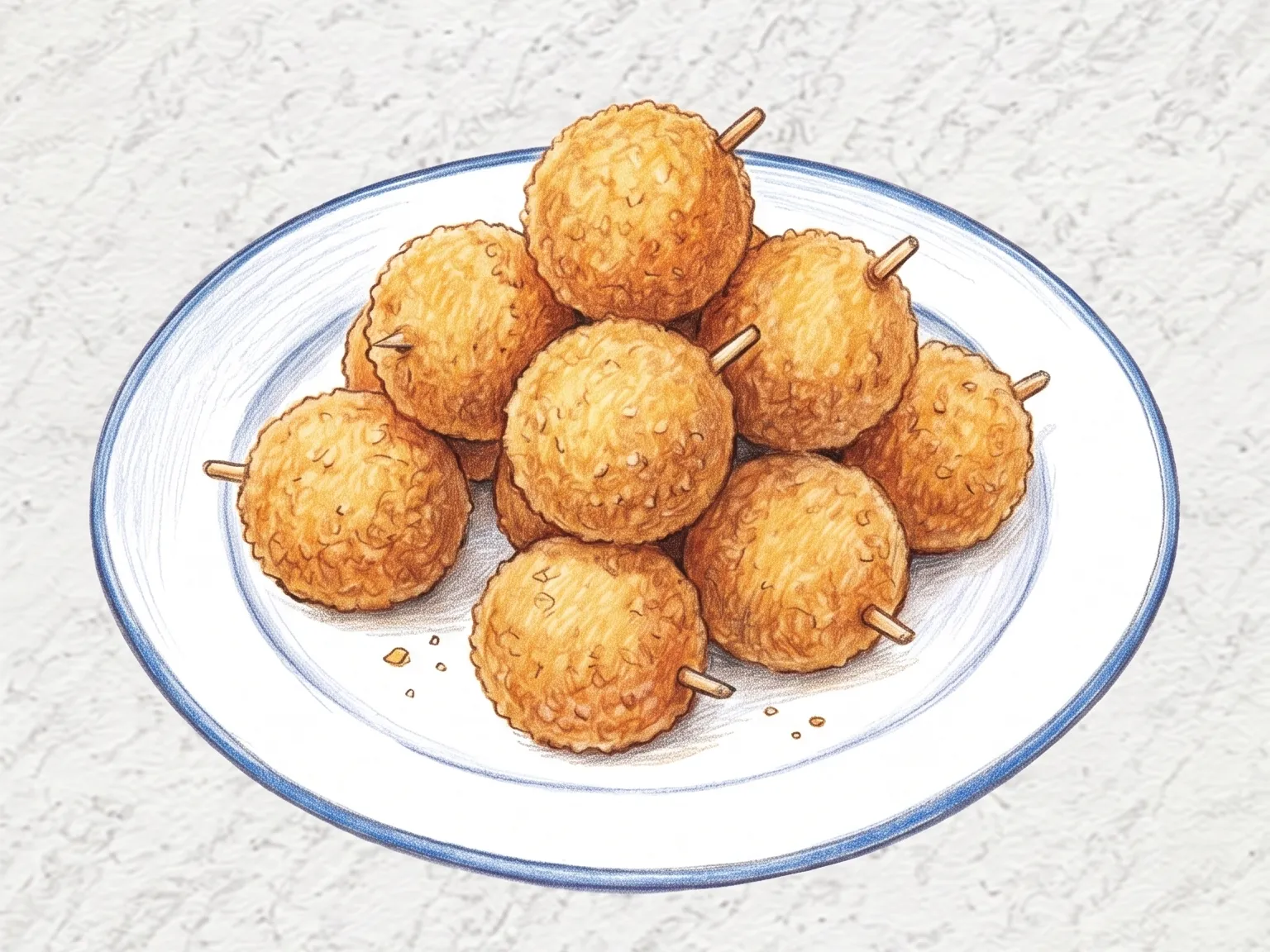
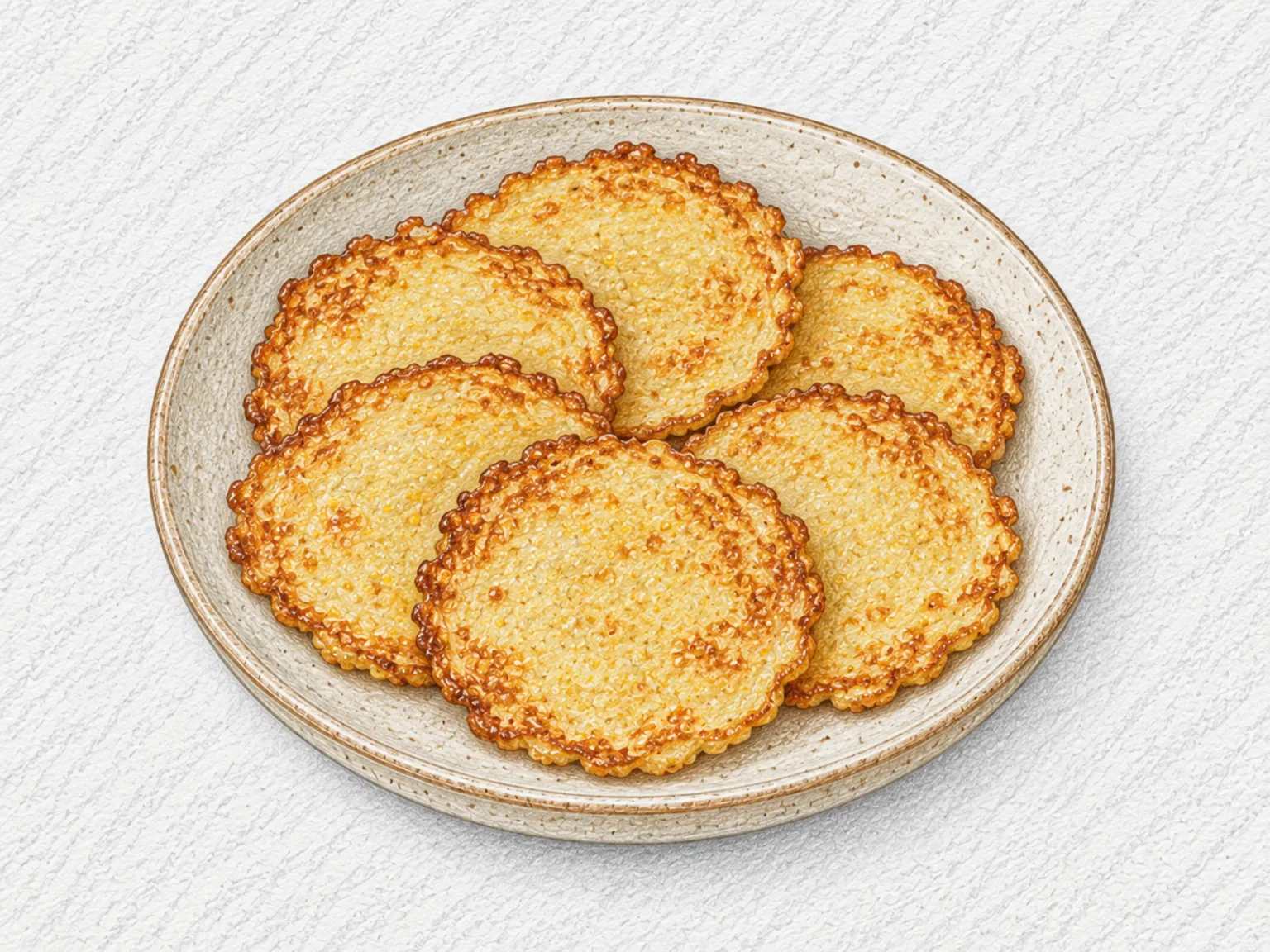
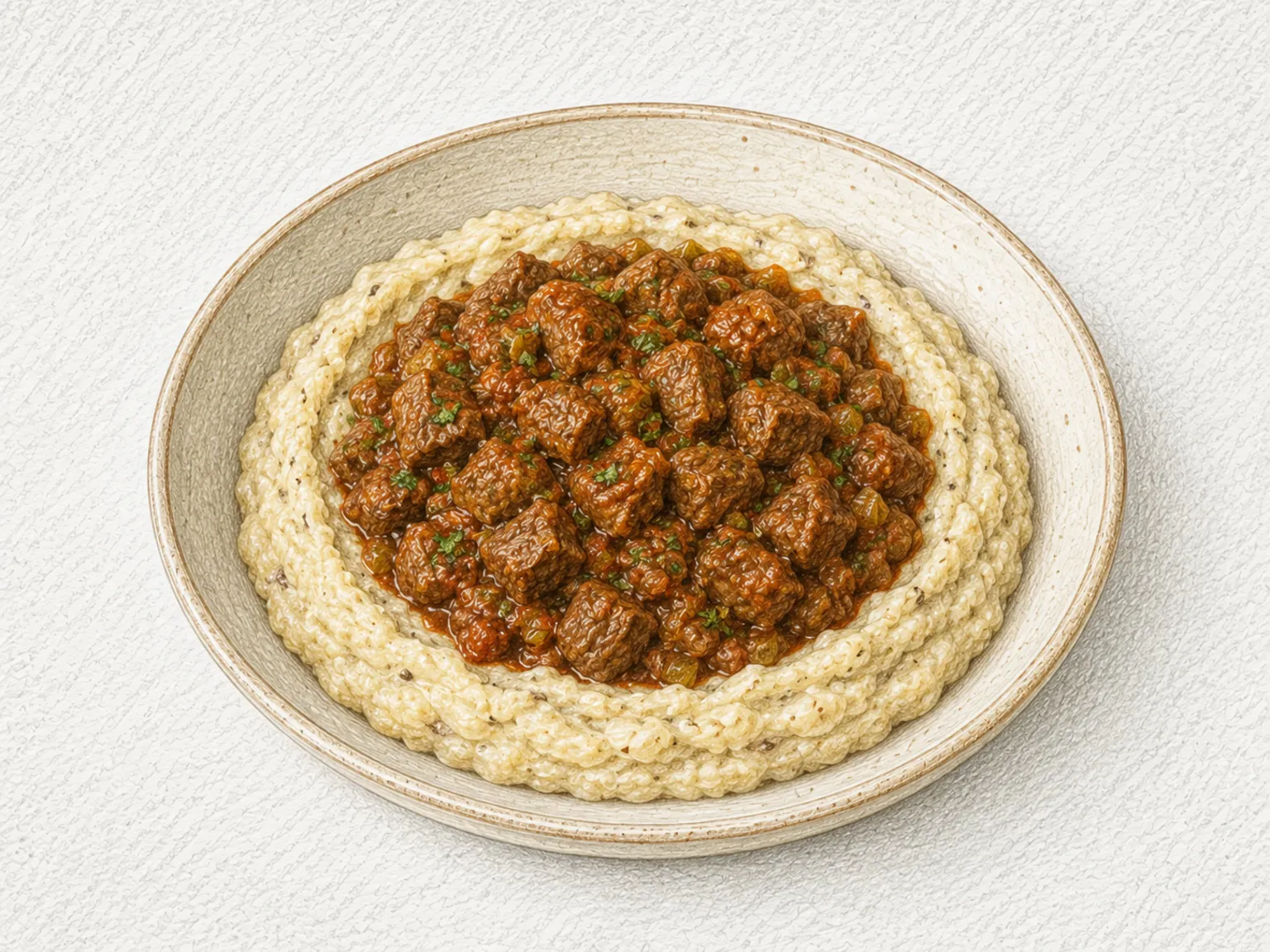
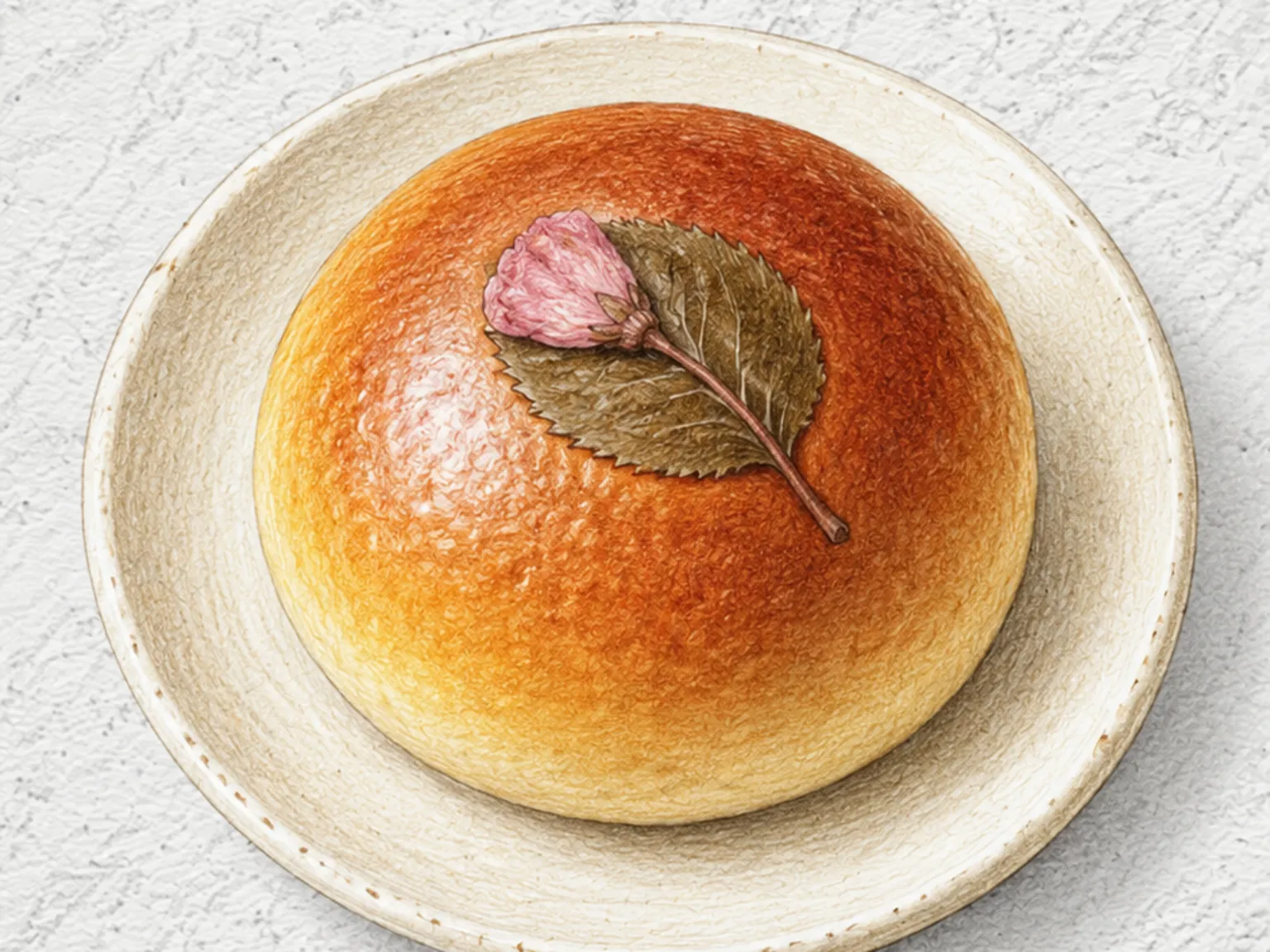
Bibingka is a Filipino baked rice cake that belongs almost entirely to the Christmas season, sold warm from clay-pot stalls outside churches after Simbang Gabi, the nine-day series of dawn masses leading up to Christmas Day. For Filipinos, the smell of bibingka cooking over charcoal at four in the morning is inseparable from the feeling of the holiday itself. The batter is made from ground rice flour mixed with coconut milk, eggs, and sugar, then poured into a clay pot lined with fresh banana leaves. The pot sits between two layers of live charcoal - one below and one held above on a metal lid - so both surfaces cook simultaneously. This top-and-bottom heat is what gives bibingka its characteristic crust: lightly charred and fragrant on the outside from the banana leaves, moist and tender within. As the batter cooks, the banana leaves release a vegetal green fragrance that infuses into the rice cake and leaves faint dark marks on the underside. Midway through cooking, slices of salted duck egg are pressed into the surface alongside fresh coconut shavings, then a brush of butter is applied and the cake returns to the heat. During this final pass the sugars in the butter and batter caramelize at the edges, producing a triple wave of banana leaf, coconut, and butter aromas. The finished texture sits somewhere between a glutinous rice cake and a sponge cake - slightly sticky and chewy yet airy and soft. The salted egg cuts through the sweetness and gives each bite a complexity that plain sweetness alone cannot provide. Bibingka vendors outside Philippine churches in December, tending glowing braziers in the pre-dawn darkness, are one of the country's most enduring Christmas images.

Banana Pudding
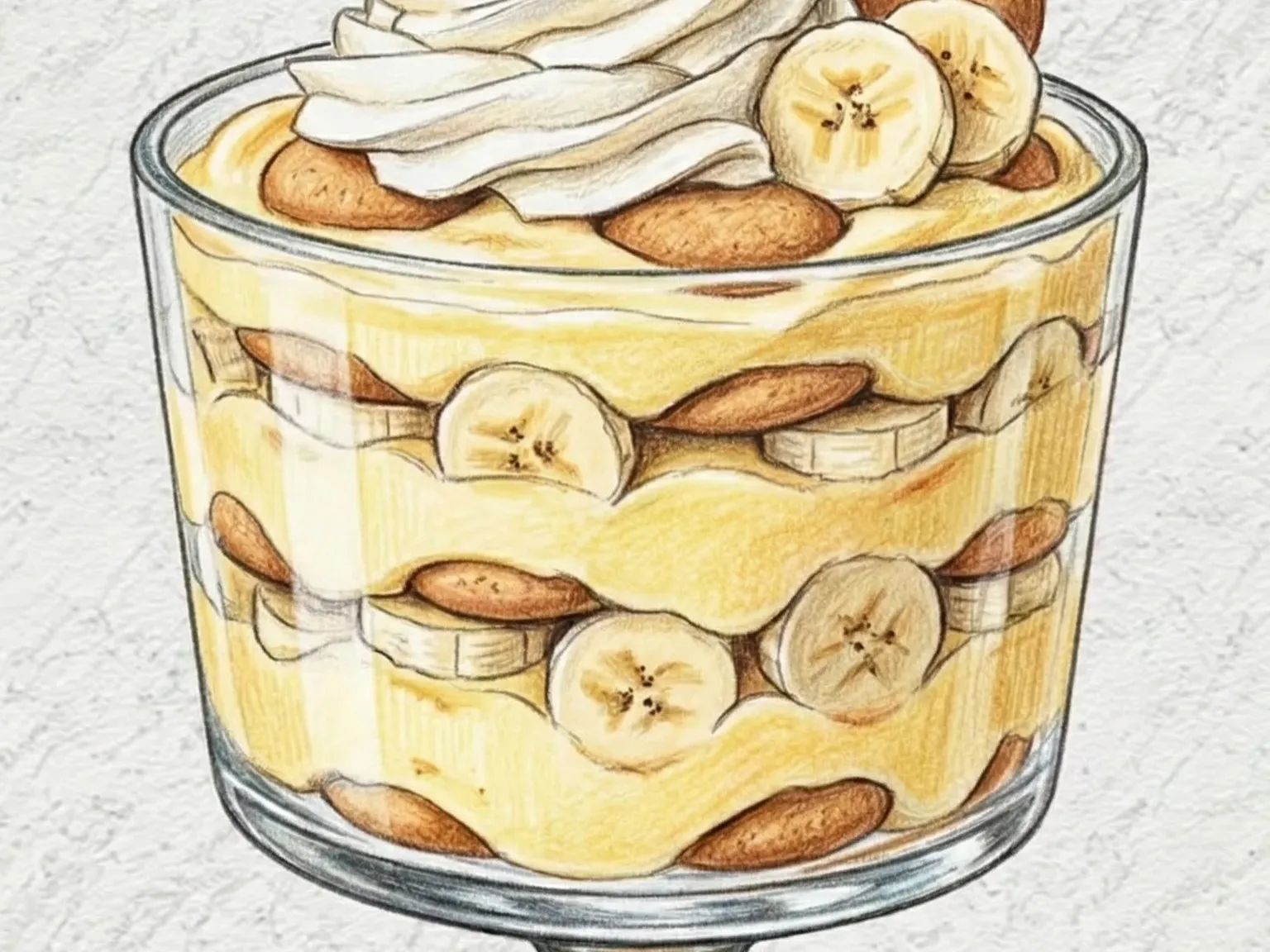
Banana pudding is an American Southern dessert built from repeating layers of vanilla custard, sliced banana, and vanilla wafer cookies. The custard cooks on the stovetop by whisking milk, sugar, cornstarch, and egg yolks until the mixture thickens enough to coat a spoon. Layering begins while the custard is still warm, alternating banana rounds and wafers before topping with whipped cream. Refrigeration transforms the wafers as they absorb moisture from the custard, turning from crisp cookies into something resembling soft sponge cake. Fully ripe bananas are essential since underripe ones carry an astringent edge that stands out against the sweet custard. The entire dessert is stovetop-only, no oven required, making it approachable for most kitchens. Overnight refrigeration stabilizes the layers and deepens the overall flavor considerably.

Korean Rolled Omelette (Layered Vegetable Egg Roll)
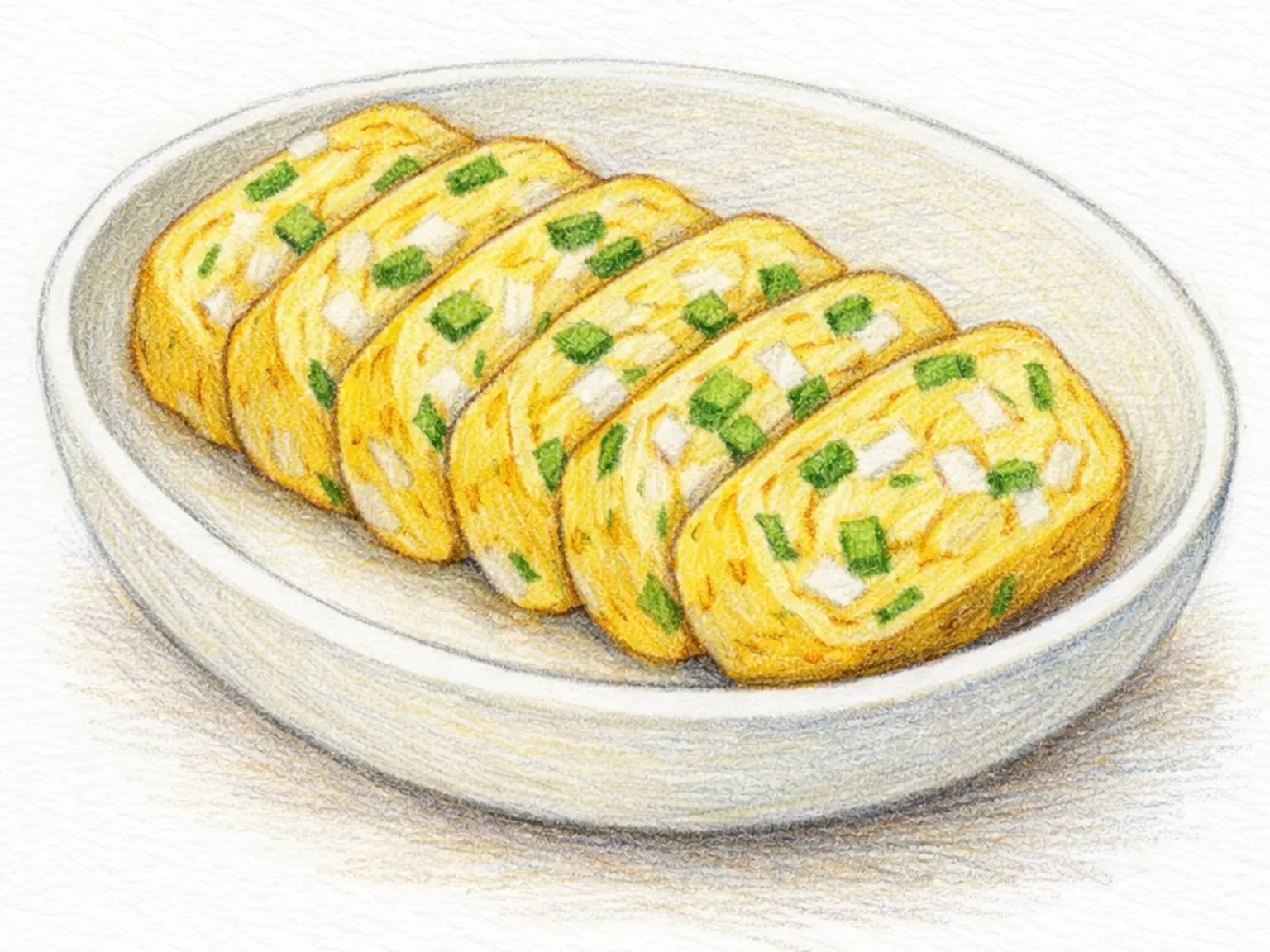
Gyeran-mari - Korean rolled omelette - is a staple of Korean lunchboxes and dinner tables, a dish every Korean home cook masters early. Finely diced carrot, onion, and scallion are mixed into beaten eggs and poured in a thin stream across a lightly oiled rectangular pan. When the egg layer is half-set, it is rolled from one side to the other, then more egg mixture is poured beside the roll and the process repeats three to four times, building concentric yellow layers visible when sliced. Air trapped between the thin sheets gives the omelette its characteristic pillowy softness. Temperature control is critical - too hot and the egg browns; too cool and the layers will not bond. After cooking, wrapping the roll in a bamboo mat or kitchen towel for two minutes sets its shape into a clean cylinder. Found in school cafeterias, picnic bento boxes, and family dinners across Korea.

Korean Sesame Porridge (Toasted Sesame Silky Rice Porridge)
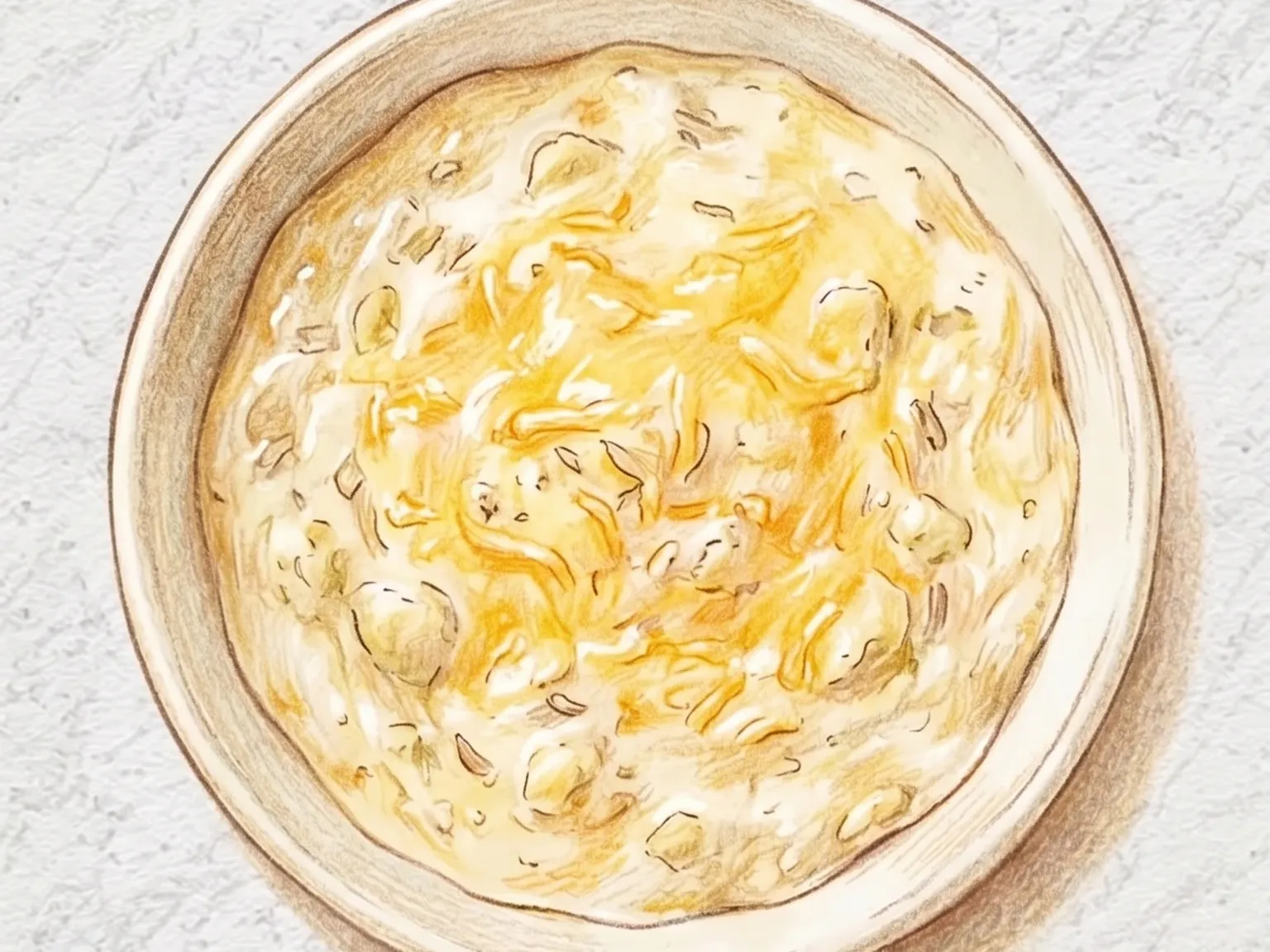
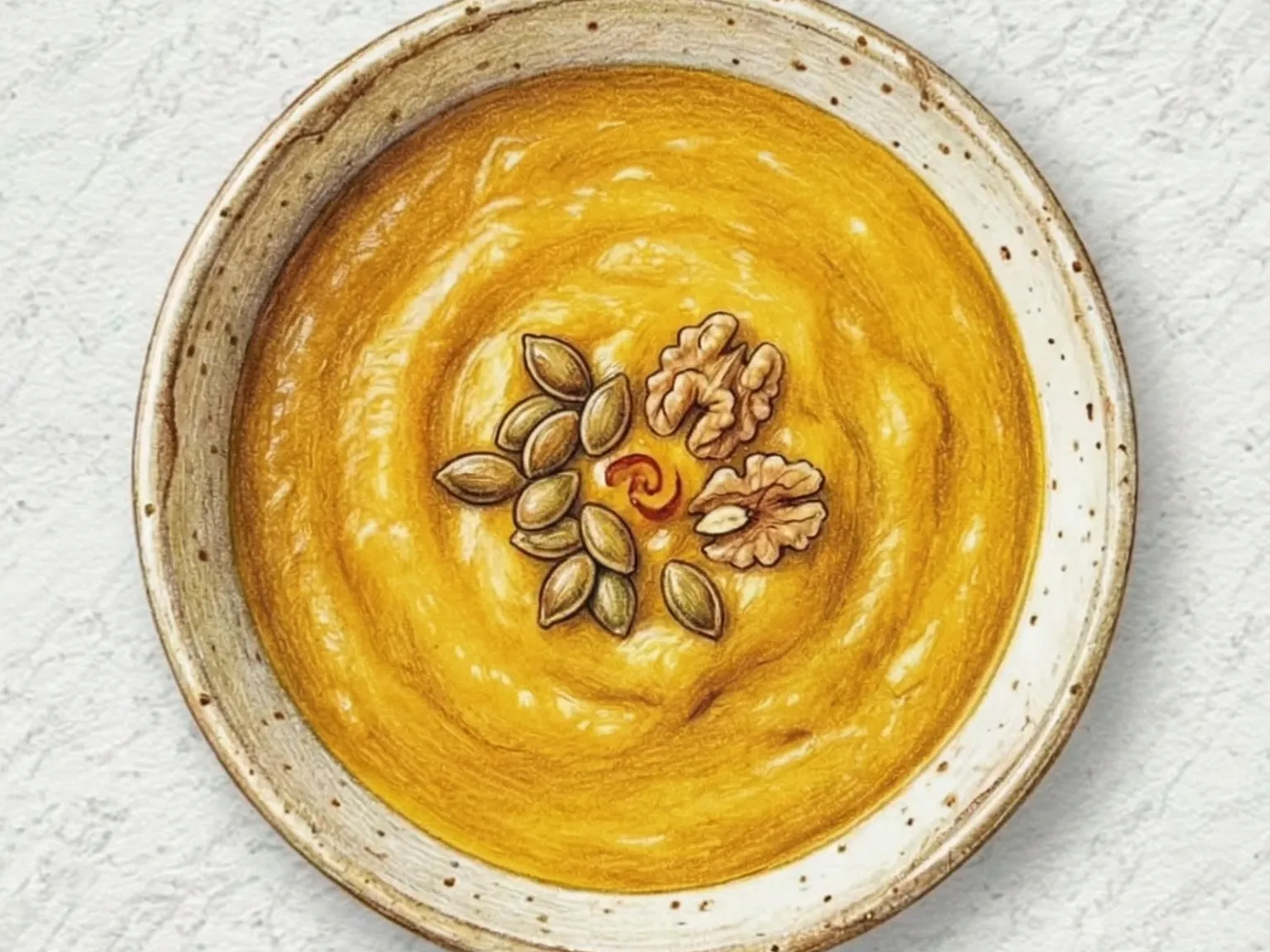
Kkaejuk is a traditional Korean porridge made by grinding toasted sesame seeds to a fine powder and simmering them with soaked rice, water, and milk until the mixture reaches a silky, cream-soup consistency. Toasting the seeds before grinding is not optional -- raw sesame lacks the deep, roasted fragrance that defines the dish, and the heat of toasting develops oils and aroma compounds that grinding alone cannot produce. Constant stirring over low heat prevents the mixture from scorching and coaxes the rice grains into breaking down completely, merging with the sesame base so no distinct texture remains. Milk enriches the body beyond what water alone provides and gives the finished porridge a warm ivory color. The simplest version is seasoned with nothing but salt and served with a drizzle of honey or rice syrup, letting the roasted sesame flavor carry the bowl without distraction. Easily digestible and gentle on the stomach, kkaejuk has a long tradition as a morning meal, a recovery food for the sick, and a postpartum nourishment dish in Korean households.

Korean Pollock Roe Egg Butter Stir-fry
Myeongran-dalgyal-butter-bokkeum gently cooks pollock roe and eggs in butter with diced onion, producing soft, creamy curds studded with tiny pops of briny roe. The roe sacs are split open and the eggs are scraped out, then stir-fried for just 30 seconds before the milk-enriched egg mixture is poured in and slowly folded into large, pillowy curds. Half the butter goes in at the start for cooking, and the remaining half is stirred in off-heat for richness. Chopped chives and black pepper finish the dish, which goes from pan to plate in under eight minutes.

Korean Chocolate Custard Bungeoppang
Choco-custard bungeoppang is a variation of Korean fish-shaped bread made with cocoa powder worked into the batter and filled with chocolate custard cream. The cocoa gives the shell a darker brown color than the classic red-bean version and produces a bitter chocolate aroma as it bakes in the cast-iron mold. The chocolate custard inside flows out like cream when bitten while still warm, delivering a rich, concentrated sweetness that contrasts with the faint bitterness of the cocoa shell. The mold must reach full temperature before pouring the batter to ensure a properly crisp shell, and the custard filling should be spooned into the center in small amounts to prevent leaking at the seam. With both the batter and filling built on chocolate, the finished pastry stacks layers of deep sweetness and mild bitterness that differ noticeably from the earthier flavor of the traditional red-bean filling.

Fish-shaped Red Bean Pastry
Pat bungeoppang is a Korean fish-shaped pastry filled with sweet red bean paste, baked in a cast-iron mold from a batter of cake flour, baking powder, milk, egg, and melted butter. Resting the batter for ten minutes relaxes the gluten so the pastry rises into an even, fluffy crumb rather than a dense or uneven texture. Fully preheating the mold is essential: the batter must set on contact with the hot iron so the fish-scale pattern stamps sharply onto the surface. The red bean paste should be placed in a long, centered strip so that filling appears in every cross-section; off-center placement leaves hollow, bread-only bites that throw off the balance between pastry and filling. Cooking two to three minutes per side produces a crisp, golden shell that gives way to a soft interior with hot bean paste running through the middle. The faintly caramelized, nutty aroma that rises from a freshly baked bungeoppang is a signature of Korean winter street stalls and comes directly from the combination of butter in the batter and direct contact with the cast-iron mold.

Korean Chestnut Latte
Bam latte is a Korean autumn drink made by blending boiled chestnuts into a smooth paste and warming it with milk. The chestnuts are pureed with water until the mixture is completely smooth, then combined with milk and heated gently on the stovetop over low heat. Maple syrup introduces a caramel sweetness over the mild, starchy flavor of the chestnuts. Ground cinnamon adds warmth, and a small amount of vanilla extract gives the overall aroma more depth. Blending the chestnuts longer yields a silkier drink; leaving some texture produces a thicker, more porridge-like consistency. The full preparation takes about twenty minutes, making it a practical homemade version of the seasonal chestnut lattes that appear in Korean cafes each autumn.

Imja-sutang (Royal Chilled Pine Nut Soup)
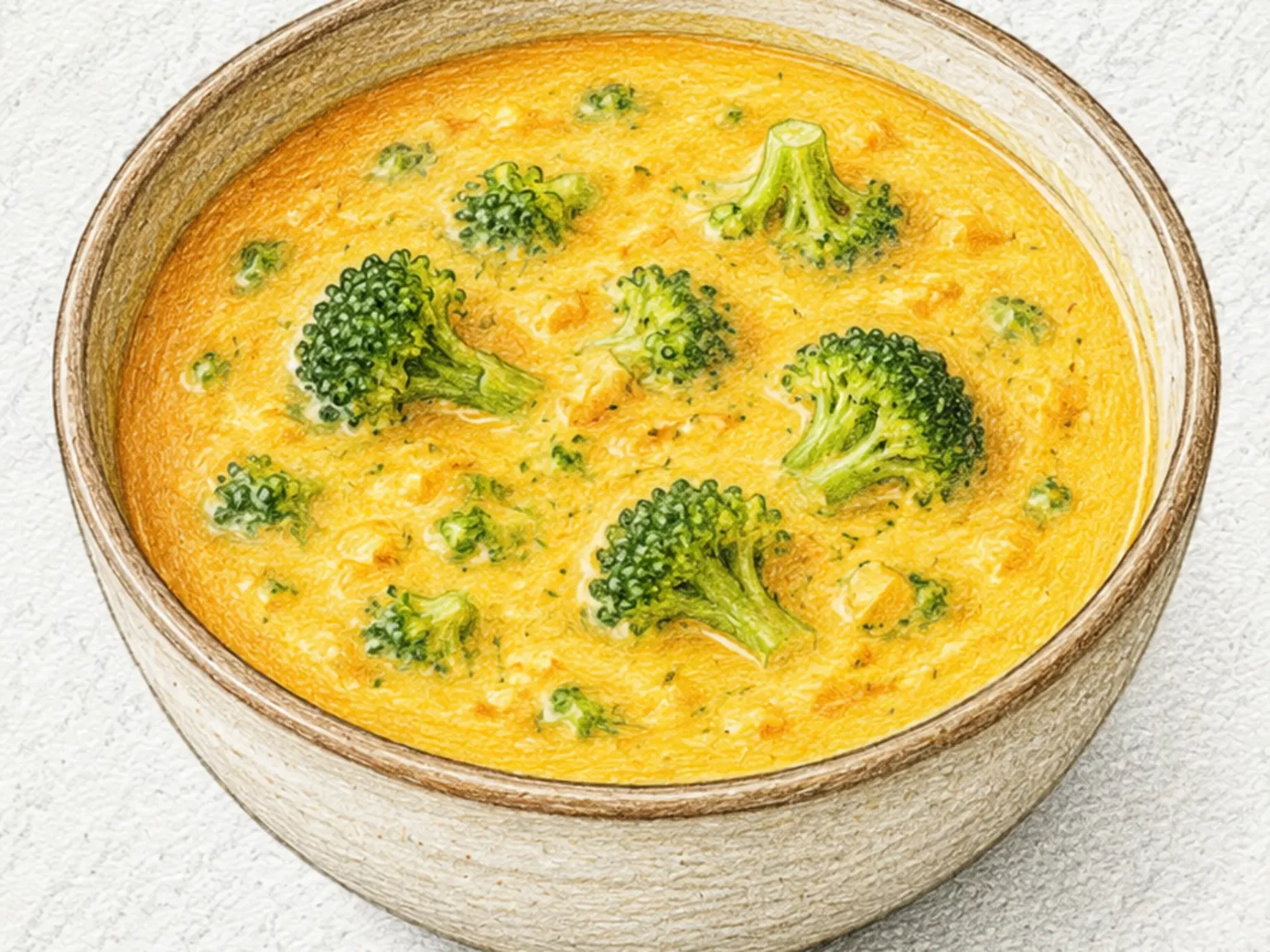
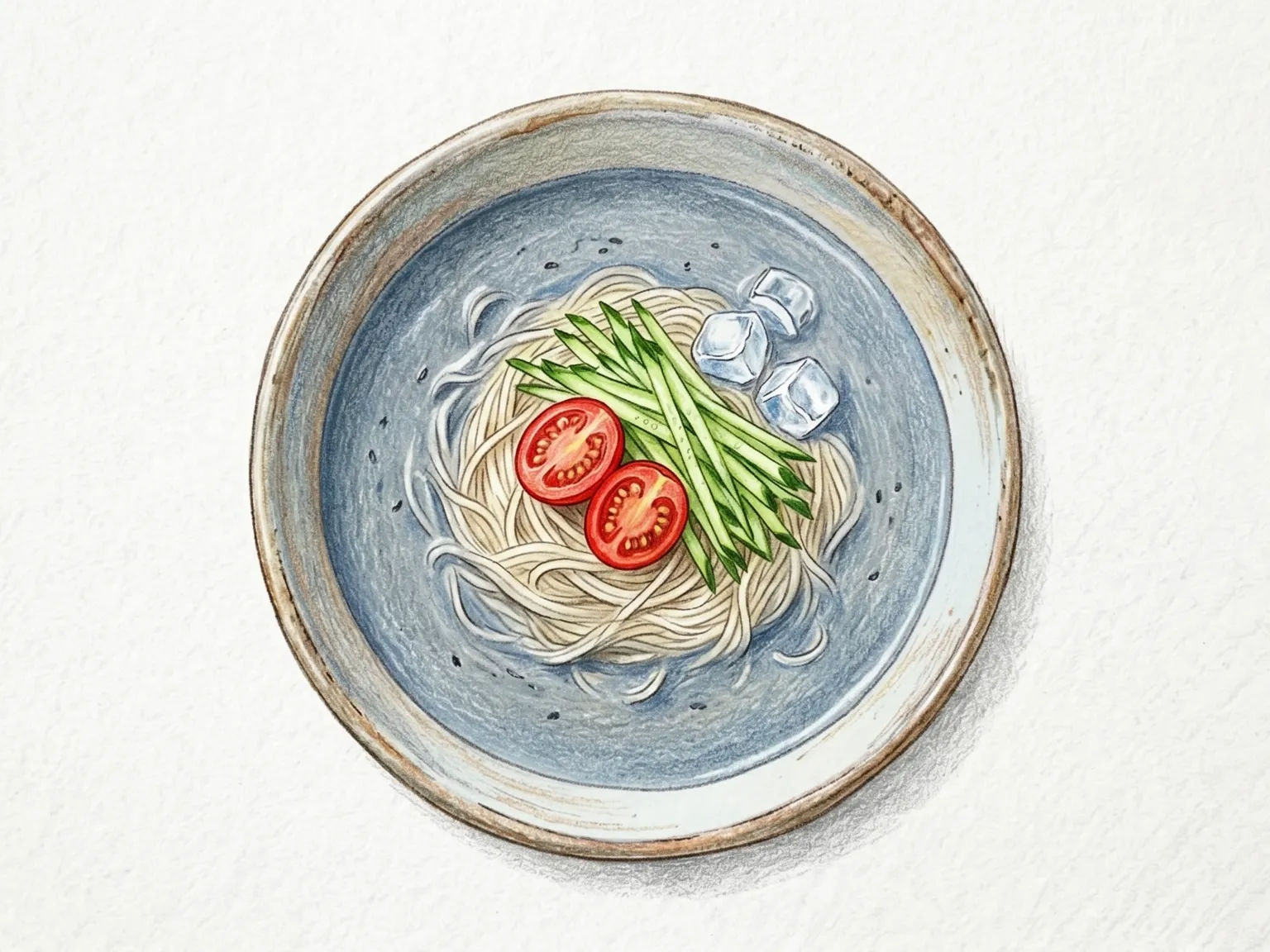
Imja-sutang is a royal Korean chilled soup that combines finely ground pine nuts and sesame seeds with chicken broth to create an opaque, creamy liquid of remarkable richness. The nut paste is blended with cooled chicken stock and a touch of milk until smooth, producing a porridge-like consistency that coats the palate with a gentle, lingering nuttiness. Poached chicken breast is shredded along the grain and submerged in the broth, and thin slices of cucumber are sometimes added for a cool, crisp contrast. The soup is traditionally served cold or at room temperature, making it especially refreshing in summer. Seasoning is minimal - just salt - because the natural oils in the pine nuts and sesame provide all the depth the dish needs. Imja-sutang traces its origins to Joseon dynasty court cuisine, where it was prepared for royal banquets, and it retains an air of elegance that elevates any table it appears on.

Beef Brisket Perilla Cream Fettuccine
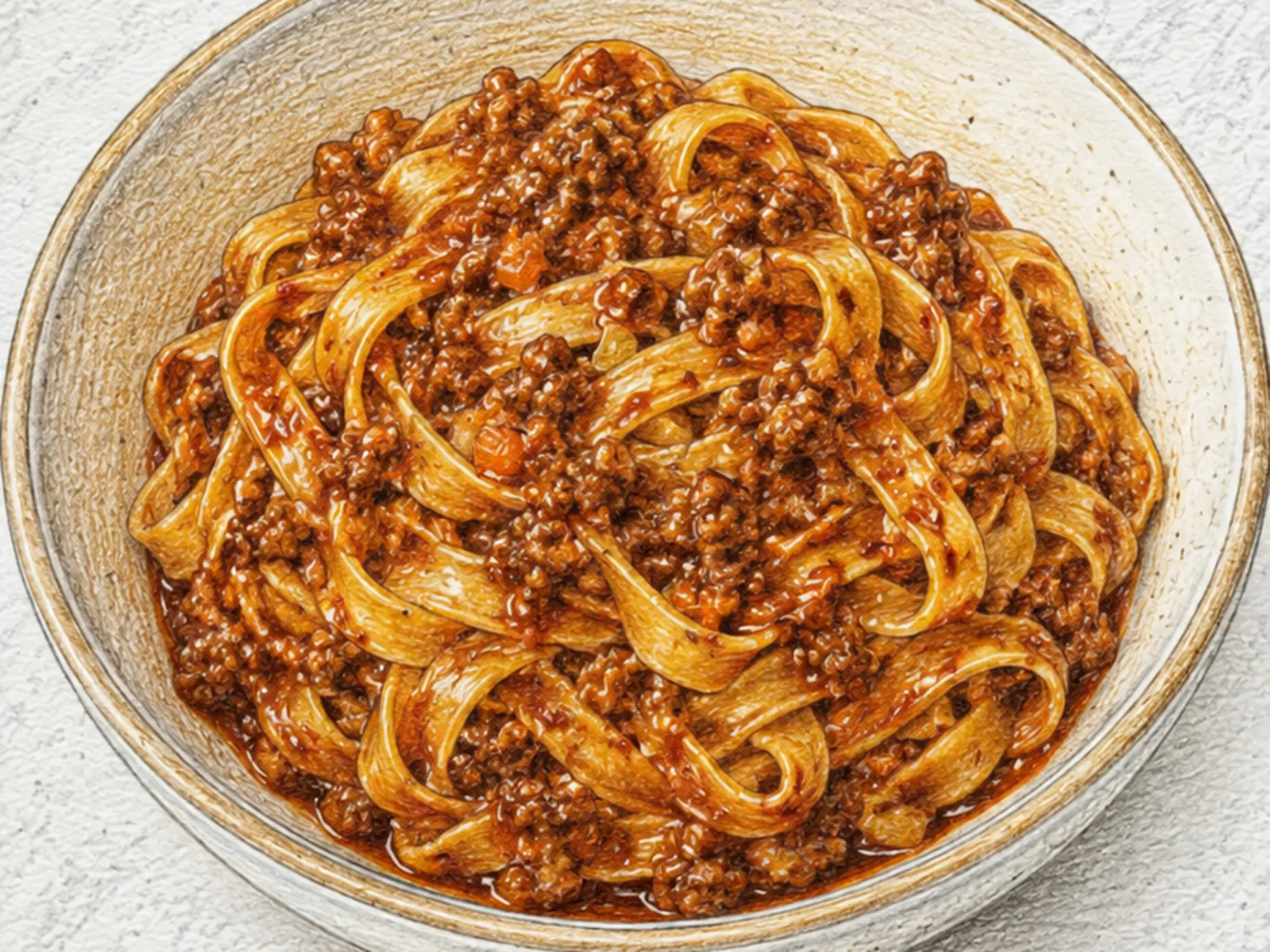
Chadol perilla cream fettuccine pairs Italian cream sauce with thinly sliced Korean beef brisket and the resinous fragrance of perilla leaves. The brisket is seared in a dry, hot pan without added oil, since its own fat content is sufficient and extra oil prevents proper caramelization on the edges. After searing and draining the rendered fat, the crisped brisket is folded back into a sauce of heavy cream and milk so its savory depth permeates every drop. Perilla leaves must be added only when the heat is turned off, because their volatile aromatic oils evaporate quickly; adding them too early leaves only a faint bitterness. The perilla's herbal note lifts the heaviness of the cream and introduces a register absent from any European herb. Fettuccine's broad, flat surface catches sauce generously, ensuring each bite is fully coated without the sauce pooling at the bottom of the bowl. Grated Parmigiano-Reggiano adds sharpness and salt, while cracked black pepper gives a punctuating finish. The dish works because the rich fat of the brisket and the clean herbal top note of perilla occupy different flavor registers and strengthen rather than compete with each other.

Heukimja Cream Bacon Rigatoni (Black Sesame Cream Pasta)
Black sesame cream bacon rigatoni is a fusion pasta that earns its crossover status through ingredient logic rather than novelty. Roasted black sesame ground to a fine powder and blended into heavy cream and milk produces a sauce with a deep, slightly bitter nuttiness - closer to a nut butter than a standard cream - with a grey-toned color that signals immediately this is not a conventional cream pasta. Bacon fried until crisp adds salt, smoke, and crunch at regular intervals throughout the dish, which is important because the sauce, however rich, stays uniform in texture without it. Rigatoni is the right format here: the tube shape traps sauce both inside each piece and on the outer ridges, so every forkful delivers the full flavor load. Finishing with grated Parmigiano or Pecorino deepens the salt and umami content, and a final dusting of black sesame powder over the plated dish reinforces the Korean ingredient that anchors the whole concept. The combination works because black sesame and cream are both fat-forward and round - they do not fight each other.

Bacalhau com Natas (Portuguese Salt Cod Cream Gratin)
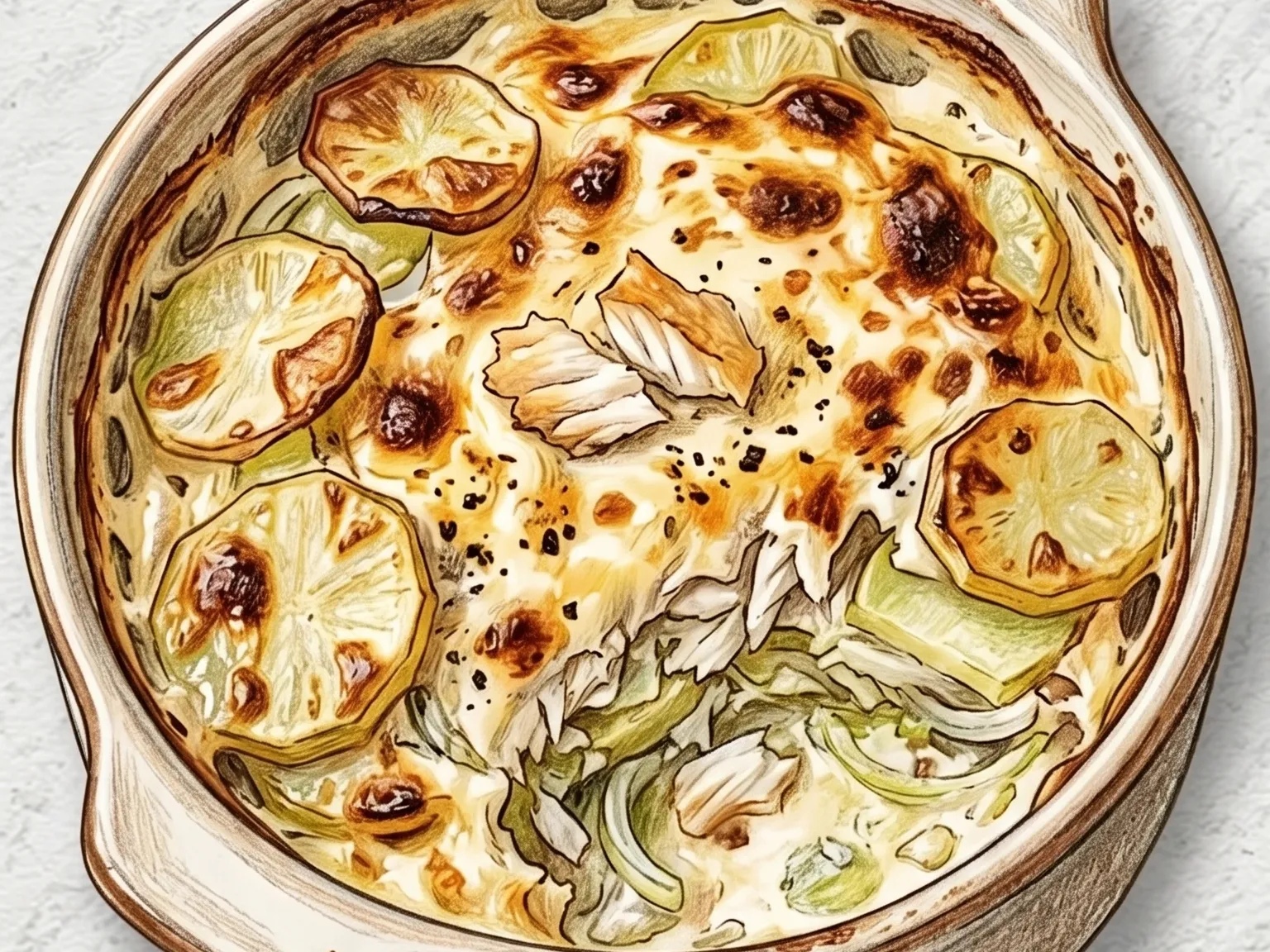
Bacalhau com natas - salt cod with cream - is a Portuguese casserole-style gratin that layers desalted cod, potatoes, and softened onion beneath a thick blanket of cream-enriched bechamel, then bakes until the surface blisters and turns golden brown. The cod requires prolonged soaking, typically forty-eight hours or more with several water changes, to draw out enough salt while preserving the firm, flaky texture of the fish. It is then briefly poached and separated into large pieces that retain structure in the baking dish rather than dissolving into the sauce. Thinly sliced potatoes, parboiled until just softened, alternate with the fish in even layers, and sweet, slowly cooked onion fills the gaps between them. A bechamel made with heavy cream - natas in Portuguese - is poured over everything, seeping into the crevices before baking begins. As the dish heats, the cream sauce tightens, potato edges that protrude through the surface curl and crisp, and the top develops scattered patches of deep gold where the milk proteins have caramelized. The result is simultaneously rich and precise: the cod residual mineral salinity cuts through the cream smoothness and prevents the dish from becoming cloying. Bacalhau com natas is a fixture of the Portuguese Christmas Eve meal known as consoada, appearing alongside other salt cod preparations at a table where bacalhau takes on a near-ritual significance.

Roti Canai (Malaysian Flaky Ghee Flatbread with Curry Dip)
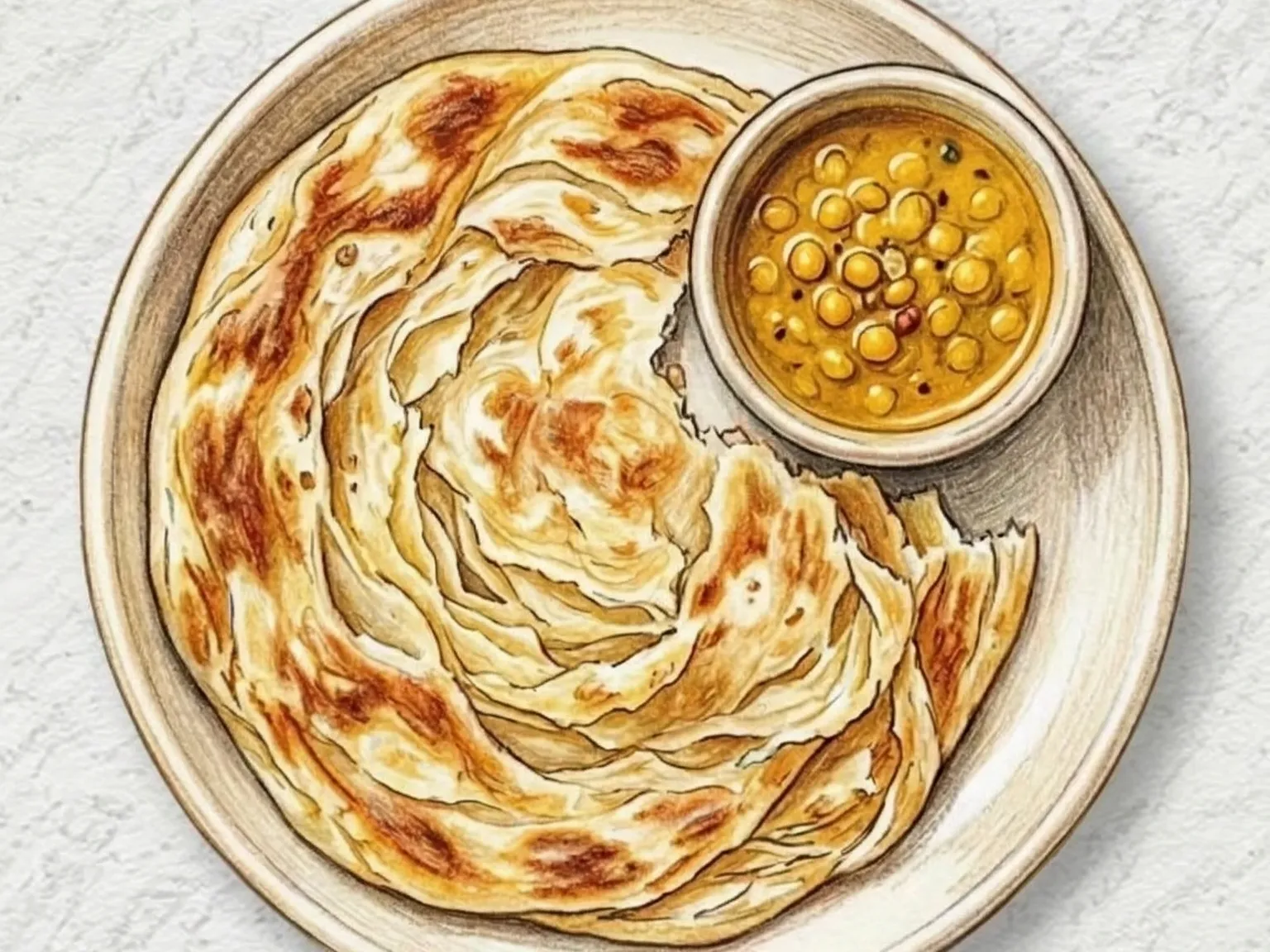
Roti canai is a flaky, pan-fried flatbread served at mamak stalls across Malaysia from dawn until late at night. The dough is enriched with ghee and stretched by hand until nearly translucent, then folded back onto itself multiple times to create dozens of paper-thin layers. On a well-oiled griddle, the bread puffs and crisps on the outside while the interior stays chewy and layered. Each tear reveals the laminated structure inside. The standard pairing is a bowl of dhal curry for dipping, though sardine curry and chicken curry are equally common. Variations abound: roti telur folds in a beaten egg, roti pisang wraps sliced banana inside, and roti bom is a thicker, butterier version dusted with sugar. The bread is torn by hand, never cut, and the best versions leave a faint sheen of ghee on the fingers.

Beignet (New Orleans Square Fried Dough with Powdered Sugar)
Beignets are square fried dough pastries that arrived in Louisiana with French colonists and became a defining food of New Orleans. A yeast-leavened dough of flour, milk, sugar, egg, and butter rises until airy, then is rolled and cut into rough squares before being dropped into hot oil. Each piece puffs up rapidly as it fries - the center becomes pillow-soft while the outside sets into a thin, light golden shell. Pulled from the oil, the beignets are immediately buried under a heavy dusting of powdered sugar that begins to melt against the warm surface. At Cafe du Monde in the French Quarter they have been served three to a plate with chicory coffee for over a century. In New Orleans, beignets are eaten at any hour of the day, morning through midnight.

Korean Pollock Roe Rolled Omelet
Myeongran gyeran-mari elevates the classic Korean rolled omelet by incorporating myeongranjeot - salted pollock roe - whose briny pop against the egg's gentle sweetness creates a two-layered flavor experience in every bite. The roe sac is split lengthwise with a knife and scraped clean with a spoon to separate the individual eggs from the membrane. Two techniques exist: mixing the roe directly into the beaten egg for even distribution, or laying a line of roe across each layer as the omelet is rolled, which produces a vivid orange stripe visible in the cross-section. Low to medium heat is mandatory during cooking - too hot and the egg browns, burying the roe's delicate salinity beneath a scorched note. When sliced, the contrast between the pale yellow egg and the pink-orange roe granules is visually striking, and biting into a piece delivers a soft egg cushion punctuated by tiny pops of salty roe. This banchan is popular in Korean lunchboxes and reflects the influence of Japanese tamagoyaki technique on modern Korean home cooking.

Korean Corn Cheese Pot Rice
Oksusu cheese sotbap is a Korean pot-cooked rice dish built on butter-sauteed onions and corn that infuse the grains with sweetness as the rice steams, then topped with mozzarella placed on after the heat is cut so it melts into long, stretchy strands rather than browning. Each spoonful delivers the pop of individual corn kernels alongside the soft, creamy pull of melted cheese, with butter coating every grain in a glossy richness. Replacing part of the cooking water with milk deepens the creamy texture and gives the finished rice a density and smoothness that plain water cannot achieve. With the lid closed for two to three minutes after the heat is off, the residual steam inside the pot is sufficient to melt the cheese completely without any additional heat. The combination of sweet corn, buttery rice, and stretchy mozzarella lands in a flavor register that needs no side dishes to feel complete, and it appeals across a wide age range without effort.

Korean Cream Cheese Hotdog
Cream cheese hotdog is a Korean street corn dog made by threading sausage and a log of cream cheese together on a stick, coating in wheat batter, rolling in breadcrumbs, and deep-frying at 170 degrees Celsius. The breadcrumb crust fries to a golden, audibly crunchy shell, while the batter layer underneath stays soft and doughy, creating a distinct middle texture between crust and filling. Each bite delivers the salty snap of sausage alongside the smooth, tangy richness of melted cream cheese. Briefly freezing the cream cheese before assembly is the key step - without it, the cheese melts out through the batter before the crust has a chance to set.

Chapssal Kkwabaegi (Glutinous Rice Twist Donuts)
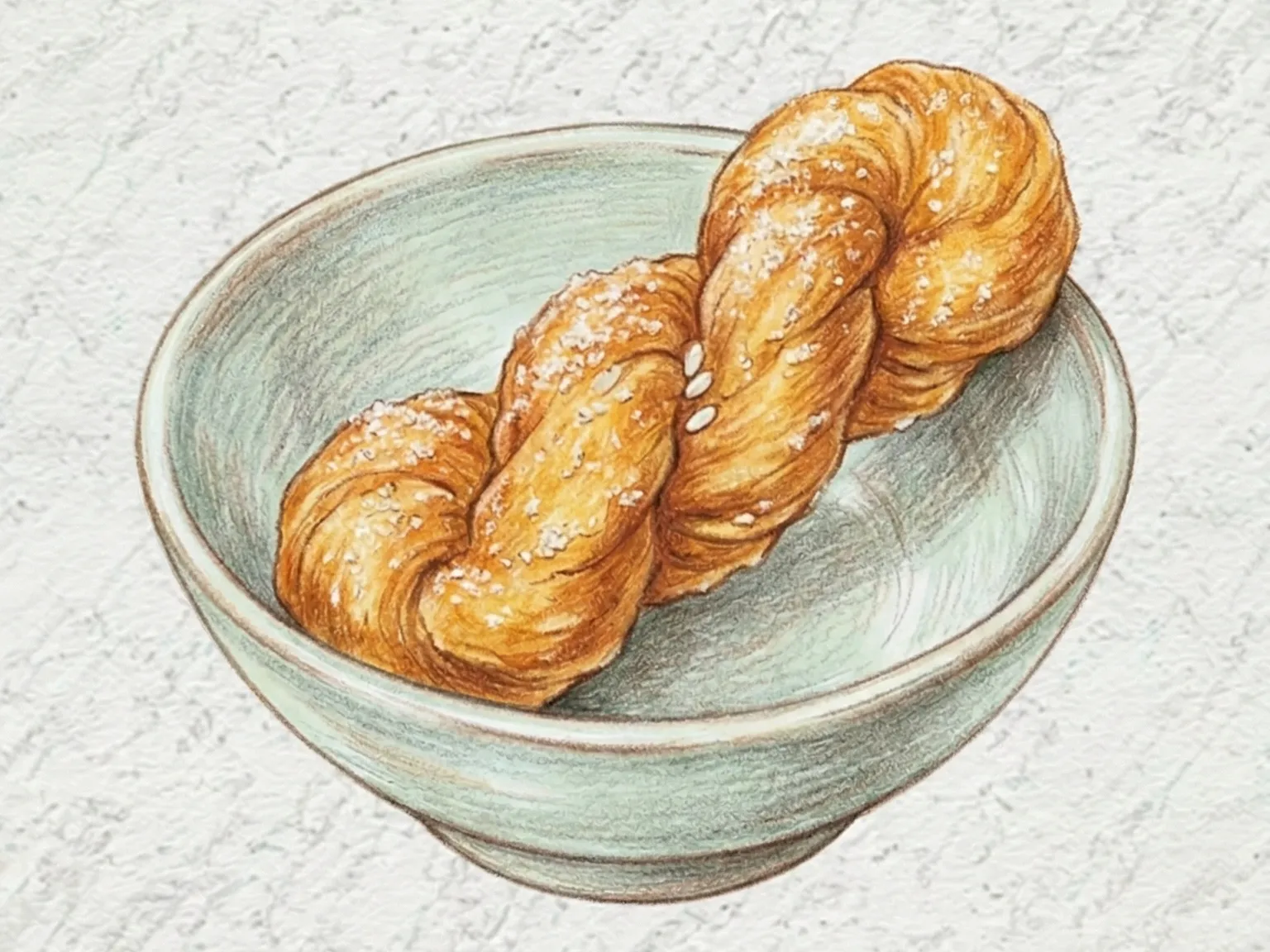
Chapssal-kkwabaegi are Korean twisted donuts made from a yeasted dough of glutinous rice flour and bread flour, proofed until nearly doubled, shaped by twisting pairs of ropes together, and fried at 170 degrees Celsius. The high ratio of glutinous rice flour gives the interior a notably chewy pull that sets these apart from standard wheat donuts, though over-proofing turns that chew tough rather than springy. Maintaining oil temperature at 170 degrees keeps the shell golden and crisp while minimizing grease absorption, so the finished donut stays light in hand. Tossing them in cinnamon sugar immediately after draining lets the residual heat partially melt the crystals into a thin, clinging sweet crust.

Korean Banana Milk
Banana milk is a homemade version of one of Korea's most consistently popular packaged beverages, sold in its distinctive small barrel-shaped bottle since 1974. Fresh ripe bananas are blended with cold milk, a spoonful of condensed milk, and a drizzle of honey to hit the characteristic level of sweetness. A small amount of vanilla extract bridges the fruit flavor and the dairy base, smoothing out any sharpness. Blending with ice produces a thick, smoothie-like consistency, while leaving out the ice gives a thinner, pourable drink closer to the original product. Unlike the commercial version, the homemade result contains no artificial flavoring or coloring, so the color stays a natural pale yellow rather than the vivid shade of the packaged drink. The sweetness varies with banana ripeness, and honey can be adjusted accordingly. Using frozen bananas in place of fresh ones plus ice delivers a cold, creamy texture without dilution. The whole preparation takes under five minutes, making it a practical option for a quick snack or light breakfast.

Mentaiko Cream Pasta
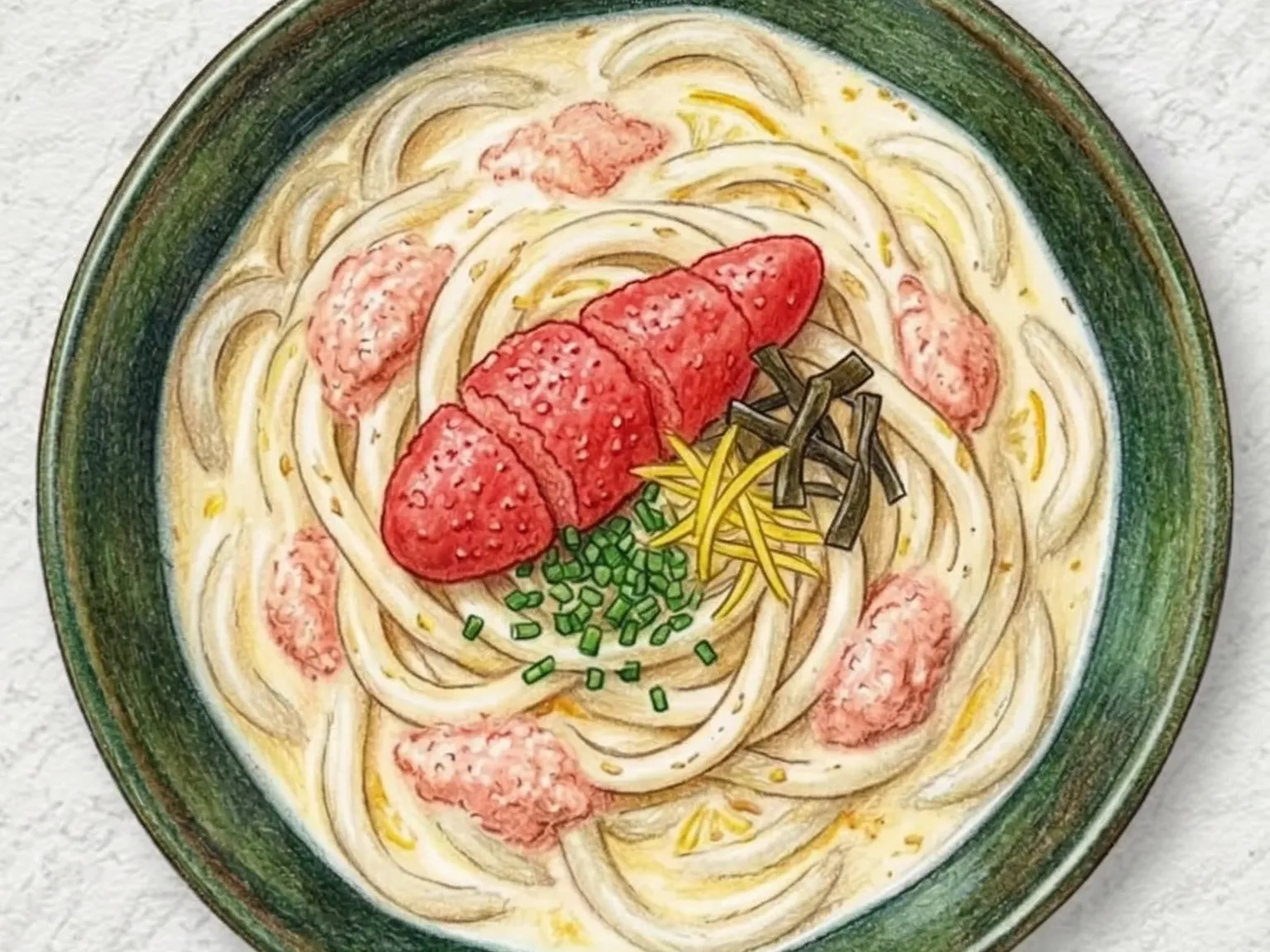
Mentaiko cream pasta is a Japanese-style cream pasta in which salted pollock roe is stirred into a warm butter, heavy cream, and milk base until the sauce turns silky and coats the spaghetti in a fine layer studded with tiny bursts of roe. Minced garlic is sauteed gently in butter over low heat until just fragrant and sweet, then the cream and milk are poured in and brought only to the point before a full boil, as a rolling boil causes the sauce to break and separate. Once the temperature is controlled, two-thirds of the roe goes into the sauce along with the drained spaghetti, everything tossed quickly so the roe cooks only through the residual heat of the pasta and sauce rather than direct flame, which would make it taste fishy. Reserved pasta water, added a spoonful at a time, adjusts the consistency without diluting the richness. Finely grated Parmesan adds another tier of umami and salt, while a few drops of fresh lemon juice cut through the cream and leave a clean, bright finish that keeps the dish from feeling too heavy. The remaining raw roe and crumbled roasted seaweed are arranged on top before serving, creating a contrast of red and black that signals the flavors inside, and folding them in at the table releases a fresh, briny aroma.

Deulkkae Mushroom Lasagna Bianca
Deulkkae mushroom lasagna bianca layers sauteed button and oyster mushrooms coated in perilla seed powder between lasagna sheets, baking without traditional bechamel into a white lasagna with a distinctly Korean character. The mushrooms must be cooked in small batches over high heat - loading too many at once causes them to steam in their own liquid instead of browning, which loses both color and chew. Ground perilla seeds replace cream as the source of richness: they contribute a dense, nutty weight that fills the layers without dairy fat, and their flavor sits closer to toasted sesame and walnut than to any herb. That nuttiness locks onto the earthy quality of mushrooms in a way that differs noticeably from a standard bechamel-based lasagna. Mozzarella and Parmigiano bind the layers together and develop a golden crust across the top during baking. The lasagna needs to rest for at least ten minutes after it comes out of the oven so the layers compress and each slice cuts cleanly without falling apart.

Chicken a la King
Chicken a la king is an American home-style cream sauce dish built on a butter roux that forms the backbone of the sauce and holds every other element in place. The roux begins with flour cooked briefly in melted butter until it smells faintly nutty and raw flour taste has cooked off, at which point cold milk and chicken stock are added incrementally while whisking constantly to prevent lumps. The gradual addition of liquid to the roux, rather than all at once, is what produces a sauce that is smooth and velvety rather than gluey or broken. Chicken breast is cooked separately and removed as soon as the color changes through, because even a few extra minutes in heat will make it tough and dry. The mushrooms and onion are sauteed in butter before the liquid goes in, building flavor in the fat first: the onion softens and sweetens, and the mushrooms release their moisture and then concentrate into a savory, earthy depth. Bell pepper is added later in the process so it retains some snap, providing a textural contrast to the surrounding creaminess and contributing a mild sweetness that brightens the overall flavor. Once the chicken is returned to the sauce, it absorbs some of the cream and the seasoning rounds out. Ladled over toast, rice, or split biscuits, the sauce soaks into the starch beneath and turns the plate into a complete, satisfying meal.

Black Sesame Cruffin (Croissant Dough Muffin with Sesame Swirl)
A black sesame cruffin is a hybrid pastry made by baking laminated croissant dough in a muffin mold, layered generously with roasted black sesame paste. The dough is rolled thin, spread with concentrated black sesame filling, rolled up tight, and cut to fit the tin, where the exposed layers fan out into crisp, caramelized petals at the top during baking while the center stays tender and moist. The black sesame paste melts between the laminated layers as heat builds, creating charcoal-gray swirls throughout the interior and releasing an intense, roasted aroma. The contrast between the golden, shatteringly crisp exterior and the dark sesame spiral inside makes for a striking cross-section. The richness of the butter layers and the nuttiness of the sesame land together in every bite. These reheat well in an air fryer for two to three minutes after refrigeration, recovering most of their original crispness.

Korean Omelette Rice (Ketchup Fried Rice in Egg Wrap)
Omurice wraps ketchup-fried rice in a thin, softly set egg sheet, producing a one-plate meal that balances sweet-tangy tomato notes with rich buttery egg. Diced onion, carrot, and ham are sauteed in butter until fragrant, then tossed with cooked rice and ketchup to build a lightly caramelized fried rice base. A separate egg mixture enriched with a splash of milk is spread thin in a hot pan and folded around the rice while still slightly runny, so cutting into it reveals a creamy, flowing center. Green peas mixed into the rice add pops of sweetness and color. The contrast between the glossy egg exterior and the savory-sweet filling has made omurice one of the most comforting one-plate meals in both Japanese-origin home cooking and Korean everyday cuisine. Tilting the pan and nudging the egg sheet against the curved edge is the standard technique for shaping the signature oval.