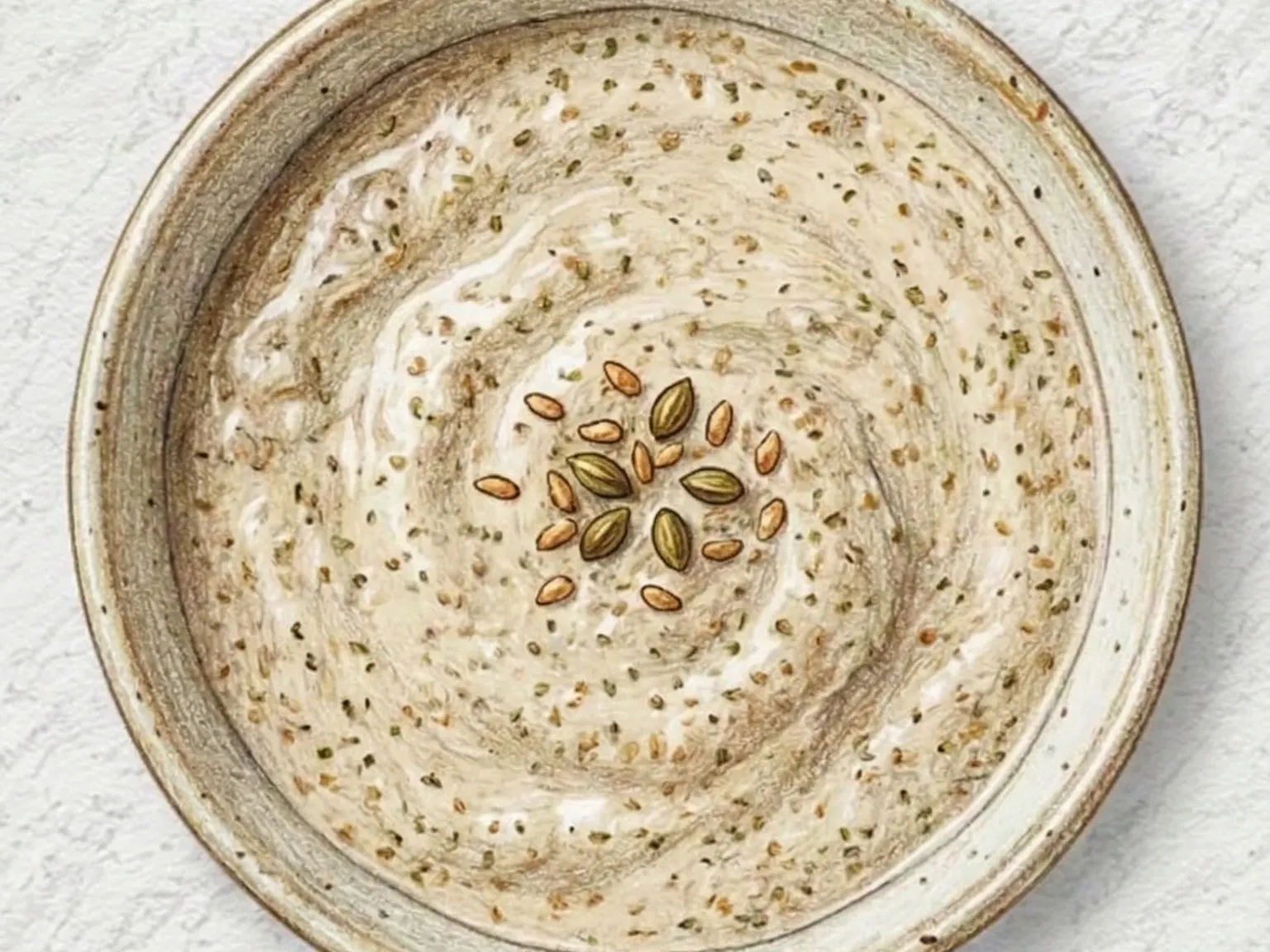
Korean Mugwort Banana Smoothie
This smoothie combines blanched mugwort with frozen banana, plain yogurt, and milk, blended into a thick, creamy drink. The mugwort is briefly blanched for 20 seconds to tame its raw bitterness, while pre-freezing the banana adds body without relying on excess ice. A touch of vanilla extract bridges the grassy herbaceous notes of the mugwort with the banana's tropical sweetness, and honey rounds out the overall flavor. The result is a vivid green drink with a simultaneously earthy, fruity, and tangy profile, finished in under 10 minutes from start to pour.
Adjust Servings
Instructions
- 1
Blanch mugwort for 20 seconds, rinse in cold water, and squeeze dry.
- 2
Slice bananas and freeze for 15 minutes to thicken the smoothie.
- 3
Add milk, yogurt, honey, and vanilla to the blender first as a liquid base.
- 4
Add mugwort, banana, and ice, then blend for 40 seconds until smooth.
- 5
Check thickness, add a bit more milk if needed, and serve immediately chilled.
As an Amazon Associate, we may earn from qualifying purchases.
Tips
Nutrition (per serving)
More Recipes

Korean Banana Milk
Banana milk is a homemade version of one of Korea's most popular packaged beverages. Fresh bananas are blended with cold milk, a spoonful of condensed milk, and honey to achieve the characteristic sweetness. A small measure of vanilla extract ties the fruit flavor to the dairy base. Adding ice to the blender produces a thick, smoothie-like consistency, while omitting it results in a thinner, pourable drink. Unlike the commercial product, the homemade version contains no artificial flavoring or coloring, so the color leans more toward natural pale yellow. The entire preparation takes under five minutes, making it a quick snack or light breakfast option.

Korean Banana Misutgaru Smoothie
Banana misutgaru smoothie combines Korea's traditional roasted multigrain powder with banana for a filling, grain-forward drink. Misutgaru is a blend of roasted barley, glutinous rice, soybeans, and other grains ground into a fine powder that dissolves in liquid to produce a toasty, earthy flavor. Banana adds natural sweetness and body, while a spoonful of peanut butter amplifies the nutty undertone. Honey adjusts the sweetness, and ice blended in makes it a cold, thick smoothie. The grain fiber from the misutgaru and the potassium from the banana make this a substantial breakfast replacement in a single glass. Increasing the misutgaru proportion yields a thicker, more porridge-like consistency.

Korean Melon Smoothie (Chamoe Korean Melon Yogurt Blend)
Chamoe smoothie blends peeled and seeded Korean melon flesh with plain yogurt, milk, honey, lemon juice, and a pinch of salt. The melon's clean, juicy sweetness meets the yogurt's tangy edge to create a balanced, refreshing flavor, with lemon brightening the finish. Ice is added only at the final blending stage for thirty seconds to keep the texture thick rather than watery, and the smoothie should be served immediately in chilled glasses.

Korean Black Rice Coconut Smoothie
This smoothie blends cooked and cooled black rice with coconut milk and banana into a thick, grain-based drink with a deep purple hue from the rice's anthocyanin pigments. The cooked black rice contributes a chewy, starchy body and a toasty grain flavor that forms the backbone of the smoothie. Coconut milk wraps around the grainy texture with its fat content, smoothing it into a creamy consistency, while banana adds natural sweetness and binding thickness. Date syrup deepens the sweetness, ice brings it to a cold serving temperature, and toasted coconut chips scattered on top provide a crunchy textural contrast.

Korean Spinach Tofu Soup
Sigeumchi-dubu-guk is a clear, mild Korean soup in which spinach and tofu float in an anchovy-kelp broth seasoned only with soup soy sauce - no fermented paste, no chili. The result is a bowl of quiet transparency where each ingredient's natural flavor is audible: the green, slightly mineral taste of spinach, the neutral creaminess of tofu, and the clean savor of the stock. A small amount of minced garlic builds umami in the background, and a single drop of sesame oil on the surface adds a whisper of richness. This soup is intentionally gentle, which is exactly why Korean families rely on it so heavily - it suits every palate and every age group, from toddlers to grandparents. Cooks often serve it alongside bold, spicy dishes because the clear broth acts as a reset between intense bites. The technique is straightforward but timing matters: tofu should be cut into generous cubes so it holds its shape during simmering, and spinach should enter the pot only at the very end to preserve its color and a touch of texture. The entire preparation takes under fifteen minutes and requires only four or five ingredients, making it one of the most practical everyday soups in Korean cooking.

Korean Abalone Mugwort Porridge
Mugwort is added to abalone porridge for a spring-season variation where herbal and ocean aromas converge. The abalone innards are sauteed in sesame oil to establish an umami base, then soaked rice simmers in kelp stock until soft, and the mugwort goes in only during the final minute to preserve its gentle bitterness without letting it turn harsh. Extended cooking would draw out the herb's more aggressive bitter compounds, so brief contact is essential. Black pepper finishes the bowl with a warm, peppery note that complements the green, vegetal fragrance of the mugwort.