Vanilla Cupcakes
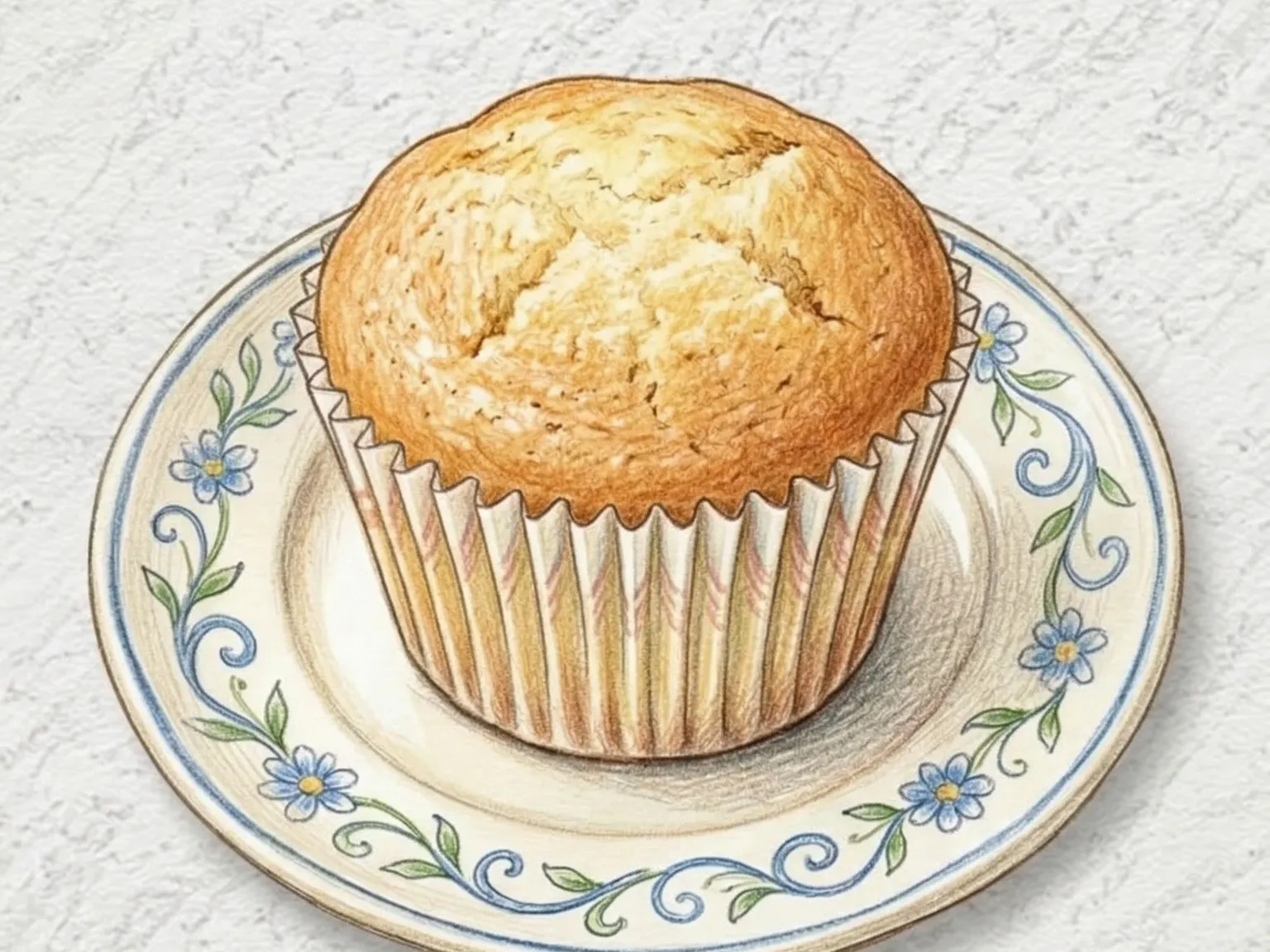
Butter and sugar are creamed until pale and fluffy, then eggs, vanilla extract, cake flour, and milk are incorporated to produce the most versatile cupcake in home baking. The creaming step is where the texture is decided: enough air beaten into the butter creates a light, tender crumb, while under-creaming yields a dense, flat result. Each egg is added individually to maintain a stable emulsion, and the low protein content of cake flour keeps the finished cupcake soft rather than chewy. Filling each liner to seventy percent capacity allows a domed rise without overflow, and the oven door should remain closed for the first fifteen minutes to prevent collapse. Once cooled, these cupcakes accept virtually any frosting - buttercream, cream cheese, ganache - without the base flavor competing. The vanilla is warm and present but never dominant, which is exactly what makes this recipe a dependable foundation for countless variations.
Adjust Servings
Instructions
- 1
Preheat oven to 175C and line a muffin tray.
- 2
Cream butter and sugar until light and fluffy.
- 3
Add eggs one at a time, then mix in vanilla.
- 4
Add flour and baking powder, alternating with milk.
- 5
Fill cups 70% full, bake 18-20 minutes, and cool.
As an Amazon Associate, we may earn from qualifying purchases.
Tips
Nutrition (per serving)
More Recipes

Chocolate Chip Cookies
Chocolate chip cookies are the most baked cookie in American kitchens, and their apparent simplicity masks a surprising number of variables. The ratio of brown sugar to white sugar determines the texture - more brown sugar yields chewier cookies, more white sugar makes them crisper. Creaming the butter aerates the dough, giving the baked cookies a slight puff. Chocolate chips, whether milk, dark, or semi-sweet, melt in the oven and resolidify into pockets of concentrated chocolate that contrast with the surrounding dough. The critical moment is knowing when to pull the tray from the oven: the edges should be golden and set while the center still looks underdone, because residual heat will finish the job as the cookies cool on the pan. A pinch of flaky salt pressed into the tops before baking sharpens every flavor. Fresh from the oven, the cookies are barely holding their shape, yielding to the slightest pressure - and that is precisely the point.

Classic Lemon Bars
Classic lemon bars layer a tangy lemon curd over a firm shortbread base, baked together and chilled before slicing. The base is made by pressing a mixture of butter, powdered sugar, and flour into the pan and blind-baking it until pale gold and firm enough to support the filling. The curd layer - eggs, sugar, fresh lemon juice, and zest - is poured over the hot crust and returned to the oven until just set, achieving a silky consistency that trembles when tapped but slices cleanly when cold. Lemon zest oils intensify during baking, producing a fragrance more vivid than juice alone. A dusting of powdered sugar across the top provides visual contrast against the bright yellow filling and softens the initial tartness on the tongue.

Brown Butter Chocolate Chip Cookies
Brown butter chocolate chip cookies elevate the familiar recipe by cooking the butter until its milk solids turn amber, releasing an aroma reminiscent of toasted hazelnuts and toffee. This caramelized butter becomes the dough's foundation, contributing a flavor complexity that standard butter cannot match. A generous ratio of brown sugar produces a cookie with crisp edges and a dense, chewy center. Dark chocolate chunks melt unevenly, creating pockets of liquid chocolate alongside solid pieces. A pinch of flaky sea salt on top sharpens every element. Fresh from the oven, the cookies are barely set; as they cool, the edges firm up while the center remains yielding.

Chess Pie
Chess pie is a custard pie from the American South made with the most elemental pantry ingredients: butter, sugar, eggs, a small amount of flour, and cornmeal. Despite this simplicity, the result is rich and complex. During baking, the top develops a crackled, lightly caramelized crust that shatters when a fork breaks through, revealing a dense, gooey custard beneath. Cornmeal contributes a subtle grittiness and a faint corn sweetness, while a splash of vinegar or buttermilk introduces just enough acidity to keep the sweetness from becoming one-dimensional. The filling sets around the edges but stays slightly trembling at the center - a sign that it was pulled from the oven at exactly the right moment. Served at room temperature, the custard softens into an almost fudge-like consistency. It is the kind of pie that proves how few ingredients are needed to produce something deeply satisfying.

Bananas Foster
Bananas Foster is a New Orleans dessert in which bananas are sauteed in a butter-and-brown-sugar caramel sauce and served over vanilla ice cream. The sauce starts by melting butter with brown sugar in a skillet until the sugar dissolves into a thick caramel. Halved bananas are placed cut-side down into the sauce and cooked just until they warm through and absorb some of the syrup. Ground cinnamon and a squeeze of lemon juice add complexity to the caramel. The traditional preparation involves igniting rum in the pan, though the alcohol step can be omitted at home without losing the core flavor. Spooning the hot caramelized bananas over cold ice cream creates a temperature contrast that defines the dish, and the whole process takes about ten minutes.

Sloppy Joe
Sloppy Joe is an American sandwich where ground beef is browned with diced onion until the moisture cooks off, then simmered in a sweet-savory sauce made from tomato paste, ketchup, Worcestershire sauce, and a small amount of sugar. Browning the beef thoroughly before adding the sauce ingredients is critical - residual moisture dilutes the sauce and prevents the meat from developing flavor. Tomato paste provides concentrated umami, ketchup adds sweetness and body, and Worcestershire contributes a fermented depth that ties the flavors together. The mixture is simmered on low heat for about eight minutes until thick enough that it holds its shape on a spoon rather than running off. Toasting the buns before assembly creates a barrier that slows the inevitable soaking, and pickles served alongside cut through the richness.