Charim

2686 Korean & World Recipes

2686+ Korean recipes, clean and organized. Ingredients to instructions, all at a glance.

Ants Climbing a Tree (Sichuan Glass Noodles with Minced Pork)
Asian Easy

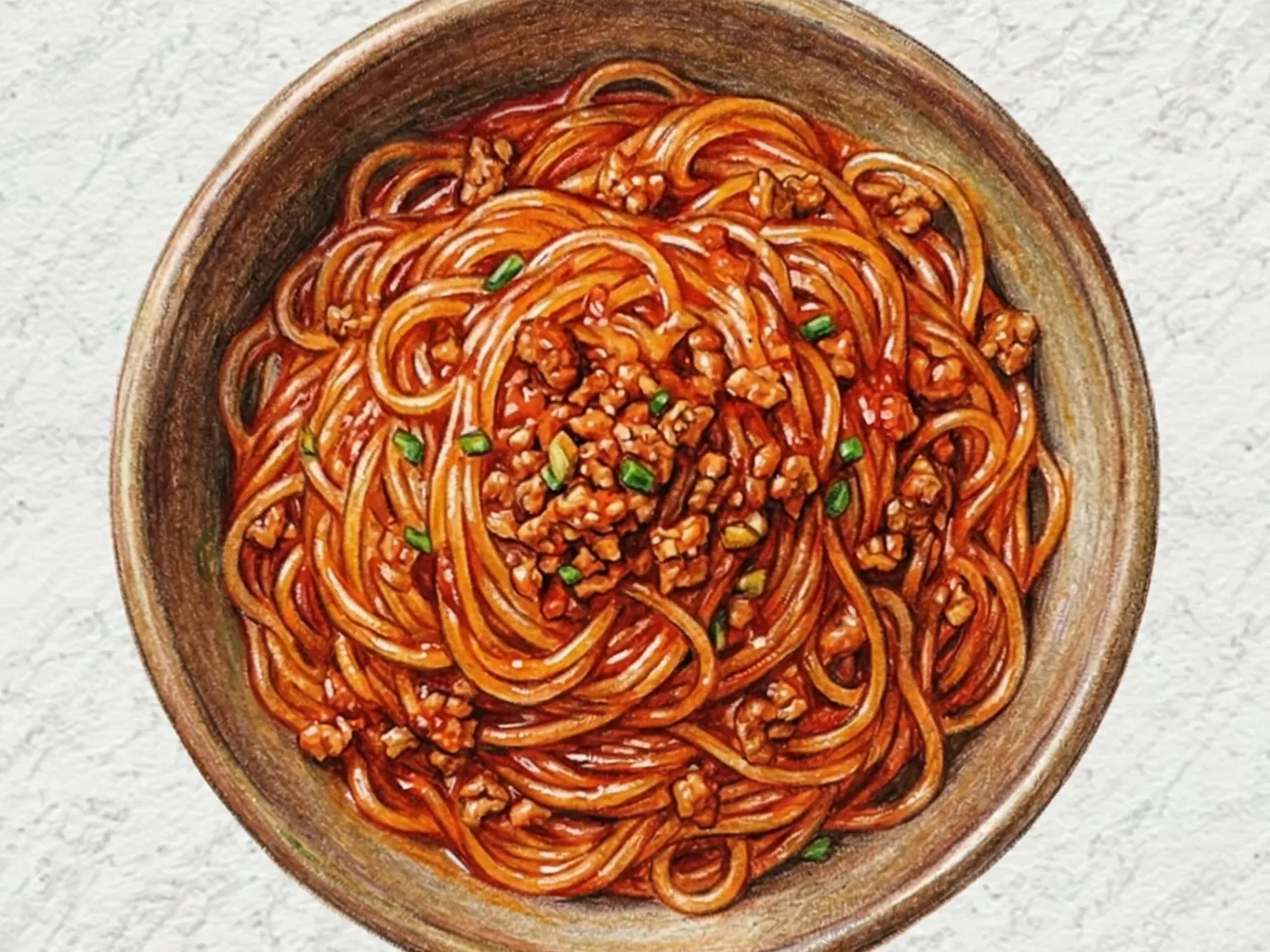
Ants Climbing a Tree (Sichuan Glass Noodles with Minced Pork)

Ants climbing a tree - mayi shang shu - is a Sichuan home dish whose name comes from the way tiny bits of minced pork cling to translucent glass noodles, resembling ants on branches. The noodles are soaked just until pliable, never fully softened, because they finish cooking in the pan where they absorb the braising liquid entirely. Doubanjiang - Sichuan's fermented chili-bean paste - provides a funky, spicy backbone, while soy sauce deepens the color to amber. The final dish should be nearly dry, with every strand of noodle saturated in the sauce and studded with meat. It is an everyday dish in Sichuan households, often made when the kitchen has little more than pantry staples on hand.

Prep 15min Cook 12min 2 servings

Adjust Servings

2servings
servings

Instructions

  1. 1

    Soak glass noodles in lukewarm water for 10 minutes.

  2. 2

    Heat oil and stir-fry garlic with ground pork.

  3. 3

    When pork is cooked, add doubanjiang and soy sauce.

  4. 4

    Add water and noodles, then cook while reducing.

  5. 5

    Finish with green onion and serve hot.

🛒Shop Ingredients on Amazon

As an Amazon Associate, we may earn from qualifying purchases.

Tips

Do not over-soak the noodles or they may break.
Adjust spiciness by changing the amount of doubanjiang.

Nutrition (per serving)

Calories
430
kcal
Protein
19
g
Carbs
52
g
Fat
16
g

More Recipes

Hui Guo Rou (Twice-Cooked Pork)
AsianMedium

Hui Guo Rou (Twice-Cooked Pork)

Hui guo rou, literally 'twice-cooked pork,' is a cornerstone of Sichuan cuisine where pork belly is first simmered whole until cooked through, then cooled and sliced thin before returning to the wok. The initial boiling renders some fat and firms the meat so it can be cut into uniform slices. In the wok, these slices fry until their edges curl and crisp slightly while the fat layers turn chewy rather than flabby. Doubanjiang, the fermented chili bean paste central to Sichuan cooking, goes in next along with fermented black beans, and together they create the dish's signature salty-spicy backbone. Soy sauce and a pinch of sugar round out the seasoning. Diagonally sliced leek and green bell pepper are added only in the final one to two minutes over high heat, keeping their crunch and fresh color against the deeply flavored pork.

🏠 Everyday🍱 Lunchbox
Prep 25minCook 20min2 servings
Yu Xiang Eggplant (Sichuan Spicy Garlic Pork Eggplant)
Stir-fryMedium

Yu Xiang Eggplant (Sichuan Spicy Garlic Pork Eggplant)

Yu Xiang Qiezi is a Sichuan-style eggplant stir-fry with ground pork, doubanjiang, black vinegar, and sugar. The eggplant is pre-fried to firm it up so it holds its shape in the sauce, while the pork and doubanjiang create a spicy, aromatic oil base. Soy sauce, vinegar, and sugar layer sweet and sour notes over the heat, producing the characteristic Yu Xiang flavor profile. Garlic and ginger add fragrance, and the eggplant absorbs the sauce deeply so every bite releases a concentrated burst of seasoning.

🏠 Everyday🌙 Late Night
Prep 15minCook 12min2 servings
Dry Mala Stir-fry (Sichuan Numbing Spice Dry Wok)
Stir-fryMedium

Dry Mala Stir-fry (Sichuan Numbing Spice Dry Wok)

Mala xiangguo is a dry Sichuan stir-fry where beef slices, bok choy, shiitake mushrooms, and lotus root are coated in mala sauce and tossed over high heat without any broth. The Sichuan peppercorn's numbing tingle and the chili's sharp burn hit simultaneously, and the absence of liquid concentrates the seasoning directly onto each ingredient's surface. Lotus root adds crunch, shiitake contributes chewiness, and bok choy provides a soft counterpoint - the textural variety within a single plate is part of the appeal. Overcrowding the pan releases moisture and dilutes the sauce, so controlled portions are essential.

🏠 Everyday🌙 Late Night
Prep 20minCook 12min2 servings
Hakka Noodles (Indo-Chinese Stir-Fried Noodles)
AsianEasy

Hakka Noodles (Indo-Chinese Stir-Fried Noodles)

Hakka noodles belong to the Indo-Chinese tradition, a culinary fusion born in Kolkata's Chinese community that has since spread across India. Egg noodles are boiled just short of fully done, rinsed in cold water, and tossed with a little oil so they stay separate during stir-frying. The vegetables, julienned into matchstick-thin strips of cabbage, carrot, and bell pepper, are tossed in a smoking-hot wok for barely two minutes to keep their crunch. Seasoning is deliberately minimal: soy sauce for saltiness, rice vinegar for a faint tang, and black pepper for warmth. The speed of the cooking matters more than the ingredient list; the intense wok heat creates a smoky char on the noodles that no amount of seasoning can replicate at lower temperatures. Spring onions are stirred in only after the heat is off, keeping their bite and fresh aroma intact.

🏠 Everyday🌙 Late Night
Prep 15minCook 10min2 servings
Sichuan Dry-Fried Green Beans
AsianMedium

Sichuan Dry-Fried Green Beans

Sichuan dry-fried green beans - gan bian si ji dou - showcase the dry-frying technique (gan bian) central to Sichuan home cooking, where vegetables are blistered in a wok with little or no oil until their moisture evaporates and their natural sugars concentrate. The beans toss in a scorching wok until their skins wrinkle and develop brown spots, a process that collapses their raw crunch into a chewy, almost leathery exterior while the inside retains a slight snap. Minced pork, ya cai (Sichuan preserved mustard greens), dried red chilies, and Sichuan peppercorns are added in the final minute - the pork contributes meaty depth, the ya cai adds a funky salt, and the peppercorns deliver the characteristic numbing tingle (ma la) that clings to the bean surfaces. The finished dish has a textural duality unique to the gan bian method: slightly tough on the outside, still yielding inside. It is one of the most commonly ordered vegetable dishes at Chinese restaurants, equally suited as a side to a rice meal or as a drinking snack with cold beer.

🍱 Lunchbox
Prep 12minCook 12min2 servings
Pepper and Pork Stir-fry (Chinese-Style Julienned Bell Pepper and Pork)
Stir-fryEasy

Pepper and Pork Stir-fry (Chinese-Style Julienned Bell Pepper and Pork)

Gochu-japchae is a Korean-Chinese stir-fry of julienned bell peppers and pork loin cooked fast over high heat in a soy-oyster sauce base. The pork is pre-marinated with starch and soy sauce to lock in moisture, ensuring each strip stays tender through rapid cooking. Keeping the stir-fry time short preserves the peppers' crunch and vibrant color. Served alongside steamed flower buns or wrapped in a tortilla, it makes a quick, flavorful meal. The dish captures the wok-seared character of Chinese-Korean cooking in under 30 minutes.

🏠 Everyday🌙 Late Night
Prep 15minCook 10min2 servings
More Asian →