Baked Ziti
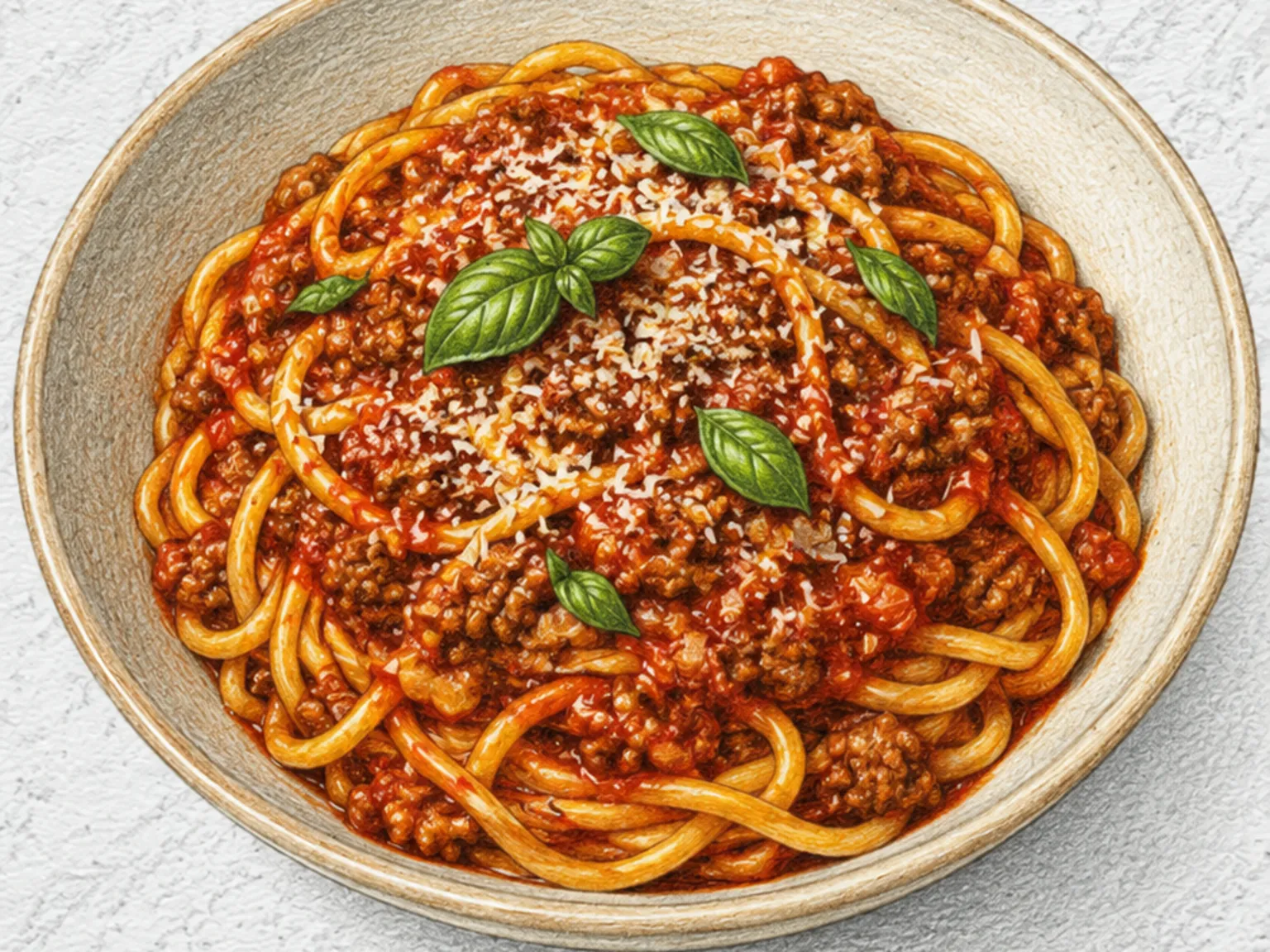
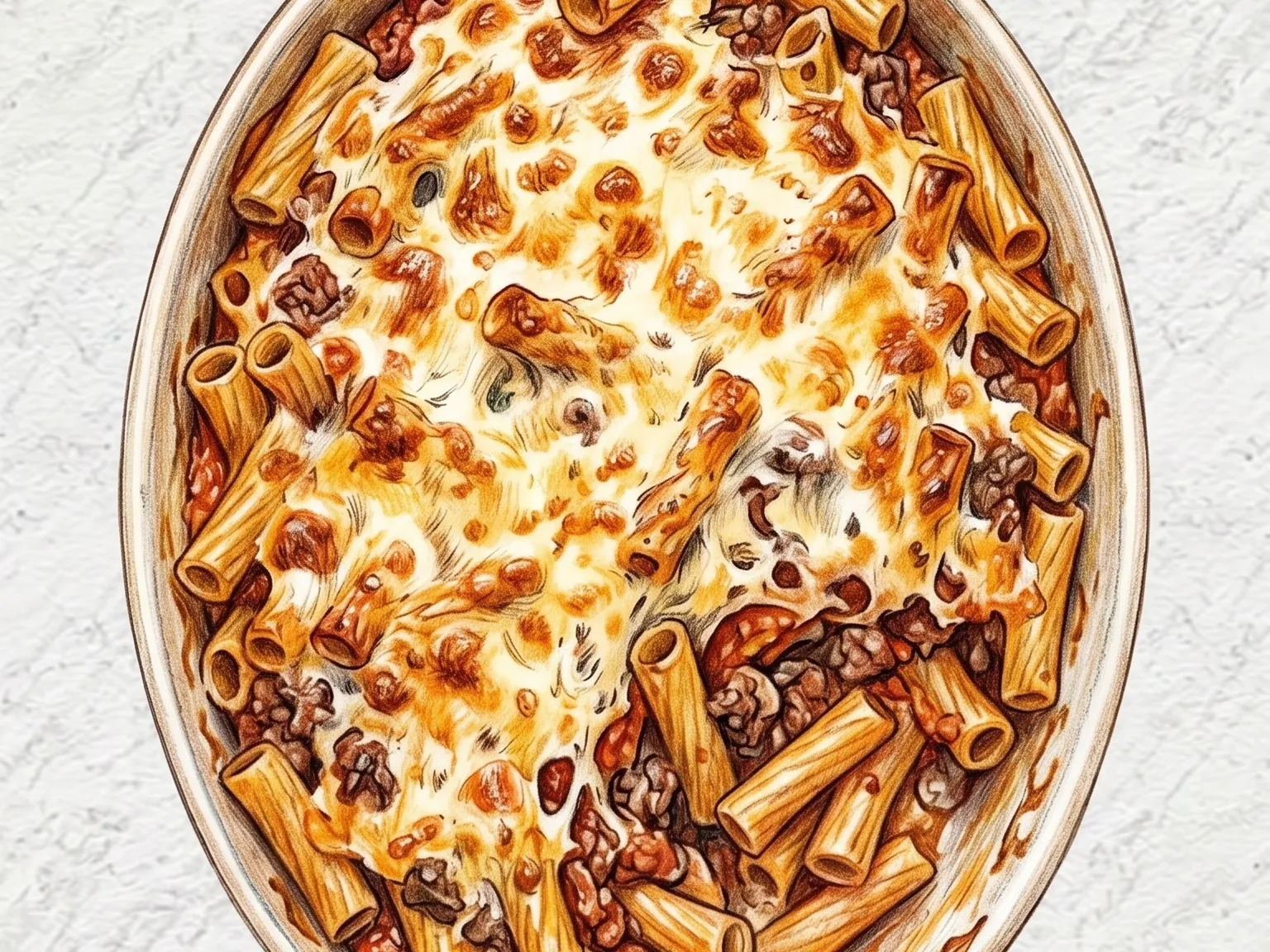
Baked ziti is an Italian-American oven pasta that delivers a flavor profile similar to lasagna with considerably less assembly work. Tubular ziti noodles are boiled to al dente, tossed in a beef-and-tomato sauce, then layered in a baking dish with generous spoonfuls of ricotta and shredded mozzarella. A final coat of Parmesan across the top browns into a thin crust during the thirty-five-minute bake. The tube shape of ziti traps sauce inside each piece, distributing flavor more evenly than flat noodles. Because no individual layering of pasta sheets is required, the total hands-on time is significantly shorter than classic lasagna. Adding a splash of sauce or water before reheating leftover portions keeps the pasta from drying out.
Adjust Servings
Instructions
- 1
Preheat oven to 190C and boil ziti 2 minutes short of package time.
- 2
Heat olive oil in a pan and cook onion and beef until browned.
- 3
Add tomato sauce and simmer for 8 minutes to make meat sauce.
- 4
Mix ziti with half the sauce and half the ricotta, then spread in a baking dish.
- 5
Layer remaining sauce and cheeses on top, then finish with Parmesan.
- 6
Bake for 20 minutes, rest for 5 minutes, then serve.
As an Amazon Associate, we may earn from qualifying purchases.
Tips
Nutrition (per serving)
More Recipes

Tuna Noodle Casserole
Tuna noodle casserole boils egg noodles one minute short of the package time, sautés onion and mushrooms in butter, builds a cream sauce with flour and milk, folds in drained tuna and half the cheddar cheese, then bakes the mixture topped with the remaining cheese at 190 degrees Celsius for 20 minutes. Undercooking the noodles is intentional - they continue absorbing sauce and softening in the oven, so fully cooked noodles turn mushy by the time the casserole is done. Toasting the flour in butter before adding milk eliminates the raw flour taste and produces a smooth sauce when the milk is poured in gradually. Draining the tuna well keeps the sauce from becoming greasy. Splitting the cheese between the sauce and the topping gives the casserole depth throughout while creating a golden, bubbling gratin crust on the surface.

Green Bean Casserole
Green bean casserole bakes blanched green beans in a mushroom cream sauce, then tops them with crispy fried onions for a contrast of textures that defines this American holiday side dish. Blanching the beans for just three minutes and shocking them in ice water preserves their bright green color and a slight crunch that survives the oven. Sauteing onion and mushrooms in butter, stirring in flour to build a roux, and gradually adding milk produces a smooth cream sauce infused with earthy mushroom flavor. After twenty minutes in the oven, the casserole is pulled out and topped with fried onions, then returned for five more minutes so the onions crisp without burning. The finished dish layers the crunch of the topping against the creamy sauce and tender-crisp beans.

Ricotta Spinach Stuffed Shells
Ricotta spinach stuffed shells fill jumbo pasta shells with a mixture of ricotta cheese, blanched spinach, egg, and Parmesan, then bake them in tomato sauce under a layer of melted mozzarella. Squeezing all excess water from the blanched spinach is the critical step - soggy filling makes the shells slide apart and dilutes the sauce underneath. The egg in the filling acts as a binder that firms up during baking, holding the ricotta and spinach together as a cohesive mass inside each shell. Even shells that tear during boiling can be placed on the sauce and baked without issue - the sauce supports them and the cheese covers any imperfections. A generous layer of tomato sauce on the bottom of the baking dish prevents the shells from drying out, while 20 minutes at 190 degrees Celsius melts the mozzarella into a soft, stretchy cap.

Chicken and Rice Casserole
Chicken and rice casserole is an American one-dish bake where seasoned chicken thighs sit on top of rice, sauteed onion and carrot, chicken stock, and heavy cream, all placed in a single baking dish and cooked together in the oven. Rinsing and briefly soaking the rice beforehand ensures even moisture absorption during the bake. The cream blends with the stock to create a rich liquid that coats each grain as it cooks. Covering the dish for the first thirty-five minutes traps steam so the rice and chicken cook through simultaneously, and removing the cover for the final ten minutes browns the chicken skin. Fat from the thighs renders in the oven heat and drips down into the rice, distributing a savory richness throughout without needing additional seasoning.

Classic Apple Pie
Apple pie has been baked in America since the colonial era, though its origins lie in 14th-century English and Dutch recipes where apples were enclosed in pastry as a way to cook fruit without a proper oven. The filling is built from tart baking apples - Granny Smith or Braeburn - tossed with sugar, cinnamon, nutmeg, a squeeze of lemon, and a spoonful of flour or cornstarch to thicken the juices as they cook. The double crust is made from cold butter cut into flour until the dough resembles wet sand, producing flaky, shattering layers when baked. As the pie bakes, the apples soften and release their juice, which the starch captures into a syrupy glaze that holds the filling together when sliced. The top crust turns deep golden and pulls away slightly from the filling, creating a hollow where steam escapes. Served warm with a scoop of vanilla ice cream - a la mode - or a slice of sharp cheddar in the New England tradition, apple pie is as much a cultural symbol as it is a dessert.

Pasta Bolognese
Pasta Bolognese is a slow-simmered meat ragu from Bologna, built on a soffritto of onion, carrot, and celery cooked with ground beef and pork. Red wine deglazes the browned meat, and whole milk is added to soften acidity and tenderize the proteins. The sauce requires at least one hour of low heat to meld the flavors into a cohesive, concentrated ragu. Tagliatelle is the traditional pairing in Emilia-Romagna, served with freshly grated Parmigiano-Reggiano.