Korean Chestnut Rice (Nutty Sweet Autumn Pot Rice)
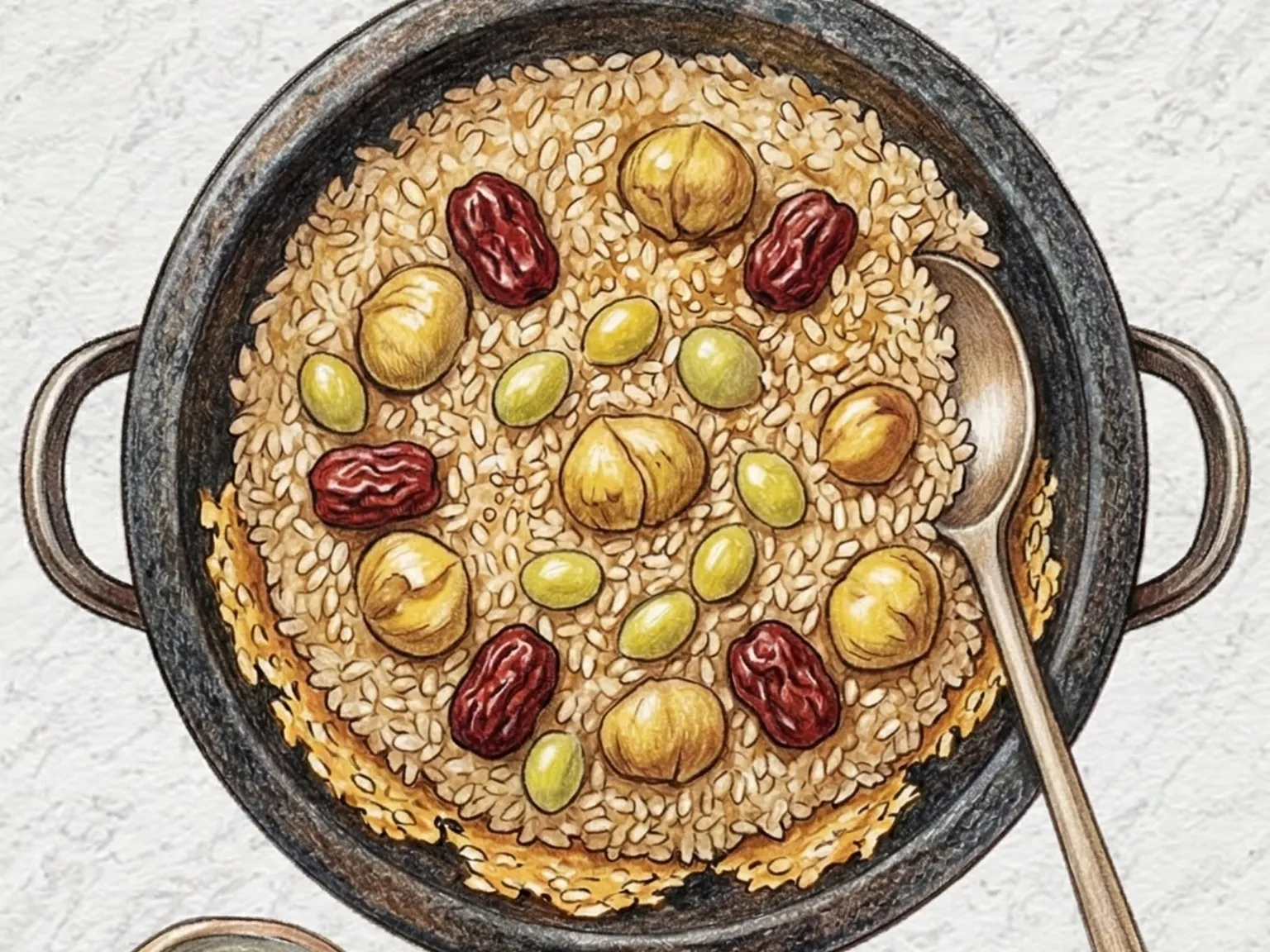
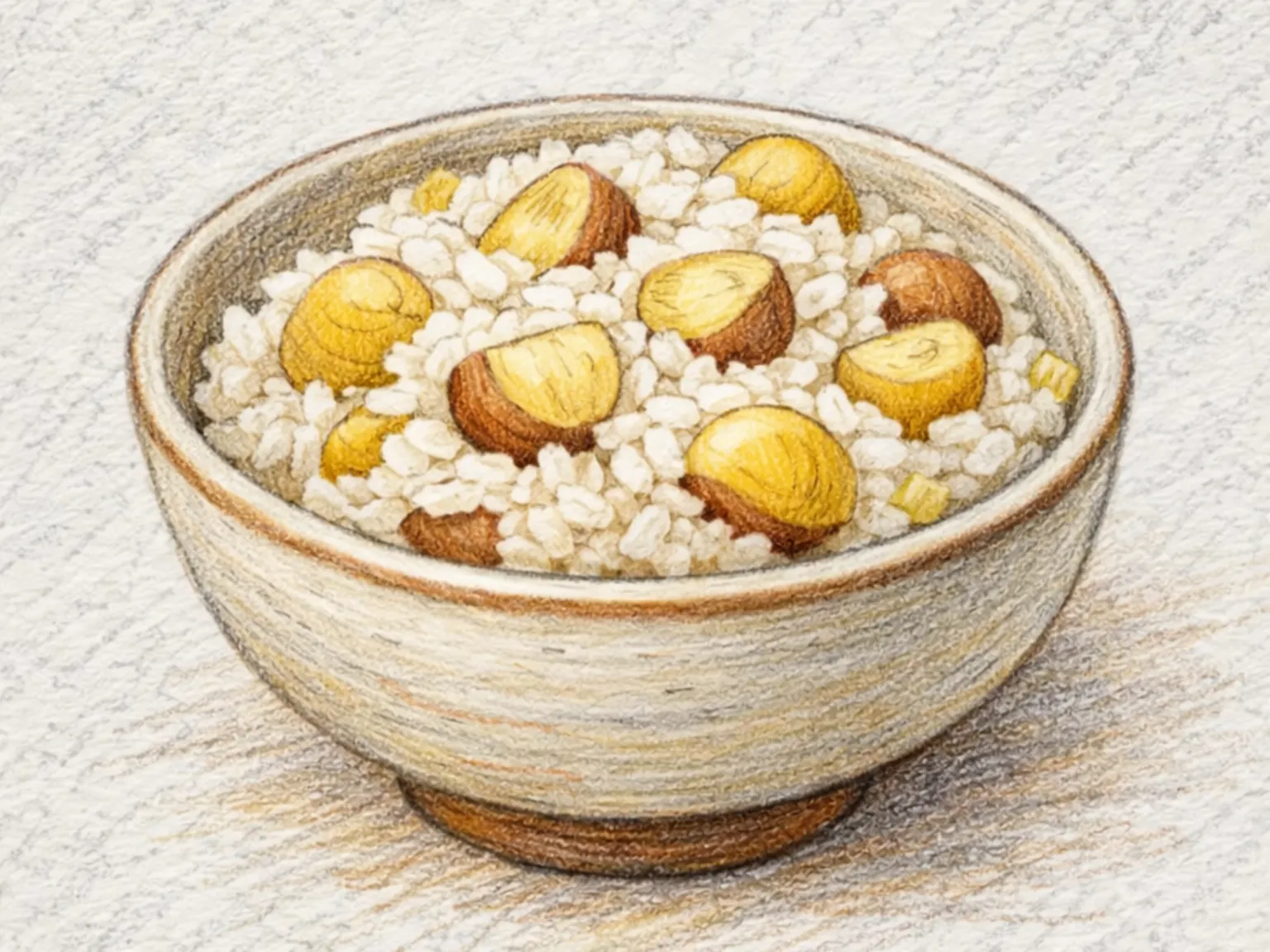
Bam bap is a Korean seasonal rice dish that pairs freshly harvested chestnuts with white rice, cooked together in the same pot. Peeled chestnuts are placed on top of soaked rice and steamed, allowing their starch to dissolve slightly into the cooking water and infuse each grain with a subtle sweetness. Black sesame seeds sprinkled over the finished bowl add a nutty contrast. The dish requires only salt for seasoning, letting the natural flavor of the chestnuts come through. A small bowl of soy-based dipping sauce is typically served alongside to add depth as needed. Cutting the chestnuts into halves or quarters before cooking distributes their flavor more evenly throughout the rice. The dish is most commonly prepared in autumn when fresh chestnuts are in season.
Adjust Servings
Instructions
- 1
Boil chestnuts briefly and peel.
- 2
Wash rice, place in pot, top with chestnuts.
- 3
Add water and cook the rice.
- 4
When done, sprinkle with black sesame seeds.
As an Amazon Associate, we may earn from qualifying purchases.
Tips
Nutrition (per serving)
More Recipes

Korean Lotus Root Rice (Steamed Rice with Crunchy Lotus Root Slices)
Yeongeun-bap is Korean rice cooked together with sliced lotus root, which keeps a distinctive crunch even after steaming. As the lotus root heats, its starch turns slightly sticky on the surface while the core stays firm, giving each bite a layered texture. A simple seasoning sauce of soy sauce and sesame oil is mixed in at the table. The lotus root's natural mild sweetness permeates the entire pot, making this a satisfying one-bowl meal on its own.

Korean Sweet Potato Rice (Steamed Grain Bowl with Natural Sweetness)
Cubed sweet potato is placed on top of washed rice and cooked together in a single pot. As the rice steams, the sweet potato's natural sugars seep into the grains, lending a gentle sweetness without any added seasoning, and the orange chunks against white rice create an inviting visual contrast. Cutting the sweet potato to roughly 2 cm ensures it cooks through at the same rate as the rice. A small pinch of salt sharpens the sweetness, and pairing the finished bowl with doenjang soup or kimchi provides a salty counterpoint.

Korean Hemp Seed Rice (Nutty Protein-Rich Grain Rice)
Cheongsam bap is a Korean nutritional rice made by cooking toasted hemp seeds together with short-grain rice. The hemp seeds bring a nutty flavor and a pleasant pop of texture that transforms plain white rice into something more interesting, while also adding a meaningful boost of plant protein and healthy fats. The preparation is as simple as regular rice cooking - just add the seeds and a pinch of salt before starting the cooker. The mild, toasty flavor of the hemp seeds pairs well with virtually any side dish, or the rice can stand on its own as a wholesome, understated bowl.

Korean Seafood Rice Bowl (Shrimp Squid Clam Starchy Sauce Bowl)
Shrimp, squid, and clams are stir-fried with garlic, then seasoned with oyster sauce and soy sauce before being thickened with a cornstarch slurry. The slurry gives the sauce a glossy sheen and helps it cling to each piece of seafood, so when ladled over rice the sauce gradually seeps downward rather than pooling. Adding the seafood last and cooking briefly keeps each piece plump, while the natural liquor from the clams forms the umami backbone of the sauce. The entire dish comes together in about 25 minutes from start to finish.

Korean Tteokbokki Noodles
Tteok-bokkeum-myeon stir-fries udon noodles and cylindrical rice cakes together in a gochujang-based sauce that is both spicy and slightly sweet. The two main components offer contrasting textures - stretchy rice cakes and springy noodles - coated in the same thick, red sauce. Fish cake and boiled eggs are common additions. The dish takes about 25 minutes from start to plate, with most of the work being chopping ingredients and stirring everything in a single pan. It is a staple of Korean street-food culture.

Korean Injeolmi Toast (Buttery Toast Topped with Rice Cake and Soybean Powder)
Injeolmi toast starts with bread pan-toasted in butter until golden, then topped with sliced injeolmi rice cake, a generous dusting of roasted soybean powder, and a drizzle of honey. The crisp bread contrasts with the sticky, chewy rice cake, while the soybean powder adds a toasty, nutty flavor that ties everything together. Briefly pan-frying the injeolmi before placing it on the toast enhances its elasticity and lightly caramelizes the surface. The entire dish comes together in under ten minutes.