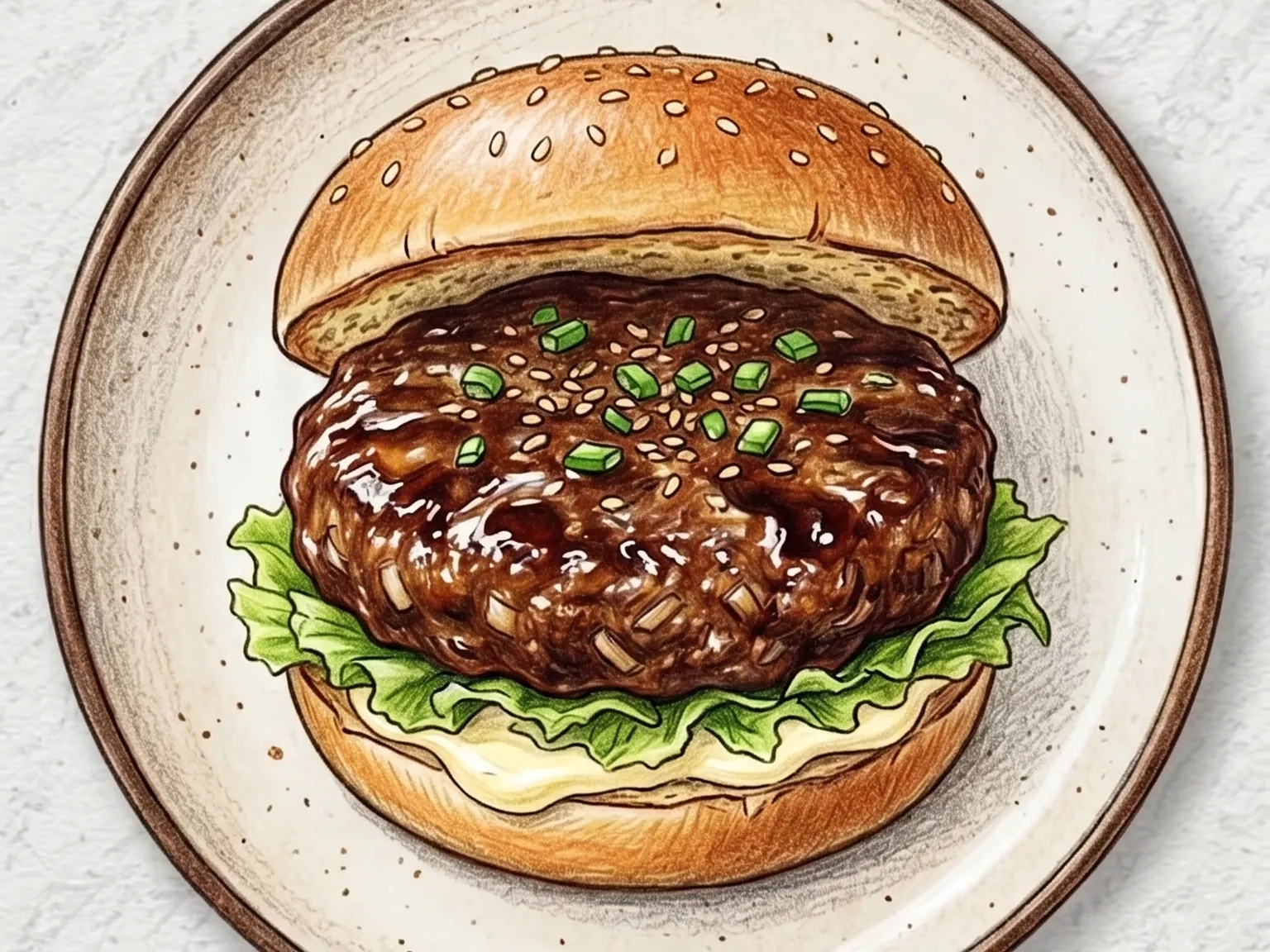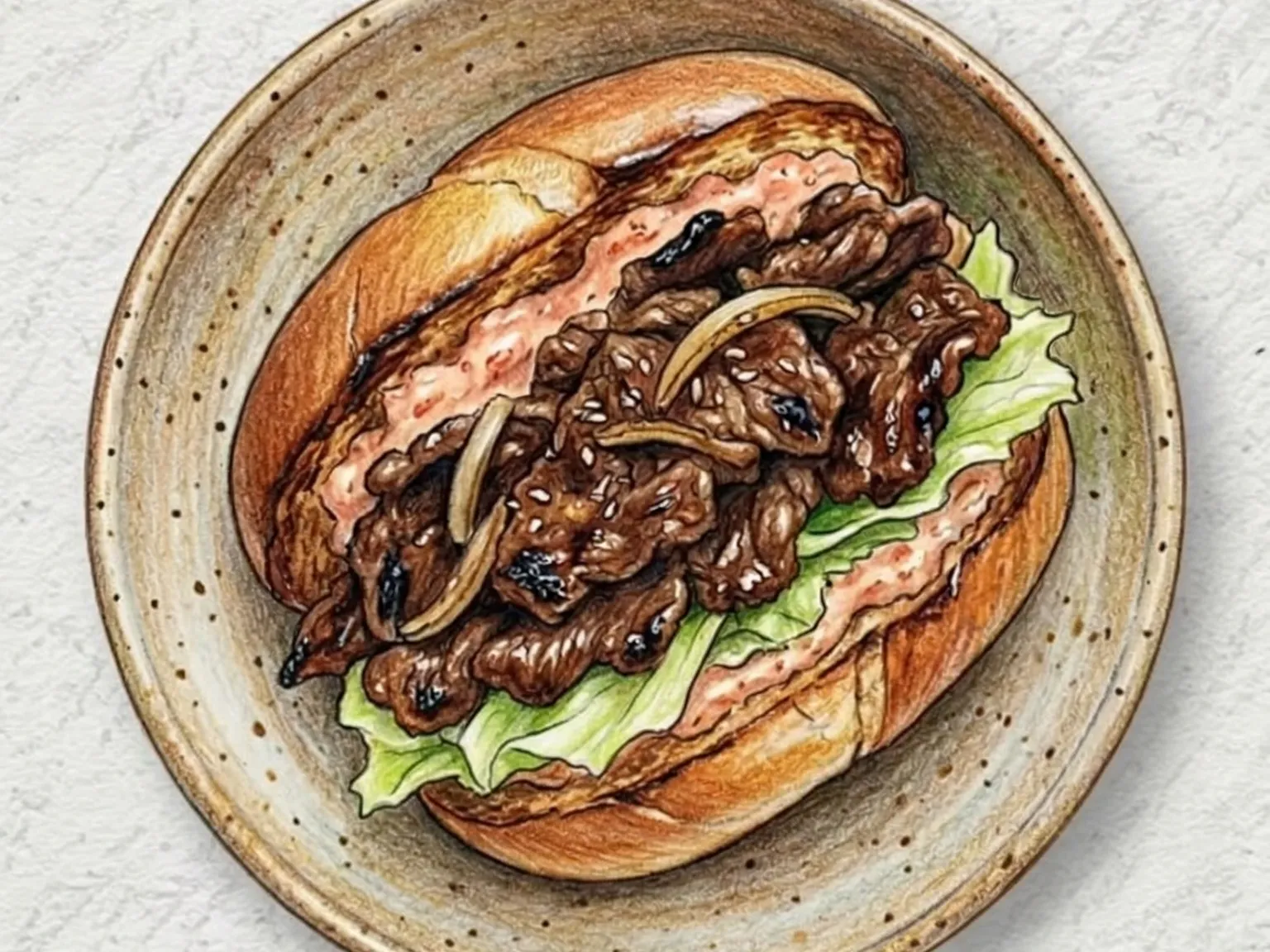
Korean Bulgogi Sandwich (Soy-Marinated Beef Toast with Mayo Lettuce)
Bulgogi sandwich layers soy-marinated, high-heat stir-fried beef onto lightly toasted bread with mayonnaise and lettuce. The beef marinates briefly in soy sauce, sugar, garlic, and sesame oil, and the quick sear over high heat caramelizes the surface for concentrated savory-sweet flavor. Crisp lettuce and a spread of mayonnaise add crunch and creaminess that contrast with the bold meat. Mixing ssamjang into the mayo intensifies the Korean character of the sandwich.
Adjust Servings
Instructions
- 1
Marinate beef in soy sauce, sugar, garlic, and sesame oil for 10 minutes.
- 2
Stir-fry bulgogi in a hot pan over high heat.
- 3
Lightly toast bread, spread mayo on one side, and add lettuce.
- 4
Top with bulgogi, cover with the other bread slice, and cut in half.
As an Amazon Associate, we may earn from qualifying purchases.
Tips
Nutrition (per serving)
More Recipes

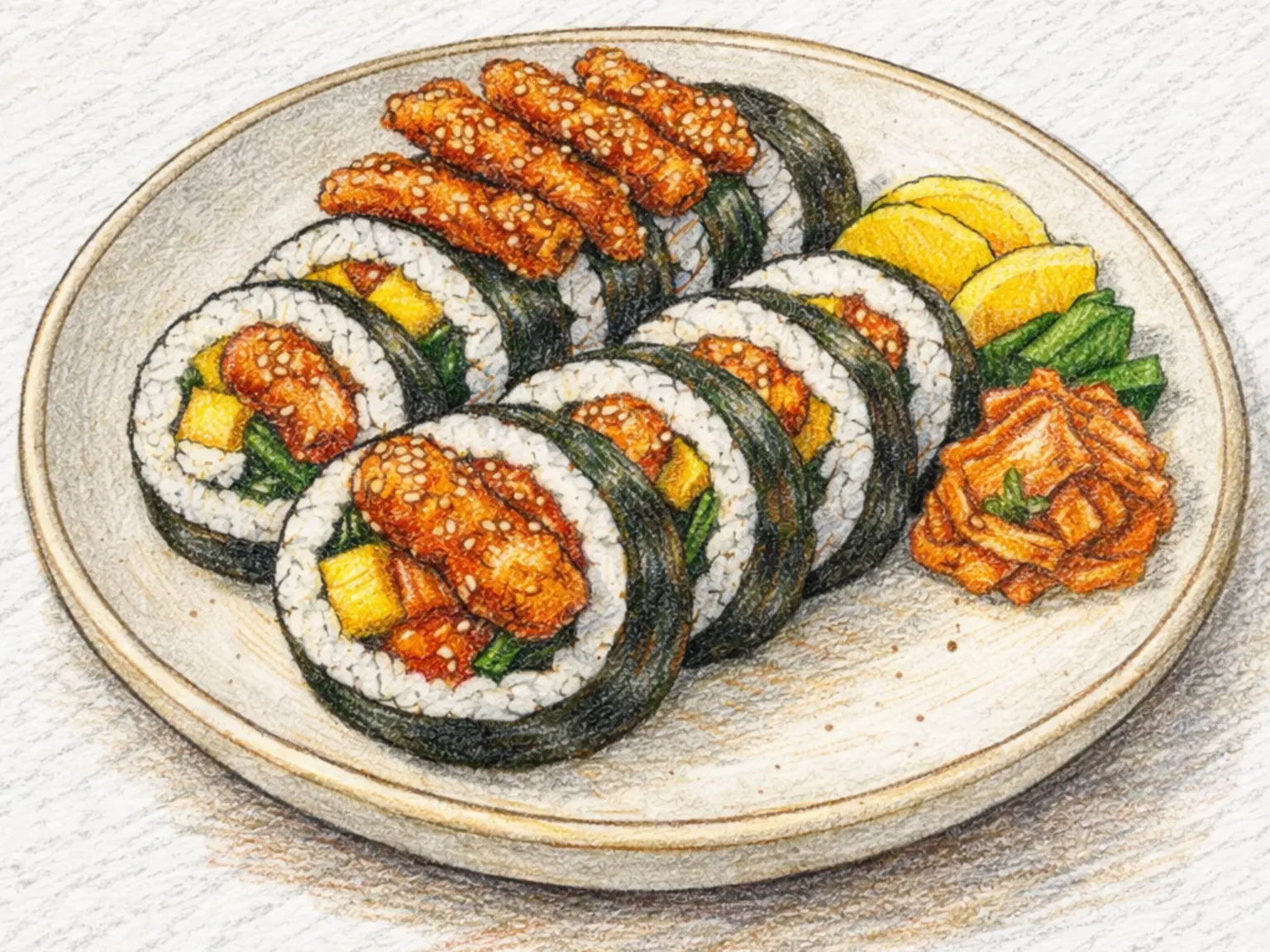
Korean Beef Gimbap (Soy-Marinated Beef Seaweed Rice Roll)
Sogogi-gimbap is a Korean seaweed rice roll featuring beef marinated in soy sauce and sugar, then stir-fried. The sweet-savory beef is rolled alongside sesame-seasoned rice, blanched spinach, sauteed carrots, and thin egg omelet strips inside a sheet of gim. The soy marinade from the beef seeps slightly into the rice, distributing flavor evenly through each cross-section slice. Thinly cut against the grain, the beef stays tender when bitten, while the spinach and carrot provide crisp texture and vegetable sweetness to balance the richness.

Korean Galbi Tteokbokki (Soy-Braised Pork Rib Rice Cake Stir-Fry)
Galbi tteokbokki marinates boneless pork ribs in soy sauce, sugar, mirin, garlic, and sesame oil for fifteen minutes, then braises them with rice cakes. The ribs are seared over high heat first to lock in their savory juices, then water and rice cakes are added and simmered on medium until the sauce reduces and coats the tteok. No gochujang is used, so there is zero heat -- the flavor profile is entirely soy-and-sugar sweet-salty, deepened by the rendered pork fat and juices. Green onion and sesame seeds finish the dish, and the reduced sauce glazes both the rice cakes and meat with a visible sheen.

Korean Sausage Skewers
Sosiji-kkochi are Korean sausage skewers made by scoring Vienna sausages and threading two or three onto wooden sticks, then pan-frying until golden brown on all sides. The score marks open up during cooking, allowing heat to penetrate evenly and creating slightly caramelized, crispy edges. Ketchup and mustard are served alongside, with the tomato sweetness and sharp mustard bite complementing the salty sausage. The dish takes under 15 minutes from start to finish, and threading rice cakes between the sausages turns it into a sotteok-sotteok variation.

Korean Jjajang Tteokbokki
Jjajang tteokbokki cooks chewy rice cake sticks in a sauce of black bean paste (chunjang) stir-fried with ground pork, onion, and cabbage. Pre-frying the chunjang in oil removes its raw bitterness and leaves a balanced sweet-salty umami that clings thickly to the rice cakes. Unlike standard gochujang-based tteokbokki, there is no chili heat - the dominant flavor is the deep, roasted black bean paste enriched by rendered pork fat. Julienned cucumber on top adds a fresh, crunchy counterpoint.

Korean Kimchi Bulgogi (Kimchi Stir-Fried Marinated Beef)
Kimchi bulgogi combines soy-and-pear-marinated beef slices with aged napa kimchi, stir-fried together over high heat. The pear juice tenderizes the meat and adds a subtle sweetness that the kimchi's sharp acidity and salt cut through, creating a layered seasoning. As the two cook together, kimchi liquid seeps into the beef and builds a more complex umami than standard bulgogi alone. A finishing drizzle of sesame oil rounds out the dish, which pairs best with plain steamed rice to absorb the pan juices.

Korean BBQ Beef
Bulgogi is Korea's signature marinated beef dish, made by soaking thinly sliced sirloin or chuck in a mixture of soy sauce, grated pear, sugar, minced garlic, and sesame oil, then searing it quickly over high heat. The pear serves as a natural tenderizer-its enzymes break down the meat's proteins so each slice pulls apart easily-while its fructose merges with the soy sauce into a balanced sweet-salty glaze. Cooking in small batches is essential: overcrowding the pan drops the temperature and steams the meat instead of searing it, producing a gray, chewy result rather than caramelized brown edges. A final drizzle of sesame oil and a scatter of sesame seeds before plating adds a roasted, nutty finish.